Reliability and performance don’t often go hand in hand, especially when it comes to cars built for speed, style, or thrills. Performance vehicles, luxury machines, and niche sports cars are notorious for high maintenance costs, fragile components, and frequent trips to the shop.
Yet, some models manage to defy the odds, offering not only excitement behind the wheel but also durability that rivals economy cars. That’s where this list comes in: 10 Cars That Shouldn’t Be Reliable But Somehow Are.
From Japanese engineering marvels like the Acura Integra Type S to surprising underdogs like the Hyundai Genesis Coupe, these vehicles deliver the kind of dependability you’d expect from commuter sedans, all while serving up engaging driving dynamics.
Whether it’s a high-revving BMW M3, a practical yet sporty Audi S3, or even a turbocharged Ford Mustang, each car proves that being fun doesn’t have to mean being fragile. Let’s explore the standouts.
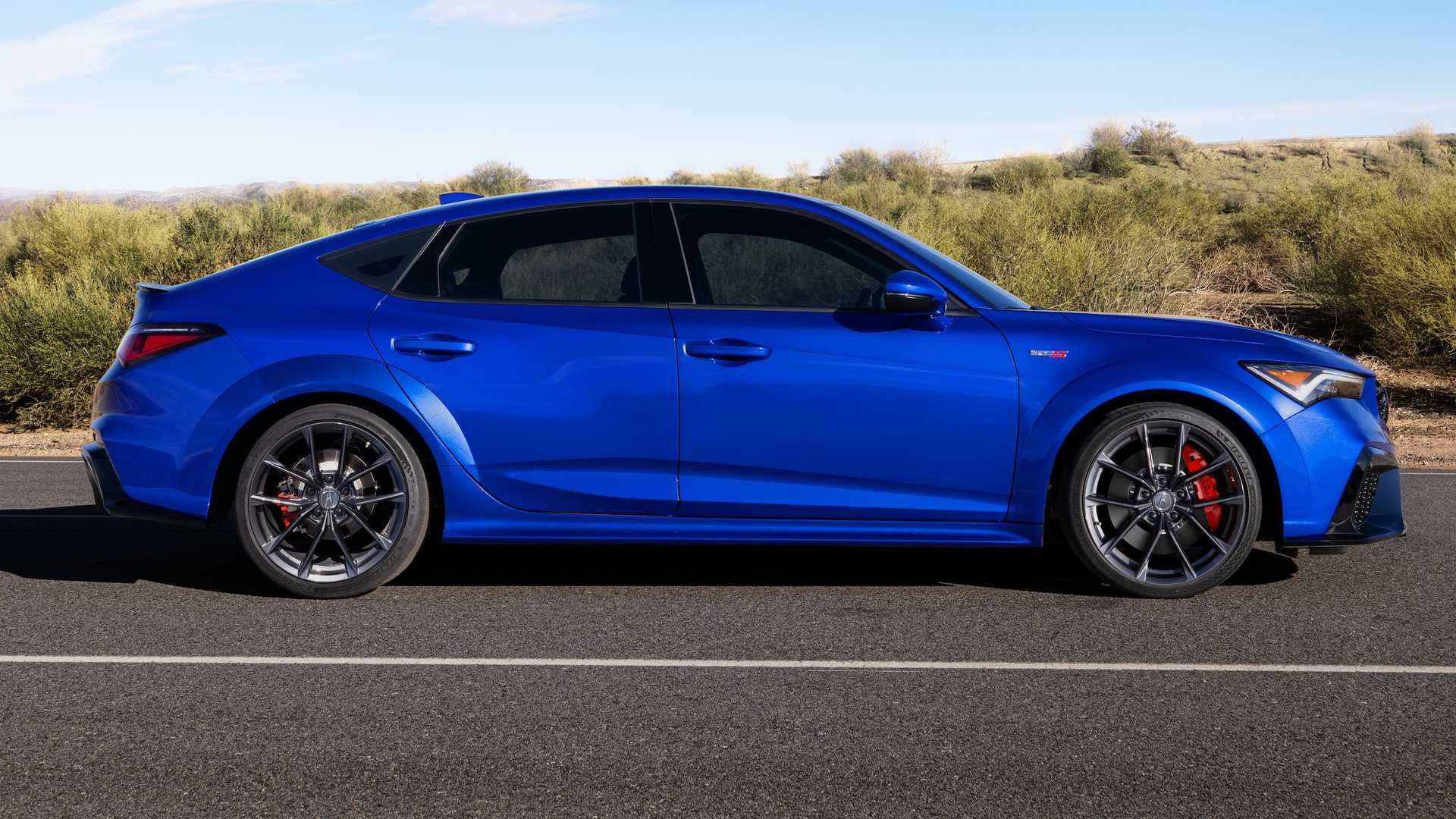
1. 2024 Acura Integra Type S (and Honda Civic Type R)
The 2024 Acura Integra Type S and its corporate sibling, the Honda Civic Type R, are built on a reputation for Japanese reliability. Both score an impressive 79/100 in reliability, and their annual maintenance cost averages just $341, according to RepairPal.
With six recalls, staying updated on service is crucial, but both models still remain inexpensive to own. Acura offers a four-year/50,000-mile warranty and two years of scheduled maintenance, further boosting confidence.
As Acura’s smallest and most affordable model, the Integra elevates Civic foundations with upscale touches. Premium audio, driver-assist systems, and a roomy interior make it a versatile daily driver. The new Type S trim finally delivers the sporty edge enthusiasts missed from the standard Integra, packing serious performance credentials.
The Integra Type S shares a 2.0-liter turbocharged 4-cylinder engine with the Civic Type R, producing 320 horsepower and 310 lb-ft of torque through a 6-speed manual transmission. It accelerates from 0–60 mph in 5.1 seconds and reaches a top speed of 167 mph, while still managing 21/28 mpg efficiency.
While rivals like the Volkswagen Golf R or Ford Mustang are quicker off the line, the Integra Type S shines once rolling. It posted a strong 1.04 g skidpad grip and a short 105-foot braking distance. Steering is precise, and the manual gearbox is among the best available today. Compared to German competitors, the Integra feels more raw and engaging, making it one of the most rewarding driver’s cars in its class.
Scoring 8.5/10 in comfort, the Type S offers a good balance between sportiness and civility. Seats are supportive for long drives but lack aggressive bolstering for track use. With added sound insulation, the cabin is quieter than the Civic Type R, though the engine note remains buzzy. Daily usability is strong, making it more livable than hardcore performance rivals.
The Integra’s cabin earns 8.5/10 for design. While more basic than luxury rivals like the Audi S3, it delivers excellent ergonomics, visibility, and a clean layout. Large climate knobs and a driver-friendly seating position keep things practical and intuitive.
Technology, however, rates 7.5/10. The 9-inch infotainment screen feels undersized, and the 16-speaker ELS audio system underwhelms compared to Acura’s larger models. Wireless Apple CarPlay and Android Auto are standard, but the wireless charging pad overheats devices. On the plus side, driver-assist tech is excellent, with adaptive cruise and lane keeping performing reliably.
One of Integra’s standout strengths is storage. With 24.3 cubic feet of cargo space, it outclasses the Audi S3 and BMW 3 Series by a wide margin. The hatchback design, 60/40 split-folding rear seats, and spacious rear legroom make it more versatile than most small luxury sedans. Families will also appreciate its car seat–friendly layout.
The Integra Type S achieves 24 mpg combined (EPA-estimated), with real-world tests reaching 28 mpg. Premium fuel is required, but efficiency is commendable for a performance car.
Priced fairly against its segment, it undercuts higher-powered German rivals like the BMW M340i while delivering a purer driving experience. Compared to the Audi S3, it may feel less premium inside, but it compensates with stronger practicality and lower ownership costs. The Integra Type S balances fun, function, and affordability better than many competitors.
The 2024 Acura Integra Type S restores the Integra nameplate’s sporty legacy, combining reliability, practicality, and an engaging manual transmission. While not the quickest in its class, it delivers thrilling handling, ample cargo space, and solid value. For buyers wanting a daily driver that blends excitement with everyday usability, the Integra Type S and its sibling, the Honda Civic Type R, are top contenders.
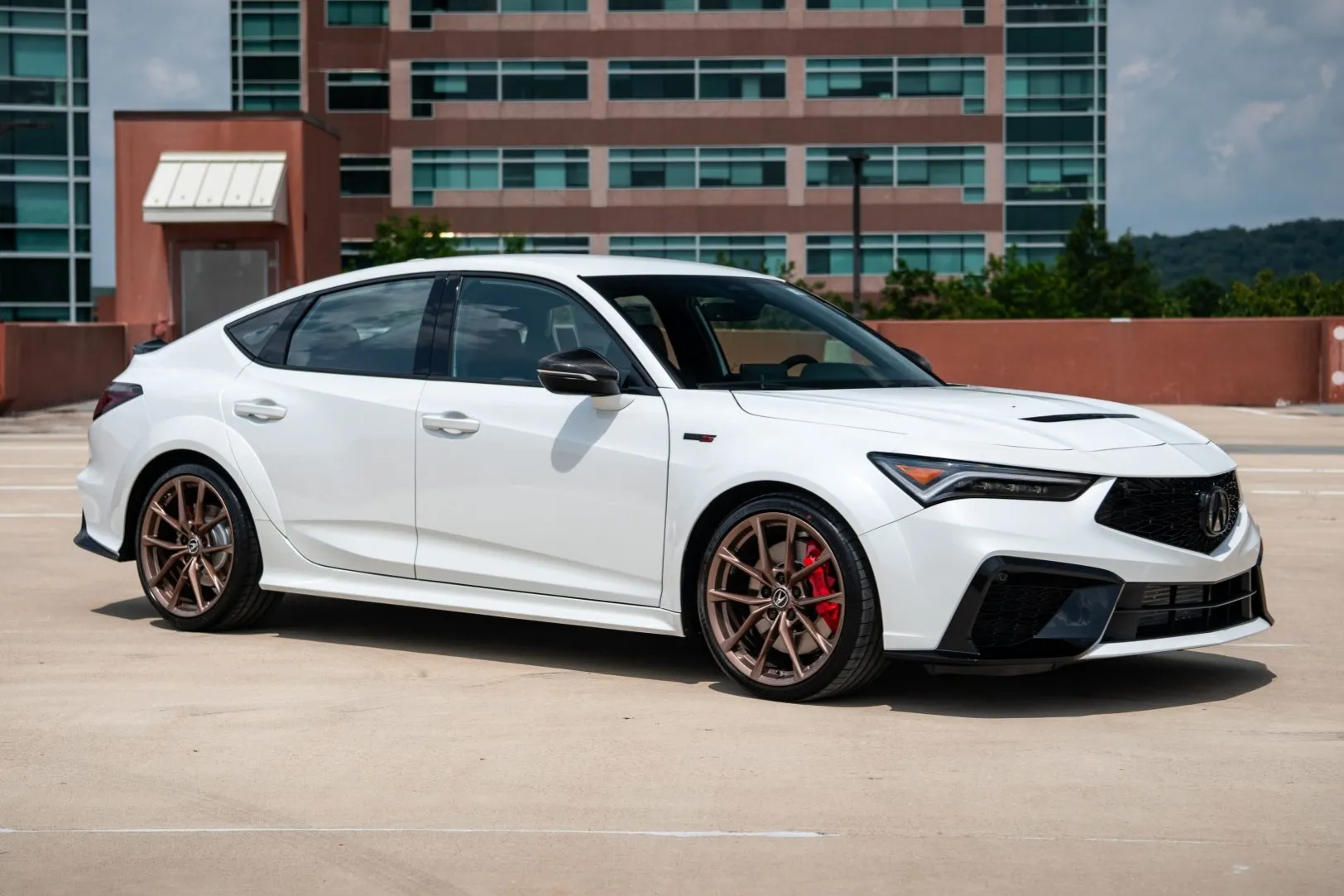
2. 2014 Hyundai Genesis Coupe
The 2014 Hyundai Genesis Coupe represents a unique period in Hyundai’s history, when the Genesis name was still a sub-brand and not yet a direct competitor to Lexus or BMW. Despite its brief run, the Genesis Coupe has held up well, earning a reliability score of 80 out of 100.
Much of this strength comes from its mechanical simplicity. With a stout naturally aspirated 3.8-liter V6 under the hood, there are fewer components that might fail compared to the more complex turbocharged setups of its rivals.
Owners do need to be mindful of sourcing parts, however, since availability can sometimes be challenging due to the car’s limited production. Maintenance costs average $621 annually according to RepairPal, and the car has been subject to six recalls, though none that dramatically undermine its dependability.
Safety features were competitive for its time, including stability and traction control, antilock brakes, side airbags, and the brand’s BlueLink telematics system, which added roadside assistance and parental monitoring tools.
Performance has always been the Genesis Coupe’s strongest selling point. Buyers could choose between a turbocharged 2.0-liter four-cylinder producing 274 horsepower and 275 pound-feet of torque, or the more desirable 3.8-liter V6 with 348 horsepower and 295 pound-feet of torque.
The V6 was capable of sprinting from zero to sixty in about 5.3 seconds, a respectable figure that put it in the same conversation as much pricier performance coupes, though V8-powered competitors such as the Ford Mustang and Chevrolet Camaro remained quicker.
Both a six-speed manual and an eight-speed automatic transmission were available, with the latter gaining rev-matching downshifts for smoother and more engaging performance.
On the road, the Genesis Coupe proved itself as one of the better-balanced cars in its segment. Steering feel may have been on the lighter side, but responses were sharp, and the chassis delivered a playful and poised character.
The R-Spec and Ultimate trims leaned further into performance with firmer suspensions and larger wheels, though this came at the cost of ride comfort and increased road noise. Braking was solid as well, with stopping distances from 60 mph averaging between 112 and 116 feet depending on the trim.
In terms of comfort, the Genesis Coupe offered a middle ground between daily usability and sports car edge. The base models delivered a ride that was firm but not punishing, while higher trims dialed up stiffness in pursuit of better handling.
Road and tire noise could be intrusive, especially on long highway trips, yet the front seats themselves were exceptionally supportive. Long-distance driving was made more pleasant with the addition of a telescoping steering wheel, which helped drivers of all sizes find a proper position behind the wheel.
The rear seats, however, were more symbolic than functional, with space limitations making them suitable only for children or additional storage.
The cabin of the Genesis Coupe combined sporty design cues with Hyundai’s focus on value. The dashboard flowed smoothly into the door panels, though this created an unusual placement for the window and mirror switches.
Materials were competitive for the price point but not on par with luxury rivals, with some harder plastics reminding occupants of its budget roots. Feature availability was generous, with models offering navigation, a large touchscreen, and a 10-speaker Infinity audio system, though audio quality left something to be desired.
Climate controls were refreshingly simple with a two-knob setup, and the inclusion of three auxiliary gauges on the center stack added a performance-inspired touch, though some might find them more decorative than functional. Trunk space was surprisingly usable at 10 cubic feet, and folding rear seatbacks enhanced practicality for larger items.
The Genesis Coupe faced an increasingly crowded field in 2014. The BMW 2 Series offered greater refinement and prestige, the Scion FR-S and Subaru BRZ provided razor-sharp handling, albeit with much less power, and American muscle cars delivered superior straight-line speed.
The imminent arrival of the redesigned Ford Mustang and new Subaru WRX STI further raised the stakes. Despite this, the Hyundai stood out for its value. It combined strong performance, attractive styling, and an impressive feature list at a price point well below its European and Japanese rivals, making it a compelling choice for enthusiasts on a budget.
The 2014 Hyundai Genesis Coupe remains an appealing option for those seeking a rear-wheel-drive sports car that blends power, practicality, and affordability.
While it may lack the refinement of German rivals or the precision of the BRZ and FR-S, its muscular V6 performance, balanced dynamics, and strong reliability make it a car worth considering even years after its production ended. For buyers who value fun and performance without breaking the bank, the Genesis Coupe delivers a uniquely satisfying experience.
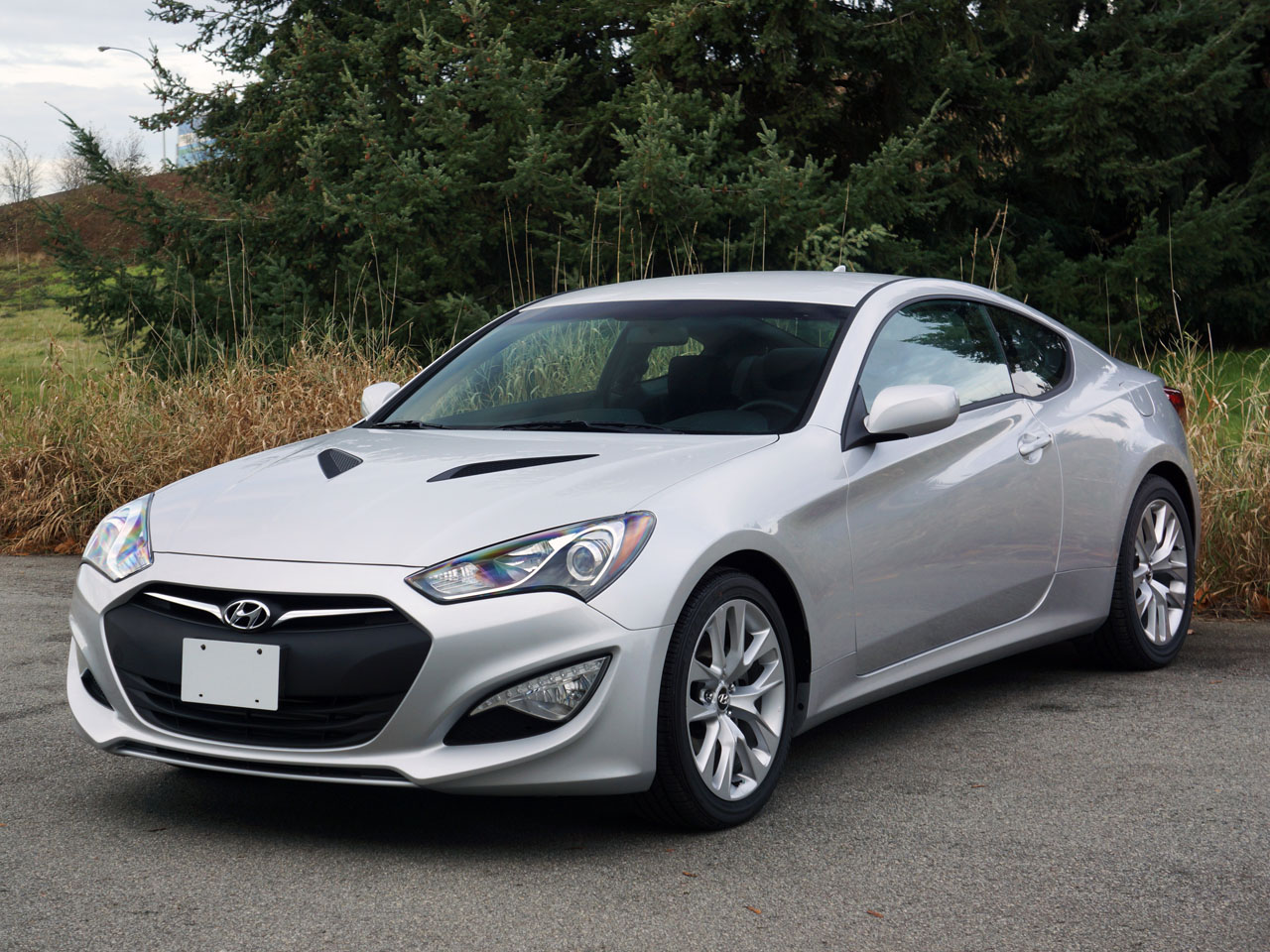
3. 2010 BMW M3
The 2010 BMW M3, part of the celebrated E9X generation, stands as one of the most iconic M cars ever built. With a reliability score of 80 out of 100, it is not what most would call trouble-free, but its dependability largely depends on attentive ownership.
Common issues such as rod bearings and throttle actuators require careful maintenance, and keeping the suspension fresh, along with regular oil changes, is key to avoiding major problems.
Annual maintenance averages $1,086 according to RepairPal, and the car has been subject to four recalls. While not cheap to own, the M3 rewards diligent care with one of the most thrilling driving experiences available.
At the heart of the 2010 M3 lies a naturally aspirated 4.0-liter V8, an engine closely related to BMW’s M5 V10. Producing 414 horsepower and 295 pound-feet of torque, it revs all the way to an exhilarating 8,400 rpm and delivers a sound that is nothing short of intoxicating. The car reaches 60 mph in 4.6 seconds and covers the quarter-mile in 12.7 seconds, keeping pace with rivals like the Porsche 911.
A six-speed manual transmission comes standard, while a seven-speed dual-clutch automatic is available for those wanting lightning-fast shifts. Both send power to the rear wheels through a locking differential, ensuring superb traction.
Fuel economy is predictably modest, rated at 14 mpg city and 20 mpg highway. On the road, the M3 feels agile, precise, and exceptionally well-balanced. Optional electronic damper control provides adjustable suspension settings, though even the standard setup offers a perfect mix of comfort and control.
Safety equipment includes stability control, traction control, antilock brakes, and multiple airbags. The coupe and sedan feature full-length curtain airbags, while the convertible substitutes rollover hoops for added protection. In brake testing, the M3 stopped from 60 mph in just 100 feet, one of the shortest distances recorded in its class.
Government crash tests of the related 3 Series sedan yielded four out of five stars for frontal impacts and a perfect five stars for side impacts. The Insurance Institute for Highway Safety rated the sedan “Good” in key categories, though the convertible earned a lower “Marginal” score.
Inside, the M3 offers a cabin that is both well-built and driver-focused. Sport seats strike a balance between long-distance comfort and support during spirited driving, making them some of the best in the segment.
Rear-seat space is limited, especially in coupes, and even the sedan falls short of rivals in headroom. Build quality is high, with excellent materials throughout, although the design is more understated compared to competitors.
Technology includes the updated iDrive infotainment system when paired with navigation, which is more intuitive than past iterations thanks to extra buttons and a streamlined interface.
Storage space is limited, with few cubbies for everyday items, though thoughtful touches like the automatic seatbelt arm in coupes and heat-reflective leather in convertibles enhance usability.
The 2010 BMW M3 represents the pinnacle of naturally aspirated M cars. With its high-revving V8, sharp handling, and versatile body styles, sedan, coupe, and convertible, it remains one of the most complete enthusiast cars ever made.
Rivals such as the Mercedes-Benz C63 AMG, Cadillac CTS-V, and Audi S4 offered compelling alternatives, but none matched the M3’s perfect blend of performance, daily usability, and pedigree. As the last naturally aspirated V8 M3, it stands as a true modern classic, one worth owning while it can still be found.
The 2015 Audi S3 is a compact luxury sport sedan that blends performance with practicality, earning a reliability score of 82 out of 100. Powered by VW’s well-proven EA888 turbocharged four-cylinder engine, the S3 benefits from durability, widespread parts availability, and relatively low running costs compared to other luxury models.
RepairPal estimates annual maintenance at $920, and the model has been subject to just two recalls, making it one of the more dependable options in its segment.
At the core of the S3 is a 2.0-liter turbocharged four-cylinder engine delivering 292 horsepower and 280 pound-feet of torque. Paired with a six-speed dual-clutch automated manual transmission, this powertrain sends power to all four wheels through Audi’s renowned Quattro all-wheel-drive system.
The result is brisk acceleration, with 0-60 mph achieved in just 4.7 seconds, and a top speed electronically limited to 155 mph. Despite its strong performance credentials, the S3 remains fuel-efficient for its class, returning an EPA-estimated 23 mpg city, 31 mpg highway, and 26 mpg combined.
On the road, the S3 impresses with its dual nature. It feels light and agile, offering sharp steering and confident handling, especially when equipped with adaptive suspension.
Drivers can choose between Comfort, Auto, and Dynamic driving modes, tailoring the experience from smooth commuting to spirited canyon runs. Dynamic mode enhances steering feedback, reduces body roll, and stiffens the suspension for precision handling. However, ride comfort suffers on rough roads, particularly with the optional 19-inch wheels.
Standard safety features on the 2015 S3 include traction and stability control, antilock brakes, front side airbags, and side curtain airbags. Buyers can also add rear seat side airbags, adaptive cruise control, lane-keeping assist, parking sensors, and frontal collision mitigation.
While the S3 itself has not been individually tested, its platform sibling, the A3, earned top ratings from both government and IIHS tests. The A3 sedan earned five stars in federal crash testing and received ‘Good’ ratings in all major IIHS categories, confirming strong occupant protection.
Inside, the Audi S3 strikes a balance between understated design and luxury craftsmanship. The cabin emphasizes modern simplicity, with clean lines, high-quality materials, and subtle details such as turbine-style air vents and polished switchgear.
The retractable MMI display, available with or without navigation, adds to the sleek look while providing intuitive control over infotainment functions. The upgraded MMI system even features handwriting recognition for entering navigation destinations.
Sport seats up front provide excellent support for both long-distance comfort and spirited driving. Rear passenger space, however, is tight, especially in terms of legroom, though headroom surpasses that of key rival Mercedes-Benz CLA45 AMG. Cargo space is limited as well, with just 10 cubic feet available in the trunk. The rear seats do fold in a 60/40 split, offering some flexibility for larger items.
The 2015 Audi S3 is the ideal blend of everyday usability and engaging performance. It delivers luxury touches, refined design, and an interior that feels premium without unnecessary flash. Its compact size and sport-tuned suspension make it better suited for enthusiasts than families, but it remains versatile enough for daily driving.
Competing models such as the BMW M235i, Mercedes-Benz CLA45 AMG, and Subaru WRX STI each offer unique advantages, yet the S3 strikes a compelling balance of performance, sophistication, and value. For those seeking a compact luxury sedan that truly “turns it up to 11,” the 2015 Audi S3 is a standout choice.
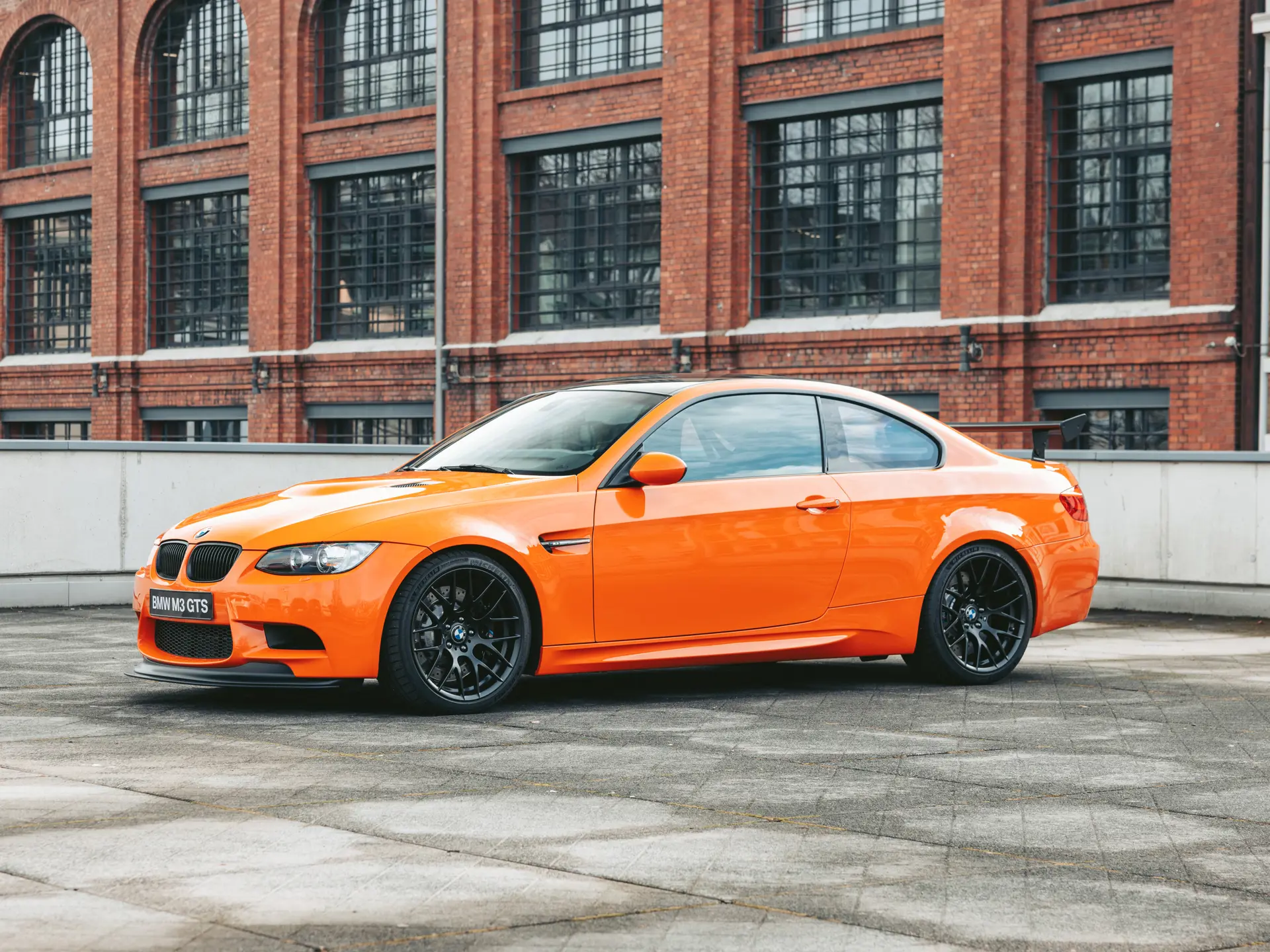
5. 2024 Ford Mustang EcoBoost
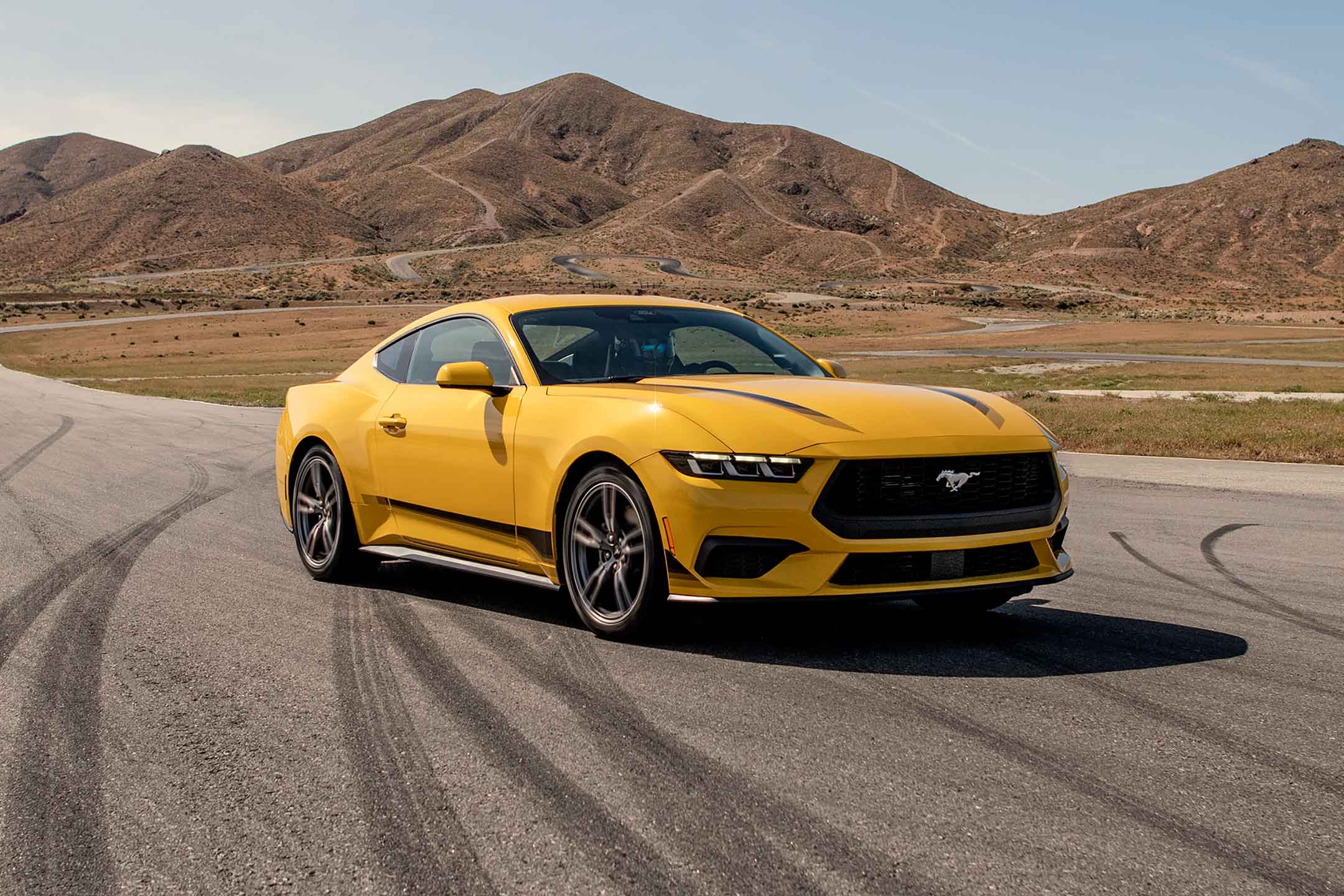
The 2024 Ford Mustang EcoBoost carries a reliability score of 82 out of 100, making it one of the more dependable entries in the sports coupe category. Powered by a turbocharged four-cylinder rather than a traditional V8, it benefits from proven engineering across multiple Mustang generations.
As a brand-new model, warranty coverage further reduces owner worries, though Ford’s recent track record of issuing recalls means owners should pay attention to manufacturer notices. Average annual maintenance is estimated at $709 according to RepairPal.
Equipped with a 2.3-liter turbocharged four-cylinder, the EcoBoost generates 315 horsepower and 350 pound-feet of torque, paired with a 10-speed automatic transmission and rear-wheel drive. Ford estimates a 0–60 mph time of 4.5 seconds with a top speed of 145 mph. Fuel efficiency is strong for a performance car, at 22 mpg city and 33 mpg highway.
In independent testing, the EcoBoost reached 60 mph in 5.6 seconds when equipped with the Performance package. Though not as quick as the GT’s V8 models, it remains lively and entertaining.
Handling is a highlight, with precise steering, excellent grip, and controlled body motions, while braking distances from 60 mph measured near 100 feet, impressive for its class. The EcoBoost’s lighter weight compared to the V8 versions also makes it feel more nimble on twisty roads.
Comfort in the Mustang EcoBoost is commendable for a performance coupe. The standard suspension handles bumps adequately, while the optional MagneRide adaptive system sharpens handling with only a mild sacrifice in ride comfort. Road and tire noise are present, but cabin insulation is better than expected, even in convertible models.
Seating options range from comfortable standard chairs to supportive Recaro sport seats, though larger drivers may find the latter restrictive. Climate control has gone fully digital, which modernizes the interior but sacrifices ease of use compared to physical knobs.
The redesigned interior embraces modernity with a fully digital 12.4-inch instrument cluster and a 13.2-inch infotainment display powered by Ford’s Sync 4 system. The digital gauges offer multiple layouts, while the touchscreen is sharp, responsive, and easy to navigate.
Despite the streamlined look, the reliance on touch-based climate controls may frustrate traditionalists. Storage options are sufficient, with space for daily items and a trunk capacity of 13.5 cubic feet in the fastback and 11.4 cubic feet in the convertible, more practical than rivals like the Camaro.
Technology offerings include wireless charging, multiple USB ports, and available driver aids such as automatic emergency braking, blind-spot monitoring, lane-keeping assist, and adaptive cruise control. The driver-assist features generally function well, though lane centering feels inconsistent. An optional 12-speaker B&O sound system adds premium audio, but its performance is underwhelming at higher volumes.
The EcoBoost model shines in efficiency, achieving 26 mpg combined in real-world testing, aligning with EPA estimates. By comparison, the V8-powered GT delivers 18 mpg combined, making the EcoBoost a more practical choice for daily use.
Value remains one of the Mustang’s strongest points, with the EcoBoost offering affordable access to an American performance icon. However, the cabin still features cheaper plastics than competitors like the Toyota GR Supra or BMW 2 Series.
Warranty coverage includes three years/36,000 miles bumper-to-bumper and five years/60,000 miles for the powertrain, with roadside assistance but no complimentary maintenance.
The 2024 Ford Mustang EcoBoost is proof that a Mustang doesn’t need a V8 to deliver excitement. Its turbocharged four-cylinder provides ample performance, sharp handling, and respectable efficiency, all wrapped in a modernized package that balances daily drivability with traditional pony car spirit.
While rivals like the Supra, BMW M240i, and Nissan Z offer their own strengths, the EcoBoost stands out as a stylish, reliable, and affordable way to enjoy America’s most enduring sports coupe.
Also Read: 5 Subaru Models That Handle Mileage Well vs 5 That Don’t
6. 2007 Porsche Cayman
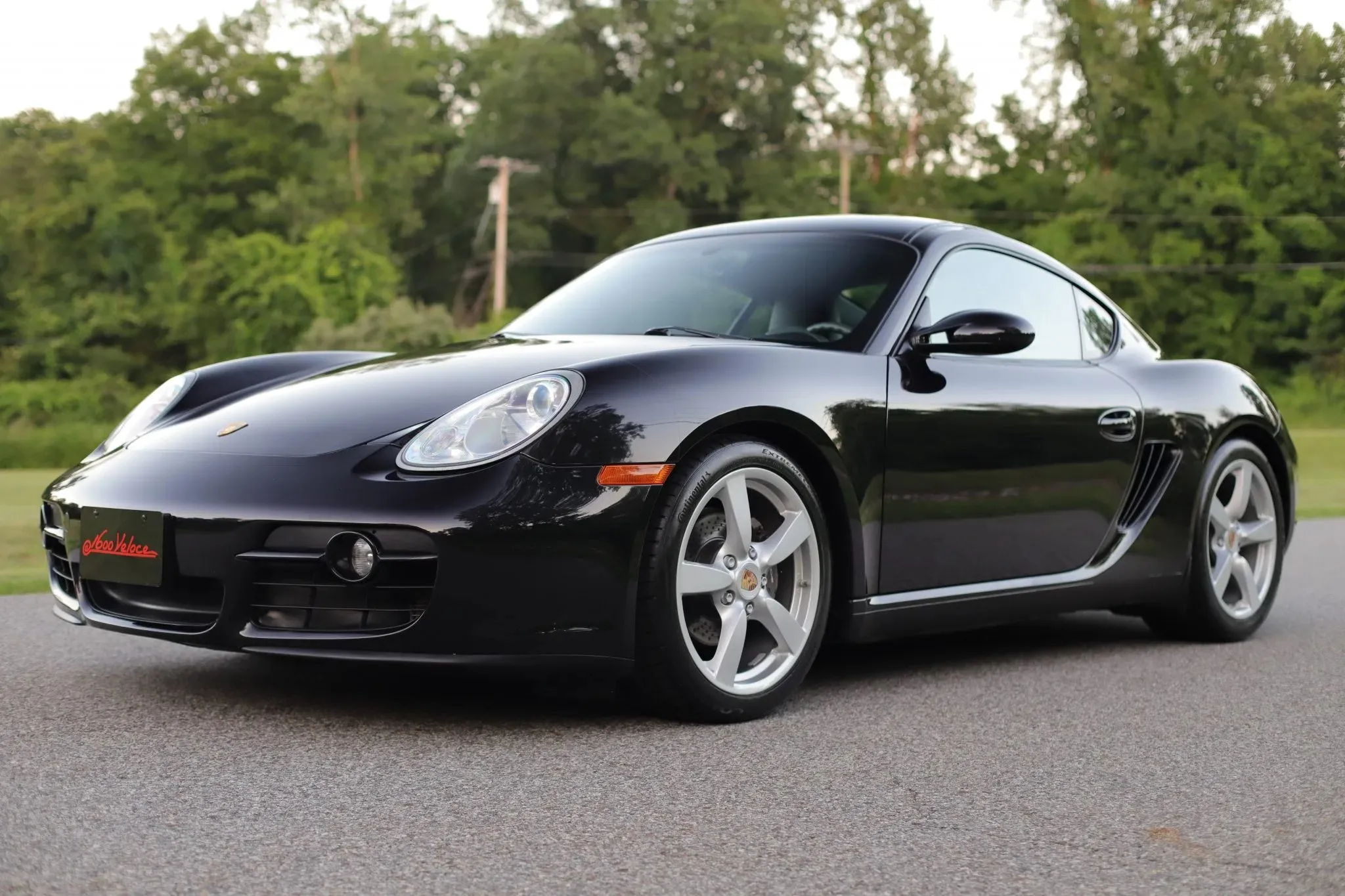
The 2007 Porsche Cayman stands out as one of the most well-rounded sports cars of its era, combining Porsche’s dependable water-cooled engine technology with a mid-engine layout that provides both performance and balance.
Known for its sharp handling and signature flat-six engine note, the Cayman offers a unique driving experience that bridges the gap between the more affordable Boxster and the higher-performing 911.
At its core, the base Cayman is powered by a 2.7-liter flat-six engine producing 245 horsepower and 201 lb-ft of torque, paired with a five-speed manual transmission. This setup delivers a 0-60 mph time of 5.9 seconds and a top speed of 160 mph, respectable figures for a sports coupe in its class.
For those seeking more punch, the Cayman S features a larger 3.4-liter flat-six generating 295 horsepower and 251 lb-ft of torque, dropping the 0-60 sprint to 5.1 seconds and pushing top speed to 171 mph. Buyers could also opt for a six-speed manual or the Tiptronic S automatic for added flexibility.
Reliability is another strength. By 2007, Porsche had refined its water-cooled engine design, resulting in greater dependability and relatively lower maintenance costs compared to earlier models.
Annual upkeep averages around $886, and while the mid-engine layout can complicate DIY repairs, ownership costs remain reasonable for a Porsche. The model has seen a handful of recalls, but its reliability score of 83/100 still reflects strong performance in this category.
On the road, the Cayman delivers a pure and engaging driving experience. Its mid-engine platform and rigid body structure make it exceptionally balanced and forgiving at the limit, sharper in handling than the Boxster, and more approachable than the 911.
Optional features like Porsche Active Suspension Management (PASM) enhance versatility, offering a comfortable ride in Normal mode and a firmer, track-ready feel in Sport mode. Braking is equally impressive, with short stopping distances and excellent pedal feedback, further reinforcing its confidence-inspiring nature.
Inside, the Cayman offers a cockpit that balances function and sportiness. The supportive seats provide long-distance comfort, while the hatchback design adds practicality with 14.5 cubic feet of cargo space, more than many rivals.
Some controls may initially seem confusing, but with time, they prove user-friendly. Safety features such as antilock brakes, stability and traction control, and side airbags come standard, ensuring peace of mind alongside performance.
Though its price tag starts near $50,000, placing it above rivals like the BMW Z4, Nissan 350Z, and Chevrolet Corvette, the Cayman brings something unique: an immersive connection between car and driver. Beyond performance numbers, it’s about the precision of the steering, the composed chassis, and the thrilling flat-six soundtrack that elevates every drive.
For enthusiasts seeking a sports car with Porsche pedigree, everyday usability, and a rewarding driving character, the 2007 Cayman represents an ideal balance of performance, reliability, and practicality.
7. 2008 BMW Z4
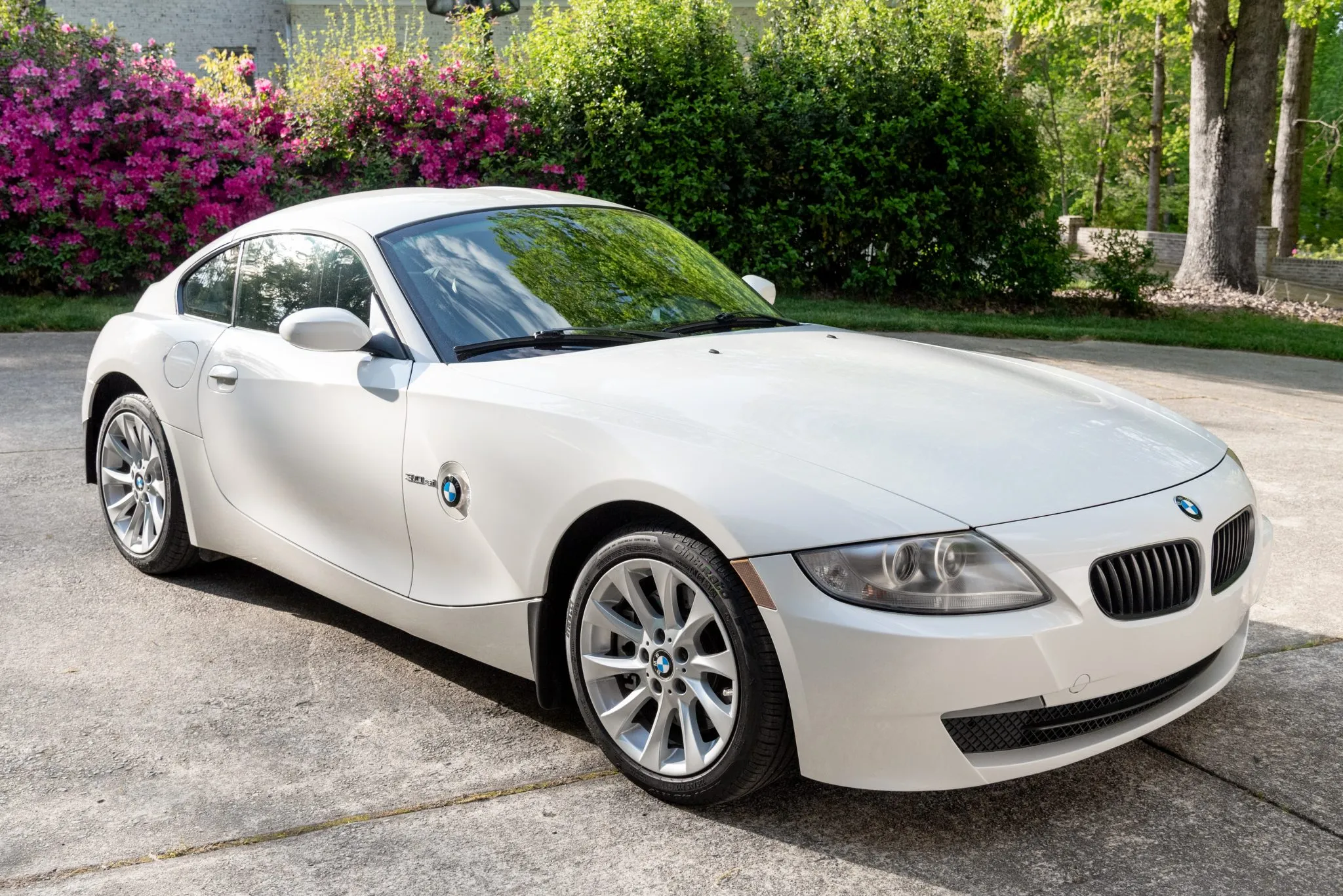
The 2008 BMW Z4 embodies the classic two-seat roadster spirit while adding German engineering, sharp handling, and a strong reliability record. With a reliability score of 85/100, the Z4 delivers both excitement and everyday usability, powered by BMW’s legendary inline-six engines known for their durability and smooth performance.
At its core, the standard Z4 3.0i features a 3.0-liter inline-six engine producing 215 horsepower and 185 lb-ft of torque, paired with a six-speed manual transmission. It accelerates from 0 to 60 mph in 6.3 seconds and reaches a top speed of 149 mph.
For more power, the 3.0si trim upgrades the same engine to 255 horsepower and 220 lb-ft, dropping the 0-60 sprint to 5.6 seconds. A six-speed automatic with manual shift control was optional, while both coupe and roadster body styles were available. Fuel economy is respectable, with EPA estimates of 18 mpg city and 28 mpg highway for manual-equipped cars.
Reliability remains one of the Z4’s strongest points, especially in the non-M 3.0-liter versions equipped with the M54 engine, long regarded as one of BMW’s most dependable powerplants. Maintenance costs average $798 annually, with only three recalls recorded, making it an affordable option in the premium sports car segment.
On the road, the Z4 excels in driving engagement. Its near-perfect weight distribution, precise steering, and sonorous exhaust note make it a delight on twisty back roads, while braking and handling are consistently strong.
The ride can be firm, especially with the optional Sport Package, but the car remains composed and agile. Wind and road noise are more noticeable in the roadster at highway speeds, yet the driving experience remains undeniably rewarding.
Inside, the cabin follows a simple, driver-focused design philosophy. The dashboard is uncluttered, gauges are clear, and the sport seats are supportive for spirited driving. Convertible models feature an easy-to-use soft top, available in manual or power-operated versions, that doesn’t compromise trunk space.
Cargo capacity measures 9 cubic feet in the roadster and slightly more in the coupe, which adds rigidity and a fastback profile for those preferring a fixed roof. Taller drivers may find the coupe a bit snug, but space is still sufficient.
Compared to rivals like the Porsche Boxster, Cayman, and Mercedes-Benz SLK, the 2008 Z4 offers a more affordable entry into premium sports car ownership without sacrificing performance or prestige. It may not match Porsche in ultimate handling finesse or the SLK’s retractable hardtop practicality, but the Z4 balances price, reliability, and driving pleasure, making it one of the most compelling sports cars in its class.
8. 2020 Mazda MX-5 Miata
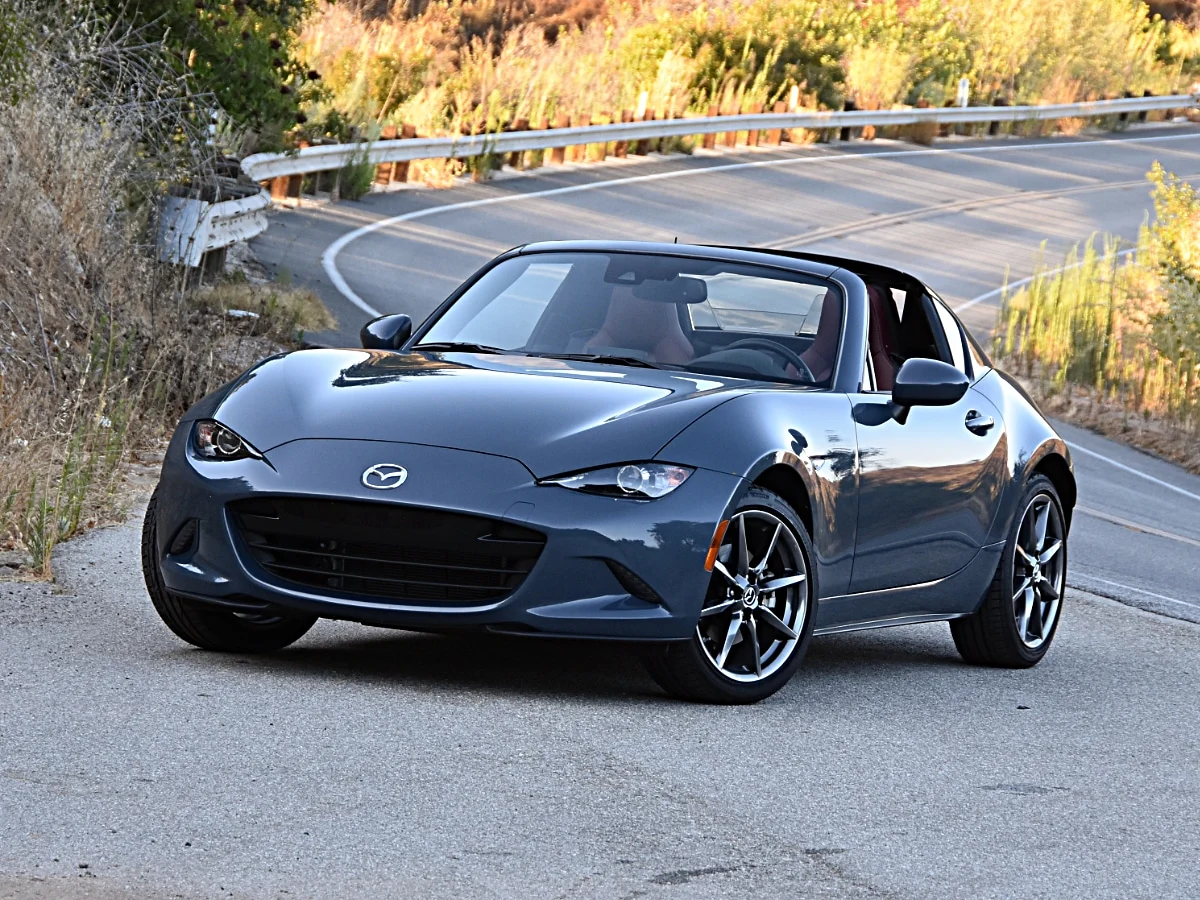
For over three decades, the Mazda Miata has been the benchmark for affordable, fun-to-drive roadsters, and the 2020 MX-5 Miata carries that tradition forward with a modern twist.
Designed to stay true to the original lightweight formula of the 1990s model, this fourth-generation Miata remains compact, agile, and lively, while offering updated technology and amenities for today’s drivers.
At the heart of the Miata’s appeal is its driving experience. Its rear-wheel-drive platform and featherweight build make it incredibly engaging even without extreme horsepower.
The 2.0-liter four-cylinder engine, paired with a six-speed manual, delivers 0-60 mph in just 6 seconds, with sharp brakes and responsive handling to match. Though body roll is noticeable during aggressive cornering, the Miata is precise, predictable, and easy to control, making every drive exhilarating.
Comfort, while not the Miata’s strongest suit, is better than expected for a small roadster. The ride is firm in the performance-oriented Club trim, thanks to Bilstein dampers, but still compliant over rough surfaces.
Optional Recaro seats add support and ventilation, though their higher seating position can make taller passengers uncomfortable. Cabin noise is the biggest drawback, with noticeable wind and road intrusion at highway speeds, requiring higher stereo volume for enjoyment.
Inside, the Miata keeps things simple yet purposeful. The compact cabin is snug but well-designed, with controls placed within easy reach and excellent forward visibility. Taller drivers may find head- and legroom limited, but the convertible top is a highlight, with its light, manual operation that makes lowering or raising it effortless.
Technology is balanced with the car’s driver-focused nature. Features like Apple CarPlay, Android Auto, and a nine-speaker Bose audio system enhance modern convenience without overshadowing the Miata’s purist ethos. Safety equipment includes lane departure warning and blind-spot monitoring, though the car’s small size already provides good visibility.
Practicality is limited, as expected for a two-seat convertible. The trunk offers just 4.6 cubic feet of space, with no rear seats or glovebox to expand capacity, though a small storage bin between the seats helps with essentials.
Fuel economy is another strength. With an EPA estimate of 29 mpg combined (26 city/34 highway), the Miata outperforms rivals like the Toyota 86 and Subaru BRZ, making it efficient as well as fun.
With a starting price that undercuts many competitors, solid build quality, and average warranty coverage, the 2020 Mazda MX-5 Miata delivers exceptional value. Above all, it remains unmatched in delivering pure, joyful driving, a modern classic that stays true to its roots.
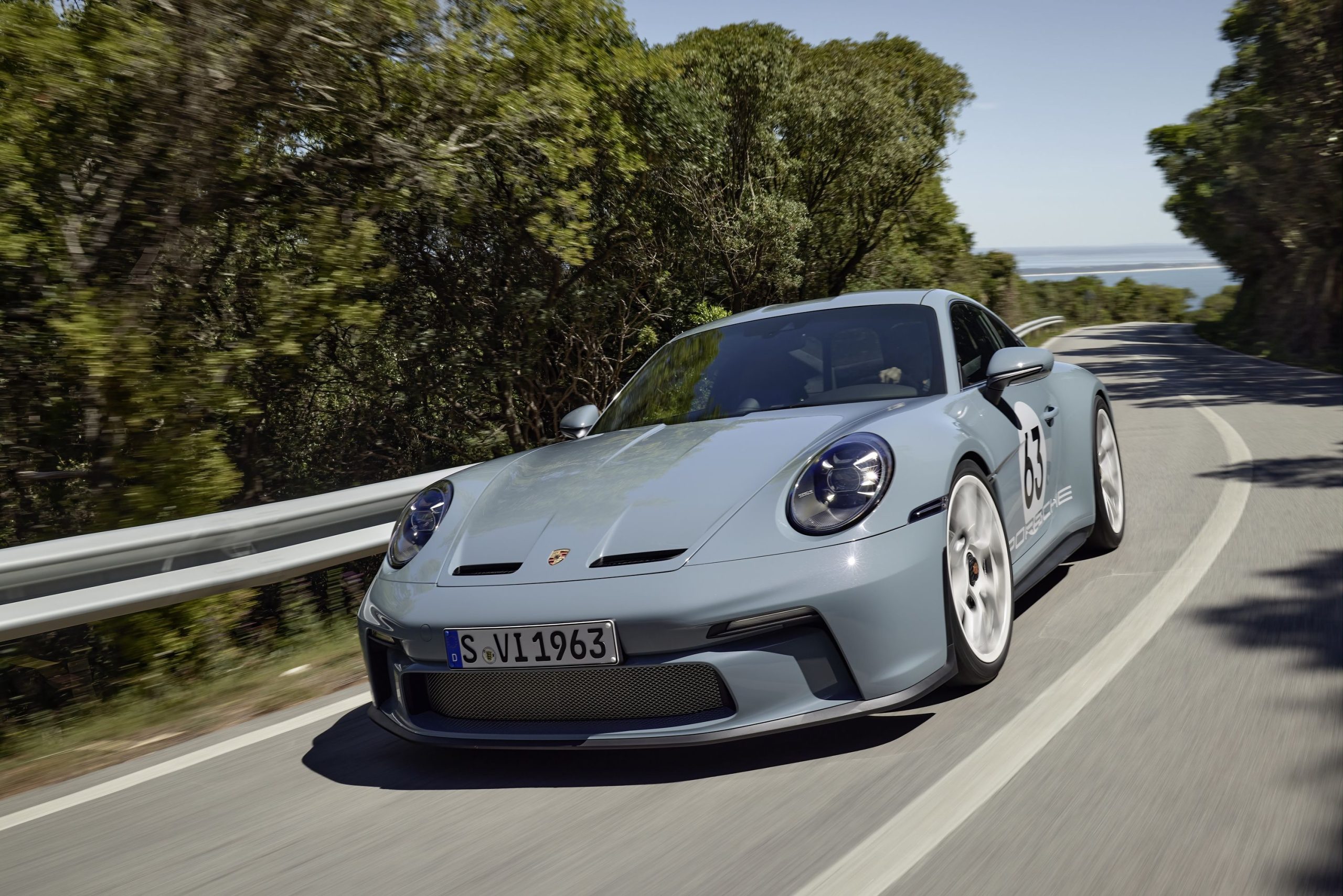
9. 2024 Porsche 911
Few cars embody the essence of a sports car as completely as the Porsche 911, and the 2024 model continues that legacy with remarkable versatility, outstanding performance, and a deep well of customization options. With a reliability score of 87/100, the latest 911 balances thrilling driving dynamics with livability, reaffirming its reputation as one of the best luxury sports cars on the market.
At its core, the Carrera S is powered by a 3.0-liter twin-turbocharged flat-six engine producing 473 horsepower and 420 lb-ft of torque. Paired with Porsche’s superb eight-speed dual-clutch automatic transmission, it accelerates from 0 to 60 mph in just 2.8 seconds and reaches a top speed of 193 mph.
Fuel economy is rated at 17 mpg city and 23 mpg highway, impressive for its performance class. Braking and handling are equally outstanding. Optional carbon-ceramic brakes stop the car from 60 mph in just 97 feet, while precise steering and a finely tuned chassis make the 911 feel seamlessly connected to the driver. Despite its extraordinary abilities, the 911 remains approachable and easy to drive daily.
Comfort levels are better than expected for a car this capable. Adaptive sport seats provide excellent long-distance support, while the optional sport suspension sharpens handling without becoming overly punishing.
Road noise is noticeable compared to some rivals, and the flat-six engine sounds unrefined at idle before transforming into a signature Porsche growl at higher revs. Still, for most buyers, the balance between comfort and performance will be highly satisfying.
Inside, the 911 blends tradition with modernity. The driver-focused cockpit features an excellent seating position and intuitive layout, though the touchscreen system can be awkward to use while driving.
Space up front is adequate even for taller occupants, but the rear seats remain impractical for adults, functioning better as extra storage. Build quality is excellent, and visibility is surprisingly good for a sports car.
Technology is where 911 shows some compromises. While wireless Apple CarPlay integration is seamless, Porsche’s native infotainment feels dated, with a touchscreen placed just out of reach and a weak standard audio system.
In contrast, storage is decent for a performance car, with a 4.6-cubic-foot front trunk and additional space on the rear seats, though interior storage bins are small. Installing a child seat is possible but impractical, underscoring the car’s role as a driver’s toy rather than a family vehicle.
Fuel economy is solid for the segment, with EPA estimates of 20 mpg combined for the Carrera S. Real-world results vary dramatically depending on driving style; restrained driving achieves close to the estimate, while spirited track use can drop consumption into single digits.
In terms of value, the 911 commands a premium price, and rivals like the BMW M850i offer more standard equipment at a lower cost. However, few cars can match the 911’s build quality, engineering precision, and endless customization options. Annual maintenance averages $1,072, and Porsche provides average warranty coverage along with strong customer support.
Ultimately, the 2024 Porsche 911 remains the benchmark luxury sports car. Whether as a daily driver, a track weapon, or a grand tourer, it delivers an unparalleled blend of precision, performance, and prestige.
10. 2010 Ford Mustang: A Blend of Retro Charm and Modern Muscle
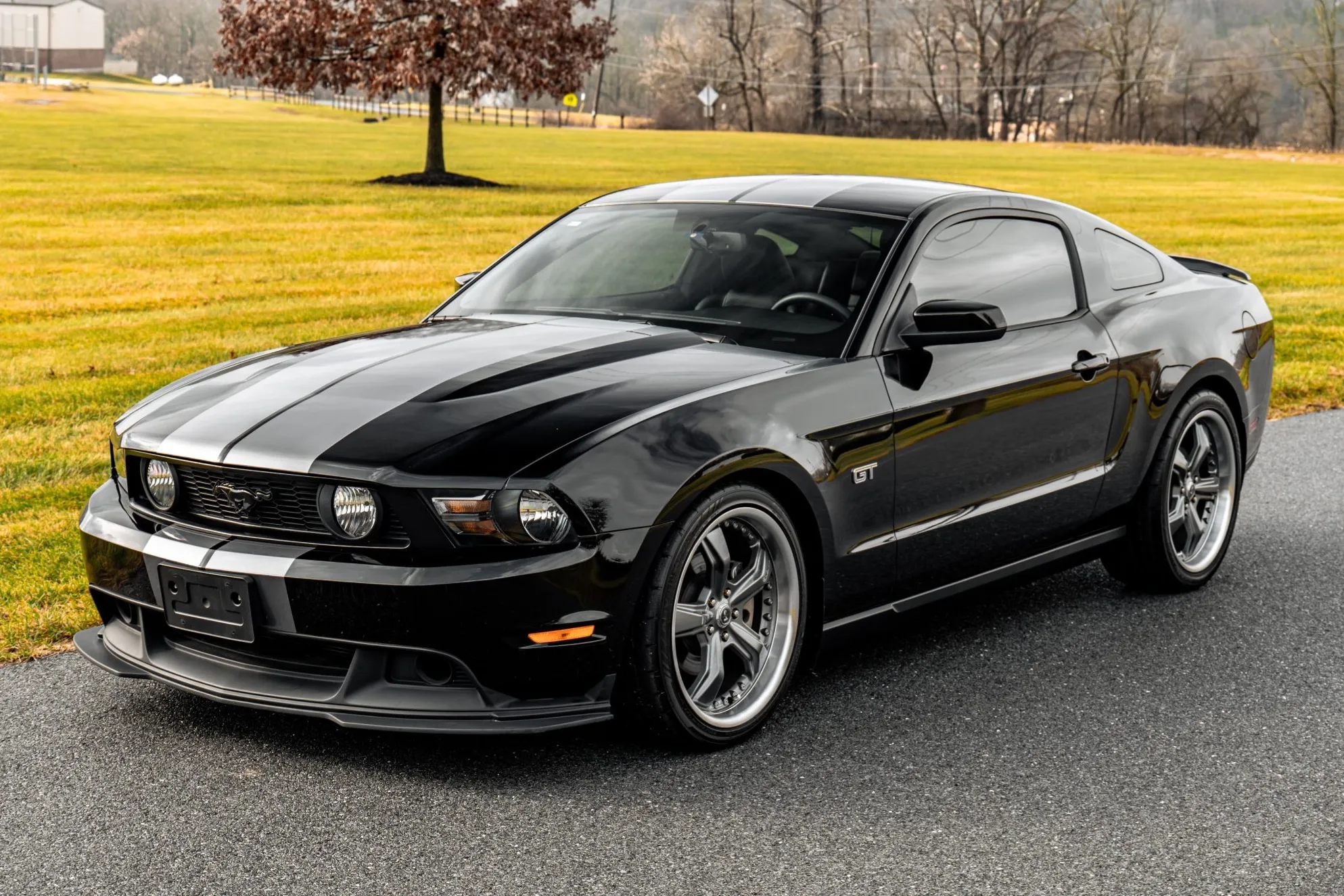
The 2010 Ford Mustang carries forward the legacy of America’s most iconic muscle car with rejuvenated styling, solid reliability, and unmistakable V8 power. With a reliability score of 87/100, this model year balances classic appeal with meaningful updates, ensuring it remains a strong contender in the affordable performance coupe market.
Under the hood, the Mustang GT packs a 4.6-liter V8 engine producing 315 horsepower and 325 lb-ft of torque, delivering a 0–60 mph sprint in just 5.5 seconds and a top speed of 151 mph. Paired with a standard five-speed manual transmission, it blends old-school muscle with modern performance tuning.
Fuel economy stands at 16 mpg city and 24 mpg highway, which is nearly identical to the less powerful V6 model. The GT’s upgrades, derived from the discontinued Bullitt edition, include a cold-air induction system, stiffer suspension tuning, and an optional TrackPack, making it more agile and poised on twisty roads.
Reliability is another Mustang strength. The V8 engine is simple, durable, and inexpensive to maintain thanks to shared parts across the Ford lineup. Average yearly maintenance costs just $595, and while there are five recalls noted, most involve minor issues rather than core mechanical flaws. This makes the 2010 Mustang GT a dependable choice for enthusiasts seeking affordable thrills.
From a design standpoint, the 2010 model introduces sharper exterior styling, larger wheels, and improved interior materials. The cabin retains its retro-inspired look while incorporating higher-quality finishes and better ergonomics.
The optional Ford Sync infotainment system adds voice control and Bluetooth connectivity, enhancing everyday usability. Both coupe and convertible body styles provide four-passenger seating, though rear seats remain cramped for adults. Cargo space is practical for the segment, with 12.3 cubic feet in the coupe and 9.7 in the convertible.
Safety is addressed with standard stability control, antilock disc brakes, and front-seat side airbags. Previous crash test results were favorable, including five stars for frontal and side protection. While rivals like the Nissan 370Z or Hyundai Genesis Coupe offer more advanced handling dynamics, the Mustang counters with sheer V8 charisma and a surprisingly comfortable ride, even with its old-school solid-axle rear suspension.
Driving impressions vary widely depending on engine choice. The base 4.0-liter V6, producing 210 horsepower, feels outdated and underwhelming, closely related to the Ford Ranger’s powertrain. It appeals mostly for its retro styling and lower price, but lacks refinement compared to competitors.
In contrast, the Mustang GT is lively, engaging, and more fun to drive than larger rivals like the Dodge Challenger. Against the Chevrolet Camaro SS, the Mustang may not match outright numbers, but its smaller size makes it more maneuverable.
Ultimately, the 2010 Ford Mustang represents two sides of the same coin. The V6 model is attractive in design but mediocre in performance, while the GT is a true muscle car that combines power, sound, and driving enjoyment at an accessible price. For enthusiasts, the GT is the clear choice, offering one of the best sub-$30,000 sports coupes of its era.
Cars that combine driving excitement with real-world dependability are rare gems. Performance models usually demand compromises, whether in the form of steep repair bills, constant upkeep, or frustrating reliability quirks.
Yet the ten cars on this list prove that you don’t have to choose between passion and practicality. They balance sharp handling, spirited engines, and distinctive style with ownership costs and reliability scores that won’t leave drivers regretting their choice.
From modern icons like the 2024 Porsche 911 and Ford Mustang EcoBoost to older surprises like the BMW Z4 and Hyundai Genesis Coupe, these cars show that sometimes automakers get the formula just right.
For enthusiasts who want both weekend thrills and weekday dependability, these models highlight the sweet spot where performance meets peace of mind. They may not be flawless, but they deliver something even rarer: confidence without compromise.
Also Read: 5 Honda Civic Years That Last Forever vs 5 That Don’t