
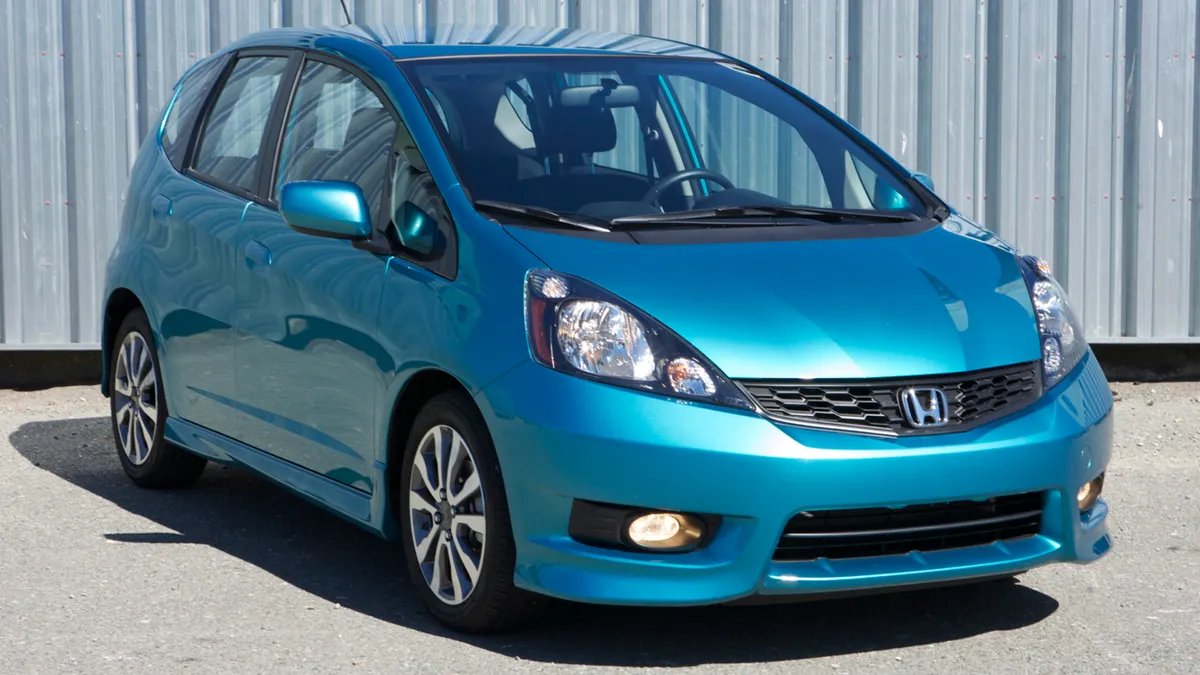
Honda has built a reputation for making cars that stay dependable long after others have started showing signs of age.
For decades, drivers have turned to Honda not only for affordability and efficiency but also for the assurance that their vehicles will remain reliable through years of daily driving.
From compact sedans to family minivans and rugged SUVs, Honda models consistently demonstrate the ability to go the distance with fewer issues compared to many competitors.
What makes Honda stand out is a mix of thoughtful engineering and practical design. The engines are known for being efficient yet remarkably durable, often reaching hundreds of thousands of miles with only routine maintenance.
Transmissions, suspension setups, and electrical systems are built with a focus on long-term performance, making them less prone to unexpected breakdowns. Many Honda owners will tell stories of vehicles that kept running reliably well past 200,000 miles, with some even reaching 300,000 or more.
Another reason Honda vehicles rarely break down is their simplicity. While they do include modern features, they avoid unnecessary complexity, which means fewer things go wrong over time.
Affordable parts and widespread availability also make it easy for owners to keep their Hondas in top condition without spending excessively.
This article highlights twelve Honda models that have earned a strong reputation for reliability.
Each one has a proven track record of staying dependable year after year, showing why Honda remains a trusted name among drivers who value vehicles that keep moving without trouble.
Also Read: 12 Cars of the Future That Might Actually Last Longer
1. Honda Civic (1990s–2000s)
The Honda Civic has long been considered the heart of Honda’s reliability reputation. Models from the 1990s through the early 2000s, in particular, earned a reputation for being nearly indestructible. These cars were simple, efficient, and easy to maintain, which is why so many are still on the road decades later.
Owners of older Civics often report clocking more than 250,000 miles without major issues, as long as they kept up with regular oil changes and basic upkeep.
The engines were engineered with durability in mind, especially the D-series and B-series engines, which became famous for their ability to handle years of use.
Because of their small size and light weight, Civics also put less stress on their components compared to heavier vehicles, contributing to their long lifespan.
Another factor in the Civic’s durability is its widespread popularity. With millions sold worldwide, parts are easy to find and relatively inexpensive.
This keeps maintenance costs down and makes it worthwhile for owners to keep older Civics running instead of replacing them. The availability of aftermarket parts also helps extend the lives of these cars.
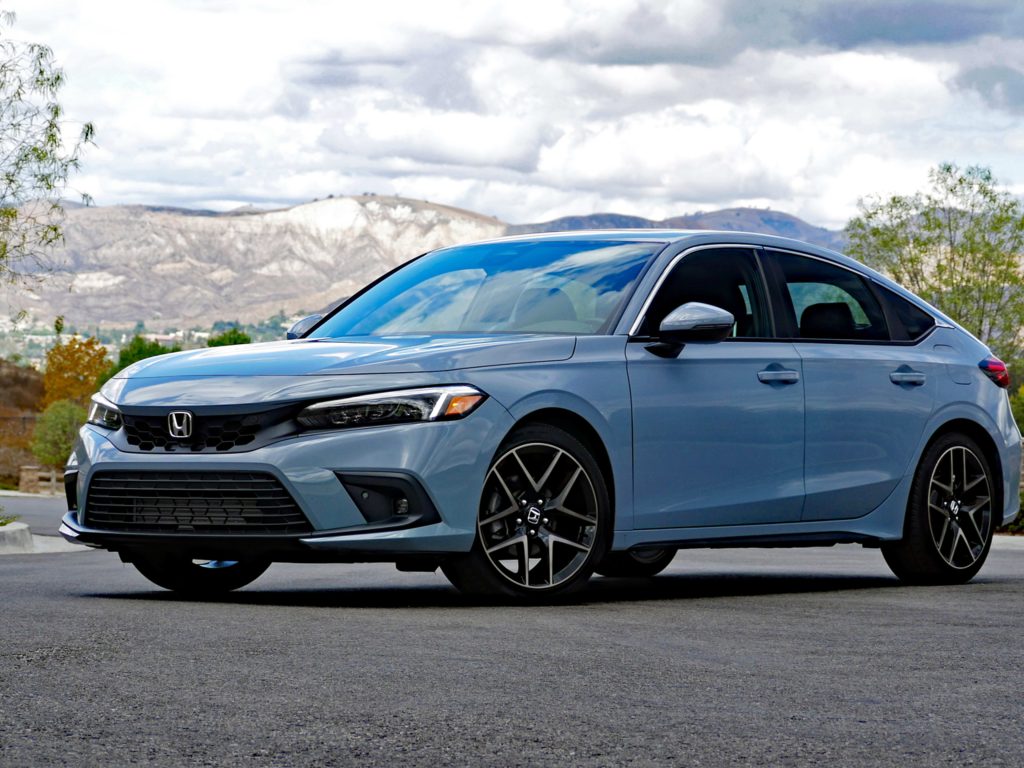
The Civic is proof that practicality and reliability often go hand in hand. While it may not have had the luxury or size of other vehicles, it became a dependable workhorse for commuters, students, and families alike. Even today, older Civics are common sights on highways, a clear sign that these models rarely let their owners down.
2. Honda Accord (2003–2007)
The Honda Accord has been one of the most trusted midsize sedans for decades, and the 2003 to 2007 generation stands out as particularly reliable.
This model offered a balance of comfort, performance, and longevity that appealed to families and commuters alike. Many are still in use today, often surpassing 200,000 miles with ease.
The engines available during this era, including the 2.4-liter four-cylinder and the optional V6, proved to be remarkably durable. The four-cylinder models especially earned praise for lasting well beyond expectations with minimal repairs.
Combined with Honda’s reputation for strong transmissions and solid suspension systems, the Accord became a sedan owners could rely on for daily driving and long road trips.
What also makes this generation notable is the way it balanced reliability with comfort. While it was practical, it didn’t sacrifice refinement. The cabin was well-built, with quality materials that resisted wear over time. This meant that not only did the car continue to run reliably, but it also aged gracefully inside.
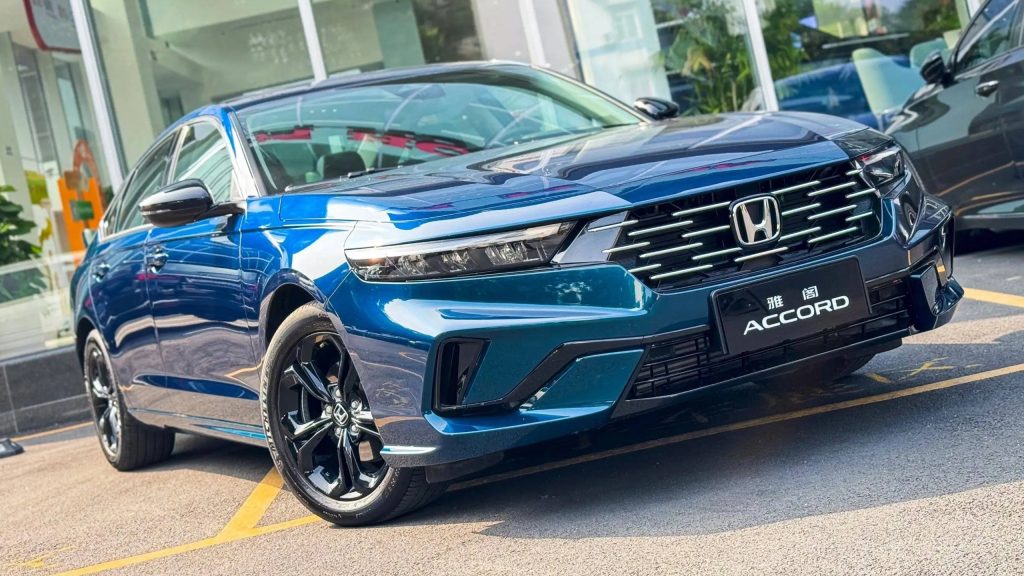
Another reason the Accord continues to be favored is affordability in upkeep. Parts are easy to source, and most mechanics are familiar with servicing them, which keeps costs manageable. It remains a smart buy on the used market because it offers both reliability and comfort for a fraction of the price of newer cars.
This generation of Accord demonstrates how Honda consistently delivered sedans that combined durability with long-term value, earning its reputation as one of the most dependable models available.
3. Honda CR-V (2007–2011)
The Honda CR-V has been a leader in the compact SUV segment, and the 2007 to 2011 model years are especially respected for their reliability.
These CR-Vs became family favorites, known for their practicality and durability. Many of these SUVs continue to run strong today, even after more than a decade of use.
Equipped with Honda’s well-proven 2.4-liter four-cylinder engine, these CR-Vs offered the kind of reliability that kept owners confident.
The engine is known for running smoothly with basic care, often reaching well over 200,000 miles. The automatic transmission paired with this engine also proved solid, further adding to the vehicle’s dependability.
Aside from the mechanical strength, this generation of CR-V was designed with a focus on low-cost ownership. Fuel efficiency was competitive for its class, and routine maintenance was straightforward.
Brake systems, suspension components, and electrical features were built with durability in mind, so fewer unexpected repairs were needed compared to other SUVs in its segment.
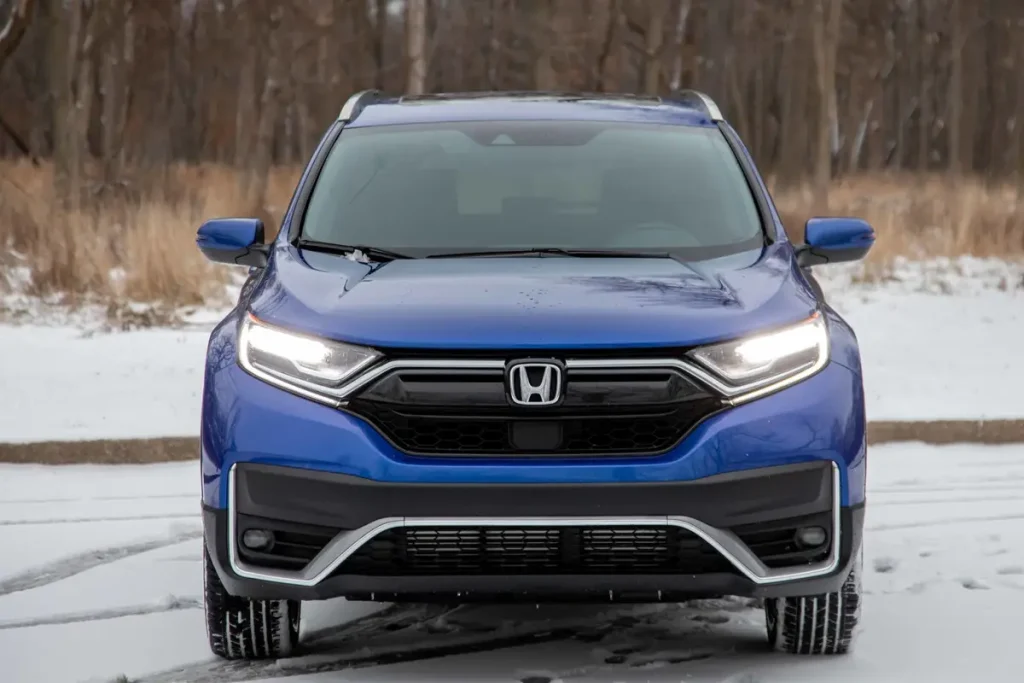
The CR-V also offered plenty of practicality for families, with roomy seating and a versatile cargo area.
Owners often chose to repair these vehicles rather than replace them because of the value they continued to provide. The SUV’s longevity meant it could serve as a reliable commuter vehicle, road trip car, or even a dependable option for younger drivers.
The 2007–2011 CR-V proved that a compact SUV could combine comfort, practicality, and long-term dependability. Even on the used market today, these models remain a strong choice for those seeking a trustworthy vehicle.
4. Honda Odyssey (2005–2010)
When it comes to family vehicles, reliability is a top priority, and the Honda Odyssey from 2005 to 2010 built a strong reputation in this regard.
Designed to handle the demands of large families, this minivan offered durability, comfort, and practicality that kept it in service for years. Many examples are still seen carrying families across towns and highways today.
One of the Odyssey’s greatest strengths is its well-built 3.5-liter V6 engine. Known for its smooth power delivery and dependability, this engine often exceeds 200,000 miles when cared for properly.
While some earlier Odysseys had transmission issues, improvements made during this generation helped increase the vehicle’s overall reliability.
The Odyssey was also designed with the family in mind, meaning its durability extended beyond the engine. The interior was built to handle heavy daily use, from school runs to road trips, without falling apart.
Sliding doors, seating mechanisms, and storage compartments were all designed to endure repeated use, which is why many still function well after more than a decade.
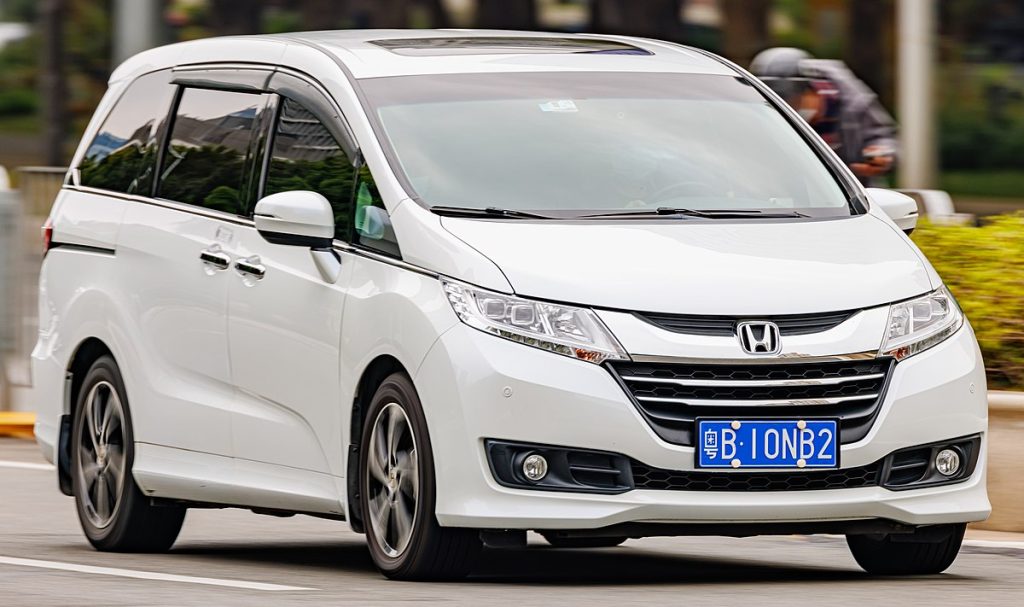
Maintenance and repair costs were kept reasonable thanks to the wide availability of parts. This made it worthwhile for families to keep their Odysseys running instead of replacing them with newer, more expensive vans. For many households, the Odyssey became not just a mode of transportation but a long-term companion.
The 2005–2010 Honda Odyssey proved that a minivan could offer more than just space. It provided the durability and dependability families needed, cementing its reputation as one of Honda’s most reliable vehicles.
5. Honda Fit (2007–2013)
The Honda Fit earned its reputation as one of the most dependable subcompact cars on the market. The 2007–2013 generation, in particular, proved that small cars can be both fun and remarkably reliable. Owners consistently praised the Fit for its durability, with many models passing 200,000 miles without major repairs.
Powered by a 1.5-liter four-cylinder engine, the Fit balanced efficiency with strength. While not a powerhouse, the engine was engineered for long life and smooth operation.
Its lightweight design meant less strain on mechanical components, helping extend the car’s lifespan. The transmission options, both manual and automatic, were also known for holding up well under years of use.
Another standout feature of the Fit was its versatility. The “Magic Seat” system allowed the rear seats to fold in multiple ways, creating exceptional cargo space for such a small vehicle. Families, students, and commuters appreciated its practicality, making it worthwhile to keep the car running for years instead of upgrading to something newer.
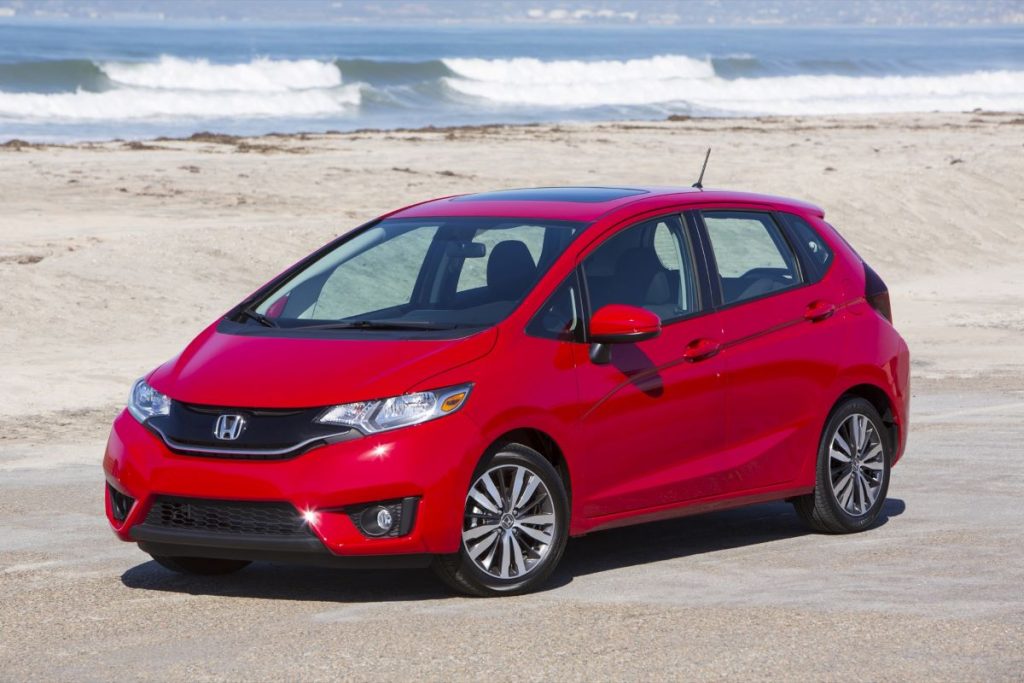
Low maintenance costs also contributed to the Fit’s longevity. With simple design elements and widely available parts, owners could keep up with routine service at affordable prices. Mechanics often note that the Fit rarely surprises owners with major issues, which is one of the reasons it has become a trusted used car option.
The 2007–2013 Honda Fit is proof that reliability is not limited to larger or more expensive cars. Its durability, efficiency, and practicality cement its place as one of Honda’s most dependable models.
6. Honda Pilot (2009–2015)
For families who needed an SUV with both space and reliability, the Honda Pilot from 2009 to 2015 delivered.
Known for its rugged design and long-lasting components, this generation of Pilot became a favorite for large households and outdoor enthusiasts alike. Many examples remain in daily use today with well over 200,000 miles.
The Pilot was equipped with a 3.5-liter V6 engine, which offered solid power for towing, highway driving, and hauling passengers.
This engine has a proven record of long-term durability, often running strong with only routine care. Paired with Honda’s dependable five-speed automatic transmission, it gave owners confidence in both performance and longevity.
Beyond its mechanical strength, the Pilot was built to handle demanding conditions. Its all-wheel-drive system provided reliable traction in snow, rain, and light off-road terrain, making it a versatile option for families who needed a dependable SUV in various climates.
The interior was also designed to withstand heavy use, with spacious seating and durable materials.
Maintenance on the Pilot was straightforward compared to some larger SUVs. Replacement parts were widely available, and Honda’s reputation for affordable upkeep made it easier for families to keep their vehicles in good condition for many years.
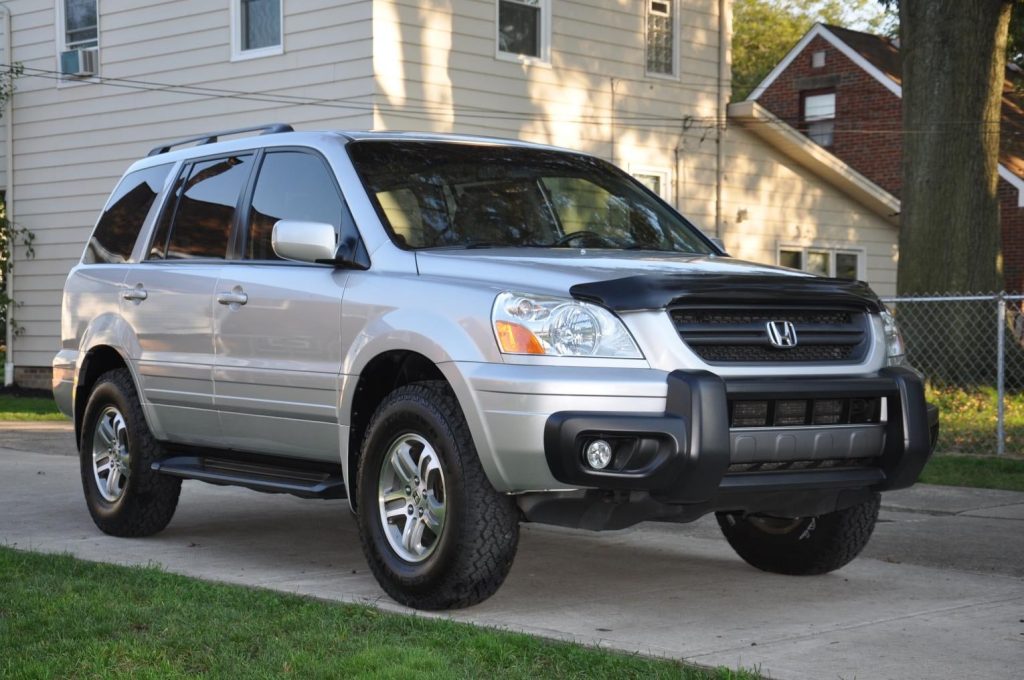
The 2009–2015 Honda Pilot stands as an excellent example of a family SUV that offered both practicality and reliability. Its blend of strong engineering and user-friendly design has helped it earn a place among Honda’s most trusted vehicles.
7. Honda Prelude (1997–2001)
While the Honda Prelude is no longer in production, the final generation produced between 1997 and 2001 has left a lasting mark for its reliability and performance.
This sporty coupe combined Honda’s engineering strengths with stylish design, creating a car that not only looked good but also stood the test of time.
The Prelude was powered by Honda’s 2.2-liter or 2.3-liter four-cylinder engines, both of which were known for their durability and strong performance.
These engines often surpassed 200,000 miles without significant problems, provided regular maintenance was carried out. Honda’s precise manual transmission paired especially well with the engine, delivering both reliability and a fun driving experience.
Unlike many sporty cars of its era, the Prelude avoided common issues like poor build quality or fragile parts.
Instead, it maintained Honda’s reputation for long-term dependability while offering a more spirited driving style. Suspension systems and brakes were well-engineered, making the car not only reliable but also enjoyable on winding roads.
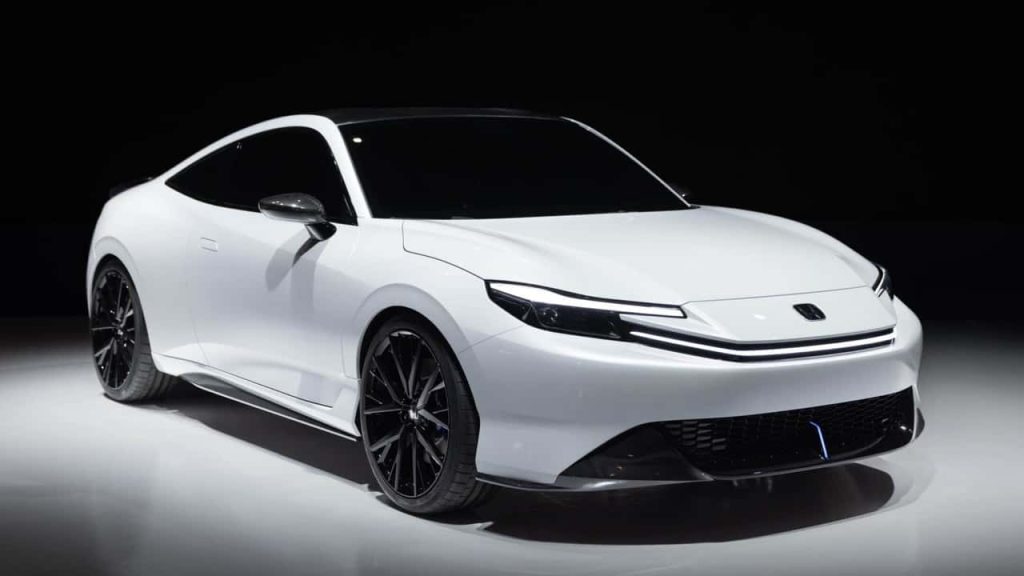
Even today, many enthusiasts continue to maintain and restore these Preludes, which speaks to their lasting appeal. Parts remain available thanks to the car’s popularity, making it easier for owners to keep them running.
The 1997–2001 Honda Prelude showed that reliability was not limited to sedans and family vehicles. By combining durability with style and performance, Honda created a sporty car that has stood the test of time.
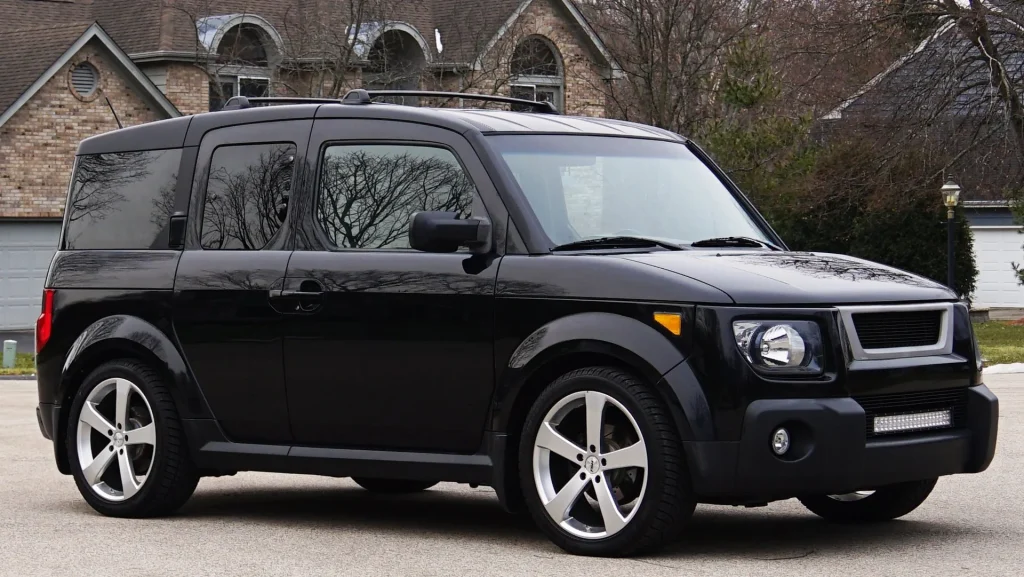
8. Honda Element (2003–2011)
The Honda Element was one of the most unique vehicles in the company’s lineup, and it also proved to be one of the most reliable. Produced from 2003 to 2011, the Element attracted a loyal following thanks to its durability, versatility, and boxy design that emphasized practicality.
Under the hood, the Element featured Honda’s dependable 2.4-liter four-cylinder engine, which was shared with the CR-V.
This engine was widely respected for its ability to handle high mileage without major issues. Many Elements are still running today with well over 200,000 miles, a testament to Honda’s engineering.
The Element’s interior was designed for utility, with stain-resistant materials and a layout that was easy to clean.
Seats could be removed or folded to create large amounts of cargo space, making it popular among outdoor enthusiasts, pet owners, and families. Because of its durability, many owners preferred to keep their Elements in service rather than replace them.
Routine maintenance was straightforward, and affordable parts availability made upkeep relatively easy.
Mechanics often highlight that the Element required fewer unexpected repairs compared to other SUVs from the same period. This reliability helped cement its reputation as a practical yet long-lasting choice.
Although discontinued, the Honda Element continues to enjoy strong demand on the used market because of its proven dependability and versatile design.
Owners appreciate how it combines function with long-term performance, making it one of Honda’s most reliable and memorable models.
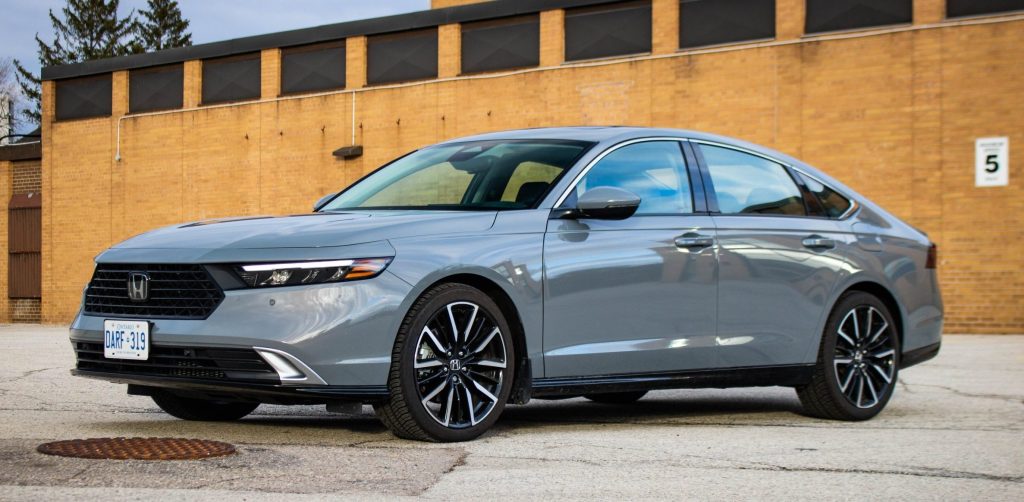
9. Honda Accord Hybrid (2014–2017)
The Honda Accord Hybrid from 2014 to 2017 showed that hybrid technology could deliver not just fuel efficiency but also long-term reliability.
While some hybrids from other brands faced concerns about battery life and complex systems, this Accord proved itself as a dependable sedan that rarely left owners stranded.
At the core of the Accord Hybrid’s success was Honda’s two-motor hybrid system paired with a 2.0-liter Atkinson-cycle four-cylinder engine. This setup offered smooth performance and impressive fuel economy while being engineered for durability.
Owners often reported few problems with the hybrid components, and the batteries typically lasted well beyond 150,000 miles, with many still functioning reliably past 200,000.
In addition to its drivetrain, the Accord Hybrid benefited from the same strengths as the standard Accord: strong build quality, spacious interiors, and well-designed suspension. These features gave owners confidence that the vehicle would hold up to years of commuting and long-distance driving.
Maintenance was straightforward since Honda ensured many service points were familiar to mechanics. Routine care like oil changes, brake inspections, and tire rotations kept the hybrid running smoothly, and the absence of a traditional transmission reduced potential issues.
The 2014–2017 Honda Accord Hybrid proved that efficiency and reliability could go hand in hand. It gave eco-conscious drivers a car that not only saved on fuel but also held up for the long haul, making it one of Honda’s most dependable hybrid offerings.
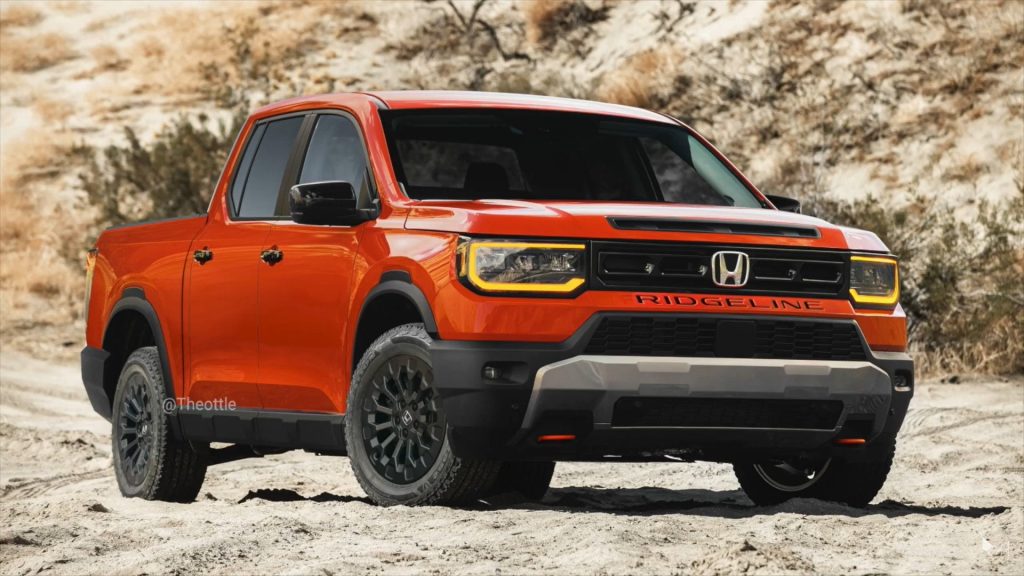
10. Honda Ridgeline (2006–2014)
Honda’s first attempt at a pickup truck, the Ridgeline, entered the market with skepticism from some truck enthusiasts.
However, the 2006–2014 Ridgeline soon gained respect for its surprising durability and reliability. Designed with Honda’s focus on long-term dependability, this truck proved it could handle both work and family duties.
Equipped with a 3.5-liter V6 engine, the Ridgeline offered steady performance and longevity. Many owners have logged well over 200,000 miles without major mechanical issues.
The five-speed automatic transmission paired with this engine was also known for its durability, making the truck a dependable choice for everyday use and light hauling.
What set the Ridgeline apart was its unibody construction, which provided a smoother ride compared to traditional body-on-frame trucks.
While it wasn’t built for extreme towing, its design reduced wear on components and improved reliability. The innovative in-bed trunk and dual-action tailgate added practicality, making the Ridgeline a unique but trustworthy option.
Maintenance costs for the Ridgeline were lower than many other trucks, thanks to Honda’s efficient engineering and widespread parts availability. Owners often found it easier to keep their Ridgelines in service compared to larger, more complex pickups.
The 2006–2014 Honda Ridgeline may not have been the toughest-looking truck on the market, but it proved its worth through reliability.
By combining utility with long-term dependability, it became a respected model in Honda’s lineup and a smart option for drivers wanting a trustworthy pickup.
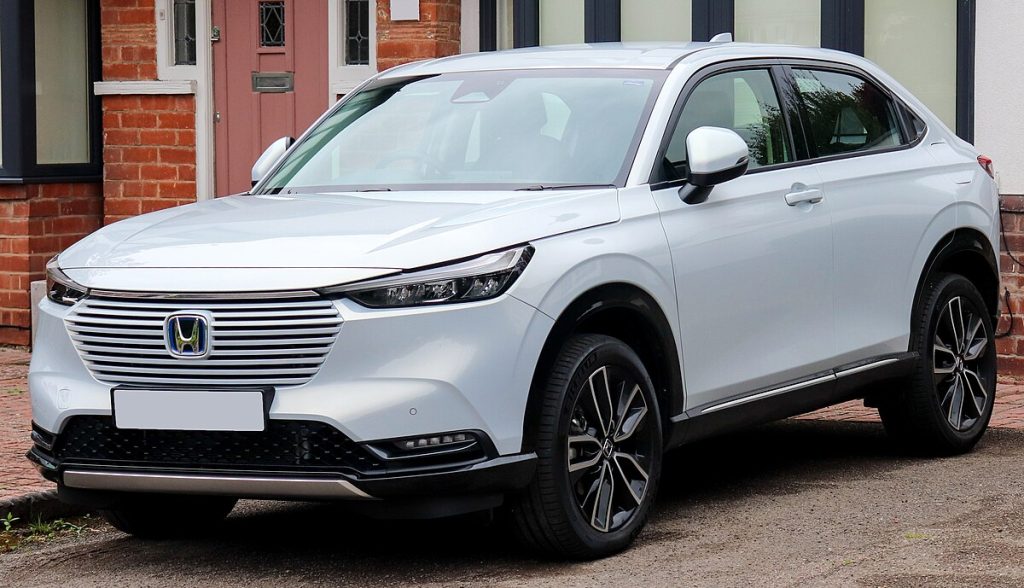
11. Honda HR-V (2016–2021)
The Honda HR-V, introduced to the North American market in 2016, quickly built a reputation for being a reliable subcompact SUV.
The 2016–2021 models, in particular, earned praise for their longevity and practicality, making them a strong choice for drivers wanting both efficiency and dependability.
Powered by Honda’s 1.8-liter four-cylinder engine, the HR-V offered steady performance and impressive fuel economy.
While not overly powerful, the engine was designed for efficiency and long life. Many HR-Vs from this period have already surpassed 150,000 miles with minimal issues, a sign of Honda’s engineering consistency.
The continuously variable transmission (CVT) in the HR-V also proved to be more durable than many competitors’ CVTs, provided owners kept up with fluid changes.
This reliability extended to the rest of the drivetrain, which made the HR-V a dependable option for city commuting and long highway drives alike.
Inside, the HR-V offered Honda’s trademark practicality with its “Magic Seat” system, allowing owners to configure the cabin in multiple ways for cargo or passenger needs.
The durability of the interior materials meant the vehicle could handle years of daily use without showing excessive wear.
Affordable maintenance and accessible parts made ownership costs low, further adding to its appeal. This combination of practicality, affordability, and durability helped the HR-V establish itself as one of Honda’s most reliable newer models.
The 2016–2021 Honda HR-V stands as proof that even newer designs from Honda continue the tradition of building vehicles that rarely break down.
12. Honda S2000 (2000–2009)
The Honda S2000 may be best remembered as a performance roadster, but it also demonstrated Honda’s commitment to building reliable vehicles.
Produced from 2000 to 2009, the S2000 combined thrilling performance with engineering that allowed it to last far longer than many other sports cars.
The highlight of the S2000 was its high-revving 2.0-liter and later 2.2-liter four-cylinder engines. Known for their precision and durability, these engines could withstand spirited driving while still maintaining reliability. Many S2000s have crossed 200,000 miles with their original engines, a rare achievement for a sports car of its class.
Honda also designed the S2000 with a strong six-speed manual transmission that became known for its durability and precision. The combination of a well-built engine and gearbox made the S2000 both fun and dependable.
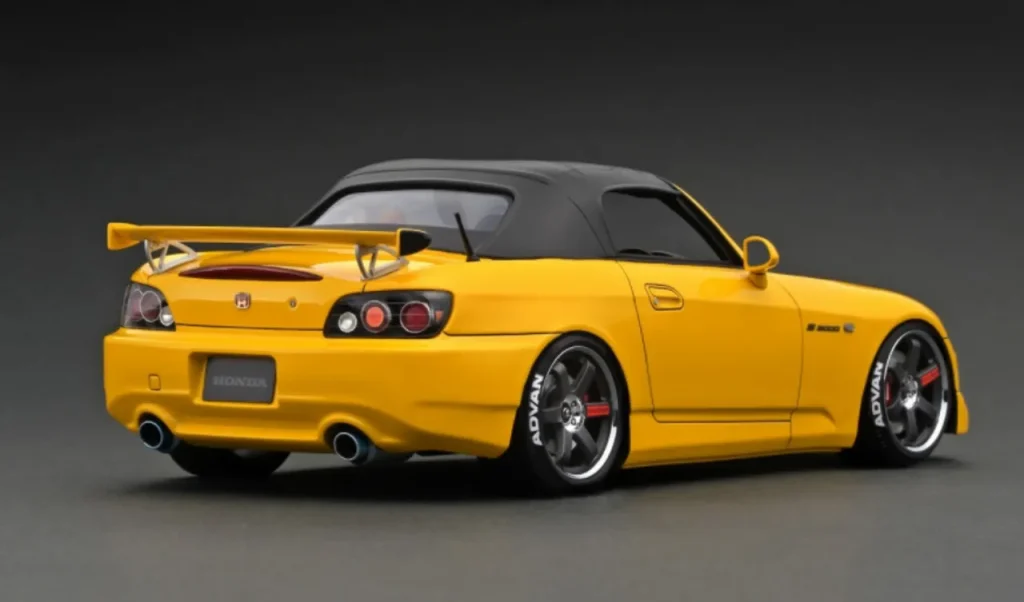
Unlike many sports cars, the S2000 avoided common pitfalls such as fragile electronics or weak suspension systems. Instead, it offered owners confidence that it could be enjoyed daily or kept as a weekend car without constant trips to the repair shop.
Enthusiasts continue to maintain and restore S2000s today, keeping their reputation alive. Replacement parts remain accessible, and the strong enthusiast community ensures support for long-term ownership.
The Honda S2000 stands as one of the few performance cars that managed to blend excitement with reliability. Its reputation for lasting dependability makes it a standout in Honda’s history and a model that rarely lets owners down.
Also Read: 12 EVs That Already Prove Electric Cars Can Be Reliable
