
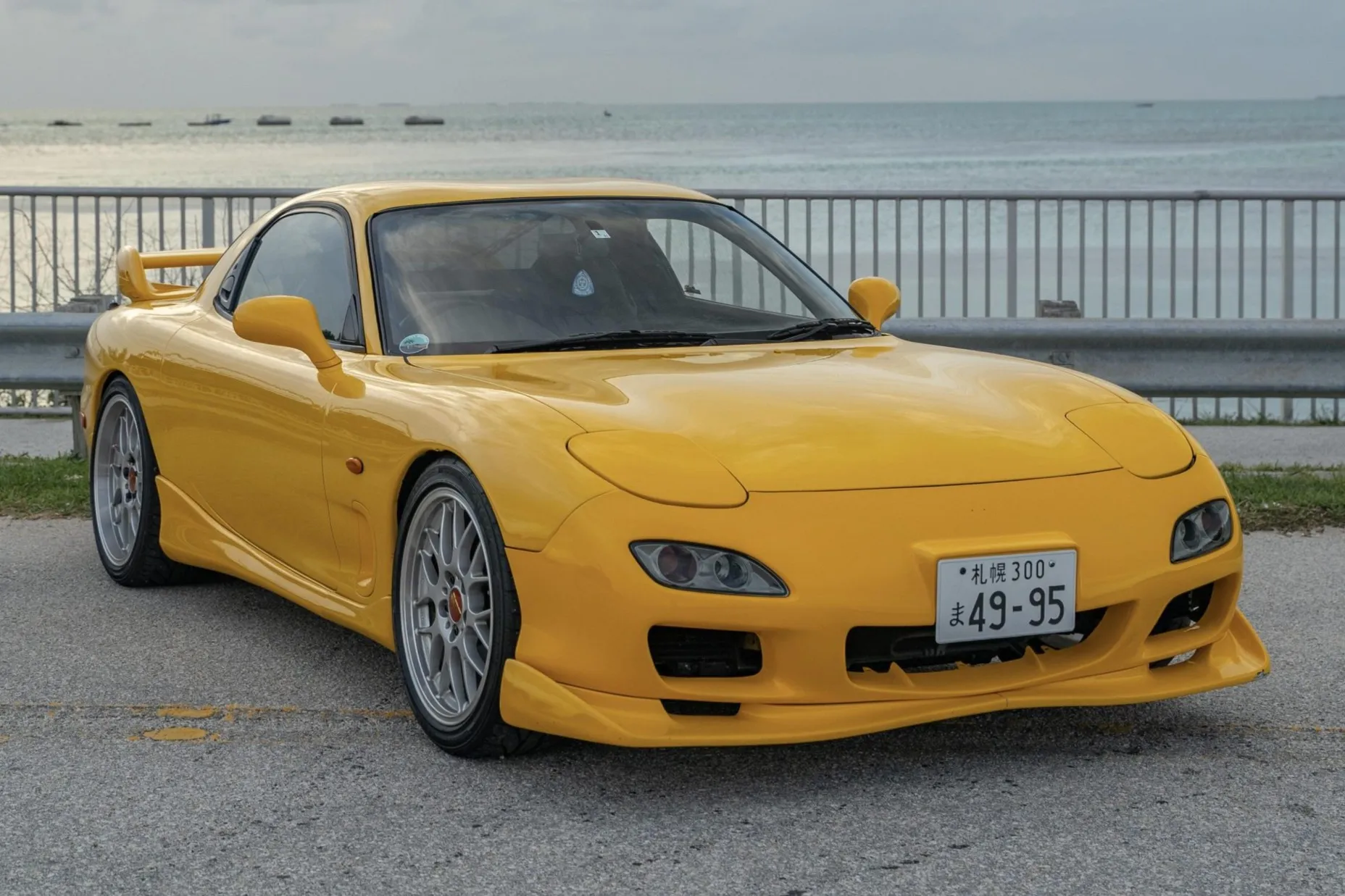
Classic sports cars are often admired for their design, performance, and the thrill they deliver on the road.
Many enthusiasts assume that older performance cars are fragile or high-maintenance, yet several models have proven themselves as reliable machines that continue to perform decades after their release.
These vehicles combine timeless style with engineering that has stood the test of time, offering drivers both excitement and durability.
The reliability of these classic sports cars is rooted in careful engineering and straightforward design. Many were built with mechanical simplicity in mind, avoiding overly complex electronics or components that tend to fail with age.
Engines were often overbuilt, suspensions were strong, and transmissions were designed to handle spirited driving, all of which contribute to longevity. Routine maintenance, paired with the availability of replacement parts, ensures that these cars remain roadworthy and enjoyable for years.
Another factor is the dedicated owner base. Classic sports car enthusiasts often take meticulous care of their vehicles, performing regular maintenance, keeping them stored properly, and using them judiciously.
This attention helps preserve the cars’ reliability while maintaining performance characteristics that were cutting-edge in their era.
This article highlights ten classic sports cars that continue to offer dependable performance today. Each model combines enduring engineering, driving enjoyment, and reliability, proving that classic cars don’t have to be fragile or impractical.
Whether used as a weekend cruiser, a daily driver, or a track-day companion, these sports cars continue to deliver excitement without the constant worry of mechanical failure.
From Japanese classics known for their bulletproof engines to European sports cars that combine elegance with durability, the following models demonstrate that longevity and performance can coexist.
These ten classic sports cars are proof that timeless design and quality engineering create vehicles that remain reliable and enjoyable decades after their introduction.
Also Read: 5 Engines That Handle Neglect Well vs 5 That Need Constant Care
1. Porsche 911 (964/993 Generations)
The Porsche 911 has been an icon of sports car engineering for decades, and the 964 and 993 generations stand out for their combination of classic design, performance, and reliability.
Produced during the late 1980s and 1990s, these models retained the distinctive 911 silhouette while incorporating refinements that enhanced durability and usability.
One of the strengths of the 964 and 993 is their air-cooled engines, particularly the 3.6-liter flat-six found in many variants. These engines were robust, capable of handling high mileage when maintained properly with regular oil changes, valve adjustments, and belt replacements.
Porsche also focused on reliability improvements during these generations, such as upgraded electronics and more resilient suspension components, which helped reduce common issues that affected earlier 911s.
Maintenance plays a key role in longevity, but parts availability and strong enthusiast support make keeping these 911s on the road manageable.
The 964 introduced coil-spring suspension and optional all-wheel drive, while the 993 featured significant refinements to the suspension and braking systems, providing better handling and durability. These improvements mean that owners can enjoy spirited driving without compromising reliability.
The 911’s straightforward mechanical layout and overbuilt components make it ideal for enthusiasts seeking a dependable classic sports car.
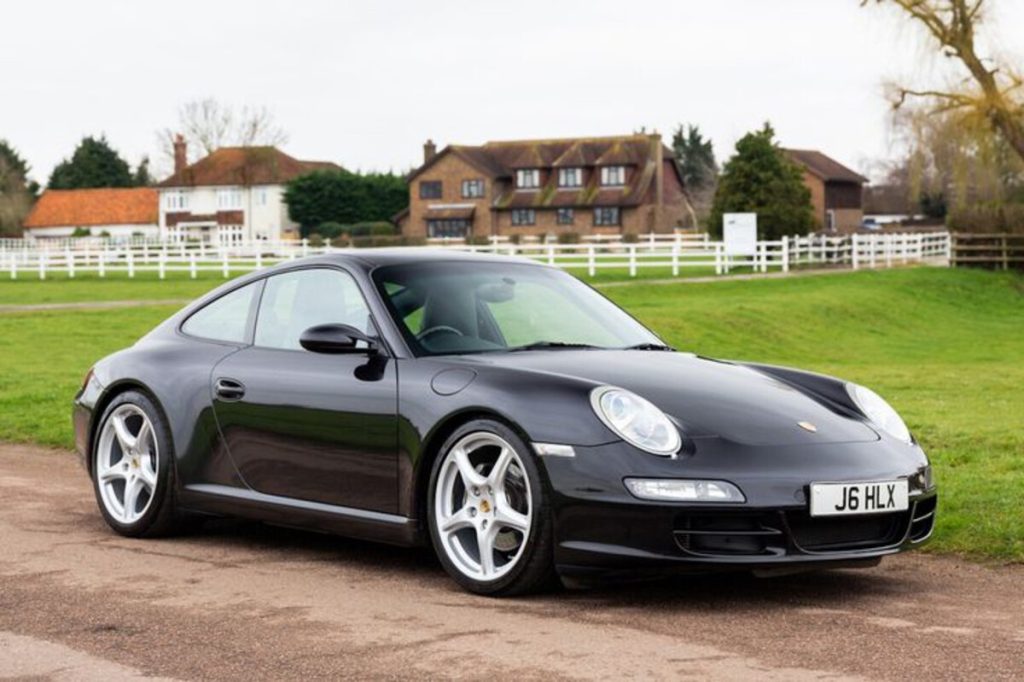
Many 964 and 993 models continue to cover thousands of miles annually, with some examples surpassing 200,000 miles while maintaining strong performance.
Beyond engineering, the 964 and 993 generations remain desirable for their classic styling and driver-focused interiors. Their blend of timeless design, driving engagement, and proven reliability ensures they remain popular among collectors and enthusiasts.
These Porsche 911 models demonstrate that a classic sports car can deliver thrilling performance while remaining dependable for decades.
2. Mazda RX-7 (FD Generation)
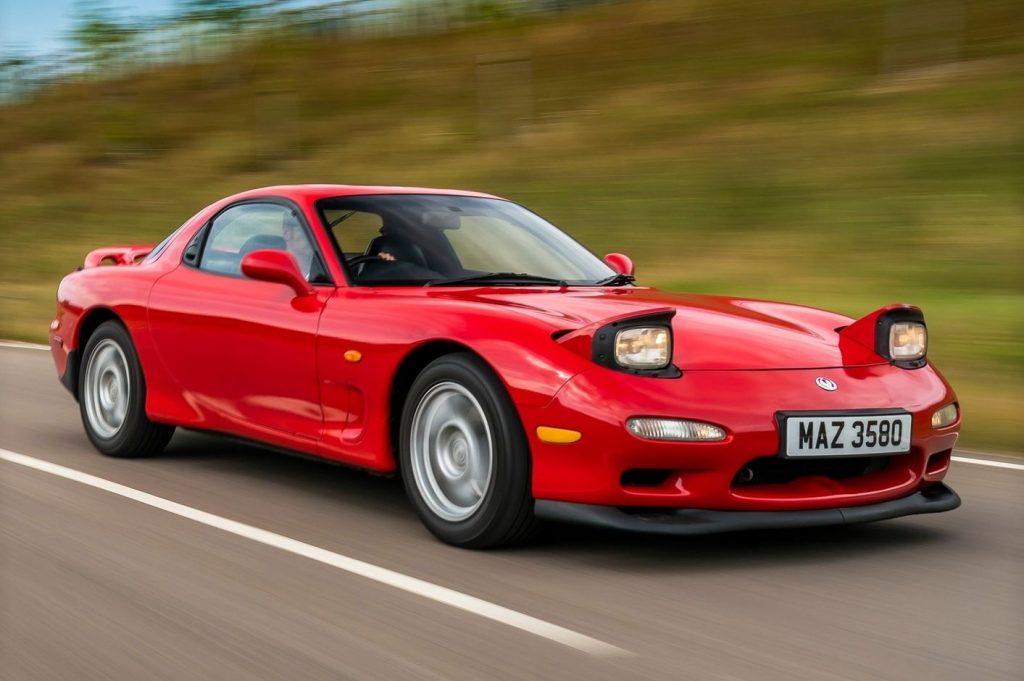
The FD-generation Mazda RX-7 is a Japanese sports car legend, combining lightweight design, rotary power, and excellent handling.
Introduced in the early 1990s, the FD RX-7 remains celebrated for its performance and reliability when maintained correctly, making it a standout among classic sports cars.
At the heart of the FD RX-7 is the 13B-REW twin-rotor engine, turbocharged to produce impressive power for its size. While rotary engines are often viewed as high-maintenance, the FD’s design proved resilient with proper care.
Regular oil changes, coolant maintenance, and attention to apex seals ensure that these engines remain strong, delivering smooth power and spirited driving for years. Many FD RX-7s continue to perform reliably despite being three decades old.
The car’s lightweight chassis contributes to its longevity. By minimizing stress on suspension and braking components, Mazda created a balanced platform that is both nimble and durable.
The double-wishbone suspension setup front and rear improves handling while maintaining robustness, allowing drivers to enjoy sharp cornering without compromising reliability.
Another factor is enthusiast support. The RX-7 has a dedicated community that shares maintenance knowledge, provides replacement parts, and offers guidance for keeping these cars running at peak condition.
This network ensures that even FD RX-7s driven hard on tracks or winding roads remain operational and dependable.
Styling and ergonomics also add to its enduring appeal. The FD RX-7’s sleek lines, pop-up headlights, and driver-focused cockpit continue to attract enthusiasts, making it a classic that is as enjoyable to drive today as it was in the 1990s.
With proper care, the Mazda RX-7 FD proves that a classic sports car can combine thrilling performance with long-term reliability.
3. Honda NSX (First Generation)
The first-generation Honda NSX, introduced in 1990, redefined Japanese sports car engineering by combining high-revving performance with reliability.
While many exotic cars from the same era struggled with maintenance and fragility, the NSX was designed to withstand real-world driving while delivering supercar-level performance.
The NSX’s 3.0-liter V6 engine, later updated to 3.2 liters, featured VTEC technology, allowing it to produce high power at high RPMs while remaining smooth and reliable at lower speeds.
Honda’s focus on build quality, precision engineering, and materials durability ensured that these engines could handle regular spirited driving without premature wear. With proper maintenance, first-generation NSXs frequently exceed 200,000 miles.
The car’s aluminum-intensive construction also enhances longevity. Lightweight yet rigid, the chassis reduces stress on suspension components while improving handling.
Coupled with a five-speed or six-speed manual transmission, the NSX delivers precise, predictable performance with minimal mechanical issues over time.
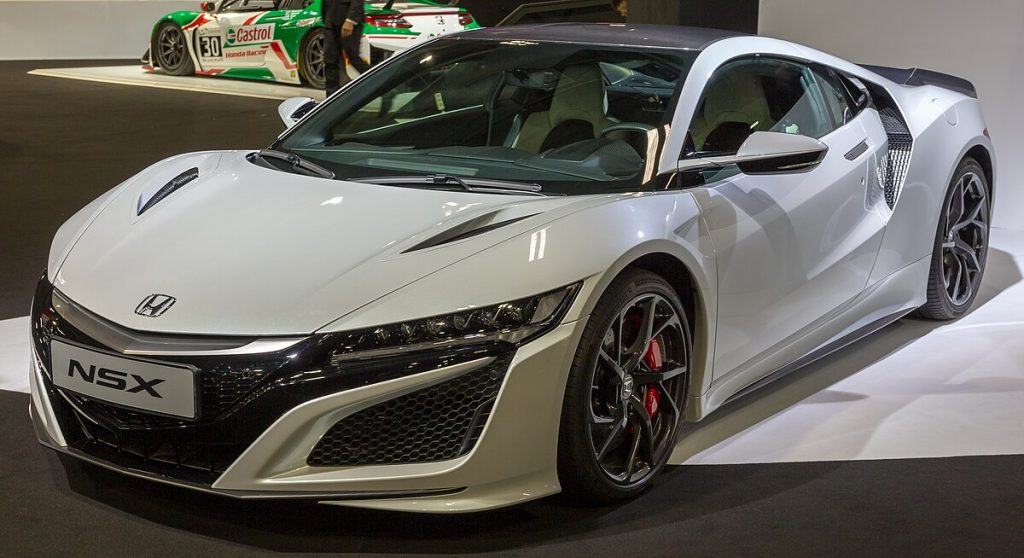
Parts and servicing are easier to manage compared to many European exotics. While certain components can be costly, the NSX benefits from Honda engineering standards, meaning many systems are durable and straightforward.
Dedicated NSX owners maintain their cars meticulously, contributing to the model’s reputation for reliability.
Beyond performance, the NSX remains comfortable and user-friendly, allowing drivers to enjoy long trips or daily use without mechanical anxiety. Its timeless styling and balanced design reinforce its status as one of the most practical classic sports cars.
The first-generation Honda NSX proves that high performance and reliability are not mutually exclusive. It stands as a benchmark in automotive history, demonstrating that classic sports cars can combine thrilling driving with lasting dependability.
4. BMW M3 (E30 Generation)
The BMW E30 M3 is widely regarded as one of the greatest classic sports cars, combining precision handling, performance, and long-term reliability.
Produced in the late 1980s and early 1990s, the E30 M3 was built for racing homologation, which meant it had a strong, over-engineered chassis and durable mechanical components.
At the heart of the E30 M3 is the S14 four-cylinder engine. With high-revving capability and robust internal components, this engine delivers strong performance while demonstrating remarkable longevity.
When maintained with regular oil changes, valve adjustments, and cooling system care, E30 M3 engines often exceed 200,000 miles without major issues. Its five-speed manual transmission is equally reliable, allowing spirited driving without frequent mechanical failures.
The car’s suspension setup, designed for racing, is both responsive and durable. Front MacPherson struts and rear semi-trailing arms were engineered to withstand rigorous track use while maintaining stability and ride comfort for daily driving.
BMW’s attention to materials and build quality contributes significantly to the E30 M3’s longevity.
Parts availability and enthusiast support further enhance the E30 M3’s reliability. Replacement components, performance upgrades, and technical guidance are widely accessible, making it easier to keep these cars in peak condition. Owners who invest in maintenance and preservation often enjoy daily driving experiences that rival modern sports cars.
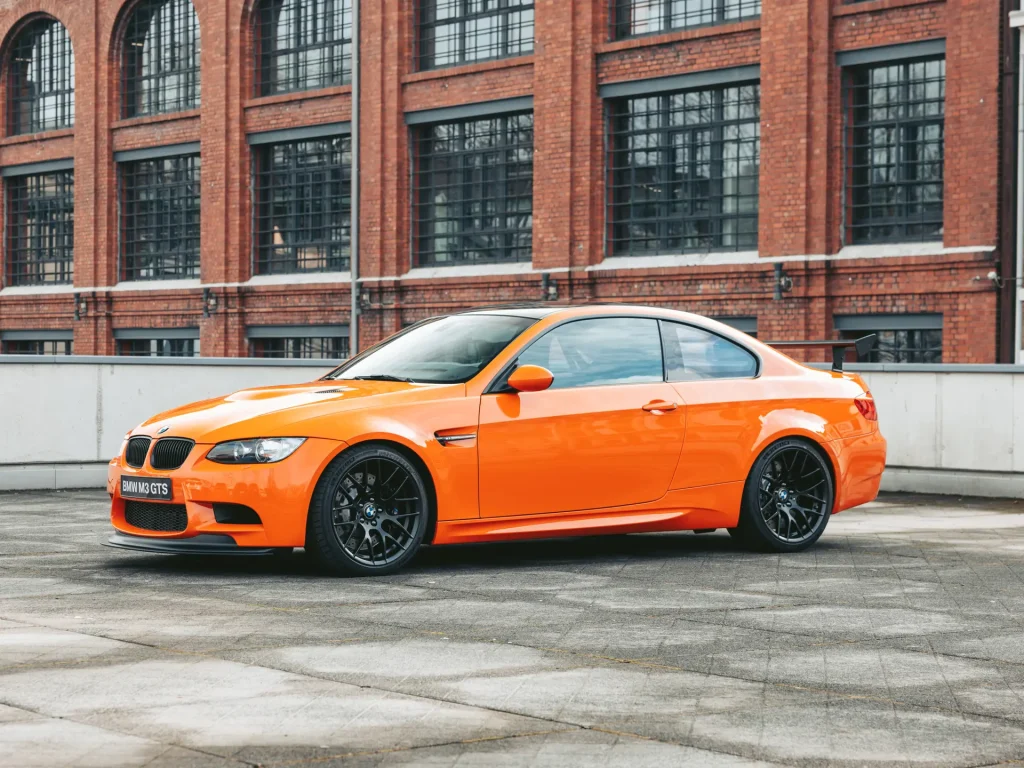
The E30 M3 also offers timeless styling and a driver-focused interior. Its boxy design, flared fenders, and ergonomic cockpit make it a favorite among collectors while providing the practicality needed for long-term ownership.
With a combination of engineering excellence, robust mechanicals, and dedicated support from enthusiasts, the BMW E30 M3 continues to prove that classic sports cars can be thrilling and dependable. It remains a benchmark for reliability, performance, and enduring appeal.
5. Chevrolet Corvette (C4 Generation)
The Chevrolet Corvette C4, produced from 1984 to 1996, is an American classic that offers both performance and reliability.
While earlier Corvettes were often associated with maintenance challenges, the C4 generation introduced improvements in build quality and engineering that allowed these cars to remain dependable even after decades of use.
At the core of the C4’s durability is the small-block V8 engine, including the 5.7-liter L98 and later the LT1. These engines provide strong, consistent performance and are known for their longevity when regularly serviced.
The manual and automatic transmissions were designed to handle high horsepower output, giving owners flexibility without compromising reliability. Many C4 Corvettes have surpassed 150,000 miles without significant issues.
The chassis and suspension design also contribute to the car’s lasting performance. The C4 features a uniframe structure with transverse leaf spring suspension, which, while unconventional, proved durable and capable of delivering precise handling.
Proper maintenance of bushings, shocks, and brakes ensures that the car continues to perform reliably.
Another advantage is parts availability. The C4 was produced in large numbers, making components affordable and accessible. Enthusiast communities offer extensive knowledge on maintenance, upgrades, and preservation, helping keep these cars running well.
Styling and comfort further enhance the Corvette’s appeal. Its wedge-shaped body, digital dashboard (in early models), and driver-oriented cockpit make it a practical yet exciting classic sports car.
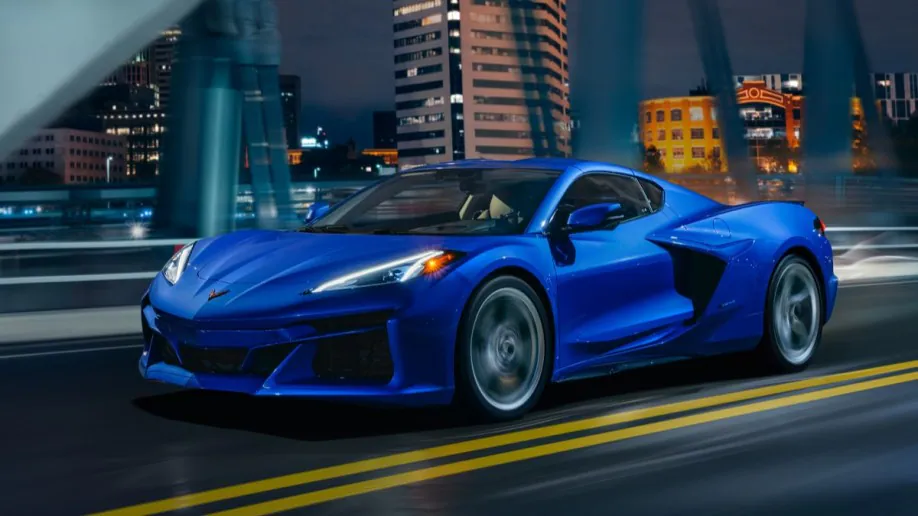
The Chevrolet Corvette C4 demonstrates that American sports cars can combine thrilling performance with lasting reliability. Its durable V8, solid chassis, and supportive community ensure that it remains a dependable choice for enthusiasts decades after production.
6. Toyota Supra (MK3 / A70 Generation)
The Toyota Supra MK3, also known as the A70 generation (1986–1993), proved that Japanese sports cars could deliver both performance and long-term reliability.
With turbocharged engines, solid chassis construction, and careful engineering, the Supra earned a reputation as a dependable classic that continues to perform today.
The heart of the MK3 Supra is the 3.0-liter 7M-GTE turbocharged inline-six engine. This engine delivers smooth, linear power while demonstrating durability when properly maintained.
Regular oil changes, coolant maintenance, and timing belt replacements allow these engines to cover high mileage without major problems. Naturally aspirated 7M-GE variants offer even greater longevity due to simpler mechanical setups.
The Supra’s rear-wheel-drive chassis and double-wishbone suspension provide precise handling and reduce stress on components.
Lightweight yet strong, the chassis contributes to reliability while maintaining performance. Even owners who track or modify their cars find the MK3 Supra capable of enduring spirited use.
Parts availability and aftermarket support have helped many MK3 Supras stay on the road. Replacement parts remain accessible and affordable, allowing enthusiasts to maintain these cars without excessive expense. Community resources provide guidance for tuning, maintenance, and long-term preservation.
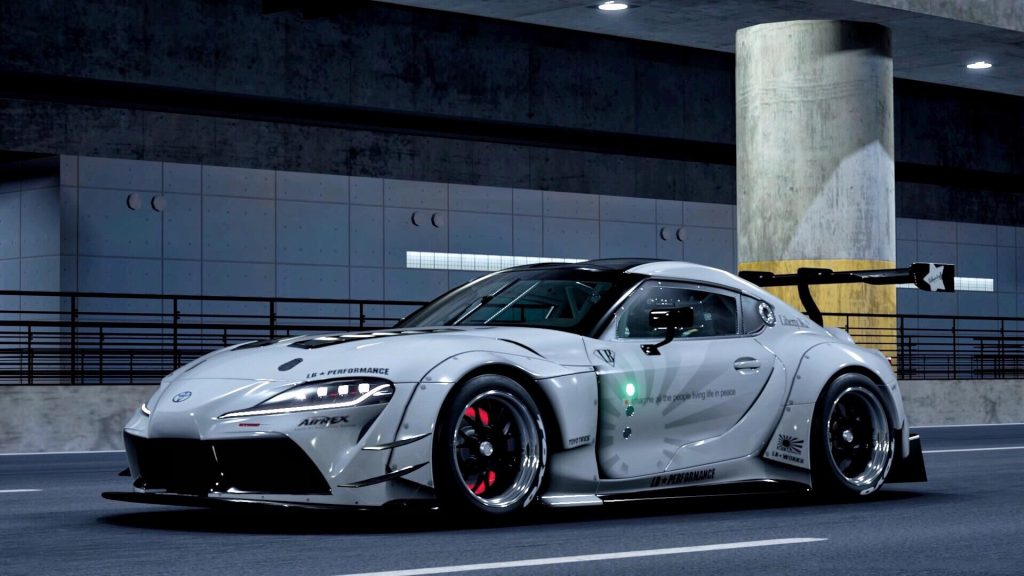
The Supra’s styling and ergonomics enhance its enduring appeal. Its long hood, balanced proportions, and driver-focused interior make it enjoyable for both spirited driving and daily use.
The Toyota Supra MK3 demonstrates that turbocharged performance and reliability can coexist. Decades after its release, it remains a respected classic sports car that combines engineering excellence, durability, and timeless design.
7. Nissan 300ZX (Z32 Generation)
The Nissan 300ZX Z32, produced from 1989 to 2000, is widely regarded as one of the most capable Japanese sports cars of its era. Combining turbocharged performance, advanced technology, and solid build quality, it has proven to be reliable decades after its release.
At the heart of the Z32 is the VG30DE and VG30DETT engine family. The naturally aspirated VG30DE produces smooth and consistent power, while the twin-turbo VG30DETT offers impressive acceleration without sacrificing durability.
When properly maintained with regular oil changes, timing belt replacement, and careful cooling system attention, these engines remain strong even at high mileage. Many well-kept Z32s continue to perform reliably today.
The car’s chassis and suspension were designed for balance and longevity. Front and rear multi-link suspension provide precise handling while minimizing stress on components. The car’s lightweight yet rigid structure contributes to durability, allowing spirited driving without frequent mechanical issues.
Parts availability is another advantage. Nissan produced the Z32 in large numbers, making components and replacement parts relatively easy to source. Enthusiast communities have also preserved technical knowledge, which assists in long-term maintenance.
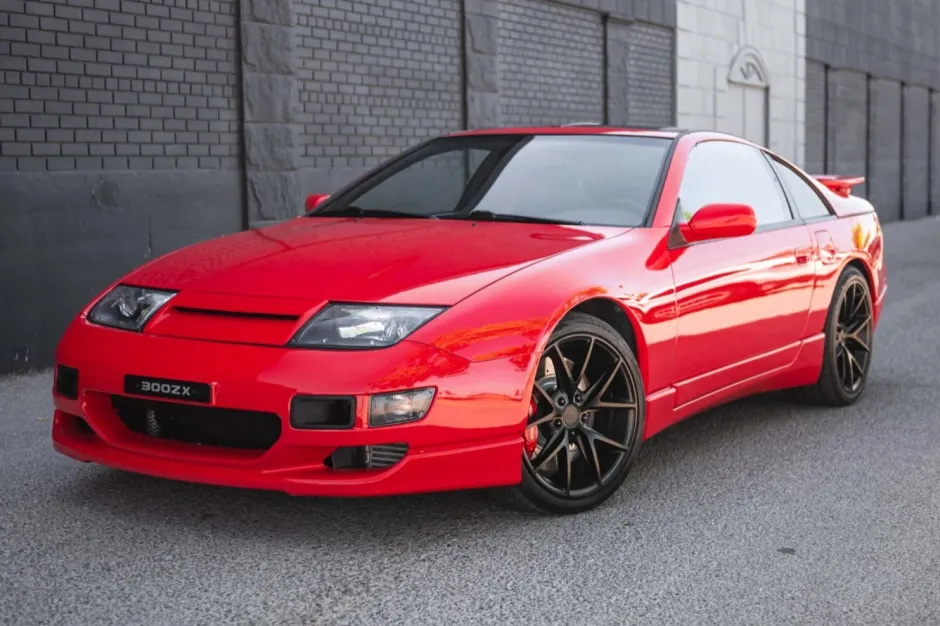
The 300ZX remains desirable for its combination of styling, technology, and performance. Its sleek, aerodynamic design and well-laid-out cockpit make it enjoyable for driving enthusiasts while remaining practical for regular use.
With turbocharged power, strong chassis, and enduring build quality, the Nissan 300ZX Z32 demonstrates that classic Japanese sports cars can combine excitement with long-term reliability, making it a standout among its peers.
8. Lotus Esprit (Series 3–4)
The Lotus Esprit, particularly the Series 3 and 4 models produced in the 1980s, is a British sports car that blends distinctive styling with a surprisingly robust mechanical setup. While some exotic cars from the era struggled with reliability, the Esprit offered dependable performance when properly maintained.
Under the hood, the naturally aspirated four-cylinder engines, including the Lotus 907 and later variants, delivered nimble performance with durability.
Regular servicing of the engine, cooling system, and drivetrain ensures longevity. The lightweight fiberglass body reduces stress on mechanical components, contributing to overall reliability.
The Esprit’s chassis is engineered for handling and durability. Its bonded and semi-monocoque construction, combined with independent suspension all around, provides a responsive yet resilient platform. This setup allows drivers to enjoy sharp cornering without overburdening the components.
Parts and servicing support for the Esprit is aided by dedicated enthusiast networks. Specialist workshops and clubs provide technical guidance and replacement parts, ensuring these cars can remain operational for decades.
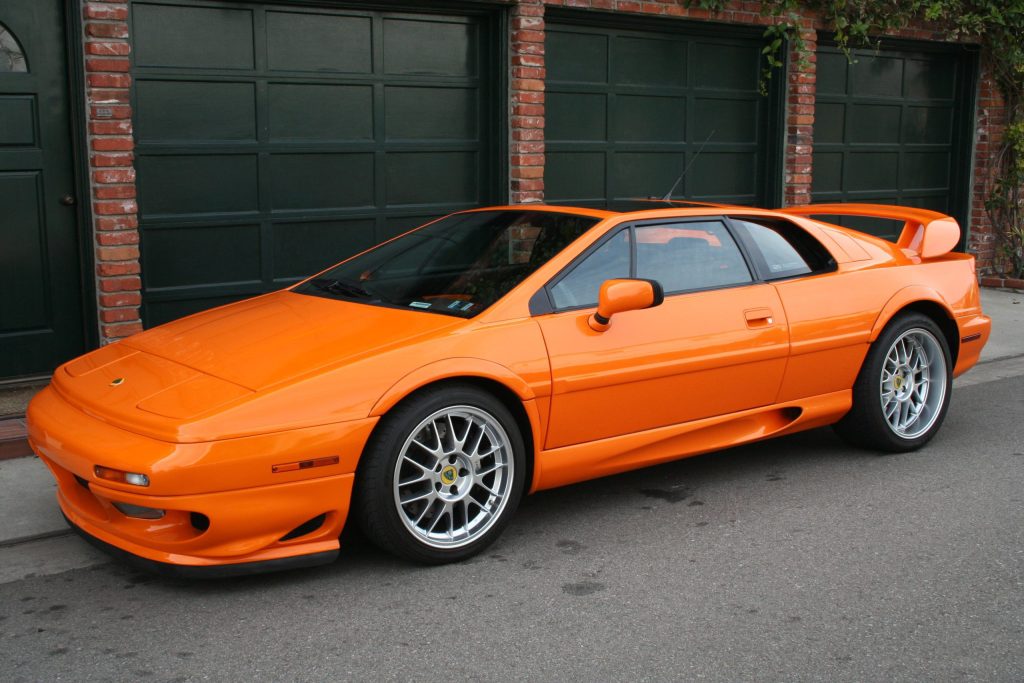
Beyond mechanics, the Esprit’s striking wedge-shaped design and low seating position make it a standout on the road. Owners often report driving these cars for years while enjoying both their aesthetics and performance.
The Lotus Esprit Series 3–4 proves that British sports cars can offer enduring performance. With proper care, these vehicles remain reliable classics that continue to excite drivers while standing the test of time.
9. Ferrari 348
The Ferrari 348, produced from 1989 to 1995, is often praised for being a manageable and reliable classic Ferrari. While Ferrari is generally associated with high maintenance costs, the 348’s engineering allows for longevity when maintained with diligence.
The 3.4-liter V8 engine, producing smooth power throughout the rev range, is capable of high mileage when properly cared for.
Regular timing belt changes, fluid maintenance, and routine servicing ensure that the 348 continues to deliver spirited performance without major issues. Its five-speed manual transmission is sturdy and responsive, adding to the car’s reliability.
The 348’s chassis and suspension are designed for balance and precision. A tubular steel spaceframe provides structural integrity while supporting the independent suspension, which handles dynamic driving conditions without excessive wear.
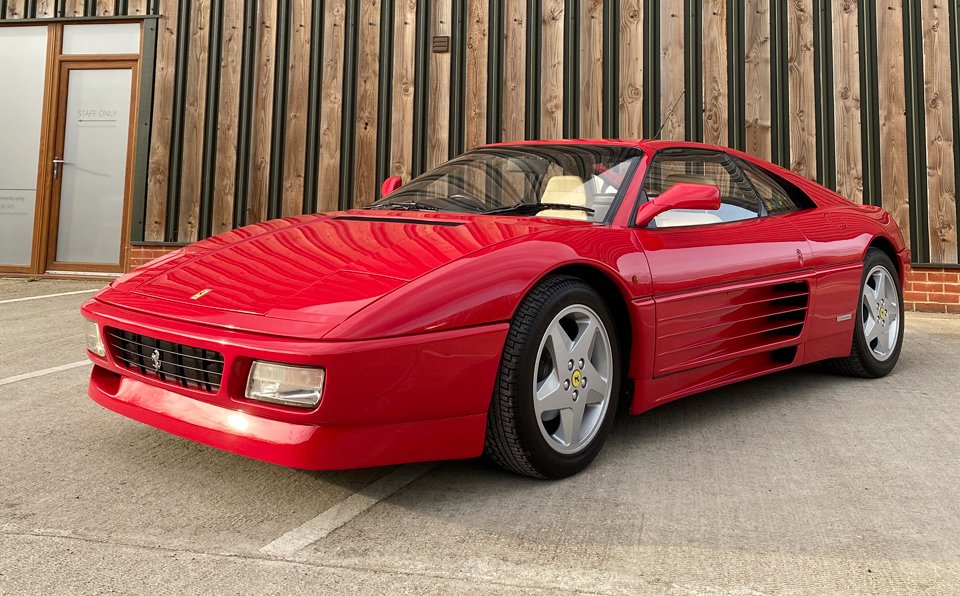
Parts availability is supported by both Ferrari specialists and dedicated enthusiast communities, making it feasible to maintain the car over the long term. These networks assist owners in keeping their cars operational while retaining the vehicle’s classic appeal.
The 348 also offers comfortable ergonomics for a sports car of its era. Its driver-focused layout, clear visibility, and balanced performance make it enjoyable for both spirited drives and longer journeys.
With careful maintenance, the Ferrari 348 proves that even exotic cars can be reliable. It combines classic Ferrari driving pleasure with engineering that allows for continued use decades after its release.
10. Mercedes-Benz SL (R129 Generation)
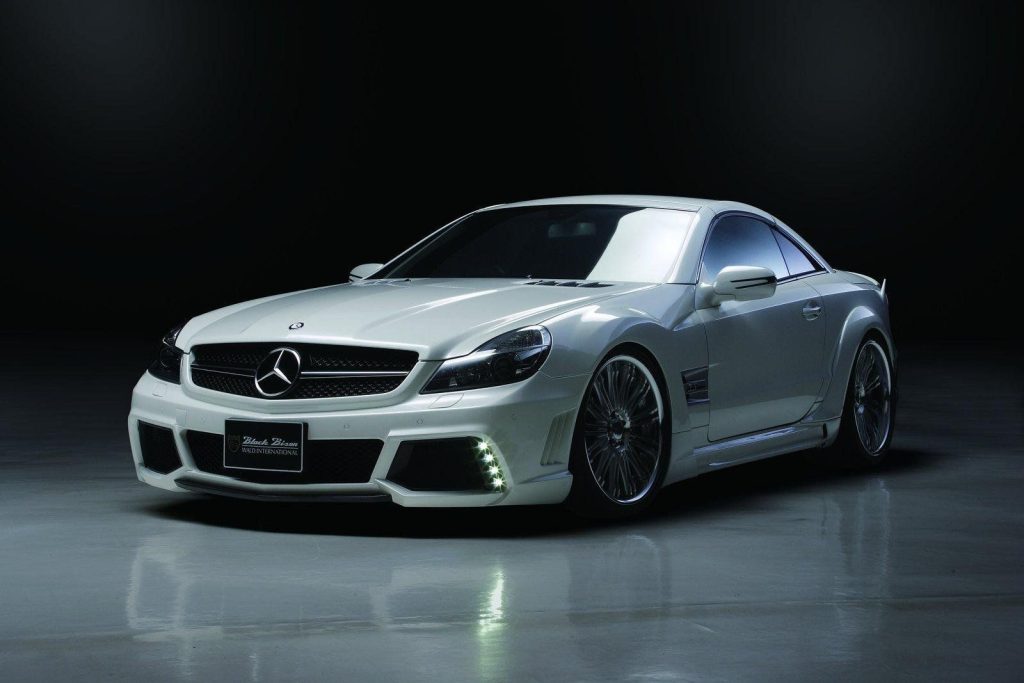
The Mercedes-Benz SL R129, produced from 1989 to 2001, is a classic grand touring sports car that combines luxury, performance, and reliability. Known for its engineering quality, it remains a durable option among classic European sports cars.
At the heart of the R129 are engines ranging from the 3.0-liter inline-six to the 5.0-liter V8. These powerplants are known for long-term durability, especially when serviced regularly with attention to oil, cooling systems, and belts. Many examples surpass 200,000 miles while maintaining performance.
The chassis and suspension system were built with precision, using a combination of multi-link rear suspension and robust front suspension geometry. This design provides a comfortable ride while preserving handling and minimizing mechanical stress.
Parts availability, combined with widespread Mercedes-Benz service knowledge, makes maintenance manageable. Enthusiast communities and certified workshops provide support to keep these classic cars on the road for decades.
The R129 also features thoughtful ergonomics, high-quality interior materials, and a retractable hardtop, enhancing usability and enjoyment. Its combination of performance, comfort, and reliability makes it a standout among classic sports cars.
With solid engineering, durable engines, and supportive communities, the Mercedes-Benz SL R129 demonstrates that a European classic can provide lasting enjoyment without constant mechanical worries.
Classic sports cars are often admired for their performance and design, but many also offer remarkable reliability when maintained properly.
The ten models highlighted here demonstrate that excitement and durability can coexist, allowing enthusiasts to enjoy spirited driving without constant concern for mechanical failure.
Japanese classics like the Mazda RX-7 FD, Honda NSX, and Toyota Supra MK3 combine lightweight construction, robust engines, and straightforward engineering to deliver long-lasting performance.
These cars show that careful maintenance and attention to engine and drivetrain health can result in decades of dependable use.
Similarly, European icons such as the Porsche 911 (964/993), BMW E30 M3, and Mercedes-Benz SL R129 highlight engineering excellence, with durable chassis, resilient engines, and supportive communities helping keep them on the road.
American and British models, including the Chevrolet Corvette C4, Nissan 300ZX Z32, Lotus Esprit Series 3–4, and Ferrari 348, illustrate that reliability is not limited to one region.
These cars offer strong construction, manageable mechanical systems, and enthusiast-backed parts availability, making them practical classics for long-term ownership.
Across all ten vehicles, a common theme emerges: well-built engineering, routine maintenance, and community support extend the life of performance cars.
These classic sports cars prove that driving enjoyment and dependability can go hand in hand, ensuring they remain celebrated choices for enthusiasts today.
Also Read: 9 Best Cars That Are Still Daily Driven After 40 Years
