
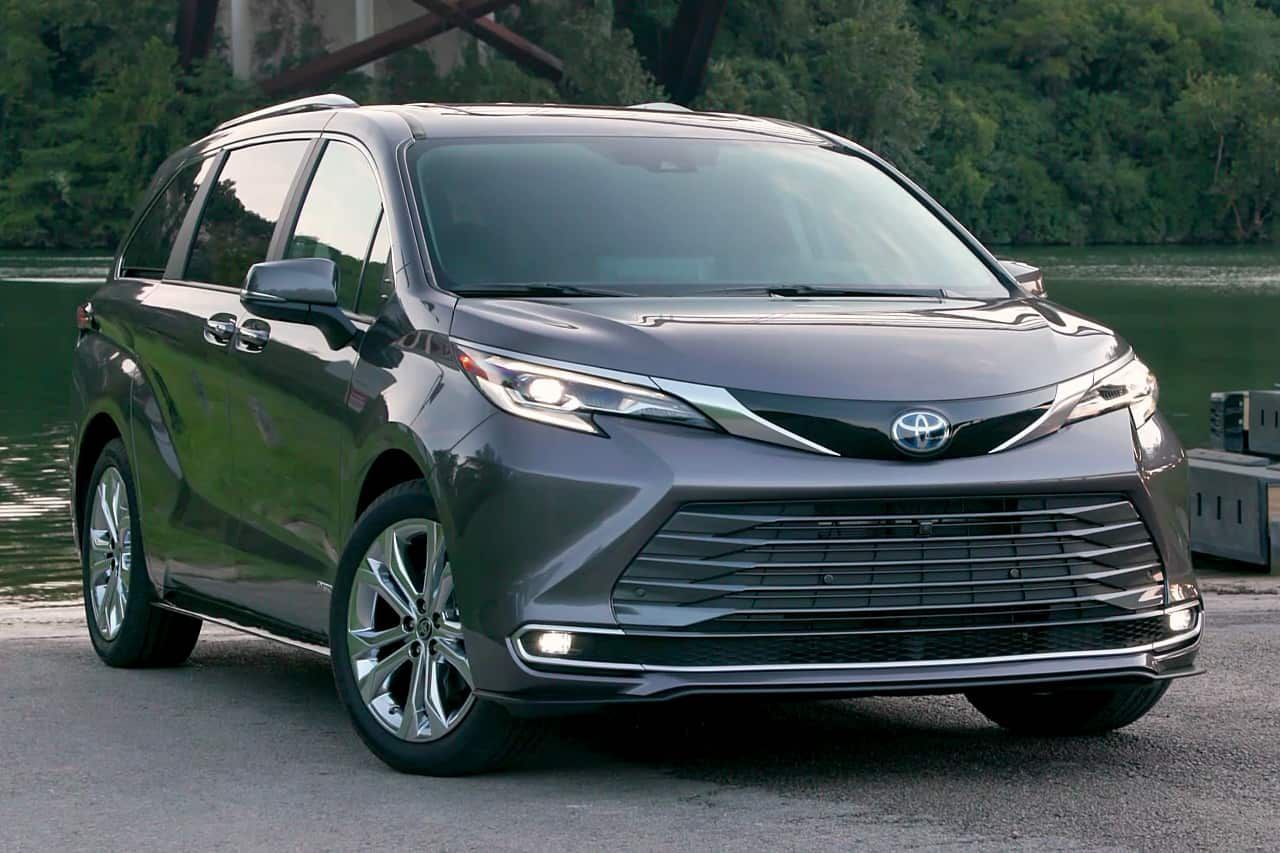
Toyota has earned a reputation for producing vehicles that combine reliability, efficiency, and long-term durability. While many cars begin to show significant wear after a decade, several Toyota models maintain their performance and comfort well beyond the 20-year mark.
Owners often report that these vehicles continue to provide dependable transportation, often requiring only routine maintenance and occasional repairs.
This remarkable longevity is not accidental but the result of careful engineering, high-quality materials, and a focus on practicality over unnecessary complexity.
The appeal of a Toyota that remains dependable for two decades goes beyond simple mechanics. Older cars with proven reliability often carry lower ownership costs, as their maintenance and repair history is well-documented, and replacement parts are widely available.
Furthermore, these vehicles can retain significant value due to their trusted reputation. Models from the late 1990s and early 2000s frequently illustrate Toyota’s commitment to creating vehicles that serve owners faithfully through changing automotive trends.
Several factors contribute to the ability of these vehicles to survive the test of time. Solid engine design, corrosion-resistant body panels, and a focus on drivetrain durability allow these cars to endure years of daily use.
Additionally, Toyota’s conservative approach to introducing new technologies ensures that critical systems are thoroughly tested before release, which minimizes long-term issues.
With proper maintenance, oil changes, and attention to wear items such as brakes, suspension components, and timing belts, these vehicles often continue to operate with impressive efficiency and reliability.
This article highlights ten Toyota models renowned for their ability to remain fully functional even after twenty years.
Each car is examined for its key features, typical longevity, maintenance considerations, and the reasons behind its enduring popularity among owners who value dependability above all else.
Also Read: 10 Cars That Refuse to Die Even After 400,000 Miles
1. Toyota Camry (Late 1990s – Early 2000s)
The Toyota Camry has long been a benchmark for midsize sedans, combining comfort, efficiency, and reliability. Models from the late 1990s to early 2000s are particularly notable for their ability to remain functional well past the 200,000-mile mark.
These Camrys are equipped with engines such as the 2.2L 4-cylinder or the 3.0L V6, both recognized for durability and straightforward mechanical design.
Unlike some competitors, these engines are less prone to major failures if maintained with regular oil changes and routine inspections.
One of the Camry’s strengths is its transmission system. Automatic transmissions in this generation are known to last a very long time with standard maintenance, and the manual transmission versions are simple enough to endure years of use without excessive wear.
The suspension and steering components are also robust, making the ride comfortable while resisting deterioration from regular commuting or long road trips.
Rust is rarely a problem for these models, especially in regions where road salt is not heavily used, thanks to Toyota’s corrosion-resistant coatings and body design.
Interior quality contributes to the vehicle’s long-term appeal. Seats, dashboard materials, and trim pieces have proven durable, often showing minimal signs of aging compared to competitors.
Electronics, while basic compared to modern vehicles, are generally reliable. Owners report that as long as the heating, ventilation, and radio systems are maintained, the interior can remain in excellent condition decades later.
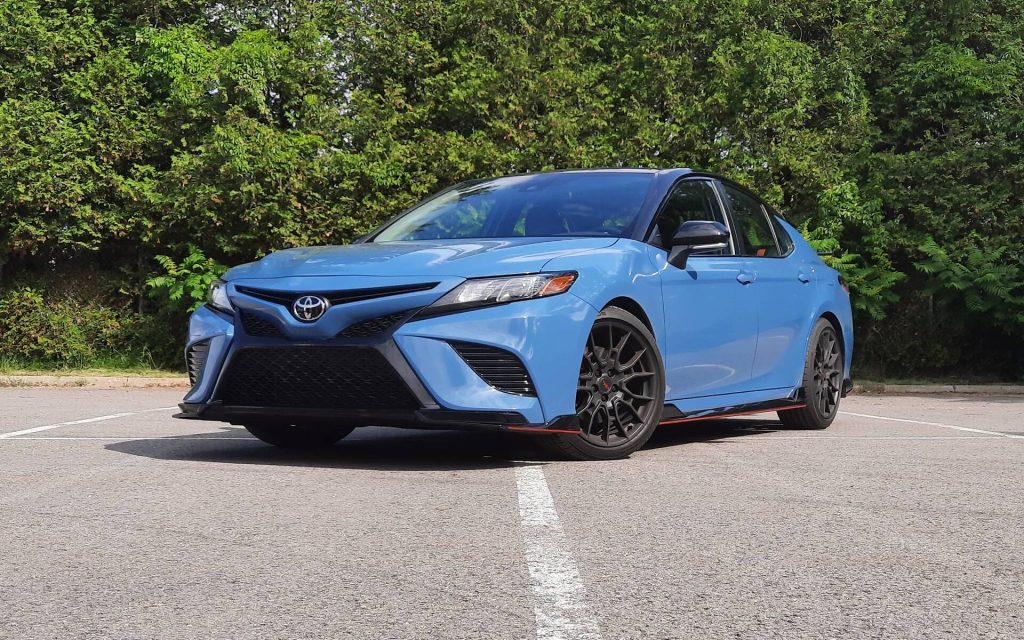
Routine maintenance is the key to the Camry’s longevity. Timing belt replacements, transmission fluid changes, and attention to cooling system components prevent most major mechanical problems.
Fuel efficiency remains respectable even after years of use, making it an ideal choice for drivers who require a low-cost, long-lasting sedan. Overall, the Camry’s combination of simplicity, reliability, and comfort ensures that these vehicles continue to run smoothly well into their third decade.
2. Toyota Corolla (Late 1990s – Early 2000s)
The Toyota Corolla has earned a reputation as one of the most reliable compact cars ever produced. Models from the late 1990s and early 2000s are especially recognized for their long-lasting engines and minimal mechanical issues.
With a focus on practicality, the Corolla’s 1.8L 4-cylinder engine offers both fuel efficiency and straightforward maintenance, making it a favorite among drivers who seek dependable, low-cost transportation.
Transmission options for these Corollas include both manual and automatic systems, and either type can last well over 200,000 miles when serviced regularly.
The simplicity of the engine layout reduces the likelihood of complex failures, and most components are easy to repair or replace.
Suspension parts, including struts and control arms, are durable and can withstand years of driving without significant wear, contributing to a smooth ride even as the vehicle ages.
The Corolla’s compact dimensions and reliable brakes make it ideal for city driving, while its solid build ensures safety during everyday use. Interior materials are surprisingly durable for a car in this class.
Seats maintain their shape, and trim pieces rarely crack or fade. While the technology is minimal compared to newer models, the straightforward design ensures long-term functionality without frequent repairs.
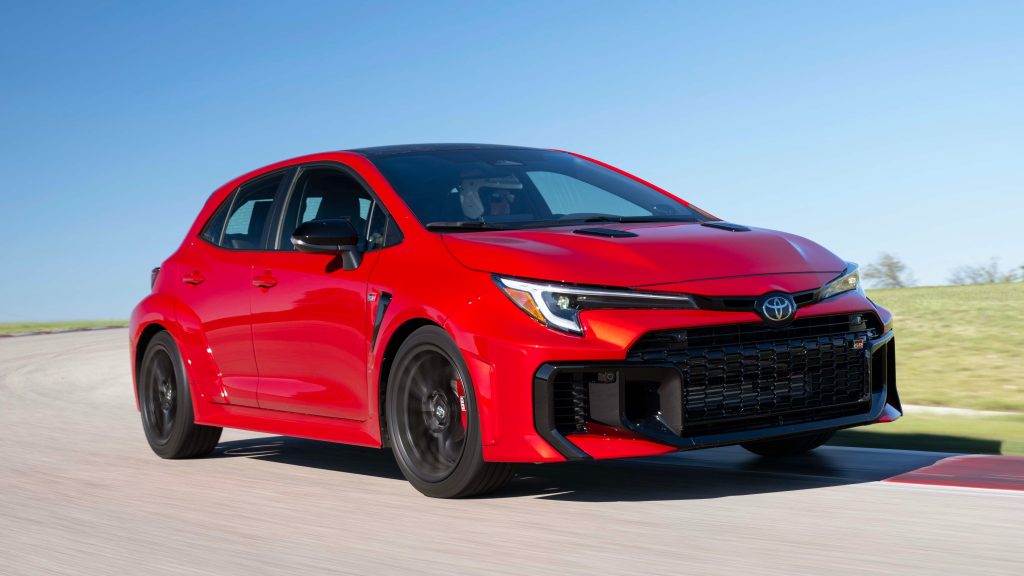
Owners who maintain their Corollas properly often experience minimal issues beyond regular wear items such as tires, brake pads, and timing belts. Fuel economy remains consistent, and engine performance does not degrade significantly over time.
Corrosion resistance is another reason these vehicles survive well in varied climates, making them excellent choices for drivers seeking compact, long-lasting cars.
With its reputation for reliability and ease of maintenance, the Corolla from this era remains a standout example of Toyota’s commitment to building vehicles that endure.
Its combination of efficiency, simplicity, and long-term dependability ensures that these cars can continue serving drivers for two decades or more.
3. Toyota RAV4 (Early 2000s)
The Toyota RAV4 introduced a new level of practicality in the early 2000s by combining SUV versatility with car-like handling and Toyota’s trademark reliability.
Early RAV4 models feature engines such as the 2.0L 4-cylinder, which are known to run smoothly even after extensive mileage. Their straightforward mechanical design allows for easier repairs and maintenance compared to modern, more complex powertrains.
The all-wheel-drive system in these RAV4s is robust, with most issues arising only if the vehicle has been subjected to extreme off-road conditions. Regular servicing, including fluid changes and inspection of the drivetrain, ensures the longevity of these components.
The suspension system is sturdy, designed to handle both city driving and occasional rough roads without major deterioration, contributing to the vehicle’s enduring comfort and stability.
Interior and cargo space in the RAV4 remain practical and functional over time. Seats are durable, and interior plastics have shown resilience against cracking and fading.
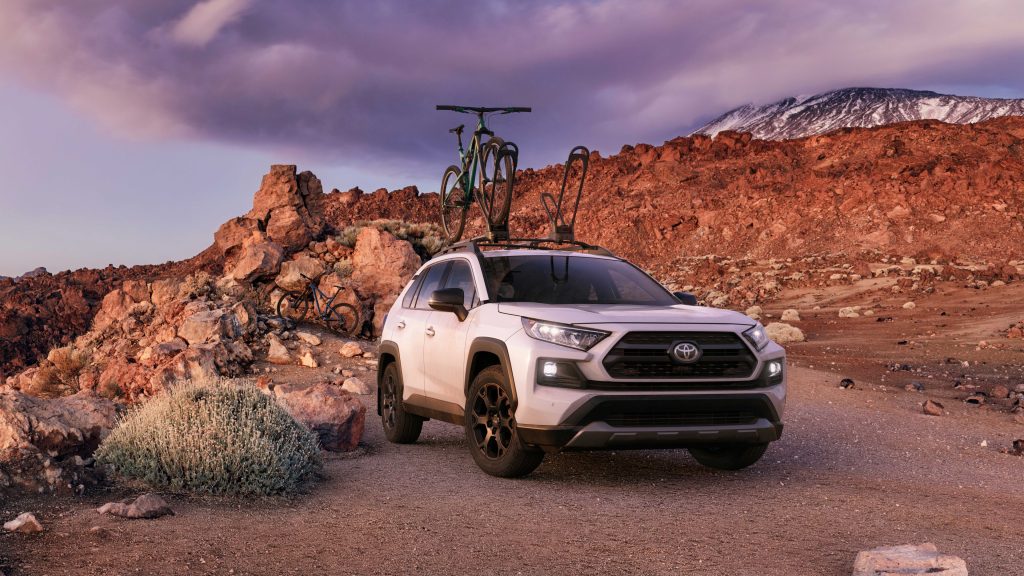
Electronics are simple and reliable, with minimal components that could fail prematurely. The hatchback design provides ample storage, making it suitable for families or drivers who require versatility alongside reliability.
Maintenance remains the key to the RAV4’s long-term survival. Attention to routine services such as timing belt replacements, brake maintenance, and cooling system care prevents most significant issues.
Fuel efficiency remains respectable for an SUV of its size, and owners report consistent performance even after decades of use. Corrosion resistance is also strong, allowing these vehicles to survive in areas with wet climates or salted roads.
Overall, the early 2000s Toyota RAV4 combines practicality, comfort, and mechanical durability. Its reliability has earned it a loyal following among drivers who need a versatile SUV that can withstand years of daily use, making it a standout choice for those looking for a long-lasting vehicle.
4. Toyota Tacoma (Late 1990s – Early 2000s)
The Toyota Tacoma has built a reputation as one of the most durable compact pickups available. Models from the late 1990s and early 2000s are particularly notable for their longevity, often exceeding 250,000 miles with consistent care.
The truck’s engines, such as the 2.4L 4-cylinder and 3.4L V6, are renowned for reliability. These powertrains maintain performance over decades when routine maintenance, such as oil changes and timing belt replacements, is followed. Tacoma engines are also resilient against overheating and other common truck issues.
Transmission durability is another highlight. Manual transmissions are simple and robust, and automatic options are built to handle heavy loads without frequent failures.
The suspension system, including leaf springs and front struts, is designed for both work and off-road conditions. As a result, the Tacoma can maintain ride quality and stability even after years of hauling cargo, commuting, or light off-road adventures.
Its frame is resistant to rust, which further contributes to long-term durability, especially in regions prone to wet conditions.
The interior of the Tacoma is straightforward, functional, and durable. Seats and trim pieces often remain in good condition even after years of use, and the dashboard and controls show minimal wear.
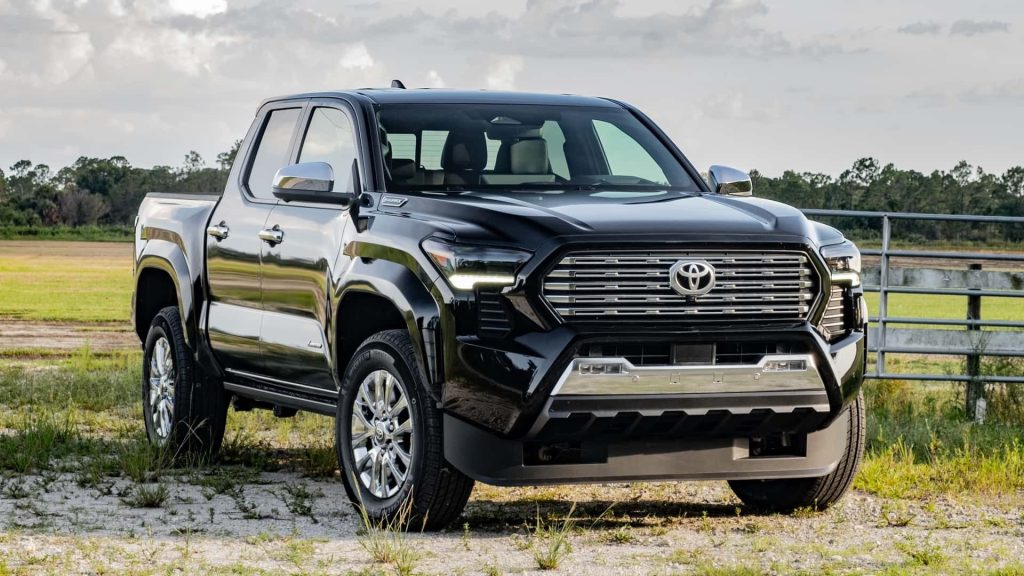
While technology is basic, this simplicity is advantageous for long-term reliability, as fewer electronic systems could fail. Maintenance of interior components is simple, and parts are widely available, keeping repair costs reasonable.
Routine maintenance plays a crucial role in the Tacoma’s ability to last. Regular brake checks, oil changes, and suspension inspections help prevent common wear-related issues.
The truck’s reputation for reliability has led to strong resale values and a devoted owner community. Overall, the late-1990s and early-2000s Tacoma is an excellent example of Toyota’s commitment to producing vehicles that can endure decades of hard use while maintaining dependable performance.
Its combination of durability, versatility, and practicality makes it a long-term investment for pickup enthusiasts and everyday drivers alike.
5. Toyota Highlander (Early 2000s)
The Toyota Highlander, introduced in the early 2000s, quickly became a popular midsize SUV thanks to its balance of comfort, reliability, and practicality. Early models feature engines like the 3.0L V6, known for smooth performance and remarkable longevity.
These engines are straightforward in design, making maintenance easier and ensuring fewer major repairs over time. Many Highlanders from this era have surpassed 200,000 miles while still running efficiently.
Transmission performance is generally solid, with automatic transmissions capable of lasting decades if serviced regularly. The all-wheel-drive system in many Highlanders is dependable, providing extra traction and control without frequent problems when properly maintained.
Suspension components, including struts and control arms, offer a smooth ride and are resistant to long-term wear. The body construction is also corrosion-resistant, which helps prevent rust in various climates.
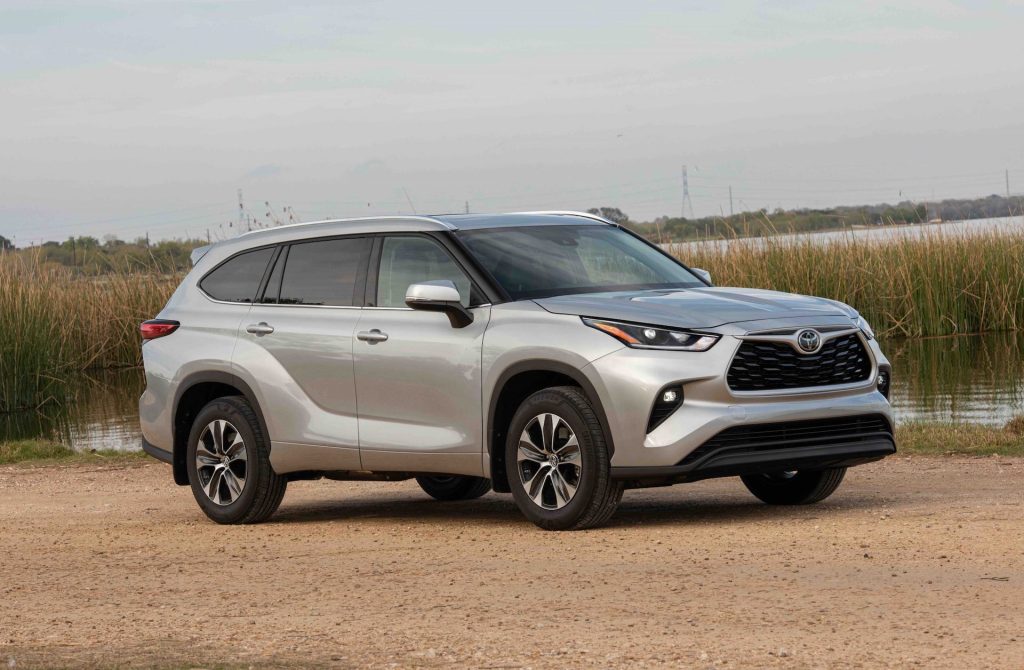
Interior durability is another reason the Highlander remains functional after two decades. Seats retain cushioning, and the dashboard and trim are designed to withstand long-term exposure to sunlight and daily use.
The controls and basic electronics are simple, ensuring that critical systems like climate control, audio, and power windows continue to work reliably. Cargo space remains practical, making it suitable for families or those needing extra storage.
Maintenance is crucial for long-term reliability. Regular oil changes, brake inspections, and attention to cooling system components keep the Highlander running smoothly.
Fuel efficiency remains acceptable for a midsize SUV, even after years of use. Owners often report minimal issues with major components, highlighting Toyota’s engineering focus on longevity.
The early 2000s Highlander proves that SUVs can combine comfort, versatility, and reliability. Its consistent performance and durable design make it an appealing choice for drivers seeking a vehicle that remains dependable and practical for twenty years or more.
6. Toyota Sienna (Early 2000s)
The Toyota Sienna minivan has earned a reputation for exceptional reliability and longevity, particularly models from the early 2000s. Equipped with engines like the 3.0L V6, the Sienna delivers consistent performance and can handle high mileage with proper maintenance.
Engine components are straightforward, making replacements and repairs manageable, which contributes to its ability to remain functional for two decades or longer.
Transmission reliability is a notable feature. Automatic transmissions in the Sienna are designed to endure years of daily driving, provided fluid changes and inspections are performed regularly.
The suspension system is robust, ensuring ride comfort for families while resisting the wear that often affects minivans over time. Corrosion-resistant body panels and careful engineering further enhance the Sienna’s long-term durability, especially in regions with wet or salty roads.
The interior is spacious and built to last. Seats remain comfortable, and cabin materials are resistant to cracking or fading. Controls and electronics are simple, reducing the likelihood of component failure.
Features such as sliding doors, climate control, and entertainment systems continue to operate reliably when maintained. Ample cargo and seating space make the Sienna ideal for families who rely on a vehicle for everyday use and long trips alike.
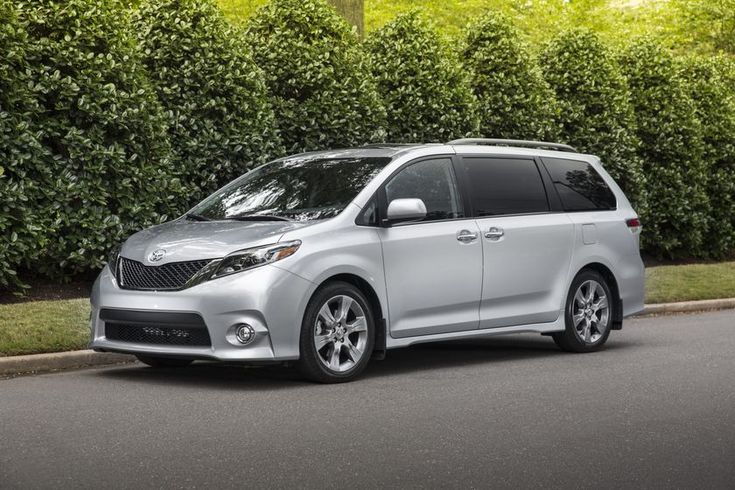
Routine maintenance is essential to keeping the Sienna performing well. Oil changes, brake servicing, and attention to wear items like timing belts and suspension components ensure the vehicle’s longevity.
Owners frequently report that even after decades of service, the Sienna maintains dependable engine performance and efficient operation.
Overall, the early 2000s Toyota Sienna demonstrates that minivans can combine comfort, practicality, and long-term durability. Its reputation for reliability makes it a strong option for anyone seeking a vehicle capable of serving a family reliably for twenty years or more.
7. Toyota 4Runner (Late 1990s – Early 2000s)
The Toyota 4Runner is known for its rugged durability and capability, making it one of the longest-lasting SUVs in Toyota’s lineup. Models from the late 1990s and early 2000s are particularly admired for surviving harsh conditions while maintaining performance.
Engines such as the 3.4L V6 are robust, capable of high mileage with routine maintenance, and resist major mechanical failures. These vehicles thrive in both daily commuting and off-road environments.
The 4Runner’s drivetrain is engineered for longevity. Rear-wheel-drive and four-wheel-drive systems are durable and, when regularly serviced, remain fully functional well past 200,000 miles.
The suspension is designed to endure rough terrain while providing a stable ride, and frame construction resists corrosion, even in regions with wet or salted roads.
This combination of strong mechanical design and thoughtful engineering allows the 4Runner to maintain performance over decades.
Interior components are practical and long-lasting. Seats retain shape, dashboard materials resist cracking, and simple electronics reduce the risk of long-term failures.
Cargo space is versatile, and the overall cabin design emphasizes utility without compromising comfort. Drivers appreciate that these 4Runners remain easy to maintain, with widely available parts and straightforward repairs.
Regular maintenance ensures continued reliability. Oil changes, brake servicing, and inspection of suspension and drivetrain components prevent common issues.
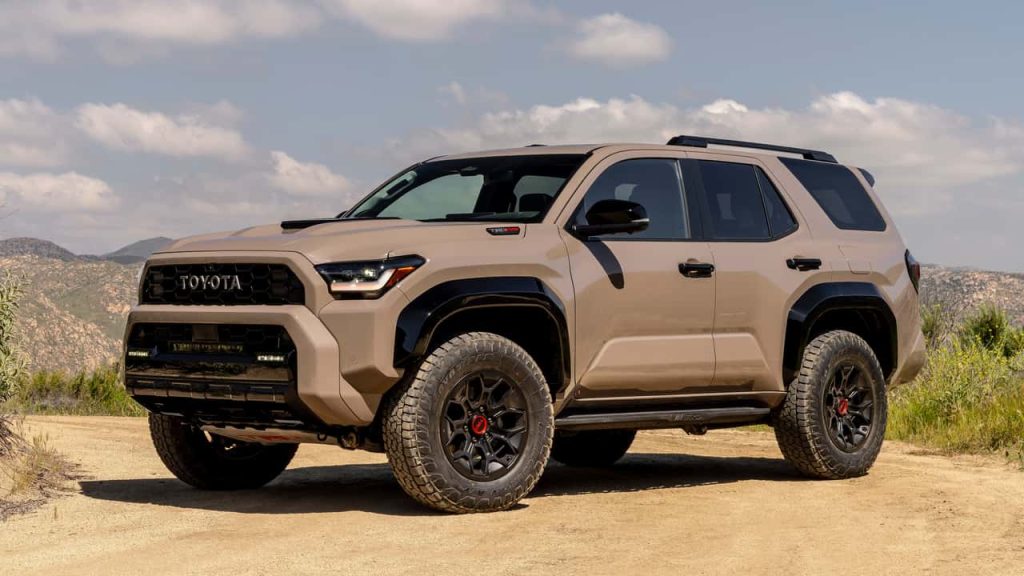
Fuel efficiency is respectable for a midsize SUV, and engine performance remains consistent over time. Owners often report that these vehicles still provide a smooth, capable driving experience even after twenty years.
The late-1990s and early-2000s Toyota 4Runner stands out as a vehicle that combines ruggedness, dependability, and long-term usability. Its enduring performance and resilience against wear make it a favorite for those seeking an SUV that continues to run well for decades.
8. Toyota Land Cruiser (1998–2007)
The Toyota Land Cruiser is widely regarded as one of the most durable SUVs ever produced. Models from 1998 to 2007 are known for their ability to handle extreme conditions while maintaining mechanical integrity.
Engines like the 4.7L V8 are exceptionally reliable, capable of high mileage without significant degradation. The Land Cruiser’s design prioritizes longevity, with components built to withstand demanding environments and regular heavy use.
The drivetrain, including the four-wheel-drive system and automatic transmission, is engineered to endure decades of service. Suspension systems are robust, offering both comfort and off-road capability.
Rust resistance is strong, with body panels and undercarriage materials built to survive harsh weather and challenging terrain. Maintenance of these components is straightforward, contributing to the vehicle’s long life.
Inside, the Land Cruiser combines durability and comfort. Leather seats and quality trim materials often remain in good condition even after extensive use. Electronics are simple, reliable, and designed to last.
The interior layout provides ample seating and cargo space, making it ideal for families or long expeditions. The combination of practicality and longevity makes the Land Cruiser a favorite among drivers who require a dependable SUV for decades.

Routine maintenance, including regular oil changes, brake servicing, and fluid inspections, is essential to sustaining performance.
Fuel efficiency is modest, but the vehicle’s reliability and versatility compensate for higher operating costs. Owners consistently report that the Land Cruiser remains capable, safe, and smooth even after twenty years of service.
The Land Cruiser exemplifies Toyota’s ability to engineer vehicles that endure extreme conditions while maintaining dependable performance.
Its long-term reliability, combined with comfort and versatility, ensures it remains a top choice for those seeking a vehicle that will continue to run well for decades.
9. Toyota Prius (Second Generation, 2004–2009)
The Toyota Prius is a pioneering hybrid vehicle, and its second-generation models from 2004 to 2009 are known for their remarkable longevity. While hybrid technology was relatively new at the time, Toyota designed the Prius with reliability in mind.
The 1.5L and 1.8L 4-cylinder engines paired with the hybrid system are durable, often continuing to operate efficiently after twenty years when properly maintained.
The hybrid battery system is a critical factor in the Prius’s long-term usability. Many owners report that the battery can last well over 150,000 miles with minimal degradation, and replacement options are available if necessary.
Transmission and power electronics are designed for reliability, with few failures reported in vehicles that receive regular maintenance. Suspension components are durable, ensuring the vehicle remains comfortable and stable even after years of use.
Interior materials are resilient, and the cabin layout emphasizes practicality. Seats remain supportive, and controls are straightforward, reducing the likelihood of malfunction.
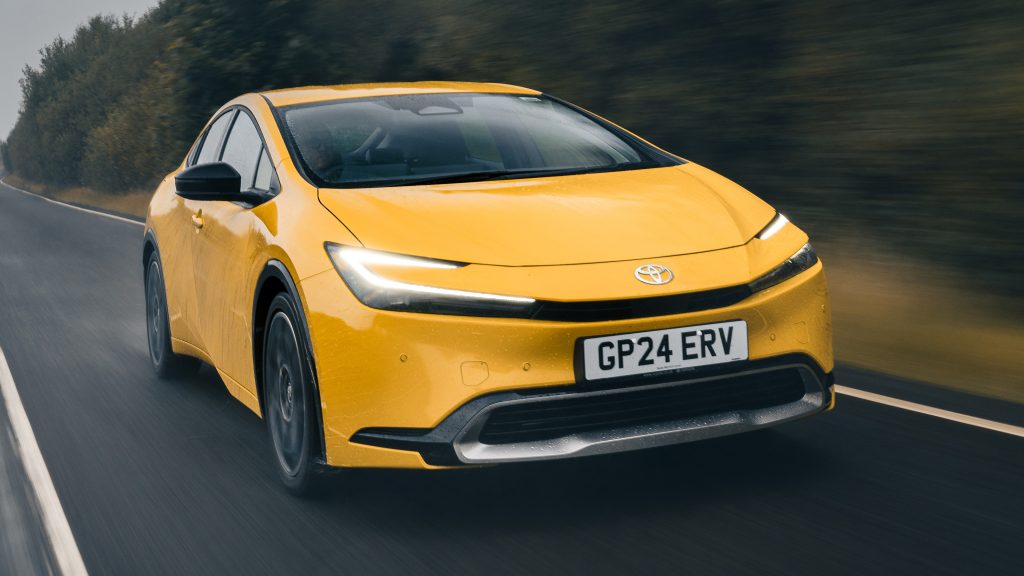
Fuel efficiency remains impressive even as the car ages, making it an economical option for long-term ownership. Regular servicing, including hybrid system checks, oil changes, and brake maintenance, helps preserve the vehicle’s reliability.
The second-generation Prius demonstrates that hybrid vehicles can be both efficient and long-lasting. Owners consistently report minimal mechanical issues beyond normal wear and tear, highlighting Toyota’s careful engineering.
Its combination of low operating costs, reliability, and advanced technology for its time ensures that the Prius remains a practical choice for drivers seeking a vehicle capable of performing well for two decades or more.
10. Toyota Sequoia (2001–2007)
The Toyota Sequoia is a full-size SUV that emphasizes durability and performance. Early models from 2001 to 2007 are particularly known for their strong V8 engines, reliable automatic transmissions, and well-constructed suspension systems.
These features allow the Sequoia to endure heavy use, whether for family transportation, towing, or long road trips, without significant mechanical issues.
The Sequoia’s drivetrain, including the four-wheel-drive system in many models, is engineered for longevity. Suspension components are robust, capable of handling both highway and off-road conditions.
Body construction resists corrosion, ensuring the SUV remains functional and attractive over decades. Maintenance tasks are manageable, and replacement parts are widely available, making it easier to sustain the vehicle’s performance over time.
Inside, the Sequoia offers a spacious and durable cabin. Seats, trim, and controls maintain their integrity over years of use, and electronics are simple enough to reduce the risk of failure.

Cargo and passenger space remain practical for families, while the vehicle’s towing capability adds versatility. Owners often note that the Sequoia continues to provide reliable and comfortable performance well into its second decade.
Routine maintenance is essential for long-term survival. Oil changes, brake inspections, and suspension servicing help prevent major issues.
Fuel efficiency is moderate for a full-size SUV, but the Sequoia’s reliability and performance make it a worthwhile trade-off. Many vehicles from this era continue to operate smoothly after twenty years, proving the Sequoia’s enduring appeal.
The early 2000s Toyota Sequoia demonstrates that full-size SUVs can combine power, reliability, and long-term durability. Its ability to remain dependable for decades makes it an ideal choice for drivers seeking a large, versatile vehicle capable of lasting twenty years or more.
Also Read: 10 Used Cars That Deliver More Than Their Price Tag
