
Hybrid vehicles have grown from a niche idea into a practical option for many drivers. They balance gasoline power with electric motors, delivering better fuel economy without asking owners to sacrifice performance or comfort.
A common concern, however, revolves around the hybrid battery. Some assume these packs fail quickly, creating the risk of high replacement costs.
While batteries do eventually wear down, certain hybrid models have proven exceptionally resilient, often lasting well beyond the life of the car itself.
For families, commuters, and long-term car owners, choosing one of these dependable hybrids can mean years of use without ever needing a battery swap.
Durability comes from several factors. Automakers engineer hybrid systems differently, and some brands put extra emphasis on cooling systems, efficient charge cycles, and conservative power management.
This results in reduced stress on the battery, which keeps it functioning at near-optimal capacity for hundreds of thousands of miles. Owner habits play a role as well, but the engineering foundation remains key.
Toyota and Honda, for example, have spent decades refining their hybrid technology, which is why many of their models earn reputations for batteries that rarely fail.
The following hybrids are not only known for fuel efficiency and smooth driving but also for the reliability of their battery packs. These vehicles have repeatedly shown that with proper care, the battery can last the entire life of the car.
That means fewer unexpected expenses, greater peace of mind, and the ability to enjoy hybrid efficiency without fear of a costly replacement.
Each entry highlights a hybrid that has earned trust among owners and mechanics alike for its long-lasting battery system, making them smart choices for those who value both performance and dependability.
Also Read: 12 Cars That Offer Luxury for Pennies After 10 Years
1. Toyota Prius
The Toyota Prius is the most recognized hybrid in the world, and for good reason. Since its debut in the late 1990s, it has set the standard for how hybrid technology should work. Beyond fuel savings, the Prius has built its reputation on long-lasting reliability, especially about its battery pack.
Owners often report that the original hybrid battery lasts well beyond 150,000 miles, and many vehicles push closer to 200,000 or even 250,000 miles without requiring a replacement.
One reason the Prius holds up so well is Toyota’s conservative approach to power management. Instead of allowing the battery to fully charge or completely drain, the system maintains a balanced state of charge.
This reduces stress on the cells and slows down the natural wear that can shorten a battery’s life. Combined with an effective cooling system, the battery rarely overheats, which is one of the biggest risks for hybrid longevity.
Another factor is the sheer number of Prius models on the road. With millions sold worldwide, Toyota has gathered unmatched data on how these vehicles age.
Each new generation incorporates lessons learned from previous years, which has refined the battery system into one of the most dependable designs available.
Mechanics often say that when a Prius comes into the shop, they expect to see issues with suspension or cosmetic wear long before anything related to the battery.
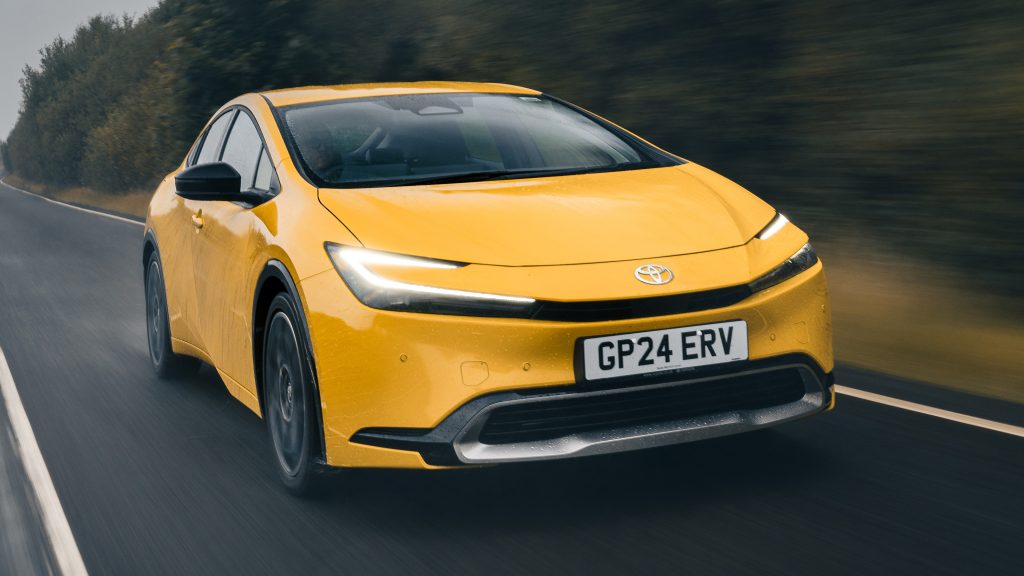
Owners also benefit from Toyota’s warranty programs, which offer peace of mind. In many regions, the hybrid battery is covered for up to 8 years or 100,000 miles, with some states extending it even further. For many drivers, this coverage period ends long after the car has already proven its durability.
The Prius shows that hybrid batteries do not have to be a financial burden. Instead, they can provide years of reliable service, making this model a benchmark for hybrid dependability.
2. Honda Accord Hybrid
The Honda Accord Hybrid blends midsize sedan practicality with excellent fuel economy, but what sets it apart is the dependability of its hybrid battery.
Drivers often keep these cars for well over a decade, and many report the original battery performing without issue past 200,000 miles. Honda’s engineering approach plays a major role in this outcome.
The Accord Hybrid uses a two-motor system that smartly alternates between gasoline and electric power depending on demand. This arrangement keeps the battery from working too hard in normal driving conditions.
City traffic, highway cruising, and uphill climbs are all handled smoothly without overloading the pack. By limiting deep discharge cycles, Honda ensures the cells stay within an ideal range, which extends their lifespan.
Another factor behind its long-lasting battery is Honda’s cooling system. Heat is one of the fastest ways to degrade hybrid batteries, and the Accord Hybrid uses airflow management and compact battery packaging to prevent excessive temperatures. Owners rarely experience overheating issues even in warmer climates.
Maintenance requirements are also minimal. As long as drivers keep up with regular servicing and ensure the cooling fan is clear of dust, the battery tends to perform without surprises. Reports of premature failures are rare compared with some other hybrid sedans.
On top of durability, Honda provides generous warranty protection. In many areas, the hybrid battery comes with coverage for up to 8 years or 100,000 miles. In states with stricter emissions regulations, it extends even further. Most drivers never need to use this warranty because the battery usually outlasts it.
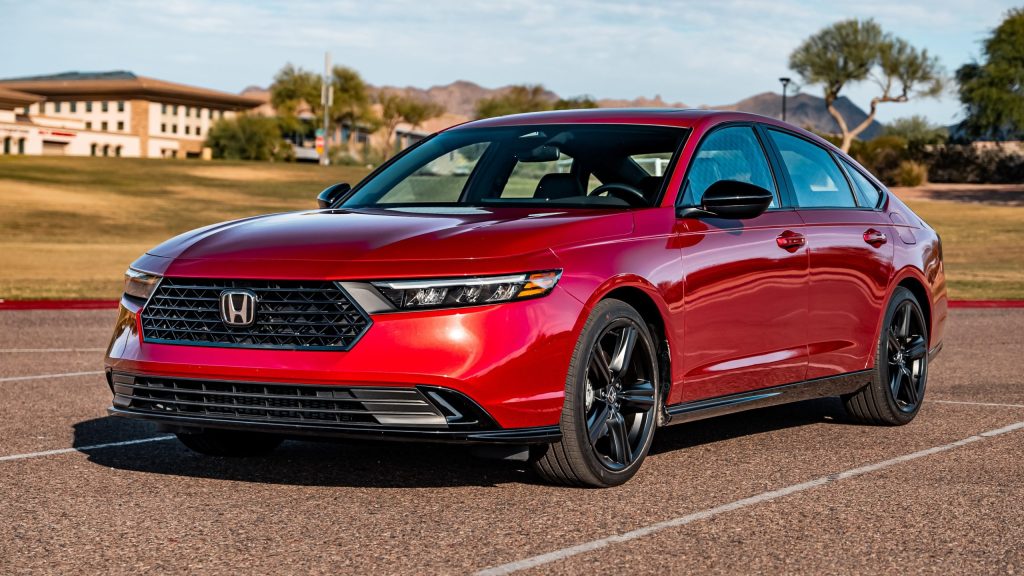
The Accord Hybrid proves that a well-engineered sedan can combine practicality, comfort, and long-term reliability. For buyers who want hybrid efficiency without the worry of replacing an expensive battery, this Honda stands as one of the most trustworthy options available.
3. Toyota Camry Hybrid
The Toyota Camry Hybrid is a family-friendly sedan that adds hybrid efficiency to one of Toyota’s most reliable platforms.
Over the years, it has built a reputation for longevity, with owners reporting batteries lasting as long as the car itself. Many Camry Hybrids remain on the road with more than 200,000 miles on their original packs.
A major reason for this endurance is Toyota’s experience in hybrid design. The Camry Hybrid borrows heavily from the technology perfected in the Prius.
Its powertrain keeps the battery in a mid-range state of charge rather than allowing it to swing from empty to full. By avoiding these extremes, the battery maintains its health for much longer.
Cooling is another advantage. The Camry Hybrid features a well-ventilated battery compartment, supported by fans that reduce heat buildup.
Even in warmer climates, the system prevents the pack from operating in damaging temperature ranges. As a result, owners rarely complain of overheating or early degradation.
Real-world owner feedback reinforces the car’s reputation. Many mechanics note that when Camry Hybrids show up at high mileage, the issues are more likely to be with suspension, brakes, or general wear rather than the hybrid system. The battery is usually still operating normally.
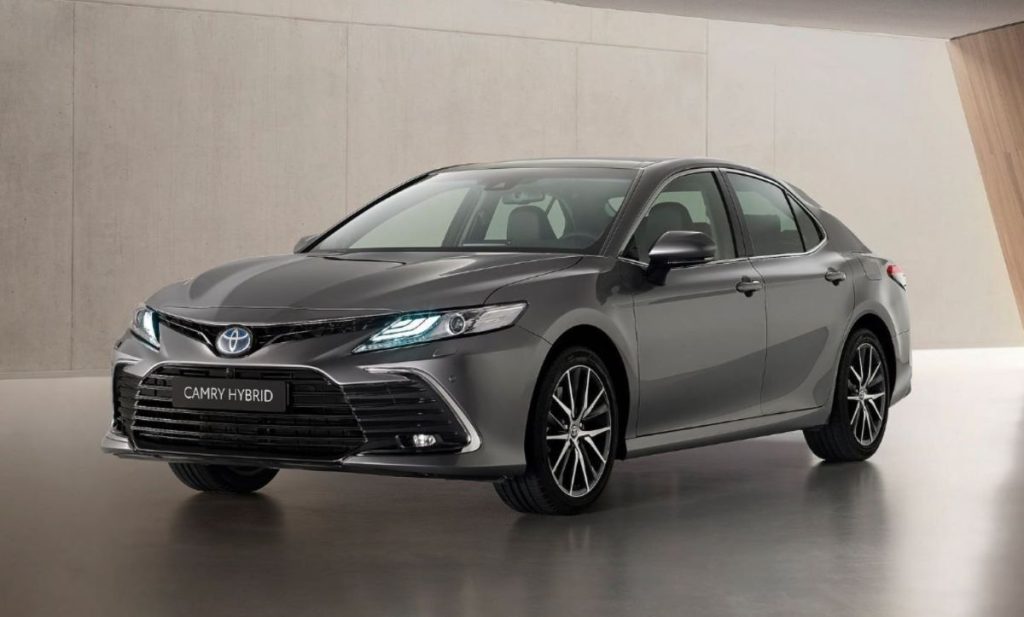
Toyota’s hybrid battery warranty also reassures buyers. Coverage typically spans 8 years or 100,000 miles, with extended terms in states that follow stricter emissions standards. This level of protection demonstrates the company’s confidence in its technology.
Beyond reliability, the Camry Hybrid remains appealing because it doesn’t sacrifice space or comfort.
Families get a sedan that is roomy, efficient, and dependable, with the added benefit of a battery that often lasts the full life of the vehicle. For drivers who want peace of mind and long-term value, the Camry Hybrid consistently delivers.
4. Ford Escape Hybrid
The Ford Escape Hybrid has earned praise as one of the most durable American hybrids, particularly for its battery life. When the first generation launched in the mid-2000s, skeptics wondered how well it would hold up over time.
Owners quickly found that the Escape Hybrid could easily surpass 150,000 miles without requiring a new battery, and many have documented vehicles running well past 200,000 miles with the original pack intact.
Part of the Escape’s success comes from its design. Ford partnered with Toyota to use proven hybrid technology, ensuring the system was well-tested before entering the market. This collaboration gave the Escape Hybrid a reliable foundation, helping it avoid many of the early issues that plagued other hybrid SUVs.
The cooling system plays a vital role in keeping the battery healthy. Airflow management helps reduce the risk of overheating, even when the vehicle is used for heavy commuting or long road trips.
In fact, many taxi fleets adopted the Escape Hybrid, and their high-mileage examples showcased just how durable the batteries could be under constant use.
Unlike some hybrids that lean heavily on their electric motors, the Escape Hybrid uses its gas engine efficiently to share the workload. This prevents the battery from draining deeply or charging excessively, reducing the strain that typically shortens a pack’s lifespan.
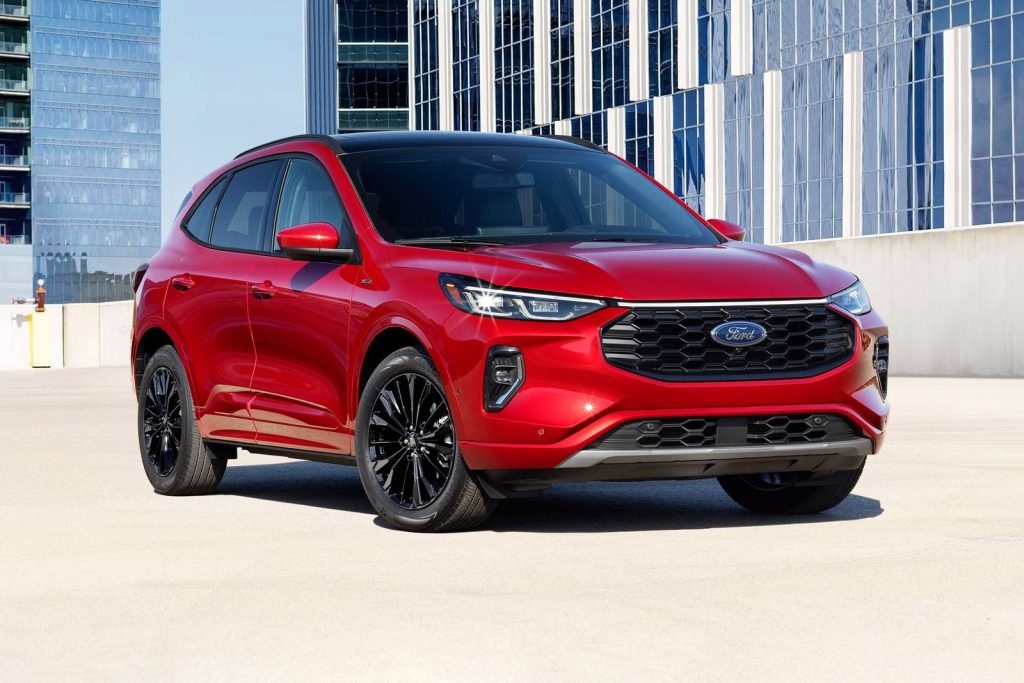
Owners consistently report that hybrid-related issues are rare. When the Escape does need repairs, they are usually unrelated to the battery. With proper maintenance, the original battery remains dependable for years of use.
The Escape Hybrid stands out as a reliable option in the compact SUV segment. Its proven ability to keep the battery running smoothly makes it an excellent choice for drivers who need more space than a sedan but want the efficiency and long-term dependability of a hybrid system.
5. Lexus RX Hybrid
The Lexus RX Hybrid combines luxury with long-term durability, making it one of the most dependable premium hybrids available. Since its introduction, it has consistently impressed owners with a battery that lasts for the life of the vehicle in many cases.
Some RX Hybrids exceed 200,000 miles on their original pack, which is rare for luxury models where complexity can often lead to problems.
One of the reasons for this longevity is Toyota’s hybrid engineering, which serves as the backbone of the Lexus system.
The RX Hybrid uses conservative charge and discharge cycles to prevent battery strain. By keeping the pack within a safe operating range, Lexus ensures that the system remains stable even under demanding driving conditions.
Cooling is also carefully managed. The RX Hybrid’s battery compartment benefits from strong airflow, preventing the cells from reaching temperatures that could shorten their life. This feature becomes especially important in regions with hot summers, where heat can accelerate battery wear.
Owners frequently highlight the reliability of the hybrid system compared to other luxury vehicles. While many premium SUVs develop costly issues with electronics or advanced features, the RX Hybrid’s battery usually keeps performing year after year. The most common maintenance tasks involve standard wear items rather than hybrid components.
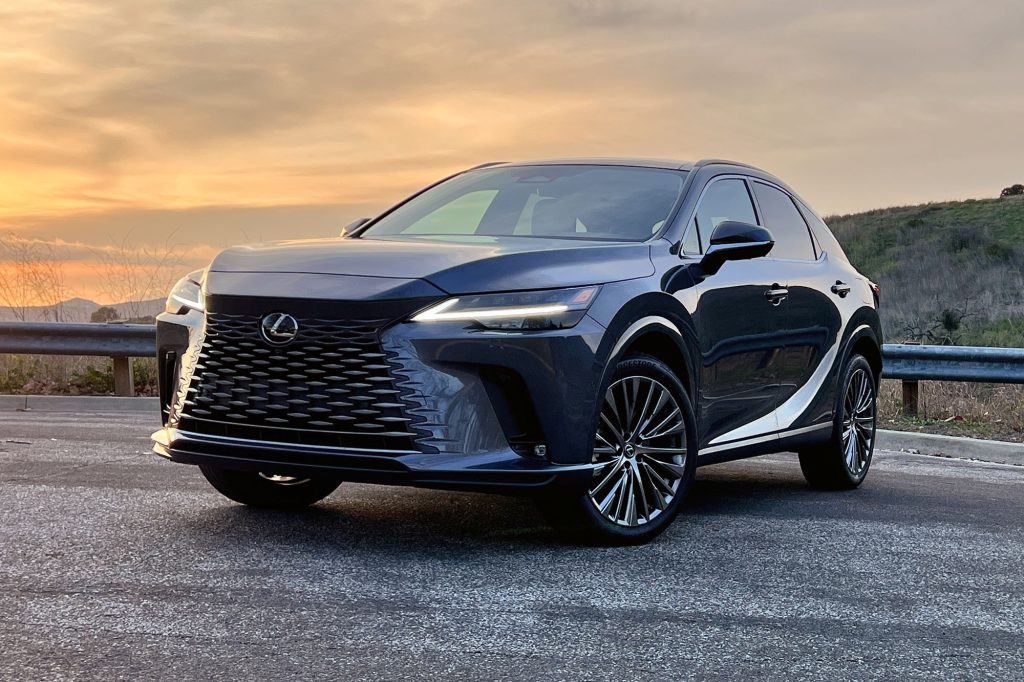
Warranty coverage further builds confidence. Lexus offers the same hybrid battery protections as Toyota, often extending up to 8 years or 100,000 miles, with even longer terms in certain states. Most drivers never need to use this coverage because the battery outlasts it.
For buyers who want a hybrid with luxury comfort, refined performance, and outstanding dependability, the Lexus RX Hybrid is a strong choice. Its combination of Toyota’s proven technology and Lexus quality ensures that the battery rarely becomes a financial concern.
6. Hyundai Sonata Hybrid
The Hyundai Sonata Hybrid has become a respected contender in the hybrid market, and one of its strongest selling points is battery longevity.
Early skepticism about Hyundai’s hybrid technology has faded as owners have demonstrated that these sedans can last for years on their original packs. Many Sonata Hybrids surpass 150,000 miles without replacement, and reports of failure are relatively rare.
Hyundai designed its hybrid system to reduce strain on the battery by distributing workload efficiently between the gas engine and electric motor.
The system minimizes deep cycling, keeping the pack within a stable range of charge. This careful management helps slow degradation and maintain long-term performance.
Another contributor to its durability is the use of advanced lithium-ion polymer batteries in later models. Compared to older nickel-metal hydride packs, these batteries are lighter, more compact, and designed for improved thermal stability.
The combination of technology and smart engineering results in a battery that can handle years of commuting, long trips, and daily wear.
Cooling also plays a role. Hyundai equipped the Sonata Hybrid with an effective thermal management system that maintains safe operating temperatures even in heavy traffic or hot climates. By preventing overheating, the battery remains reliable over long periods of use.
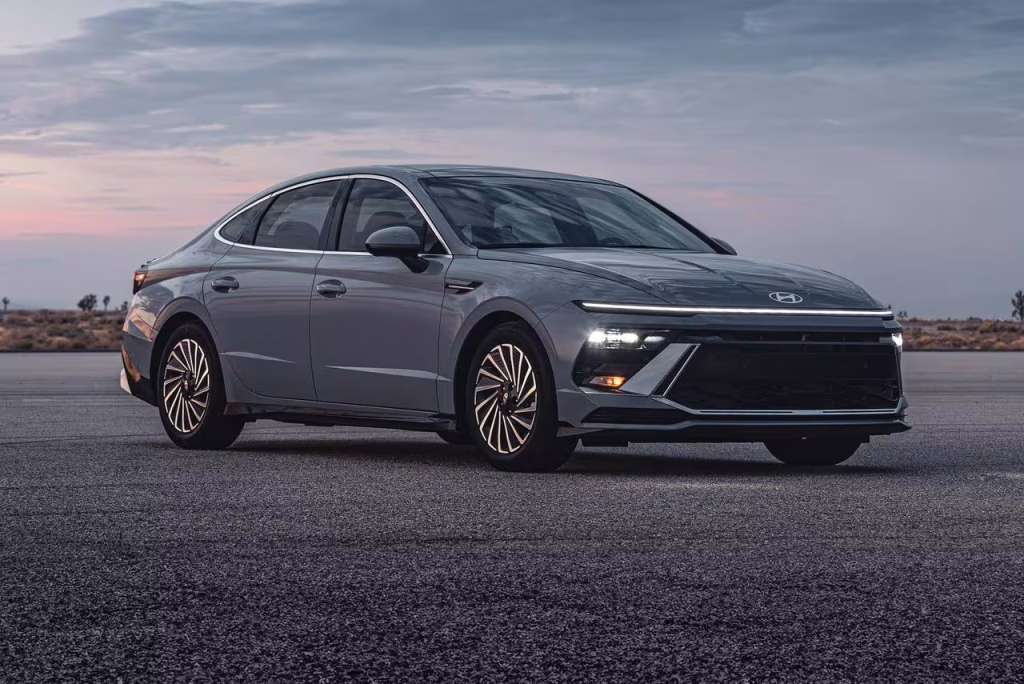
One standout advantage of Hyundai’s hybrid models is the warranty. The Sonata Hybrid’s battery is often backed by a 10-year or 100,000-mile warranty, with some programs even offering lifetime coverage for the original owner. This level of protection is unmatched by most competitors, giving buyers significant peace of mind.
Overall, the Sonata Hybrid proves that Hyundai’s engineering can compete with long-established players in the hybrid space.
For drivers seeking efficiency, comfort, and dependable battery life, this sedan demonstrates that hybrid ownership does not have to include the worry of early battery replacement.
7. Toyota Highlander Hybrid
The Toyota Highlander Hybrid has proven to be a standout three-row SUV that combines size, practicality, and long-term dependability.
Among its strengths is a battery system that rarely requires replacement. Families often keep these vehicles for well over a decade, and many Highlander Hybrids cross the 200,000-mile mark on their original pack.
The hybrid system borrows from the same technology found in the Prius and Camry Hybrid, scaled up to handle the demands of a larger SUV.
Toyota manages battery health by preventing extreme charge or discharge cycles, a technique that has become a trademark of the brand’s hybrids. This conservative management keeps the battery functioning smoothly for years of service.
Cooling is another area where Toyota excels. The Highlander Hybrid is equipped with a well-designed airflow system that prevents overheating, even when the SUV is loaded with passengers or driven in warm climates.
For a heavier vehicle, keeping the battery within a safe temperature range is critical, and Toyota engineers accounted for this.
Owners frequently praise the Highlander Hybrid’s durability. Many mechanics confirm that hybrid-related issues are uncommon. When problems do appear, they are usually related to standard wear-and-tear items like brakes or suspension, not the battery.
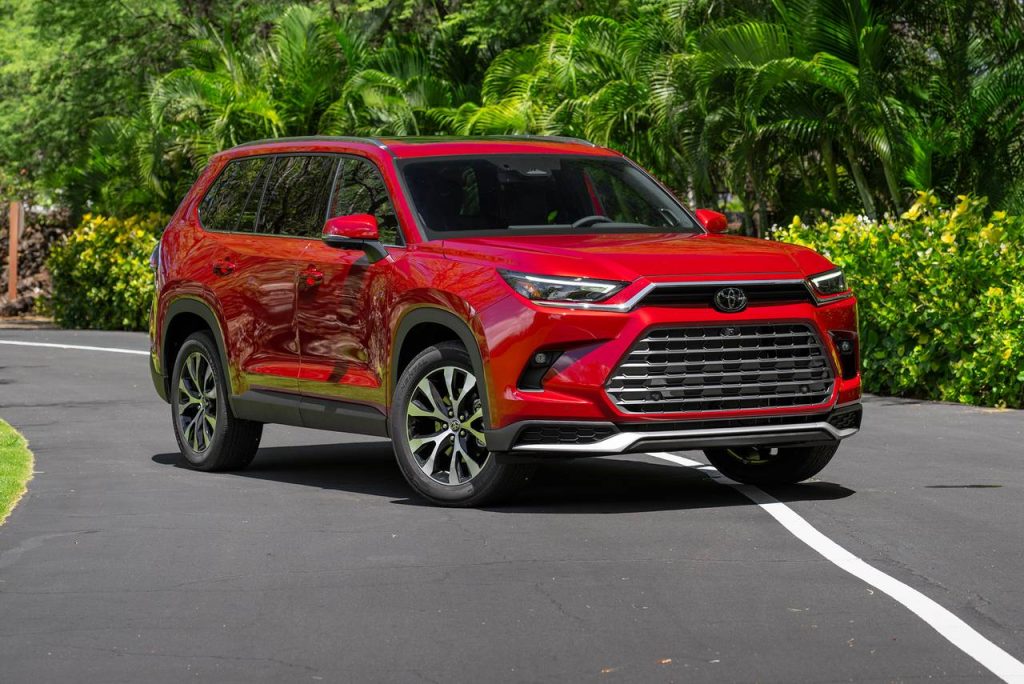
Warranty coverage further strengthens confidence. As with other Toyota hybrids, the battery is backed for at least 8 years or 100,000 miles, with longer terms in specific states.
Most Highlander Hybrid drivers report never needing to rely on this coverage, since the pack continues to perform reliably throughout ownership.
For families who want a large SUV with hybrid efficiency and dependable performance, the Highlander Hybrid is among the safest bets.
It offers the peace of mind that comes from Toyota’s proven hybrid technology, ensuring that battery replacement is rarely part of the ownership experience.
8. Honda CR-V Hybrid
The Honda CR-V Hybrid is a relatively newer entry compared to Toyota’s long history with hybrids, yet it has already gained recognition for dependability.
Early owner reports show that its battery system holds up remarkably well, with no widespread issues of premature failure. Many CR-V Hybrids on the road today are passing 100,000 miles with their original packs showing no signs of weakness.
Honda designed the CR-V Hybrid with efficiency and reliability in mind. The two-motor system balances power from the gasoline engine and electric motor, keeping the battery from being overworked.
By limiting how much the pack charges and discharges during everyday driving, Honda reduces stress on the cells. This design choice is a key reason the battery continues to perform for years.
Cooling also plays a major role. Honda engineers created a compact but effective airflow system to prevent overheating, which is one of the main causes of early battery degradation. Drivers in hotter regions report that the CR-V Hybrid maintains performance without noticeable drops in efficiency.
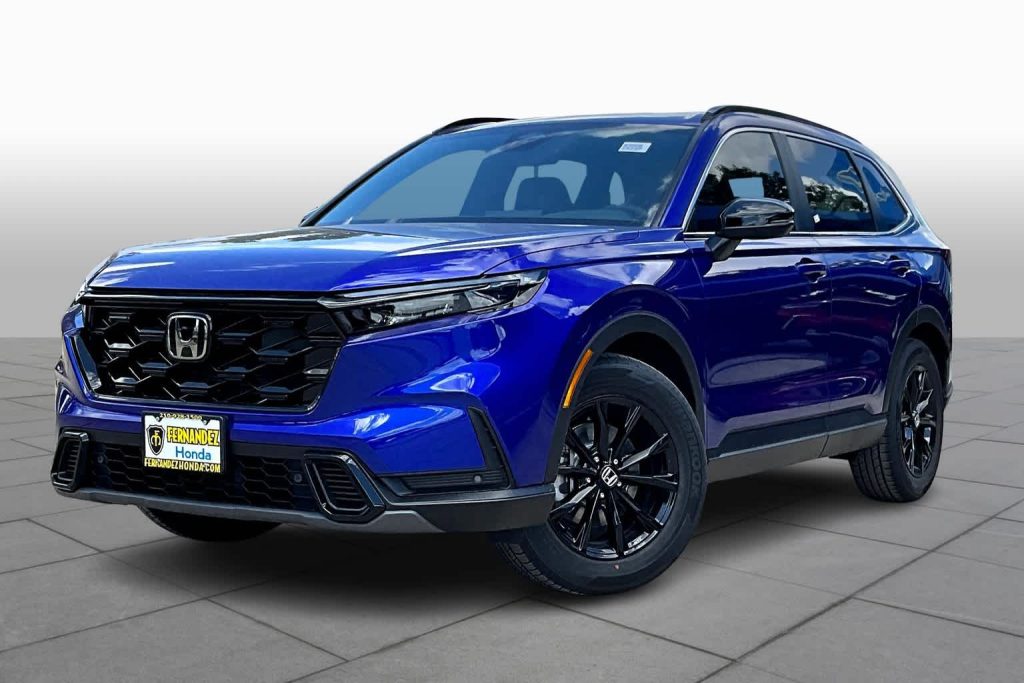
Another advantage is Honda’s track record with hybrids. The Accord Hybrid has long proven its battery reliability, and the CR-V Hybrid benefits from many of the same engineering lessons. The brand’s commitment to refining its hybrid systems gives buyers confidence that these batteries will last for the life of the vehicle.
Honda supports this with strong warranty coverage, typically offering 8 years or 100,000 miles for the hybrid battery. In states with stricter emissions rules, the coverage can extend further, protecting owners from unexpected costs.
For drivers seeking a small SUV with excellent fuel economy, roomy interior space, and a hybrid battery built to last, the CR-V Hybrid is one of the strongest options in its class. It proves that Honda’s reputation for long-term dependability carries over to its latest hybrid offerings.
9. Lexus ES Hybrid
The Lexus ES Hybrid is a midsize luxury sedan that has built its reputation on quiet comfort, refined driving, and long-term dependability.
Unlike many luxury vehicles that can suffer from costly electronic failures, the ES Hybrid has consistently shown that its battery system is robust and rarely needs replacement. Many owners drive them for well over 200,000 miles without experiencing battery-related problems.
The ES Hybrid shares its foundation with the Toyota Camry Hybrid, which has long been recognized for battery durability.
By using Toyota’s proven hybrid system, Lexus ensures that the ES Hybrid benefits from conservative battery management, preventing deep discharge cycles that can damage the cells over time.
Cooling is also well-handled in this sedan. The battery pack is positioned for efficient airflow, preventing heat buildup even during long commutes or summer driving. As a result, the battery remains stable, avoiding the thermal stress that often shortens lifespan in less refined designs.
Another factor behind the ES Hybrid’s dependability is Lexus quality control. The brand is known for meticulous attention to detail, and that extends to its hybrid technology. The combination of Toyota’s proven system and Lexus craftsmanship results in a sedan that delivers both luxury and reliability.
Owners consistently highlight that the ES Hybrid requires less hybrid-specific maintenance than they expected.
Common repairs typically involve suspension or comfort features rather than the hybrid battery itself. This reliability adds to the car’s strong resale value, since buyers know the hybrid system can be trusted.
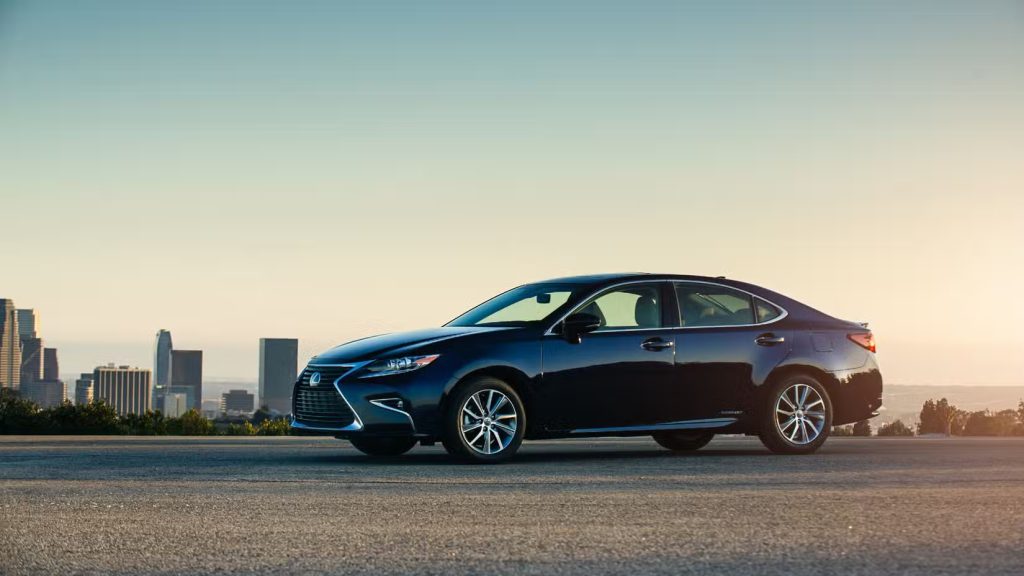
Warranty coverage follows the same standards as Toyota, with hybrid batteries often backed for 8 years or 100,000 miles, extending in certain states. Many drivers never need this coverage because the original battery keeps working long after the warranty expires.
For those who want a luxury sedan with hybrid efficiency and minimal long-term worries, the Lexus ES Hybrid remains one of the most dependable choices available.
10. Kia Niro Hybrid
The Kia Niro Hybrid has earned a reputation as one of the most practical and efficient small crossovers, and its battery system is a major reason for that success.
Despite being newer to the hybrid market compared to Toyota and Honda, Kia has designed the Niro Hybrid to hold up remarkably well over time. Owners often report well over 100,000 miles without any hybrid battery issues.
One of the Niro’s advantages is its use of advanced lithium-ion polymer batteries. These packs are lighter and more thermally stable than older nickel-metal hydride systems. By resisting overheating and maintaining performance across a wide temperature range, the Niro’s battery is less prone to degradation.
Kia’s hybrid management system is also carefully designed. By balancing energy use between the gas engine and the electric motor, the car prevents the battery from being overworked. This reduces deep cycling and helps maintain long-term cell health.
Owners notice that fuel economy remains strong even after years of daily driving, which is a good sign of battery stability.
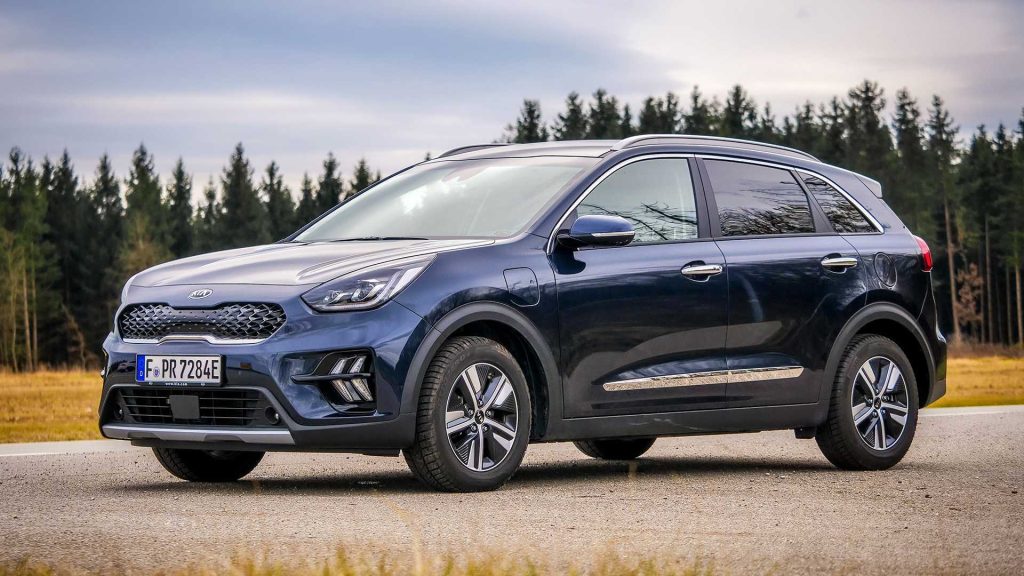
Cooling is supported by a compact airflow system that protects the battery during heavy traffic or summer driving. Drivers in warm climates report no unusual issues, showing that Kia accounted for environmental stress in its design.
One of Kia’s strongest selling points is its warranty. The Niro Hybrid is typically backed by a 10-year or 100,000-mile warranty on the powertrain, with hybrid components also receiving extended coverage. This gives buyers confidence that even in the unlikely event of an issue, the costs would be minimized.
Real-world feedback has been positive. Owners frequently comment that the Niro Hybrid is easy to maintain and dependable over time, with hybrid-related repairs being extremely rare.
For those looking for a small, fuel-efficient crossover that combines affordability with long-term reliability, the Kia Niro Hybrid delivers. Its battery is designed to last, making it a strong competitor in the hybrid market.
Also Read: 10 Electric Vehicles Expected to Become Collector Items
