Cars have a unique way of capturing moments in time, blending design, performance, and innovation into machines that leave lasting impressions. Some vehicles, even decades after their release, manage to retain that spark, balancing timeless appeal with enduring functionality.
From trucks that redefined capability to compact cars that maximize practicality, these rides continue to impress enthusiasts and everyday drivers alike. In this list, we explore 10 Cars That Still Feel Cool Even After 20 Years, showcasing models that have stood the test of time.
Whether it’s the rugged innovation of the 2016 Ford F-150, the sporty precision of the 2017 Mazda MX-5 Miata, or the reliable versatility of the 2018 Subaru Forester, each vehicle offers something unique. These are cars that aren’t just remembered they’re still relevant, still enjoyable, and still embody the essence of “cool” in the automotive world.
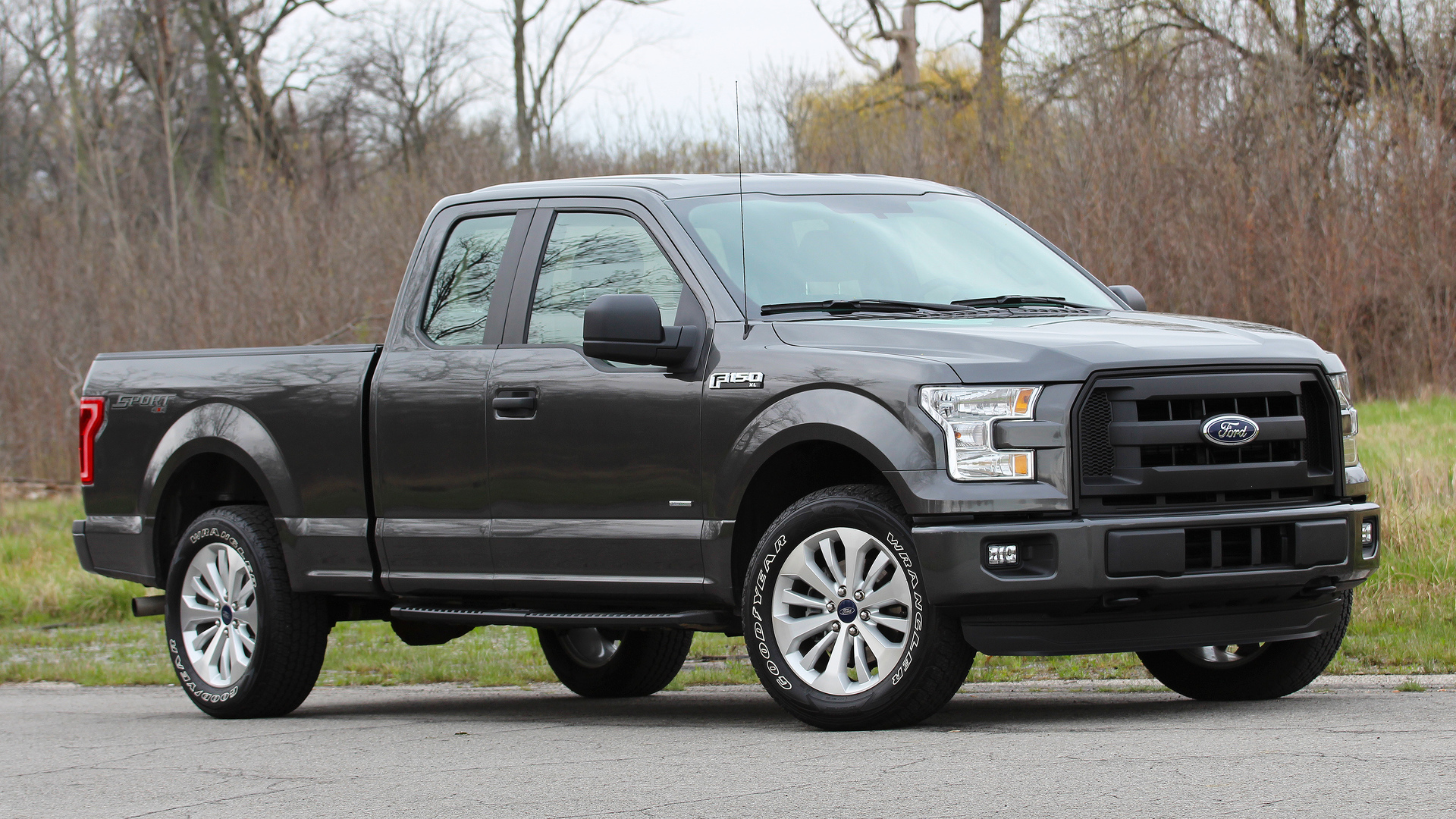
1. 2016 Ford F-150
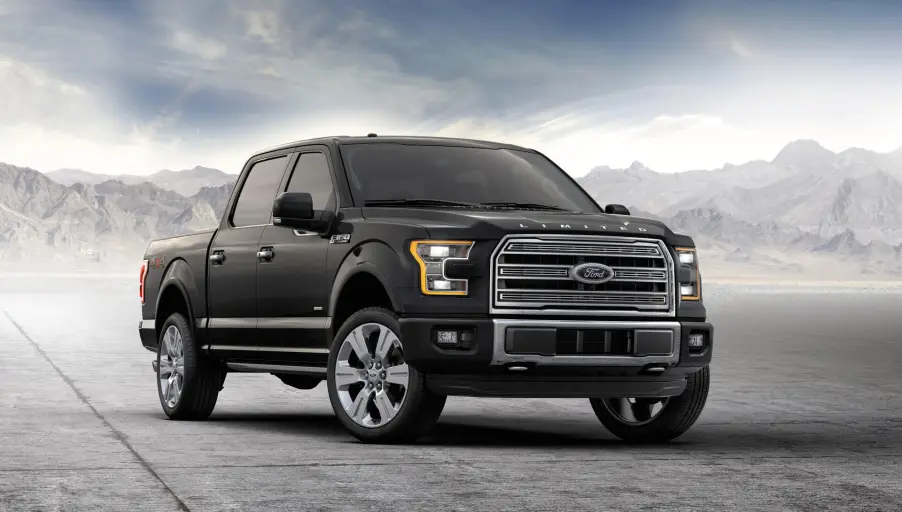
The 2016 Ford F-150 marked the second year of its groundbreaking aluminum-body design, a move that trimmed weight without sacrificing toughness. This innovation not only boosted efficiency and handling but also allowed the truck to set new benchmarks for capability in the full-size pickup segment.
Under the hood, buyers had four distinct engine choices to suit their needs. The entry-level 3.5L V6 delivered 282 horsepower and solid efficiency at 20 mpg combined, while the 2.7L turbocharged EcoBoost V6 struck the best balance with 325 horsepower, quick acceleration to 60 mph in six seconds, and a class-leading 22 mpg combined.
For those who favored tradition, the 5.0L V8 produced 385 horsepower and could tow up to 11,100 pounds. At the top of the range, the 3.5L EcoBoost V6 packed 365 horsepower and unlocked a staggering 12,200-pound towing capacity, giving the F-150 the edge over rivals. Each engine was paired with a six-speed automatic transmission, and despite its size, the truck impressed with nimble steering and agile road manners.
Ford also prioritized usability, introducing Pro Trailer Backup Assist to make maneuvering trailers less intimidating for drivers. Ride quality was generally smooth, though still firmer than the Ram 1500’s coil-spring suspension. Nonetheless, the F-150 balanced workhorse strength with daily-driver civility better than most of its competitors.
Inside, the F-150’s personality shifted dramatically depending on trim level. The base XL model was functional and barebones, built for rugged work demands. Higher trims like Lariat, Platinum, and the new Limited catered to buyers seeking refinement, offering ventilated seats, premium materials, and luxury-like amenities.
A major improvement for 2016 was the introduction of the Sync 3 infotainment system, replacing the clumsy MyFord Touch with a faster, more intuitive interface that made technology accessible and reliable.
Safety was another cornerstone of the F-150’s appeal. Standard features such as stability control, trailer sway control, and full-length curtain airbags ensured a strong baseline, while optional technologies like blind-spot monitoring, lane-departure prevention, and even inflatable rear seatbelts elevated its protection.
Crash tests confirmed the truck’s strength, with the F-150 earning a five-star rating from the government across all categories.
With multiple cab styles, impressive rear legroom in SuperCrew models, and clever storage solutions, the F-150 was as versatile for family life as it was for job sites. Offering best-in-class towing and payload capacity, the 2016 model proved that a truck could be innovative, powerful, and practical all at once.
2. 2020 Toyota Supra
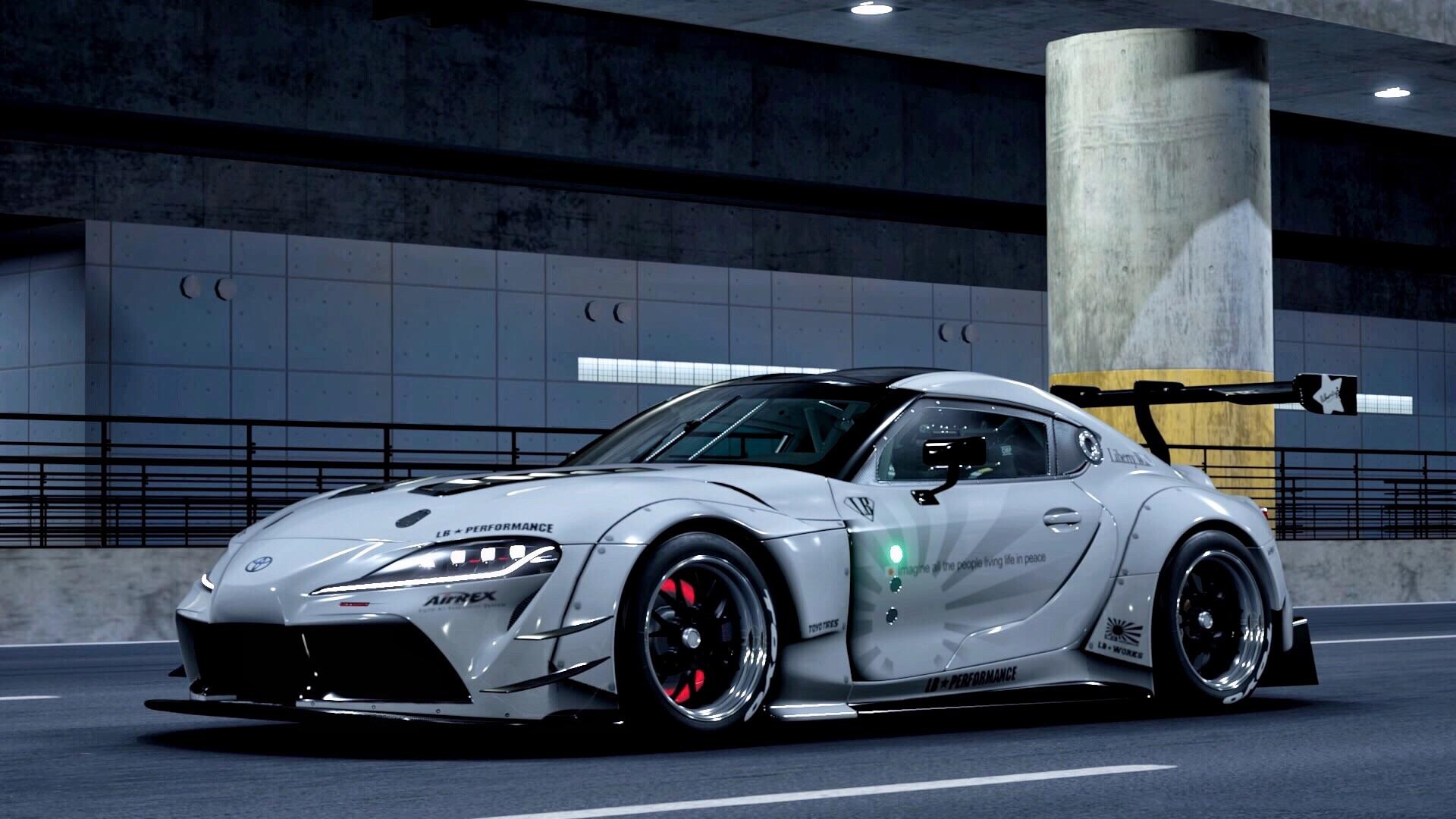
When Toyota announced the return of the Supra after two decades, expectations were sky-high. The 2020 GR Supra arrived with a blend of nostalgia and modern engineering, carrying the weight of its legendary badge.
Developed alongside BMW, the Supra shares its foundation with the Z4, yet it distinguishes itself through Toyota’s design language and performance tuning, creating a car that feels both familiar and fresh.
The heart of the Supra is a 3.0L turbocharged inline-six producing 335 horsepower. On paper, that may seem modest compared to American muscle cars, but the Supra’s lighter weight and sharp engineering make it a formidable performer. A 0–60 mph sprint in 4.2 seconds puts it on par with more powerful rivals.
The car thrives on balance: its rear-wheel-drive setup, responsive steering, and finely tuned suspension combine to deliver an agile, confidence-inspiring drive. Braking is equally impressive, with some of the shortest stopping distances in its class.
Inside the Supra, everything revolves around the driver. The seats are snug and supportive, prioritizing control and engagement over spaciousness. Taller occupants may find the cabin tight, but for most, it enhances the sports-car feel.
Ride quality is firm enough to communicate the road but not punishing, making the car surprisingly comfortable for daily use. Wind and road noise are present but never overwhelming reminders that you’re in a true performance machine.
Much of the Supra’s interior technology and ergonomics come directly from BMW, from the iDrive infotainment system to the climate controls. While this has sparked debate among enthusiasts, it ensures a polished, user-friendly interface.
Wireless Apple CarPlay is standard, an optional JBL audio system boosts sound quality, and navigation with voice control adds convenience. Android Auto, however, is notably absent. Safety tech is somewhat limited, with adaptive cruise control available but lane-keeping assist lagging behind competitors.
Practicality isn’t the Supra’s strong suit its 10.2 cubic feet of cargo space and tight storage reflect its two-seater design. What surprises, however, is fuel efficiency. At 26 mpg combined and up to 29 mpg in real-world testing, the Supra outperforms expectations for a performance coupe, making it both thrilling and relatively economical.
The 2020 Toyota Supra walks the line between heritage and innovation. It isn’t just a revival of an old nameplate; it’s a reinterpretation for a new generation. With sharp handling, efficient performance, and unmistakable styling, the Supra proves that legends can evolve without losing their soul.
3. 2017 Toyota Highlander
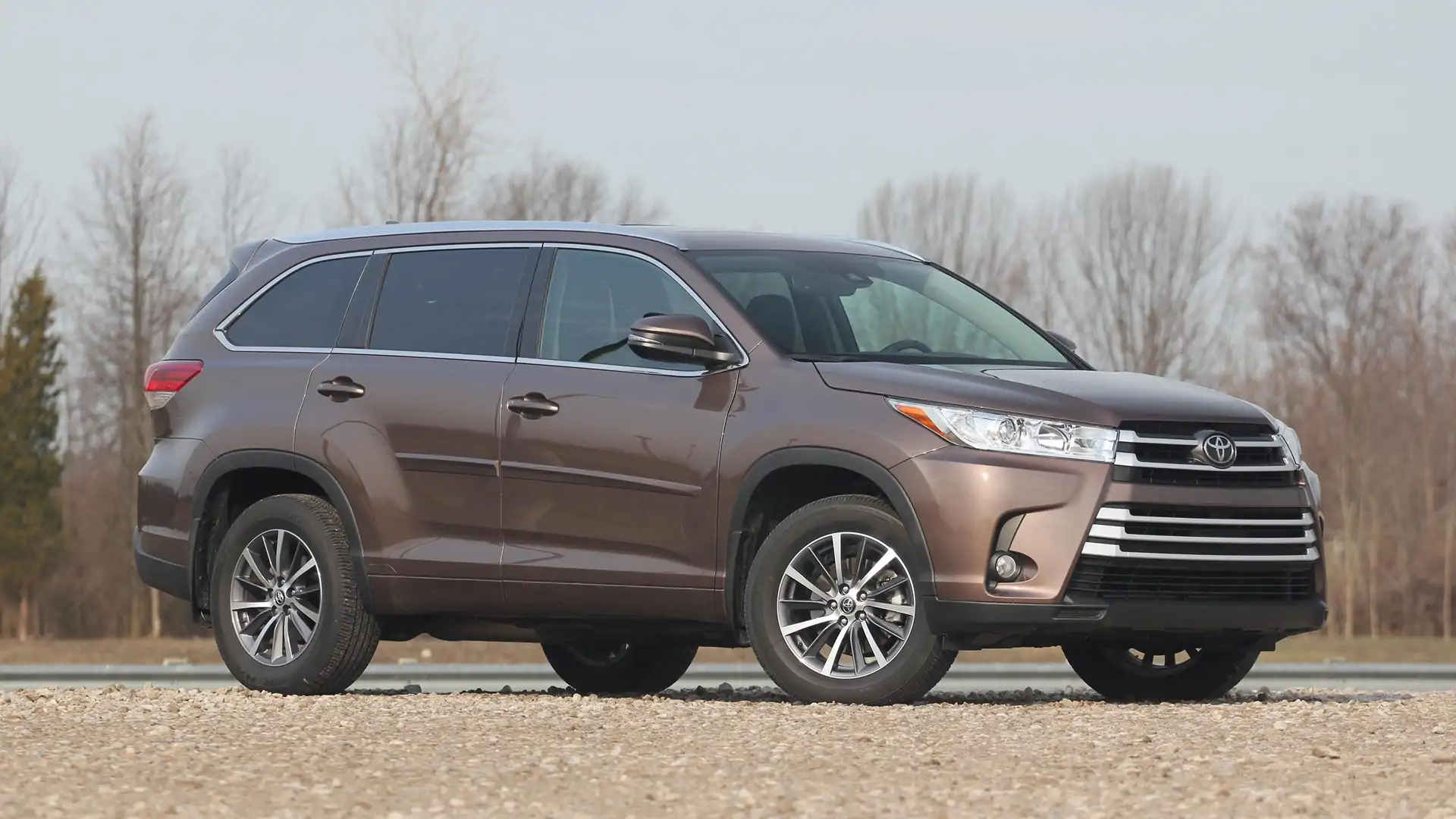
For 2017, Toyota gave the Highlander a significant refresh that strengthened its position among midsize three-row SUVs. Updates included a bolder front grille, new LED taillights, a refined 3.5L V6 engine, and an eight-speed automatic transmission.
The Toyota Safety Sense suite of driver-assist features became standard across all trims, enhancing safety. Additionally, the SE trim debuted, offering a sportier look and firmer suspension tuning for those wanting a slightly more dynamic drive.
The new 3.5L V6 engine not only boosted acceleration but also improved fuel economy compared to previous models. The eight-speed transmission delivered smooth shifts, contributing to a more refined driving experience. Braking performance ranked among the best in its class, though the pedal feel could seem vague.
Steering was precise and intuitive, making the Highlander stable on highways and easy to maneuver in urban settings. While the SE’s firmer suspension improved handling marginally, the Highlander’s true strength lay in comfort and balance.
With 8 inches of ground clearance, hill-hold control, and a capable all-wheel-drive system, the Highlander proved capable on light off-road trails. While not designed for rugged adventures, it provided confidence for families facing snow, gravel, or uneven paths.
Inside, the Highlander offered comfort levels that approached luxury, often described as a “Lexus-lite” experience. The cabin was exceptionally quiet, with heated leather front seats that were highly adjustable and supportive, even including extendable thigh cushions.
The second-row seats could slide and recline, enhancing passenger flexibility, while the third row was best suited for children. Ride quality was plush, absorbing road imperfections with ease.
Practicality was a major highlight. Clever storage touches, such as a dashboard shelf and a large center console capable of holding a laptop, made daily use convenient. Build quality and materials were durable, holding up well over time.
Cargo space was average for the segment, though third-row capacity lagged behind rivals like the Honda Pilot. When properly equipped, the V6 Highlander could tow up to 5,000 pounds, meeting expectations for midsize SUVs.
Technology was straightforward and user-friendly, with quick infotainment responses and large icons, though it lacked flashiness compared to rivals. Safety was a standout strength: forward collision warning, automatic emergency braking, adaptive cruise control, and lane departure intervention were standard. Higher trims added blind-spot monitoring and rear cross-traffic alert.
The 2017 Toyota Highlander combined comfort, reliability, and practicality in a package tailored for families. With its refined powertrain, modern safety features, and thoughtful interior design, it stood out as one of the most balanced and dependable choices in the midsize SUV market.
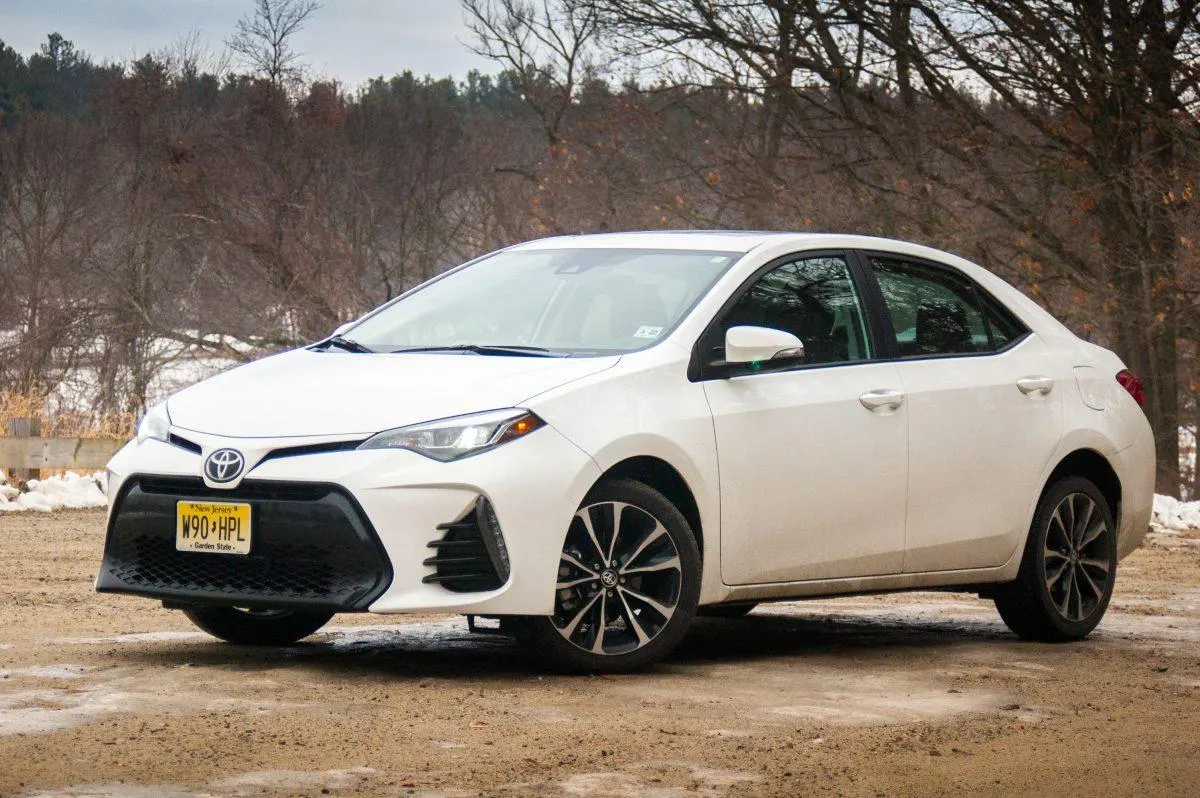
4. 2018 Toyota Corolla
The 2018 Toyota Corolla remains one of the most dependable compact cars on the market, offering buyers reliability, affordability, and a safe driving experience. Its styling is conservative yet approachable, and the cabin provides a surprising amount of space for a compact vehicle.
Rear passengers enjoy class-leading legroom, and the SE trim’s sport seats provide solid support for longer drives. Ride quality is generally comfortable, with bumps and road imperfections felt but not jarring, while engine and road noise are noticeable only under heavy acceleration.
Performance, however, is modest. The 1.8-liter four-cylinder engine produces limited power, requiring over 10 seconds to reach 60 mph. Paired with a continuously variable transmission, the engine often feels strained, and the powertrain is noisy when pushed.
Steering is light and easy to manage in city traffic but lacks the precision and feedback that make a car engaging to drive. Braking is predictable, and the handling remains tidy, prioritizing stability over sportiness. While the Corolla is reliable and composed, it cannot match the dynamic feel of competitors in the segment.
The interior focuses on practicality rather than luxury. Hard plastics dominate the cabin, making it feel less refined than rivals such as the Honda Civic or Mazda3. Controls are straightforward, the climate system functions well, and small-item storage is adequate.
The infotainment system is responsive, though it relies on Toyota’s Entune app instead of Apple CarPlay or Android Auto, leaving the technology feeling outdated. Safety, on the other hand, is a strong point, with Toyota Safety Sense providing adaptive cruise control, lane departure warning, and automatic emergency braking as standard.
These systems offer reliable protection, although they are not as sophisticated or intuitive as those in some competing models.
Cargo space is limited, with a 13-cubic-foot trunk and a stepped floor that complicates loading. The cabin remains functional, and child seat installation is generally manageable thanks to generous rear legroom, even though LATCH anchors are somewhat recessed.
The 2018 Corolla prioritizes reliability, safety, and comfort, making it an excellent choice for practical drivers who need an affordable and long-lasting vehicle. However, for those seeking performance, interior refinement, or modern technology, the Corolla is likely to feel uninspiring compared to alternatives in the compact car segment.
5. 2017 Mazda MX-5 Miata
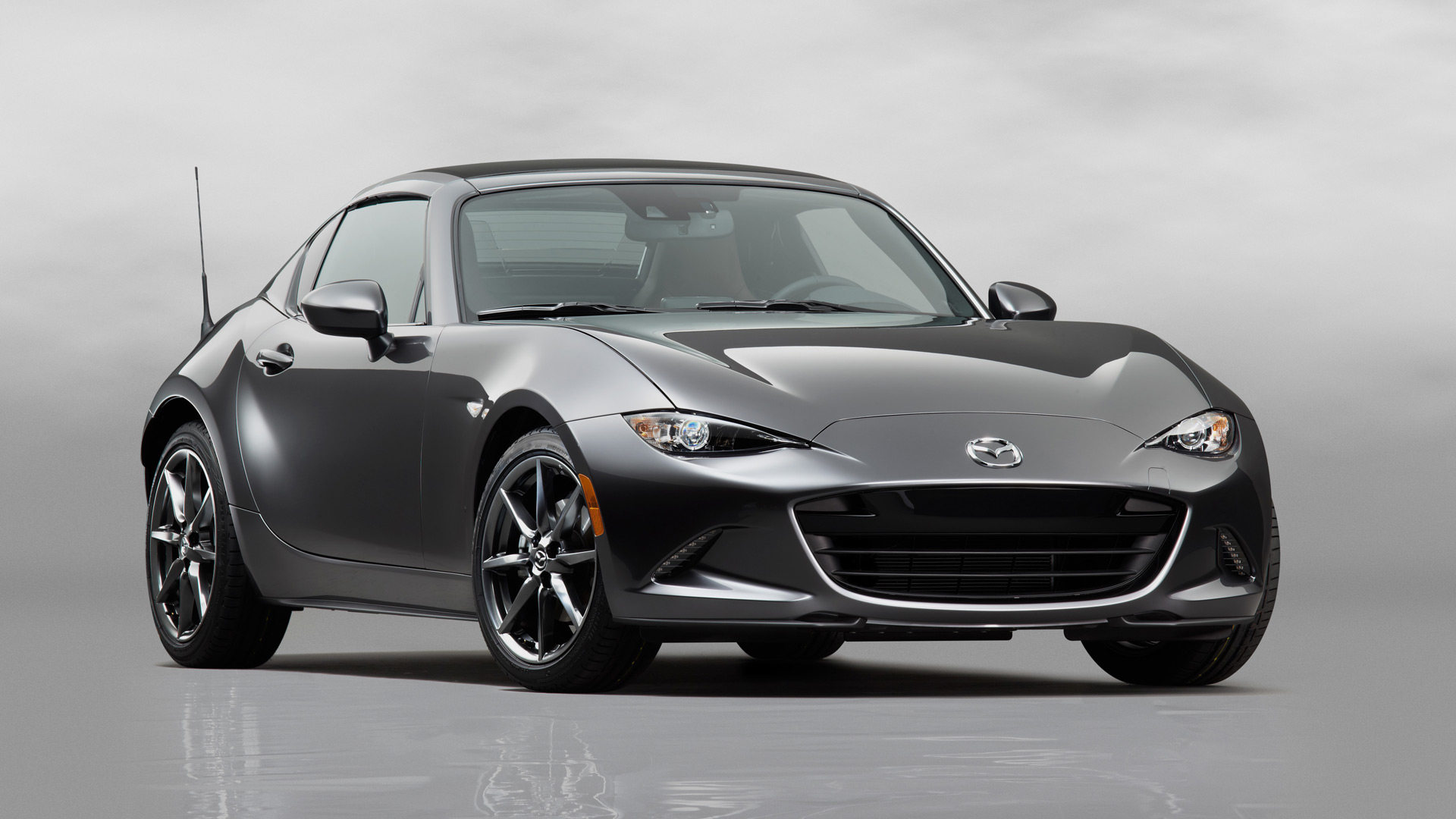
The 2017 Mazda MX-5 Miata remains a benchmark for small sports cars, offering a driving experience that emphasizes connection, balance, and agility rather than raw horsepower.
For enthusiasts who value responsiveness and precision, the Miata delivers on every turn, making it one of the most rewarding roadsters available. This year, Mazda added a folding hardtop variant, the RF, enhancing year-round usability while keeping the car’s lightweight character intact.
Under its hood, the Miata is powered by a 2.0-liter four-cylinder engine producing 155 horsepower. The manual transmission provides a direct, engaging experience, propelling the car from 0 to 60 mph in roughly 6.3 seconds.
Lightweight construction ensures lively acceleration, while the precise steering keeps the driver firmly in command. Braking performance is solid, though not class-leading, and the car’s true appeal lies in its exceptional handling. On curvy roads, the Miata responds with agility and composure, yet it remains manageable in urban settings and tight parking spaces.
Inside, the Miata is compact but functional. The seats are supportive and offer excellent lateral grip, remaining comfortable even on longer drives despite the car’s sporty setup. Ride quality is firm yet compliant, smoothing out bumps without becoming harsh, while road and wind noise is noticeable, particularly at higher speeds a feature many enthusiasts consider part of its charm.
Visibility is excellent thanks to slim roof pillars, though taller drivers may find the cabin snug. The manual soft top is easy to operate, and the RF folding hardtop adds flexibility for different weather conditions.
Technology is minimal but practical. A 7-inch infotainment screen, USB ports, and optional driver-assist features such as blind-spot monitoring and rear cross-traffic alert cover essentials without overwhelming the driver.
The optional Bose sound system improves audio quality, though wind noise can affect listening. Storage is limited, with a 4.6-cubic-foot trunk and small interior compartments reflecting the Miata’s focus on driving rather than cargo capacity.
For drivers seeking a pure, back-to-basics sports car, the 2017 Mazda MX-5 Miata delivers lightweight thrills, precise handling, and an engaging driving experience. Its combination of agility, driver-focused design, and spirited performance makes it an exceptional choice for those who place fun behind the wheel above all else.
Also Read: 5 Dodge Models That Stay Reliable in Daily Use vs 5 That Constantly Break
6. 2022 Lexus GX
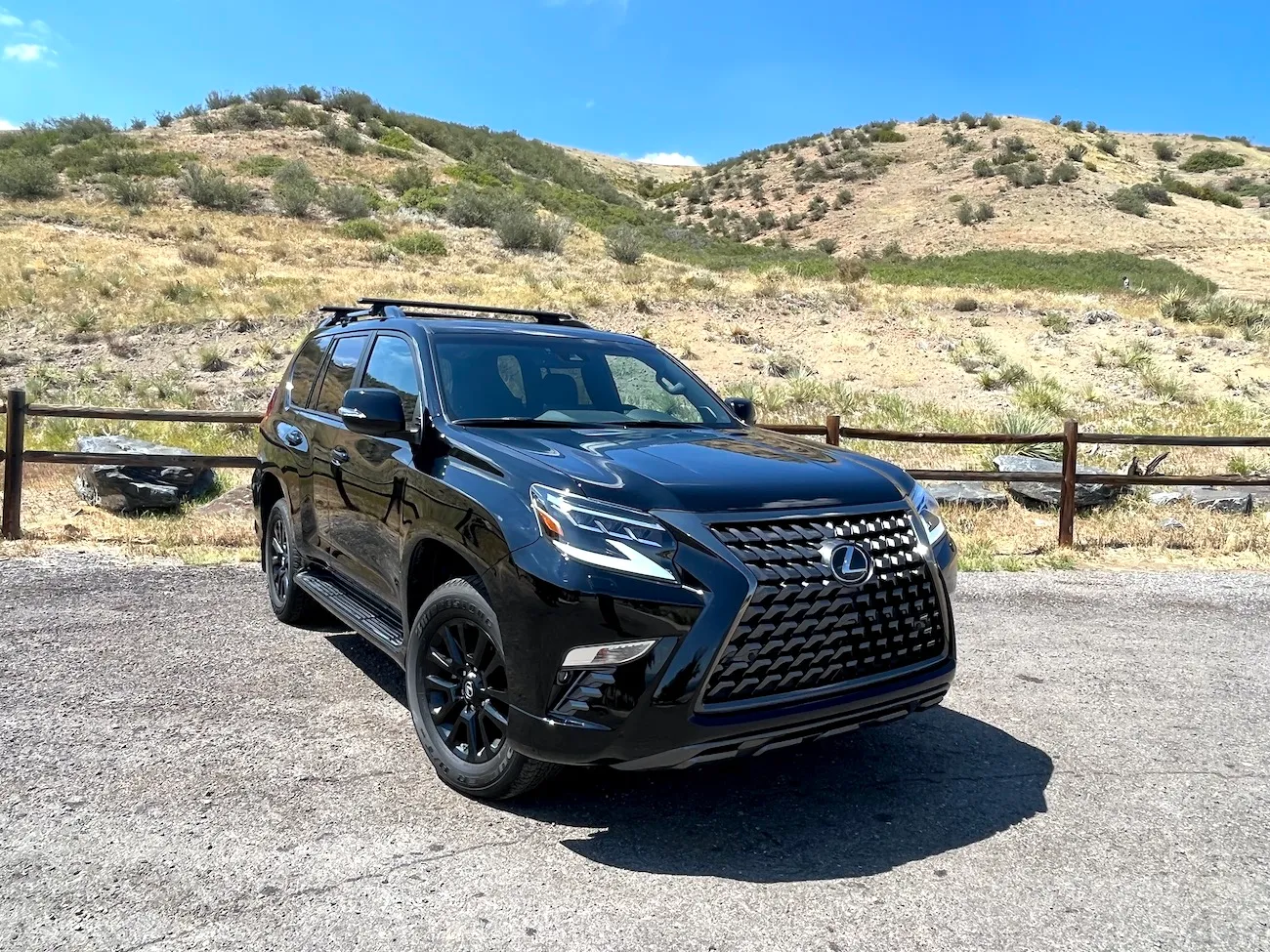
The 2022 Lexus GX 460 continues Lexus’ legacy of reliability, ranking as the most dependable vehicle of the year according to Consumer Reports. Built on a body-on-frame platform, the GX preserves a traditional SUV character, distinguishing itself in a market dominated by unibody crossovers.
It comes standard with full-time four-wheel drive and low-range gearing, making it one of the few luxury SUVs capable of tackling genuine off-road challenges.
Equipped with the Kinetic Dynamic Suspension System (KDSS), the GX offers solid wheel articulation for uneven terrains. However, ground clearance and long overhangs restrict its rugged performance compared to purpose-built off-roaders.
On pavement, the GX’s dated 4.6-liter V8 engine feels sluggish, and its heavy build contributes to subpar acceleration and poor emergency braking performance. Despite these drawbacks, light steering and a tight turning radius improve maneuverability in city driving.
Inside, the GX emphasizes comfort with a quiet cabin and effective climate control, featuring vents for all three rows. Heated and ventilated front- and second-row seats enhance convenience, though the seats themselves provide less support than expected.
The interior design looks dated against rivals, but its practicality remains a strong point. Generous space, excellent sight lines, and functional parking aids make it user-friendly, even if it lacks modern refinement.
For 2022, Lexus added Apple CarPlay and Android Auto, yet the infotainment system still feels behind the times. The touchpad controller is unintuitive, graphics are outdated, and advanced driver-assist systems trail competitors such as the Mercedes-Benz GLE and Land Rover Discovery.
Off-road technology is reserved for higher trims, limiting accessibility for entry-level buyers. Cargo capacity is modest, especially with the third row in use, and the swing-out rear door complicates curbside loading.
Fuel efficiency is one of the GX’s weakest aspects, returning just 16 mpg combined, significantly below modern luxury SUVs. Towing is rated at 6,500 pounds, but requires additional dealer-installed equipment, making it less convenient for buyers who prioritize hauling capability.
Despite its shortcomings in refinement, fuel economy, and technology, the 2022 Lexus GX maintains a strong appeal for buyers who value reliability, craftsmanship, and off-road ability. Its rugged charm and long-lasting build quality make it a unique offering in the luxury SUV segment, serving those who prioritize durability over cutting-edge innovation.
7. 2017 Honda Ridgeline
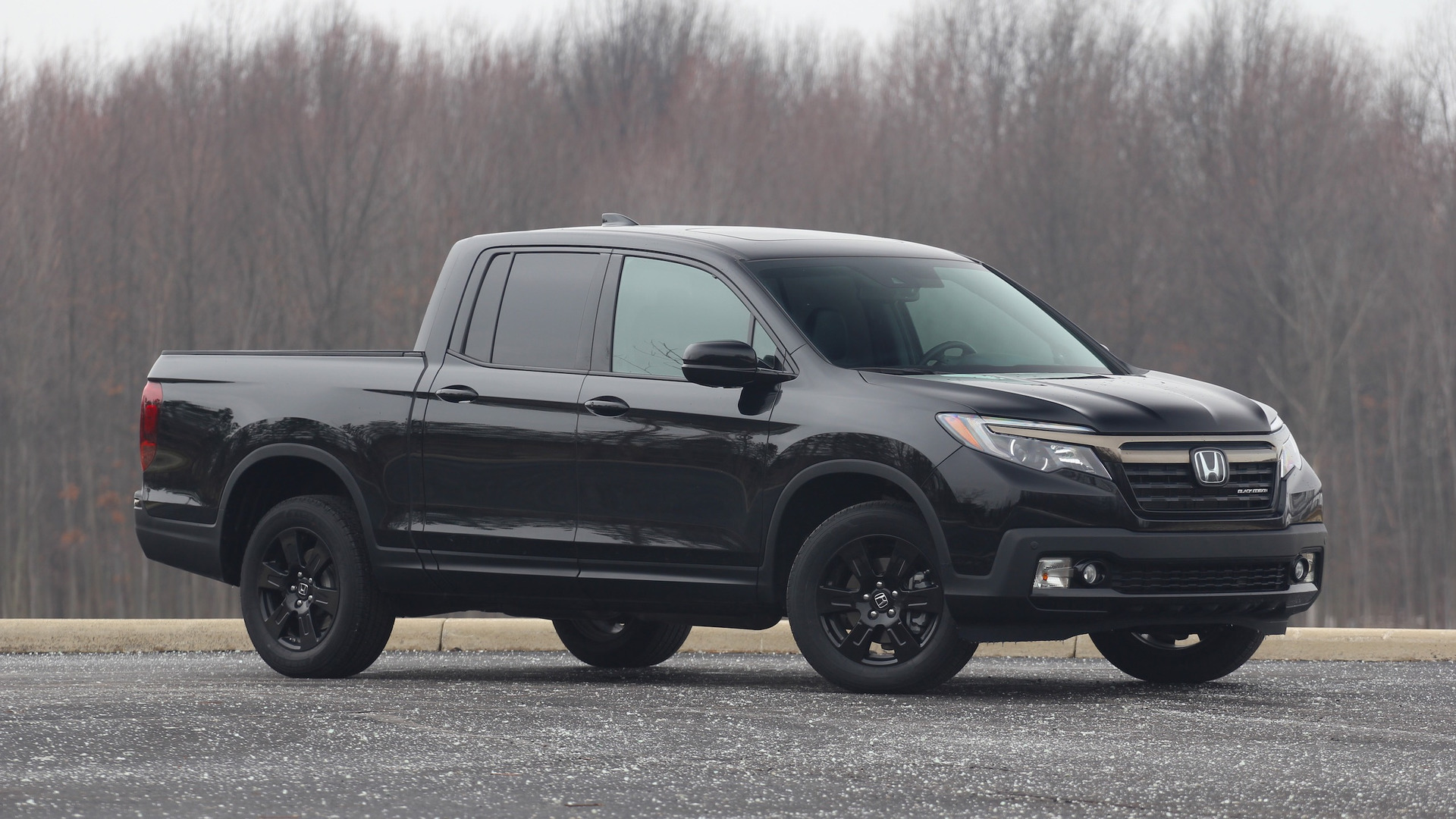
The 2017 Honda Ridgeline redefines what a midsize pickup can be, combining utility, comfort, and refinement in a way that sets it apart from traditional trucks.
Unlike its body-on-frame competitors, the Ridgeline uses a unibody chassis and fully independent suspension, giving it a smooth, controlled ride that feels more like an SUV than a work truck. This design allows the vehicle to deliver comfort without sacrificing the practicality expected from a pickup.
Under the hood, a 3.5-liter V6 produces 280 horsepower and is paired with a six-speed automatic transmission. Acceleration is brisk for its class, reaching 60 mph in around seven seconds, and the steering is precise, providing confidence on highways and suburban streets.
Braking is solid and predictable, while the all-wheel-drive system offers traction for snow, sand, or light off-road trails, although serious off-road enthusiasts will find the ground clearance and lack of low-range gearing limiting.
Inside, the Ridgeline emphasizes space, comfort, and functionality. Its cabin shares many design elements with the Honda Pilot, offering spacious seating for both front and rear passengers. Seats are supportive and generously padded, with heated leather available on higher trims.
Tri-zone climate control keeps the cabin pleasant in any weather, and effective insulation reduces road and engine noise. The optional 8-inch touchscreen, Apple CarPlay, Android Auto, and multiple USB ports ensure modern connectivity, while high-quality materials lend the interior a premium feel.
Utility remains one of the Ridgeline’s strongest features. The bed is longer and wider than most midsize trucks and can accommodate 4-by-8 sheets of plywood flat between the wheel wells. Honda’s dual-action tailgate swings both down and out, and the lockable in-bed trunk provides secure storage for tools, luggage, or recreational gear.
The truck’s maximum towing capacity reaches 5,000 pounds with all-wheel drive, enough for most everyday tasks, even if it falls short of heavier-duty body-on-frame pickups.
Higher trims such as the RTL-E and Black Edition add Honda Sensing driver-assist technologies, including adaptive cruise control, lane-keeping assist, and forward collision warning with automatic emergency braking.
These features further reinforce the Ridgeline’s SUV-like sophistication, making it a comfortable, practical, and versatile choice for drivers who want a pickup that works as well for family life as it does for light hauling.
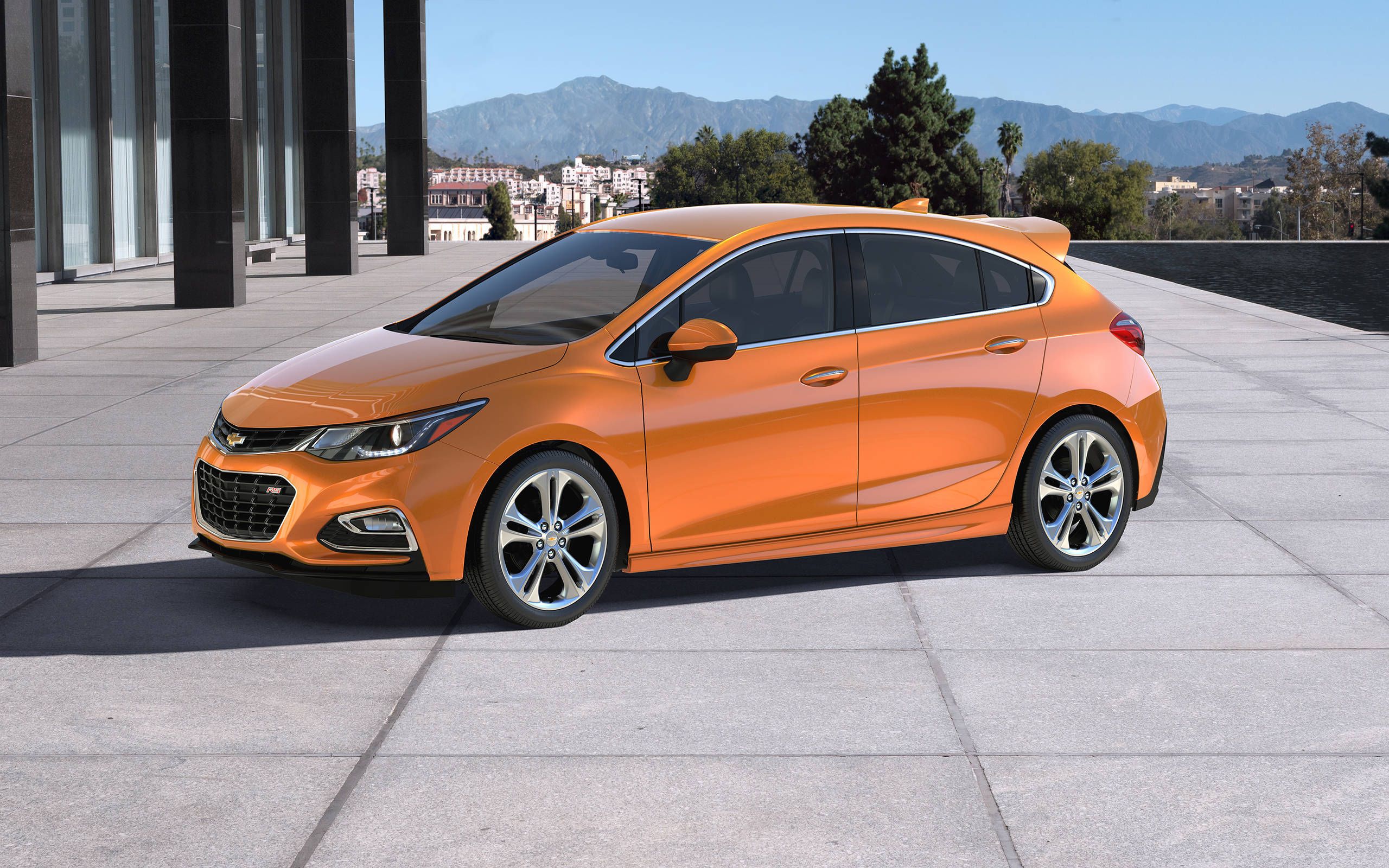
8. 2017 Chevrolet Cruze
The 2017 Chevrolet Cruze proves that a compact car can be practical, comfortable, and technologically advanced without sacrificing style. Redesigned just a year earlier, the Cruze introduces a hatchback body style and a new diesel engine option, expanding its versatility and appeal.
Chevrolet also added thoughtful family-friendly features, including the standard Teen Driver mode, which allows parents to set limits and monitor driving behavior, emphasizing the car’s focus on safety and usability.
Under the hood, the Cruze is powered by a turbocharged 1.4-liter engine. While acceleration may feel slightly modest compared to some competitors, the engine delivers smooth downshifts and responsive handling.
The ride quality stands out for its comfort and composure, even on larger wheels, while the car remains agile through winding roads. An automatic stop-start system is included to enhance fuel efficiency, though its operation can be noticeable to some drivers.
For those prioritizing efficiency, the diesel variant offers improved fuel savings, though comprehensive real-world data was limited at the time. Braking performance is impressive, with the Cruze coming to a stop from 60 mph in just 110 feet, placing it among the best in its class.
The cabin of the Cruze feels upscale for a compact vehicle. Soft-touch materials, artistic dashboard detailing, and available leatherette upholstery create a comfortable and modern interior.
Both front and rear passengers enjoy generous space, with rear legroom above average for the class. Cargo capacity is practical in the sedan, while the hatchback version expands versatility significantly, offering up to 47.2 cubic feet of space with the rear seats folded down.
Technology is another strength of the 2017 Cruze. Chevrolet’s MyLink infotainment system comes standard, featuring a 7-inch touchscreen with an optional 8-inch version on higher trims. Apple CarPlay and Android Auto ensure seamless smartphone integration.
Advanced safety options, including blind-spot monitoring, lane departure warning, and rear parking sensors, help the Cruze meet modern driver-assistance expectations, while standard OnStar services provide automatic crash notification and remote assistance, adding peace of mind for owners.
In a segment crowded with strong competitors like the Honda Civic, Mazda3, and Ford Focus, the 2017 Chevrolet Cruze distinguishes itself through its combination of technology, comfort, efficiency, and style.
For buyers seeking a compact car that balances everyday practicality with modern amenities and a well-appointed interior, the Cruze emerges as a smart and often underrated choice.
9. 2016 Honda Fit
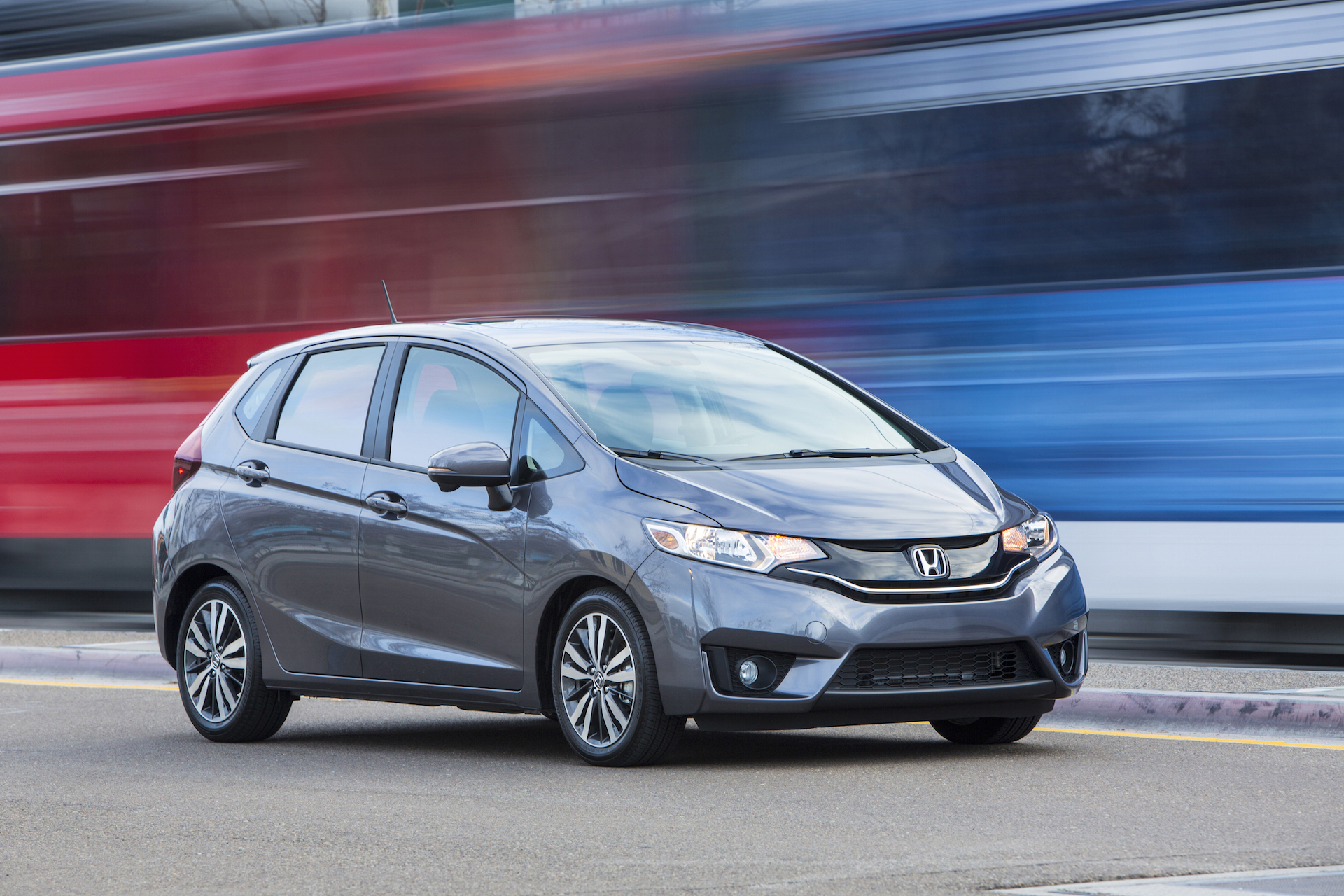
The 2016 Honda Fit proves that a small car can deliver big on practicality and efficiency. Designed with adaptability and long-term value in mind, it appeals to drivers seeking a budget-friendly, reliable vehicle that can handle both daily commuting and unexpected cargo needs. Despite its subcompact size, the Fit feels spacious and well-thought-out, offering features that make it surprisingly versatile for its class.
A hallmark of the Fit is its “Magic Seat,” which allows the rear seat bottom to fold or flip in multiple configurations. This innovative system creates a variety of cargo arrangements, enabling drivers to transport tall, bulky, or irregularly shaped items with ease.
When the rear seats are folded flat, cargo space expands to 52.7 cubic feet, rivaling some small crossovers. The cabin is equally accommodating for passengers, with rear legroom exceeding that of the midsize Honda Accord, and higher trims add amenities like leather upholstery and keyless ignition to enhance comfort.
Under the hood, the Fit is powered by a 1.5-liter four-cylinder engine producing 130 horsepower. Drivers can choose a six-speed manual for a more engaging drive or a continuously variable transmission (CVT) for optimal fuel efficiency, reaching up to 36 miles per gallon combined on the base LX trim.
While highway passing power is modest and road noise becomes noticeable under load, the Fit handles with agility and stability, making it easy to navigate city streets and suburban roads alike.
Safety is a strong point for the Fit. Standard features include antilock brakes, stability control, multiple airbags, and Honda’s LaneWatch blind-spot camera on higher trims.
The vehicle earned a five-star government safety rating and received positive evaluations in most Insurance Institute for Highway Safety crash tests. Braking distances are slightly longer than average, but the solid construction and suite of safety technologies provide reassurance for families and commuters.
Inside, the cabin balances functionality with modern convenience. Bluetooth connectivity, USB inputs, and a 5-inch display are standard, while higher trims include a 7-inch touchscreen, HondaLink, navigation, and smartphone integration.
Some drivers may find touch-only volume controls or limited Android compatibility less convenient, yet the interior remains practical and intuitive. With its exceptional cargo versatility, fuel efficiency, and strong safety ratings, the 2016 Honda Fit demonstrates that even a subcompact can provide big-car practicality and value.
10. 2018 Subaru Forester
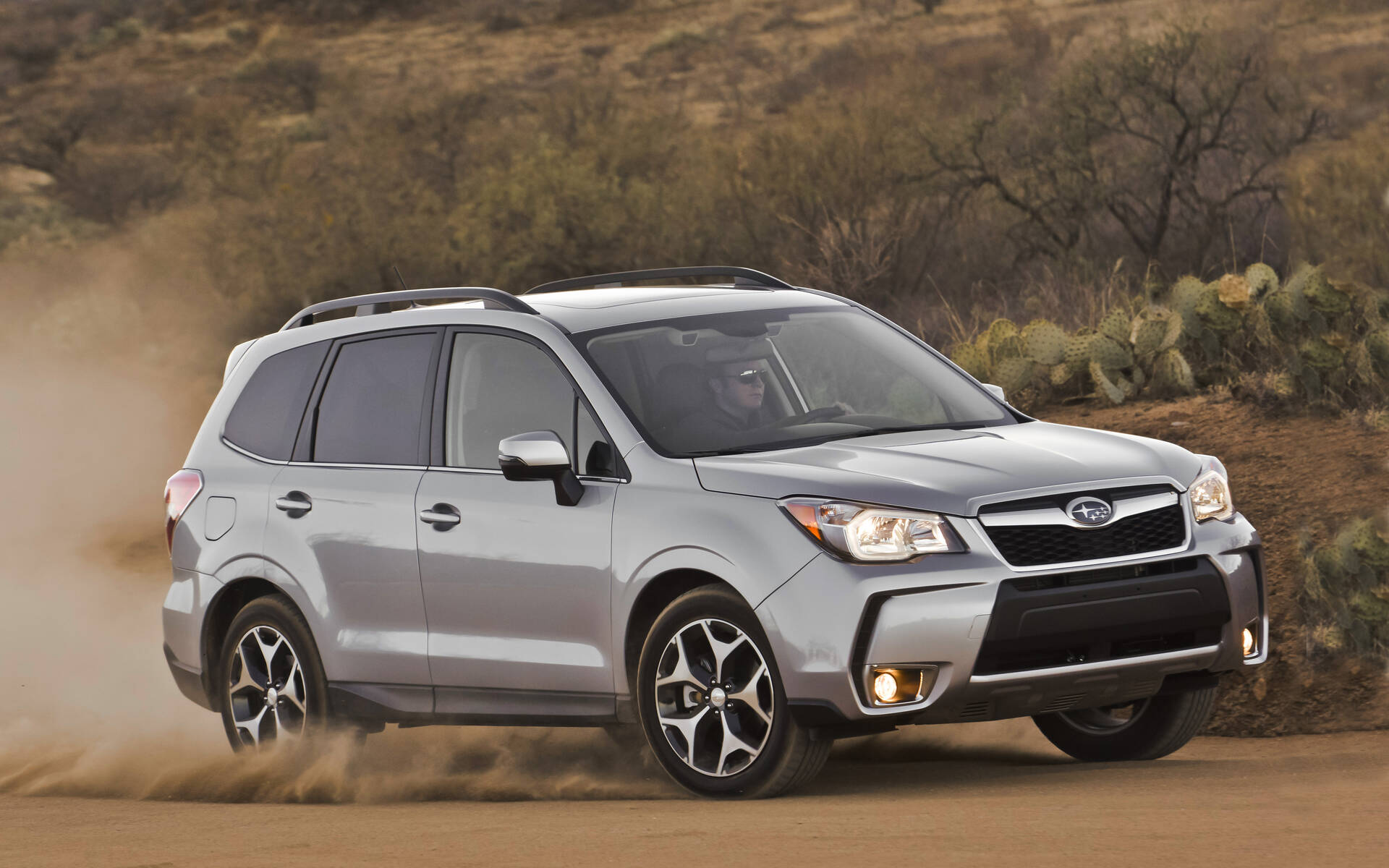
The 2018 Subaru Forester continues to be a dependable and versatile compact SUV that appeals to both families and outdoor enthusiasts. Its long-standing reputation for durability, combined with a spacious cabin, makes it a practical choice for daily life and weekend adventures.
Standard all-wheel drive and generous ground clearance allow the Forester to handle challenging roads and light off-road trails with confidence, giving drivers a sense of safety in various conditions.
The Forester offers two engine options: a standard 2.5-liter four-cylinder and a turbocharged 2.0-liter producing 250 horsepower. Fuel economy ranges from 24 to 28 miles per gallon combined, striking a balance between efficiency and performance.
The turbocharged XT trim provides brisk acceleration and responsive throttle control, while Subaru’s X-Mode system and 8.7 inches of ground clearance make it capable on uneven surfaces. On paved roads, the ride is smooth and controlled, offering comfort and stability for daily commutes or longer trips.
Inside, the Forester emphasizes space, comfort, and functionality. The cabin is bright and airy, with excellent headroom and supportive seating for front and rear passengers. Rear legroom is generous, and cargo capacity ranks among the best in its class.
Folding rear seats expand versatility for larger loads, and optional leather upholstery adds a refined touch. Some drivers may find the seating position slightly high, but the solid build quality and wide-opening doors enhance accessibility for families.
The 2018 model also brings technology and safety enhancements. Subaru’s EyeSight suite includes adaptive cruise control, lane-keeping assist, blind-spot monitoring, and reverse automatic braking.
The infotainment system features a 7-inch touchscreen with improved graphics, though it lacks Apple CarPlay and Android Auto. Optional features such as the Harman Kardon audio system provide a more premium experience, even if the cabin is not luxurious.
Practicality is a key strength of the Forester. Its cargo space, 1,500-pound towing capacity, and thoughtful interior design make it ideal for families and adventure-minded drivers alike.
With its combination of reliability, comfort, and off-road readiness, the 2018 Subaru Forester remains a versatile, family-friendly SUV capable of handling both daily responsibilities and recreational pursuits.
Enduring vehicles earn their place not merely through performance or styling, but by connecting with drivers across generations. The cars on this list demonstrate that thoughtful engineering, attention to detail, and a touch of personality can create machines that remain desirable long after their initial release.
From family-friendly SUVs like the 2017 Toyota Highlander to iconic sports cars like the 2020 Toyota Supra, these models prove that age doesn’t diminish charm. Reliability, practicality, and innovation combine with style to ensure these cars remain cool, relevant, and exciting even decades later.
They’re more than just modes of transportation they’re enduring symbols of automotive excellence that continue to inspire admiration and evoke the joy of driving.
Also Read: 5 Toyota Tacoma Years That Rarely Break vs 5 That Constantly Do