Luxury and reliability are often seen as opposing forces in the automotive world. On one side, you have ultra-refined cars with advanced technology and premium craftsmanship, but on the other, you have the fear of costly repairs and long-term upkeep.
Yet, there exists a sweet spot where engineering excellence, timeless design, and dependable performance meet affordability, cars that offer true prestige without breaking the bank. That’s the focus of this list: 12 cars that prove luxury doesn’t always have to come at a steep price.
From iconic British marques like Aston Martin and Jaguar to stalwarts of German engineering such as Audi, Porsche, and Mercedes-Benz, and even American reinventions from Cadillac, these vehicles offer remarkable value in today’s used market.
Each delivers a distinct blend of performance, comfort, and exclusivity while remaining attainable to buyers with careful research and smart maintenance. Let’s explore the hidden gems of budget-friendly luxury motoring.
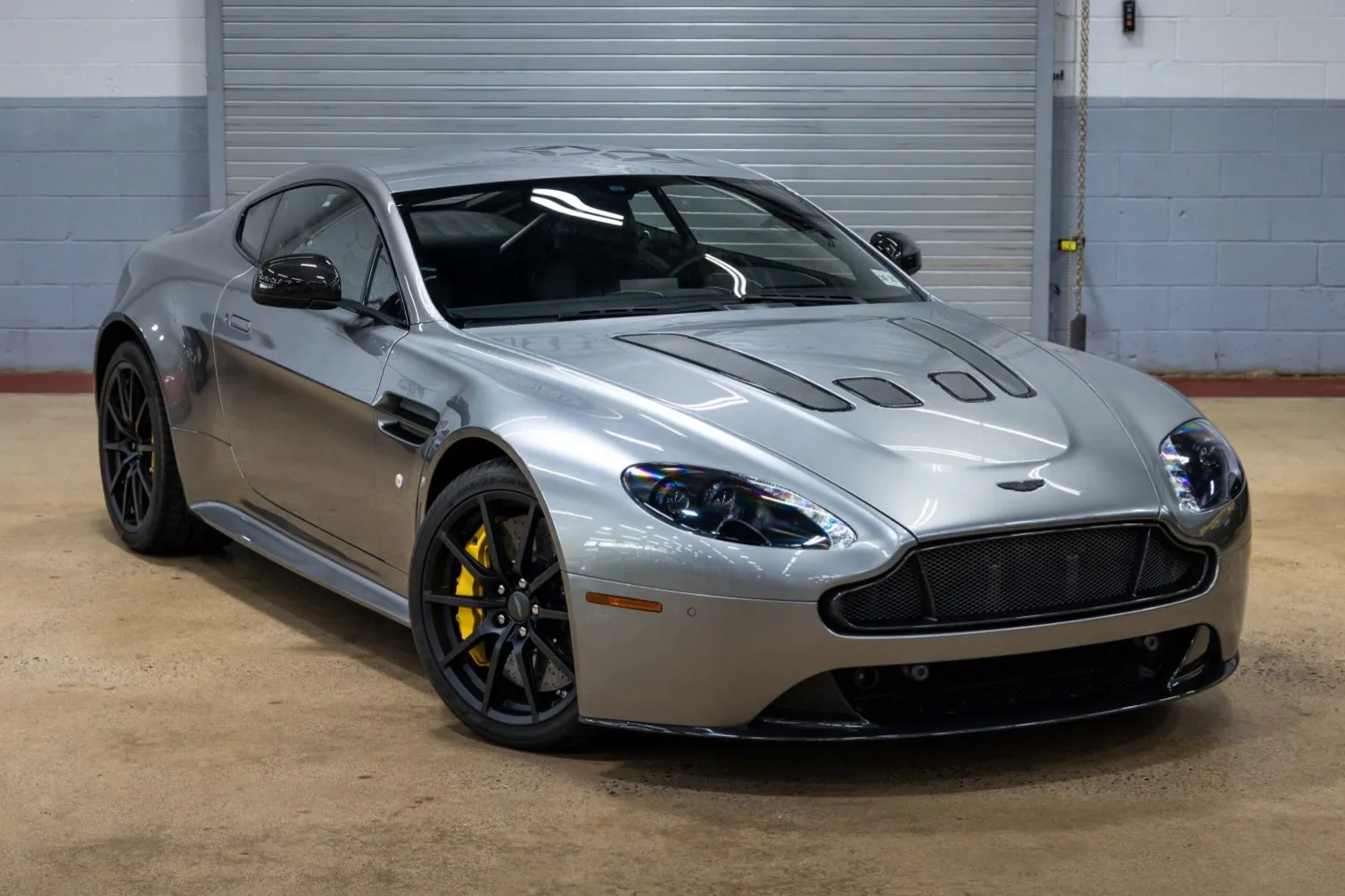
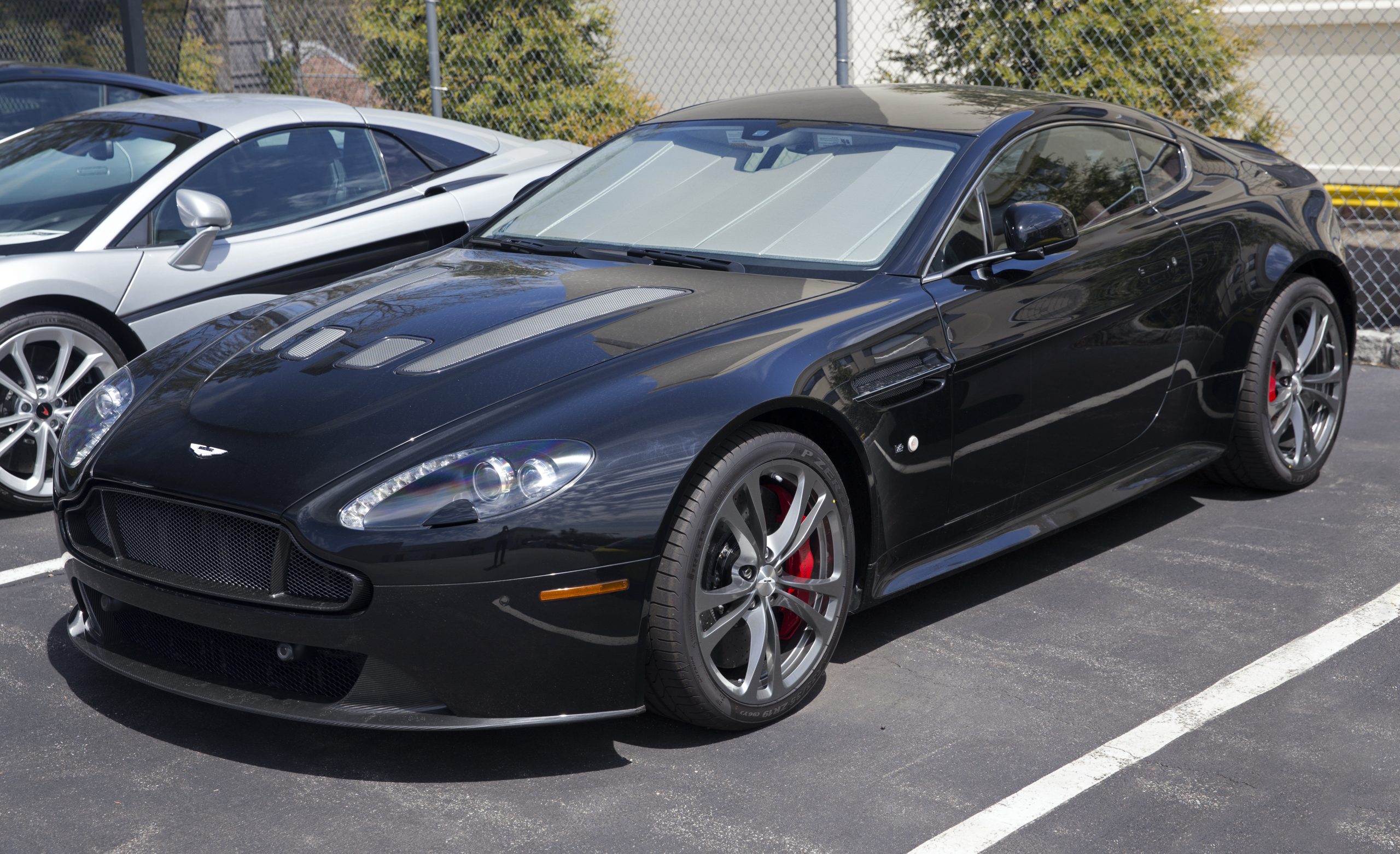
1. 2005–2017 Aston Martin V8 Vantage
The Aston Martin V8 Vantage, produced from 2005 to 2017, carved out a unique niche by delivering supercar-level performance and styling at a relatively attainable price point. Positioned as Aston Martin’s most agile and driver-focused model, it directly rivaled the Porsche 911 while preserving the marque’s signature elegance, craftsmanship, and exclusivity.
At its heart, the V8 Vantage featured a hand-built 4.7-liter V8 producing 420 horsepower and 347 lb-ft of torque, propelling the car from 0–60 mph in just 4.8 seconds with a top speed of 175 mph.
Buyers could choose between a traditional six-speed manual or a six-speed automated manual “Sportshift” transmission, both paired to a rear-wheel-drive layout. Its dry-sump lubrication and front mid-mounted engine contributed to exceptional handling balance and track-inspired engineering.
In the used market today, examples can be found in the $35,000–$40,000 range, representing remarkable value for such a refined and powerful machine. The car’s appeal lies not only in performance but also in its handcrafted luxury, timeless design, and exclusivity. With aggressive proportions and unmistakable Aston Martin styling, it stood out as one of the most beautiful sports cars of its era.
The V8 Vantage gained acclaim for combining everyday usability with high-performance thrills. Owners praise its intoxicating V8 soundtrack, hand-finished interior, and striking looks that rival far more expensive supercars. However, ownership is not without challenges.
Maintenance and parts costs are high, and manual transmission models are rare in the U.S. Reliability is generally solid, but common concerns include clutch wear on manuals, timing cover oil leaks in early 4.3L models, quirks with the Sportshift gearbox, and minor cosmetic issues like paint blemishes or loose grilles.
Prospective buyers are advised to secure a thorough pre-purchase inspection by a specialist, as the aluminum bodywork and mechanicals require expert evaluation. A full service history is essential, particularly regarding clutch replacements and gasket repairs. Enthusiasts seeking maximum engagement may prefer the manual gearbox, while Sportshift-equipped cars demand familiarity with their unique driving style.
Fortunately, strong online communities and DIY resources help offset running costs, especially when paired with an experienced independent mechanic. For those willing to invest in upkeep, the Aston Martin V8 Vantage remains an unbeatable blend of performance, luxury, and prestige.
The 2005–2017 V8 Vantage stands as Aston Martin’s most successful model of its time, embodying the brand’s spirit while offering buyers the rare chance to own a “budget-friendly” supercar without compromising on craftsmanship or excitement.
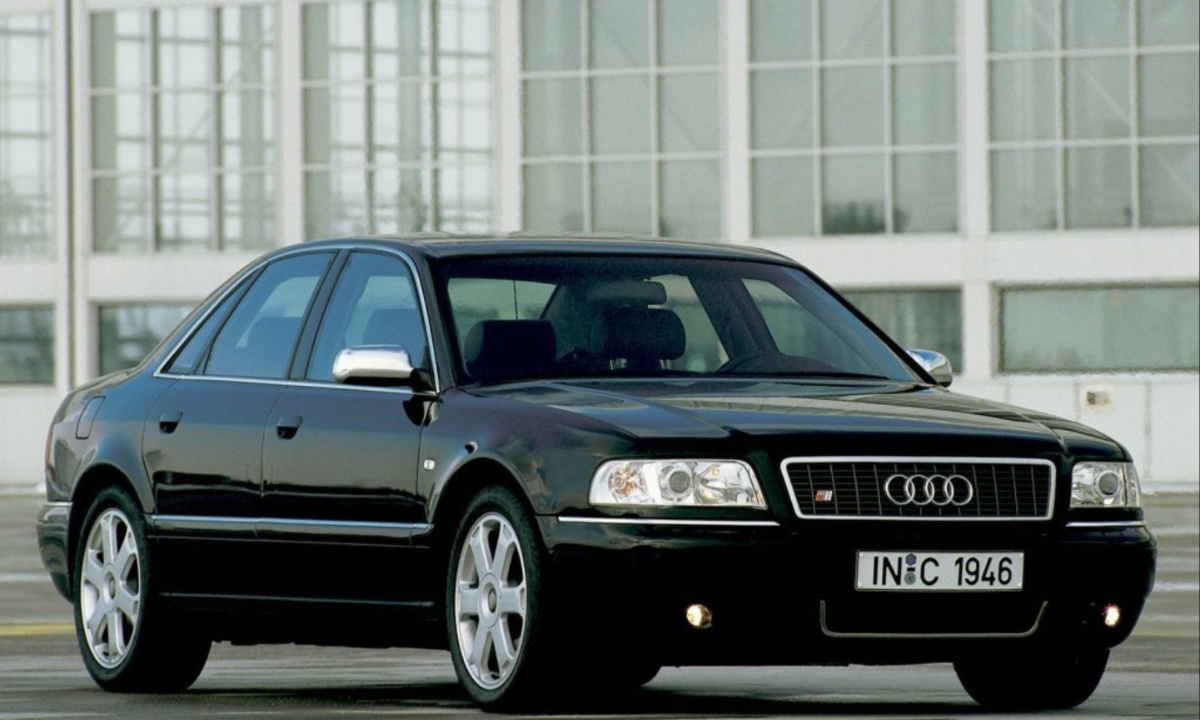
2. 2003–2010 Audi A8
The third-generation Audi A8, produced from 2003 to 2010, embodied a balance of cutting-edge luxury, innovative technology, and performance. Available in standard and long-wheelbase (A8 L) versions, the latter offered an extra 4.7 inches of rear legroom, elevating comfort for passengers and securing its position as a true executive sedan.
With Quattro all-wheel drive as standard, the A8 excelled in delivering stability and traction across varied road conditions, making it one of the most confidence-inspiring luxury sedans of its era.
Under the hood, buyers had a selection of powerful engines, with the standout being the 4.2-liter Turbocharged Direct Injection (TDI) V8. Producing 315 horsepower and 302 lb-ft of torque, it is paired with a ZF 6-speed Tiptronic automatic transmission for seamless power delivery.
The A8’s performance credentials included a 0–60 mph time of just 5.0 seconds and an electronically limited top speed of 130 mph. While the rare W12 option pushed exclusivity and prestige even further, most models still offered strong performance wrapped in understated elegance.
Enhancing driving dynamics, the adaptive air suspension allowed for customizable ride height and damping, balancing plush comfort with sporty responsiveness. Even today, well-kept examples showcase features that feel modern, from advanced infotainment to safety innovations. On the second-hand market, pristine models can be found for around $15,000, making the A8 a value-packed luxury option compared to rivals.
The D3-generation A8 impressed with its mix of V8 power, Quattro traction, and forward-looking technology. Its cabin was lined with premium materials, offering a driving and passenger experience that matched, and often exceeded, its competitors. However, ownership comes with caveats.
Common reliability concerns include failing air suspension systems, complex electrical issues, and timing chain problems, particularly with later FSI engines. The Volkswagen Phaeton, built on the same platform, can often be found for less, further complicating its resale value appeal.
For prospective buyers, due diligence is critical. Choosing the right engine is key, with the 4.2-liter V8 models featuring timing belts often regarded as more reliable than later chain-driven versions. A complete service history should be verified, as neglected maintenance can quickly turn ownership into an expensive endeavor.
Pre-purchase inspections by an Audi specialist are highly recommended, particularly to check suspension health and electronics. Owners who stay committed to scheduled upkeep and who are prepared for higher-than-average repair costs can enjoy a refined, powerful sedan that still holds its own in comfort and presence.
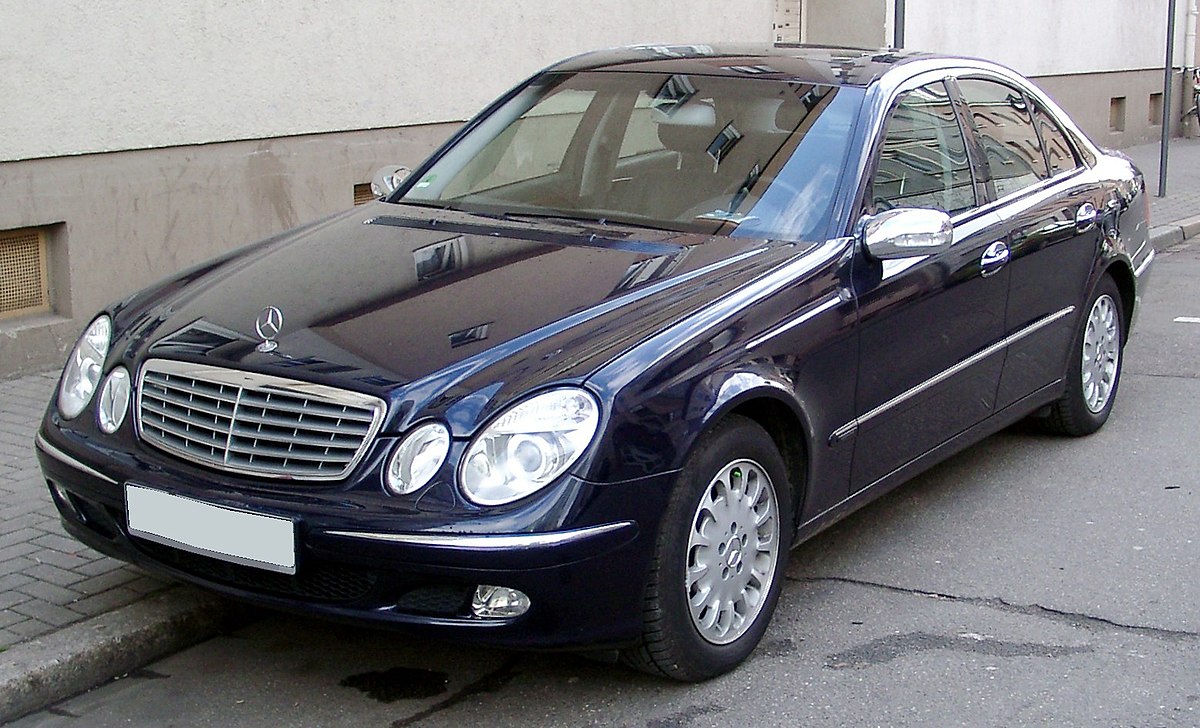
3. 2003–2009 Mercedes-Benz E-Class (W211)
The Mercedes-Benz E-Class W211, produced between 2003 and 2009, represents a somewhat overlooked era in Mercedes’ long lineage of executive sedans.
While its predecessor, the W210, is often remembered more fondly, the W211 brought with it a host of innovations and refinements that still make it a compelling choice in today’s used luxury market, especially given that many examples can now be found for under $10,000.
Although slightly larger in exterior dimensions than the W210, the W211 surprisingly offered less usable interior space, particularly in the wagon version. However, it compensated with forward-thinking technology and enhanced driving sophistication.
One standout innovation was the Sensotronic Brake Control (SBC), an electrohydraulic braking system introduced as standard across the range. Efficiency improvements also stood out, with Mercedes claiming better fuel economy compared to the previous generation.
Performance-wise, the lineup catered to a broad spectrum of buyers. Engine options ranged from modest inline-fours and V6s to a 5.0-liter V8 producing 302 horsepower and 339 lb-ft of torque, propelling the sedan from 0–60 mph in just 4.9 seconds with a top speed of 149 mph.
Transmission choices included five- and seven-speed automatics, as well as a rare six-speed manual, a surprising find in a luxury sedan of this class. For enthusiasts seeking ultimate performance, AMG versions offered brutal acceleration and dynamic handling.
The W211 balanced innovation and affordability in the used market. Standout features included available Airmatic DC dual-control suspension, multi-contour front seats, and a wide variety of trims catering to comfort or sport-oriented drivers. Owners also value its durability, with many lower-option models proving capable of exceeding 200,000 miles.
On the downside, higher-option features such as Airmatic suspension and SBC brakes can be costly to repair, and automatic transmissions often face longevity issues beyond 200,000 miles. Lower-powered engines may also feel underwhelming compared to the chassis’ capabilities.
Reliability of the W211 largely depends on maintenance history. Well-documented service records are essential, as neglected examples can lead to expensive repair bills. Later model years, particularly 2009, are generally considered more dependable due to incremental updates.
Before purchasing, a thorough inspection by a mechanic experienced with Mercedes-Benz vehicles is strongly advised, focusing on braking systems, suspension components, and transmission health. Prospective buyers should also account for higher ownership costs, both in parts and labor, even though the cars themselves can be acquired cheaply.
The 2003–2009 W211 E-Class is a forgotten yet rewarding chapter in Mercedes’ history, offering high-end features, elegant styling, and surprising affordability for those willing to invest in proper upkeep.
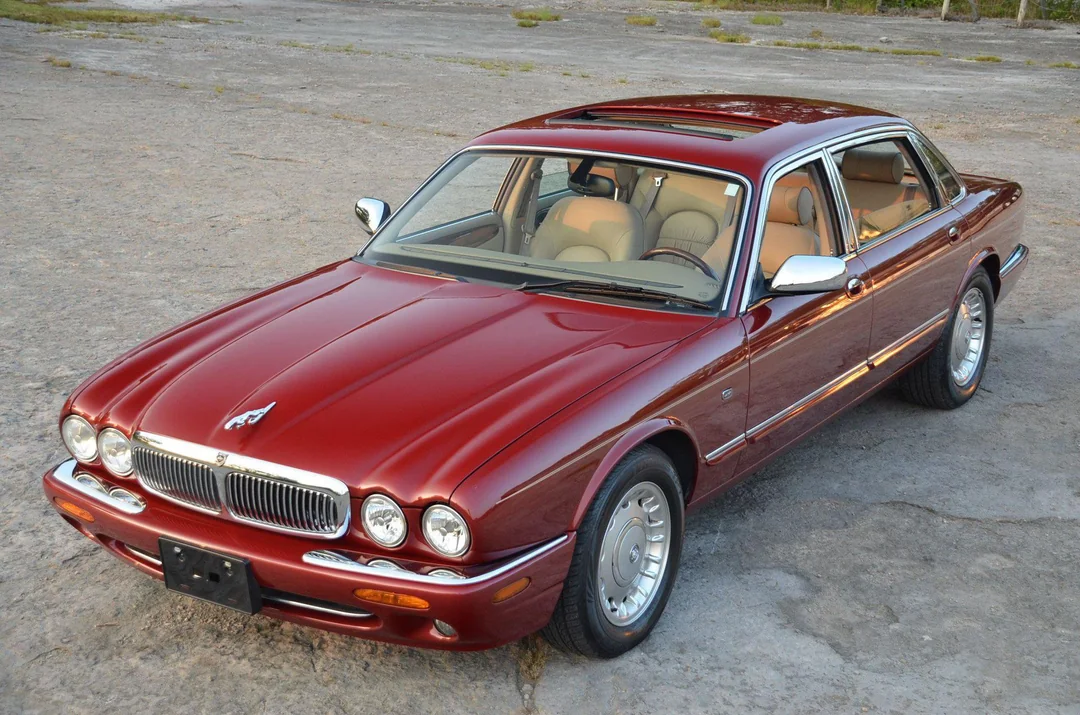
4. 1994–2003 Jaguar XJ (X300 & X308): Classic British Luxury with Value and Reliability
The Jaguar XJ of the X300 (1994–1997) and X308 (1997–2003) generations is often celebrated as one of the most balanced luxury sedans of its time, combining timeless British design, surprising reliability, and remarkable value on today’s used market. Priced under $9,000 in many cases, these cars provide an affordable entry into true luxury motoring without sacrificing refinement or character.
The X300 marked Jaguar’s effort to modernize the XJ while maintaining its classic appeal. Inspired by the marque’s earlier designs, it reintroduced four individual round headlamps and a gracefully sculpted bonnet, evoking Jaguar’s iconic heritage.
Under Ford’s ownership, component sourcing and design refinements were introduced, yet the X300 retained a distinctly Jaguar personality. Buyers could choose between refined inline-six engines or the mighty V12, both of which offered smooth performance and longevity when properly maintained.
The 1997 launch of the X308 further refined the formula. While it carried forward the styling cues of the X300, including the signature quad headlights and elegant profile, the X308 introduced the AJ-V8 engine, available in 3.2-liter and 4.0-liter versions.
A supercharged 4.0-liter variant powered the sporty XJR, turning the elegant sedan into a high-performance luxury cruiser. With 290 horsepower, 290 lb-ft of torque, and a 0–60 mph time of 6.9 seconds, the X308 provided spirited performance while preserving the dignified ride expected from an XJ.
The appeal of these Jaguars lies in their balance of beauty, performance, and reliability. Enthusiasts appreciate the “violently British” design that still commands presence today, as well as the option of a long-wheelbase model for added rear comfort. The V12 and inline-six are regarded as robust, while the AJ-V8 delivered modern performance without undermining Jaguar’s character.
On the downside, the XJ was not immune to quirks. Electrical faults, especially with climate control systems, could frustrate owners. Interior trim issues, such as sticky center console buttons and prematurely worn leather, were also common. Still, these issues were often minor compared to the mechanical soundness of the powertrains.
For prospective buyers, the Jaguar XJ X300 and X308 represent excellent value if properly maintained. A thorough inspection of electronics and interior condition is advised, but mechanically, these sedans are considered durable and rewarding to own. With prices dipping below $9,000, they stand as a timeless, reliable choice for those seeking British luxury at a fraction of the cost of rivals.
5. 2008–2014 Cadillac CTS
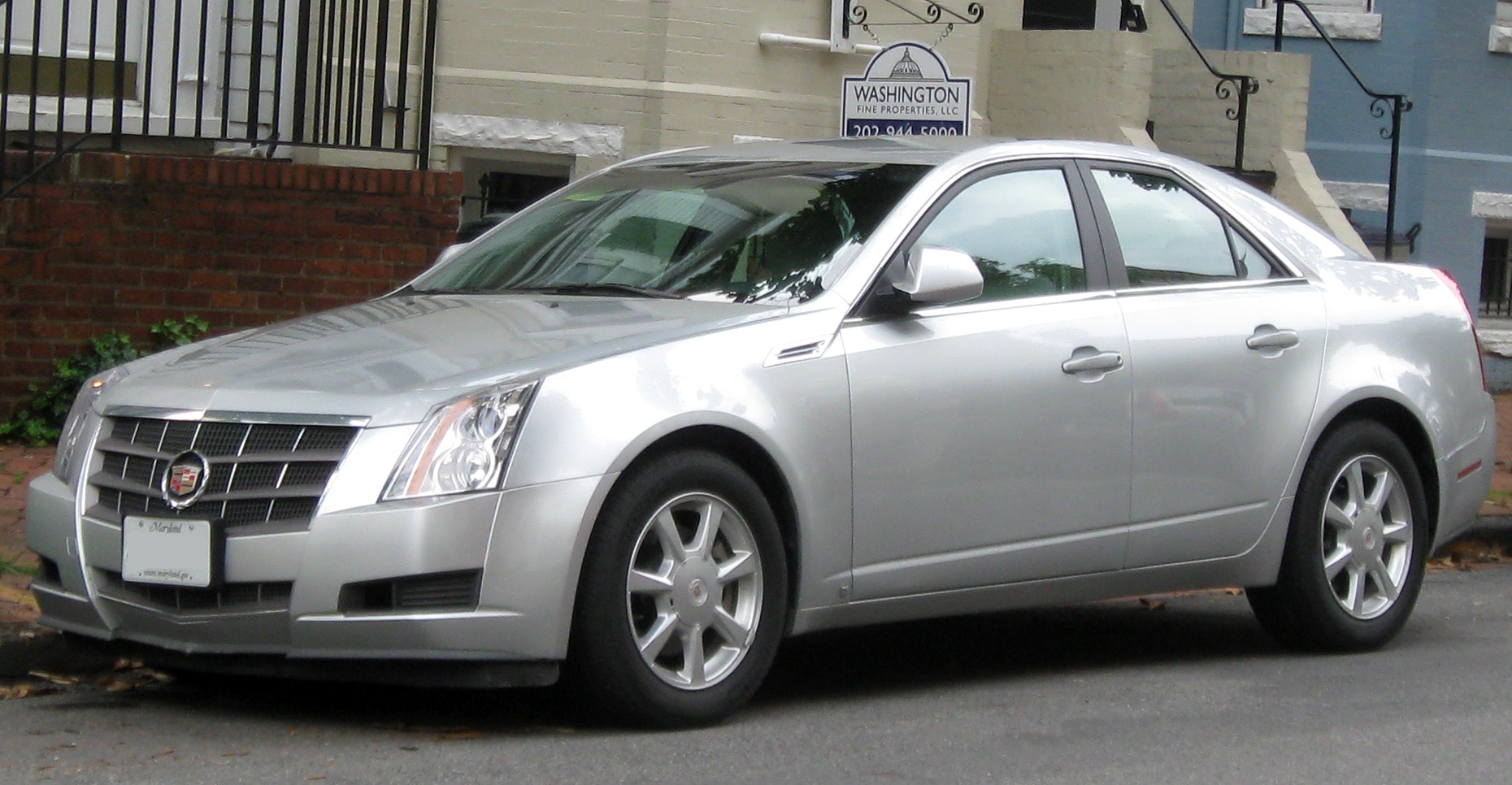
The second-generation Cadillac CTS, produced from 2008 to 2014, marked a pivotal moment for Cadillac, showcasing the brand’s renewed focus on blending performance, technology, and modern design into a true American luxury sedan.
Larger and more assertive than its predecessor, the CTS introduced bolder styling with a prominent grille, slimmer headlights and taillights, and signature side air extractor vents. It stood as a confident alternative to European luxury rivals, proving that Cadillac could once again compete on a global stage.
At the heart of the CTS was a choice of engines, with the most popular being the 3.6-liter V6. Featuring direct injection technology, it delivered 304 horsepower and 273 lb-ft of torque, allowing for a respectable 0–60 mph sprint of 6.3 seconds and a 150 mph top speed.
Paired with a six-speed automatic transmission and rear-wheel-drive layout, the CTS provided balanced performance suitable for both city cruising and spirited highway driving. For those seeking even more power, the CTS-V variant elevated the experience with a supercharged V8, transforming the sedan into a bona fide performance car while retaining Cadillac’s hallmark comfort.
Inside, the CTS reflected Cadillac’s push toward refinement and technology. Standard and available features included a Bose 5.1 surround sound system, GM’s Stabilitrak electronic stability control, and a navigation system with real-time traffic and weather updates.
Comfortable seating, thoughtful ergonomics, and a refined driving position gave it a “recliner chair” level of comfort, making it ideal for long-distance drives. Over the years, Cadillac further improved the CTS with subtle styling updates and increased power outputs, ensuring its continued competitiveness.
The CTS’s strengths lie in its overbuilt V6 engine capable of running well past 200,000 miles with proper care, alongside its comfortable interior and wide availability of replacement parts in the U.S.
The CTS-V offered an affordable gateway into high-performance luxury, with used models now available for under $20,000, making them a tremendous value compared to their original six-figure price tags.
However, the CTS wasn’t without drawbacks. Its design was polarizing, appealing to some while alienating others, and it lacked the breadth of trim and customization options seen in German competitors. Standard V6 models, while reliable, were sometimes considered slower than rival offerings.
With clean examples now often priced under $15,000, the CTS represents one of the best bargains in American luxury sedans. Buyers should prioritize models with consistent service history, especially for the CTS-V, and enjoy the blend of comfort, performance, and affordability that revitalized Cadillac’s reputation.
6. 1998–2004 Porsche 911 (996)
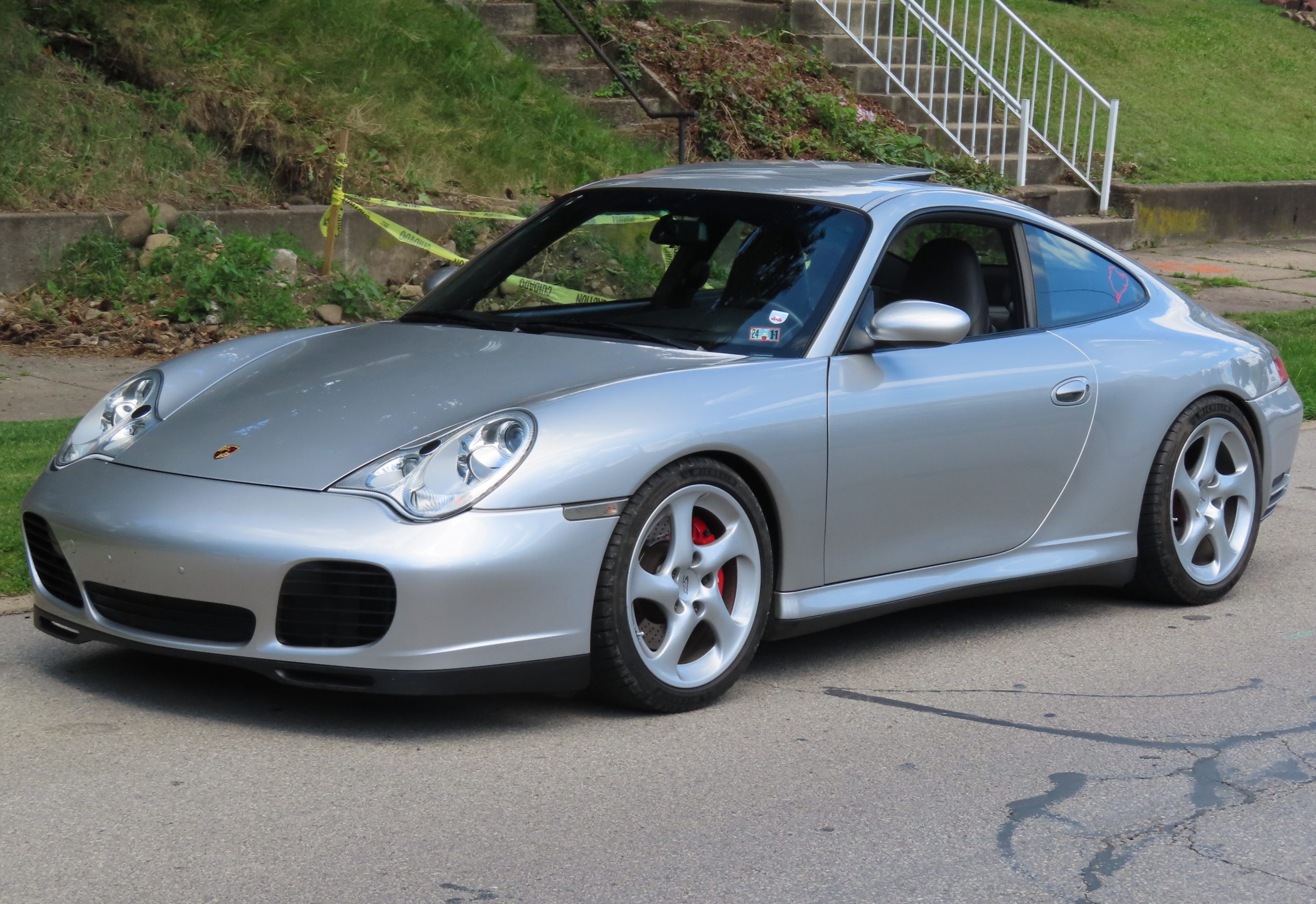
The Porsche 911 (996 generation), produced between 1998 and 2004, represented a turning point for Porsche’s legendary sports car. As the first 911 to adopt a water-cooled flat-six engine, it departed from decades of air-cooled tradition, sparking debate among purists.
Developed alongside the Porsche Boxster, the 996 shared many components and design cues with its smaller sibling, a cost-saving measure that allowed Porsche to modernize the 911 while broadening its appeal.
Visually, the 996 introduced a more streamlined body with its now-infamous “fried egg” headlights, a design choice that remains polarizing among enthusiasts. Despite stylistic controversy, the 996’s engineering advancements ensured that it delivered on Porsche’s reputation for performance.
At its core, a 3.4-liter flat-six engine produced 300 horsepower and 273 lb-ft of torque, enabling 0–60 mph in just 5 seconds and a top speed of 170 mph. Transmission options included a six-speed manual or a five-speed automatic, with rear-wheel drive standard and all-wheel drive available in later trims.
The 996 upheld the 911’s reputation for handling precision, offering a balanced chassis, communicative steering, and everyday usability uncommon in sports cars of its caliber. Both coupe and cabriolet versions were available, further broadening its appeal. While Porsche purists initially hesitated at the water-cooled transition, the 996 quickly earned respect as a reliable, engaging, and practical luxury sports car.
Affordability is where the 996 shines today. With base model Carreras starting around $26,000, the 996 offers a true Porsche experience at the price of a new Toyota Camry, an irresistible value for those wanting a slice of German engineering heritage. Build quality remains nearly unrivaled, and many examples continue to perform flawlessly with regular care.
Still, ownership is not without concerns. A small percentage of cars are affected by the infamous IMS bearing issue, but this is typically addressed when the clutch is replaced. Other minor age-related issues include peeling interior buttons and general wear on older components. The polarizing headlight design also makes it one of the least collectible 911s, though this helps keep prices low for enthusiasts.
For buyers seeking their first 911, the 996 presents one of the most accessible entry points into Porsche ownership. A well-maintained example with documentation is key, and those with IMS bearing replacements are especially desirable. Offering legendary driving dynamics, German craftsmanship, and daily usability, the 996 proves that even an “ugly” Porsche can deliver unmatched thrills and enduring value.
Also Read: 5 Lexuses With Long Engine Life vs. 5 Models With Early Oil Consumption
7. 1990–2000 Lexus LS400
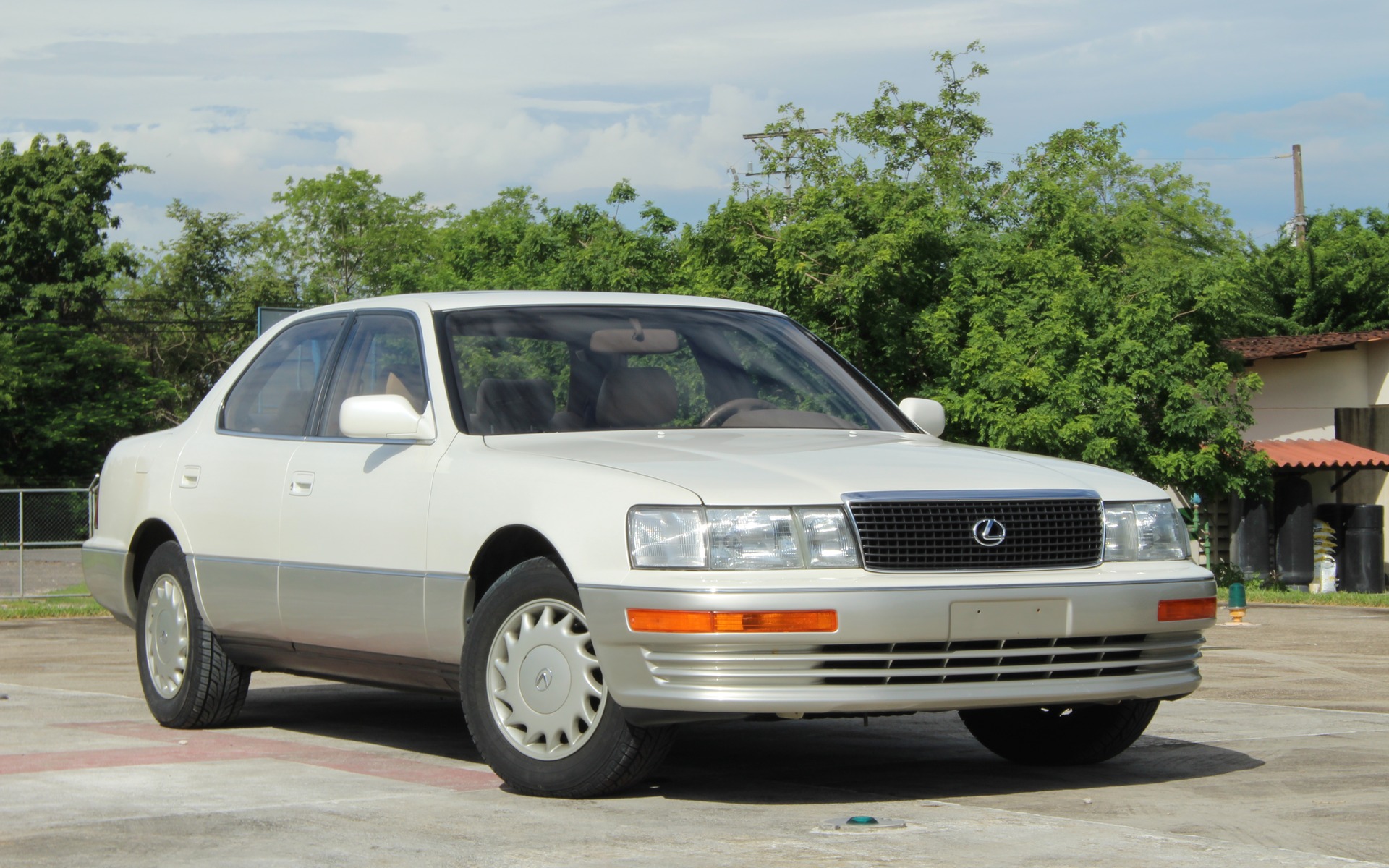
The Lexus LS400, produced from 1990 to 2000, redefined the luxury car segment and cemented Lexus as a global powerhouse in premium automobiles. Developed under Toyota’s ambitious F1 project, the LS400 was designed to outperform established European and American rivals by combining engineering precision, reliability, and comfort at a competitive price point.
At the heart of the LS400 was the legendary 1UZ-FE 4.0-liter V8, producing 242 horsepower and 258 lb-ft of torque. Paired with a smooth 4- or 5-speed automatic transmission and rear-wheel-drive layout, the LS400 offered serene yet capable performance.
With a 0–60 mph time of 6.3 seconds and a top speed of 155 mph, the LS400 wasn’t just about comfort; it had the power and refinement to hold its own against far pricier competitors. Its independent double-wishbone suspension, with optional air suspension, ensured a plush ride that absorbed imperfections with ease.
Inside, the LS400 set a new standard for understated opulence. The cabin featured California walnut wood, supple leather, power-adjustable seats, and advanced technology such as an electrochromic rearview mirror and automatic tilt-and-telescoping steering wheel.
With more than 300 innovations, including fluid-damped fixtures and vibration-isolating mounts, the LS400 created an environment of unmatched quietness and comfort.
The LS400’s greatest strength was its legendary reliability. Stories of these cars easily surpassing 300,000 miles are common, and journalist Matt Farah famously drove one beyond the one-million-mile mark.
Even today, well-maintained examples require minimal upkeep compared to their European contemporaries, with parts availability remaining strong. Affordable pricing enhances its appeal, with decent examples available from $3,000 and pristine, low-mileage cars rarely exceeding $25,000.
On the downside, the LS400 was not without limitations. Its fuel economy was unimpressive by modern standards, and Lexus never offered a manual transmission option, limiting enthusiast appeal.
Additionally, the car’s conservative color palettes and understated styling meant it lacked the flamboyance of some rivals. However, these drawbacks did little to diminish its reputation as one of the most dependable and refined luxury sedans ever produced.
For buyers seeking affordable, long-lasting luxury, the LS400 remains unrivaled. Its combination of durability, timeless design, and comfort ensures it continues to be a smart buy decades later.
Museum-quality examples represent collectible investments, while higher-mileage cars still make reliable daily drivers. The LS400 is, in many ways, the epitome of cheap, reliable luxury, an enduring icon in automotive history.
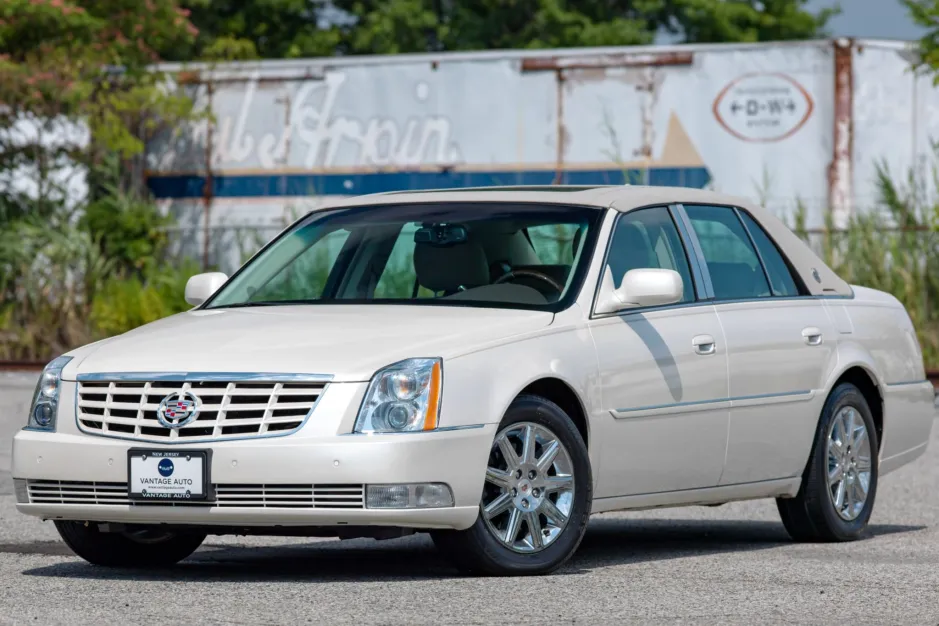
8. 2005–2011 Cadillac DTS
When Cadillac retired its legendary DeVille nameplate in 2005, it wasn’t so much the end of an era as it was a rebranding exercise. The DeVille continued almost unchanged but under a new name: the DTS, short for DeVille Touring Sedan. While the fresh badge reflected Cadillac’s evolving naming strategy, the car itself embodied the classic American luxury formula that had defined the brand for decades.
The DTS carried forward Cadillac’s new angular design language but kept a conservative profile compared to some of the bolder models in the lineup. Built on the same platform as the Buick Lucerne, the DTS was longer and wider, ensuring more room for both passengers and luggage.
At its heart sat the venerable 4.6-liter Northstar V8, producing between 275 and 291 horsepower depending on trim. Paired with a four-speed automatic transmission and front-wheel drive, the powertrain wasn’t about athleticism but rather smooth, confident cruising. Cadillac even offered a stretched version called the DTS-L, which added eight inches of length for those seeking limousine-like rear legroom.
Inside, the DTS emphasized comfort over flash. Heated seating was available for both front and rear passengers, a power rear sunshade provided additional relaxation, and a premium Bose audio system added an upscale touch.
The Magnetic Ride Control suspension further enhanced the ride, automatically adjusting damping to deliver Cadillac’s signature floating-on-air experience. While the interior design and materials lacked the sophistication of European rivals, the car excelled at its primary mission: keeping occupants comfortable during long journeys.
The DTS appealed to a traditional luxury buyer, often older customers who valued space, serenity, and familiarity over cutting-edge technology or razor-sharp handling. This demographic also meant that many used examples on the market today were gently driven and well-maintained. However, the Northstar V8 has a reputation for electrical gremlins and mechanical quirks, so buyers need to exercise caution.
The Cadillac DTS marked both an ending and a continuation: it closed the book on the DeVille name while carrying forward the spirit of classic Cadillac luxury. Spacious, quiet, and unmistakably American, it remains a solid choice for buyers who want a comfortable sedan with plenty of presence and character.
9. 2009–2014 Acura TL
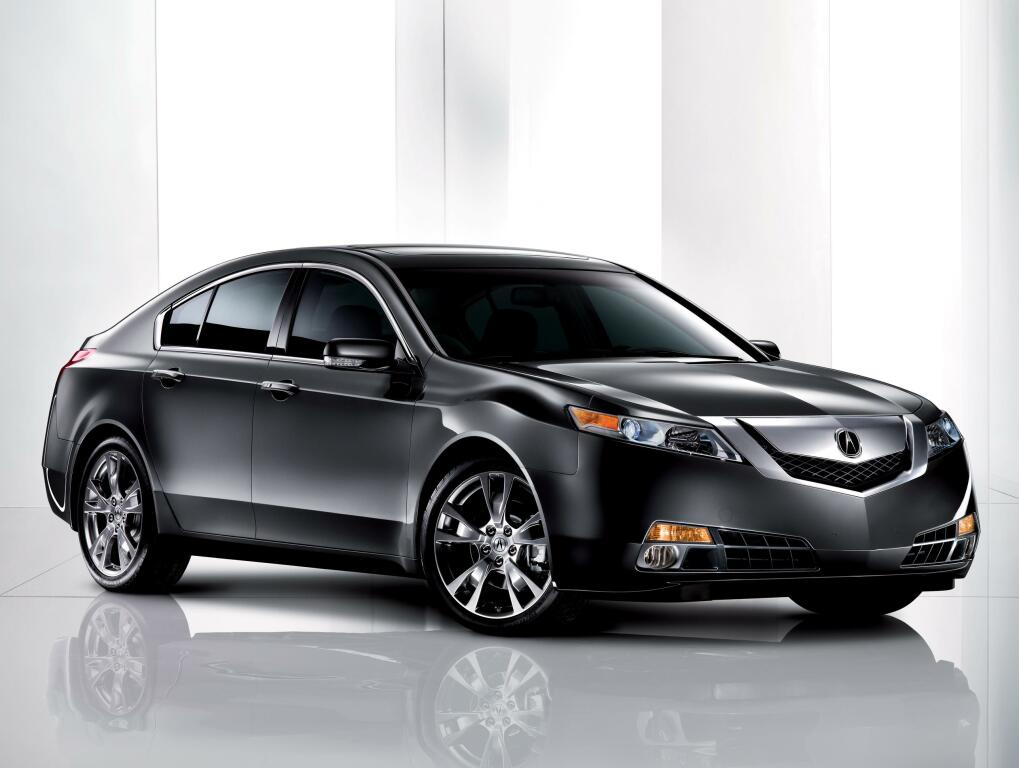
The 2009 Acura TL marked a bold departure for the brand, both in design and intent. Gone were the understated, somewhat forgettable lines of its predecessors, replaced by sharp edges, muscular proportions, and a prominent shield-shaped grille that gave the sedan a menacing, attention-grabbing presence.
This model ushered in Acura’s “Keen Edge Dynamic” design language, a styling direction that drew both praise and criticism but undeniably made the TL stand out in a crowded luxury market.
Under the hood, Acura offered two distinct flavors of performance. The standard model came equipped with a 3.5-liter V6 producing 280 horsepower, delivering power to the front wheels through a five-speed automatic transmission.
For those seeking more excitement, the TL SH-AWD introduced a larger 3.7-liter V6 with 305 horsepower and a sophisticated all-wheel-drive system that could send torque to the outside wheels during cornering, significantly improving grip and handling.
This system transformed the TL into a surprisingly capable sport sedan, offering sharp responses and a level of driver engagement rare in its class. Both models featured steering-wheel-mounted shift paddles, further enhancing their sporting character.
Performance aside, the TL carried forward Acura’s tradition of packing its vehicles with advanced technology. Standard equipment included Bluetooth and iPod connectivity, while higher trims offered an optional Technology package with navigation, adaptive climate control, and an impressive surround sound audio system.
While the cabin was well-built and ergonomically sound, critics noted that it lacked the opulent materials and visual flair of some competitors, particularly the Cadillac CTS and German rivals.
Still, the TL earned a reputation as one of the most reliable luxury sedans of its era. Its V6 engines were not only powerful but also long-lasting, and the SH-AWD variant in particular delivered driving dynamics that challenged more expensive European offerings.
Though its aggressive styling divided opinion, the 2009–2014 Acura TL succeeded in redefining Acura’s image, combining performance, technology, and dependability in a package that continues to hold strong appeal in the used luxury market today.
10. 2005–2011 Audi A6 C6
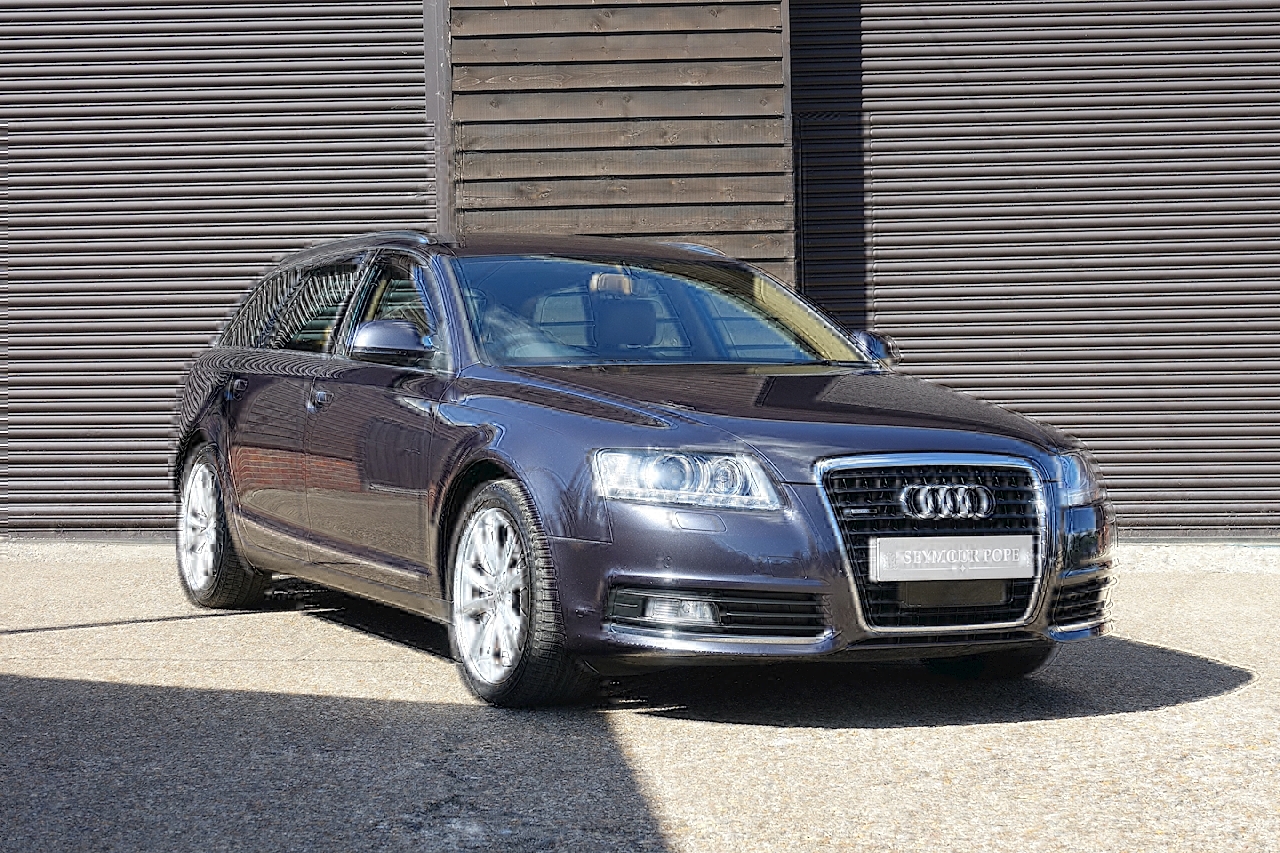
The third-generation Audi A6, known internally as the C6, represented a bold evolution for the brand when it debuted in 2005. The most striking element was its imposing trapezoidal grille, a design cue first seen on the 2003 Audi Nuvolari Quattro concept.
While controversial at launch, this bold styling choice would go on to define Audi’s design language for years, giving the A6 an unmistakable road presence. Behind the grille, the C6 was also a more substantial car, with broader proportions and a more confident stance compared to its predecessor.
Power came from a range of engines, with the two most notable being the 3.2-liter V6 and the 4.2-liter V8. The V6 delivered 255 horsepower, while the V8 produced a robust 330 horsepower, both paired with Audi’s famed Quattro all-wheel-drive system.
The V6 offered smooth, composed performance for daily use, while the V8 added muscle, making the A6 a genuine competitor to sportier German sedans of the era. A Sport package was available with the V8 model, sharpening handling and cornering ability, though it did reduce some of the ride comfort that defined the A6’s luxury appeal.
Inside, the A6 set a benchmark for its class with a cabin that blended modern design with meticulous craftsmanship. Leather upholstery, aluminum accents, and fine wood trim created a sophisticated environment, while Audi’s commitment to ergonomics ensured that controls were intuitive and driver-focused.
Technology was another highlight: buyers could equip the A6 with a Bose surround-sound audio system, a DVD-based navigation system, and even voice controls, features that felt advanced for the mid-2000s luxury segment.
When new, the A6 commanded a premium price, but today used examples can be found at a fraction of their original cost, often around $16,000, depending on condition and mileage.
While the V6 can sometimes feel underpowered at low revs, and the lack of a manual transmission disappointed purists, the A6 C6 remains a strong value proposition. With its timeless design, capable Quattro system, and beautifully appointed interior, it represents one of Audi’s most compelling blends of performance, luxury, and technology.
11. 1992–1999 Mercedes-Benz S-Class W140
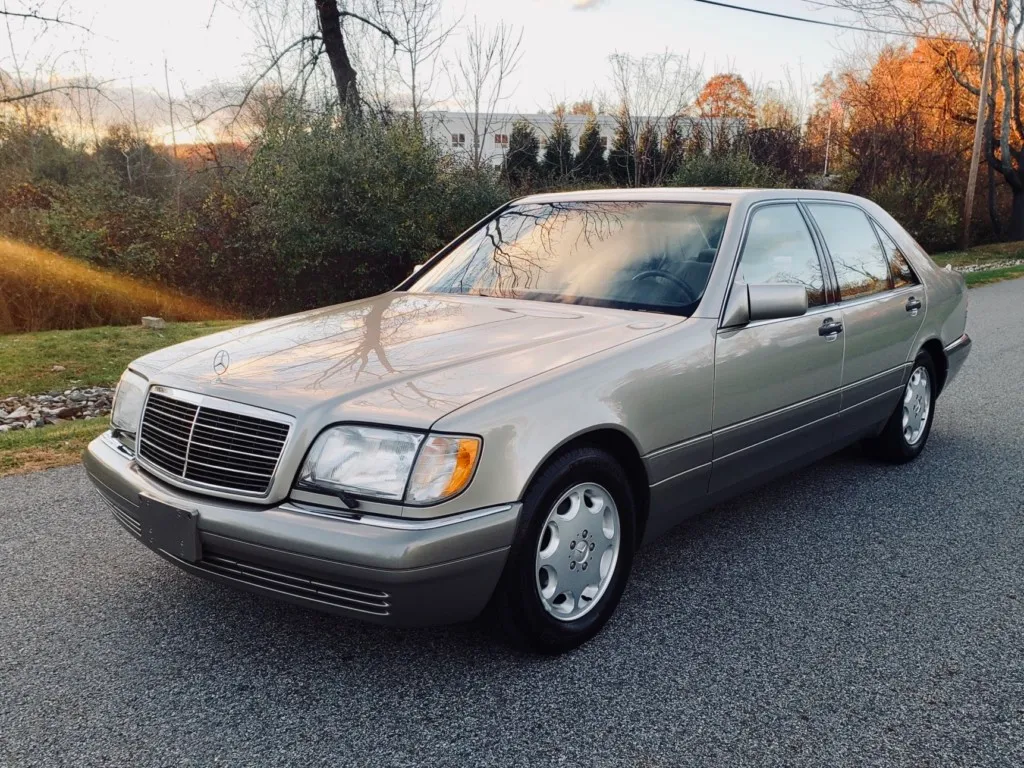
Few cars symbolize engineering excess quite like the Mercedes-Benz W140 S-Class. Developed at a reported cost of nearly $1 billion, the W140 was conceived to be the most advanced luxury sedan in the world, regardless of expense.
Its development was not without controversy: chief designer Bruno Sacco envisioned a sleeker, more aerodynamic profile, but engineers prioritized space, comfort, and capability, ultimately producing a car that was taller, wider, and heavier than originally planned. Despite these internal battles, the W140 debuted as a technological showcase and quickly cemented its place in automotive history.
Mercedes offered a wide range of engines for the W140, from a modest 2.8-liter inline-six to the range-topping 6.0-liter V12. The latter produced 389 horsepower and 420 lb-ft of torque, numbers that gave the massive sedan effortless acceleration and an imposing presence on the road.
Power was channeled through a four-speed automatic to the rear wheels, ensuring a smooth and stately driving experience. While not a sports sedan by any measure, the W140 excelled at delivering serene long-distance comfort with authority and confidence.
Inside, the W140 was an opulent sanctuary. Plush leather, wood trim, and precision build quality were paired with groundbreaking features for the time.
Innovations included double-pane side windows for exceptional sound insulation, a sonar-based parking system (an early forerunner of today’s sensors), and the debut of Mercedes’ Electronic Stability Program. Self-leveling suspension and advanced climate control systems further emphasized the W140’s mission: to deliver unparalleled comfort and refinement.
Today, most surviving W140s are sedans, though coupes exist in smaller numbers and are highly prized by collectors. A well-maintained coupe, particularly in V12 form, is considered a potential future classic with significant appreciation potential. Still, buyers must be cautious, as the very complexity that made the W140 an engineering marvel can translate into steep maintenance costs.
Even so, the W140 remains a monument to Mercedes-Benz’s philosophy of over-engineering during its golden era. It was built not to a price but to a standard, and decades later, it continues to embody the uncompromising pursuit of automotive perfection.
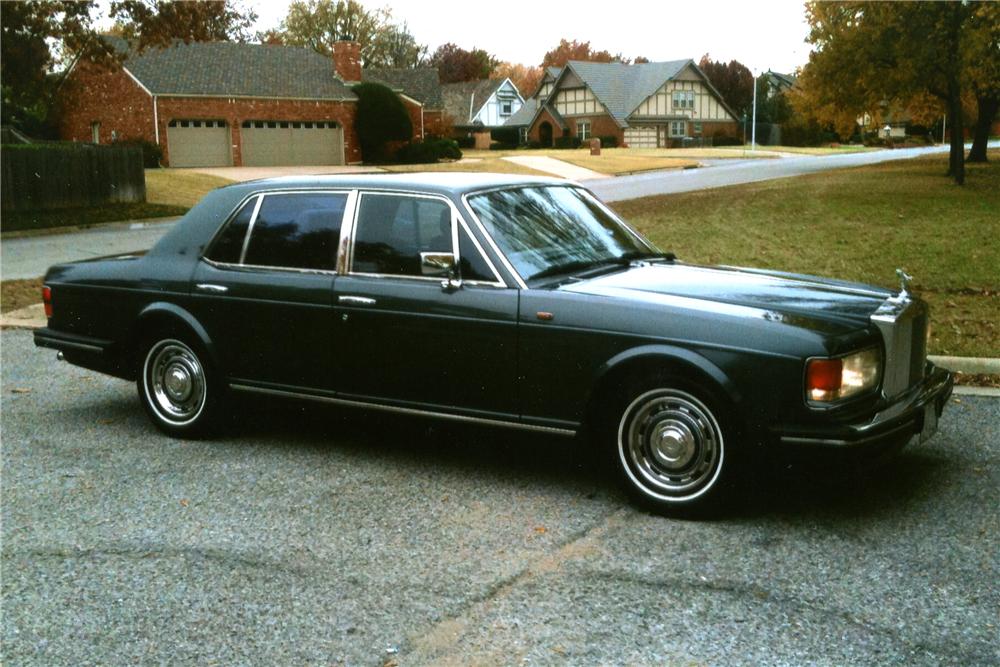
12. 1980–2000 Rolls-Royce Silver Spirit
The Rolls-Royce Silver Spirit, produced between 1980 and 2000, challenged the stereotype that classic Rolls-Royce models were fragile or temperamental. Instead, it gained a reputation for being one of the more dependable luxury cars of its era while still offering the unmatched elegance and refinement expected from the marque.
The first generation established a strong foundation, but it was the Silver Spirit II and Silver Spur II, launched in 1989, that introduced significant advancements. Most notably, Rolls-Royce debuted “Automatic Ride Control,” a system that adjusted the dampers on all four wheels in real time to maintain impeccable ride quality.
In 1991, the car received a highly durable General Motors four-speed automatic transmission and a larger fuel tank, further boosting reliability and long-distance usability.
Under the hood, the Silver Spirit carried Rolls-Royce’s legendary 6.75-liter V8 engine, producing 226 horsepower and 295 lb-ft of torque.
While acceleration was not blistering, 0–60 mph in 10.6 seconds with a top speed of 126 mph, the car prioritized smoothness and refinement over outright speed. Paired with rear-wheel drive and the robust GM transmission, it delivered a driving experience that was serene, confident, and surprisingly durable.
The model continued to evolve with the Silver Spirit III and Silver Spur III in 1993, which brought subtle styling updates and engine refinements. Yet, across all generations, Rolls-Royce maintained its focus on engineering integrity, ensuring these cars could stand the test of time.
Today, examples of the Silver Spirit can occasionally be found for under $10,000, a fraction of the cost of newer luxury sedans. Ownership does come with caveats air suspension components may require replacement, and parts can be scarce due to limited production. However, the core mechanicals are robust, and the GM-sourced transmission is still prized for its durability in other applications.
After nearly two decades of production, the Silver Spirit became a cornerstone of Rolls-Royce’s modern history. For enthusiasts seeking old-world craftsmanship, stately presence, and surprising reliability at an attainable price, it remains one of the most compelling budget entries into true luxury motoring.
Luxury isn’t just about brand prestige or cutting-edge technology; it’s about the experience. The cars highlighted here prove that you don’t need to spend six figures to enjoy hand-crafted interiors, advanced engineering, or performance that stirs the soul.
Whether it’s the timeless reliability of the Lexus LS400, the executive comfort of the Audi A8, or the supercar thrills of the Aston Martin V8 Vantage, these models embody a rare combination of accessibility and sophistication.
Of course, owning a luxury car on a budget still requires diligence. Pre-purchase inspections, complete service records, and a willingness to invest in proper upkeep are critical to maximizing both value and longevity.
But for those who choose wisely, these vehicles offer something priceless: the chance to drive a machine that feels far more special than its price tag suggests. With smart selection and care, true luxury can be both attainable and reliable.
Also Read: 5 Lexus SUVs Built To Last Forever And 5 With Hidden Flaws