When it comes to buying a car, the initial sticker price is only part of the story. True value lies in longevity, reliability, and how well a vehicle holds up over hundreds of thousands of miles.
For many drivers, the dream is a car that remains affordable even as it racks up high mileage, vehicles that can endure decades of daily commutes, family trips, and road adventures without demanding constant repairs.
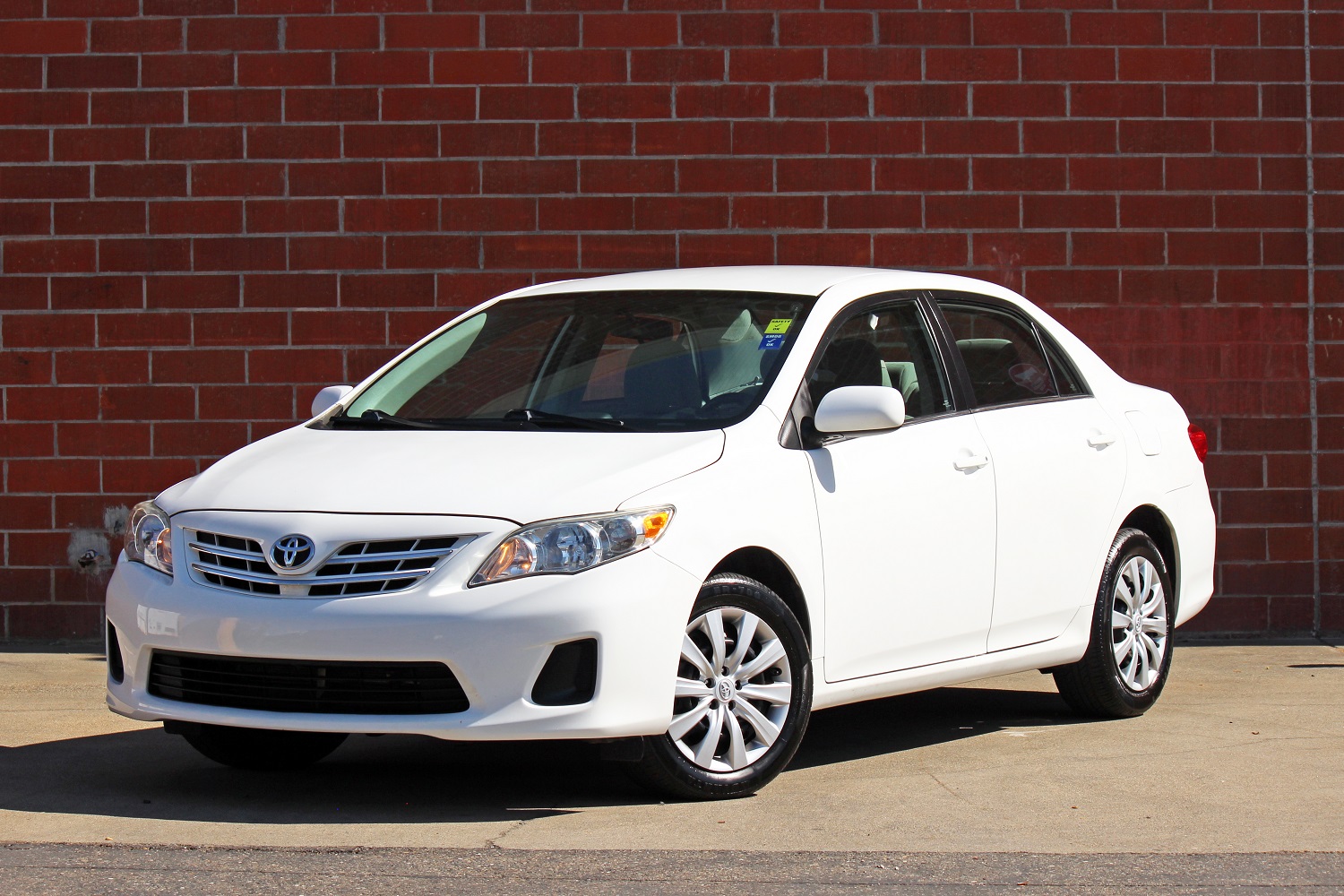
From reliable midsize sedans to efficient hybrids and entry-level luxury models, certain cars have proven themselves time and again as long-term investments. In this list, we explore “10 Cars That Stay Affordable Even at High Mileage”, highlighting vehicles like the 1998 Toyota Avalon, the 2013 Toyota Corolla, and the 1990 Honda Accord.
Each model demonstrates a rare combination of durability, practicality, and cost-effectiveness, showing that high mileage doesn’t always mean high expense.
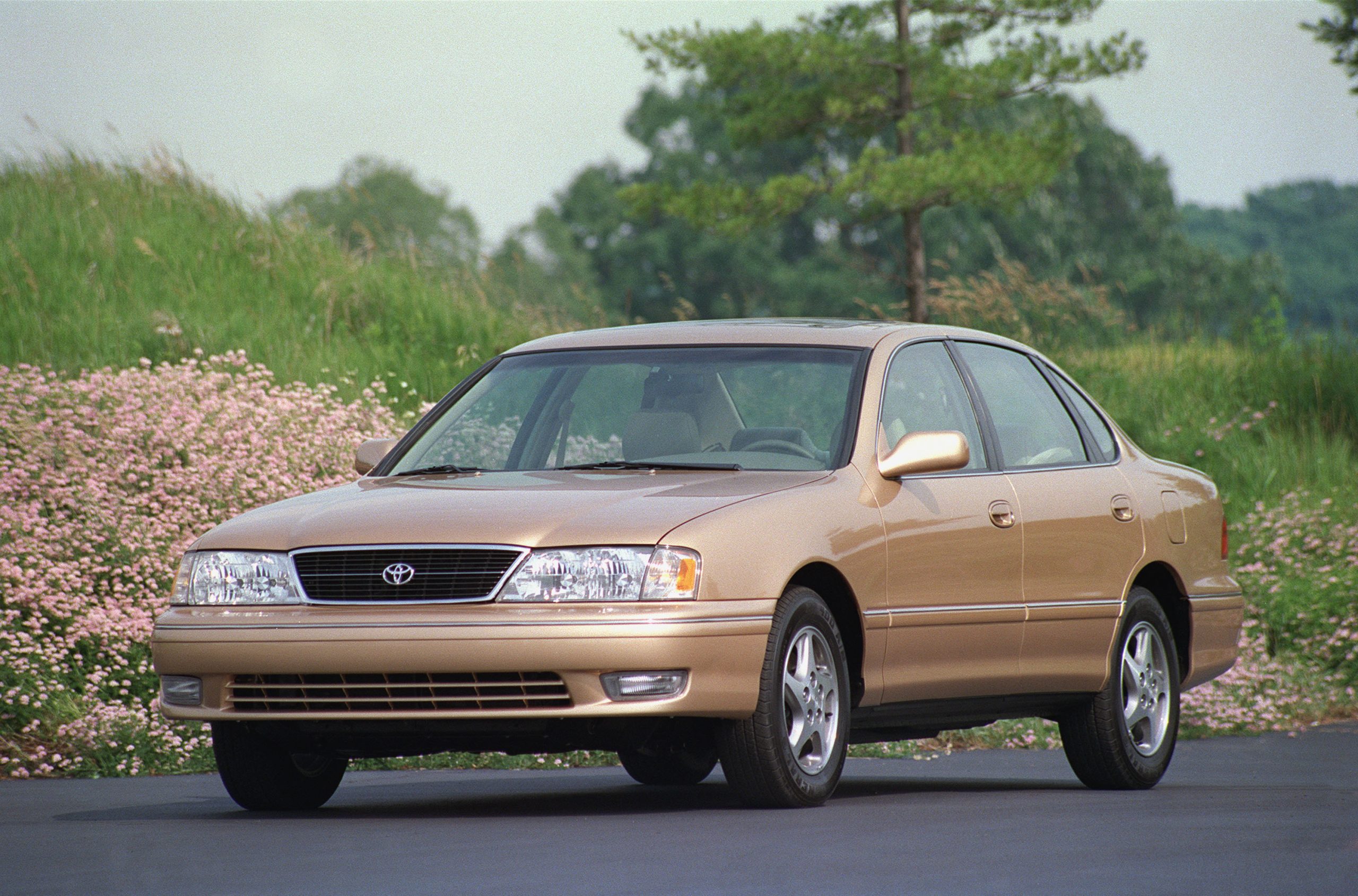
1. 1998 Toyota Avalon 3.0 V6: Longevity, Reliability, and Comfort
The 1998 Toyota Avalon marked an ambitious entry into the American-dominated full-size sedan market. While most competitors came from domestic manufacturers, Toyota sought to challenge convention with a car that blended refinement, comfort, and durability.
Its reputation for reliability was proven by at least one model surpassing 320,000 miles, showcasing the kind of longevity buyers had come to expect from the brand.
At the heart of the Avalon was a 3.0-liter V6 engine paired with a 4-speed automatic transmission, producing 200 horsepower and 214 lb-ft of torque. The front-wheel-drive configuration delivered smooth and confident performance, with acceleration that could hold its own against the Buick LeSabre and Pontiac Bonneville, while even outpacing the V8-powered Ford Crown Victoria in the run to 60 mph.
Fuel efficiency was respectable for a full-size sedan at 19 miles per gallon in the city and 27 on the highway. Handling matched the agility of the Bonneville SSE, while braking strength gave the Avalon an edge in safety and control.
For 1998, the Avalon underwent a subtle but meaningful refresh. Toyota introduced new safety measures, including seat-mounted side-impact airbags and pretensioner seatbelts with force limiters, elevating passenger protection to higher standards.
Exterior styling also received attention, with updates to the grille, trunk lid, headlamps, taillights, and bodyside moldings, providing a more polished and contemporary look that kept the sedan in step with its competition.
Inside, the Avalon emphasized passenger comfort and thoughtful ergonomics. While slightly narrower than its domestic counterparts, it could still seat six when equipped with the optional bench seat.
The rear cabin stood out as particularly impressive, offering leg and foot room comparable to much larger vehicles and providing a high seating position with ample support. Many reviewers likened its rear seat comfort to that of the Jaguar XJ8 Vanden Plas, highlighting the car’s unexpected luxury.
The front seats offered equal comfort, complemented by a dashboard that placed controls within easy reach. The interior design leaned toward conservative styling, however, with shiny dashboard plastics and a somewhat plain front fascia that kept it from making a bold visual statement.
Toyota’s strategy with the Avalon was to compete directly with the stalwarts of the segment after learning lessons from its less successful attempt with the T100 pickup. This time, the formula worked, delivering a sedan that combined capable performance, refined comfort, and dependable engineering.
Although Chrysler’s Concorde offered stronger value in terms of price, the Avalon’s proven durability and quality made it a compelling choice for buyers who prioritized long-term peace of mind.
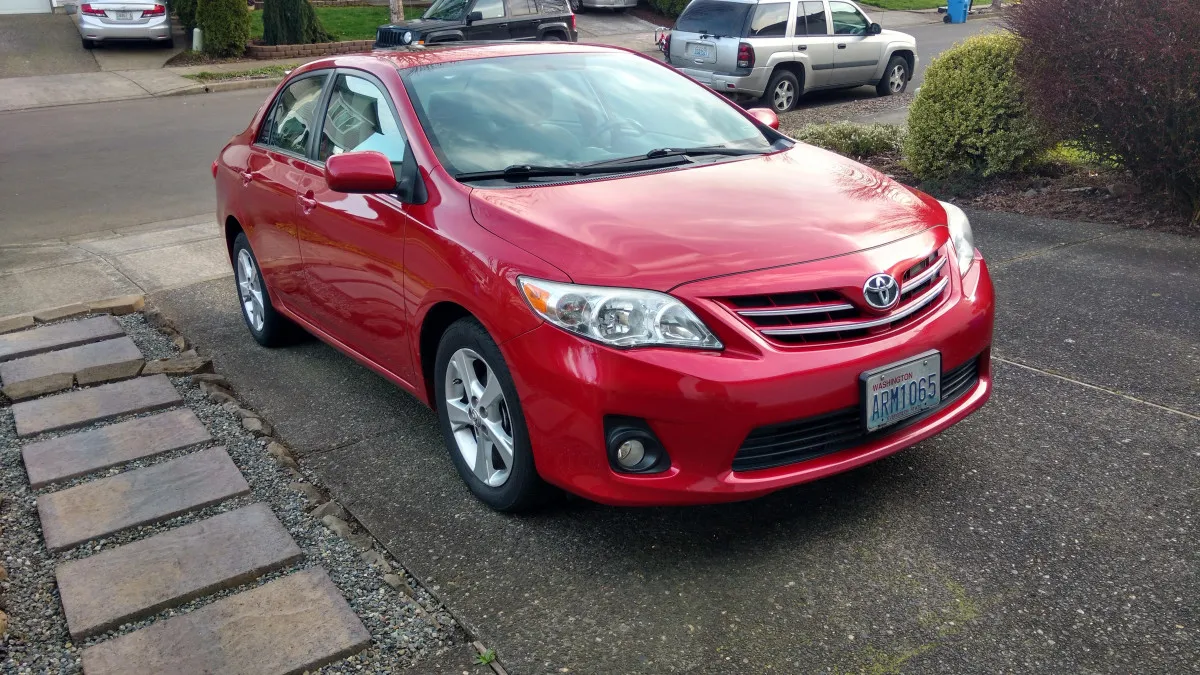
2. 2013 Toyota Corolla LE: Reliable, Practical, but Outclassed
The 2013 Toyota Corolla LE continued Toyota’s tradition of delivering a compact car that emphasized reliability, affordability, and long-term dependability. With more than 33 million Corollas sold worldwide since the nameplate’s introduction, the model has built a reputation for being one of the most enduring small cars on the road.
That reputation was reaffirmed by at least one example of the 2013 Corolla recording more than 415,000 miles. Still, while reliability remained its hallmark, this version faced strong competition that exposed its shortcomings in design, performance, and efficiency.
The 2013 Corolla LE came with a 1.8-liter four-cylinder engine producing 132 horsepower and 128 lb-ft of torque. A five-speed manual transmission was standard, with a four-speed automatic available as an option. Performance was adequate for everyday driving but uninspiring when compared with rivals.
In independent testing, the automatic-equipped version took 10.1 seconds to reach 60 mph, making it one of the slower cars in its segment. Fuel efficiency was rated at 26 mpg city and 34 mpg highway with the automatic, while the manual managed 27 city and 34 highway. These figures were respectable but fell behind newer competitors that offered highway ratings approaching 40 mpg.
For 2013, Toyota introduced minor updates such as a restyled grille and an upgraded audio system that included a touchscreen display. These changes brought the Corolla in line with consumer expectations for modern convenience but did little to refresh its dated appearance or make it stand out in a crowded market.
The focus remained on simplicity and practicality rather than style or innovation, a strategy that appealed to buyers who valued ease of use but disappointed those seeking a more contemporary compact car.
Behind the wheel, the Corolla was tuned for comfort. Its suspension absorbed road imperfections well, and the cabin remained quiet even at highway speeds. This made the car well-suited for commuting and longer trips, though it came at the expense of driver engagement.
Handling was uninspired, steering lacked precision, and the car felt less responsive than competitors such as the Mazda 3 or Honda Civic. While the engine was smooth and refined, acceleration felt sluggish, and fuel economy was no longer as competitive as in previous generations.
Safety equipment included stability and traction control, antilock brakes, front side airbags, and side curtain airbags. In government crash tests, the Corolla earned four out of five stars, including five stars for side-impact protection.
The Insurance Institute for Highway Safety gave it top ratings of “Good” in frontal-offset, side, and roof strength tests. Although some rivals began offering more advanced safety technologies, the Corolla’s proven dependability and solid safety performance reassured buyers seeking peace of mind.
The interior of the 2013 Corolla was quiet and functional, with simple controls that were easy to use. However, cabin materials were plain and uninspiring compared with the more stylish interiors of competitors like the Hyundai Elantra or Ford Focus.
Seating was soft and plush, offering comfort for short commutes but lacking the support needed for extended trips. Space was commendable, with the front accommodating taller drivers and the rear providing decent passenger room.
The trunk offered 12.3 cubic feet of cargo capacity, average for the segment, with a wide opening that made loading convenient.
The 2013 Toyota Corolla LE offered comfort, dependability, and predictable running costs, all of which made it an attractive option for budget-conscious drivers. Yet the compact car segment had grown increasingly competitive, with rivals delivering sharper styling, stronger performance, better fuel economy, and more refined interiors.
Choices such as the Honda Civic, Mazda 3, Hyundai Elantra, Chevrolet Cruze, and Ford Focus presented more compelling packages. For buyers who prioritized Toyota’s reputation for reliability and were willing to accept dated dynamics and design, the Corolla LE remained a safe and steady choice in 2013.
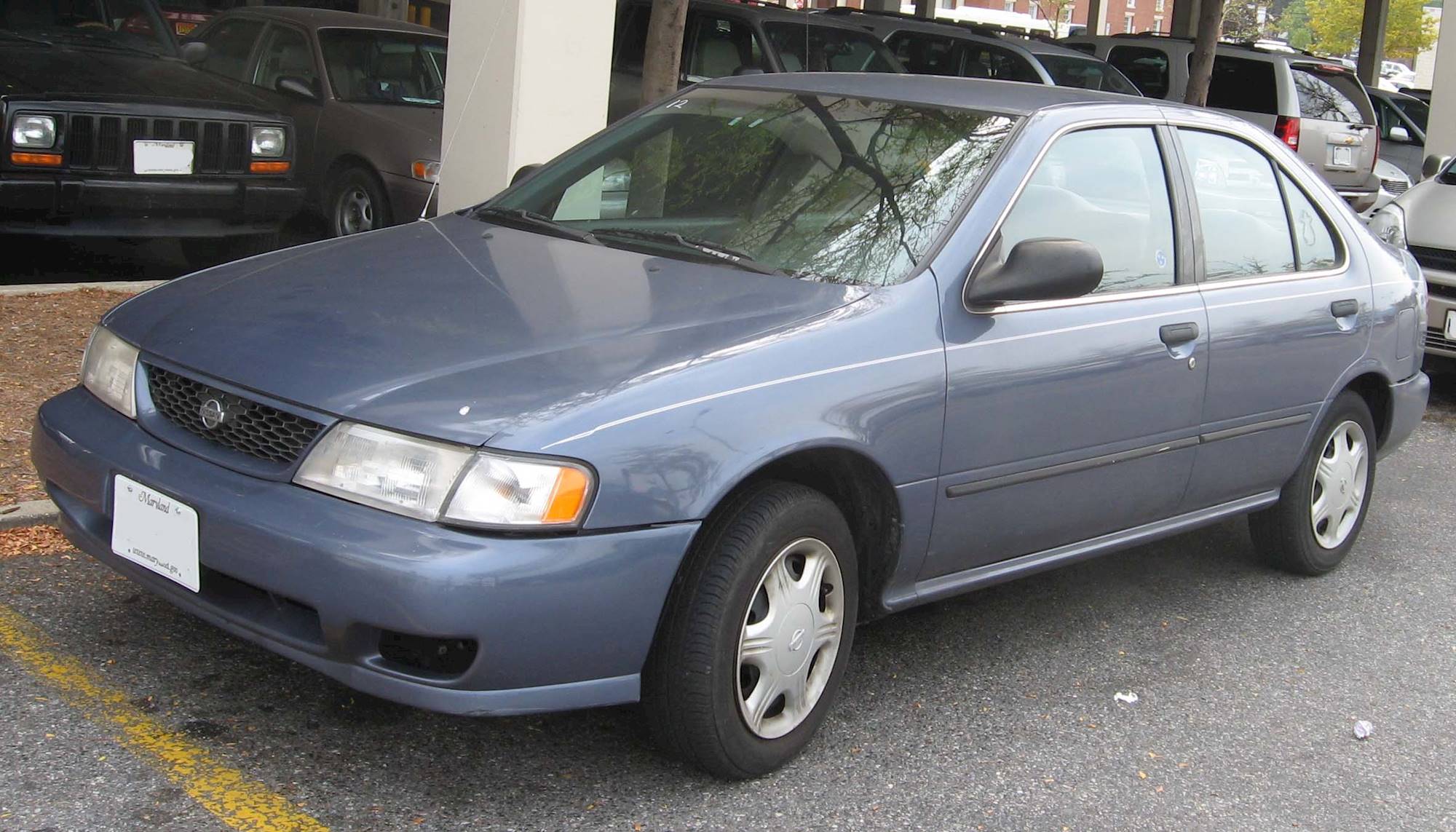
3. 1999 Nissan Altima GXE: Affordable, Reliable, and Surprisingly Fun
The 1999 Nissan Altima GXE carried on the momentum of the Altima line, which debuted in 1993 as an affordable yet refined midsize sedan. The model built its reputation on dependability and long life, with one recorded example reaching an impressive 420,000 miles.
For families seeking a practical vehicle that blended comfort with spirited driving dynamics, the Altima proved to be a worthy option in a competitive market.
Equipped with a 2.4-liter four-cylinder engine producing 150 horsepower and 154 lb-ft of torque, the Altima GXE was paired with a five-speed manual transmission that appealed to drivers who preferred more control behind the wheel.
The front-wheel-drive setup offered stable handling, while the fuel efficiency of 21 mpg in the city and 28 on the highway placed it in line with expectations for the segment at the time.
More than just numbers, the Altima delivered a lively driving experience. Crisp steering response, a fully independent suspension with Super Toe Control, and a peppy overhead-cam engine combined to make the car more engaging than its modest appearance suggested.
For the 1999 model year, Nissan introduced a handful of thoughtful upgrades. Buyers gained two additional exterior color choices, improved speakers, and a redesigned stereo head unit for the three-in-one audio system.
The GLE trim level added alloy wheels as standard equipment, while all alloy wheels across the lineup received a bright finish rather than painted surfaces. The SE trim was renamed SE Limited (SE-L) and outfitted with additional comfort and convenience features, adding a touch of exclusivity to the lineup.
Inside, the Altima focused on usability and practicality. The cabin layout was straightforward, with easy-to-operate buttons and dials for secondary functions. Wood trim accents lent an upscale touch, while CD players were included on all but the entry-level models.
Compared with the first-generation Altima, the interior space grew significantly. Rear passengers benefited from increased legroom, and the trunk offered enough space for family getaways, enhancing the car’s appeal as a family sedan.
Despite these improvements, the cabin materials felt somewhat low-rent, falling short of the craftsmanship associated with higher-end competitors.
Styling changes for the second-generation Altima drew mixed reactions. The original model had been praised for its resemblance to the Infiniti J30, earning the nickname “affordable luxury.” By contrast, the 1999 design adopted a wedge-shaped rear that looked heavier and less elegant.
While the car was larger and more functional, it lost some of the sleekness that once made it stand out. Build quality also seemed slightly diminished compared to earlier models, with some examples lacking the solid, substantial feel of the first generation.
The 1999 Nissan Altima GXE succeeded as a midsize sedan that offered practicality, dependability, and a surprising dose of driving enjoyment. Its plain styling and less-than-premium interior materials kept it from being viewed as a luxury alternative, but its strengths lay elsewhere.
Families appreciated the larger cabin and trunk space, while enthusiasts valued its responsive steering and suspension. Affordable, durable, and engaging to drive, the Altima GXE established itself as one of Nissan’s most dependable long-distance performers, capable of lasting well beyond the 300,000-mile mark with proper care.
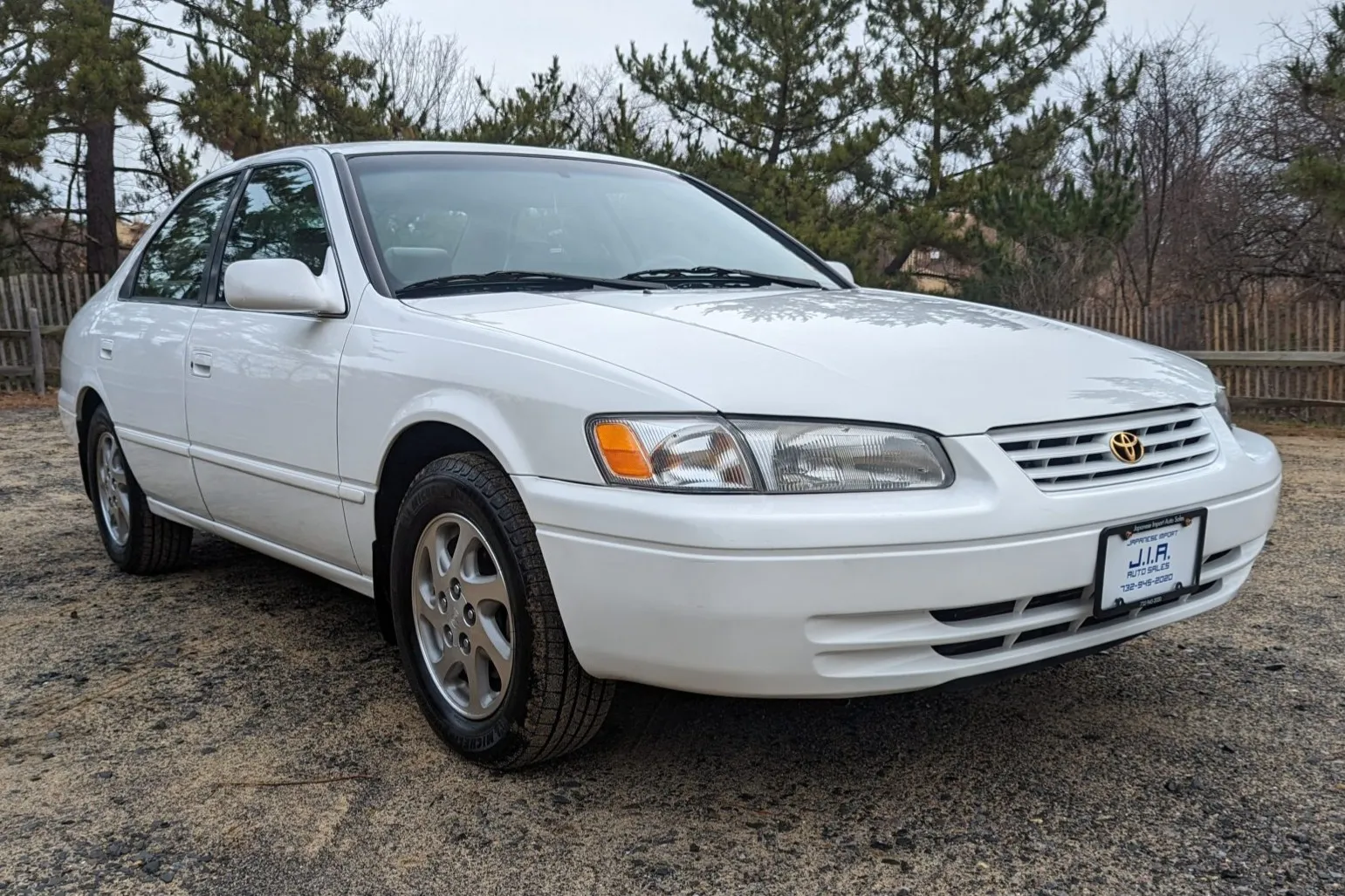
4. 1999 Toyota Camry XLE: America’s Family Favorite
By the late 1990s, the Toyota Camry had become a fixture in American driveways. The 1999 Toyota Camry XLE reinforced its reputation as one of the most reliable midsize sedans on the market, with some examples reaching an extraordinary 500,000 miles.
Known for its blend of practicality, comfort, and durability, the Camry was favored by families who valued dependable transportation that could endure decades of daily use.
The 1999 Camry XLE offered an available 3.0-liter V6 engine that produced 194 horsepower and 209 lb-ft of torque, paired with a four-speed automatic transmission. This powertrain delivered strong acceleration, placing the Camry among the quicker sedans in its segment at the time.
Fuel economy was rated at 17 mpg in the city and 25 on the highway, reflecting the trade-off for choosing the more powerful V6. Drivers praised its brisk acceleration and reliable braking system, aided by available antilock brakes.
While the suspension was soft and could feel underwhelming during spirited driving, the Camry remained secure and composed in corners, offering predictable handling that suited family needs.
The 1999 model year introduced a few meaningful updates to keep the Camry fresh. Two new audio systems were added to the lineup, both featuring three-in-one ETR/cassette/CD capability, making the sedan more appealing to music lovers.
Toyota also introduced available daytime running lights with an automatic shut-off function for added convenience and safety. On the color front, new shades such as Vintage Red Pearl, Sable Pearl, and Woodland Pearl replaced outgoing options, refreshing the exterior palette.
Inside, the Camry prioritized comfort and convenience. The dashboard design was clean and functional, with controls and gauges placed intuitively for easy operation. A standout feature was Toyota’s fingertip cruise control stalk, which allowed effortless use without the risk of accidental activation.
Seating offered comfort for up to five adults, while storage solutions included a deep center console, door bins, and dashboard compartments. The front cupholders were sized generously to accommodate 20-ounce bottles, a small but appreciated detail for daily use.
Higher trims like the XLE could be fitted with upscale options such as leather upholstery, a premium sound system, and a power moonroof, bridging the gap between a practical family sedan and a near-luxury cruiser.
On the road, the Camry struck a careful balance between comfort and performance. The V6 provided ample power for merging and highway passing, while the car’s quiet cabin insulated passengers from outside noise.
Although the suspension leaned toward softness, resulting in less sporty handling compared with the Honda Accord, it contributed to a smoother ride that most families found appealing. Braking performance was strong and confidence-inspiring, especially with the optional ABS system.
The 1999 Toyota Camry XLE competed in a tough field alongside the Honda Accord and Ford Taurus, yet it retained its position as America’s best-selling car. Buyers were drawn to its blend of reliability, family-friendly practicality, and reasonable pricing.
While it was not the top performer in any single category, the Camry’s ability to deliver consistent quality across the board made it the benchmark midsize sedan of its era.
For those seeking a car that could be both a dependable family workhorse and a comfortable long-distance traveler, the 1999 Camry XLE stood out as a trusted and enduring choice.
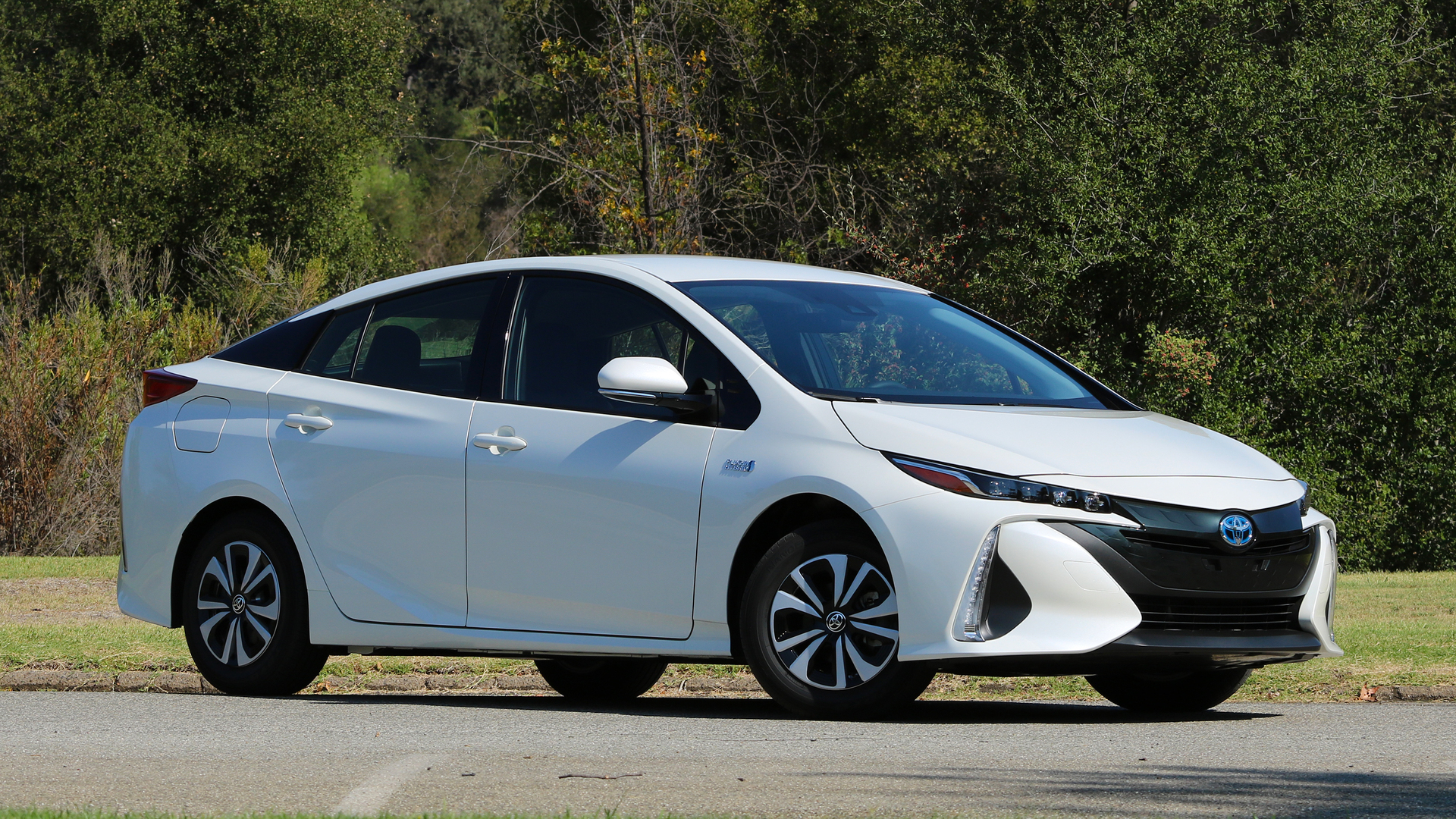
5. 2017 Toyota Prius: Efficiency and Longevity Combined
The Toyota Prius has long been a symbol of efficiency, offering drivers a practical solution for rising fuel costs and a greener footprint. By 2017, the Prius had established itself as the market’s most recognizable hybrid, and one example of this model has even surpassed 500,000 miles, demonstrating its durability.
This generation brought a sleeker design, a more refined interior, and improved ride quality, solidifying its place as a leader in fuel-efficient driving.
Under the hood, the 2017 Prius features a 1.8-liter four-cylinder engine paired with an electric motor to produce a combined 121 horsepower and 105 lb-ft of torque. A continuously variable transmission (CVT) sends power to the front wheels, creating a seamless, quiet drive.
The Prius is celebrated for its remarkable fuel economy, with EPA estimates of 54 mpg in the city and 50 mpg on the highway. Even when driven aggressively, the Prius delivers better mileage than nearly any vehicle in its class, making it a natural choice for commuters and eco-conscious drivers alike.
While speed is not its strength, the Prius manages city driving with confidence thanks to the instant torque from its electric motor, which makes initial acceleration feel more responsive. Its limitations become evident on highways, where merging and passing require patience.
However, the 2017 update improved ride quality significantly, with fewer jolts over bumps, a quieter cabin, and a more solid steering feel. For drivers who value comfort and economy over raw performance, these enhancements make the Prius an appealing companion for daily driving.
The 2017 Prius is generously equipped with advanced safety features. Standard equipment includes a rearview camera, stability and traction control, antilock disc brakes, front and side airbags, a driver knee airbag, and a passenger cushion airbag.
Advanced driver-assist systems such as forward collision warning with automatic braking, lane departure warning with intervention, and adaptive cruise control also come standard.
Higher trims, like the Prius Four and Four Touring, add blind-spot monitoring with rear cross-traffic alert, while the available Safety Connect system provides automatic collision notification and roadside assistance. These features make the Prius one of the safest hybrids of its time.
Inside, the Prius balances futuristic design with improved materials compared to earlier generations. A stubby electronic shifter and digital instrument cluster maintain its unique character, while an optional head-up display projects essential information directly in the driver’s line of sight.
The infotainment system is anchored by a 7-inch touchscreen that is responsive and easy to use, though smartphone integration still relies on Toyota’s clunky Entune app. Fortunately, USB and Bluetooth connectivity provide more straightforward alternatives. Seats are comfortable with interesting fabric options, and even lower trims feature imitation leather for a more premium feel.
Cargo capacity is another highlight, with 24.6 cubic feet of space behind the rear seats, exceeding many compact sedans. Select trims, such as the Prius Two Eco and Four Touring, offer up to 27.4 cubic feet thanks to the absence of a spare tire, making the Prius a practical hatchback for both commuters and families.
The 2017 Toyota Prius stands as a benchmark for fuel efficiency, practicality, and longevity. While not the fastest vehicle in its segment, it provides outstanding mileage, a comfortable interior, and generous cargo space, all wrapped in a hatchback design that emphasizes utility.
Competing models like the Chevrolet Volt or Hyundai Ioniq offer alternatives, but the Prius remains the hybrid most associated with reliability and enduring value. For drivers prioritizing efficiency and proven durability, the 2017 Prius is a standout choice.
Also Read: 5 Honda Sedans That Rarely Break vs 5 That Constantly Do
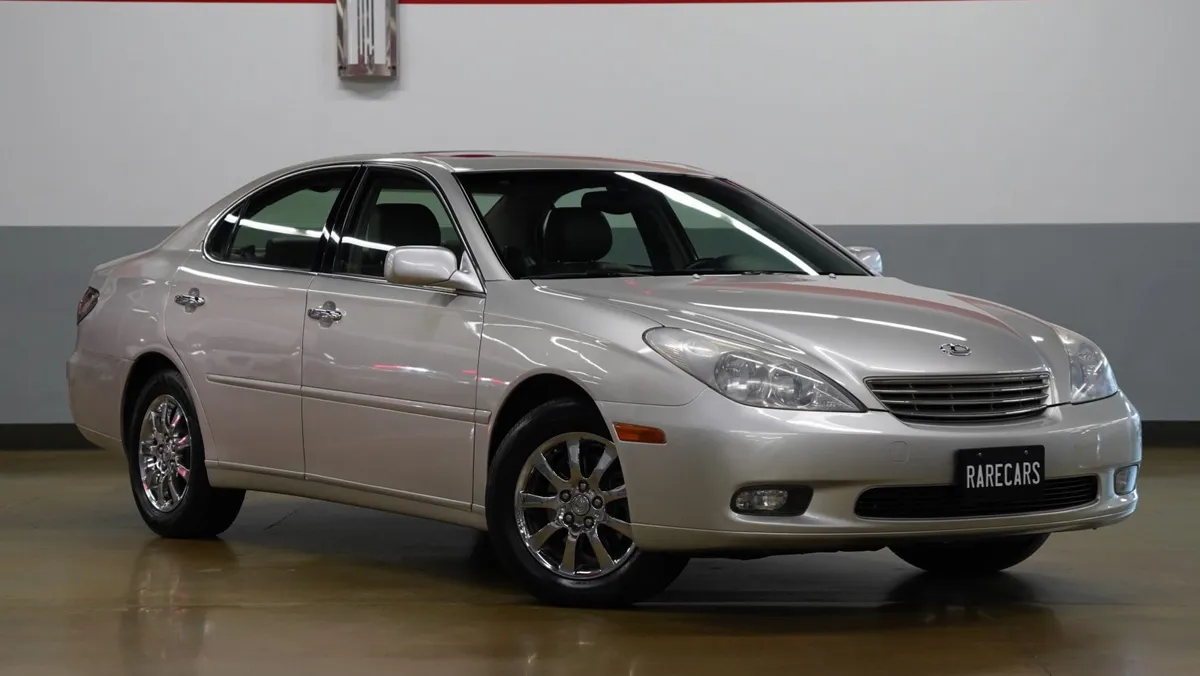
6. 2003 Lexus ES 300: Affordable Longevity in a Luxury Package
The 2003 Lexus ES 300 has earned its place as one of the most dependable midsize luxury sedans, with at least one example recording an extraordinary 596,000 miles. Known for combining comfort, refinement, and durability, the ES 300 offers buyers a luxury experience at an accessible price point, especially for those seeking a vehicle that can confidently surpass the 300,000-mile mark.
Equipped with a 3.0-liter V6 engine paired to a five-speed automatic transmission, the ES 300 produces 210 horsepower and 220 lb-ft of torque. This front-wheel-drive sedan delivers smooth acceleration and quiet operation, emphasizing refinement over raw performance. Fuel efficiency is rated at 18 mpg in the city and 27 mpg on the highway, competitive for its class during the early 2000s.
A defining trait of the ES 300 is its focus on passenger comfort. Supportive seating, high-quality materials, and a thoughtfully designed cabin create an inviting space for long drives.
Ride quality is a standout feature, with the suspension tuned to absorb road imperfections and provide a serene driving experience. The car also offers a comprehensive list of luxury and convenience features that underscore Lexus’s reputation for blending practicality with premium touches.
While the ES 300 shines in refinement, its driving dynamics are less engaging compared to European rivals. It’s V6, though smooth, lacks the power of some competitors, and the absence of a split-folding rear seat limits cargo versatility. For drivers who prioritize spirited handling or sporty styling, alternatives in the segment may be more appealing.
The 2003 Lexus ES 300 remains a benchmark for entry-level luxury sedans, offering remarkable reliability, comfort, and quality. For those seeking a long-lasting car that prioritizes luxury above all else, it continues to be a highly compelling choice.
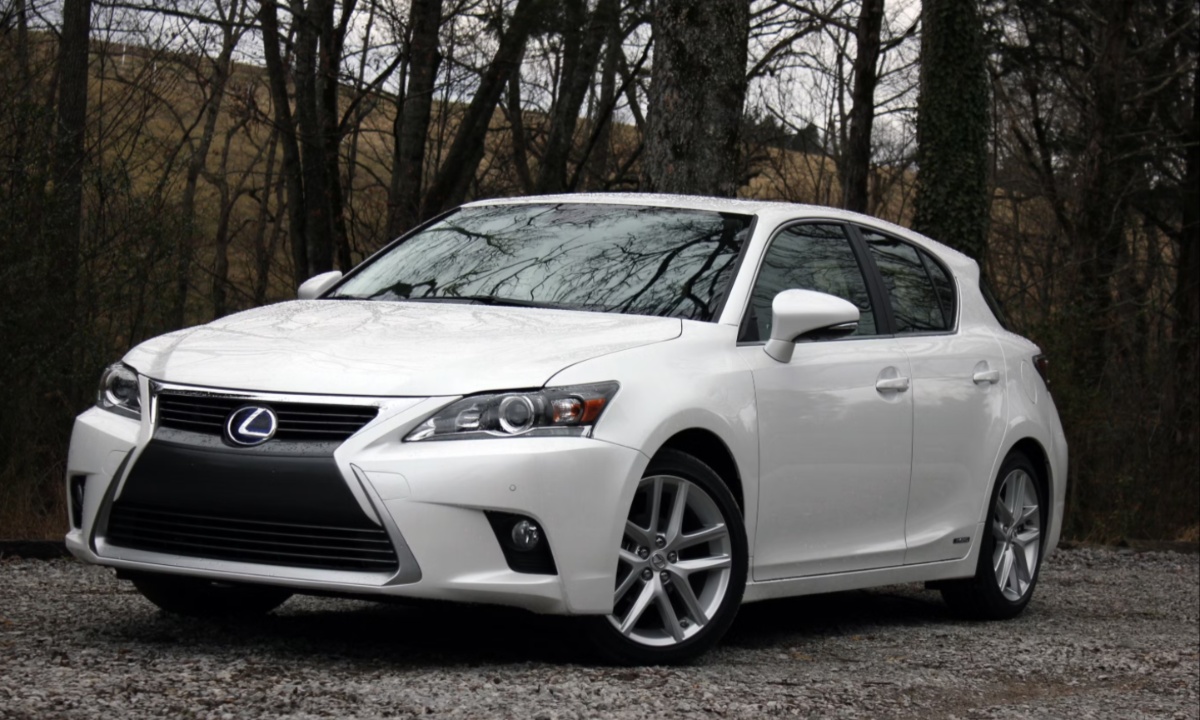
7. 2015 Lexus CT 200h: Luxury Meets Hybrid Efficiency
The 2015 Lexus CT 200h stands out as one of the few luxury hatchbacks in the market, combining premium amenities with Toyota’s proven hybrid technology. With examples reaching as high as 600,000 miles, it proves to be not only efficient but also impressively durable.
Designed for buyers who want Prius-like frugality wrapped in a more upscale package, the CT 200h offers a unique blend of refinement, practicality, and fuel savings.
At its core, the CT 200h uses a 1.8-liter four-cylinder hybrid engine paired with electric motors and a continuously variable transmission (CVT). This setup delivers a combined output of 134 horsepower and 142 lb-ft of torque. Though acceleration is modest, with a 0–60 mph time of 10.4 seconds, the hybrid excels in efficiency.
EPA estimates stand at 43 mpg in the city and 40 mpg on the highway, giving the CT 200h a combined 42 mpg rating. The smooth transition between gasoline and electric power, along with a seamless auto stop-start system, helps make daily driving more efficient and less intrusive.
The CT 200h distinguishes itself from other hybrids with handling that feels more athletic than expected. Responsive steering and crisp reflexes make it enjoyable on city streets and winding roads, though its limited power means the sporty exterior overpromises.
Ride quality is comfortable with the standard suspension, but the firmer F Sport package may feel harsh on rough roads. Drivers who approach the CT with realistic expectations will find it nimble and well-suited for urban commutes.
Lexus equipped the CT 200h with a strong safety suite. Standard features include antilock disc brakes, stability and traction control, multiple airbags, and the Safety Connect system, which provides automatic collision notification and emergency assistance.
Available upgrades add a rearview camera, adaptive cruise control with pre-collision safety features, and front and rear parking sensors. In crash testing, the Insurance Institute for Highway Safety awarded the CT 200h top ratings, reinforcing its reputation for security.
Inside, the CT 200h emphasizes sustainability by incorporating recycled and eco-friendly materials, though it still manages to deliver a premium look and feel. The cabin is quiet, and the seating is comfortable with supportive bolsters up front.
Rear passengers benefit from decent legroom, though narrow door openings can make entry and exit tricky. Cargo space measures 14.3 cubic feet behind the rear seats and expands to 34.8 cubic feet when folded, sufficient for light travel but less generous than many rivals. One drawback is Lexus’s Remote Touch interface, which relies on a laptop-like touchpad that can feel overly sensitive and distracting during driving.
The 2015 Lexus CT 200h occupies a niche as an upscale hybrid hatchback. It offers superior fuel economy, sharp handling, and Lexus refinement, though it sacrifices outright speed and generous cargo capacity.
Alternatives like the BMW 328d wagon or Ford C-Max Hybrid may offer stronger performance or practicality, but few combine efficiency and luxury as effectively as the CT 200h. For buyers seeking a reliable, stylish, and eco-friendly compact, it remains a compelling choice.
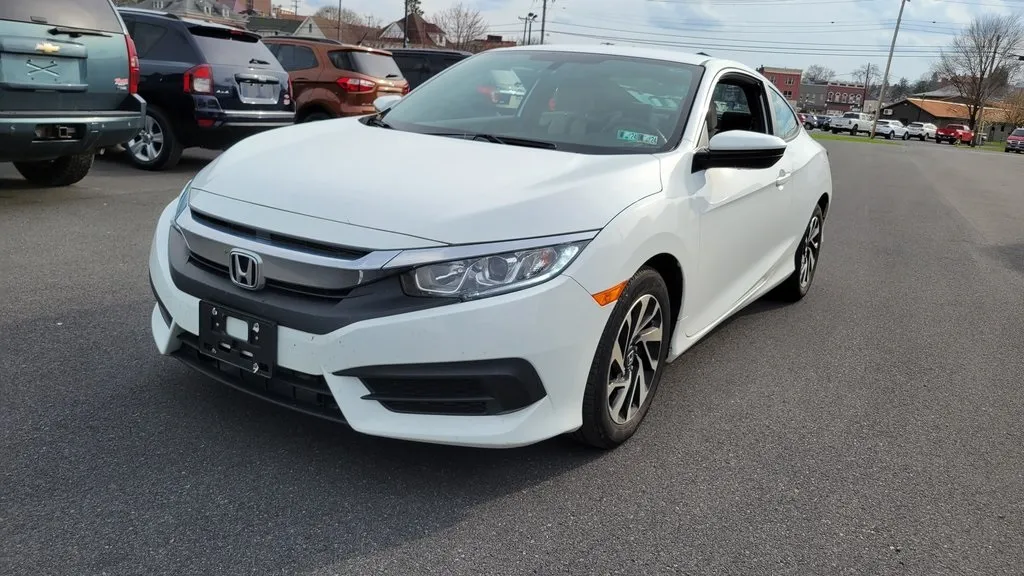
8. 2017 Honda Civic LX: A Long-Lasting Everyday Performer
The 2017 Honda Civic builds on its reputation as one of the most dependable compact cars available, with some examples reaching an astounding 773,493 miles. Following a full redesign in 2016, the 2017 model represents the second year of the new generation, bringing modern styling, advanced features, and excellent efficiency.
Known for reliability and longevity, the Civic remains a favorite for buyers seeking a small car that blends practicality, performance, and comfort.
The Civic LX comes standard with a 2.0-liter four-cylinder engine paired with a continuously variable transmission (CVT), producing 158 horsepower and 138 lb-ft of torque.
This setup delivers smooth power for everyday driving, though it lacks the urgency of the available 1.5-liter turbocharged engine, which brings livelier acceleration and stronger passing power.
Fuel economy is a key strength, with EPA ratings of 31 mpg in the city and 40 mpg on the highway. Drivers who prioritize efficiency will find the Civic’s balance between performance and economy appealing.
Behind the wheel, the Civic demonstrates class-leading performance in several areas. The turbocharged versions sprint from 0–60 mph in just 6.7 seconds, a best-in-class figure, while even the base 2.0-liter engine delivers steady, usable power. Braking is strong, with emergency stops from 60 mph requiring only 117 feet.
Handling is agile, offering precise steering, controlled body roll, and playful responses that make it more engaging than most compact sedans. While the CVT isn’t universally loved, it contributes to smooth drivability and efficiency, though some drivers may find the Sport mode less responsive than expected.
Honda made major strides in comfort with the latest Civic. The cabin is significantly quieter than earlier generations, the ride quality is composed, and the seating comfort is excellent.
The available eight-way power driver’s seat accommodates a wide range of body types, while firm but supportive cushions hold passengers comfortably on long drives. The suspension filters out bumps and imperfections effectively, giving the Civic a more refined feel akin to larger midsize sedans. Road and wind noise are well managed, although the CVT introduces a mild drone under heavy acceleration.
The interior design combines modern style with practicality. Materials feel more premium than expected for the segment, rivaling entry-level luxury models. The cabin is spacious, offering impressive room for both front and rear passengers, with even tall adults fitting comfortably.
Cargo capacity is another highlight, with the sedan’s trunk measuring 15.1 cubic feet, one of the largest in its class. Clever storage solutions, such as a configurable center console and large door pockets, add to the Civic’s everyday usability.
The Civic incorporates advanced technology, though not without drawbacks. The standard 7-inch touchscreen can be frustrating, with confusing menus, small icons, and sluggish response times.
Smartphone integration via Apple CarPlay and Android Auto adds convenience but transitions awkwardly with Honda’s native system. Safety features are plentiful, with Honda Sensing driver aids available, though the forward collision warning and adaptive cruise control tend to be overly sensitive in traffic. Despite these quirks, the Civic earns high marks for offering modern safety at an accessible price point.
The 2017 Honda Civic LX delivers a well-rounded package that blends efficiency, practicality, and longevity. It drives with agility, offers impressive comfort, and boasts one of the roomiest and most versatile interiors in the compact class.
While its infotainment system and overactive safety alerts may frustrate some, its reliability record, efficiency, and driving dynamics ensure it remains a benchmark among small cars. For buyers seeking a compact vehicle that can easily surpass 300,000 miles while still feeling modern and refined, the 2017 Civic stands out as one of the strongest choices on the market.
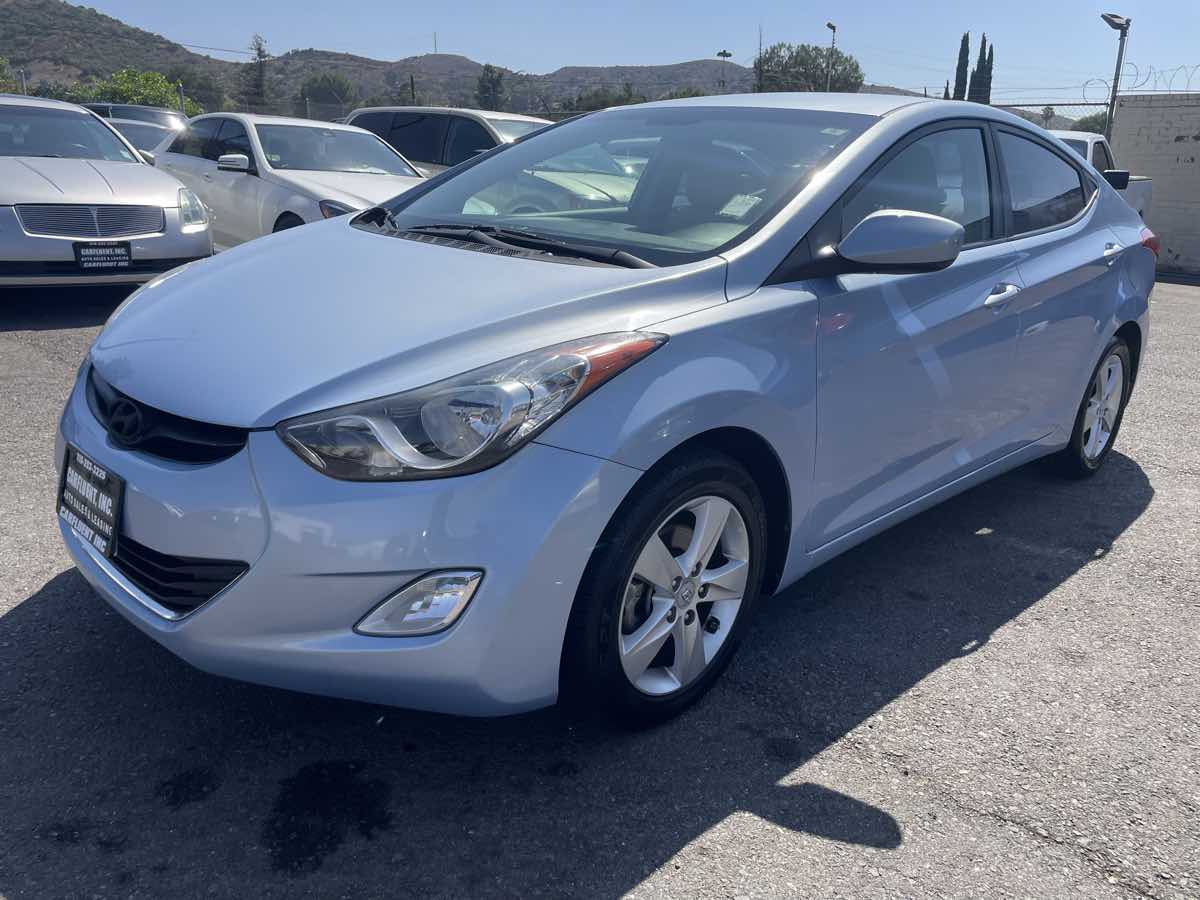
9. 2013 Hyundai Elantra GLS: Compact Durability Meets Style
The 2013 Hyundai Elantra GLS stands out as one of the most reliable compact sedans on the market, with a remarkable example recording 1,000,000 miles. This achievement underscores the vehicle’s robust engineering, durable construction, and the benefits of diligent maintenance.
Redesigned in 2011, the Elantra’s 2013 iteration blends sporty styling, a comfortable cabin, and impressive efficiency, making it an appealing choice for drivers seeking a practical and long-lasting small car.
Under the hood, the Elantra GLS is powered by a 1.8-liter four-cylinder engine producing 148 horsepower and 131 lb-ft of torque. A six-speed automatic transmission is standard on most trims, while a six-speed manual is available for those seeking more driver engagement.
Front-wheel drive ensures predictable handling, and EPA ratings estimate fuel efficiency at 28 mpg city and 38 mpg highway. While real-world highway performance can be slightly below the EPA figures, the engine provides sufficient acceleration for daily commuting and highway merging.
The Elantra’s driving experience is balanced and comfortable, though it leans more toward practicality than sportiness. In testing, the sedan accelerated from 0–60 mph in 9.4 seconds, a performance slightly below average for the class but adequate for everyday use.
Steering is responsive, and the suspension effectively smooths over road imperfections. While it doesn’t match the handling precision of competitors like the Chevrolet Cruze, Ford Focus, or Mazda 3, the Elantra delivers a satisfying compromise between ride comfort and cornering control.
Inside, the Elantra offers a surprisingly spacious and well-appointed cabin for a compact car. Headroom and legroom in the front are generous, and the backseat provides adequate space for children and most adults, though taller passengers may find rear headroom limited.
Materials are visually appealing, with stylized climate controls and a curved center stack that add flair without sacrificing usability. High-end options, such as leather seating, heated front and rear seats, and a navigation system, can give the interior a near-luxury feel.
The Elantra’s practicality extends to its trunk, which offers 14.8 cubic feet of cargo space, one of the largest in its segment. A 60/40-split pass-through enhances versatility, making it easier to transport longer items. Storage solutions throughout the cabin, including door pockets and a thoughtful center console, provide convenient space for personal items and daily essentials.
Hyundai equipped the 2013 Elantra with a strong array of safety features. Standard systems include traction and stability control, antilock brakes, front-seat side airbags, and side curtain airbags.
In crash testing, the Elantra received five stars from the government for its crash protection, while the Insurance Institute for Highway Safety rated it “Good” in frontal-offset, side-impact, and roof-strength evaluations. Braking performance is solid, with emergency stops from 60 mph taking 125 feet in testing.
The 2013 Hyundai Elantra GLS offers a compelling combination of durability, style, and efficiency. While it may not provide the sporty handling of some rivals, its well-rounded ride, spacious interior, and extensive features make it an excellent choice for compact-car buyers.
Its long-term reliability, highlighted by seven-figure odometer examples, demonstrates that with proper care, the Elantra can remain a dependable and practical vehicle for years.
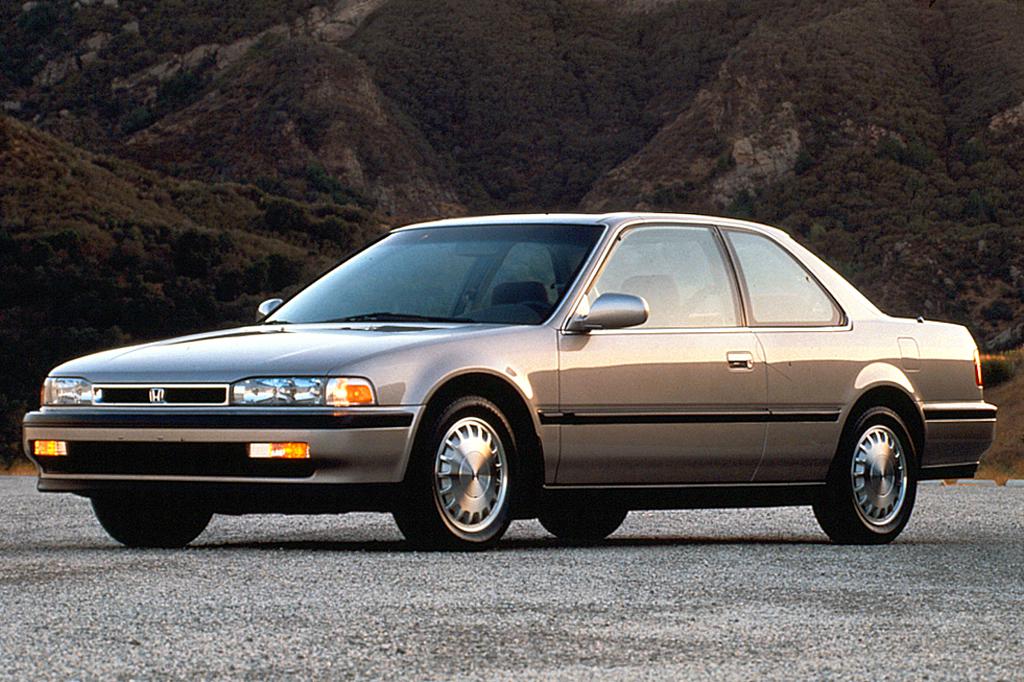
10. 1990 Honda Accord EX: A Durable and Dependable Midsize Sedan
The 1990 Honda Accord EX exemplifies Honda’s long-standing reputation for building reliable and long-lasting vehicles. One remarkable example has recorded over 1,003,440 miles, showcasing the Accord’s potential to remain dependable well past the 300,000-mile mark. As a midsize sedan, it combines practicality, affordability, and durability, making it a sensible choice for families and commuters alike.
Under the hood, the 1990 Accord EX features a 2.2-liter four-cylinder engine paired with a five-speed manual transmission. This setup produces 130 horsepower and 142 lb-ft of torque, delivering adequate performance for everyday driving while maintaining a fuel-efficient profile.
EPA ratings list fuel economy at 21 mpg city and 27 mpg highway, reasonable figures for a midsize sedan of its era, although it falls slightly short compared to more modern or competing models.
The fourth-generation Accord is celebrated for its robust construction and enjoyable driving dynamics. Its front-wheel-drive layout provides stable handling and predictable performance, while the manual transmission gives drivers a more engaging connection to the car. Steering and suspension are balanced for comfort and control, allowing the Accord to handle daily commutes, highway travel, and family road trips with ease.
Inside, the 1990 Accord EX offers a roomy cabin that comfortably seats five passengers. Its practical layout ensures adequate headroom and legroom, making longer drives more enjoyable. While the styling is understated, the interior’s ergonomic design and quality materials contribute to a pleasant driving experience. Cargo capacity is modest but sufficient for daily needs, further enhancing the vehicle’s practicality.
The 1990 Honda Accord EX remains a strong example of Honda’s engineering reliability. While not the most stylish or fuel-efficient car in its class, its combination of durability, comfort, and drivability makes it an enduring choice for those seeking a dependable midsize sedan capable of extraordinary mileage.
Choosing a car with proven longevity transforms ownership from a potential financial burden into a smart investment. The vehicles on this list have earned reputations for durability, reliability, and practicality, making them stand out in their respective segments.
Whether it’s the efficient Toyota Prius, the luxurious yet dependable Lexus ES 300, or the classic Honda Accord, these cars show that smart maintenance and engineering excellence can keep costs low long after the odometer climbs.
For buyers seeking peace of mind without sacrificing comfort, style, or performance, high mileage doesn’t have to equal high expense. Ultimately, these 10 cars prove that durability pays off, offering dependable transportation and sustained value for drivers who prioritize long-term affordability.
Also Read: 5 Dodge Models That Stay Reliable in Daily Use vs 5 That Constantly Break