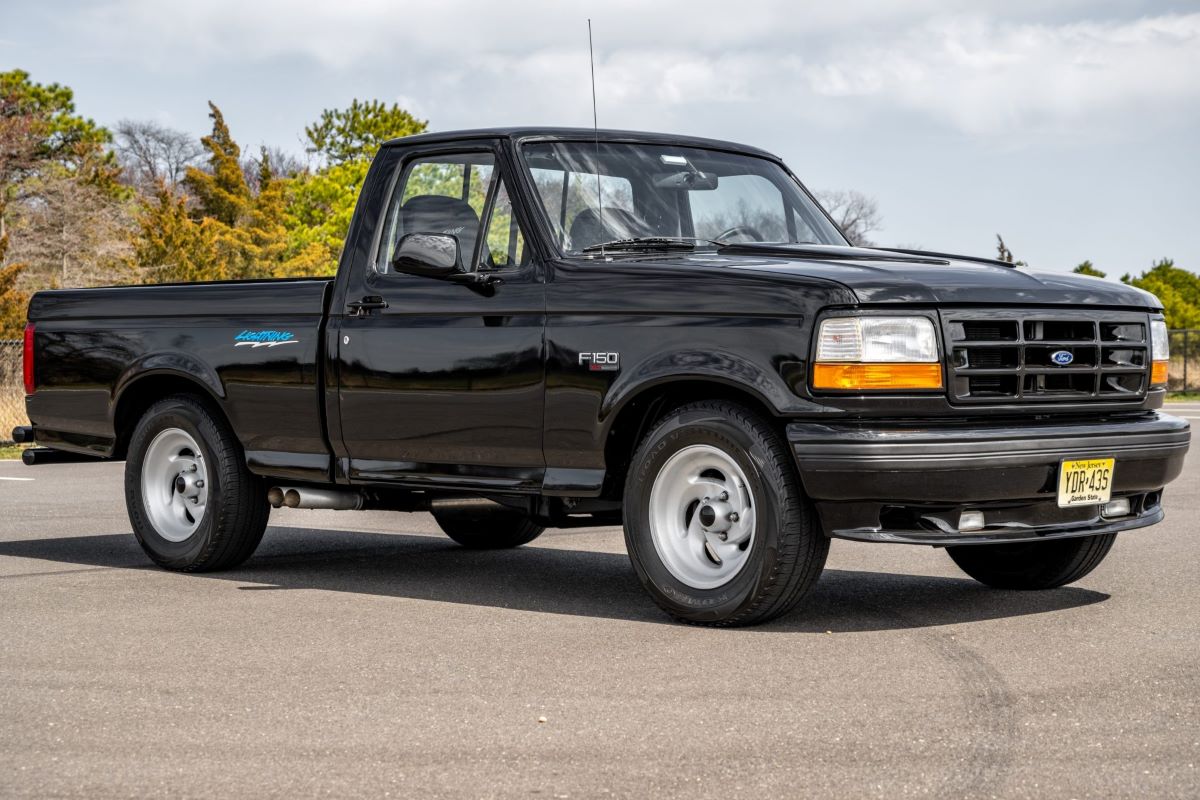
For decades, the Ford F-150 has been the crown jewel of America’s truck market. It’s not just the best-selling truck but also the best-selling vehicle overall in the U.S. for more than 40 years straight.
Its enduring popularity isn’t just about raw power or flashy trims it’s about reliability, versatility, and long-lasting value.
Ford built the F-150 to handle both work and family life, and in certain years, it has proven to outlast nearly every competitor in the segment, including the Chevrolet Silverado, Ram 1500, GMC Sierra, and Toyota Tundra.
While not every model year has been a winner (the F-150 has had its share of recalls and mechanical hiccups), some years stand out for their durability and long lifespan.
These trucks often reach 200,000 miles or more with proper maintenance, with many owners proudly driving them past the 300,000-mile mark.
Here’s a closer look at nine Ford F-150 years that have earned a reputation for outlasting their rivals on American roads.
1. 1995 Ford F-150
The mid-1990s F-150s were built like tanks, with simple mechanical systems and fewer electronic components to fail over time.
The 1995 model, in particular, is remembered for its stout inline-six and small-block V8 options, which could handle hundreds of thousands of miles of work duty.
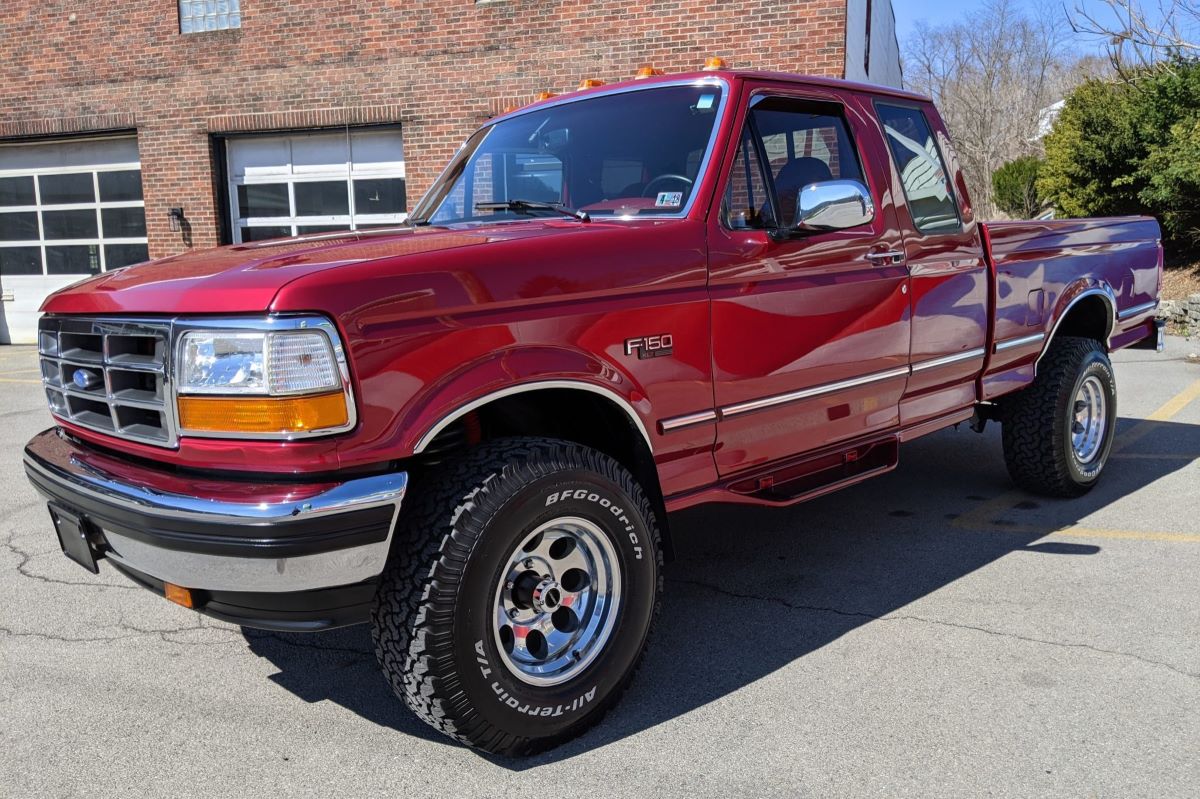
These trucks were easy to repair, with affordable parts and minimal complexity compared to today’s pickups. Many fleet operators and farmers still keep these trucks running nearly 30 years later, proving their staying power.
Ford rolled out the premium Eddie Bauer model, a trim that set new expectations for what a pickup could be. Dressed in distinctive two-tone paint, the truck came equipped with air conditioning, a full suite of power-operated features, deep-dish aluminum wheels, and exclusive Eddie Bauer badging.
It’s no exaggeration to say this model helped lay the groundwork for the ultraluxury truck segment that would follow. Additional updates included the availability of optional privacy glass for the side and rear windows, along with a manual-sliding rear window when specified, and the introduction of cab steps for both regular and SuperCab Styleside configurations.
2. 1999 Ford F-150
Ford entered a new era in the late ’90s by modernizing the F-150 with sleeker styling and better cabin comfort. While some criticized the design as “softer,” the 1999 model year proved extremely durable.
The 4.6-liter Triton V8 engine gained recognition for its ability to last when properly maintained.
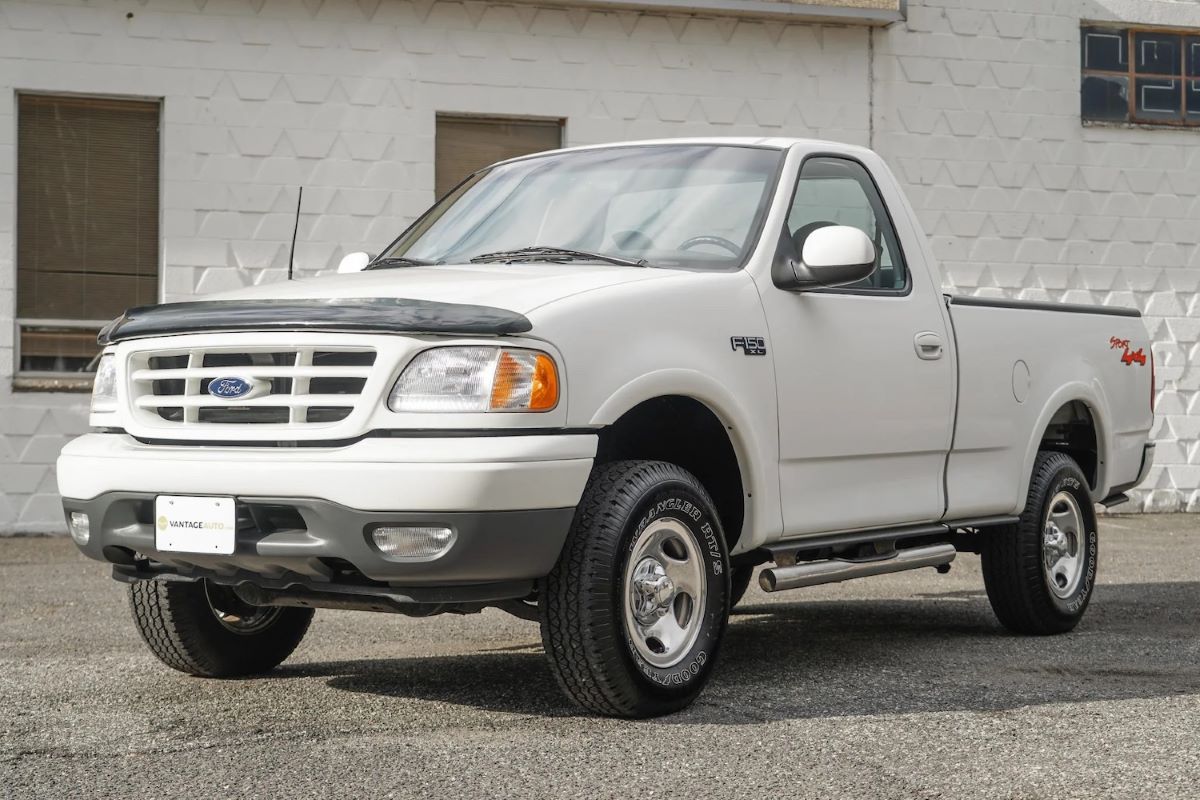
Owners often report these trucks surpassing 250,000 miles while still being able to tow and haul reliably, something that rival Dodge Rams of the same period struggled to match due to transmission issues.
When Ford unveiled its new generation of F-Series trucks in 1996 for the 1997 model year, longtime Blue Oval loyalists were less than pleased. The redesign abandoned hallmarks that enthusiasts had grown attached to, such as Twin-I-Beam suspensions, pushrod engines, and boxy, traditional styling.
In their place came a short- and long-arm front suspension setup, overhead-cam engines, and bodywork with more curves than a Dairy Queen sundae. With a few years now behind it, the controversy has largely subsided. The SLA suspension has proven itself, delivering impressive articulation both on and off the road, giving even the most demanding drivers a ride quality unmatched by other trucks of the era.
Meanwhile, the overhead-cam engines offer solid acceleration and towing capability, enough, as some would say, to haul the state of Rhode Island clear across the country. While the swoopy exterior styling can make maneuvering into tight parking spaces a bit tricky, the enhanced visibility it provides when venturing off-road more than makes up for its softer shape.
Inside, the F-Series took another leap forward. Gone were the sharp, utilitarian edges of earlier models, replaced by softer lines and surprisingly refined materials for a truck designed to take on hard labor.
Even with its more comfortable and ergonomic design, the cabin still stands up to the punishment of demanding worksites and rough ranch duty. Before this model, no one would have paired the word “ergonomic” with “truck,” but the thoughtfully placed controls make the F-Series easier to operate than many mid-size sedans of the time.
Still, the redesign wasn’t without drawbacks. The overly sensitive steering often feels twitchy, and the four-wheel-drive models suffer from a notably high step-in height. Engine options also left something to be desired when compared with GM’s powertrains. However, with Ford boosting output across its six- and eight-cylinder engines for the new model year, the brand has begun closing the gap in performance.
For 1999, Ford introduced more updates to the lineup, including a standard fourth door for all SuperCab models and a streamlined options list. The Work trim replaced the Standard trim as the entry-level option, while antilock brakes became standard equipment on both XLT and Lariat trims.
After extensive time behind the wheel of several F-150s, it’s clear that Ford aimed to make the F-Series more appealing to personal-use buyers while still meeting the needs of those who rely on their pickups for tough work. The design, with its smooth curves and flowing lines, may not please every traditionalist, but its clean look and uncluttered grille give it a distinctive appeal.
That said, Ford can’t afford to get too comfortable. Chevrolet and GMC are launching redesigned versions of the Silverado and Sierra, and these new full-size GM trucks promise to be larger, quicker, and arguably sharper-looking than the F-150. Their arrival is poised to put serious pressure on Ford in the sales race.
3. 2001 Ford F-150
The early 2000s were a strong time for the F-150, and the 2001 version is one of the highlights. This model offered both workhorse trims and more upscale versions like the Lariat, appealing to a broad audience.
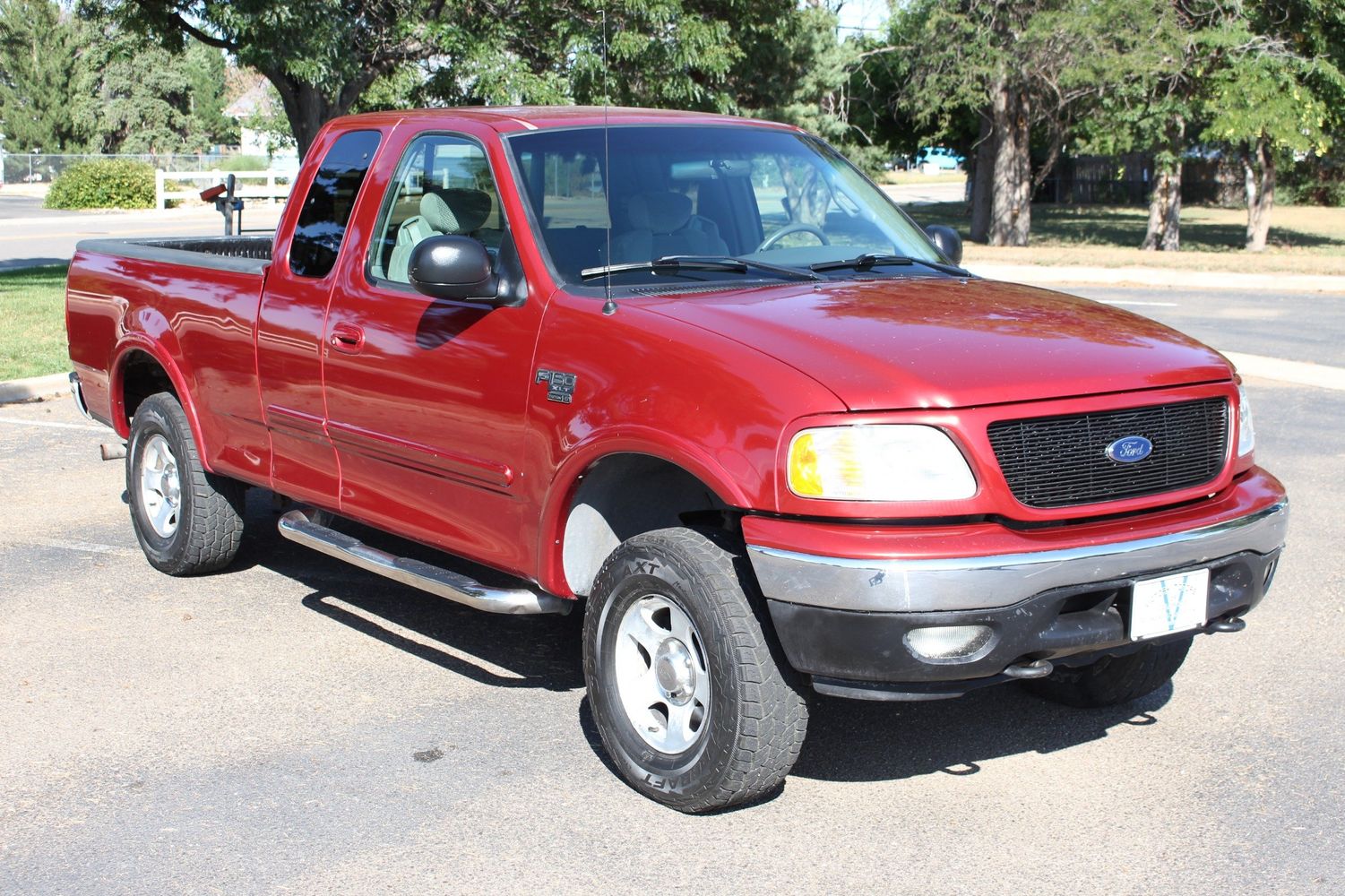
Its 5.4-liter V8 became legendary for endurance when maintained with regular oil changes. Compared to GM’s Silverado of the same era, which struggled with rust and brake issues, the 2001 F-150 managed to hold up well both mechanically and structurally.
4. 2004 Ford F-150
When Ford rolled out the 2004 F-150, it introduced a completely new design that emphasized strength. With a fully boxed frame the first in the segment the 2004 F-150 became the toughest truck structurally at the time.
Its new suspension setup also provided better ride quality without sacrificing durability.
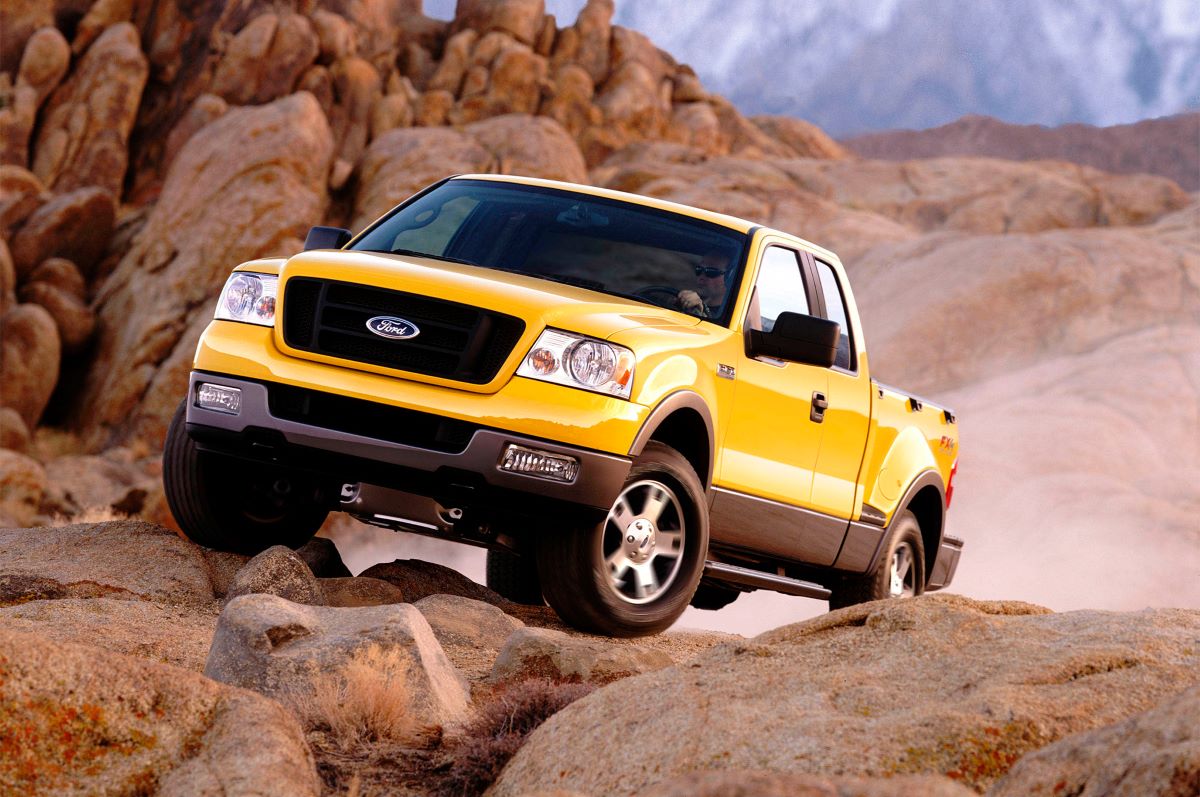
While some early engines had quirks, the overall platform was so solid that many trucks from this year are still hauling, towing, and plowing snow across America. Rivals like the Ram 1500 couldn’t compete in terms of frame longevity.
5. 2009 Ford F-150
The 2009 model brought significant improvements in safety and powertrain efficiency. It offered multiple V8 options, including the 5.4-liter Triton, which had already proven its mettle in earlier years.
More importantly, Ford upgraded the interior, making the truck more comfortable for daily drivers while retaining its work ethic.
This balance of usability and toughness helped it outlast many Chevy Silverados from the same generation, which often faced rust and electrical issues in northern states.
It might sound surprising, but for nearly three decades, the best-selling vehicle in the United States has been Ford’s F-Series pickup. That crown technically belongs to the entire F-Series family, which includes the Super Duty and chassis cab models, but the lion’s share of those sales comes from the F-150.
If there’s ever been a truck that deserves the title of “America’s truck,” this is it. For 2009, Ford has refreshed the F-150 to help ensure it keeps its dominance in the fiercely competitive full-size pickup segment.
The F-150’s long-standing appeal lies in a proven formula: robust towing and hauling capability, stout durability, and a staggering array of body styles, trims, and options. In recent years, Ford has added refinement to that mix with a smoother ride and easier driving dynamics.
The variety alone is so extensive that if you can’t find an F-150 to suit your needs, you may not really want a pickup at all. Still, with the Toyota Tundra, Dodge Ram, and Chevrolet Silverado pushing harder than ever, Ford has rolled out some important upgrades this year to keep the F-150 at the top of the heap.
The updates for 2009 strike a balance between tradition and progress. A six-speed automatic transmission replaces the old four-speed, improving both off-the-line acceleration and highway efficiency.
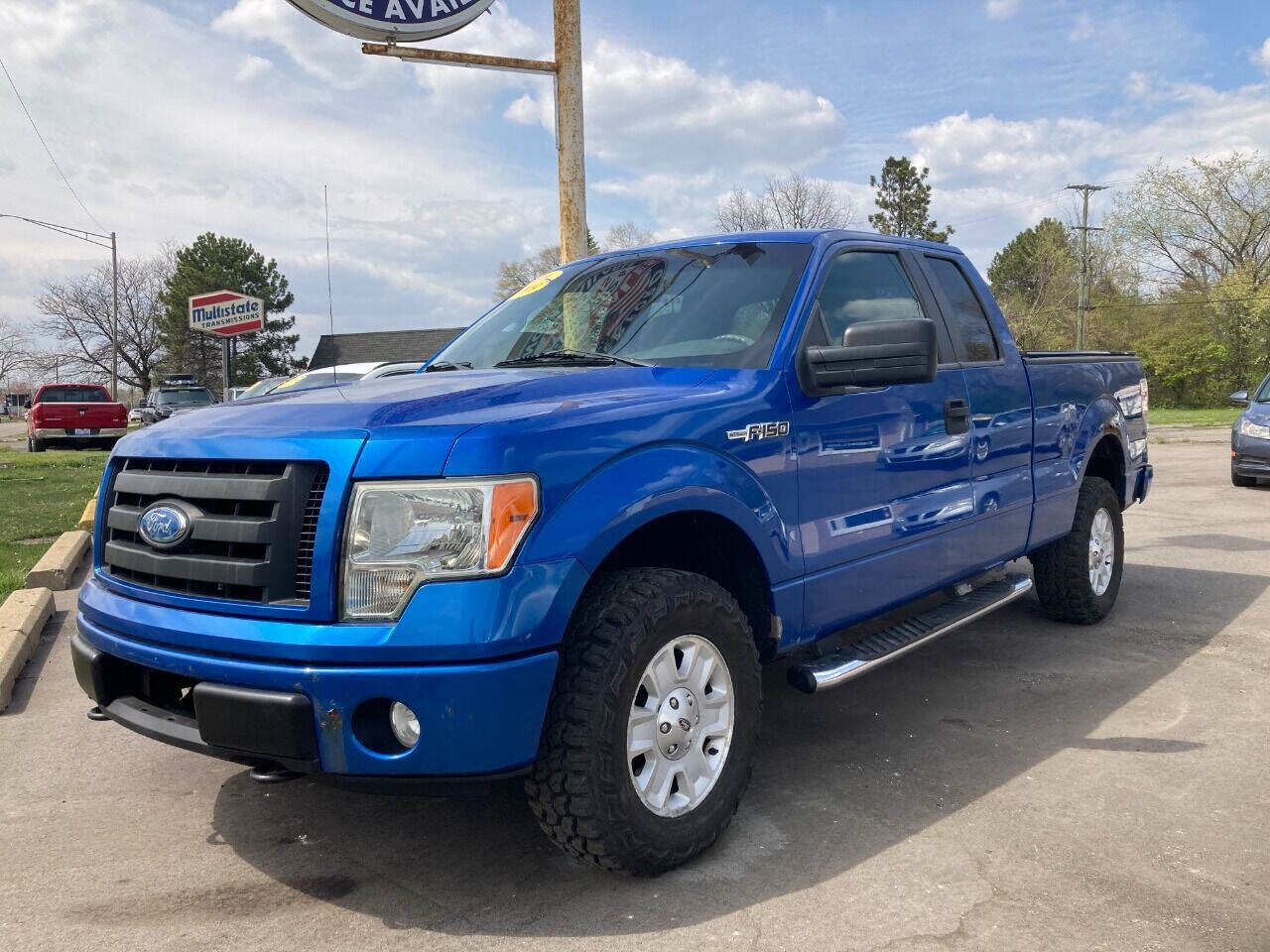
Styling takes inspiration from Ford’s heavy-duty lineup with a bolder front end, while the addition of a high-end Platinum trim caters to buyers who want luxury as much as utility. SuperCrew models now boast an extra 6 inches of cabin space, resulting in a flat rear floor, limo-like legroom, and the ability to carry oversize cargo inside.
Convenience features such as a capless fuel filler, deployable bed steps, Ford’s Sync voice-command system with Sirius Travel Link, and an integrated trailer-brake controller add modern usability. The F-150 also continues to offer practical tools for work, like a cargo management system and a rearview camera to ease trailering and loading.
Despite these strengths, performance under the hood still leaves room for improvement. Even with the top-tier 5.4-liter V8, the F-150 can’t match a Tundra off the line. On paper, the Ford’s towing and payload numbers are highly competitive, but in real-world hauling and uphill towing tests, stronger rivals such as the Tundra, the new Hemi-powered Ram, and the Silverado reveal the F-150’s relative shortcomings.
Even so, its well-rounded driving dynamics and everyday usability make it one of the easiest trucks to live with, and the sheer variety of configurations ensures there’s an F-150 for almost every buyer.
The 2009 lineup offers three V8 engines. The base 4.6-liter produces 248 horsepower and 293 lb-ft of torque and is paired with a four-speed automatic. A higher-output version of the same engine delivers 292 hp and 320 lb-ft, while the 5.4-liter V8 tops the range with 320 hp and 390 lb-ft; both of these come with the new six-speed automatic.
Braking feel is somewhat soft, but performance is strong: in testing, a four-wheel-drive SuperCrew stopped from 60 mph in just 127 feet—an impressive result for a truck this size.
Buyers can choose between two- or four-wheel drive across the lineup. Properly equipped, an F-150 with the 5.4-liter V8 can tow up to 11,300 pounds and haul a payload of 3,030 pounds, though real-world performance lags slightly behind the numbers.
Fuel economy varies depending on configuration: the most efficient version, a 2WD SuperCrew with the SFE (superior fuel economy) package, returns up to 15 mpg in the city, 21 mpg on the highway, and 17 mpg combined. A more typical 4WD SuperCrew with the 5.4-liter V8 earns EPA ratings of 14/18/15 mpg.
6. 2011 Ford F-150
The 2011 F-150 marked a turning point with the introduction of the 3.5-liter EcoBoost V6, which surprised skeptics by proving it could match V8 performance while being long-lasting.
Alongside it, the 5.0-liter “Coyote” V8 made its debut, an engine that would become one of Ford’s most celebrated for durability.
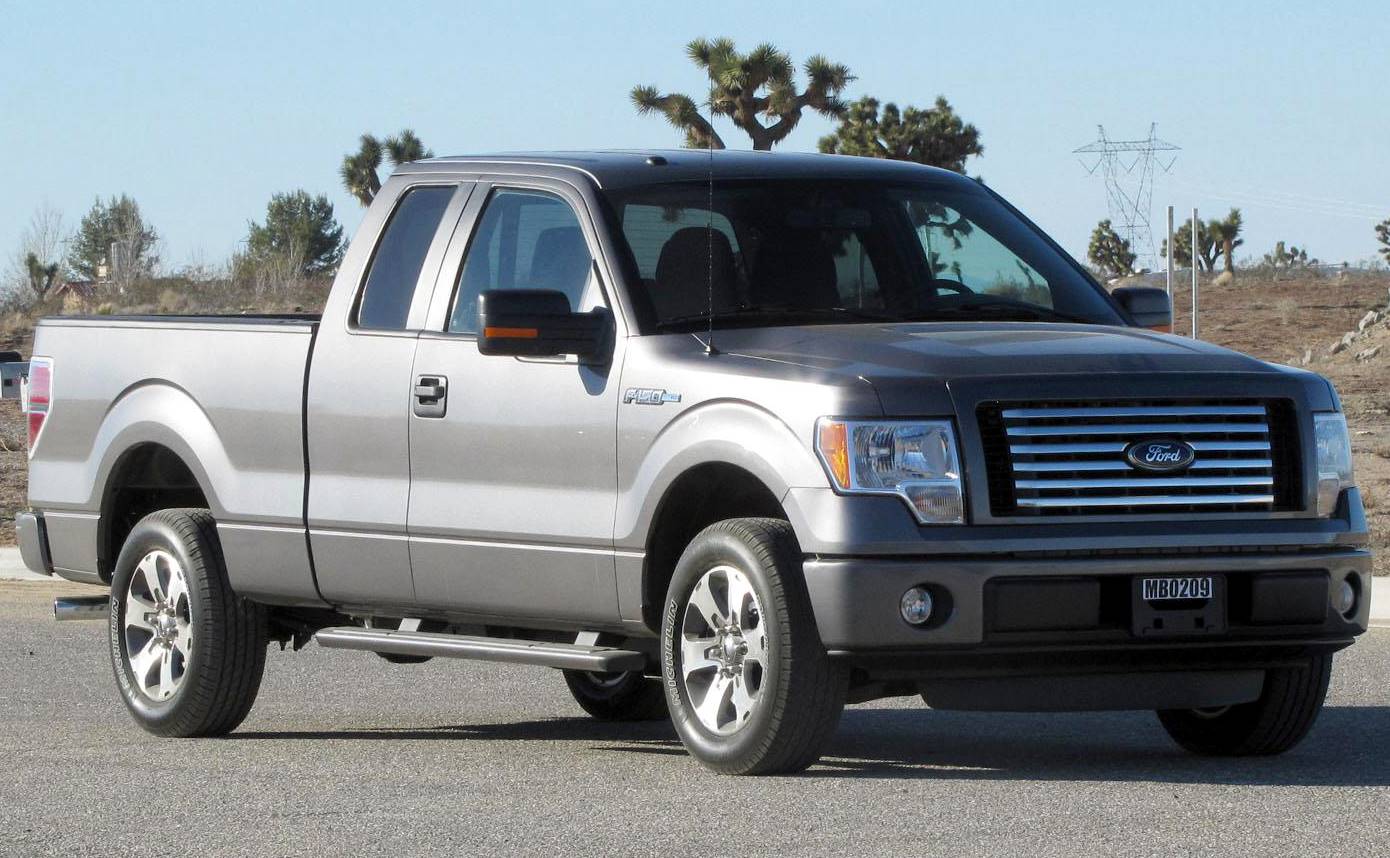
Owners today often praise their 2011 trucks for surpassing 200,000 miles while maintaining power and reliability. Compared to Ram’s HEMI trucks of the same period, which were notorious for transmission failures, the 2011 F-150 stood tall.
7. 2014 Ford F-150
As one of the final years before Ford switched to its aluminum-bodied design, the 2014 F-150 was the pinnacle of the steel-body era. It had refined versions of both the EcoBoost and Coyote engines, offering powertrains that were proven in terms of longevity.
This year’s models are still seen frequently on used car lots with high mileage, often outperforming rivals like the Silverado 1500, which faced issues with its Active Fuel Management system leading to engine wear.
Shopping for a full-size pickup quickly reveals just how evenly matched today’s contenders are. Cab configurations, engine options, and towing capacities tend to look strikingly similar across the board. Yet the Ford F-150 has always separated itself from the pack through sheer variety.
For 2014, the lineup stretches from no-frills work trucks to plush, feature-packed trims like the King Ranch, and even includes the hardcore SVT Raptor, engineered specifically for off-road adventure. No matter your preferences, chances are high there’s a 2014 Ford F-150 that fits the bill.
The variety starts under the hood, where four engines are available, ranging from a base V6 to a muscular 6.2-liter V8. While all deliver respectable performance, the standout is the twin-turbocharged 3.5-liter EcoBoost V6.
This engine generates torque on par with many V8s, matches their towing capacity, and still manages to be the most fuel-efficient option in the lineup. For drivers using their truck as a daily companion, that blend of capability and efficiency makes the EcoBoost the most compelling choice.
Step inside the 2014 F-150 and you’ll find ample room, particularly in the popular SuperCrew configuration. Ford has packed the cabin with modern conveniences, from dual USB ports and a rearview camera to a voice-activated navigation system and an integrated trailer-brake controller. However, the MyFord Touch interface, while advanced for its time, often frustrates more than it simplifies.
Beyond tech, the F-150 is beginning to reveal its age, with interior materials that feel middling compared to newer rivals. Extended-cab SuperCab models also stick with their reverse-hinged rear doors, while competitors have shifted to more user-friendly front-hinged setups.
None of these shortcomings are deal-breakers, but they highlight the strength of the competition. The 2014 Ram 1500 continues to impress with its refined ride and premium-quality cabin, and this year it breaks new ground by offering the first turbocharged diesel V6 in the segment.
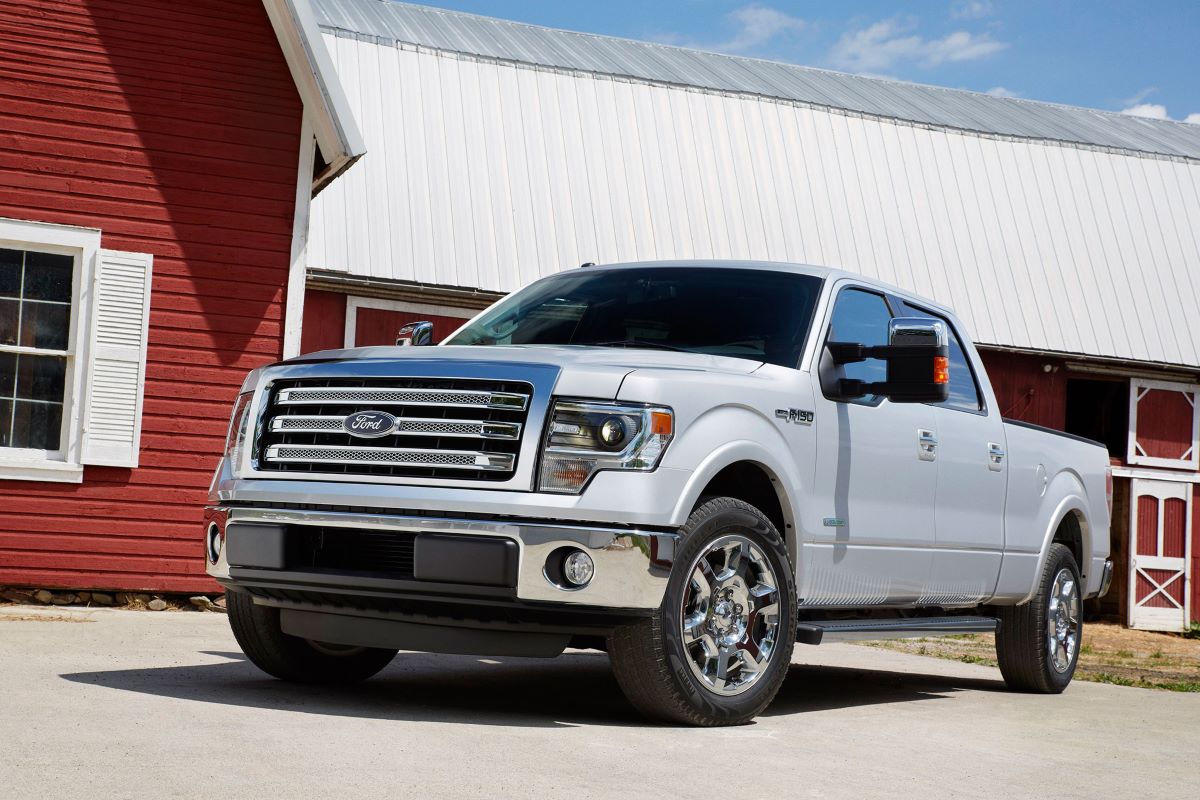
Meanwhile, Chevrolet’s redesigned 2014 Silverado, and its GMC Sierra twin, showcases one of the class’s most impressive V8 engines and a notably upgraded interior. For buyers prioritizing towing and hauling, the Toyota Tundra is a solid contender, though it lacks the wide variety of trims and configurations Ford offers.
Even with strong competition, the 2014 F-150 holds its ground as a versatile, well-rounded truck. Rivals may have pulled ahead in specific areas like interior refinement or outright power, but the F-150 still offers a broad mix of capability, comfort, and customization that keeps it highly competitive in the segment.
The 2014 Ford F-150 lineup offers four engines, each paired with a six-speed automatic transmission. Rear-wheel drive is standard, with four-wheel drive available on most trims, except the SVT Raptor, which comes exclusively with 4WD.
Moving up to the 5.0-liter V8 brings output to 360 horsepower and 380 lb-ft of torque. Paired with 4WD, this version sprinted from zero to 60 mph in 7.2 seconds during Edmunds’ tests. Fuel economy checks in at 17 mpg combined (15 city/21 highway) with 2WD and 16 mpg combined (14 city/19 highway) with 4WD.
The most compelling option remains the twin-turbo 3.5-liter EcoBoost V6, rated at 365 hp and a stout 420 lb-ft of torque. A rear-drive F-150 equipped with this engine hit 60 mph in just 6.5 seconds, while a 4WD model was nearly as quick at 6.6 seconds.
Efficiency is also better than the 5.0-liter V8, with EPA ratings of 18 mpg combined (16 city/22 highway) for 2WD models and 17 mpg combined (15 city/21 highway) for 4WD.
8. 2015 Ford F-150
Ford shocked the truck world in 2015 by introducing an aluminum body to save weight while maintaining strength. Many skeptics predicted problems, but the 2015 F-150 proved them wrong.
Lighter yet tougher against rust, these trucks are now showing their staying power on the used market.
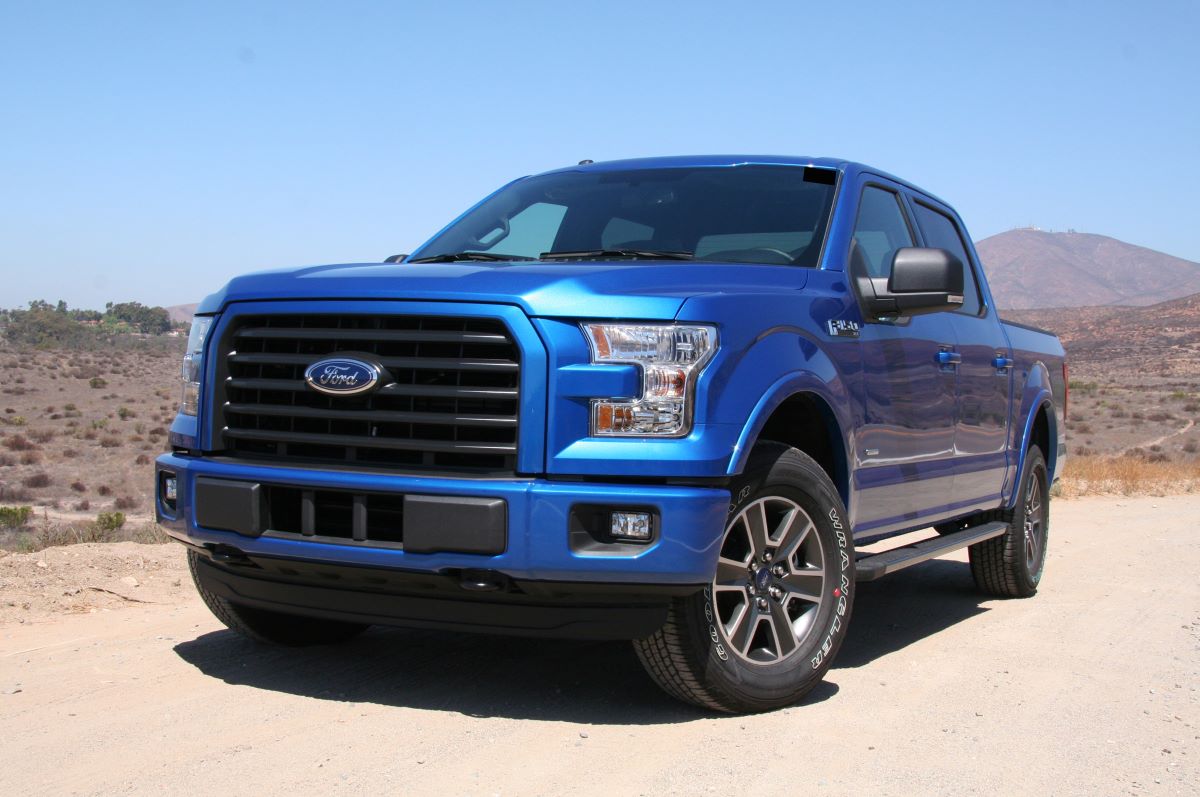
The reduced weight improved fuel efficiency without compromising towing, and long-term owners report fewer corrosion issues compared to steel-bodied Rams and Silverados of the same era.
9. 2018 Ford F-150
The 2018 F-150 represented one of the most refined modern trucks. With updated EcoBoost engines, a 10-speed automatic transmission, and improved towing capacity, it became the benchmark in the segment.
Importantly, Ford had worked out earlier bugs in the aluminum body design, making these trucks both advanced and dependable.
The 2018 Ford F-150 delivers the kind of performance and capability that both personal and professional truck buyers demand. Under the hood, this truck offers a choice of four engines, providing power that balances efficiency with strength. Fuel economy can reach up to 22 mpg combined, while maximum towing capacity tops out at 13,200 pounds.
Beyond its impressive numbers, the F-150 also emphasizes refinement, with a well-crafted interior and modern technology such as the Pro Trailer Backup Assist system, which lets drivers control trailer direction using a simple dial on the dashboard.
The truck’s Sync 3 infotainment system is quick to respond and user-friendly, while amenities across trims range from utilitarian basics to near-luxury features. Adding to its appeal, the F-150 uses lightweight aluminum body panels and a bed instead of traditional steel, making it the lightest truck in its class.
With hundreds of available configurations, buyers can easily find a 2018 Ford F-150 that suits their needs, and this versatility is part of what makes it one of the most complete trucks on the market. For decades, the F-150 has been the country’s best-selling truck, which means each new model carries tremendous expectations.
Expert reviews gave the 2018 F-150 high marks, with an overall rating of 8.1 out of 10. The truck’s driving dynamics were rated at 8.5, as the turbocharged 2.7-liter V6 felt punchy and the smooth-shifting 10-speed transmission maximized performance. Handling and braking inspired confidence, putting the F-150 at the top of its class for drivability.
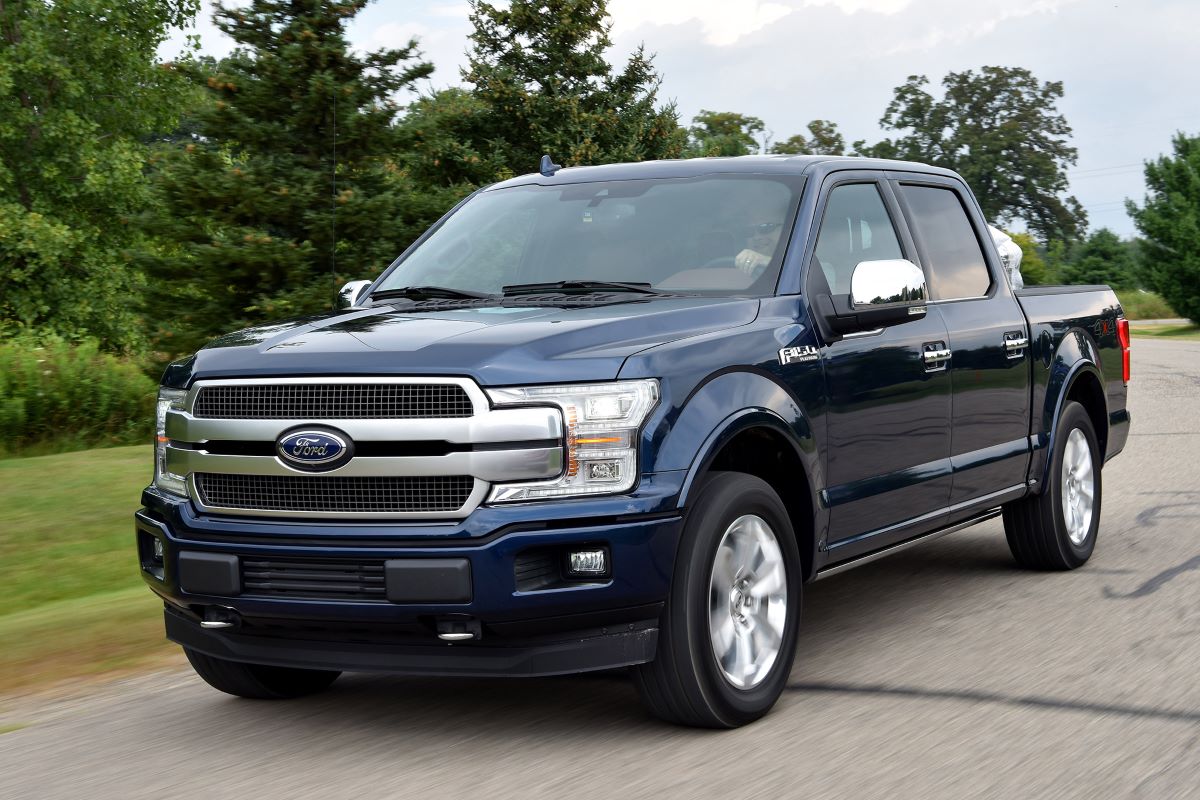
Many are still in the hands of first owners today, racking up mileage while avoiding major mechanical failures. Compared to Chevy’s 2018 Silverado, which suffered from excessive oil consumption in certain trims, the F-150 easily comes out ahead.
What makes these nine years special is not just the engineering but also how they’ve aged in real-world conditions. Farmers, contractors, commuters, and weekend adventurers all relied on these trucks and many are still doing so today.
Whether it was the rock-solid frames of the early 2000s or the revolutionary aluminum bodies of the late 2010s, the F-150 has consistently shown that it can outlast rivals when built in its best years.
For buyers in the used truck market, these models represent safe bets if maintained properly. They hold their value, offer reasonable maintenance costs compared to competitors, and have wide parts availability thanks to Ford’s massive presence in the U.S.
The Ford F-150 has seen highs and lows throughout its history, but these nine years stand above the rest for their reliability and longevity.
From the bulletproof simplicity of the 1995 model to the advanced yet durable 2018 version, these trucks demonstrate why the F-150 remains America’s favorite.
If you’re searching for a pickup that can handle everything from cross-country road trips to heavy work on the farm and keep going long after rivals call it quits the right Ford F-150 year might just be your best investment.