When it comes to cars that last a lifetime, Honda is always part of the conversation. Known for reliability, fuel efficiency, and low maintenance costs, Hondas have earned a reputation as vehicles that stay on the road long after most competitors give up.
Ask any mechanic, and they’ll tell you if you take care of a Honda, it will easily cross 200,000 miles and still feel solid. That’s why so many owners stick with their Hondas year after year, often handing them down to family members rather than selling them.
Another reason people hold on to their Hondas is practicality. These cars are built for real-world driving, not just showroom appeal. They balance comfort, economy, and dependability in a way that makes them hard to replace.
Whether it’s the compact Civic, the family-friendly Accord, or the rugged CR-V, Honda cars deliver exactly what most drivers need without constant headaches.
But reliability is only part of the story. Honda also focuses on resale value, meaning even after a decade, these cars don’t lose all their worth.
This makes them smart long-term investments. Plus, with Honda’s commitment to fuel efficiency, older models still compete with modern cars when it comes to saving money at the pump.
In this article, we’ll take a closer look at 12 Honda cars that people just can’t seem to let go of. These are the models that survive the test of time, rack up high mileage, and still come out looking like dependable workhorses.
If you’re wondering which Honda might be worth buying or holding on to this list is your guide to the cars people truly keep forever.
12 Affordable Sedans That Survive High Mileage
Honda has built a strong reputation around affordability and long-lasting reliability. Among the most dependable are its sedans, which have consistently proven themselves capable of running well beyond 200,000 miles with proper care.
These aren’t flashy luxury cars, but they excel at being practical, budget-friendly, and surprisingly durable. The Civic and Accord, for instance, have been the backbone of Honda’s lineup for decades, offering a mix of efficiency, comfort, and toughness that few rivals can match.
Even older models from the early 2000s are still common on today’s roads, a clear sign of their staying power.
What sets Honda sedans apart is their engineering simplicity, engines that don’t quit, transmissions that rarely fail, and maintenance costs that stay reasonable even as the miles pile on.
For families, commuters, and anyone who values reliability over constant repairs, Honda sedans remain some of the best long-term car choices.
ALSO READ: 5 Turbo Engines That Last Forever vs 5 That Constantly Fail
1. Honda Accord
If there’s one car that defines Honda’s reputation for longevity, it’s the Accord. For decades, the Accord has been the go-to midsize sedan for drivers who want comfort, space, and bulletproof reliability.
Owners often report passing the 250,000-mile mark without major repairs, and it’s not unusual to see Accords from the late 1990s still running strong today.
The Accord’s appeal lies in its balance. It’s roomy enough for families, yet efficient enough for daily commuting.
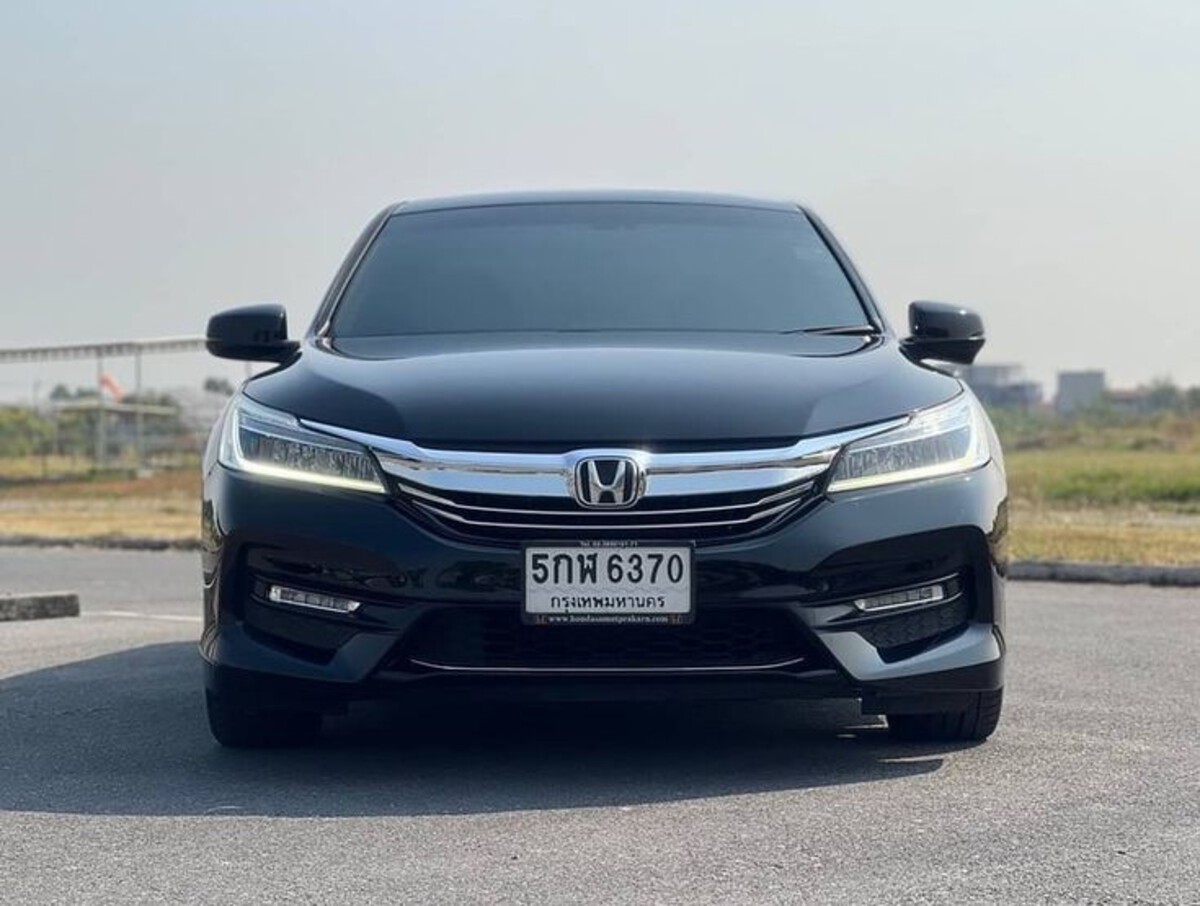
The engines, whether the reliable four-cylinders or the stronger V6 options, are built to handle high mileage with minimal fuss.
Many owners stick to simple routine maintenance like oil changes, brake pads, and timing belt replacements, and the car rewards them with years of hassle-free driving.
Another reason people keep their Accords is comfort. Honda designed the interior to be practical and durable, with seating that holds up even after years of use.
Technology has also improved with each generation, so even older models don’t feel completely outdated. On top of that, the Accord consistently ranks high in safety, giving families extra confidence in holding onto it long-term.
From a financial perspective, the Accord makes too much sense to let go of. Resale values remain strong, but many owners find it more worthwhile to keep driving the car rather than trade it in.
In a world where many sedans lose relevance quickly, the Accord continues to prove itself as a car that people simply hold onto sometimes for decades.
2. Honda Civic
The Honda Civic is practically a legend in the world of compact cars. For many people, it’s their first car, their commuter car, or the car they hand down to the next generation.
What makes the Civic so beloved is its incredible mix of affordability and durability. You can buy one, drive it for decades, and still feel like it’s doing the job better than most rivals.
Civics are known to last well over 200,000 miles, with some pushing past 300,000 when maintained properly.
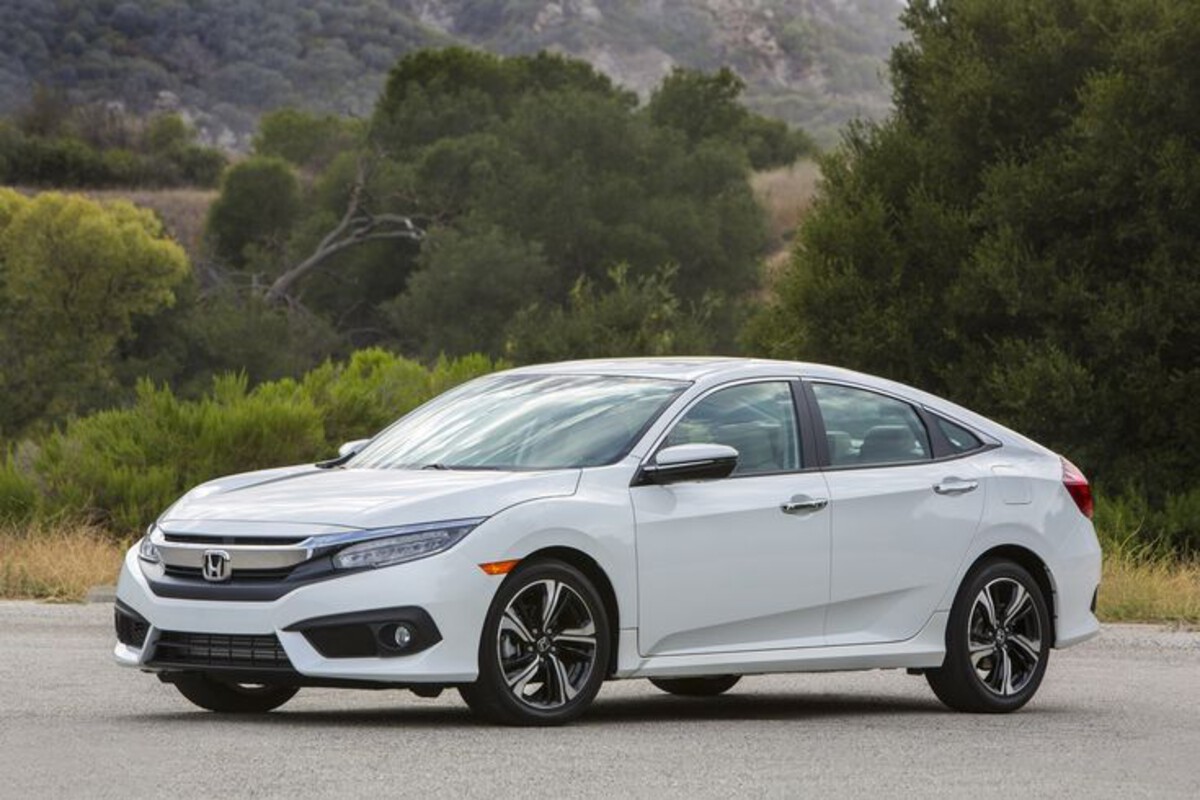
Part of this comes down to Honda’s simple but effective engine designs. The four-cylinder engines in the Civic are among the most dependable ever built, requiring little more than oil changes and basic upkeep.
Even when parts do wear out, replacements are inexpensive, and mechanics are familiar with Civics everywhere.
Owners also keep Civics because they’re economical. Great fuel efficiency has always been part of the Civic’s DNA, making it an ideal car for daily commutes or long drives.
Add in the fact that it’s easy to park, has a comfortable cabin for its size, and comes with strong safety ratings, and you see why people hesitate to part with them.
Another big factor is the Civic’s versatility. It comes in sedan, coupe, and hatchback versions, offering options for different lifestyles.
Enthusiasts love the sportier trims like the Civic Si, while families appreciate the practical sedan models. Across the board, though, the story is the same: the Civic holds up.
Simply put, the Civic isn’t just a car, it’s an investment in long-term dependability. And that’s exactly why so many people keep theirs forever.
3. Honda CR-V
When it comes to SUVs that last, the Honda CR-V stands at the top of the list. Since its debut in the mid-1990s, it has been one of Honda’s most successful models, combining the practicality of a family vehicle with the toughness of an SUV.
Many CR-V owners easily drive theirs past 250,000 miles without major issues, and some proudly share stories of their CR-Vs still running smoothly after two decades.
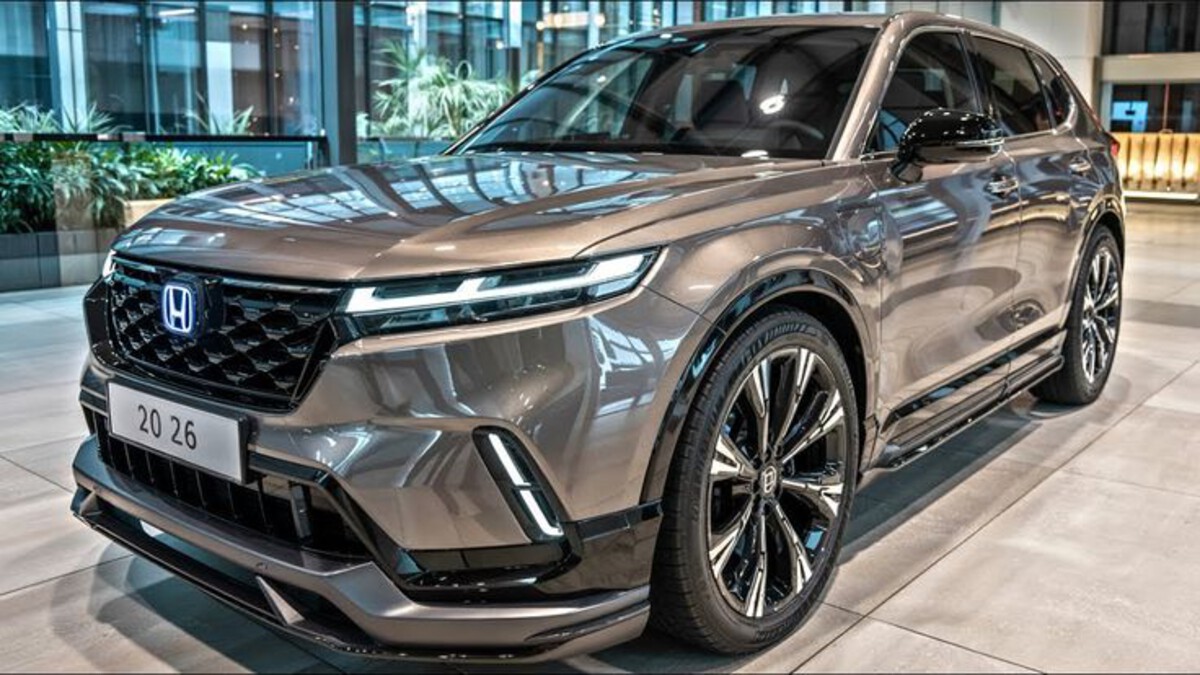
The CR-V is a favorite because it checks so many boxes. It’s fuel-efficient for an SUV, offers a spacious cabin, and has cargo room that families love.
The four-cylinder engines, especially the older naturally aspirated ones, are incredibly reliable. With basic maintenance like fluid changes and tire care, the CR-V keeps going strong.
Another reason people keep their CR-Vs is versatility. Whether it’s city commuting, road trips, or light off-road use, the CR-V handles it all.
Honda built it with practicality in mind, so it doesn’t try to be overly fancy or complicated it just works. Owners often find that replacing it with a newer model doesn’t feel worth it, because the old one still does everything they need.
Safety is another area where the CR-V shines. Honda has consistently equipped the CR-V with features like anti-lock brakes, stability control, and strong crash test ratings, making it a reliable family choice. That reassurance adds to the reasons people hold onto it for years.
At the end of the day, the CR-V’s blend of durability, comfort, and versatility makes it a true keeper. It’s the kind of SUV you buy once and hang onto because it feels like part of the family.
4. Honda Fit
The Honda Fit might be small, but it’s one of the most practical cars Honda has ever built. Known for its clever design and surprising amount of space, the Fit has earned a reputation as a car that people refuse to let go of.
Its compact size makes it perfect for city driving, while its durability makes it more than capable of handling long-term use.
One of the standout features of the Fit is its “Magic Seat” system, which allows the rear seats to fold completely flat or flip up, creating cargo space that rivals larger vehicles.
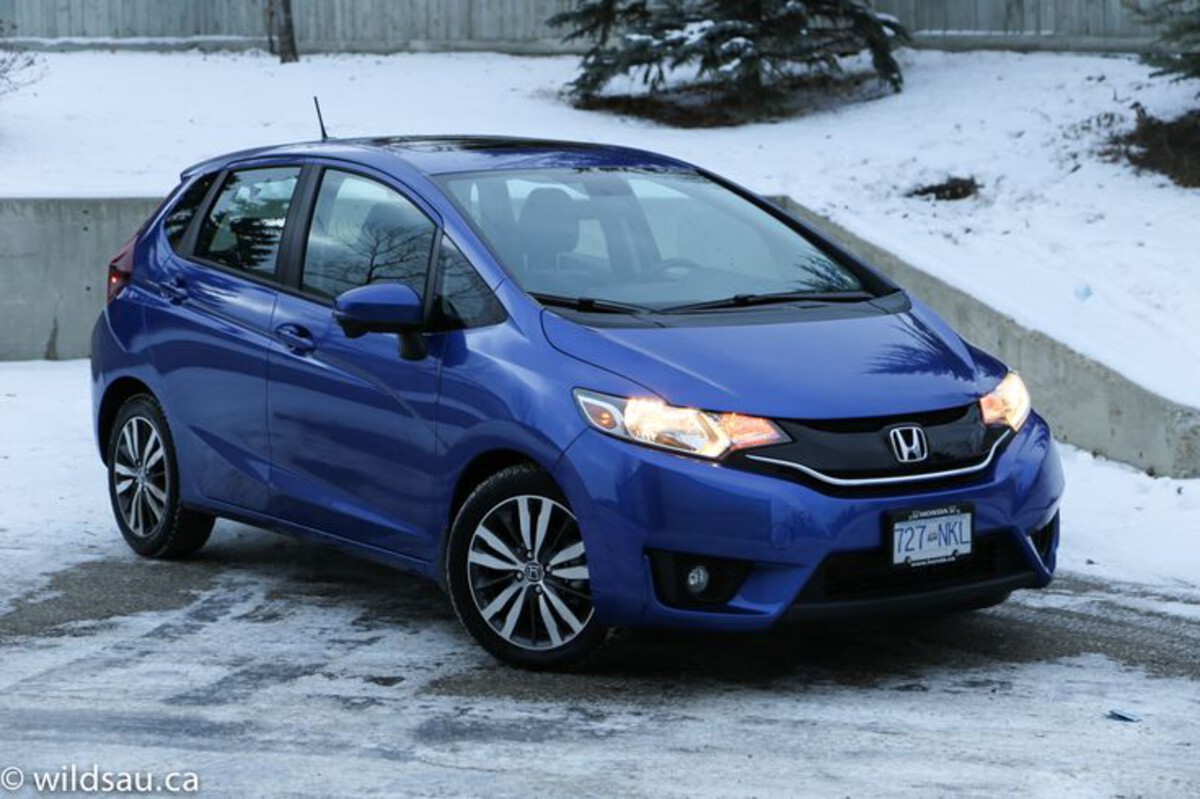
Owners quickly realize they can haul groceries, furniture, or even small bikes without any trouble. This flexibility makes the Fit incredibly useful, and people hold onto it simply because it does more than expected.
On the reliability side, the Fit is a classic Honda. Its small four-cylinder engine is efficient and long-lasting, easily handling hundreds of thousands of miles with basic maintenance.
Owners often report 35+ miles per gallon, which adds to the appeal of keeping the car rather than trading it in.
Another reason people keep their Fits is affordability. Insurance, repairs, and fuel costs all stay low, making it one of the most budget-friendly cars you can own. For students, young professionals, and even retirees, the Fit makes sense year after year.
Lastly, there’s a fun factor. The Fit may be small, but it’s surprisingly enjoyable to drive, with nimble handling and a light feel on the road. That combination of fun, practicality, and durability makes it hard to part with. For many owners, the Fit isn’t just a car it’s a keeper for life.
5. Honda HR-V
The Honda HR-V is one of those small crossovers that doesn’t scream for attention but quietly proves its worth over time.
Owners often buy it for its size and affordability, but what keeps them keeping it forever is the fact that it just doesn’t quit. It has the DNA of the Honda Fit, with its reliable small engine and versatile interior, but wrapped in the form of a practical SUV.
The HR-V’s “Magic Seat” system, borrowed from the Fit, makes it incredibly flexible for hauling.
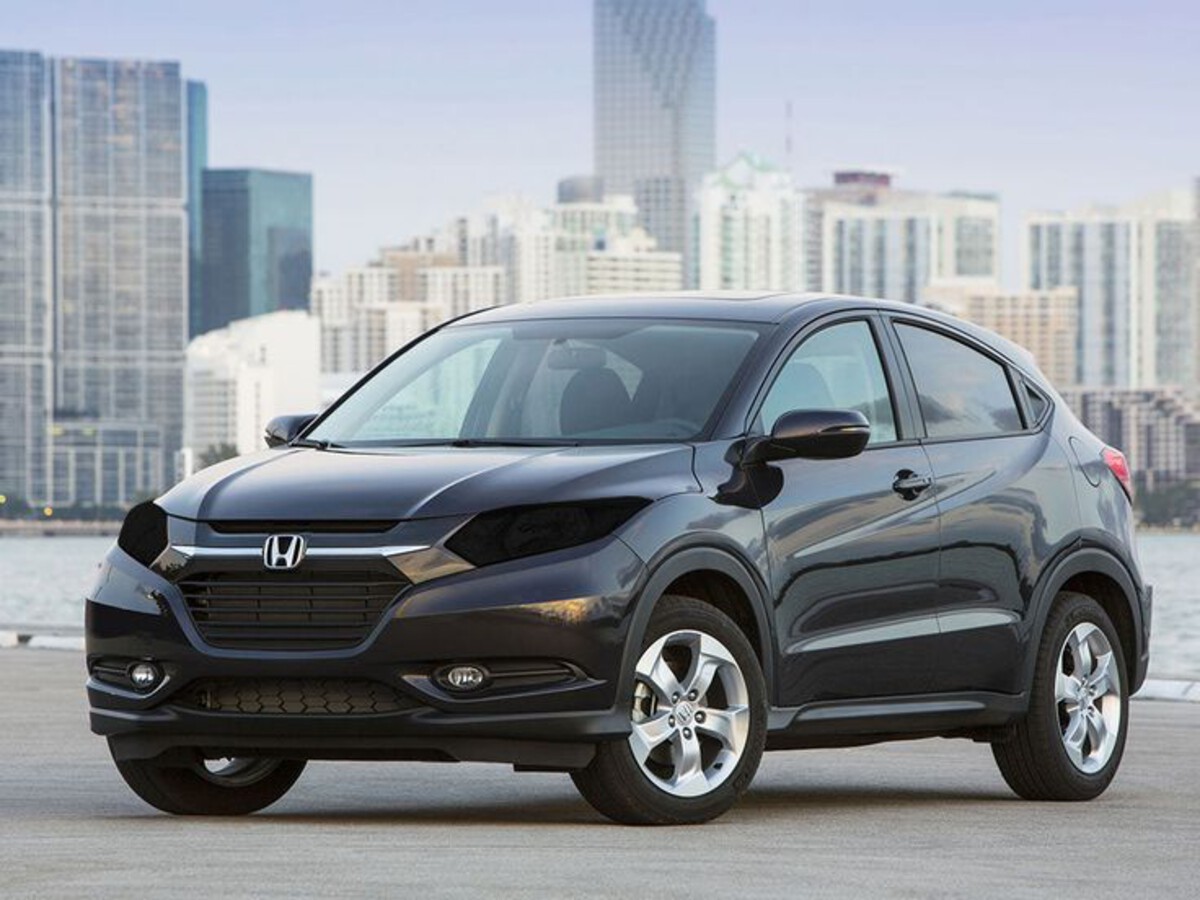
Whether you’re carrying plants, sports gear, or luggage for a weekend trip, the HR-V can adapt in ways most crossovers can’t. That practicality means many owners stick with it rather than upgrading to something larger and less fuel-efficient.
Under the hood, the HR-V’s four-cylinder engines are built for efficiency and longevity. They aren’t the most powerful, but they’re simple, low-maintenance, and highly dependable.
With routine oil changes and basic care, HR-Vs easily push beyond 200,000 miles, which is more than enough for most owners to keep it in the driveway for well over a decade.
Another reason people don’t part with their HR-Vs is cost-effectiveness. The vehicle is cheap to run, offers excellent fuel economy, and insurance is affordable compared to larger SUVs. Plus, it’s small enough for city driving but spacious enough to feel useful.
In short, the HR-V offers long-term value that makes trading it in feel unnecessary. Owners tend to form a bond with it because it quietly handles everything life throws its way, year after year.
6. Honda Odyssey
For families, the Honda Odyssey has been a trusted companion for decades. While minivans may not be the flashiest vehicles on the road, the Odyssey stands out as one that people keep for the long haul.
With its reputation for reliability, space, and comfort, it’s no wonder parents refuse to part with it even when newer options tempt them.
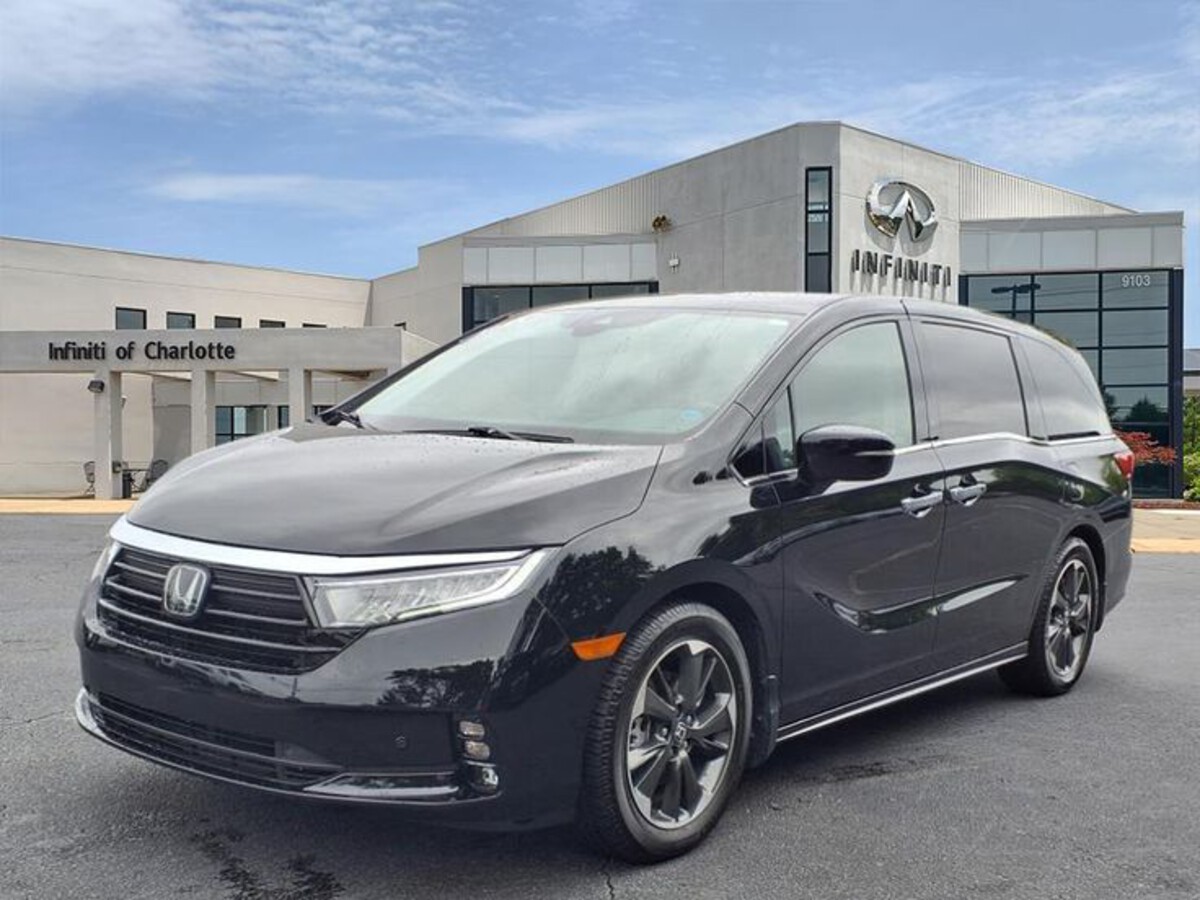
One of the Odyssey’s biggest selling points is space. With seating for seven or eight, along with ample cargo capacity, it’s built for road trips, carpools, and daily family chaos.
But unlike some vans that age poorly, the Odyssey holds up remarkably well. The interior is built to withstand spills, rough handling, and years of heavy use.
Mechanically, the Odyssey is a Honda at heart long-lasting engines, durable transmissions, and predictable maintenance costs.
Many families report Odysseys lasting well past 250,000 miles without major problems, which is critical for parents who don’t want to deal with constant car shopping.
The Odyssey also carries a reputation for safety. Honda has equipped it with features that give peace of mind, like strong crash ratings and driver-assist technologies in newer models. Families keep theirs because it continues to feel like a safe choice, even as it ages.
From a financial standpoint, replacing an Odyssey is often unnecessary. The resale value is decent, but most owners realize that keeping it saves money compared to buying a new SUV or van. At the end of the day, the Odyssey becomes more than a vehicle, it’s part of the family history.
ALSO READ: 5 Pickups That Keep Strong Suspension vs 5 That Collapse Early
7. Honda Pilot
The Honda Pilot is the SUV people choose when they want space, comfort, and the ability to keep driving for years without worry.
As Honda’s larger SUV, it offers seating for up to eight, making it a go-to option for big families. What surprises many is how long Pilots last stories of 250,000+ miles are common, with plenty still running strong after 15 or more years.
Owners love the Pilot because it feels like a balance between an SUV and a minivan.
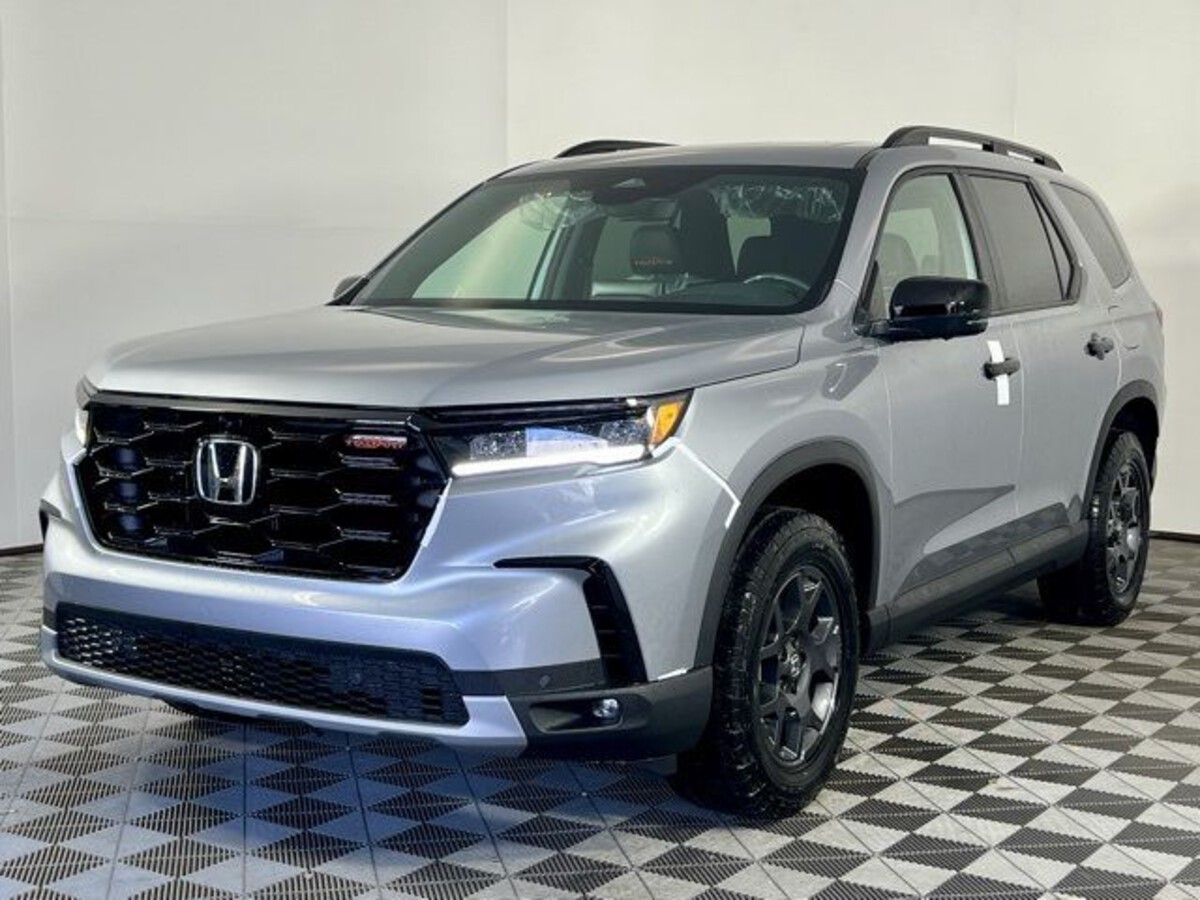
It has the interior space and family-friendly features of a van but with the tougher SUV look and higher driving position. That blend makes it versatile enough for school runs, vacations, and even light towing.
Reliability is a major factor. The Pilot’s V6 engine is built to handle mileage without giving up. Regular maintenance oil changes, timing belt replacements, and transmission servicing is usually all it takes to keep it going strong. Honda engineering keeps things simple, which means fewer headaches for owners.
Comfort is another reason people hold onto their Pilots. The cabins are roomy, with multiple seating configurations, decent tech, and a quiet ride.
Even older models hold up surprisingly well, and many families find it unnecessary to upgrade when their current Pilot still does everything they need.
From a financial perspective, the Pilot’s value over time is outstanding. While new SUVs can cost a fortune, a well-maintained Pilot provides the same utility for years with far lower ownership costs. This makes it a true “forever vehicle” for families who prioritize reliability.
8. Honda Element
The Honda Element is one of the most unique vehicles Honda has ever produced, and that uniqueness is a big reason people hold onto it forever.
With its boxy design, clamshell doors, and durable interior, the Element carved out a loyal fanbase that refuses to let it go, even though Honda discontinued it in 2011.
What makes the Element special is its practicality. The interior is built with wipe-down floors and rugged materials, making it perfect for outdoor enthusiasts, pet owners, and anyone who needs a low-maintenance vehicle.
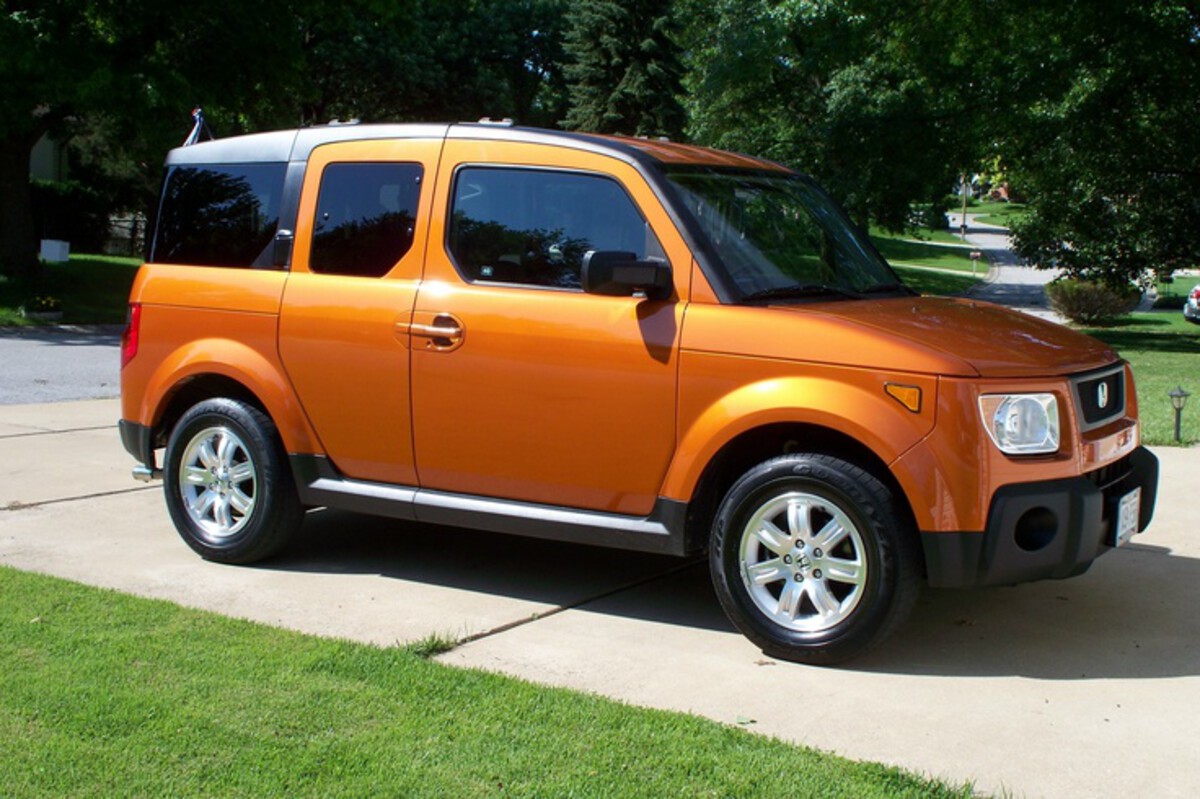
The spacious, square layout also makes it easy to haul bikes, camping gear, or even small furniture. It’s basically a mini camper on wheels, which is why many owners still use it for road trips and adventures.
Mechanically, the Element is built like other Hondas: simple, durable, and reliable. The four-cylinder engine isn’t flashy but delivers enough power for daily driving while lasting well past 200,000 miles.
Owners often say their Elements still run like new after years of use, which is why they’re so reluctant to part with them.
Another reason the Element stays in driveways forever is that there’s nothing quite like it on the market today.
Its quirky design, utility-focused features, and reliability create a combination that modern SUVs and crossovers just don’t replicate. That rarity has even given the Element cult status, with used models holding their value surprisingly well.
For people who own one, the Element isn’t just transportation it’s a lifestyle vehicle. And that’s why many keep theirs long after newer cars come and go.
9. Honda Prelude
The Honda Prelude may not be in production anymore, but the people who own one rarely let it go.
Produced from the late 1970s through 2001, the Prelude was Honda’s sporty coupe, combining sleek styling with the brand’s legendary reliability. Even decades later, enthusiasts and everyday drivers alike hold on to their Preludes as prized possessions.
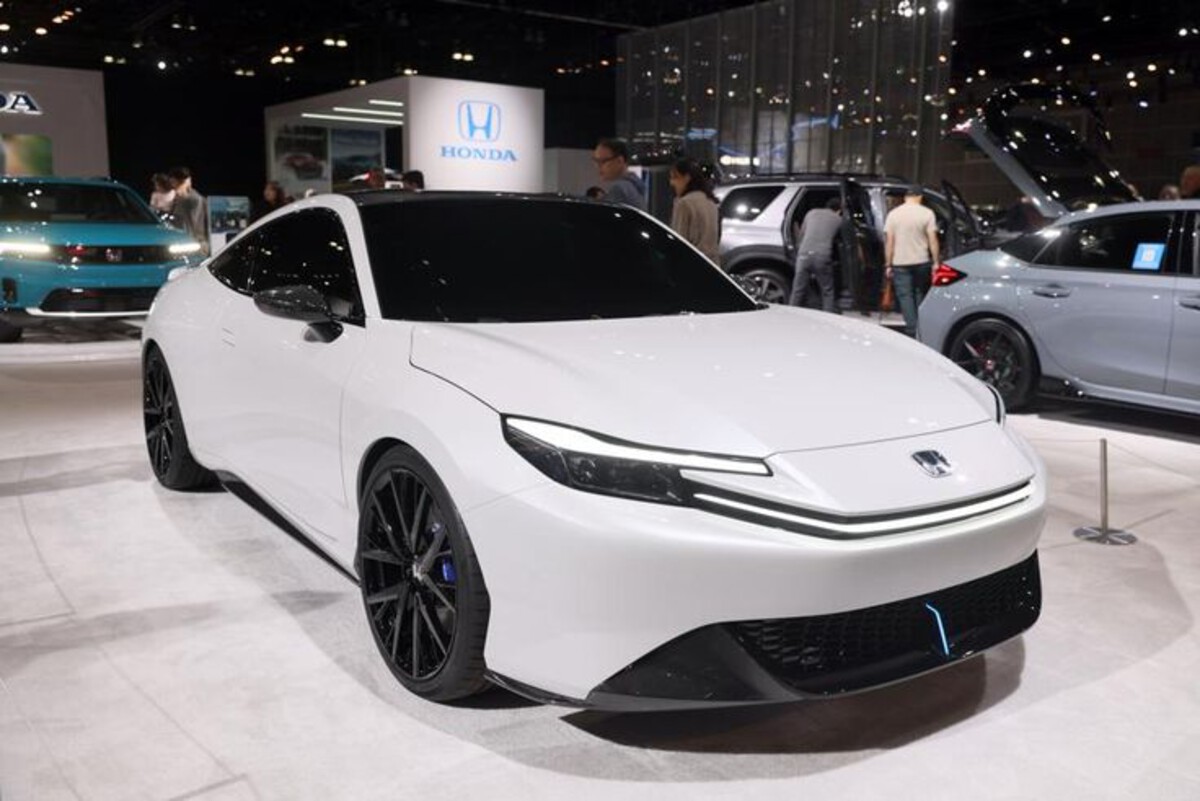
Part of the Prelude’s lasting appeal is its driving experience. With sharp handling, responsive steering, and peppy four-cylinder engines, it feels fun without being impractical.
For many owners, it offered the perfect mix of reliability and excitement, something rare in the sports coupe world.
Durability plays a huge role, too. The Prelude’s engines are built to last, and owners who perform basic maintenance often see mileage soar well past 200,000. Because of Honda’s simple engineering, repairs are generally straightforward and affordable, making it easier for owners to justify keeping the car long-term.
Another reason Preludes stick around is nostalgia. For many, it was their first sporty car, or it carries memories of an era when Hondas had a different character.
With Honda no longer producing a direct replacement, the Prelude has become something of a collectible. That uniqueness only strengthens the bond owners feel with their cars.
In short, the Prelude is more than just another Honda; it’s a piece of history. And that’s why the people who have one usually keep it forever.
10. Honda Insight
The Honda Insight has a special place in automotive history as Honda’s first hybrid, debuting in 1999.
At first glance, it might not seem like the kind of car people cling to, but Insight owners know better. It’s efficient, reliable, and surprisingly durable qualities that make people keep them for the long run.
The first-generation Insight was quirky, with its futuristic design and lightweight aluminum body, but it set the stage for Honda’s hybrid technology.
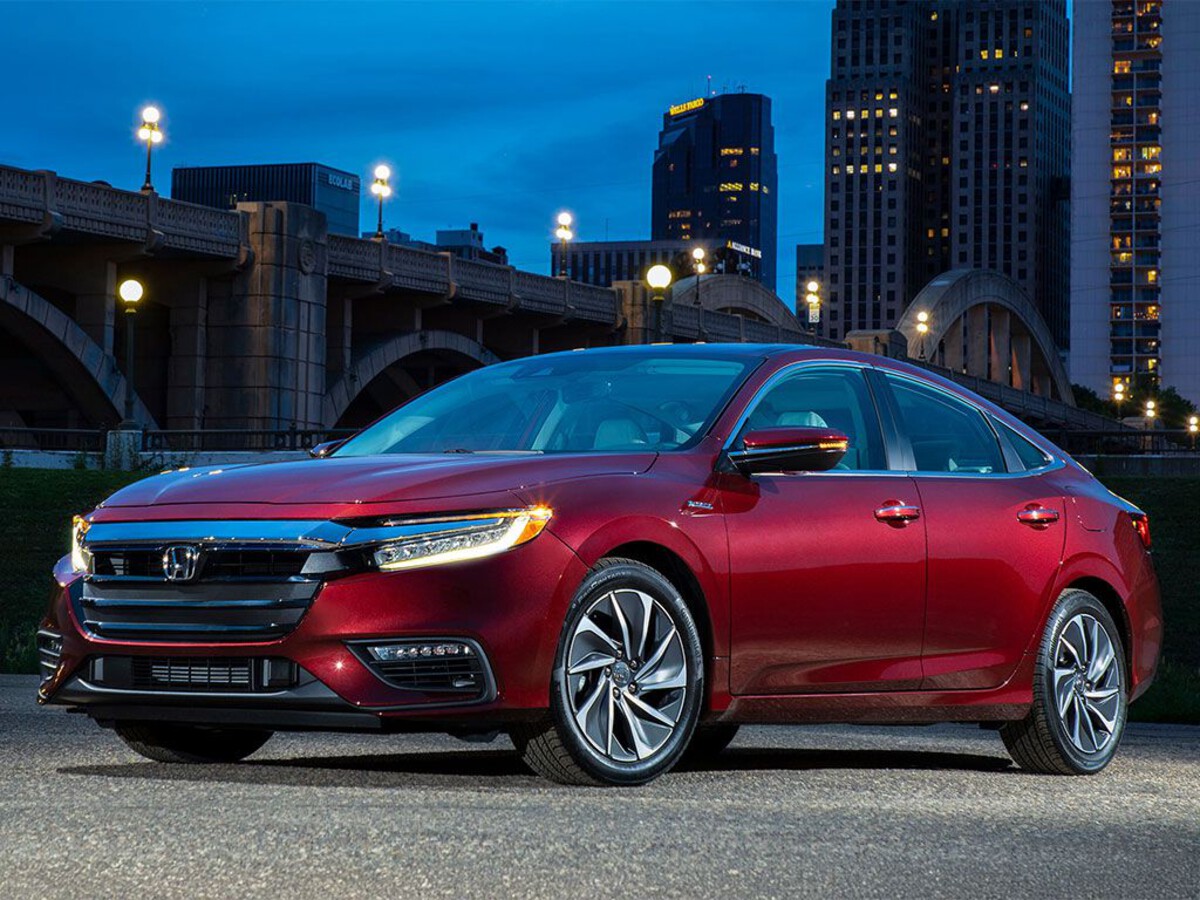
Owners discovered that not only did it sip fuel, often achieving 50+ mpg, but it also held up mechanically like any other Honda. That combination of efficiency and dependability created a loyal following.
Later generations of the Insight improved on practicality while keeping the hybrid edge. Whether early or modern, Insights prove to be hybrids you don’t have to worry about falling apart.
The battery packs, often a concern in hybrids, tend to last longer than expected, and replacements are less costly than rival systems.
Another factor that keeps Insights in garages is affordability. They’re often cheaper to buy than other hybrids, both new and used, but they don’t compromise on quality.
Many Insight owners keep theirs for 10–15 years simply because there’s no reason to trade in a car that still saves money and drives smoothly.
For eco-conscious drivers who also value long-term reliability, the Insight is an easy keeper. It shows that hybrid cars can go the distance just like their gasoline-powered siblings.
11. Honda Crosstour
The Honda Crosstour may not have been the brand’s most popular model, but it has a group of dedicated owners who keep theirs forever.
Produced between 2010 and 2015, the Crosstour was essentially a Honda Accord hatchback with SUV-like styling. It may not have sold in huge numbers, but the people who own one know its strengths.
First, it’s built on the Accord platform, which means it carries the same reliability and durability. The engines, especially the V6, are known for longevity, and with proper care, Crosstours can easily clear 200,000 miles.
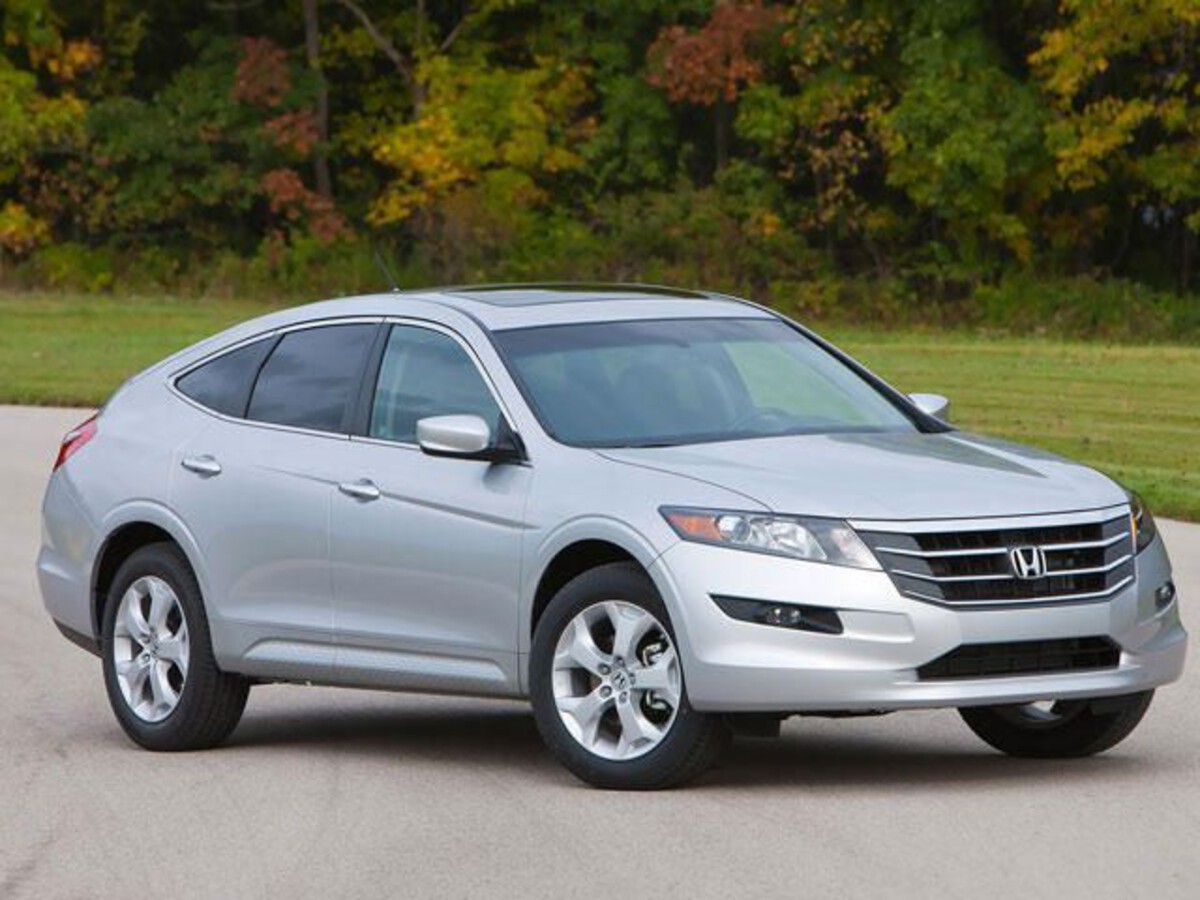
Owners often report minimal issues beyond regular maintenance, making it a trustworthy long-term car.
The Crosstour also offers a unique blend of features. It’s more spacious than a sedan but not as bulky as a traditional SUV.
That balance makes it a practical choice for people who want versatility without sacrificing drivability. The hatchback design gives it impressive cargo space, which adds to its everyday usefulness.
Another reason owners keep their Crosstours is the rarity factor. Since it wasn’t a huge sales success and was discontinued, it has become somewhat distinctive on the road.
Owners often feel attached to that uniqueness, especially since newer Hondas don’t offer the same combination of sedan comfort and SUV utility.
All in all, the Crosstour may not be famous, but the people who own it know they’ve got a hidden gem, and they’re in no hurry to let it go.
12. Honda Ridgeline
When it comes to pickup trucks, Honda took a different approach with the Ridgeline. Instead of going head-to-head with heavy-duty trucks, Honda built a pickup that focuses on comfort, innovation, and long-lasting dependability. And that’s exactly why owners hold onto them.
The Ridgeline’s unibody construction (shared with the Pilot and Odyssey) sets it apart. While traditional trucks use body-on-frame designs, the Ridgeline drives more like an SUV, smooth, comfortable, and easy to handle.
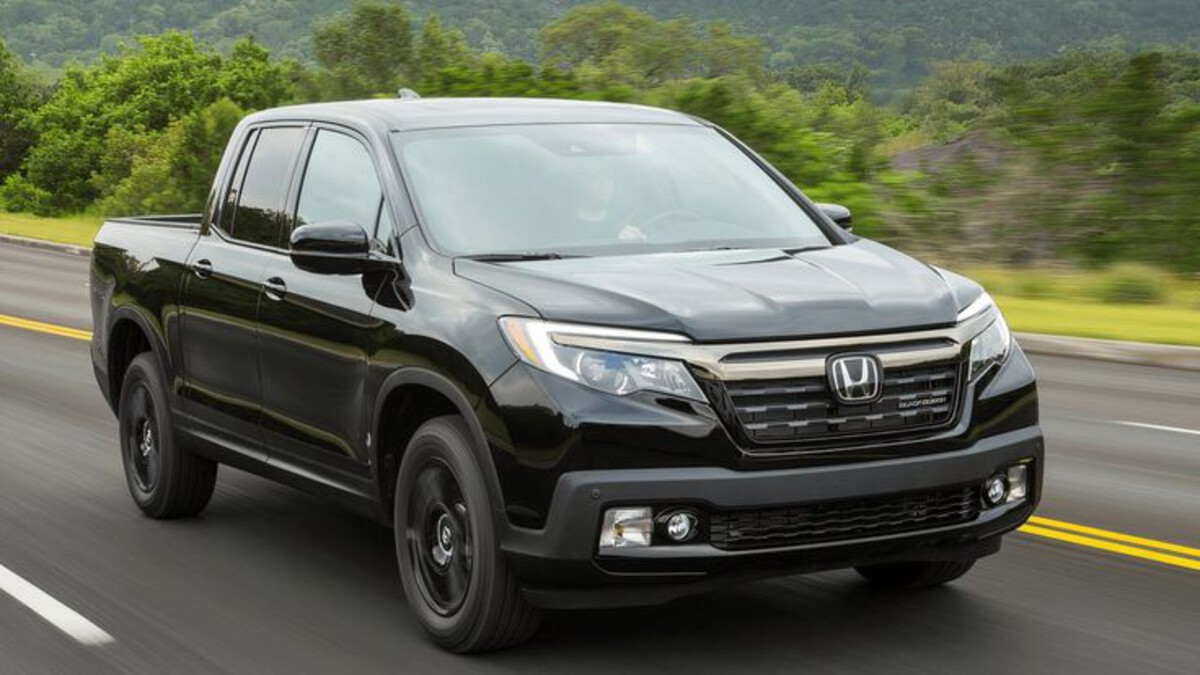
This makes it especially appealing to people who need a truck for occasional hauling but don’t want the stiff ride of larger pickups.
Reliability is classic Honda. The V6 engines are known to last well into the 200,000-mile range, and the overall build quality means fewer headaches for owners. Unlike some trucks that rack up repair bills, the Ridgeline stays relatively low-maintenance, making it a keeper for those who want long-term value.
Another standout feature is innovation. The Ridgeline introduced clever ideas like the in-bed trunk and dual-action tailgate, which added functionality that rivals couldn’t match. These practical features make owners feel like their Ridgeline still meets modern needs, even years after purchase.
Because it straddles the line between a truck and an SUV, many people find there’s no replacement for their Ridgeline. That uniqueness, paired with reliability, keeps it in driveways for well over a decade.
If there’s one thing clear from looking at these 12 models, it’s that Honda builds cars people don’t want to let go of.
Whether it’s a Civic pushing past 300,000 miles, a CR-V still serving families after 15 years, or a discontinued Element that’s become irreplaceable, Hondas have a way of earning permanent spots in garages.
The main reason is reliability. Honda engineering focuses on simplicity and durability, and that pays off in vehicles that stay dependable long after their competitors have given up.
Owners often find that their Hondas don’t break down, and they’re affordable and straightforward when they do need repairs.
But it’s not just about mechanics. Hondas are practical, fuel-efficient, comfortable, safe, and versatile. They aren’t flashy, but they consistently meet real-world needs, and that makes them hard to replace. Add in strong resale values, and the financial argument for keeping a Honda is clear.
For many, though, the bond with a Honda goes deeper. These cars become family vehicles, road-trip companions, and first cars passed down to kids.
That emotional connection, paired with real dependability, explains why so many Hondas outlast their owners’ expectations.
At the end of the day, Hondas aren’t just cars, they’re lifetime investments. And that’s why people truly keep them forever.