Luxury cars often carry the aura of success, power, and prestige, but most people assume that kind of style comes with a six-figure price tag. The truth? You don’t need a billionaire’s bank account to drive like one.
With smart shopping and a little knowledge of the used car market, you can get behind the wheel of some of the world’s most iconic vehicles for a fraction of their original cost. From British elegance to American muscle and Italian flair, certain models bring millionaire style without the millionaire price.
These cars deliver the presence, performance, and pedigree usually reserved for the ultra-wealthy yet remain surprisingly attainable today. Whether it’s the refined Jaguar XJL Portfolio, the nimble Lotus Elise, or the timeless Chevrolet Corvette, each of these nine options proves that status doesn’t have to drain your savings. Let’s explore the cars that let you live the luxury dream without the luxury debt.
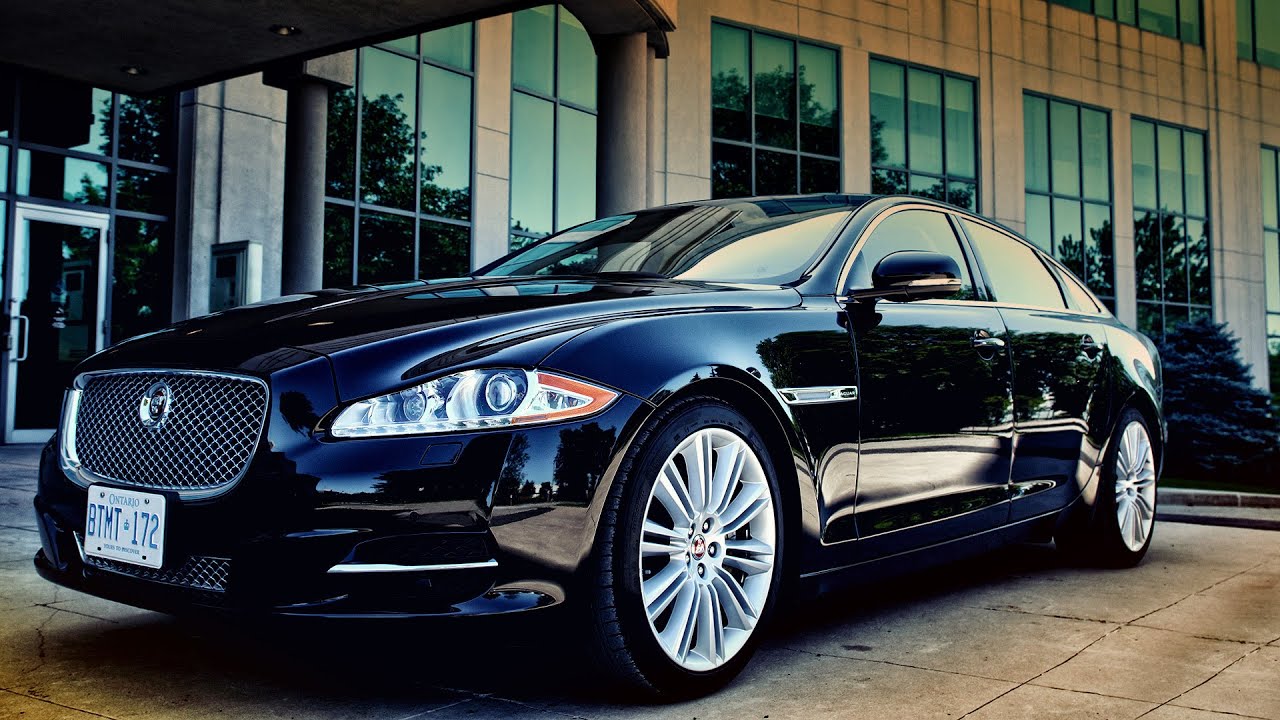
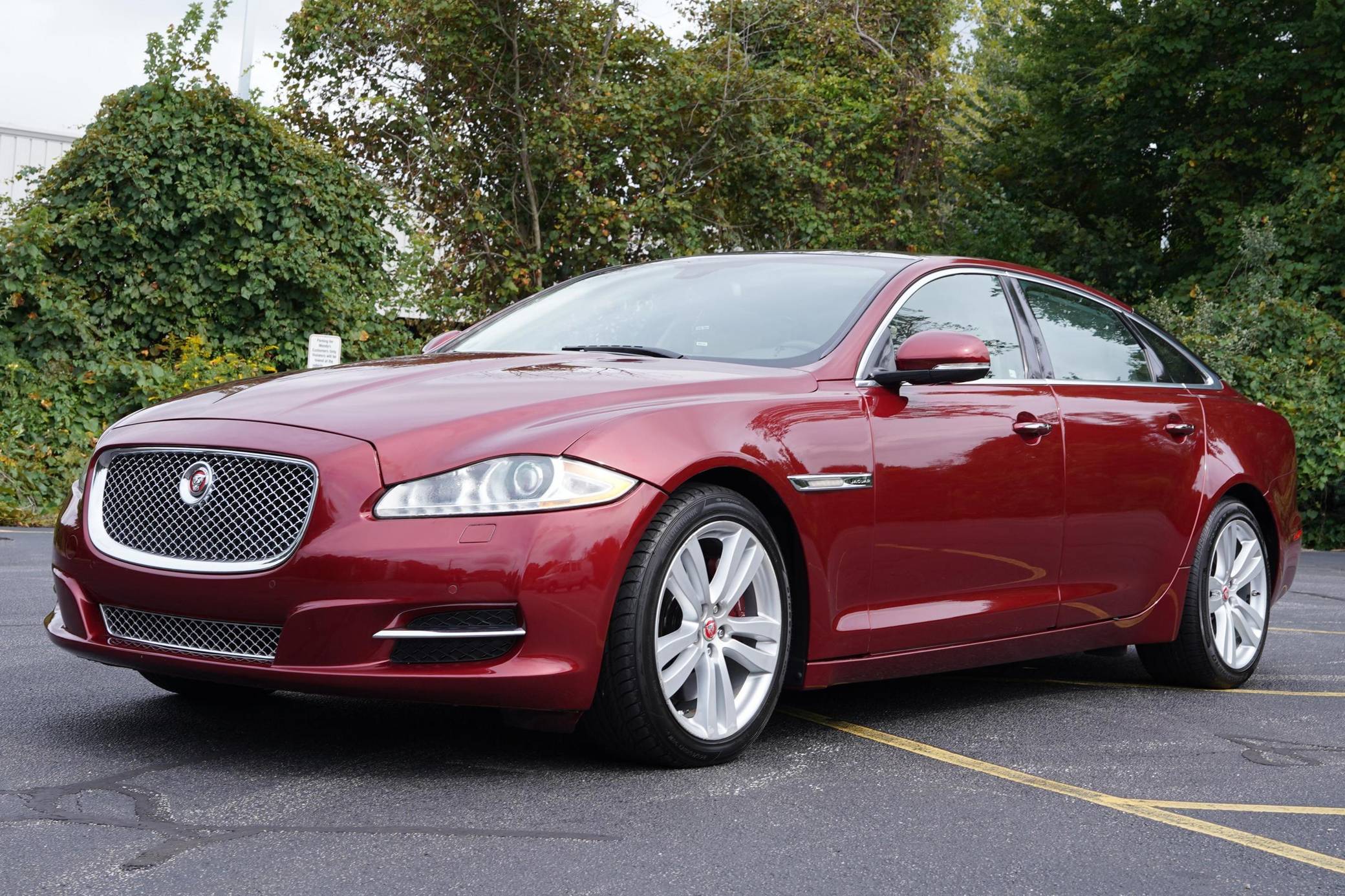
1. 2014 Jaguar XJL Portfolio
The Jaguar XJ has been a symbol of British luxury since 1968, serving as Jaguar’s flagship sedan. The 2014 XJL Portfolio belongs to the X351 generation, launched in 2009. This generation introduced a longer and wider body with a squarer grille and smaller headlights.
The 2014 model featured minor updates, including improved suspension and rear seating, while retaining the 5.0-liter 385 PS V8 engine. Despite its luxury pedigree, a used 2014 XJ can be found for around $20,000, offering significant value in the luxury sedan segment.
The 2014 Jaguar XJL Portfolio emphasizes elegance, exclusivity, and English refinement. Its lightweight aluminum body enhances handling, making the car feel agile and responsive compared to heavier German rivals. Unlike the precise but often emotionless driving experience of BMW, Audi, or Mercedes, the XJ offers a dynamic, driver-focused feel.
The XJR variant boosts performance with a supercharged 5.0-liter V8 producing 550 hp and 502 lb-ft of torque, sport-tuned suspension, and performance seating, delivering 0–60 mph in just 4.1 seconds. For most buyers, the supercharged V6 offers a satisfying balance of power, efficiency, and all-weather capability.
The base XJ and XJL Portfolio use a supercharged 3.0-liter V6 producing 340 hp and 332 lb-ft of torque. Rear-wheel drive is standard, with all-wheel drive optional. EPA fuel economy is 21 mpg combined for RWD and 19 mpg for AWD.
The XJ Supercharged and XJR models feature a 5.0-liter V8, delivering 470–550 hp and 424–502 lb-ft of torque, with fuel economy of 15/23/18 mpg. Driver-selectable modes for engine, transmission, and suspension provide versatility, allowing a comfortable cruise or a spirited driving experience depending on the mood.
Standard safety features include antilock brakes, stability and traction control, front and side airbags, curtain airbags, active head restraints, and blind-spot monitoring. Optional systems include adaptive cruise control and forward collision alert.
However, some advanced features available in rival sedans, such as lane-keeping assist, automated parking, rear cross-traffic alert, head-up display, and night vision, are absent. Braking performance varies with tires: the XJL Portfolio with all-season tires stops from 60 mph in 124 feet, while the XJR and Supercharged models stop in just over 105 feet.
Inside, the 2014 XJL Portfolio combines traditional luxury with modern aesthetics. Natural materials, ambient lighting, and refined surfaces create a rich environment. The digital instrument panel mimics analog dials and offers customizable layouts.
The infotainment system, while improved, is less intuitive than rival systems, offering fewer functions. Although the XJ has a large exterior profile, headroom and rear legroom are limited in standard models. Trunk space measures 15.2 cubic feet, but awkward protrusions reduce practical capacity slightly.
The 2014 Jaguar XJL Portfolio delivers a compelling mix of style, exclusivity, and engaging driving dynamics. While it lags slightly behind German competitors in technology and interior durability, it excels in character and emotional appeal.
Lightweight construction, sharp styling, and potent engine options make the XJ a unique choice for buyers who prioritize driving pleasure and refinement over purely technical superiority.
2. 2005 Lotus Elise
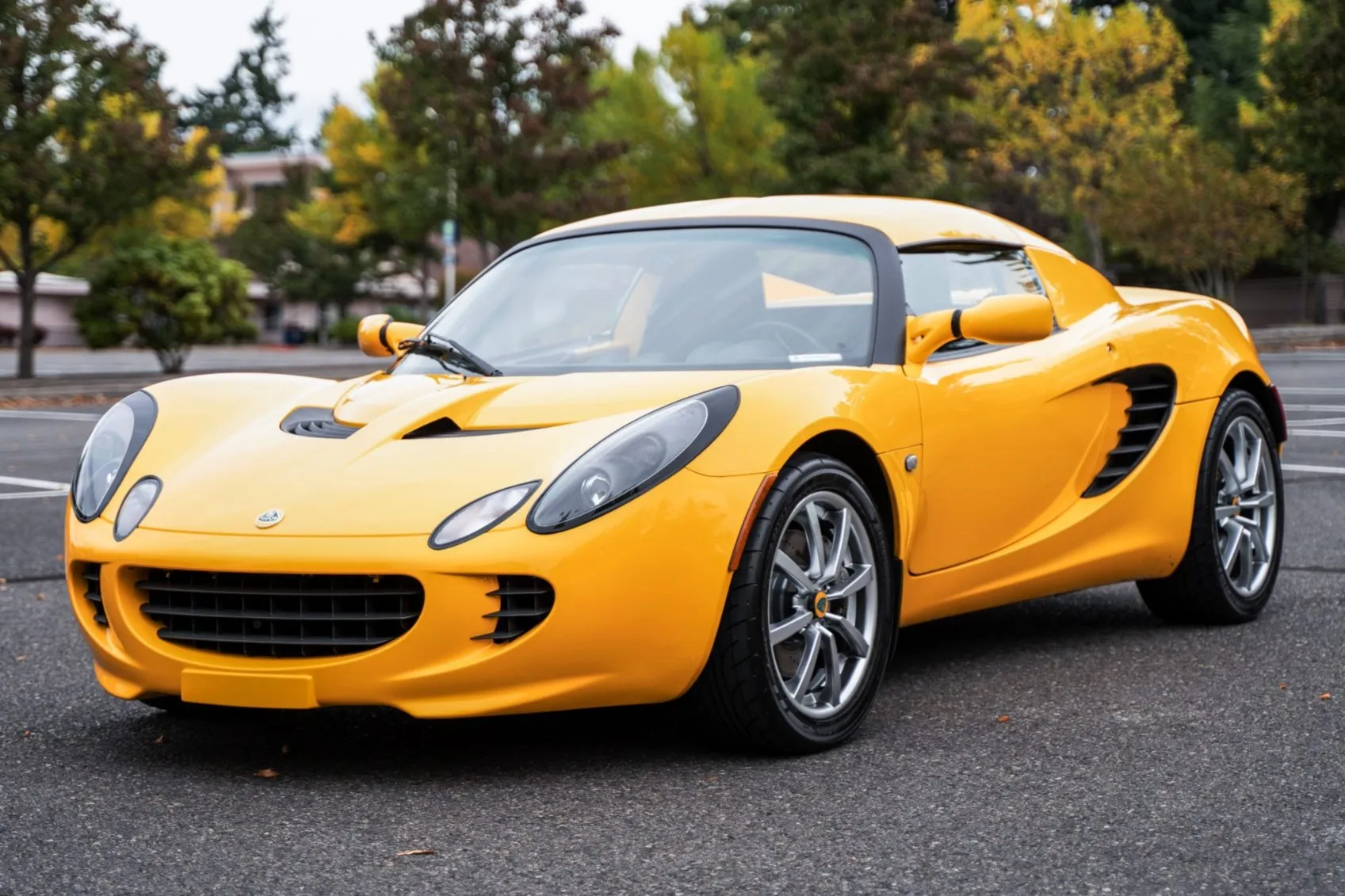
The 2005 Lotus Elise is a two-seater, mid-engined roadster that combines supercar looks with reasonable pricing, typically around $33,000. Part of the Elise line introduced in 1996, the 2005 model marked the first commercial U.S. release.
Lightweight construction fiberglass body on a bonded aluminum chassis keeps weight and costs low while delivering sharp handling. The Elise’s 1.8-liter Toyota 1ZZ-FE engine may have modest horsepower, but it allows the car to accelerate quickly and reach top speeds of approximately 150 mph. Its engaging driving experience and exotic appearance make it highly desirable among sports car enthusiasts.
The Elise is renowned for its exceptional handling and driver feedback. Its lightweight chassis and mid-engine layout create an agile, responsive roadster that rewards skilled drivers.
European versions were already praised for performance, but the U.S. models improved accessibility and availability. While it doesn’t rival supercars in raw power, the Elise’s balanced dynamics make it feel faster than its numbers suggest. Drivers appreciate its precision, cornering ability, and the thrill of a connected, pure sports car experience.
Reliability is above average, thanks to the Toyota-sourced engine and gearbox. Owners report dependable powertrains and high satisfaction ratings. However, the Elise’s specialized construction introduces potential issues. Fiberglass body panels are delicate and prone to cracks, especially around mounts.
Plastics can become brittle over time, and many parts require specialized labor for repair or replacement. The car is vulnerable to adverse weather, and consistent, diligent maintenance, including regular transmission fluid, air filter, and spark plug changes, is essential to preserve performance and longevity.
Prospective buyers should prioritize examples with complete maintenance records and a history of careful ownership, ideally serviced by a qualified Lotus mechanic. Given its lightweight, delicate construction, a well-maintained model will provide a more reliable and enjoyable driving experience.
Despite its quirks, the 2005 Lotus Elise offers a rare combination of lightweight agility, distinctive styling, and an engaging sports car experience at a relatively attainable price.
3. 2008 Range Rover Sport
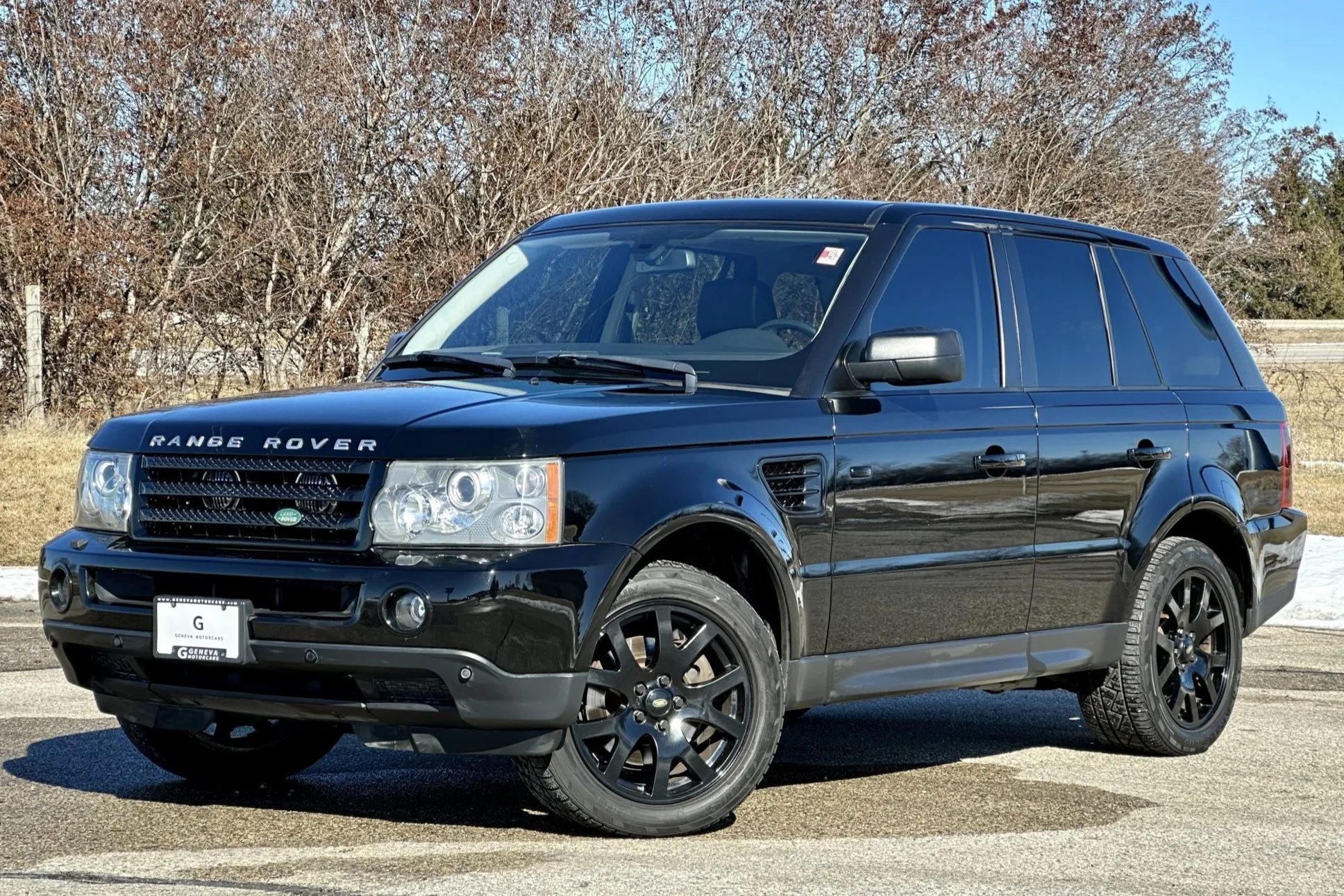
The 2008 Land Rover Range Rover Sport is a luxury performance SUV that combines British style, on-road capability, and off-road prowess. Smaller and sportier than the flagship Range Rover, it targets style-conscious buyers seeking an athletic, urban-friendly SUV while retaining Land Rover’s legendary four-wheel-drive capabilities.
With its sleek exterior, tapered roofline, and powerful engines, the 2008 Sport makes a strong road presence statement. Prices for used examples can be found for around $9,500, but buyers should be aware of potential reliability concerns common with late-2000s Land Rovers.
The 2008 Range Rover Sport comes with two V8 engine options. The HSE model features a 4.4-liter V8 producing 300 hp and 315 lb-ft of torque, while the Supercharged version uses a 4.2-liter blown V8 generating 390 hp and 410 lb-ft of torque.
Both engines are paired with a six-speed automatic transmission with adaptive shift logic, optimizing performance based on driving conditions. The Supercharged model accelerates from 0–60 mph in 7.1 seconds.
Despite its sporty ambitions, the SUV weighs 5,670 pounds, which tempers acceleration and agility. Fuel economy is modest, with 12 mpg city and 18 mpg highway for both engine options.
The Range Rover Sport retains Land Rover’s permanent 4WD system, a two-speed transfer case, and the Terrain Response System, which adjusts traction, suspension, and electronics for diverse surfaces, including mud, sand, snow, and rock. Properly equipped models can tow up to 7,700 pounds, reflecting their versatile utility.
The Range Rover Sport Supercharged delivers a compelling combination of power, traction, and handling. Retuned suspension and steering, along with available active roll control, allow the SUV to handle paved roads with surprising agility while maintaining off-road capability.
Ride quality is balanced, and the Supercharged model’s torque ensures confident acceleration in most conditions. Although not as nimble as lighter performance SUVs, the Sport competes well against the BMW X5, Porsche Cayenne, and Mercedes-Benz M-Class in terms of driving dynamics.
Inside, the 2008 Range Rover Sport offers a luxurious cabin trimmed in high-quality English leather and accented with solid wood. The elevated “stadium-style” seating provides excellent visibility, and the geometric dashboard layout is simple and functional, though some switchgear can be awkward to reach.
The SUV comfortably seats four adults, with five possible in a pinch. Rear seat comfort is slightly compromised due to the contoured bench design and sloping roofline. Cargo capacity is 71 cubic feet, which is average for the segment, though the sloping rear glass limits the practicality for large or bulky items.
Safety features include antilock brakes, Brembo disc brakes on the Supercharged model, front side airbags, full-length side curtain airbags, and rollover-mitigating stability control. Hill-descent control enhances off-road confidence, ensuring that the Sport maintains a high safety standard for both on- and off-road driving.
The 2008 Range Rover Sport blends British luxury, off-road capability, and on-road performance in a sleek, athletic package. While its weight and modest reliability may be drawbacks, the Sport offers competitive power, handling, and towing capacity.
Its commanding presence, refined interior, and Terrain Response technology make it a versatile SUV for those seeking a balance between everyday usability, high-speed performance, and traditional Land Rover adventure credentials.
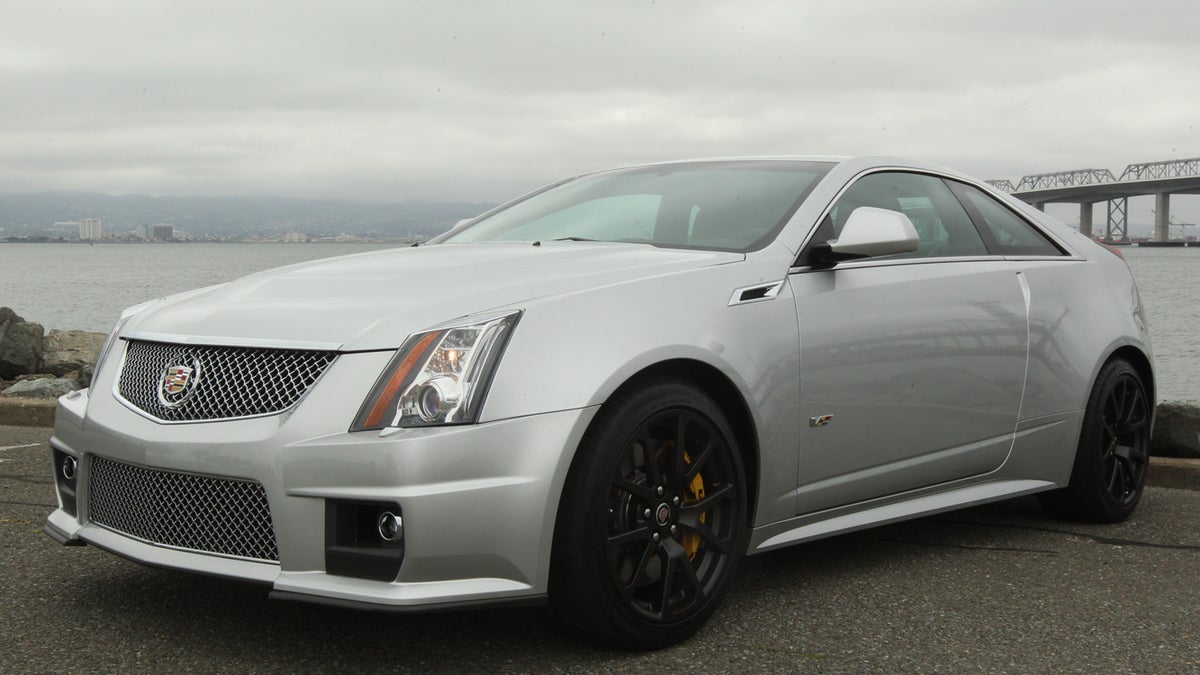
4. 2011 Cadillac CTS-V
The 2011 Cadillac CTS-V is a high-performance version of Cadillac’s midsize CTS sedan, blending muscle-car power with luxury sedan refinement. Introduced in 2004, the CTS-V distinguishes itself from the standard CTS with a supercharged 6.2-liter V8, sport-tuned suspension, and upgraded brakes.
Sleek, fast, and relatively affordable, the 2011 CTS-V competes with high-end German rivals such as the Audi RS6, BMW M5, and Mercedes E63 AMG, but at a fraction of the price. While new models started around $59,995, used 2011 examples can now be found for approximately $26,000, offering exceptional value for a performance sedan that combines style, power, and everyday usability.
The heart of the 2011 CTS-V is a supercharged 6.2-liter LSA V8 producing 556 hp and 551 lb-ft of torque, a slightly detuned version of the Chevrolet Corvette ZR1 engine. A six-speed manual is standard, while a six-speed automatic with steering-wheel shift buttons is optional.
Performance is impressive: Edmunds testing recorded a 0–60 mph sprint in 4.3 seconds for the automatic model, with a quarter-mile time of 12.4 seconds at 114.7 mph. Fuel economy is modest, with the manual returning 14 mpg city/19 mpg highway (16 combined) and the automatic rated at 12/18/14 mpg.
The CTS-V’s Magnetic Ride Control suspension allows driver-selectable Tour or Sport modes, balancing ride comfort with precise handling. While the sedan’s 4,300-pound weight limits agility on tight corners, its raw power and acceleration more than compensate on straightaways.
The CTS-V delivers exhilarating acceleration and confident handling. The V8’s torque and supercharger provide effortless thrust, while the optional Recaro seats improve driver support during spirited driving.
The manual transmission offers a firm, progressive clutch, but the automatic in Sport mode produces quicker acceleration for most drivers. Braking is excellent, with a tested 60–0 mph stopping distance of 109 feet. The CTS-V manages to combine muscle-car excitement with the refinement needed for daily driving and long road trips.
Inside, the CTS-V cabin resembles that of the standard CTS but features subtle upgrades, including faux suede trim on the seats, steering wheel, and shift knob. Materials are high quality, and the layout is both functional and visually appealing.
Headroom and legroom are generous for a midsize performance sedan, though the standard front seats lack adequate support, a shortcoming addressed by the optional Recaro seats.
The rear seat accommodates passengers comfortably, but trunk space is limited to 13.6 cubic feet, and the opening is narrow, making it challenging to load bulky items. A trunk pass-through is included, but split-folding rear seats are not available.
Safety features include antilock disc brakes, stability and traction control, front side airbags, side curtain airbags, and GM’s OnStar emergency system. The CTS-V inherits strong crash-test performance from the standard CTS, earning “Good” ratings from IIHS in frontal and side-impact tests and high government ratings for front- and rear-passenger protection.
The 2011 Cadillac CTS-V combines world-class performance, luxury, and value in a compelling package. Its supercharged V8, precise suspension, and capable brakes make it competitive against top-tier performance sedans, while the spacious cabin and upscale materials ensure daily usability.
Minor drawbacks, such as the heavy curb weight and standard seat comfort, are outweighed by the CTS-V’s thrilling performance and affordability, making it a standout option in the performance sedan segment.
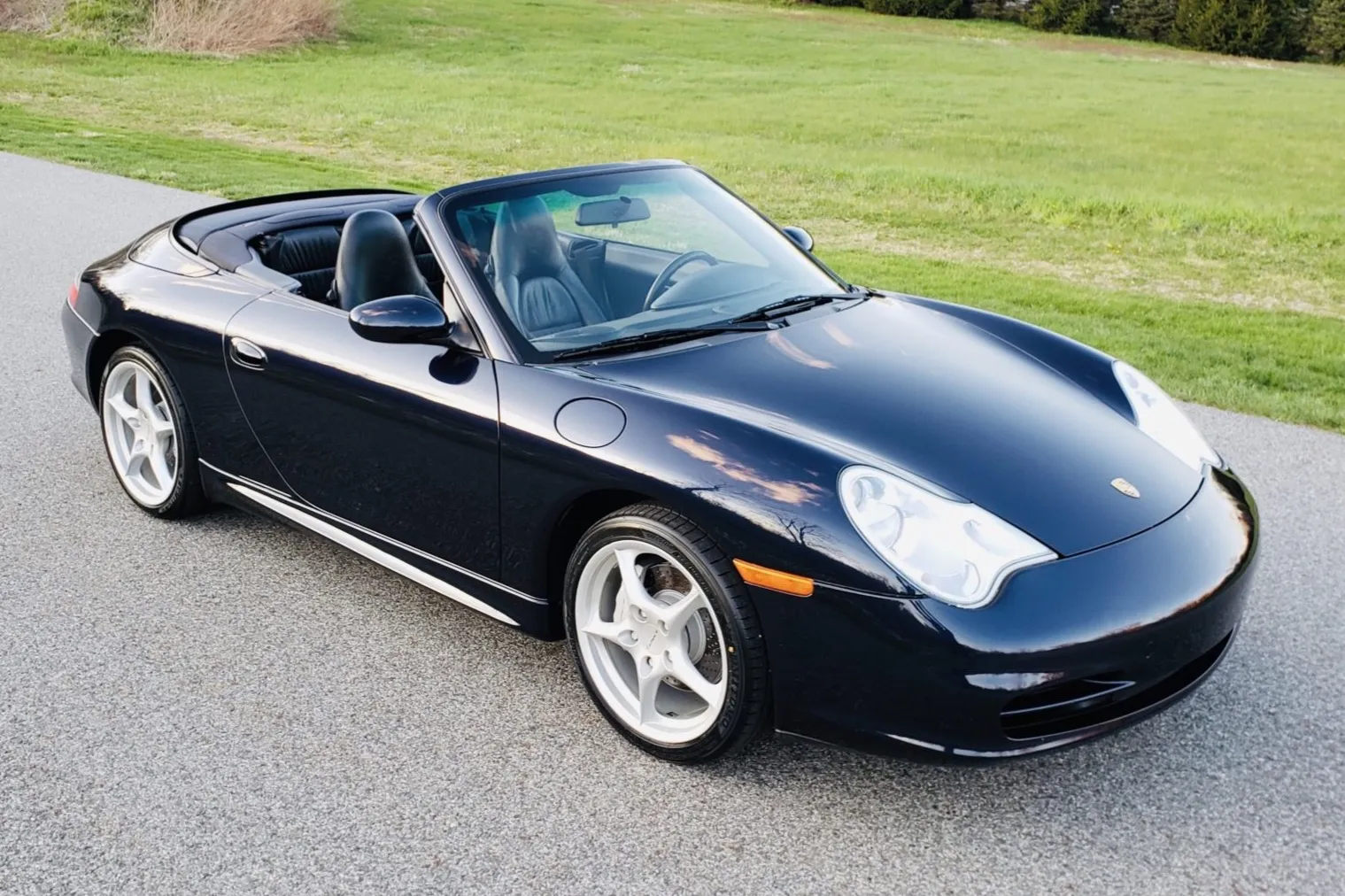
5. 2003 Porsche 911 Cabriolet
The 2003 Porsche 911 Cabriolet represents an attainable entry into the world of high-performance sports cars, with used models available for around $35,000, well below the six-figure mark often associated with Porsche ownership.
Since its debut in 1963, the 911 has become one of the most iconic and longest-running sports cars in production, celebrated for its rear-engine layout, distinctive design, and driving dynamics.
Ranked fifth in the international “Car of the Century” poll in 1999, the 911 has earned its cult status among enthusiasts and racers alike. The 2003 Cabriolet continues this legacy with a blend of performance, refinement, and daily usability.
The standard 2003 911 models come equipped with a 3.6-liter, rear-mounted, horizontally opposed six-cylinder engine producing 315 horsepower and 273 lb-ft of torque.
Performance escalates with the Turbo variant, which generates 415 hp and 413 lb-ft of torque, enabling 0–60 mph acceleration in just 3.9 seconds and a top speed near 189 mph.
At the extreme end, the GT2 pushes out 456 hp and 450 lb-ft, shedding weight for even sharper performance but omitting stability control, making it suitable only for skilled drivers.
Transmission options include a six-speed manual or a five-speed Tiptronic S automatic, while Carrera 4 and Turbo models add all-wheel drive and Porsche’s stability management system (PSM) for enhanced control.
The 911’s appeal lies in its ability to balance everyday drivability with exhilarating performance. Driven gently, it is docile and easy to maneuver. Push harder, and the flat-six roars to life, delivering explosive acceleration through the first four gears while its powerful brakes inspire confidence.
Handling is a highlight: the 911 remains composed through corners, with neutral balance, precise steering, and reassuring feedback that encourages spirited driving.
However, in heavy traffic, the heavy clutch can feel tiring, leading some buyers to prefer the Tiptronic automatic. Regardless of setup, the 911 offers an engaging and rewarding driving experience.
Safety features for the 2003 911 include standard side airbags and ABS, while stability control is included on Carrera 4 and Turbo models and optional on others (except the GT2).
Though formal crash test ratings were not available, Porsche’s engineering reputation and the inclusion of modern driver aids help ensure strong safety credentials.
Inside, the 911’s cabin delivers a sporty yet refined environment, though not without quirks. Materials are generally high quality, but some controls, such as flimsy stalks and an awkwardly placed cupholder, fall short of expectations at this price point.
The sunroof opening is small, though the Carrera Targa provides a larger glass roof alternative. Options are extensive, allowing for significant customization with wheels, trim, and tech features, though add-ons can easily push costs upward by thousands. Optional Recaro-style seating and stability control are recommended for those planning spirited driving.
For 2003, the lineup included six models: Carrera Coupe, Carrera Cabriolet, Carrera 4 Coupe, Carrera 4 Cabriolet, 911 Turbo, and 911 GT2. Each offers its own mix of performance, handling, and features, catering to different tastes and budgets.
The 2003 Porsche 911 Cabriolet blends heritage, performance, and prestige in a package that remains surprisingly affordable on the used market. With thrilling acceleration, sharp handling, and unmistakable design, it delivers supercar performance for a fraction of the cost.
While some interior shortcomings and expensive options remain drawbacks, the 2003 911 is a compelling choice for enthusiasts seeking a legendary sports car experience without the supercar price tag.
Also Read: 10 Classic Cars That Are Still Affordable to Own
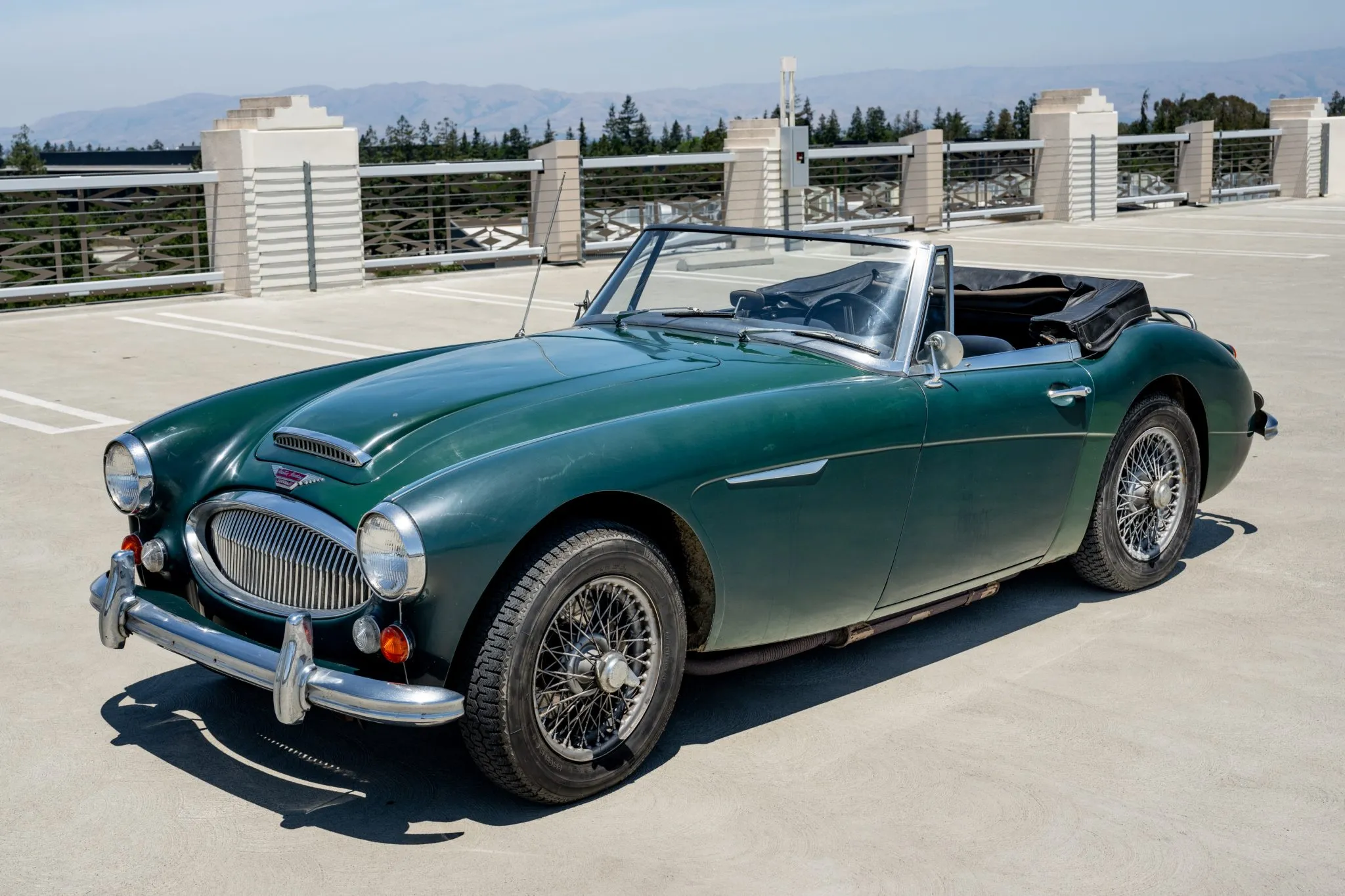
6. 1966 Austin-Healey 3000 MK III
The Austin-Healey 3000 MK III stands as one of the most celebrated British sports cars of the 1960s. Produced between 1959 and 1967, the 3000 was admired for its blend of style, power, and rally-winning performance.
Known as a “Big Healey,” the MK III was the final and most refined version of the series, making it highly desirable among collectors today. Priced typically between $50,000 and $70,000, this 1966 example offered at $38,950 represents a rare opportunity to own a piece of motoring history without breaking into six figures.
The MK III debuted in 1964 with notable improvements, including a boost in power from 136 to 150 horsepower, thanks to its 3.0-liter inline-six engine. It was also the first Healey 3000 to feature the speedometer directly in front of the driver, reflecting a more driver-focused design.
Enhancements such as power brakes and a softer trailing-arm rear suspension improved both handling and comfort, while maintaining the raw, engaging driving experience that made the 3000 a motorsport success. Rally victories in Europe cemented its reputation, and it remains competitive in vintage racing circles.
This particular 1966 Austin-Healey was completed in September 1965 and originally delivered to a dealer in New York in Dark British Racing Green over black trim.
Factory equipment included wire wheels, a heater, an adjustable steering column, a laminated windscreen, Roadspeed tires, and an overdrive transmission. Documentation from the British Motor Industry Heritage Trust confirms its authenticity and original specifications.
In 2019, the car underwent a complete restoration by Healy Lane Restoration in Oregon, a specialist renowned for precision work on Austin-Healeys. Stripped down to its chassis, it was rebuilt with meticulous attention to detail.
The exterior now shines in Golden Beige Metallic paired with red Ambla vinyl upholstery, accented by Dunlop-style 60-spoke wire wheels and polished chrome trim. Photo documentation verifies the extensive work completed.
Since restoration, the vehicle has seen minimal road use, preserving its fresh condition. The odometer reflects low mileage, and the restoration, now about three years old, shows little to no deterioration.
The car is sold with a driver’s handbook, tonneau cover, spare wheel, and a Thor hammer. Supporting documents include the BMIHT certificate and restoration photographs, ensuring both provenance and peace of mind for collectors.
The 1966 Austin-Healey 3000 MK III blends timeless British styling, rally-bred performance, and collectible pedigree. With its thorough restoration, limited use, and competitive price, this example offers enthusiasts a chance to own one of the most iconic sports cars of its era, ready to turn heads at shows or deliver thrilling weekend drives.
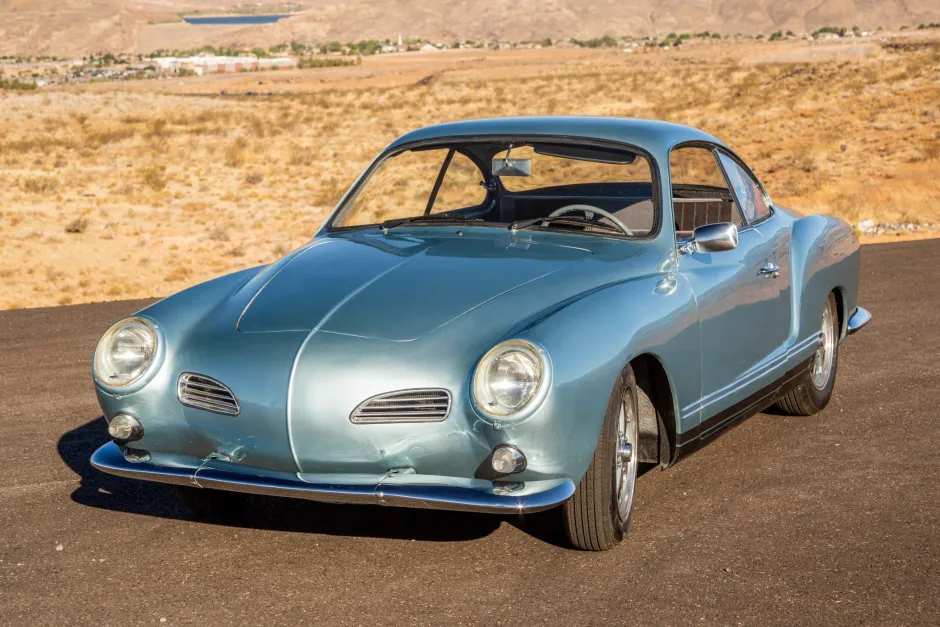
7. 1966 Volkswagen Karmann Ghia
The 1966 Volkswagen Karmann Ghia remains one of the most affordable and stylish classics on the market. Priced around $15,000, this hand-sculpted coupe blended Italian design, German engineering, and accessible ownership.
Underneath its beautiful curves, the Karmann Ghia shared its platform and mechanicals with the humble Volkswagen Beetle, including its 1.6-liter air-cooled engine producing just 43 horsepower. While it wasn’t a performance car, the Ghia’s allure was always about style, charm, and reliability rather than speed.
The Karmann Ghia was the result of an international collaboration: Italian designer Luigi Segre of Carrozzeria Ghia created the sleek bodywork, while German coachbuilder Karmann hand-assembled each vehicle. The result was a low-slung, flowing design with pointed front fenders, a gently rounded rear, and minimalist chrome accents.
Inside, simplicity and quality reigned, with vinyl upholstery, functional controls, and tasteful chrome trim. Chrome-ringed gauges, durable materials, and a straightforward dashboard kept the focus on usability while adding a touch of elegance. Available in both coupe and convertible forms, the Ghia offered style accessible to a wider audience than most sports cars of the time.
Introduced in 1955, the Karmann Ghia was more about democratizing beauty than setting performance benchmarks. It bridged the gap between practical economy cars and high-end European sports coupes, showing that a stylish design could be affordable.
By 1966, the model had firmly established itself as a design icon. Its presence in popular culture, driven by celebrities like John Lennon and appearances in film and television, cemented its place as one of Volkswagen’s most enduring creations.
Performance was modest, with a top speed near 90 mph and leisurely acceleration. But on the road, the Karmann Ghia’s lightweight construction and balanced chassis gave it nimble handling, particularly on winding routes.
Predictable steering, reliability, and the unique sound of the rear-mounted flat-four engine gave the driving experience its own character. While it couldn’t match sports cars from Porsche or Alfa Romeo, it delivered more charm per mile than most rivals in its price bracket.
As it shared its engine and mechanicals with the Volkswagen Beetle, parts availability and maintenance were straightforward. Owners appreciated its reliability, though rust was a common concern if not carefully managed. For enthusiasts today, the Karmann Ghia represents an affordable entry point into classic car ownership, suitable as both a showpiece and a weekend cruiser.
Between 1955 and 1974, Volkswagen produced over 445,000 Karmann Ghias, making them one of the most popular stylish coupes of their era. While they are not ultra-rare, condition and originality play a significant role in value. A well-kept 1966 example typically sells for $10,000–$20,000, while pristine, restored models can reach $30,000 or more.
The 1966 Volkswagen Karmann Ghia is a timeless expression of mid-century automotive design. Combining Italian elegance with German dependability, it offered attainable style in an era when most sports cars remained exclusive luxuries.
More than half a century later, it continues to charm enthusiasts with its beauty, simplicity, and practicality, an affordable icon that proves style never goes out of fashion.
8. 1981 Ferrari Mondial 8
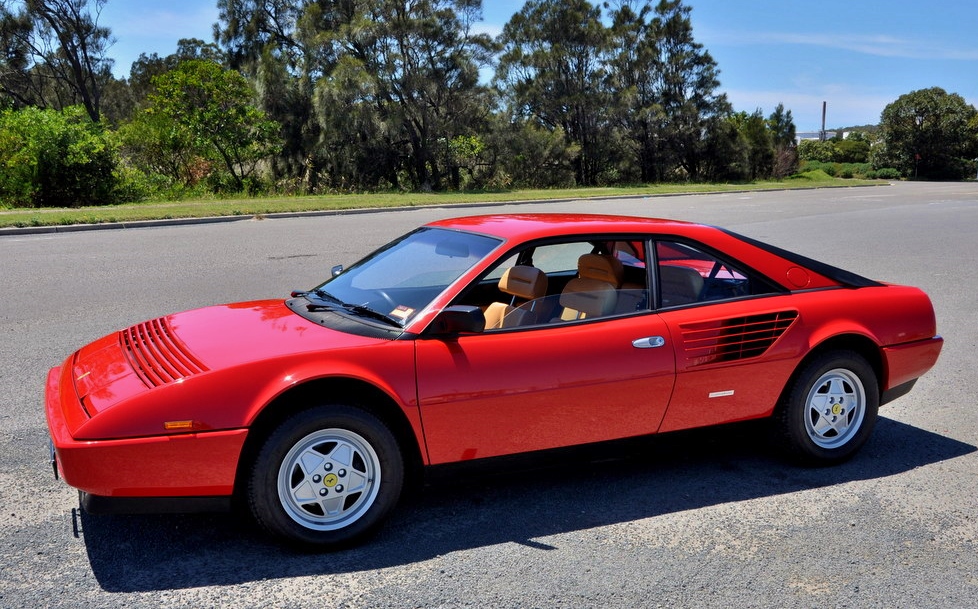
The 1981 Ferrari Mondial 8 occupies a controversial place in Ferrari history. Launched as a mid-engined, V8-powered coupe, it was the first Mondial and carried a relatively modest price tag. Today, you can still find examples for around $30,000.
With its 3.0-liter Tipo V8 producing about 214 horsepower, paired to a gated five-speed manual transmission, the Mondial 8 offered Ferrari ownership at a fraction of the cost of Maranello’s legends. Yet, it remains one of the most criticized Ferraris, regarded by purists as underpowered and stylistically bland compared to its stablemates.
Styled by Pininfarina, the Mondial 8 was more practical than beautiful. Its lines were soft and restrained, with side intakes often criticized for disrupting the design flow.
The 2+2 configuration suggested rear-seat usability, but space was so tight that only children or “Venus de Milo,” as critics joked, could fit comfortably. This compromised practicality made the rear seats nearly useless in real-world terms.
Inside, the Mondial featured a mix of leather and plastics, with some awkwardly executed details. Electronic conveniences like remote trunk and fuel door releases, and even a solenoid-operated glovebox, hinted at Ferrari experimenting with 1980s “electricks.” While quirky, these additions were far from Ferrari’s traditional mechanical purity.
Unlike the notoriously demanding Ferraris of earlier decades, the Mondial 8 was surprisingly user-friendly. The clutch was smooth, the steering lighter, and the brakes manageable. The gated shifter remained characteristically notchy, but drivability was more forgiving than in Ferrari’s past.
However, performance fell short of expectations. Despite its 3.0-liter V8, the Mondial 8 weighed nearly 3,560 pounds, making it slower than rivals like the turbocharged Porsche 924 and Datsun 280ZX.
The exhaust note was a refined purr rather than the aggressive shriek associated with Ferrari, and acceleration was subdued. It drove more like a relaxed grand tourer than a sharp-edged exotic, lacking the visceral thrills most buyers associated with the prancing horse.
What the Mondial 8 lacked in performance, it made up for in comfort. The ride was composed, thanks to well-calibrated suspension and Michelin TRX tires. Unlike earlier Ferraris that demanded constant attention, the Mondial allowed for long-distance touring without fatigue.
Interior space in the front was decent, offering more elbowroom and visibility than the 308 GTBi. In many ways, it was Ferrari’s most civilized car of the era, prioritizing accessibility over raw excitement.
Reception at launch was mixed to negative. Many critics questioned whether the Mondial 8 was a “true Ferrari,” citing its modest speed and uninspired styling. Compared to icons like the 308 or Testarossa, it felt tame and diluted.
Yet, Fiat’s influence on Ferrari during this period reflected a shift toward profitability and broader appeal, making the Mondial 8 one of the brand’s most democratic models.
Still, the Mondial delivered core Ferrari traits: mid-engine balance, a gated shifter, and Italian flair, albeit softened for comfort and usability. For enthusiasts seeking the Ferrari badge without the extreme demands of earlier models, it offered a unique compromise.
The 1981 Ferrari Mondial 8 may never escape its reputation as the “least Ferrari-like Ferrari,” but its significance lies in accessibility. It marked Ferrari’s effort to balance tradition with practicality, producing a car that anyone could drive daily without intimidation.
While not a performance legend, it remains an affordable gateway into Ferrari ownership, a curious chapter in Maranello’s history where comfort briefly took precedence over raw excitement.
9. 1961 Chevrolet Corvette
The 1961 Chevrolet Corvette, priced today around $55,900, stands as one of the most iconic American sports cars. Part of the first-generation C1 series (1953–1962), the 1961 model year represented the ninth year of production and introduced significant updates that shaped Corvette’s future identity.
With its sleek new design, wide range of engine options, and reputation for performance, the ’61 Corvette continues to be highly prized among collectors and enthusiasts alike.
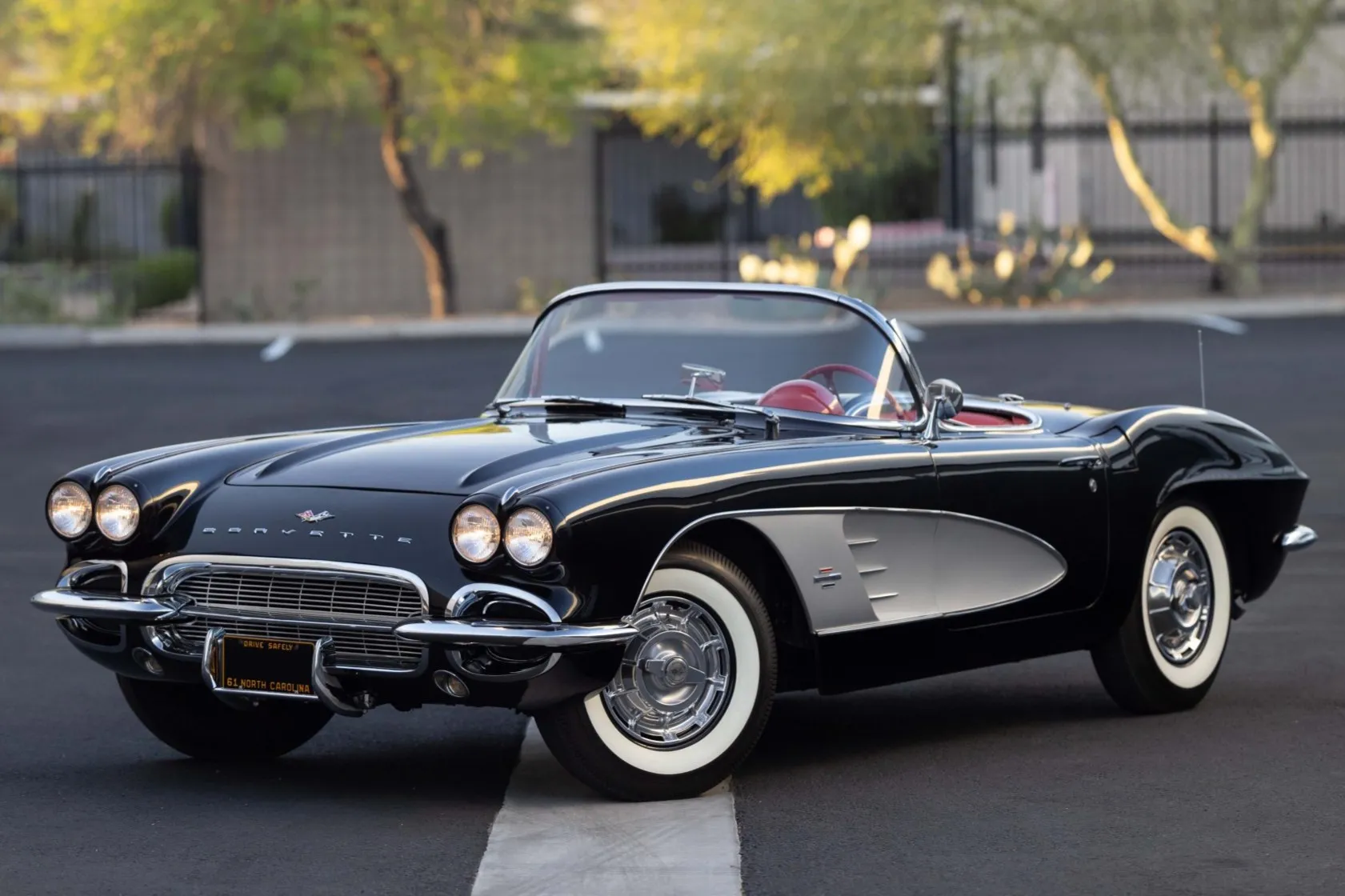
Chevrolet gave the 1961 Corvette a refreshed look. The most notable changes were the elimination of the toothy grille, replaced with a cleaner argent silver finish, and the debut of the now-iconic quad taillights, setting a tradition carried through generations of Corvettes.
The rear end adopted a more sculpted look, while subtle styling tweaks such as round fender scoops modernized the profile. This was also the final year for the two-tone side cove paint treatment.
Color choices included seven factory options such as Roman Red, Ermine White, Honduras Maroon, and the rare Jewel Blue, offered only in 1961. Optional two-tone combinations allowed further personalization, while buyers could choose between black or white convertible tops. With 10,939 units produced, Roman Red was the most popular choice, while Sateen Silver was the rarest.
The 1961 Corvette offered five engine configurations, all based on the 283ci V8. Power ranged from the base 230 hp with a single 4-barrel carburetor to the top-performing 315 hp Ramjet fuel-injected version. Compression ratios varied between 9.5:1 and 11.0:1 depending on the setup.
Performance figures were impressive for the era. A properly equipped 1961 Corvette could sprint from 0–60 mph in 6.6 seconds and cover a quarter mile in just over 14 seconds, making it one of the fastest American sports cars of its time.
The standard transmission was a three-speed manual, but buyers could upgrade to a four-speed manual or the two-speed Powerglide automatic. In 1961, Chevrolet introduced an aluminum-case four-speed option, reducing weight and improving durability.
Suspension consisted of independent front coil springs with unequal-length A-arms and a solid rear axle with multi-leaf springs, supplemented by a stabilizer bar. This provided responsive handling while still maintaining a comfortable ride. Optional heavy-duty suspension and brake packages cater to enthusiasts seeking track-ready performance.
The 1961 Corvette cabin balanced sportiness with comfort. Four vinyl interior colors, black, blue, fawn, and red, were paired with bucket seats, padded dash panels, and safety belts. Power windows, a transistorized signal-seeking radio, and auxiliary hardtops were optional luxuries.
The interior design emphasized both driver focus and passenger comfort, highlighted by details like a competition-style steering wheel and cranked or optional power-operated windows.
As the last Corvette to feature two-tone side coves and 283ci engines, the 1961 model holds a special place in Corvette history. Its introduction of quad taillights and sleeker styling previewed the second-generation Sting Ray, launched in 1963.
With under 11,000 built and several rare color and option combinations, values vary significantly depending on condition and originality, with concours examples commanding premium prices.
The 1961 Chevrolet Corvette blends timeless styling, spirited performance, and historical significance. Representing the transition from Corvette’s early years into its golden age, it remains one of the most admired and collectible American classics. For around $56,000, it delivers both the prestige of vintage sports car ownership and the thrill of driving one of America’s true icons.
Driving a car that looks, feels, and performs like it belongs in a millionaire’s garage doesn’t have to be an impossible dream. The nine cars on this list prove that style, performance, and prestige can be bought smartly, often for less than the cost of a new economy sedan.
From the Jaguar XJL Portfolio’s refined luxury to the Porsche 911’s timeless thrill, each model delivers character and presence far beyond its price point. Yes, some require extra care or specialized maintenance, but that’s part of the charm of owning a car with a genuine pedigree.
What they all share is the ability to turn heads, spark conversations, and make every drive feel like an occasion. If you’ve ever wanted to experience the elegance of a classic cruiser, the rush of a performance icon, or the prestige of an exotic badge without breaking the bank, these cars are your gateway to affordable luxury.
Also Read: 5 Cars That Rarely Need Costly Suspension Work vs 5 That Constantly Do