
When people think of smart investments, they often consider gold, real estate, or stocks. Yet, some cars can deliver returns that rival or even surpass those traditional assets.
While most vehicles lose value quickly, a select group consistently retains strong resale prices thanks to reliability, engineering quality, and long-lasting appeal. These models are more than daily transportation; they represent dependable investments for the future.
In this guide, 10 Cars That Hold Value Better Than Gold, we highlight vehicles that combine practicality with staying power.
From versatile SUVs and efficient hybrids to performance favorites and rugged trucks, these cars prove that making the right automotive choice can protect your money while still offering comfort, performance, and style. Each one on this list demonstrates that depreciation is not always inevitable, and with the right decision, your next car can hold its value better than expected.
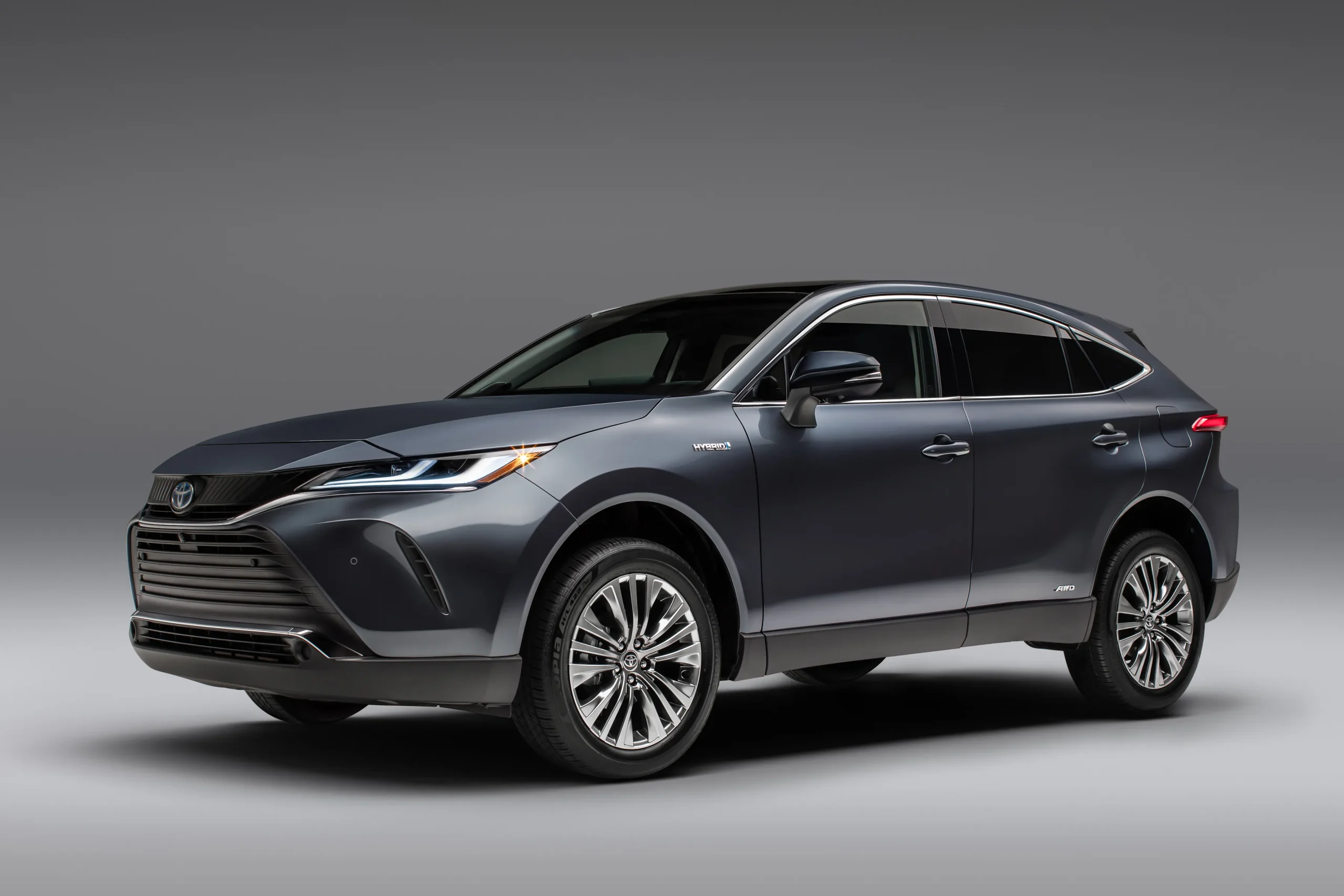
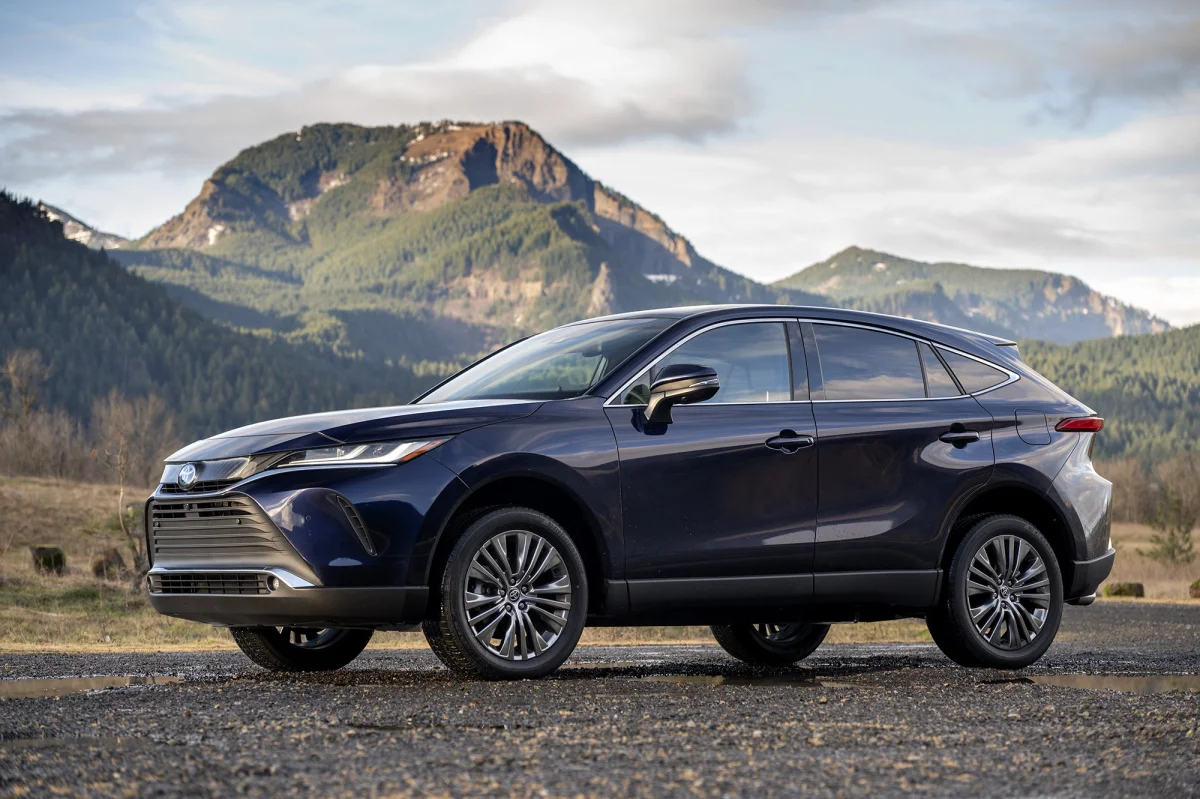
1. Toyota Venza: Stylish, Efficient, and Comfort-Focused
The Toyota Venza holds a strong position in the midsize hybrid SUV market, offering a unique blend of efficiency, comfort, and premium-like features. Priced at an average of $35,070, it retains considerable value, averaging $26,810 after three years of ownership.
That’s a depreciation of only 23.55% ($8,260), making it a solid investment compared to many rivals. While Toyota has since replaced it with the Crown Signia SUV, the Venza remains a compelling choice in terms of value retention and refined design.
On the road, the Venza performs better than its numbers suggest. Its 4-cylinder hybrid system produces 219 horsepower, achieving 0–60 mph in 7.6 seconds. Though not as sporty as a Honda Passport, it’s quicker than a V6 Jeep Grand Cherokee.
Handling is composed and confident, if not athletic, while Toyota’s hybrid expertise ensures smooth and responsive power delivery in daily driving. This balance makes the Venza an appealing crossover for those prioritizing efficiency over aggressive performance.
Comfort is where the Venza truly excels. Toyota has crafted an SUV that feels closer to a Lexus than a typical midsize crossover. The cabin is quiet, road and wind noise are minimal, and ride quality is plush. Bumps and highway dips are absorbed with ease, enhancing long-distance comfort.
Seats are supportive, with heating and ventilation available up front, though the ventilation could be stronger. Rear passengers benefit from reclining seatbacks, climate vents, and ample comfort, making the Venza well-suited for both commuting and family use.
Inside, the Venza presents a premium design, though space is somewhat limited. It matches the Toyota RAV4 in roominess, which is less generous than larger midsize rivals like the Honda Passport or Subaru Outback.
Still, the cabin is far from cramped, and thoughtful features such as the optional 12.3-inch infotainment screen improve the experience. The interface is intuitive, though touch-sensitive climate and audio controls are less user-friendly than traditional buttons.
Visibility is strong in front, though the thick rear pillars restrict rearward views. Thankfully, features such as blind-spot monitoring and available 360-degree cameras compensate well.
Technology is another highlight. Standard features include Apple CarPlay, Android Auto, multiple USB ports, and available wireless charging. Toyota equips the Venza with one of the best safety suites in its class, including adaptive cruise control with stop-and-go and lane centering assist.
A standout innovation is the electrochromic panoramic sunroof, which transforms from clear to opaque at the push of a button, brightening the cabin without excessive heat or glare.
Practicality is somewhat limited compared to the competition. With 28.8 cubic feet of cargo space behind the rear seats, the Venza falls short of rivals and even the smaller RAV4. Cabin storage is modest, with smaller bins and no overhead sunglasses holder.
However, child seat installation is straightforward, with accessible anchors and sufficient rear space for most setups. On the downside, the Venza lacks a towing rating, which limits its versatility.
Where the Venza truly sets itself apart is fuel economy. The EPA estimates 39 mpg combined, but real-world testing returned an impressive 44.3 mpg, far surpassing every rival in its class. Even the Subaru Outback, the next most efficient competitor, only manages 29 mpg combined. For buyers prioritizing fuel savings, this is a game-changing advantage.
Finally, in terms of value, the Venza impresses. Starting at over $33,000, it’s not the cheapest option, but the combination of premium quality, advanced features, and Toyota’s strong warranty coverage makes it competitive. Coverage includes 10 years/150,000 miles for the hybrid battery, 8 years/100,000 miles for the powertrain, and two years of free maintenance with roadside assistance.
The Toyota Venza delivers a refined and efficient package that combines luxury-like comfort with class-leading fuel economy and strong resale value. Its limited cargo capacity and lack of towing ability may deter some buyers, but for those seeking a stylish, tech-rich, and highly efficient midsize SUV, the Venza stands out as one of the best choices in its category.
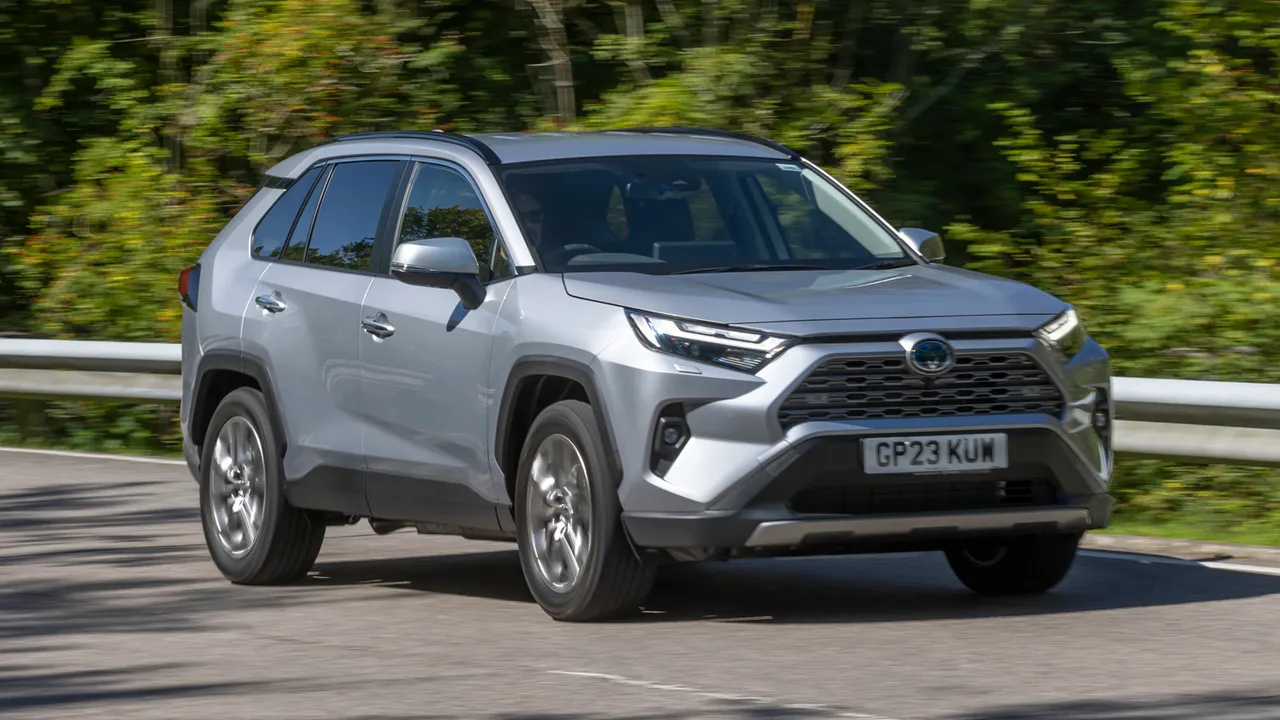
2. Toyota RAV4: Practical, Reliable, and a Strong Resale Performer
The Toyota RAV4 continues to be one of the most popular SUVs on the market, thanks to its reputation for reliability, practicality, and strong value retention. With an average new price of $28,675 and an average three-year resale value of $22,212, it experiences a depreciation of only 22.54% ($6,463).
This makes it one of the most dependable investments in the compact SUV segment. While it may not deliver thrills behind the wheel, its broad appeal ensures it remains a top seller year after year.
In terms of performance, the RAV4 is competent if somewhat unremarkable. Its 0–60 mph time of 9.1 seconds places it slightly behind the class average, and its steering feels vague at the center, sometimes requiring extra input.
However, the vehicle is drama-free in day-to-day driving, handling merging and passing adequately. The available all-wheel-drive system, especially on the Limited trim, enhances capability with torque vectoring and hill descent control, offering above-average off-road ability for a small SUV.
Comfort is a clear strength of the RAV4, which strikes a good balance between suspension control and ride softness. Bumps and uneven surfaces are absorbed smoothly without excessive float or bounce. The front seats are sculpted and padded well, though the seat bottoms can feel flat on long trips.
At highway speeds, the cabin remains quiet unless the engine is pushed hard, at which point the sound becomes coarse. The climate system is another strong point, with well-placed vents and effective airflow, including rear seat vents from the XLE Premium trim upward.
The interior design is practical and thoughtfully arranged. The driving position and outward visibility are excellent, though taller passengers may find the fixed high position of the front passenger seat uncomfortable.
The driver’s seat and steering wheel offer ample adjustment, and the controls are intuitive and easy to use. Rubberized knobs for climate settings feel durable and practical, though the touchscreen placement requires a slight reach. The design emphasizes usability and convenience over flash.
Technology is well-integrated, with standard Apple CarPlay and Android Auto, along with a straightforward mix of touch controls and physical buttons. While the graphics on the touchscreen look somewhat dated, the system remains responsive and easy to navigate.
Toyota equips the RAV4 with an impressive suite of standard driver-assist features, including adaptive cruise control, lane keeping, forward collision warning with automatic braking, automatic high beams, and even a traffic sign reader, putting it ahead of many rivals in terms of safety technology.
Storage capacity is a standout feature of the RAV4. With 37.5 cubic feet behind the rear seats and 69.8 cubic feet with them folded, it offers one of the largest cargo spaces in its class. The low cargo floor enhances ease of loading, and numerous small-item storage bins add practicality inside the cabin.
Parents will also find it family-friendly, with easy-to-access car seat anchors and ample space for most child seats, though rear-facing infant seats may require adjustments to the front passenger seat. Certain trims also allow for towing up to 1,500 pounds, providing versatility.
Fuel economy is another advantage. Depending on trim and configuration, the RAV4 achieves an EPA-estimated 28–30 mpg combined. Real-world testing shows consistent results, averaging 28.6 mpg over a long-distance, multi-condition drive. This makes the RAV4 efficient for its size and capability, even if hybrid models remain the better choice for maximizing fuel savings.
Finally, when it comes to value, the RAV4 shines. Interior materials are well-assembled, with soft-touch surfaces, layered finishes, and high-quality synthetic leather on higher trims.
Attention to detail, such as rubberized grips on knobs and door pulls, elevates the cabin beyond utilitarian design. Toyota provides average warranty coverage but includes two years or 25,000 miles of complimentary scheduled maintenance, further boosting ownership value.
The Toyota RAV4 may not deliver thrills, but its blend of practicality, comfort, cargo space, safety features, and resale value makes it one of the most balanced and reliable SUVs available. For buyers seeking a dependable, family-friendly vehicle that retains its worth, the RAV4 continues to be a top choice in the compact SUV market.
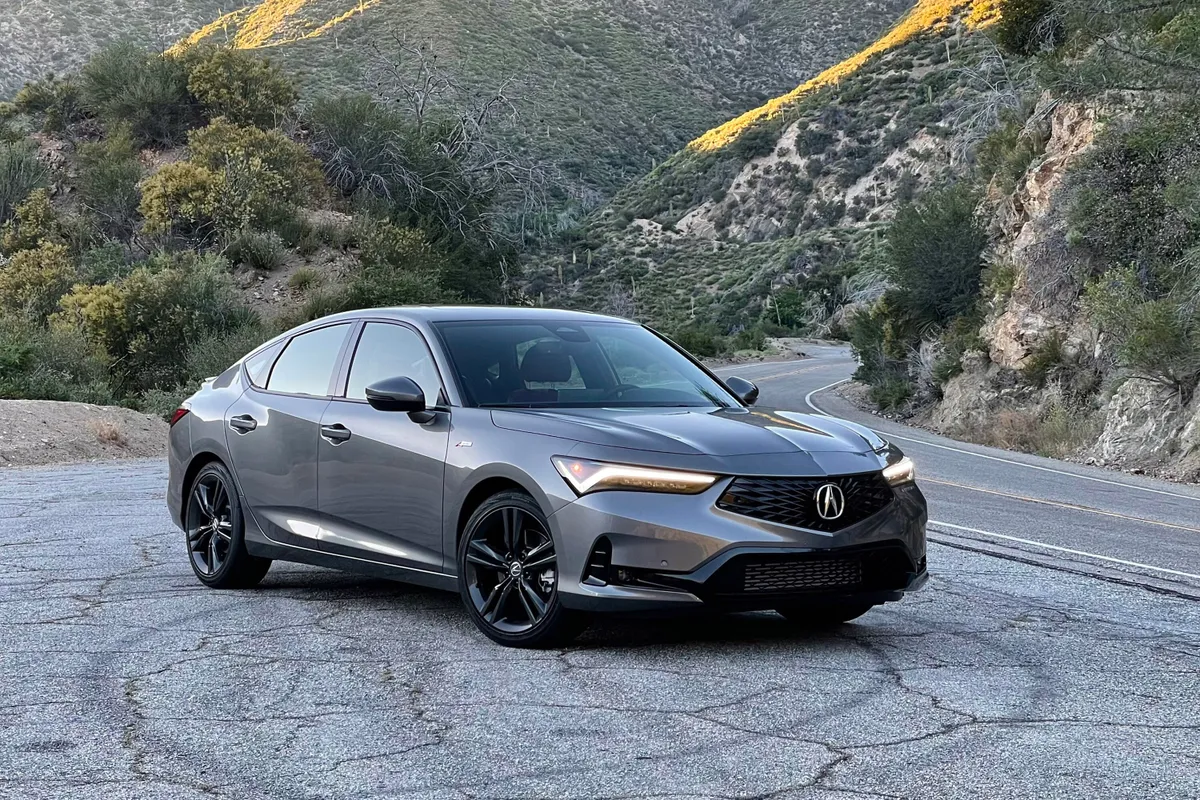
3. Acura Integra: Entry-Level Luxury with Practical Appeal
The Acura Integra ranks among the strongest performers in terms of resale value, with an average new price of $31,800 and a three-year resale value of $25,031. That translates to just 21.29% depreciation ($6,769), placing it eighth on the list.
Some critics dismiss it as a Honda Civic Si in upscale clothing, yet this connection is part of its strength. The Civic Si’s reputation for engaging dynamics carries over, while the Integra adds premium styling, features, and the practicality of a hatchback body style.
On the performance front, the Integra blends enthusiasm with a few shortcomings. Powered by a 200-horsepower turbocharged 1.5-liter engine, the manual version reached 60 mph in 7.8 seconds during testing, slightly slower than the lighter Civic Si.
Turbo lag is noticeable, but once revs climb, the engine delivers energetic power with echoes of Honda’s classic high-revving feel. The adaptive suspension available on higher trims improves composure, though body roll remains.
Braking is confident at 119 feet from 60 mph, edging out rivals like the Audi A3. The chassis feels capable of much more than the factory all-season tires allow, and buyers who want sharper handling would benefit from switching to summer tires.
Comfort is acceptable for the segment, though not class-leading. The ride is firm but manageable, especially with adaptive dampers, yet road noise is more pronounced than buyers might expect from a luxury nameplate. Seat comfort is adequate but lacks the refinement and support of true sport seats.
Features such as power-adjustable lumbar support and upgraded passenger seating require opting for the pricier A-Spec with Technology package. The climate system works reasonably well but is slower than desired in hot weather and offers no rear vents. Day-to-day livability is solid, but refinement trails behind traditional luxury rivals.
Inside, the Integra borrows heavily from the Civic, differentiated mainly by trim accents and color schemes. While this limits the premium feel, the Civic’s excellent fundamentals carry over: visibility is clear, ergonomics are strong, and controls are straightforward.
Rear seat space is generous, though the hatchback roofline reduces headroom. Practicality is a key strength, with 24.3 cubic feet of cargo capacity behind the rear seats roughly double that of many direct competitors. Folding seats add even more versatility, while plentiful small storage areas boost convenience for daily use.
Technology is a highlight for the Integra. Standard features include adaptive cruise control and lane-keeping assistance, even on manual transmission models, which is rare. Higher trims add a 9-inch touchscreen that responds quickly and integrates seamlessly with smartphones.
The optional ELS 3D audio system improves sound quality but doesn’t stand out in the entry-luxury segment. Fuel economy is commendable, with the manual rated at 30 mpg combined and the CVT at 33 mpg combined. Real-world testing confirmed these estimates, making efficiency one of the car’s practical advantages.
When it comes to value, the Integra straddles an unusual line. Its price premium over the Civic Si is difficult to justify in terms of luxury appointments, particularly given the use of a CVT in lower trims and the absence of significant mechanical upgrades.
Still, Acura supports the Integra with a strong six-year/70,000-mile powertrain warranty, and the hatchback layout delivers a versatility competitors can’t match.
The Acura Integra works best for buyers who want a fun-to-drive, fuel-efficient, and highly practical entry-level luxury car that retains its value well. It may not exude the polish of European rivals, but its combination of driving dynamics, warranty coverage, and hatchback utility ensures it remains a distinctive and rewarding choice in its class.
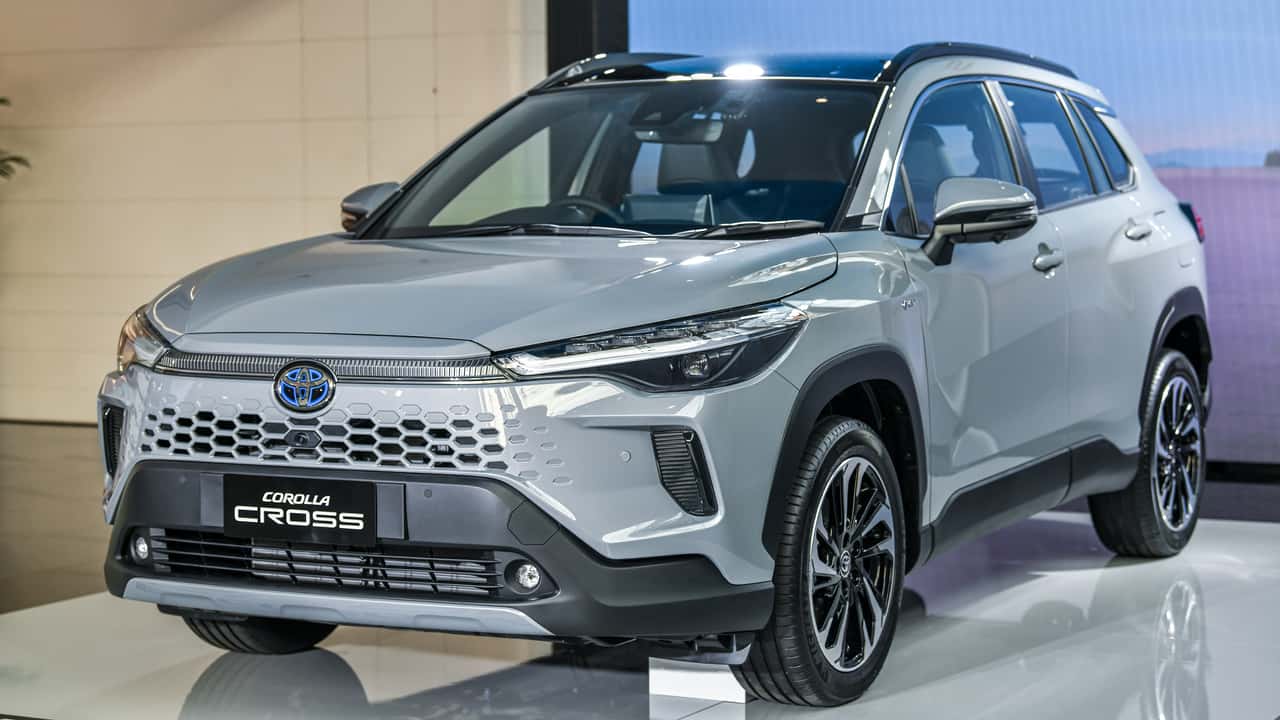
4. Toyota Corolla Cross: A Practical Compact SUV with Strong Value
The Toyota Corolla Cross secures a spot among vehicles with the best resale value, losing only 20.91% ($4,990) of its worth after three years. With an average new price of $23,860 and a resale value of $18,870, this crossover provides an attractive balance of affordability, fuel economy, and everyday utility.
Positioned between the smaller C-HR and the larger RAV4, it fills a sweet spot for buyers who want a reliable SUV without overspending.
On the road, the Corolla Cross favors comfort over excitement. The 0–60 mph time of 9.6 seconds in the AWD version mirrors other small SUVs in its class, meaning acceleration is adequate for city use but sluggish for highway passing. Handling is light and predictable, though its numb steering and soft suspension limit driving enjoyment. The payoff is a ride that absorbs bumps well and makes commutes stress-free.
Comfort is good, though not flawless. The front seats are reasonably cushioned but lack thigh support for taller drivers. Rear passengers enjoy a relaxed seatback angle, but limited legroom and narrow door openings reduce ease of access, particularly when installing car seats.
Road noise is noticeable at highway speeds, a common shortcoming in this segment. Climate control performance stands out, delivering strong cooling even in hot weather, and the inclusion of rear air vents adds to passenger comfort.
Technology is one of the Corolla Cross’s greatest strengths. The infotainment system is intuitive, with a 9/10 rating for its straightforward menus and responsive interface. Features like wireless Apple CarPlay/Android Auto, optional wireless charging, and multiple USB-C ports cater well to modern connectivity needs.
Integrated navigation with Google ratings adds convenience, though it requires a subscription after the trial period, which can be a drawback. Wireless smartphone pairing works smoothly most of the time but can be inconsistent.
Practicality remains central to the Corolla Cross’s appeal. Cargo capacity measures 25.2 cubic feet in AWD trims and 26.5 cubic feet with FWD, offering ample room compared to rivals. The wide opening makes loading easy, although folded seats don’t lie completely flat. Interior storage options are serviceable, though cupholders and bins are modest in size. Towing capacity of 1,500 pounds further extends versatility.
Fuel efficiency is competitive, with 30 mpg combined in AWD versions and 32 mpg with FWD. Real-world testing returned 33 mpg, validating EPA estimates. The Hybrid trim is even more impressive, combining 196 horsepower, all-wheel drive, and 42 mpg combined, making it the standout option in the lineup.
Value is strongest in lower trims, where standard features and Toyota’s reputation for durability shine. Higher trims, while better equipped, push the price into territory where competitors offer more upscale interiors. Warranty coverage is standard, but Toyota sweetens the deal with a two-year/25,000-mile complimentary maintenance plan that includes roadside assistance.
The Corolla Cross may not excite driving enthusiasts, but it excels as a dependable, efficient, and versatile compact SUV, meeting the practical needs of most buyers while holding its value exceptionally well.
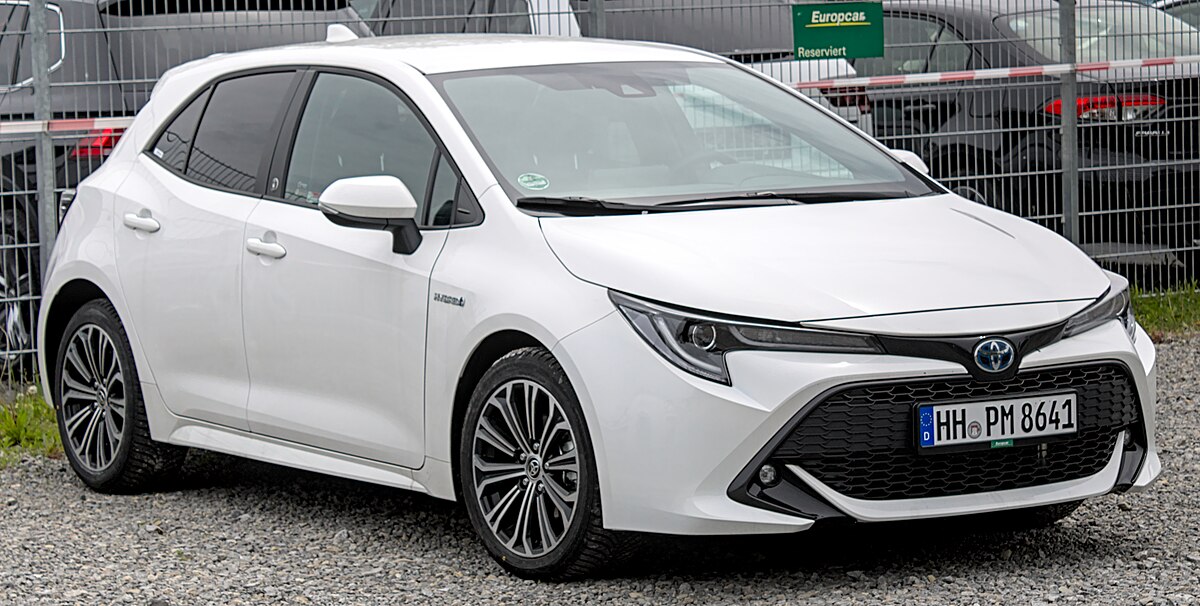
5. Toyota Corolla: A Timeless Symbol of Value and Dependability
The Toyota Corolla, the best-selling car of all time, continues to prove its staying power by holding on to value remarkably well. With an average new price of $22,050 and a three-year value of $17,439, its depreciation is just $4,611 (20.91%).
This makes it one of the most reliable long-term investments in the compact sedan segment. While the Corolla may not thrill driving enthusiasts, its reputation for affordability, efficiency, and dependability explains why it has been a global favorite for nearly six decades and across 12 generations.
From the outset, the Corolla’s strength lies in accessibility. It is a car nearly everyone has owned, driven, or ridden in, and that ubiquity speaks to its unmatched reputation as a safe, predictable choice. The latest generation, particularly the hybrid variant, carries that legacy forward by offering modern efficiency and features wrapped in a familiar, practical package.
On the performance front, the Corolla is modest but capable. In Edmunds’ testing, the sporty FX trim reached 0–60 mph in 8.8 seconds, a figure that trails some rivals and reflects the need for heavy throttle input when merging or overtaking on highways.
Handling is also more comfort-oriented, with noticeable body roll in turns and limited grip from its tires. That said, the continuously variable transmission (CVT) operates smoothly, and the car is easy to maneuver in city driving, which is where most owners will appreciate it most.
Comfort earns solid marks. The ride is composed and smooth across various surfaces, while the seats provide good support and adjustability. Cloth upholstery is actually preferable in hot climates since it breathes better than synthetic leather. However, the cabin is not without its drawbacks: road noise is persistent, especially at highway speeds, and the engine can sound strained under hard acceleration.
Inside, the Corolla shines with its logical and uncluttered layout. Controls are intuitive and thoughtfully placed, allowing drivers to focus on the road. Space is generous up front with excellent visibility, though the rear seats are tighter, especially in terms of headroom, which taller adults may find restrictive.
Technology is modern and functional, with standard 8-inch and optional 10.5-inch screens offering sharp visuals. Response times, however, can lag when using navigation or voice commands.
Toyota’s connected features such as remote start and phone-as-a-key are convenient but locked behind subscription fees. On the positive side, the Corolla includes Apple CarPlay, Android Auto, USB-C ports, optional wireless charging, and an upgraded JBL sound system, making it competitive in its class. Advanced driver aids are effective, with standout lane-keeping assistance that feels natural and unobtrusive.
Practicality is slightly mixed. The trunk’s 13 cubic feet of space is adequate but smaller than rivals, and the rear seatbacks don’t fold flat, limiting cargo flexibility. Interior storage compartments are minimal but sufficient for daily items. Families will appreciate the clearly marked child-seat anchors, which simplify installation.
Fuel economy is one of the Corolla’s strongest traits. The FX trim with its 2.0-liter engine and CVT is rated at 34 mpg combined, while the LE bumps that to 35 mpg. Impressively, real-world testing returned 40.2 mpg, underscoring Toyota’s efficiency claims. The Corolla Hybrid takes efficiency further, offering segment-leading mileage for those who prioritize fuel savings.
Value remains a hallmark of the Corolla. The cabin is attractively finished with solid build quality, and Toyota sweetens the deal with a two-year free maintenance plan a rare bonus in this segment. Combined with its reliability and proven resale strength, the Corolla remains a benchmark in compact cars, perfectly suited for buyers who want a dependable, efficient, and well-rounded vehicle.
Also Read: 5 Ford Ranger Years Worth Owning vs 5 That Constantly Break
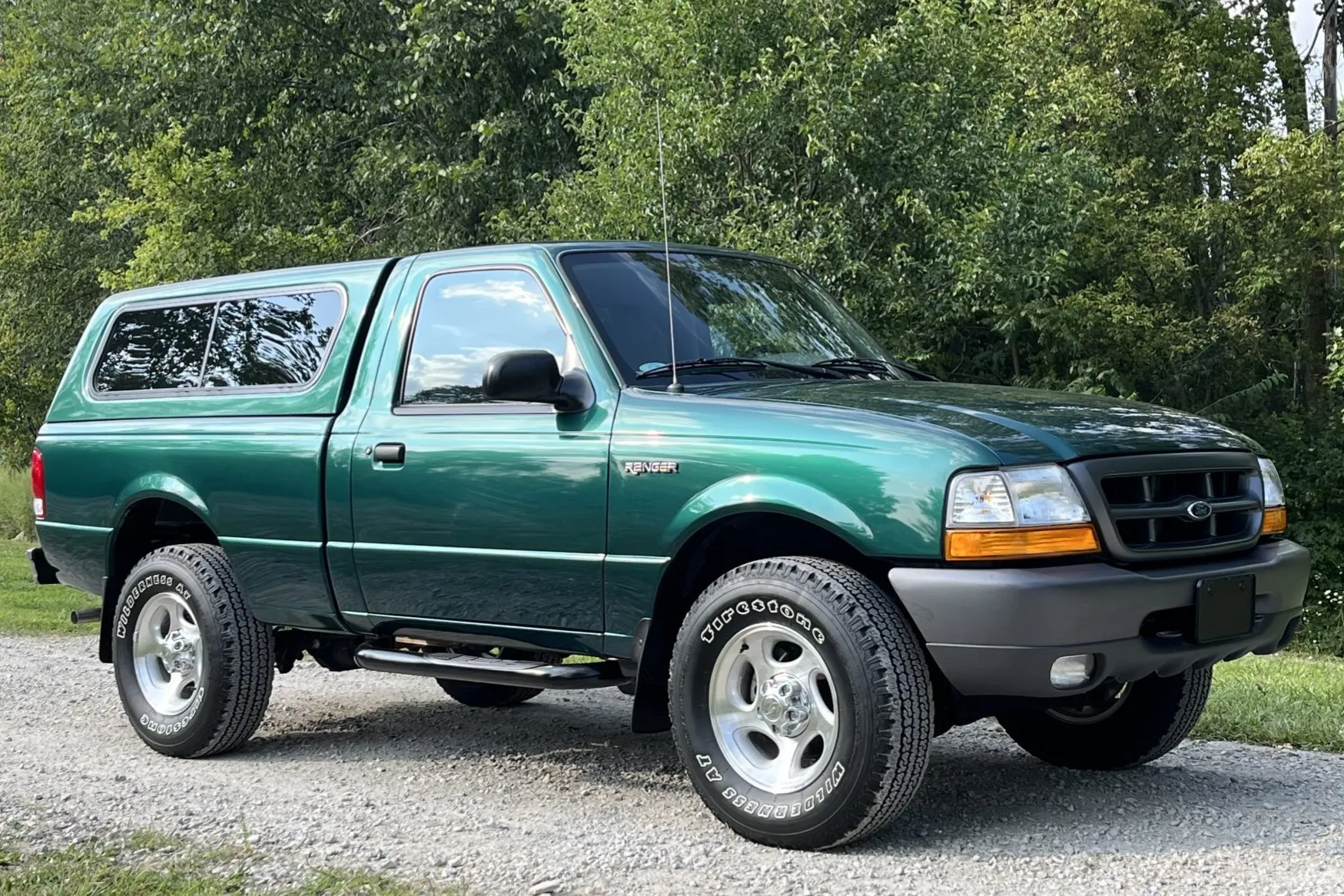
6. Ford Ranger: A Modernized Midsize Pickup with Power and Practicality
The Ford Ranger breaks into Toyota’s dominance on the best resale list, depreciating only 20.70% ($6,762) after three years. With an average new price of $32,670 and a resale value of $25,908, the Ranger’s mix of performance, refinement, and capability makes it a compelling option among midsize pickups.
A recent refresh has sharpened its styling and added new technology, while the introduction of the Raptor trim gives the Ranger serious off-road credibility to rival the Toyota Tacoma TRD Pro and Chevrolet Colorado ZR2.
Performance is one of the Ranger’s strongest qualities. The standard turbocharged four-cylinder engine is surprisingly stout, propelling a four-wheel-drive Ranger Lariat to 0–60 mph in just 6.7 seconds, a full second quicker than a Tacoma. The available V6 improves that time to 6.2 seconds, adding extra punch even if it doesn’t increase towing or payload ratings.
Around town, throttle response can feel a bit sluggish at low speeds, but acceleration is confident for highway merging and passing. Handling is stable for a pickup, with well-weighted steering that makes the truck feel easy to maneuver on the highway and in tight spaces.
Comfort is another highlight. The ride is smoother than many competitors, with front seats that remain supportive during long drives. The Raptor trim upgrades to bolstered seats that provide greater support for spirited off-road driving. Noise is the Ranger’s weak spot: under full throttle, the engine sounds coarse, but this issue is common across turbocharged four-cylinder trucks in the segment.
Inside, the Ranger offers an inviting cabin. Front passengers benefit from excellent adjustability and visibility thanks to a low hood, making it easier to gauge the truck’s edges. Rear seating space is not as generous as what you’ll find in the Honda Ridgeline or Jeep Gladiator, but it is functional for kids or short trips with adults.
Controls are intuitive and within reach, though some climate functions require digging into the touchscreen, which can be distracting while driving. Fortunately, quick-access buttons for frequently used features help offset this inconvenience.
Technology earns high marks. Wireless Apple CarPlay and Android Auto work seamlessly, and Ford’s infotainment interface is user-friendly, though not quite as advanced as the Colorado’s Google-based system.
Driver-assist features stand out, offering lane-keeping assistance, adaptive cruise control, and an optional surround-view camera system that proves especially useful off-road. The forward-facing camera even displays tire paths to guide drivers over obstacles, a thoughtful touch for adventure seekers.
Utility remains a core strength. While the Ranger comes in only one cab-and-bed configuration, Ford optimized space by widening the bed to fit a 4-foot sheet of plywood flat.
Payload capacity tops out at an impressive 1,805 pounds, and towing capability reaches 7,500 pounds, just shy of the Colorado’s 7,700. However, Ford gives the Ranger an edge with Pro Trailer Backup Assist, a system that simplifies reversing with a trailer by letting the driver control steering with a console-mounted knob.
Fuel economy is competitive, with the four-cylinder achieving 22 mpg combined in both 2WD and 4WD configurations. During testing, real-world results aligned closely with EPA estimates. The available V6 dips slightly to 20 mpg combined, trading efficiency for extra performance.
In terms of value, the Ranger costs slightly more per trim level than rivals, but higher-quality materials and refinement make it worth the premium. Against the Tacoma, it feels far more polished, and compared to the Colorado, it offers more driver-friendly technology. This blend of capability, comfort, and advanced features positions the Ranger as one of the smartest choices in the midsize truck market.
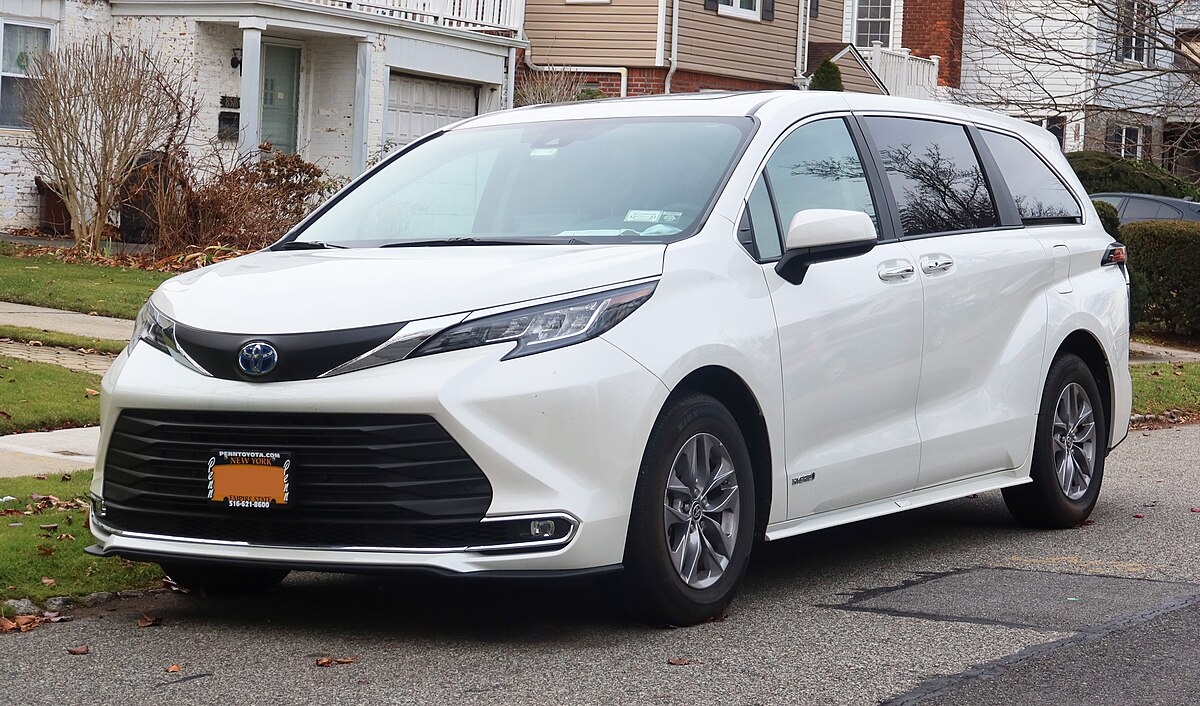
7. Toyota Sienna: A Hybrid Minivan Balancing Comfort, Efficiency, and Value
The Toyota Sienna maintains its position as a leader in the dwindling minivan segment, thanks to its balance of practicality, reliability, and efficiency. With an average new price of $37,685 and a three-year value of $30,330, it experiences just 19.52% depreciation ($7,355). As the only minivan offered exclusively as a 245-horsepower hybrid, the Sienna focuses less on speed and more on delivering a smooth and family-friendly ride.
The Sienna’s hybrid powertrain emphasizes efficiency over power. It takes slightly longer than rivals to hit 60 mph, a difference that becomes noticeable on highway merges or steep grades.
Still, in daily driving around town, acceleration feels smooth and composed. The Sienna handles more like a car than an SUV, with well-weighted steering for highway cruising and light maneuverability in tight spaces. Though not agile, it provides the predictability families value.
Comfort is a defining feature of the Sienna. The driver’s seat offers generous adjustments, making long journeys easy. The second row elevates comfort with available ottoman-style footrests and extended sliding capability, creating a near business-class experience.
Climate control works well in all conditions, though cabin noise becomes noticeable when the hybrid system is pushed. The continuously variable transmission and engine can drone under hard acceleration, but Toyota’s in-car voice projection system helps reduce the need to shout across rows.
Inside, the Sienna combines practicality with an upscale touch. Its seating height makes entry and exit simple, while visibility is strong thanks to a large glass area and optional surround-view camera system.
The 12.3-inch central touchscreen is responsive and easy to use, though glare and the reach to some buttons can be frustrating. For those needing clear sightlines past passengers or cargo, the available digital rearview mirror is a useful solution. Materials feel sturdy and soft where it matters, reinforcing Toyota’s attention to quality.
The Sienna is well-equipped with modern tech. Wireless Apple CarPlay and Android Auto simplify connectivity, while the infotainment interface responds quickly to inputs. Toyota’s suite of driver-assist systems performs smoothly, with adaptive cruise control standing out for its steady acceleration and braking in traffic. The technology enhances safety and convenience without overwhelming the driver.
Like most minivans, the Sienna excels in storage. A deep cargo well behind the third row provides ample space, and the third row folds nearly flat. The second row slides far forward but cannot be removed, limiting maximum cargo flexibility compared to some rivals.
For personal storage, Toyota delivers with abundant cupholders, deep door pockets, and a large center shelf ideal for handbags. Car seat installation is straightforward, with easily accessible anchors and buckles designed for families.
Fuel efficiency is the Sienna’s standout attribute. The EPA estimates 36 mpg combined, already ahead of its peers. Real-world testing exceeded expectations, with a front-wheel-drive model achieving 42.7 mpg over nearly 500 miles, a figure unmatched in this segment.
The Sienna may carry a slightly higher starting price than competitors, but its hybrid system, standard features, and strong build quality justify the cost.
Higher trims add equipment such as all-wheel drive and premium materials, while Toyota’s two years of free scheduled maintenance, hybrid component warranty, and roadside assistance strengthen its appeal. Families seeking long-term value and efficiency will find the Sienna to be one of the most compelling options on the market.
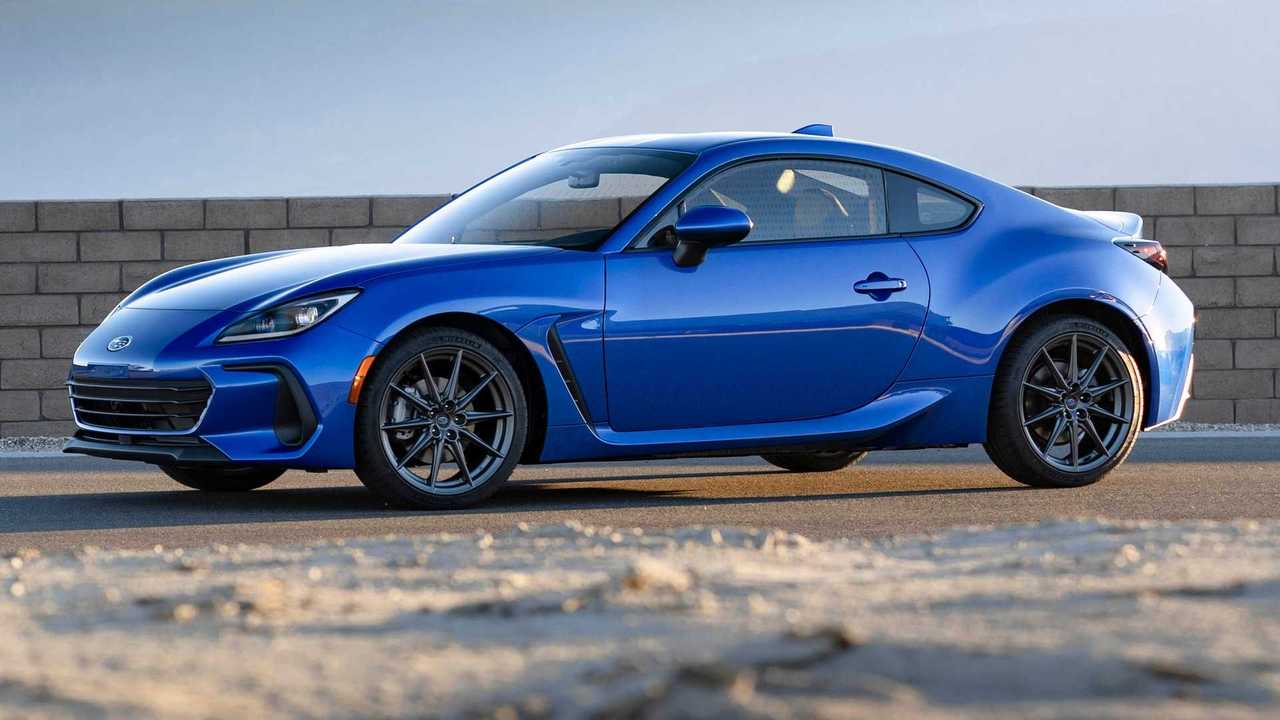
8. Subaru BRZ: A Lightweight Sports Car with Strong Resale Value
The Subaru BRZ ranks third on the list for resale value, with an average new price of $30,195, a three-year value of $24,356, and 19.34% depreciation ($5,839). Despite being outsold by its sibling, the Toyota GR86, by a wide margin, the BRZ holds value better, partly due to its relative rarity and enduring enthusiast appeal.
Limited editions, like the upcoming Series. Purple, should further bolster its desirability. With sharp handling, accessible performance, and competitive pricing, the BRZ remains one of the best entry-level sports cars available.
Performance is where the BRZ truly shines. The steering is quick and highly accurate, letting drivers place the car exactly where they want in a corner. The well-balanced chassis and finely tuned suspension encourage confidence whether on winding back roads or racetracks. The BRZ can slide playfully or carry controlled drifts, offering versatility for spirited drivers.
Its 2.4-liter engine delivers power smoothly from idle to redline, resolving the midrange weakness of the previous generation. In testing, the manual-equipped BRZ sprinted to 60 mph in 6.1 seconds, nearly a second quicker than its predecessor and on par with rivals like the Mazda Miata and VW Golf GTI.
Brakes provide strong stopping power, with the Limited trim halting from 60 mph in 106 feet. While the automatic version is slower at 6.9 seconds, it offers paddle shifters and more convenience for traffic-heavy commutes.
Ride quality leans firm but strikes a good balance, soaking up bumps at speed while keeping the car planted. Manually adjustable seats with solid bolstering provide comfort without restricting movement, making long drives manageable.
Dual-zone climate control, somewhat unexpected in a compact coupe, adds to its appeal. However, noise is a drawback. Road, tire, and engine sounds intrude heavily into the cabin, diminishing refinement during daily use.
The BRZ’s interior emphasizes function over flash. Controls are straightforward, the dashboard sits low, and forward visibility is excellent thanks to the coupe’s compact proportions and low hood line.
Front-seat space is surprisingly generous, even for taller drivers, while the back seats are best reserved for storage. Entry and exit can be awkward due to the low stance and long doors, but once inside, the driving environment feels purposeful.
Tech features cover the essentials. Standard Apple CarPlay and Android Auto keep the cabin modern, supported by two fast-charging USB ports. The infotainment system is simple and responsive, though the audio system struggles to overcome cabin noise.
Advanced driver aids, including automatic emergency braking and adaptive cruise control, are available with the automatic transmission. Subaru also equips the BRZ with well-calibrated stability systems that allow flexibility between daily driving and track use.
Practicality is modest but competitive for its class. The BRZ’s 6.3-cubic-foot trunk expands with folding rear seats, enough to fit four wheels and tires a bonus for track enthusiasts. Cabin storage is limited but functional, with cupholders placed out of the driver’s way and rear seats doubling as cargo space.
For a lightweight sports car, efficiency is commendable. The BRZ delivers 22 mpg combined (20 city/27 highway) with the manual and 25 mpg combined with the automatic. In real-world testing, the manual version achieved 28 mpg, making it practical enough for daily use.
The BRZ is priced competitively, offering strong performance and solid build quality for less than most rivals. Warranty coverage is standard three years/36,000 miles bumper-to-bumper and five years/50,000 miles for the powertrain with roadside assistance included.
While Toyota’s GR86 counterpart offers free maintenance, the BRZ’s rarity and resale strength give it an edge. For enthusiasts seeking an engaging, budget-friendly sports car, the BRZ remains one of the best options on the market.
9. Toyota Supra: A Legendary Nameplate with Modern BMW Influence
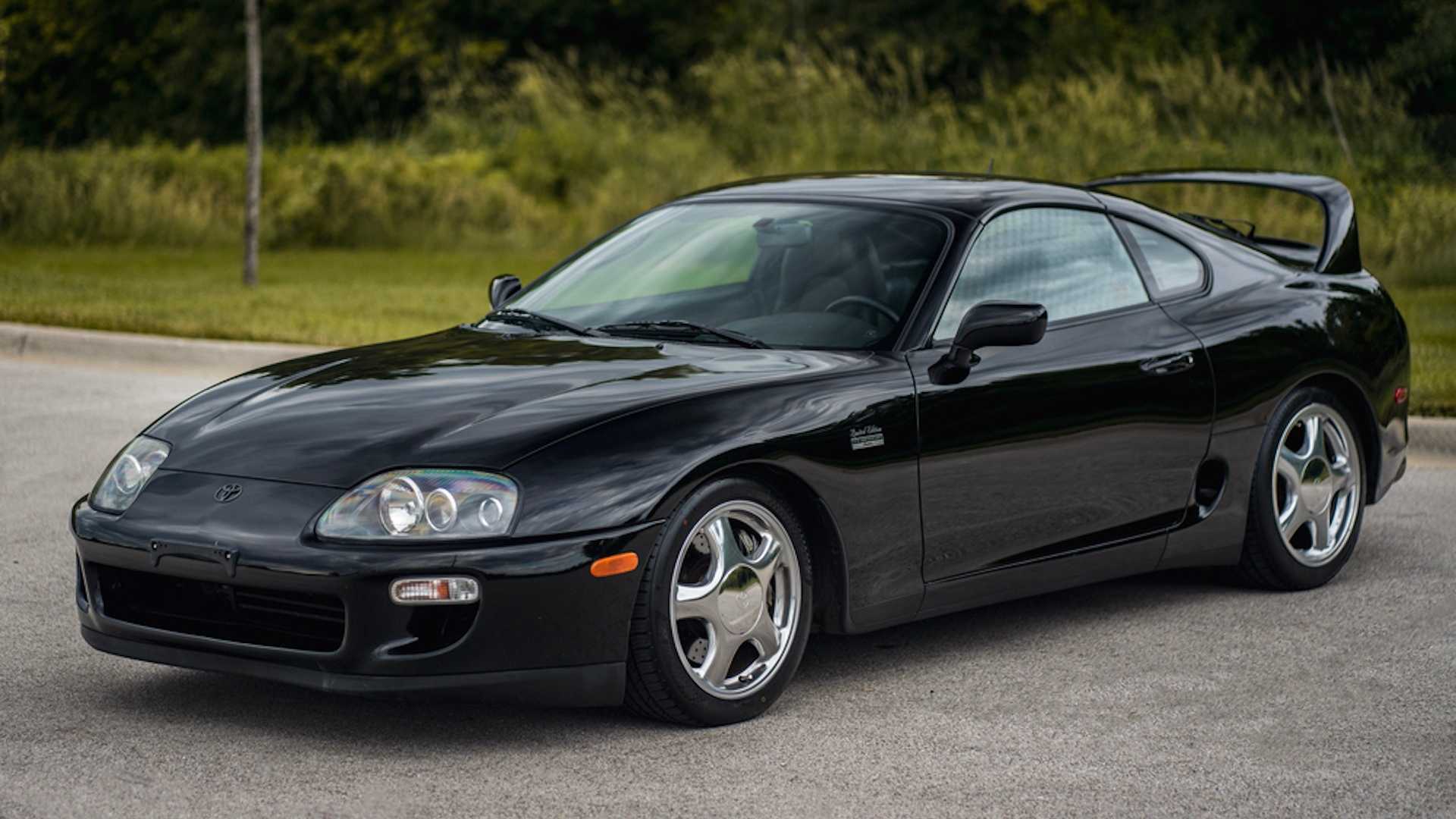
The Toyota Supra holds the second spot for resale value, with an average new price of $46,440, a three-year value of $37,857, and 18.48% depreciation ($8,583). Known worldwide for its performance heritage, the Supra continues to attract enthusiasts who value both its legacy and its modern engineering.
The Supra name dates back to 1978, originating as an extended version of the Toyota Celica before becoming its own model line in 1986. The first four generations were produced until 2002, with the iconic fourth generation earning a cult following for its styling and powerful inline-six engines.
After a long hiatus, the fifth generation debuted in 2019, co-developed with BMW and assembled in Graz, Austria, alongside the BMW Z4.
While the BMW partnership raised eyebrows among purists, the latest Supra has proved itself as a worthy successor. Its turbocharged inline-six B58 engine a direct descendant of the powerplants that made earlier Supras legendary delivers strong performance, while its rear-wheel-drive dynamics and balanced chassis provide the agility expected from a modern sports car.
Enthusiasts also benefit from the option of a manual transmission, a rare offering in today’s performance market.
Collectors and fans have already embraced special editions such as the A90 Final Edition, which are expected to hold or even increase in value over time. This exclusivity, combined with Toyota’s reputation for durability, has helped the Supra remain a top choice for drivers who want both performance and investment potential.
With a name that translates from Latin as “to surpass” or “go beyond,” the Supra continues to live up to its meaning. It bridges the gap between heritage and modernity, offering a thrilling driving experience while maintaining strong resale value.
10. Toyota Tacoma: The Benchmark for Value and Durability
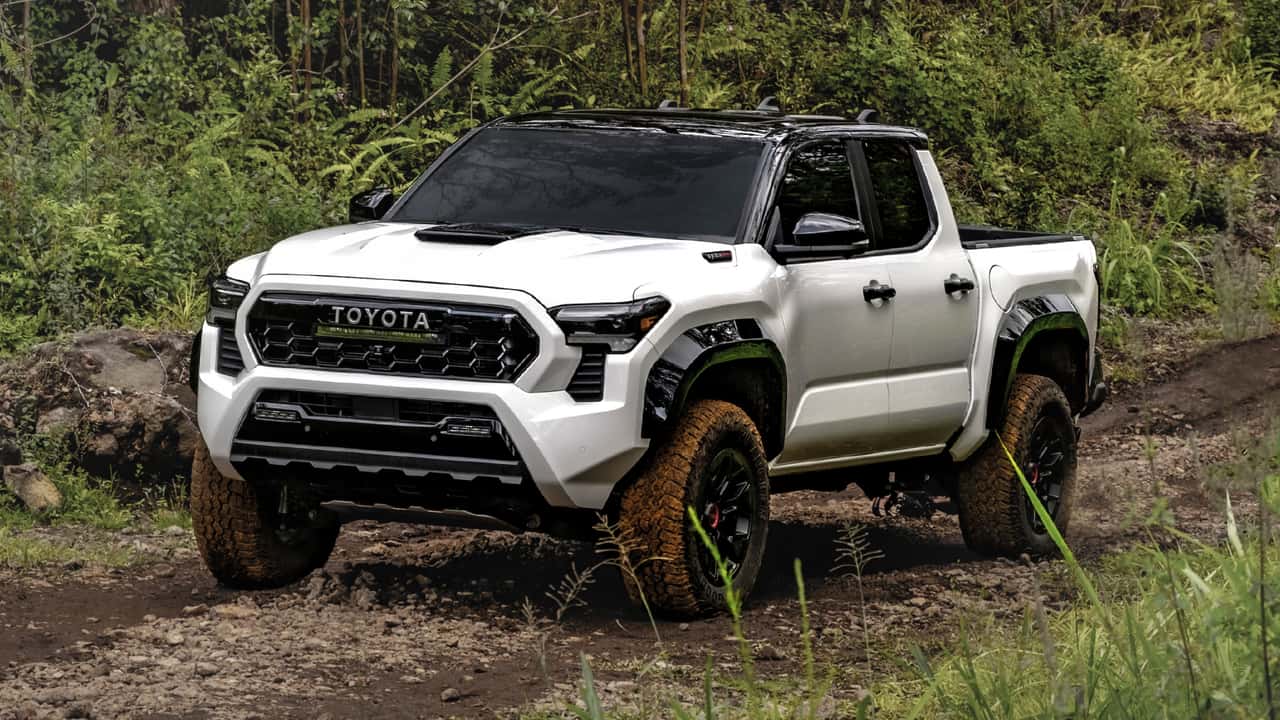
The Toyota Tacoma sits at the top of the resale value rankings, reflecting its reputation for ruggedness, dependability, and a loyal customer base. With an average new price of $33,700, a three-year value of $27,880, and depreciation of just 17.27% ($5,820), it retains more value than any other model in its class.
For buyers who want a midsize pickup capable of lasting through years of hard use, the Tacoma stands out as a proven choice.
For those who find the Toyota Tundra too large or costly, the Tacoma offers a more approachable option while still providing solid towing and hauling abilities. It is versatile enough for everyday commuting, midsize loads, or outdoor adventures.
Off-road enthusiasts will find plenty of options among trims such as the TRD PreRunner, TRD Off-Road, TRD Pro, and Trailhunter, each designed with specialized equipment for different terrains.
The Tacoma’s performance is commendable across trims. The standard 278-horsepower engine delivers solid acceleration, hitting 60 mph in 7.6 seconds, while the TRD Pro with the i-Force Max hybrid powertrain shaves this down slightly to 7.4 seconds.
Both setups provide smooth shifting and responsive braking, giving the truck stability on highways and city streets. Steering is light yet accurate, and depending on configuration, the Tacoma ranges from moderately capable to highly formidable off-road, with advanced shocks and traction systems ensuring confidence in rugged conditions.
Comfort levels vary by trim. Front seats are wide enough for most drivers, though basic cloth upholstery can feel coarse. Rear seating is tighter, typical of midsize pickups, with the TRD Pro’s bulky IsoDynamic seats further limiting legroom. Ride quality also depends on the grade, with base trims riding stiffly and higher trims benefiting from upgraded suspension systems.
The cabin’s standout feature is its intuitive design, highlighted by either the standard 8-inch touchscreen or the optional 14-inch display, both complemented by physical buttons that are refreshingly simple to use.
Technology is another Tacoma strength. Wireless Apple CarPlay and Android Auto are standard, alongside multiple USB-C ports and available wireless charging. Toyota also includes a full suite of driver-assist features, such as adaptive cruise control, lane departure alert, and automatic emergency braking.
The larger touchscreen may look oversized on the dash, but its sharp resolution enhances tools like the surround-view camera system, making navigation and parking easier.
The Tacoma balances practicality with versatility. Two available bed sizes, multiple storage compartments inside the cabin, and clever design touches like a tray above the glovebox enhance utility. Hybrid-equipped models add a 2,400-watt power outlet in the bed, perfect for powering tools or campsite equipment.
Payload capacity reaches 1,710 pounds, while towing maxes out at 6,500 pounds sufficient for most midsize trailers, though short of competitors like the Chevy Colorado.
Fuel economy remains competitive, with real-world testing showing 22.6 mpg on a TRD Sport, slightly above Toyota’s estimates. Importantly, the Tacoma doesn’t require premium fuel, further boosting affordability.
While lower trims can feel bare-bones compared to rivals, higher trims deliver refinement and equipment to match the Tacoma’s premium reputation. Buyers also benefit from Toyota’s three-year/36,000-mile warranty, six-year/60,000-mile powertrain coverage, and two years of complimentary maintenance.
The Tacoma’s combination of proven reliability, versatility, and strong resale value cements its place as the leader in the midsize pickup segment.
Cars are often seen as expenses that lose value with time, but the right models can defy that pattern. The vehicles featured in 10 Cars That Hold Value Better Than Gold show that it is possible to own something reliable, enjoyable, and financially smart.
Whether it is Toyota’s proven durability, Subaru’s enthusiast appeal, or Ford’s combination of capability and refinement, each one offers lasting confidence to its owners.
While every car eventually depreciates, these standouts hold their ground better than most, making them wise choices for buyers who want more than short-term satisfaction.
Selecting from this group means keeping more of your investment intact, while enjoying a dependable ride year after year. These cars are not just built to move you from one place to another, they are built to keep their value and continue rewarding their owners well into the future.
Also Read: 5 Honda Civic Years That Last Forever vs 5 That Don’t
