
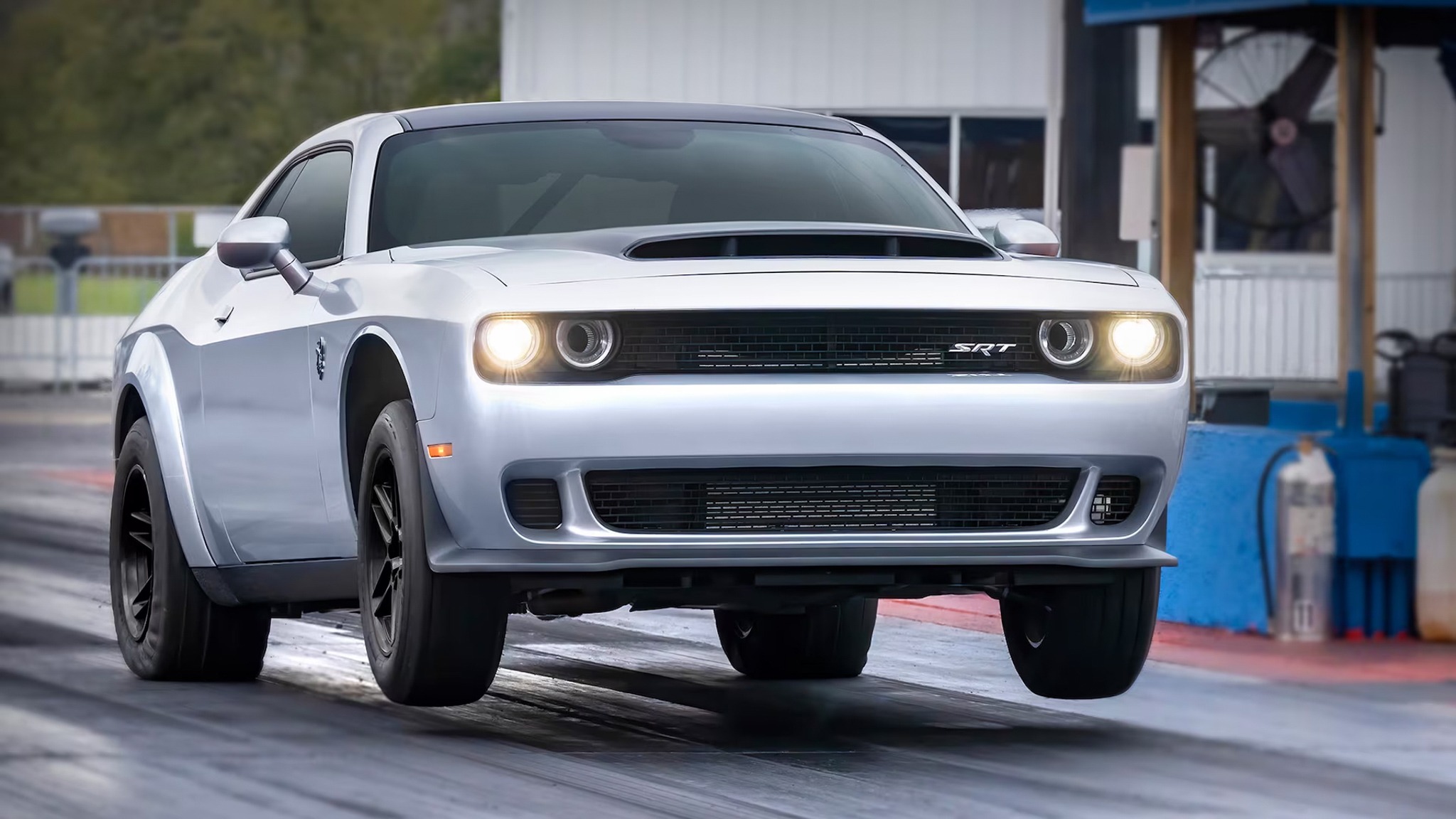
Many people choose cars based on how fine they look, what is in fashion, or what others will say. Some cars were laughed at when they first came out. People mocked their designs and even joked about those who bought them.
But after some years, those same cars still proved strong and reliable. They might not win awards for beauty or attract attention on the road, but their engines, gear systems, and lasting power showed that real value is not always about popularity.
History has shown many times that cars people mocked later turned out to give their owners peace of mind. While some who chased flashy models ended up with problems, others enjoyed many years of smooth driving with the so-called “ugly” or “cheap” cars. Almost every car brand has one or two models people once dismissed, only for those cars to outlive their competitors..
True strength in a car is not always in its outward appearance. Some of the vehicles that were laughed at when new are still moving on the roads today. They may not shine the brightest, but they have proven to be dependable partners for those who value durability over fame.
Here is a list of twelve such cars that kept going strong despite the jokes. Each one is a reminder that lasting quality often matters more than trends.
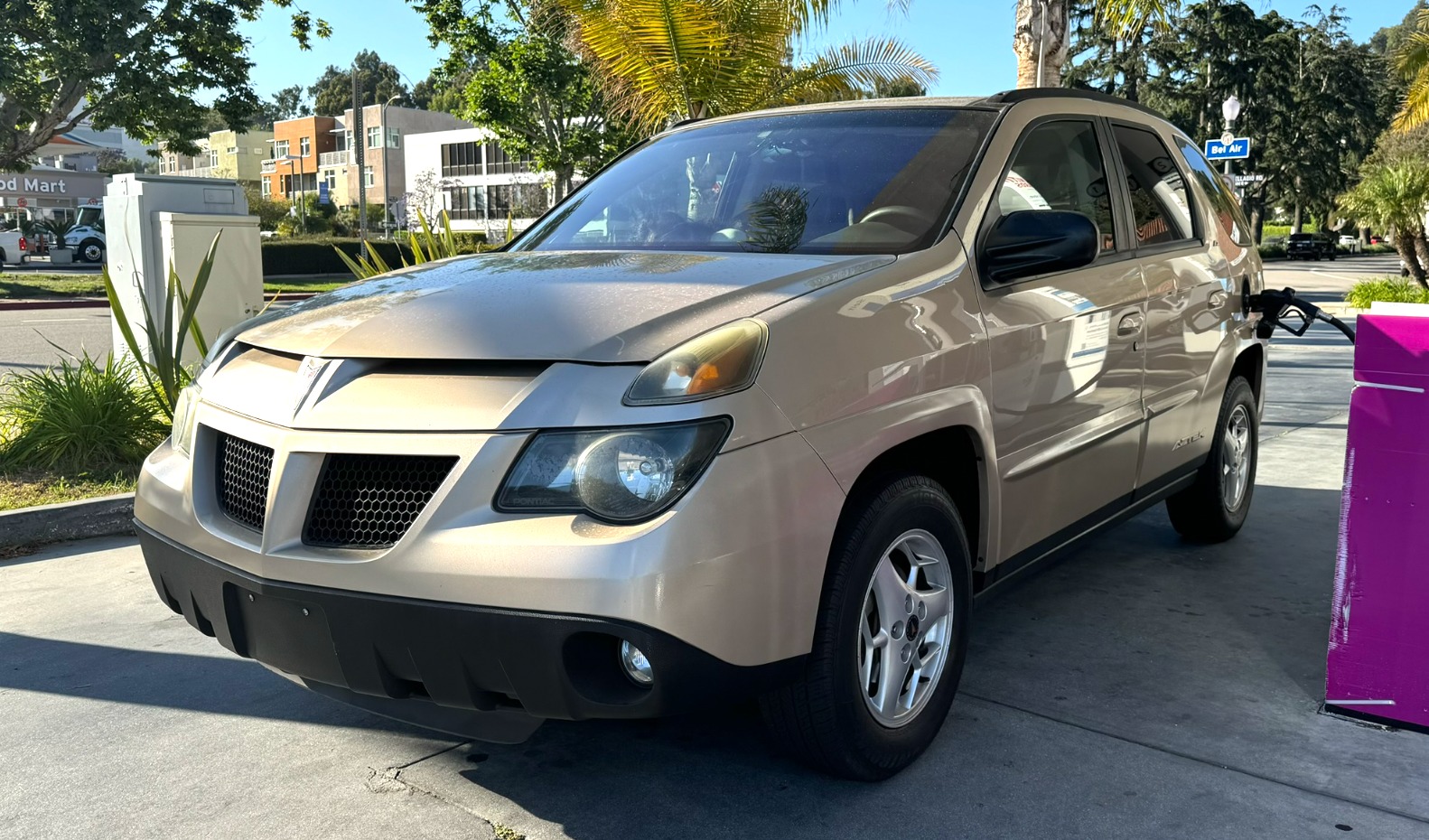
1. Pontiac Aztek
When the Pontiac Aztek arrived in the early 2000s, many people could not stop mocking its appearance. The design looked clumsy to some drivers, with sharp angles that felt strange compared to competitors.
The jokes about its looks were endless, yet the Aztek had a very practical side that went unnoticed by many. Its cabin was roomy, offering flexible seating and useful storage. Families appreciated the removable cooler in the center console, which made road trips easier.
Underneath the unusual design, the Aztek shared its foundation with other General Motors vehicles that were known for dependability. The V6 engine was not the most powerful, but it delivered steady performance for daily use.
Many owners reported that the Aztek could run smoothly past 200,000 miles if properly maintained. This long life surprised those who dismissed the car as a failure. The Aztek also provided comfort and stability on the road.
Drivers discovered that its build quality was stronger than the criticism suggested. It might not have turned heads for beauty, but it handled family duties with ease. The crossover design, which was mocked at the time, actually predicted the growing popularity of similar vehicles years later.
Today, people often remember the Aztek for its association with television, but owners know it for durability. While it never achieved sales success, it proved tough enough to survive decades of use. What many once laughed at turned into a practical car that kept running long after the noise around it faded.
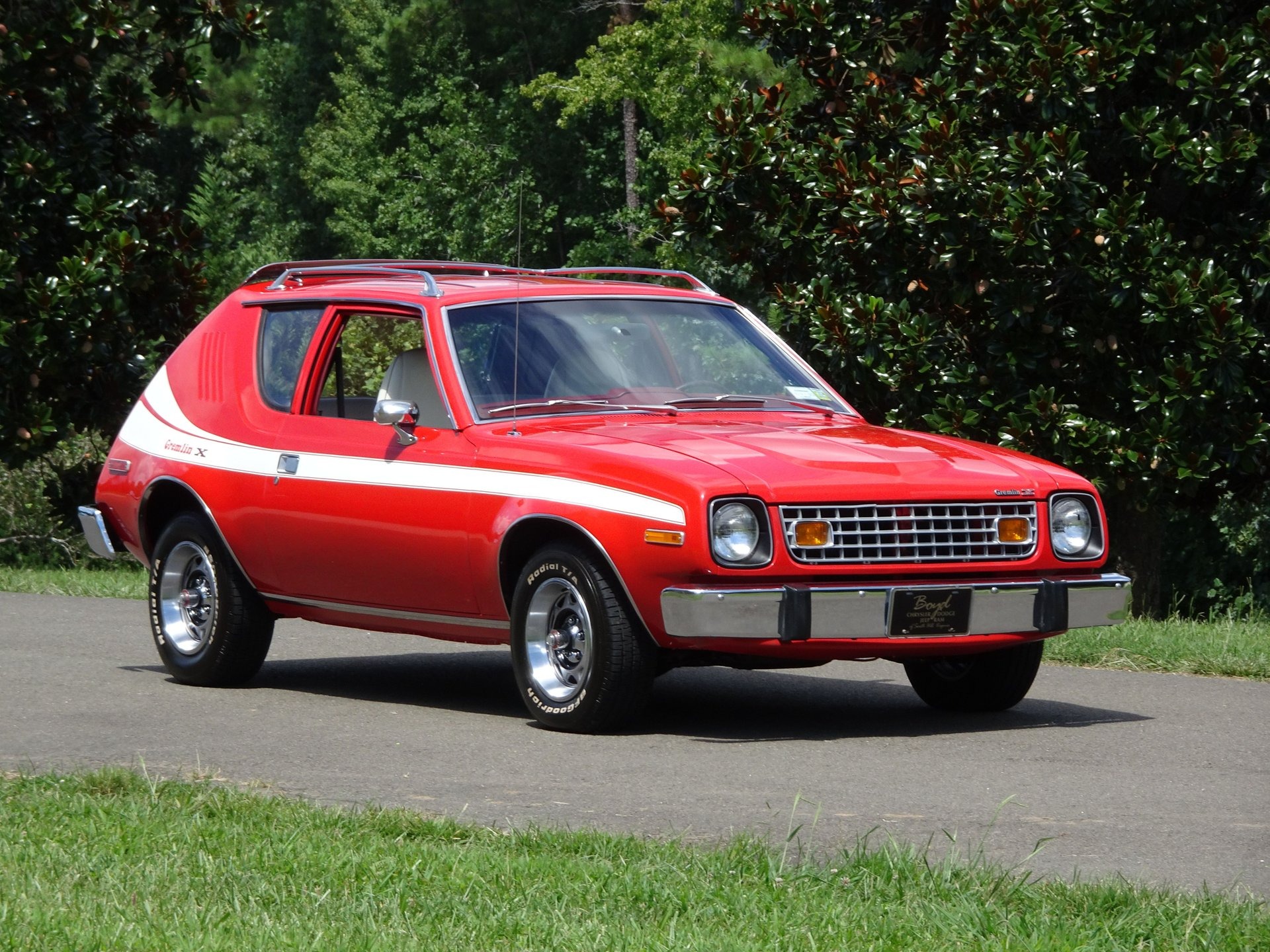
2. AMC Gremlin
The AMC Gremlin entered the market in the 1970s and was often laughed at for its odd shape. Critics thought it looked unfinished, almost like the back half of the car was chopped off. Despite the teasing, the Gremlin filled a space in the market for small, affordable cars during a time when fuel efficiency started to matter.
Mechanically, the Gremlin used simple engineering. It was not overloaded with advanced features, which meant there was less that could go wrong. Many of its engines were easy to repair, and parts were widely available, helping it stay on the road for years. Some Gremlins even ran well into the 1990s, showing that people who invested in basic upkeep received a dependable ride.
Owners often said the Gremlin could handle rough roads without much complaint. Its lightweight body, paired with solid suspension, made it steady in everyday driving. While competitors may have looked more refined, they did not always deliver the same low-cost reliability. For young drivers, it became an affordable option that could withstand heavy use.
Looking back, the Gremlin is sometimes remembered as an oddball, but it offered more strength than people admitted. It may not have carried prestige, but it carried its owners where they needed to go. For a car once mocked heavily, its lasting service became its quiet answer to the critics.
Also Read: 12 Muscle Cars Still Burning Rubber After Decades
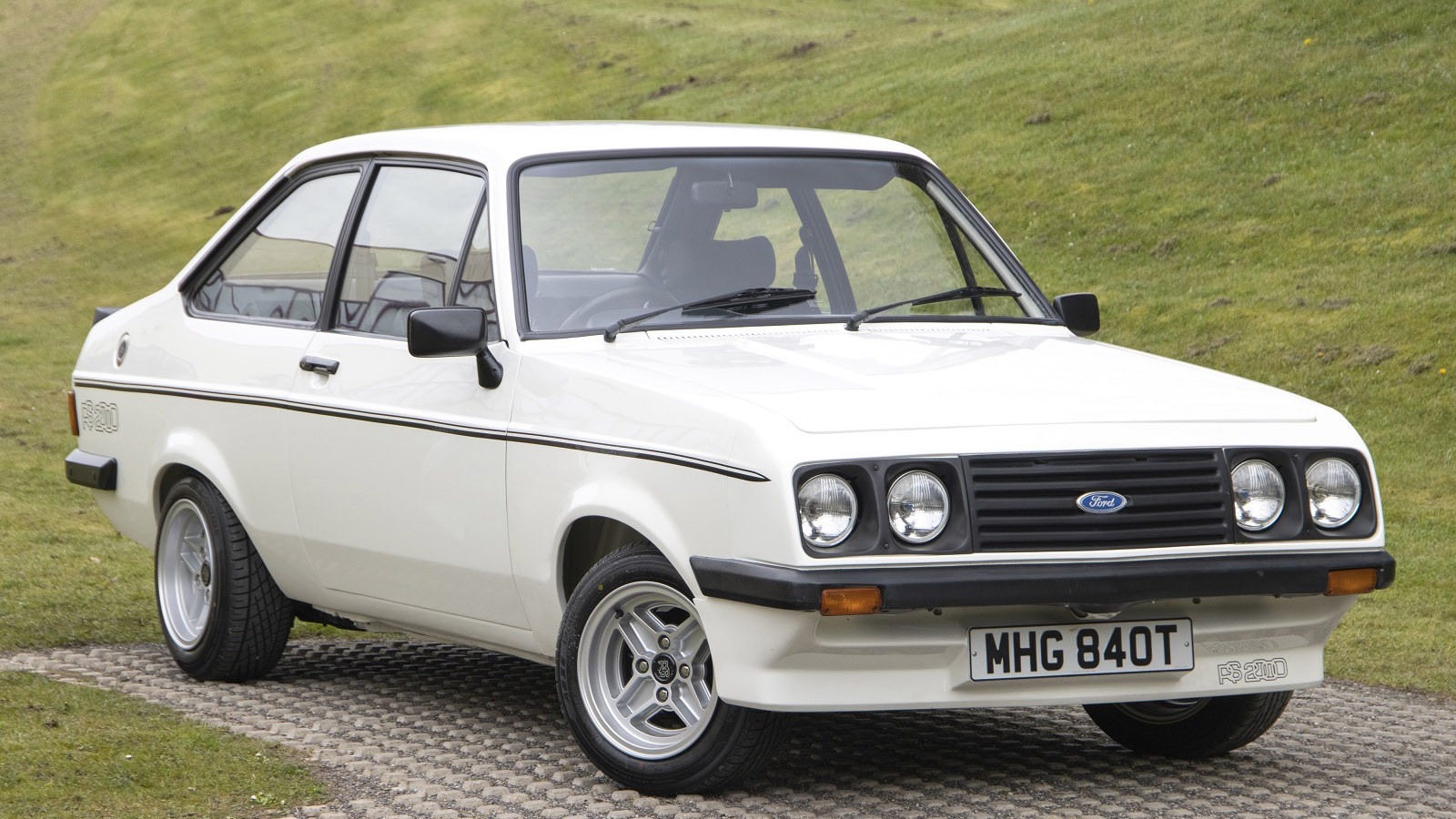
3. Ford Pinto
Whenever the Ford Pinto is mentioned, the first thought for many people is the controversy surrounding its safety. The fuel tank design became a source of heavy criticism, and headlines painted the car as unsafe. Jokes spread quickly, and the Pinto developed one of the most infamous reputations in automotive history.
Yet, beyond those negative stories, the car quietly built a record of endurance for ordinary drivers. Many Pintos provided dependable service for years, showing that the vehicle was far more than its scandal suggested.
The Pinto was Ford’s response to the rising demand for small, affordable cars in America during the 1970s. As fuel prices increased, people wanted something light on gas and easy to maneuver.
The Pinto fit that role well with its compact size, which made it simple to park in crowded areas. While its engine was not the most powerful, it was uncomplicated, which reduced the risk of frequent breakdowns.
Owners found that the mechanical setup was straightforward and inexpensive to maintain, allowing them to keep the car running for long stretches of time. For many families and individuals working with limited budgets, the Pinto offered an accessible way to get reliable transportation.
Drivers often described it as a no-nonsense commuter that handled daily routines without complaint. Even after the safety scandal hurt its reputation, loyal owners continued to drive their Pintos well into the 1980s, with some vehicles exceeding 200,000 miles when cared for properly.
The Pinto may never escape the shadow of its past controversy, but its story is not only about flaws. It also stands as proof that even a car that faced widespread ridicule could deliver durability. People laughed at it, yet it remained on the road, proving reliability does not always match reputation.
4. Yugo GV
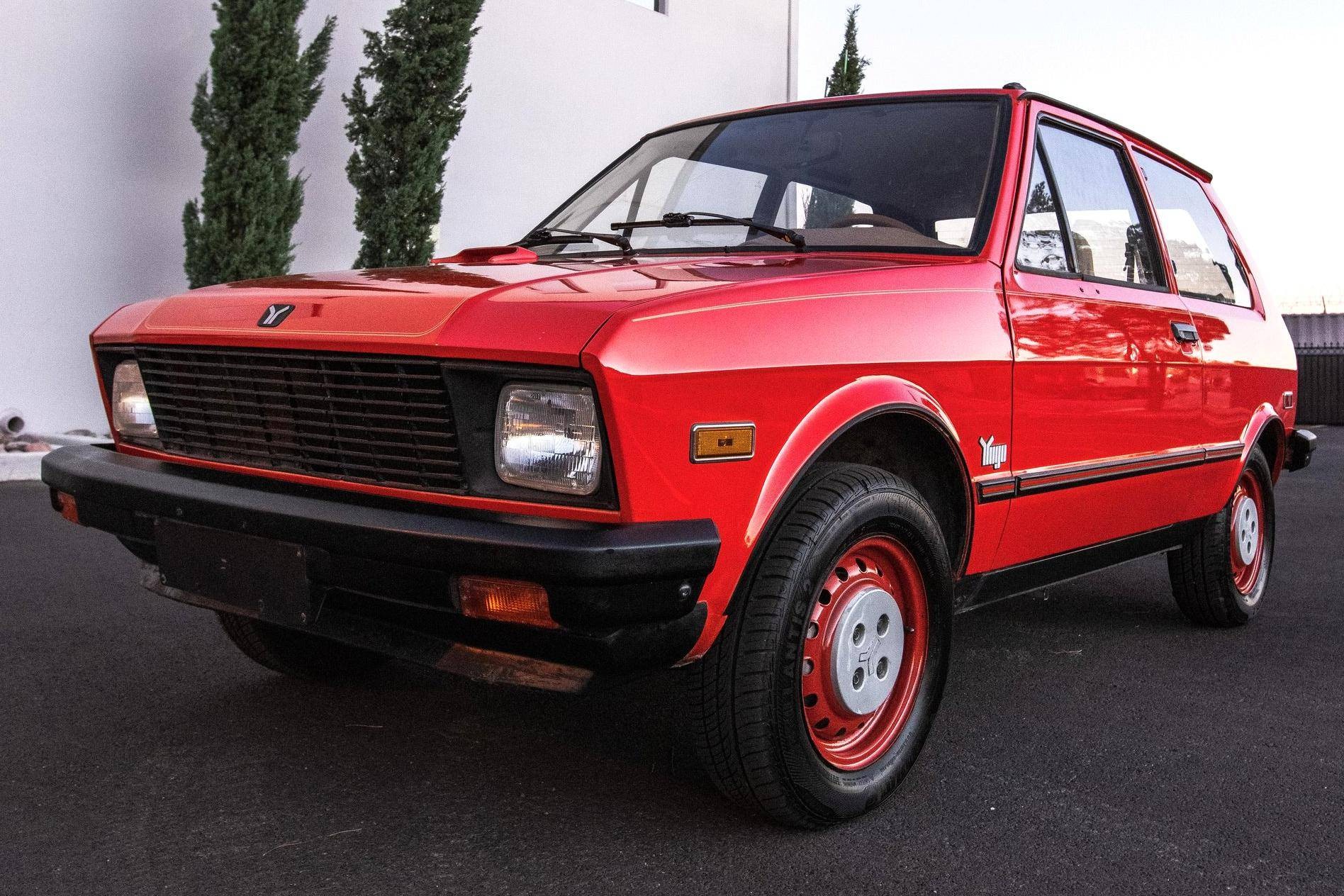
The Yugo GV, sold in America during the 1980s, often received harsh criticism. People mocked it as the cheapest car on the market, calling it slow and poorly made. The jokes were so common that owning one felt like a badge of ridicule. Yet, in reality, many Yugo vehicles proved that if treated gently and serviced on time, they could keep running for years.
The car’s design was very simple, which worked to its advantage. Engines were small and straightforward, making repairs inexpensive. Because the Yugo had fewer electronics compared to rivals, it had less chance of complicated issues that could keep it off the road. For students, first-time drivers, and budget buyers, it provided affordable mobility.
Owners who understood the Yugo’s limits often discovered that it could survive longer than expected. It was not meant for high-speed highway driving or luxury comfort, but for local commuting; it handled the job. Spare parts were cheap and could be fitted without difficulty, which encouraged people to maintain them.
Even though the Yugo is still mocked today in conversations about bad cars, it deserves credit for serving its role. For the money spent, it delivered basic transportation. Those who gave it care and patience were rewarded with years of use, despite the heavy laughter it received when new.
5. Saturn Ion
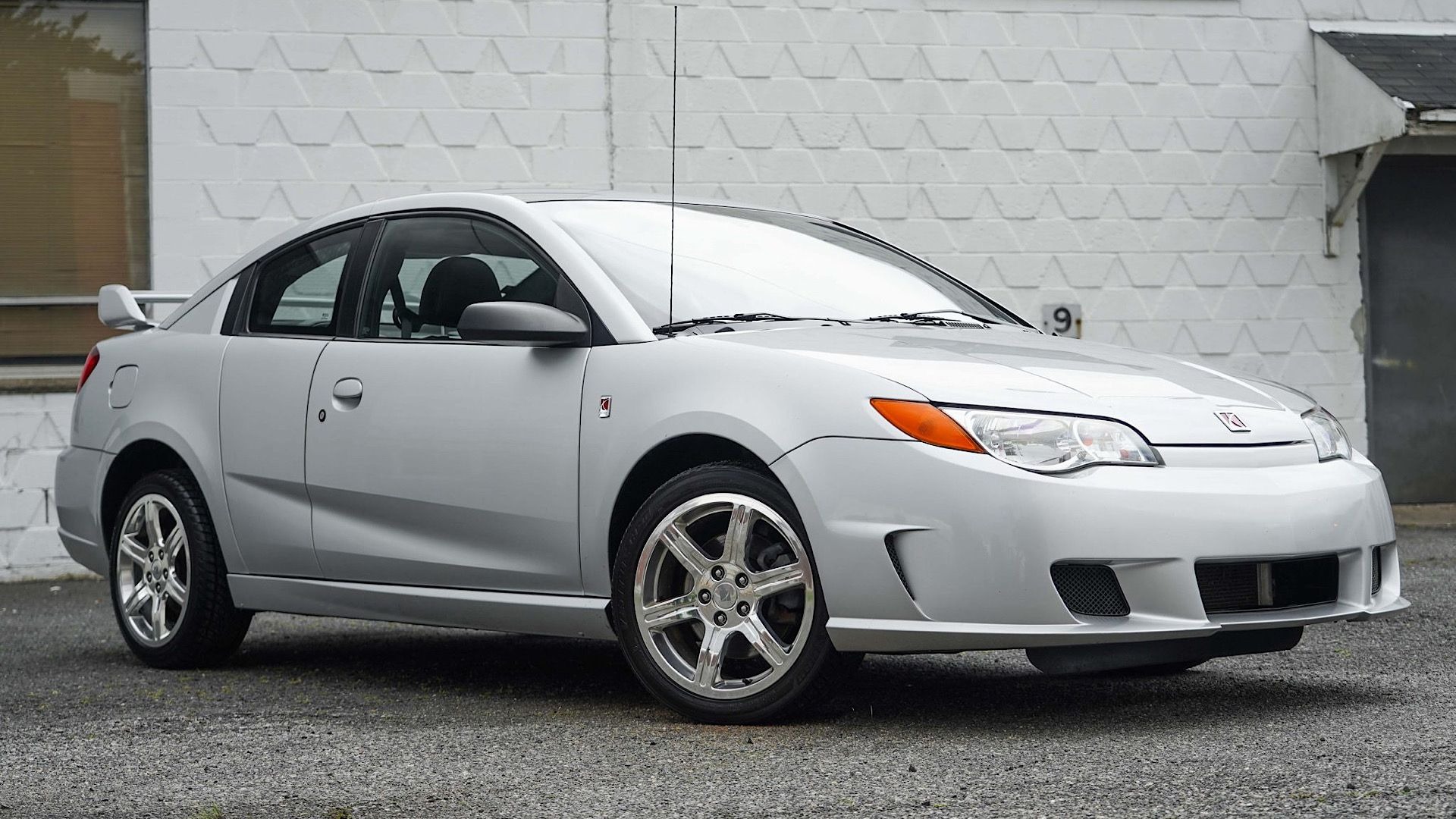
The Saturn Ion came out in the early 2000s and was often criticized for its styling and interior quality. Some said the plastic panels felt cheap, and the design looked uninspiring. However, the Ion’s reputation for reliability grew among owners who valued function over looks. Its engines, especially the four-cylinder Ecotec versions, could easily run past 200,000 miles when properly maintained.
Saturn designed the Ion with practicality in mind. It had decent fuel economy, roomy seating, and strong crash test scores for its time. The center-mounted instrument cluster looked unusual, but drivers adjusted quickly and found the car easy to operate. Maintenance was straightforward, and many repair shops found the Ion simple to service.
While critics dismissed the car for lacking refinement, owners appreciated that it kept running without constant visits to the mechanic. The Ion was particularly popular with commuters who needed something dependable for daily use. It may not have gained admiration from car enthusiasts, but it gained loyalty from people who valued long-term service.
Today, many Ions still run smoothly, a reminder that practicality often outlasts popularity. Though laughed at for its design, the Ion quietly proved itself as a durable companion.
6. Chevrolet HHR
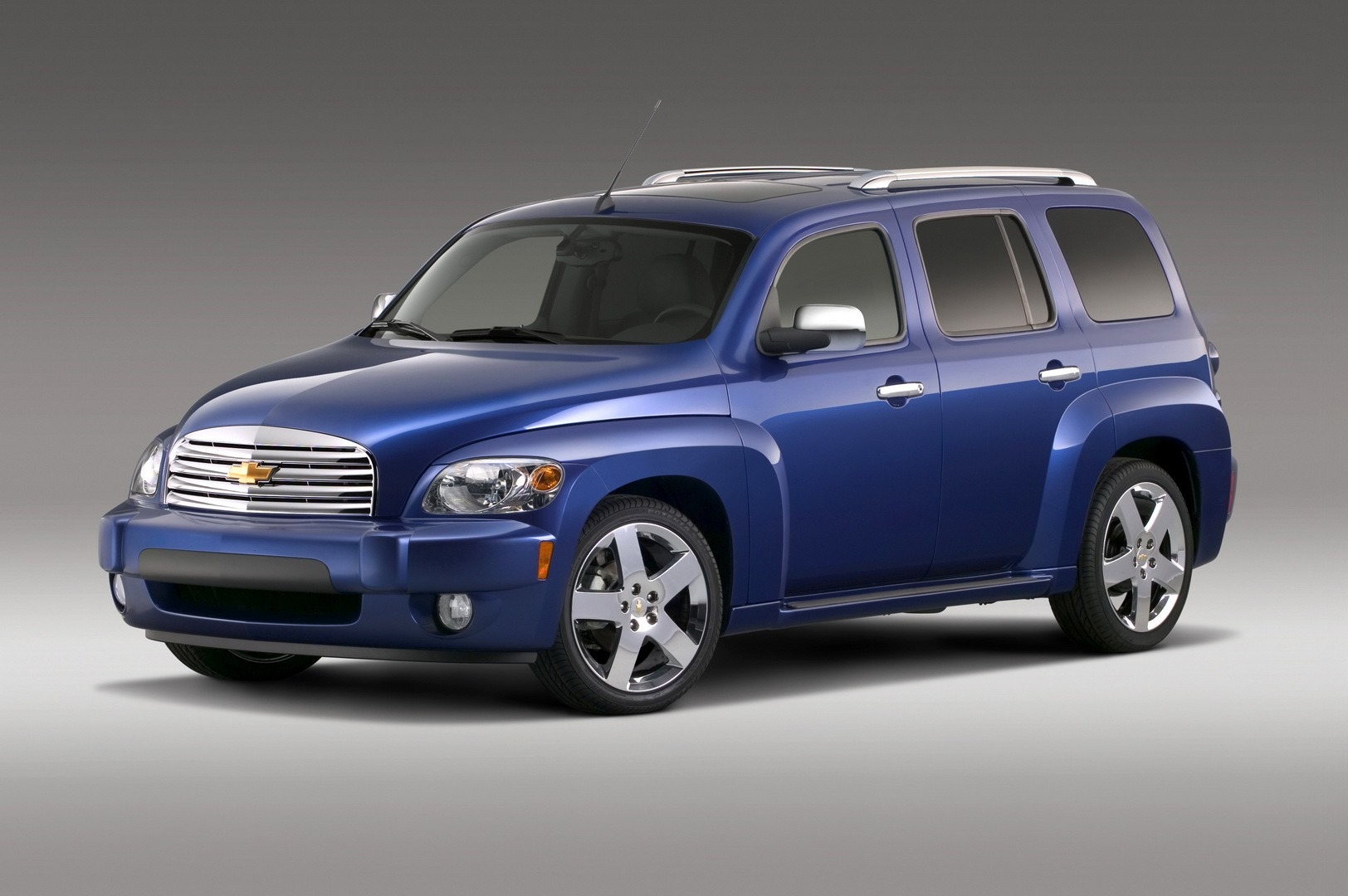
The Chevrolet HHR was designed with retro styling that some drivers laughed at. Many compared it to the Chrysler PT Cruiser, claiming it looked outdated even when new. The design sparked jokes, yet the HHR proved to be far more dependable than critics admitted.
Built on a compact car platform, the HHR came with reliable engine choices that were already tested in other Chevrolet models. This gave it a strong backbone for daily driving. Owners discovered that the car was easy to maintain and could withstand long use. Some vehicles even pushed past 250,000 miles, showing real durability.
Inside, the HHR offered good cargo space, flexible seating, and comfort for long trips. Its styling may have seemed strange, but its usefulness was undeniable. Families and delivery drivers found the HHR particularly practical, as it combined efficiency with space.
While it never reached great sales numbers, those who bought the HHR often held onto it for years. The car’s endurance gave it a second life beyond the jokes. Many are still seen on the road today, proof that design criticism does not define mechanical strength.
7. Suzuki X-90
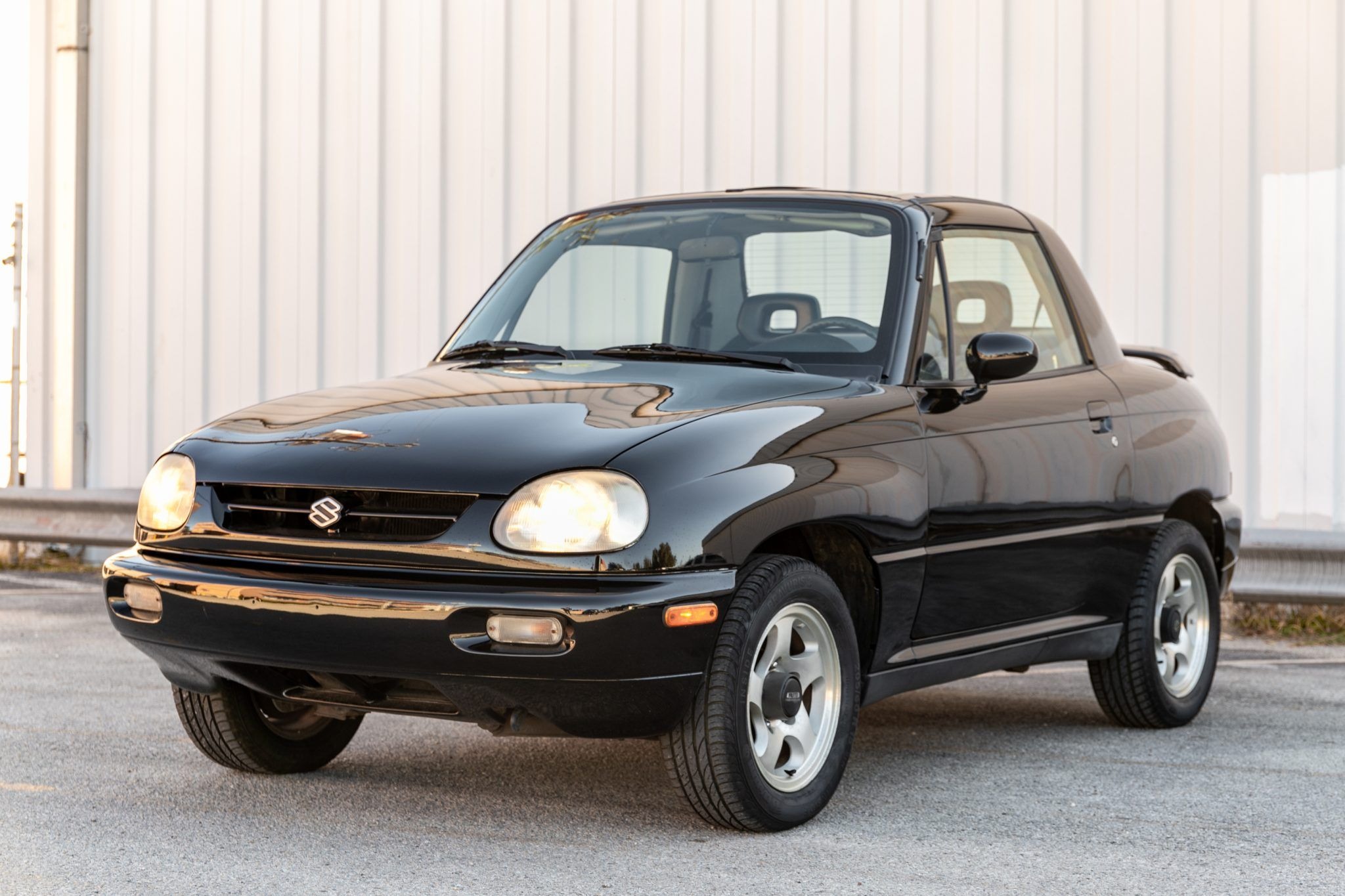
When Suzuki launched the X-90 in the 1990s, people were puzzled. It looked like a mix of a small sports coupe and an SUV, and the unusual shape made it an easy target for jokes. Critics laughed at its two-door design with a removable T-top roof, wondering who it was meant for. Despite the confusion, the X-90 turned out to be tougher than its looks suggested.
Built with the same engineering as Suzuki’s reliable small SUVs, the X-90 had a solid four-wheel-drive system. This gave it a surprising ability on rough terrain. Owners who used it for outdoor adventures discovered that it performed well in conditions where stylish sedans could not survive.
The engine was not powerful, but it was strong enough to keep running with regular service. Parts were inexpensive, and maintenance was straightforward. The light weight of the car made it fuel-efficient, while the mechanical simplicity helped keep it on the road.
Although many people mocked its design, those who owned it valued its resilience. Even today, some X-90s continue to run in rural areas and small towns, proving that being laughed at does not erase toughness.
8. Chrysler PT Cruiser
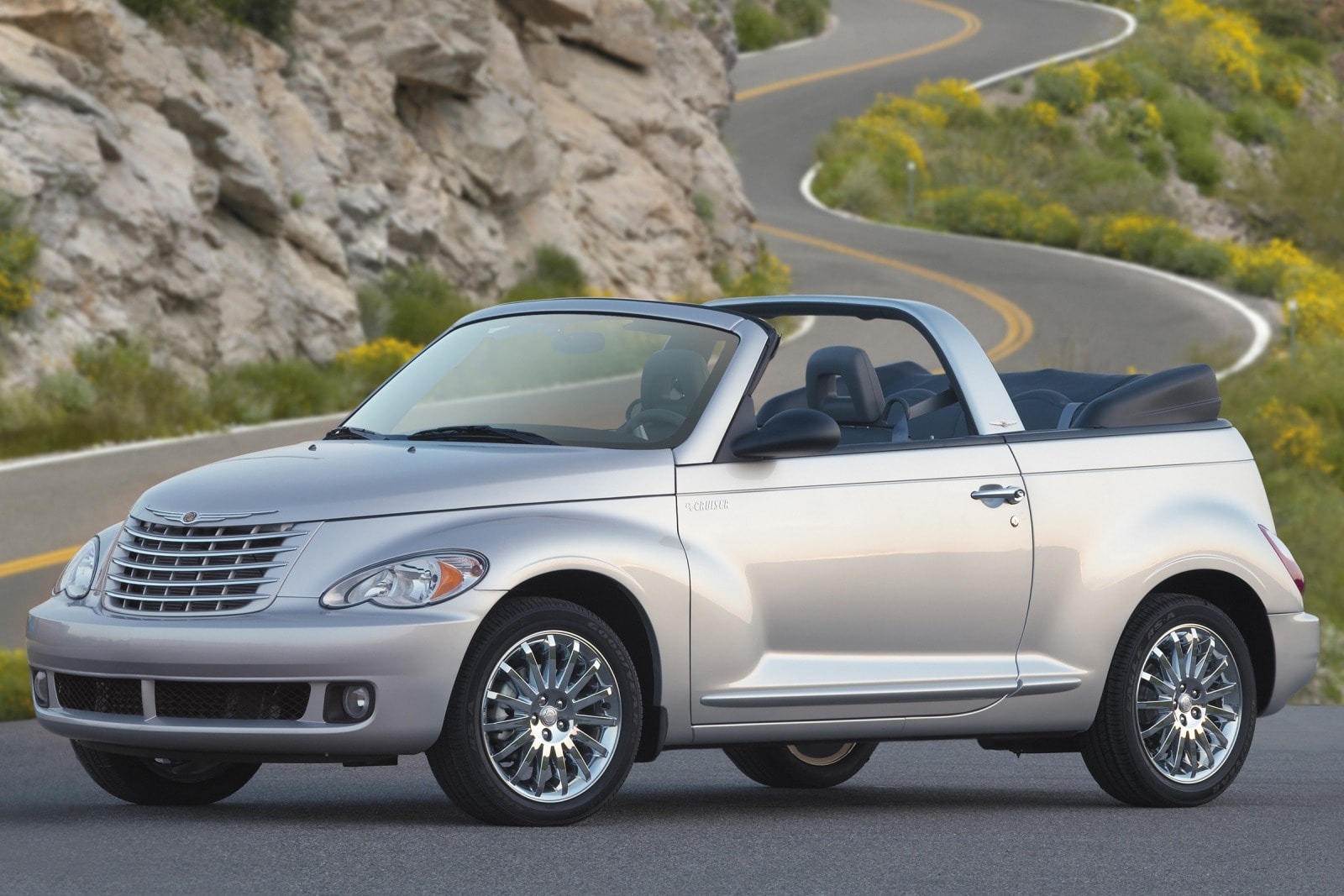
When Chrysler introduced the PT Cruiser, reactions were mixed. Some drivers loved the retro styling, but others laughed at it, saying it looked outdated. Despite the divided opinions, the PT Cruiser proved to be a reliable vehicle for many families.
Its interior was one of its strongest points. The cabin had flexible seating, and the tall design allowed for good cargo space. Owners appreciated how practical it was for groceries, family outings, and even small businesses. Under the hood, the engines were straightforward, and with proper care, they could run for many years without major problems.
The PT Cruiser also offered good ride comfort, especially for city driving. Its suspension handled rough roads without much complaint, and the car felt steady for long-distance travel. Critics dismissed it as a fad, but it lasted longer in production than expected, showing steady demand from loyal buyers.
Even after production ended, many PT Cruisers stayed active on the roads. Owners continued to drive them past 200,000 miles, appreciating their durability. While the styling jokes have never gone away, the car itself proved to be more dependable than many assumed.
9. Dodge Caliber
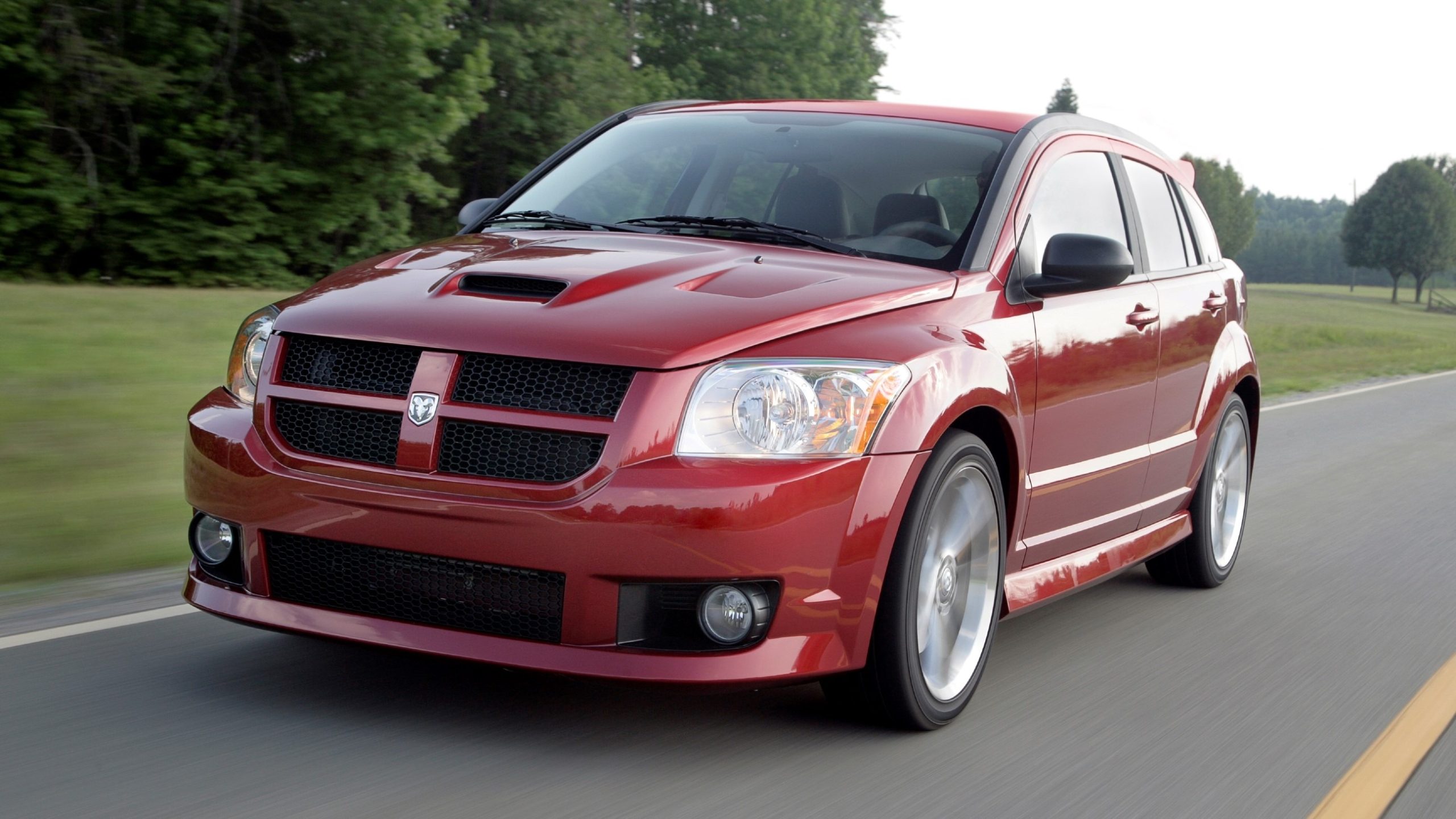
The Dodge Caliber was released in the mid-2000s, and from the beginning, it faced heavy criticism. Reviewers often complained about its rough ride, low-quality interior materials, and unusual styling that looked bulky compared to sleek competitors.
Many laughed at its design, saying it seemed out of place during a time when compact hatchbacks were becoming more refined and stylish. Despite the ridicule, the Caliber turned out to be much more dependable than critics suggested. Owners soon realized that while it lacked polish, it delivered consistent service year after year.
One of the strengths of the Caliber was its practicality. Dodge designed it with hatchback versatility, giving it an edge for people who needed space on a budget. The rear seats folded down flat, making it useful for hauling groceries, luggage, or even small furniture.
Families appreciated that it could handle everyday errands, and younger drivers enjoyed its affordability. It may not have been luxurious, but it did the job without unnecessary fuss. The Caliber’s engines, though not the most powerful, were reliable when properly maintained.
With regular oil changes and servicing, many examples ran well past 150,000 miles. Spare parts were easy to find, and repair costs were affordable, which made ownership less stressful. While competitors sometimes suffered from expensive electronic issues, the Caliber’s straightforward design helped it keep going.
Today, many Dodge Calibers are still seen on the road, quietly serving their owners. What people once dismissed as awkward ended up proving durable, showing that reliability can outlast ridicule.
10. Toyota Echo
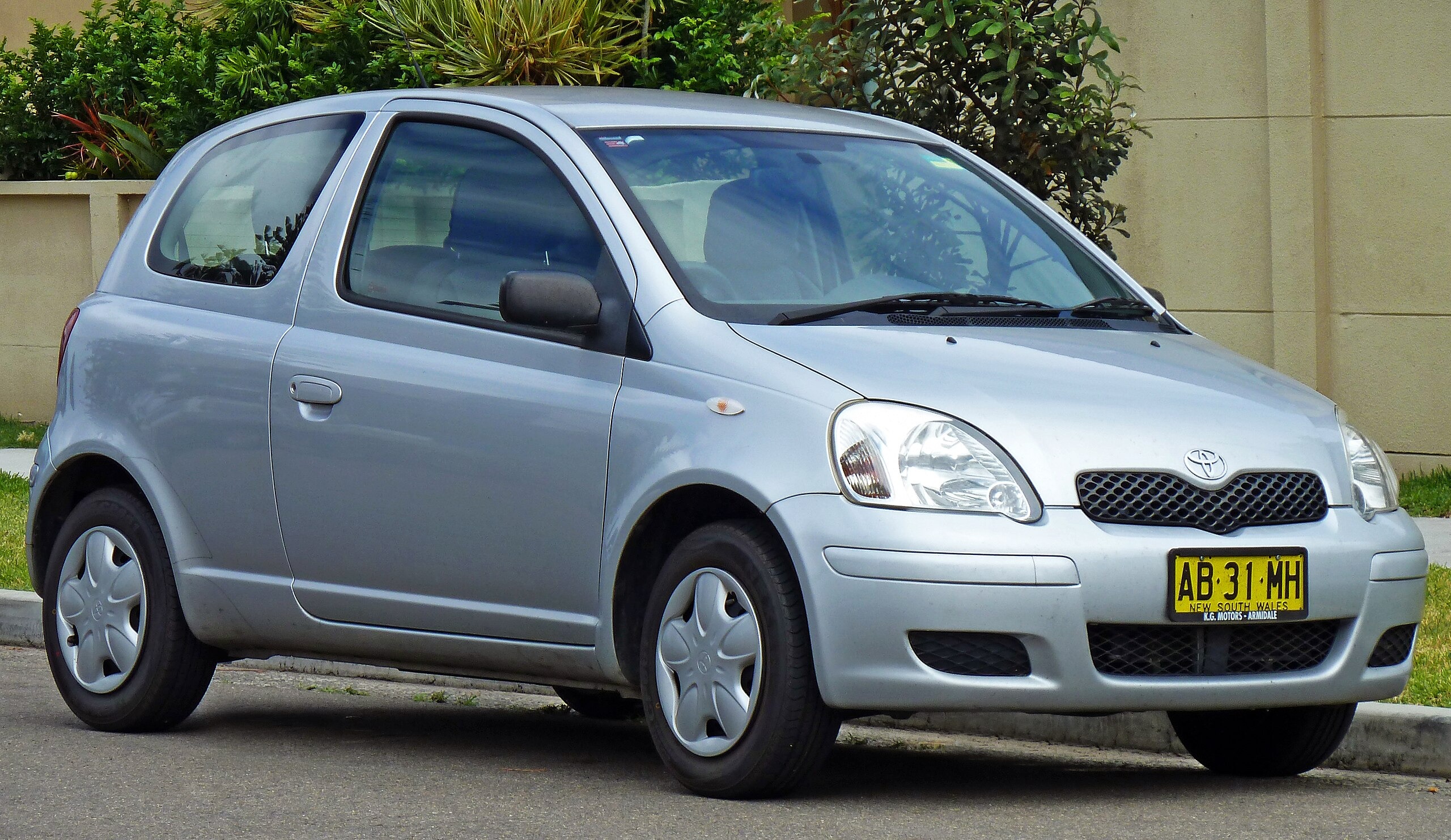
When Toyota introduced the Echo in the early 2000s, the reception was mixed. Many people laughed at its tall, narrow body and unusual proportions, saying it looked awkward compared to other compact cars of that era.
Some even dismissed it as feeling cheap because of its minimalist interior. Despite all the jokes, the Echo quietly built a reputation for being one of the most dependable small cars available. Toyota equipped the Echo with a lightweight but durable four-cylinder engine that delivered impressive fuel economy.
For drivers who valued efficiency, this was a major advantage, especially as gas prices climbed. With routine servicing, owners discovered that the Echo could last well beyond 250,000 miles, and many examples are still running strongly today.
This endurance made it a favorite for students, commuters, and anyone working with a limited budget who still wanted a car that would not break down often. Inside, the Echo kept things very simple. The most noticeable feature was its center-mounted instrument cluster, which looked strange at first but did not interfere with driving comfort.
The cabin was more spacious than it seemed from the outside, and the seats provided adequate support for everyday use. While the materials were basic, the layout was practical and easy to maintain.
Though it never won style points, the Echo earned the respect of owners who experienced its long service life. The laughter eventually faded, but the Echo kept proving that dependability mattered far more than appearance or trends.
Also Read: 9 Solid Cars That Rarely Develop Annoying Rattles
11. Kia Rio (Early Models)
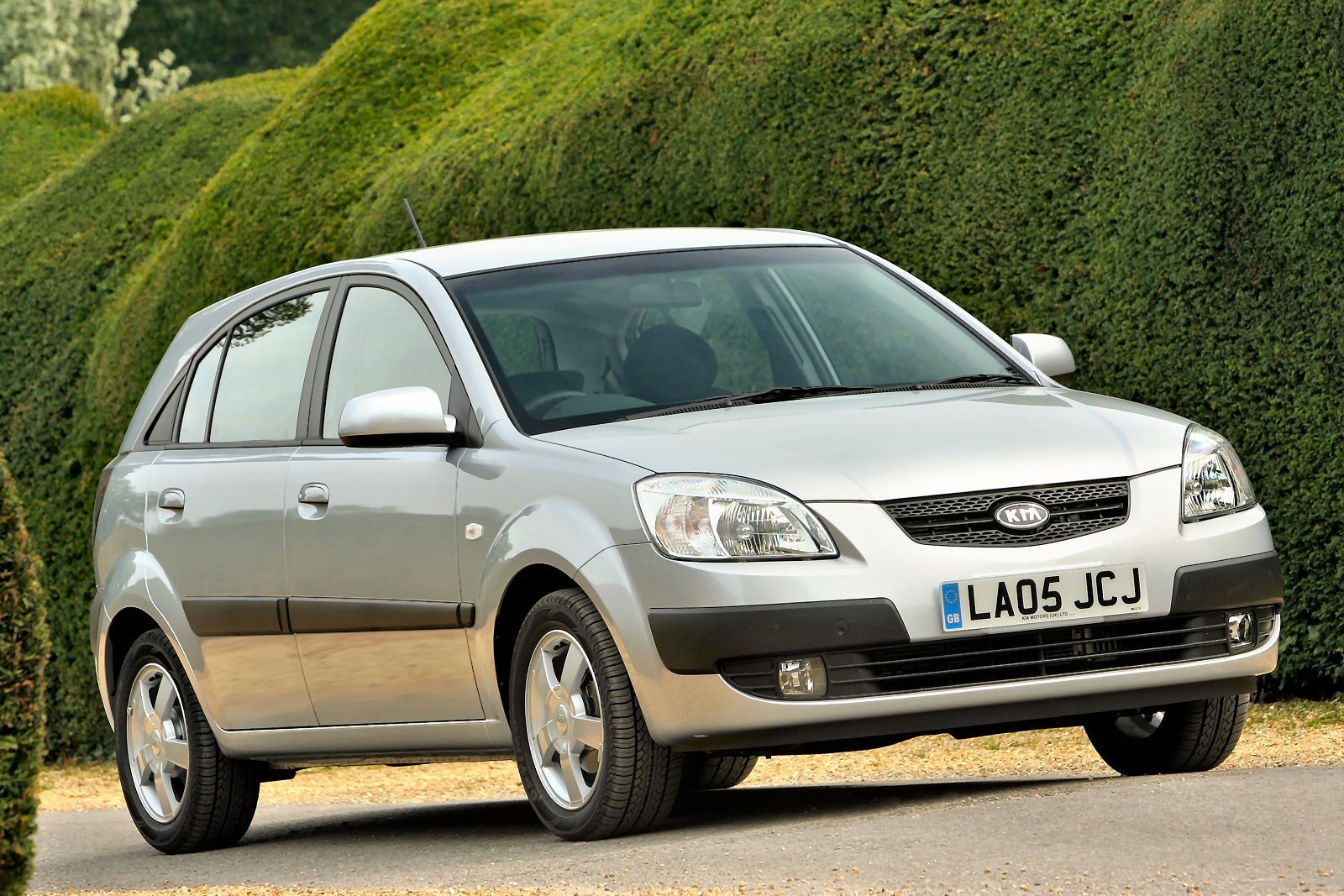
When Kia introduced the Rio to the American market, it quickly became a target for jokes. Many people mocked it as a cheap import that lacked both refinement and style. Reviewers compared it unfavorably to more established compact cars, calling its build quality basic and its looks uninspiring.
Still, for those who actually bought and maintained the car, the Rio proved that it could do much more than critics suggested. The early Rio models came with small, fuel-efficient engines that were simple in design. That simplicity worked in their favor, as they were easy to maintain and did not cost much to repair.
Owners found that replacement parts became easier to access as Kia expanded its presence in the United States, which made servicing even more convenient. Many people who expected trouble were surprised when their Rio continued to run smoothly after years of use.
While rivals offered more advanced features, the Rio focused on doing the basics well. It provided dependable transportation for individuals who could not afford expensive vehicles but still wanted reliability. Young drivers, college students, and families often relied on the Rio for daily commutes and long trips, with many models easily lasting beyond 150,000 miles.
Though laughed at during its introduction, the Rio helped Kia move away from its early reputation and laid the foundation for the company’s later success. For a car once seen as disposable, its endurance turned it into an unexpected success story for those who trusted it.
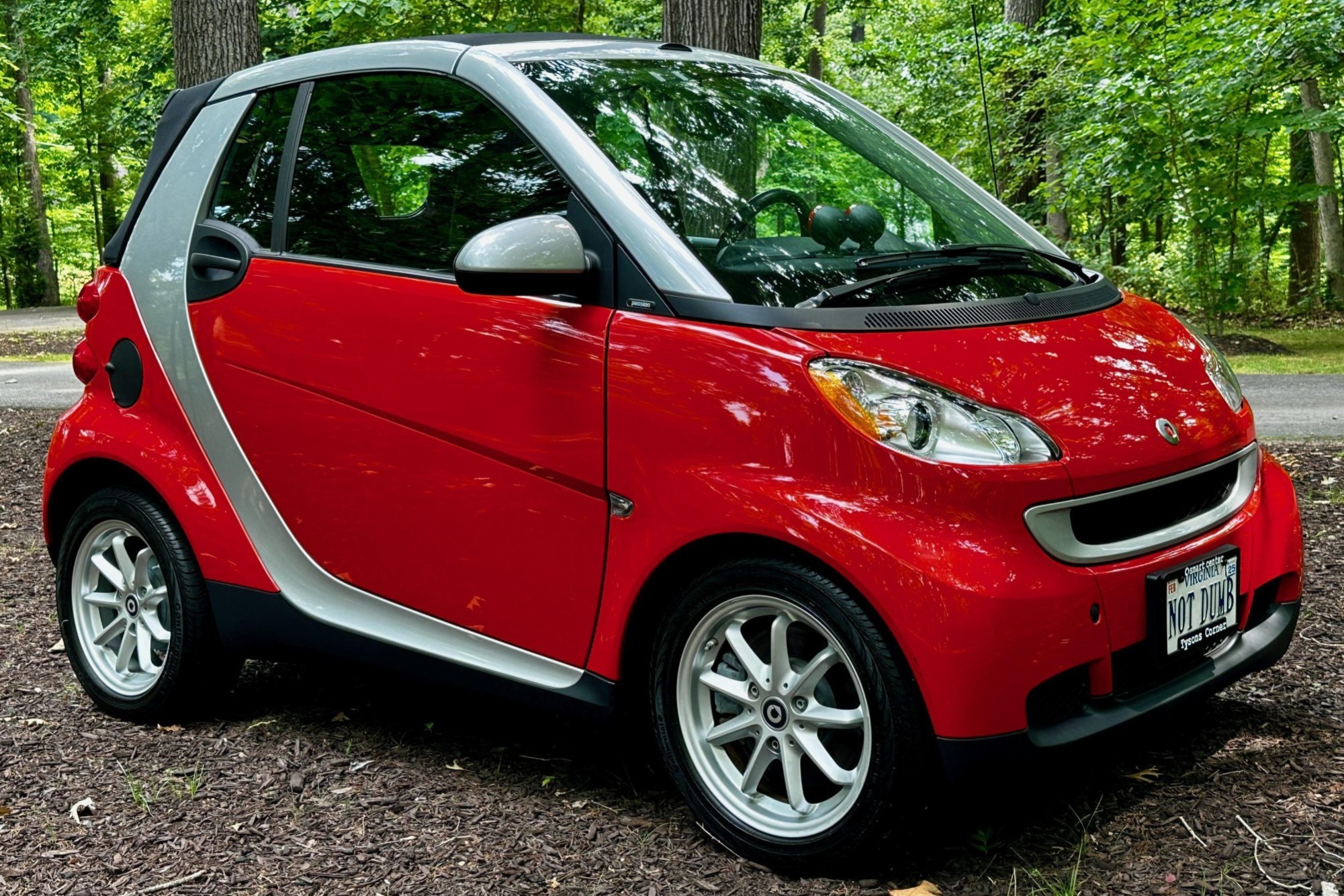
12. Smart Fortwo
The Smart Fortwo has long been the subject of jokes because of its unusually small size. Many people see it on the road and laugh at its short body, comparing it to a toy rather than a serious automobile. Some critics even question its safety, claiming that such a compact car cannot provide enough protection in accidents.
Yet despite the constant ridicule, the Smart Fortwo has proven as time goes on, that it offers something valuable, especially in crowded cities where space is limited and convenience matters most.
One of the strongest qualities of the Fortwo is its efficiency. The small three-cylinder engine may not provide high power, but it was designed to last. Because the car weighs so little, the mechanical parts face less strain than those of heavier vehicles.
With consistent servicing, many Fortwo owners report high mileage and reliable performance over many years. Repairs are often straightforward, and the running costs are low, making the car attractive to people seeking economical transportation.
Urban drivers appreciate the Fortwo’s ability to fit into tight parking spaces that larger vehicles cannot use. Its turning radius is extremely small, making it perfect for weaving through traffic or maneuvering in narrow streets. While it may not be the best option for long highway trips, its strengths appear clearly in daily commuting, where agility and fuel economy matter most.
Even after years of being mocked, the Smart Fortwo continues to find loyal owners who value its durability and practicality. Cities across the world still have plenty of these cars on the road, quietly proving their toughness. What once looked like a joke to many has instead become a reliable solution for drivers who understand that size does not always measure strength.
