
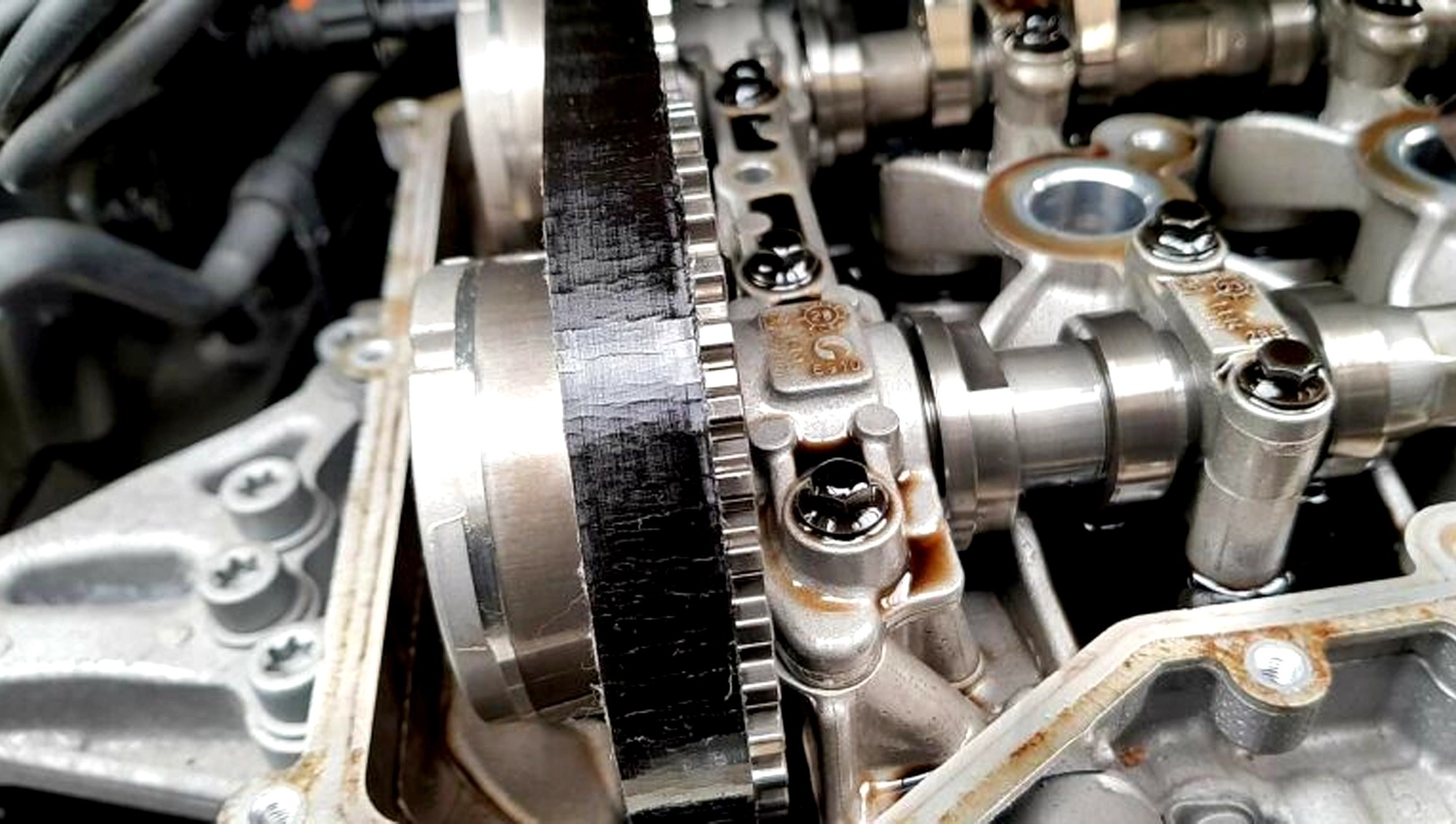
If you own a car, at some point, you will worry about repairs. One part that many drivers talk about is the timing belt. This small part may look ordinary, but it plays a very big role in how the engine works.
The job of the timing belt is to keep two important parts of the engine moving in the right rhythm. If the belt breaks, the car can stop immediately, and fixing it will cost plenty of money. That’s why drivers always want to know how long their timing belt will last.
Some engines are designed in a way that the belt lasts a long time, even more than the normal distance the company recommends before you change it. But some engines eat up timing belts faster, either because of their design or because if the belt cuts, it can damage other parts of the engine, like valves and pistons.
This is why people who want to buy cars often check the engine history first. Most car makers say you should change the belt after about 60,000 to 100,000 miles. But in reality, not all cars follow this same rule.
Some cars hardly give timing belt problems, while others keep disturbing the owner. This affects how much money you spend on maintenance and also how reliable the car is. Drivers who want peace of mind will prefer engines that don’t need belt changes all the time.
We will check five engines where the belt hardly give problems, and five engines that always seem to need replacement. We will explain why the belts last longer in some engines and why others wear out quickly, so you can know what to expect as a car owner.
5 Engines That Rarely Need Timing Belt Changes
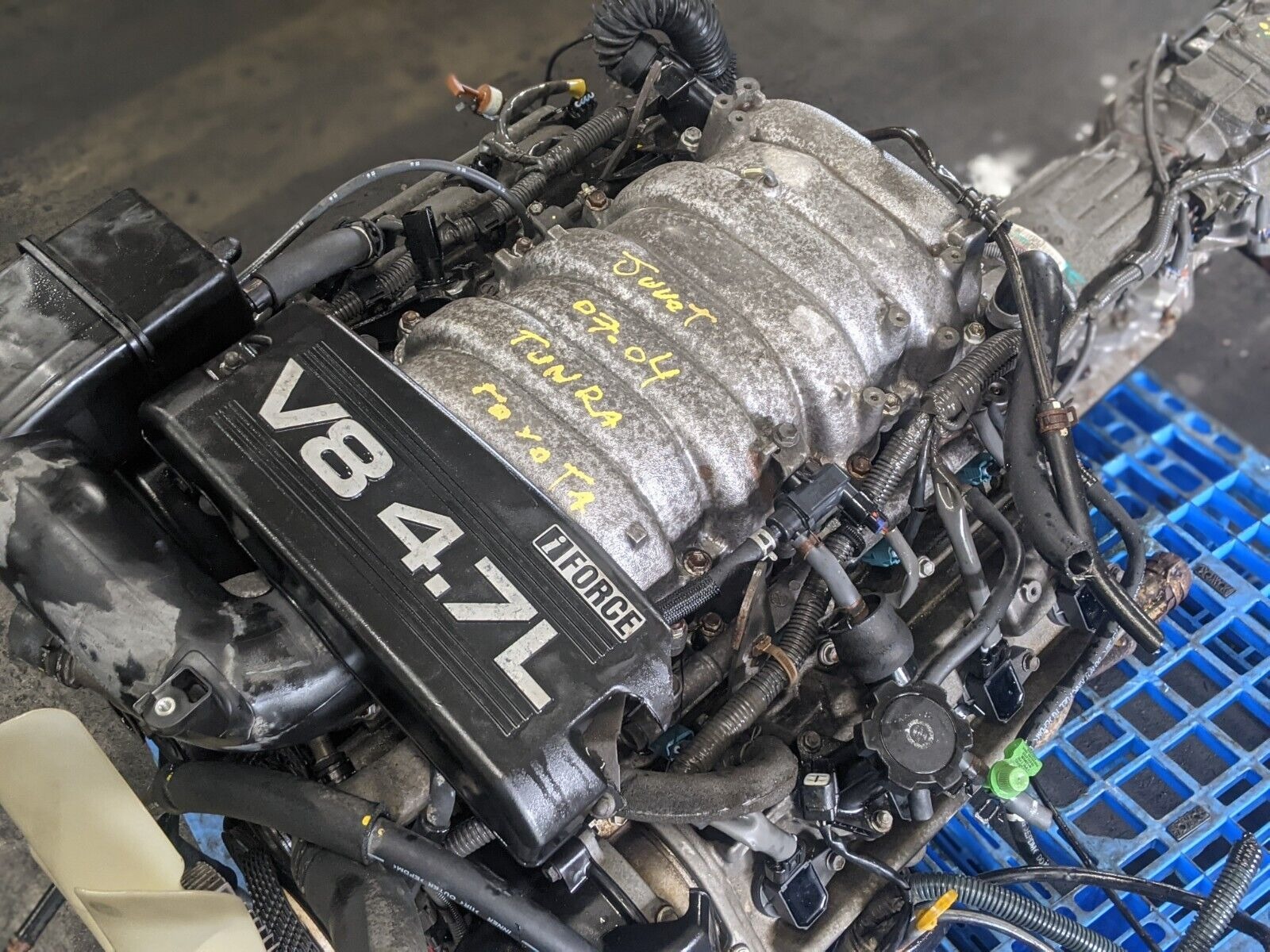
1. Toyota 2UZ-FE V8
The Toyota 2UZ-FE V8 engine has earned a name for durability, and part of this reputation comes from the long life of its timing belt. This engine is commonly found in the Toyota Land Cruiser, Lexus LX470, and some Tundra models. It was produced with quality materials and a strong design that supports longer belt service compared to many other V8 engines.
One reason the 2UZ-FE is dependable lies in its lower stress design. The compression ratio is not too aggressive, and this gives the timing belt less strain. The belt operates in a well-balanced system where the tension is controlled with hydraulic tensioners that keep it stable during long usage. Because of this, many owners report their timing belts lasting far beyond the recommended replacement interval.
Toyota advises replacement around 90,000 miles, but many drivers push it closer to 120,000 miles without experiencing failure. Mechanics who have worked on these engines often confirm that even when belts are replaced late, the old belts still look serviceable. This does not mean replacement should be ignored, but it shows the level of dependability built into the design.
Another reason this engine gives fewer timing belt worries is the general build quality. Toyota invested in heavy cast iron blocks with aluminum heads, and the entire engine construction reduces vibration that could wear the belt faster.
The cooling system is also efficient, keeping the belt and related components at steady temperatures. When the engine runs cooler and smoother, the timing belt naturally experiences less stress. Owners of vehicles with this engine often praise its trouble-free maintenance.
Timing belt replacement becomes just one of the occasional services rather than a constant source of fear. Drivers who take care of oil changes and cooling system maintenance often enjoy long timing belt life with the 2UZ-FE. This engine shows how strong engineering can make timing belts last longer, saving drivers from frequent trips to the mechanic.
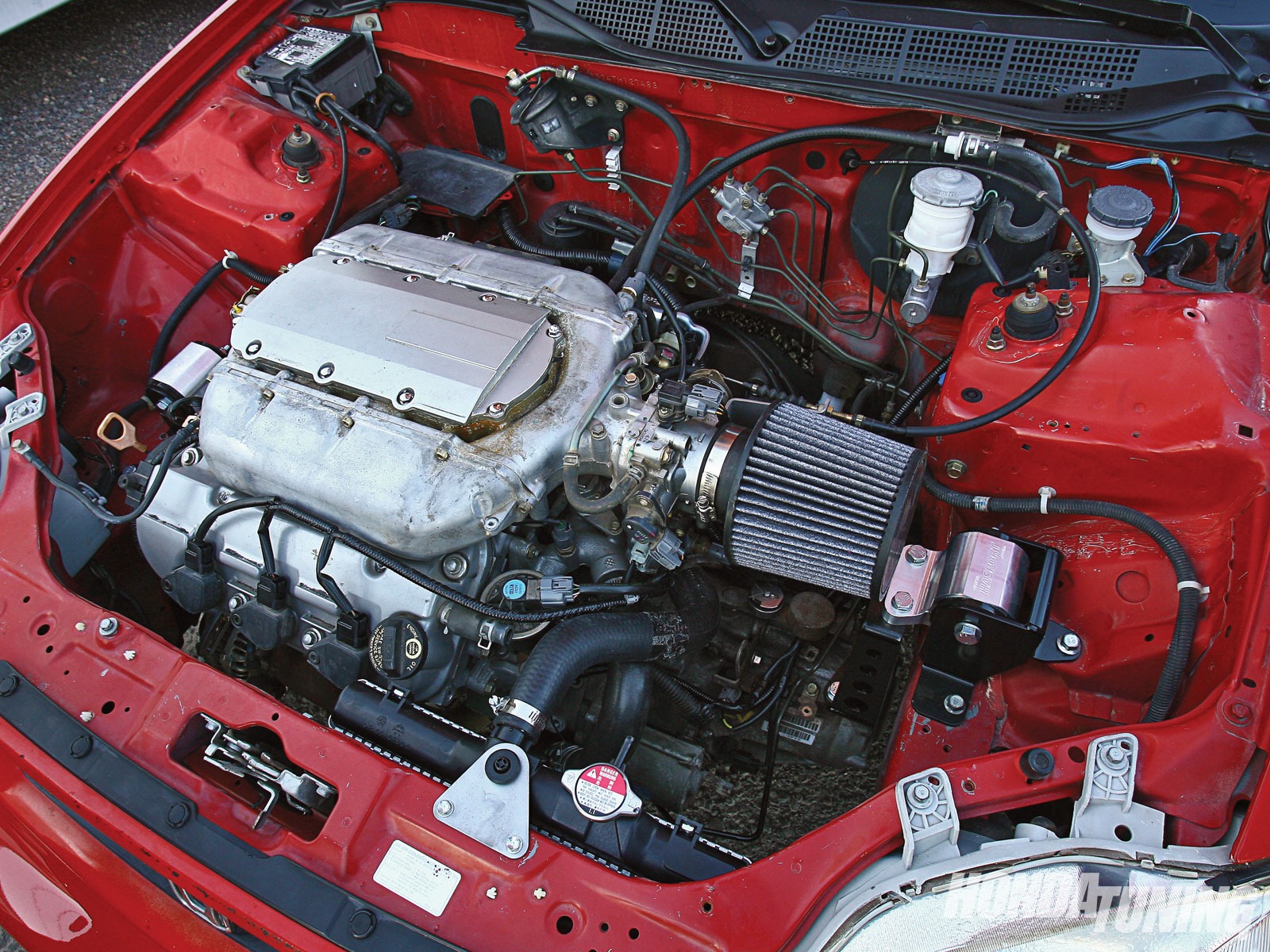
2. Honda J35 V6
Honda’s J35 V6 engine, which powers models like the Honda Odyssey, Pilot, and Acura MDX, is another unit with a reputation for timing belt reliability. It is designed with smooth operation in mind, and this extends the life of the belt. Many owners appreciate the fact that they do not have to worry about sudden timing belt failures with this engine.
The J35 V6 has a timing belt replacement interval of around 105,000 miles as suggested by Honda. But real-life experience shows that the belt can often last longer if the engine is properly maintained. The belt is supported by high-quality tensioners and pulleys that reduce unnecessary wear. Since the engine runs with less vibration and stress, the belt wears down at a slower rate.
One of the design strengths of the J35 is its balance between performance and reliability. The VTEC system gives it power when needed, but during normal driving, the load on the belt is not excessive. This balance means the timing belt is not overstressed even when the vehicle is used daily. The cooling system also helps in keeping the belt environment stable, preventing heat damage.
Many mechanics who service these engines have reported that timing belts removed after long use often remain in surprisingly good shape. Some drivers even push their belts to 120,000 miles before changing them, though this is not always advised. The fact that the engine forgives a delayed change shows how durable the belt system is.
Another factor that helps the J35 V6 is Honda’s engineering consistency. The company ensures that replacement parts like timing belts and tensioners are widely available and of good quality. Owners find it easier to maintain their cars properly, which contributes to long service life for the timing belt.
This engine continues to serve as proof that not all timing belts demand frequent attention. Many families rely on vehicles powered by the J35 V6 for daily transport without facing timing belt breakdowns, which shows how Honda’s design reduces maintenance stress.
Also Read: 15 Engines That Still Run Smooth After 20 Years
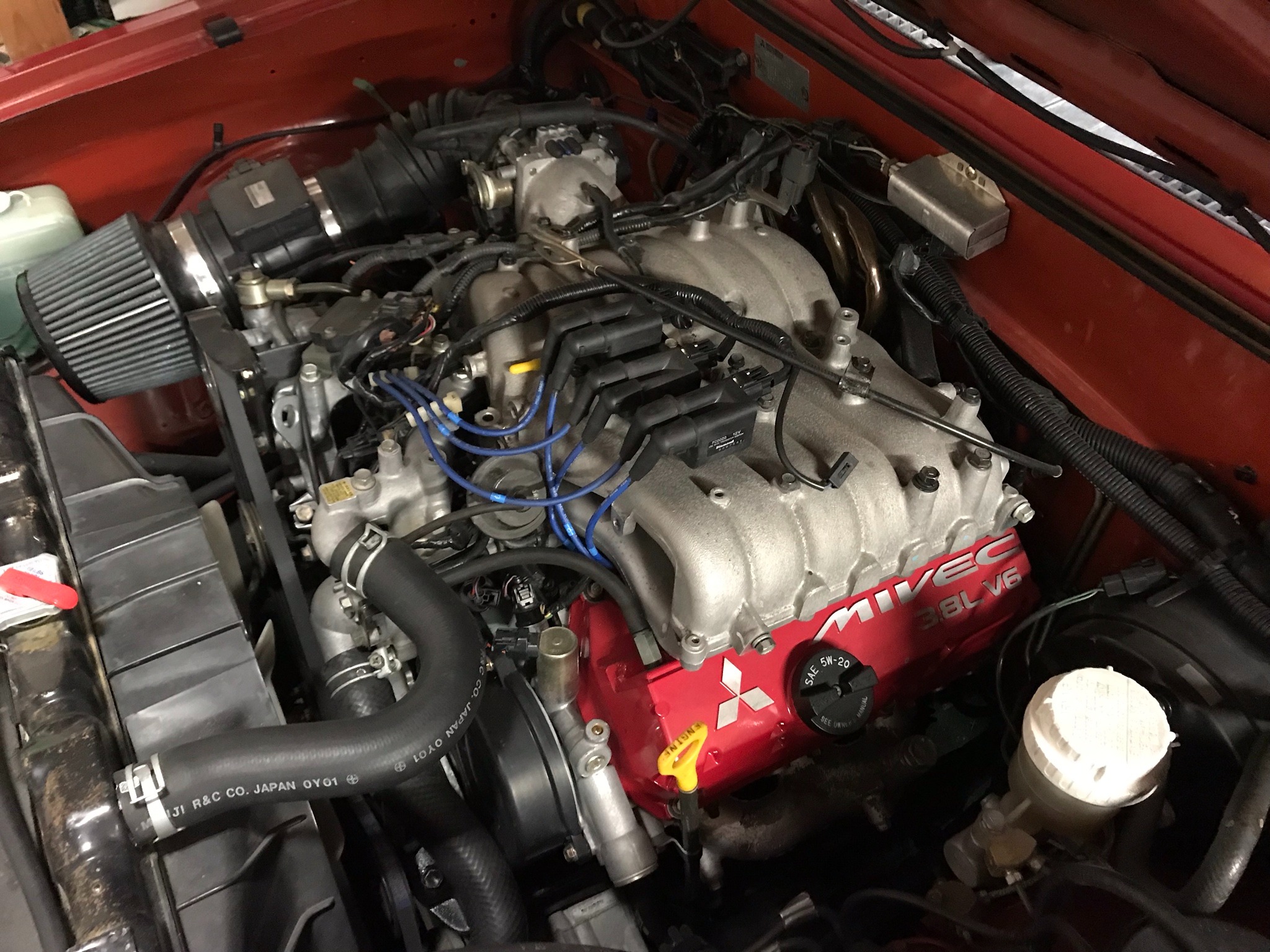
3. Mitsubishi 6G75 V6
The Mitsubishi 6G75 V6, found in models such as the Mitsubishi Montero, Endeavor, and some Chrysler vehicles, is also recognised for a strong timing belt system. This engine combines large displacement with durability, and its belt system is built to last.
Mitsubishi designed the 6G75 with a reinforced timing belt that can handle high torque and strong performance. The belt is thicker compared to some other engines, and the tensioners are reliable. Drivers often report that the belt lasts well beyond the suggested 90,000-mile interval, sometimes running smoothly up to 120,000 miles.
One strength of this engine is that it is not overly stressed under normal driving conditions. The design allows the belt to move steadily without jerky loads. Because of this, the belt experiences less sudden wear. The cooling system also ensures the belt operates in a controlled environment, reducing the effect of heat.
Mechanics who have serviced the 6G75 confirm that it does not frequently suffer from timing belt problems. Many times, the belt is replaced simply because it has reached mileage, not because it failed. Even water pumps and tensioners, which are often replaced together with belts, tend to hold up longer in this engine compared to many others.
Owners also appreciate that the 6G75 is not an interference engine in some applications, meaning even if the belt fails, the damage is not as severe. This adds to peace of mind, though it does not remove the need for timely replacement. Drivers who follow routine maintenance schedules usually find themselves free from constant timing belt worries with this engine.
The 6G75 V6 shows how thoughtful design and stronger materials can make a timing belt system less demanding, making it a dependable choice for those who want fewer belt changes during ownership.
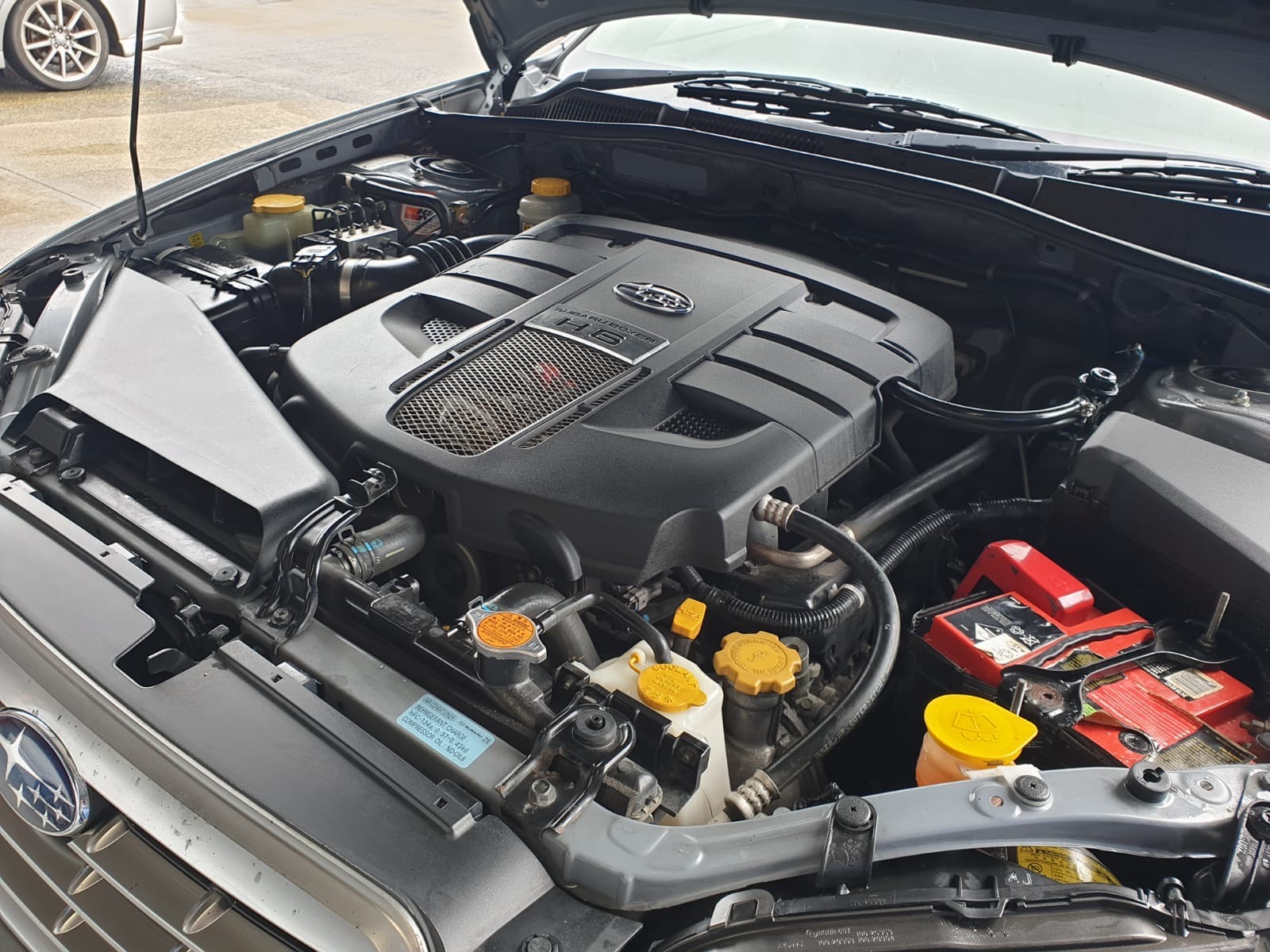
4. Subaru EZ30 Flat-Six
Subaru is known for its boxer engine design, and the EZ30 flat-six is one example where timing belt life is less of a worry. This engine powered models like the Subaru Outback H6 and Legacy 3.0R, and it was built with a chain-driven setup in later versions, but the earlier versions with belts were still dependable.
One reason the EZ30 timing belt lasts longer is the smoother movement of a flat engine. The boxer design reduces vibration naturally, which allows the belt to face less stress. Unlike engines with higher vibrations, the EZ30 gives the timing belt a calmer environment to function.
Subaru recommended timing belt replacement around 105,000 miles for the EZ30. Yet, many owners found that the belt remained strong even beyond this point. Mechanics servicing this engine have mentioned that the belts often looked better than expected after high mileage.
The cooling system plays a role, too. Subaru engines are known for stable temperature management when properly maintained. This protects the timing belt from heat-related wear. Additionally, Subaru used high-quality tensioners and pulleys, which help the belt run smoothly without misalignment.
Another factor is that this engine was designed for reliability since Subaru marketed it toward families and long-distance drivers. A dependable timing belt system was necessary for the reputation of the brand. Owners who took care of their cars usually enjoyed long belt service life.
Though some drivers worry about Subaru head gasket issues in general, timing belts on the EZ30 do not usually trouble them. This makes it one of the engines where belt replacement is less frequent, and it adds value to the ownership experience.
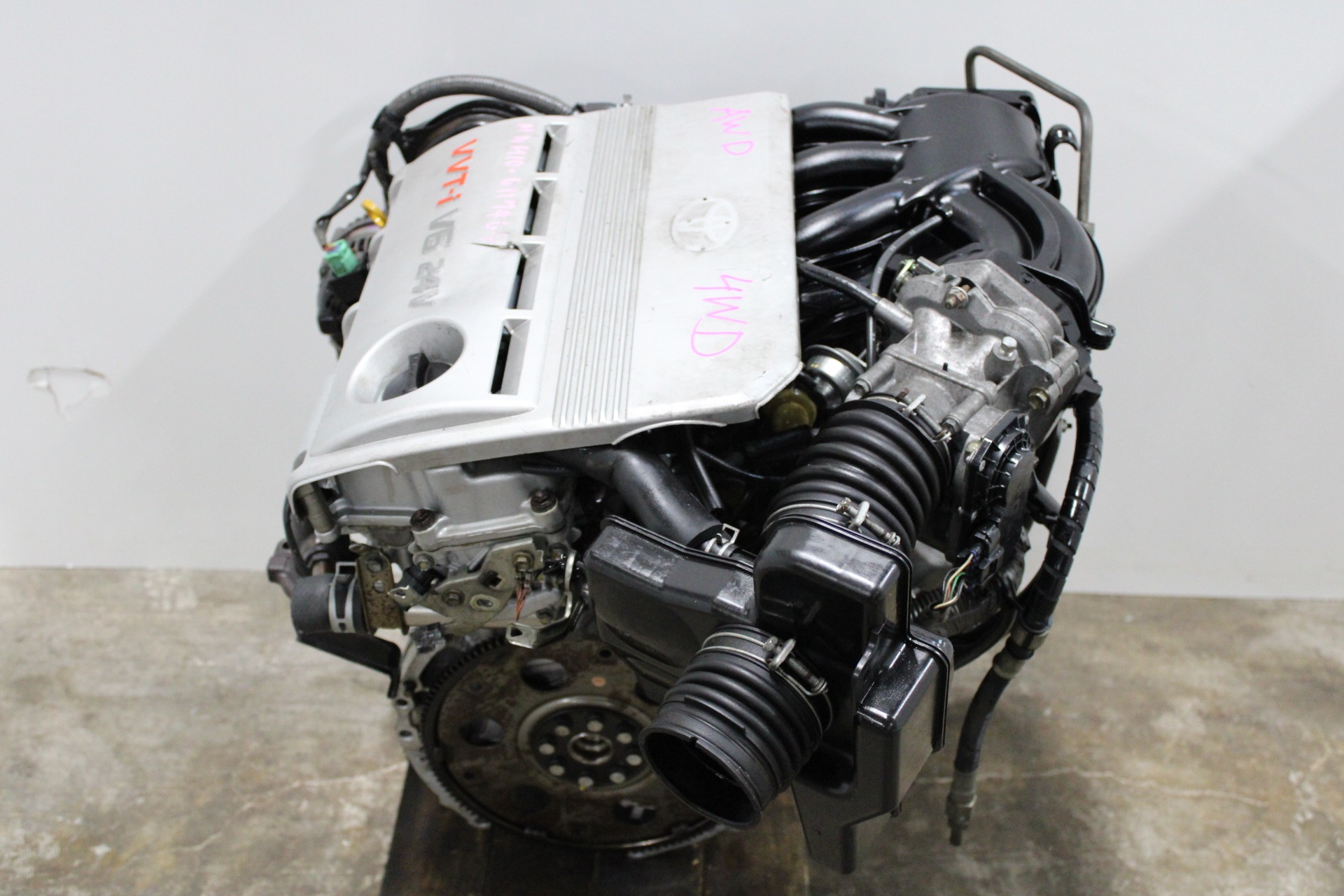
5. Toyota 3MZ-FE V6
The Toyota 3MZ-FE V6, used in vehicles like the Toyota Camry, Highlander, and Lexus ES330, has proven itself with a long-lasting timing belt system. Toyota designed this engine for smooth performance and dependability, and part of that package includes a belt that does not fail easily.
This engine runs with a replacement interval of about 90,000 to 105,000 miles, but many owners safely stretch it further. Reports from mechanics show that even after high mileage, the belt often looks strong when removed. This shows that the system was engineered for durability.
The 3MZ-FE uses hydraulic tensioners that maintain the correct pressure on the belt. This prevents sudden looseness that could cause the belt to skip teeth. As long as the cooling system is in good order, the belt stays in a safe environment where heat and vibration are controlled.
Drivers of vehicles with this engine often note how rarely they worry about timing belt failure. Many say the engine simply keeps running smoothly with little drama. Even when the belt is overdue for change, failure is not common, although timely replacement is always safer.
Toyota’s consistency in providing high-quality replacement parts also helps. Owners who choose genuine parts usually restore their belt system to factory condition without trouble. This makes it easier to keep the car reliable for many years.
The 3MZ-FE shows once again how Toyota designs engines with long-lasting parts. For drivers, it means less frequent timing belt changes and more confidence on the road.
5 Engines That Constantly Need Timing Belt Changes
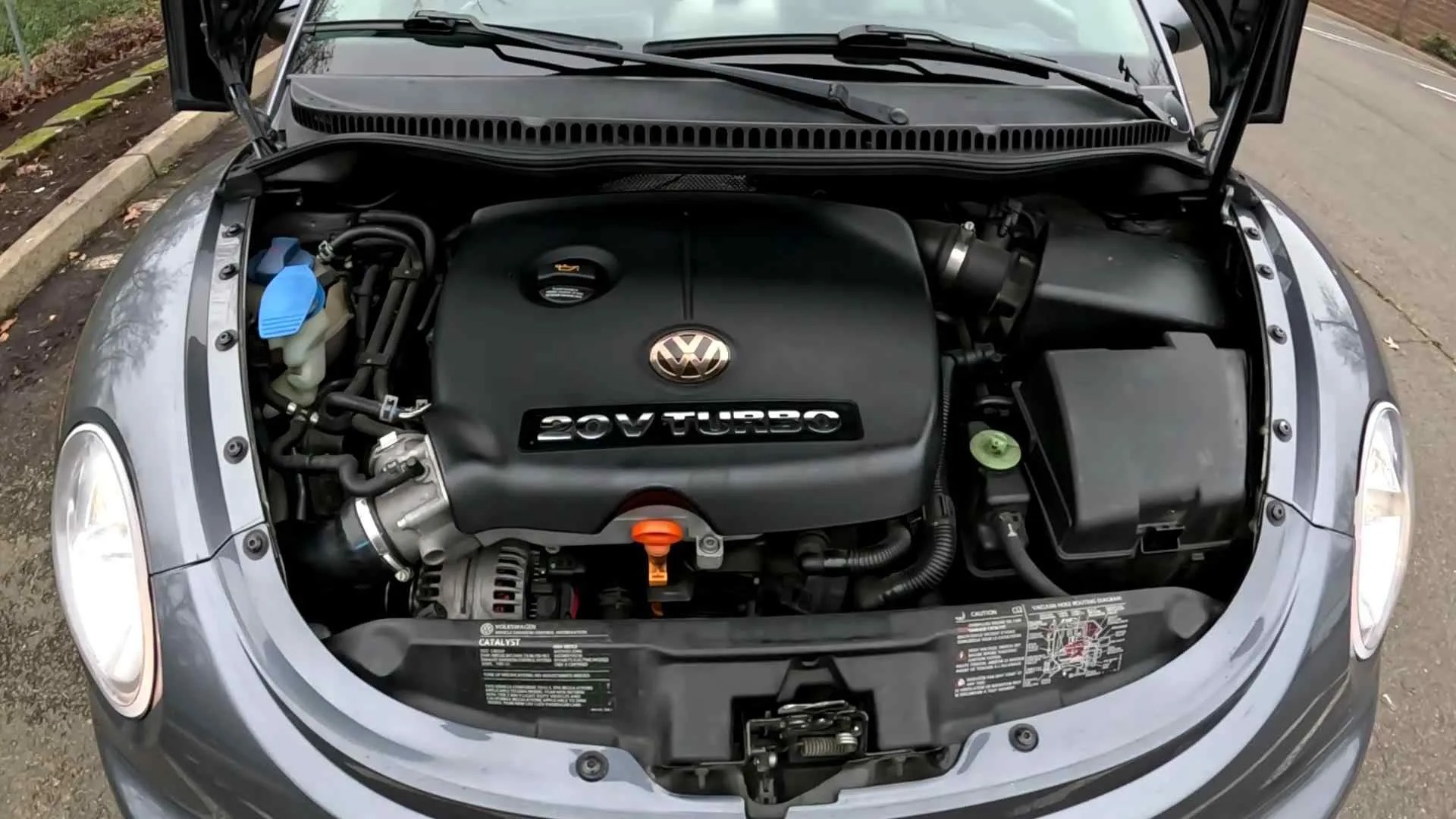
1. Volkswagen 1.8T Turbo
The Volkswagen 1.8T turbo engine, popular in models like the Jetta, Passat, and Audi A4, is known for frequent timing belt attention. This engine uses a belt that often requires replacement sooner than expected, and owners are advised to take the interval very seriously.
Volkswagen recommends changing the belt around 60,000 to 80,000 miles, but many owners choose even shorter intervals for safety. The design of this engine makes it very risky to delay replacement. It is an interference engine, so if the belt breaks, pistons can collide with valves, causing major damage.
One reason the belt wears faster is the turbocharged setup. The added stress and higher heat in the engine bay place more strain on the belt. The tight space in which the belt operates also contributes to its wear. Mechanics often warn drivers not to push their luck with this engine’s belt system.
Drivers who ignore the replacement schedule often face expensive repairs. Stories of engine failure due to broken belts are common with the 1.8T. This is why many owners replace belts as early as 50,000 miles just to be safe. The water pump, tensioners, and idler pulleys are usually changed together, since they also wear quickly.
Although the 1.8T offers strong performance, the tradeoff is high maintenance. Owners who keep up with belt changes enjoy the engine, but it remains one of those units that demand constant attention in terms of the timing belt.
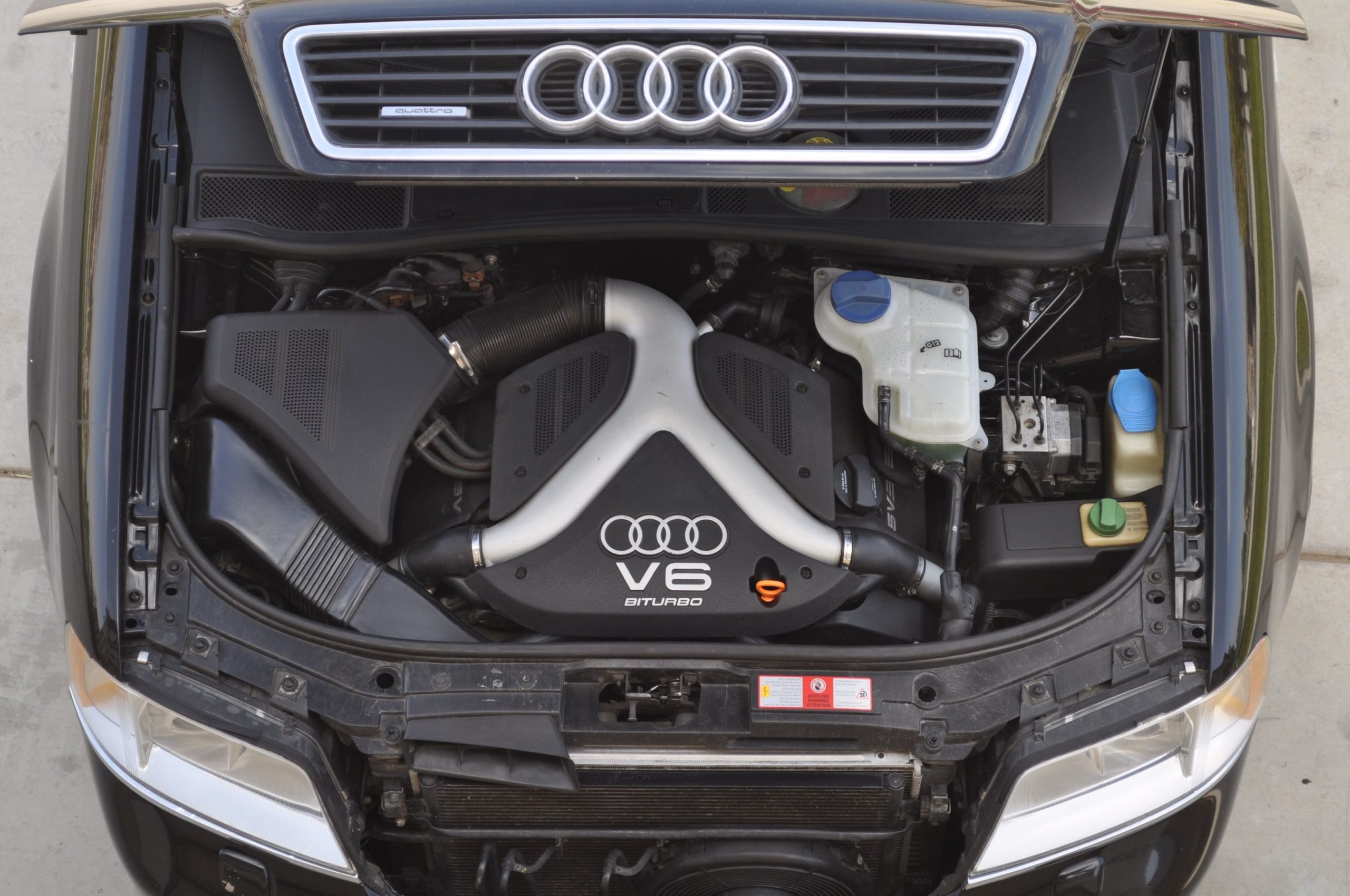
2. Audi 2.7T V6 Bi-Turbo
The Audi 2.7T V6 bi-turbo engine, fitted in models like the Audi S4 and A6, is respected for strong performance, yet it is also recognised for heavy maintenance. Among its weak points, the timing belt system stands out. Drivers who own vehicles with this engine usually understand that belt service cannot be delayed, as the risk of failure is too high.
Audi officially recommends belt replacement at about 60,000 to 75,000 miles, but many experienced mechanics treat that figure as the absolute limit rather than a safe margin. The engine’s design creates heavy demand on the timing belt, and because it is an interference type, any belt break almost always means bent valves and very costly repairs.
The twin turbochargers attached to the 2.7T add another layer of stress. They create extra heat in the already tight engine bay, and this high-temperature environment reduces belt life. Heat, combined with the constant pressure of driving the camshafts, means the belt wears faster compared to engines without turbos.
Mechanics usually advise replacing the entire timing belt kit, which includes the water pump, seals, tensioners, and idlers, during each service interval. Skipping any part often leads to early failure. Owners who delay replacement often face sudden breakdowns.
A broken belt in this engine is rarely a small issue. It usually requires an engine rebuild or full replacement, which can run into several thousand of dollars. For this reason, most careful owners follow a strict routine, sometimes changing belts even earlier than the manufacturer’s schedule just for peace of mind.
Despite its reputation for demanding maintenance, the 2.7T remains loved by enthusiasts because of its smooth power delivery and potential for tuning. Yet, the joy of owning such an engine comes with the reality that the timing belt system demands constant attention.
It serves as a reminder that some engines are built for performance first, and reliability in terms of belt longevity takes second place. Owners who accept this balance and commit to routine service usually enjoy the power of the 2.7T without facing sudden engine disasters.
3. Chrysler 2.7 V6
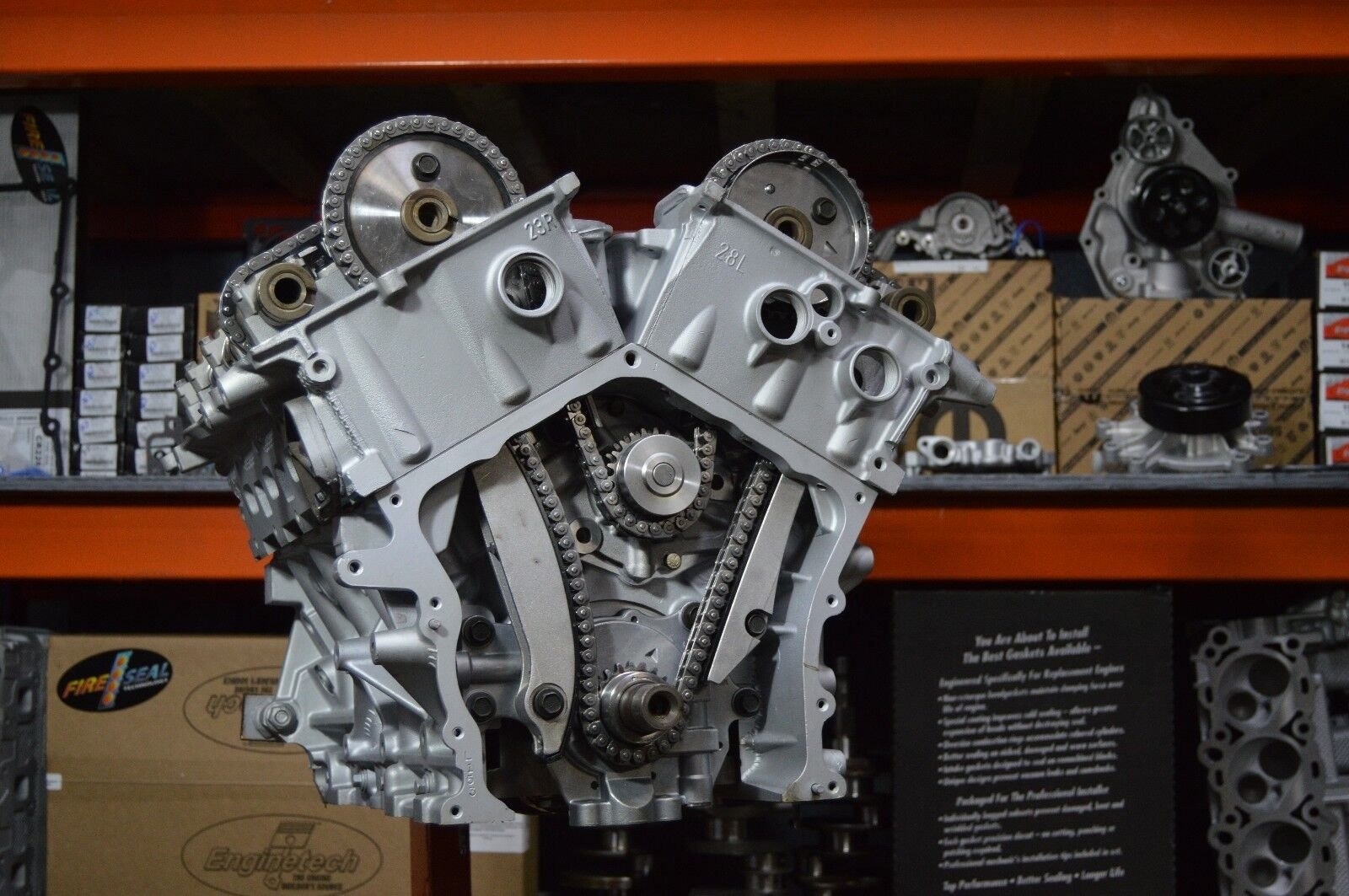
The Chrysler 2.7 V6 engine, fitted in models like the Chrysler Concorde, Dodge Intrepid, and some Sebring units, has carried a reputation for being troublesome, and its timing belt is part of the reason. While Chrysler tried to make the engine compact and efficient, certain design weaknesses made it demanding when it comes to belt maintenance.
The official replacement interval for the belt is around 60,000 miles, yet many owners experience failures earlier than that, especially if the engine has not been maintained with strict oil changes. One of the main problems with the 2.7 V6 is oil sludge.
Poor circulation of oil due to sludge buildup affects not only the lubrication of moving parts but also the condition of the timing belt and tensioners. Once the belt operates in an environment where oil flow is compromised, it wears faster and becomes prone to failure.
Cooling system issues also add to the problem. The 2.7 V6 is known for heat management challenges, and when overheating occurs, the timing belt faces more stress than it can handle. The rubber material of the belt deteriorates quickly under heat, and this shortens its service life.
Drivers who do not maintain the radiator, thermostat, and water pump properly usually find themselves replacing timing belts much more often than the manufacturer’s recommendation. Mechanics consistently advise owners never to gamble with belt replacement in this engine.
Because it is an interference design, a failed belt nearly always bends valves, and sometimes pistons get damaged as well. This repair often costs far more than simply replacing the belt on time. Unfortunately, many drivers have learned about this issue only after facing catastrophic damage.
The constant attention required for the timing belt has made the Chrysler 2.7 V6 one of the most maintenance-heavy engines of its time. Owners who keep up with oil changes, use high-quality oil, and service the cooling system religiously manage to reduce failures, but the need for early belt replacement remains. For drivers who own cars powered by this engine, belt changes are not optional but an unavoidable part of ownership.
4. Hyundai 2.0 Beta Engine
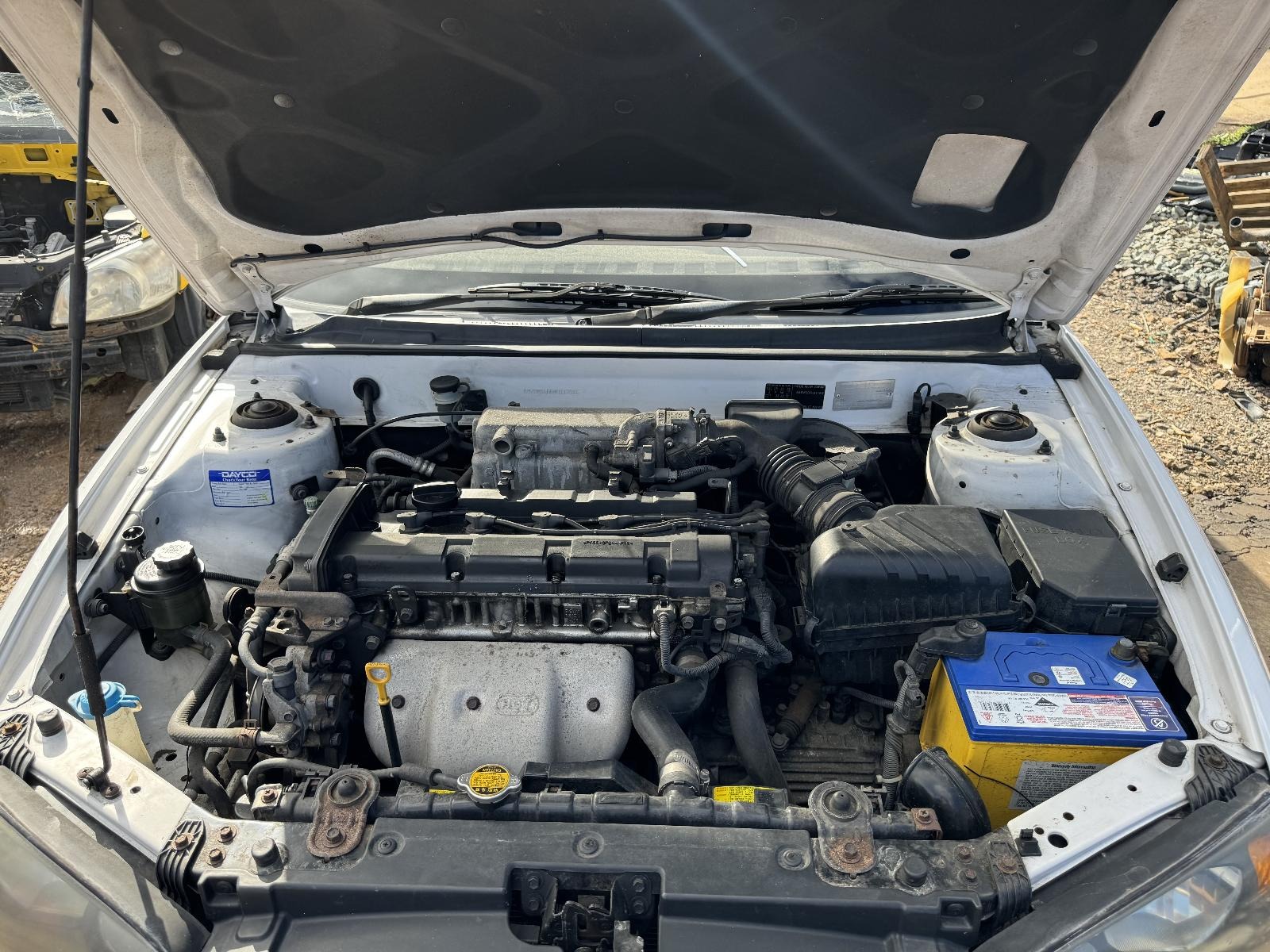
The Hyundai 2.0 Beta engine, used in older Elantra and Tiburon models, also requires frequent timing belt attention. The design is not forgiving, and belt failure can cause severe engine damage.
Hyundai recommended belt replacement around 60,000 miles for this engine. Many mechanics and owners, however, prefer to replace it even earlier. This is because the engine does not tolerate belt wear. Once the belt weakens, the risk of failure rises quickly.
The interference design of the engine makes things worse. A broken belt usually results in bent valves, making the repair very expensive compared to the cost of regular replacement. This fear keeps owners on strict maintenance schedules.
Another factor that makes the belt’s life short is the engine’s tendency to run hotter in certain driving conditions. The heat affects belt materials, and if tensioners are not in perfect condition, the belt can slip or snap unexpectedly.
Owners of vehicles with the 2.0 Beta engine often consider timing belt replacement a routine part of ownership, as delaying it is too risky. While the engine gives acceptable performance, it comes with the burden of constant belt changes.
Also Read: 10 Diesel Engines That Refuse to Quit After Prolonged Use
5. Fiat 1.4 FIRE Engine
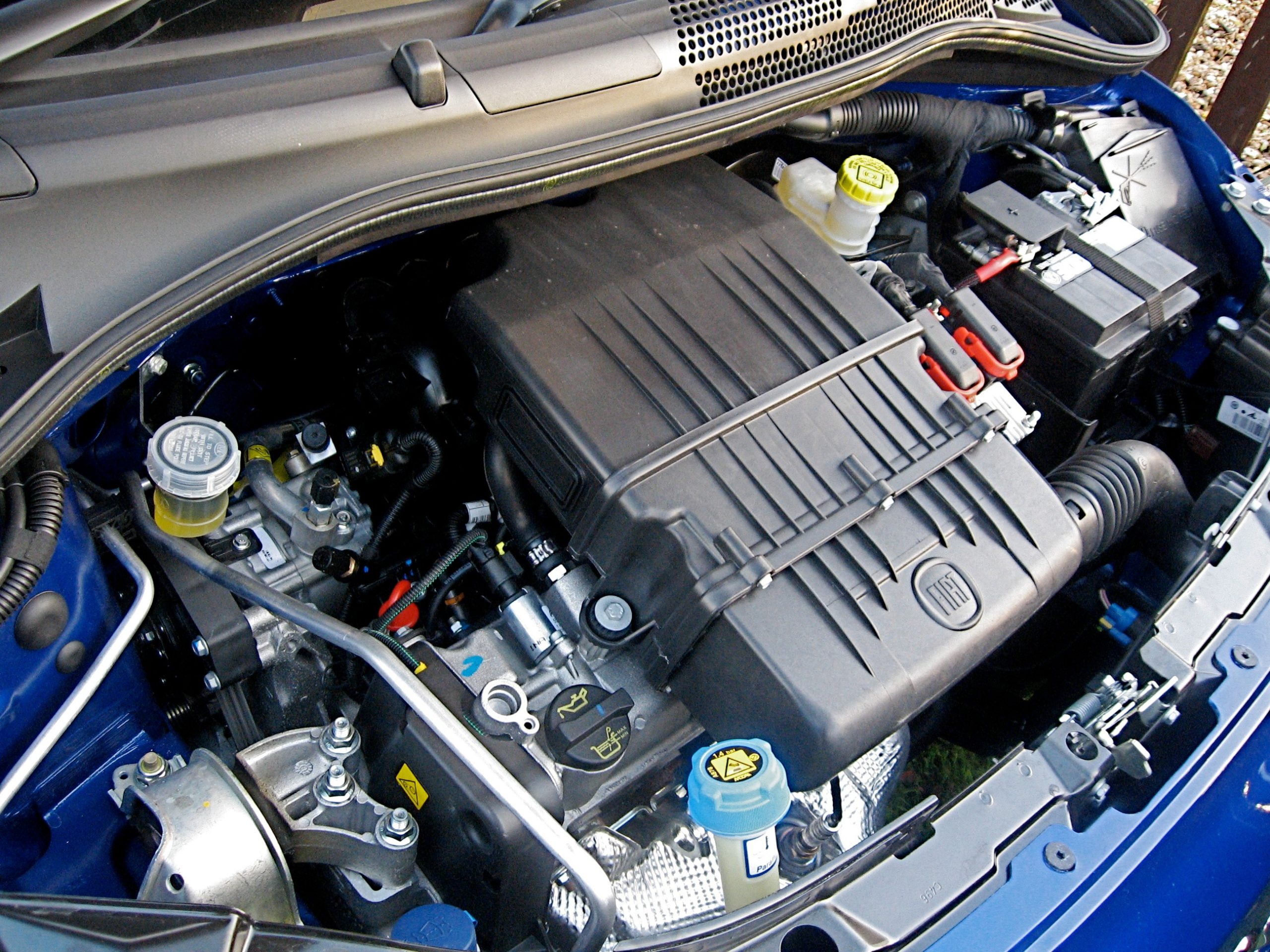
The Fiat 1.4 FIRE engine, fitted in models such as the Fiat Punto, Panda, and some Alfa Romeo vehicles, is often recognised for efficiency and affordability, but its timing belt system demands constant attention. Drivers who own cars with this engine often mention that the belt does not last as long as they expect, which makes maintenance a regular requirement rather than an occasional task.
Fiat officially recommends timing belt replacement between 60,000 and 70,000 miles, but many real-world experiences show that failure can occur sooner, especially if the belt is neglected or if the engine is driven hard.
The compact design of the 1.4 FIRE means that the timing belt runs in a tighter space with limited airflow, which leads to faster wear compared to larger engines with more open layouts. Heat and tension combine to shorten the belt’s life span, and once wear begins, it progresses quickly.
Mechanics who work on these engines often insist that replacing the entire timing kit is the only safe option. This includes the water pump, tensioners, and idlers. These parts wear at nearly the same rate as the belt, and skipping any of them raises the risk of early failure. Because the engine is interference type, a broken belt nearly always leads to bent valves and sometimes piston damage, which means repairs cost far more than regular replacement.
Another common challenge is that some owners ignore the manufacturer’s schedule, hoping the belt will stretch past its recommended life. Unfortunately, the 1.4 FIRE does not tolerate such risks. Many drivers who delay replacement face sudden engine failure, which leaves them stranded and paying for expensive repairs that could have been avoided.
For many owners, this engine serves as a reminder that some vehicles simply demand strict timing belt service. While the 1.4 FIRE offers good fuel economy and decent performance for daily driving, it requires discipline when it comes to maintenance.
Drivers who stick to timely belt changes and replace all related parts together usually avoid disaster, but the fact remains that the engine needs constant attention in this area.
