
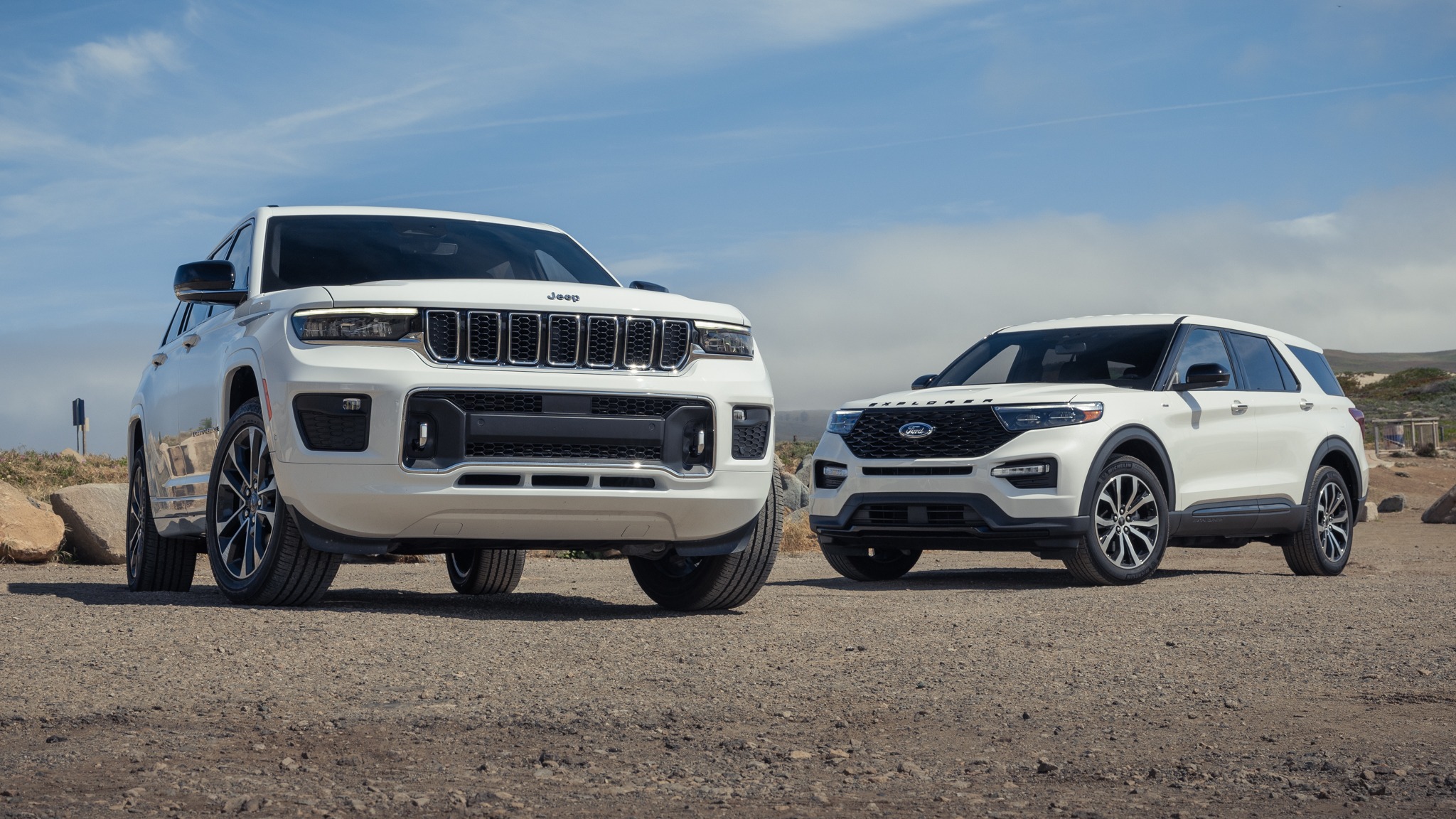
When people think about driving in the mountains, their first thought is usually about the beautiful views, fresh air, and quiet roads. But mountain driving is not only about the beauty of nature. It is also about the strength of the vehicle that carries you up the hills and brings you down safely.
A sport utility vehicle, or SUV, is often the choice for such journeys because it combines passenger comfort with a stronger body build and higher ground clearance. Even so, not every SUV is created to handle mountain roads.
Some are designed mainly for smooth highways and light city use, while others are tough enough to face steep climbs, sharp bends, rocky paths, and sudden weather changes. Choosing the right SUV for mountain driving can save you from stress and even danger.
When a car struggles with heat from the engine, weak brakes, or poor handling on rough surfaces, the risk of breakdown becomes high. Drivers want a vehicle that will not only climb but also descend with control. That is why it is important to know which SUVs have proven themselves on tough mountain routes and which ones are better left for city streets.
We will carefully look at five SUVs that have shown they can survive the test of mountain driving and five that often disappoint in those same conditions. Each section will take time to explain why certain vehicles succeed while others fail.
We will give more attention to engine strength, suspension, transmission, braking system, and driver comfort.
5 SUVs That Survive Mountain Driving
1. Toyota Land Cruiser
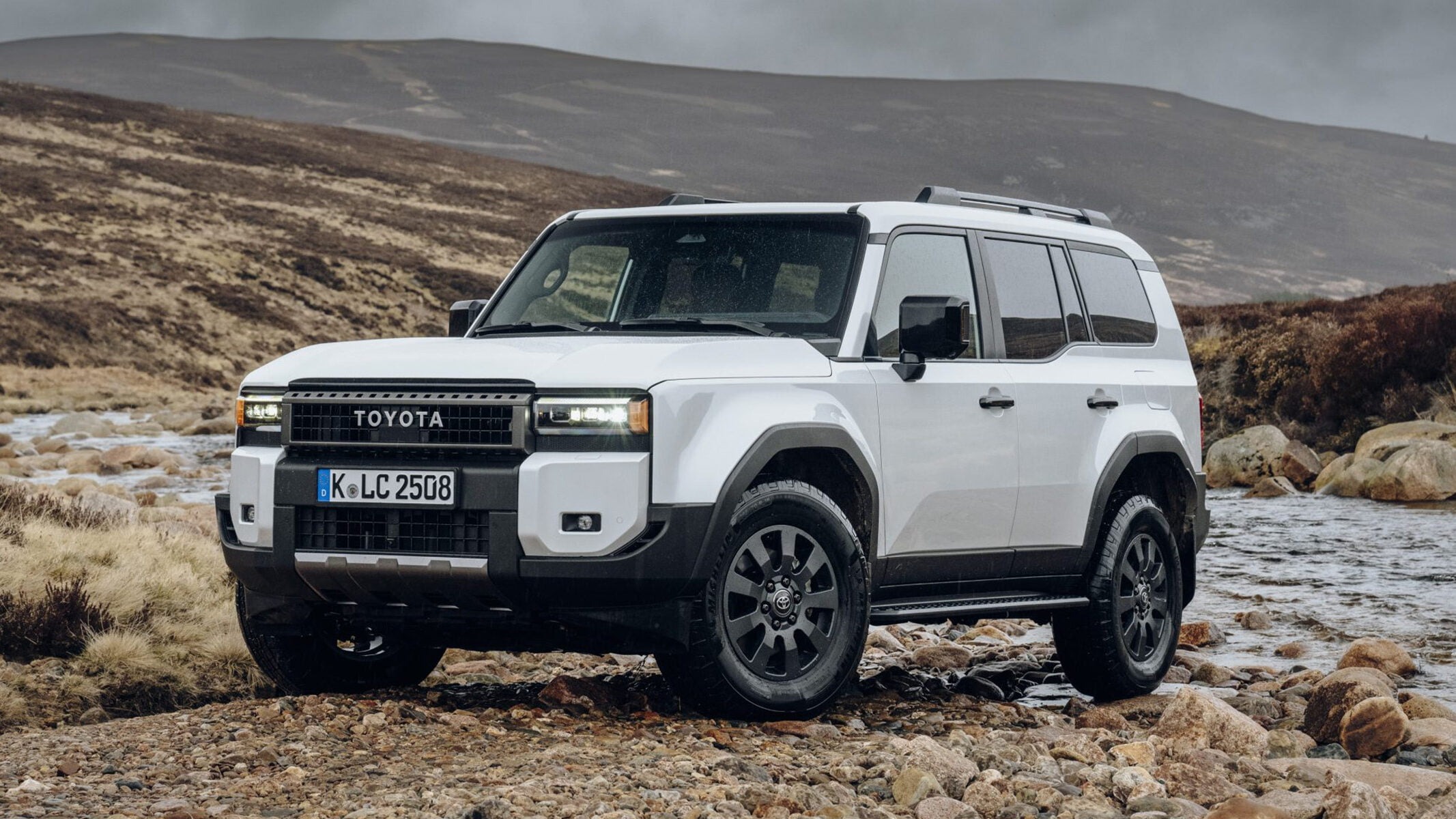
The Toyota Land Cruiser has long been seen as a symbol of durability and trust on rough terrain. When it comes to mountain driving, few vehicles can match its performance. This SUV is built with a powerful V8 engine that delivers strong torque, which is very important for climbing steep hills.
The automatic transmission works smoothly, allowing the driver to focus on the road instead of worrying about gear changes. Drivers also appreciate the body-on-frame build, which makes the vehicle strong enough to withstand constant strain from rocky or uneven roads.
Another strong point of the Land Cruiser is its suspension system. Mountain driving often involves sudden dips, large stones, or soft muddy surfaces. The Land Cruiser uses adaptive suspension technology that adjusts itself to road conditions.
This gives both driver and passengers a more stable ride and reduces the risk of losing control. Even when carrying heavy loads, the Land Cruiser still performs well on steep or winding roads. The braking system is also reliable. When going downhill, brake fade can be dangerous, but the Land Cruiser uses ventilated disc brakes that resist overheating.
The vehicle also comes with hill-start assist and downhill assist control, which help the driver maintain stability during difficult climbs or descents. These features are life-saving on mountains where roads are narrow and mistakes can be costly.
Inside the SUV, comfort is not sacrificed. Long mountain trips require supportive seats, good air conditioning, and modern technology to keep passengers safe and entertained. The Land Cruiser offers all these without reducing its toughness. Drivers know they can enjoy comfort while also trusting the car’s performance.
Because of its balance of strength, control, and comfort, the Toyota Land Cruiser continues to be one of the best choices for mountain driving. It has earned its reputation through years of dependable performance in some of the toughest regions in the world.
2. Jeep Wrangler
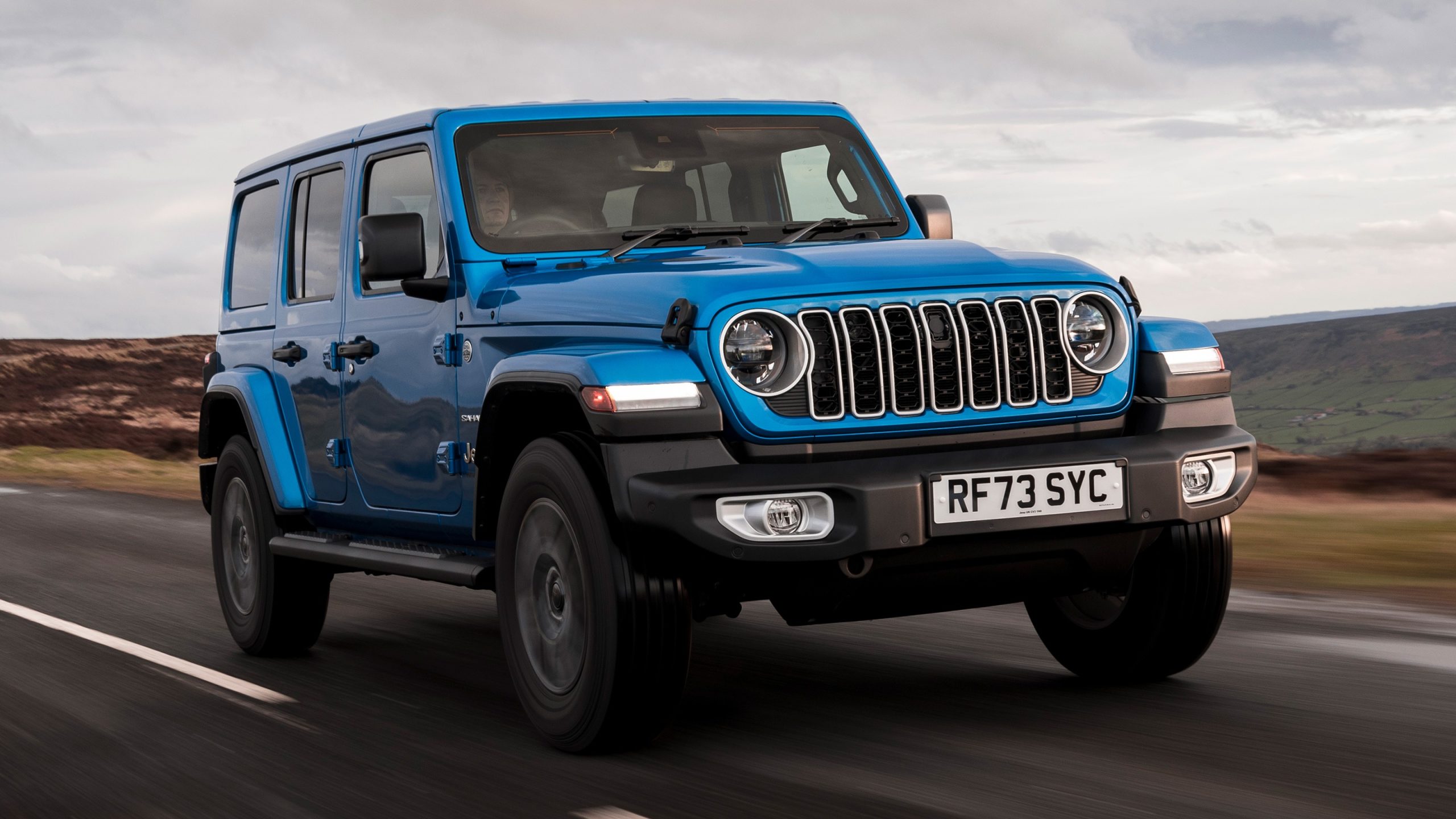
The Jeep Wrangler has a long-standing reputation as a serious off-road machine, and when it comes to mountain driving, this SUV shows its true strength. Built with a rugged frame and an advanced four-wheel drive system, the Wrangler has been trusted by many drivers who love adventure.
The design is not only stylish but also practical because it is tailored to handle difficult paths such as steep hills, sharp turns, and rocky roads. One of the biggest advantages of the Wrangler is its short wheelbase. This design makes it easier to maneuver on narrow mountain roads where space is limited.
Many SUVs struggle with turning tightly on mountain paths, but the Wrangler’s compact build allows it to move with precision. This makes it safer for drivers who encounter sudden bends or unexpected obstacles.
Under the hood, the Wrangler offers strong engine choices, including a V6 and turbocharged four-cylinder. Both deliver enough power to handle steep climbs without putting too much stress on the driver.
The torque output is especially helpful when you are carrying extra luggage or equipment up a mountain trail. The transmission is tuned for smooth gear changes, and the low-range gearing system is designed exactly for mountain and off-road use.
The suspension system is another feature that makes the Wrangler a good performer. It is built to absorb shocks from rocks, potholes, and uneven surfaces, which means passengers remain comfortable even when the road becomes rough. Ground clearance is also higher than most regular SUVs, reducing the chance of damage underneath the vehicle when passing over obstacles.
Safety is another area where the Wrangler does well. The four-wheel drive system works hand in hand with traction control to keep the vehicle steady, even when roads are slippery from rain or snow. Hill descent control also ensures that the vehicle does not move too fast downhill, reducing stress on the brakes and giving the driver more confidence.
Inside, the Jeep Wrangler offers a more practical cabin compared to luxury SUVs, but it still provides the necessary comfort for long drives. The seats are supportive, and modern technology like touchscreens and smartphone connectivity make the ride enjoyable.
Also Read: 10 Affordable Cars That Refuse to Quit in College Parking Lots
3. Land Rover Defender
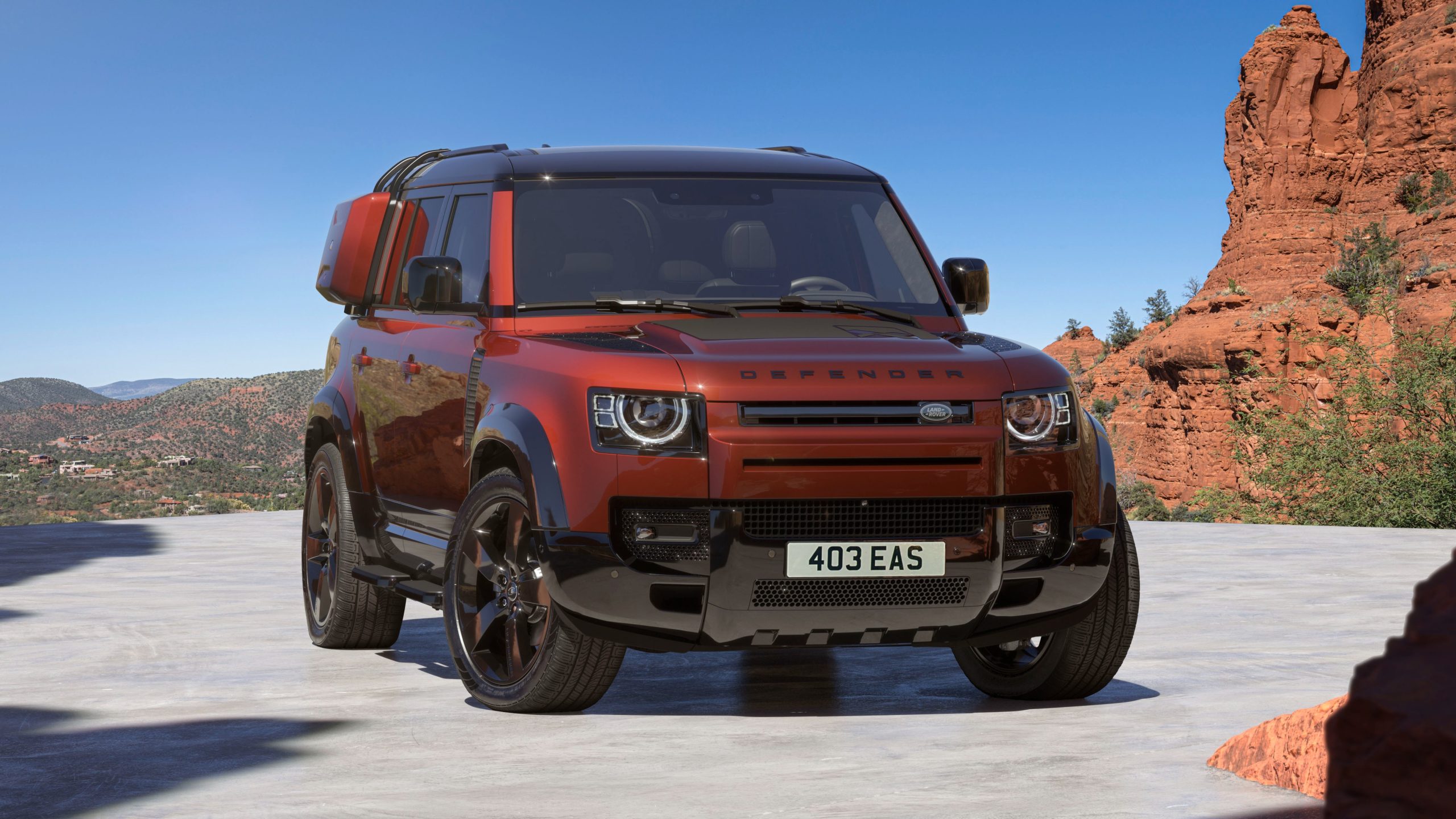
The Land Rover Defender has long been celebrated as a vehicle built for harsh environments. When mountain driving is the challenge, this SUV shows why it has earned respect from drivers all over the world.
With its powerful engines, strong suspension, and reliable all-wheel drive system, the Defender is one of the best options for those who face rough mountain terrain regularly. One of the most important features of the Defender is its adaptive terrain response system.
This allows the vehicle to adjust automatically to the type of surface it is on. Whether it is loose gravel, muddy paths, snowy slopes, or rocky trails, the Defender adapts its traction and power delivery to ensure steady progress. This makes it very safe and dependable on steep climbs and risky descents.
The Defender is also designed with high ground clearance, which is crucial for mountain driving. Drivers often face big rocks, sharp ridges, or uneven roads, and vehicles with low clearance can easily get damaged. The Defender’s clearance, together with strong underbody protection, gives drivers peace of mind. They know the vehicle can handle rough surfaces without serious damage.
Engine strength is another area where the Defender performs well. It comes with different options, including a turbocharged four-cylinder, a six-cylinder mild-hybrid, and even V8 engines. These engines deliver good torque, which is essential when pulling weight uphill. Combined with its smooth automatic transmission, the Defender moves steadily without struggling.
Handling is another strength of this SUV. Despite being a tough off-road vehicle, it does not feel too heavy or slow on narrow mountain paths. Steering is responsive, and the vehicle remains balanced even during sharp turns. This balance is very important when roads are narrow and mistakes could lead to danger.
Inside, the Defender offers both comfort and technology. Mountain driving often means long hours behind the wheel, and the supportive seats help reduce fatigue. Features like navigation systems, high-quality sound, and strong climate control make the journey less stressful. The design of the cabin also allows for good visibility, which is very helpful on narrow or winding roads.

4. Ford Bronco
The Ford Bronco has returned strongly in recent years, and it has quickly become a favorite among drivers who enjoy outdoor adventures. When it comes to mountain driving, the Bronco proves itself as a capable vehicle with modern engineering and classic toughness.
Built with both two-door and four-door versions, it gives drivers flexibility depending on their needs. One of the major advantages of the Bronco is its advanced four-wheel drive system. Drivers can choose from different modes depending on the terrain.
For example, on steep rocky climbs, the vehicle can engage settings that allow maximum torque to reach the wheels. This helps prevent slipping and gives drivers more control. When coming down, hill descent control makes sure the vehicle does not lose grip or move too quickly.
The Bronco also shines in terms of suspension. Its independent front suspension and solid rear axle design allow it to handle rough surfaces while keeping the ride stable. On mountain trails where bumps and dips are common, this suspension helps reduce discomfort and keeps the tires in contact with the ground. That improves traction and safety.
Another strong point of the Bronco is its wide range of engines. It offers turbocharged four-cylinder and V6 engines that provide plenty of power for uphill climbs. Drivers also appreciate the responsive transmission, which adjusts quickly to different driving situations. With the right gear ratios, the Bronco moves steadily even when heavily loaded.
Ground clearance is high, which allows the vehicle to pass over large rocks without scraping the underbody. The design also includes strong skid plates that protect the most important parts beneath the vehicle. This protection is essential when mountain trails become unpredictable.
As a result of its strength, advanced four-wheel drive, and adaptable suspension, the Ford Bronco is a serious contender for mountain driving. It blends modern features with old-school toughness, making it a reliable SUV for those who want both adventure and safety.
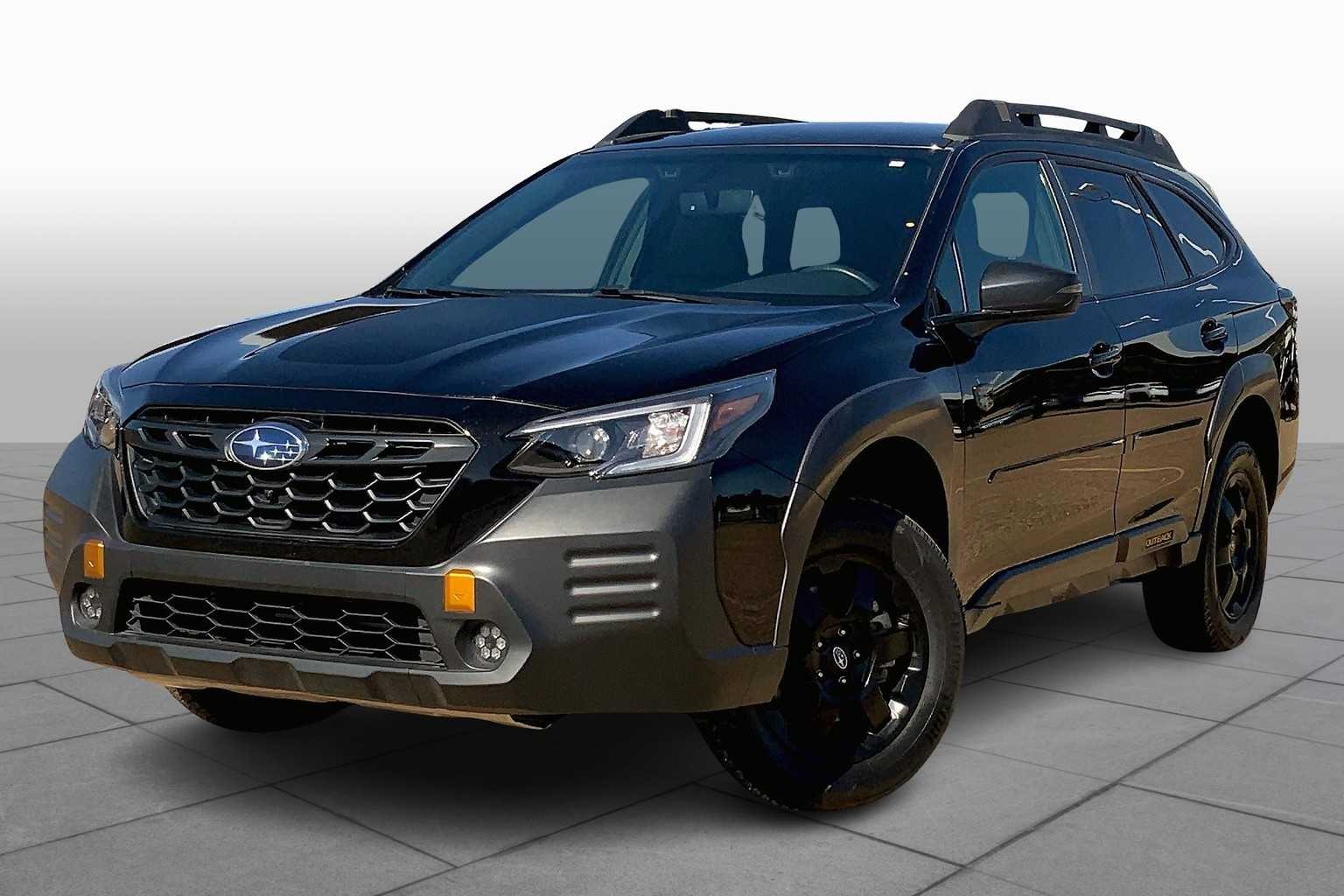
5. Subaru Outback (Wilderness Edition)
While some SUVs focus on luxury or heavy power, the Subaru Outback stands out as a reliable choice for drivers who want something practical yet strong enough for mountain trips. The Wilderness Edition, in particular, has been designed with rough terrain in mind, making it one of the best performers on mountain roads.
One of the strongest features of the Outback Wilderness is its symmetrical all-wheel drive system. This setup distributes power evenly to all four wheels, giving the vehicle better grip on slippery or uneven surfaces. On mountain roads where the weather can change quickly, this steady grip is very important. Whether it is rain, snow, or loose gravel, the Outback manages to keep moving forward safely.
Ground clearance is another area where this vehicle performs well. The Wilderness Edition has higher clearance than the regular Outback, making it easier to pass over rocks, ridges, or rough ground without damaging the underbody. Combined with skid plates, the vehicle is well protected during mountain driving.
The Outback also comes with a reliable suspension system that is tuned for rough roads. Passengers experience less shaking, and the tires maintain contact with the surface for better traction. This comfort is especially important on long mountain trips where rough roads can easily tire passengers.
Engine performance is dependable, with a turbocharged four-cylinder engine providing enough power for steep climbs. The transmission is designed to keep the engine working efficiently without wasting fuel. Drivers also enjoy features like hill descent control, which gives extra safety when coming down sharp slopes.
The Subaru Outback Wilderness proves that you do not always need the biggest or most expensive SUV to handle mountains. With its well-designed all-wheel drive system, strong clearance, and comfortable interior, it has become a smart choice for those who want reliable performance on rough and hilly terrain.
5 SUVs That Struggle With Mountain Driving
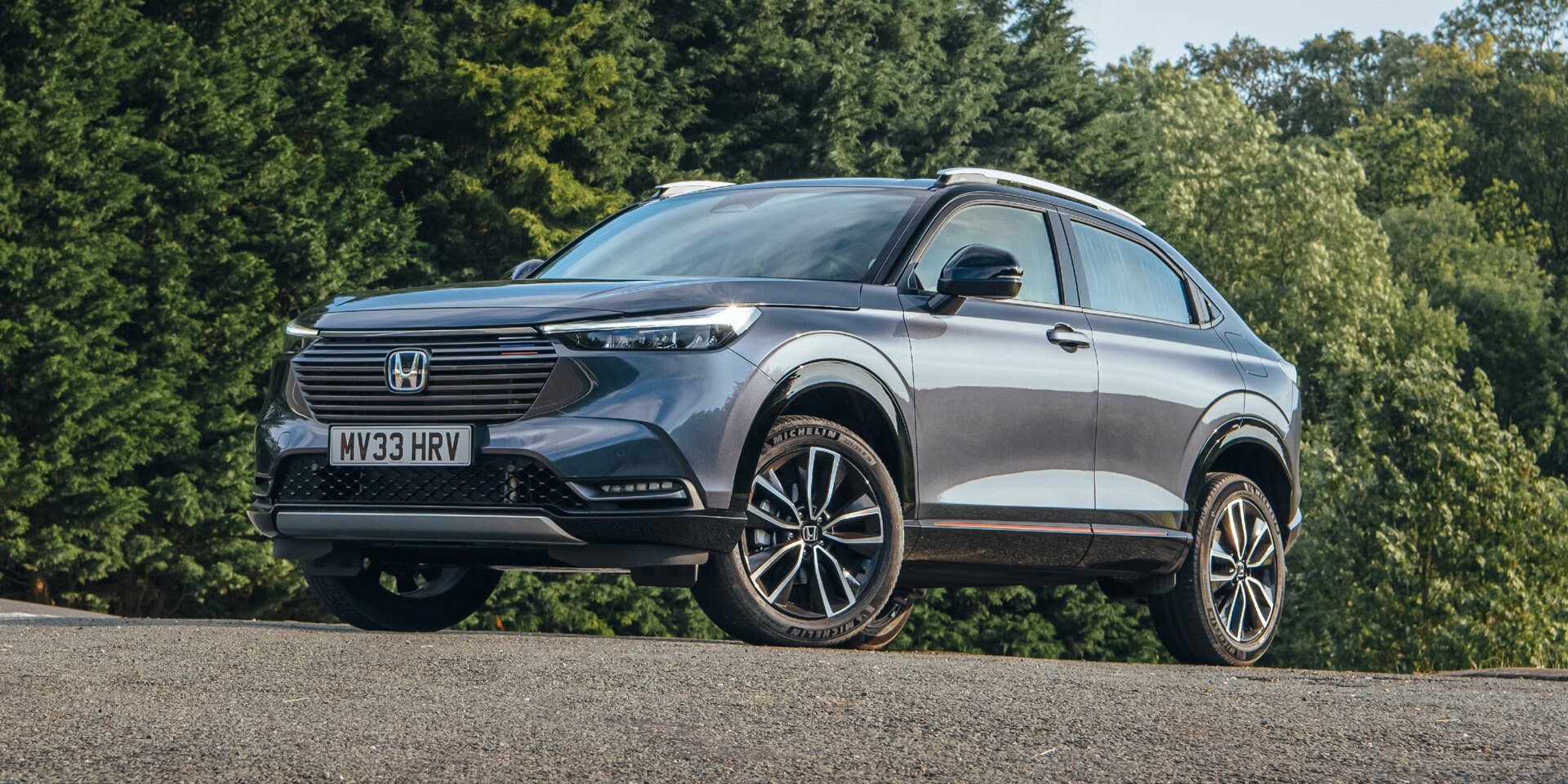
1. Honda HR-V
The Honda HR-V is a popular compact SUV, known for its fuel efficiency and practical design. However, when it comes to mountain driving, it often struggles compared to stronger models. This vehicle is best suited for city use and smooth highways rather than steep, rocky, or uneven mountain roads.
One of the main reasons the HR-V struggles is its engine. It comes with a modest four-cylinder engine that does well in everyday driving but lacks the power needed for steep climbs.
On mountain roads, drivers may notice the vehicle slowing down more than expected, especially when carrying passengers or heavy luggage. The transmission, while smooth on highways, often feels strained on steep or rough surfaces.
Ground clearance is another challenge for the HR-V. Being a compact SUV, it sits lower than vehicles built for tough terrain. On mountain roads filled with rocks and uneven surfaces, this can lead to scraping of the underbody. Without strong skid plates, the vehicle is more vulnerable to damage.
The suspension is also tuned more for comfort on smooth roads rather than rough conditions. While passengers enjoy a soft ride in the city, the HR-V can feel less stable on bumpy mountain paths. This reduces confidence for drivers who need steady control in dangerous situations.
Traction is another weak point. While all-wheel drive is available in some trims, it is not as advanced as the systems used in SUVs built for off-road and mountain use. In slippery conditions such as rain or snow, the HR-V may lose grip more easily. Drivers may need to push harder, which adds stress to the engine and brakes.
For city drivers, the HR-V is a good choice, but for those who plan to drive through steep and rocky terrain, it falls short. It shows that not every SUV is designed to handle the demands of mountain driving.
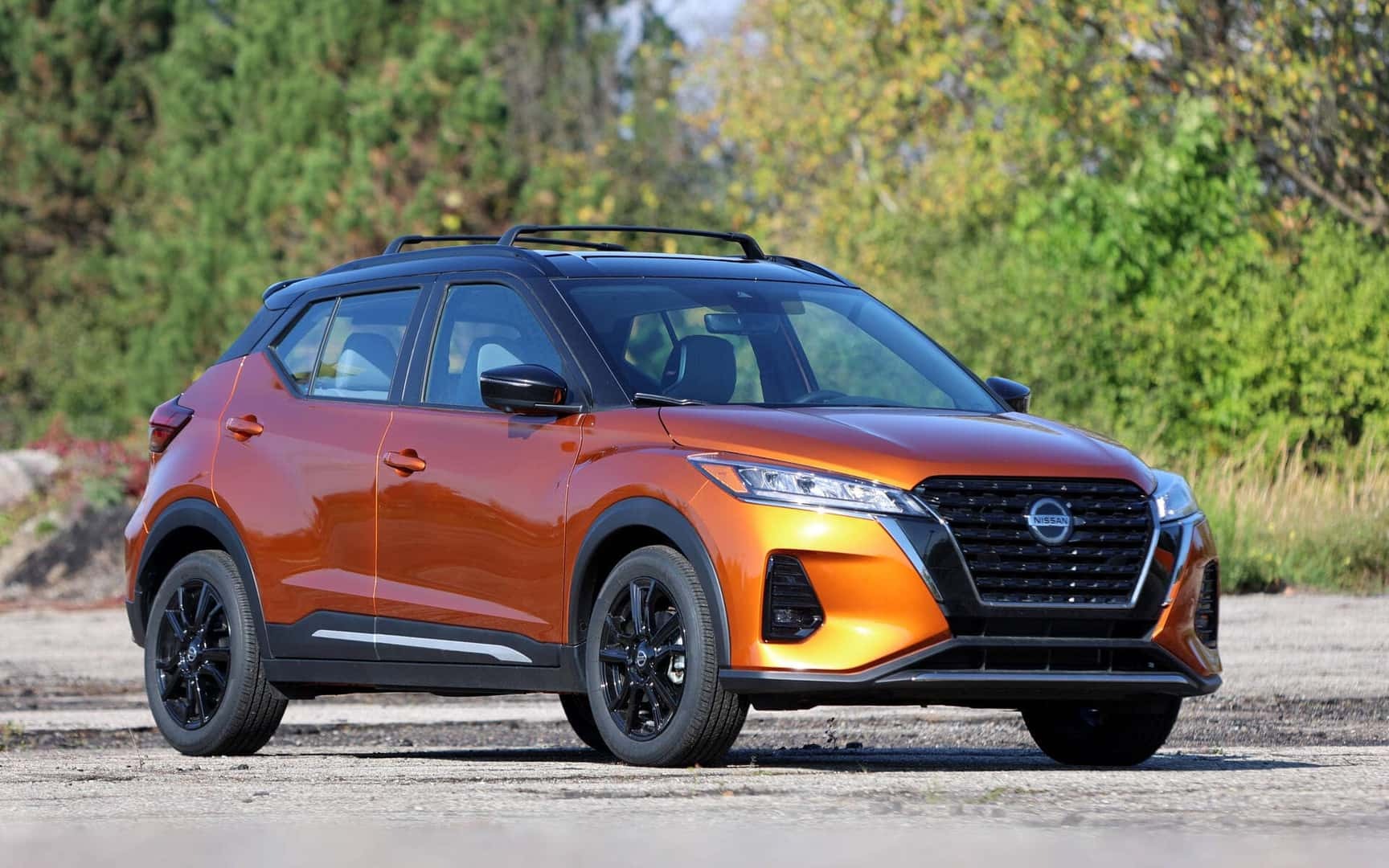
2. Nissan Kicks
The Nissan Kicks is known for being affordable and stylish, making it attractive for city drivers who want a compact SUV with good fuel economy. But when the road changes from smooth highways to steep mountains, the Kicks shows its limits. This vehicle was never designed for heavy-duty conditions, and mountain driving exposes those weaknesses quickly.
One of the first challenges comes from its engine. The Kicks is powered by a small four-cylinder engine that produces just enough power for everyday driving. When faced with mountain climbs, the engine begins to feel weak.
Acceleration becomes slow, and carrying extra passengers or heavy cargo makes the situation worse. Drivers often find themselves pressing hard on the accelerator without getting the strong response they need for steep climbs.
Another major issue is the lack of all-wheel drive. The Kicks comes only with front-wheel drive, which is fine for urban use but risky on mountain terrain. Mountain roads often include loose gravel, mud, or even snow, and front-wheel drive does not provide the needed grip. This makes the Kicks less stable, and drivers may experience wheel spin in places where other SUVs move smoothly.
Ground clearance is also low compared to stronger SUVs. On mountain roads filled with rocks and uneven surfaces, this puts the underbody at risk. Without protection plates, even a small rock can cause damage that interrupts the journey. Drivers who attempt rough paths with the Kicks may quickly regret it when they hear the scraping of metal against rock.
The suspension is tuned mainly for comfort on paved roads. On mountain paths, however, it does not absorb bumps well. Passengers may feel every shake, and the tires struggle to maintain full contact with the ground. This reduces both comfort and safety.
The Nissan Kicks is a great city car, but it is not built for mountain roads. It shows that price and style cannot replace the strength and engineering required to handle tough conditions.
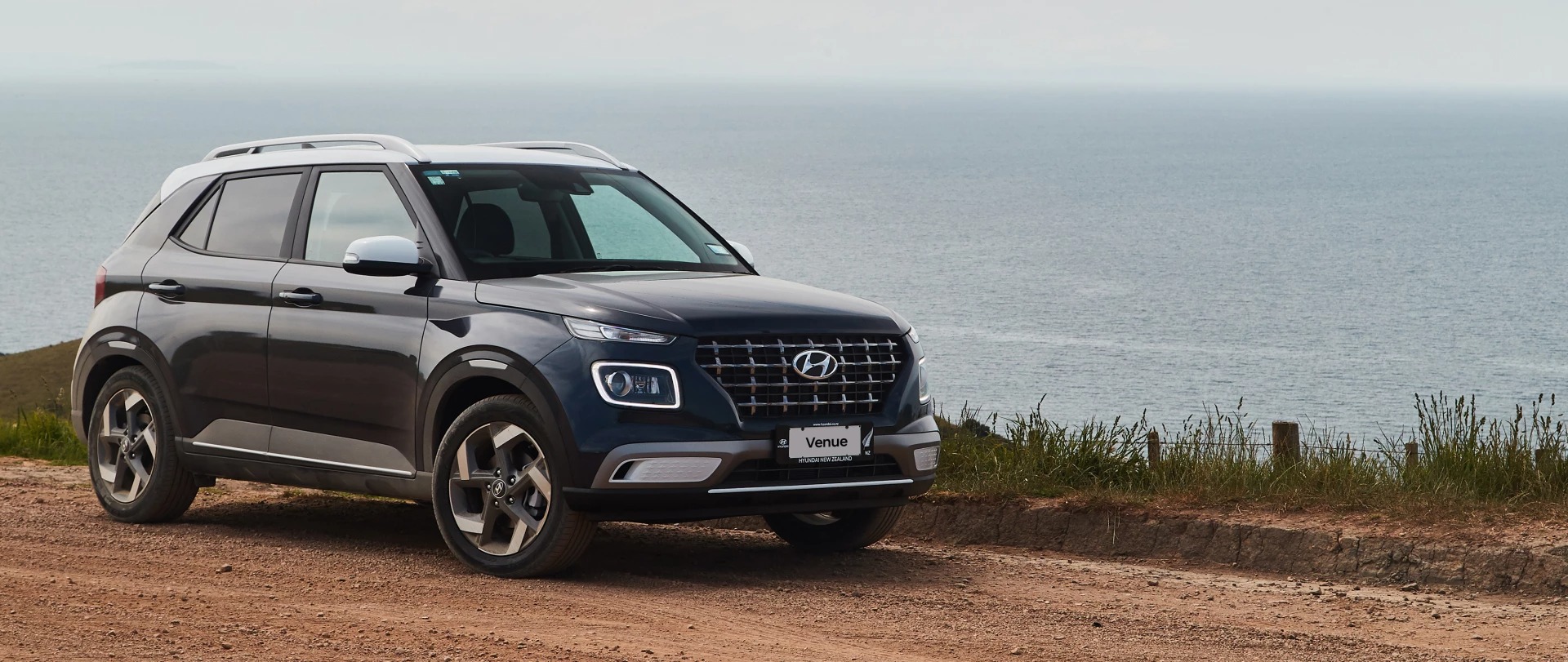
3. Hyundai Venue
The Hyundai Venue is another small SUV that works well in cities but struggles badly in mountain terrain. With its compact size and light body, the Venue is easy to handle in tight spaces, but when the road becomes steep and rough, its limits are quickly revealed.
Engine performance is one of the biggest concerns. The Venue comes with a small engine that performs well on flat roads but lacks the torque for uphill climbs. When drivers face a long stretch of mountain road, the vehicle often feels like it is working too hard. Carrying passengers or luggage only adds to the struggle. This lack of engine strength can make the journey stressful and unsafe.
Another problem is the lack of an advanced all-wheel drive system. The Venue is designed mainly as a front-wheel drive vehicle, which is not suitable for mountain terrain. Slippery roads caused by rain or snow become a serious challenge because the front wheels lose grip easily. Without extra traction, the Venue may stop or slide in dangerous ways.
Ground clearance is low compared to SUVs made for off-road conditions. This increases the risk of underbody damage when driving over rocks or uneven surfaces. Drivers must be very careful, often slowing down too much, which can be frustrating and unsafe on narrow mountain paths.
The suspension is soft, which makes city rides smooth but leaves the vehicle unstable on rough ground. On bumpy mountain roads, passengers feel more discomfort, and the tires struggle to stay planted. The brakes also tend to fade when used heavily on long downhill stretches. This puts the driver in a dangerous position if the road is steep and winding.
Inside, the Venue is attractive and practical, with modern technology and comfortable seating. But these features do not help when the vehicle lacks the power, traction, and strength for mountains. Drivers quickly realize that the Venue is built for light use, not for demanding terrain.
The Hyundai Venue is an excellent city companion but not a safe choice for mountain driving. It proves that size and convenience are not enough when strength and control are needed most.
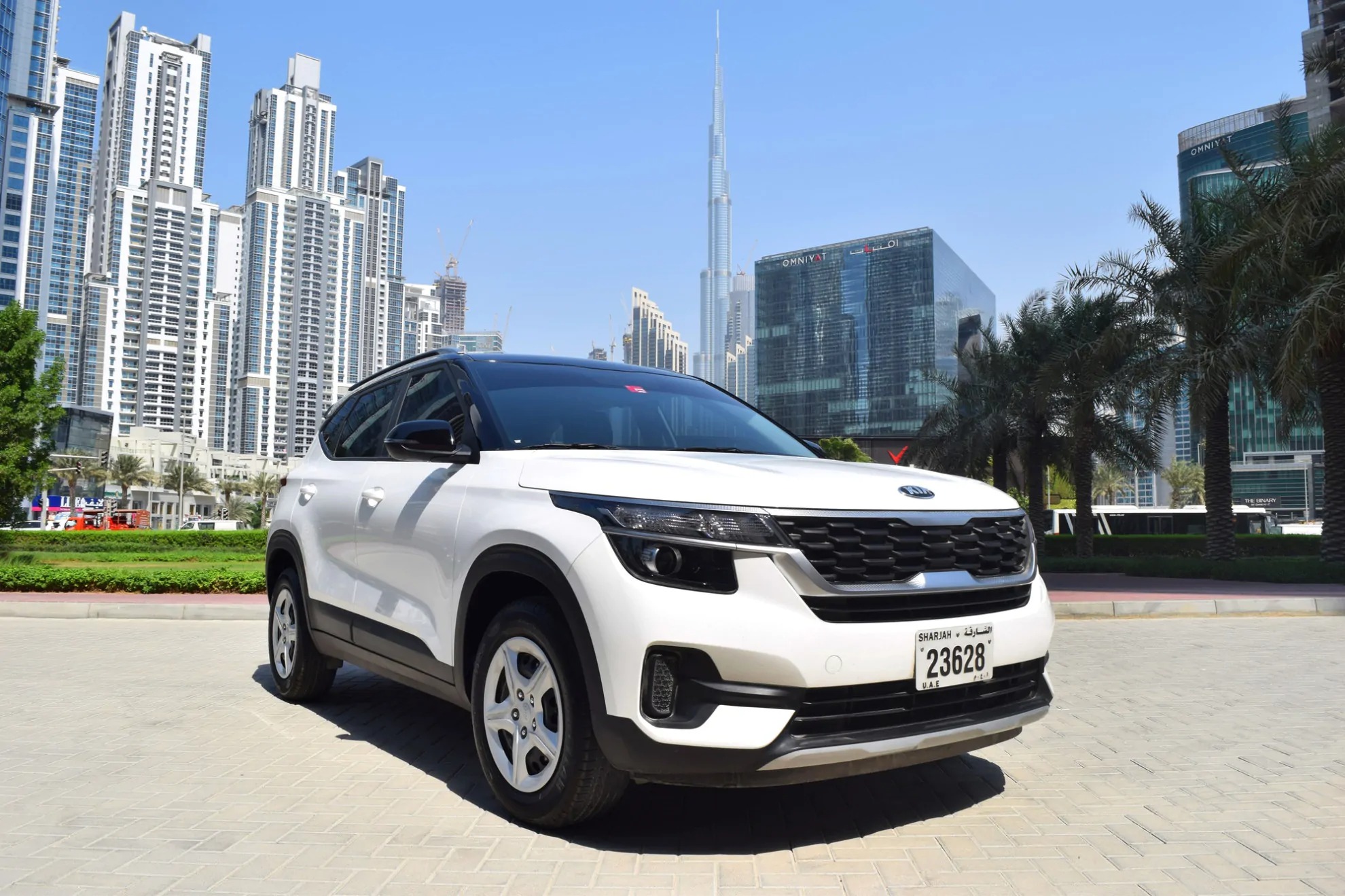
4. Kia Seltos (Base Models)
The Kia Seltos is a stylish SUV that has gained attention for its design, comfort, and affordable pricing. While higher trims with turbocharged engines perform better, the base models struggle in mountain terrain. Many buyers go for the standard versions to save money, but these versions are not equipped for steep and rough driving.
The main issue lies in the engine. The base model comes with a naturally aspirated four-cylinder engine that is fine for city use but lacks enough torque for mountain climbs. On uphill drives, the vehicle feels slow and underpowered, especially when loaded. The transmission also feels strained when forced to maintain power on steep slopes.
Ground clearance is reasonable for normal roads, but not high enough for mountain trails filled with rocks and uneven surfaces. Without skid plates or extra protection, the underbody can suffer damage. Drivers may also scrape the bumpers when entering or leaving steep paths.
Another challenge is the suspension tuning. The Seltos base models have a setup designed for comfort rather than rugged performance. This means passengers feel more bumps and vibrations on rough mountain roads. The lack of stability in these conditions makes drivers cautious, which reduces confidence in handling.
All-wheel drive is not standard on all models. Many base Seltos come only with front-wheel drive, which is a disadvantage for mountain driving. On slippery or loose surfaces, the vehicle struggles to maintain traction. This increases the chance of losing control during climbs or descents.
Braking is another area of concern. On long downhill roads, the brakes heat up quickly and lose effectiveness. Drivers must use lower gears to help slow the vehicle, but the strain on the transmission can shorten its lifespan.
While higher trims of the Seltos may perform better, the base models are not suited for mountain driving. Buyers looking for a safe and strong SUV for such conditions should consider other options.
Also Read: 8 Best Luxury Cars That Age Surprisingly Well
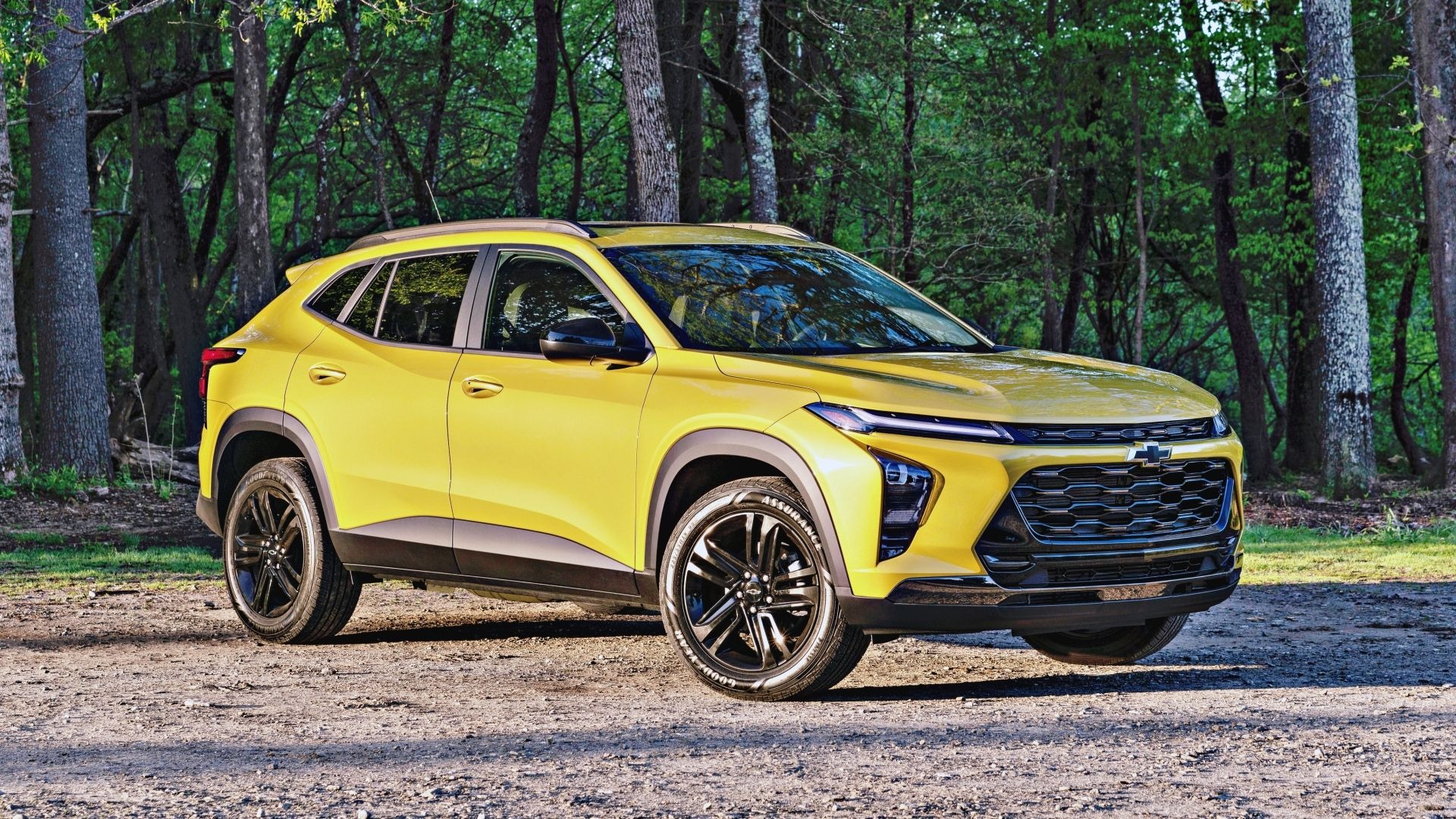
5. Chevrolet Trax
The Chevrolet Trax is one of the smallest SUVs in the Chevrolet family, and while it is practical for daily commuting, it is not designed for mountain roads. The Trax offers affordability, fuel efficiency, and a compact size that works well in the city, but these strengths do not translate to mountain driving.
The biggest challenge is its small turbocharged engine. While the engine provides good fuel economy, it does not deliver the torque needed for steep climbs. On mountain roads, the Trax often feels like it is running out of breath. The transmission works hard to compensate, but this only adds strain to the vehicle and reduces smoothness.
Ground clearance is another issue. The Trax sits low for an SUV, making it risky on rocky or uneven roads. Without strong underbody protection, the vehicle is exposed to damage when driven over obstacles. This can easily leave drivers stranded in unsafe locations.
The suspension system is tuned for city comfort, which makes it less stable on rough roads. On mountain paths, the Trax feels bumpy and unsettled, reducing driver confidence. The tires also lose grip easily, especially since the vehicle does not offer an advanced four-wheel drive system in most trims. This makes it dangerous in wet or snowy mountain conditions.
Brakes are another weakness. On long downhill stretches, they can overheat and lose effectiveness. For mountain driving, strong brakes are essential, and the Trax does not deliver enough strength in this area.
The Chevrolet Trax is proof that not all SUVs are meant for off-road or mountain use. It is an affordable, city-friendly option, but not reliable for mountain drivers who require strength, clearance, and stable handling.
