
Many people still debate if the new cars we see today are really better than the older ones that came before them. Yes, technology has changed the way cars are designed and built, but the older models still have their own strong points.
They gave drivers a raw driving feeling, were tough enough to last, and carried a sense of connection that many new cars struggle to offer. A lot of people still remember how dependable and straightforward the cars from past decades used to be.
They had fewer electronic parts to distract you, more solid mechanical power, and a unique character that made driving exciting and real. Today’s vehicles may look stylish with fancy screens, advanced driving systems, and modern designs, but many car lovers say they lack the spirit that older cars carried.
The natural sound of an engine without turbos, the heavy but confident steering feel, and the ease of repairing things without complicated electronic wiring gave old models their identity. This is why some collectors and enthusiasts prefer holding on to or restoring older rides instead of rushing to buy the latest cars from the showroom.
What makes it even more interesting is the way these older cars still command respect anytime they show up on the road. A classic muscle car from the 1960s or a rugged off-roader from the 1980s can still turn heads and pull admiration more than many new SUVs.
These cars are not just machines, they carry memories, history, and a reminder of a time when vehicles were built with honesty, strength, and simplicity. We will look at eight iconic cars that prove that the old school still has a special edge over the new school. Each one is respected for its toughness, charm, and lasting appeal, showing that some things truly get better with age.
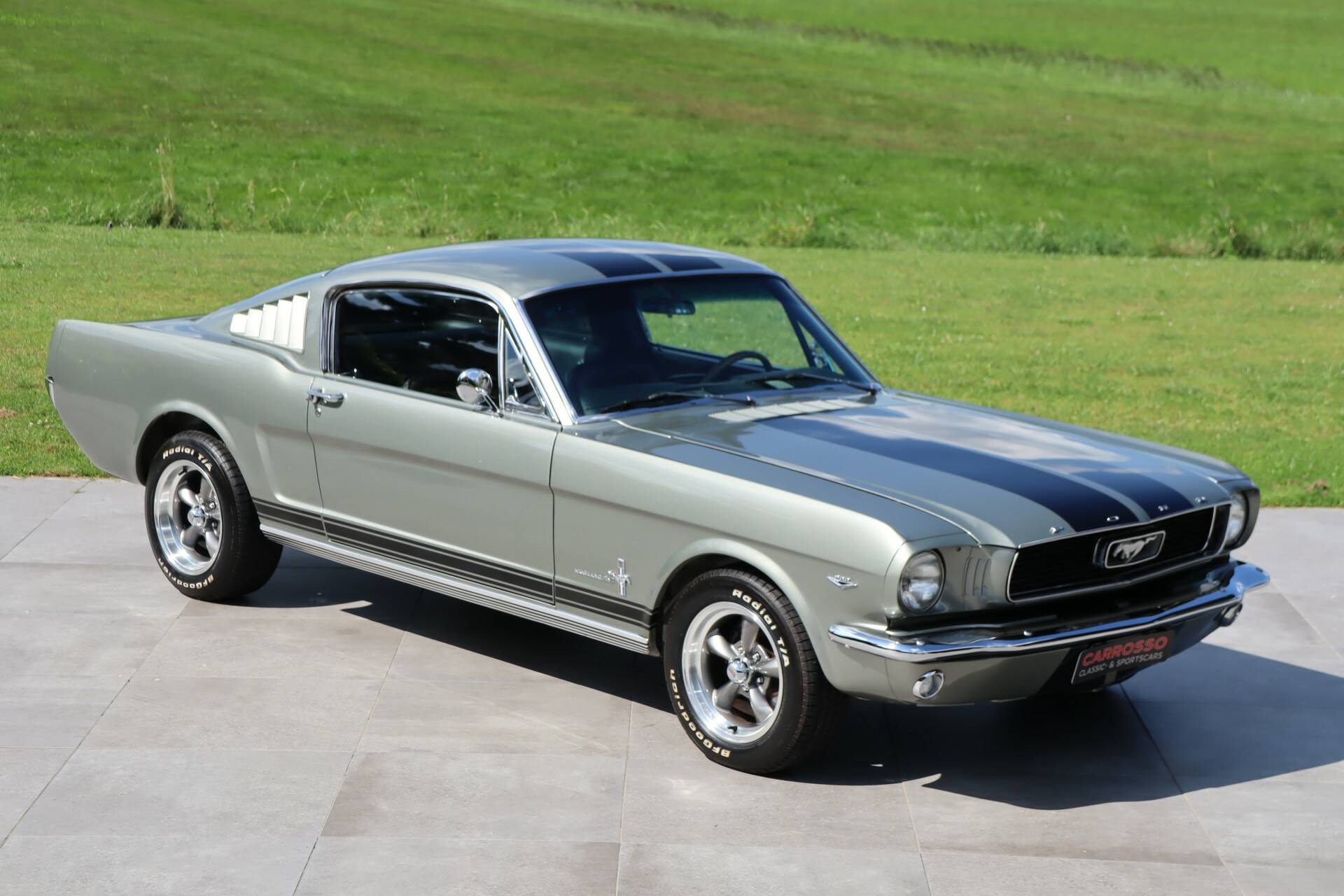
1. Ford Mustang (1965-1970)
When people mention classic American cars, the Ford Mustang from the late 1960s always comes up first. This car brought excitement to the streets in a way that changed how Americans viewed driving. The original Mustang was not just a car; it represented freedom and youthful energy.
The design was sleek yet aggressive, with long hoods and short rear decks that made it instantly recognizable. Unlike many modern vehicles loaded with electronic control systems, the Mustang from that period gave drivers a raw, unfiltered feel of the road.
The Mustang’s success was not only about its looks. It came with a variety of engine choices that allowed buyers to pick between everyday use and serious performance. From the simple inline-six engines to the high-powered V8s, the car could be tuned to different lifestyles.
Many car enthusiasts will agree that the throaty roar of those V8 engines was music on its own. Modern Mustangs might be faster on paper, but they do not give the same goosebumps that the older models did. Repair and maintenance were also straightforward with these models.
Unlike present-day vehicles that need diagnostic computers and specialized tools, mechanics could easily fix older Mustangs with basic hand tools. Parts were accessible, and even today, aftermarket suppliers keep the market alive for restoration projects. That simplicity is one major reason why many owners still keep them in top condition decades later.
Culturally, the Mustang became a symbol of cool. Movies from the 1960s and 70s helped cement its place in history, and young drivers aspired to own one because it gave them an identity. Even now, the value of these classic Mustangs continues to climb, showing that people still hold them in high regard.
The fact that so many are still running strongly today speaks volumes about how solid and dependable they were built. When you compare the driving thrill of an old Mustang to the polished experience of a modern muscle car, the difference is clear.
Modern cars may come with more safety features, but they cannot recreate the same sense of control and excitement that drivers felt behind the wheel of the original Mustang. This car remains proof that old school muscle still beats new school refinement.
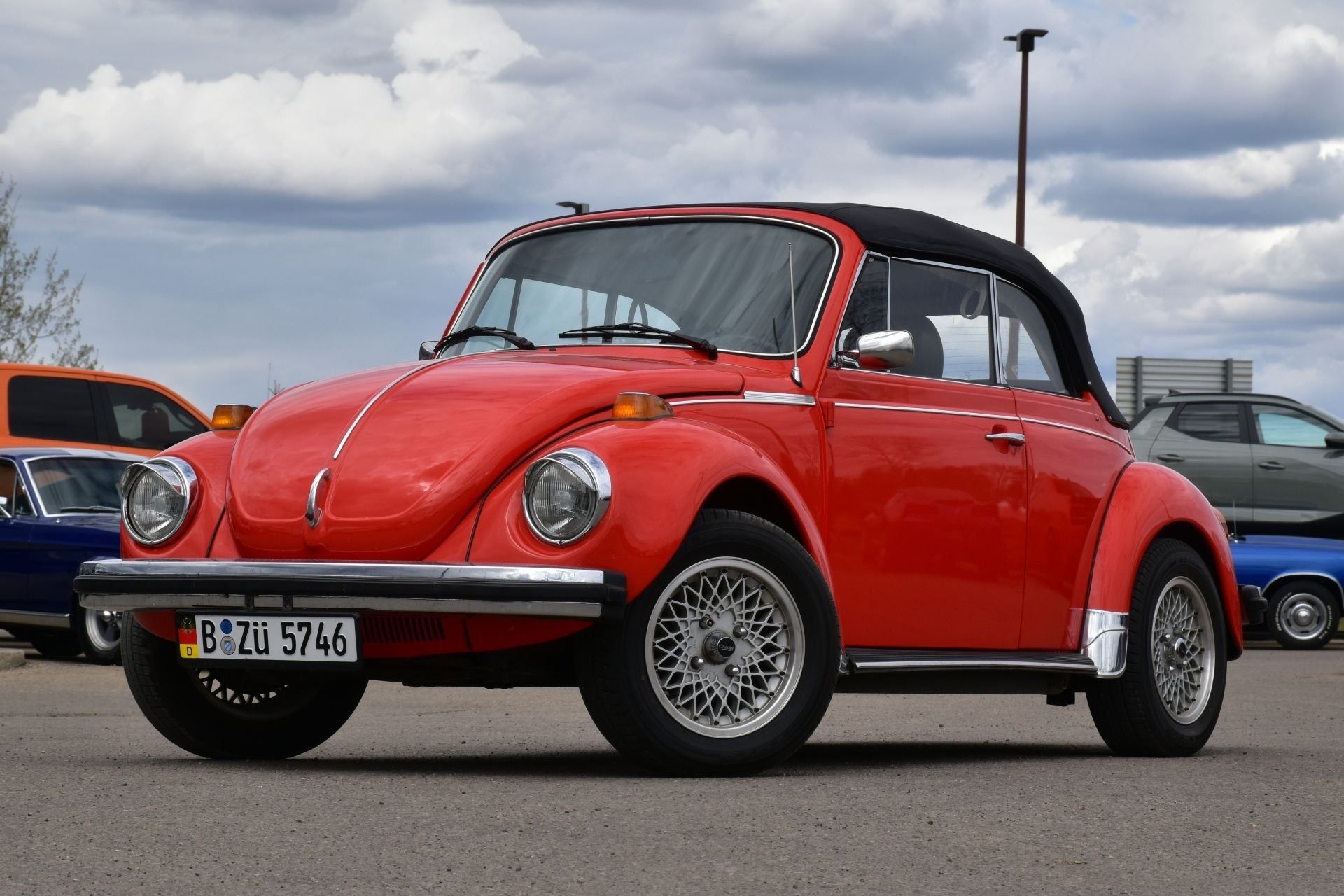
2. Volkswagen Beetle (1938-1979)
The Volkswagen Beetle is one of the most loved cars in history, and its charm has never faded. When it was first introduced, it was designed to be affordable, easy to use, and accessible to ordinary people. Over the years, the Beetle grew to become more than just a car. It turned into a cultural icon that represented freedom, simplicity, and character.
One of the strongest points of the Beetle was its reliability. The air-cooled rear engine was extremely simple, with very few parts that could go wrong. It could keep running in hot weather, cold weather, and even in poor road conditions.
The mechanical layout made it possible for owners to repair small issues by themselves without advanced knowledge. This kind of durability is rarely seen in modern cars packed with electronics. The Beetle’s design also made it special. While many cars from its time have disappeared, the Beetle’s rounded body shape continues to stand out.
It was instantly recognizable on any road, and it carried a friendly presence that made people smile. Families used it, students loved it, and communities around the world embraced it. The car even played a part in popular culture through movies like Herbie the Love Bug, which further boosted its charm.
In terms of affordability, the Beetle gave people value for money. It did not promise luxury or speed, but it delivered consistent performance that made it trustworthy. The car was also fuel-efficient for its time, something that made it very attractive during periods of rising fuel prices.
Comparing it with modern cars, the Beetle’s strength lies in its honesty. It did not pretend to be more than it was, and it gave owners a sense of connection that is missing in many cars today. New vehicles might come with digital displays and driver-assist systems, but they often feel too controlled and too distant. The Beetle, however, allowed people to enjoy the experience of driving without unnecessary barriers.
The fact that classic Beetles are still on the roads today shows their lasting impact. Collectors and everyday drivers continue to keep them alive, restoring and preserving them for future generations. That staying power is why the Beetle remains a car that proves old school truly stands taller than new school in some areas.
Also Read: 12 Subaru Cars That Rarely Have Mechanical Failures
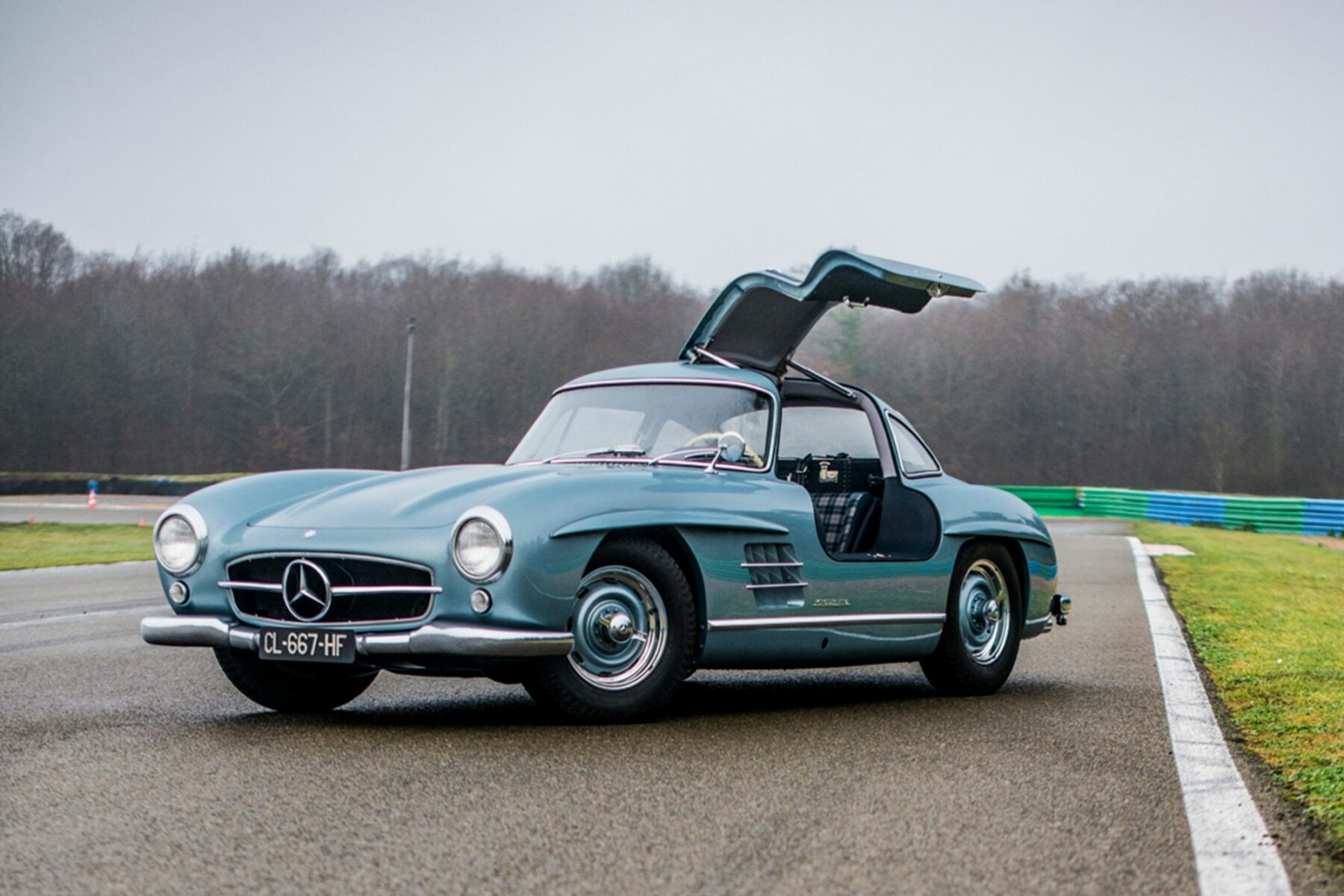
3. Mercedes-Benz 300SL Gullwing (1954-1957)
The Mercedes-Benz 300SL Gullwing is often described as one of the most beautiful and advanced cars of its time. Introduced in the mid-1950s, it stunned the automotive scene with its design and engineering. The unique upward-opening doors made it stand out immediately, and the combination of style and performance placed it in a league of its own.
What set the 300SL apart was the level of innovation that Mercedes put into it. It was the first production car to use fuel injection, which allowed it to deliver higher power while remaining efficient.
At that time, most cars still relied on carburetors, so the technology in the 300SL was far ahead. Even modern cars, with their complicated fuel systems, cannot take away the fact that this car laid the foundation for performance engineering.
Under the hood, the straight-six engine produced impressive power, making the 300SL one of the fastest cars of its time. It was not just about speed; it also handled exceptionally well thanks to its lightweight body and racing-inspired design.
Driving one gave a sense of purity that is missing in many modern performance vehicles. There were no electronic assists, no artificial steering adjustments, just raw connection between driver and machine.
The build quality of the 300SL was also extraordinary. Mercedes used top-quality materials, making sure that every detail was carefully crafted. This is why so many of these cars still exist today in pristine condition, commanding very high prices at auctions. Car enthusiasts and collectors see them as timeless treasures.
Modern cars may have more horsepower and computer-controlled features, but they do not carry the same level of elegance and historical weight as the Gullwing. Its presence still turns heads, and its design continues to inspire new models. Owning a 300SL today is not just about having a car; it is about holding a piece of automotive history that proves old school engineering was built to last.
4. Toyota Land Cruiser FJ40 (1960-1984)
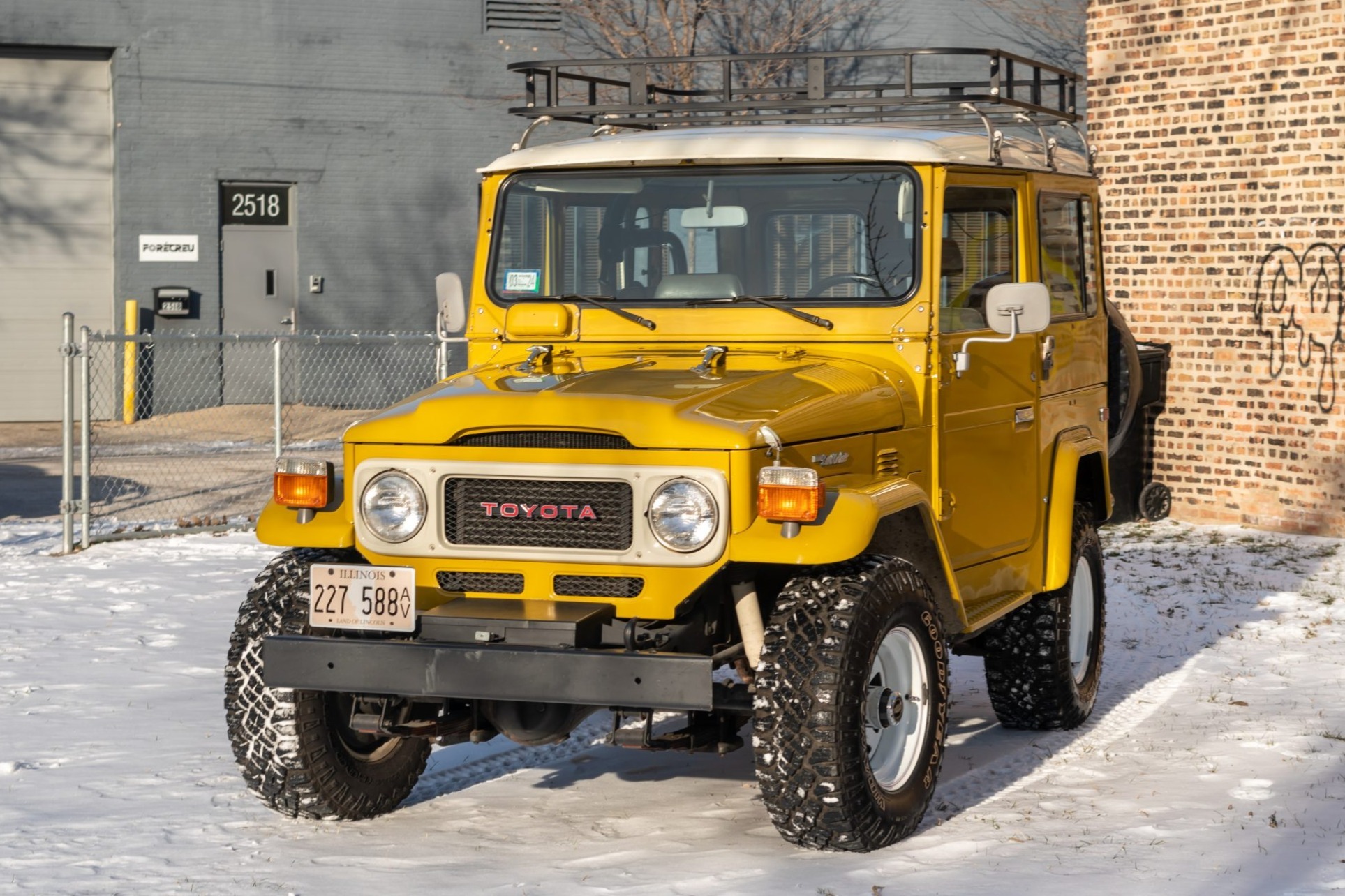
When it comes to durability and reliability, the Toyota Land Cruiser FJ40 has earned its reputation around the globe. This vehicle was designed to handle rough terrain and harsh conditions, and it did that with ease.
Farmers, military forces, adventurers, and families in rural areas trusted it because they knew it would not disappoint. While modern SUVs boast advanced features, the FJ40 shows that strength and simplicity often outlast technology.
The FJ40 carried a boxy, purposeful design. It was not built to win beauty contests, but it carried a rugged charm that matched its character. The thick steel panels and simple frame meant that it could withstand punishment from tough roads, rocky paths, and even desert conditions.
Unlike today’s SUVs that often mix luxury with off-road design, the FJ40 focused purely on doing its job as a strong utility vehicle. Mechanically, it came with robust engines that prioritized torque over speed. This gave it the ability to climb hills, cross rivers, and travel on difficult paths without stress.
Because of its simple mechanical layout, it was easy to repair even in remote areas. A local mechanic with basic tools could get it running again, which is something that cannot be said for modern cars filled with computer systems and sensors.
The FJ40 also became a cultural symbol. In Africa, South America, Asia, and rural parts of the United States, it was seen as the vehicle that never gave up. Its reputation was so strong that even decades after production stopped, people still hunt for them, restore them, and use them for work. Many modern SUVs cannot survive the same level of abuse and still keep going.
Compared to present-day SUVs, the Land Cruiser FJ40 shines because of its honesty. It did not hide behind glossy interiors or electronic driving modes. It was raw, dependable, and ready for any challenge. Modern SUVs may provide comfort, but when it comes to strength and reliability, the FJ40 proves that old school off-road machines remain unmatched.
5. Chevrolet Camaro (1967-1969)
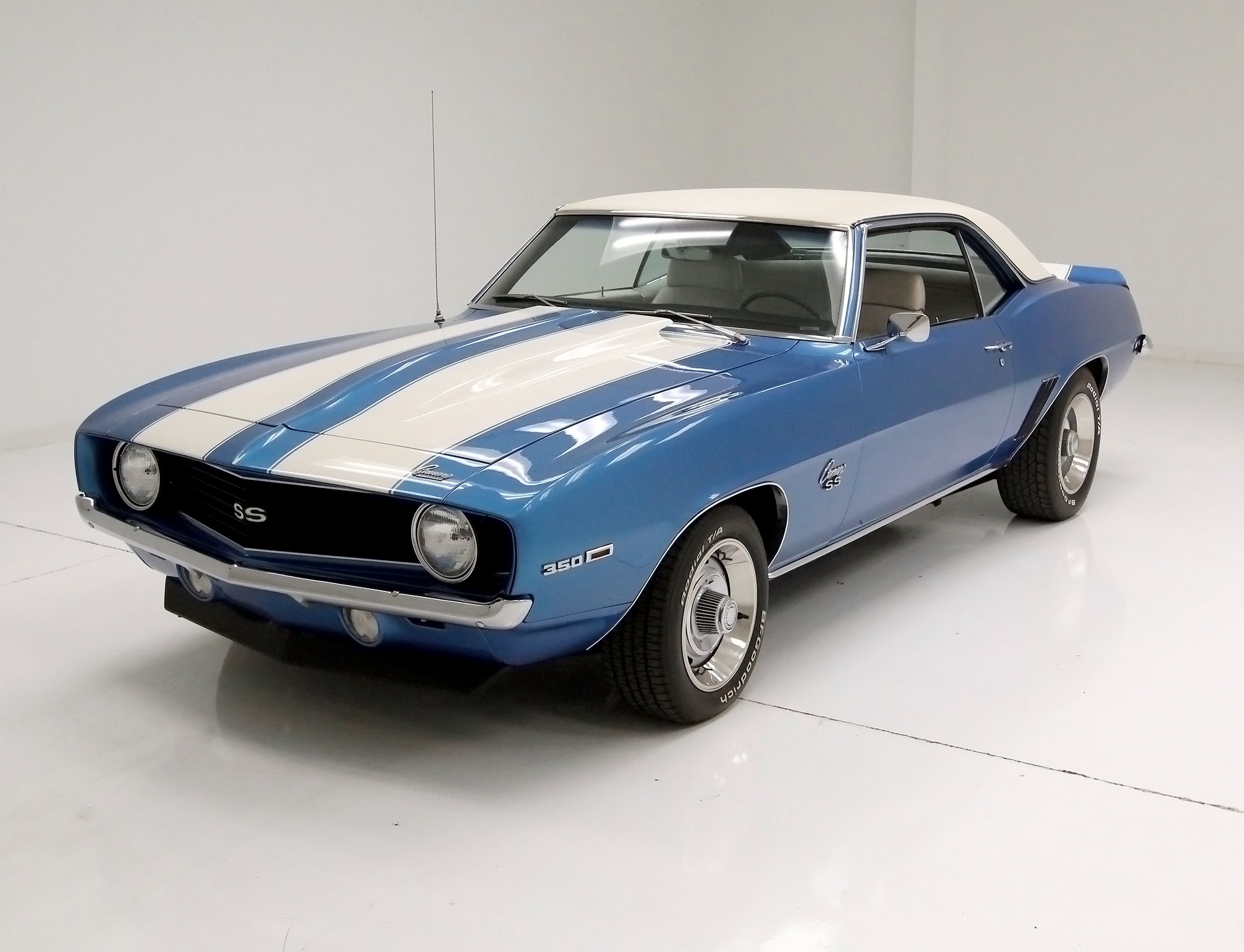
The Chevrolet Camaro from the late 1960s entered the American car market as a direct competitor to the Ford Mustang. It quickly established its own identity by offering style, speed, and performance that appealed to young drivers.
With its muscular stance and aggressive lines, the first-generation Camaro became a dream car for many. Today, it still represents the raw energy of American muscle, showing why old school often leaves new school in the dust.
One of the main attractions of the Camaro was its range of engine options. Buyers could choose from six-cylinder engines for daily use or V8 powerhouses that turned the car into a street monster. The V8 versions delivered thrilling acceleration and a sound that made every drive exciting. Modern Camaros are quicker due to technology, but the emotional connection of those older models cannot be replaced.
The Camaro’s driving experience was pure. There were no traction controls, no stability programs, and no automatic braking systems. Drivers felt the road directly through the steering wheel and throttle. Every corner, every acceleration, and every braking point demanded skill and awareness. This made driving an adventure, rather than the controlled experience many modern cars provide.
Culturally, the Camaro became a symbol of rebellion and individuality. Young drivers in the late 1960s and early 1970s wanted cars that showed strength and freedom, and the Camaro delivered exactly that. It also appeared in racing competitions, movies, and car shows, further cementing its reputation.
Today, classic Camaros are highly valued by collectors. Restored models often sell for very high amounts because they combine beauty with raw performance. Many car enthusiasts believe that the first-generation Camaro has a presence that modern versions cannot match. While today’s Camaros are filled with digital displays and driving aids, the older ones gave drivers a more personal connection to the road.
That connection is why the Camaro continues to prove that old school beats new school. It was built during a time when driving was about the thrill and not just numbers on a performance sheet. For many people, owning a 1960s Camaro is like owning a piece of American history that still roars proudly on the roads.
6. Porsche 911 (1964-1973)
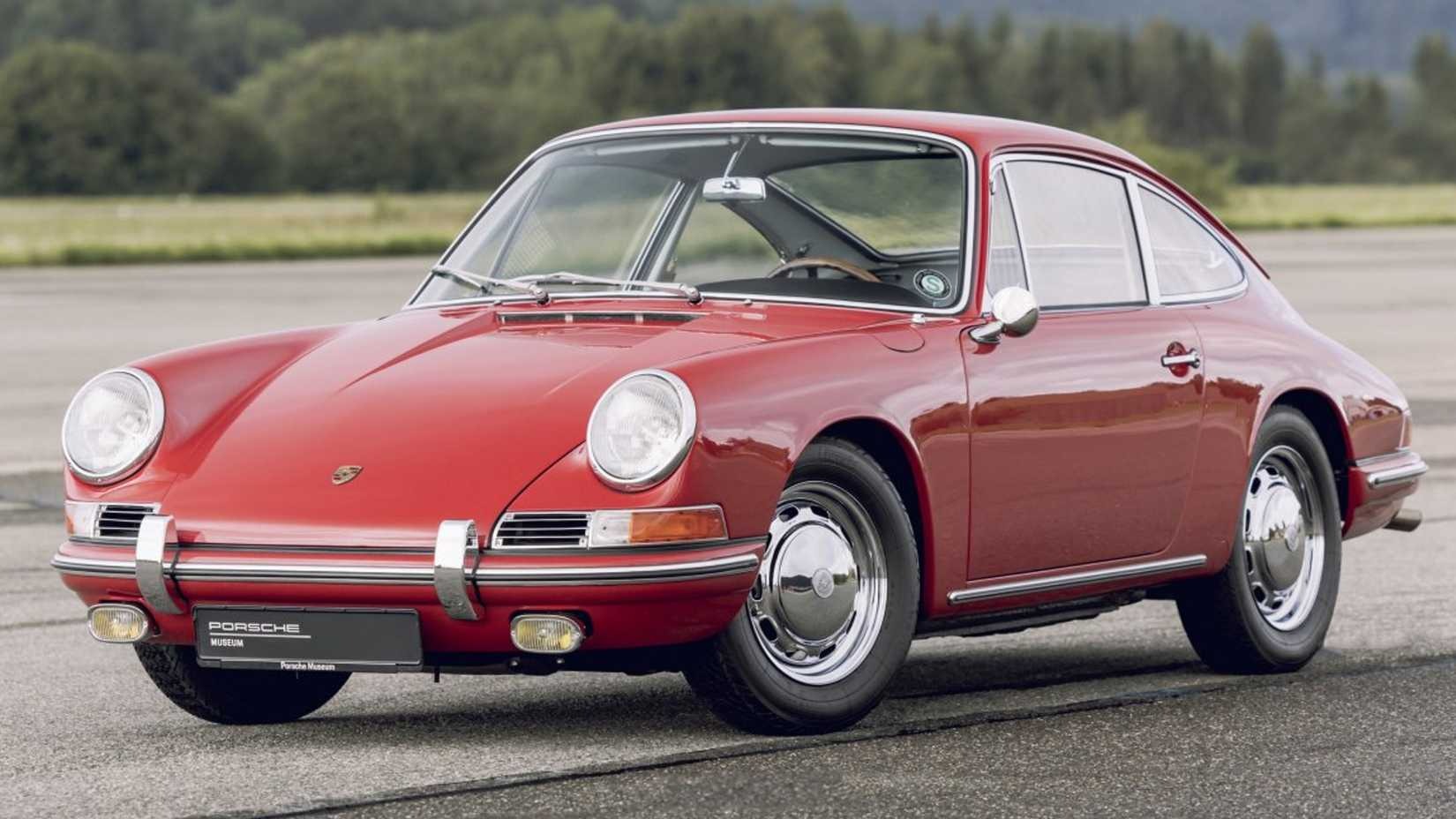
Few cars in history have achieved the level of respect that the classic Porsche 911 commands. Introduced in the mid-1960s, it carried a design that was unique, with its rear-engine layout and timeless curves. Over the years, Porsche has updated the 911, but many people still see the early models as the purest version of the car.
The 911’s air-cooled engines gave it a distinct sound that became part of its identity. Driving one was not just about speed but also about precision and control. The early models were light, responsive, and required genuine driving skill. With the engine sitting at the back, the handling demanded careful control, which made it exciting for those who loved driving as a craft.
Modern 911s are faster, more comfortable, and filled with technology, but many purists believe they lack the raw personality of the originals. The early 911s delivered an intimate connection with the road, free from the interference of electronic aids. The driver was responsible for every movement, every corner, and every mistake, which gave a sense of pride and mastery.
The design of the 911 also contributed to its lasting appeal. Its simple, flowing lines have aged gracefully, unlike many cars that quickly look outdated. Even after decades, a 1960s Porsche 911 still looks stylish and instantly recognizable. This shows how strong the original design was.
Collectors today pay high prices for well-kept early 911s, proving that their value is not just financial but also emotional. They represent a time when sports cars were focused on purity rather than comfort. For people who truly love driving, the old 911 is seen as more rewarding than many modern supercars.
This car demonstrates that true driving joy does not need endless technology. It shows that old school engineering, with its simplicity and precision, still offers something that modern cars cannot fully replace.
7. Dodge Charger (1968-1970)
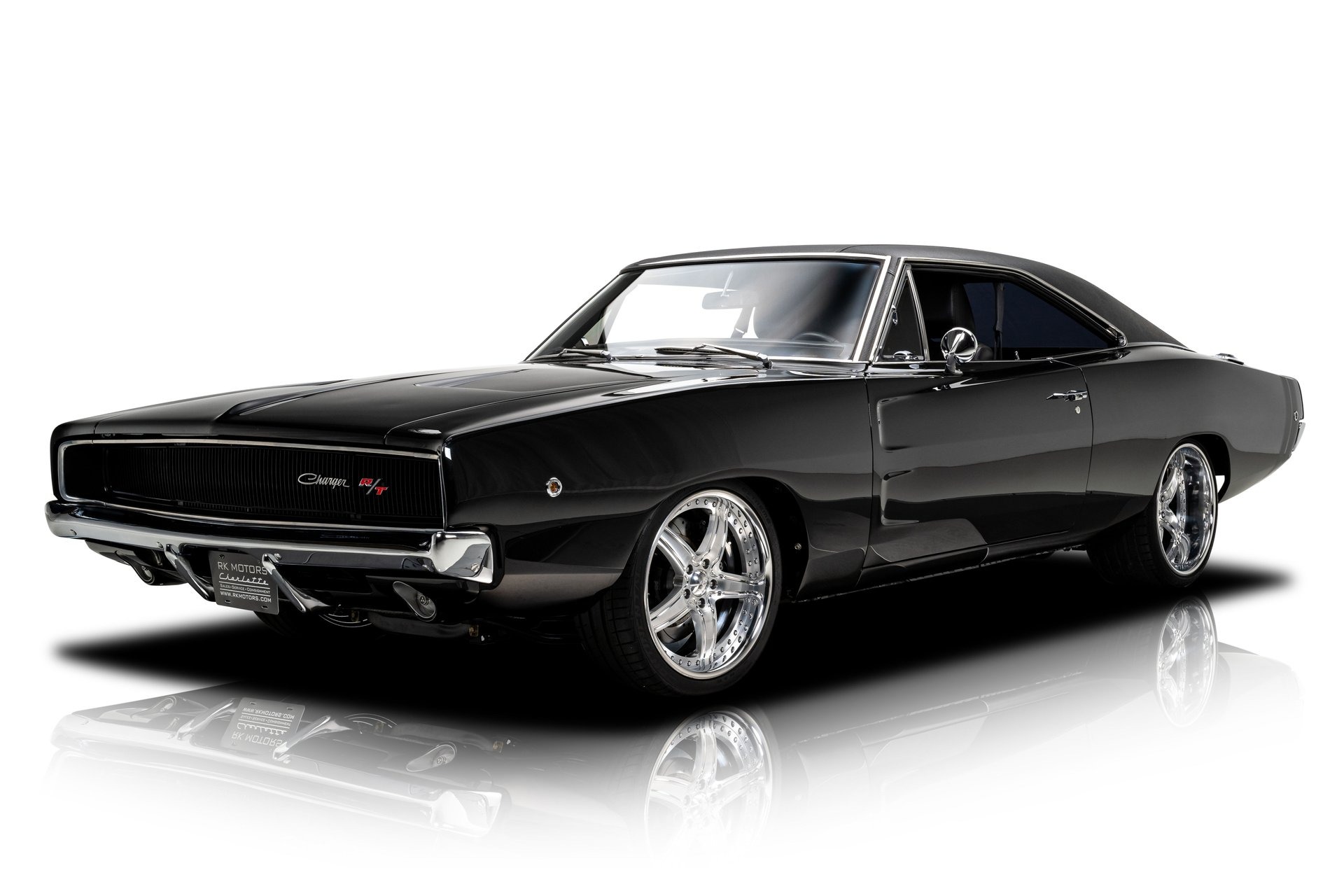
The Dodge Charger from the late 1960s is another muscle car that stamped its name in history. Known for its aggressive styling, powerful engines, and commanding presence, it was one of the cars that defined the American muscle era. Even today, when a restored Charger rolls onto the street, it draws attention in a way few modern cars can.
The Charger’s design was bold. The long body, hidden headlights, and wide stance gave it a unique look that made it stand out. Inside, it had enough space to serve as both a performance car and a family vehicle, making it practical without losing its wild side. The engines, especially the legendary HEMI V8, gave it power that left drivers thrilled.
Driving the Charger was a raw experience. The rear-wheel drive layout, combined with heavy torque, made it a challenge to handle, but that was part of its charm. Drivers had to respect the car, and in return, it delivered unforgettable performance. Modern Chargers may be faster and more controlled, but they cannot replicate the unfiltered thrill of those early models.
The Charger also gained fame through television and movies. Its appearance in The Dukes of Hazzard and other pop culture references gave it an identity that lasted for decades. This cultural presence only added to its legacy, making it a car that people associate with strength and rebellion.
Today, restored Dodge Chargers are some of the most desirable muscle cars in the collector market. Their value keeps rising, showing how much people appreciate them. They are not just machines; they represent a golden era of American car culture.
When compared with modern vehicles, the Charger shows that old school muscle offered something more than speed. It provided style, presence, and emotional impact that modern designs cannot match. That is why it remains one of the strongest proofs that old school beats new school.
Also Read: 10 Cars That Deliver Luxury Reliability on a Budget
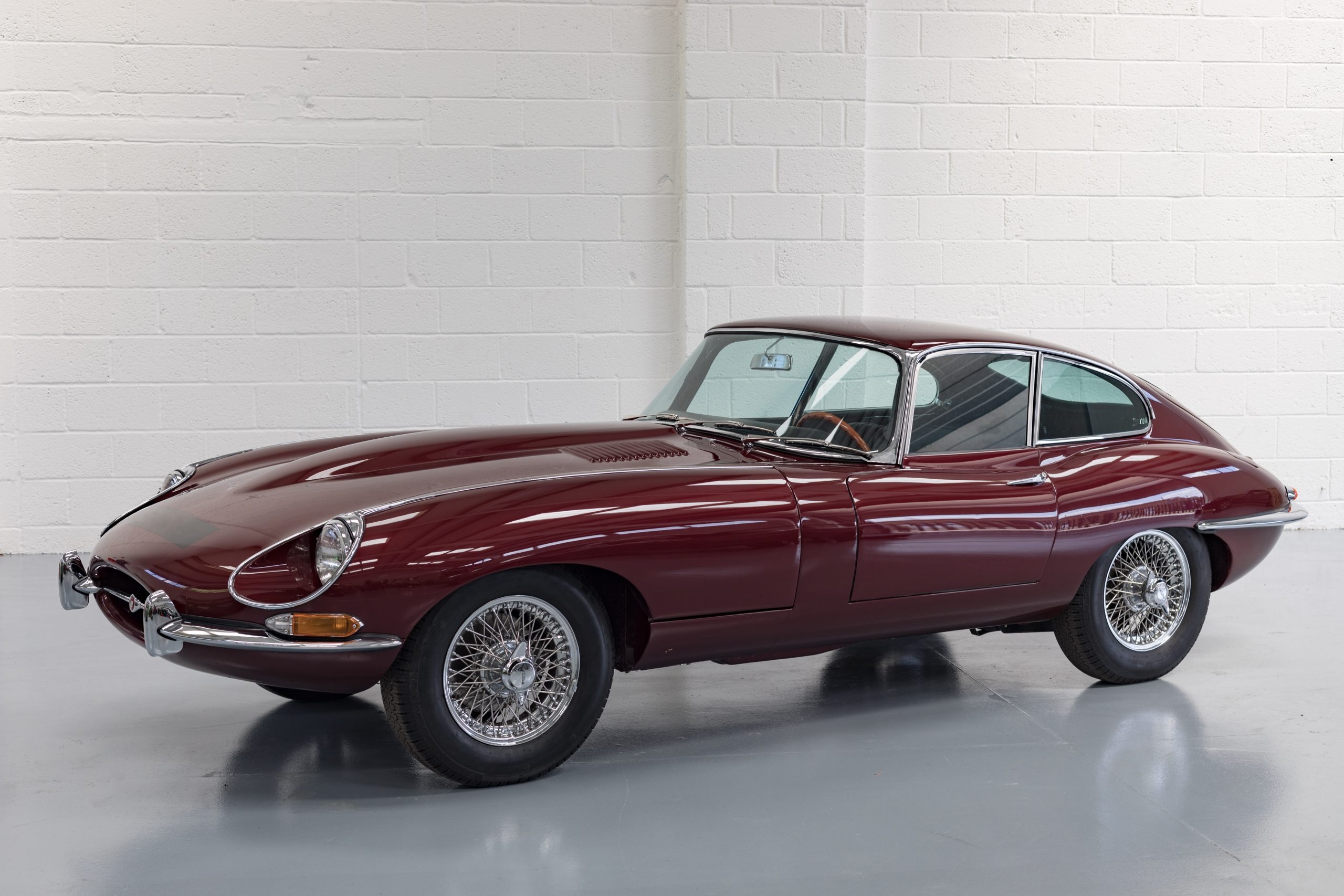
8. Jaguar E-Type (1961-1974)
The Jaguar E-Type is often described as one of the most beautiful cars ever built. Launched in the early 1960s, it combined elegance, performance, and innovation in a way that shocked the industry. Enzo Ferrari himself once described it as the most beautiful car he had ever seen, and that opinion has remained widely accepted.
The E-Type was not just about looks. Under its long hood was a powerful inline-six engine that gave it speed to rival the best sports cars of its time. Later versions even came with V12 engines that delivered smooth performance. The combination of speed and style made it a car that stood out both on the road and in racing competitions.
Its lightweight design allowed it to handle with precision, giving drivers confidence through corners. The disc brakes, which were advanced at the time, offered strong stopping power, something many rivals lacked. This balance of power, handling, and braking made the E-Type a complete sports car package.
Modern Jaguars may be luxurious and filled with technology, but they do not carry the same timeless appeal as the E-Type. The car’s flowing design, long nose, and low stance remain iconic, and it still looks modern even after more than fifty years.
Collectors treasure the E-Type, and restored versions sell for very high prices. For many people, owning one is not just about driving but also about holding a piece of history. It represents a time when cars were designed with passion and artistry, not just engineering targets.
The Jaguar E-Type proves that old school cars can still outshine modern ones by combining beauty, performance, and soul. It stands as one of the clearest examples that older cars were not only strong but also unforgettable.
These eight cars remind us why older machines still carry weight today. They were built with strength, style, and honesty that many modern vehicles struggle to match. From the raw energy of muscle cars to the rugged toughness of off-road icons and the elegance of European classics, each one shows that driving once had more character and connection.
Modern cars may offer comfort and technology, but old school models deliver soul and identity. That lasting presence is why they continue to stand tall, proving that age has not reduced their power or appeal.
