
German automakers are known for engineering excellence, and their performance cars have long combined speed, handling, and technology in a way that excites enthusiasts. Beyond raw performance, some models stand out because of their remarkable longevity.
Certain German sports cars and sedans are capable of running for hundreds of thousands of miles without major issues, proving that reliability and high performance can coexist.
Drivers often assume that high-performance vehicles will require frequent, costly maintenance, but many German models break that stereotype.
With strong engines, precise engineering, and durable components, some of these cars continue to perform at a high level even after extensive mileage.
From classic rear-wheel-drive sports cars to modern turbocharged sedans, these vehicles demonstrate that longevity is achievable without sacrificing driving enjoyment.
What makes a German performance car survive high mileage is a combination of factors. Engine design, cooling systems, transmission durability, and chassis construction all play crucial roles.
Cars that maintain consistent maintenance schedules and use quality parts tend to thrive, even under spirited driving conditions.
Certain years and models have developed reputations among enthusiasts and mechanics for requiring fewer major repairs, which makes them especially appealing for long-term ownership.
This article highlights ten German performance cars that have earned a reputation for surviving high mileage.
Each entry will cover the reasons for its longevity, notable mechanical features, and what makes it a reliable choice for those who enjoy performance driving without frequent mechanical interruptions.
Whether you are looking for a daily driver, a weekend sports car, or a collectible that still delivers dependable performance, these models represent some of the most enduring examples from German automotive engineering.
Also Read: 10 Best SUVs That Can Handle 20 Years of Abuse
1. BMW M3 (E46)
The BMW M3 E46, produced from 2000 to 2006, is widely regarded as one of the most balanced and durable performance cars BMW has ever made.
Beyond its legendary driving dynamics, the E46 earned a reputation for longevity when properly maintained, with many examples exceeding 200,000 miles without major issues.
Under the hood, the E46 M3 features the naturally aspirated S54 inline-six engine. This engine delivers high-revving performance while maintaining remarkable durability.
The S54 is praised for its robust internal components, including forged connecting rods and a solid crankshaft, which contribute to long-term reliability.
Cooling is another key factor; BMW engineered the E46 M3’s cooling system to handle spirited driving without overheating, though routine maintenance of water pumps and radiators is essential for longevity.
The transmission options either the six-speed manual or the SMG automated manual, have different long-term considerations. The manual gearbox is highly durable and often outlasts the vehicle itself when properly maintained.
The SMG requires careful attention to fluid changes and clutch maintenance, but many owners report years of trouble-free operation when serviced correctly.
Chassis components also contribute to the E46 M3’s resilience. The suspension is designed to handle spirited driving yet retain comfort, with control arms, bushings, and shock absorbers that hold up well under stress.
Brakes and drivetrain components are similarly robust, though routine inspections ensure safety and performance longevity.
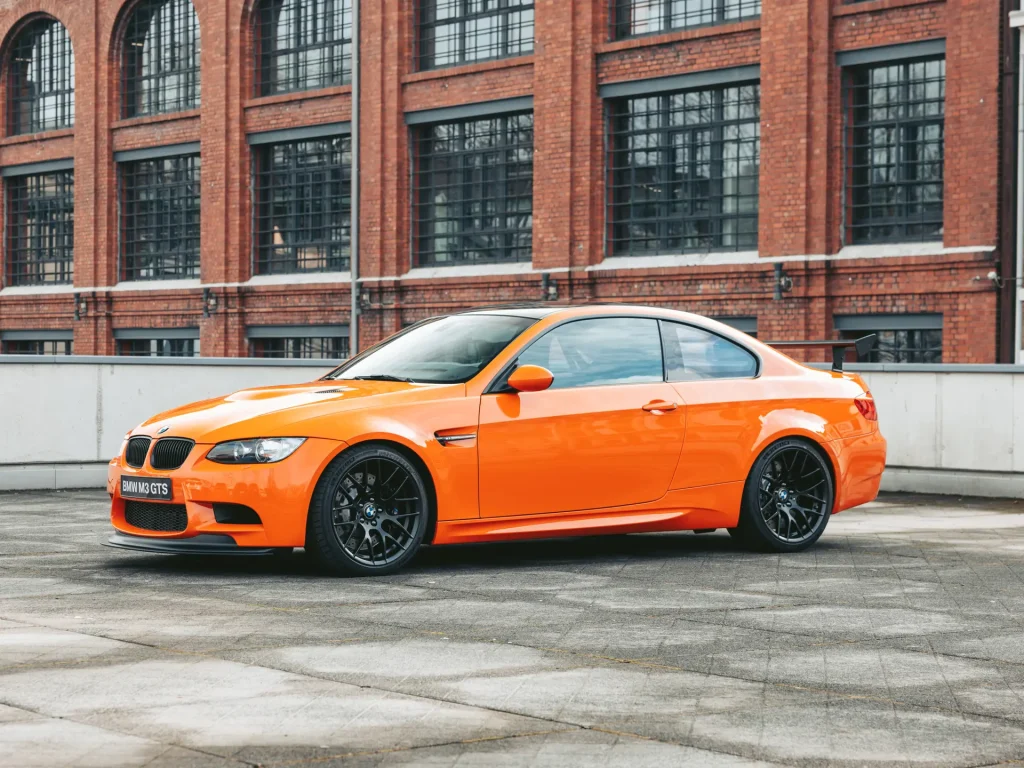
Interior quality is another strong point. Materials like leather and plastics were built to withstand heavy use, and BMW’s attention to detail means switches, seats, and trim typically remain functional and attractive for many years.
Overall, the E46 M3 combines BMW’s performance heritage with mechanical durability. Enthusiasts who maintain this car properly often enjoy high-mileage examples that deliver an engaging driving experience while avoiding frequent major repairs.
Its blend of power, precision, and resilience makes it a standout choice among high-mileage German performance cars.
2. Porsche 911 (997)
The Porsche 911 997, produced from 2004 to 2012, represents a golden era of naturally aspirated and early turbocharged 911 models. Beyond its performance credentials, the 997 is renowned for mechanical reliability and the ability to accumulate high mileage while maintaining performance.
Most 997 models feature flat-six engines known for their robustness. The naturally aspirated 3.6- and 3.8-liter units are exceptionally durable, and even the turbocharged versions can last for hundreds of thousands of miles with proper care.
Porsche’s engineering emphasizes precision and cooling efficiency, which helps prevent common issues like overheating or premature engine wear. Timing chain-driven cams in the 997 further enhance long-term reliability compared to belt-driven predecessors.
The transmission is another highlight. The six-speed manual is highly durable and ideal for high-mileage ownership, while the Tiptronic and PDK automated options are engineered for longevity when serviced according to Porsche’s schedule.
Proper fluid maintenance is critical, but many owners report these gearboxes functioning flawlessly well past 150,000 miles.
Suspension and chassis components in the 997 are designed to balance sporty handling with comfort. Control arms, bushings, and shock absorbers hold up well under spirited driving. Porsche’s brake systems are robust and capable of enduring extensive track use or daily road driving without major degradation.
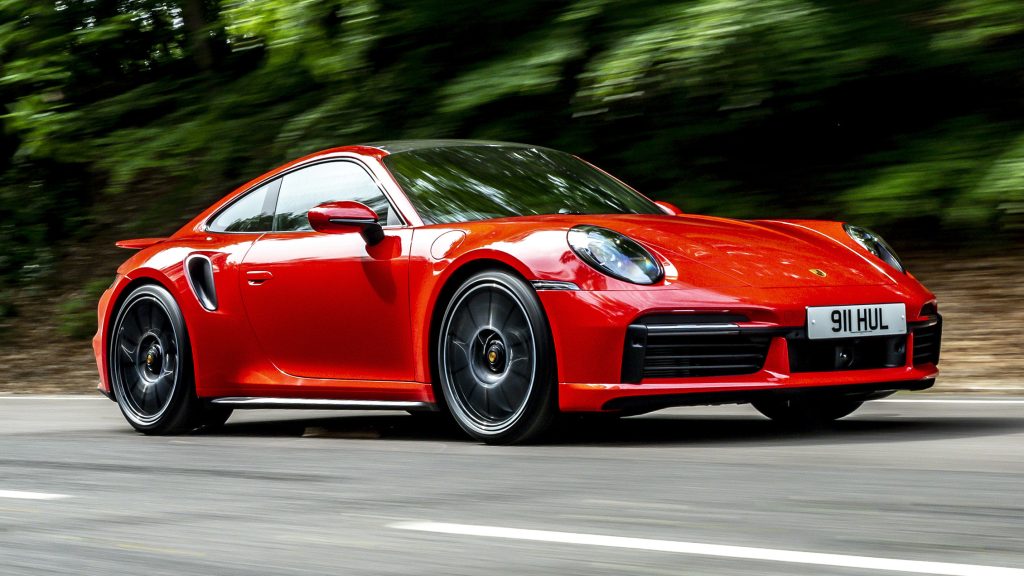
The interior combines quality materials with ergonomic design, ensuring that leather, switches, and dashboard components resist wear even after years of high-performance driving.
The 997 stands out as a German sports car that delivers enduring performance. Owners often comment on its reliability and the confidence it inspires for both daily driving and spirited road trips.
For anyone seeking a high-mileage German performance car with minimal compromises, the 911 997 remains a benchmark.
3. Audi S4 (B6/B7)
The Audi S4 B6 and B7 generations, produced from 2003 to 2008, are notable for combining V8 performance with Audi’s Quattro all-wheel-drive system, delivering both thrilling driving dynamics and surprising long-term durability. These cars have earned praise for surviving high mileage with careful maintenance.
Under the hood, the 4.2-liter naturally aspirated V8 engine provides strong performance while maintaining a reputation for reliability. Unlike turbocharged alternatives that can be more sensitive to wear, this engine responds well to regular oil changes and proper servicing.
Timing chain tensioners and valve train components are generally robust, and the engine cooling system is engineered to handle sustained spirited driving.
Transmission options include the six-speed manual and the six-speed Tiptronic automatic. Both are capable of long-term durability, though regular fluid changes are essential for the Tiptronic to prevent wear on internal components.
The Quattro all-wheel-drive system adds traction and stability, and when maintained correctly, it remains reliable over extensive mileage.
The suspension and chassis systems are strong, with multilink rear suspension and robust control arms that handle aggressive driving and everyday use.
Brake components are durable, and replacement parts are widely available, which helps keep ownership costs reasonable for high-mileage vehicles.
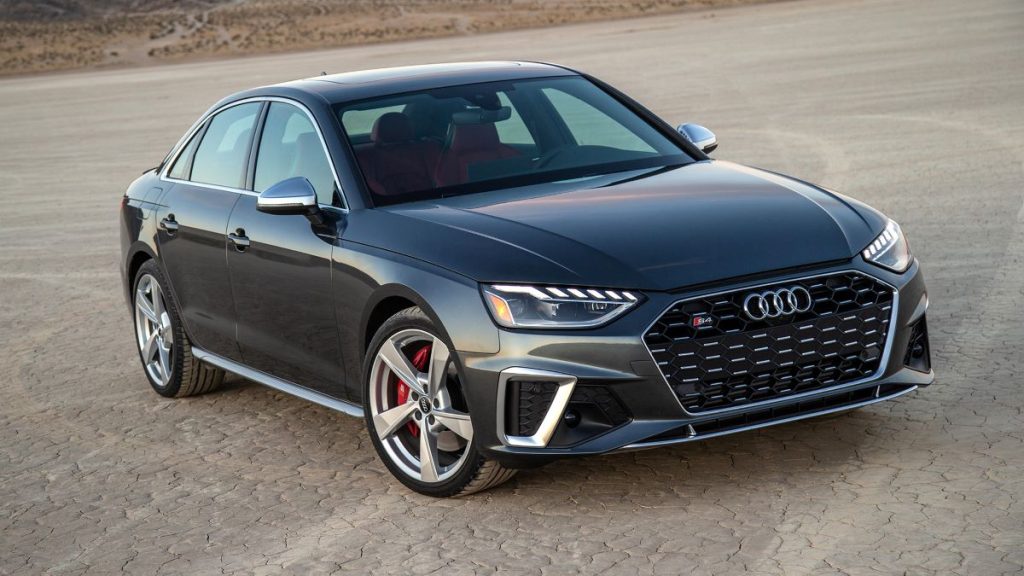
Inside, the S4 offers premium materials that resist wear. Leather seats, aluminum trim, and well-built switches hold up well over time, making the cabin suitable for years of daily use or spirited driving.
Overall, the B6/B7 S4 demonstrates that German performance doesn’t have to come at the cost of longevity. With solid engineering, reliable components, and careful maintenance, it remains a high-mileage performer that continues to deliver thrilling driving experiences.
4. BMW 335i (E90/E92)
The BMW 335i from the E90/E92 generation, produced between 2006 and 2013, is a well-regarded performance sedan and coupe that combines turbocharged power with surprising durability when properly maintained.
Many owners report that these cars can reach high mileage while continuing to deliver strong acceleration and precise handling.
This generation of the 335i features the N54 and later N55 turbocharged inline-six engines. Both engines offer significant performance potential but require diligent maintenance to achieve longevity.
Common preventative measures, such as regular oil changes, proper cooling system upkeep, and timely replacement of high-pressure fuel pumps, are critical to sustaining the engine over 150,000–200,000 miles. Despite these requirements, many owners enjoy trouble-free high-mileage examples thanks to BMW’s robust engineering.
The 335i’s transmission options, six-speed manual, six-speed automatic, and later seven-speed dual-clutch, are generally durable.
The manual is the most straightforward and capable of handling extended mileage without major issues, while the automatics benefit from timely fluid servicing. Clutch replacement may be needed on manual models over time, but it is considered a normal maintenance item rather than a failure.
Chassis and suspension components are engineered for performance while maintaining resilience. The sport-tuned suspension keeps the car agile without compromising component longevity.
Control arms, bushings, and shocks can last for over 100,000 miles with proper inspection and occasional replacement. Brakes are similarly durable, with many owners retaining original components well past 50,000 miles when paired with regular fluid maintenance.
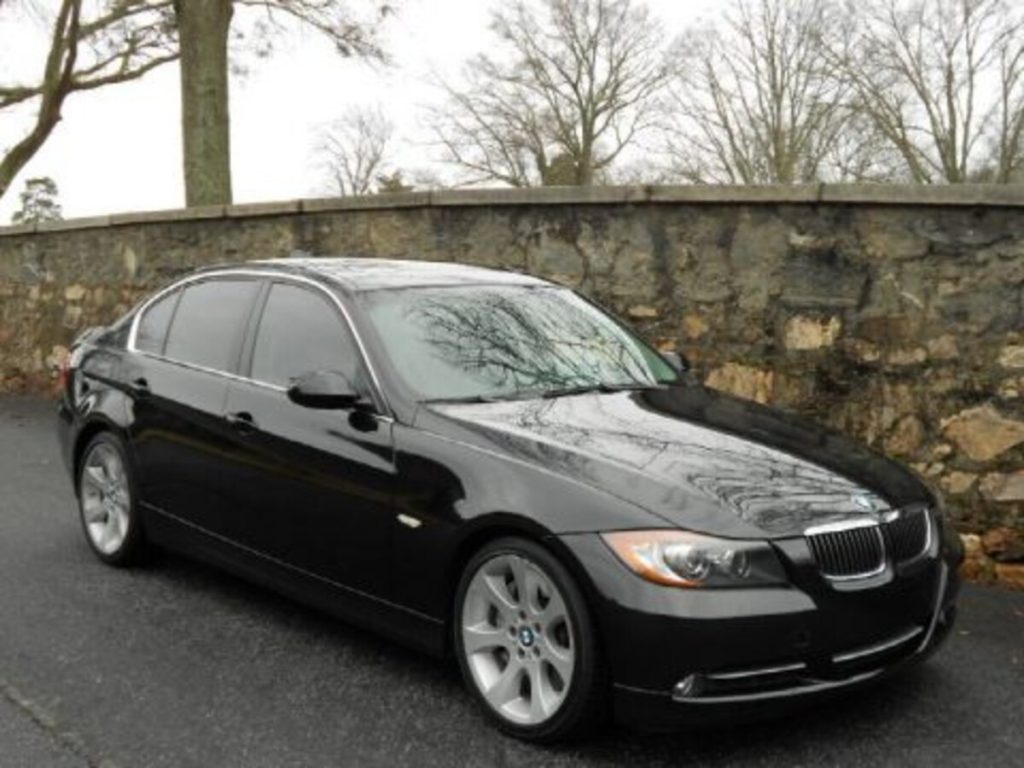
Interior quality is another strength. The E90/E92 offers durable leather seats, solid dashboard construction, and well-built switches. With careful use, the interior shows minimal wear even on high-mileage examples.
Overall, the BMW 335i strikes a balance between turbocharged performance and long-term durability.
While routine maintenance is essential, the combination of a strong engine, reliable transmission, and well-engineered chassis ensures that it remains one of the more dependable German performance cars capable of surviving high mileage.
5. Audi RS4 (B7)
The Audi RS4 B7, produced from 2006 to 2008, is a high-performance sedan that combines naturally aspirated V8 power with Audi’s Quattro all-wheel-drive system.
Despite its performance focus, it has earned a reputation for reliability and the ability to survive extensive mileage when maintained properly.
Powering the RS4 B7 is the 4.2-liter naturally aspirated V8 engine, renowned for its durability and high-revving characteristics. Unlike turbocharged alternatives, this engine benefits from a simpler design, which reduces potential points of failure.
Owners frequently report mileage exceeding 150,000 miles without major issues, provided that regular oil changes, valve adjustments, and cooling system checks are performed.
The six-speed manual transmission is standard, and it is known for its robustness under spirited driving.
Coupled with the Quattro all-wheel-drive system, it provides traction and control in all conditions. The drivetrain is engineered to handle aggressive driving without excessive wear, contributing to the RS4’s high-mileage capability.
Suspension and chassis components are tuned for performance but remain durable. Multilink rear suspension and strong control arms can endure repeated high-speed driving, while brake systems, particularly when upgraded with factory options, retain reliability over time. Routine inspections and maintenance ensure the car’s longevity.
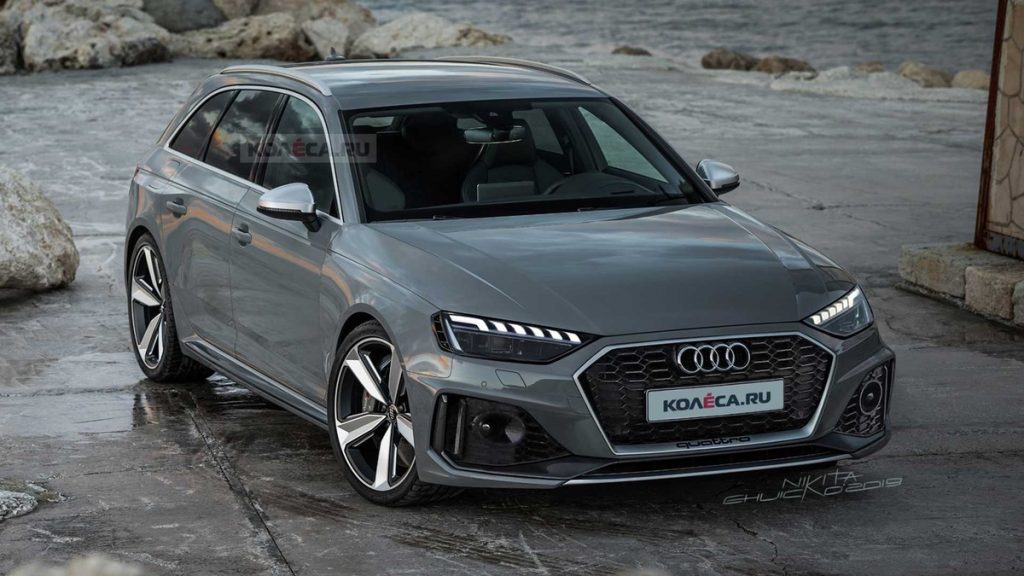
Inside, the RS4 features high-quality materials such as leather seats, aluminum trim, and durable plastics. Even with spirited driving, the interior often remains in excellent condition, enhancing the ownership experience over many years.
The combination of a naturally aspirated engine, robust transmission, Quattro drivetrain, and high-quality components makes the Audi RS4 B7 a German performance car that survives high mileage while delivering exhilarating driving dynamics.
6. Mercedes-Benz C63 AMG (W204)
The Mercedes-Benz C63 AMG from the W204 generation, produced between 2008 and 2015, is known for its naturally aspirated 6.2-liter V8 engine and impressive performance. Remarkably, it has also proven to be durable, capable of reaching high mileage when properly maintained.
The 6.2-liter V8, known internally as the M156, delivers exhilarating power and torque while avoiding the complications associated with forced induction engines.
This engine is praised for its solid construction, strong internals, and ability to sustain performance at high mileage. Regular oil changes, cooling system checks, and attention to valve train maintenance are key for long-term reliability.
Transmission options include a seven-speed automatic, which has shown durability when serviced according to Mercedes-Benz guidelines.
With proper fluid maintenance, the gearbox can remain smooth and responsive over many miles. Manual-transmission enthusiasts also appreciate its robustness in earlier model years.
Suspension and chassis components are engineered for sporty handling while maintaining longevity.
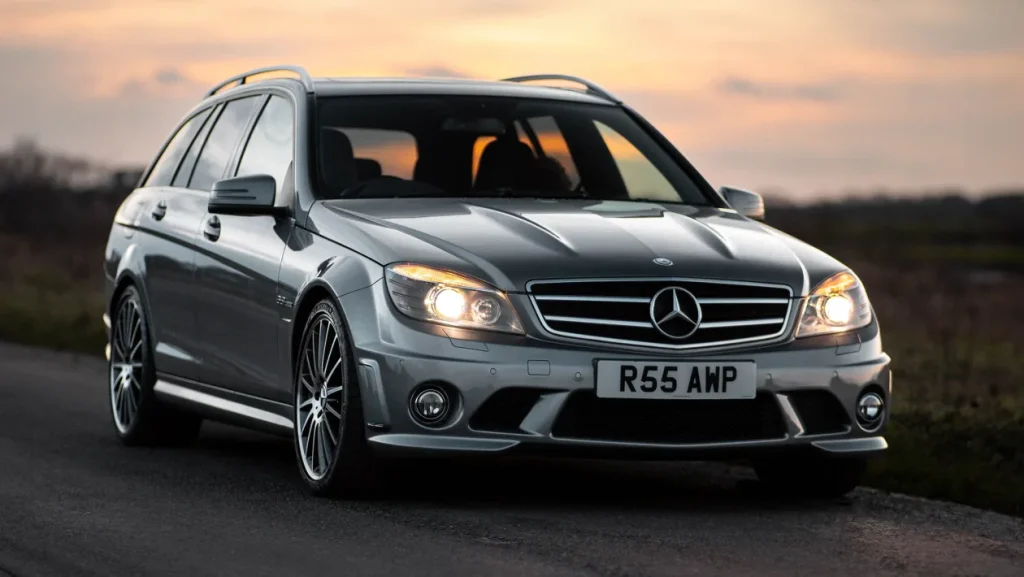
AMG-tuned suspension, strong control arms, and robust braking systems handle spirited driving without premature wear. Routine inspection and replacement of wear items ensure the car remains reliable over time.
The interior benefits from high-quality materials, including leather seating, aluminum trim, and well-fitted components. Even with high usage, the cabin typically remains in excellent condition, reflecting Mercedes’ focus on durability alongside performance.
Overall, the W204 C63 AMG demonstrates that high-performance German cars can also survive extensive mileage.
With careful maintenance, its naturally aspirated V8, reliable transmission, and well-built chassis make it one of the more dependable options for enthusiasts seeking a long-lasting, thrilling driving experience.
7. Porsche Cayman S (987)
The Porsche Cayman S from the 987 generation, built between 2005 and 2012, has become a benchmark for handling and precision while also proving itself capable of covering high mileage with relatively few issues.
Many enthusiasts keep these cars on the road well past 150,000 miles, provided that they adhere to consistent maintenance routines.
The 3.4-liter flat-six engine is at the core of the Cayman S. It is naturally aspirated, delivering strong performance without the added stress of turbocharging.
This engine is considered robust, with many examples lasting for decades when oil changes, cooling system upkeep, and belt replacements are handled properly. While earlier models had intermediate shaft bearing concerns, most were resolved or retrofitted, leaving the later versions particularly reliable.
Transmission choices include a six-speed manual and Porsche’s PDK dual-clutch system. Both are designed for longevity, though the manual tends to outlast the PDK in very high-mileage cars due to its simpler mechanics. The PDK, however, when serviced regularly, can remain smooth and precise for well over 150,000 miles.
The mid-engine layout contributes not only to balanced handling but also to reduced strain on certain components. Suspension pieces, such as control arms and struts, are designed to endure spirited driving while offering strong durability. Brakes are similarly reliable, especially when maintained with regular fluid flushes.
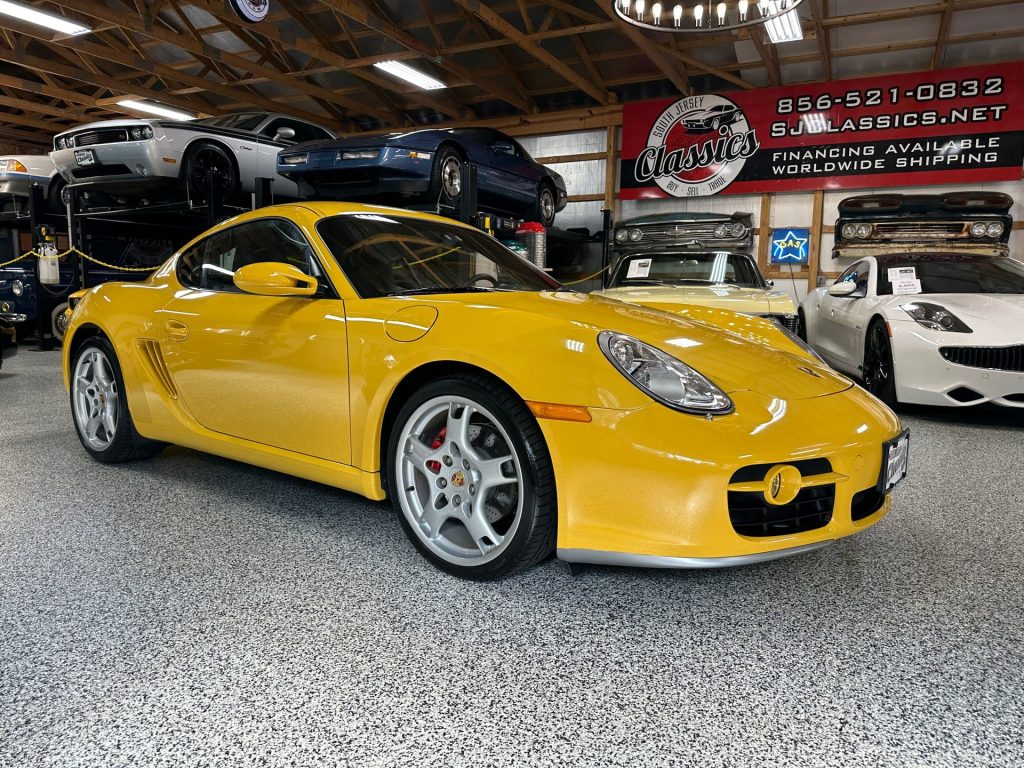
The cabin benefits from Porsche’s emphasis on long-term usability. While minimal compared to luxury sedans, the quality of materials such as leather seats and switchgear allows the interior to age gracefully, even under heavy use.
The Cayman S proves that performance does not necessarily come at the cost of durability. With its naturally aspirated engine, strong transmission options, and Porsche engineering, this model is an excellent example of a German performance car that remains dependable through high mileage.
8. BMW M5 (E39)
The BMW M5 E39, produced from 1998 to 2003, is widely regarded as one of the finest performance sedans ever built.
Beyond its reputation for driving excellence, it is also known for its ability to withstand high mileage, with many examples still running strong after 200,000 miles.
At its heart lies the 4.9-liter naturally aspirated V8 engine, delivering a balance of power and reliability.
This engine was designed with high-strength internals and precise engineering, enabling it to handle both spirited driving and long-term use. Regular oil changes, cooling system attention, and valve cover gasket maintenance are key to ensuring longevity.
The six-speed manual transmission is another highlight. Known for its durability, it handles the V8’s power without strain, and many examples retain their original gearboxes well into high-mileage territory. Routine clutch replacement is expected but considered normal upkeep rather than a sign of failure.
Suspension design blends comfort and handling while maintaining durability. Components such as control arms and bushings do wear over time but are straightforward to replace, making long-term ownership realistic for enthusiasts.
Braking systems are also engineered for repeated high-performance use, requiring only normal wear-related maintenance.
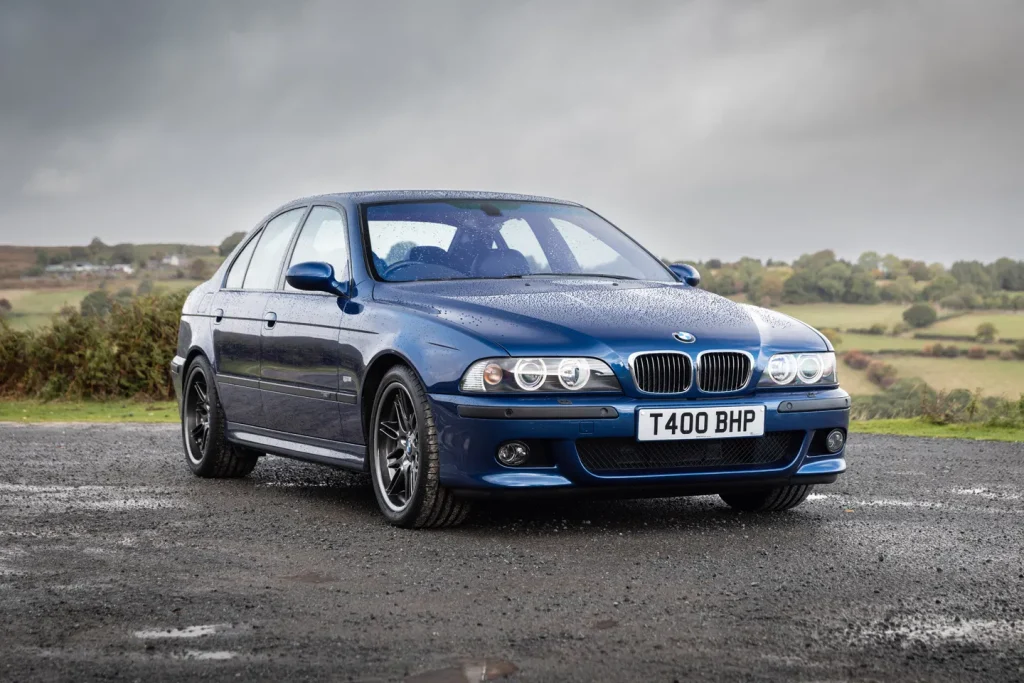
The E39 M5’s interior remains a standout. With leather seats, real wood trim, and precise assembly, it continues to feel solid even in high-mileage cars. Electronics are generally reliable, though minor issues such as pixel loss in displays may occur.
This generation of the M5 represents a blend of durability and performance. With proper care, it consistently demonstrates the ability to endure high mileage while retaining the dynamic qualities that made it legendary.
9. Audi TT RS (8J)
The Audi TT RS 8J, produced between 2009 and 2014, is a performance coupe that combines turbocharged power with surprising durability. Owners often report these cars running reliably beyond 150,000 miles when serviced correctly.
Its defining feature is the 2.5-liter turbocharged inline-five engine. This motor is praised for both its power and its robustness. Designed with a strong block and forged components, it can handle high levels of stress while remaining dependable.
Many high-mileage TT RS models continue to deliver consistent performance without major issues, provided oil changes and turbo checks are performed regularly.
The standard six-speed manual transmission adds to the car’s long-term appeal. It is simple, durable, and capable of handling the engine’s torque over extended use.
Coupled with Audi’s Quattro all-wheel-drive system, the drivetrain remains strong and provides excellent stability even after years of spirited driving.
Suspension components, designed for performance, remain durable with proper care. Control arms and bushings may wear faster due to spirited use, but replacements are straightforward. Brakes, particularly on cars equipped with upgraded systems, deliver long service life with regular fluid changes.
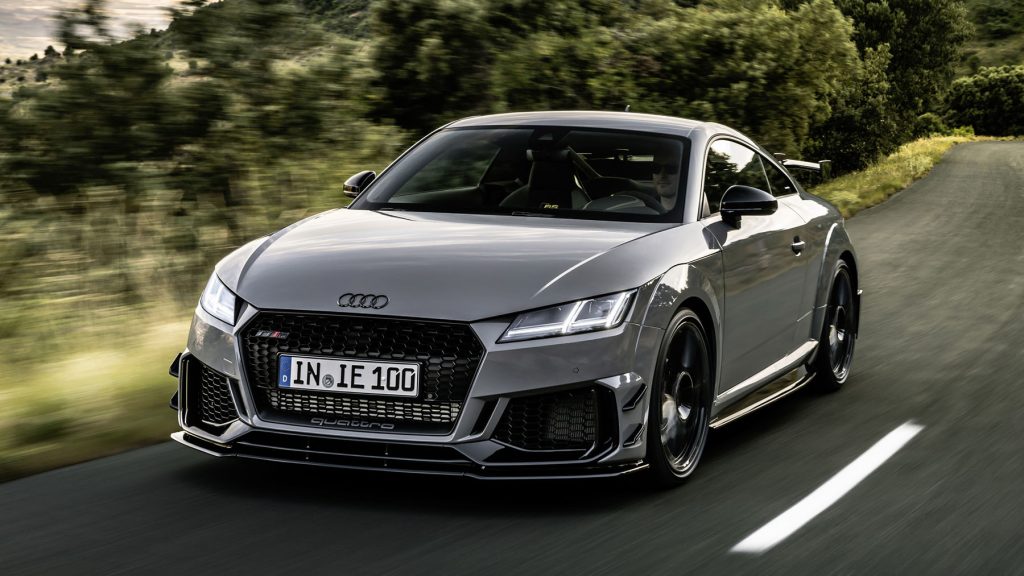
Inside, the TT RS offers a mix of practicality and durability. The seating materials and trim hold up well, and many high-mileage examples show minimal interior wear. Electronics and infotainment systems are generally reliable, though early models may require occasional software updates.
With its distinctive turbocharged five-cylinder engine, manual gearbox, and Quattro system, the Audi TT RS proves that performance coupes can thrive at high mileage. It remains a dependable choice for those who want both power and durability.
10. Porsche 911 Carrera (996)
The Porsche 911 Carrera 996, produced between 1997 and 2004, is one of the most accessible entries into the 911 family. Despite its controversial styling, it has earned respect for its durability and ability to reach high mileage when maintained properly.
The 3.4- and later 3.6-liter flat-six engines power the 996. These engines, when properly serviced, are capable of surpassing 200,000 miles.
Some early examples experienced intermediate shaft bearing concerns, but many cars have been updated with stronger components, resolving the issue. Regular oil changes, cooling system inspections, and attention to seals keep the engines running strong.
Transmission choices include a six-speed manual and Tiptronic automatic. The manual is favored for its durability, while the Tiptronic can also achieve high mileage when fluid changes are performed consistently. Both gearboxes are built to withstand long-term use.
Suspension and chassis engineering provide a solid foundation. Control arms, struts, and sway bars hold up well under spirited use, though replacements are expected at high mileage. The braking system is also dependable, with many owners reporting consistent performance beyond 100,000 miles.
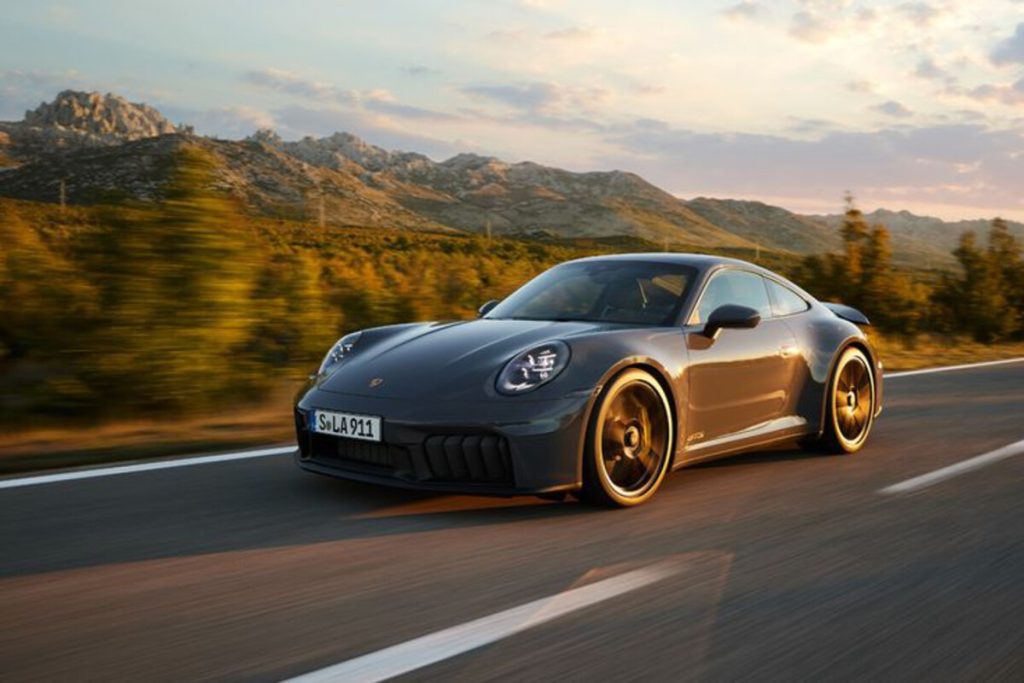
Interior durability is another strength. While more minimalist compared to modern models, the materials are well chosen, and high-mileage cars often retain their structural integrity and comfort. Electronics are generally simple and reliable compared to later generations.
The Porsche 996 represents a performance car that combines affordability with long-term reliability.
With its robust flat-six engines, durable transmission options, and Porsche engineering, it remains a strong candidate for enthusiasts seeking a German performance car that thrives at high mileage.
Also Read: 10 Honda Civic Years Still Popular With Daily Drivers
