
Naturally aspirated engines have long held a reputation for simplicity, reliability, and longevity. Unlike turbocharged units, which rely on forced induction and higher operating pressures, naturally aspirated engines operate with less stress on internal components.
This generally allows them to maintain peak performance over extended periods while reducing the risk of premature wear or mechanical failure. For drivers seeking engines that can endure high mileage and daily use, naturally aspirated powertrains often provide a dependable choice.
The appeal of these engines lies in their mechanical straightforwardness. With fewer components subjected to extreme heat and pressure, parts such as pistons, valves, and cylinder heads experience less strain.
This simplicity translates into predictable maintenance, easier repairs, and a generally longer lifespan. Naturally aspirated engines are also less sensitive to variations in fuel quality, making them practical for drivers in diverse regions.
Many automakers have engineered naturally aspirated engines that continue performing reliably well beyond 150,000 miles.
Some engines are known to exceed 300,000 miles when properly maintained, demonstrating that forced induction is not a prerequisite for strong performance or efficiency.
Beyond reliability, naturally aspirated engines also offer a smooth and linear power delivery, making them enjoyable to drive while minimizing stress on the drivetrain.
This article highlights ten naturally aspirated engines that have earned a reputation for longevity and dependability. Each engine is recognized not only for its mechanical strength but also for real-world evidence of long-term performance.
From small four-cylinder motors to large V8s, these engines showcase how careful engineering, robust materials, and regular maintenance combine to create powertrains that outlast their turbocharged counterparts.
Drivers seeking a dependable, long-lasting engine will find valuable insight in this selection of ten naturally aspirated powerplants.
Also Read: 5 Engines That Handle Stop-and-Go Traffic vs 5 That Break Early
1. Toyota 2JZ-GE
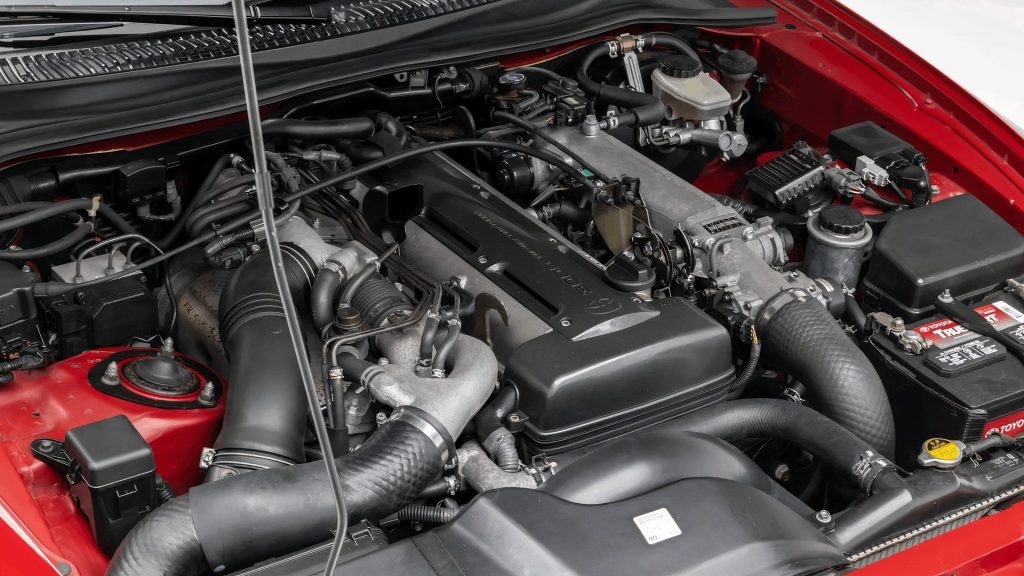
The Toyota 2JZ-GE is the naturally aspirated variant of the legendary 2JZ-GTE, renowned for its durability and long life. Produced from 1991 to 2002, the 2JZ-GE was used in vehicles like the Toyota Supra (NA models), Lexus GS300, and Toyota Aristo.
Even without the turbocharged version’s power output, the 2JZ-GE proved to be a mechanically robust engine that could endure high mileage with minimal issues.
At its core, the 2JZ-GE features an inline-six configuration, known for excellent balance and smooth operation. Its cast-iron block and aluminum head provide a strong foundation capable of withstanding heat, wear, and decades of use.
With a compression ratio suited to naturally aspirated operation, the engine delivers reliable performance without overstressing the internal components. Many owners report exceeding 200,000 miles without major repairs, and well-maintained examples can surpass 300,000 miles.
The 2JZ-GE also benefits from Toyota’s precision engineering and robust fuel injection system.
Maintenance is straightforward, with common procedures including timing belt replacement, regular oil changes, and valve adjustments when needed. Its simplicity, compared to turbo variants, reduces potential points of failure.
Beyond its durability, the engine offers smooth and linear power delivery, making it enjoyable to drive in daily commuting and spirited driving scenarios. The combination of longevity, reliability, and performance explains why the 2JZ-GE remains a sought-after engine among enthusiasts and long-term owners alike.
2. Honda K20A
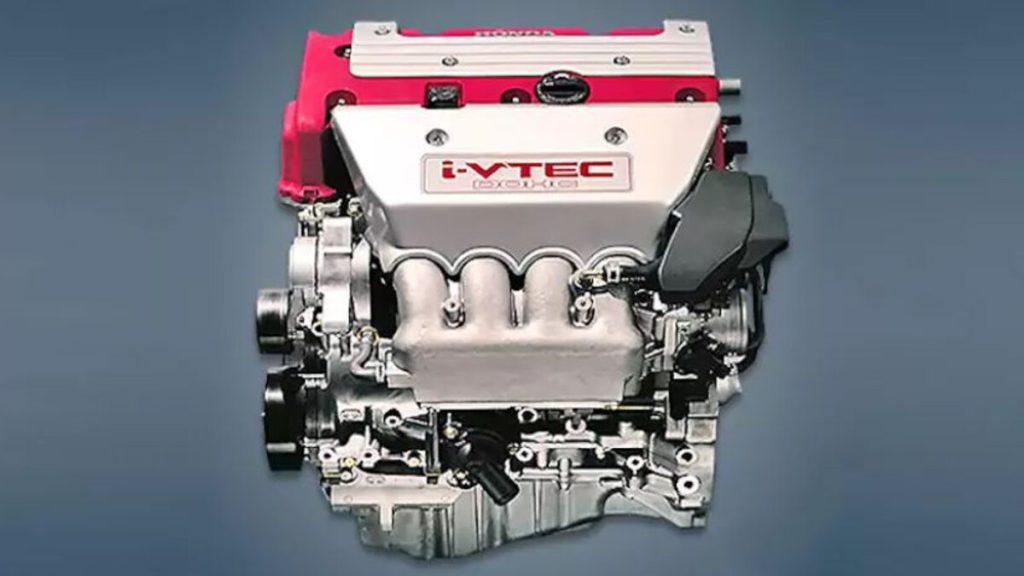
The Honda K20A is one of the most reliable naturally aspirated four-cylinder engines in modern automotive history. Found in models like the Honda Civic Si, Integra, and Accord in various global markets, the K20A combines high-revving performance with proven longevity.
Introduced in the early 2000s, this engine has consistently demonstrated durability beyond 150,000 miles with proper maintenance.
The K20A features Honda’s i-VTEC system, which allows variable valve timing for optimal efficiency and power. While this technology enhances performance, it does not compromise reliability.
The engine block and aluminum head are engineered to withstand long-term use, and the lightweight internals contribute to lower mechanical stress compared to turbocharged setups.
Owners frequently report smooth operation over many years, with minimal issues when serviced regularly. Common maintenance includes timing chain checks, valve adjustments, and regular oil changes.
The simplicity of a naturally aspirated design combined with high-quality engineering ensures that this engine can endure high-mileage ownership without significant repairs.
The K20A is also known for its linear throttle response and high-revving character. Its ability to deliver power smoothly and predictably while requiring minimal mechanical intervention has made it a favorite for enthusiasts and daily drivers alike. Its proven reliability makes it one of the top naturally aspirated four-cylinder engines on the market.
3. Lexus 1UZ-FE
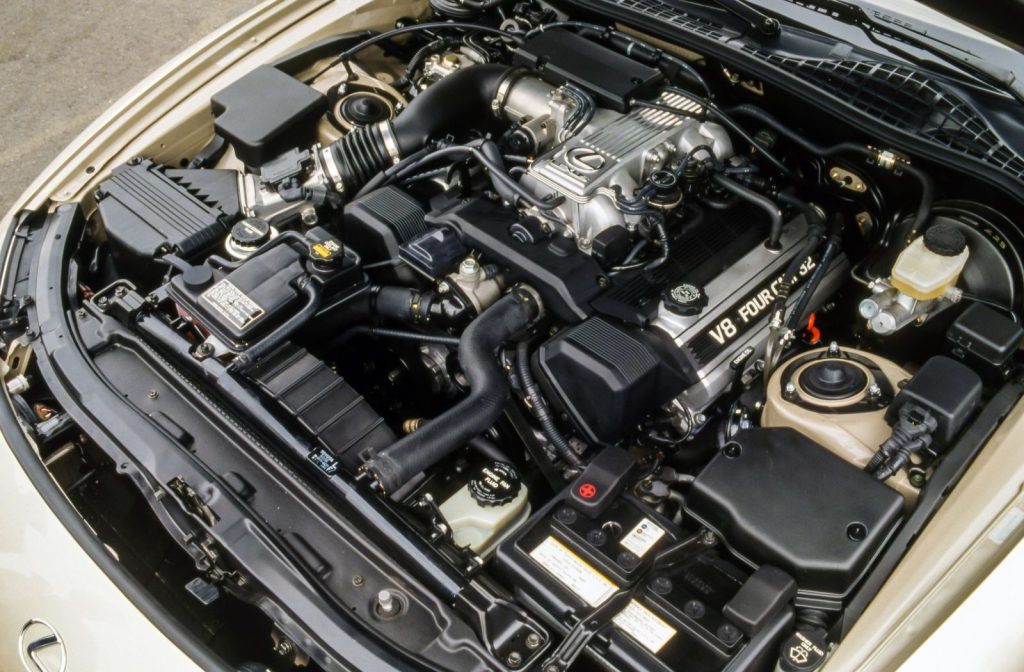
The Lexus 1UZ-FE V8 is a naturally aspirated engine introduced in 1989 and used in the Lexus LS400, SC400, and GS400. Known for its extraordinary build quality, the 1UZ-FE is widely regarded as one of the most durable V8 engines ever produced.
Many examples exceed 250,000 miles, with numerous cases of engines surpassing 400,000 miles with standard maintenance.
The 1UZ-FE features an aluminum block and aluminum DOHC heads, combining lightweight construction with robust engineering. Its precise machining, high-quality materials, and simple naturally aspirated design reduce stress on internal components, ensuring long-term reliability.
This engine also includes hydraulic lash adjusters, eliminating the need for frequent valve adjustments and reducing maintenance complexity.
Regular maintenance such as oil changes, timing belt service, and coolant checks, ensures the 1UZ-FE can continue performing for decades.
Its smooth power delivery, near-silent operation, and robust low-end torque make it suitable for both luxury driving and high-mileage commuting.
The combination of innovative engineering and naturally aspirated simplicity ensures the 1UZ-FE remains a benchmark for longevity.
Its track record demonstrates that a well-designed naturally aspirated V8 can outlast turbocharged counterparts while offering reliable, refined performance over hundreds of thousands of miles.
4. Ford 5.0L Coyote V8
The Ford 5.0L Coyote V8, introduced in 2011 in the Mustang GT and later in trucks like the F-150, is one of the most modern naturally aspirated engines known for durability and long-term reliability.
While turbocharging has become widespread, the Coyote V8 maintains simplicity and robust engineering, making it a favorite among enthusiasts and daily drivers seeking a dependable powertrain.
This engine features an all-aluminum block with forged steel crankshaft and lightweight pistons, providing a strong foundation to withstand repeated high-rev use.
Its Dual Overhead Camshaft (DOHC) design with variable valve timing ensures efficient performance while maintaining mechanical integrity. The naturally aspirated setup avoids the additional stress and heat generated by forced induction, which contributes to long-term reliability.
Owners of the Coyote V8 often report minimal issues past 150,000 miles, provided regular maintenance is performed. Common upkeep includes oil changes, spark plug replacement, and periodic inspections of the timing chain and valve components.
Compared to turbocharged engines, the Coyote experiences less thermal stress, which reduces the risk of premature wear on pistons, cylinder heads, and gaskets.
Performance is another highlight. The Coyote V8 delivers smooth, linear power and strong torque across the rev range, making it suitable for spirited driving, towing, and daily commuting alike.
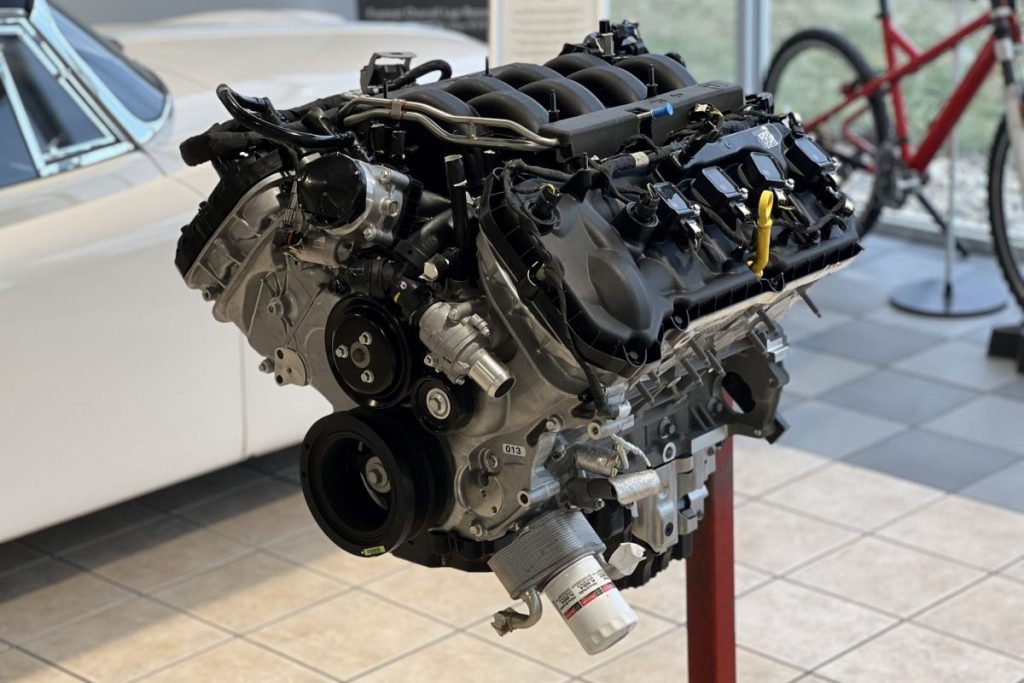
Its reliability combined with its performance potential explains why this engine has become a mainstay for Ford vehicles and why aftermarket enthusiasts often favor it for builds requiring dependable naturally aspirated power.
With careful engineering, high-quality materials, and a naturally aspirated design, the Ford Coyote V8 demonstrates that modern NA engines can achieve exceptional longevity while offering enjoyable performance.
Its proven track record over high-mileage ownership makes it a standout among contemporary V8 powerplants.
5. Mazda 1.8L BP-ZE
The Mazda 1.8L BP-ZE engine, commonly found in the first-generation Mazda MX-5 Miata (1994–2000), is celebrated for its reliability, high-revving nature, and longevity.
This naturally aspirated four-cylinder engine exemplifies Mazda’s focus on durable, lightweight, and mechanically simple designs that endure decades of use.
Featuring an aluminum block with iron sleeves and DOHC design, the BP-ZE is built to withstand high RPM operation while maintaining low internal stress.
Its relatively modest displacement combined with precise engineering allows it to operate efficiently with minimal heat buildup, contributing to a long service life. Many owners report exceeding 200,000 miles on stock engines with proper maintenance.
Routine upkeep for the BP-ZE includes timing belt replacement, oil and filter changes, and occasional valve adjustments. Its simplicity, compared to turbocharged counterparts, reduces potential points of failure and ensures minimal long-term issues.
The engine also benefits from Mazda’s smooth-flowing intake and exhaust design, which promotes consistent performance without overtaxing internal components.
Performance-wise, the BP-ZE delivers linear power and high-rev engagement, making the MX-5 Miata a favorite among driving enthusiasts. Its ability to provide spirited driving experiences while remaining reliable for daily use demonstrates the advantages of naturally aspirated engineering.
The 1.8L BP-ZE proves that lightweight, high-revving naturally aspirated engines can combine fun and dependability. Its record of high-mileage longevity and minimal maintenance makes it one of the most trusted four-cylinder engines among sports car enthusiasts.
6. Subaru EJ25
The Subaru EJ25, particularly in naturally aspirated form, has been a staple in vehicles such as the Impreza, Legacy, and Forester for decades.
While some variants are turbocharged, the NA versions are highly regarded for longevity and reliability, often surpassing 200,000 miles with proper care.
This flat-four engine benefits from Subaru’s horizontally opposed design, which lowers the center of gravity and ensures balanced internal forces.
Its cast-iron block and aluminum head provide durability, while the naturally aspirated configuration reduces stress on components compared to turbocharged models.
The engine produces smooth and predictable power, making it suitable for daily commuting, long-distance driving, and varied conditions.
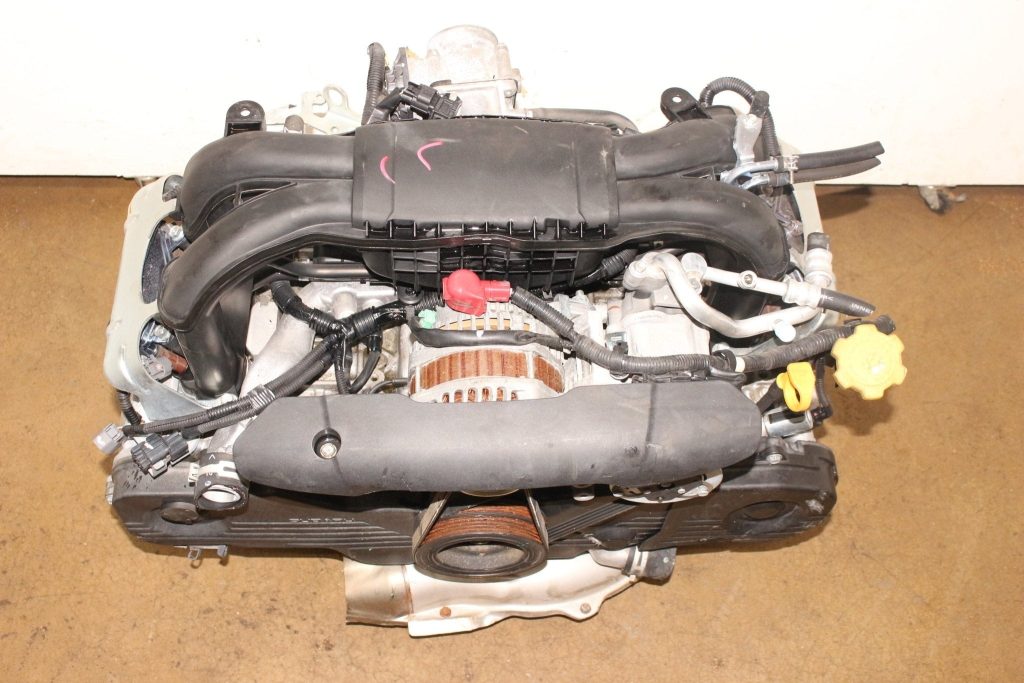
Maintenance is straightforward: regular oil changes, timing belt or chain service, and occasional valve adjustments are typically all that’s needed to maintain longevity. The engine’s simplicity contributes to its durability, and many owners report decades of use without major mechanical failures.
The EJ25 also demonstrates versatility. It powers compact sedans, wagons, and crossover vehicles reliably, all while offering a linear throttle response and fuel efficiency that rivals small turbo engines.
Its robust design and proven track record make it a standout naturally aspirated engine for drivers seeking long-term dependability without sacrificing performance.
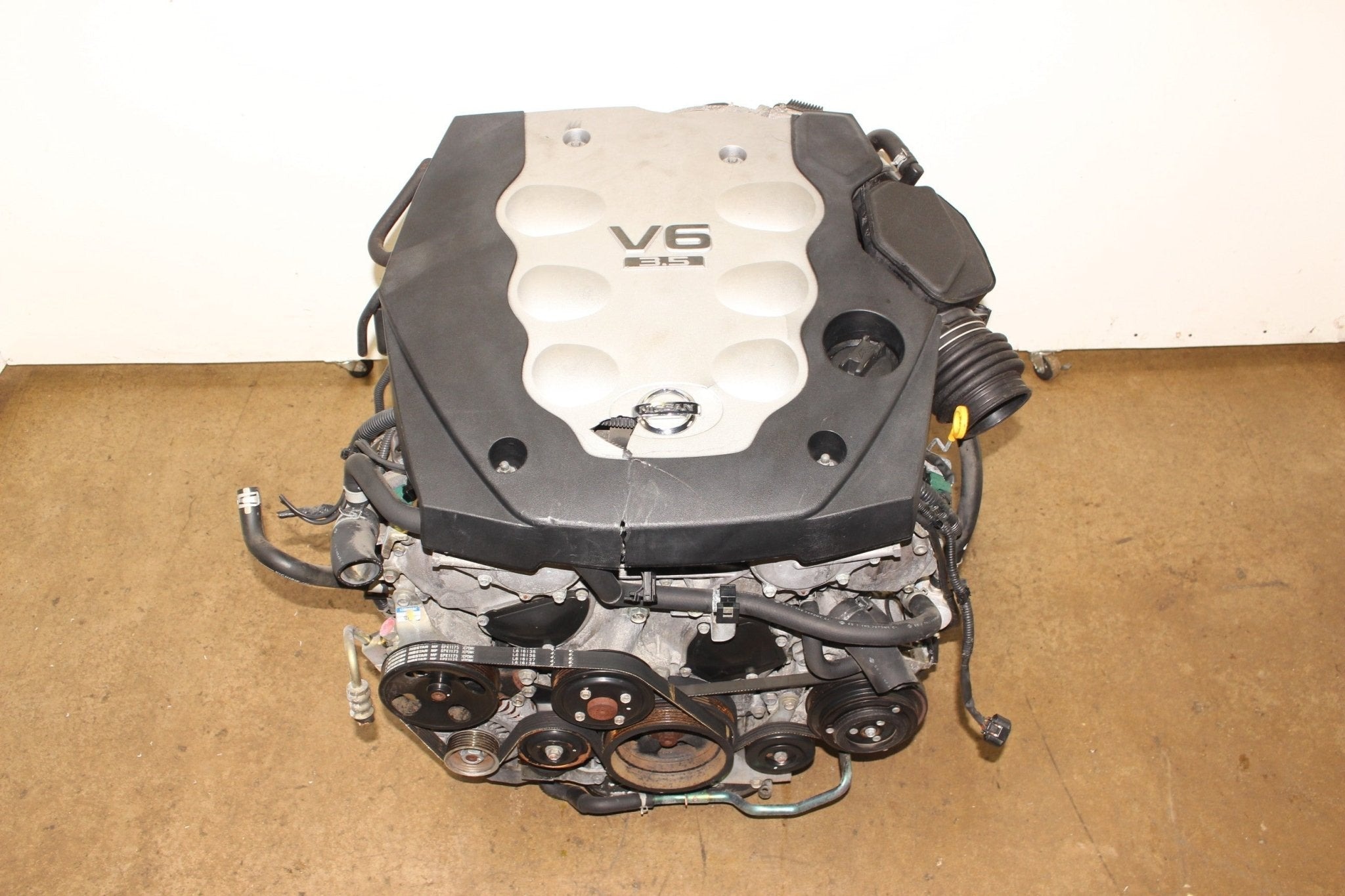
7. Nissan VQ35DE
The Nissan VQ35DE is a naturally aspirated 3.5-liter V6 engine that has powered a wide range of vehicles, including the Nissan 350Z, Altima, Maxima, and Murano. Introduced in 2001, it quickly became renowned for its combination of smooth power delivery, performance potential, and long-term reliability.
The VQ35DE features an aluminum block with aluminum DOHC cylinder heads, lightweight pistons, and a balanced crankshaft design.
These engineering choices reduce stress on the engine’s internal components and ensure consistent operation over extended periods.
Many owners report exceeding 200,000 miles with minimal repairs, provided regular maintenance, such as oil changes, spark plug replacements, and timing chain inspections, is performed.
One of the key advantages of the VQ35DE is its naturally aspirated design. Without the additional heat and pressure generated by turbocharging, internal components experience less stress, which reduces the likelihood of premature wear on pistons, valves, and gaskets.
The engine’s smooth torque curve and linear power delivery make it enjoyable for daily driving, spirited performance, and long highway journeys.
The VQ35DE also benefits from Nissan’s focus on durability and engineering consistency. Its intake and exhaust systems are optimized for airflow without overloading internal components, and the engine’s electronic systems are designed to maintain reliability even with high-mileage use.
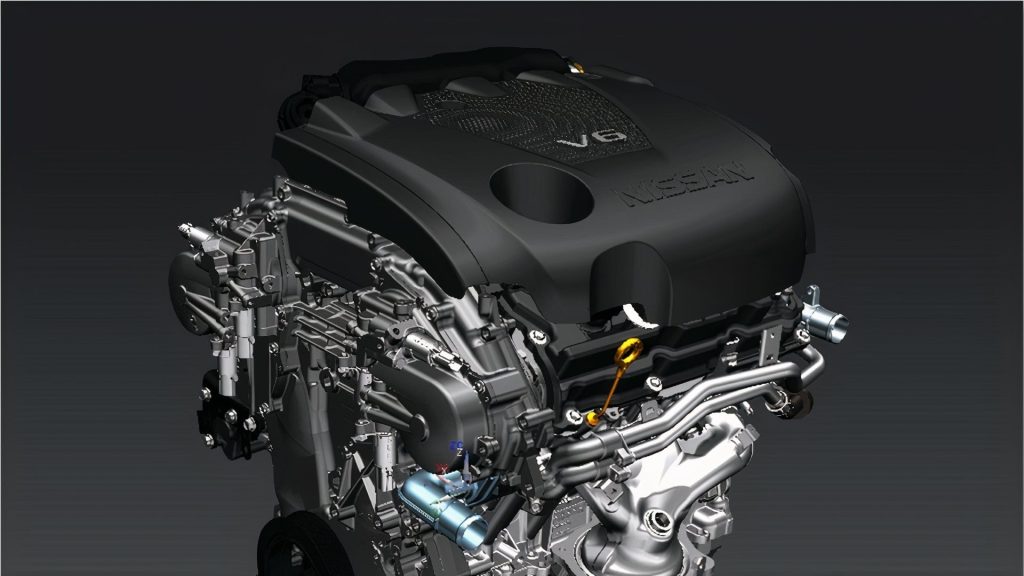
Compared to turbocharged counterparts, the VQ35DE offers fewer potential points of failure, making it a dependable choice for long-term ownership.
Overall, the VQ35DE exemplifies how a modern naturally aspirated V6 can provide a blend of performance, reliability, and longevity. Its track record across multiple Nissan models highlights its reputation as a durable powerplant capable of high mileage without sacrificing driving enjoyment.
8. Honda F22B
The Honda F22B is a naturally aspirated 2.2-liter four-cylinder engine found in vehicles such as the Honda Accord (1994–2002) and Prelude. Known for its longevity and smooth operation, the F22B continues to be respected among enthusiasts and long-term owners for its durability.
This engine uses an aluminum block and head, paired with Honda’s VTEC technology, which optimizes valve timing for efficiency and performance.
Unlike turbocharged engines, the F22B experiences less stress on internal components, which helps maintain mechanical integrity over high mileage. Many examples have surpassed 200,000 miles with routine maintenance, including oil changes, timing belt replacement, and valve adjustments.
The F22B delivers linear and predictable power, making it reliable for daily driving and long-term commuting.
Its naturally aspirated configuration minimizes thermal stress on pistons, cylinder heads, and gaskets, which reduces the risk of failure compared to forced induction engines.
The engine’s smooth torque delivery and efficiency have contributed to its widespread adoption in North American and Asian markets.
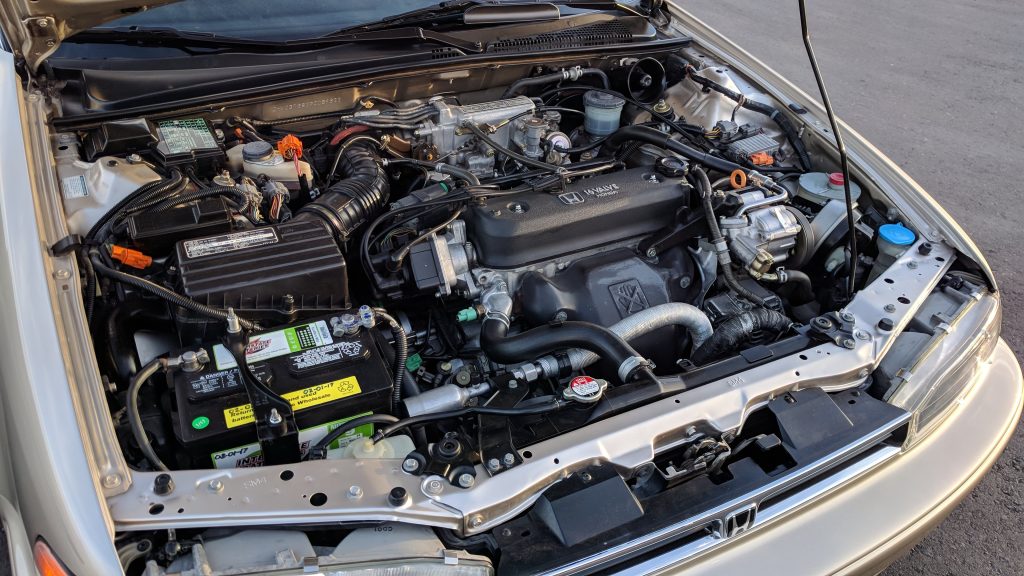
Owners praise the F22B for its longevity, low maintenance costs, and robust construction. Its reputation for surviving high mileage without major repairs makes it a strong example of a naturally aspirated four-cylinder that balances reliability and performance effectively.
9. Chevrolet LS1
The Chevrolet LS1 V8 is a naturally aspirated engine that became a cornerstone of GM performance from 1997 through the early 2000s. Found in vehicles like the Corvette, Camaro, and Firebird, the LS1 combines strong power output with exceptional reliability, making it a legendary naturally aspirated V8.
Built with an aluminum block and heads, forged internals, and a simple pushrod design, the LS1 is engineered for long-term durability. Unlike turbocharged engines, it avoids excessive heat and pressure that can shorten engine life.
Many LS1 owners report exceeding 250,000 miles with stock components when maintained properly, including regular oil changes, spark plug replacement, and cooling system care.
The engine delivers linear power, excellent torque, and high-rev capability while maintaining a predictable and durable design. Its simplicity, combined with robust engineering, allows it to perform well in both performance and daily driving contexts.
The LS1’s long-standing reputation as a reliable naturally aspirated V8 underscores the advantages of straightforward engineering paired with high-quality materials.
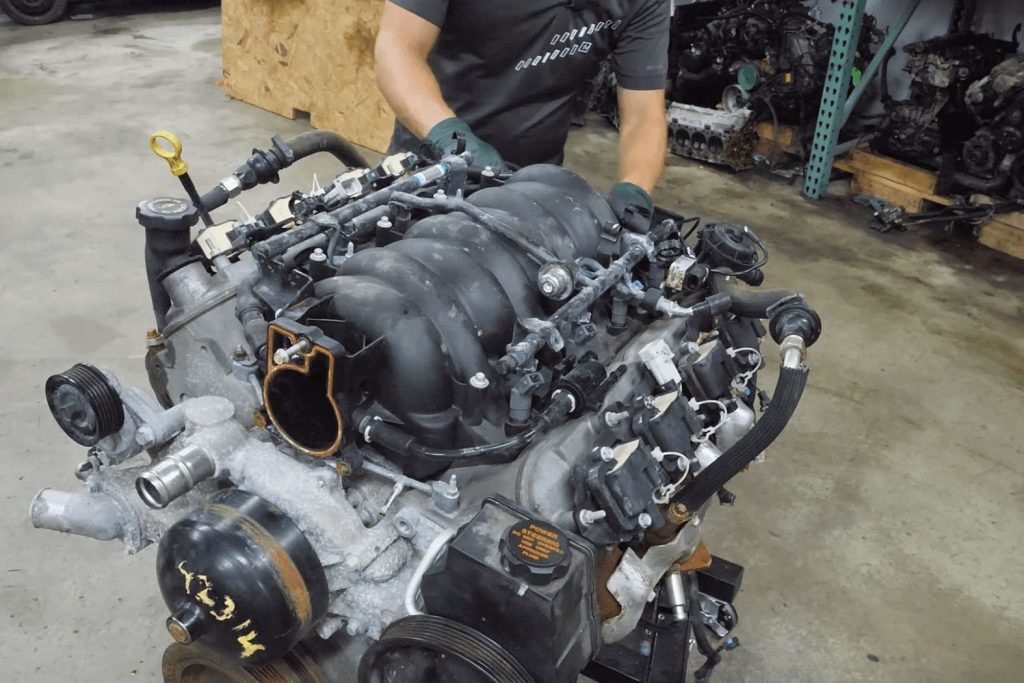
With proven longevity, low-maintenance operation, and dependable performance, the LS1 stands as one of the most respected naturally aspirated engines in automotive history. It demonstrates that power and reliability can coexist in a well-engineered V8, outlasting many forced-induction counterparts.
10. Toyota 1G-GE
The Toyota 1G-GE is a naturally aspirated inline-six engine introduced in the late 1980s and used in vehicles such as the Toyota Crown, Mark II, Chaser, and Soarer.
Renowned for its reliability, smooth operation, and long service life, the 1G-GE remains a benchmark for naturally aspirated engines that endure high mileage without major issues.
The 1G-GE features a cast-iron block and aluminum cylinder head, offering a balance of strength and weight savings. Its dual overhead camshaft (DOHC) design allows precise valve control while maintaining mechanical simplicity compared to turbocharged engines.
The naturally aspirated configuration reduces stress on pistons, cylinder heads, and gaskets, which contributes significantly to long-term durability. Many owners report surpassing 200,000 miles, and well-maintained examples have been known to exceed 300,000 miles.
One of the standout qualities of the 1G-GE is its smooth, linear power delivery. While it doesn’t produce the high peak output of turbocharged variants, it provides consistent torque and responsive acceleration across the rev range.
This makes it ideal for daily driving, long-distance travel, and even spirited motoring, all without placing undue stress on internal components.
Maintenance for the 1G-GE is straightforward, which enhances its longevity. Routine tasks include oil and filter changes, timing belt replacement, and occasional valve adjustments.
The simplicity of its naturally aspirated design means fewer potential failure points compared to turbocharged counterparts, lowering overall repair costs and improving reliability over time.
The 1G-GE also benefited from Toyota’s precise engineering and quality control. Its fuel delivery system, intake, and exhaust design were optimized for efficiency and durability, ensuring reliable operation under varied conditions.
Many vehicles equipped with the 1G-GE continue to run smoothly decades after production, highlighting the engine’s remarkable build quality and engineering foresight.
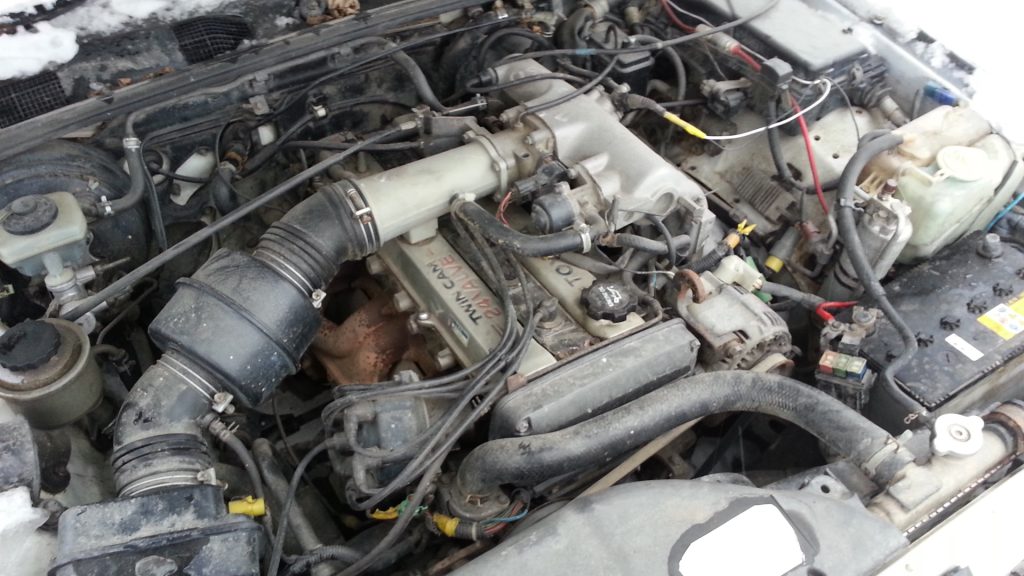
Overall, the Toyota 1G-GE exemplifies how a naturally aspirated inline-six can deliver longevity, dependable performance, and low-maintenance operation.
Its smooth operation, robust construction, and proven record of high-mileage reliability make it an enduring favorite among enthusiasts and long-term owners.
For drivers seeking an engine that combines mechanical simplicity with decades of dependability, the 1G-GE stands out as a prime example of naturally aspirated engineering excellence.
Naturally aspirated engines have long been recognized for their reliability, simplicity, and long-term durability.
Unlike turbocharged engines, which operate under higher pressures and temperatures, naturally aspirated engines rely on straightforward mechanical design, allowing internal components to experience less stress.
This mechanical simplicity contributes to predictable maintenance, lower repair costs, and extended lifespans, making them ideal for drivers seeking dependable high-mileage powertrains.
The Toyota 2JZ-GE, Honda K20A, and Lexus 1UZ-FE exemplify the durability of naturally aspirated engines across different segments.
The 2JZ-GE, an inline-six, is known for exceeding 200,000 miles with minimal issues, benefiting from a strong cast-iron block and smooth operation.
Honda’s K20A demonstrates that even high-revving four-cylinder engines can achieve long-term reliability, thanks to lightweight internals and robust engineering.
The 1UZ-FE V8, used in Lexus luxury vehicles, combines precise machining, aluminum construction, and hydraulic valve adjusters to surpass 250,000 miles, proving that naturally aspirated V8s can endure decades of use.
Modern naturally aspirated engines also highlight engineering advancements. The Ford 5.0L Coyote V8, with its aluminum block, forged internals, and variable valve timing, delivers strong power and consistent performance while minimizing stress on internal components.
Similarly, the Mazda 1.8L BP-ZE and Subaru EJ25 demonstrate that smaller, lightweight engines can provide high-revving fun and dependable operation, maintaining longevity even under spirited driving conditions.
Other notable examples, like the Nissan VQ35DE, Honda F22B, and Chevrolet LS1, emphasize the versatility and broad applicability of naturally aspirated engines.
From compact four-cylinders to large V6 and V8 powerplants, these engines deliver smooth power, maintainable designs, and proven reliability over hundreds of thousands of miles.
Their success underscores the value of mechanical simplicity combined with high-quality materials, thoughtful engineering, and proper maintenance.
Finally, the Toyota 1G-GE inline-six demonstrates that naturally aspirated engines can provide both linear power delivery and long-term dependability, continuing to perform reliably decades after production.
Collectively, these ten engines show that naturally aspirated designs offer longevity and consistent performance that often surpass turbocharged counterparts.
For drivers prioritizing reliability, durability, and low-maintenance operation, naturally aspirated engines remain a trustworthy and enduring choice across multiple vehicle types and driving scenarios.
Also Read: 12 Legendary Diesel Engines That Still Power Daily Trucks
