
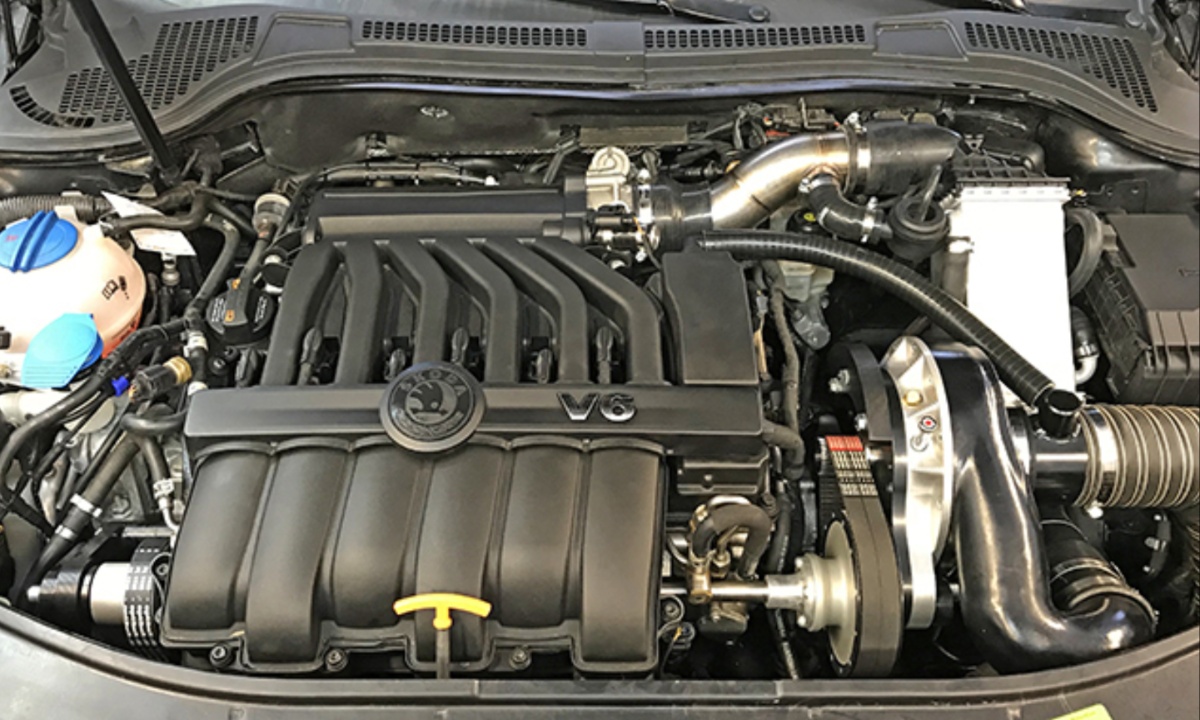
The V6 engine has often been the perfect balance between efficiency and power. While four-cylinder units are known for fuel economy and V8 engines are often associated with brute strength, the V6 has carved a reputation as a versatile middle ground.
Car buyers who want longevity without compromising too much on performance often turn to vehicles equipped with strong six-cylinder engines.
Over the years, manufacturers have built several V6 engines that not only deliver consistent performance but also carry a reputation for lasting hundreds of thousands of miles with proper care.
One of the main reasons these engines continue to thrive is the engineering focus on durability. Many automakers designed their long-lasting V6 units with robust internal components, simplified layouts, and conservative tuning.
Unlike some modern high-strung engines that rely heavily on complex electronics and turbocharging, many of the most dependable V6 options were built to prioritize reliability and consistent operation over outright horsepower.
This approach allowed them to endure heavy daily use, withstand heat cycles, and perform even under less-than-ideal maintenance routines.
These V6 engines can be found in a wide range of vehicles, from family sedans and minivans to trucks and SUVs. Their ability to serve different markets while maintaining reliability has given them a special place among enthusiasts and everyday drivers alike.
When paired with regular oil changes, cooling system care, and timely maintenance, many of these engines can exceed 250,000 miles, with stories of some reaching far beyond that.
This article highlights twelve of the most dependable V6 engines ever produced. Each has proven itself through years of real-world performance, with countless owners praising their durability.
For drivers seeking a long-lasting machine, these engines represent some of the finest examples of reliability and strength in automotive history.
Also Read: 10 Best Engines Known for Surviving Poor Fuel Quality
1. Toyota 3.5L 2GR-FE V6
Toyota’s 3.5L 2GR-FE V6 is often regarded as one of the most reliable modern engines available. Introduced in the mid-2000s, it has powered a wide variety of vehicles including the Toyota Camry, Highlander, Avalon, RAV4, and several Lexus models.
This engine has earned its reputation by combining smooth performance with an incredibly robust design that resists major problems even after years of use.
One of the standout features of the 2GR-FE is its timing chain system. Unlike timing belts that require replacement at certain intervals, chains are designed to last the life of the engine if properly maintained.
This reduces long-term maintenance costs while giving owners peace of mind. The engine also uses Toyota’s VVT-i (Variable Valve Timing with intelligence) system, which optimizes efficiency and performance without putting undue stress on components.
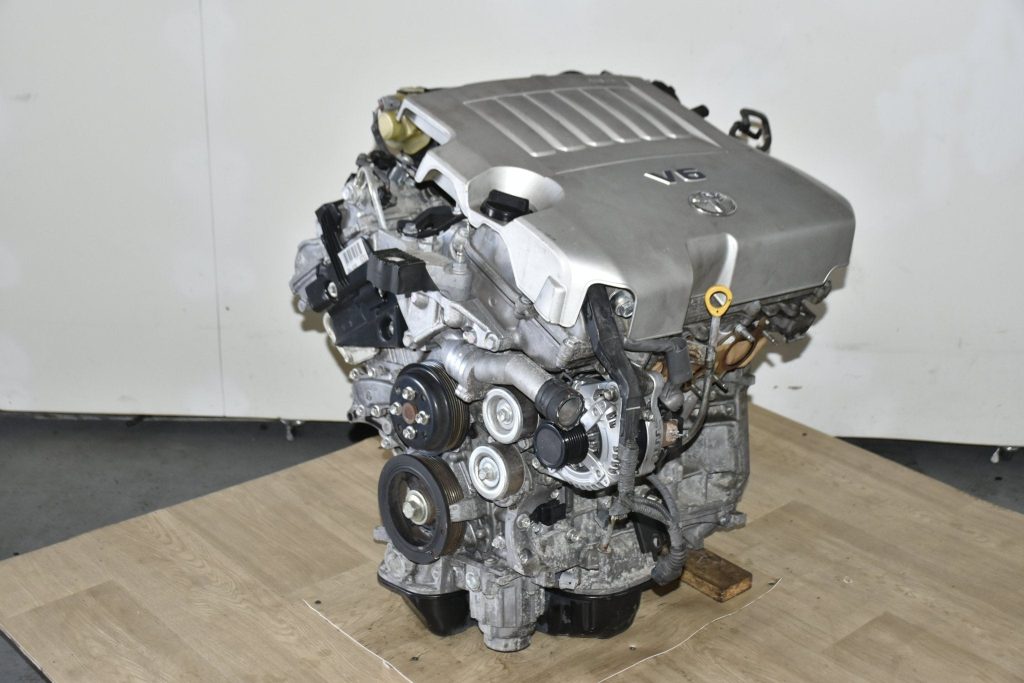
Owners frequently report this engine surpassing 250,000 miles with routine oil changes and cooling system attention. It has proven resistant to issues like head gasket failures or premature internal wear, problems that often plague other engines in its class.
Its aluminum block and heads strike a balance between lightweight construction and strength, while its straightforward design means fewer points of failure.
Mechanics also appreciate the accessibility of the 2GR-FE. Common service items are relatively easy to reach, making repairs less costly.
For buyers searching for a dependable V6 with a long track record, the 2GR-FE stands as one of Toyota’s greatest engineering achievements and remains a top choice for durability.
2. Honda 3.5L J35 V6
Honda’s J35 V6 has powered everything from family sedans to minivans and SUVs for more than two decades.
Known for its smooth operation and ability to rack up high mileage, this engine has become a staple in models such as the Accord, Odyssey, Pilot, and Ridgeline. Its reputation for longevity stems from Honda’s focus on simplicity and durability in its design.
The J35 features a timing belt rather than a chain, but when replaced on schedule, this component rarely causes problems. The belt-driven system contributes to the engine’s quiet performance while still offering long-term dependability.
Many versions of the J35 also incorporate Honda’s VTEC technology, which improves efficiency at lower RPMs and boosts power when needed, all without sacrificing reliability.
Owners often report that these engines easily reach 200,000 to 300,000 miles with proper care. Common maintenance involves timing belt changes, water pump replacements, and regular oil service.
Beyond these routine items, the J35 has few chronic weaknesses. Cylinder deactivation in certain models can sometimes lead to fouled spark plugs, but diligent servicing prevents this from becoming a major issue.
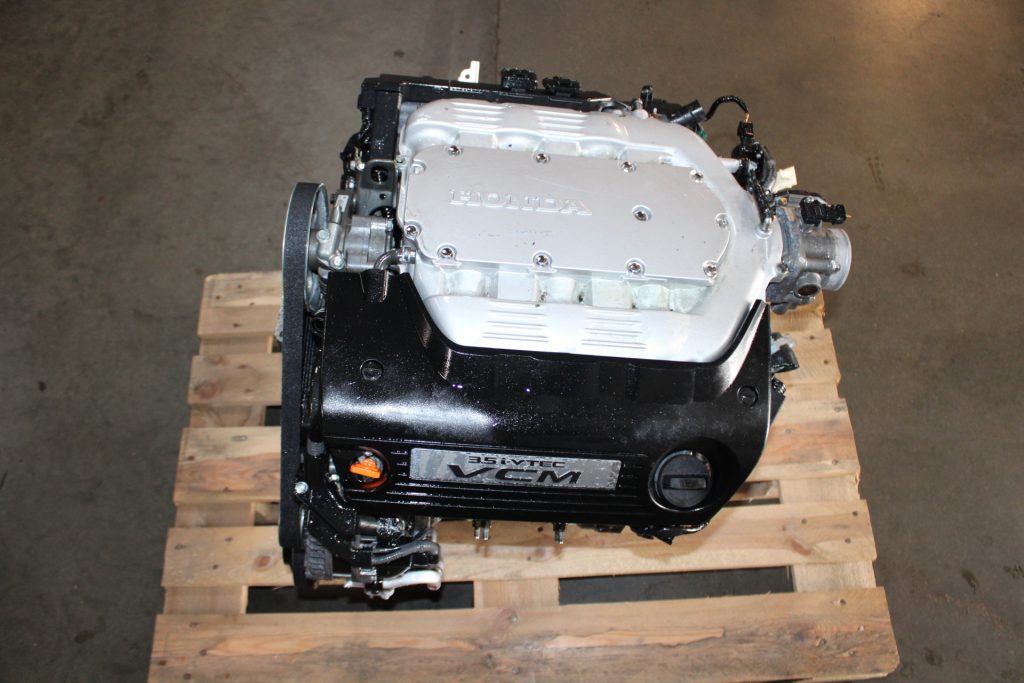
The J35’s versatility is another strength. Whether carrying passengers on long trips in a minivan or handling light towing duties in a pickup, the engine delivers consistent power without showing signs of strain.
It is also relatively easy for mechanics to service, making long-term ownership costs manageable. This combination of reliability, practicality, and performance has made the J35 one of Honda’s most trusted engines.
3. Nissan 3.5L VQ35DE V6
Nissan’s VQ35DE engine is widely respected for its balance of performance and dependability. Introduced in the early 2000s, it powered vehicles such as the Nissan Maxima, Altima, 350Z, Murano, Pathfinder, and Infiniti G35.
The VQ family of engines has consistently been recognized for smooth power delivery and durability, and the 3.5L version stands out as one of the most successful.
The VQ35DE uses a timing chain instead of a belt, which helps reduce long-term maintenance requirements. Owners appreciate that, aside from regular oil changes and cooling system upkeep, the engine rarely demands significant repairs.
It produces strong horsepower and torque numbers for its size while still offering decent efficiency, making it suitable for both sporty cars and family haulers.
One of the reasons for its longevity is Nissan’s use of forged steel connecting rods and a sturdy aluminum-alloy block. These design choices allow the engine to withstand high stress and extended use without premature wear.
Enthusiasts have even modified versions of this engine for racing, with many examples continuing to run reliably even under heavy strain.
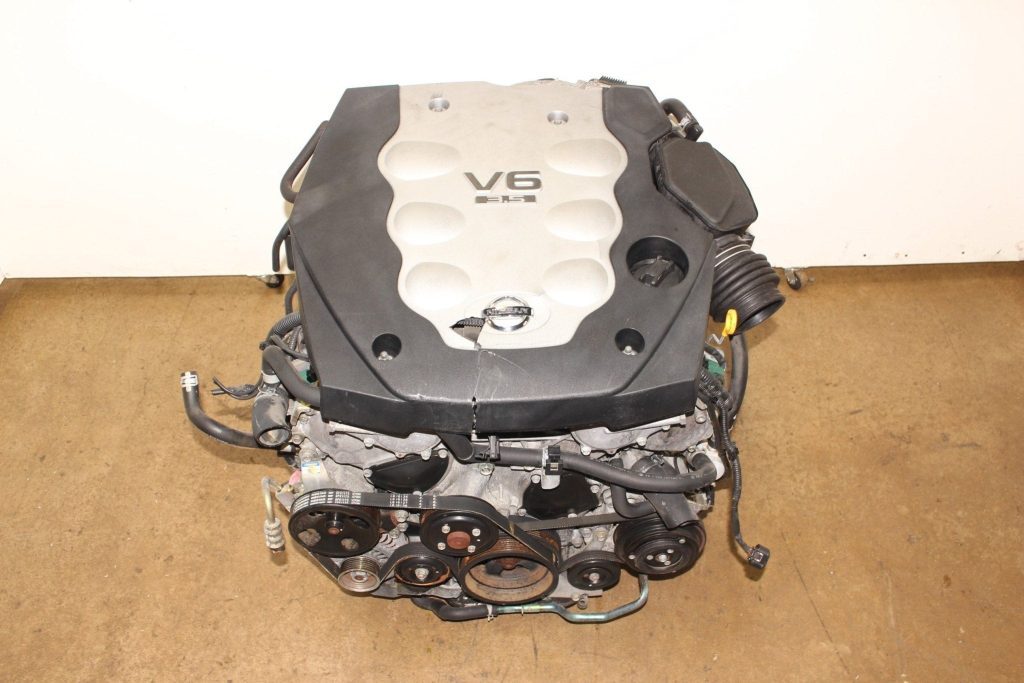
While some owners report oil consumption as the miles accumulate, the issue is often minor and manageable with regular monitoring. When maintained properly, it is not unusual for a VQ35DE to exceed 250,000 miles.
The combination of reliability, accessibility for mechanics, and strong aftermarket support ensures that this engine remains a favorite among drivers who value both performance and longevity.
4. Ford 3.5L Duratec / Cyclone V6
Ford’s 3.5L Duratec, also known as the Cyclone V6, has become a dependable workhorse across a wide range of vehicles. It has been used in models such as the Ford Edge, Taurus, Explorer, and even certain Lincoln vehicles.
Later, a turbocharged EcoBoost version was introduced, but the naturally aspirated Cyclone has proven especially reliable over time.
This engine features an aluminum block with cast-iron cylinder liners, giving it both strength and heat resistance. It also uses a timing chain system, eliminating the need for costly belt replacements.
Owners consistently report that the engine runs smoothly with minimal issues as long as oil changes are kept on schedule and cooling systems are properly maintained.
The Duratec V6 is praised for delivering a good mix of power and efficiency. With outputs typically ranging between 260 and 290 horsepower, it provides more than enough performance for family crossovers and sedans. Despite its capability, it is not overly complex, which means long-term reliability remains strong.
High-mileage examples of this engine often surpass 200,000 miles with little more than basic servicing. Some drivers have reported reaching the 300,000-mile mark, making it one of Ford’s most dependable modern V6 options.
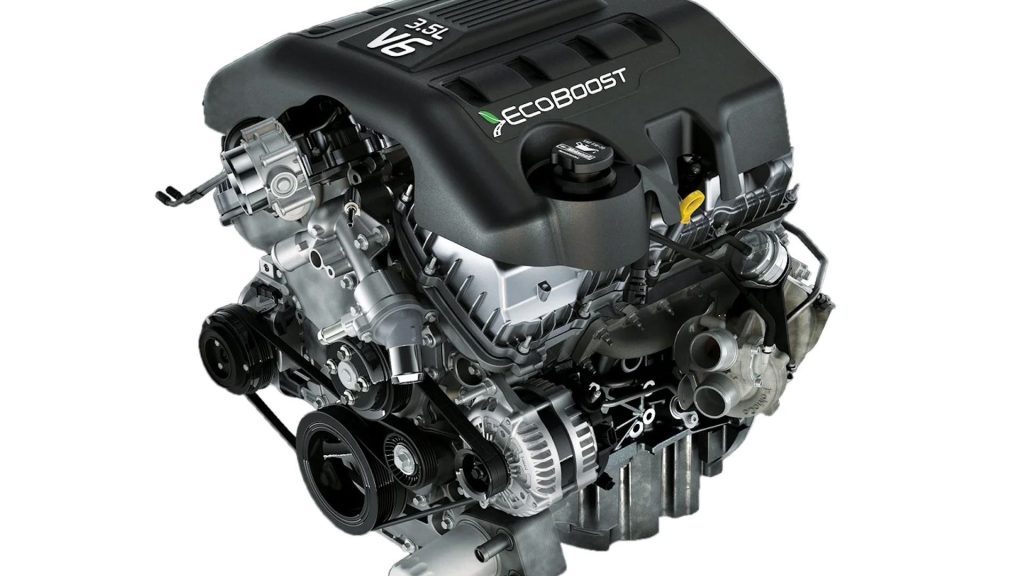
While the EcoBoost variant delivers more power, the naturally aspirated Cyclone remains the better choice for those prioritizing longevity.
Its solid construction, proven track record, and wide availability make it an excellent engine for anyone seeking lasting dependability in a Ford or Lincoln vehicle.
5. GM 3.6L High Feature V6 (LFX/LLT)
General Motors’ 3.6L High Feature V6, often identified under codes such as LFX and LLT, has powered a wide array of vehicles including the Chevrolet Impala, Camaro, Traverse, Cadillac CTS, and Buick Enclave.
Known for smooth performance and versatility, this engine has proven itself capable of covering high mileage when properly maintained.
One of the advantages of the 3.6L V6 is its advanced design. It uses direct fuel injection and variable valve timing to improve efficiency and performance without sacrificing reliability.
The timing chain system is designed for durability, though it does require clean oil to prevent wear on the tensioners. Owners who stick to scheduled oil changes rarely encounter major problems.
This engine provides strong output, often ranging between 280 and 320 horsepower depending on the model. Despite the higher power figures, it has shown the ability to endure years of daily use. Many drivers report their vehicles surpassing 200,000 miles while retaining smooth performance.
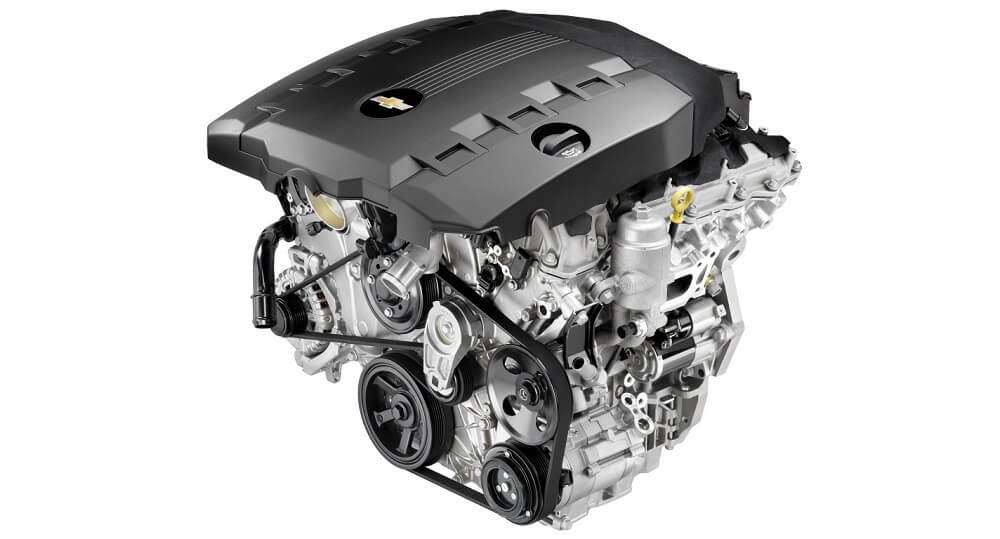
Some earlier versions were known for timing chain stretch if oil change intervals were ignored, but GM addressed this issue in later updates.
With proper care, the 3.6L is more than capable of long-term reliability. It also benefits from being widely used across GM’s lineup, which makes parts readily available and affordable.
For owners who want an engine that blends strength, efficiency, and proven dependability, the GM 3.6L High Feature V6 continues to be a trusted option. Its widespread presence and strong design keep it popular among long-term drivers.
6. Chrysler 3.6L Pentastar V6
Chrysler’s 3.6L Pentastar V6 has been the backbone of many Dodge, Jeep, Chrysler, and Ram vehicles since its debut in 2011.
This engine powers everything from family sedans like the Chrysler 300 to rugged SUVs like the Jeep Wrangler and work-focused vehicles like the Ram 1500. Its versatility and dependability have made it one of the most widely used V6 engines in North America.
The Pentastar uses a lightweight aluminum block paired with a timing chain system, reducing maintenance costs compared to belt-driven engines.
It also incorporates variable valve timing to improve efficiency while still delivering strong horsepower and torque. Many versions produce between 280 and 305 horsepower, giving plenty of power for everyday use and highway driving.
Owners have consistently praised the Pentastar for its smoothness and resilience. Engines regularly reach 200,000 miles or more with minimal issues beyond routine servicing.
Oil changes, spark plug replacement, and cooling system attention are usually all that’s required to keep it running in top form.
Earlier models did face some cylinder head issues, but Chrysler addressed these with updated designs.
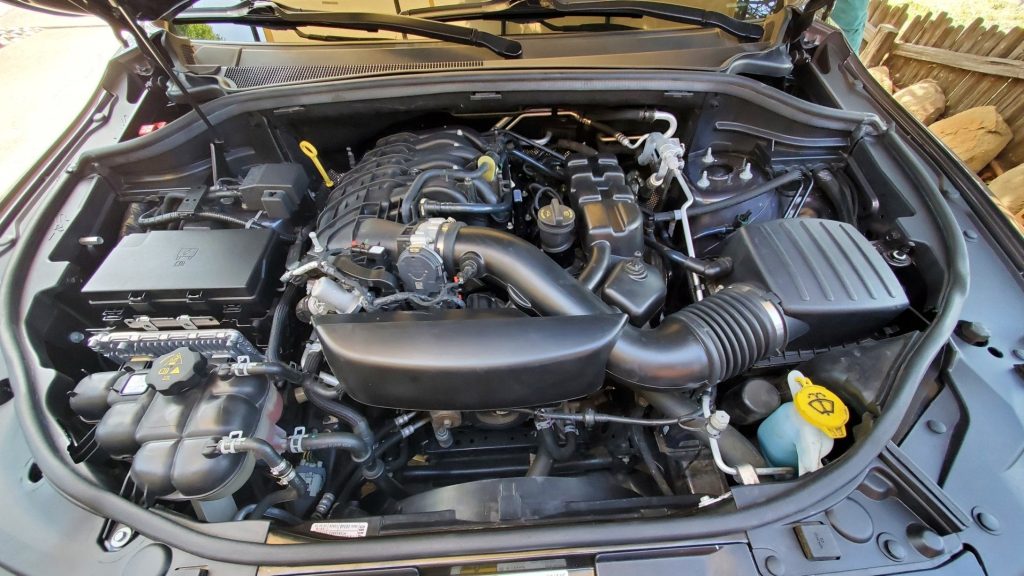
Later versions have proven highly dependable, with countless high-mileage examples on the road today. Mechanics also note that the Pentastar is relatively easy to service compared to more complex modern engines.
For drivers seeking a reliable engine that can handle a wide range of vehicles and driving needs, the 3.6L Pentastar remains a standout. Its proven durability and strong track record make it one of Chrysler’s most successful V6 designs.
7. Mercedes-Benz 3.0L M272 V6
The Mercedes-Benz M272 3.0L V6 has earned respect for its balance of durability and refinement. Introduced in the mid-2000s, it powered models such as the C-Class, E-Class, ML-Class, and GLK.
While some German engines are known for complexity that can create long-term ownership headaches, the M272 distinguishes itself by offering both smooth operation and a reputation for longevity when maintained correctly.
The engine features aluminum construction with dual overhead camshafts and variable valve timing, ensuring both efficiency and power delivery.
Producing around 228 horsepower in most applications, the M272 was not designed to be a performance monster but instead a reliable everyday engine that could handle years of use.
One of the advantages of this engine is its strong internal build quality. Components such as pistons, connecting rods, and crankshafts are engineered to tolerate high stress, contributing to long life spans when paired with regular servicing. Many owners have reported their vehicles crossing 200,000 miles without significant issues.
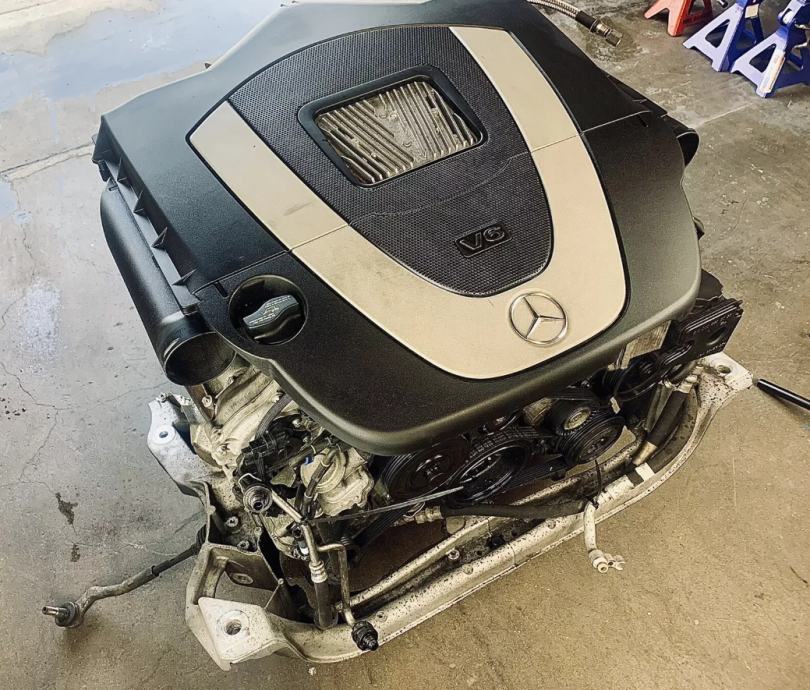
Early versions did suffer from balance shaft gear wear, but Mercedes addressed this problem, and later models showed marked improvements.
For drivers who stick to timely oil changes and use proper fluids, the M272 rewards with years of dependable performance. Mechanics also note that, compared to other German V6 engines, it is less prone to catastrophic failures.
For those seeking a reliable Mercedes engine that blends refinement with endurance, the M272 remains a proven option and has secured its place among long-lasting six-cylinder designs.
8. BMW 3.0L N52 Inline-6
Although technically an inline-six rather than a V6, the BMW N52 deserves recognition for its remarkable longevity and reputation among enthusiasts. Produced from 2004 to 2015, it powered models such as the BMW 3 Series, 5 Series, Z4, and X3.
The N52 was the last naturally aspirated straight-six from BMW before the shift toward turbocharged engines, and it has since gained a reputation for being one of the most dependable engines the company ever produced.
The N52’s block is built with a unique magnesium-aluminum composite, which reduces weight while maintaining structural strength.
With outputs ranging from 215 to 272 horsepower depending on configuration, it delivered strong yet smooth performance.
Owners and mechanics consistently highlight how this engine avoids many of the major issues that later turbocharged BMW engines experienced.
Common maintenance items include water pumps, valve cover gaskets, and oil filter housing gaskets.
These repairs are expected with age, but they are not catastrophic and rarely threaten the engine’s long-term health. With consistent oil service and cooling system upkeep, the N52 frequently surpasses 250,000 miles.
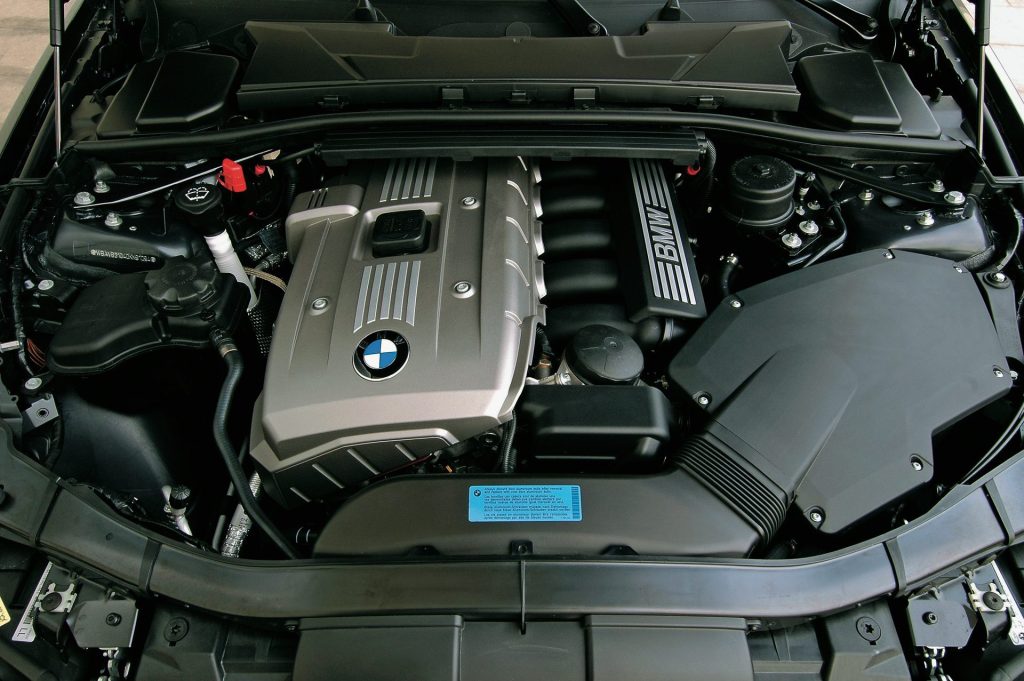
Drivers praise its linear power delivery and reliability under daily use. Unlike some high-strung BMW engines, the N52 was designed for longevity, making it an excellent choice for those who appreciate performance paired with durability.
Many examples on the used market continue to run strong, solidifying the N52’s place as one of BMW’s most dependable powerplants in modern times.
9. Subaru 3.6L EZ36 Flat-Six
Subaru’s EZ36 flat-six engine brought strong reliability to vehicles that needed more power than the company’s four-cylinder offerings.
Found in models like the Subaru Outback, Legacy, and Tribeca, this engine offered a smooth and durable alternative to Subaru’s traditional boxer fours while retaining the brand’s hallmark all-wheel-drive setup.
The EZ36 produces between 256 and 260 horsepower, providing plenty of strength for highway driving and light towing.
Its horizontally opposed design contributes to a low center of gravity, which enhances handling while also distributing stress evenly across the engine. This balance contributes to its ability to endure high mileage with minimal wear.
Unlike some of Subaru’s four-cylinder engines that were prone to head gasket problems, the EZ36 has proven far more resistant.
Owners consistently report reaching 200,000 to 300,000 miles with little more than standard maintenance. Oil changes, cooling system monitoring, and timing chain upkeep are generally all that’s required.
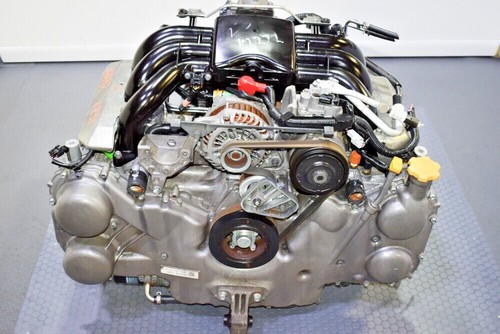
One of the benefits of this engine is its smoothness. The flat-six layout reduces vibration, making long drives more comfortable while keeping internal wear to a minimum.
Mechanics also note that it has fewer major failure points compared to turbocharged Subaru engines, which can demand more attention.
For drivers who want a reliable Subaru with extra power and refinement, the EZ36 is a standout. Its combination of longevity, strength, and smoother operation makes it one of the most dependable six-cylinder engines Subaru has ever offered.
10. Mazda 3.0L AJ V6
Mazda’s AJ V6, a 3.0L engine developed in partnership with Ford, gained a strong reputation for reliability and endurance. It was used in models such as the Mazda6, MPV, and Tribute, as well as several Ford vehicles like the Escape and Taurus.
While not the most powerful engine of its era, it proved to be a long-lasting workhorse for families and commuters alike.
The AJ V6 features an aluminum block with cast-iron cylinder liners, which helps balance lightweight construction with strength. It also employs a timing chain system, which reduces long-term maintenance compared to belt-driven designs.
Producing between 200 and 220 horsepower depending on the application, it offered steady performance without pushing components to their limits.
Owners often report that this engine can run well past 250,000 miles when properly maintained.
Oil leaks around valve covers and gaskets are common with age, but these are relatively minor issues. Cooling system upkeep is also important, as neglected radiators and thermostats can create overheating risks.
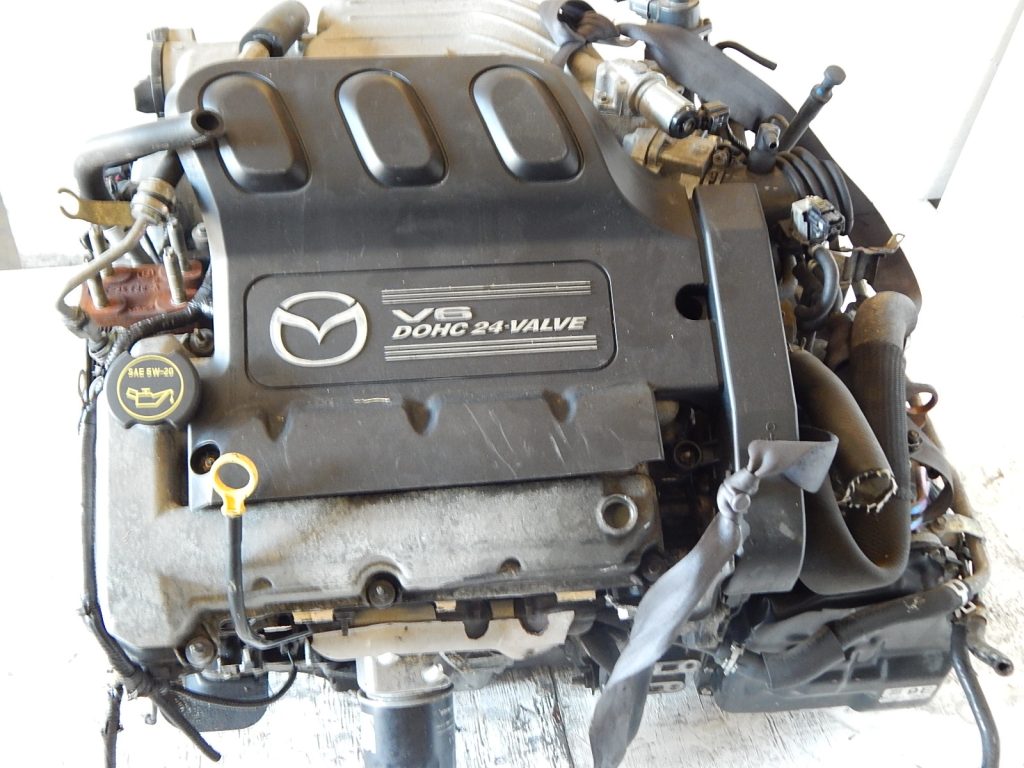
Despite its modest performance figures, the AJ V6 won fans for its smooth operation and reliability. Mechanics appreciated its straightforward design, which made servicing less complicated than many modern engines. With regular oil service and attention to wear items, the AJ has proven itself as a dependable choice.
For buyers seeking a practical and lasting engine, Mazda’s 3.0L AJ V6 remains a solid option that continues to show its durability on the road today.
11. Volkswagen 3.6L VR6
Volkswagen’s VR6 engine is one of the brand’s most unique and long-lasting designs. The 3.6L version, used in vehicles like the Passat, Atlas, and Touareg, combines the compact size of a V6 with an inline-style narrow-angle cylinder layout.
This innovative design not only saves space but also contributes to smooth power delivery and long-term reliability.
The VR6 produces between 280 and 300 horsepower depending on the model, giving it strong performance while remaining durable under daily use.
It employs a timing chain rather than a belt, which helps reduce major maintenance needs. With proper oil changes and cooling system care, the VR6 frequently surpasses 200,000 miles without major issues.
Owners appreciate the engine’s unique sound and consistent performance. Mechanics note that while it can be a little tight to work on due to its compact packaging, the design itself is robust and not prone to catastrophic failures. Some examples have been known to reach over 300,000 miles, particularly when driven with care.
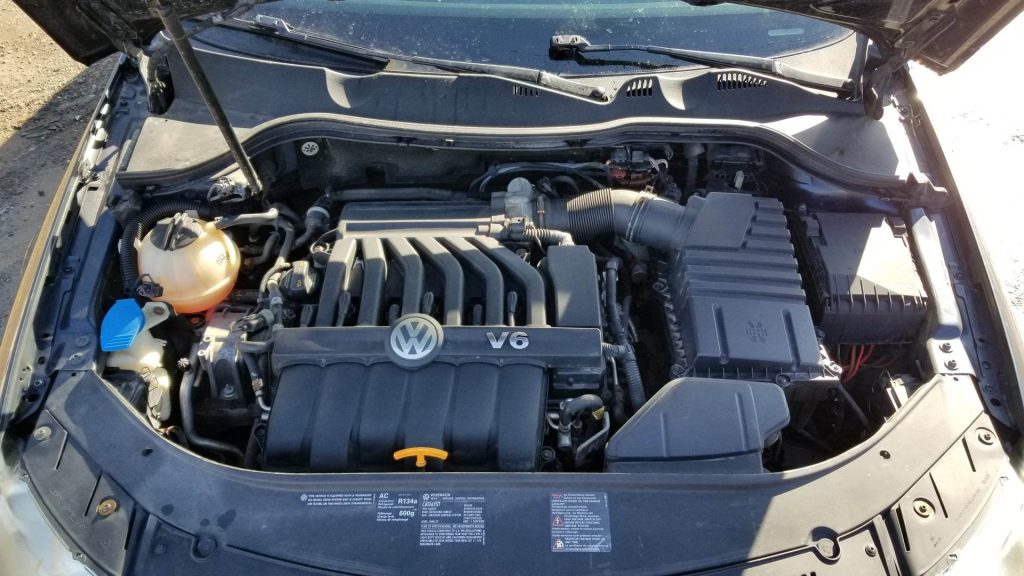
The VR6 has also earned a loyal following among enthusiasts, who value its distinctive engineering and reliability compared to some of Volkswagen’s more complex turbocharged options.
While maintenance costs can be slightly higher than average, the engine’s longevity makes it worthwhile for long-term ownership.
For drivers who want a strong yet dependable Volkswagen engine, the 3.6L VR6 remains a standout. Its unusual design, durability, and proven track record ensure it holds a respected place among long-lasting V6 engines.
12. Acura 3.2L J32A V6
The Acura J32A, a 3.2L version of Honda’s J-series V6 family, is one of the most respected engines ever produced by the brand.
Found in vehicles such as the Acura TL and CL, it combined strong performance with a level of reliability that made it a favorite among enthusiasts and everyday drivers alike.
Producing between 225 and 270 horsepower depending on trim, the J32A was known for smooth acceleration and durability.
Like other Honda V6 engines, it features a timing belt that requires periodic replacement, but when serviced on schedule, it rarely causes problems. Owners who stay current with maintenance often enjoy well over 250,000 miles of use without major failures.
The J32A also incorporates Honda’s VTEC system, which provides a balance of fuel efficiency at low RPMs and added performance at higher revs. Despite this technology, the engine was not overcomplicated, which allowed it to remain highly dependable in the long run.
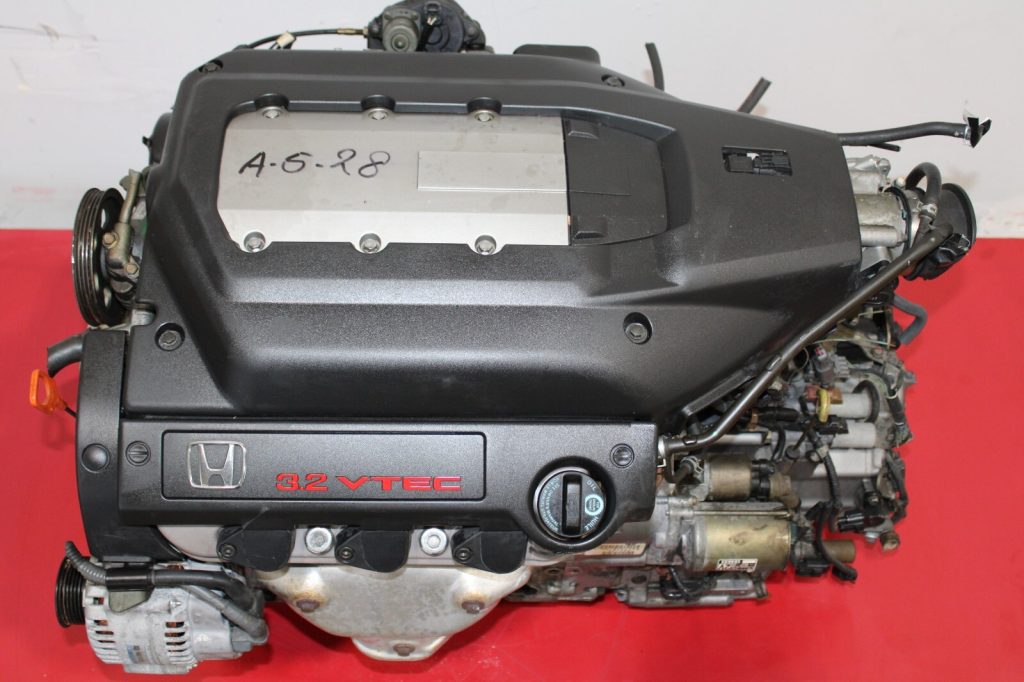
Mechanics appreciate the J32A for its accessibility and ease of servicing compared to more modern, tightly packaged engines. Common maintenance items include timing belt changes, water pump replacement, and valve adjustments, but these are predictable and relatively straightforward.
The J32A continues to earn praise from Acura enthusiasts, many of whom seek out vehicles equipped with this engine specifically because of its reputation for lasting durability.
For those who want a blend of refinement, strength, and dependability, the J32A stands as one of Honda’s greatest achievements in six-cylinder engineering.
Also Read: 12 Efficient Engines That Rarely Break Timing Belts
