
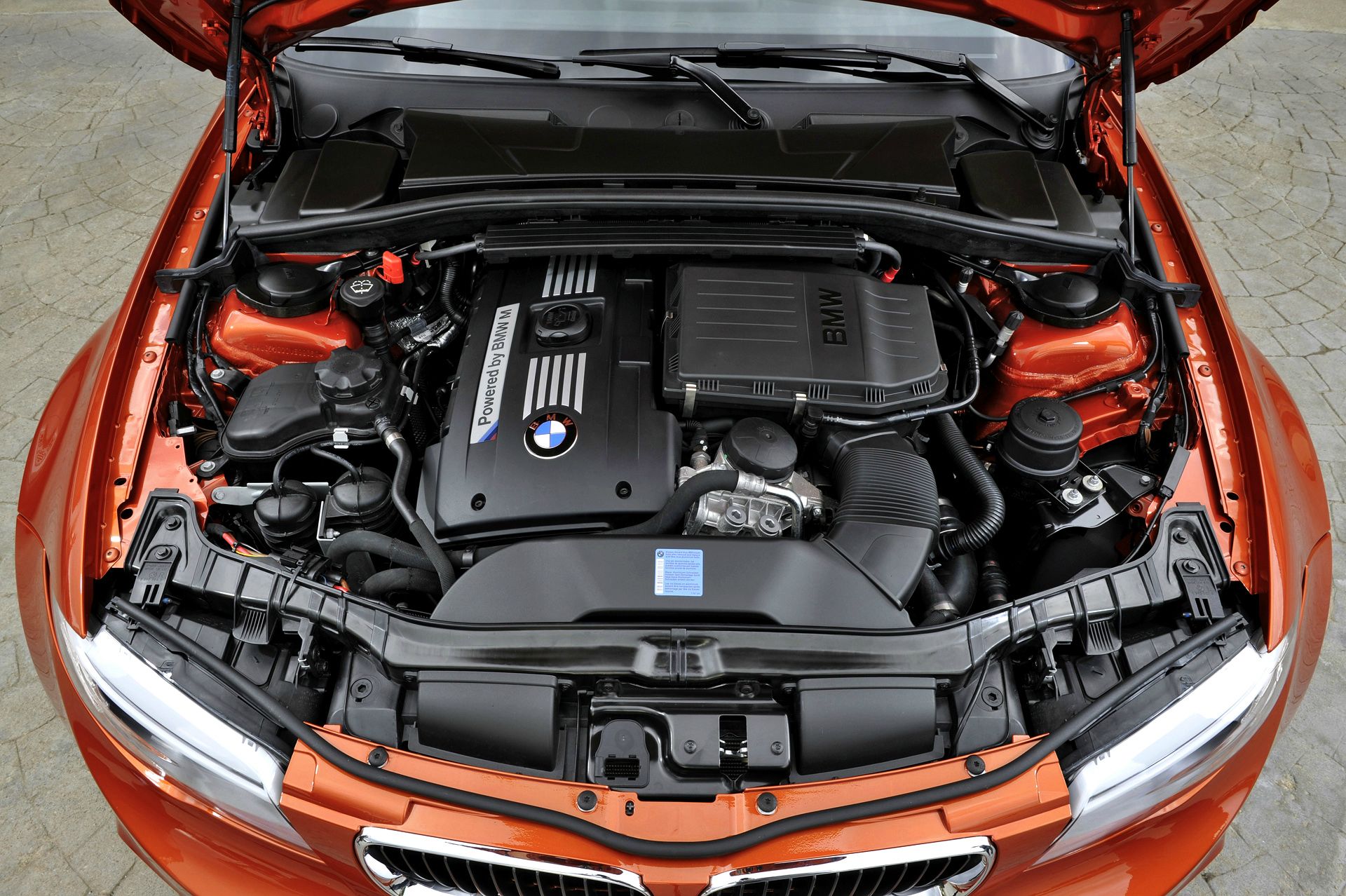
Turbocharged engines often carry a reputation for being powerful but fragile. The added stress of forced induction, higher temperatures, and greater internal pressures can wear down components faster than naturally aspirated counterparts.
For years, many drivers assumed that a turbo engine meant trading long-term dependability for short bursts of excitement.
However, not all turbocharged engines fit that mold. Some have proven remarkably tough, capable of passing 200,000 miles while continuing to deliver strong performance.
What sets these engines apart is a combination of robust engineering and real-world reliability. Automakers who designed these turbocharged units paid careful attention to materials, cooling systems, and lubrication, ensuring they could handle the added strain.
Owners who stick to proper maintenance schedules often discover that these engines can outlast expectations, sometimes even performing better than larger non-turbo alternatives.
These engines are not confined to one type of vehicle. They have powered everything from sporty sedans and hot hatchbacks to durable trucks and dependable family SUVs.
Their presence across such a wide range of models shows that turbocharging does not automatically shorten engine life when executed correctly.
This list highlights ten turbocharged engines that stand out for their surprising durability. Each of them has built a reputation for exceeding 200,000 miles in actual use, often with relatively few major issues.
Whether designed by Japanese, European, or American manufacturers, these engines prove that turbocharging and longevity can indeed go hand in hand.
For drivers seeking performance without sacrificing endurance, these examples demonstrate that a turbo engine can provide both excitement and long service life.
Also Read: 5 Engines That Rarely Need Timing Belt Changes vs 5 That Constantly Do
1. Toyota 2.0L 3S-GTE Turbo
The Toyota 3S-GTE is one of the most respected turbocharged four-cylinder engines ever produced. Introduced in the late 1980s, it powered cars such as the Toyota Celica GT-Four and the MR2 Turbo.
Built to handle both performance demands and long-term use, it quickly earned a reputation as a durable turbo engine capable of impressive mileage when properly maintained.
One of the defining features of the 3S-GTE is its robust construction. The iron block provides exceptional strength, while the aluminum head keeps weight down and improves cooling efficiency.
Toyota engineered this engine with motorsport in mind, meaning it could endure high stress, elevated boost levels, and extended driving without breaking down. This durability translated into long service life for everyday owners as well.
The turbocharger system was carefully matched to the engine, delivering both power and reliability. While many turbo engines of the era struggled with overheating or weak internals, the 3S-GTE’s cooling system and oiling design helped it resist common failures.
Owners who keep up with oil changes and avoid neglecting the cooling system often see these engines surpass 200,000 miles with minimal issues.

Another strength is the aftermarket support. Even when modified for higher horsepower, the 3S-GTE often maintains its longevity, provided upgrades are handled responsibly.
This has made it a favorite among enthusiasts who want performance without sacrificing durability.
Common maintenance includes replacing gaskets, monitoring turbo seals, and maintaining proper boost levels. Ignoring these items can shorten lifespan, but with care, the engine remains exceptionally strong.
The 3S-GTE stands as proof that turbocharging does not have to compromise reliability. Decades after its introduction, many examples are still running today, making it one of Toyota’s most celebrated turbo engines for both enthusiasts and long-term drivers.
2. Saab 2.3L B235R Turbo
Saab built its reputation around turbocharged engines, and the 2.3L B235R is one of the finest examples of the company’s engineering.
Found in models like the Saab 9-5 Aero, this engine demonstrated that forced induction could be both powerful and dependable when properly designed.
Introduced in the late 1990s, it delivered around 250 horsepower, which was impressive for its time, yet it also proved capable of running well past 200,000 miles.
The B235R uses a sturdy iron block combined with an aluminum head. This pairing provides the strength needed to handle turbo pressures while keeping weight manageable.
Saab’s engineers focused heavily on durability, ensuring the engine could withstand years of spirited driving. Owners often note that, with consistent oil changes, these engines keep running smoothly for decades.
One of the keys to the B235R’s longevity is its oiling system. The engine is sensitive to oil quality, and Saab specified synthetic oils to keep turbo bearings and internal components properly protected.
Drivers who stick to this requirement often report excellent reliability, while neglecting oil changes can cause premature wear.
The turbo system itself is well-matched to the engine, providing quick response without over-stressing the block. Even when tuned for higher performance, the B235R has been known to handle added boost without sacrificing long-term dependability.

Enthusiasts often push these engines to higher horsepower levels, yet many examples still pass the 200,000-mile mark without needing major repairs.
Some common age-related issues include vacuum line wear and crankcase ventilation problems, but these are relatively minor compared to major engine failures. The core of the engine remains extremely tough.
The Saab 2.3L B235R represents a blend of Scandinavian innovation and reliability. It showed that turbocharged engines could combine everyday usability with long service life, and many examples remain on the road today, a testament to Saab’s engineering legacy.
3. Volvo 2.3L B5234T5 Turbo
Volvo’s 2.3L B5234T5, part of the brand’s five-cylinder turbocharged lineup, is widely regarded as one of the most robust turbo engines ever produced.
Used in vehicles like the Volvo 850 T-5R, S70, and early V70 models, it was designed during a period when Volvo placed heavy emphasis on safety and durability. The result was an engine capable of comfortably crossing 200,000 miles while still delivering strong performance.
The B5234T5 combines a cast-iron block with an aluminum cylinder head, a tried-and-true formula for long-term reliability.
Its design allowed it to handle the additional stress of turbocharging without internal weaknesses. Producing around 225 horsepower in stock form, it offered plenty of power for family cars while maintaining composure under heavy loads.
Volvo engineered this engine with durability in mind, equipping it with strong pistons, rods, and crankshaft components.
Many owners who have performed basic maintenance report surpassing 300,000 miles, which is extraordinary for a turbocharged unit. This reputation has helped cement Volvo’s image for longevity beyond just safety.
The turbo system is also a highlight. It delivers smooth and steady power without creating excessive heat or strain.
Even when tuned for higher output, the B5234T5 often continues to perform reliably. Owners who service the turbocharger and cooling system at proper intervals usually avoid major issues.

Some of the most common maintenance needs include replacing PCV system components, gaskets, and worn hoses. These issues are more about age than design flaws. The engine block itself remains virtually indestructible when cared for.
The Volvo B5234T5 stands as a reminder that turbo engines can be engineered for both strength and endurance. It continues to be celebrated by enthusiasts and everyday drivers alike for its remarkable ability to keep going long after many other engines have failed.
4. Mitsubishi 2.0L 4G63T Turbo
Few turbocharged engines have achieved the legendary status of Mitsubishi’s 4G63T. First introduced in the late 1980s, it powered iconic vehicles such as the Mitsubishi Lancer Evolution and Eclipse GSX.
Known for its toughness and tuning potential, the 4G63T has a proven track record of lasting well beyond 200,000 miles when maintained correctly.
The heart of its durability lies in its cast-iron block, which is capable of handling significant boost pressures without cracking or warping. Paired with an aluminum head, the engine was built with performance in mind yet managed to retain reliability.
In stock form, it produced between 190 and 280 horsepower depending on the model, but it was designed to tolerate far more with upgrades.
One of the reasons this engine lasts so long is its strong bottom end. The crankshaft, rods, and pistons were engineered to withstand racing conditions, which translated into long-term strength for street use.
Enthusiasts regularly push these engines to produce double their factory horsepower ratings, yet many still manage to remain reliable.
Routine maintenance plays a big role in keeping the 4G63T running. Regular oil changes, timing belt replacements, and attention to the cooling system are key factors.

When neglected, timing components or turbo seals can fail, but with proper care, the engine remains one of the most durable turbocharged options ever built.
The 4G63T also benefits from massive aftermarket support, meaning parts are widely available and upgrades can be done without sacrificing reliability. Many owners proudly share stories of their cars reaching high mileage while still delivering thrilling performance.
For both enthusiasts and everyday drivers, the 4G63T proved that a high-performance turbo engine could also be long-lasting. Its combination of strength, reliability, and tuning capability ensures its legacy as one of Mitsubishi’s greatest achievements.
5. Ford 2.3L EcoBoost Turbo
Ford’s 2.3L EcoBoost turbocharged engine has proven to be one of the company’s most durable modern powerplants.
Found in vehicles such as the Ford Mustang, Explorer, and Lincoln MKC, as well as performance cars like the Focus RS, it offers a rare mix of performance and long-term reliability.
Despite the skepticism often surrounding smaller turbocharged engines, the 2.3L EcoBoost has shown that it can go well past 200,000 miles when properly maintained.
The engine uses an aluminum block with a forged steel crankshaft and durable internals, giving it the strength to handle both high boost pressures and extended mileage.
With outputs ranging from 270 to over 350 horsepower depending on the application, it demonstrates that strong performance does not have to come at the cost of dependability.
Cooling and lubrication are crucial for turbo longevity, and Ford engineered the EcoBoost with these needs in mind. A sophisticated cooling system prevents overheating, while direct fuel injection ensures efficient operation.
Many owners report that as long as oil changes are done regularly with high-quality synthetic oil, the engine continues to perform smoothly even at high mileage.
One of the common concerns with direct-injection engines is carbon buildup on intake valves. Ford addressed this with updated designs and maintenance practices, making it less of an issue than in some competitors.

With proper servicing, the EcoBoost has avoided the reputation for fragility that many other small turbo engines have developed.
Owners appreciate not only the power but also the efficiency. Whether used in sporty applications or daily family vehicles, the 2.3L EcoBoost consistently proves itself as a versatile and dependable engine.
For drivers who want modern turbocharged performance without sacrificing longevity, this engine is one of Ford’s strongest achievements.
6. BMW 3.0L N54 Twin-Turbo
The BMW N54, a 3.0L twin-turbo inline-six introduced in 2006, is often remembered as one of the company’s best engines of the modern era.
Used in models like the 335i, 135i, and even the early BMW Z4 and 740i, the N54 gained fame for its smooth power delivery and impressive tuning potential.
What surprises many is that, despite being a high-performance turbo engine, it has also proven capable of lasting past 200,000 miles.
The N54 features an aluminum block and head, direct injection, and two small turbochargers that provide quick spool and linear power. From the factory, it produced between 300 and 335 horsepower, but enthusiasts quickly discovered it could handle much more.
Modified versions regularly push over 500 horsepower while still maintaining reliability when properly supported with fueling and cooling upgrades.
One of the reasons for its durability is BMW’s strong internal design. The crankshaft, rods, and pistons were engineered to withstand heavy loads, making the N54 resilient even under aggressive driving.
Many owners who maintain their engines with regular oil changes, high-quality fluids, and proactive replacement of wear items report trouble-free operation well into high mileage.
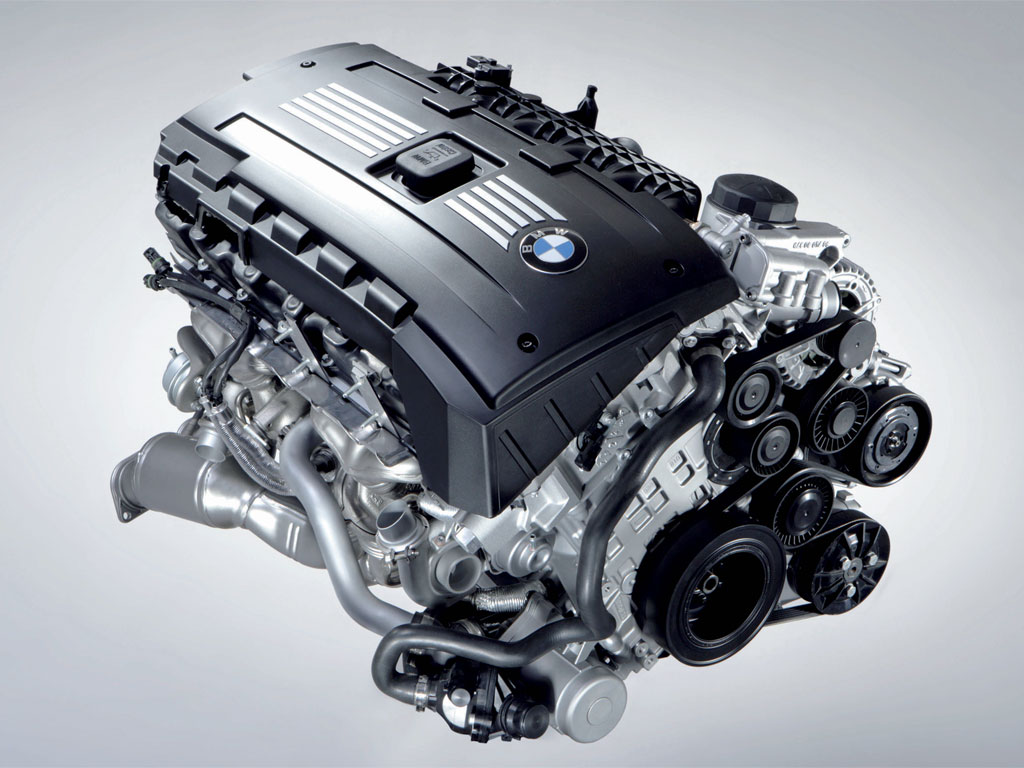
The N54 is not without its quirks. Fuel injectors, high-pressure fuel pumps, and turbo wastegates can require replacement.
However, these issues are generally repairable and do not undermine the core strength of the engine itself. Enthusiasts often accept these maintenance tasks as part of owning such a capable engine.
For those seeking a turbocharged BMW that balances excitement with long-term strength, the N54 stands out. It has become a modern classic, both for its performance and its surprising ability to last.
7. Volkswagen/Audi 1.8T Turbo
The Volkswagen and Audi 1.8T turbo engine became one of the most widely used turbocharged powerplants of the late 1990s and early 2000s.
Installed in cars such as the VW Passat, Jetta, GTI, and Audi A4, it helped popularize turbocharging in mainstream vehicles. Beyond its popularity, the 1.8T gained a reputation for lasting durability, with many examples exceeding 200,000 miles.
The engine uses an iron block, which provides a sturdy foundation for long-term use, paired with an aluminum cylinder head for efficiency and weight savings.
Producing between 150 and 225 horsepower depending on the version, it offered enough performance for sporty driving without overstressing its components.
One of the secrets to the 1.8T’s longevity is its conservative turbo setup. The relatively small turbocharger delivers steady boost and reliability rather than extreme output.
This design choice allowed the engine to perform well for everyday drivers while keeping wear under control. Enthusiasts later discovered that with proper upgrades, the 1.8T could make far more power while still retaining its dependable nature.

Regular maintenance is critical. Timing belt changes, quality oil service, and attention to crankcase ventilation are necessary to keep these engines running smoothly. When neglected, issues like sludge buildup can occur, but owners who stay on top of servicing often see these engines run well past 250,000 miles.
The aftermarket community has also embraced the 1.8T, ensuring that parts and upgrades remain widely available. This support further extends the life of these engines, as even high-mileage examples can be refreshed with relative ease.
For many drivers, the 1.8T was their first introduction to turbocharged performance, and it left a lasting impression by proving that such engines could also endure. Today, it continues to be celebrated as one of Volkswagen and Audi’s most dependable turbo engines.
8. Volvo 2.3L and 2.4L Turbo Five-Cylinder
Volvo’s turbocharged five-cylinder engines from the 1990s and early 2000s, particularly the 2.3L and 2.4L variants, are legendary for their ability to combine performance with long-lasting reliability.
These engines powered models such as the Volvo 850 T-5, S60 T5, and V70, becoming synonymous with safe, dependable family cars that still offered strong turbocharged acceleration.
The core design of these engines contributes to their endurance. They feature a cast-iron block paired with an aluminum head, a combination that ensures both strength and efficiency.
Turbocharging was implemented conservatively, with Volvo focusing on smooth power delivery rather than extreme boost. This approach reduced internal stress and allowed the engines to accumulate high mileage without major failures.
Owners often report these engines lasting well beyond 200,000 miles, with some examples crossing 300,000 miles. Proper oil changes are key, as turbochargers need consistent lubrication to avoid premature wear.
When maintained, the turbos themselves often last as long as the engines, further supporting Volvo’s reputation for dependability.
Another advantage is the simplicity of the design compared to newer, more complex turbo engines. With fewer high-strain components and a reputation for overbuilt durability, the five-cylinder turbos have aged gracefully.
Even when problems arise, such as worn PCV systems or failing gaskets, repairs are generally straightforward and affordable compared to other European turbocharged engines.

Drivers appreciate that these engines deliver not only reliability but also a unique character. The five-cylinder configuration produces a distinctive exhaust note and a balance of torque and smoothness that sets it apart from typical four-cylinder turbos. The combination of personality and toughness has earned these engines a loyal following.
Today, Volvo’s old five-cylinder turbos continue to prove their worth on the road. With their blend of strength, performance, and endurance, they remain a shining example of turbocharged engines that can go far past 200,000 miles.
9. Mercedes-Benz 3.0L OM606 Turbo Diesel
Among turbocharged engines, few have a reputation for longevity quite like the Mercedes-Benz OM606. Produced in the 1990s, this 3.0L inline-six turbodiesel powered models such as the E300 and S-Class sedans.
Known for its robust engineering, it has become a favorite among enthusiasts who prize engines that can withstand years of heavy use while continuing to perform.
The OM606 features a cast-iron block with an aluminum head and uses indirect fuel injection in earlier versions, later upgraded to electronic direct injection.
Turbocharged versions delivered strong torque while maintaining the understated refinement expected from Mercedes. Owners consistently report these engines exceeding 300,000 miles, with many going even further when well maintained.
What sets the OM606 apart is its overbuilt design. Mercedes engineers of the era prioritized durability above all else, ensuring that components such as pistons, crankshafts, and turbos were capable of withstanding prolonged stress.
Even in regions where diesel engines are subjected to demanding driving conditions, the OM606 has demonstrated remarkable staying power.
One of the reasons this engine is still highly regarded today is its versatility. Enthusiasts often swap the OM606 into off-road vehicles, trucks, and even racing applications, confident in its ability to handle additional power without compromising its lifespan.

Its strong aftermarket support ensures that parts remain available, keeping these engines running for decades.
Maintenance remains straightforward for a diesel. Regular oil changes, proper fueling, and keeping the cooling system in good condition are the key steps to long life. Owners who stick to these basics are rewarded with an engine that rarely leaves them stranded.
The OM606 represents a time when Mercedes was known for engineering cars that could seemingly last forever. Its combination of turbocharged performance and indestructible reliability ensures its place as one of the most dependable turbo engines of all time.
10. Subaru 2.0L EJ20 Turbo
The Subaru EJ20 turbo engine is one of the most recognizable powerplants in Japanese performance history. Found in vehicles such as the Subaru Impreza WRX and WRX STI, the EJ20 became famous for its rally heritage and distinctive boxer configuration.
What surprises many is that, despite being a high-performance turbo engine, the EJ20 is also capable of surpassing 200,000 miles when properly cared for.
The horizontally opposed design provides natural balance and a low center of gravity, which not only improves handling but also distributes stress evenly across the engine.
Combined with Subaru’s symmetrical all-wheel-drive system, the EJ20 delivers both performance and everyday usability. Output varied across models, with some versions producing around 220 horsepower and STI variants exceeding 300 horsepower.
Durability comes from its stout construction. The EJ20’s iron sleeves and strong crankshaft help it withstand boost pressure, while careful oiling and cooling designs protect against the heat generated during spirited driving.
Owners who stick to high-quality synthetic oil and consistent maintenance often enjoy exceptionally long service life.

Like many turbocharged engines, the EJ20 has some weaknesses. Head gasket issues are a known concern in certain versions, and neglecting oil changes can lead to premature wear.
However, enthusiasts who monitor these areas closely usually find the engine remains dependable over long distances. Many WRX and STI owners proudly report original EJ20s lasting far past 200,000 miles despite aggressive driving.
Another factor in its longevity is community support. The EJ20 has one of the most dedicated enthusiast bases, ensuring that knowledge, parts, and upgrades remain widely available. This support allows owners to keep their engines running strong well into high mileage.
The EJ20 proves that a performance turbo engine can balance excitement with durability. For Subaru fans, it remains a symbol of both driving enjoyment and lasting dependability.
Also Read: 12 Efficient Engines That Rarely Break Timing Belts
