
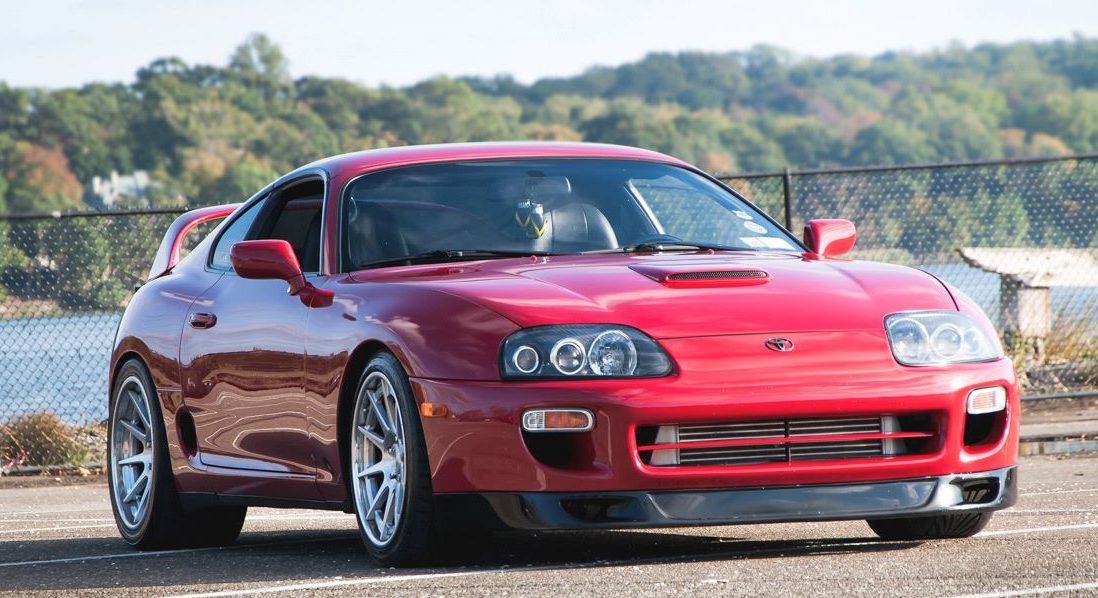
Sports cars are often seen as machines built purely for speed, agility, and excitement. For many drivers, they represent freedom on the open road, combining design, power, and precision engineering in a way that few other vehicles can.
However, there has long been a perception that these cars sacrifice reliability for performance, leaving owners with costly repair bills and frequent visits to the mechanic.
While some high-performance vehicles do struggle with long-term dependability, some sports cars have proven time and again that strength and endurance can exist alongside thrill and speed.
These are the cars that provide both excitement and reassurance, delivering consistent performance without constantly breaking down.
Reliability in a sports car is not just about avoiding major breakdowns. It is also about the peace of mind that comes with knowing the car can handle thousands of miles without unexpected issues.
Owners want to enjoy every rev of the engine, every corner carved, and every highway sprint without wondering if the next moment will bring a problem.
Certain manufacturers have mastered this balance, building machines that thrill enthusiasts while still holding up to the test of time and regular use.
This collection highlights ten sports cars that have earned reputations for being dependable companions. They are not only engineered for speed but also for durability, often outlasting many of their competitors in terms of mechanical stability and consistency.
These cars prove that excitement on the road does not need to come at the expense of dependability. Each one demonstrates that it is possible to own a thrilling performance car without living in fear of breakdowns or excessive maintenance costs.
Also Read: 10 Classic Cars That Still Start Every Morning
1. Mazda MX-5 Miata
Few cars in history have managed to combine simplicity, fun, and reliability as effectively as the Mazda MX-5 Miata.
Since its introduction in 1989, the Miata has been celebrated for being a lightweight roadster that prioritizes driving joy while keeping ownership costs remarkably low.
What sets this car apart is not just its precise handling or engaging manual gearbox, but its remarkable reputation for mechanical dependability.
Unlike many performance cars that require specialized care and costly parts, the Miata is relatively easy to maintain, with parts widely available and repairs often straightforward.
One of the strongest factors behind the Miata’s reliability is Mazda’s decision to focus on a naturally aspirated four-cylinder engine for most of its lifespan.
These engines are known to run for hundreds of thousands of miles with basic maintenance such as regular oil changes, fluid checks, and timely replacements of belts and filters.
Because the car is light, the engine and transmission do not face the same strain that heavier sports cars put on their components. This means less wear and tear over time, adding to its longevity.
The Miata also benefits from a strong enthusiast community that shares maintenance knowledge, modification tips, and troubleshooting advice. This support network helps owners keep their cars in top shape, often preventing minor issues from becoming larger problems.
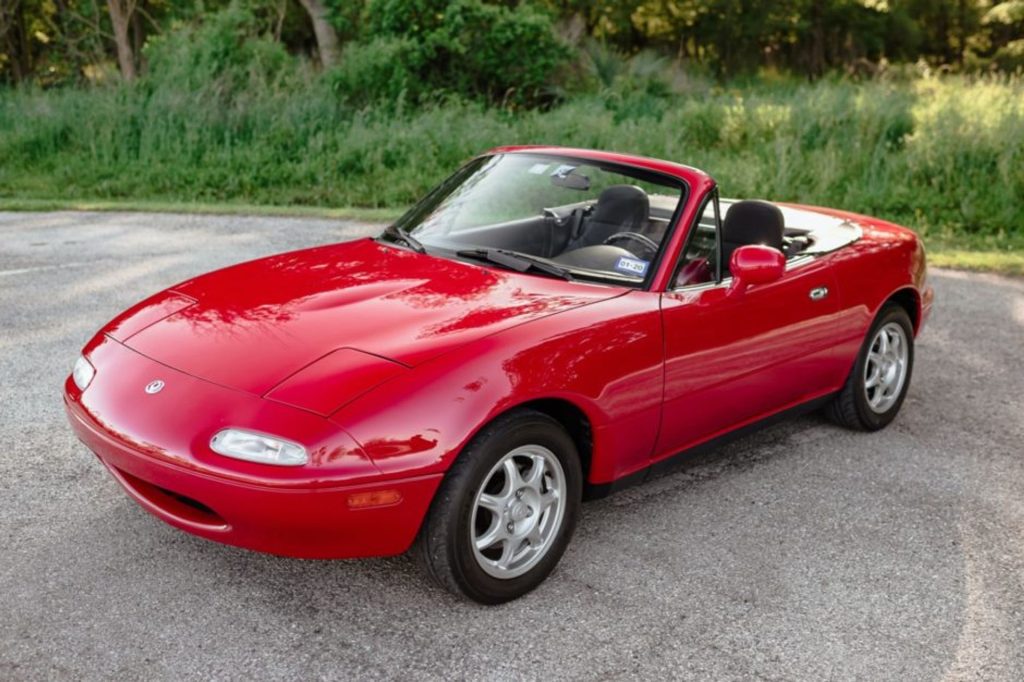
While some models introduced turbocharging in special editions, the majority stuck to tried-and-tested naturally aspirated engines, which consistently prove to be dependable.
For those seeking a car that provides open-air fun with the assurance of minimal breakdowns, the Miata stands tall. It is proof that you do not need a huge engine or cutting-edge complexity to achieve joy on the road.
With thousands of satisfied owners worldwide praising its consistent dependability, the MX-5 Miata is an icon not only of fun but also of trustworthiness.
2. Porsche 911
The Porsche 911 has long been considered the benchmark for sports cars. While many think of it in terms of performance, handling, and heritage, the 911 has another quality often overlooked: reliability.
Built with German precision, the 911 is one of the few high-performance cars that owners report as being dependable enough for daily use while still providing world-class speed and agility.
One reason for this reputation lies in Porsche’s attention to engineering detail. The flat-six engine has gone through decades of refinement, with each generation improving durability while maintaining power.
Many owners boast of their 911s lasting well beyond 200,000 miles with regular servicing, a feat not often associated with sports cars in this performance range.
The engines are built to withstand spirited driving, and when paired with proper oil management and cooling systems, they prove remarkably resilient.
Unlike some exotic brands that overcomplicate their cars with fragile systems, Porsche tends to favor robust mechanical solutions. Transmission options, whether manual or PDK dual-clutch, are designed to handle stress without frequent failure.
Suspension components and braking systems are equally dependable, giving the driver confidence both on winding roads and in long-term ownership.
Another key factor is Porsche’s service network and owner loyalty. The company ensures that parts remain available for older models, and independent specialists are widespread, making upkeep less daunting.
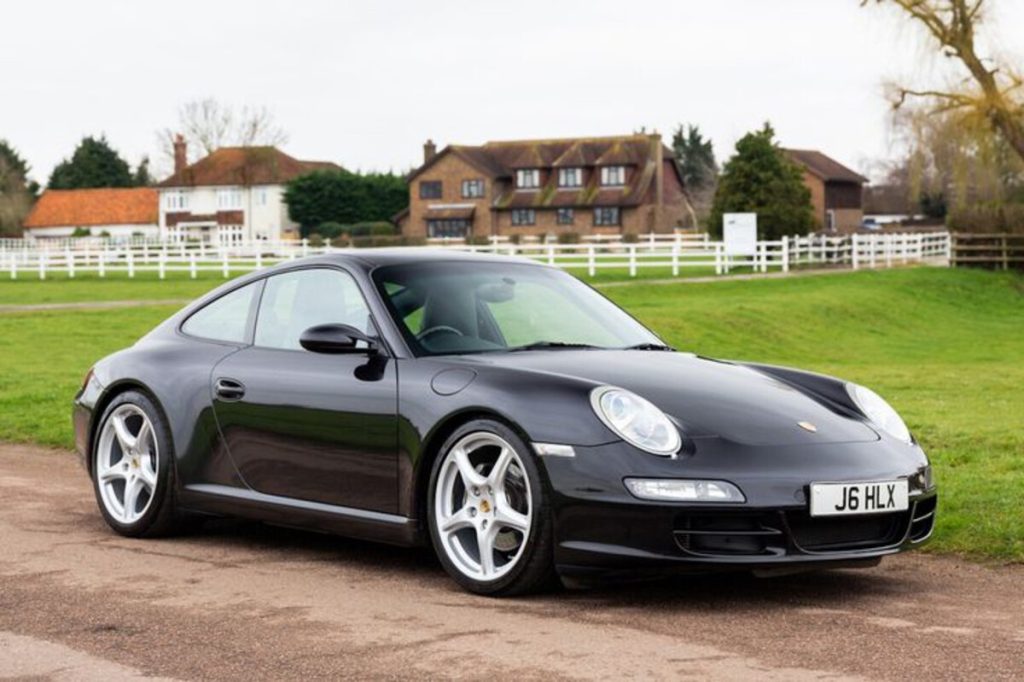
Owners often speak of how the 911 becomes part of the family, with maintenance resembling that of a luxury sedan rather than a fragile exotic.
While maintenance costs are higher than entry-level sports cars, the reliability record makes the expense worthwhile.
Few cars deliver such consistency of performance while also maintaining durability. The 911 is a rare machine that combines heritage, thrill, and longevity, which is why so many models from decades past are still running strong today.
3. Toyota Supra
The Toyota Supra is often remembered for its role in car culture, from motorsports to movies, but its reputation for durability is equally impressive.
Especially in its fourth-generation model (the legendary MK4), the Supra became known for its bulletproof engineering, particularly the 2JZ engine.
This straight-six powerplant is famous not only for its ability to handle extreme horsepower with modifications but also for its long-lasting dependability even when kept stock.
What makes the Supra reliable is Toyota’s philosophy of building overengineered engines and components that can handle stress far beyond normal expectations.
The 2JZ, with its strong iron block and durable internals, has been documented running for hundreds of thousands of miles without significant issues.
When properly maintained, it can outlast many contemporary sports cars, earning its status as one of the most dependable performance machines ever made.
Even the newer Supra models, developed in collaboration with BMW, retain Toyota’s focus on durability. While some critics note the partnership, the latest cars still deliver a balance of speed and reliability that appeals to both enthusiasts and everyday drivers.
The modern turbocharged inline-six engines, when serviced on schedule, are known to handle mileage gracefully while delivering strong performance.
Owners of older Supras frequently note that aside from routine maintenance like timing belt replacements and oil changes, major issues are rare.
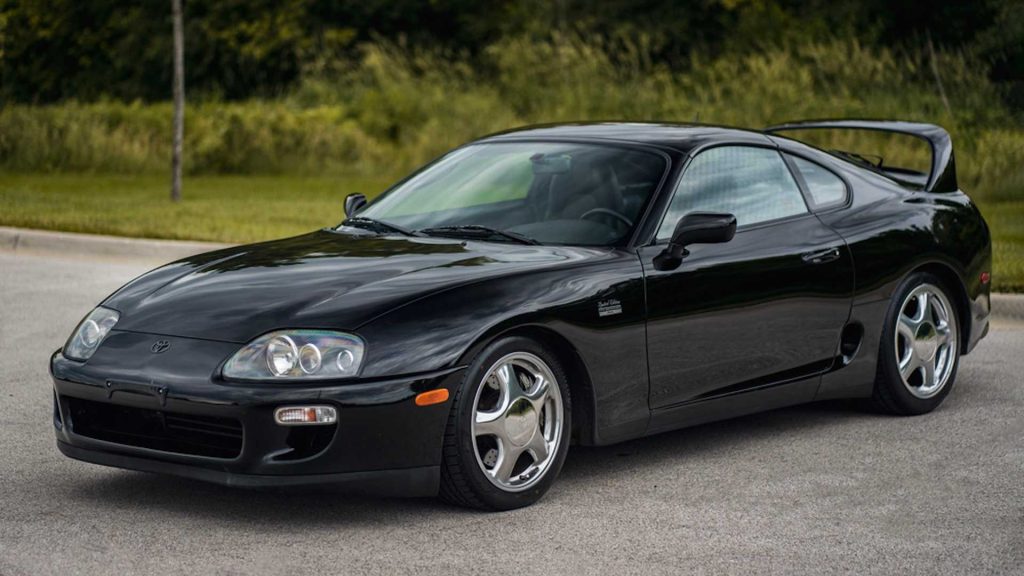
The transmission options, both manual and automatic, have also proven to be tough, adding to the overall sense of confidence behind the wheel.
While values of the MK4 have skyrocketed due to collector demand, the reputation for reliability is a big reason why these cars remain so cherished.
The Supra proves that a car can provide both excitement and trustworthiness, making it a favorite among those who want a sports car they can depend on year after year.
4. Honda S2000 (450 words)
The Honda S2000 is one of the most respected roadsters of the 2000s, known for its screaming high-revving engine and precision handling. Beyond its engaging driving character, it has also earned a reputation as one of the most reliable sports cars of its era.
Honda’s engineering excellence is at the heart of the S2000’s durability, making it a car that thrills without burdening owners with frequent breakdowns.
At the core of the S2000’s dependability is the F20C and later F22C engine. These four-cylinder engines are naturally aspirated and designed to rev beyond 8,000 RPM, which might seem like a recipe for mechanical issues.
However, Honda engineered them with reinforced internals, a robust valvetrain, and efficient cooling systems, allowing them to endure constant high-rev driving without premature failure. With consistent maintenance, these engines are known to cross 200,000 miles while still performing like new.
The S2000 also benefits from Honda’s reputation for precision manufacturing. The six-speed manual gearbox is one of the best ever made, both in feel and reliability. The chassis is lightweight but strong, reducing stress on components.
Owners frequently report that aside from routine items like clutch replacements and suspension bushings, the S2000 rarely presents costly mechanical problems.
What sets it apart further is how affordable it can be to keep running compared to many sports cars of similar performance. Parts are generally available, and mechanics familiar with Hondas find the S2000 easy to work on.
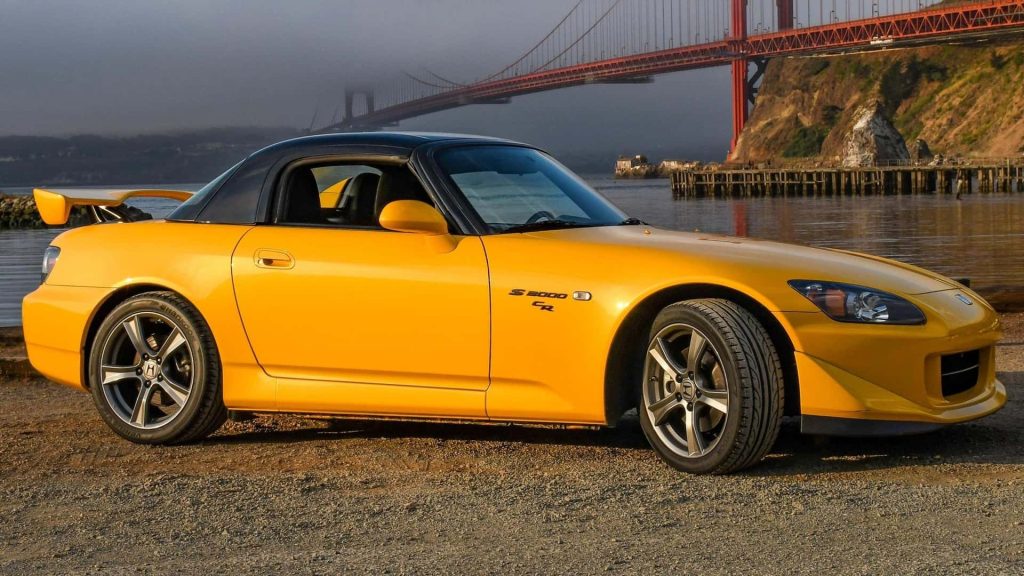
Even as it becomes more collectible, the car maintains a reputation as a practical performance vehicle that will not constantly drain an owner’s wallet.
The Honda S2000 stands as proof that a sports car can offer extreme performance without sacrificing everyday reliability. Its mix of engineering precision and long-term dependability makes it one of the most respected roadsters ever produced.
5. Chevrolet Corvette
The Chevrolet Corvette holds a special place in American automotive history, not just for its performance and design, but also for its surprising reliability compared to other sports cars in its class.
While some might assume that a powerful American V8 would mean constant mechanical headaches, the Corvette has consistently proven to be one of the more dependable performance cars available, especially in modern generations.
One of the biggest reasons behind the Corvette’s dependability is the robustness of its V8 engines. From the LS series engines found in the C5 and C6 generations to the LT series in newer models, these powerplants are engineered with simplicity and strength in mind.
They are known for lasting well beyond 150,000 miles with proper care, often rivaling mainstream sedans in longevity.
Enthusiasts have praised the LS engine family in particular for being nearly bulletproof, capable of handling modifications while still maintaining reliability.
The Corvette’s drivetrain components, including its manual and automatic transmissions, are also built to handle the high torque output of the engines without frequent failures.
Suspension systems have improved greatly over time, balancing performance with durability. Owners often find that routine maintenance oil changes, fluid checks, and brake servicing keeps the Corvette running without issue for many years.
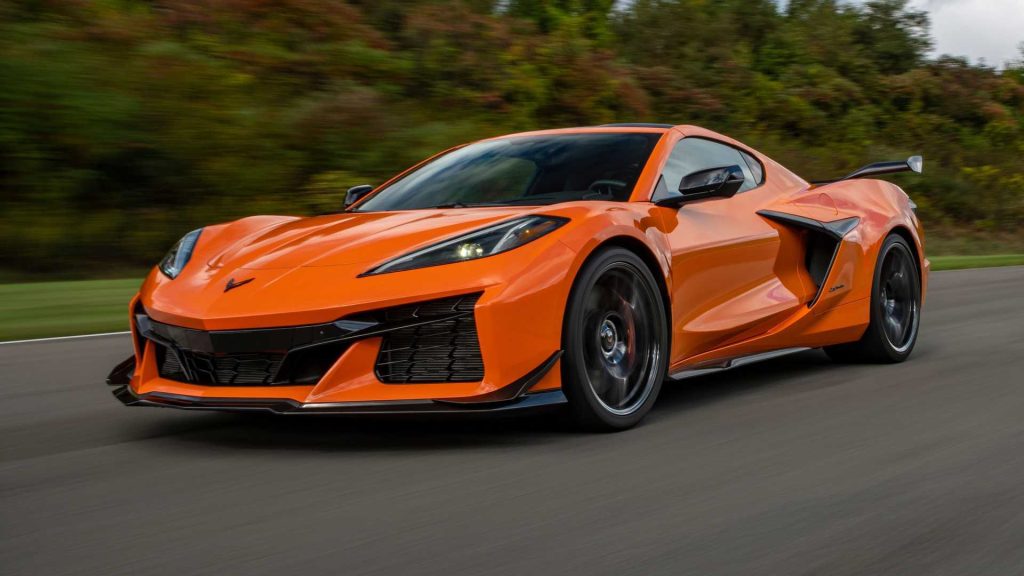
Another advantage is the relatively low cost of parts compared to European sports cars. Replacement components and aftermarket support are plentiful, meaning that even when repairs are necessary, they are manageable compared to the steep costs of maintaining a Porsche or Ferrari.
This accessibility encourages owners to keep their Corvettes well maintained, which in turn adds to the car’s reputation for long life.
The Corvette proves that American muscle and dependability can go hand in hand. It is a sports car that delivers thrilling performance while also offering owners peace of mind that they are not buying into a lifetime of constant mechanical drama.
6. Nissan 370Z
The Nissan 370Z carries forward a long tradition of Japanese sports cars that combine performance with dependability.
Introduced in 2009, the 370Z built on the legacy of the Z-car family with sharper handling, more power, and modern styling, all while maintaining a reputation for mechanical toughness.
At its core is the 3.7-liter V6 engine, known as the VQ37VHR, which has been praised for both power and longevity. With routine oil changes and proper maintenance, it is not unusual for this engine to exceed 150,000 to 200,000 miles with minimal issues.
Part of the 370Z’s durability comes from its relatively straightforward engineering compared to many other modern sports cars. The naturally aspirated setup avoids the stress of forced induction, meaning fewer potential points of failure.
Both the six-speed manual and seven-speed automatic transmissions are regarded as durable, with the manual in particular praised for its resilience under spirited driving conditions.
Owners often appreciate that the 370Z is relatively inexpensive to maintain compared to European competitors. Parts are widely available, and the car’s mechanical simplicity means repairs are less labor-intensive.
Routine items like brake servicing, clutch replacements, and suspension components are affordable, keeping long-term costs under control.
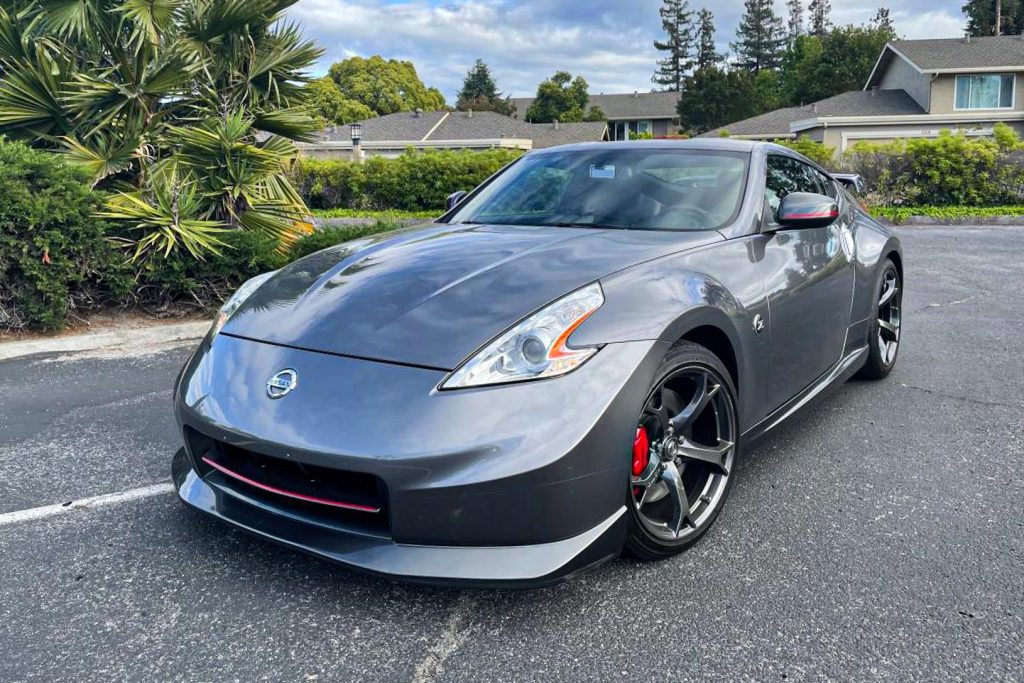
While some criticize the interior as dated compared to rivals, the 370Z’s focus has always been on delivering strong performance without unnecessary complications.
The solid reliability record makes it a practical choice for enthusiasts who want a true sports car experience without the burden of constant repairs.
It may not be the flashiest model in its class, but the 370Z consistently proves itself as a dependable, long-lasting sports coupe that can provide years of worry-free driving enjoyment.
7. Lexus LC 500
The Lexus LC 500 is a grand tourer that manages to deliver both breathtaking performance and exceptional reliability.
As part of Toyota’s luxury division, Lexus has built its reputation on producing vehicles that last for hundreds of thousands of miles, and the LC 500 continues that tradition while adding the thrill of a high-performance sports coupe.
At the heart of the LC 500 lies a naturally aspirated 5.0-liter V8 engine, producing over 470 horsepower. Unlike turbocharged competitors, this V8 benefits from a simpler, time-tested design that reduces the likelihood of costly breakdowns.
Many owners report clocking high mileage without facing major mechanical issues, a rarity in the high-performance category.
The ten-speed automatic transmission paired with the V8 is also engineered for long-term durability, shifting smoothly even under aggressive driving conditions.
One of the LC 500’s standout qualities is how Lexus has integrated advanced technology without compromising dependability.
The car features modern driver-assistance systems and infotainment, yet reports of electronic failures remain minimal compared to many rivals. The interior is also constructed with long-lasting materials, ensuring the car feels fresh even after years of use.
Maintenance costs are higher than those of mainstream sedans, but they remain reasonable compared to European sports coupes of similar performance. Lexus’s strong dealer network and reputation for customer support also contribute to stress-free ownership.
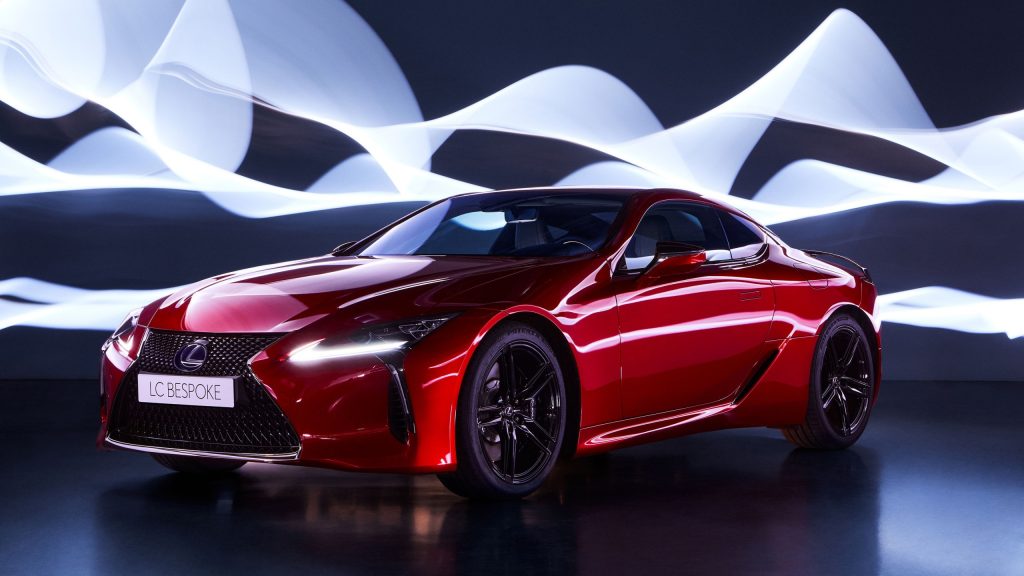
For those who want a sports car that doubles as a reliable daily driver, the LC 500 is a strong candidate.
It offers the excitement of a high-revving V8 and head-turning design while still embodying the long-lasting dependability that Lexus is known for. It is proof that a luxury sports coupe can be both thrilling and trustworthy in equal measure.
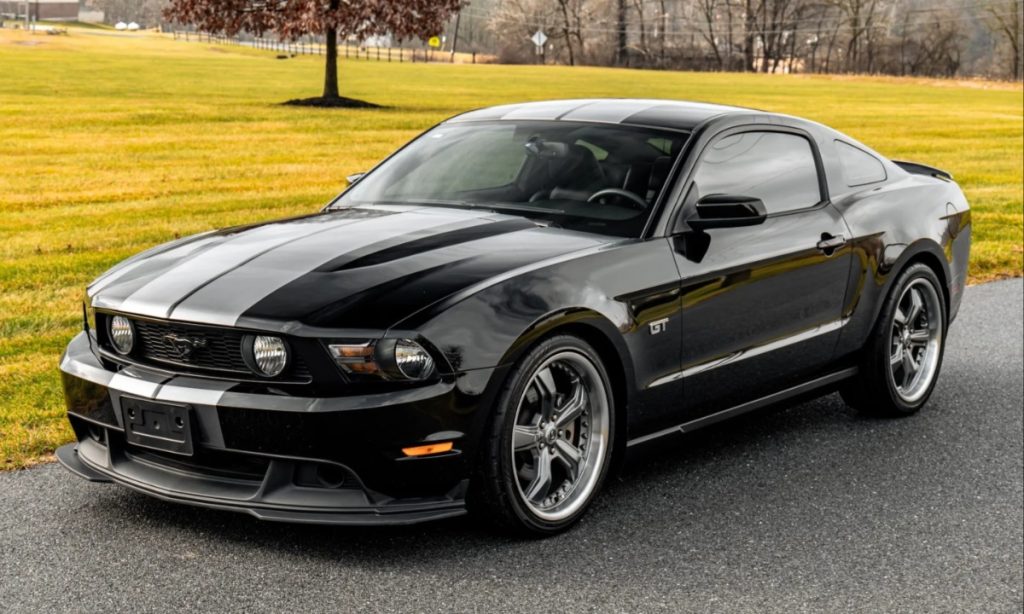
8. Ford Mustang GT
Few cars are as iconic as the Ford Mustang GT, a model that has long balanced performance, affordability, and dependability.
As the most popular variant in the Mustang lineup, the GT comes with a Coyote V8 engine that has become famous for its toughness and long-lasting performance.
Drivers often report these engines surpassing 200,000 miles when maintained with regular servicing, which is impressive for a car designed to deliver high horsepower and torque.
The Mustang GT’s reliability is partly due to its design philosophy. Ford engineered the car to appeal to a wide audience, meaning it needed to withstand everyday driving as well as spirited weekend use.
The naturally aspirated setup avoids the extra strain of turbochargers or superchargers, which often introduce complexity and potential repair costs in other sports cars.
Owners also appreciate the relatively affordable maintenance. Parts are easy to find, mechanics are familiar with the platform, and repairs are straightforward compared to European sports cars.
Transmission options, including the six-speed manual and automatic choices, are also regarded as sturdy, capable of handling high torque without frequent failure.
Over the years, Ford has continually improved the suspension, brakes, and electronics of the Mustang GT while maintaining a commitment to durability.
While some earlier generations had occasional issues with interior fit and finish, the mechanical dependability has remained a consistent strength.
The Mustang GT proves that a high-performance V8-powered sports car can also serve as a reliable daily driver. Its mix of iconic design, accessible maintenance, and mechanical toughness ensures that it continues to be a favorite among enthusiasts who want thrills without sacrificing long-term confidence in their car.
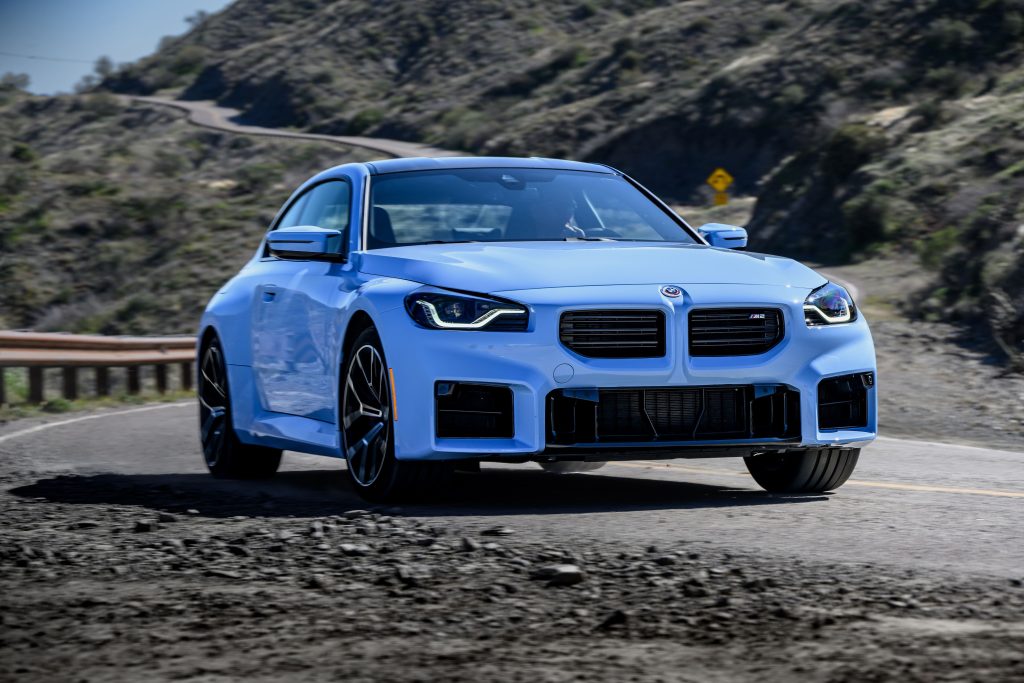
9. BMW M2
The BMW M2 has become one of the most respected models in BMW’s modern performance lineup, praised not only for its driving dynamics but also for its dependability.
Introduced in 2016, the M2 quickly established itself as a car that delivers a true M-car experience without the complexity and reliability concerns sometimes associated with larger BMW M models.
At the center of the M2’s reputation is its turbocharged inline-six engine. While turbocharging often raises concerns about long-term durability, BMW engineered this engine to be robust, with strong internals and efficient cooling systems.
When serviced on time, the engine has proven to handle both daily driving and spirited track use without major issues. Many owners report trouble-free ownership experiences when sticking to BMW’s recommended maintenance schedules.
Another strength of the M2 is its relatively simple design compared to more advanced models like the M5 or M8. Fewer complex systems mean fewer potential failure points, and this contributes to its overall dependability.
Both the six-speed manual and dual-clutch transmissions are well-regarded, withstanding heavy use without frequent breakdowns.
The M2’s chassis and suspension are also engineered to last, offering strong performance on rough roads and race tracks alike.
While maintenance costs are higher than those of Japanese or American sports cars, they are far more reasonable than many high-end European competitors. Parts availability is also solid, thanks to BMW’s widespread dealer network and aftermarket support.
For drivers who want a car that delivers thrilling performance while still being dependable, the M2 strikes a balance. It provides sharp handling, powerful acceleration, and long-term confidence, making it one of the most reliable options in BMW’s celebrated M division.
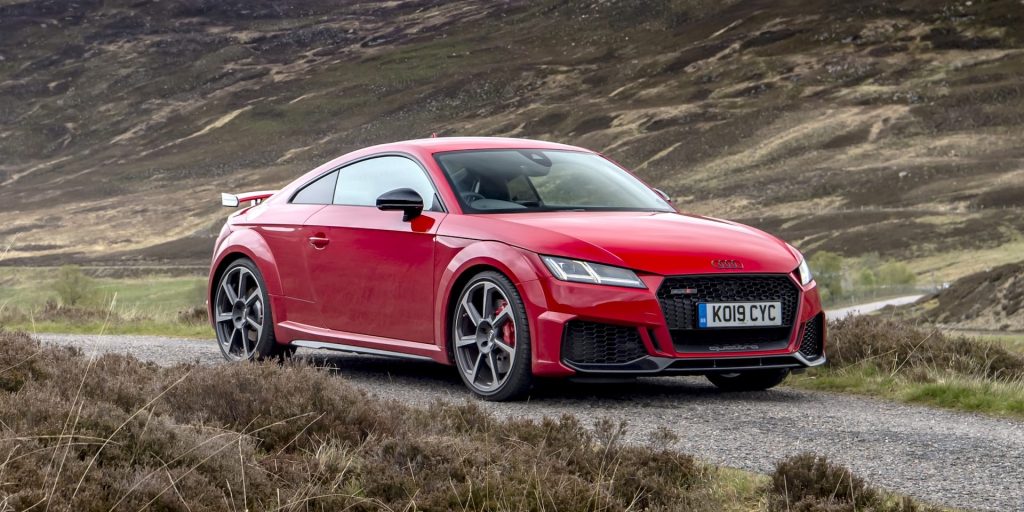
10. Audi TT RS
The Audi TT RS proves that a compact sports car can deliver thrilling performance while remaining dependable for long-term ownership.
Known for its distinctive styling and impressive acceleration, the TT RS also stands out for its reliability record compared to many other European sports cars.
Under the hood lies a 2.5-liter turbocharged five-cylinder engine, one of Audi’s most celebrated powerplants. This engine has a reputation for strength, handling both stock and tuned applications with durability.
When maintained properly, it delivers many years of consistent performance without major breakdowns. The Quattro all-wheel-drive system adds not only confidence on the road but also durability, as it is one of the most refined AWD systems available.
The TT RS benefits from Audi’s focus on combining modern technology with proven engineering.
While the car features advanced infotainment and driver-assist features, its electronics tend to be more reliable than those of some of Audi’s higher-end models. Owners often highlight that the car feels solidly built, with minimal interior wear even after significant use.
Routine maintenance, such as oil changes and brake servicing, is key to keeping the TT RS running strong.
While service costs are higher than mainstream cars, they are reasonable compared to exotic brands offering similar performance. Audi also ensures strong parts availability and service support, reducing long-term ownership stress.
The TT RS is often praised for being a car that can double as a daily driver while also delivering excitement on weekends.
Its durability, combined with thrilling speed and handling, make it one of the most dependable compact sports cars available today. For enthusiasts who want both excitement and reassurance, the TT RS delivers an ideal mix.
Also Read: 10 Easy Fixes That Keep a Subaru Forester Reliable After 200k Miles
