
Hybrid vehicles have often carried a reputation for complexity, leading some to question whether their advanced technology can truly last. Yet, over the past two decades, many hybrids have proven that reliability and innovation can exist side by side.
These cars combine traditional internal combustion engines with electric motors, and while the setup may appear complicated, countless owners have discovered that these vehicles are among the most dependable options available on the road.
Part of the reason hybrids have earned long-term trust is careful engineering. Manufacturers knew these models would face skepticism when they were first introduced, so durability became a priority.
From batteries designed to handle years of use to drivetrains built for efficiency and strength, hybrids have shown that their advanced systems are not as fragile as some once believed.
Many examples are still running smoothly after hundreds of thousands of miles, which speaks volumes about their staying power.
Collectors, daily drivers, and environmentally conscious buyers alike appreciate the fact that hybrids often require no more upkeep than their gasoline counterparts.
In many cases, the engines, transmissions, and electric components are surprisingly easy to maintain, with parts readily available and service intervals consistent with traditional cars.
These vehicles also carry the added benefit of excellent fuel efficiency, making them both practical and cost-effective in the long run.
This article highlights twelve hybrid models that have established themselves as proof that advanced technology does not have to bring constant headaches.
Each entry demonstrates how manufacturers created vehicles that balance performance, efficiency, and reliability.
From well-known pioneers that popularized the hybrid movement to more recent models that show how far the technology has come, these cars stand as examples that hybrid engineering can be both innovative and trustworthy.
Also Read: 12 Honda Accord Years That Run Like New
1. Toyota Prius (Second Generation)
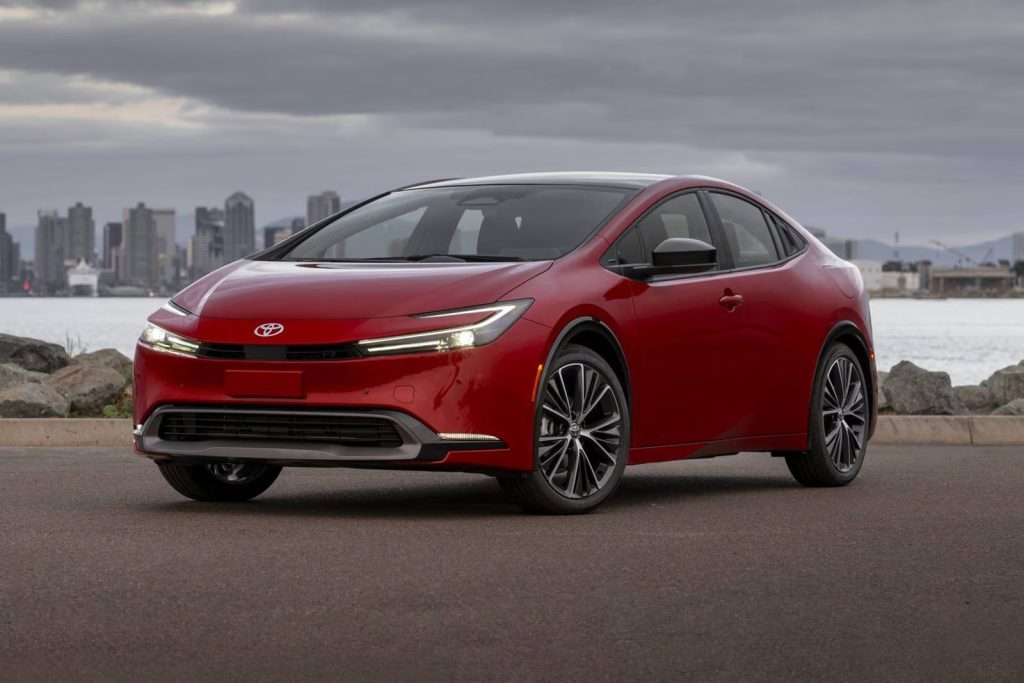
The second-generation Toyota Prius, introduced in 2004, is the car most people think of when hybrids are mentioned. While its styling was polarizing, the engineering underneath made it one of the most significant vehicles of its era.
Collectors and everyday drivers alike still value this Prius because it showed the world that hybrid technology could be both practical and reliable.
The heart of the Prius is Toyota’s Hybrid Synergy Drive system, which combines a 1.5-liter gasoline engine with an electric motor. The setup was remarkably efficient, often delivering more than 45 miles per gallon in real-world driving.
More importantly, it proved that the hybrid battery system could endure. Many examples are still running on their original packs after more than 15 years and hundreds of thousands of miles.
For owners who did need replacement, Toyota’s widespread support and the availability of aftermarket solutions kept costs manageable.
Maintenance for the Prius is straightforward. The gasoline engine uses proven Toyota parts, and the electric components are sealed for durability.
Even the regenerative braking system, which recharges the battery while slowing the car, reduces wear on brake components, saving money over time.
For collectors, the second-generation Prius carries cultural importance. It was the first hybrid to achieve mainstream popularity and became a symbol of eco-conscious driving.
For drivers who value both dependability and efficiency, it remains one of the best examples of hybrid technology that proves advanced systems can stand the test of time.
2. Honda Civic Hybrid (First Generation)
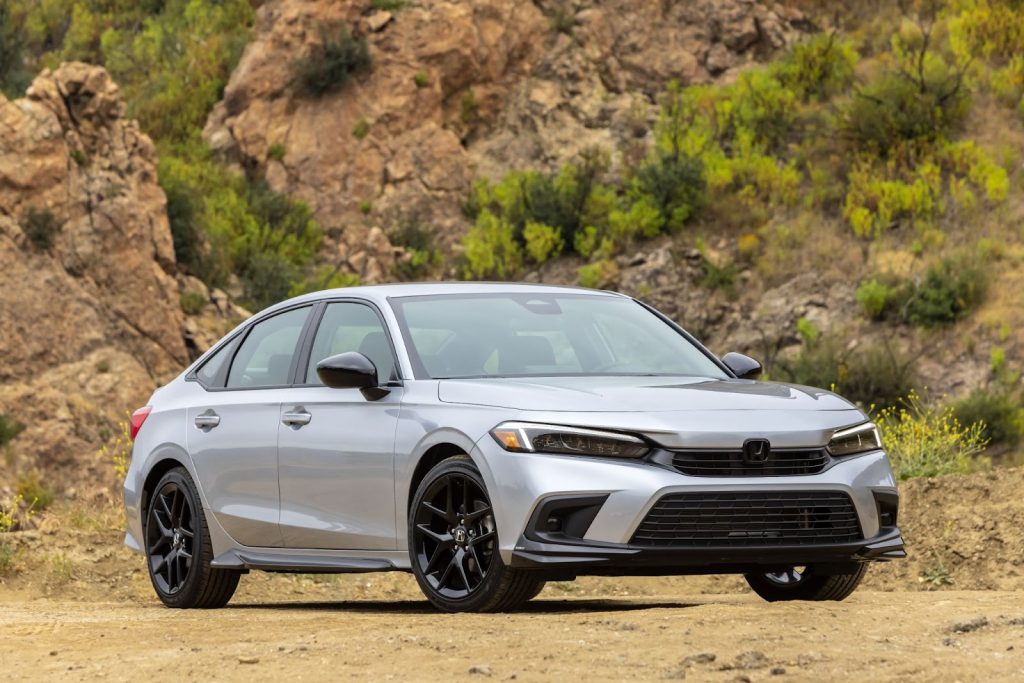
The Honda Civic Hybrid, introduced in 2003, brought Honda’s well-known compact sedan into the hybrid age.
While it never achieved the same sales success as the Prius, it gained a reputation for blending the Civic’s established reliability with innovative fuel-saving technology.
Collectors and enthusiasts recognize the first-generation Civic Hybrid as an early example of how hybrid systems could be incorporated into a familiar, everyday car.
At its core, the Civic Hybrid used Honda’s Integrated Motor Assist system. This setup paired a 1.3-liter gasoline engine with a small electric motor, delivering smooth acceleration and improved fuel economy.
Drivers often reported real-world results in the mid-40s for miles per gallon, making it a highly efficient choice without sacrificing comfort or usability.
Durability is one of the Civic Hybrid’s strongest attributes. The gasoline engine is based on Honda’s proven small-displacement designs, and the electric assist system is less complex than full hybrid setups.
Many first-generation Civic Hybrids are still in operation today, a testament to Honda’s attention to build quality and dependability. Battery life was also respectable, with most packs lasting well over a decade before replacement was needed.
For collectors, the Civic Hybrid represents a bridge between traditional Civic models and the hybrid era. It offers the practicality and reliability of a compact sedan while showcasing early hybrid innovation.
Enthusiasts who value understated engineering often view the first-generation Civic Hybrid as a solid, trustworthy example of how Honda brought efficiency to everyday drivers.
3. Ford Escape Hybrid (First Generation)
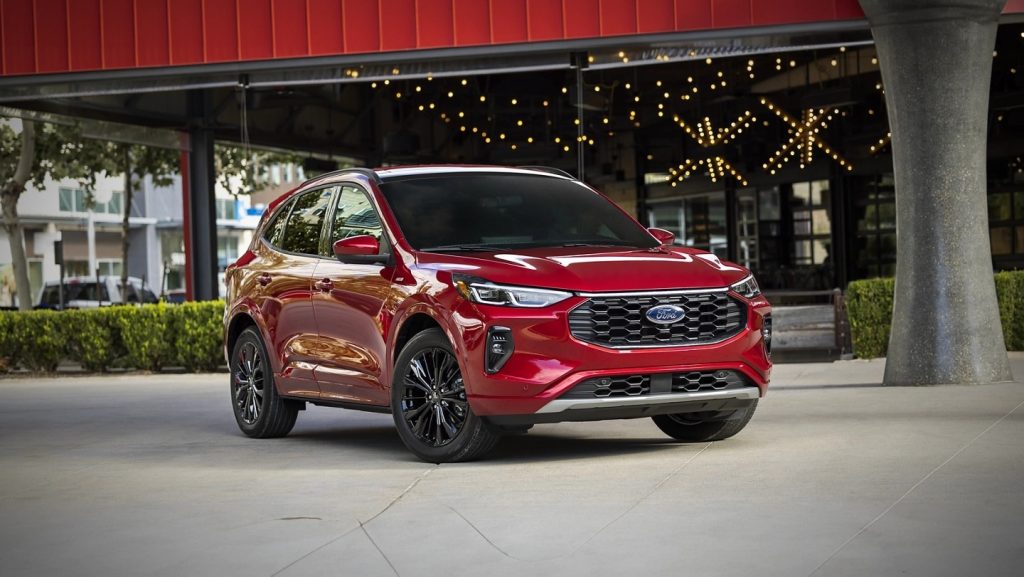
The first-generation Ford Escape Hybrid, launched in 2005, holds the distinction of being the first hybrid SUV available in the United States. Its arrival marked an important step in proving that hybrid technology was not limited to compact sedans.
Collectors and enthusiasts value it today because it combined the practicality of a sport utility vehicle with fuel efficiency and reliability that exceeded expectations.
Ford’s hybrid system was developed in collaboration with Toyota, giving the Escape Hybrid a strong foundation.
The combination of a 2.3-liter four-cylinder engine with an electric motor provided enough power for daily driving while delivering impressive fuel economy for its class, often reaching 30 miles per gallon or more. This balance of capability and efficiency appealed to families and commuters alike.
Longevity is another area where the Escape Hybrid shines. Many examples have surpassed 200,000 miles without major issues.
The hybrid battery proved to be durable, and when replacement became necessary, aftermarket options made continued ownership affordable.
Maintenance on the gasoline engine and transmission followed standard Ford service practices, ensuring no extra burden for owners.
Collectors appreciate the Escape Hybrid for its pioneering role. It showed that larger vehicles could benefit from hybrid systems, opening the door for the wide variety of hybrid SUVs seen today.
Its practicality, roomy interior, and reliable drivetrain make it a desirable choice for those who want to preserve a piece of hybrid history while still having a vehicle capable of everyday use.
4. Lexus RX 400h
When the Lexus RX 400h debuted in 2005, it became the first luxury hybrid SUV on the market.
Collectors and enthusiasts still appreciate it today because it blended Lexus comfort and refinement with hybrid efficiency in a way that no other premium brand had attempted at the time.
The RX 400h paired a 3.3-liter V6 gasoline engine with an electric motor system, delivering both strong performance and respectable fuel economy. With over 260 horsepower, it was noticeably quicker than the standard RX 330, yet it achieved better efficiency.
Drivers found this combination appealing because it offered both power and practicality, proving that hybrids didn’t need to sacrifice performance to be efficient.
Reliability has been one of the RX 400h’s strongest qualities. Many examples have exceeded 200,000 miles with few major issues.
The hybrid system was robust, and the battery packs were built to last. Lexus also earned a reputation for strong customer support, ensuring that owners could find replacement parts and service when needed.

For collectors, the RX 400h holds a special place in hybrid history. It showed that hybrid technology could succeed in the luxury segment and helped shape the direction of premium vehicles for years to come.
Its quiet ride, smooth operation, and enduring reliability continue to make it a desirable choice for those who value a vehicle that was ahead of its time. The RX 400h remains a standout example of how technology and dependability can work together seamlessly.
5. Toyota Camry Hybrid (First Generation)
Introduced in 2007, the first-generation Toyota Camry Hybrid extended Toyota’s hybrid expertise into one of the most popular midsize sedans. Collectors and enthusiasts recognize it as a key step in making hybrid technology mainstream.
By offering the same comfort and practicality of a standard Camry with added efficiency, Toyota proved that hybrids could fit into everyday family life without compromise.
The Camry Hybrid featured a 2.4-liter four-cylinder engine paired with Toyota’s proven Hybrid Synergy Drive system. Combined output reached around 187 horsepower, giving the car smooth acceleration and dependable performance.
Fuel economy was significantly improved over the gasoline-only model, often reaching the mid-30s for miles per gallon, which was impressive for a midsize sedan at the time.
Durability has been one of the Camry Hybrid’s strongest selling points. The gasoline engine used Toyota’s time-tested design, while the hybrid system benefited from the lessons learned with the Prius.
Many examples have surpassed 250,000 miles with routine maintenance, and the hybrid battery has proven capable of lasting well over a decade.
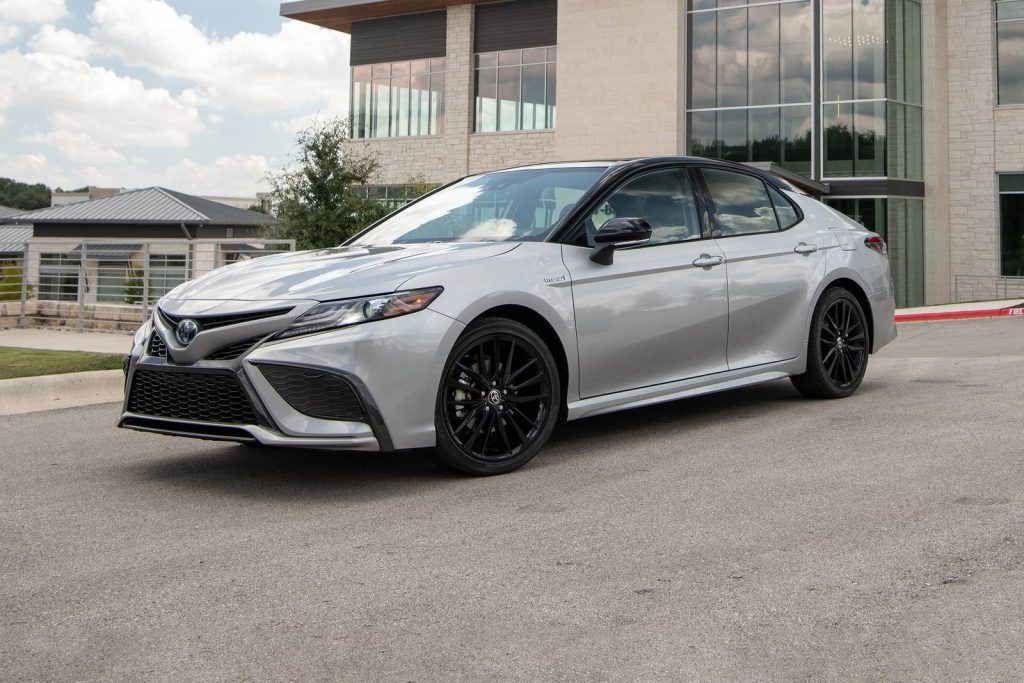
Collectors value the Camry Hybrid because it brought hybrid dependability to a larger audience. For families, commuters, and even taxi fleets, it delivered efficiency and low ownership costs without sacrificing comfort or reliability.
Today, it stands as a symbol of Toyota’s commitment to making hybrids accessible and dependable. Owning a first-generation Camry Hybrid is a reminder that dependable technology can blend seamlessly into one of the world’s most trusted sedans.
6. Honda Accord Hybrid (2005–2007)
The Honda Accord Hybrid, produced between 2005 and 2007, is an interesting model that proved hybrid technology could also focus on performance.
Unlike many hybrids designed purely for fuel economy, the Accord Hybrid combined a 3.0-liter V6 engine with Honda’s Integrated Motor Assist system to deliver extra power alongside efficiency.
Collectors see it as a unique entry in hybrid history because it demonstrated a different approach to hybrid design.
With 255 horsepower, the Accord Hybrid was one of the most powerful sedans in its class at the time. While fuel economy gains were modest compared to four-cylinder hybrids, the car provided a balance of strong performance and respectable efficiency.
For drivers who wanted the benefits of hybrid technology without sacrificing speed or refinement, it was an appealing choice.
Reliability was another strong point. The Accord’s V6 engine was already known for durability, and the hybrid system proved to be robust as well.
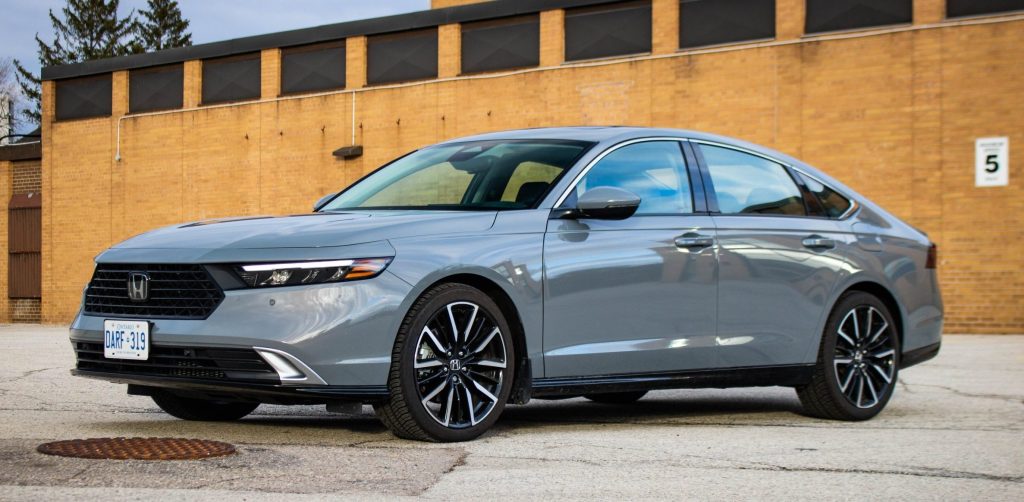
Owners regularly achieved high mileage with few major problems, making it a trustworthy vehicle for long-term use.
Collectors value the Accord Hybrid because of its rarity and its unusual position in the hybrid market. It was not a huge sales success, which makes surviving examples more interesting today.
For those who appreciate unique approaches to engineering, the Accord Hybrid stands out as a reminder that hybrid technology can serve multiple purposes. It may not have been the most efficient hybrid of its era, but it remains respected for its dependability and innovative spirit.
7. Toyota Highlander Hybrid (First Generation)
The Toyota Highlander Hybrid, introduced in 2006, was among the earliest three-row hybrid SUVs.
It combined family-friendly practicality with Toyota’s proven hybrid technology, proving that larger vehicles could still achieve excellent reliability and efficiency. Collectors value it today because it offered versatility without sacrificing durability.
The Highlander Hybrid used a 3.3-liter V6 engine paired with Toyota’s Hybrid Synergy Drive system. Together, the setup produced over 260 horsepower, giving the SUV strong performance while also delivering better fuel economy than the gasoline-only model.
For families, this meant the ability to carry passengers and cargo while saving fuel, a rare combination at the time.
Reliability has been a key strength of the Highlander Hybrid. Many examples have logged more than 200,000 miles with few issues, and the hybrid battery has shown strong longevity.
Toyota’s decision to use proven components helped ensure that the system remained dependable. Maintenance is also straightforward, with most service tasks aligning closely with the standard Highlander.
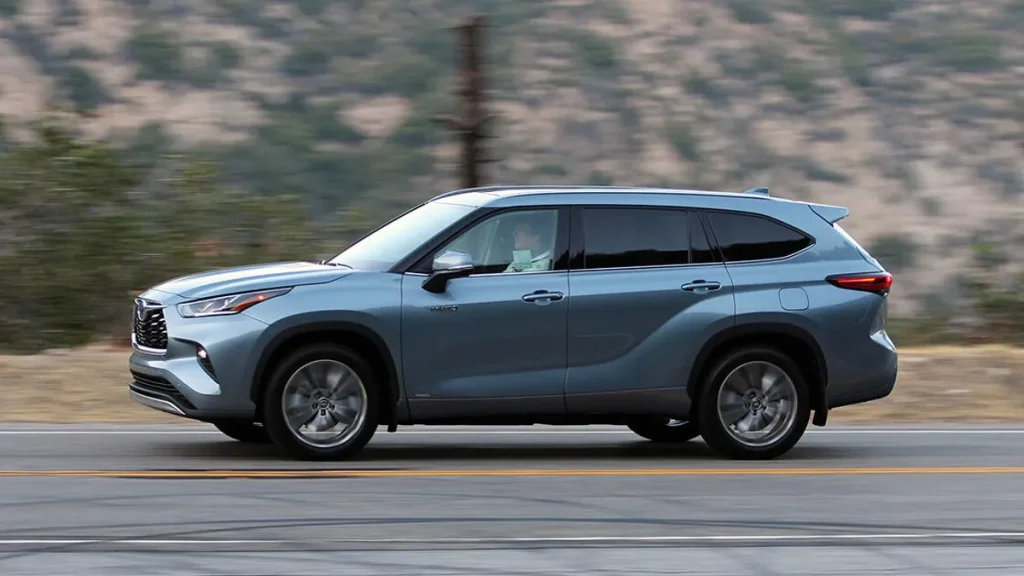
Collectors appreciate the Highlander Hybrid for its pioneering role in family vehicles. It proved that hybrid technology was not limited to compact cars or sedans, but could also serve families who needed space and capability.
The model’s balance of practicality, performance, and durability makes it a respected option in hybrid history. Owning a first-generation Highlander Hybrid is a reminder that Toyota has consistently delivered hybrid solutions that stand the test of time.
8. Chevrolet Malibu Hybrid (2008–2010)
The Chevrolet Malibu Hybrid, produced from 2008 to 2010, demonstrated that American automakers were also serious about entering the hybrid market.
While it never achieved the popularity of Toyota’s models, the Malibu Hybrid has proven to be a dependable and practical vehicle, earning recognition among collectors who value less common hybrid choices.
The Malibu Hybrid used a 2.4-liter four-cylinder gasoline engine paired with GM’s mild hybrid system, known as the Belt Alternator Starter.
While it did not provide the same level of electric assistance as full hybrids, it improved fuel efficiency and reduced emissions while maintaining the driving feel of a traditional sedan.
Drivers appreciated that it required no major changes in behavior while delivering better economy than the standard Malibu.
Reliability has been solid, thanks to GM’s straightforward design. The mild hybrid system was less complex than full hybrid setups, which meant fewer potential issues.
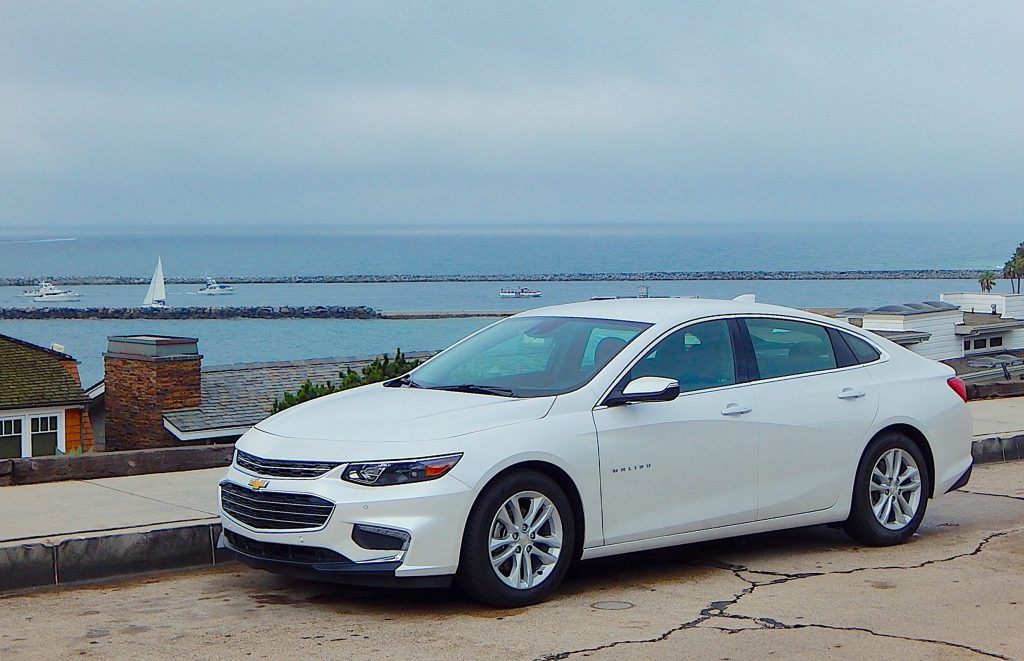
The 2.4-liter engine itself was well-proven and capable of long service life with routine care. Many Malibu Hybrids continue to perform reliably, showing that simplicity can be an advantage.
Collectors value the Malibu Hybrid because it represents an early American attempt at bringing hybrid technology to mainstream buyers. Its limited production numbers make it more unique compared to higher-volume Japanese models.
For those who appreciate underappreciated vehicles that still deliver dependable performance, the Malibu Hybrid is an interesting and reliable choice that helped set the stage for GM’s later hybrid advancements.
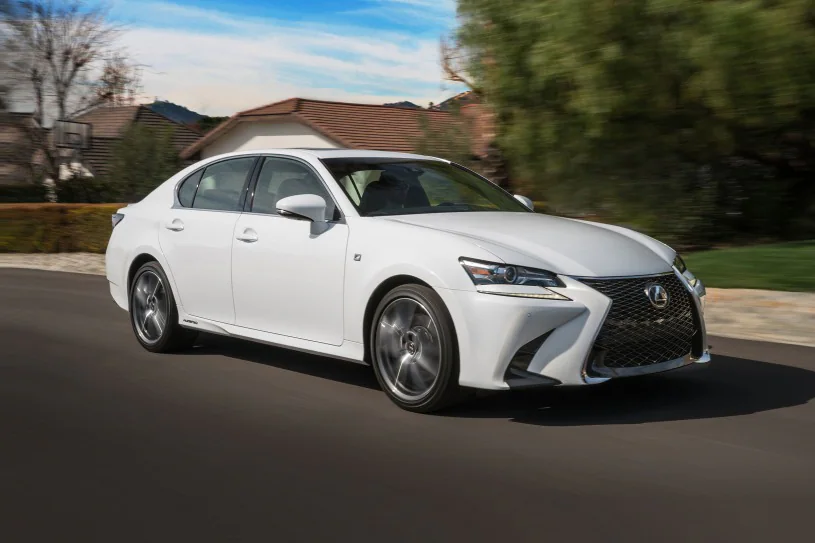
9. Lexus GS 450h
The Lexus GS 450h, launched in 2006, is a hybrid sedan that proved luxury and performance could coexist with advanced technology.
Collectors appreciate it because it showed that hybrids could deliver more than efficiency they could also provide excitement and refinement without sacrificing reliability.
Under the hood, the GS 450h combined a 3.5-liter V6 engine with an electric motor to produce nearly 340 horsepower. This made it one of the fastest hybrids of its time, capable of acceleration that rivaled many traditional sports sedans.
Yet it still offered better fuel economy than its gasoline-only counterparts, appealing to drivers who wanted performance with efficiency.
Reliability has been strong, as expected from Lexus. The hybrid system was designed with durability in mind, and many GS 450h models have comfortably surpassed 200,000 miles with minimal issues.
The battery packs have proven to be long-lasting, and replacement options remain available when needed. Routine maintenance is straightforward, with most service procedures similar to other Lexus models.
Collectors value the GS 450h because it represents a turning point for hybrids. It showed that advanced technology could deliver thrilling performance while maintaining Lexus’s reputation for dependability.
Its rarity compared to more common hybrid sedans adds to its appeal among enthusiasts. For those who want a hybrid that combines power, luxury, and trustworthiness, the GS 450h remains one of the most compelling choices from its era.
10. Honda Insight (Second Generation)
The second-generation Honda Insight, sold from 2009 to 2014, offered a more practical design than the original while maintaining Honda’s focus on efficiency and reliability.
Collectors value it because it bridged the gap between quirky early hybrids and mainstream-friendly models, proving that advanced technology could be both affordable and dependable.
This Insight featured a 1.3-liter four-cylinder engine paired with Honda’s Integrated Motor Assist system.
While the electric motor primarily supported the gasoline engine rather than powering the car on its own, the setup improved fuel economy significantly compared to non-hybrid compact cars of the time. Owners enjoyed its smooth operation, lightweight feel, and ease of use.
Reliability was a major strength of this model. The engine and hybrid system were designed with simplicity in mind, making them less prone to major issues.
Many second-generation Insights have exceeded 200,000 miles with few problems, requiring only routine maintenance such as fluid changes and brake service.
The hybrid battery also showed good longevity, with replacement options available at reasonable costs when needed.
Collectors appreciate the second-generation Insight because it represents Honda’s effort to make hybrids more accessible. Its hatchback design provided versatility, while its efficiency and reliability made it practical for everyday driving.
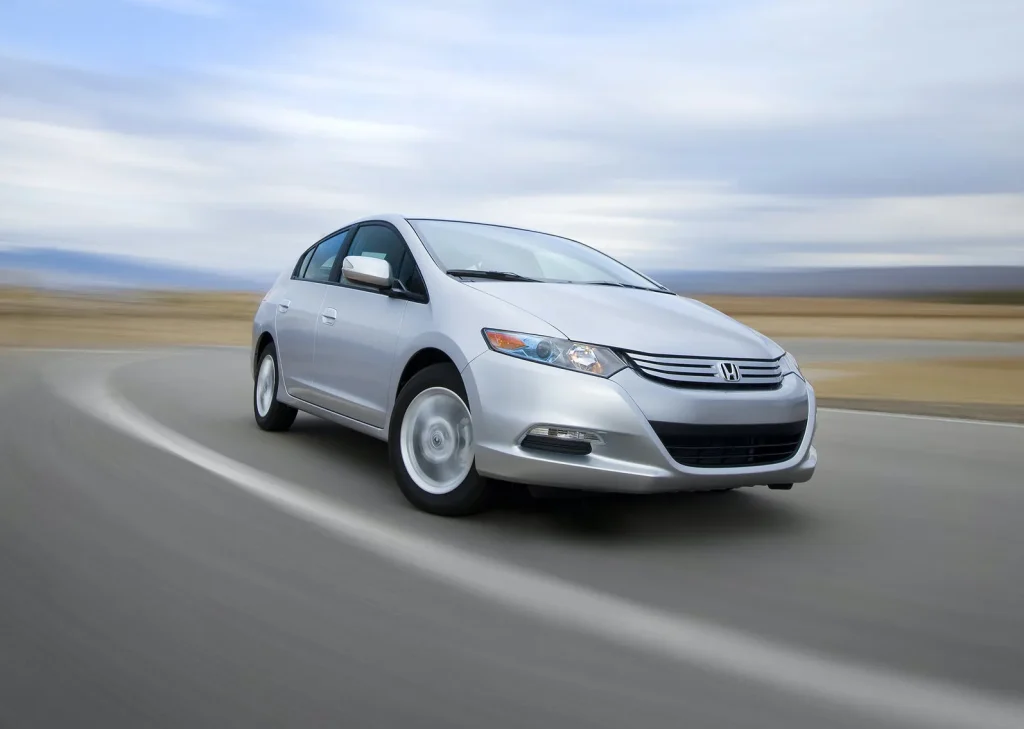
Though it never matched the Toyota Prius in popularity, it remains a dependable and affordable hybrid that helped broaden the appeal of hybrid technology.
For those seeking a reliable and collectible hybrid with Honda’s engineering strength, the second-generation Insight is a strong contender.
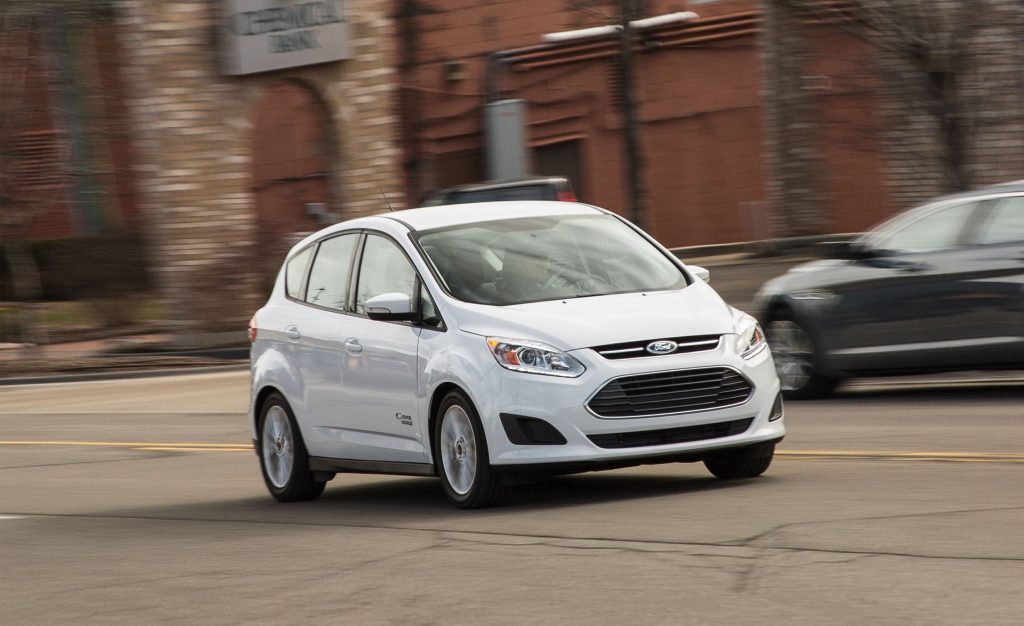
11. Ford C-Max Hybrid
The Ford C-Max Hybrid, introduced in 2012, was designed to compete directly with the Toyota Prius, and it succeeded in establishing itself as a dependable alternative.
Collectors and enthusiasts alike value it because it demonstrated that American automakers could build hybrids that were practical, reliable, and enjoyable to drive.
The C-Max Hybrid featured a 2.0-liter four-cylinder engine paired with an electric motor and lithium-ion battery.
Together, the system produced around 188 horsepower, giving the C-Max a lively driving feel compared to some hybrids of the time. Its tall hatchback design provided excellent interior space, making it versatile for families and commuters alike.
In terms of reliability, the C-Max Hybrid has proven to be dependable. Many examples continue to operate beyond 150,000 miles with minimal issues. Ford engineered the system with durability in mind, and the hybrid battery has shown strong longevity.
Maintenance is straightforward, with service intervals similar to traditional gasoline-powered vehicles. Owners also appreciated that parts were widely available through Ford’s dealer network.
Collectors see the C-Max Hybrid as a notable model because it offered an American approach to hybrid practicality. While it did not achieve the same sales numbers as Toyota’s Prius, it provided strong competition and helped expand hybrid options for U.S. buyers.
Its blend of practicality, efficiency, and dependability makes it a respected choice among hybrids that have stood the test of time.
12. Lexus RX 400h
The Lexus RX 400h, launched in 2005, was the first luxury hybrid SUV and quickly gained attention for combining efficiency with comfort and reliability.
Collectors consider it significant because it proved hybrid technology could succeed in larger, more upscale vehicles without creating added maintenance headaches.
The RX 400h featured a 3.3-liter V6 engine paired with Toyota’s Hybrid Synergy Drive system, producing over 260 horsepower. This gave the SUV strong performance while delivering improved fuel efficiency compared to the standard RX 330.
All-wheel-drive versions used an additional electric motor on the rear axle, providing better traction without sacrificing reliability.
Owners discovered that the RX 400h was not only efficient but also durable. Many examples are still running well beyond 200,000 miles, with the hybrid system holding up impressively.
The battery packs have shown long lifespans, and replacements remain available when necessary. Routine maintenance, such as oil changes and brake service, mirrors that of conventional Lexus models, making upkeep predictable and manageable.
Collectors value the RX 400h because it represents a milestone in hybrid history. It was the first time luxury buyers could enjoy hybrid efficiency in a refined SUV package, and Lexus delivered it with trademark dependability.
The RX 400h’s blend of performance, comfort, and reliability ensures its place as a respected and collectible hybrid. For those seeking a vehicle that balances upscale design with proven durability, the RX 400h remains a standout choice.
