
For many drivers in the United States, the longevity of a vehicle is one of the most important factors when making a purchase. Cars are expensive investments, and the ability to rely on them for years, or even decades, makes all the difference in terms of value.
But while hitting the 250,000-mile mark is already impressive, not every car can make the journey while still keeping its safety features intact. That’s why certain models stand out: they’re not just built to last but are engineered to maintain safety standards mile after mile.
Below, we’ll explore twelve cars and SUVs that are well known for their ability to exceed 250,000 miles while continuing to protect drivers and passengers. These vehicles combine durability, proven safety systems, and strong reputations that make them trusted companions on America’s roads.
The Toyota Camry has long been a best-seller in the U.S. because it blends efficiency, affordability, and reliability. Owners frequently report their Camrys lasting past 250,000 miles, and safety remains a core strength.
The Camry consistently earns top scores from the Insurance Institute for Highway Safety (IIHS) and the National Highway Traffic Safety Administration (NHTSA). Even older models hold up well thanks to Toyota’s emphasis on crash structure and airbags. With newer Camrys equipped with Toyota Safety Sense, including lane departure alert and adaptive cruise control, it’s one of the safest long-lasting sedans on the market
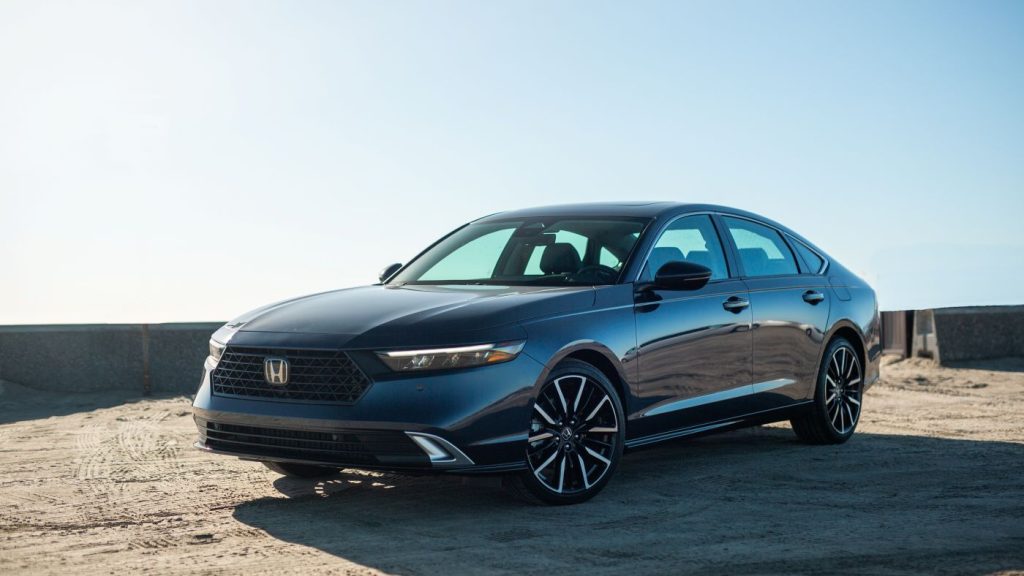
Honda Accord
Much like the Camry, the Honda Accord is practically synonymous with dependability. Generations of Americans have driven Accords well past 200,000 miles, and many see 250,000 as just another milestone.
The Accord’s crash test scores have been excellent for decades, and it’s one of the midsize sedans that tends to feel solid even as the odometer climbs. Honda’s engineering ensures that its structural integrity remains strong, and modern models add Honda Sensing features like collision mitigation braking and road departure mitigation, keeping long-haul drivers protected.
It’s hard not to get excited about the Honda Accord. With its sharp handling, strong overall value, and roomy interior, this midsize sedan continues to outshine much of its competition. The Accord Hybrid manages to deliver the same winning formula while significantly boosting fuel efficiency. In fact, certain versions of the Accord Hybrid can cover more than 600 miles on a single tank of fuel.
Performance is another area where the hybrid impresses. Much like the standard Accord, it’s quick, delivering a strong showing in 0-60 mph sprints. Unlike many hybrids that suffer from spongy or awkward braking, the Accord Hybrid feels natural when slowing down.
That said, we did notice some drawbacks in ride comfort during our time with a Touring model. Equipped with 19-inch wheels, it tended to transmit more harshness from road imperfections than we’d like.
Step inside, and the Accord Hybrid mirrors the standard version with plenty of passenger space and a generous trunk. The interior feels thoughtfully designed, with matte wood-like accents lending a touch of sophistication across the dashboard. Still, the driver’s instrument cluster looks a bit dated compared with the rest of the cabin.
While the Accord Hybrid’s fuel economy doesn’t quite match the Toyota Prius, it’s important to acknowledge that not everyone wants to drive a Prius. The Accord Hybrid provides a far more engaging driving experience. For those seeking a midsize hybrid sedan, this is one of the most complete and well-rounded options available.
Under the hood, a 2.0-liter four-cylinder engine works in tandem with the hybrid system to produce 212 horsepower. In our testing, the Honda Accord Touring Hybrid sprinted to 60 mph in 6.7 seconds, noticeably quicker than both the Toyota Camry XSE Hybrid (7.4 seconds) and the Hyundai Sonata Limited Hybrid (7.6 seconds).
According to EPA estimates, the 2022 Accord Hybrid achieves 48 mpg in the city and 47 mpg on the highway, while Sport trims return 44 mpg city and 41 mpg highway.
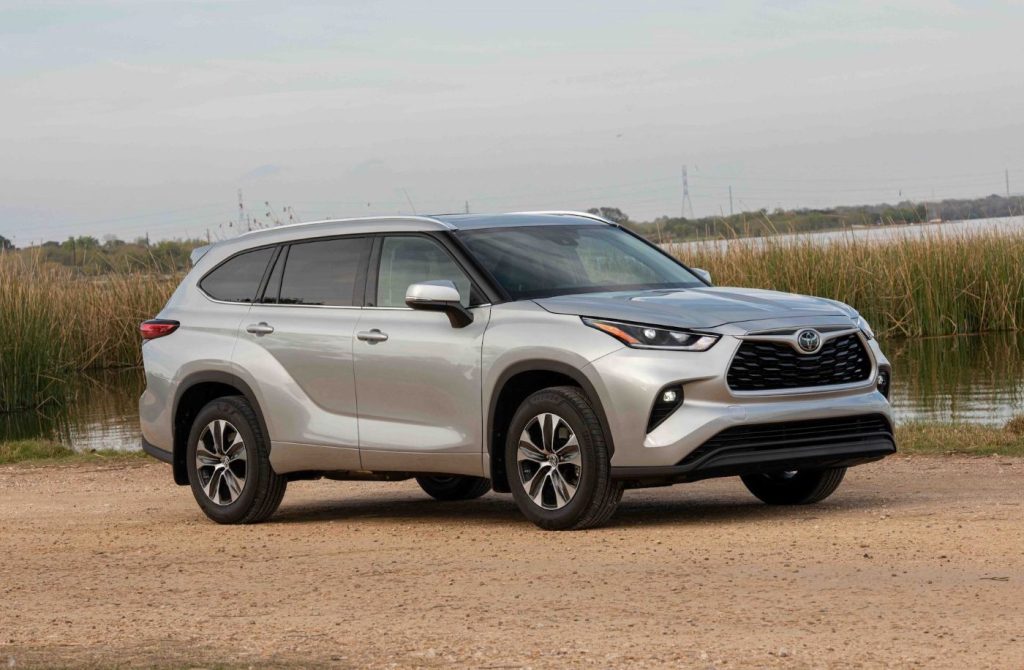
Toyota Highlander
For families looking for a safe, long-lasting SUV, the Toyota Highlander is a top pick. It’s common to find Highlanders still in daily use after 250,000 miles, with minimal safety degradation.
The midsize crossover consistently receives high safety ratings and offers plenty of stability on the road. Toyota has equipped the Highlander with advanced driver aids across recent generations, but even earlier models provide strong crashworthiness. For parents hauling kids or commuters driving in winter conditions, the Highlander’s longevity combined with safety is a major advantage.
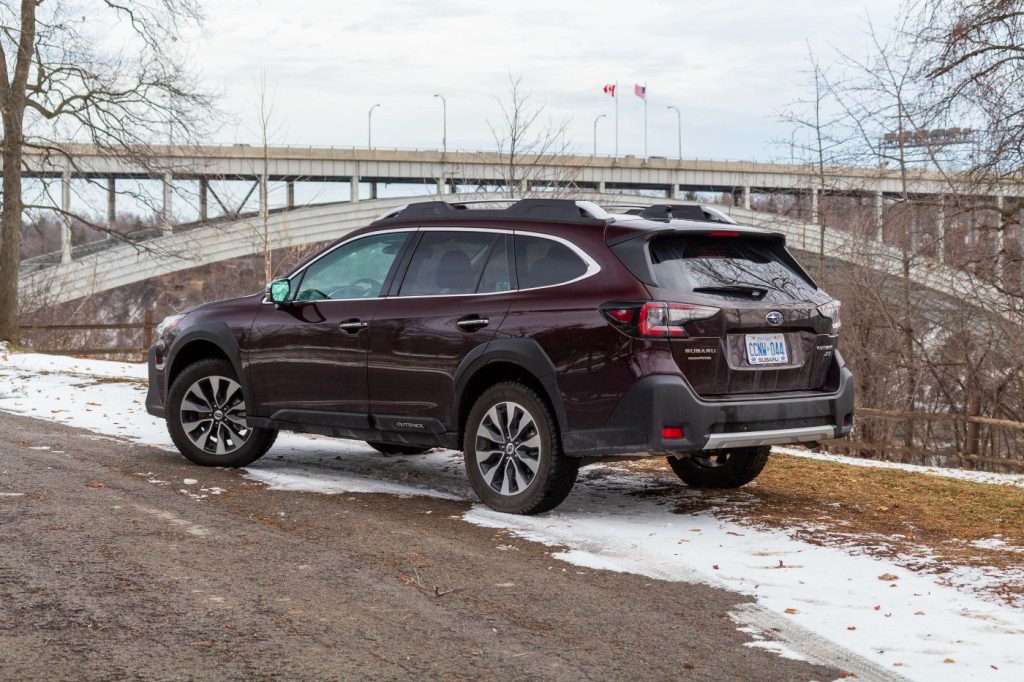
Subaru Outback
The Subaru Outback has carved out a niche as one of America’s most trusted adventure vehicles. Known for its all-wheel drive system and rugged build, the Outback is equally at home on highways and mountain trails. Many Outbacks push past 250,000 miles, and what makes them unique is how well their safety features age.
Subaru has prioritized crash safety for decades, and its EyeSight driver assistance system adds an extra layer of security in modern versions. Even older models hold up with their strong chassis and excellent crash test records. For those living in snow-prone states, it’s a vehicle that delivers peace of mind over the long haul.
Toyota Corolla
Compact cars aren’t always associated with longevity, but the Toyota Corolla is an exception. Millions of U.S. drivers have owned Corollas, and countless examples continue running smoothly past 250,000 miles.
What sets the Corolla apart is its ability to remain safe even after years of use. Toyota has always focused on structural integrity and dependable airbags, while modern Corollas benefit from standard Toyota Safety Sense. For drivers on a budget who still want a safe, dependable ride over the long term, the Corolla is one of the best options available.
If the saying “slow and steady wins the race” applies anywhere, it’s with the Toyota Corolla. This compact sedan consistently delivers reliability and practicality, but its performance leaves little to get excited about. The standard engine is a 132-horsepower 1.8-liter four-cylinder, which provides just enough grunt to get the job done.
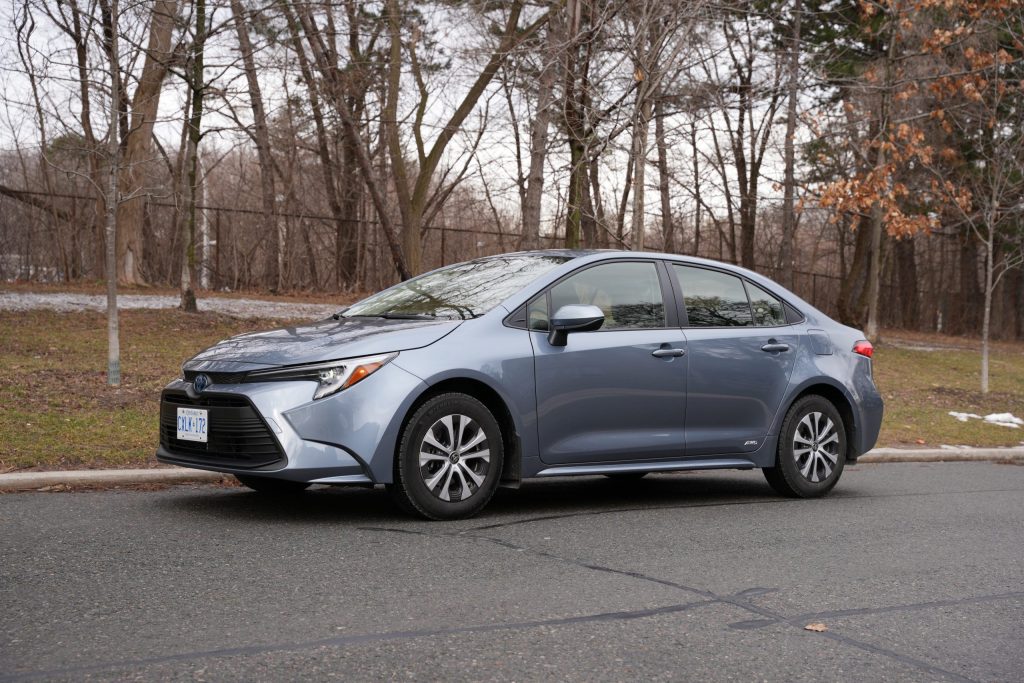
For slightly more punch, the LE Eco trim features a specially tuned version of the same engine that produces 140 horsepower, though it sacrifices a bit of torque. A continuously variable automatic transmission (CVT) is standard across most trims, while a six-speed manual gearbox is reserved solely for the SE model.
Behind the wheel, acceleration feels leisurely. Fasten your seatbelt, check your mirrors, press the accelerator, and then, wait as the Corolla gradually builds speed. Driving excitement isn’t really part of its DNA, and braking performance falls short of expectations, which contrasts with the model’s otherwise impressive reputation for safety.
Honda CR-V
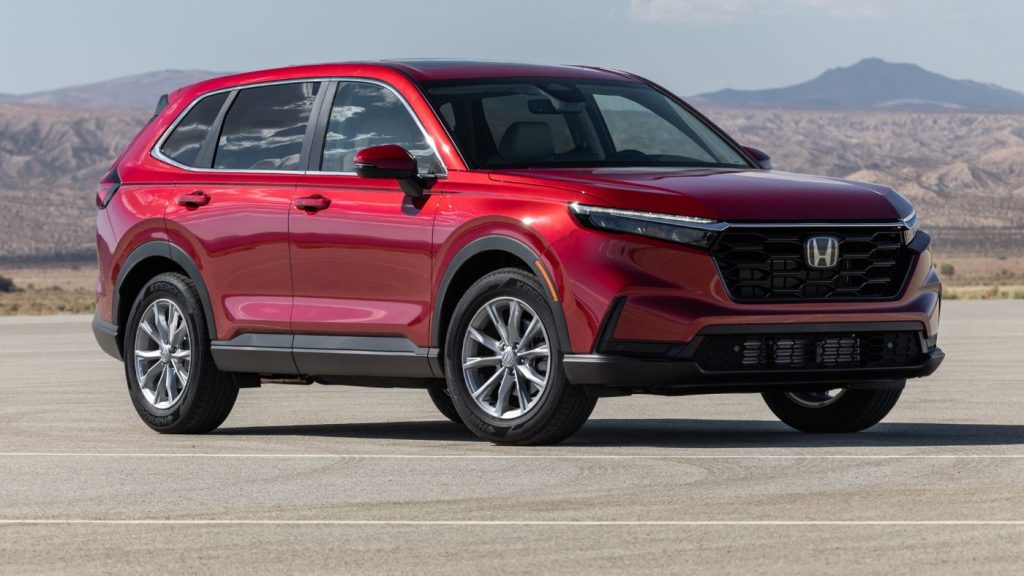
As one of the best-selling compact SUVs in America, the Honda CR-V is built to endure high mileage without compromising safety. Owners frequently report CR-Vs lasting 250,000 miles and beyond with proper maintenance. Safety-wise, the CR-V performs admirably in crash tests and has maintained strong safety ratings across generations.
The vehicle’s high seating position and solid structure add to driver confidence, while Honda Sensing technologies in more recent models provide collision mitigation, adaptive cruise, and lane-keeping assist. It’s a versatile SUV that combines practicality with long-term security.
Lexus RX
Luxury crossovers aren’t always known for staying trouble-free over hundreds of thousands of miles, but the Lexus RX is an exception. Built on Toyota’s reputation for reliability, the RX regularly crosses the 250,000-mile threshold while continuing to provide safety and comfort.
Lexus has always emphasized premium safety features, and the RX typically performs well in crash testing. Even older models offer strong protection, and newer versions add advanced driver-assist technology. For those who want luxury without sacrificing long-term safety, the RX is a standout choice.
The 2025 Lexus RX 350 continues to lean into its reputation as a crowd-pleasing luxury SUV. It offers a serene cabin, confident road manners, and a comfortable ride that makes it an easy daily driver. While it’s not designed for serious off-roading, the RX has no trouble navigating unpaved roads or stretches of loose gravel.
Power comes from a turbocharged four-cylinder engine rated at 275 horsepower and 315 pound-feet of torque, paired with an eight-speed automatic transmission. In front-wheel-drive form, the RX 350 feels balanced and predictable, though its steering and braking lean toward the lighter side.
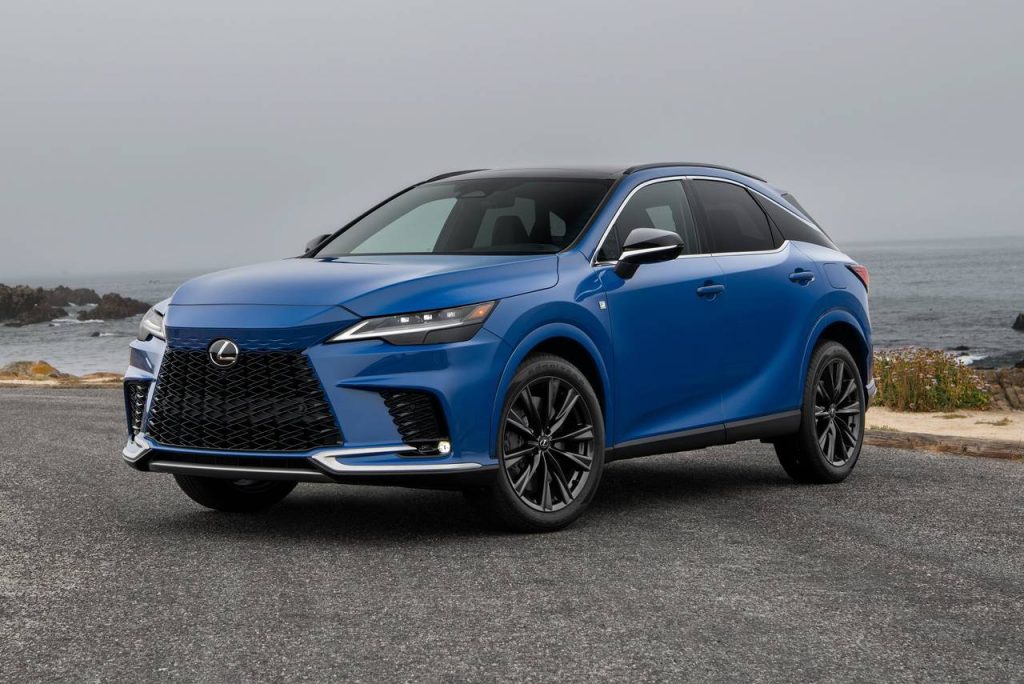
Opting for the F Sport Handling trim brings all-wheel drive, adaptive suspension, and brakes with a firmer feel, but even then, the RX 350 doesn’t transform into a performance SUV. The engine also tends to sound strained under heavier acceleration, detracting somewhat from the otherwise premium experience.
When it comes to towing capacity, the RX falls short compared with its luxury midsize peers. With a maximum rating of 3,500 pounds, it lags behind competitors that can typically pull up to 5,000 pounds.
The RX 350 makes up for some of its shortcomings with impressive efficiency for the class. Front-wheel-drive models earn EPA ratings of 22 mpg city and 29 mpg highway, while all-wheel-drive versions return 21 mpg in the city and 28 mpg on the highway. Those numbers are strong for a turbocharged luxury SUV, reinforcing the RX 350’s appeal as a practical yet upscale choice.
Toyota 4Runner
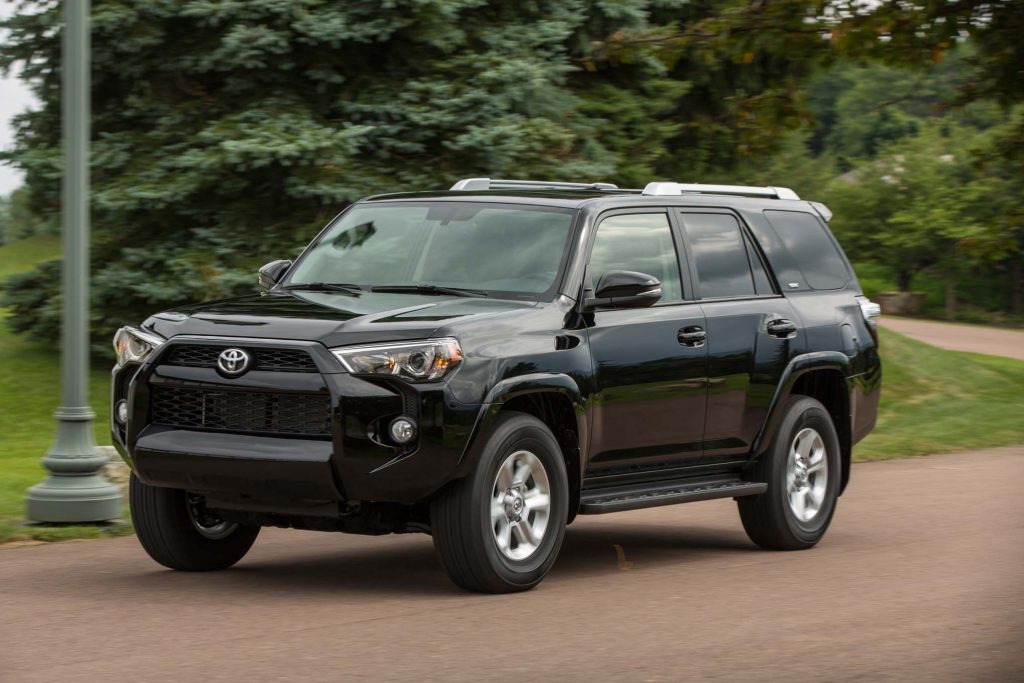
Few SUVs are as rugged and long-lasting as the Toyota 4Runner. Known for its body-on-frame construction and off-road prowess, the 4Runner is often found with odometers showing 300,000 miles or more.
Importantly, it retains its safety reputation even with age. The sturdy build helps in crash scenarios, and Toyota’s focus on durable components means the vehicle feels secure well into high mileage. While it may not have the same level of advanced driver aids as some crossovers, its reliability and solid crash protection make it a safe long-term investment.
Honda Civic
Compact, efficient, and widely popular, the Honda Civic is another vehicle that proves safety doesn’t fade with mileage. Many Civics surpass 250,000 miles with consistent performance. Honda’s engineering ensures strong crash protection, while the Civic’s lightweight build doesn’t compromise its structural resilience.
Over the years, the Civic has consistently earned strong safety ratings, and newer models come standard with Honda Sensing driver aids. For younger drivers, commuters, or anyone looking for a budget-friendly long-hauler, the Civic is a smart and safe pick.
Fuel-efficient, stylish, and genuinely enjoyable to drive, the 2024 Honda Civic continues to cement its reputation as one of the best small cars you can buy. The base engine is a 158-hp 2.0-liter four-cylinder, while higher trims unlock a more powerful 180-hp turbocharged 1.5-liter.
Regardless of engine choice, every Civic includes a touchscreen infotainment system with Apple CarPlay and Android Auto as standard, along with a comprehensive suite of driver-assistance features. While the performance-focused Civic Si and Type R stand apart for sheer thrills, the standard Civic still delivers sharp handling and composed road manners that give drivers a taste of sporty refinement.
For 2024, the Civic carries over largely unchanged. Initially, speculation pointed toward a hybrid option joining the lineup this year, but Honda confirmed the Civic Hybrid will instead debut in 2025. Available as both a sedan and hatchback, it will feature a modified version of the Accord Hybrid’s system, pairing a four-cylinder engine with two electric motors to produce between 180 and 200 horsepower.
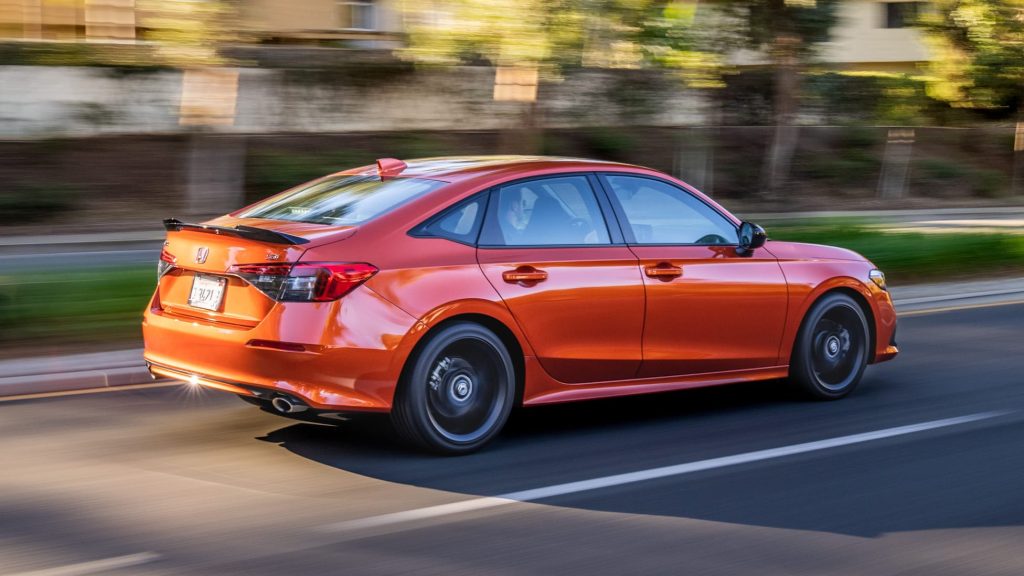
Pricing for the 2024 Honda Civic starts at $25,100 and tops out at $32,600 depending on trim level and options. The lineup begins with the LX at $25,100 and climbs through Sport ($26,700), EX ($28,100), EX-L ($29,800), Touring ($31,700), and the hatchback-exclusive Sport Touring at $32,600.
Our top recommendation is the well-rounded EX sedan, which justifies its slightly higher cost with features such as blind-spot monitoring, dual-zone automatic climate control, heated front seats and mirrors, and a power sunroof.
It also comes standard with the upgraded 180-hp turbocharged four-cylinder. For hatchback buyers, the EX-L trim offers similar upgrades while adding leather upholstery for an extra dose of refinement.
Although redesigned for 2022, the Civic’s engine lineup carries forward unchanged. Entry-level models use the 158-hp 2.0-liter four-cylinder, while upgraded trims receive the turbocharged 1.5-liter engine with 180 hp. All versions are front-wheel drive. While the manual transmission was discontinued for the sedan in 2022, hatchback buyers can still opt for a six-speed manual. Otherwise, a CVT remains the only transmission.
At the test track, the turbocharged Touring sedan reached 60 mph in 7.5 seconds, a tick slower than the previous generation. The manual Sport Touring hatchback shaved that down to 7.3 seconds. Even so, the Civic retains the nimble handling, responsive steering, and composed ride quality that defined its predecessor
Toyota Prius
The Toyota Prius might be famous for its hybrid fuel economy, but it also deserves recognition for its long-lasting safety record. Owners frequently report Priuses lasting 250,000 miles or more, thanks to Toyota’s engineering and reliability.
Despite being a hybrid, the Prius has proven durable and maintains strong crash test results across generations. Safety features like stability control, multiple airbags, and Toyota Safety Sense in newer models keep it competitive with larger, non-hybrid vehicles. For eco-conscious drivers who also prioritize safety, the Prius delivers both.
The Toyota Prius remains the most recognizable and influential hybrid on the market. Over the years, it has steadily evolved, gaining both efficiency and overall capability.
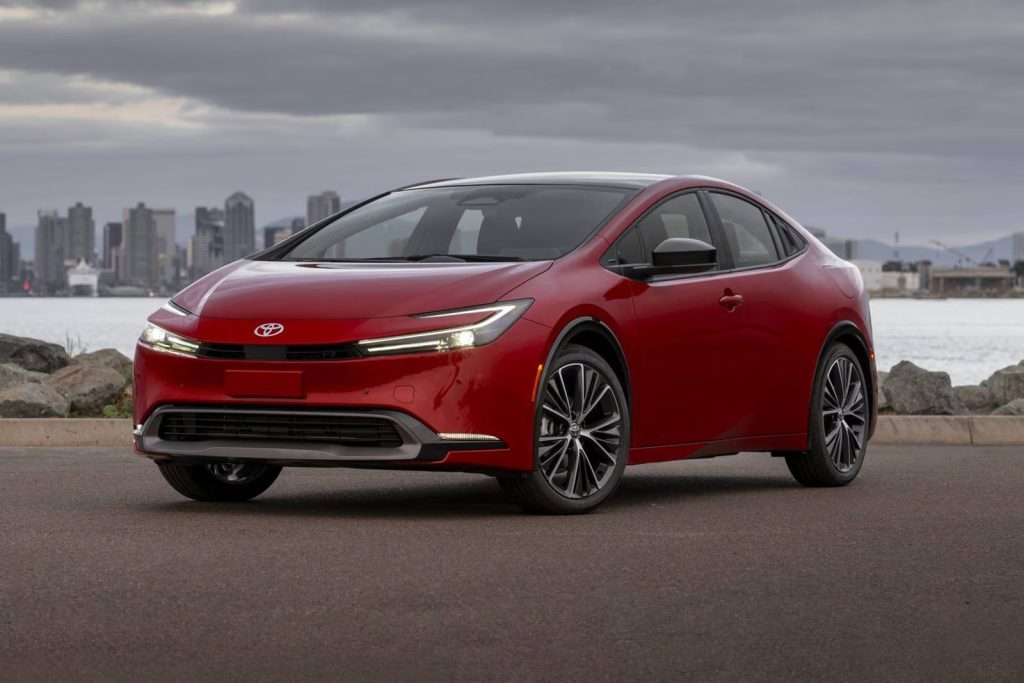
The current generation debuted for the 2016 model year, with a series of important updates arriving in 2019. For 2021, the Prius continues to stand out, offering an EPA-estimated 56 mpg in combined city/highway driving, an impressive figure even by hybrid standards. Buyers can also opt for all-wheel drive, a valuable addition for those who frequently face icy or snowy conditions.
To remain competitive, Toyota equips the Prius with modern technology such as Apple CarPlay and Android Auto smartphone integration, along with a comprehensive suite of advanced safety features that now come standard across all trims. Rivals in this category include the Honda Insight and Kia Niro, both strong alternatives in the hybrid space.
Toyota also sells hybrid versions of the Camry, Corolla, and RAV4. While these models don’t match the Prius for fuel efficiency, their more traditional styling and additional practicality make them appealing choices for buyers who want a hybrid without the distinctive Prius look.
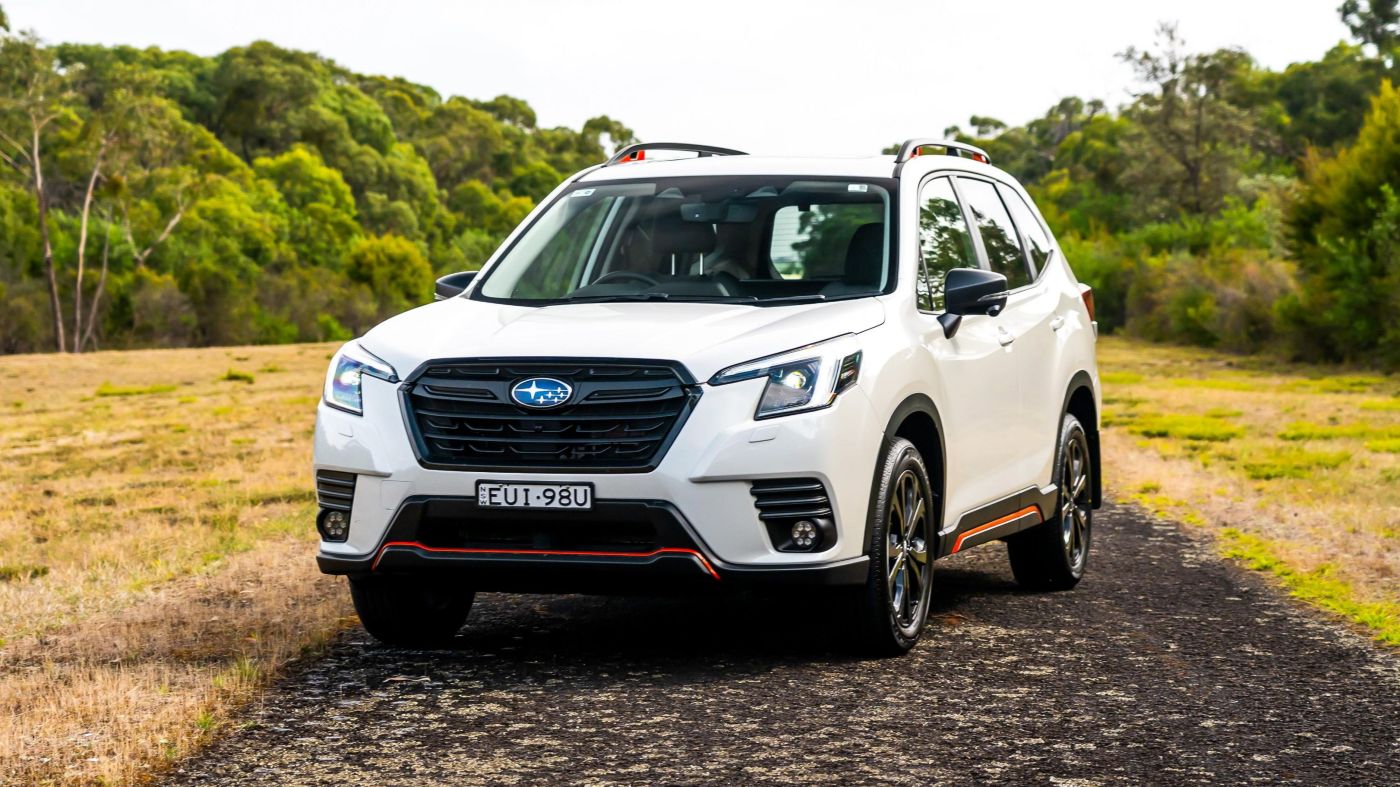
Subaru Forester
Like the Outback, the Subaru Forester is a reliable SUV that thrives in challenging weather conditions while maintaining safety long into its life span. Many Foresters reach or exceed 250,000 miles, aided by Subaru’s durable build quality and commitment to safety.
The vehicle consistently earns high marks in crash testing and offers excellent visibility for drivers. More recent Foresters add Subaru’s EyeSight suite, providing adaptive cruise control and pre-collision braking. For those who need all-wheel drive and long-term dependability, the Forester is a trusted name.
Blending Subaru’s rugged outdoorsy persona with the everyday practicality of a compact crossover, the Forester has long been a popular choice in the SUV market.
However, its 2.5-liter flat-four engine doesn’t deliver the most exciting acceleration, which dampens some of its appeal. For 2022, Subaru updated the Forester with styling tweaks that give it a boxier, more trucklike face, while keeping the cabin airy, comfortable, and filled with useful storage cubbies.
True to Subaru tradition, every Forester comes standard with all-wheel drive. Still, rivals such as the Honda CR-V and Toyota RAV4 not only offer similarly family-friendly traits but also back them up with stronger gasoline and hybrid powertrains, making the Forester feel underpowered by comparison. For buyers who resonate with Subaru’s adventurous image, though, the Forester remains a dependable and satisfying option.
In rankings of the best compact SUVs for 2022, the Forester landed at No. 11, with competitors like the Mazda CX-5, Volkswagen Tiguan, Hyundai Tucson, and Honda CR-V ahead of it. With a starting price of $27,070, the Forester remains competitively priced in its class.
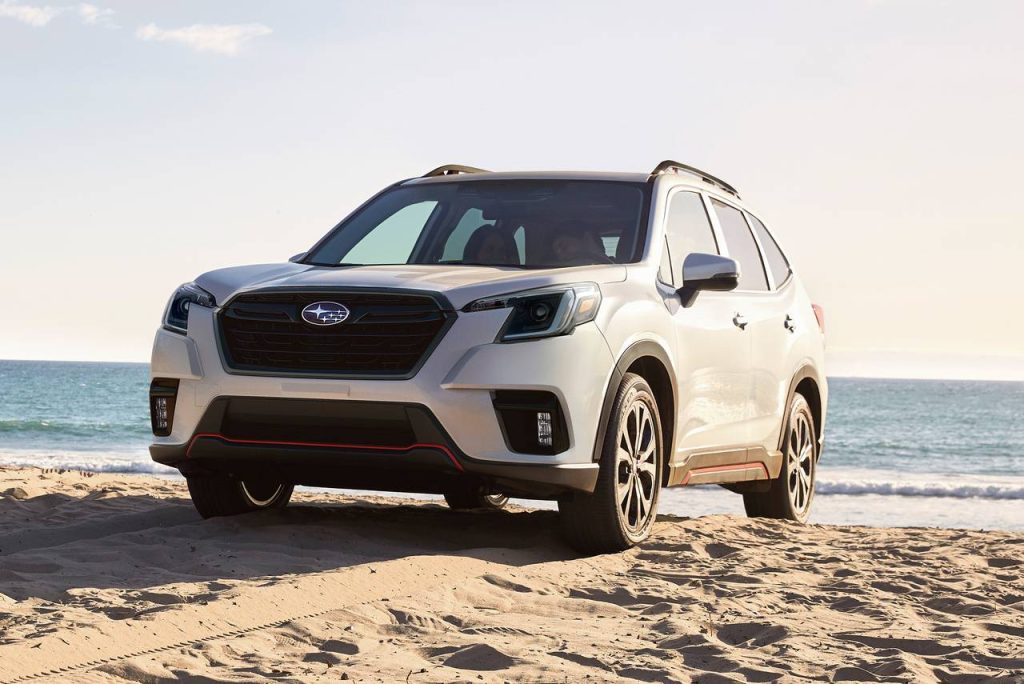
Subaru has also introduced several updates for 2022. Exterior changes include redesigned headlights, a refreshed grille, and new wheel styles. A Wilderness trim now joins the lineup, bringing increased ground clearance, more rugged styling elements, and extra off-road capability. Inside, buyers will find new optional gesture controls for climate functions and a panoramic sunroof standard on all but the base trim.
Subaru’s EyeSight driver-assistance suite has been enhanced with improved camera sensors, which broaden the system’s field of view and expand its operating range, while also introducing an Automatic Emergency Steering system. Across the lineup, models now feature torque vectoring, SI-Drive driving mode settings, an electronic parking brake with auto-hold, and a start-stop system for the four-cylinder engine.
Pricing for the 2022 Subaru Forester spans from $27,070 for the base trim up to $37,170 for the range-topping Touring model. While the Limited and Touring versions provide luxury touches, the Premium trim offers what many consider the best value.
It adds 17-inch wheels, a rear spoiler, and body-colored mirrors to enhance exterior appeal, while the interior gains features such as a panoramic sunroof, a 10-way power driver’s seat, reclining rear seats, a Wi-Fi hotspot, and a six-speaker audio system.
Under the hood, every Forester is powered by the same 2.5-liter flat-four engine that produces 182 horsepower and allows for towing up to 1,500 pounds. Power is delivered through a CVT to Subaru’s signature all-wheel-drive system.
In testing, the Forester Wilderness hit 60 mph in 8.0 seconds—serviceable, but not exactly quick. Shoppers who prioritize stronger performance may prefer turbocharged options in rivals such as the Mazda CX-5 or Kia Sportage. That said, while the Forester isn’t sporty, it does handle with confidence, offering compliant ride quality, precise steering, and dependable braking for emergency situations.
Chevrolet Suburban
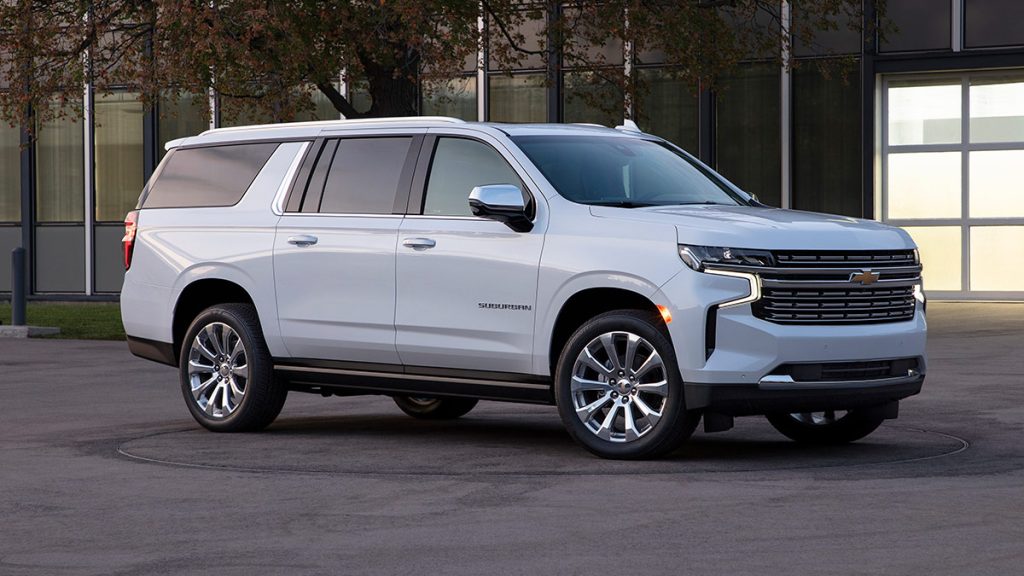
Not every long-lasting vehicle comes from Toyota or Honda. The Chevrolet Suburban is an American icon that has been transporting families, gear, and trailers for decades. Many Suburbans easily surpass the 250,000-mile mark, thanks to their truck-based construction and powerful V8 engines.
Safety is another strength: the large frame provides stability in collisions, and modern models come loaded with advanced safety technologies. The Suburban’s size can be a challenge for city driving, but for long trips and family hauling, it combines durability with reliable protection.
For American drivers who want more than just longevity, the cars and SUVs listed above prove that safety can endure right alongside mileage. These vehicles have earned their reputations not only for staying on the road past 250,000 miles but also for protecting their occupants in the process.
Whether it’s a family-friendly SUV like the Highlander or CR-V, a dependable sedan like the Accord or Camry, or a rugged workhorse like the 4Runner or Suburban, each option demonstrates that safety and endurance can go hand in hand.
When considering a high-mileage vehicle, proper maintenance and responsible driving are always essential. But with the right choice, you can enjoy both peace of mind and performance long after the odometer passes a quarter of a million miles.
