
When people buy a car, one of the biggest things they think about is fuel economy. Nobody wants to spend so much money on fuel when a car should be saving them some cash. Fuel efficiency is one of the first promises car companies make when they release new models, and buyers take those numbers seriously.
But as cars age, not every engine keeps its fuel economy the same. Some engines are built with strong technology that allows them to keep almost the same miles per gallon for many years, while others slowly begin to drink more fuel as time passes.
For drivers, fuel efficiency is not just about saving money at the filling station. It also means less stress when traveling long distances and fewer stops for refueling. Many people have experienced how older cars sometimes start using more fuel even when the driving habits have not changed.
This makes buyers ask an important question: which engines are more reliable in keeping their fuel efficiency, and which ones start to drop as they get older?
The truth is that different engines behave differently depending on how they were designed, the technology they use, and how durable the materials are.
Some engines keep their strength even when they pass 100,000 miles, while others start showing weakness after a few years. It is important for buyers and car lovers to know this difference, because fuel cost is one of the biggest expenses for any driver.
We will discuss at length five engines that are known for keeping their fuel efficiency steady, and also five that usually show a drop in miles per gallon after long use. Each engine will be explained in detail, showing what makes it reliable or what makes it start to lose its performance.
This way, anyone who is planning to buy a car or keep one for a long time can understand which engines are better for fuel economy as they age.
5 Engines That Don’t Lose MPG With Age
1. Toyota 2.5L 4-Cylinder
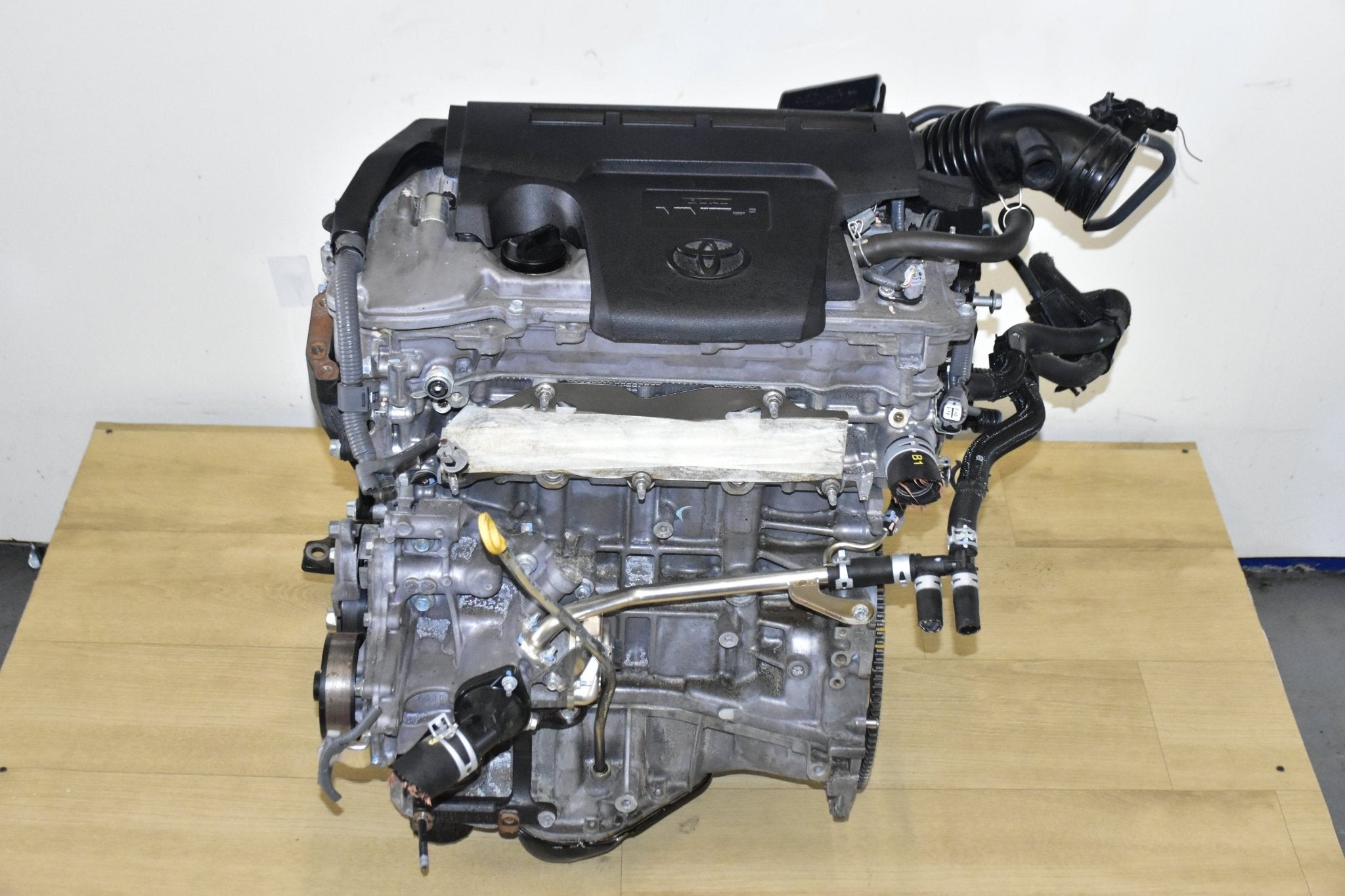
The Toyota 2.5L 4-cylinder engine has built a name for itself as one of the most dependable engines for fuel economy.
Found in cars like the Toyota Camry and RAV4, this engine is designed with balance in mind. It offers a good level of power for everyday driving while also keeping consumption of fuel consumption low. What makes it stand out is how it stays consistent even after many years of driving.
The technology inside the engine plays a huge part. Toyota uses advanced fuel injection and variable valve timing systems that adjust to the needs of the car. These systems help the engine burn fuel in the most efficient way possible, reducing waste.
As a result, even when the car grows older, the engine does not start to use much more fuel than when it was new. Many drivers have reported that their cars with this engine keep almost the same miles per gallon even after passing 150,000 miles.
Another reason this engine stays reliable is Toyota’s focus on durability. The company is known for making engines with parts that can withstand heavy use without breaking down easily.
The 2.5L 4-cylinder has strong pistons, a well-built cylinder head, and a cooling system that prevents overheating. These features allow the engine to perform well even in hot climates, rough roads, or heavy traffic.
Maintenance also plays an important role. This engine does not demand expensive care, and with regular oil changes and proper servicing, it can last for many years. Mechanics often say that this engine is easy to work on and does not have the type of hidden problems that drain money.
When combined with its strong reputation for fuel economy, it becomes clear why the Toyota 2.5L 4-cylinder is a good choice for people who want an engine that does not lose efficiency as it ages.
2. Honda 1.5L Turbocharged Engine
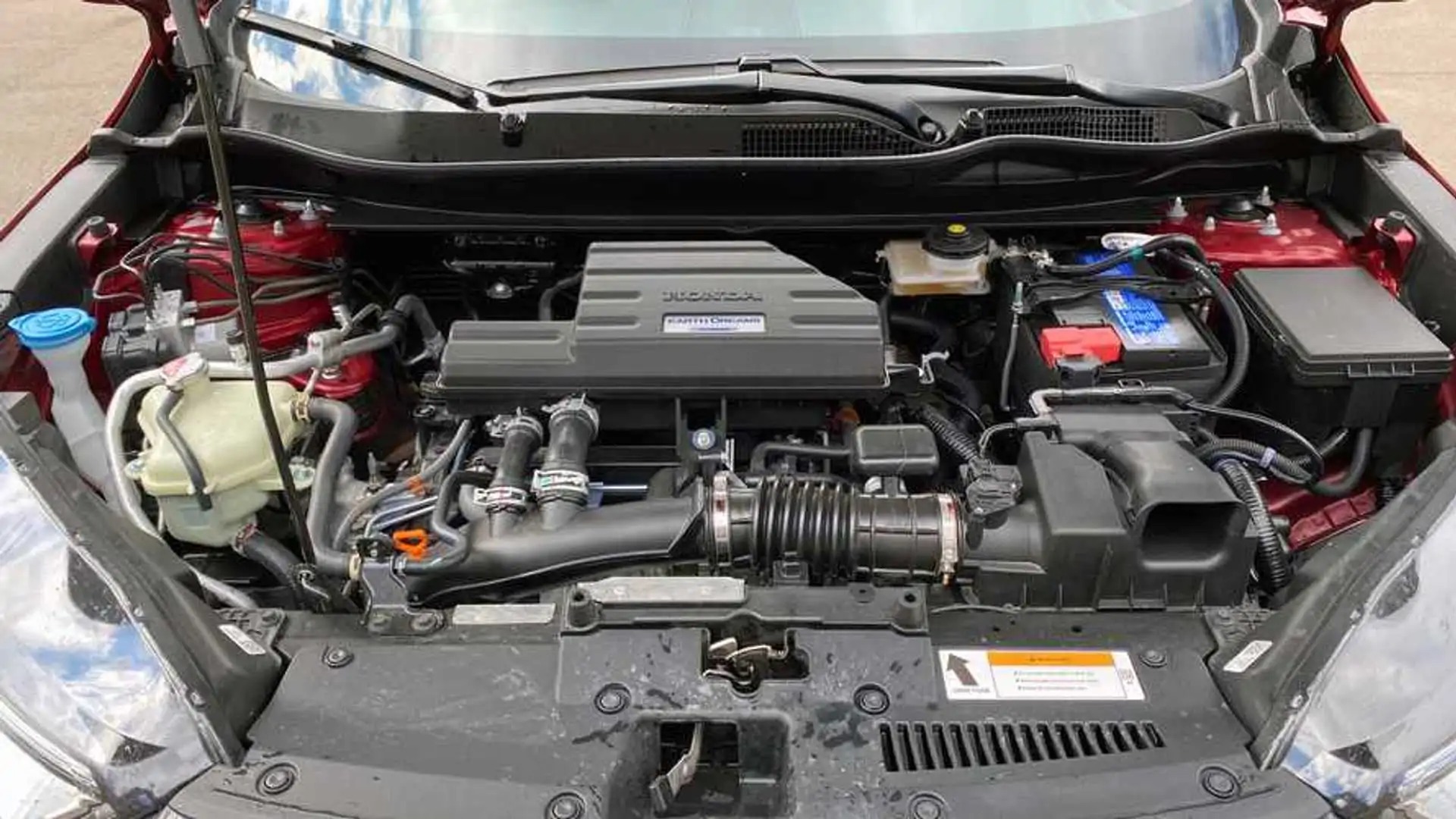
Honda’s 1.5L turbocharged engine has been used in several models like the Civic and CR-V, and it is known for its excellent balance of performance and fuel economy.
Unlike older turbo engines that used to waste fuel when pushed hard, Honda’s engineering allows this engine to remain efficient whether it is driving in the city or on the highway.
One thing that makes it stand out is the turbo system itself. Honda designed it to work in harmony with direct fuel injection, meaning fuel is sprayed directly into the combustion chamber with precision.
This leads to cleaner combustion and better use of every drop of petrol. Even when the car gets older, the efficiency of this system helps the engine keep good fuel economy.
Another reason for its strong performance is how Honda manages engine heat. The cooling system is carefully built to stop the engine from running too hot, which is a common reason why fuel efficiency drops with age. By controlling the temperature, Honda keeps the parts from wearing out quickly, which also protects fuel economy.
Drivers who own cars with this engine often report that even after 100,000 miles, the difference in fuel economy is very small. This shows that the design is not just strong for short-term use but also reliable over many years.
Of course, proper servicing is important, especially because turbo engines need clean oil to avoid damage. But when treated well, the Honda 1.5L turbo is one of those engines that keeps its promise on fuel economy for a long time.
Also Read: 10 Engines That Stay Smooth Even After 400K Miles
3. Mazda SkyActiv-G 2.0L Engine
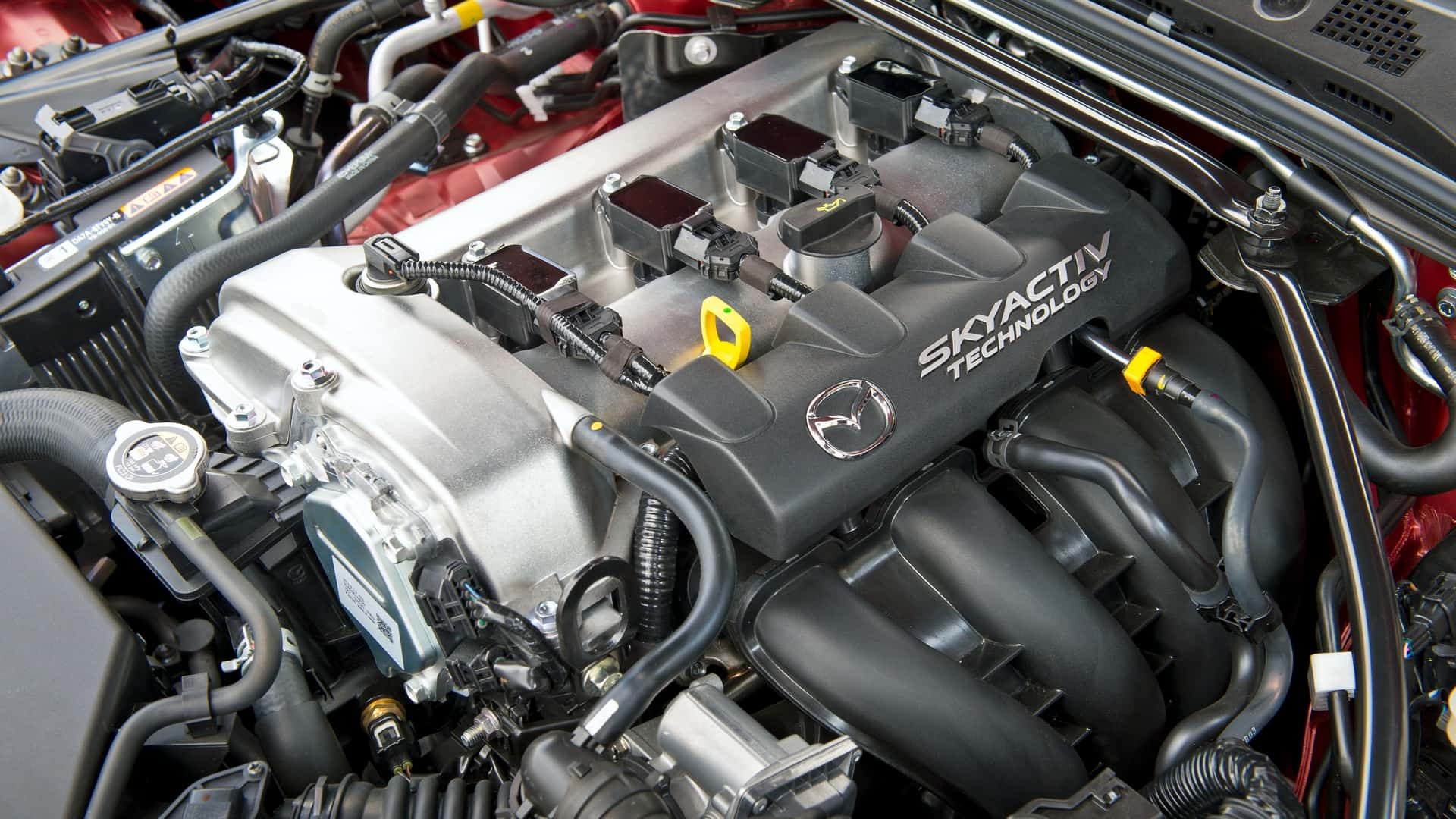
Mazda’s SkyActiv technology is all about making engines more efficient without reducing performance. The SkyActiv-G 2.0L engine is one of the best examples of this idea. Found in cars like the Mazda3, it has been praised for how it saves fuel while still giving drivers enough power for daily use.
One unique thing about this engine is its very high compression ratio. Most petrol engines use lower compression to avoid knocking, but Mazda developed special technology to make higher compression work safely. This allows the engine to get more energy out of the fuel, which improves fuel economy.
Even as the car grows older, the engine continues to perform at a high level. Part of the reason is that Mazda uses strong materials and advanced coatings on engine parts to reduce wear. The fuel injection system also stays accurate with age, which helps maintain consistent performance.
Drivers often find that their Mazda cars keep good fuel economy even after many years of daily driving. Mechanics also appreciate that the engine does not usually have major problems that affect fuel use.
While it requires regular servicing like oil changes and spark plug replacements, it does not surprise owners with hidden issues that cause fuel efficiency to drop.
The SkyActiv-G 2.0L engine shows how innovation in design can make an engine last longer without losing fuel efficiency. For people who want a balance between good performance and long-term savings at the fuel pump, this engine is a strong option.
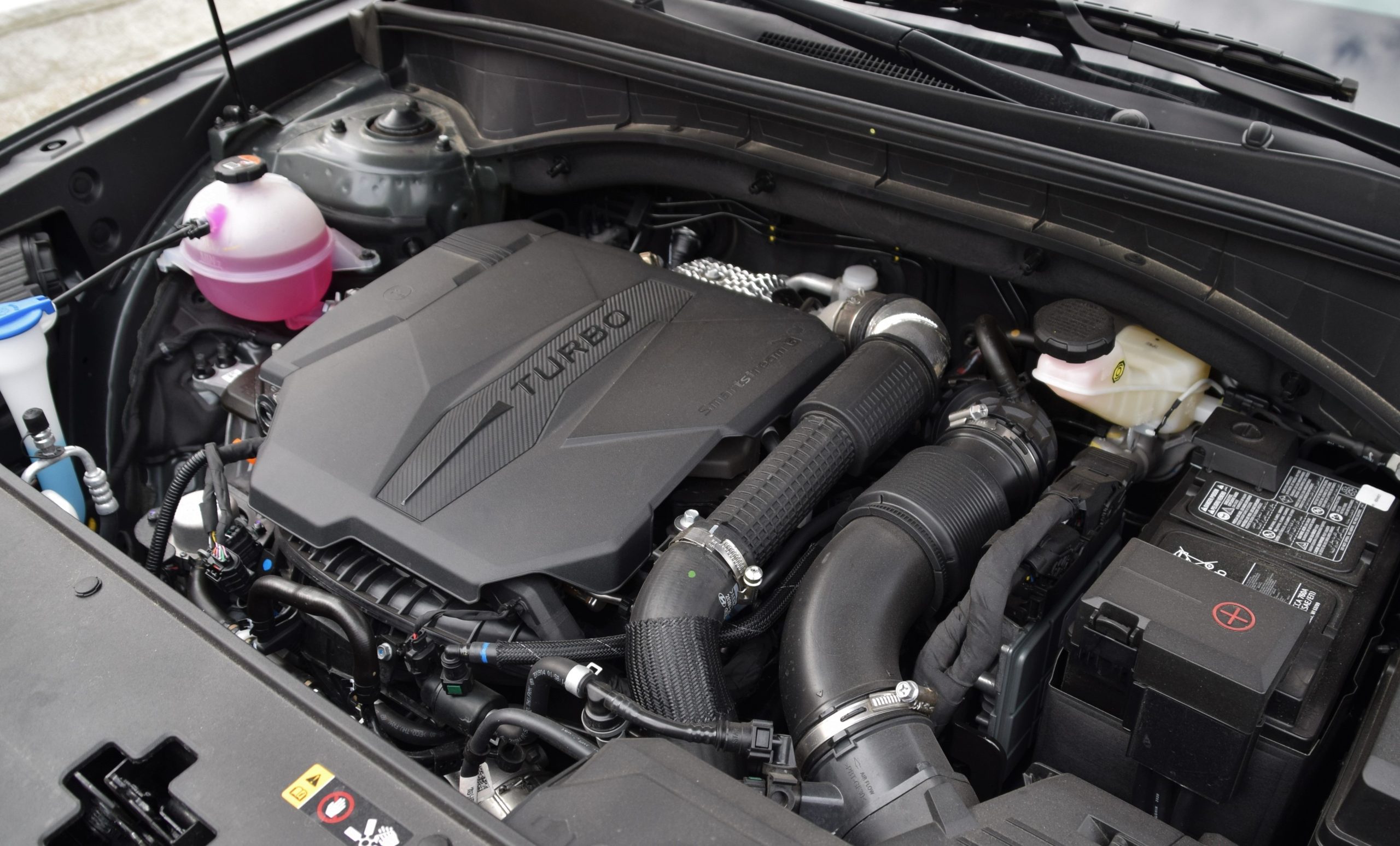
4. Hyundai Smartstream 2.5L Engine
Hyundai has made big progress in engine design, and the Smartstream 2.5L is one of its strongest achievements. Found in models like the Hyundai Sonata and Kia K5, this engine was created to reduce fuel use while still offering smooth performance.
The Smartstream 2.5L uses an advanced fuel injection system that combines both direct injection and port injection. The car’s computer decides which one to use depending on the driving conditions. This helps to keep combustion clean and efficient, which means fuel economy stays strong for a long time.
Another feature is its variable valve timing technology, which adjusts how the engine breathes. By changing the timing of air intake and exhaust, the engine makes sure fuel is burned in the most efficient way. This keeps fuel economy steady even after many years of driving.
Owners of cars with this engine often report that fuel consumption does not change much even after heavy use. Hyundai has also improved the durability of engine parts, making them stronger against wear and tear. This means the Smartstream 2.5L can keep fuel economy strong while also lasting longer.
Mechanics say that this engine is also easier to service than some older Hyundai engines, which makes it cheaper to maintain. When a car is easy to maintain, it helps the engine stay strong and efficient for many years. This is why the Hyundai Smartstream 2.5L is seen as one of the engines that does not lose its fuel efficiency quickly.
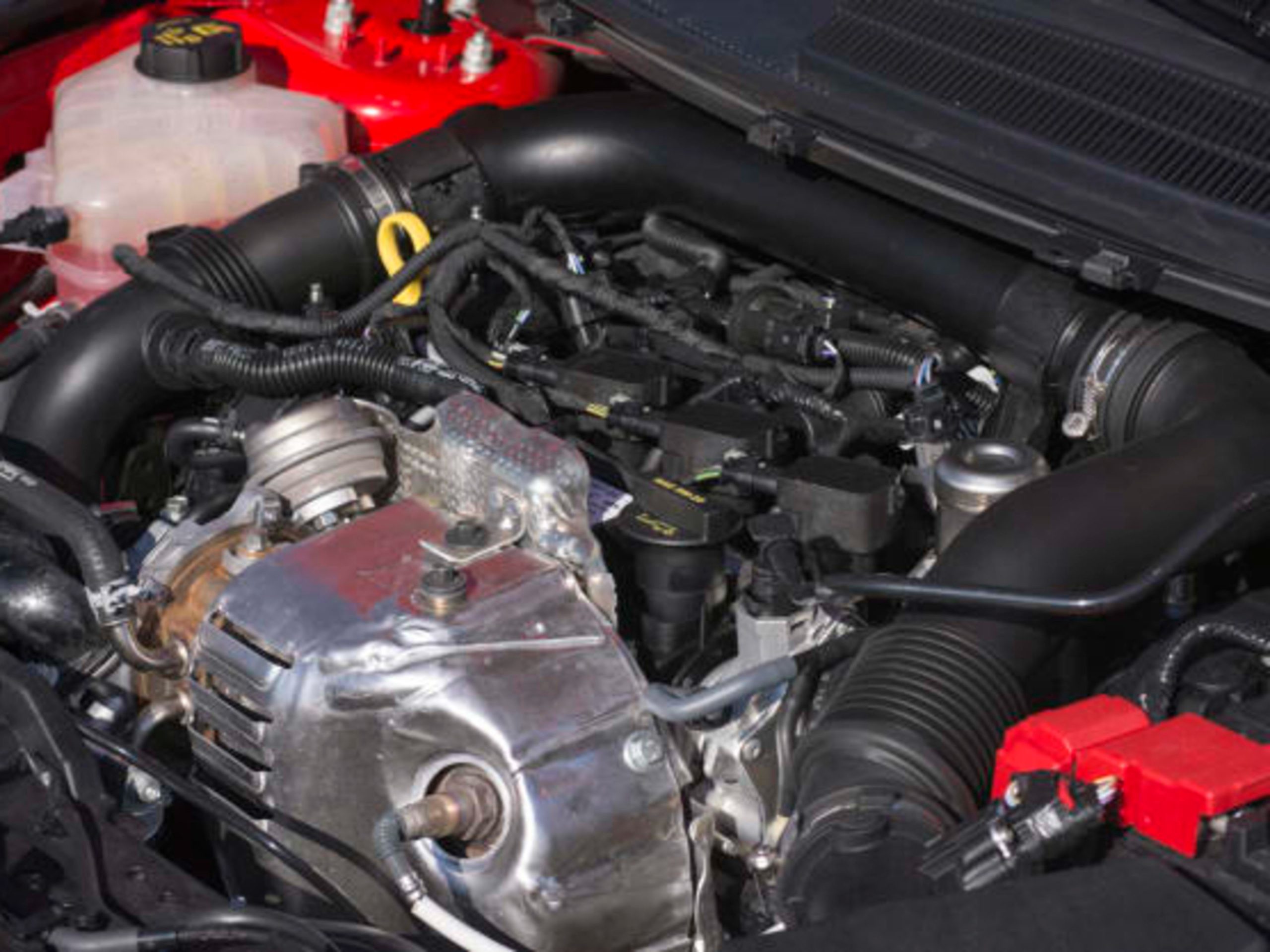
5. Ford EcoBoost 1.0L 3-Cylinder
Ford’s EcoBoost engines were designed to provide small size with big performance, and the 1.0L 3-cylinder is a good example of how this idea works. Found in cars like the Ford Fiesta and Focus, it has shown that even a small engine can deliver both power and efficiency.
The reason this engine remains efficient is because of its turbocharging system and direct injection. These allow it to give strong power when needed but still sip fuel during normal driving. Many small engines lose their efficiency when they are pushed hard, but this EcoBoost design manages to balance performance and fuel economy.
Ford also built this engine with low-friction parts, meaning the moving parts inside create less resistance. This reduces energy loss and keeps fuel economy steady. Drivers who own cars with this engine often say they are surprised at how the fuel economy remains strong even after many years of use.
Of course, as with any turbo engine, regular servicing is important. Clean oil, proper cooling, and good fuel quality help the engine stay in good condition. But when treated properly, the Ford EcoBoost 1.0L is one of those engines that does not lose miles per gallon easily.
5 engines that lose MPG with age
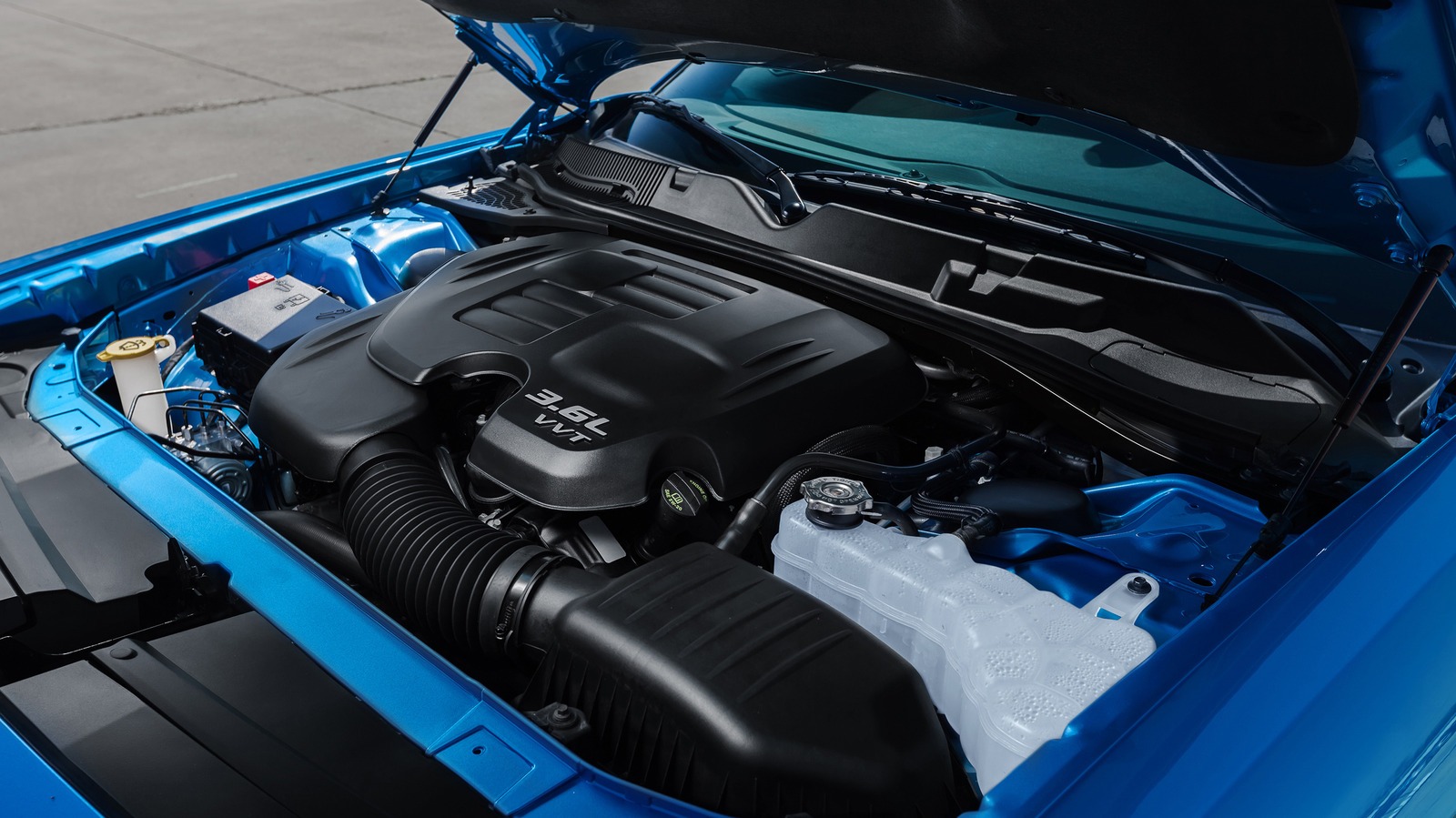
1. Chrysler 3.6L Pentastar V6
The Chrysler 3.6L Pentastar V6 is one of the most common engines found in cars like the Dodge Charger, Jeep Grand Cherokee, and Chrysler 300. When it first came out, it was praised for offering smooth power with decent fuel economy.
Many buyers were happy that they could get both performance and efficiency from a V6 engine. But as time passes, owners have noticed that the engine’s fuel economy does not remain as strong as when the car was new.
One reason is the weight of the vehicles it is usually paired with. This V6 often powers heavy sedans and SUVs, which already demand more fuel.
As the engine ages and parts like the fuel injectors and valves begin to wear, the car tends to consume more petrol to move the same weight. This gradual increase is something many owners have reported, especially after 80,000 miles.
Another factor is that the Pentastar V6 relies heavily on electronics for performance adjustments. Systems like variable valve timing and electronic throttle control work well when the car is new, but as the sensors and software age, small inefficiencies can begin to build up.
Even if the engine is still running strong, the fuel economy tends to drop because the systems no longer function with the same accuracy.
Maintenance also affects the long-term efficiency of this engine. Because it is a V6, it has more moving parts compared to smaller 4-cylinder engines.
If a car owner misses regular servicing, the impact shows faster in fuel economy. Issues like carbon build-up in the intake or aging spark plugs can cause the engine to burn fuel less efficiently, which increases consumption.
While the Pentastar V6 is reliable in terms of durability and power, it is not the best for keeping fuel efficiency steady as the years go by. Drivers who want to save on fuel often find that their cars require more frequent refueling as the mileage increases, making this engine one that loses miles per gallon with age.
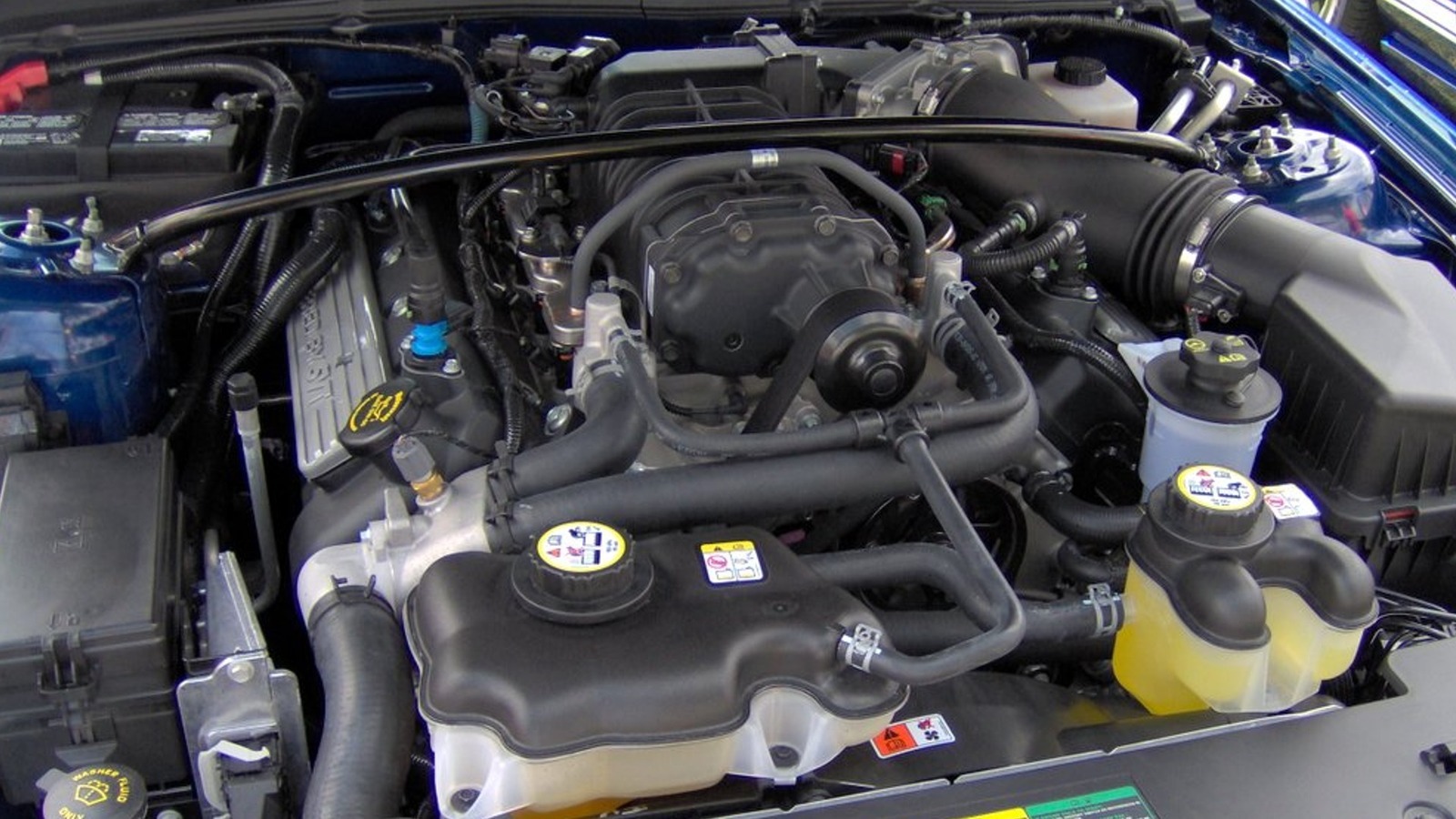
2. Ford Triton 5.4L V8
The Ford Triton 5.4L V8 was once very popular in trucks and SUVs like the Ford F-150 and Expedition. It became known for its strong pulling power and ability to handle heavy loads.
At the beginning, owners enjoyed its mix of strength and acceptable fuel economy for a V8. But as these engines aged, many drivers noticed that fuel efficiency dropped more quickly than expected.
One of the reasons is its design. The Triton V8 is a large engine that already consumes more fuel compared to smaller engines. As the vehicle gets older, parts like the injectors, timing chain, and valve seats begin to wear, which leads to less efficient combustion. When combustion is not clean, fuel economy naturally decreases.
Another issue is weight. The Triton V8 was mostly installed in big trucks and SUVs, vehicles that already require a lot of energy to move. With age, as friction inside the engine increases and mechanical wear reduces efficiency, the fuel economy drops faster than it does in lighter vehicles with smaller engines.
Owners of this engine also talk about problems with spark plugs, coil packs, and timing components as the vehicle grows older. Each of these issues affects how smoothly the engine burns fuel, and the result is higher consumption. Even after repairs, the engine rarely returns to its original fuel economy figures.
For drivers who use their trucks for towing or heavy-duty work, this drop in efficiency becomes more obvious. The more stress put on the engine, the quicker its fuel economy reduces with time.
While the Triton V8 is durable and capable of high mileage, it is not well known for keeping fuel efficiency steady as it gets older. Many truck owners eventually accept that their vehicles will consume more fuel as the years go by.
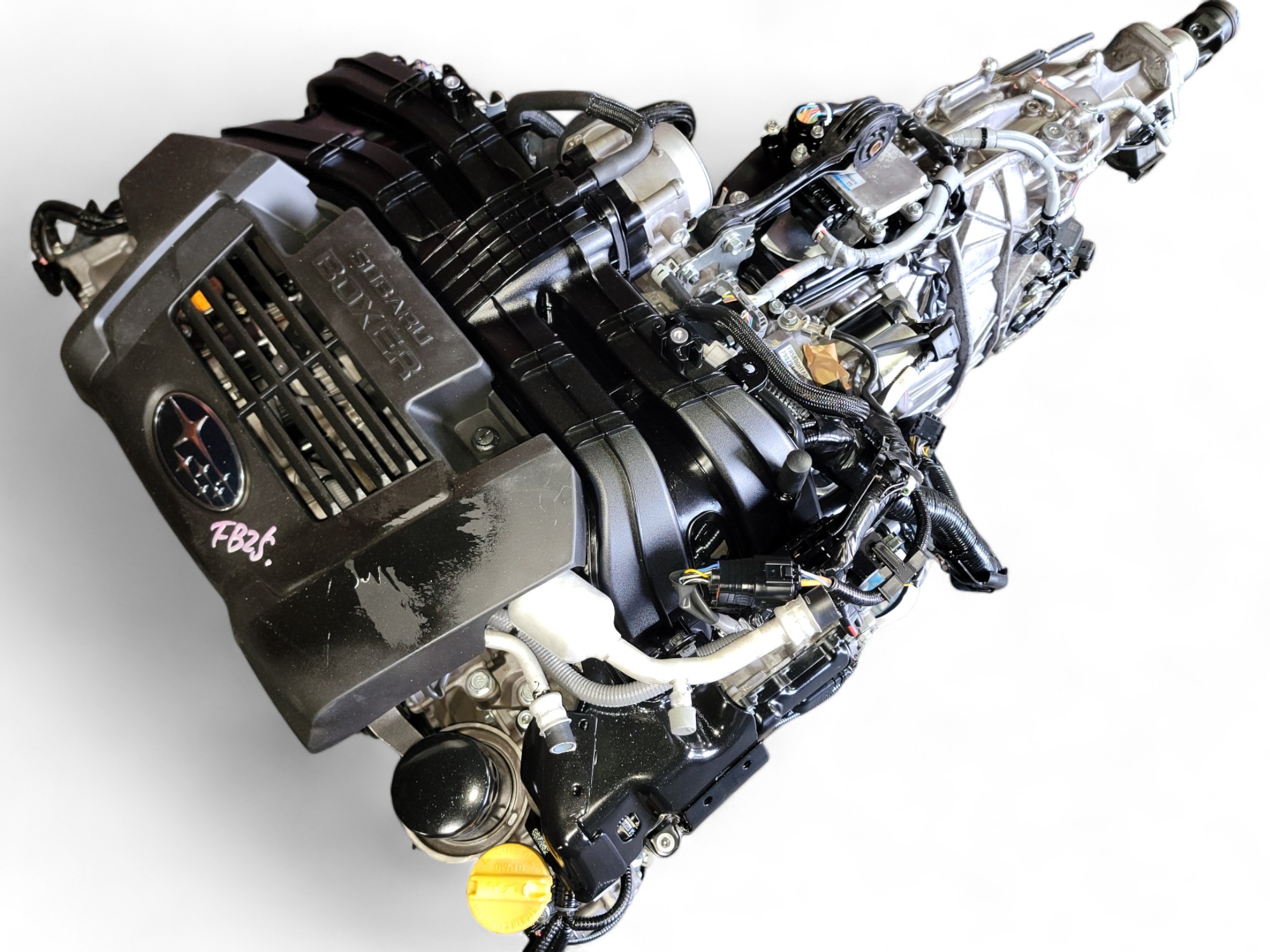
3. Subaru 2.5L Boxer Engine
Subaru’s 2.5L boxer engine is well known because it powers many of the brand’s most popular cars, including the Outback, Forester, and Legacy.
It is designed with a flat layout that helps give the cars good handling and stability. When new, it offers fair fuel economy for its size. However, many Subaru owners notice that as their cars get older, fuel efficiency begins to fall off.
One of the main reasons for this issue is carbon build-up. Boxer engines have a design where the cylinders are laid flat, which makes it easier for carbon deposits to form on valves and intake systems. After a while, this build-up reduces the efficiency of combustion, forcing the engine to use more fuel for the same level of power.
Another problem comes from oil consumption. Many Subaru 2.5L engines develop oil-burning issues as they age. When an engine burns oil, it can affect the spark plugs, fuel injectors, and exhaust system.
This leads to less efficient burning of fuel and a drop in miles per gallon. Owners often notice that their cars begin to require more frequent trips to the fuel station after passing 100,000 miles.
Also, because these engines are paired with all-wheel-drive systems in almost all Subaru models, they are already under more strain compared to front-wheel-drive cars. As the engine ages and loses some efficiency, the constant demand of powering all four wheels makes the drop in fuel economy more visible.
Maintenance helps slow down the decline, but even with proper servicing, many Subaru drivers still notice that their cars consume more fuel with age. While the boxer engine is reliable in giving balanced handling and long life, its fuel economy is not one of its strongest points as time goes on.
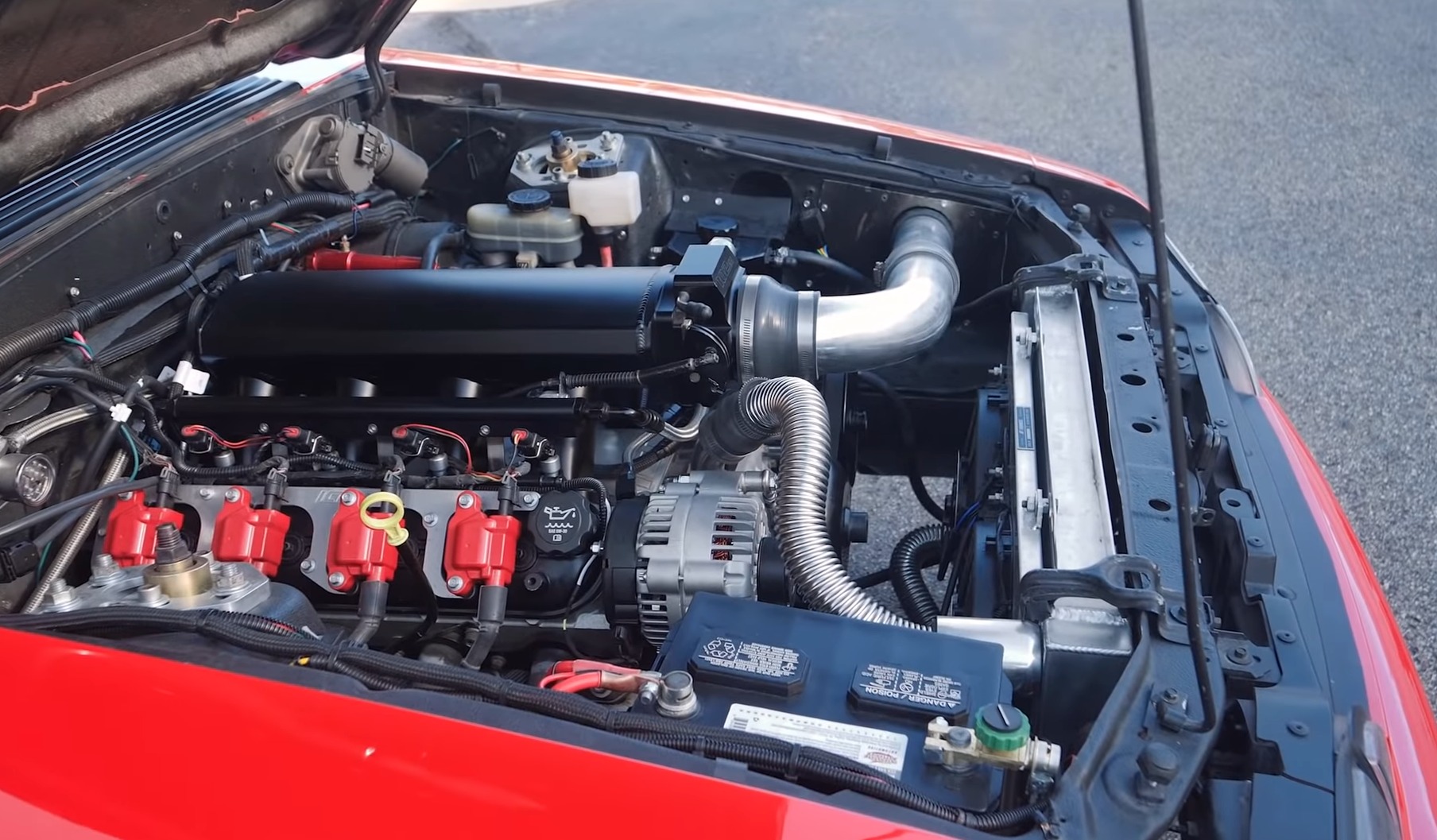
4. Chevrolet 5.3L V8
Chevrolet’s 5.3L V8 has been used in many trucks and SUVs like the Silverado and Tahoe. It is respected for providing strong performance and durability, and it has been a favorite among truck owners for years.
When new, the engine delivers decent fuel economy for its size, thanks to features like cylinder deactivation. But as the years pass, this engine tends to lose its ability to maintain good miles per gallon.
The main reason is that the cylinder deactivation system, known as Active Fuel Management (AFM), does not always age well. The system is supposed to shut down some cylinders when the vehicle is cruising, saving fuel. However, as the engine ages, the system can develop problems, leading to less efficient operation and reduced fuel economy.
Another issue is wear and tear in heavy-duty use. Trucks and SUVs are often used for towing, carrying loads, or driving in rough conditions. These uses place more strain on the 5.3L V8, and as parts wear down, the engine has to work harder, which increases fuel consumption.
Carbon deposits also affect this engine as it gets older. Build-up inside the intake and combustion chambers reduces efficiency and causes the engine to burn more fuel. Many mechanics recommend regular cleaning or specific maintenance to reduce the problem, but even with care, the fuel economy tends to go down as the miles add up.
Owners often report that their trucks consume more fuel than when they were new, especially after crossing 100,000 miles. While the 5.3L V8 is known for lasting long and being dependable in performance, it does not maintain the same fuel economy as it ages. Drivers who buy this engine often expect to sacrifice efficiency in exchange for strength and reliability.
Also Read: 10 Legendary Engines Still Running Strong Decades Later
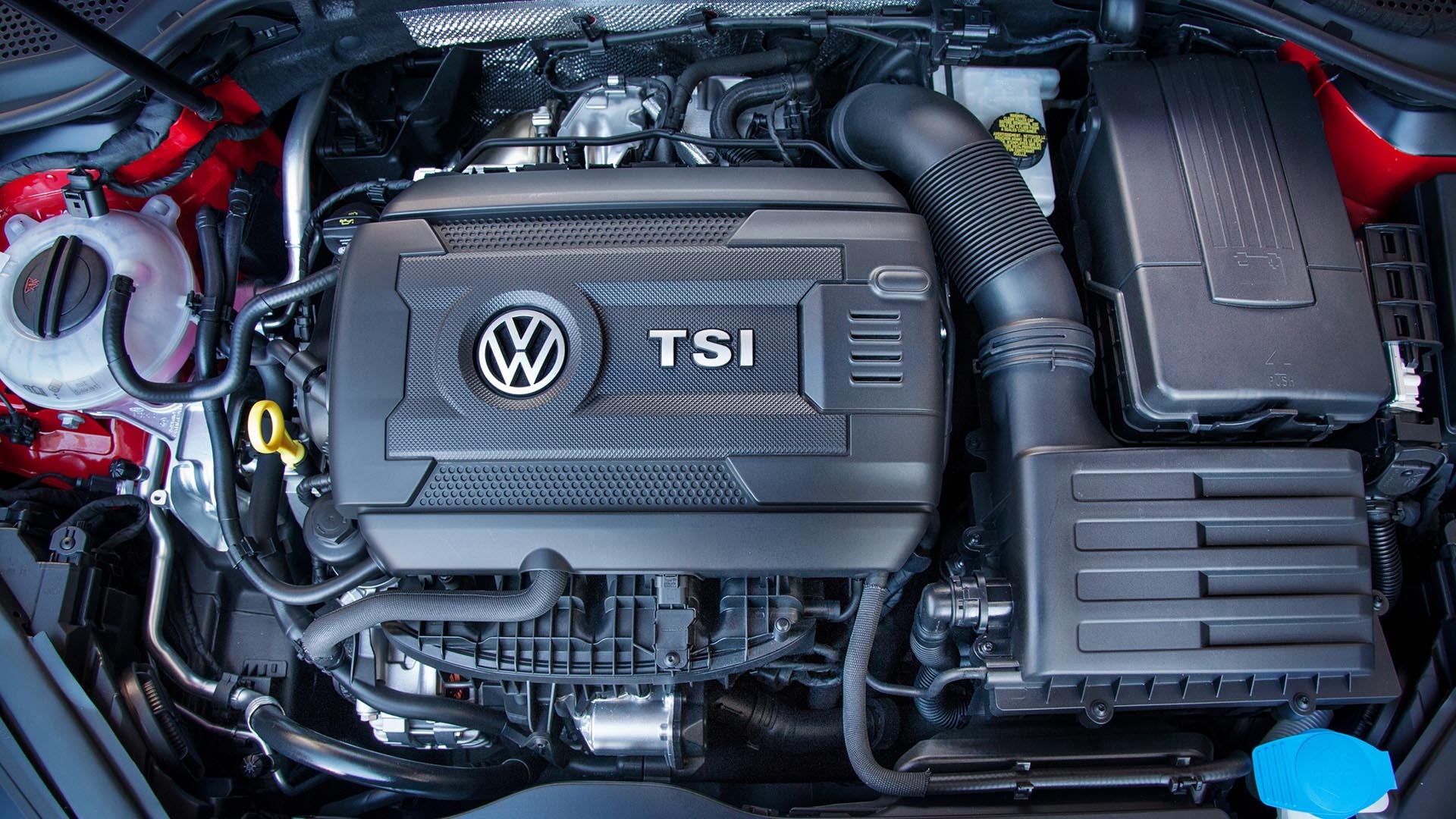
5. Volkswagen 2.0L TSI Turbo Engine
Volkswagen’s 2.0L TSI turbocharged engine is widely used in models like the Passat, Golf GTI, and Tiguan. It is praised for offering strong power with relatively good fuel economy when new.
The combination of turbocharging and direct injection makes it efficient in the beginning. However, as many owners have experienced, the engine tends to lose its fuel efficiency as the years pass.
One of the biggest problems is carbon build-up. Direct injection engines like the 2.0L TSI are prone to deposits forming on intake valves.
When this happens, airflow is restricted, and combustion becomes less efficient. The engine then requires more fuel to deliver the same performance, reducing miles per gallon.
Turbocharger wear is another factor. Turbos operate under very high heat and pressure, and after a while, they begin to lose some efficiency. When the turbo is not working at its best, the engine does not burn fuel as cleanly, leading to lower fuel economy.
Volkswagen engines are also known for being sensitive to maintenance. If oil changes, spark plug replacements, or fuel system services are delayed, the impact shows in reduced efficiency. Even with good care, many drivers notice that their fuel economy numbers drop as the car gets older.
Owners of the 2.0L TSI often say that after 80,000 to 100,000 miles, the difference in fuel economy becomes clear. While the engine still delivers strong performance, it no longer saves fuel the way it did when it was new. For buyers who value long-term fuel savings, this makes it less reliable compared to some other engines.
