
When someone buys a car, the first thought is usually about performance, fuel economy, or maybe the style of the exterior. Yet after months and years of ownership, one detail becomes more important than many people expect: the condition of the interior.
Car seats, dashboard design, switches, buttons, steering wheels, carpets, and headliners can either give comfort for long years or start to disappoint too early. Interior quality often determines how much people enjoy using their car every single day.
A car might have a strong engine and still lose value fast if the cabin feels cheap or wears out quickly. Nobody likes getting into a car after three years only to find cracked leather, faded plastics, or buttons that no longer work.
Some brands put more effort into creating cabinets that can survive heat, dust, constant use, and even careless handling. These are the models that remain attractive and functional even after hundreds of thousands of kilometers.
A few vehicles look stylish when new, but fail to maintain that comfort inside. Within a few years, owners complain about broken seat stitching, peeling dashboard materials, or rattling noises that make every trip uncomfortable. Cars like that often lose resale value quickly because no one wants a car that feels old when it is still fairly young.
We will focus on ten different vehicles. Five of them are well respected for their ability to maintain interior quality for many years.
The other five have developed a reputation for interiors that wear out much faster than expected. By looking closely at both groups, car buyers can learn which options will give them a better experience in the long run.
5 Cars That Rarely Lose Interior Quality
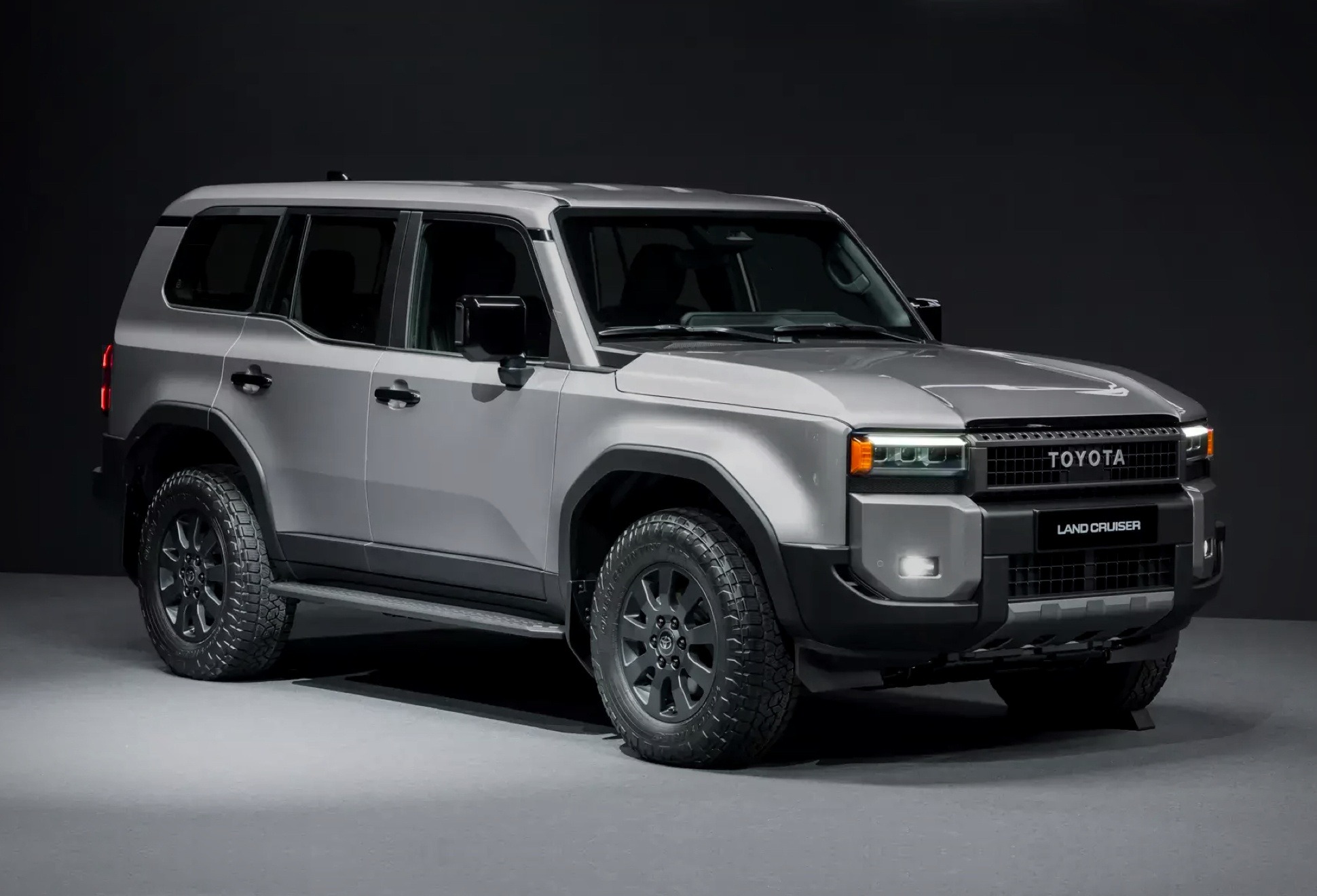
1. Toyota Land Cruiser
The Toyota Land Cruiser has carried a strong reputation for durability for many decades, and that strength does not stop at the engine or suspension. Step into the cabin of this large SUV, and you will notice that Toyota selected materials that were designed to last in very tough conditions.
The seats are often covered in leather that does not fade easily under the sun, and the plastics used on the dashboard resist scratches that might affect lesser vehicles. Owners of the Land Cruiser in hot countries, cold regions, or dusty environments often report that even after ten years, their interiors still look close to new.
Buttons, knobs, and air conditioning vents work smoothly without breaking down. The cabin is also designed with comfort in mind, so long-distance journeys do not feel tiring. Another detail that makes the Land Cruiser stand out is the strength of its carpets and headliners.
Where some cars start showing sagging roof linings or carpets that wear down fast, this SUV keeps its cabin structure solid. Even families with children and pets often find the Land Cruiser can handle rough daily use without much complaint.
Because of this long-lasting quality, the resale value for the Land Cruiser is very high. Buyers know they are not just getting a strong engine but also an interior that will not fall apart after a few years. This combination of durability and comfort makes it a strong example of a car that rarely loses interior quality.
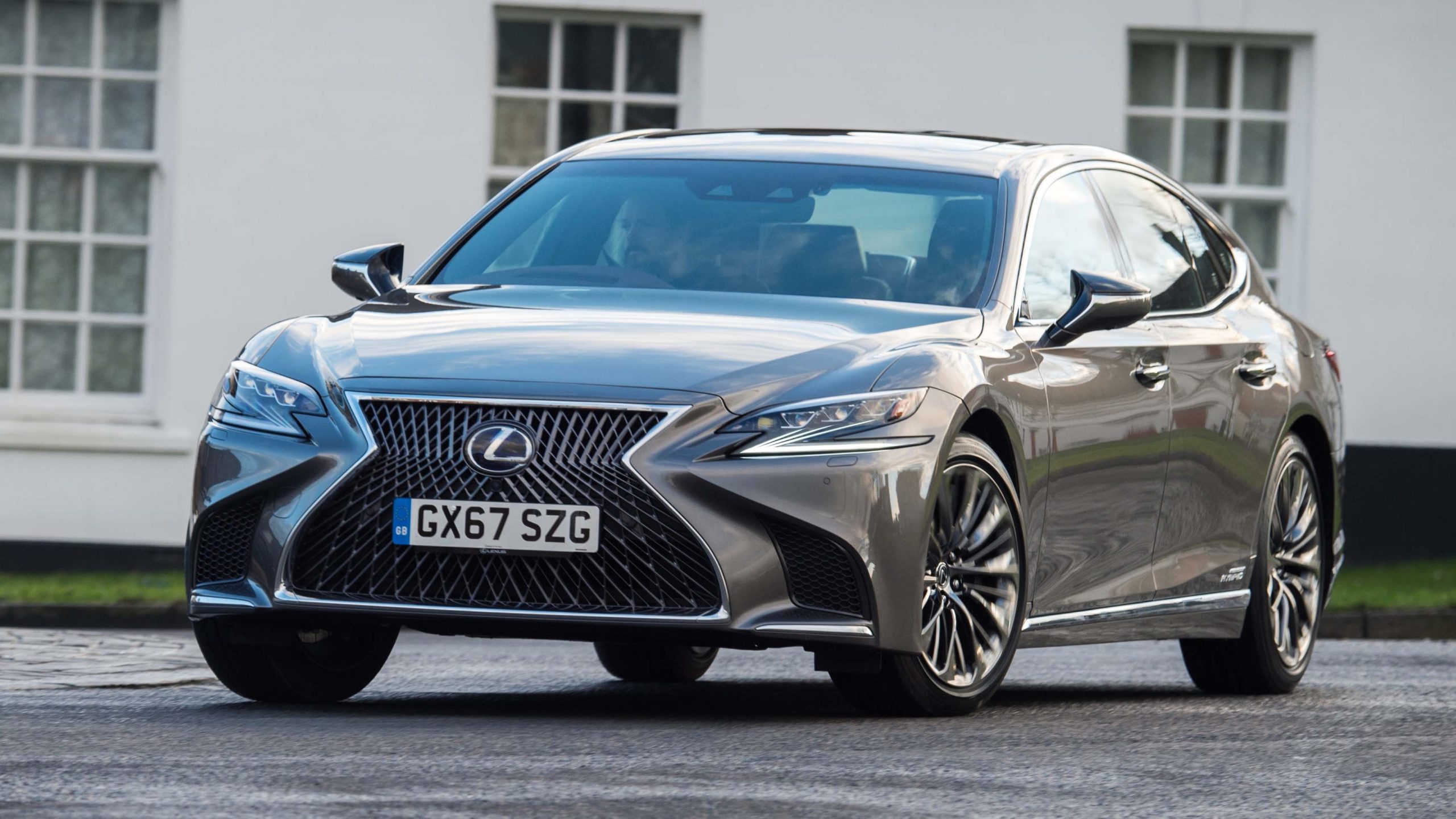
2. Lexus LS
Luxury sedans often depend on soft-touch materials and premium designs to attract buyers, but many fail to keep that beauty over long years of use. The Lexus LS stands as an exception. From the first model to the recent versions, Lexus engineers have invested heavily in creating an interior that looks and feels new even after a decade.
The leather used in the LS is carefully treated to avoid cracking, while the wood trims resist fading. Every stitch in the seats shows careful craftsmanship, which helps them stay in shape even when the car has been driven for high mileage.
Unlike some German luxury sedans that suffer from peeling buttons or fragile electronics, the Lexus LS maintains its features with fewer complaints. Drivers who buy the LS enjoy quiet cabins with excellent sound insulation.
Even after years of road trips, rattling noises are very rare. Air conditioning controls, seat adjustments, and infotainment systems continue to operate reliably. That sense of consistency is what makes Lexus special in the luxury class.
Many owners who keep their LS for a long period often say that it feels almost the same as when they first bought it. This is one of the reasons the Lexus LS continues to attract people who want both comfort and long-term reliability. When a car delivers this level of interior durability, it becomes a trusted choice for families and executives alike.
Also Read: 10 Affordable Cars That Refuse to Quit in College Parking Lots
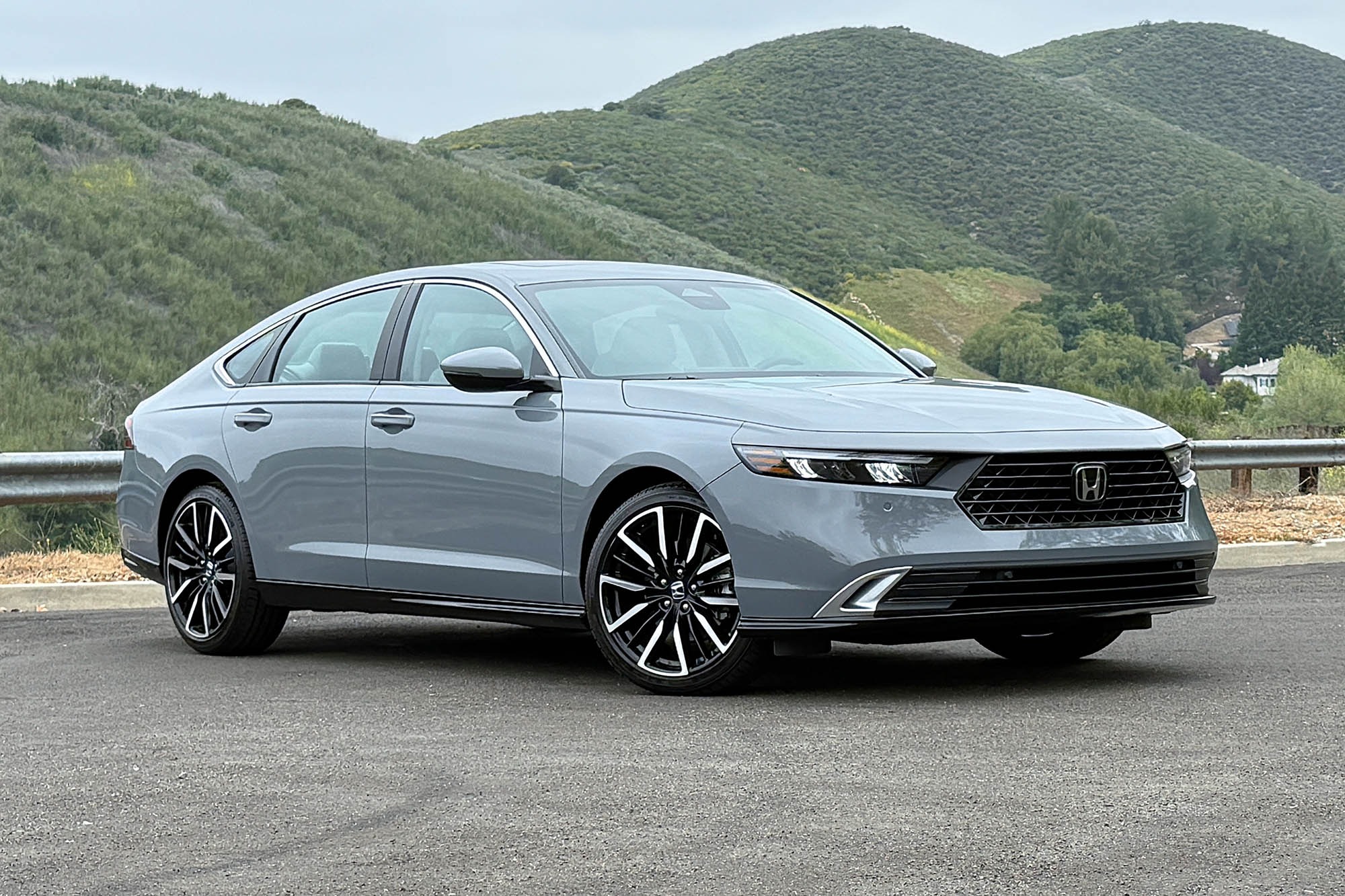
3. Honda Accord
The Honda Accord has built its reputation on being practical and reliable, but the cabin also plays a major role in why so many people stay loyal to it. This mid-size sedan manages to balance affordability with interior quality that does not disappoint with time.
Drivers often discover that they can use an Accord daily for many years without the cabin looking cheap or worn out, which makes it stand out in its category. Cloth seats in the base versions are tightly woven, while leather in higher trims stays firm even after years of sitting. Buttons and switches are positioned for easy use and rarely fail.
The dashboard design might not be the flashiest compared to some rivals, but it remains neat and free from problems like peeling or cracking. Even the steering wheel, which often shows wear quickly in many other cars, stays in good condition in most Accords.
Another strength of the Accord is how it handles daily family use. Children climbing in and out, groceries being carried, and constant use of the back seats do not destroy its cabin quickly. The fabrics and plastics stand up well to stress.
The car also does a good job of resisting squeaks and rattles, which are common complaints in many other mid-size cars after some years. This makes long road trips and city driving more comfortable, since drivers do not have to deal with distracting noises.
Even used Accords that are ten years old often look respectable inside. That makes them attractive for second-hand buyers, who know they will not have to spend money fixing or replacing interior parts.
Taxi drivers, ride-hailing operators, and families continue to choose the Accord because they trust its lasting quality. This strong interior durability, combined with excellent fuel efficiency and mechanical reliability, explains why the Accord continues to sell strongly year after year.
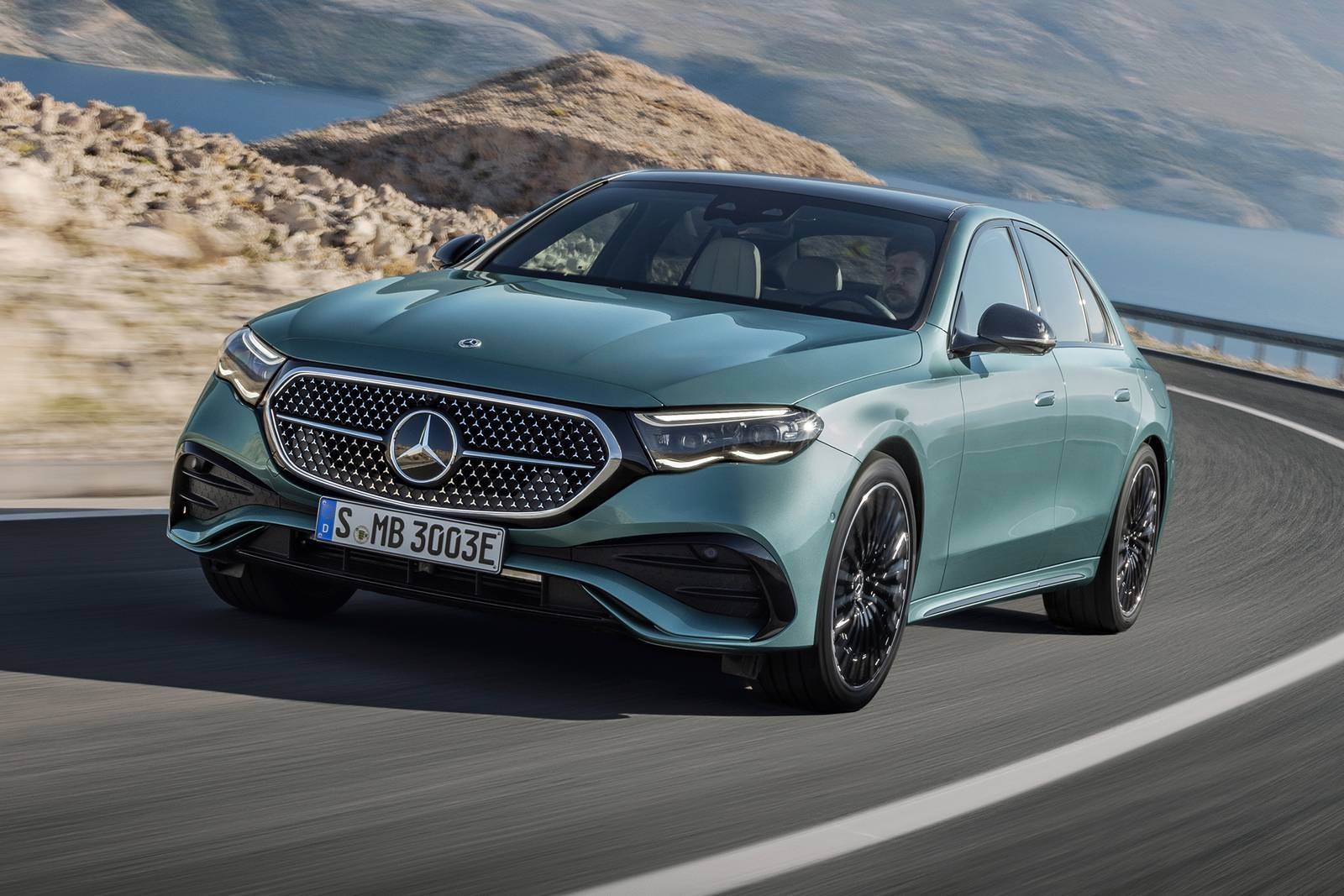
4. Mercedes-Benz E-Class
German luxury cars are not always known for long-lasting interiors, but the Mercedes-Benz E-Class has managed to create a stronger record than many of its competitors. Buyers of this sedan often discover that the cabin is not just stylish but also built with durable materials that age gracefully.
Leather seats in the E-Class tend to hold their form without cracking. The plastics and trims inside are of higher quality than those found in cheaper German sedans. Even after being used for several years, the cabin often feels premium. The steering wheel, which is one of the first places to show wear in many cars, usually stays in good condition with only minor aging signs.
Another area where the E-Class performs well is electronics. While some rivals suffer from broken infotainment controls or faded screens, this sedan keeps its systems functioning. Climate control units, seat adjustments, and lighting functions remain dependable, which improves the ownership experience.
People who invest in an E-Class often keep them for long periods, and one reason is that they do not feel embarrassed by an aging interior. Instead, they continue to enjoy a classy environment that makes every trip comfortable. This balance of style and durability helps the E-Class stand apart in the luxury segment.
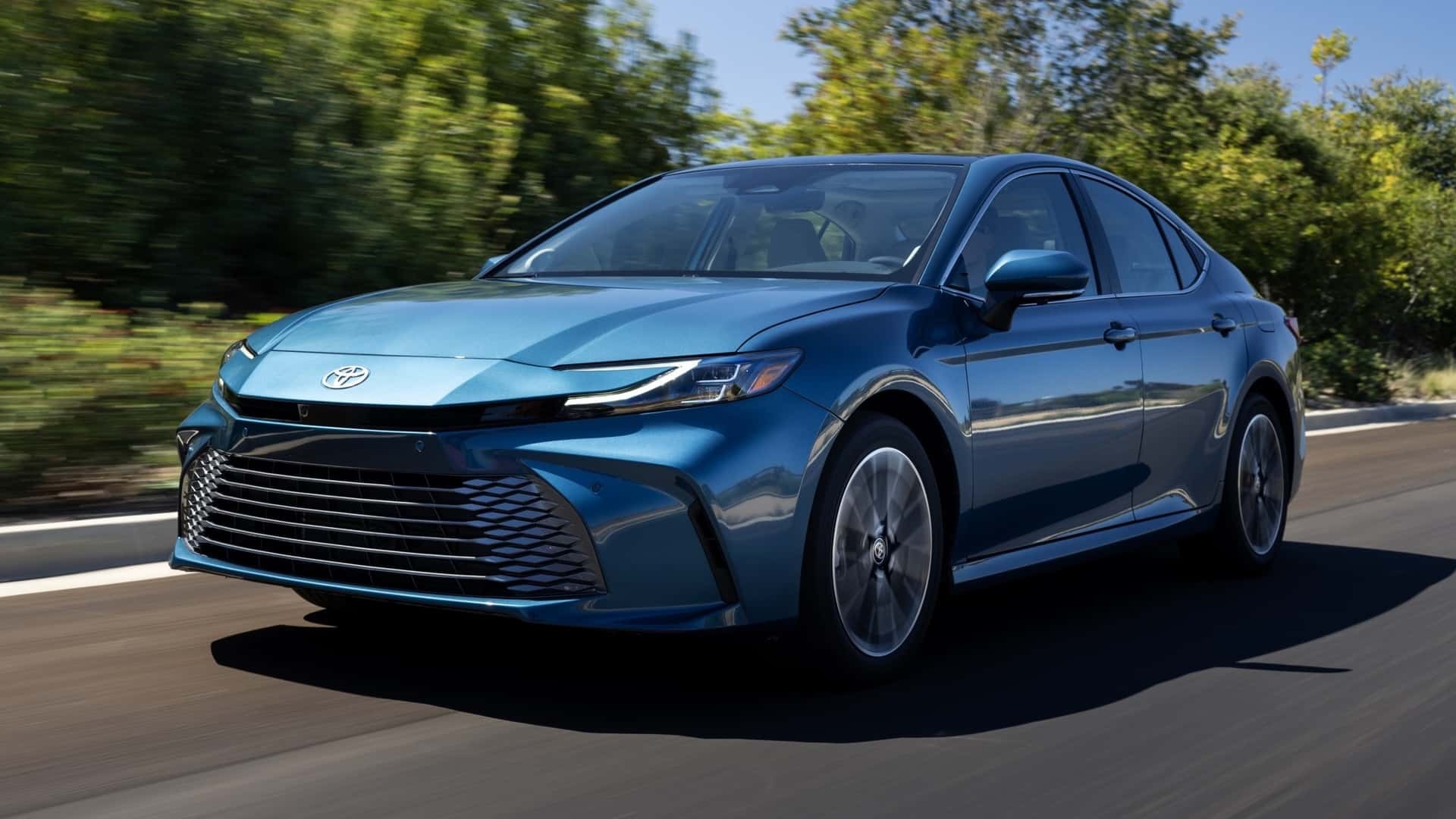
5. Toyota Camry
The Toyota Camry is one of the most trusted family sedans in many countries, and its interior quality plays a big role in that loyalty. Buyers know they are not only getting a dependable engine but also a cabin that can handle years of heavy use without looking worn out.
Even base trims of the Camry come with fabrics that resist staining and tearing. Higher trims use leather that lasts much longer than that of many other sedans in its price range. The dashboard design avoids cheap-looking plastics, and buttons and knobs continue to work with ease even after years of constant use.
The Camry also handles hot climates very well. Many cars suffer from fading dashboards under direct sunlight, but the Camry’s interior remains steady without cracking or discoloration. Families appreciate this strength because it means less money spent on repairs or replacements.
Used Camrys often sell quickly because buyers know they will still get a comfortable and clean interior. That reputation for durability explains why taxi companies, ride-hailing drivers, and long-distance travelers keep choosing the Camry.
It may not be as luxurious as premium sedans, but it manages to stay strong and attractive for a very long period, which makes it one of the best examples of a car that rarely loses interior quality.
5 Cars That Fall Apart Early
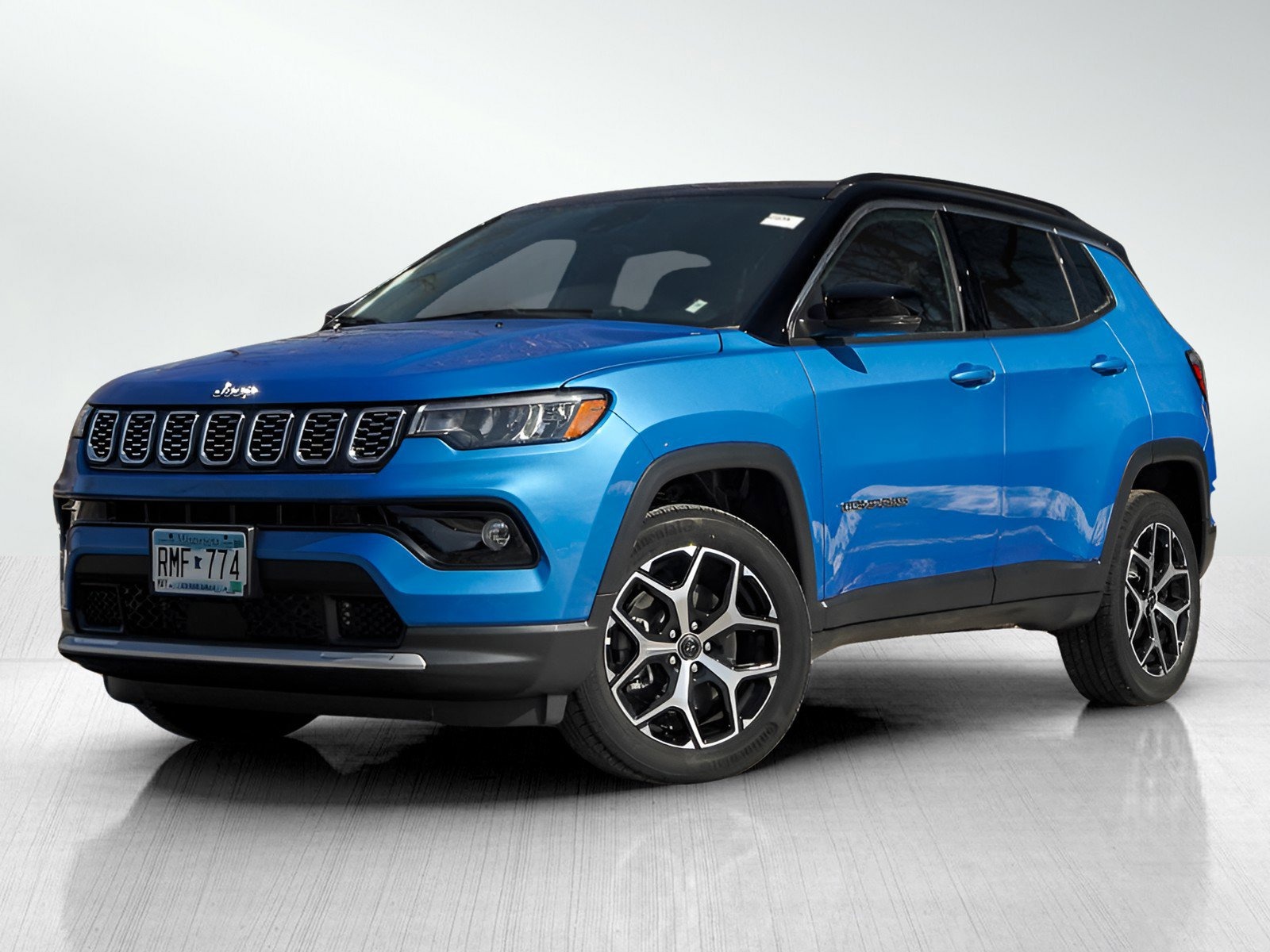
1. Jeep Compass
While the Jeep Compass attracts many buyers with its rugged design and affordable price, the cabin often disappoints after only a few years.
Owners frequently complain that the interior materials feel cheap and do not last long. The plastics on the dashboard can scratch easily, and the buttons sometimes wear out quickly, giving the car a used-up feeling faster than expected.
Seats in the Compass, especially cloth versions, lose their shape earlier than they should. Leather trims in higher models are also prone to cracking, which reduces comfort during longer drives. Drivers sometimes mention that the steering wheel peels after a few years, something that hurts the general experience of owning the car.
Rattling noises are another challenge with the Compass. Even when the engine is still performing well, interior noises make the car feel older than its real age. This affects resale value because second-hand buyers usually prefer cars that sound and look solid inside.
The Compass shows how important it is for carmakers to balance exterior style with interior quality. While it has a bold appearance from the outside, its weak cabin durability remains a constant complaint. Buyers who expect long-term comfort often end up disappointed with how quickly the Compass interior wears out.
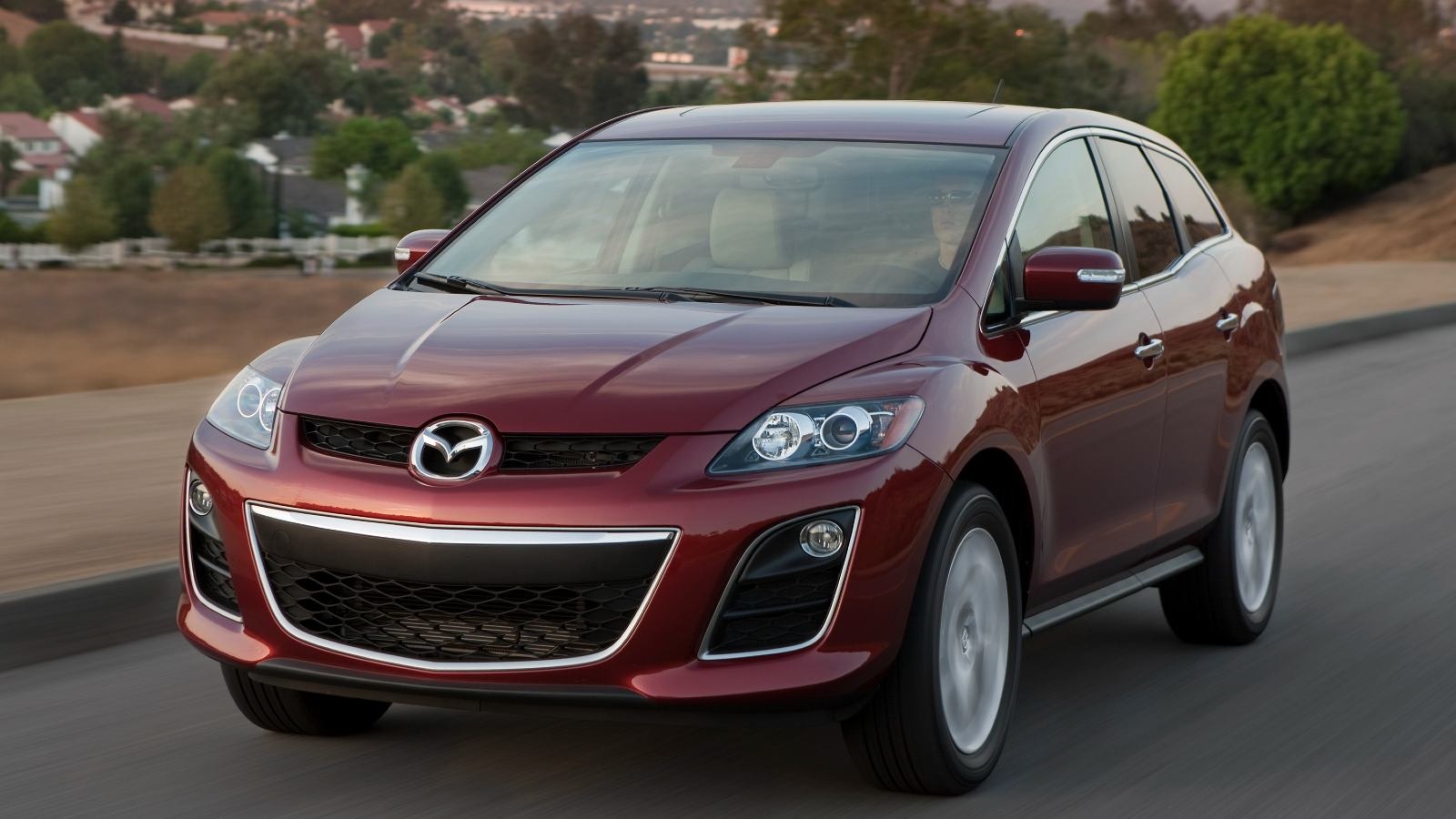
2. Mazda CX-7
The Mazda CX-7 once attracted a good number of buyers because of its sporty look and performance-focused design, but its interior quality often became a weak point that reduced long-term satisfaction.
People who owned this model noticed that the cabin materials did not hold up as well as they expected. The plastics used on the dashboard and door panels looked good when the car was new, but after a few years, they often faded, scratched, or even started to loosen.
Seats in the CX-7 also had durability issues. Cloth seats in the base trims wore out quickly, with fabric that lost its shape and stitching that sometimes came apart.
Leather seats in higher trims looked nice at first but showed wrinkles and cracks much earlier than rivals in the same price category. This made the interior feel tired even when the vehicle’s mechanical parts were still strong.
Another frequent complaint was the presence of squeaks and rattles inside the cabin. As the CX-7 aged, many owners reported that driving over rough roads caused noises to appear around the dashboard and doors. These sounds took away from the premium feel Mazda wanted to create and made the driving experience less enjoyable.
Electronics were also an area where the CX-7 struggled. Owners often experienced issues with buttons, controls, and infotainment screens. This meant extra repair costs and frustration for people who expected the vehicle to offer long-term reliability.
While the CX-7 had strong performance with its turbocharged engine, the poor interior durability made many buyers lose interest after only a few years of ownership. For those who place a high value on long-lasting comfort, this model often left them feeling disappointed.
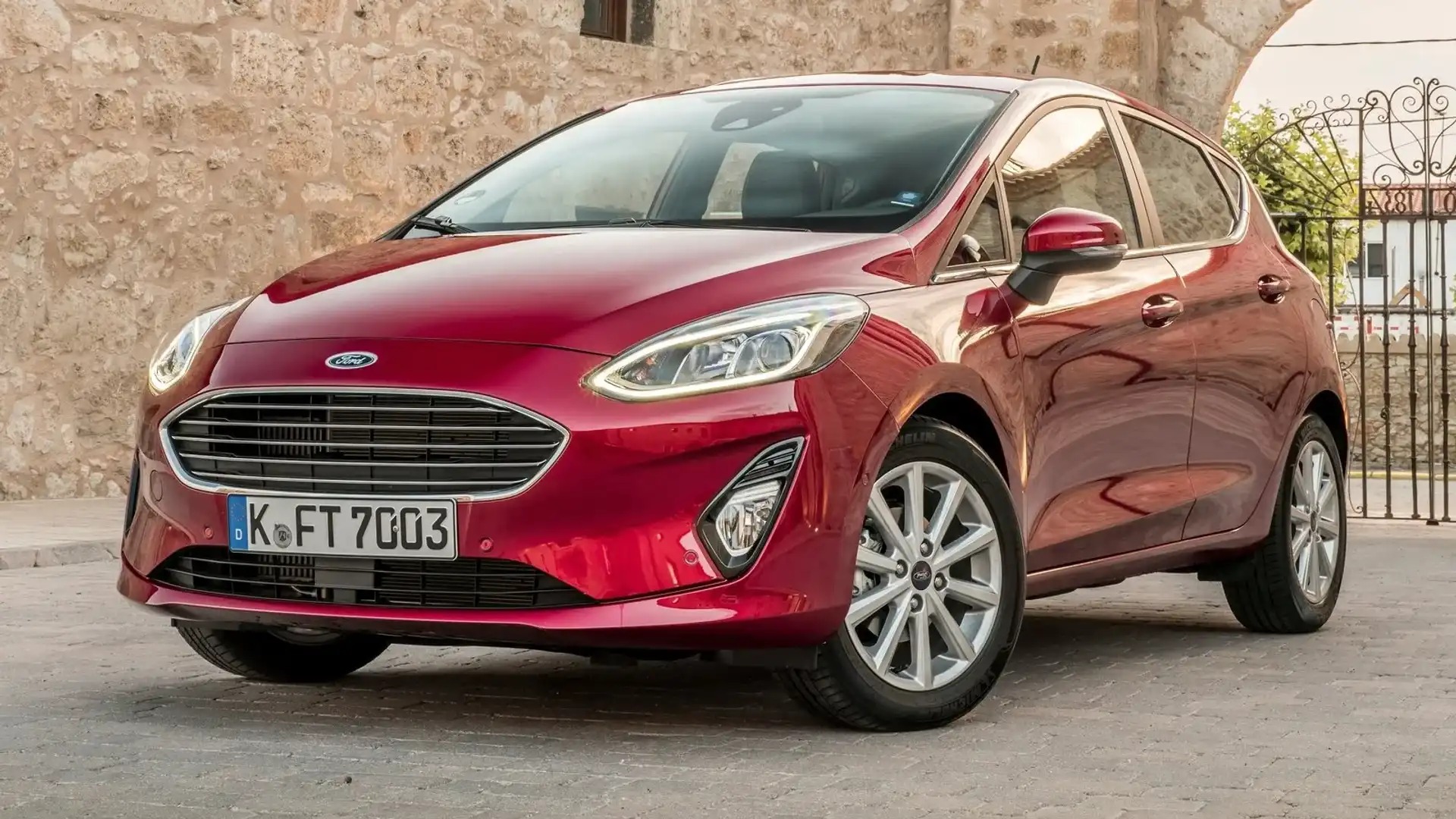
3. Ford Fiesta
The Ford Fiesta became popular around the world as a compact car that was affordable and fun to drive. While it offered strong handling and fuel efficiency, its interior design turned out to be one of its weakest points. Many drivers quickly discovered that the cabin materials were not built for long-term use.
One of the most common issues was with the plastics on the dashboard and doors. They were hard, rough, and easily scratched. After only a few years, the glossy finish often became dull, making the car feel older than it really was. Buttons on the center console also wore down quickly, with labels fading and controls becoming sticky or difficult to press.
Seats in the Fiesta also failed to maintain their quality. Cloth versions often became loose and saggy, while the foam underneath lost firmness after regular use.
Owners who selected models with leather upholstery also complained of cracks and peeling that appeared much earlier than expected. This problem was especially visible on the driver’s seat, which handles the most use.
Another area where the Fiesta disappointed was noise insulation. As the vehicle aged, rattles developed across the cabin. Driving on uneven roads made these noises worse, which gave the impression of poor build quality. For drivers who spend a lot of time on highways, the constant sounds create an uncomfortable experience.
The Fiesta also faced challenges with electronics inside the cabin. Touchscreen systems and Bluetooth connectivity sometimes failed, which added more frustration for owners.
Because of these weaknesses, the interior aged very quickly and reduced resale value. Buyers looking for a small car that could keep a fresh and dependable cabin often avoided the Fiesta after learning about these long-term issues.
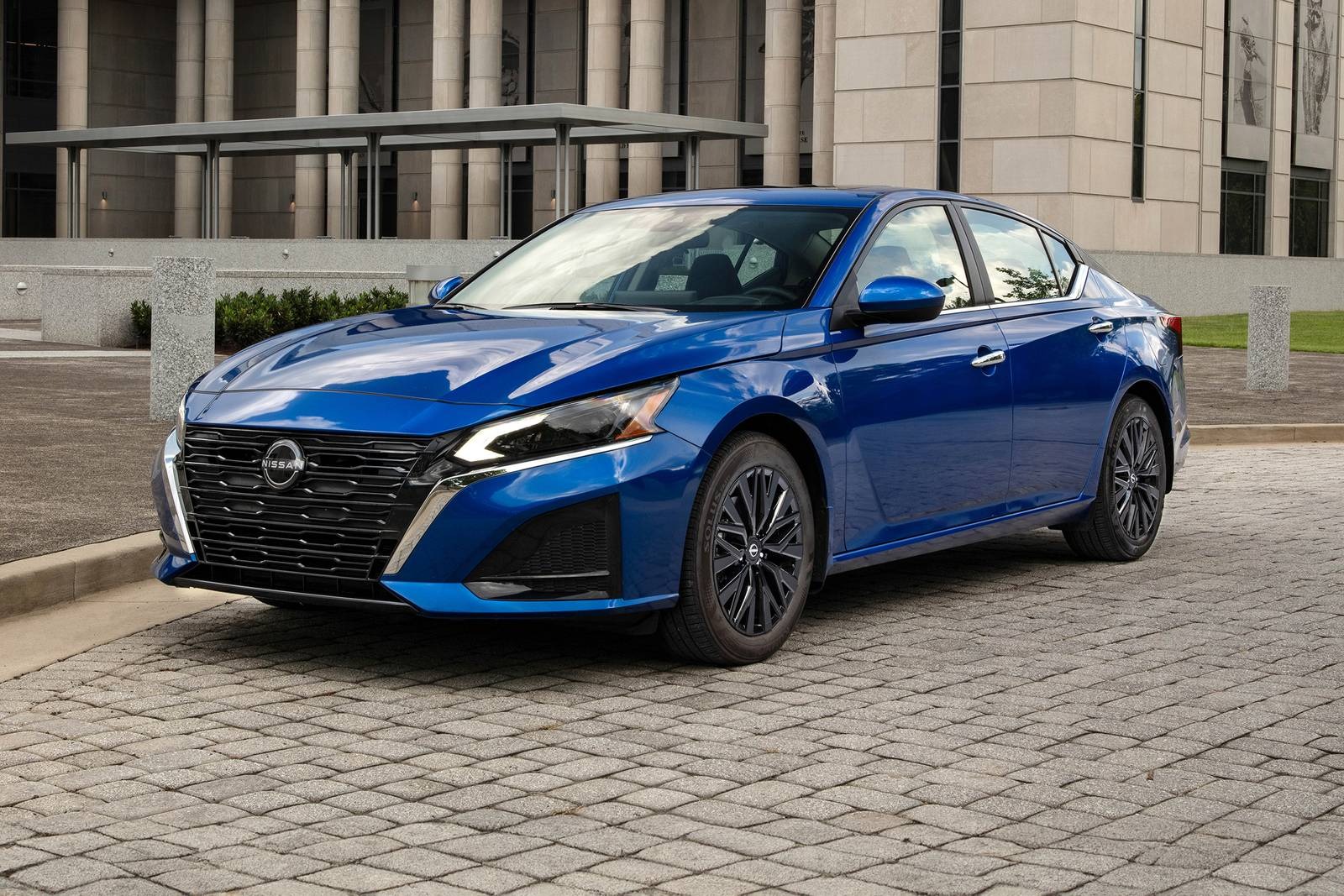
4. Nissan Altima
The Nissan Altima has been a popular choice for many families, but the condition of its interior as time goes on has often been a source of complaints. While it provides a comfortable ride and good fuel efficiency, its cabin materials fail to hold their appearance and strength for long periods.
Seats are one of the most criticized parts of the Altima. Cloth versions start to fade and lose firmness after a few years, while leather-trimmed models often crack and wrinkle. The stitching sometimes loosens as well, which gives the cabin a worn-out look. For many owners, this early aging reduces the pride of owning the car.
Dashboard materials also do not last very well. In hot climates, especially in areas with strong sunlight, the dashboard sometimes warps or cracks. Buttons on the center console and steering wheel lose their labels, making the cabin feel old even if the car itself is not very old. This poor durability reduces long-term comfort and convenience.
Noise inside the Altima is another problem. After several years, rattles and squeaks appear from the doors and dashboard. This is especially noticeable when driving over rough roads. For people who expect a quiet and steady interior, the Altima can be disappointing.
Electronics also create challenges for owners. Infotainment systems, air conditioning controls, and power seat adjustments sometimes fail, which means additional repair costs. Because of all these issues, used Altimas often struggle to keep high resale prices.
Although the Altima has strengths in terms of driving comfort and fuel economy, its weak interior durability has left many drivers dissatisfied. For long-term ownership, the cabin quality does not match the expectations of people who want a car that stays fresh for many years.
Also Read: 12 Cars That Punch Above Their Weight Class
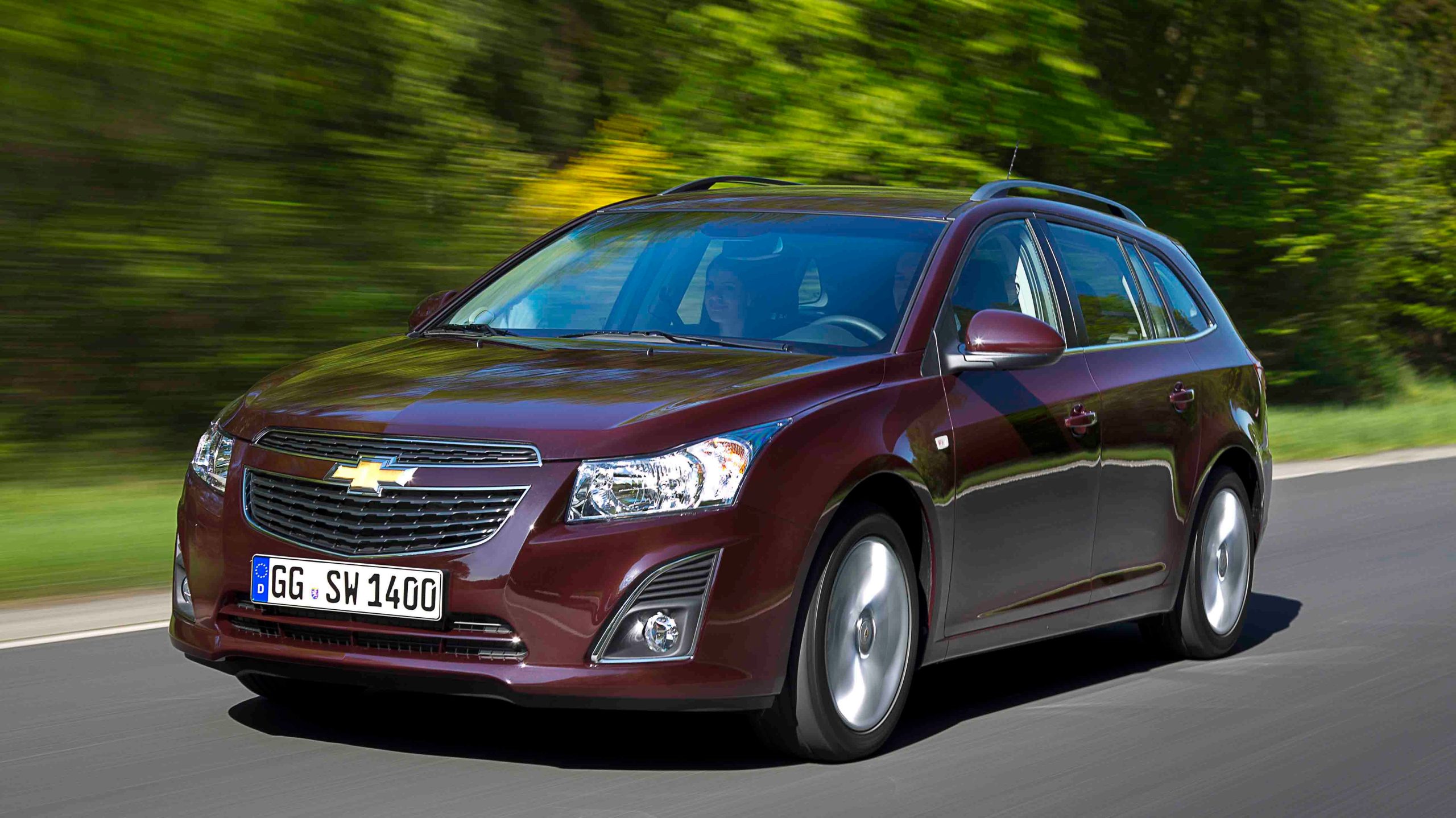
5. Chevrolet Cruze
The Chevrolet Cruze was introduced as a small sedan that aimed to combine style with affordability, but it quickly developed a reputation for weak interior quality. While the car delivered good fuel economy and reasonable handling, the cabin struggled to age well, especially for drivers who kept the car beyond a few years.
One of the most common issues was with the dashboard and trim plastics. They felt cheap to touch and often started fading, peeling, or scratching within a short time.
This gave the car a worn-out feel that was disappointing to many owners. Buttons on the dashboard and steering wheel also suffered from durability problems, losing their paint and becoming sticky or unresponsive.
Seats in the Cruze also showed signs of wear early. Cloth seats lost their firmness quickly, while leather versions cracked and peeled. Families who used the Cruze daily often found the back seats particularly vulnerable to sagging and staining. This reduced comfort for passengers and made cleaning difficult.
Noise and vibration inside the cabin were also frequent complaints. After some years, rattles developed around the dashboard and doors, making the car sound older than it was. For buyers expecting a smooth and quiet ride, this problem reduced enjoyment.
Another weak point was the electronics. The infotainment system often lagged, froze, or failed. Climate control systems sometimes stopped working as well, forcing owners to spend extra money on repairs.
Because of these challenges, the Cruze did not build a strong reputation for long-term quality. While it may have been affordable at purchase, the weak interior durability reduced resale value and left many buyers feeling unsatisfied.
When people buy a car, they often think more about the engine, the style, or the technology features, but the interior is where they spend most of their time. A strong and well-built cabin can make a vehicle feel fresh for many years, while a weak interior can make even a young car feel old too quickly.
Toyota Land Cruiser, Lexus LS, Honda Accord, Mercedes-Benz E-Class, and Toyota Camry show that careful choice of materials and attention to detail can give drivers confidence for long ownership. These cars prove that comfort and reliability inside the cabin are just as important as strong performance under the hood.
Cars like the Jeep Compass, Mazda CX-7, Ford Fiesta, Nissan Altima, and Chevrolet Cruze remind buyers that poor material choices and weak build quality reduce enjoyment and resale value.
A vehicle is more than just transportation. It is a space where families spend countless hours. Choosing a car that protects interior comfort is one of the smartest decisions a buyer can make.
