When we think about cars ending up in rivers, most of us assume the vehicle is destined for the scrapyard. Water and engines don’t mix, and flooding often leads to electrical failure, rust, and expensive repairs.
Yet, over the years, stories have surfaced of cars that defied the odds vehicles that plunged into rivers, lakes, or even floodwaters and managed to keep running, sometimes after minor fixes and sometimes with no repairs at all.
These stories highlight both luck and engineering resilience, proving that some cars are built tougher than we think.
For the U.S. audience, where flooding from hurricanes and heavy rains is not uncommon, these examples serve as a reminder that not all water-related car accidents end in total loss.
Below are 10 remarkable instances of cars that took the plunge literally and still lived to drive another day.
1. Toyota Hilux
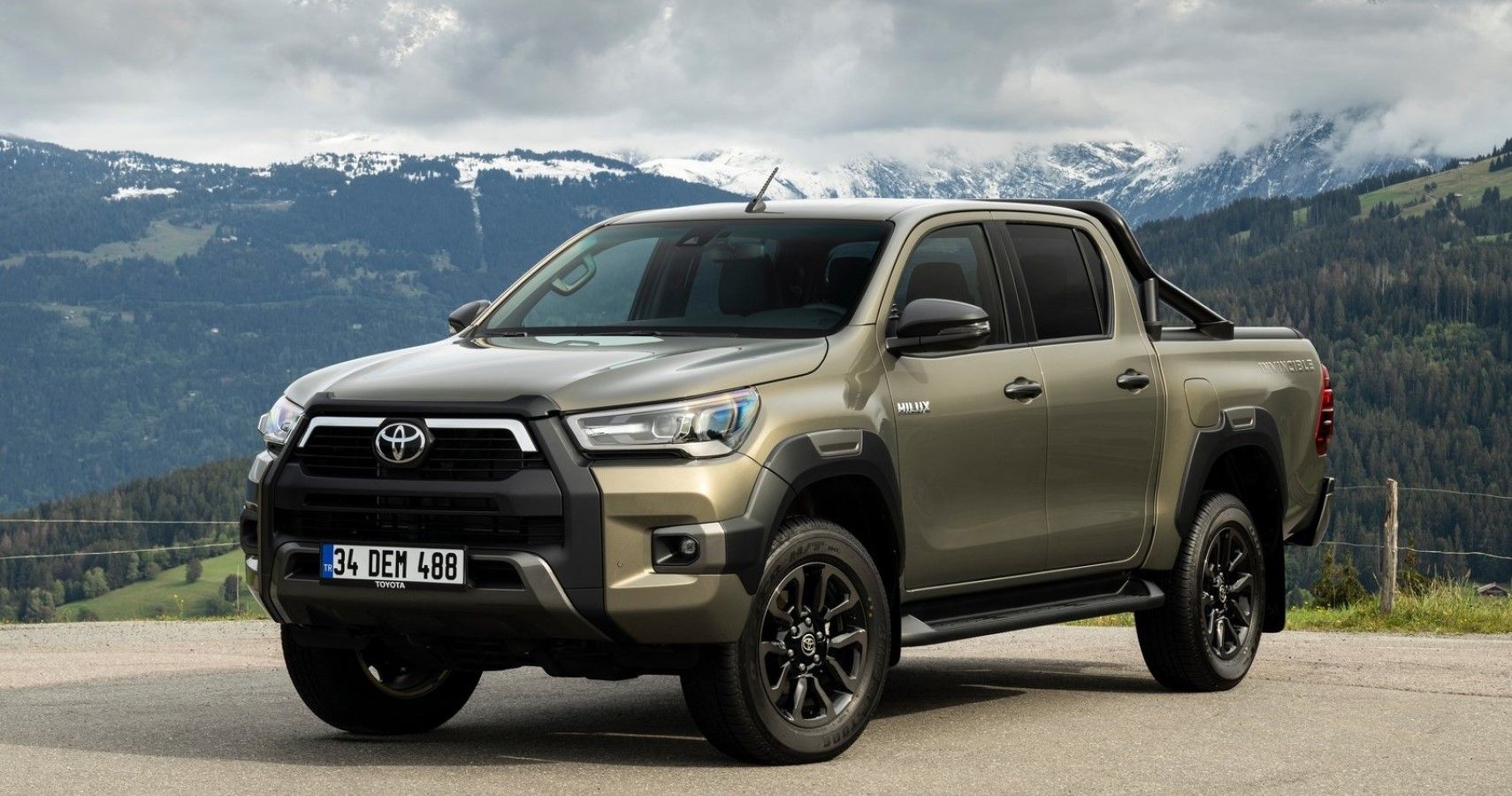
Few vehicles have as legendary a reputation for toughness as the Toyota Hilux, and water accidents are part of its resume. In multiple real-life cases, Hilux trucks have been pulled from rivers in developing countries and fired back up with little more than an oil change and a drained fuel system.
In one viral case in Australia, a Hilux was submerged in a flooded creek, left for days, and still managed to crank up after its battery was replaced. Its diesel engine, simple design, and limited electronics make it almost flood-proof compared to modern trucks.
Toyota has responded to the growing demand for high-spec, well-equipped pick-ups with engines that deliver strong motorway performance and don’t lose steam above 50mph. As a result, buyers can now opt for a 2.8-litre engine instead of the more utilitarian 2.4-litre option.
At the top of the range, the interior is packed with comfort and tech features such as heated leather seats, an automatic gearbox, and Toyota’s latest smartphone-friendly touchscreen. The brand has even added LED lighting and a premium JBL audio system.
Additional upgrades include a panoramic view monitor, an auto-dimming rear-view mirror, and dual-zone air conditioning. There are also handy conveniences like automatic service reminders, e-call, and remote diagnostic capabilities. And that’s all part of the standard packages.
Absolutely. For 2025, Toyota has introduced a 48v mild hybrid system, which essentially integrates an e-motor-generator and a compact battery into the 2.8-litre diesel setup.
This addition improves the driving experience with smoother acceleration, extended idling capability in traffic, quicker and quieter restarts, and enhanced fuel efficiency—by around seven per cent, according to Toyota.
The system can provide engine support with bursts of up to 16bhp and 48lb ft of torque. However, it’s important to note that this isn’t a full hybrid, there’s no electric-only driving. Output figures remain the same, delivering 201bhp at 3,400rpm and 369lb ft of torque between 1,600 and 2,800rpm.
The 0–62mph sprint comes in just over 10 seconds for both versions, though the mild hybrid is fractionally slower since it’s paired with a six-speed manual transmission compared to the non-hybrid’s six-speed manual.
2. Jeep Wrangler
The Jeep Wrangler has long been marketed for adventure, but sometimes those adventures get out of hand. Wranglers have been recovered from rivers after failed off-roading attempts and still managed to run.
Their high-mounted air intakes and relatively sealed drivetrains give them an edge. In 2018, a video circulated of a Wrangler in the U.S. being dragged from a muddy riverbed, washed off with a pressure hose, and then started almost immediately.
It’s proof that the Wrangler’s rugged build isn’t just advertising, it’s survival engineering.
It’s hard to think of a vehicle more capable or iconic than the Jeep Wrangler. Whether you’re looking to cruise along the beach or tackle a demanding off-road trail, there’s a Wrangler designed for the job.
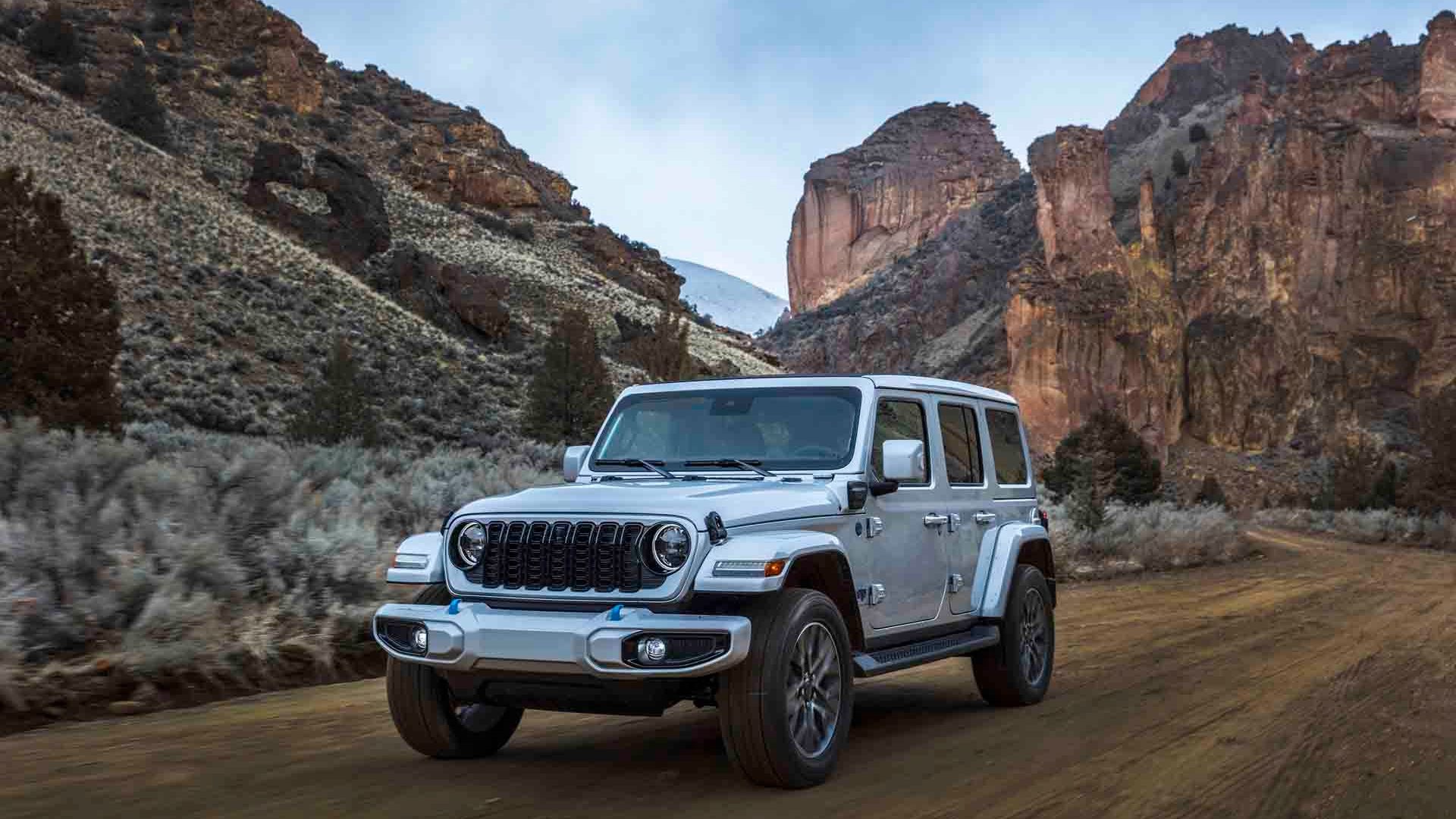
While the overall Jeep formula hasn’t changed drastically over the decades, the brand has steadily refined the Wrangler, giving the current generation more comfort, technology, and usability than ever before.
On top of that, Jeep offers five different engine options, meaning whether your priority is fuel economy, raw power, or something in between, there’s likely a Wrangler that fits your needs.
The Wrangler’s best option for fuel efficiency comes in the form of the Wrangler 4xe. This version pairs a turbocharged four-cylinder engine with plug-in hybrid technology, producing an impressive 375 horsepower while also offering around 22 miles of all-electric driving range on a full charge.
Regular recharging can significantly reduce fuel usage, but once the battery runs out, the 4xe drops to about 20 mpg, roughly the same as the Wrangler’s standard V6.
If performance is more your style, the Wrangler Rubicon 392 is the model to look at. Powered by a massive 6.4-liter (392-cubic-inch) V8 producing 470 horsepower, it delivers exhilarating acceleration, going from 0 to 60 mph in just 4.7 seconds.
Despite its muscle car-like speed, the Rubicon 392 doesn’t compromise when it comes to off-road prowess, retaining all the low-speed crawling ability the Rubicon badge is known for.
That said, the Wrangler isn’t alone in the rugged SUV market anymore. While it has long stood alongside the Toyota 4Runner, recent years have seen the arrival of more competitors, meaning the Wrangler now has to share space in a growing segment of adventure-ready SUVs.
3. Ford F-150
The Ford F-150, the best-selling truck in America for decades, has had its share of watery encounters. In the aftermath of Hurricane Harvey in Texas, stories emerged of F-150s that were submerged but still usable after basic clean-up.
One owner reported his truck sat half-submerged in floodwater for hours, but after draining water from the spark plugs and replacing the air filter, the V8 roared back to life.
The durability of its engine blocks and the availability of replacement parts make the F-150 one of the most resilient vehicles when facing flood damage.
The Ford F-150 full-size pickup has grown into one of the most versatile vehicles on the market, able to serve as a rugged workhorse or a refined daily driver depending on configuration.
With a wide range of trims starting at the base XL and extending up to the luxurious Platinum Plus, the F-150 caters to nearly every type of buyer. Its powertrain lineup includes a dependable V-8, two turbocharged V-6 engines, and a hybrid option that blends power with efficiency.

Customers can choose from three cab configurations, regular, Super, and Crew, and three different bed lengths, making it easy to tailor the truck to specific needs. For drivers seeking adventure, the Tremor model is specially engineered for off-road conditions.
With the full-size pickup truck market constantly pushing the boundaries of capability and technology, buyers will find that the balance of power often shifts between these brands. It is always wise to research carefully before making a commitment, as each of the big three manufacturers has its own strengths.
Still, the Ford F-150 remains one of the most well-rounded and reliable choices in its class, which is why it has once again earned a place on our Editors’ Choice list for 2025.
In terms of rankings, the Ford F-150 secures the number two position among the best full-size pickup trucks. It follows closely behind the Ram 1500, which starts at $42,370, while the F-150 itself begins at $39,645.
Higher up the performance ladder, the Ford F-150 Raptor, with a starting price of $81,200, holds the third spot, just ahead of the Ram 1500 RHO at $72,090.
Rounding out the top contenders are the GMC Sierra 1500, priced from $39,145, and the Chevrolet Silverado 1500, which starts at $37,845. Shoppers who want to evaluate these trucks side by side can use the new comparison tool, which provides a detailed analysis of the top models in this segment.
Also Read: 5 Cars With Reliable Power Windows and 5 That Constantly Fail
4. Subaru Outback
The Subaru Outback has a loyal following in the U.S., particularly in states like Colorado, Oregon, and Vermont, where outdoor enthusiasts often push their vehicles into risky terrain.
Several stories have surfaced online of Outbacks rescued from rivers after failed camping trips or fishing expeditions, with the cars still operational after minimal work.
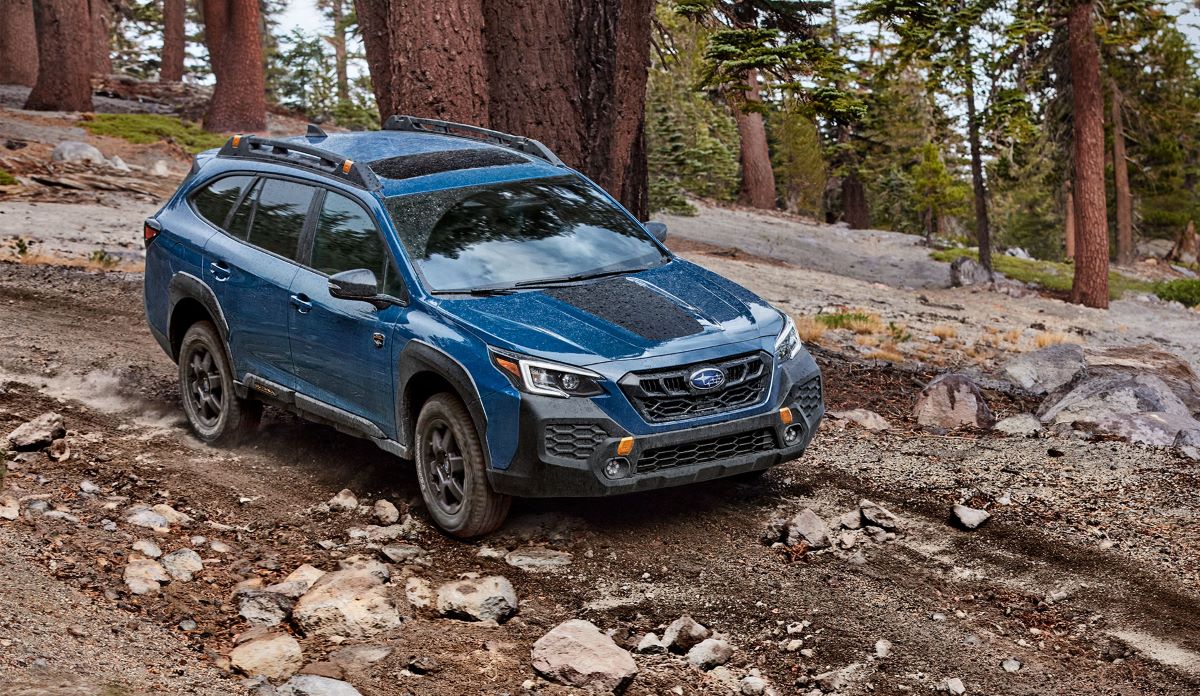
Subaru’s boxer engines, mounted low but relatively simple, can often be revived if water doesn’t fully enter the intake. One fisherman even claimed his Outback, after being hauled out of a shallow river, only needed an oil flush before it drove him back home.
5. Land Rover Defender
Land Rover Defenders were designed with river crossings in mind, featuring snorkels and water-resistant features.
But even when submerged beyond their intended limits, many Defenders have been brought back to life. In rural parts of Africa and South America, Defenders that fell into rivers during expeditions have been recovered, drained, and restarted sometimes on the same day.
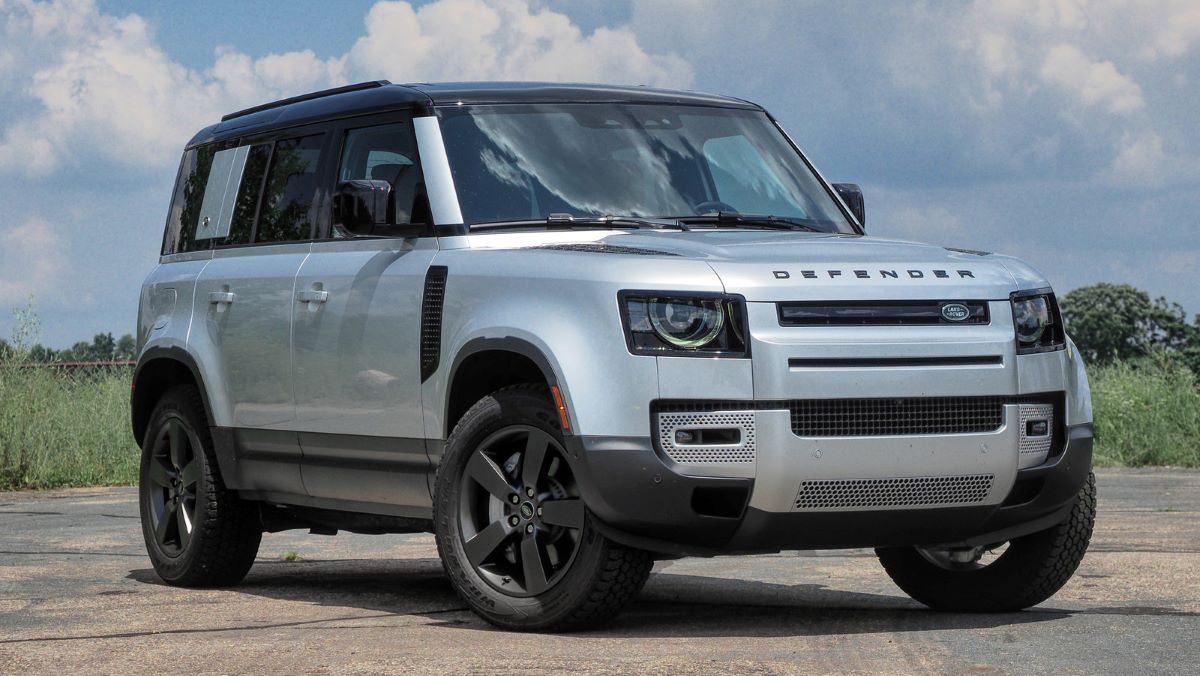
Their diesel engines and minimal reliance on complex electronics allow them to shrug off water damage better than most modern SUVs.
6. Chevrolet Silverado
The Silverado, Chevrolet’s answer to the F-150, has also proven its toughness in flood conditions. During the Midwest floods of 2019, some Silverado owners shared videos of their trucks powering through deep water and, in one case, being pulled out after floating downstream.
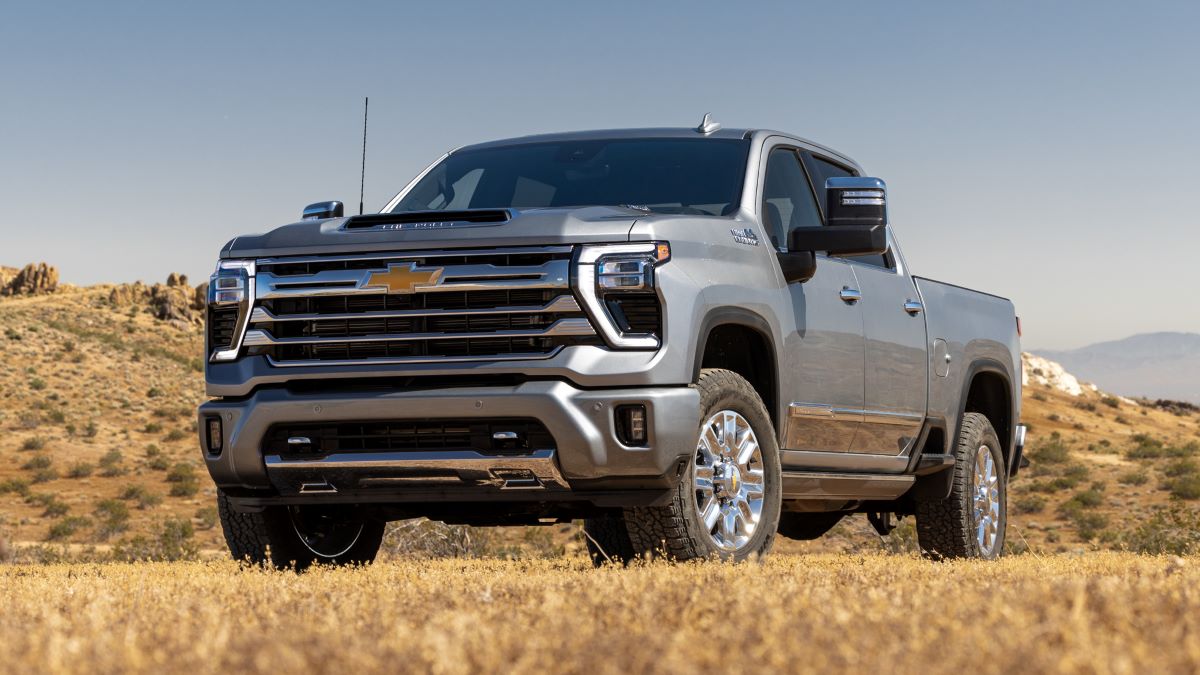
One driver reported his Silverado 1500 sat in waist-deep river water overnight, yet after cleaning the cylinders and drying the interior, the truck fired up. GM’s pushrod V8s are known for reliability, and in this case, they also showed remarkable resilience against water intrusion.
Chevrolet gave the Silverado 1500 a full redesign just last year, improving its fuel efficiency, expanding cabin space, and updating the styling to help it stand out in a competitive market.
With those upgrades still fresh, you might expect Chevy to take a break for 2020. Instead, the Silverado 1500 sees another round of meaningful updates, including a newly available diesel engine, additional tech features, and an advanced trailering system designed to handle heavy towing tasks with ease.
Alongside the existing engine choices, a turbocharged four-cylinder, a V6, and two different V8s, Chevy has added a turbodiesel option for 2020.
Although it arrived later than some rivals, the new 3.0-liter straight-six diesel proves to be a strong addition, offering smooth acceleration, excellent towing strength, and significantly better fuel economy compared to the Silverado’s V8s.
On the safety side, adaptive cruise control is now available, a welcome addition considering nearly all competitors already offered it, and its absence last year was puzzling.
When paired with Chevy’s straightforward infotainment system and the updated trailering package, which can show up to 15 camera views around the truck and trailer, the Silverado becomes a highly capable choice for towing and hauling.
That said, the 2020 Silverado 1500 isn’t without drawbacks. While it performs well and brings modern tech, the interior design feels dated, more like it belongs in 2010 than in a freshly updated truck. In addition, some of the cabin materials don’t match the quality you’ll find in rival pickups, leaving room for improvement.
Also Read: 5 Pickups That Keep Running With High Mileage vs 5 That Don’t
7. Honda Civic
You wouldn’t expect a compact sedan like the Honda Civic to survive a river dunk, but several instances prove otherwise. In 2021, footage surfaced of a Civic that had rolled into a river in Washington State.
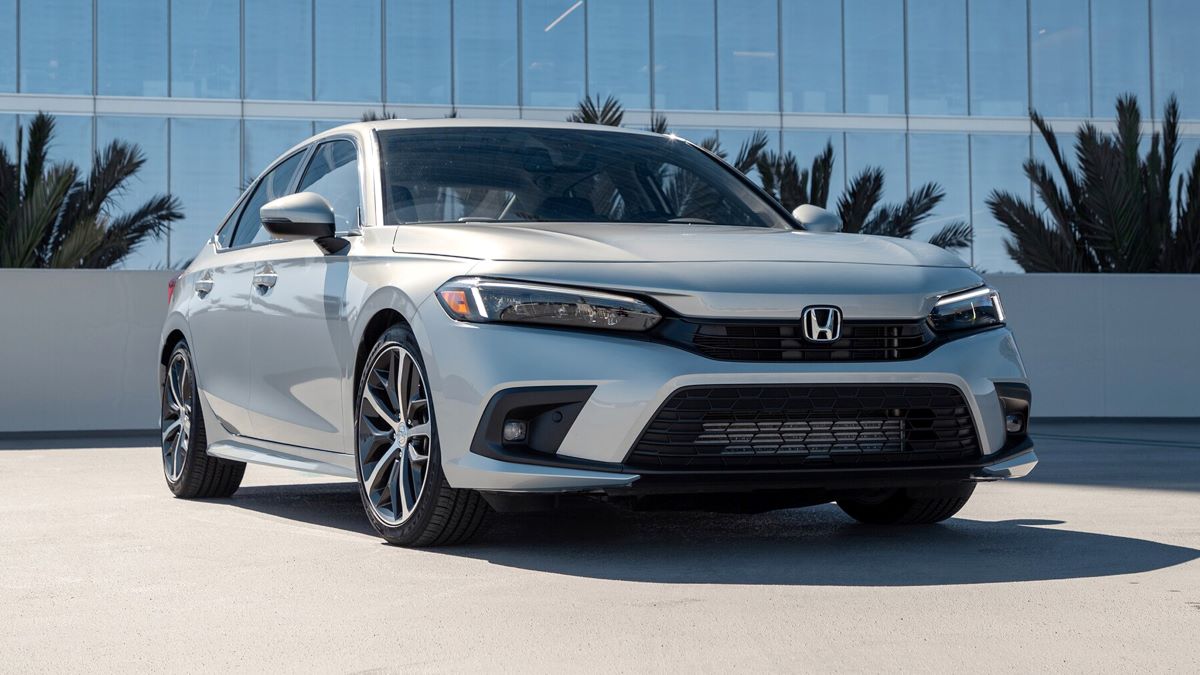
After being pulled out, onlookers were stunned when the car actually started. While not built for off-road or flood conditions, the Civic’s relatively tight engine bay and simple mechanics in older models give it a fighting chance.
This proves that even economy cars can sometimes outlast harsher conditions than they were designed for.
8. Dodge Ram 2500
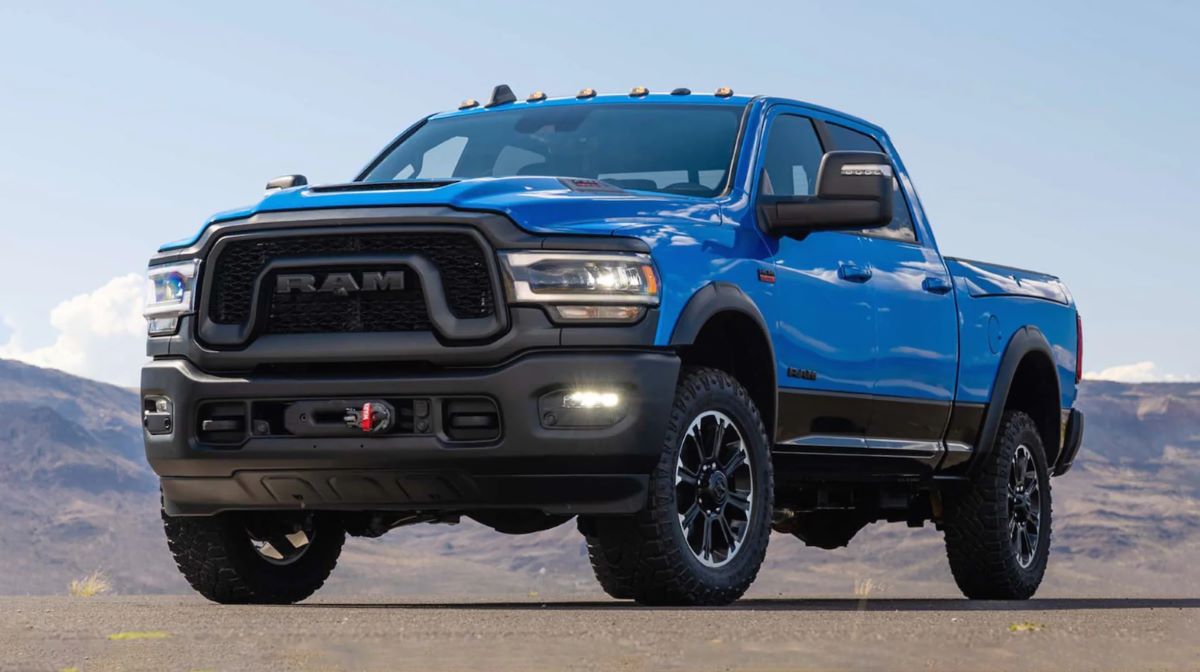
The Dodge Ram 2500, especially its diesel variants, is practically a tank. There are numerous accounts from farmers and ranchers of Rams falling into irrigation canals or rivers and living to work another day.
Among the highlights is the introduction of Uconnect 5, which delivers greater processing power compared to the previous generation of Stellantis’ infotainment system.
The Ram 2500 is also the most aerodynamic truck in its class and has a more attractive design than its rivals. Inside, it features a thoughtfully crafted cabin with refined details and smart use of space.
When it comes to performance, the Ram 2500 offers plenty of capability. The gas-powered engine is lively and responsive, while the diesel inline-six shines in towing situations thanks to its 850 lb-ft of torque. Ride comfort is another area where the truck excels.
The suspension is well-calibrated and paired with a plush interior, making long road trips far more enjoyable than in many other heavy-duty pickups.
Adding to its appeal, the Ram 2500 is priced lower than competing models from Ford and GM, which makes it an even stronger value in the heavy-duty truck segment.
Ram provides two engine choices for the 2500: a gas-powered V-8 or a diesel inline-six. The naturally aspirated 6.4-liter V-8 delivers 410 horsepower and 429 lb-ft of torque, paired with an eight-speed automatic transmission.
For those willing to spend nearly $9,500 more, the 6.7-liter turbocharged inline-six diesel is available, and in our view, it’s worth the investment.
This engine produces 370 horsepower and 850 lb-ft of torque, more than sufficient for towing and hauling heavy loads, as proven in our testing. Diesel-equipped models also come with two transmission choices. An eight-speed automatic is standard, while a six-speed automatic can be selected as a no-cost option.
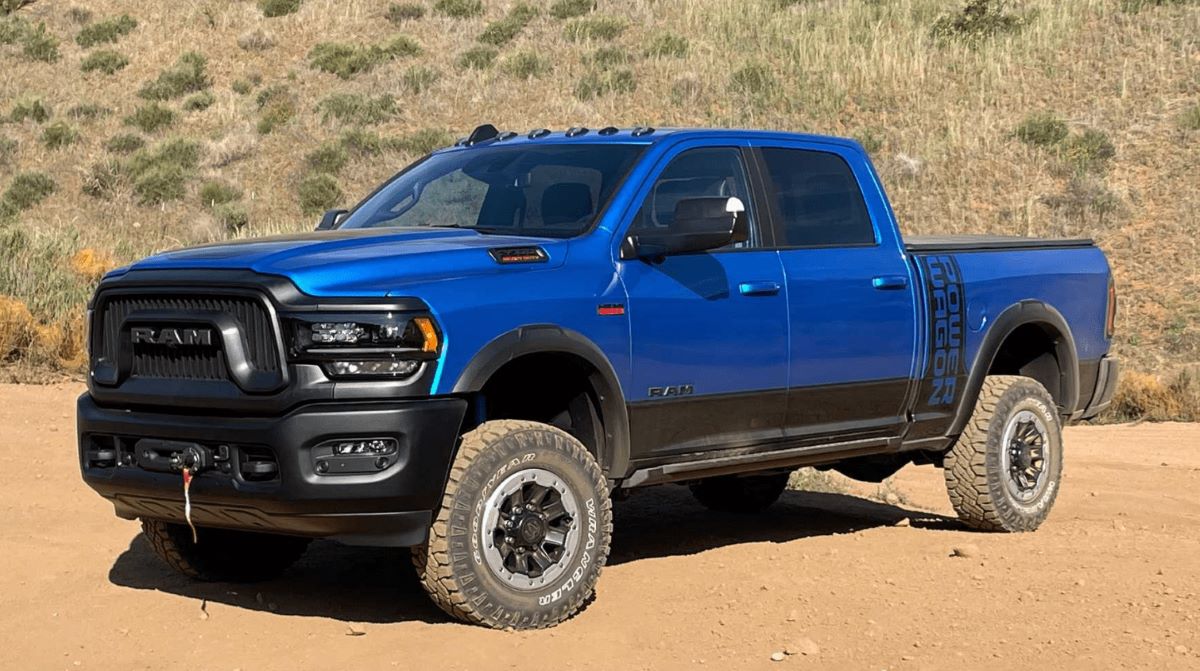
The Cummins turbo-diesel engine is particularly famous for handling abuse, including temporary water submersion.
One rancher in Montana recalled pulling his Ram 2500 from a river, draining the fluids, and using it the same week to tow cattle trailers. That’s the definition of heavy-duty durability.
9. Volkswagen Beetle
The classic Volkswagen Beetle has a quirky advantage it can float, at least temporarily. Its air-cooled engine is sealed from water better than most, which means Beetles that fall into rivers often survive better than expected.
There are multiple anecdotes from the 1960s and 1970s of Beetles being pulled out of lakes, dried, and driven away. The simplicity of the design, lack of sensitive electronics, and rear-mounted engine make it an odd but reliable survivor of river accidents.
After spending five years on the market, Volkswagen gave the Beetle a refresh, enhancing its appearance with a more aggressive stance and introducing the Dune version, which added a sense of adventure to the lineup.
The first generation of the Beetle, produced from 1939 to 2003, became a cultural icon with over 20 million units built. Its successors, however, struggled to replicate that level of success.
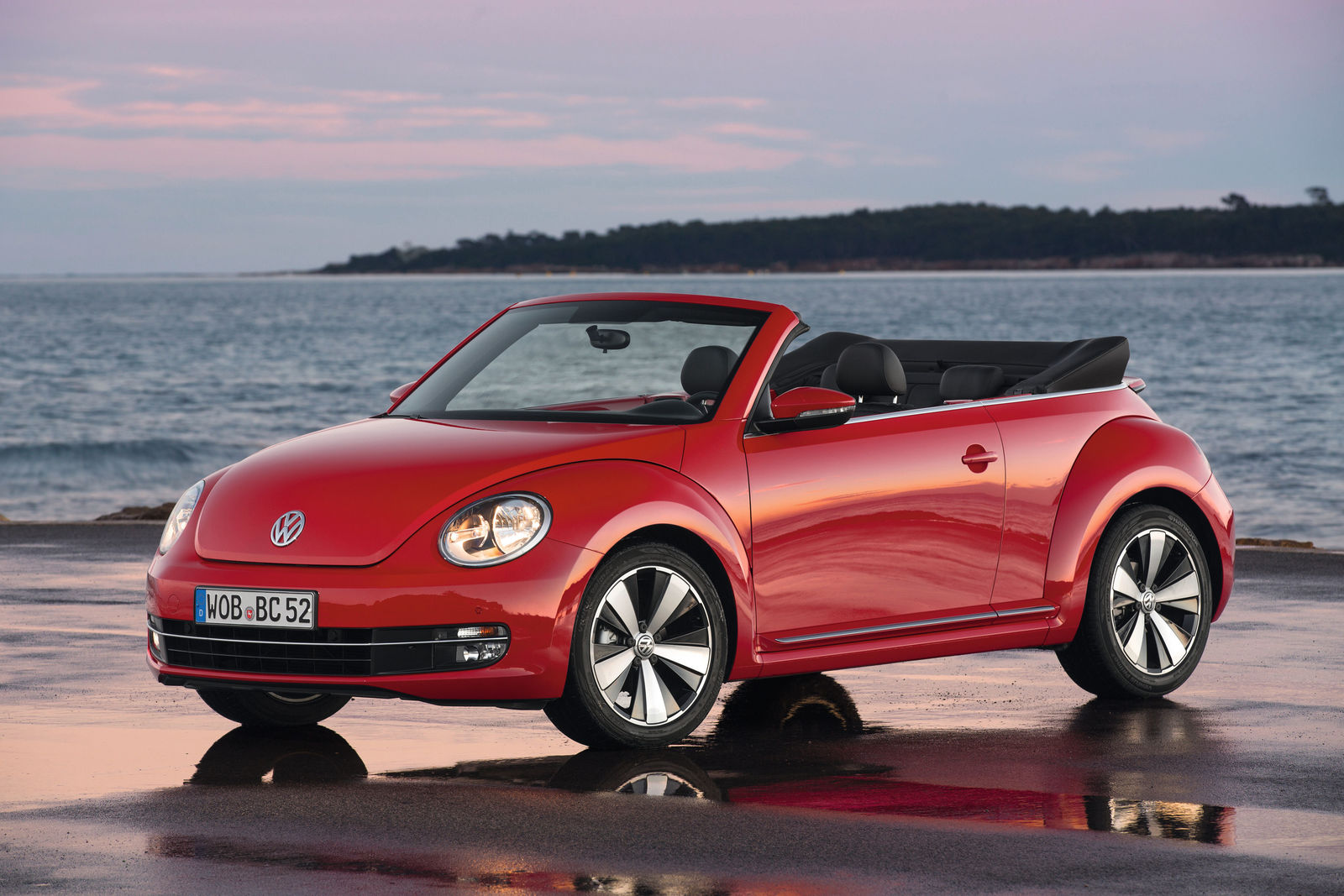
The 1998 New Beetle sold just over one million units before Volkswagen replaced it with a new version in 2011. Unfortunately, the third-generation model failed to meet expectations.
Annual production dropped to fewer than 100,000 units after 2014, and by 2016, Volkswagen attempted to revive interest with a refreshed version. Despite the facelift, sales continued to decline, and by 2019, Volkswagen officially discontinued the Beetle without planning a successor.
The updated 2016 Beetle featured a bolder, more masculine look. The redesigned bumper adopted a wider, more assertive stance with an A-shaped central air intake, flanked by side scoops that housed angled inner slats.
Depending on trim level, Volkswagen fitted glossy or matte black accents to highlight the car’s width. On the Dune version, an extra air intake was placed above the license plate, further reinforcing its rugged personality.
From the side, black trim elements framed the Beetle’s profile. Gloss black was used above the side sills on the R-Line and Denim models, while the Dune edition carried matte-finished trim.
Standard equipment included 16-inch alloy wheels, with buyers able to choose options up to 18 inches. The Dune also stood taller with increased ground clearance, emphasised by protective black wheel arch extensions.
At the rear, Volkswagen added a spoiler beneath the back window that incorporated the third brake light, along with a black diffuser under the bumper. LED taillights came standard on the Dune and Pinkbeetle variants, while they were optional on the 1.8T model.
Inside, Volkswagen refined both design and functionality. All trims received painted dashboard and door panels, along with a glovebox cover styled to echo the classic Beetle.
The lower spoke of the steering wheel could be colour-matched to the car’s exterior, and the centre console was coordinated with the trim package. An optional auxiliary gauge cluster sat atop the dashboard, reminiscent of the one fitted to the 2001 Beetle RSi.
The infotainment system also saw a major upgrade: a 5-inch color display was standard, while a 6.3-inch touchscreen with Apple CarPlay, Android Auto, and screen mirroring capability was available as an option.
Engine offerings varied by market. In Europe, Volkswagen introduced a lineup of Euro 6-compliant engines, including turbodiesel options.
For the U.S., the Beetle came exclusively with turbocharged gasoline engines, either a 1.8-liter or a 2.0-liter TSI with direct injection. Standard transmissions included five- and six-speed manuals, while buyers could also opt for a modern seven-speed dual-clutch automatic.
10. Tesla Model S
Surprisingly, even electric cars have made it onto this list. In 2016, a Tesla Model S in Kazakhstan made headlines after video footage showed it being driven through a flooded river.
Tesla later confirmed that while not designed as a boat, the Model S can temporarily float and use its wheel rotation for propulsion.
Some drivers in China also reported their Teslas surviving flood submersions with no lasting damage after drying out. While not advisable, it shows how electric vehicles might endure water hazards differently than gas-powered cars.
Cars falling into rivers usually spell disaster, but as these ten examples show, not every vehicle drowns for good.
From rugged trucks like the Toyota Hilux and Ford F-150 to surprising survivors like the Honda Civic and Volkswagen Beetle, the stories of recovery highlight both engineering brilliance and sheer luck.
The 2021 Tesla Model S is a fully electric luxury sedan that continues to sit at the top of Tesla’s lineup. Although it is the oldest model the company still sells, it remains highly desirable thanks to its impressive performance and unmatched all-electric range.
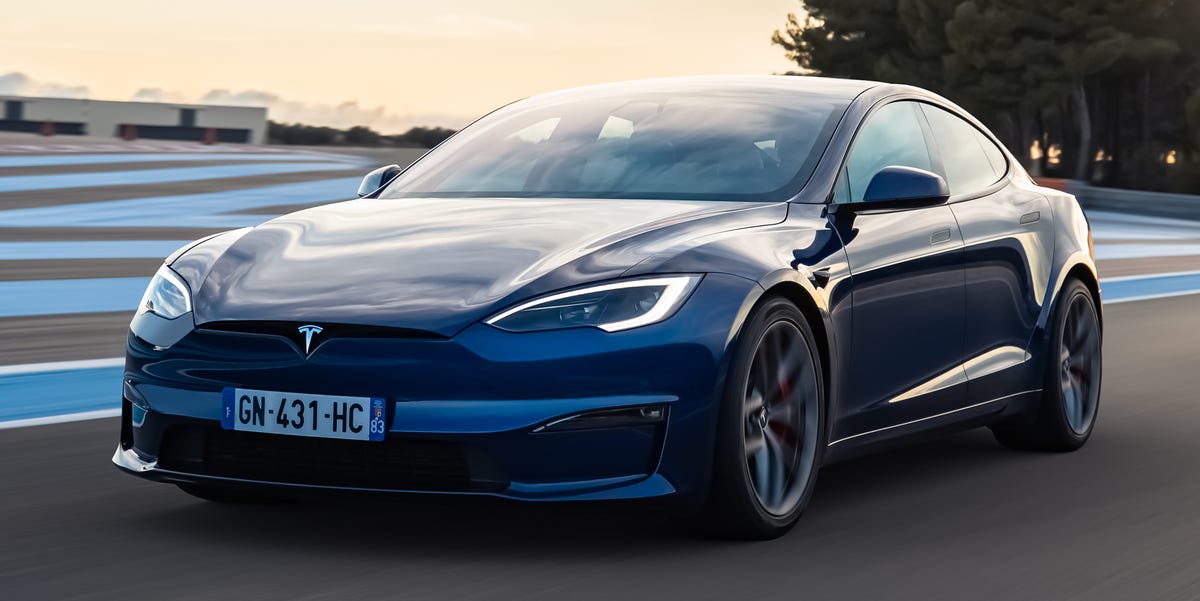
At the time, the Model S Long Range carried an estimated 405 miles of range, the highest available from any EV on the market.
The lineup also includes the Tesla Model S Plaid. The Plaid, named after an obscure Spaceballs movie reference, adds a third electric motor, bringing the total to three. Tesla claims this setup delivers a staggering 1,020 horsepower and allows the car to accelerate from 0 to 60 mph in just 2 seconds.
The 2021 update also brought a reimagined interior. At its centre is a new horizontally oriented touchscreen, a layout already familiar from Tesla’s Model 3 and Model Y.
This is complemented by a dash-mounted driver information display positioned above the steering yoke, as well as an additional entertainment screen for rear passengers.
As Tesla often does, it chose to challenge convention by “reinventing” the wheel. The Model S now features a new design shaped like an aircraft-style flight yoke, or, for those with a nostalgic bent, something resembling Knight Rider’s iconic KITT twin-grip setup.
In the U.S., where floods and off-road mishaps are common, these tales provide both entertainment and a reminder of which vehicles are most likely to bounce back when the waters rise.