
A vehicle passing a safety inspection without issues is a reassuring sign of solid engineering, dependable upkeep, and a reputation for reliability.
Safety inspections are designed to confirm that brakes, suspension, tires, steering, exhaust systems, and lighting are in proper working condition. While many vehicles can meet these standards when new, not all continue to hold up well as they age.
For owners who rely on long-term dependability, choosing a model that consistently clears safety checks with minimal repairs can reduce stress and save money over time.
Certain vehicles stand out because of their build quality, durable components, and track record of maintaining performance even after years of use. These vehicles often require fewer unexpected repairs, and when they do need maintenance, it is usually straightforward.
Owners of such models frequently report fewer instances of failed inspections, since these cars and trucks were designed with longevity and durability in mind from the start. Regular servicing and preventive care still matter, but some vehicles have engineering advantages that give them a clear edge.
From compact cars with strong reputations for mechanical simplicity, to family SUVs built with long-lasting suspension systems, and even full-sized trucks that are known to hold alignment and braking performance over hundreds of thousands of miles, these vehicles tend to satisfy inspectors more often than they frustrate them.
They are trusted for their consistent ability to remain roadworthy, making them a smart investment for anyone looking to minimize downtime, avoid unexpected repair bills, and maintain peace of mind at every inspection point.
The following list highlights ten vehicles that rarely fail safety inspections, examining the reasons behind their success and what owners can expect when keeping them on the road year after year.
Also Read: 10 Vehicles That Survived Global Conflicts
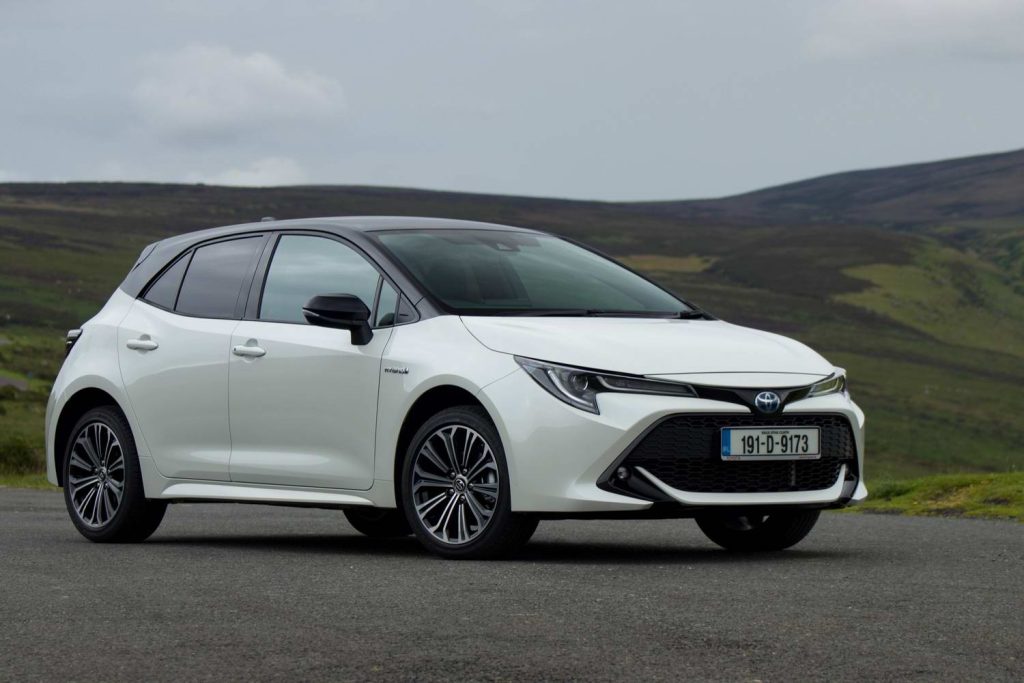
1. Toyota Corolla
The Toyota Corolla has built its reputation on simplicity, affordability, and long-term reliability. One of the strongest reasons it rarely fails safety inspections is the way it was engineered with durability in mind.
Toyota focused on proven mechanical components rather than complicated systems that might cause frequent issues as the car ages.
Its suspension, steering, and braking systems are straightforward and easy to maintain, which reduces the chances of sudden failures that would flag during inspection.
Owners who stick to regular servicing often find that the Corolla holds up impressively even past 200,000 miles.
Its braking system tends to wear evenly, provided pads and rotors are replaced on schedule, and the steering setup is resilient enough to avoid common alignment failures.
Another factor is the availability of affordable parts. Even when replacements are needed, mechanics find the Corolla inexpensive and quick to repair, which helps it stay inspection-ready year after year.
The vehicle’s compact size also helps it avoid excessive strain on suspension and tires, since it does not carry the weight of a larger sedan or SUV.
Its engines are designed to be fuel-efficient but also robust, running smoothly without placing unnecessary stress on related systems. Corollas from different generations share this same core philosophy, making them consistent performers in inspection stations.
Because the model has been produced in such high numbers worldwide, mechanics are deeply familiar with it, which reduces mistakes in repairs that might otherwise cause inspection failures.
Many owners report that with regular oil changes, tire care, and timely brake servicing, their Corolla passes inspections with little to no additional work needed. For budget-conscious drivers who want predictability, the Corolla remains one of the safest bets.
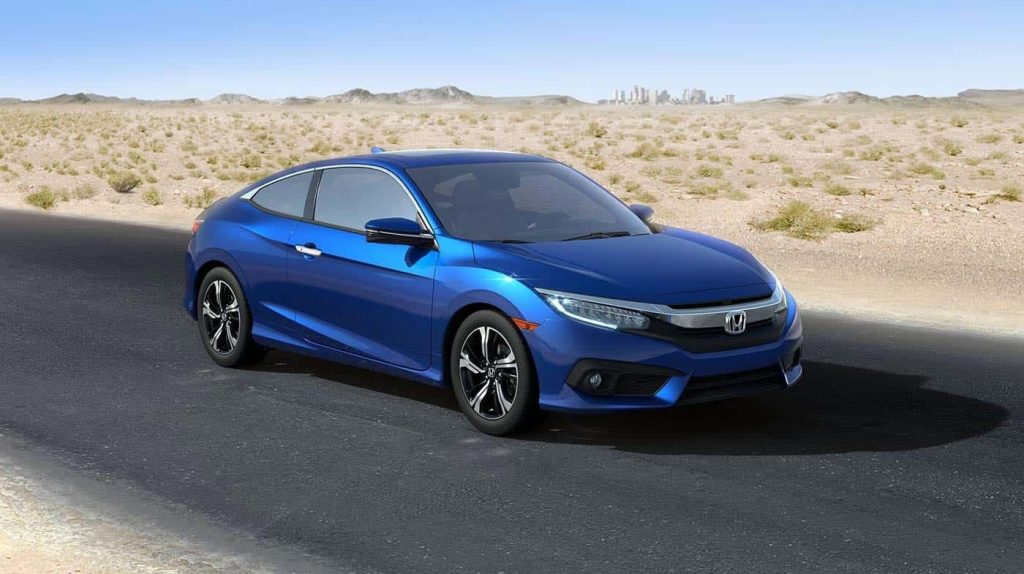
2. Honda Civic
The Honda Civic is another vehicle that rarely gives its owners trouble during safety checks. Known for its combination of reliability and efficient design, the Civic’s success in inspections comes largely from its strong chassis and dependable braking systems.
Honda has long emphasized engineering cars with structural rigidity, and this has helped the Civic maintain excellent safety scores while keeping critical components durable.
Its suspension setup, whether in sedan, coupe, or hatchback form, is known for staying in good condition for long periods. Even in regions with rough roads, many Civics avoid the common suspension failures that lead to inspection issues.
Brakes are another area where the Civic performs well. With proper care, they tend to last longer than expected, and even when replacement is due, parts are widely available and reasonably priced.
The Civic also benefits from an efficient powertrain that does not overload other mechanical systems. Its engines, whether naturally aspirated or turbocharged in newer versions, are designed to balance power and longevity, which minimizes stress on transmission and exhaust components.
Many inspection failures happen because of emissions-related problems, but Civics are known to hold their emissions systems in working order longer than some competitors.
Owners often praise the Civic for being easy to keep in top condition. Routine tasks like oil changes, brake service, and tire rotation are straightforward, which makes preventive care easier.
Because of this, problems are caught early, preventing them from becoming inspection failures. Another advantage is the Civic’s popularity.
With millions sold across generations, parts are plentiful, and repair knowledge is widespread, keeping ownership costs low and inspections worry-free.
The Civic consistently earns strong reliability ratings, and that reputation translates directly to safety inspection success. When maintained, it rarely surprises owners with hidden problems, making it a dependable choice for drivers who value long-term peace of mind.
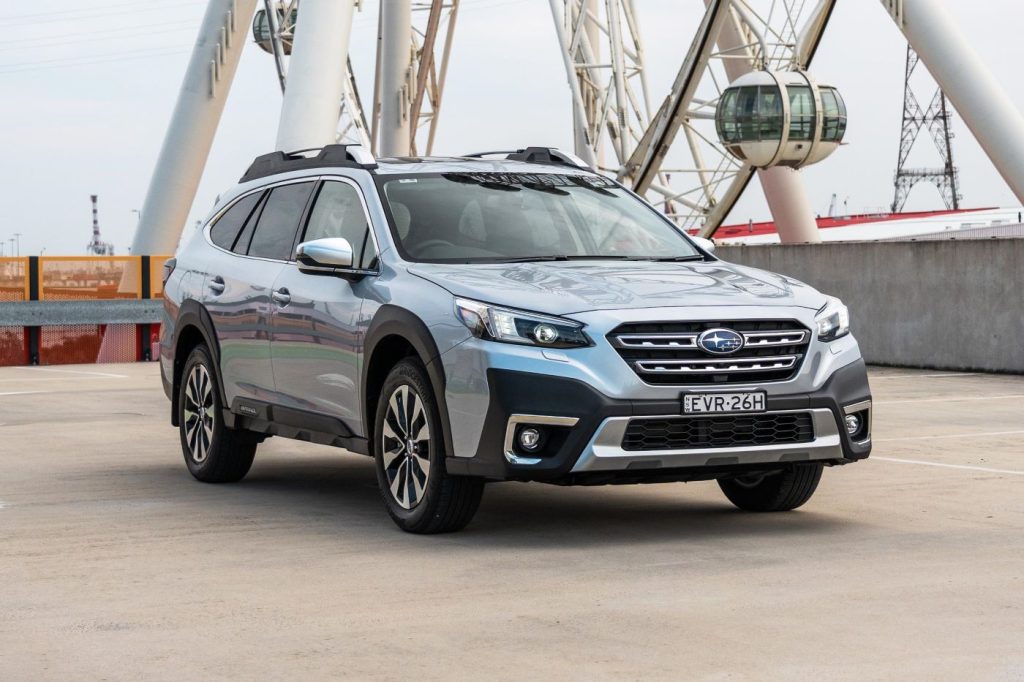
3. Subaru Outback
The Subaru Outback is highly regarded for its practicality, rugged build, and ability to handle a variety of road conditions.
One of the biggest reasons it rarely fails safety inspections is its symmetrical all-wheel-drive system, which is designed for durability and balance.
Unlike systems that strain components unevenly, Subaru’s setup distributes power evenly, reducing wear on suspension, steering, and braking systems.
The Outback’s structure is built with safety in mind, featuring strong crash-test results and a frame that holds up well over time. This durability extends to mechanical systems, particularly the brakes and suspension.
The suspension is tuned for stability on rough roads and gravel, yet it remains resilient enough to withstand years of daily use. As a result, owners often find fewer inspection-related problems compared to other crossovers of similar age.
Another area where the Outback excels is emissions compliance. Subaru engines, when maintained properly, are known to run clean, which helps avoid costly failures tied to catalytic converters or oxygen sensors.
While Subaru vehicles can require specific care, such as timing belt changes and routine fluid inspections, those who follow the recommended schedule rarely face inspection failures.
Brakes on the Outback are another strong point. They are designed to handle not just highway driving but also mountain terrain, which means they often last longer and perform consistently during inspections.
Tires also wear evenly thanks to the all-wheel-drive system, which reduces the risk of mismatched traction issues that can trigger inspection concerns.
Owners frequently highlight the Outback’s ability to remain roadworthy even after years of demanding use. Whether used for commuting, family trips, or outdoor adventures, the Outback tends to maintain structural and mechanical integrity.
Its combination of safety-minded engineering and dependable components makes it one of the vehicles most likely to pass inspections with minimal trouble.
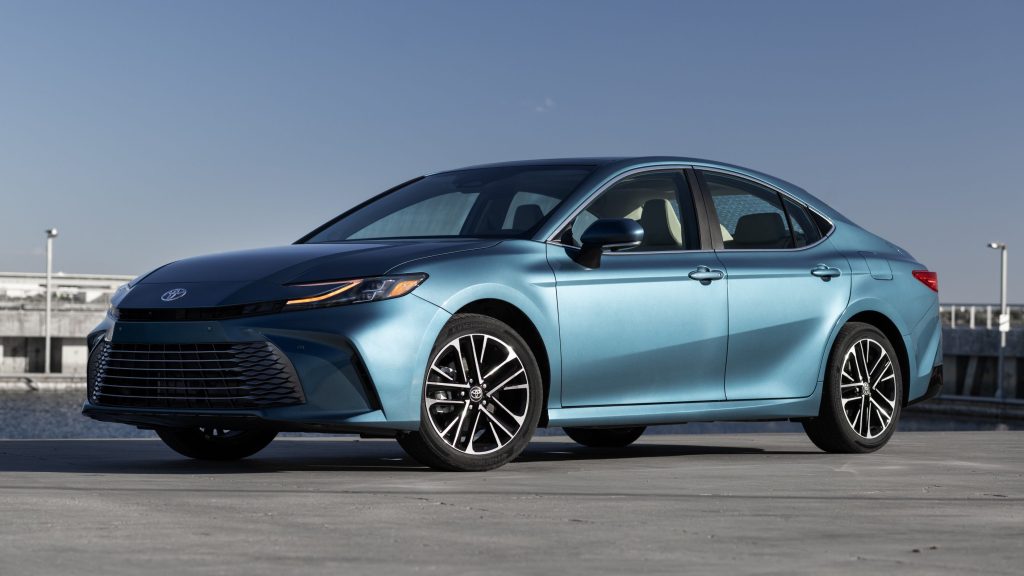
4. Toyota Camry
The Toyota Camry is often recognized as one of the most dependable sedans available, and this reliability extends directly to its performance in safety inspections.
The Camry is engineered with a strong focus on durability, which allows its critical systems to stay in good working condition long after many competitors start showing signs of wear.
Owners frequently report smooth inspection results thanks to the Camry’s resilient braking system, stable suspension, and straightforward mechanical layout.
One of the Camry’s greatest strengths is the balance between power and efficiency in its engines. These engines are not overly stressed, which helps protect exhaust systems and emissions equipment from premature failure.
Since emissions-related problems are a common cause of inspection failures, the Camry’s long-lasting catalytic converters and oxygen sensors make a noticeable difference.
Combined with Toyota’s proven automatic transmissions, which rarely fail under normal use, the Camry is well positioned to pass inspections with minimal issues.
The suspension is another reliable area. Even after years of driving, Camry models tend to maintain solid alignment and even tire wear, preventing the steering and stability concerns that often lead to inspection setbacks.
Brakes, too, are designed for longevity. Many owners find that their Camry requires fewer unexpected brake repairs, provided maintenance is performed at the right intervals.
Another advantage is that mechanics are highly familiar with this model. Because the Camry is one of the most popular cars in the United States and other regions, parts are affordable and widely stocked, and servicing is efficient. This reduces the chances of overlooked maintenance, which in turn lowers the likelihood of inspection failures.
For families and commuters alike, the Camry’s history of consistent performance gives it an edge. Owners often find that a well-maintained Camry glides through inspections without much concern, reinforcing its image as a sedan built for the long run.
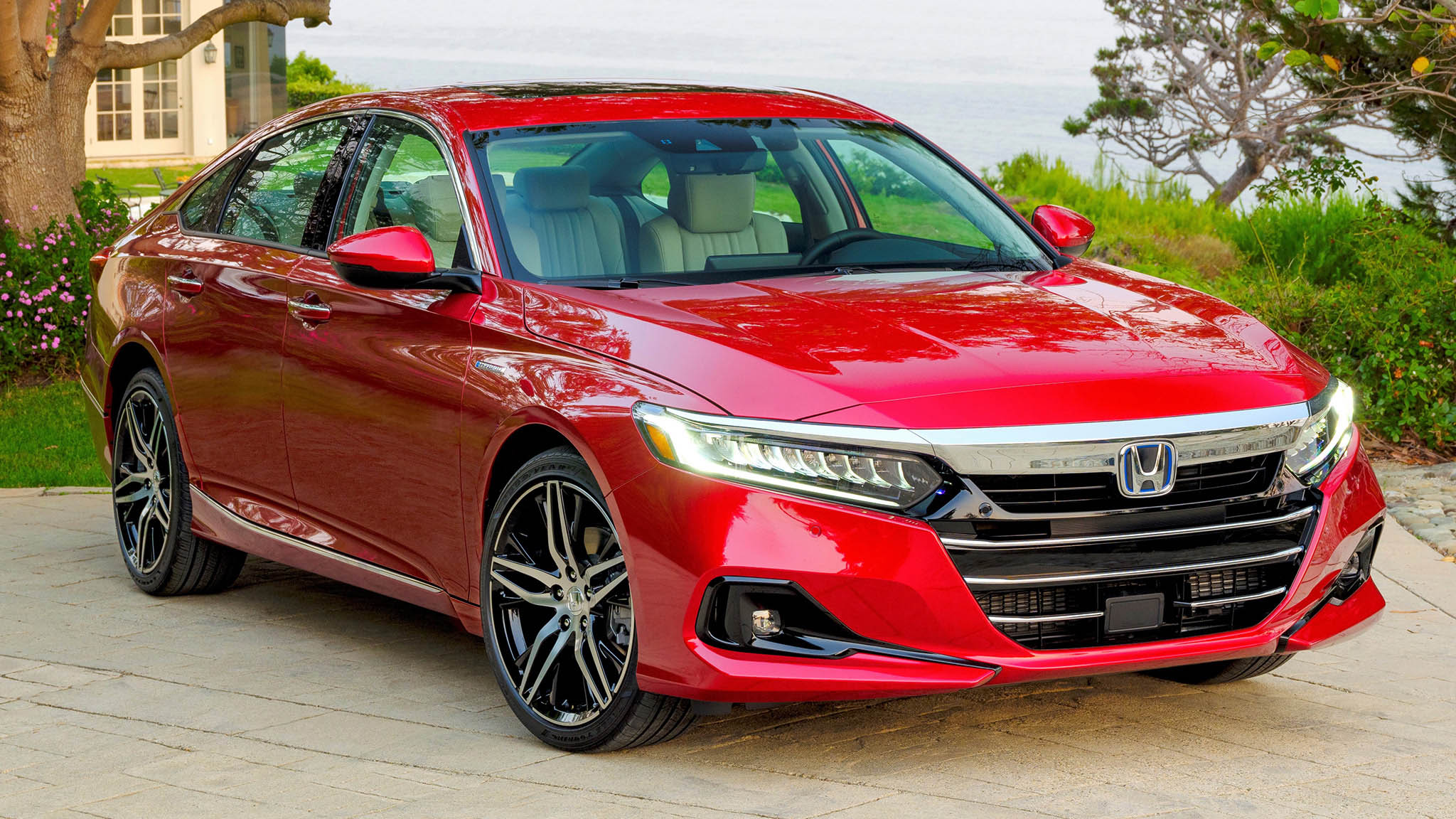
5. Honda Accord
The Honda Accord has built a reputation as both a family sedan and a long-lasting commuter car. Its ability to regularly pass safety inspections comes from careful engineering and durable components that hold up to years of use.
Whether powered by its proven four-cylinder engines or the stronger V6 options, the Accord avoids overcomplicating its mechanical systems, which keeps it easier to maintain and less prone to costly failures.
The suspension of the Accord is designed with a balance of comfort and strength. It absorbs road imperfections while maintaining structural stability, and this reduces the chance of worn parts leading to inspection failures.
Brakes are equally dependable, with components that wear evenly and provide consistent stopping power over time. When replacements are needed, parts are widely available, making it inexpensive and straightforward to keep the car inspection-ready.
Another factor is emissions reliability. Many inspection failures occur when vehicles struggle to meet emissions standards, but Honda’s engines are tuned to run cleanly and maintain efficiency.
As long as oil changes, spark plug replacements, and fuel system care are performed regularly, the Accord often avoids these problems altogether.
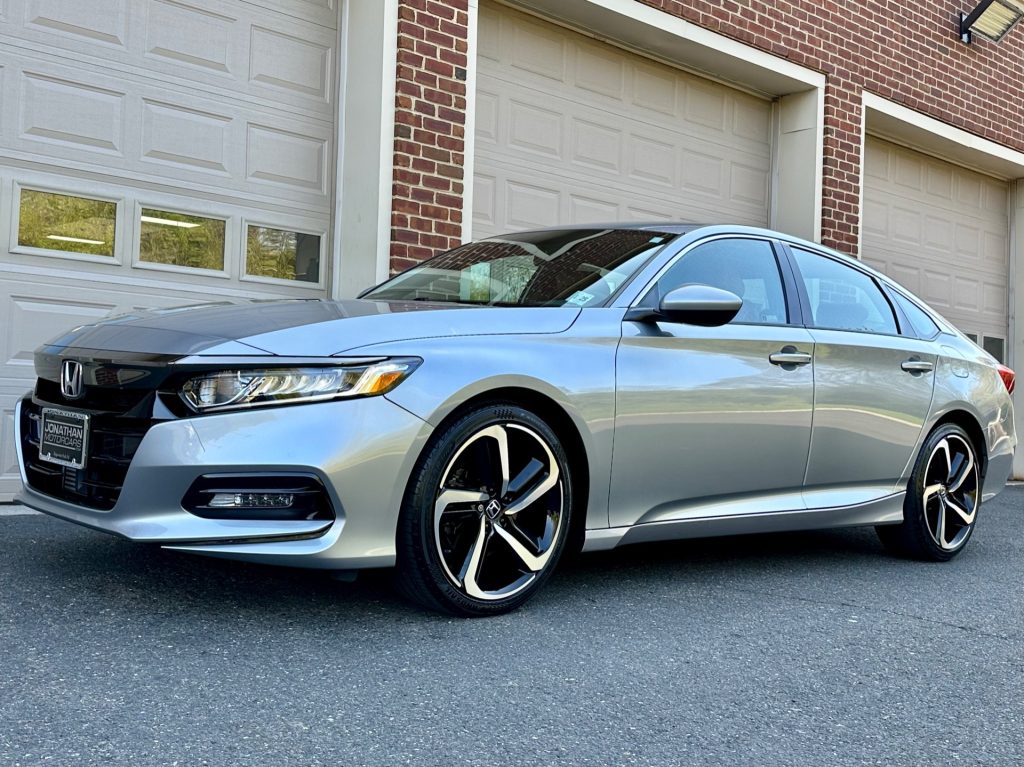
The Accord also benefits from high owner satisfaction and widespread availability of repair expertise. Because the model has been in production for decades with strong sales numbers, almost every mechanic is familiar with its systems. This ensures preventive maintenance is easier, reducing surprise failures during inspection.
Durability, affordability, and proven engineering combine to make the Accord a consistent performer in safety checks.
Owners who take basic care of their Accord often find it sails through inspections year after year without significant issues, adding to its reputation as one of the most dependable sedans on the road.
6. Ford F-150
The Ford F-150 is not only one of the best-selling trucks in North America but also one of the most reliable when it comes to passing safety inspections.
Trucks often face stricter challenges than cars due to heavier loads, towing duties, and rough usage. Yet the F-150 consistently performs well thanks to its strong construction and durable components.
One key reason for its success is the robust braking system. Designed to stop heavier loads safely, the brakes are built to last, provided owners follow regular service schedules. This reduces the chances of unexpected failures during inspections.
Its suspension system is also engineered to withstand tough use, with components like control arms and ball joints designed to handle long-term stress without early breakdowns.
The F-150 also maintains strong emissions performance across its many engine options, from V6 to V8. Ford designs its exhaust and emissions systems to meet regulatory standards even as the trucks age, which is crucial for inspection success. While heavy use can strain these systems, proper maintenance keeps them functioning reliably.
Another advantage is the availability of replacement parts and service expertise. Given the F-150’s popularity, nearly every mechanic and parts supplier is well-versed in its upkeep. This lowers repair costs and ensures inspections are less stressful for owners.
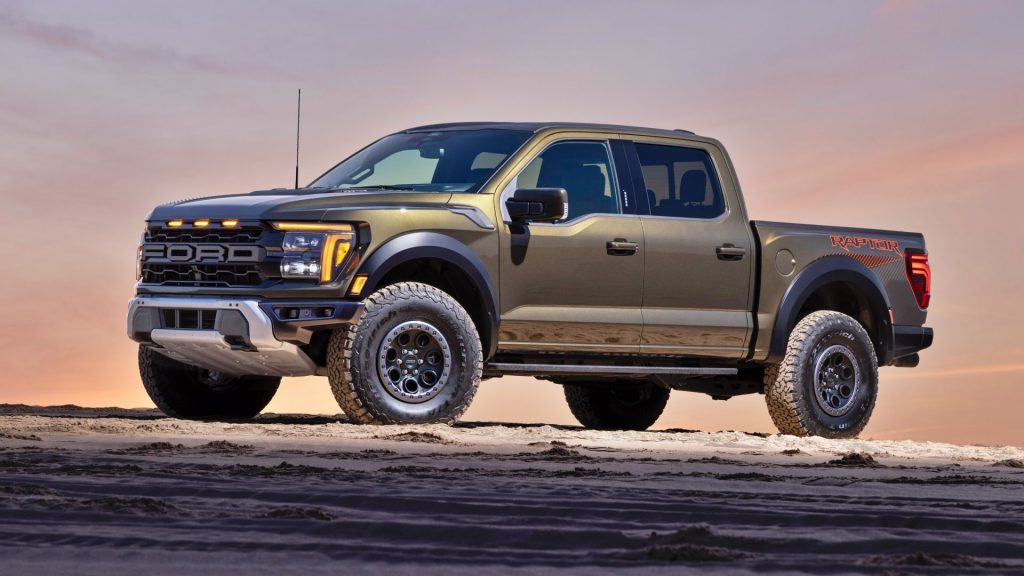
For truck owners who rely on their vehicles for both work and family duties, the F-150 delivers consistent results. Its reputation for rugged reliability translates into smoother safety inspections, making it a trusted option among trucks that remain roadworthy long after their initial purchase.
7. Toyota RAV4
The Toyota RAV4 has long been a favorite among compact SUV buyers, and one of its strongest qualities is the ease with which it passes safety inspections.
Built on Toyota’s dependable platform, the RAV4 combines durability with practicality, making it an excellent option for families and commuters who want fewer maintenance surprises.
The RAV4’s suspension system is designed to balance comfort and strength. Even after years of city driving and occasional off-road trips, it tends to stay in proper alignment and avoid the premature wear that leads to failed inspections.
Brakes also hold up well, and when replacements are needed, parts are affordable and easy to source. This reduces downtime and ensures consistent inspection results.
Another strength lies in emissions performance. Many compact SUVs struggle with catalytic converter and oxygen sensor issues as they age, but the RAV4 generally avoids these pitfalls.
Its engines are known for running clean and efficient, which means owners rarely face unexpected emissions failures during safety checks. The transmission is equally reliable, with smooth performance that prevents additional strain on other systems.
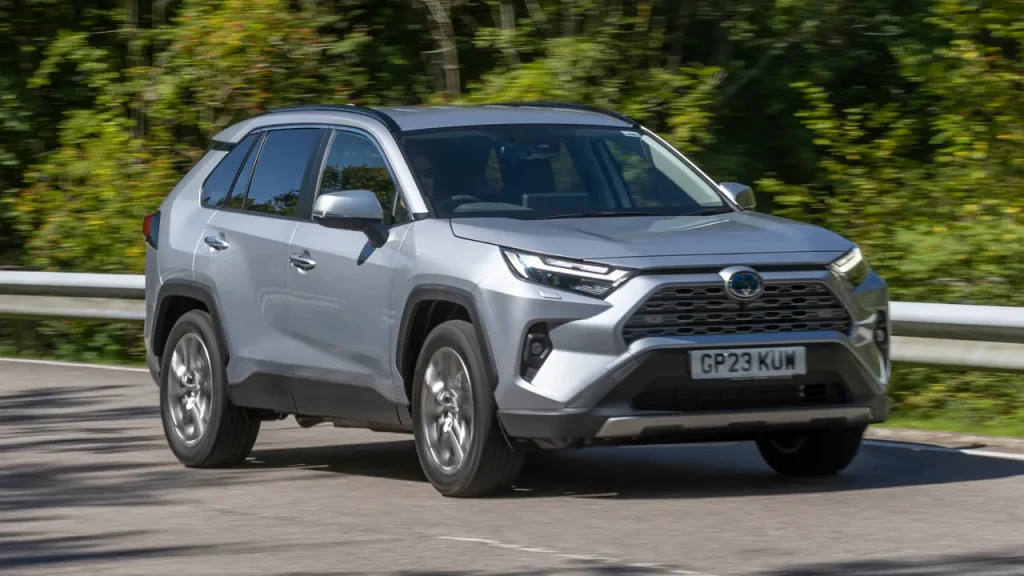
Mechanics are highly familiar with the RAV4, given its popularity across global markets. Routine servicing is simple, and when problems do occur, they are often resolved before they become major concerns. This level of familiarity makes it easier for owners to maintain the vehicle’s roadworthiness year after year.
As a family-friendly SUV that blends dependability with affordable maintenance, the RAV4 has proven itself to be a vehicle that rarely disappoints during inspections. Drivers who keep up with routine service often report years of trouble-free ownership and stress-free inspections.
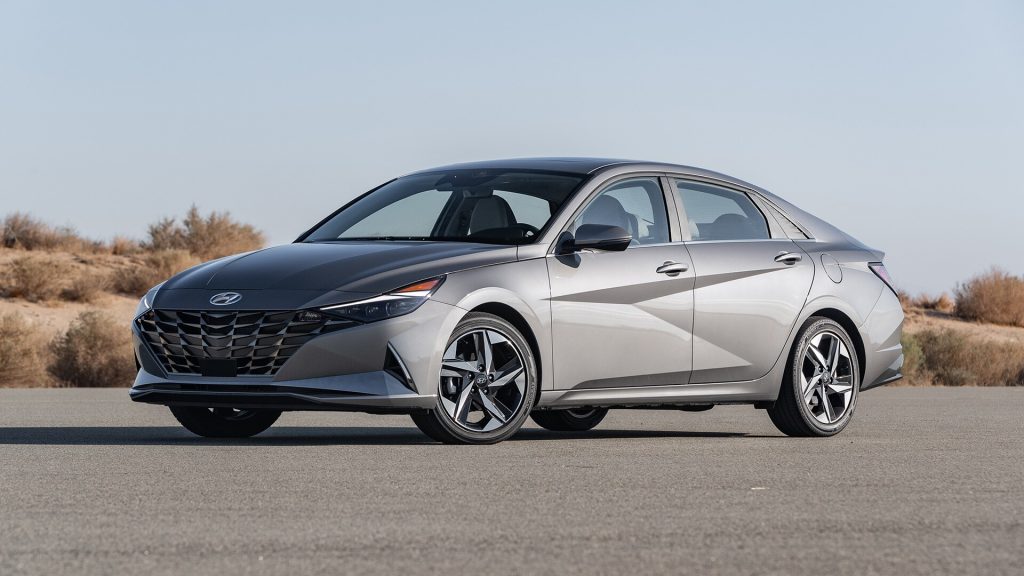
8. Hyundai Elantra
The Hyundai Elantra has steadily grown into a strong competitor in the compact sedan market, and its performance during safety inspections is one of the reasons it has gained popularity.
Once viewed mainly as a budget-friendly choice, the Elantra has matured into a reliable vehicle that holds up well under scrutiny.
One of the Elantra’s key advantages is the simplicity of its mechanical systems. Its suspension and braking components are sturdy and inexpensive to maintain, which keeps them in good condition longer.
The steering system is equally dependable, giving owners confidence that their cars will pass inspection without hidden problems.
The Elantra also benefits from Hyundai’s improvements in engine durability and emissions control. Newer models in particular are equipped with engines that balance fuel efficiency and reliability, reducing the likelihood of emissions-related failures.
Catalytic converters and sensors, when maintained properly, tend to last, meaning fewer unexpected expenses during inspection season.
Another important factor is affordability. Because parts are inexpensive and widely available, owners are more likely to keep up with regular maintenance, which directly impacts inspection success.
Brake replacements, suspension work, and exhaust repairs typically cost less than competitors, making preventive care much more practical.
Hyundai’s reputation for value and extended warranties has also encouraged owners to maintain their Elantras properly, which contributes to their inspection success rate.
Mechanics are increasingly familiar with the brand, and repair knowledge has expanded significantly in the past decade, adding to owner confidence.
As a compact sedan that blends affordability, reliability, and easy maintenance, the Elantra has positioned itself as a vehicle that rarely causes inspection headaches. For budget-minded drivers who want consistency, it delivers dependable results.
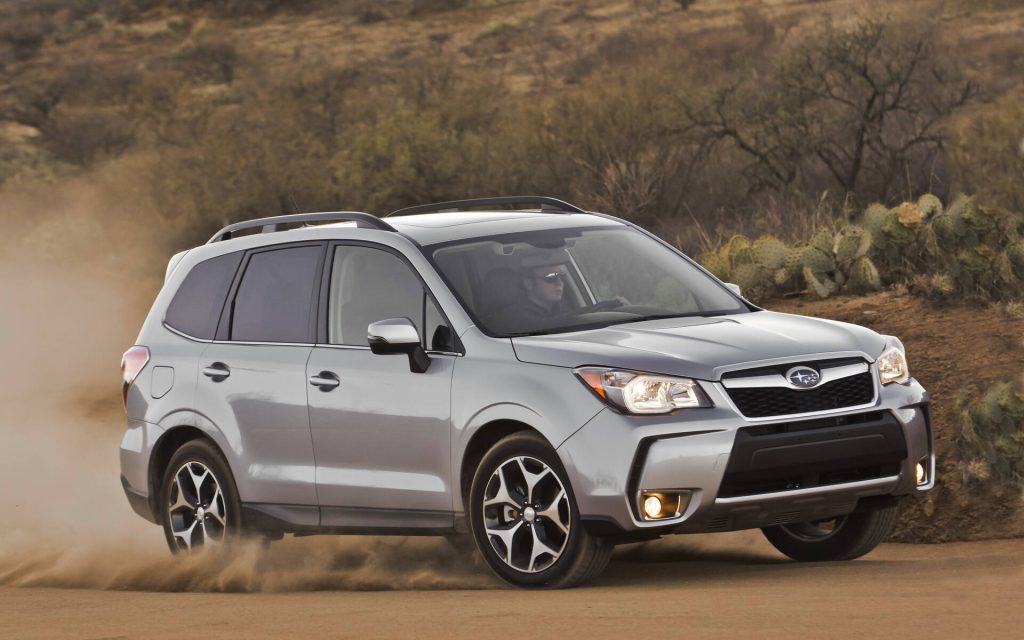
9. Subaru Forester
The Subaru Forester is known for practicality, all-weather confidence, and a reputation for durability. Like the Outback, it features Subaru’s symmetrical all-wheel-drive system, which not only enhances traction but also promotes even wear on components.
This balance helps keep suspension, brakes, and tires in better condition, reducing the risk of failed inspections.
The Forester’s structure is designed with safety at its core. It consistently earns strong crash-test ratings, and this focus on solid engineering extends to mechanical reliability.
Owners frequently report that the suspension remains durable even on rough terrain, while the braking system is strong enough to handle both urban commuting and outdoor travel without frequent issues.
Emissions performance is another strong point. Subaru engines, when properly maintained, are known for clean operation.
While some models may require close attention to fluid levels and timing belt changes, owners who follow service recommendations typically find their Foresters passing inspections with little trouble.
The Forester’s design also encourages even tire wear, which helps during inspections since uneven or mismatched tires are common reasons for failure. Its compact SUV size makes it versatile while reducing unnecessary strain on mechanical systems compared to larger, heavier vehicles.
Mechanics familiar with Subaru vehicles recognize the importance of routine maintenance, and since the Forester is widely popular, parts and repair knowledge are easy to find. This ensures that preventive care is straightforward, keeping the vehicle in condition to pass inspection.
Drivers appreciate that the Forester combines utility with dependability. Whether used for family transport or outdoor adventures, it maintains structural and mechanical integrity, which translates directly into smoother inspection results year after year.
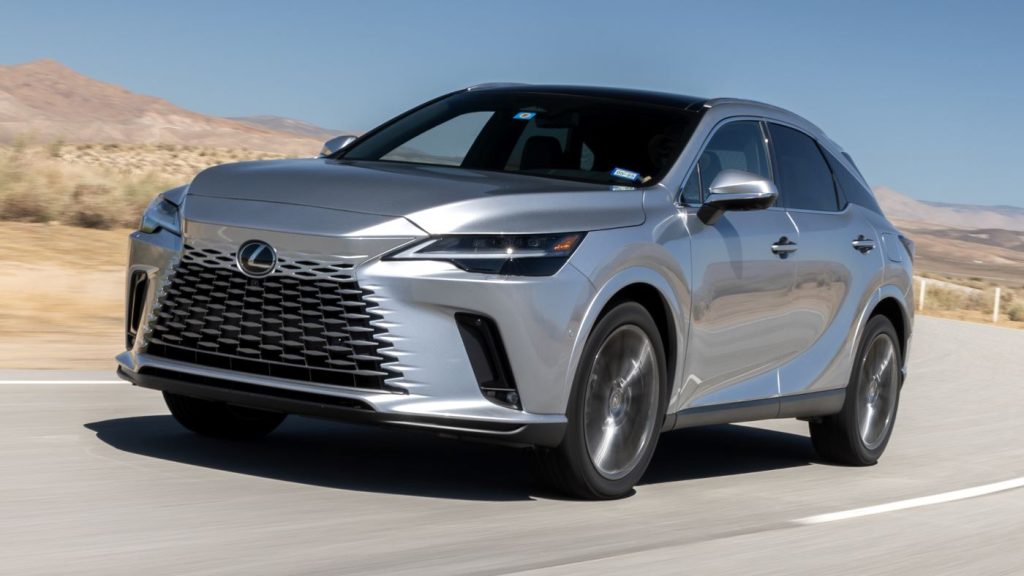
10. Lexus RX
The Lexus RX has become one of the most trusted luxury SUVs, and one of its strongest qualities is reliability.
Unlike some luxury models that can be costly and complicated to maintain, the RX is built with Toyota’s dependable engineering at its core, which makes it far more consistent during safety inspections.
Owners often report that their RX passes checks with little more than routine service, and this reputation has helped solidify its position as a long-term dependable choice.
One of the main factors behind its inspection success is its suspension and braking systems. Both are designed for comfort without sacrificing durability.
The suspension absorbs road imperfections while maintaining long-term stability, and the braking system provides consistent stopping power with components that wear evenly. This reduces the likelihood of inspection failures tied to uneven pads, rotors, or alignment issues.
The RX also benefits from strong emissions reliability. Lexus engines are tuned for smooth performance, and their emissions equipment tends to last longer than many rivals.
Catalytic converters, sensors, and exhaust systems remain reliable over years of ownership, provided basic servicing is followed. Because emissions-related failures are among the most common during inspections, the RX’s strong performance in this area is a major advantage.
Another point in its favor is the simplicity of maintenance compared to other luxury SUVs. While German brands are often associated with expensive and complex repairs, the RX maintains Toyota’s straightforward serviceability.
Parts availability is strong, and mechanics are familiar with the model, which helps owners avoid delays or overlooked problems that could otherwise affect inspection results.
Owners often remark that the RX combines the comfort and refinement of a luxury SUV with the practical dependability of a Toyota product. This blend ensures that it not only performs well daily but also remains a consistent success at inspection time.
For drivers who want both luxury and reliability without the stress of frequent mechanical surprises, the RX stands out as one of the best options available.
Also Read: 10 German Sports Cars That Refuse to Quit
