
Reliability has always been a deciding factor for drivers who want peace of mind behind the wheel.
While flashy styling, advanced features, and performance often grab attention, what matters most to many buyers is whether their car will start every morning and get them to their destination without fuss.
This is especially true in the compact car segment, where vehicles are expected to balance affordability, efficiency, and durability.
Compact cars often serve as daily commuters, family haulers, or first-time vehicles, meaning they face a variety of conditions, from stop-and-go city traffic to long highway drives.
Only a handful of models have managed to consistently prove that they can handle these demands without frequent breakdowns or costly repairs.
Over the years, certain compact cars have built a reputation for running strong even under pressure. These vehicles are engineered with sturdy drivetrains, practical designs, and minimal complications, which all contribute to their dependability.
Owners of these cars often report fewer mechanical failures, lower repair bills, and a sense of confidence that their vehicles will stand the test of time. Many of these compacts also boast impressive longevity, with examples frequently surpassing the 200,000-mile mark while still remaining practical for daily use.
The following nine compact cars have shown themselves to be not just economical and efficient but also impressively resilient. Each one has earned a spot on this list due to its proven track record of durability, reliability, and owner satisfaction.
Whether it’s through robust engine design, well-built transmissions, or affordable and widely available parts, these cars have proven that toughness can come in small packages.
Drivers seeking a compact vehicle that will rarely let them down will find that these nine models stand among the most trusted options on the road.
Also Read: 9 Affordable Classics That Won’t Leave You Stranded
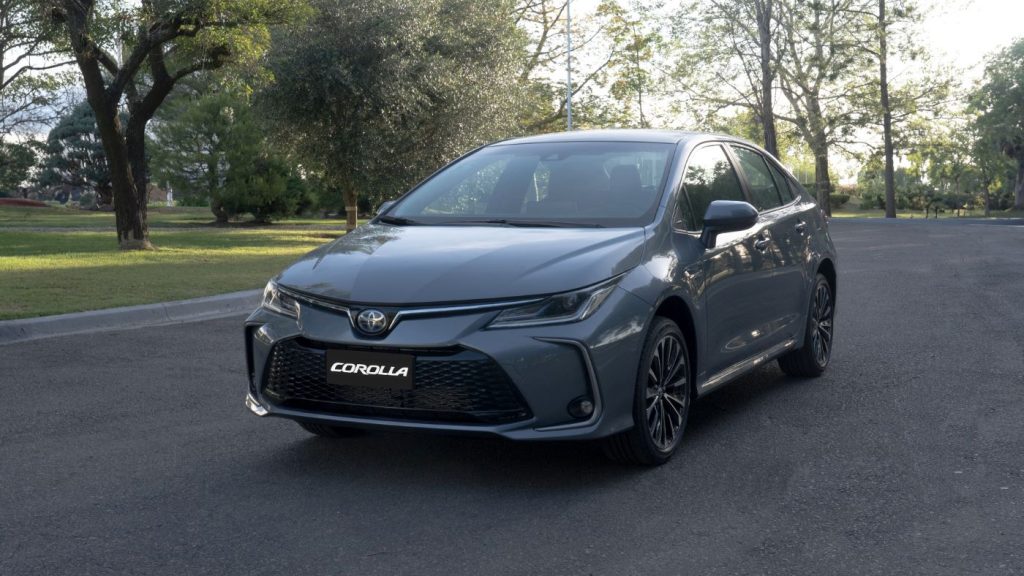
1. Toyota Corolla
The Toyota Corolla has long been the benchmark for compact car reliability, and for good reason. Since its introduction decades ago, it has consistently proven itself as a dependable and durable option for drivers worldwide.
Owners often praise the Corolla not for flashy performance or luxury, but for its ability to handle years of daily driving without major mechanical problems. Its reputation is so strong that many examples regularly pass 200,000 miles with only routine maintenance.
At the core of the Corolla’s durability is its range of engines. Toyota engineers focused on producing efficient, straightforward, and robust powertrains.
These engines are designed to run smoothly under various conditions, from city commuting to long-distance highway driving, with minimal wear when serviced properly.
The transmissions, whether manual or automatic, are equally well regarded. Their simple designs and proven track records contribute to the car’s resilience under pressure.
Another key factor is the Corolla’s conservative engineering approach. Toyota prioritizes practicality and long-term dependability over unnecessary complexity.
This means fewer high-tech features that could become failure points as the car ages. Suspension components, brakes, and electrical systems are designed for consistency, allowing the car to handle everyday use without constant repairs.
The Corolla’s global popularity also ensures abundant availability of parts, both new and used. Owners rarely struggle to find affordable replacements, making upkeep straightforward and cost-effective.
The sheer number of Corollas on the road also means mechanics everywhere are familiar with servicing them, further reducing the chances of costly mistakes.
Rust resistance, particularly in later generations, has improved significantly, helping many Corollas remain solid after decades.
Even older models often stay roadworthy with basic attention. Because of this, the Corolla has built a loyal following, with many families choosing it generation after generation.
Drivers who value peace of mind and consistent performance know the Corolla is hard to beat. It may not grab attention with style or speed, but its ability to keep going strong year after year is why it rarely breaks under pressure.
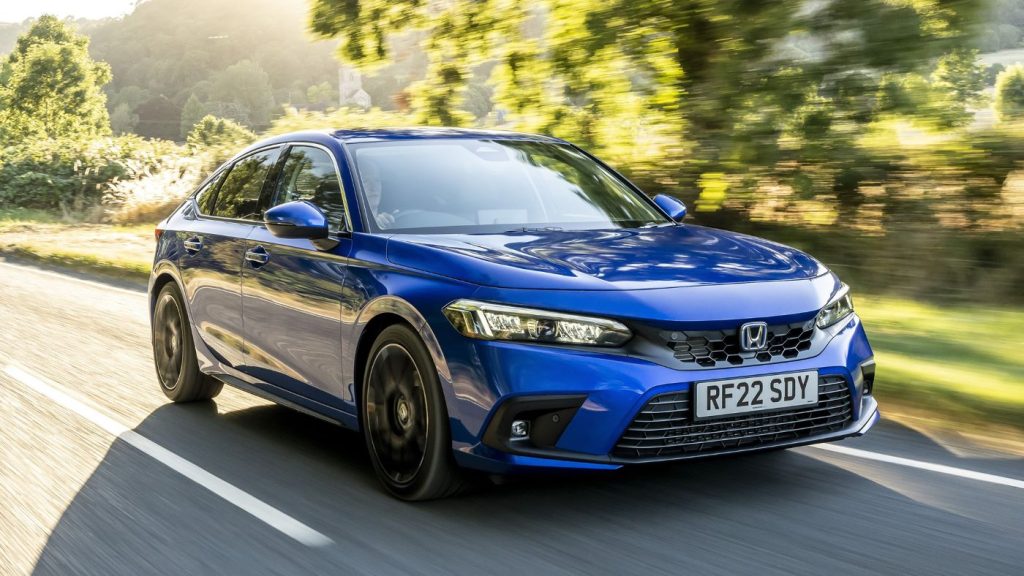
2. Honda Civic
The Honda Civic is another compact car that has established a reputation for being nearly bulletproof. Since the 1970s, it has offered a combination of efficiency, affordability, and durability that appeals to a broad range of drivers.
Whether used as a first car, a commuter, or even modified for performance, the Civic has proven time and again that it can withstand heavy use without frequent failures.
One of the strongest aspects of the Civic is its reliable engine lineup. Honda’s engineering philosophy emphasizes efficiency and longevity.
Engines such as the D-series and later R-series four-cylinders are known for their ability to run hundreds of thousands of miles with minimal trouble. Regular oil changes and timely maintenance keep them running smoothly well beyond what many expect from a compact car.
The Civic’s manual transmissions are especially admired for their durability. They are simple, smooth-shifting, and rarely develop serious problems even after decades of use.
Automatic transmissions in Civics have also earned a good reputation, provided they are serviced on schedule. Suspension and steering components are equally reliable, helping the Civic handle years of road use without frequent breakdowns.
Affordability of parts and widespread availability make the Civic particularly appealing for long-term ownership.
From brake pads to engine components, replacement parts are easy to find and inexpensive, which makes keeping an older Civic on the road less of a financial burden.
The popularity of the model also ensures a massive knowledge base among mechanics and enthusiasts, so solutions to common issues are well documented.
Rust can affect some older Civics, particularly in regions with harsh winters, but structurally sound examples remain plentiful.
Many of these cars continue to serve faithfully even after 30 years. Owners often remark that their Civics simply “keep going” without unexpected failures, which speaks to Honda’s focus on reliability.
Because of its proven engineering, low running costs, and adaptability, the Honda Civic stands among the most trusted compact cars. It is a vehicle that rarely lets its driver down, no matter how many years it has been on the road.
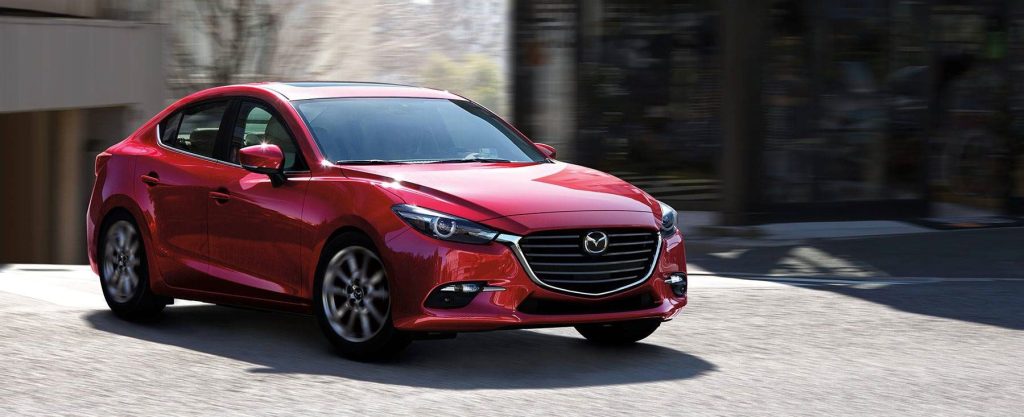
3. Mazda 3
The Mazda 3 is a compact car that combines reliability with a more spirited driving experience. Introduced in the early 2000s, it quickly became known not just for sharp handling and stylish design but also for its ability to last.
Many Mazda 3s have proven that they can remain dependable even with high mileage, making them a smart choice for drivers who want both fun and durability.
The strength of the Mazda 3 lies in its well-engineered engines. The early 2.0-liter and 2.3-liter four-cylinders, as well as later SkyActiv engines, are built to balance efficiency and longevity.
Owners who follow scheduled oil changes and basic maintenance often report their cars running reliably well past 200,000 miles. Unlike some compact competitors, the Mazda 3 manages to deliver engaging performance without sacrificing durability.
Transmission options, both manual and automatic, are solid. The manual gearboxes in particular are praised for their robustness and engaging feel. The automatics, when serviced properly, are also long-lasting.
This reliability extends to the suspension system, which holds up well under daily use while providing sporty handling that sets the Mazda 3 apart from some of its more conservative rivals.
Rust was a concern in earlier generations, especially in regions with harsh winters, but owners who addressed this issue promptly have enjoyed long-lasting vehicles. Later models benefited from improved rust protection, further extending the lifespan of the car.
Parts availability is another factor in the Mazda 3’s longevity. Because of its popularity worldwide, replacement components are affordable and accessible. This makes it easier for owners to keep their cars in good working order without excessive expense.
Drivers often choose the Mazda 3 because it offers something different in the compact class: dependable transportation with an engaging personality. Its ability to deliver consistent reliability, paired with enjoyable driving dynamics, makes it a compact car that rarely breaks under pressure.
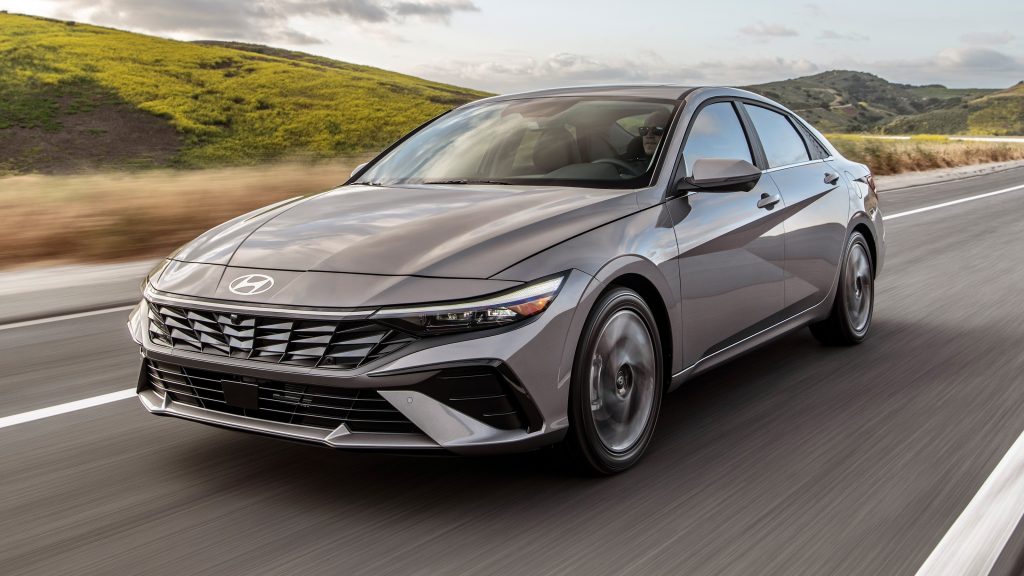
4. Hyundai Elantra
The Hyundai Elantra has evolved from a budget-friendly option to one of the most dependable compact cars on the market.
Over the past two decades, Hyundai has significantly improved build quality, engineering, and reliability, transforming the Elantra into a vehicle that rarely lets drivers down under pressure. Today, it is widely respected for delivering long-term value, affordability, and resilience.
At the heart of the Elantra’s dependability is its strong engine lineup. Hyundai’s four-cylinder engines, particularly the 1.8-liter and 2.0-liter variants, are designed with efficiency and longevity in mind.
These motors are relatively simple, minimizing potential failure points, while still offering enough power for daily driving. When properly maintained with regular oil changes and fluid services, they can easily surpass 200,000 miles without major issues.
The transmissions, both manual and automatic, are generally robust. Hyundai has steadily improved its automatic transmissions, and recent six-speed units have proven smooth and reliable.
Suspension systems are straightforward, durable, and designed to handle years of road use with minimal wear. Steering components also hold up well, further reducing the likelihood of unexpected repairs.
Another factor in the Elantra’s longevity is Hyundai’s strong warranty program, which encouraged confidence in buyers and helped build the brand’s reputation.
Many early owners followed proper maintenance schedules due to warranty requirements, which contributed to the long life of their vehicles. As a result, well-cared-for Elantras are common on the used market, often with impressive mileage.
Parts availability is excellent, with both OEM and aftermarket components widely accessible. Replacement costs are relatively low compared to some competitors, making it easy to keep older Elantras on the road. Mechanics are also familiar with the model, which keeps labor costs predictable.
While earlier generations faced rust concerns in certain climates, newer models feature improved protection, helping extend their service lives.
Owners frequently comment that their Elantras remain solid, dependable commuters that require little more than routine upkeep.
The Elantra demonstrates how a manufacturer can turn a once-basic model into a dependable cornerstone of its lineup.
Affordable to buy, inexpensive to maintain, and capable of lasting decades, the Elantra is a compact car that rarely falters, even when subjected to demanding daily use.
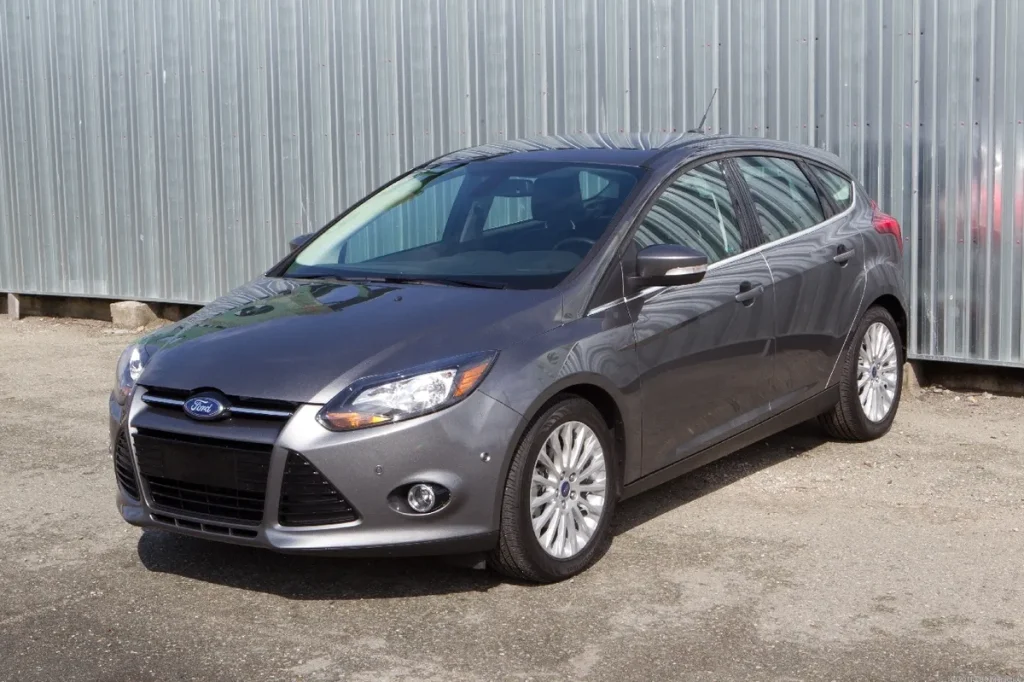
5. Ford Focus
The Ford Focus, particularly the earlier generations, has proven itself as a reliable and resilient compact car. Introduced in the late 1990s, it became an international success thanks to its strong engineering, practical size, and affordability.
Over time, the Focus earned a reputation for handling well, offering comfort, and, most importantly, withstanding years of use without frequent breakdowns.
Engines are one of the Focus’s strongest aspects. The early 2.0-liter Zetec and later Duratec four-cylinders were designed for both efficiency and long service life.
These engines, when given regular oil changes and proper timing belt or chain maintenance, often exceed 200,000 miles with few issues. Even after heavy use, many Focus engines continue to deliver consistent performance, making them dependable choices for daily drivers.
Transmissions vary by generation, but manual gearboxes in particular are durable and long-lasting. Automatic transmissions from the earlier years are generally solid, though later dual-clutch units did face some complaints.
Still, with proper servicing, most Focus models have proven reliable in this department as well. Suspension components, especially in models praised for sharp handling, are robust but may require occasional bushing replacements, which are inexpensive and easy to find.
Another reason for the Focus’s resilience is its wide global reach. Sold in many markets, it benefits from extensive parts availability and repair knowledge.
Replacement parts are affordable, and mechanics are well-acquainted with servicing the model. This helps keep running costs low even as the vehicle ages.
Rust protection was decent in most models, though some older Focus cars may require attention in harsher climates. Still, many examples remain solid after decades, particularly when owners have kept up with preventive care.
The Focus also benefits from its balance of fun driving dynamics and reliability. Drivers appreciate that it feels more engaging than many compact competitors while still remaining practical and sturdy.
Owners often find that the car continues to deliver dependable performance even after years of service, making it a compact car that holds its own under pressure.
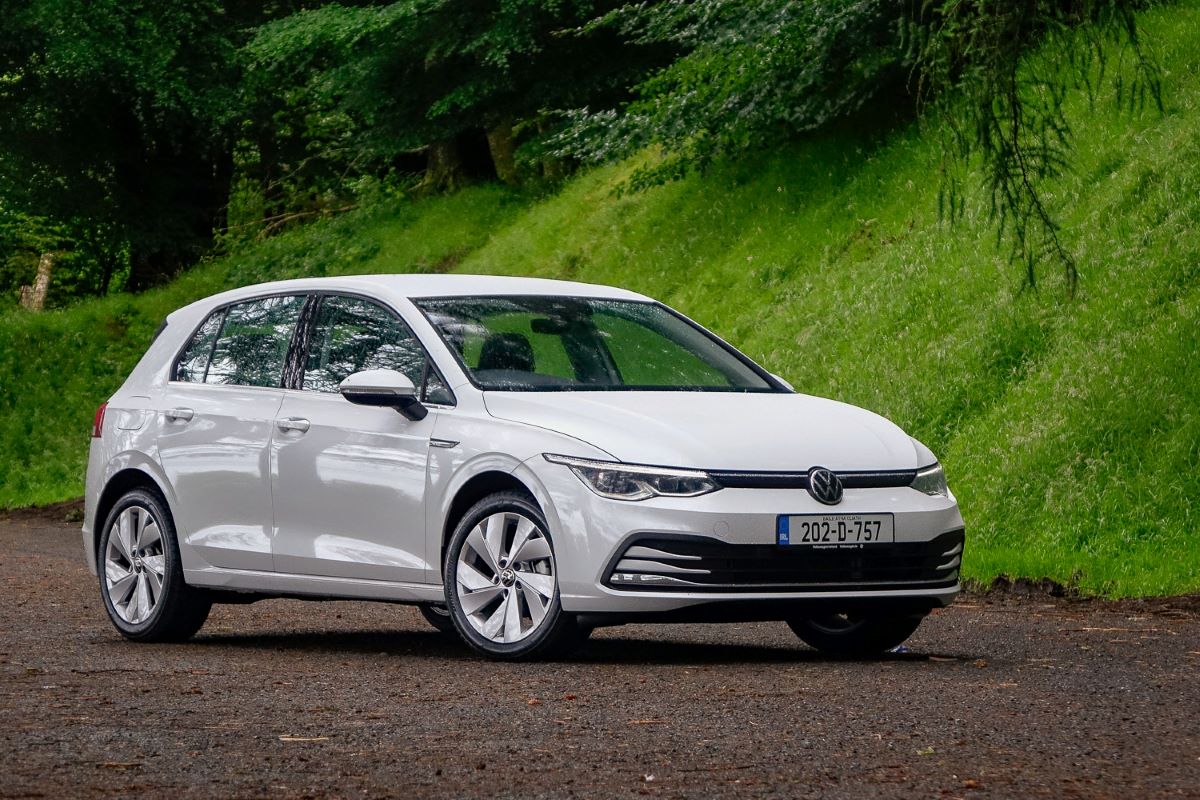
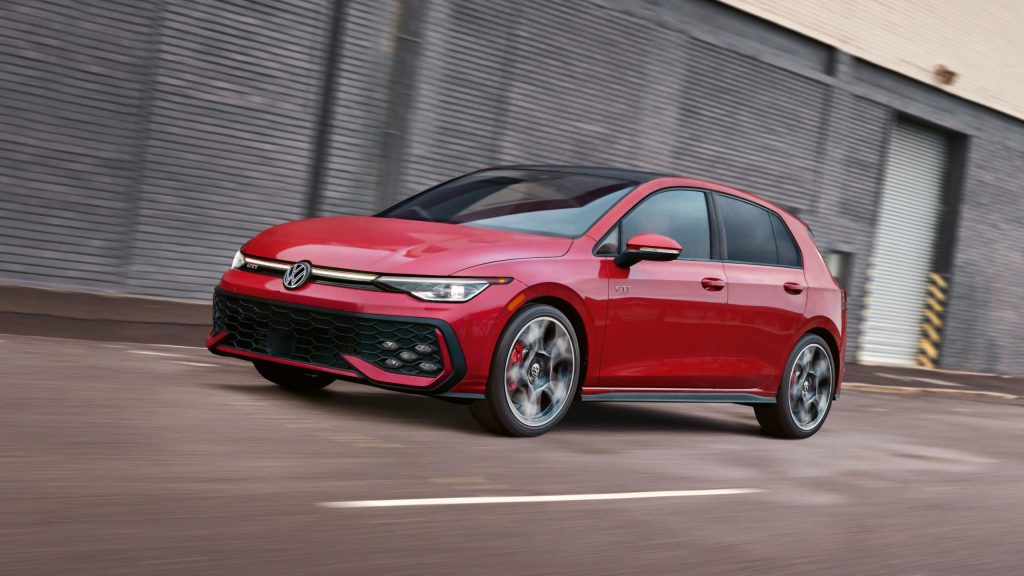
6. Volkswagen Golf
The Volkswagen Golf has stood the test of time as one of the most well-rounded compact cars, offering a combination of durability, refinement, and practicality.
Introduced in the 1970s, it quickly became a global icon, and many examples from the 1990s and 2000s are still on the road today. Its long-lasting appeal comes not only from its European styling and comfort but also from its proven ability to endure demanding use.
Engines are a strong point in the Golf’s legacy. From the early naturally aspirated four-cylinders to the durable 1.9-liter TDI diesel, Volkswagen engineered the Golf’s powertrains to last.
These engines are known for their ability to reach high mileage with proper care, often exceeding 250,000 miles with only routine maintenance. The 1.9 TDI, in particular, became legendary for its efficiency and endurance.
Transmissions, both manual and automatic, have shown resilience. The manual gearboxes are robust and offer smooth performance even after decades of use. Automatic versions vary in reliability, but when serviced correctly, many last just as long.
The Golf’s suspension system is designed for comfort and handling, using quality components that age well, though replacements are easy to source when needed.
Rust protection has generally been strong, especially in later generations, allowing many Golfs to remain structurally sound after years of exposure.
Interiors are also well built, with durable materials that resist wear better than many competitors. These qualities contribute to the Golf’s reputation for staying solid long after other compact cars have worn down.
Parts availability is excellent thanks to its worldwide popularity. Both OEM and aftermarket support ensure that owners can maintain their Golfs without difficulty. Mechanics are also familiar with the model, given its widespread presence.
The Golf’s ability to provide a premium driving experience while also being incredibly reliable makes it a standout in the compact category. Its long history of endurance shows why it is considered one of the best cars for those who want a dependable, practical, and long-lasting compact vehicle.
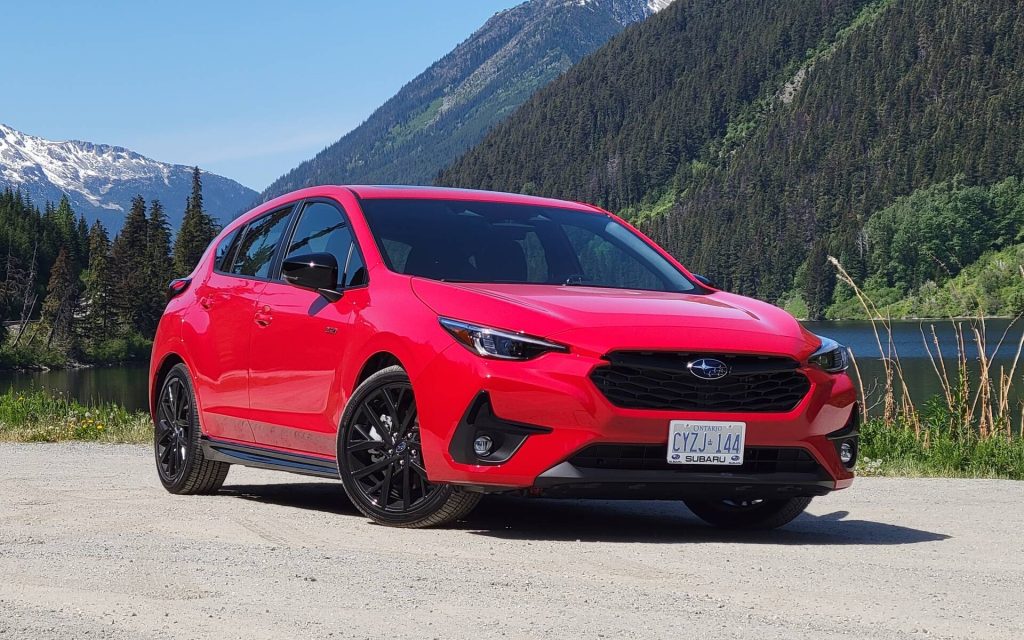
7. Subaru Impreza
The Subaru Impreza is one of the most resilient compact cars, known for its toughness and versatility. Since its debut in the early 1990s, it has earned a reputation for being a dependable daily driver that can handle varied conditions with ease.
Thanks to Subaru’s engineering and standard all-wheel drive on most models, the Impreza has stood the test of time as a compact that rarely breaks under pressure.
Engines have been a cornerstone of the Impreza’s durability. Subaru’s flat-four boxer engines are designed to provide balance and longevity when properly maintained.
While some older models required attention to head gaskets, many owners report their engines lasting well beyond 200,000 miles once preventive care is done. Routine oil changes, timing belt services, and cooling system maintenance keep these engines running strong for decades.
The transmissions, both manual and automatic, are also long-lasting. Subaru’s manual gearboxes in particular have a strong reputation for reliability, often outlasting the vehicle itself.
Combined with the brand’s symmetrical all-wheel-drive system, the drivetrain is built to withstand harsh driving conditions, from snowy climates to rugged rural roads. This toughness makes the Impreza especially appealing to those who need year-round dependability.
Suspension components are sturdy and capable of handling both city streets and unpaved roads.
Regular replacement of bushings and struts ensures the Impreza remains composed and reliable even after years of use. Rust protection is another area where Subaru improved over the years, and many Imprezas from the 2000s onward remain structurally solid today.
Parts availability is excellent, with both OEM and aftermarket suppliers supporting the Impreza due to its popularity.
Mechanics worldwide are familiar with the model, making repairs straightforward and affordable. Owners often praise how easy it is to keep their Imprezas on the road for decades.
The Impreza’s combination of reliability, versatility, and strong community support has allowed it to thrive long past its initial life cycle. It continues to be a compact car trusted by drivers who value durability under pressure.
8. Nissan Sentra
The Nissan Sentra has long been recognized as one of the brand’s most dependable compact offerings. First introduced in the early 1980s, it became a favorite among budget-minded buyers who wanted more than just affordability.
Over the years, the Sentra proved itself to be a reliable companion, with many examples continuing to perform well decades after leaving the showroom.
Engines are a primary reason the Sentra has lasted so long. Early GA-series engines and later QR-series four-cylinders are well-known for their durability.
With routine oil changes and proper maintenance, these engines often exceed 200,000 miles without major problems. Many owners have reported their Sentras still delivering smooth, consistent performance long after rivals have been retired.
Transmissions, particularly the manual gearboxes, are robust and require little more than clutch replacements over time.
Automatic versions vary by generation, but most have been reliable when serviced regularly. Suspension and steering components are simple and sturdy, designed to handle daily commuting without frequent failures.
Another advantage of the Sentra is its affordability and accessibility. Parts are widely available and inexpensive, which makes maintaining an older Sentra cost-effective.
Mechanics are familiar with the car’s straightforward design, meaning repairs are typically simple and quick. This ensures the vehicle spends more time on the road and less in the shop.
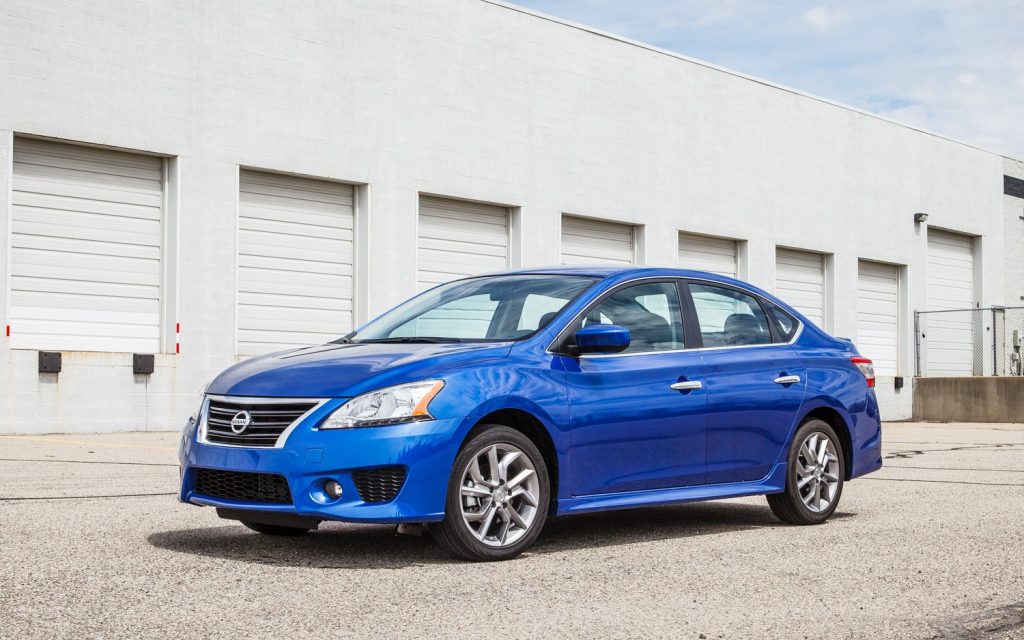
Rust resistance has been adequate, though some older Sentras from the 1990s and early 2000s may show corrosion in harsher climates. Still, structurally sound examples are plentiful, and with care, these cars remain dependable daily drivers.
The Sentra’s long life is further supported by its practicality. Comfortable interiors, good fuel economy, and a reputation for dependability have made it a trusted choice for commuters and families alike. Even today, many Sentras from past decades are still passing inspections and serving faithfully.
Its ability to endure years of use with minimal issues proves why the Sentra is considered one of the compact cars that rarely breaks under pressure.
9. Kia Forte
The Kia Forte is one of the strongest examples of how far the Korean automaker has advanced in building dependable compact cars.
First introduced in 2008, it quickly established itself as a value-packed option that could compete with long-standing Japanese and American rivals.
Over the years, the Forte has proven itself as a reliable, efficient, and sturdy vehicle that can withstand demanding daily use.
Kia’s four-cylinder engines, including the 2.0-liter and later 1.6-liter turbocharged variants, are well regarded for their balance of performance and durability.
With regular oil changes and adherence to service intervals, these engines often achieve high mileage without major repairs.
Unlike some competitors that rely on overly complex technology, Kia kept the Forte’s powertrain relatively simple, which has contributed to its long-term reliability.
Transmissions have also shown strong reliability. Manual gearboxes are particularly tough, while Kia’s six-speed automatic units have proven smooth and long-lasting when properly maintained.
Later continuously variable transmissions (CVTs) have performed well too, provided owners keep up with fluid changes. The suspension and steering are designed for everyday durability, holding up under city traffic, highway cruising, and long commutes without frequent failure.
Another factor working in the Forte’s favor is Kia’s extended warranty coverage, which encouraged owners to stick with proper maintenance routines.
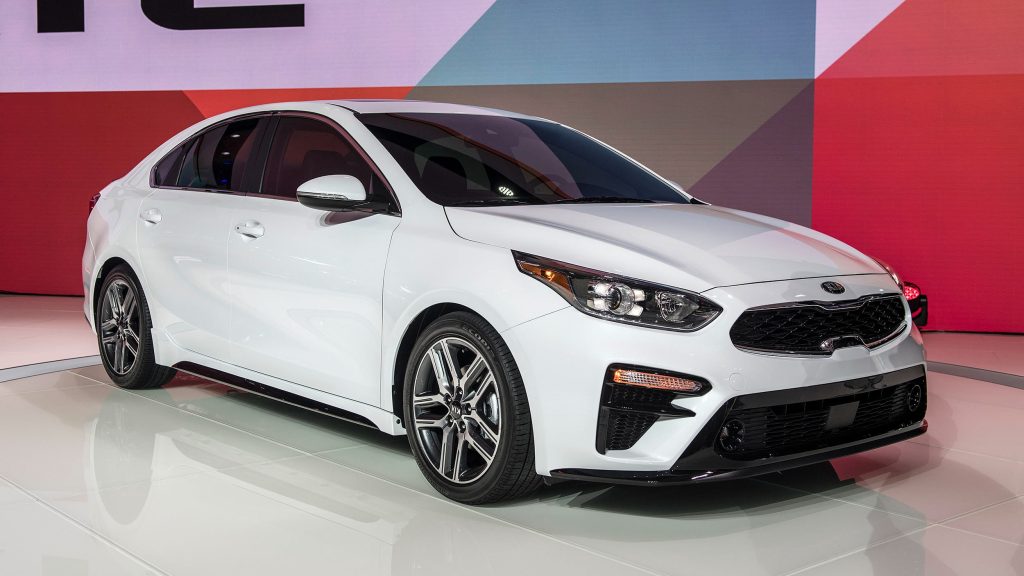
This has resulted in many well-preserved Fortes on the used market today. Replacement parts are widely available and reasonably priced, making ownership costs predictable and manageable.
Interior durability is another strength. Materials hold up well to years of use, and the overall build quality reflects Kia’s progress toward producing vehicles designed to last.
Rust protection has been effective, ensuring that many Fortes remain structurally sound even after more than a decade on the road.
The Forte has matured into a compact car that competes directly with the most reliable names in the segment.
Its combination of value, durability, and practicality proves it can handle long-term use with confidence, making it a compact car that rarely falters under pressure.
Also Read: 9 Vehicles That Stay Valuable in Collector Markets
