
Classic sports cars have always held a unique appeal, not just for collectors but also for those who value driving as an experience. These machines are more than just transportation; they are symbols of craftsmanship, passion, and endurance.
While many iconic sports cars are tucked away in garages, only driven on special occasions or showcased at automotive events, there are a surprising number that continue to be part of daily life.
Seeing a classic model still running reliably on public roads is proof that timeless engineering and strong maintenance practices can outlast changing trends and new technologies.
The daily presence of these cars tells two stories at once. First, it shows the durability of their original design. Classic sports cars were often built with mechanical simplicity, robust engines, and components that could endure years of wear when cared for properly.
Second, it reflects the devotion of their owners, many of whom see these cars not as fragile relics but as dependable companions. For some, keeping an older sports car on the road is a statement of identity, an expression of style and loyalty to automotive history.
It is rare to witness a car from decades ago weaving through modern traffic while still offering performance and personality that rivals newer models.
Yet certain sports cars are spotted regularly, reminding everyone that true design and reliable engineering never become outdated.
From lightweight Japanese legends to sturdy European icons and dependable American classics, these vehicles continue to earn admiration while handling commutes, errands, and highway drives.
The following list highlights ten classic sports cars that are still seen on daily roads. Each one has a story of durability, relevance, and appeal, proving that age is not always a barrier to consistent performance.
Also Read: 10 Most Durable Vehicles That Rarely Fail Safety Inspections
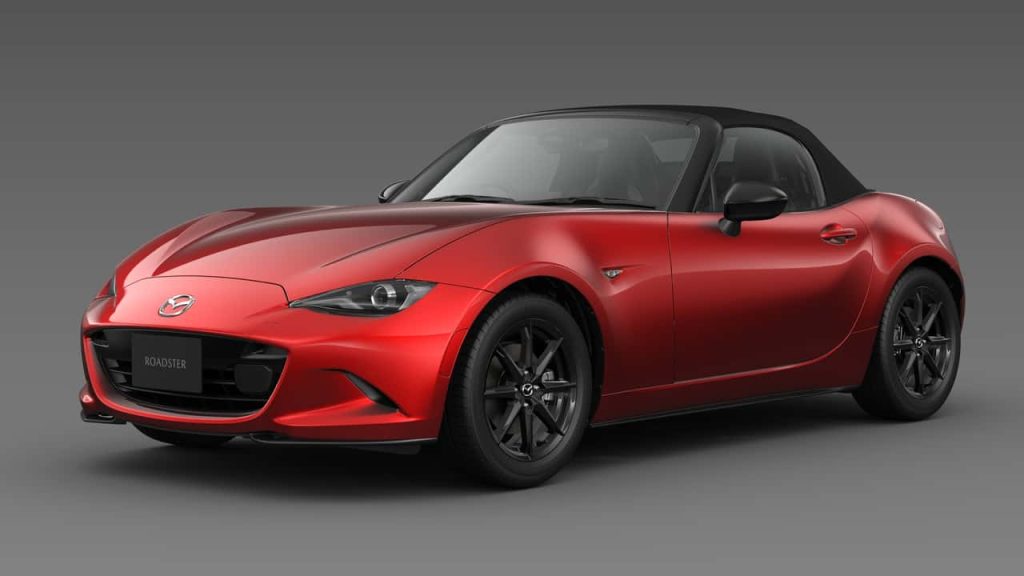
1. Mazda MX-5 Miata
Few cars have managed to blend affordability, driving pleasure, and durability as well as the Mazda MX-5 Miata.
Introduced in 1989, this lightweight roadster quickly became a favorite for people who wanted the thrill of a sports car without the price tag or maintenance worries that often come with high-performance vehicles.
What makes the Miata particularly special is how often it is still seen on daily roads, even models from the early 1990s. Its reputation for reliability has kept it in service long after many of its contemporaries were retired.
The Miata’s 1.6-liter and later 1.8-liter engines are not the most powerful, but they are incredibly robust. With proper oil changes and regular care, these engines routinely surpass 200,000 miles without major problems.
Many owners drive their cars daily without fear of breakdown, a rare achievement for a sports car of its era. Its five-speed manual transmission is also simple yet durable, offering a direct connection between driver and machine that newer cars often lack.
Another reason the Miata continues to thrive on modern roads is its ease of ownership. Parts are widely available and relatively inexpensive.
Because the car is lightweight, components such as brakes, tires, and suspension experience less wear compared to heavier vehicles. This keeps repair costs manageable, encouraging owners to keep their Miatas running year after year.
Beyond durability, the Miata delivers joy in every drive. Its nimble handling and balanced chassis make even mundane commutes enjoyable. This fun factor ensures that owners rarely tire of their cars, choosing to maintain them rather than replace them with newer models.
The community surrounding the Miata is also a major factor. Enthusiasts share maintenance tips, modifications, and support, making it easier to keep older models on the road.
The MX-5 Miata has achieved something very few sports cars have: it remains a reliable, affordable, and enjoyable daily driver decades after its introduction.
For many, it represents the purest form of driving fun, and that reputation continues to ensure its visibility on roads around the world.
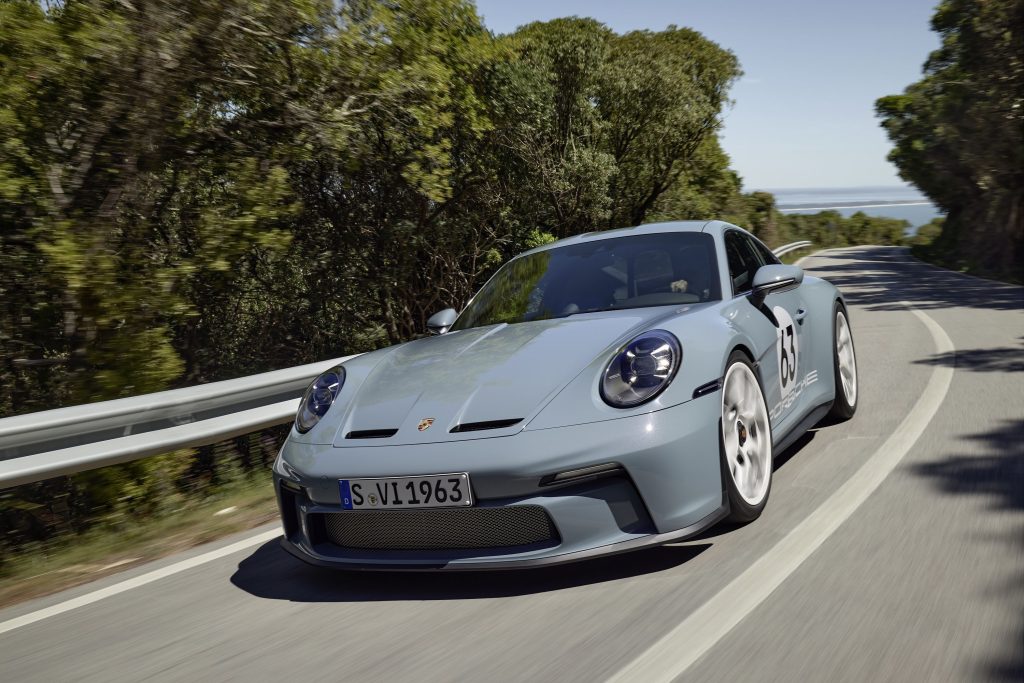
2. Porsche 911 (Air-Cooled Models)
When it comes to classic sports cars that refuse to fade from daily use, the Porsche 911 stands near the top. Particularly the air-cooled models produced until 1998, these cars combine robust German engineering with timeless design.
Despite being luxury sports cars, many older 911s are not hidden away in collections but instead driven regularly, proving their remarkable staying power.
One of the main reasons older 911s still thrive on public roads is their engine design. The flat-six air-cooled engines are known for being incredibly reliable when maintained properly.
Unlike many high-performance engines that require constant overhauls, the Porsche motors can last well over 200,000 miles.
Owners who adhere to routine maintenance schedules often find these cars to be surprisingly dependable, even compared to modern vehicles.
The build quality of the 911 is another factor. Porsche engineered these cars with durability in mind, using high-quality materials and precision assembly.
The interiors, though minimalist by today’s standards, were designed to last, meaning even cars from the 1980s still feel solid. This robust construction helps them withstand the test of time and daily use.
Additionally, parts availability and a strong aftermarket network make it easier to keep these classics running.
While repairs may be more expensive than for Japanese or American cars, the global support system ensures that owners can source whatever is needed. This accessibility has helped maintain the car’s visibility on roads long after its original production.
Driving experience is also key. Few cars balance comfort and performance like the 911. Whether handling city commutes or spirited highway drives, the car feels equally at home.
The iconic rear-engine setup gives it character, and the engaging manual transmissions keep enthusiasts connected to the driving process.
Many owners argue that the joy of driving these cars outweighs the costs of upkeep, which is why they remain a common sight even after decades.
The air-cooled Porsche 911 has become a symbol of durability and timeless appeal. While newer models boast modern features, the classics prove that good engineering and careful ownership can keep a sports car relevant for everyday use long after its prime years.
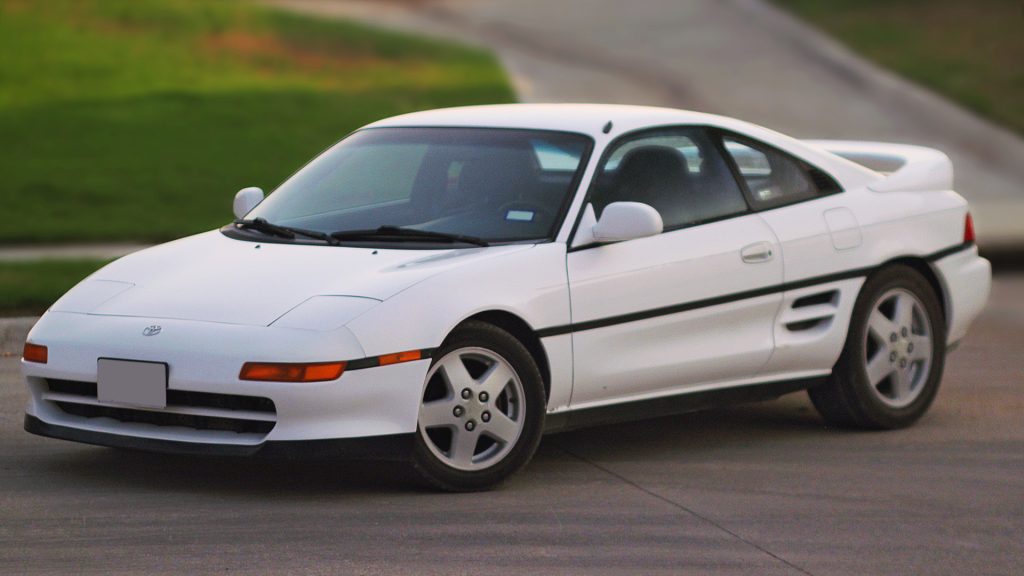
3. Toyota MR2
The Toyota MR2 is another classic sports car that has managed to stay present on modern roads, often surprising those who expect older models to be scarce.
Produced between the mid-1980s and early 2000s, the MR2 carved a reputation as an affordable mid-engine sports car, delivering a driving experience that rivaled much more expensive European models. Many of these cars, especially the second-generation models from the 1990s, are still actively driven today.
At the heart of the MR2’s longevity is Toyota’s reputation for bulletproof engineering. The engines, ranging from the naturally aspirated 2.0-liter units to the turbocharged versions, are known for handling high mileage when maintained properly.
It is not uncommon for MR2s to cross 200,000 miles while still offering strong performance. The mid-engine layout not only provides excellent balance but also protects many mechanical components from unnecessary stress, contributing to their longevity.
The MR2’s simplicity is another reason it continues to thrive as a daily driver. Despite its exotic layout, the car is relatively straightforward to service compared to European sports cars with similar designs.
Toyota’s widespread parts network and the availability of aftermarket support ensure that owners can keep their MR2s in good working condition without breaking the bank.
The lightweight chassis and sharp handling also add to its appeal. While not the fastest car in straight-line acceleration, the MR2 shines on winding roads and city streets where agility matters most. This makes it practical enough for daily use while still delivering a sports car experience.
Enthusiasts also keep the MR2 alive through strong community support. Owners often share knowledge and help each other with sourcing parts, modifications, and maintenance tips. This network has been crucial in preserving the car’s presence on modern roads.
For many drivers, the Toyota MR2 offers a rare blend of reliability, affordability, and mid-engine thrills. It is a sports car that continues to be used in daily life, proving that smart engineering and a loyal fan base can keep a classic alive well past its expected lifespan.
4. Nissan 300ZX (Z32)
The Nissan 300ZX, particularly the Z32 generation produced from 1989 to 2000, remains one of the most recognizable Japanese sports cars of its time. Even today, it is not unusual to see these cars on the road, a testament to their engineering and the loyalty of their owners.
Unlike many sports cars from the late 20th century that became garage queens, the 300ZX continues to function as a practical daily driver for enthusiasts who appreciate both performance and reliability.
The Z32 came with a naturally aspirated 3.0-liter V6 or a twin-turbocharged version that offered impressive performance for the era.
While the turbo models are often treated more cautiously due to their rarity and higher maintenance requirements, the naturally aspirated versions are known for their durability.
With consistent maintenance, these engines can reach well beyond 200,000 miles, making them reliable enough for daily use.
Build quality was another strong point. Nissan invested heavily in the 300ZX, ensuring it offered a blend of luxury and sports car performance.
The interiors, though now considered vintage, were well designed and remain functional after decades of use. The car’s solid construction has allowed many examples to survive years of daily driving without succumbing to structural issues.
Parts availability is also a factor in its continued presence. While some components are becoming harder to source, a strong enthusiast community and aftermarket suppliers keep the car alive.
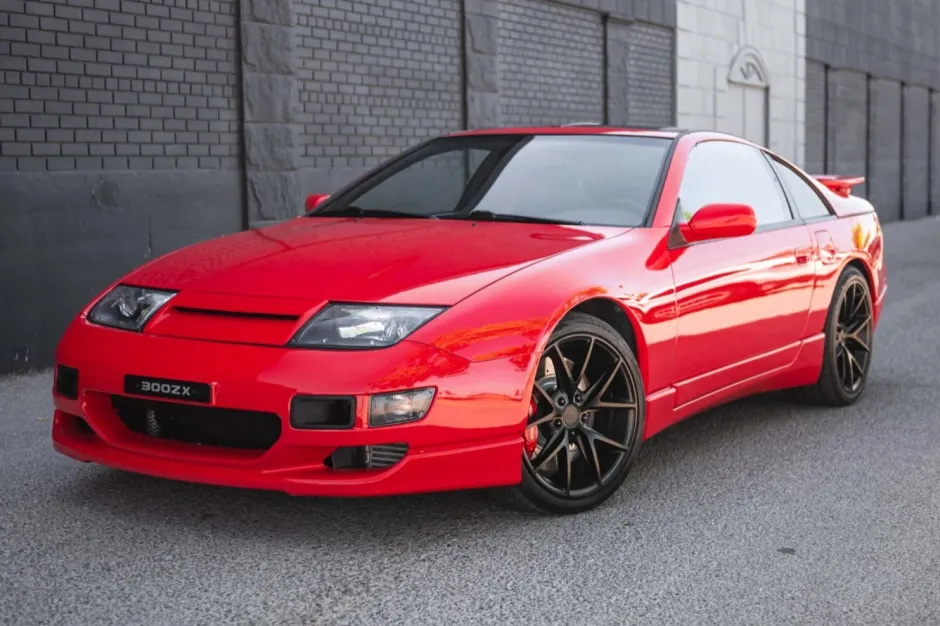
Many owners take pride in performing their own maintenance and modifications, which has created a culture of preservation around the 300ZX.
On the road, the car still feels special. The balance of comfort, power, and handling makes it versatile enough for commuting and highway driving. While newer cars may outperform it in technology and efficiency, the 300ZX delivers an engaging experience that keeps owners loyal.
The Nissan 300ZX’s combination of strong engineering, community support, and timeless design ensures that it continues to be seen on daily roads decades after its introduction.
It represents an era when Japanese automakers pushed the boundaries of performance while still delivering long-term dependability.
5. Chevrolet Corvette C4
The Chevrolet Corvette has always been a symbol of American sports car culture, and the fourth-generation model, known as the C4, has proven its ability to endure daily use well into the modern era.
Produced from 1984 to 1996, the C4 is still seen on roads today, driven not just by collectors but by everyday enthusiasts who appreciate its mix of performance and practicality.
Under the hood, the C4 Corvette was powered by a range of V8 engines, with later models featuring the respected LT1 and LT4 powerplants.
These engines are known for their durability and ability to handle high mileage without major problems. With regular oil changes and basic upkeep, many C4s surpass 200,000 miles, showing that performance and longevity can coexist.
Another reason for the C4’s continued road presence is its relatively simple mechanical design compared to today’s complex sports cars.
Repairs and maintenance are straightforward, and parts are widely available thanks to Chevrolet’s large production numbers and aftermarket support. This accessibility makes the C4 affordable to own and practical to maintain even decades after production stopped.
The car’s fiberglass body panels also play a role in its longevity. Unlike steel-bodied cars, the Corvette is resistant to rust, which allows its exterior to remain in good condition over time. Combined with a sturdy chassis, this has enabled many C4s to survive long-term exposure to daily driving.
On the road, the C4 still feels fast and responsive. While modern sports cars have surpassed it in refinement, the raw V8 power and distinctive styling give it a unique charm.
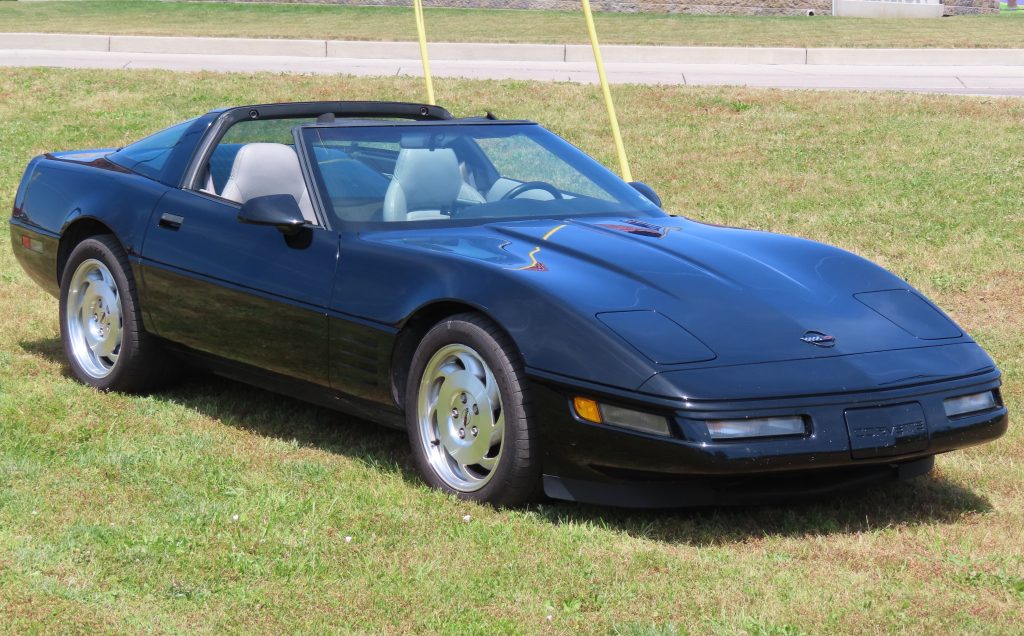
Many drivers find that the blend of comfort and performance makes it practical enough for everyday use, particularly in areas with mild climates where year-round driving is possible.
The Chevrolet Corvette C4 is proof that American engineering from the 1980s and 1990s produced cars that could stand the test of time. Its continued presence on the road highlights its durability, availability of parts, and lasting appeal.
6. Honda Prelude
The Honda Prelude, produced across five generations from 1978 to 2001, is another classic sports coupe that continues to make regular appearances on daily roads.
Known for its sleek design, reliable performance, and innovative features, the Prelude earned a loyal following that persists to this day. Its reputation for durability has allowed many examples to remain in use, long after most of its competitors disappeared.
The Prelude’s strength lies in Honda’s engineering consistency. Engines such as the 2.2-liter VTEC found in later models are renowned for their reliability and ability to handle high mileage.
It is not uncommon to find Preludes still running smoothly with over 200,000 miles on the odometer. This endurance has made it a dependable choice for those who enjoy sporty driving without sacrificing reliability.
Honda also equipped the Prelude with advanced features for its time, such as four-wheel steering in certain models. While these innovations set the car apart, the mechanical systems remained relatively easy to maintain compared to European counterparts.
The widespread availability of Honda parts, both OEM and aftermarket, ensures that owners can keep their Preludes roadworthy without significant difficulty.
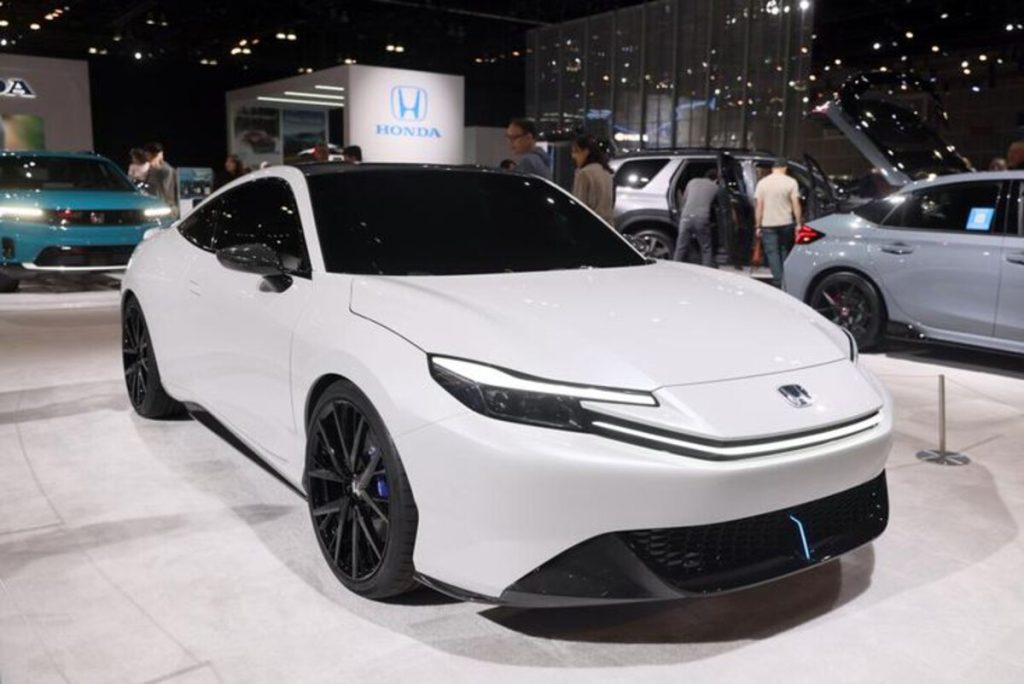
Another factor in the Prelude’s longevity is its strong enthusiast community. Owners have kept the car relevant through restoration projects, performance upgrades, and dedicated forums where maintenance advice is shared freely. This community support has been essential in keeping older models on the road.
Driving a Prelude today still feels rewarding. Its balanced handling, responsive steering, and comfortable cabin make it a versatile daily driver that also shines on spirited weekend drives.
While newer cars may offer more technology, the Prelude provides an authentic, driver-focused experience that appeals to enthusiasts.
The Honda Prelude remains a symbol of Honda’s golden era of sports coupes. Its combination of reliable engineering, enjoyable performance, and loyal fan base ensures that it continues to be part of daily life for many drivers even decades after production ended.
7. Ford Mustang (Fox Body)
The Fox Body Ford Mustang, produced from 1979 to 1993, remains one of the most recognized American sports cars on the road.
Despite being decades old, many of these Mustangs continue to serve as daily drivers, admired for their classic styling, straightforward engineering, and ease of maintenance.
The Fox Body is particularly notable for its balance of performance and reliability, allowing owners to enjoy spirited driving while keeping repair costs manageable.
Under the hood, the Mustang offered a range of engines, from economical four-cylinder and V6 units to the legendary 5.0-liter V8.
The V8 engines, in particular, earned a reputation for being both powerful and robust, capable of handling high mileage with minimal issues when properly maintained. This durability has kept many Fox Body Mustangs on roads across North America for decades.
One of the factors contributing to the Fox Body’s longevity is its mechanical simplicity. Unlike modern cars with complex electronics, these Mustangs feature straightforward systems that are easy for owners or local mechanics to work on.
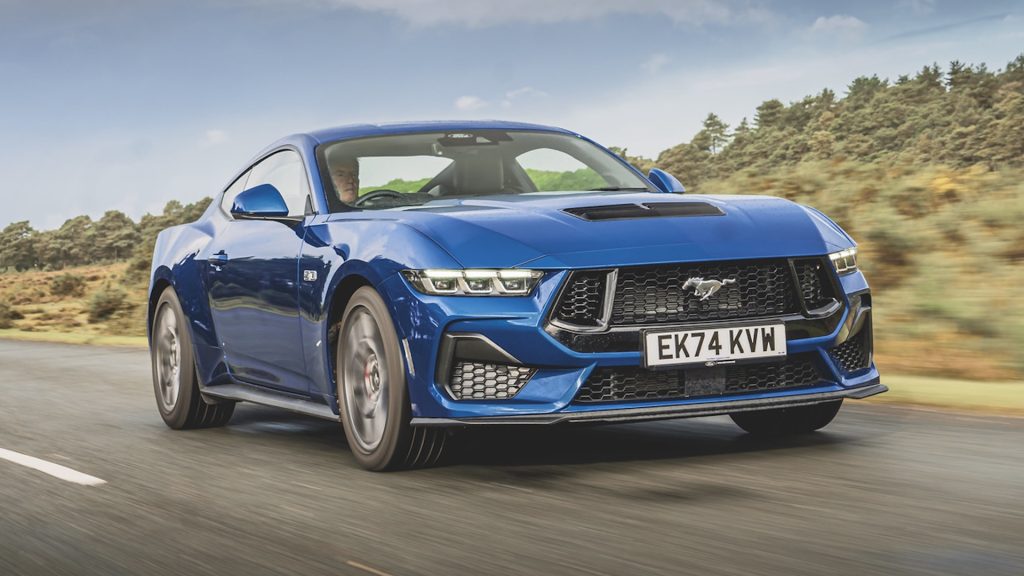
Parts are widely available, both new and used, which makes repairs and restoration feasible even today. This accessibility ensures that many of these vehicles continue to see regular use rather than being confined to showrooms.
The Fox Body Mustang also excels in terms of driver enjoyment. Its light frame, responsive steering, and rear-wheel-drive layout provide a classic sports car experience that remains engaging on modern roads.
While not as refined as today’s performance cars, the combination of power and simplicity allows owners to enjoy a true connection with the car and the road.
Additionally, the Mustang’s cultural impact has fostered a strong enthusiast community. Owners share tips, modifications, and advice on maintenance, which has helped preserve these vehicles for daily driving.
Many Fox Body Mustangs have been well cared for and maintained, ensuring they remain functional while retaining their original charm.
The Fox Body Mustang is a perfect example of how American sports cars from the late 20th century can combine performance, practicality, and durability.
Its continued presence on streets today demonstrates that classic design, robust engineering, and active community support can keep a vehicle relevant for decades.
8. BMW E30 3 Series (M3 and Coupe Models)
The BMW E30 3 Series, produced from 1982 to 1994, is widely regarded as one of the most iconic sports sedans and coupes ever built.
While many E30s have become collectible, a significant number are still used as daily drivers, thanks to their solid engineering, manageable maintenance, and engaging driving dynamics. The E30 M3 and standard coupe variants both continue to be appreciated on modern roads.
One of the key factors behind the E30’s durability is its engine design. Inline-four and inline-six engines are known for longevity, capable of exceeding 200,000 miles with consistent care.
The naturally aspirated motors are straightforward, reliable, and fuel-efficient for their era, making them suitable for everyday driving.
The M3’s higher-performance engine, while more demanding, is also durable when properly maintained, allowing enthusiasts to enjoy spirited driving without sacrificing longevity.
The E30’s chassis design is another reason for its lasting appeal. Lightweight and balanced, the car offers precise handling and a rewarding driving experience.
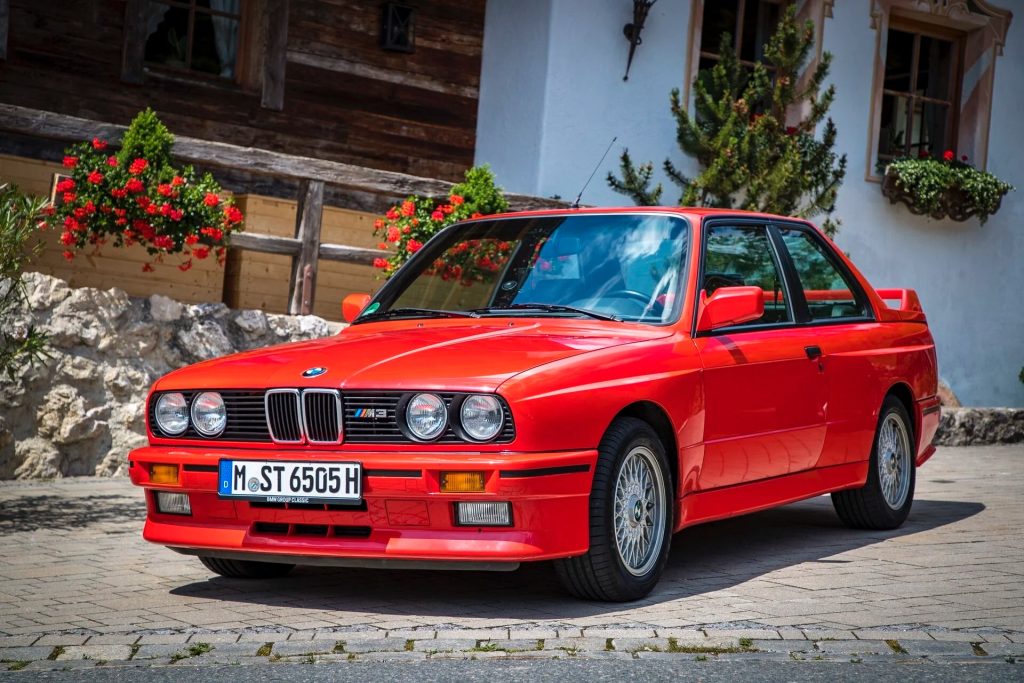
Its suspension components are robust, and many parts can be easily replaced or upgraded, allowing the car to remain functional for decades. This solid engineering ensures that E30s are not just collectible showpieces but practical daily vehicles.
Maintenance is relatively straightforward for the E30, especially with the strong support network of parts suppliers and mechanics familiar with older BMW models.
The car’s simple electronics and mechanical systems make it easier to keep in operation compared to more modern, complex vehicles. This has contributed significantly to its continued use on daily roads.
The E30 also provides comfort and practicality. Despite being a sports-oriented model, it offers enough space for commuting and errands, while its driving dynamics remain engaging.
The combination of durability, enjoyable driving experience, and reasonable maintenance costs has ensured that the E30 maintains relevance decades after production ended.
BMW E30 owners often form tight-knit communities, sharing advice and resources, which further supports the car’s longevity. These networks help preserve the vehicles in daily use while fostering appreciation for the engineering that made them exceptional in the first place.
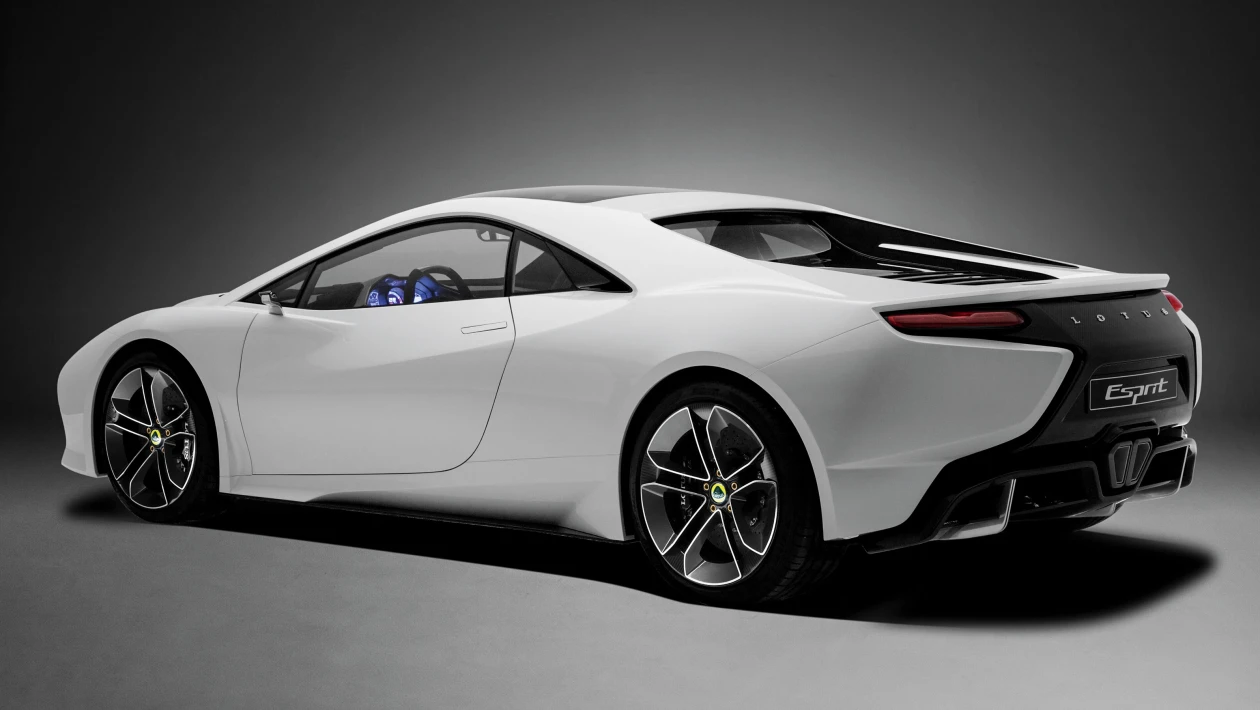
9. Lotus Esprit
The Lotus Esprit, produced from 1976 to 2004, is a British sports car famous for its sharp handling and striking wedge-shaped design. While many Esprits have become collectible, a number of well-maintained examples are still driven on regular roads today.
These cars demonstrate that lightweight engineering, strong mechanical components, and careful ownership can keep high-performance sports cars functional long after their initial production.
One of the Esprit’s strengths lies in its engine and chassis design. Early models were powered by naturally aspirated four-cylinder units, while later cars adopted turbocharged four-cylinders and V8s.
The engines, when serviced regularly, are capable of reliable operation, and the lightweight chassis reduces mechanical strain. Lotus focused on minimal weight and structural rigidity, which contributes to the car’s long-term durability.
Maintenance is essential for keeping an Esprit on the road. While parts may be more specialized than mainstream vehicles, the car’s simple mechanical layout allows experienced technicians to perform repairs efficiently.
Enthusiasts often source components through specialized suppliers, and many owners are proactive with preventative maintenance, ensuring their cars remain roadworthy.
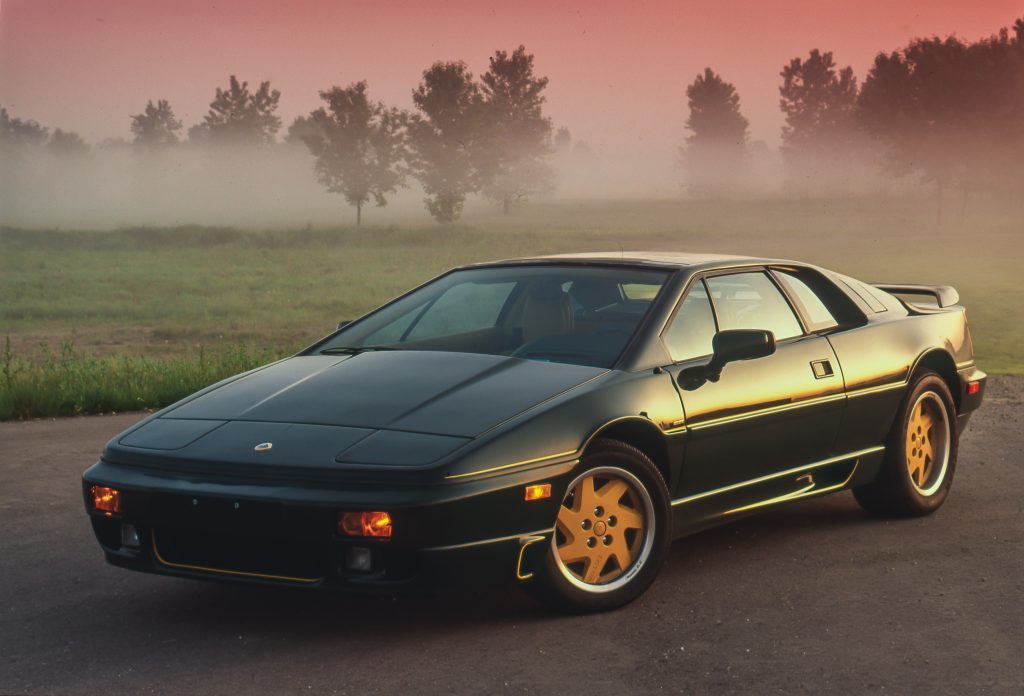
The Esprit’s handling remains a highlight even decades after production. Its low center of gravity, responsive steering, and precise suspension setup make it engaging and rewarding to drive.
Unlike heavier modern supercars, the Lotus provides a pure, connected driving experience that remains enjoyable for daily commutes or weekend drives.
Despite its exotic appearance, the Esprit’s practicality is enhanced by a surprisingly usable interior. While small compared to some sports cars, it accommodates two passengers comfortably, making it viable for short trips and daily use.
Owners who prioritize reliability and consistent care are able to maintain these cars as functional vehicles rather than museum pieces.
The Lotus Esprit illustrates that with careful ownership, engineering integrity, and dedicated maintenance, classic high-performance sports cars can remain active on public roads.
Its continued presence reminds enthusiasts that precision design and passion for driving are timeless qualities.
Also Read: 10 German Sports Cars That Refuse to Quit
