
Drifting is an exhilarating driving style that pushes vehicles to their limits. Performing controlled slides daily can test a car’s engine, suspension, drivetrain, and brakes like few other activities.
Many cars would succumb to this kind of stress quickly, but some models are engineered or proven to endure consistent aggressive driving while remaining reliable. For enthusiasts who enjoy daily drifting, choosing the right vehicle is crucial to avoid costly repairs and maintain dependable performance.
Cars that remain reliable under daily drifting tend to share common characteristics. Strong engines, robust cooling systems, and durable transmissions help handle continuous high RPMs.
Reinforced suspensions and chassis structures withstand the lateral forces generated during drifts. Additionally, models with easily serviceable components and abundant aftermarket support allow owners to repair and replace parts without major expenses.
This combination of mechanical durability and practical maintenance options ensures a drifting car can remain dependable over time.
Another key factor is simplicity in design. Vehicles without overly complex electronics or delicate components often survive repeated stress better than modern cars with intricate systems.
Many older sports cars, rear-wheel-drive sedans, and lightweight coupes have proven themselves capable of surviving daily drift use without frequent breakdowns.
Owners often report that with regular maintenance, fluid checks, and timely part replacements, these vehicles continue to perform reliably even under extreme conditions.
This guide highlights ten cars that maintain reliability while being subjected to daily drifting. Each model has been selected based on real-world reports, engineering robustness, and maintenance practicality.
By understanding which vehicles withstand frequent high-performance driving, enthusiasts can make informed choices that balance thrill and dependability. These cars provide both the excitement of drifting and the reassurance of longevity.
Also Read: 10 Best SUVs That Rarely Have Suspension Failures
1. Nissan 240SX
The Nissan 240SX has long been a favorite among drifting enthusiasts due to its rear-wheel-drive layout, balanced chassis, and lightweight construction.
Its popularity is not just for performance but also for reliability when used aggressively. Many drivers have reported running these cars daily for drifting without facing catastrophic failures, provided proper maintenance is followed.
The heart of the 240SX is its KA24DE engine in U.S. models and the SR20DET in JDM versions. The KA24DE is a naturally aspirated four-cylinder engine known for durability and tolerance to high RPM operation.
While it lacks extreme power, it can handle continuous drifting if oil changes and cooling systems are properly maintained. The SR20DET turbocharged engine adds more stress due to forced induction but is similarly robust when cared for.
Suspension components in the 240SX are straightforward and easily replaceable. Many owners upgrade with aftermarket coilovers and reinforced bushings to withstand lateral forces generated during drifts, which helps maintain reliability even under daily use.
The braking system is simple but effective, allowing repeated use without excessive wear if high-quality pads are installed.
Transmission options, both manual and automatic, are generally durable. Manual gearboxes are preferred for drift applications, and with routine fluid changes and clutch maintenance, they handle frequent high-stress shifts effectively.
Drivetrain components, such as differential and axles, are widely available and inexpensive to repair, which reduces long-term costs for daily drift cars.
Another factor contributing to the 240SX’s endurance is its simple electronics and minimal electronics load.
Fewer sensitive components mean lower risk of electrical failures during extended spirited driving. Fuel efficiency, while not a primary concern for drifting, remains reasonable for a car of this type, and the overall cost of ownership is manageable.
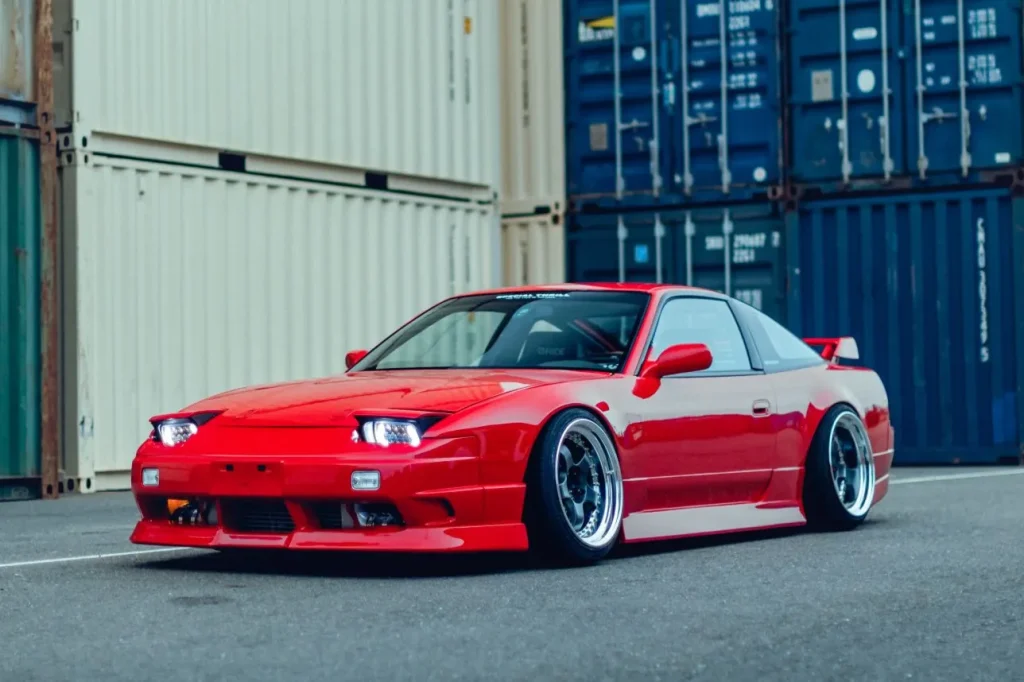
For enthusiasts seeking a vehicle that can endure daily drifting without constant breakdowns, the Nissan 240SX combines mechanical simplicity, solid engineering, and aftermarket support. Its balance of performance and durability ensures that it continues to be a reliable option for daily drift use.
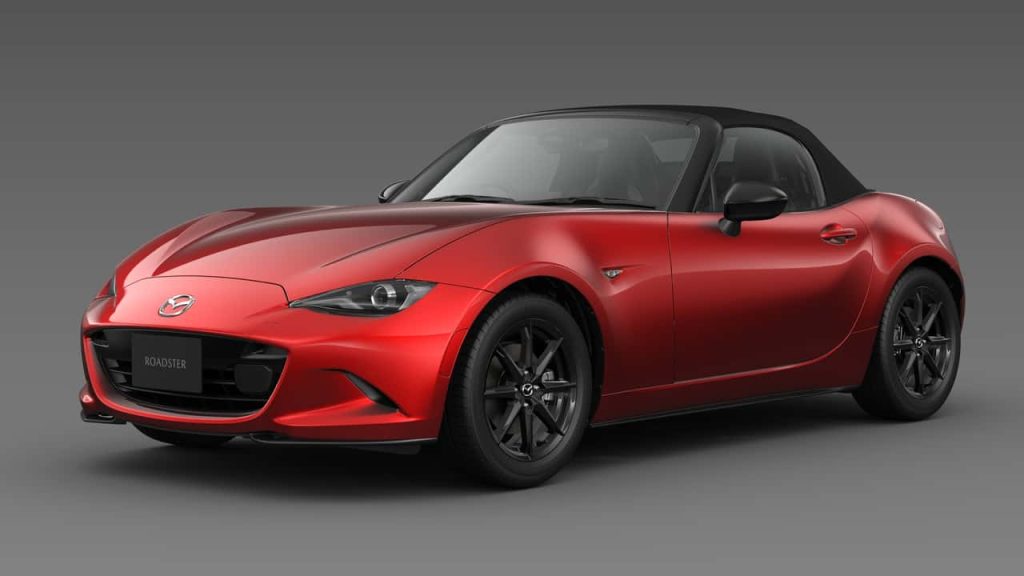
2. Mazda MX-5 Miata
The Mazda MX-5 Miata is renowned for its lightweight design, excellent handling, and mechanical simplicity, which makes it surprisingly reliable for daily drifting.
Its rear-wheel-drive layout and precise steering allow controlled slides, while its durable components help it endure repeated aggressive driving.
The Miata’s naturally aspirated four-cylinder engines, ranging from 1.6 to 2.0 liters depending on the generation, are highly reliable.
They handle high RPMs and frequent acceleration without significant issues, provided regular oil changes, coolant checks, and timing chain or belt maintenance are performed.
The simplicity of these engines also makes repairs easier and less expensive compared to modern, turbocharged sports cars.
Suspension and chassis design are strong points for the Miata. Lightweight yet rigid, the platform can handle lateral stress from drifting with minimal wear when reinforced with aftermarket bushings and struts.
The brakes are effective and straightforward, allowing repeated use without rapid deterioration if properly maintained. Many daily drifters upgrade suspension and brakes, extending durability even further.
The transmission, particularly the manual option, is robust. Clutch replacements are occasional but straightforward, and the gearbox itself is resilient under repeated gear changes at high RPMs. Steering components and axles are designed to endure sporty driving, and aftermarket parts are abundant and affordable.
Interior components are simple, with few electronics to fail under heavy use, which helps maintain reliability for daily drifting.
The lightweight construction also reduces strain on the engine and drivetrain, which is an advantage for longevity. Fuel efficiency remains reasonable, adding to overall affordability for a drift-capable car.
Overall, the Mazda MX-5 Miata offers a combination of precise handling, lightweight engineering, and durability.
It is an ideal candidate for drivers who want a car capable of daily drifting without frequent costly repairs. Its balance of performance and reliability has earned it a loyal following among drift enthusiasts worldwide.
3. BMW E36 3 Series
The BMW E36 3 Series, produced during the 1990s, has proven itself as a capable and reliable vehicle for drifting.
Its rear-wheel-drive layout, balanced chassis, and strong engines make it suitable for aggressive driving, while its mechanical simplicity contributes to long-term reliability. Many enthusiasts have successfully used E36s as daily drift cars without significant failures.
Engine options include the M50 and M52 inline-six engines, which are naturally aspirated and known for durability when maintained properly.
Regular oil changes, cooling system checks, and valve adjustments ensure that these engines can handle frequent high RPM operation. The inline-six design provides smooth power delivery, which is advantageous for controlled slides during drifting.
The E36’s suspension geometry is well-suited for drifting. Independent rear suspension and front strut design offer precise handling while being robust under lateral forces.
Reinforcing bushings, coilovers, and upgraded sway bars are common modifications that further enhance durability for daily drift use. Brakes are simple and effective, allowing repeated heavy use without premature failure when maintained.
Transmission and drivetrain components, including manual gearboxes and limited-slip differentials, are durable. Gearbox maintenance and occasional clutch replacement are straightforward tasks, and parts are readily available due to the model’s popularity.
The rear-wheel-drive system allows controlled slides without placing excessive strain on other components.
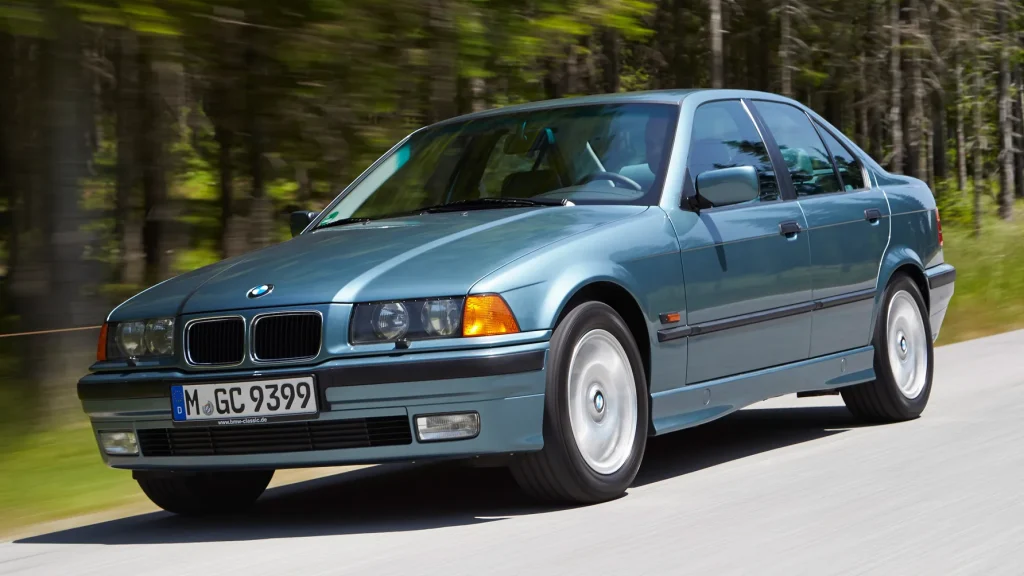
Interior simplicity also contributes to reliability. The E36 lacks the complex electronics of modern vehicles, which reduces the risk of electrical failures under heavy use. Fuel efficiency is reasonable, and overall maintenance costs remain manageable.
For those seeking a vehicle that balances drift capability with reliability, the BMW E36 3 Series offers an excellent option. Its engineering, chassis balance, and mechanical resilience allow enthusiasts to enjoy daily drifting without constantly worrying about expensive repairs.
4. Ford Mustang (S197)
The Ford Mustang S197, produced from 2005 to 2014, is a popular choice for daily drifting due to its rear-wheel-drive layout, durable engine options, and solid chassis design. Its strong mechanical foundation allows it to withstand frequent aggressive driving without sacrificing reliability.
V6 and V8 engines in the S197 Mustang are robust. The 4.0-liter V6 and 4.6-liter V8 engines are naturally aspirated and designed for endurance.
Routine maintenance such as oil changes, spark plug replacements, and coolant checks ensures the engine continues to perform reliably under high RPMs and frequent drifting. The engines are straightforward to service and widely supported, making repairs affordable.
Suspension and chassis components are engineered for sporty performance. The independent rear suspension and front strut design provide good balance during slides.
Many daily drift owners upgrade bushings, shocks, and sway bars to further increase durability under lateral stress. Brakes are effective and simple to maintain, supporting repeated heavy use.
Transmission options, including manual gearboxes, are capable of handling frequent gear changes at high RPMs.
Clutch replacements are necessary over time but are simple to perform, and parts availability is excellent due to the Mustang’s popularity. Drivetrain components, such as axles and differentials, are durable and replaceable at reasonable cost.
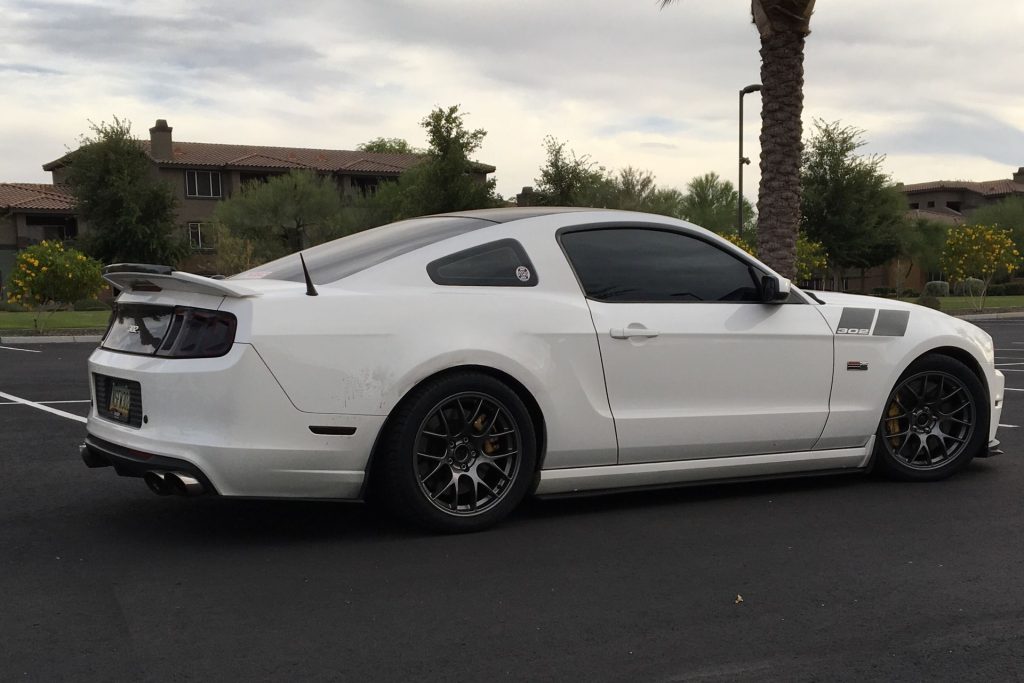
The Mustang’s interior is designed with durability in mind. Simple electronics and sturdy materials reduce the risk of failures during daily drift use. Fuel consumption is moderate for the performance offered, and overall operating costs remain manageable.
With a combination of strong engines, durable chassis, and aftermarket support, the Ford Mustang S197 remains reliable even under daily drifting conditions.
Its balance of power, handling, and resilience makes it a favorite among enthusiasts who want a dependable car capable of repeated aggressive driving.
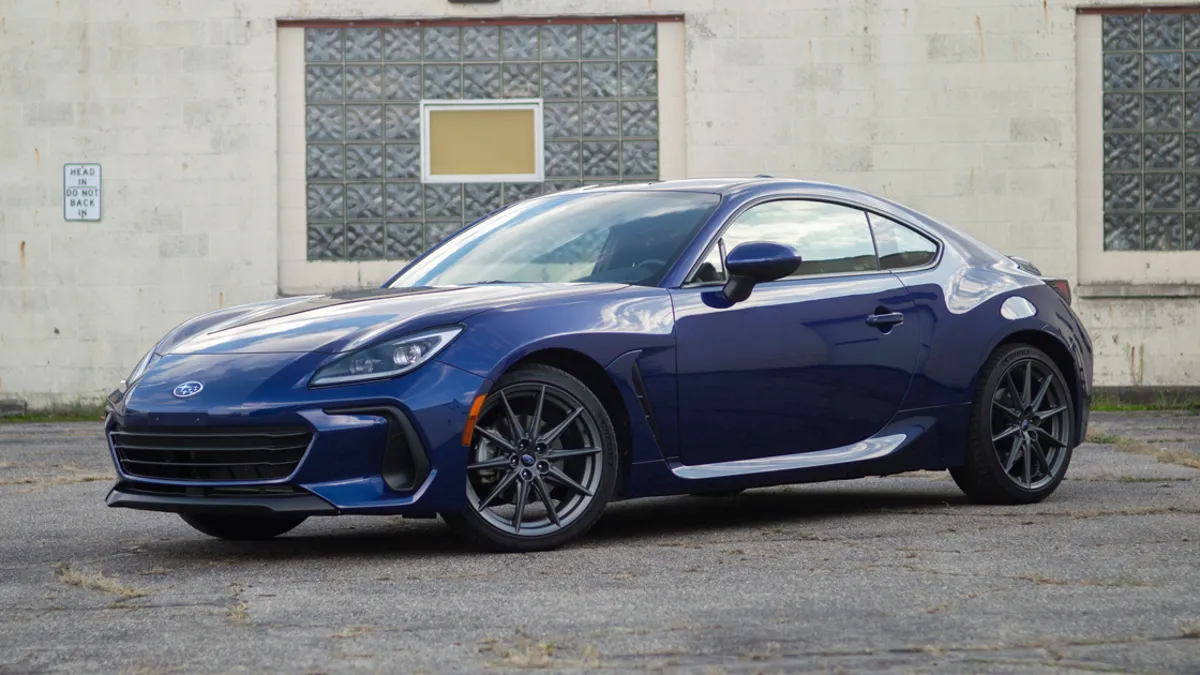
5. Toyota GT86 / Subaru BRZ
The Toyota GT86 and Subaru BRZ twins are widely praised for their rear-wheel-drive layouts, lightweight design, and balanced handling, making them excellent candidates for daily drifting.
These cars are engineered with driver-focused dynamics while maintaining mechanical reliability, allowing enthusiasts to push them without constant repair concerns.
The naturally aspirated 2.0-liter flat-four engine produces a smooth power delivery and handles high RPMs reliably. With regular oil changes, spark plug replacements, and monitoring of cooling systems, the engine can endure repeated aggressive driving.
The simplicity of the powertrain ensures that maintenance remains straightforward and inexpensive, even after extensive use.
Suspension design is a strong point for both models. The lightweight chassis paired with a double-wishbone front suspension and multilink rear suspension allows precise control during slides.
Reinforcing bushings, coilovers, and sway bars are common upgrades for daily drift use, enhancing durability without compromising reliability. Brakes are simple to maintain and remain effective even under repeated stress.
Transmission options, particularly the manual gearbox, are robust. Clutch replacements are occasionally necessary, but the gearbox itself can withstand frequent gear changes without significant issues. Drivetrain components, including axles and differential units, are durable and widely available.
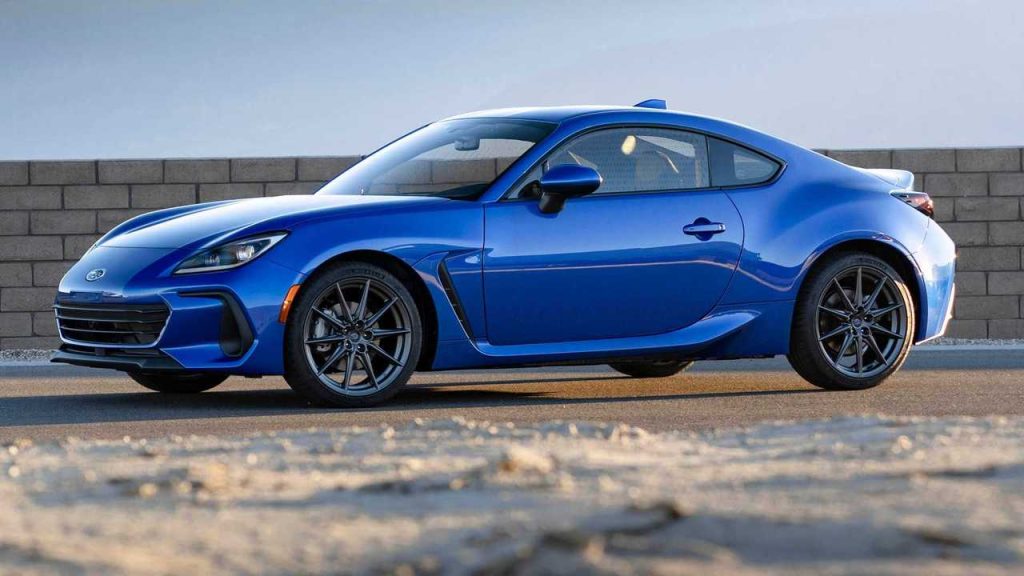
Interior simplicity contributes to long-term reliability. Minimal electronics and straightforward controls reduce the chance of component failures, even during repeated spirited driving. Fuel efficiency is reasonable for a sports car, and aftermarket parts are abundant, keeping repairs and modifications cost-effective.
With their combination of balance, responsive handling, and durable engineering, the Toyota GT86 and Subaru BRZ remain reliable daily drift cars.
They offer enthusiasts both control and mechanical resilience, ensuring that these vehicles can handle repeated slides without becoming a maintenance burden.
6. Lexus IS300 (JZX Swap Potential)
The Lexus IS300, especially when paired with the 2JZ-GE engine or similar swaps, is a favorite among drifters seeking reliability and power. Known for its strong chassis and rear-wheel-drive layout, the IS300 withstands aggressive driving while maintaining mechanical endurance.
The factory 2.5-liter inline-six engine is durable and can handle high-rev driving with proper maintenance. Regular oil changes, coolant monitoring, and valve adjustments ensure longevity.
Many enthusiasts also install aftermarket upgrades to improve drift performance without compromising reliability. Swaps like the 2JZ-GE or turbo variants provide increased power while maintaining a proven, durable platform.
Suspension components are engineered for sporty handling. Independent rear suspension and reinforced front struts manage lateral stress effectively. Upgrading bushings, shocks, and sway bars is common, further improving durability under daily drifting. Brakes are capable of repeated use and straightforward to service.
Transmission systems, including the manual option, are robust. With regular fluid changes and occasional clutch replacement, the gearbox handles high-stress shifting reliably. Differential units and axles are durable, widely available, and inexpensive to repair.
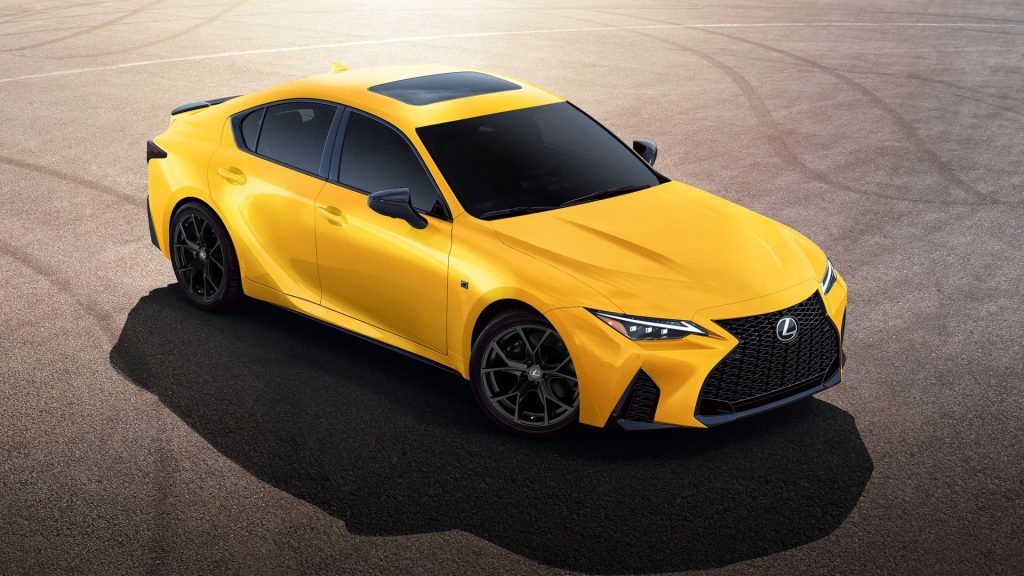
The IS300 interior is simple and resilient. Minimal electronics reduce the risk of failures during heavy use, and controls remain functional despite frequent aggressive driving. Fuel efficiency is reasonable for a rear-wheel-drive sports sedan, and overall maintenance costs remain manageable.
With strong engines, reliable transmissions, and a well-balanced chassis, the Lexus IS300 is a dependable choice for drifters seeking both control and durability. Its combination of robust engineering and aftermarket support ensures daily drift use without frequent mechanical issues.
7. BMW E46 3 Series
The BMW E46 3 Series is often considered one of the most drift-friendly vehicles from the early 2000s. Its rear-wheel-drive design, balanced chassis, and strong inline-six engines make it capable of handling repeated drift sessions without significant reliability concerns.
Engine options like the M54 inline-six are known for durability when properly maintained. Regular oil changes, coolant monitoring, and timely valve adjustments allow the engine to handle high RPMs and aggressive driving. Many E46s have been daily drifted for years without major engine failures, demonstrating their resilience.
Suspension and chassis components are designed for sporty handling and can endure lateral forces generated during drifting.
Reinforcing bushings, coilovers, and upgraded sway bars are common modifications that further enhance durability. Brakes are effective and straightforward to maintain, even under repeated heavy use.
Manual transmissions are preferred for drift applications and are capable of handling frequent gear changes. Occasional clutch replacements are necessary but straightforward. Differential and axle components are strong and easily serviceable, which keeps long-term maintenance manageable.
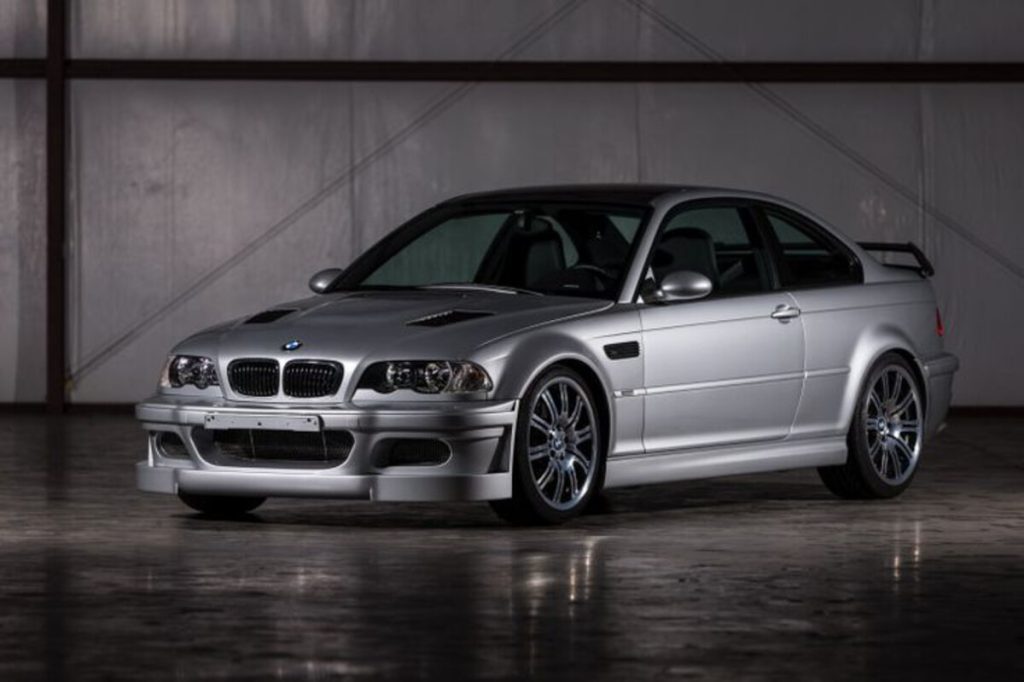
Interior simplicity contributes to reliability. Fewer electronics than modern cars mean fewer points of failure. Fuel efficiency is moderate, and repairs remain cost-effective thanks to the model’s widespread popularity.
The BMW E46 3 Series offers a combination of precise handling, robust mechanical design, and aftermarket support, making it an excellent daily drift car. Its balance of performance and durability ensures that enthusiasts can enjoy frequent drifting without constantly worrying about expensive repairs.
8. Nissan 350Z
The Nissan 350Z is a rear-wheel-drive sports car with a strong V6 engine and a chassis designed for spirited driving. Its combination of power, handling, and mechanical durability makes it suitable for daily drift use, while remaining relatively reliable compared to other high-performance vehicles.
The 3.5-liter VQ35DE engine is known for smooth power delivery and reliability under stress. Routine oil changes, spark plug maintenance, and monitoring of cooling systems allow the engine to withstand repeated high RPM driving. The naturally aspirated design reduces complexity, making maintenance simpler and cost-effective.
The 350Z chassis is balanced and rigid, designed to manage lateral forces generated during drifting. Suspension components are durable, and many owners upgrade bushings, coilovers, and sway bars to increase longevity under daily drift conditions. Brakes remain effective and simple to maintain, even with frequent aggressive use.
Manual transmissions are capable of handling high-stress gear changes. Clutch replacement may be needed occasionally, but the gearbox itself is robust. Drivetrain components, including axles and differentials, are widely available and inexpensive to replace.
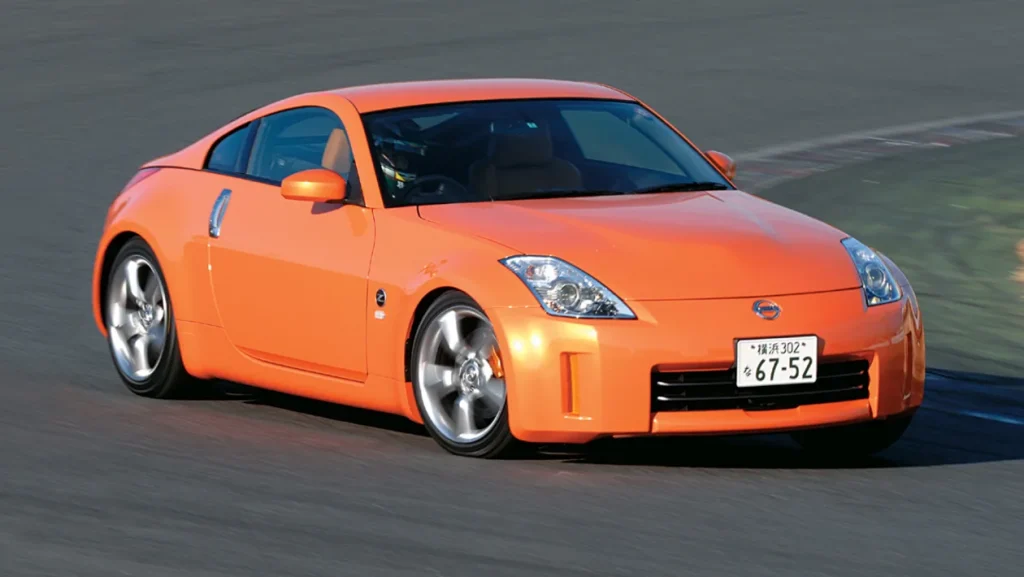
The interior is functional and durable, with minimal electronics that could fail under extreme use. Fuel efficiency is reasonable for a sports car, and aftermarket support is extensive. Overall operating costs remain manageable, even for a vehicle subjected to daily drifting.
With a reliable engine, balanced chassis, and straightforward maintenance, the Nissan 350Z offers enthusiasts a dependable vehicle for daily drift use. Its combination of performance and durability ensures that drivers can enjoy frequent slides without encountering frequent mechanical issues.
9. Ford Mustang (Fox Body)
The Fox Body Ford Mustang, produced from 1979 to 1993, remains a popular choice for daily drifting enthusiasts due to its simple mechanics, rear-wheel-drive layout, and durability. Its lightweight chassis and robust V8 and inline-four engines make it capable of handling repeated slides while remaining reliable.
The 5.0-liter V8 engine is widely recognized for its endurance. With routine oil changes, cooling system checks, and periodic maintenance, the engine can handle high RPMs and aggressive driving without major issues.
The inline-four options are also durable, though less powerful, offering a reliable and affordable alternative for drift beginners.
Suspension components are simple, durable, and easily upgraded. Many Fox Body Mustangs feature aftermarket coilovers, reinforced bushings, and sway bars to handle lateral forces generated during drifting. The brakes are straightforward, effective, and easy to maintain, allowing repeated use without rapid wear.
Transmission options, particularly manual gearboxes, are capable of enduring frequent gear changes. Clutch replacements are occasional but inexpensive and simple to perform. Rear axles and differentials are robust, and replacement parts are abundant and affordable due to the model’s popularity.
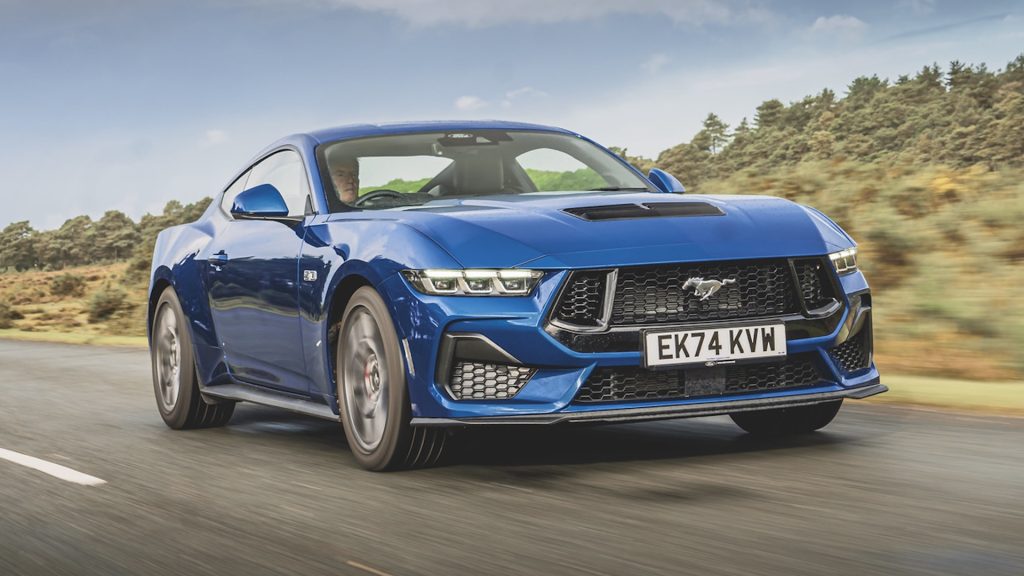
The Fox Body interior is minimalist, reducing potential electronic failures under high-stress driving.
Fuel efficiency is modest for a V8, but operational costs remain low due to straightforward maintenance. Its mechanical simplicity and aftermarket support make it easy to repair and upgrade, further extending its reliability.
Overall, the Fox Body Mustang offers a unique combination of performance, simplicity, and durability.
For enthusiasts seeking a car that can be daily drifted without frequent mechanical issues, it provides both a thrilling experience and peace of mind, demonstrating that older vehicles with strong engineering can still be practical for aggressive driving.
10. Toyota Supra (Mk4)
The Toyota Supra Mk4 is a legendary sports car with a rear-wheel-drive platform, strong chassis, and durable engines, making it an excellent candidate for daily drift use. While often associated with high horsepower modifications, many stock examples remain reliable even under repeated aggressive driving.
The 2JZ-GE naturally aspirated engine is renowned for its reliability and smooth power delivery.
With regular oil changes, coolant checks, and routine maintenance, it can handle high RPMs and continuous drifting without significant issues. Turbocharged versions (2JZ-GTE) are more stress-prone but are similarly durable if carefully maintained.
Suspension and chassis design are optimized for performance and control. Independent rear suspension and reinforced front struts provide stability during slides.
Many daily drift enthusiasts upgrade bushings, coilovers, and sway bars to increase durability without compromising reliability. Brakes are effective and simple to service, supporting repeated heavy use.
Transmission options, particularly the manual gearbox, are strong and capable of handling frequent gear changes. Clutch replacements are necessary over time but straightforward. Drivetrain components, including axles and differentials, are robust and widely available, keeping maintenance manageable.
Interior simplicity contributes to reliability. Minimal electronics reduce potential points of failure, even with frequent spirited driving. Fuel efficiency is reasonable for a sports car, and aftermarket support ensures affordable repair and upgrade options.
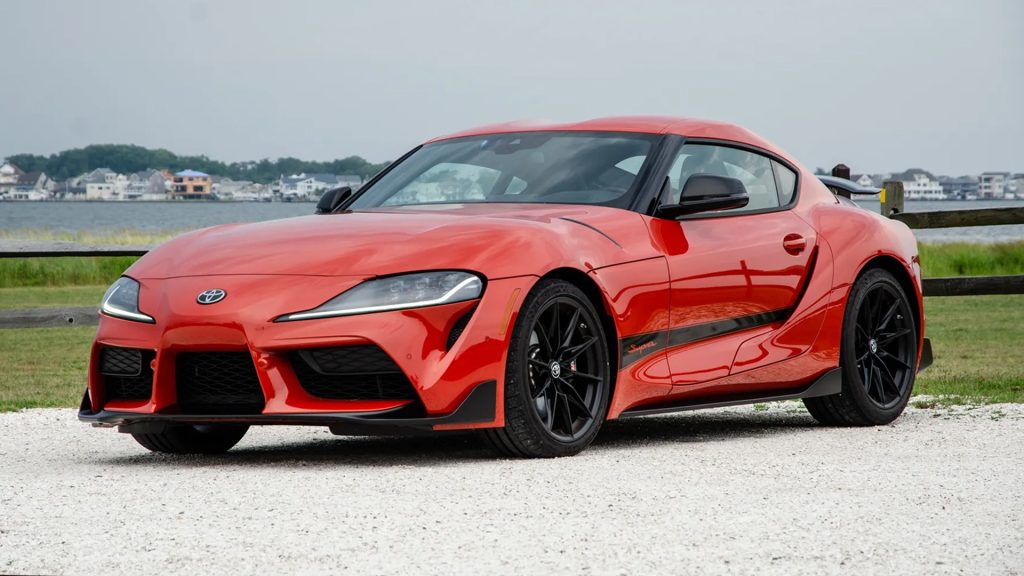
The Toyota Supra Mk4 combines robust engineering, balanced handling, and mechanical resilience, making it ideal for daily drift use.
Its enduring reputation among enthusiasts is built on both performance and reliability, proving that even high-performance vehicles can be practical when properly maintained.
Also Read: 10 Cars That Rarely Leave You Waiting for Tow Trucks
