
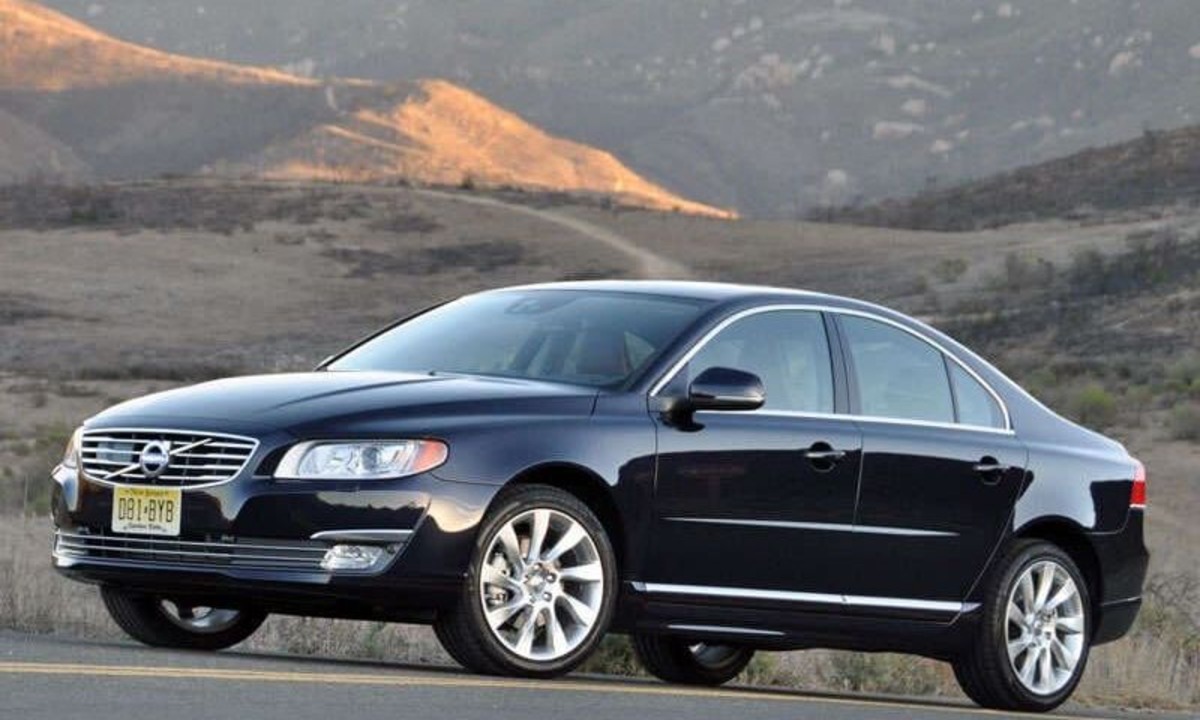
European sedans are often admired for their engineering, driving dynamics, and comfort. However, older models can sometimes be seen as expensive to maintain due to perceived complexity and premium parts.
While some vehicles fall victim to frequent repairs over time, certain European sedans have proven remarkably reliable, even as they age. These cars combine solid engineering, durable components, and well-designed drivetrains to continue performing dependably long after their prime.
Many of these reliable sedans come from manufacturers who prioritized mechanical resilience alongside refinement. Strong engines, well-built transmissions, and suspension systems designed to withstand long-term wear contribute to their longevity.
Additionally, models with fewer overly complex electronic systems tend to age more gracefully, requiring less frequent and less costly repairs.
Routine maintenance remains important for any high-mileage vehicle, but these European sedans demonstrate that durability can complement style and comfort.
Their engines are often overbuilt for reliability, while transmissions can endure extended use when serviced properly. Suspension components, brakes, and steering systems are designed for consistent performance, even after years of driving.
These traits make them appealing for buyers who want a European driving experience without the constant risk of mechanical issues.
This guide highlights nine European sedans that maintain their reliability even when old. Each model has been chosen based on real-world reports, mechanical design, and long-term performance.
Whether for daily commuting or long-distance travel, these cars show that age does not necessarily mean frequent breakdowns.
Understanding which models are proven to last can help buyers make informed decisions and enjoy the comfort, handling, and refinement of a European sedan without frequent maintenance headaches.
Also Read: 9 EVs Already Proving Reliability Beyond 100K Miles
1. Mercedes-Benz E-Class (W124)
The Mercedes-Benz E-Class W124, produced from 1984 to 1995, is widely regarded as one of the most durable European sedans ever built. Its reputation for reliability stems from a combination of solid engineering, overbuilt components, and a focus on longevity.
Many W124s have exceeded 300,000 miles while remaining mechanically sound, making them ideal for buyers seeking a dependable classic sedan.
A key factor in the W124’s durability is its engine design. The inline-four, inline-six, and diesel options were built with robust materials and precise engineering.
Regular maintenance, such as oil changes, coolant checks, and timing chain inspections, is sufficient to keep these engines running for decades. Even high-mileage models often require only routine servicing to remain in good working condition.
The W124’s suspension and chassis are engineered for longevity. A combination of well-placed control arms, durable bushings, and resilient struts allows the vehicle to handle daily driving stress without excessive wear.
Brakes and steering systems are simple to service and maintain, further contributing to the car’s long-term reliability.
Transmission options, particularly the 4-speed automatic and manual gearboxes, are known for endurance.
With fluid changes at recommended intervals, they rarely fail. Parts availability remains strong, as many mechanics are familiar with these models, keeping maintenance costs reasonable.
The W124’s interior components are designed to last. Seats, trim, and controls withstand extensive use, and the electrical system is relatively simple compared to modern vehicles, reducing the risk of expensive failures.
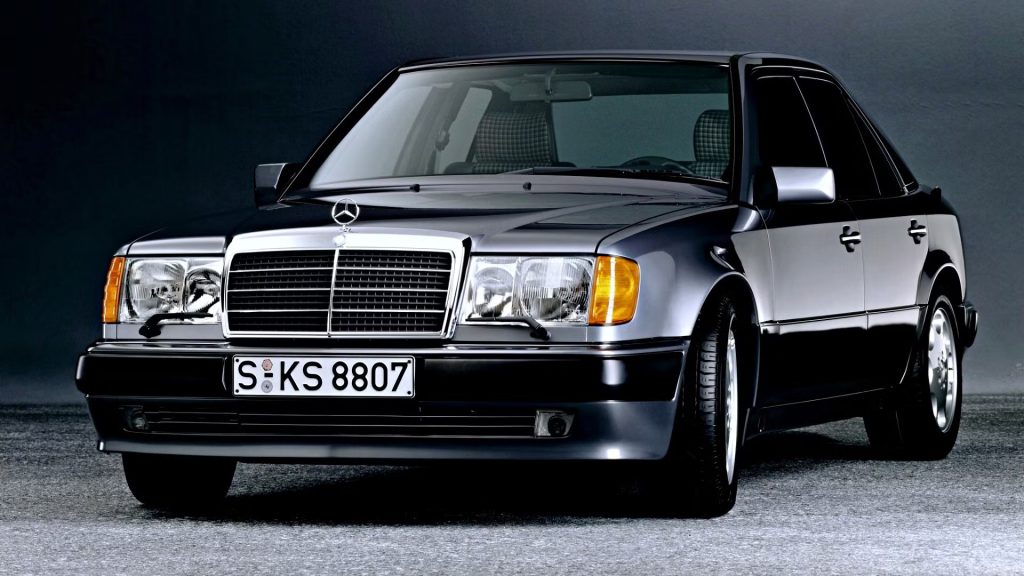
With solid fuel efficiency for its class, the W124 continues to deliver both comfort and practicality even decades after production.
Overall, the Mercedes-Benz E-Class W124 demonstrates that careful engineering and durable materials can produce a sedan that ages gracefully.
Its combination of reliable powertrains, long-lasting suspension, and straightforward maintenance ensures that it remains a sought-after choice for buyers who value both comfort and long-term dependability.
2. BMW 5 Series (E39)
The BMW 5 Series E39, produced from 1995 to 2003, is praised for its balance of performance, comfort, and reliability.
Despite being a high-performance sedan, the E39 is known to hold up exceptionally well over time, with many examples surpassing 250,000 miles without major issues.
Engine reliability is one of the E39’s strongest points. Inline-six engines, particularly the M52 and M54 units, are robust and capable of enduring high mileage when serviced regularly.
Routine maintenance such as oil changes, coolant monitoring, and valve adjustments ensures long-term performance. Even the V8 options, while slightly more expensive to maintain, have proven durable under consistent care.
The E39’s chassis and suspension are engineered for longevity. Multi-link rear suspension and front strut assemblies provide precise handling while absorbing road imperfections effectively.
Reinforced bushings and high-quality shocks allow the car to maintain its balance over years of driving. Braking systems are durable and straightforward to maintain, offering consistent stopping power without frequent replacement.
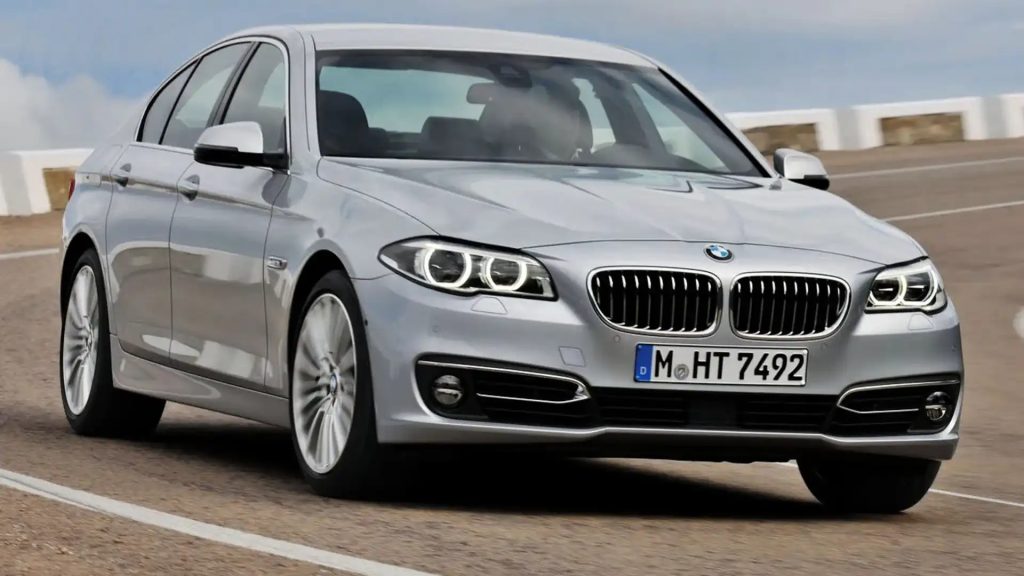
Transmission systems, including manual and automatic options, are resilient. Regular fluid changes and clutch maintenance help extend their lifespan. Drivetrain components such as axles and differentials are durable and widely available, keeping maintenance manageable.
The interior of the E39 is built to last. Controls, seats, and trim materials remain functional and comfortable even on high-mileage vehicles. Electronics are simpler than in modern models, which reduces potential failure points and keeps repair costs reasonable.
With strong engineering, reliable engines, and durable suspension systems, the BMW E39 5 Series is a standout example of a European sedan that ages gracefully. Its blend of performance, comfort, and mechanical resilience makes it a preferred choice for buyers seeking long-lasting reliability.
3. Audi A6 (C5)
The Audi A6 C5, produced from 1997 to 2004, is known for combining German engineering with practical durability.
While some Audis of later generations are considered complex and expensive to maintain, the C5 platform has earned a reputation for reliability when properly cared for, making it a solid choice for older sedan buyers.
One of the key reasons for the A6 C5’s longevity is its engine design. Inline-five and V6 engines are built with durable components and are capable of lasting hundreds of thousands of miles.
Routine oil changes, timing belt replacements, and coolant checks are typically all that is needed to maintain engine performance. The 2.7-liter V6, in particular, is known for its ability to endure extended use if serviced regularly.
The C5’s suspension system is robust, featuring multi-link setups front and rear. This design allows the car to absorb road imperfections while maintaining stability and handling.
Suspension components such as control arms, bushings, and struts are durable and can often last long before needing replacement. Braking systems are straightforward and reliable, requiring only standard maintenance to remain effective.
Transmission units, including manual and automatic options, are generally durable when serviced according to schedule.
Fluid changes and regular inspections of the clutch and gearbox help prevent major failures. The drivetrain, including axles and differentials, is reliable and supported by widely available replacement parts.
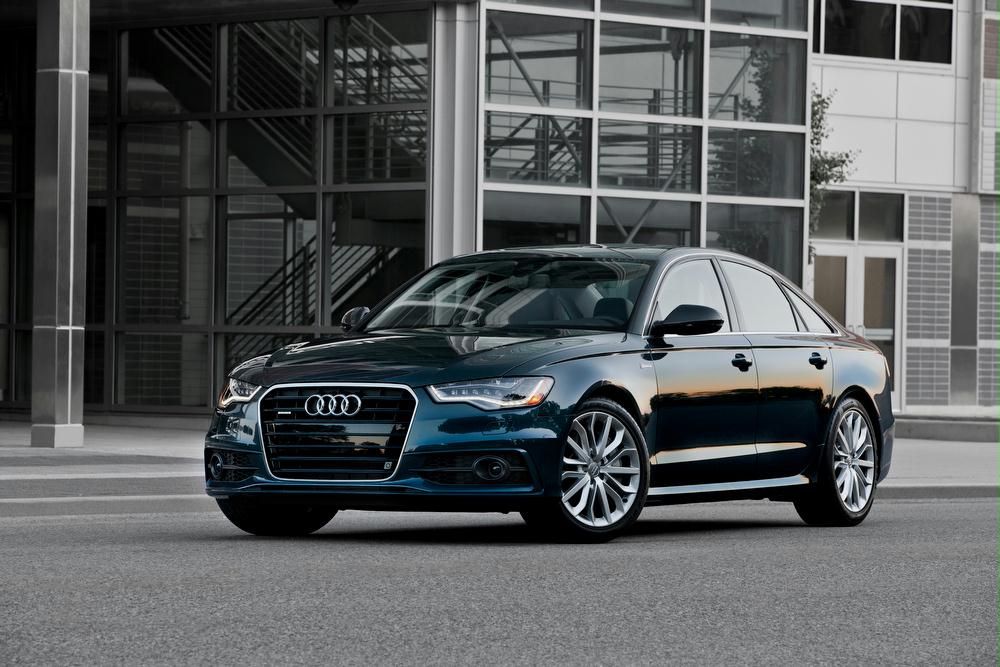
Interior materials are of high quality, and controls remain functional over time. Compared to modern vehicles, the simpler electronics reduce the likelihood of costly failures. Fuel economy is reasonable for a midsize European sedan, and repair costs remain manageable for most owners.
The Audi A6 C5 demonstrates that German engineering can produce a reliable sedan capable of aging well. Its combination of durable engines, resilient suspension, and practical maintenance makes it a dependable option for drivers seeking long-term reliability in an older European vehicle.
4. Volvo S80 (First Generation)
The first-generation Volvo S80, produced from 1998 to 2006, is a midsize luxury sedan recognized for its durability and long-term reliability.
Volvo prioritized strong safety and engineering standards, resulting in vehicles that continue to perform well even after years of use. Many high-mileage S80s demonstrate mechanical resilience, making it a practical choice for older European sedans.
Engine options, such as the 2.4- and 2.5-liter inline-five engines, are well-known for longevity. These engines are robust, able to withstand high mileage if regularly maintained with oil changes, coolant checks, and timing belt replacements. Volvo’s attention to durable materials and solid construction ensures minimal wear under normal and extended usage.
The S80’s suspension and chassis are designed for comfort and durability. The multi-link rear suspension and front strut assemblies provide smooth handling while absorbing road imperfections effectively.
Components such as bushings, control arms, and shocks are durable and typically require minimal replacement over time. Brakes are straightforward to maintain and remain effective with routine servicing.
Transmission systems, including automatic and manual options, are reliable with regular fluid maintenance. The drivetrain, axles, and differentials are built to endure extended use, and parts are reasonably available, keeping repair costs manageable.
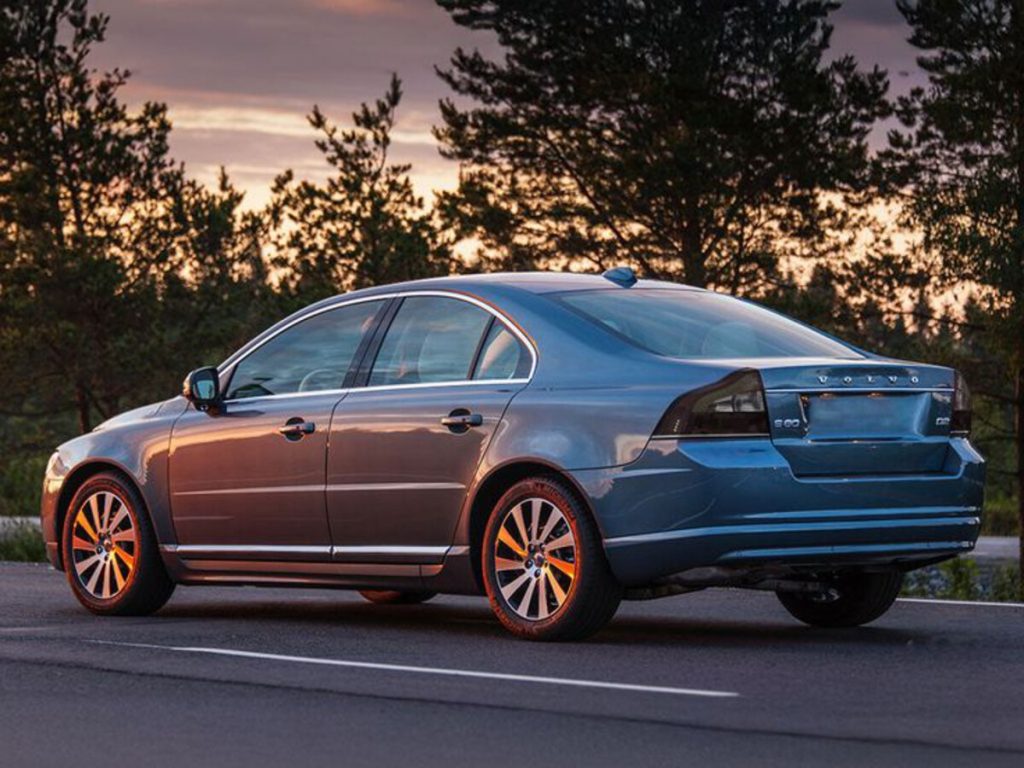
The interior of the S80 is designed for longevity. Seats, trim, and controls are resilient, and electronics are not overly complex, reducing the risk of failures as the car ages. Fuel efficiency remains practical for a midsize luxury sedan, adding to overall reliability.
Overall, the Volvo S80 first generation combines safety, comfort, and mechanical robustness. Its engines, suspension, and drivetrain have proven to withstand high mileage, making it a dependable European sedan that continues to perform well long after production.
5. Mercedes-Benz C-Class (W203)
The Mercedes-Benz C-Class W203, produced from 2000 to 2007, is known for its engineering reliability and longevity.
Despite being a compact luxury sedan, the W203 has earned a reputation for mechanical resilience, allowing older models to remain dependable even after years of use.
Engine options, including four-cylinder and V6 units, are built with durable materials and designed to last.
Regular maintenance such as oil changes, coolant checks, and timely belt or chain servicing ensures that engines continue to run reliably. The naturally aspirated engines, in particular, show strong endurance under daily use.
The W203’s suspension and chassis are engineered for stability and comfort. Front struts and multi-link rear suspension absorb road imperfections while maintaining handling performance.
Components such as bushings, control arms, and shocks are robust and often last for hundreds of thousands of miles with routine inspection and replacement when necessary. Brakes are straightforward to maintain and continue to perform reliably over time.
Transmission systems, whether manual or automatic, are generally durable with proper maintenance.
Regular fluid changes and occasional clutch replacement help extend lifespan. Drivetrain components, including axles and differentials, are resilient and supported by widespread parts availability.
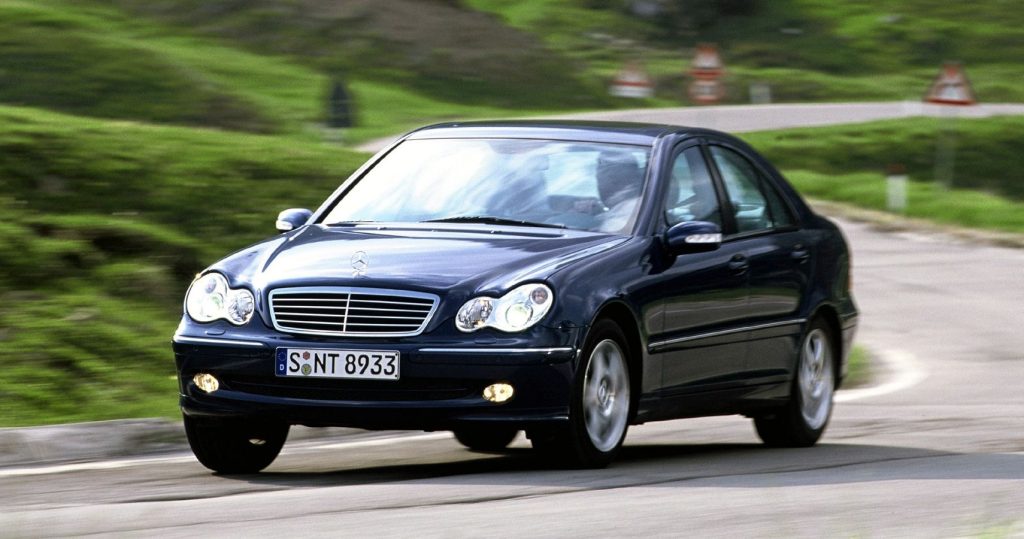
Inside, the W203 combines practicality and durability. Seats, trim, and controls are built to withstand wear, and electronics are simpler compared to modern vehicles, reducing the likelihood of expensive failures. Fuel economy remains reasonable for a luxury sedan of its class.
The Mercedes-Benz C-Class W203 demonstrates that a compact European luxury sedan can be reliable even when older.
Its combination of solid engineering, dependable engines, durable suspension, and manageable maintenance makes it a wise choice for buyers seeking long-term reliability without sacrificing comfort or refinement.
6. BMW 3 Series (E46)
The BMW 3 Series E46, produced from 1998 to 2006, is often celebrated for its blend of driving dynamics, comfort, and reliability.
While some European sedans of its era require frequent maintenance, the E46 has proven to be robust, especially the inline-six engine variants, which continue to deliver dependable performance in older models.
The M52 and M54 inline-six engines are particularly durable. With routine oil changes, coolant monitoring, and valve adjustments, these engines can handle extended mileage without major failures.
Even high-mileage E46s often require only routine maintenance to remain mechanically sound. Four-cylinder engines are similarly reliable, though they may not offer the same long-term endurance as the inline-six units.
Suspension and chassis components contribute to the E46’s longevity. Multi-link rear suspension and front struts provide precise handling while absorbing daily driving stress.
Bushings, control arms, and shocks are durable and can last long with routine inspection. Brakes are effective and straightforward to maintain, supporting consistent stopping performance over time.
Transmission systems, both manual and automatic, are resilient. Proper fluid changes and clutch maintenance extend gearbox life, and drivetrain components such as axles and differentials are robust and widely available, keeping repairs manageable.
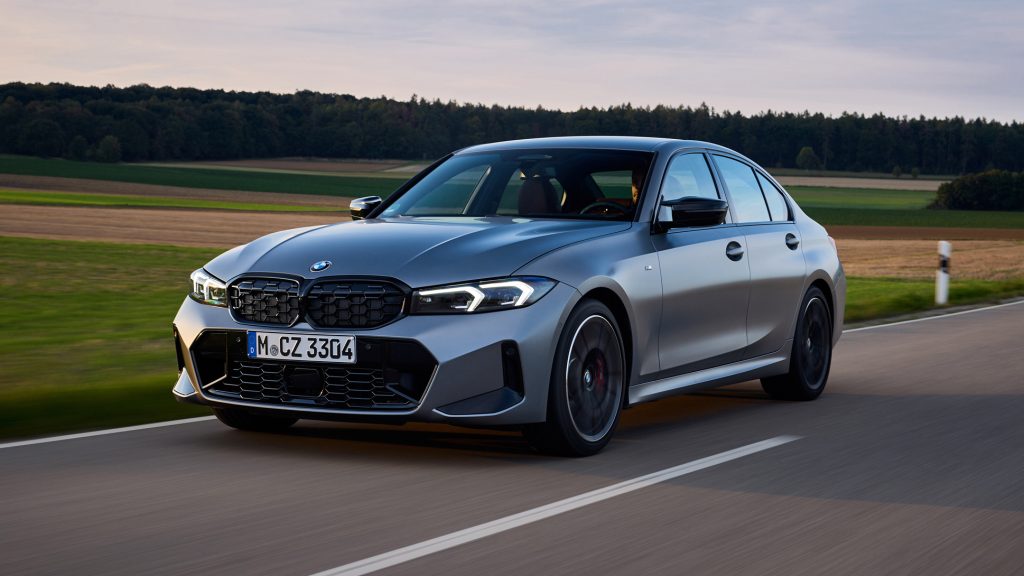
The interior of the E46 is well-built, with seats, controls, and trim materials designed for durability.
Electronics are simple enough to minimize potential failures, ensuring older models remain practical and reliable. Fuel economy is reasonable for a sporty European sedan, adding to overall value.
With strong engines, durable suspension, and practical maintenance requirements, the BMW 3 Series E46 remains a reliable European sedan even when old.
Its combination of mechanical resilience, driving pleasure, and manageable upkeep makes it a favorite for buyers seeking long-term dependability.
7. Audi A4 (B6/B7)
The Audi A4 B6 and B7 generations, produced from 2001 to 2008, are recognized for combining refined German engineering with durability.
While some modern Audis can be complex, these models have earned a reputation for holding up well over time, especially when regularly maintained.
Engine options, including the 1.8T turbocharged four-cylinder and naturally aspirated V6 units, are built with durability in mind.
Regular oil changes, coolant monitoring, and timing belt replacement for applicable engines are key to long-term reliability. Many high-mileage A4s continue to run smoothly after years of ownership.
The B6/B7 chassis features a multi-link rear suspension and independent front struts, providing both comfort and stability.
Components such as control arms, bushings, and shocks are durable, and routine inspections help ensure they maintain their performance. Brakes are straightforward to maintain and offer consistent stopping power even on older vehicles.
Transmission options, including manual and automatic gearboxes, are robust. Regular fluid maintenance and clutch servicing extend their lifespan. Drivetrain components, including axles and differentials, are durable and supported by good parts availability.
Interior construction emphasizes practicality and longevity. Seats, trim, and controls remain functional even in older models, and electronics are relatively simple compared to modern vehicles, minimizing the risk of costly failures. Fuel efficiency is reasonable, and maintenance costs remain manageable.
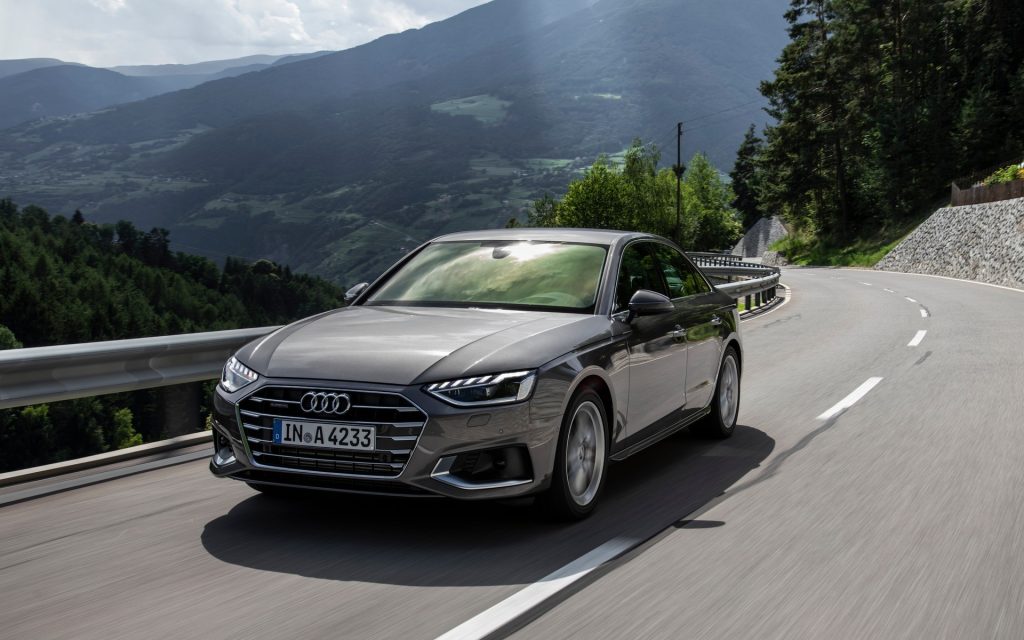
Overall, the Audi A4 B6/B7 demonstrates that a compact European sedan can deliver both driving enjoyment and long-term reliability.
Its balance of durable engines, resilient suspension, and straightforward maintenance makes it a practical choice for buyers seeking an older Audi that performs well even with high mileage.
8. Mercedes-Benz S-Class (W220)
The Mercedes-Benz S-Class W220, produced from 1998 to 2005, represents a full-size luxury sedan with surprisingly strong reliability when properly maintained.
Despite its advanced features, many W220s have proven durable over time, making them an appealing choice for those seeking a dependable older European sedan.
Engine options, such as the V6 and V8 units, are robust and designed to handle extended use. Routine oil changes, coolant monitoring, and belt or chain maintenance ensure longevity.
While higher-end variants may have more electronics, regular servicing keeps systems functional, allowing the vehicle to age gracefully.
The W220 suspension is engineered for comfort and stability, with multi-link rear suspension and independent front struts.
Components such as bushings, control arms, and shocks are durable and can last for many years with routine inspection. Brakes are effective and easy to maintain, supporting safe performance even on older models.
Transmission systems, including automatic gearboxes, are resilient when serviced properly. Fluid changes, along with routine inspection of drivetrain components such as axles and differentials, help maintain reliability. Parts availability is strong, keeping repair costs reasonable for an older luxury sedan.
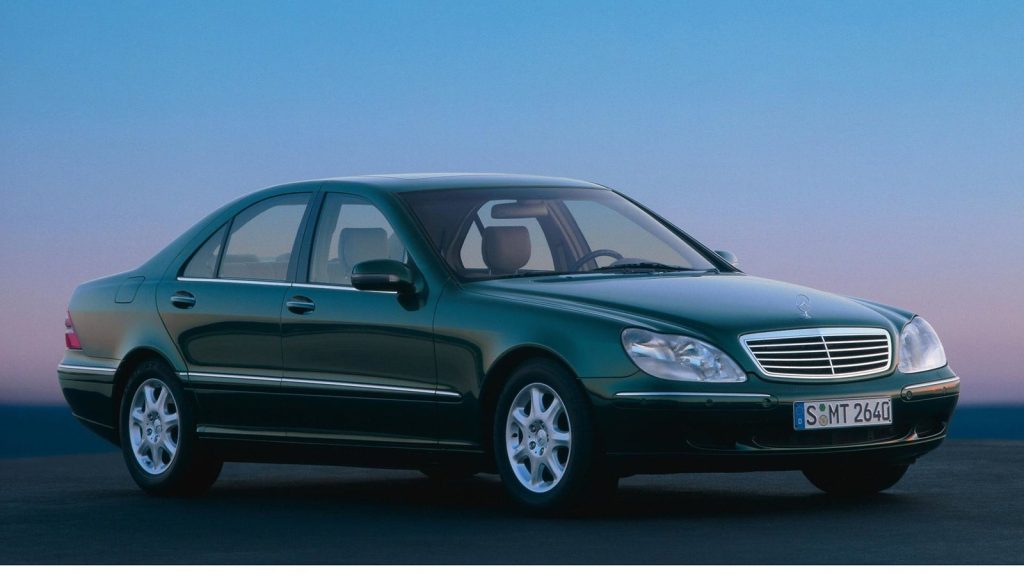
Interior components are well-built, with seats, trim, and controls designed to endure years of use. Electronics, though more sophisticated than smaller Mercedes models, remain reliable with proper maintenance. Fuel efficiency is reasonable for a full-size sedan, and routine upkeep ensures ongoing dependability.
The Mercedes-Benz S-Class W220 demonstrates that even a luxury sedan with advanced engineering can be dependable when maintained correctly. Its combination of strong engines, durable suspension, and robust construction ensures that it continues to perform well even in older vehicles.
9. Volvo S60 (First Generation)
The first-generation Volvo S60, produced from 2000 to 2009, is a midsize European sedan known for durability and longevity. Built with strong safety and mechanical standards, it is capable of performing reliably even with high mileage, making it a practical choice for an older sedan.
Engine options, including the 2.4- and 2.5-liter inline-five engines, are robust and capable of extended use. Regular oil changes, timing belt replacements, and coolant checks are sufficient to maintain engine performance. Volvo’s focus on durability ensures minimal wear under daily driving conditions.
Suspension and chassis components are designed for comfort and long-term reliability. Multi-link rear suspension and front struts provide stability while absorbing road imperfections.
Bushings, control arms, and shocks are durable and typically require minimal replacement over the vehicle’s lifespan. Brakes are straightforward to maintain and continue performing effectively over time.
Transmission systems, both manual and automatic, are reliable with proper servicing. Routine fluid changes and inspection of drivetrain components such as axles and differentials help prevent failures. Parts availability is strong, making maintenance manageable.
Interior materials are durable, with seats, trim, and controls built to withstand years of use. Electronics are simple compared to modern vehicles, reducing the likelihood of costly failures. Fuel economy remains practical for a midsize sedan, contributing to overall reliability.
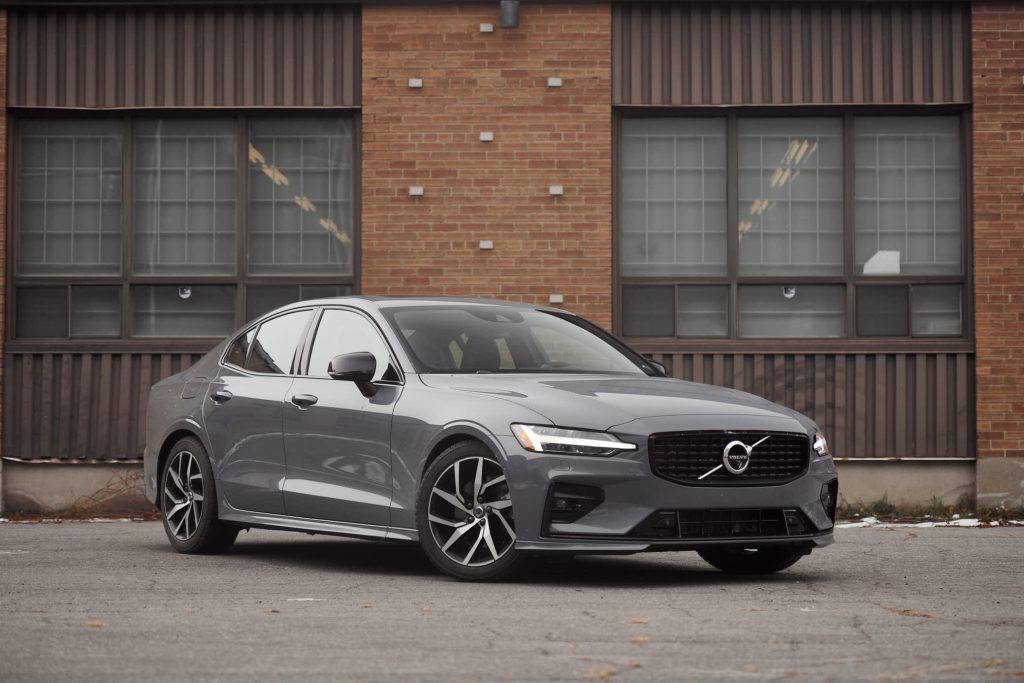
The Volvo S60 first generation combines strong engines, resilient suspension, and practical maintenance, making it a dependable European sedan even when old. Its balance of comfort, safety, and mechanical durability ensures long-term performance with minimal issues.
European sedans are often associated with precision engineering, luxury, and driving enjoyment. While older models are sometimes viewed as costly to maintain, several sedans have proven exceptionally reliable, maintaining mechanical integrity even after years of use.
The nine sedans highlighted here demonstrate that with proper care and routine maintenance, age does not necessarily equate to frequent breakdowns or excessive repair costs.
Common traits among these reliable sedans include durable engines, robust transmission systems, and well-built chassis and suspension components.
Engines like the Mercedes W124 inline-sixes, BMW E46 inline-sixes, and Volvo five-cylinder units are designed for long-term performance, withstanding extended mileage and high-stress operation when maintained regularly.
Routine oil changes, coolant checks, timing belt or chain servicing, and attention to minor components ensure continued reliability.
Suspension systems play a critical role in durability. Multi-link rear suspensions, independent front struts, and reinforced bushings are features that allow vehicles to maintain stability and handling over time. Brakes remain effective with routine maintenance, and steering components generally endure long-term use without frequent failure.
These factors allow older sedans to remain safe and reliable for daily driving and long-distance travel.
Transmission units, whether manual or automatic, are generally resilient when serviced appropriately. Fluid changes, clutch maintenance, and inspection of drivetrain components such as axles and differentials extend service life.
Parts availability for these models is strong due to their popularity and proven engineering, which further contributes to long-term reliability and affordable maintenance.
Interior simplicity and quality materials also contribute to durability. Seats, trim, and controls withstand extensive use, and electronics in these older models are often less complex than in modern vehicles, reducing potential points of failure. Fuel efficiency remains practical for their class, adding to overall affordability and usability.
The selection of these nine European sedans shows that durability is not exclusive to basic or economy vehicles.
Luxury and performance sedans from Mercedes-Benz, BMW, Audi, and Volvo demonstrate that strong engineering, routine maintenance, and careful attention to mechanical components can produce vehicles that age gracefully.
High-mileage examples continue to deliver comfort, performance, and dependability, making them appealing to buyers seeking a practical European car without the worry of constant repairs.
By understanding which models have a proven track record for reliability, enthusiasts and buyers can confidently invest in older European sedans.
These vehicles demonstrate that well-engineered sedans can combine longevity with driving enjoyment, offering a practical, dependable choice even decades after production.
Choosing a model with durable engines, strong suspension, and straightforward maintenance ensures that age does not compromise performance or reliability.
Also Read: 9 JDM Legends That Rarely Need Repairs
