
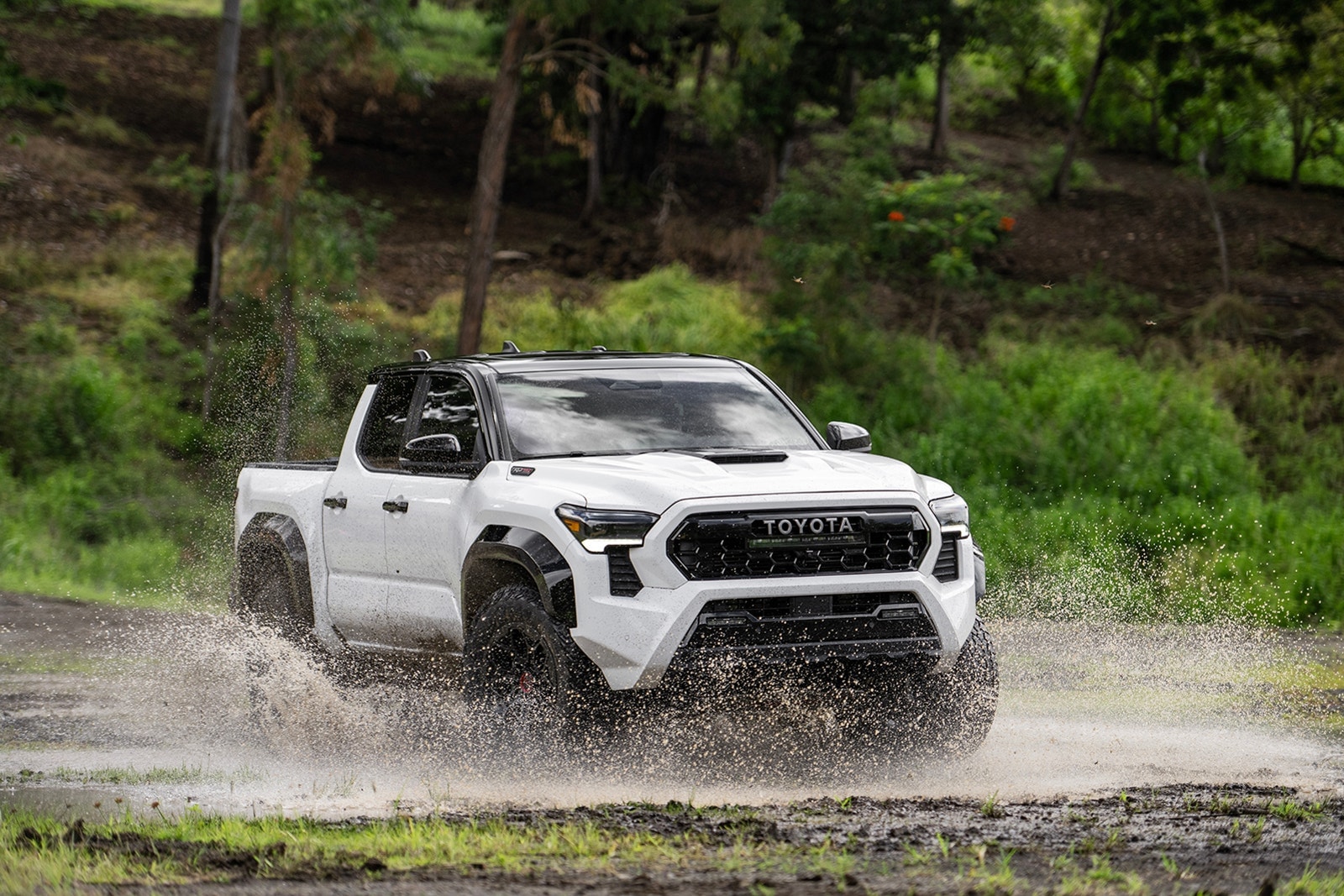
A car that continues to run smoothly on its original components is a testament to exceptional engineering, meticulous maintenance, and durable design.
While most vehicles require a series of part replacements over time, a select group manages to maintain their integrity and performance over hundreds of thousands of miles without major replacements.
These cars often combine reliable engines, sturdy transmissions, and well-built suspension systems that resist wear, making them favorites for those who value longevity and low maintenance costs.
The reliability of a vehicle depends on a combination of factors including build quality, parts durability, and thoughtful engineering choices. Cars with robust engines and drivetrains can withstand the stress of daily use without succumbing to mechanical failures.
This resilience extends to components like braking systems, electrical assemblies, and steering mechanisms, which can continue functioning optimally even after decades of use. Such vehicles often become sought-after in the second-hand market because owners know they can trust them to perform consistently.
Maintenance also plays a critical role. Owners who follow recommended service intervals, use high-quality fluids, and address minor issues promptly increase the likelihood that their cars will continue running on original parts.
Some vehicles are designed with accessibility in mind, making routine maintenance straightforward and reducing the risk of damage due to neglected servicing.
In this article, we present twelve cars that have proven their ability to maintain performance and reliability on original components. Each of these vehicles has earned a reputation for lasting quality and dependable engineering.
By examining their unique traits and design strengths, readers can understand why these models remain operational without frequent part replacements.
From everyday sedans to durable SUVs, these cars demonstrate that thoughtful engineering can result in long-term dependability, offering peace of mind and cost savings for owners.
Also Read: 12 Upgraded 2025 Trucks Built to Withstand Abuse
1. Toyota Land Cruiser
The Toyota Land Cruiser has earned a legendary reputation for durability and reliability. Known for its rugged construction and strong mechanical components, it is a vehicle that can endure decades of use while still running on its original parts.
The Land Cruiser’s body is built to resist corrosion, and the chassis is designed to handle heavy loads and off-road stresses without significant wear. Its solid engineering extends to the engine and transmission, which are renowned for longevity when properly maintained.
The Land Cruiser is equipped with a robust inline-six or V8 engine depending on the model year, both of which are designed to operate efficiently over hundreds of thousands of miles. These engines are not only powerful but also simple enough in design to allow for routine maintenance and inspections.
Components like timing belts, water pumps, and cooling systems are engineered for long service intervals, reducing the likelihood of premature failure. This mechanical simplicity, combined with Toyota’s commitment to quality, is a key reason many Land Cruisers continue running on original parts.
The drivetrain is equally durable. The four-wheel-drive system, including the transfer case and axles, is built to handle rigorous conditions without frequent repairs.
Suspension components, such as leaf springs and shock absorbers, are engineered for longevity and can withstand heavy loads and off-road usage.
The brakes and steering systems are also constructed with long-term reliability in mind, ensuring that even after years of use, the vehicle remains safe and responsive.

Owners who follow recommended maintenance schedules can expect their Land Cruiser to last well beyond 300,000 miles. Regular oil changes, fluid inspections, and timely replacement of consumables like filters help preserve the original components.
In many regions, older Land Cruisers are still active, demonstrating the enduring quality of Toyota’s design.
Their reputation as vehicles that keep running on original parts makes them highly desirable for buyers seeking dependable, long-lasting transportation that can endure both city streets and challenging terrains.
2. Honda Accord
The Honda Accord is widely recognized for its blend of performance, comfort, and reliability. Many models from the 1990s and 2000s have reached high mileage while still running on their original engines and transmissions.
Honda’s reputation for precision engineering ensures that critical components are manufactured to exacting standards, resulting in vehicles that maintain their structural and mechanical integrity over decades.
Accords are equipped with robust four-cylinder and V6 engines that balance efficiency and durability. These engines are designed with high-quality internal components that resist wear, even under heavy use.
Key parts such as the timing chain, pistons, and crankshaft are engineered for long life, which is why many Accords continue operating with their original engines.
Transmission systems, including both manual and automatic options, are built to handle prolonged use without significant issues when proper maintenance is followed.
Suspension and steering components in the Accord are designed to absorb daily road impacts while maintaining handling precision.
Durable bushings, struts, and ball joints extend the vehicle’s lifespan by minimizing wear. Brake systems and electrical components also demonstrate longevity, which is a contributing factor to the Accord’s reputation for staying reliable over time.
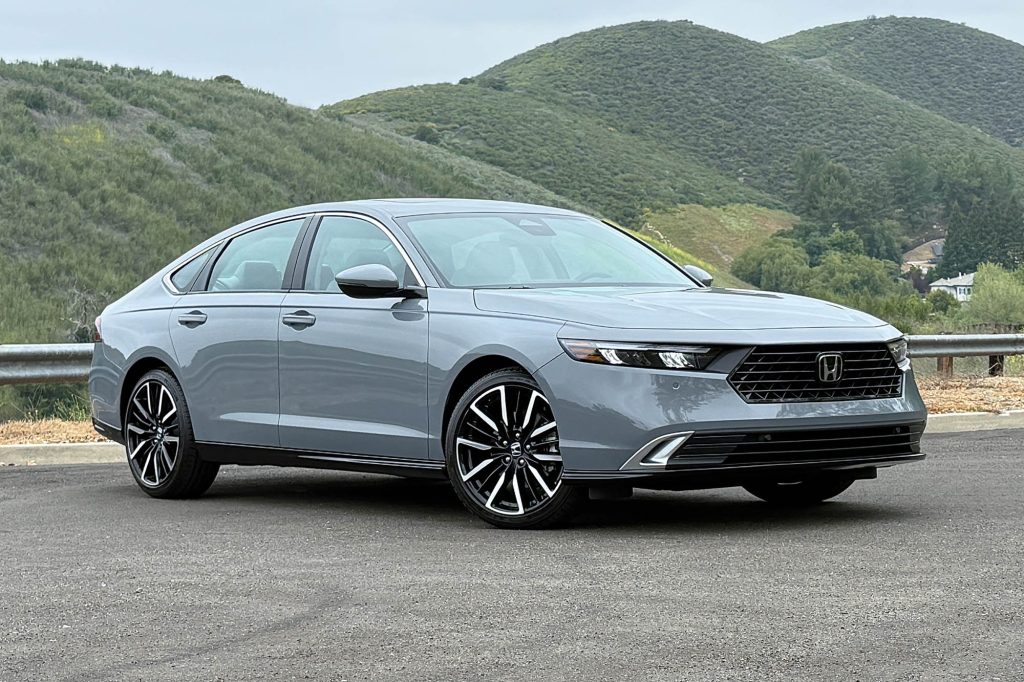
Owners who adhere to scheduled maintenance can easily preserve the original parts for over 200,000 miles. Routine oil changes, timely belt inspections, and attention to fluid levels help maintain engine and transmission health.
The Accord’s combination of solid engineering, readily available replacement parts, and ease of maintenance allows it to remain a dependable choice for long-term ownership, showing that careful design and attentive care make it possible to enjoy a vehicle for decades without replacing major components.
3. Lexus LS 400
The Lexus LS 400 is a flagship sedan that demonstrates how luxury and longevity can coexist. Introduced in the late 1980s, this model quickly gained recognition for its exceptional build quality and durable components.
The LS 400 is engineered with high-grade materials and precise manufacturing standards, which contribute to its ability to continue running on original parts well beyond typical vehicle lifespans.
Its V8 engine is a standout feature, built for smoothness, efficiency, and endurance. Precision engineering ensures that components like the camshafts, pistons, and fuel delivery systems experience minimal wear under normal conditions.
The automatic transmission complements the engine’s reliability, offering consistent performance without requiring early replacement. Lexus also invested heavily in reducing stress on moving parts, ensuring that critical systems remain durable over time.
The LS 400’s suspension and chassis are designed for comfort and stability, with components that maintain integrity even under frequent use. Steering and braking systems are engineered to provide precise control while remaining reliable across decades.
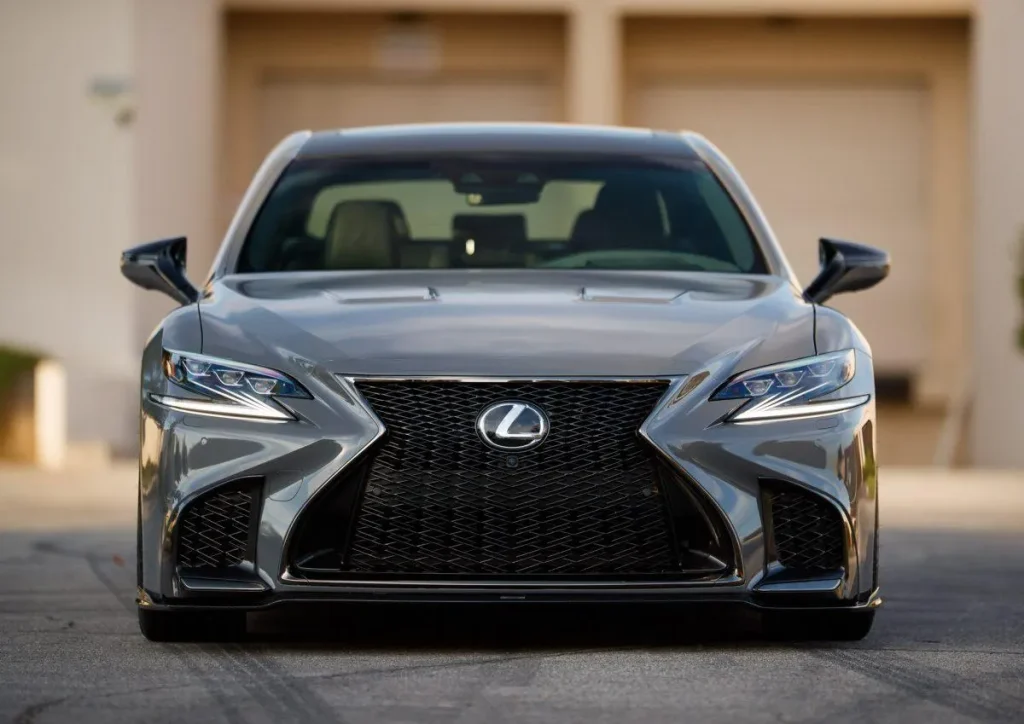
Electrical systems in the LS 400 are similarly robust, reducing the risk of failures that are common in luxury vehicles from the same era.
With proper care, including regular fluid changes and inspections, many LS 400 owners report vehicles exceeding 300,000 miles without major repairs. Its reputation as a vehicle that keeps performing on original parts makes it appealing to those seeking a dependable luxury sedan.
The LS 400 proves that careful engineering and high-quality materials can result in a car that combines refinement with enduring mechanical reliability, offering both comfort and peace of mind.
4. Toyota Corolla
The Toyota Corolla has long been celebrated as one of the most reliable compact cars on the market.
Its straightforward design, efficient engine options, and durable construction allow it to continue operating with its original components even after hundreds of thousands of miles.
The Corolla’s reputation for longevity is built on a combination of robust mechanical systems and consistent manufacturing quality.
Corolla engines, typically four-cylinder units, are known for their simplicity and resilience. Components such as pistons, timing mechanisms, and cylinder heads are engineered to withstand extended use with minimal wear.
Automatic and manual transmissions alike are designed to endure frequent city driving and highway use. When owners follow recommended maintenance schedules, these critical components often remain intact, contributing to the Corolla’s long-lasting reputation.
The vehicle’s suspension system, including shocks, struts, and control arms, is engineered for durability while maintaining ride comfort.
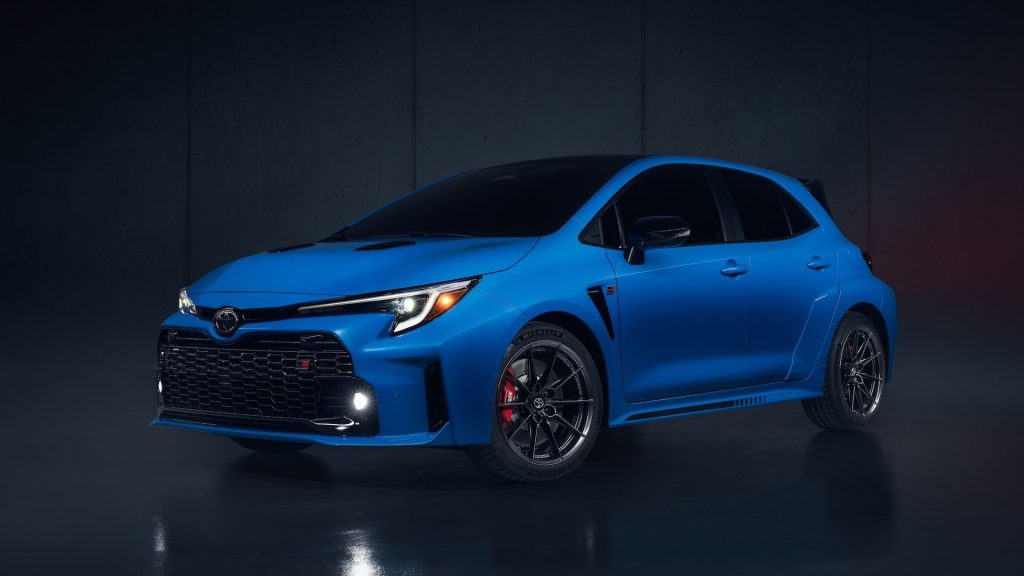
Brakes, steering assemblies, and electrical components are similarly robust, capable of reliable performance over many years. Corrosion-resistant materials and thoughtful engineering ensure that even older models maintain structural integrity.
Routine maintenance, including regular oil changes, filter replacements, and fluid checks, helps preserve the original parts.
Many Corollas from the late 1990s and early 2000s are still in active use today, reflecting the car’s ability to remain dependable without significant part replacements.
Its combination of reliability, affordability, and long-lasting mechanical components makes the Corolla a standout example of a vehicle that keeps driving on original parts for decades.
5. Subaru Outback
The Subaru Outback is widely recognized for its reliability and longevity, especially models equipped with the brand’s signature boxer engines and all-wheel-drive system.
The horizontally opposed engine design provides a low center of gravity and even weight distribution, which contributes to overall stability and reduced mechanical stress.
Subaru’s focus on durability means that many Outbacks continue running with original engines and drivetrains well past 200,000 miles when maintained properly.
Outback engines are built with high-quality materials and precision engineering, making them resistant to wear even under daily commuting or long-distance driving.
Components such as the timing belt, pistons, and valve systems are designed for long intervals between replacements.
Regular oil changes, timely belt replacements, and fluid inspections help preserve these original parts, ensuring the vehicle remains dependable for years.
Automatic and manual transmissions in the Outback are similarly robust, with many owners reporting smooth operation on the original units after decades of use.
The all-wheel-drive system, a hallmark of Subaru, is engineered to handle challenging terrain without sacrificing reliability. Transfer cases, drive shafts, and differentials are constructed to endure stress while maintaining consistent performance.
Suspension components, including struts and control arms, are designed for long-term durability and resilience against rough roads, contributing to a smooth and stable ride even as the vehicle ages.
Electrical systems in the Outback are also designed for longevity, with minimal risk of early failure. Braking and steering systems maintain reliability when regularly inspected and serviced.
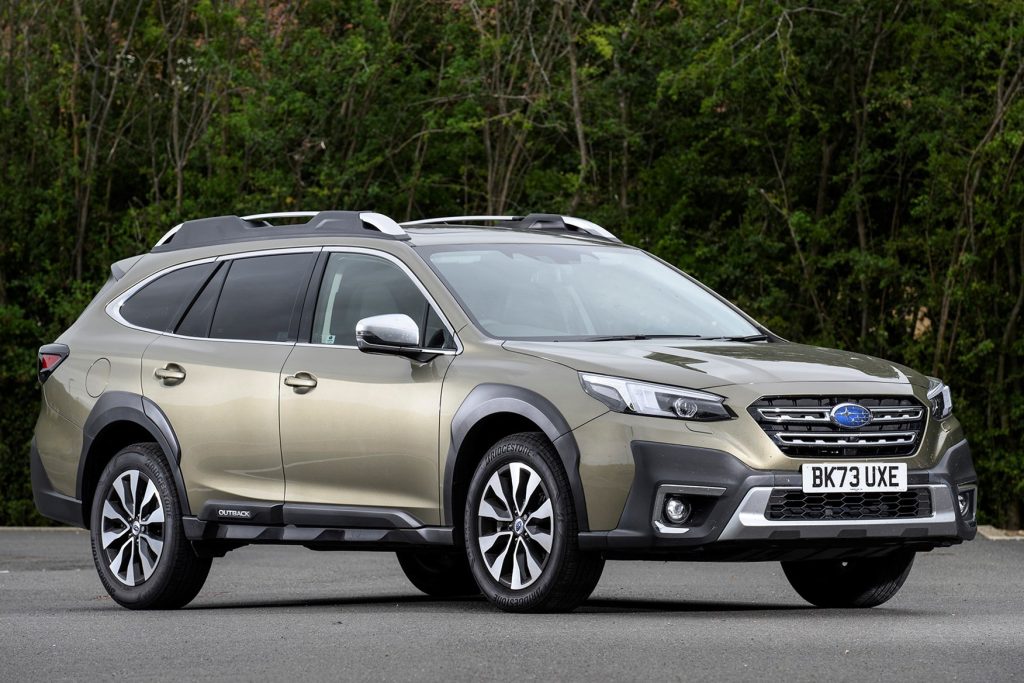
Combined with Subaru’s reputation for thoughtful engineering and durable construction, these features allow the Outback to continue performing on its original components.
Owners who adhere to maintenance schedules often find their Outbacks exceeding 250,000 miles without major mechanical intervention.
Its blend of practicality, all-weather capability, and long-lasting engineering makes it a popular choice for those seeking a vehicle that remains dependable while maintaining its original parts, proving that thoughtful design and routine care can result in remarkable durability.
6. Ford F-150
The Ford F-150 is a pickup truck known for its ruggedness, longevity, and dependable mechanical systems. Many owners report trucks that continue running smoothly on their original engines, transmissions, and drivetrains after hundreds of thousands of miles.
Built to handle heavy-duty work, the F-150’s engineering focuses on reliability under load and in demanding conditions, making it one of the most durable trucks on the market.
F-150 engines, whether V6, V8, or EcoBoost variants, are designed to withstand extended use. High-quality materials, robust internal components, and precision manufacturing reduce wear and tear, allowing these engines to remain operational for years.
Routine oil changes, filter replacements, and fluid inspections are key to maintaining the original engine’s performance. Transmissions, especially the automatic units, are engineered for endurance, with many owners reporting smooth operation without replacements even at high mileage.
The F-150’s chassis and suspension are built to handle heavy payloads and towing demands, with long-lasting leaf springs, shock absorbers, and control arms.
Brakes, steering assemblies, and drivetrain components such as axles and differentials are constructed for durability and strength. This makes the F-150 capable of retaining its reliability under strenuous working conditions, even when used extensively for hauling or off-road activity.
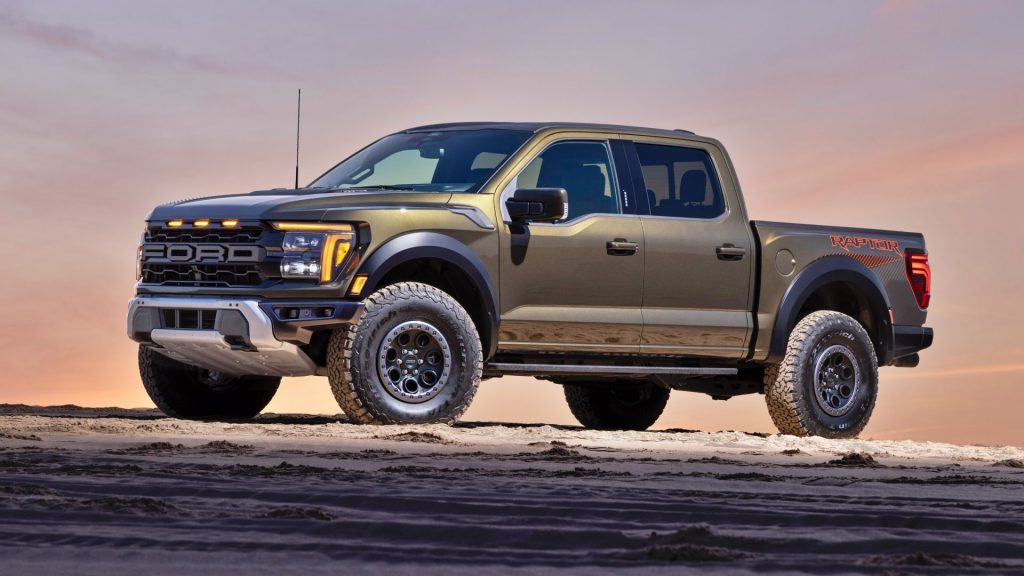
Electrical systems in the F-150 are designed for minimal failure, with the original wiring and components often lasting decades.
Owners who maintain the truck according to Ford’s recommended service schedule typically experience fewer issues with mechanical and electronic systems.
The combination of robust construction, thoughtful engineering, and accessible maintenance allows the F-150 to remain a trusted vehicle that can continue operating on its original parts for hundreds of thousands of miles, making it a preferred choice for those who need long-term dependability in a full-size truck.
7. Volvo 240
The Volvo 240 is a classic example of mechanical durability and longevity. Known for its boxy design and uncompromising build quality, this vehicle has earned a reputation for running on its original components for decades.
From the engine to the suspension and braking systems, every aspect of the 240 is designed to withstand wear and maintain reliability under daily use.
The 240’s inline-four and inline-six engines are engineered with simplicity and strength in mind. Critical components such as the pistons, camshafts, and timing systems are built to endure long-term operation.
Automatic and manual transmissions in the 240 are similarly robust, capable of handling high mileage without major failures when routine maintenance is performed.
Owners who follow recommended schedules often report cars that remain fully functional on original engines and drivetrains well beyond 200,000 miles.
Suspension and chassis design emphasize durability and comfort, with long-lasting struts, springs, and bushings. Braking systems are reliable and consistent over time, and steering components retain precision with minimal wear.
Volvo’s attention to corrosion resistance also ensures that the body and frame maintain integrity, even in harsh climates. Electrical systems, often a weak point in older vehicles, are relatively straightforward and reliable, contributing to the car’s reputation for longevity.
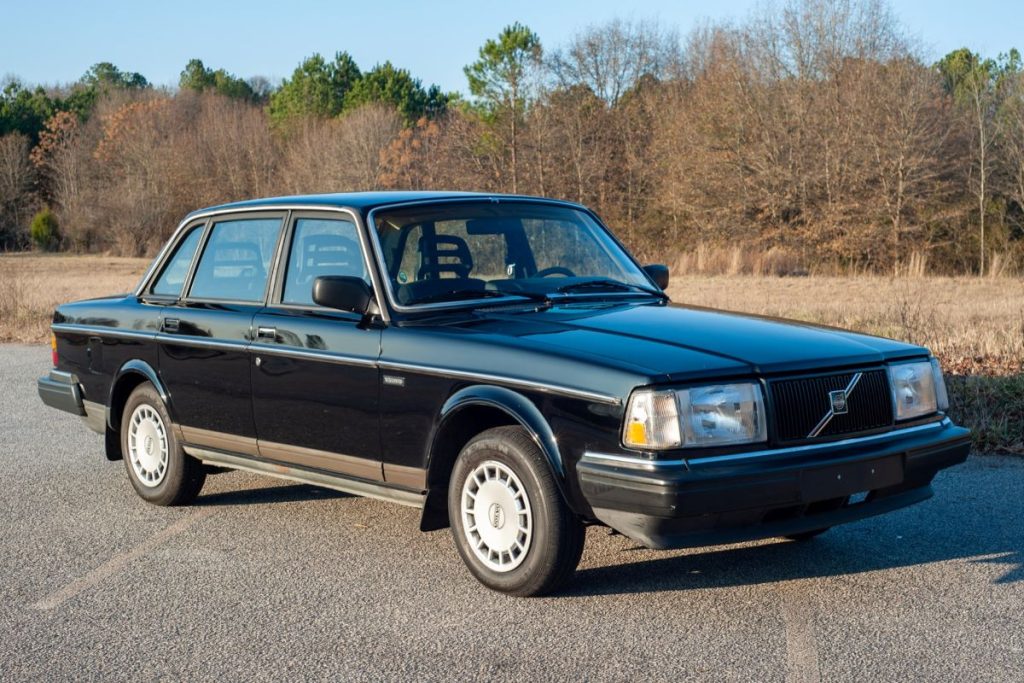
With regular maintenance, including oil changes, fluid checks, and inspections of belts and hoses, the Volvo 240 can continue performing reliably for decades.
Its combination of simple yet strong engineering, corrosion-resistant materials, and accessible maintenance make it a standout example of a car that continues to operate on original parts.
Owners appreciate the predictability and dependability of this classic sedan, proving that thoughtful design can result in exceptional long-term durability.
8. Honda Civic
The Honda Civic is one of the most well-known compact cars celebrated for long-term reliability. Many Civics have surpassed 200,000 miles while still using their original engines, transmissions, and drivetrains.
Honda’s commitment to quality engineering ensures that key components are built to endure extended use without frequent replacement.
Civic engines, predominantly four-cylinder units, are engineered for durability and fuel efficiency. Internal components like pistons, crankshafts, and camshafts are made with precision to resist wear over time.
Automatic and manual transmissions are similarly resilient, maintaining smooth operation even under heavy use. Regular maintenance, such as timely oil changes, filter replacements, and inspections, is crucial to preserving these original parts and extending the vehicle’s lifespan.
Suspension components, including struts, shocks, and control arms, are built to handle daily driving stresses while maintaining comfort and handling.
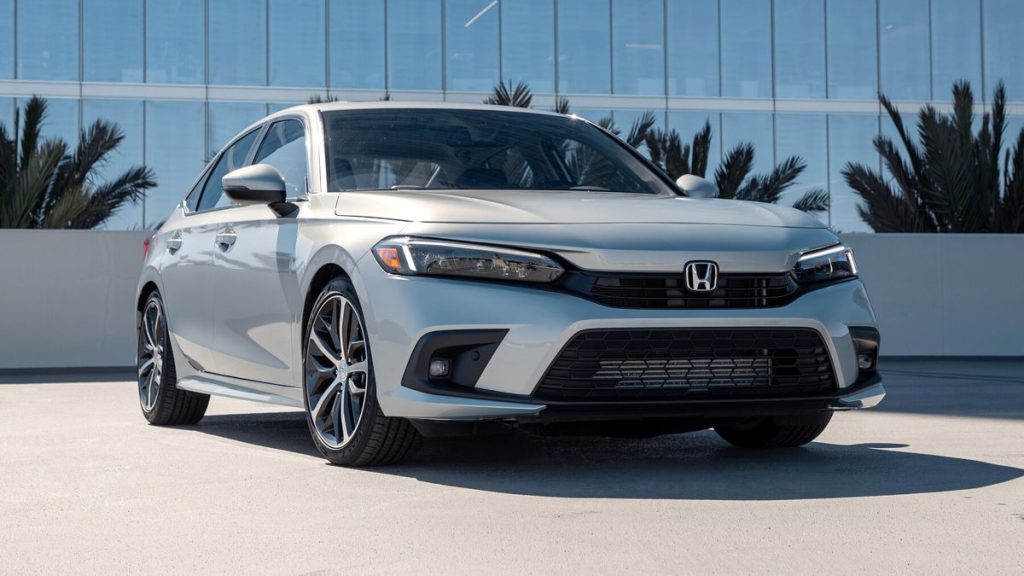
Brakes and steering systems continue to perform reliably with proper maintenance, and electrical systems in Civics are designed to minimize failures over time. These features contribute to the Civic’s longstanding reputation as a dependable vehicle.
Owners who adhere to service intervals often report Civics exceeding 250,000 miles without major repairs.
The combination of reliable engineering, high-quality components, and easy maintenance makes the Civic an ideal choice for drivers seeking a vehicle that keeps running on original parts.
Its reputation for longevity and low-cost upkeep highlights why it has remained a popular choice for decades, proving that dependable design and routine care result in a long-lasting automobile.
9. Toyota Tacoma
The Toyota Tacoma is a midsize pickup known for reliability and longevity, making it one of the few trucks that often continue running on original components for years.
Its engines, transmissions, and drivetrains are engineered to endure demanding workloads and off-road conditions without requiring major replacements.
Owners consistently report Tacomas that reach high mileage with minimal issues, reflecting Toyota’s commitment to durability.
The Tacoma’s engine options, including four-cylinder and V6 units, are built with robust internal components that resist wear over long distances.
Pistons, camshafts, and timing mechanisms are designed to last, while transmissions, both automatic and manual, are capable of maintaining smooth operation over extensive mileage.
Routine maintenance, including oil changes, filter replacements, and fluid inspections, helps preserve these original systems, extending the vehicle’s life.
The chassis and suspension are engineered to handle heavy loads and rough terrain, with durable shock absorbers, springs, and control arms.
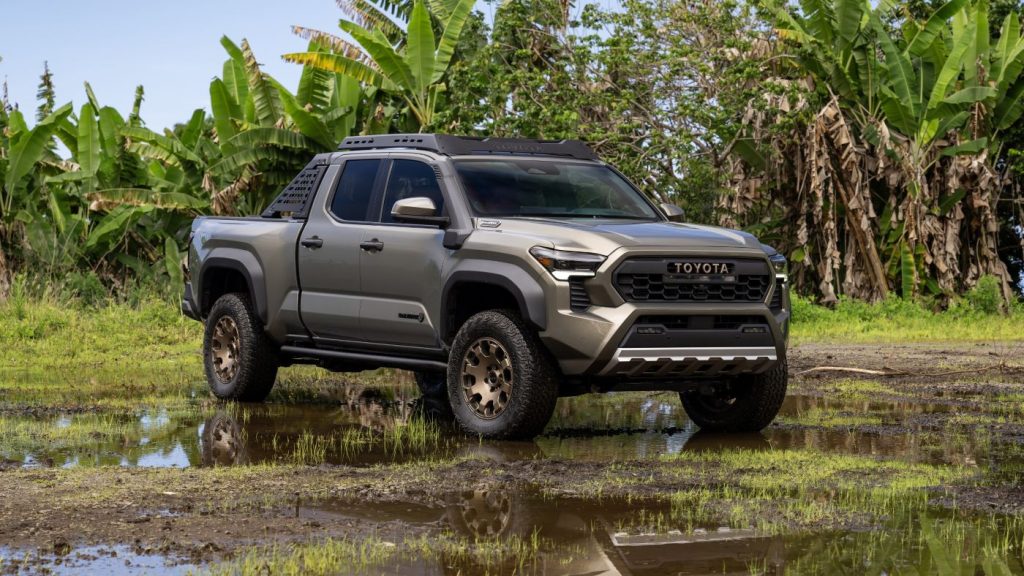
Braking and steering systems maintain reliability over years of use, while the drivetrain, including axles and transfer cases in four-wheel-drive models, is built to endure rigorous conditions. Tacoma’s corrosion-resistant body panels and frame contribute to long-term durability, even in harsh climates.
Electrical systems are designed for simplicity and longevity, reducing the likelihood of early failures. Owners who follow Toyota’s maintenance schedules often experience Tacomas that remain mechanically sound well past 200,000 miles.
Its combination of sturdy construction, reliable engineering, and ease of maintenance makes the Tacoma a highly dependable midsize truck, capable of performing consistently while retaining its original components for decades.
10. Mercedes-Benz W123
The Mercedes-Benz W123 series is renowned for its engineering and mechanical reliability. Produced during the late 1970s and 1980s, these vehicles are celebrated for engines and drivetrains that continue running on original components decades later.
Its durability stems from high-quality materials, conservative design, and meticulous attention to mechanical precision.
The W123’s inline-four and inline-six engines are built for longevity, featuring strong internal parts and straightforward engineering. Diesel versions, in particular, are known to exceed 500,000 miles with minimal intervention.
Automatic transmissions are robust, offering decades of dependable service when properly maintained. Engine components such as pistons, valves, and fuel systems are constructed to endure prolonged use, while the drivetrain remains reliable under various driving conditions.
Suspension, steering, and braking systems are designed for comfort and durability. Long-lasting shock absorbers, springs, and bushings help maintain a stable ride while reducing wear on critical components.
The W123 also benefits from high-quality corrosion-resistant materials, keeping the body and frame intact even after years of exposure. Electrical systems are simple yet reliable, minimizing mechanical issues that can affect longevity.
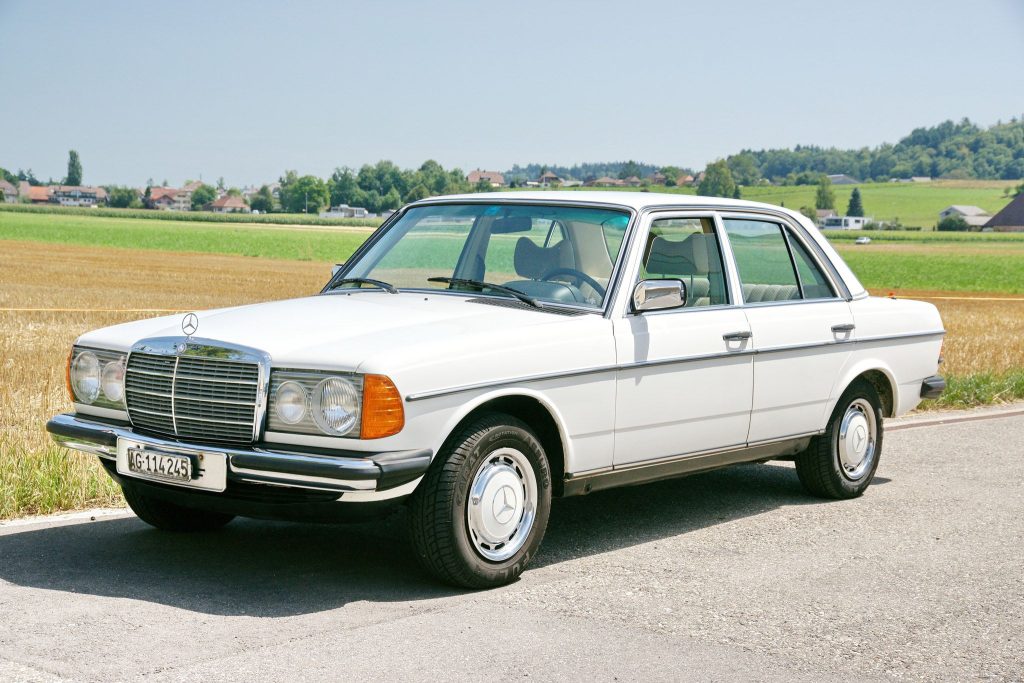
Regular maintenance, including oil and fluid changes, belt inspections, and brake servicing, helps ensure that the W123 continues running on its original components.
Many owners still drive these cars today, attesting to the enduring quality and robust construction. The W123 proves that careful design, durable materials, and precise engineering can produce a car capable of decades-long reliability.
11. Nissan Maxima
The Nissan Maxima is a full-size sedan recognized for its long-lasting engines and reliable transmissions. Many models from the 1990s and early 2000s continue operating with original components, demonstrating Nissan’s focus on durability and consistent performance.
Its combination of dependable engineering and accessible maintenance contributes to its ability to endure high mileage.
Maxima engines, typically V6 units, are engineered for smooth operation and longevity. High-quality materials, precision manufacturing, and robust internal components reduce wear, allowing engines to remain functional over extended periods.
Transmissions are built to handle significant mileage without requiring replacement, and both manual and automatic versions have demonstrated impressive endurance.
Suspension systems, including struts, shocks, and control arms, are designed for comfort and long-term reliability. Brakes, steering mechanisms, and drivetrain components maintain performance over years of use.
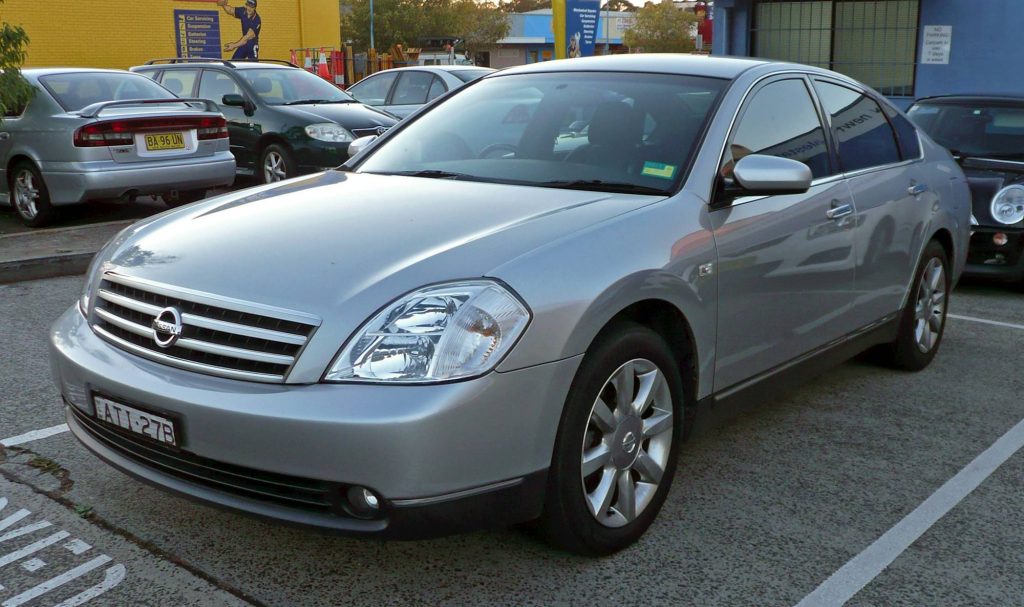
The Maxima’s electrical systems are relatively straightforward, reducing the risk of early failures. Corrosion-resistant body panels and protective coatings further extend the vehicle’s lifespan.
Owners who follow recommended maintenance schedules, including oil changes, fluid inspections, and timing chain or belt service, often see their Maximas surpass 250,000 miles without major repairs.
Its reputation for keeping original components intact makes it a reliable choice for those seeking a durable full-size sedan. The Maxima demonstrates that well-engineered vehicles with attentive care can provide years of dependable service.
12. Chevrolet Suburban
The Chevrolet Suburban is a full-size SUV known for its impressive durability and ability to continue running on original parts.
Designed for heavy-duty use, towing, and long-distance travel, the Suburban combines strong engines, durable transmissions, and a reinforced chassis to deliver long-term reliability. Many Suburbans from the late 1990s and early 2000s remain operational with their original mechanical systems intact.
V8 engines in the Suburban are engineered to handle extended use while maintaining power and efficiency. Internal components, including pistons, crankshafts, and camshafts, are built to last, while the automatic transmissions are robust and capable of enduring high mileage.
Routine oil changes, fluid inspections, and minor repairs help preserve these original components and ensure consistent performance over time.
The Suburban’s suspension and frame are designed for heavy loads, with durable shocks, springs, and control arms that resist wear.
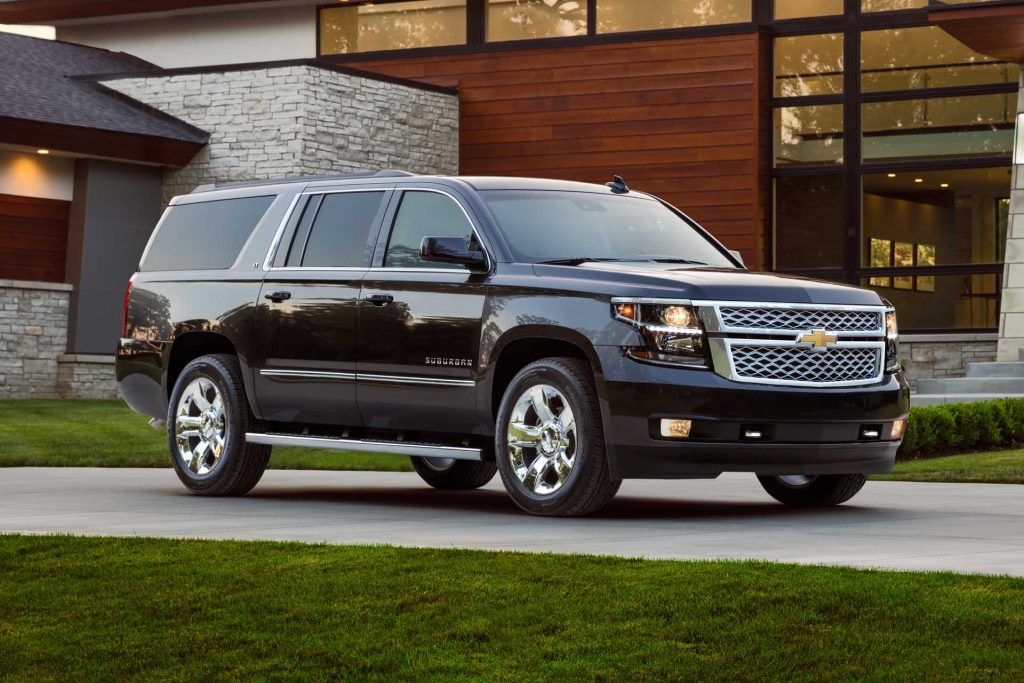
Braking and steering systems maintain their functionality for years, and the drivetrain, including axles and differentials, is engineered to withstand demanding use. Corrosion-resistant materials and protective coatings contribute to structural integrity even under harsh conditions.
Electrical systems are straightforward and reliable, reducing the likelihood of early failures. Owners who adhere to recommended maintenance schedules often report Suburbans exceeding 300,000 miles with original engines and drivetrains intact.
The combination of robust construction, powerful mechanical systems, and thoughtful design makes the Chevrolet Suburban a trusted vehicle that continues to provide dependable service for decades.
