
Car reliability is a factor that directly affects daily life, safety, and convenience. Vehicles that rarely break down or require emergency towing provide peace of mind and reduce long-term maintenance costs.
While most cars experience occasional mechanical issues, certain models have earned reputations for exceptional dependability. These vehicles are designed and built with durable components, reliable powertrains, and thoughtful engineering that minimizes the likelihood of sudden failures.
Reliability depends on several key factors, including the quality of materials, engineering standards, and ease of maintenance.
Engines and transmissions that can endure extended use without significant wear are essential, as are robust suspensions, braking systems, and electrical components.
A car’s design also plays a role; models that prioritize durability and stress resistance tend to remain operational under various conditions, from city commuting to long-distance travel.
Proper maintenance complements engineering. Regular inspections, timely fluid changes, and preventive care can extend a vehicle’s lifespan and reduce the likelihood of unexpected breakdowns.
Some models are easier to maintain than others, with widely available parts and straightforward service procedures, which adds to their overall reliability.
Owners of dependable cars often experience fewer roadside emergencies, lower repair costs, and consistent performance over the years.
This article presents ten cars that have consistently proven their ability to stay on the road without frequent mechanical failures. Each vehicle on this list combines strong engineering, durable components, and practical design choices to minimize unexpected downtime.
By examining these models, readers can identify cars that offer confidence, reliability, and long-term value.
From compact sedans to full-size SUVs, these vehicles are examples of dependable transportation that keeps drivers moving without the stress of frequent breakdowns.
Also Read: 10 Nissan Frontier Years That Are Still Reliable Today
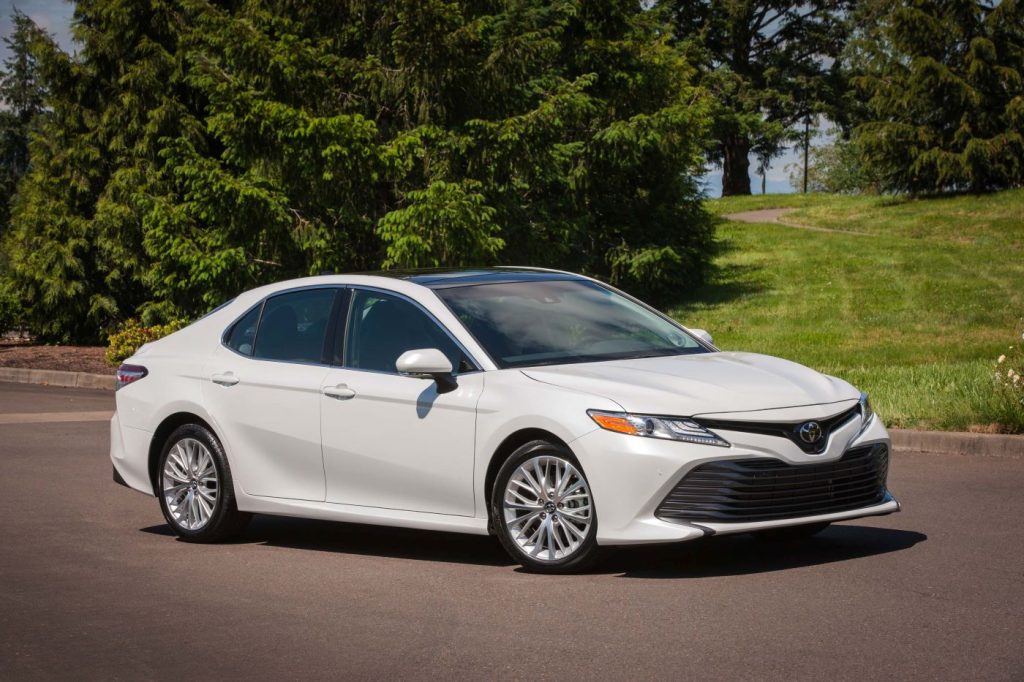
1. Toyota Camry
The Toyota Camry is widely recognized as one of the most reliable mid-size sedans available. Its consistent performance and durable engineering make it a vehicle that rarely leaves owners stranded on the side of the road.
Known for smooth operation and long-lasting components, the Camry has built a reputation over decades for mechanical dependability, making it a popular choice for daily commuting and long drives alike.
Camry engines, typically four-cylinder or V6 units depending on the model year, are designed to withstand extended use with minimal wear.
High-quality pistons, camshafts, and crankshafts reduce the risk of unexpected failures, while transmissions are engineered for smooth operation over hundreds of thousands of miles.
When routine maintenance such as oil changes, filter replacements, and fluid inspections is followed, these engines and transmissions continue running efficiently without major issues, keeping owners off tow trucks.
The Camry’s suspension and steering systems are designed to absorb daily driving stresses while maintaining comfort and handling precision. Struts, shocks, control arms, and bushings are all built to endure long-term use.
Braking systems are similarly robust, ensuring reliable stopping power over time. Electrical components, including the alternator, sensors, and wiring, are manufactured to minimize failures, further contributing to the Camry’s dependable performance.
Owners who maintain their Camrys according to recommended schedules often report vehicles surpassing 200,000 miles without experiencing major breakdowns.
The combination of straightforward engineering, quality materials, and accessible maintenance makes the Camry a vehicle that keeps moving reliably.
Its reputation for low breakdown frequency and consistent operation explains why it remains one of the most trusted sedans in its segment, offering peace of mind to drivers seeking a dependable car.
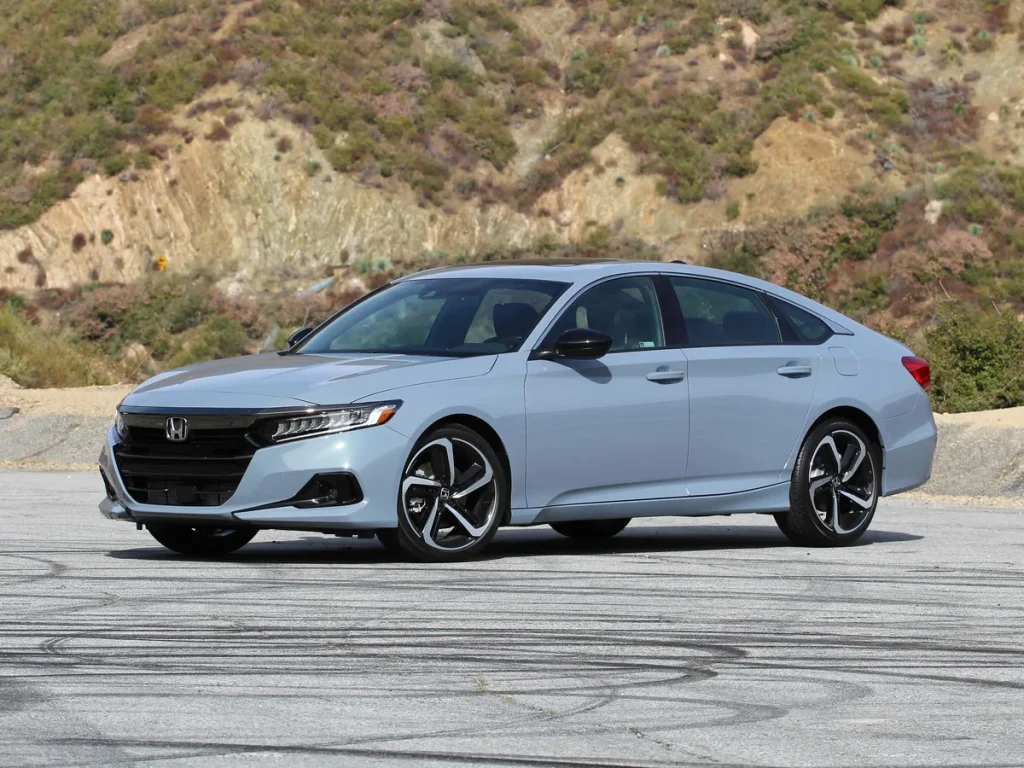
2. Honda Accord
The Honda Accord has long been a benchmark for reliability in mid-size sedans. Known for well-built engines and smooth transmissions, it remains a popular choice for drivers seeking a car that rarely requires emergency repairs or towing.
The Accord’s engineering emphasizes longevity, making it a vehicle that continues operating efficiently even after years of daily use.
Accord engines, both four-cylinder and V6 options, are engineered for endurance. Components such as timing mechanisms, pistons, and crankshafts are constructed with precision, allowing these engines to perform reliably over extensive mileage.
Transmissions, whether automatic or manual, are designed to handle prolonged use without major issues. When maintenance schedules are followed, including regular oil changes, fluid checks, and filter replacements, these key systems remain in excellent condition, minimizing unexpected breakdowns.
The suspension system in the Accord contributes to stability and comfort while withstanding wear over time. Struts, shocks, and control arms are all built to last, while braking systems ensure consistent stopping power.
Electrical systems, including sensors, alternators, and lighting, are designed for long-term reliability. The combination of durable mechanical and electrical components helps reduce the likelihood of failures that could leave drivers waiting for a tow.
Accord owners frequently report vehicles surpassing 200,000 miles with minimal repairs. Its balance of reliable engineering, ease of maintenance, and strong build quality makes it a vehicle that keeps drivers moving.
The Accord’s track record of low mechanical issues underscores its status as a dependable sedan, giving drivers confidence that their car will perform consistently without frequent emergency interventions.
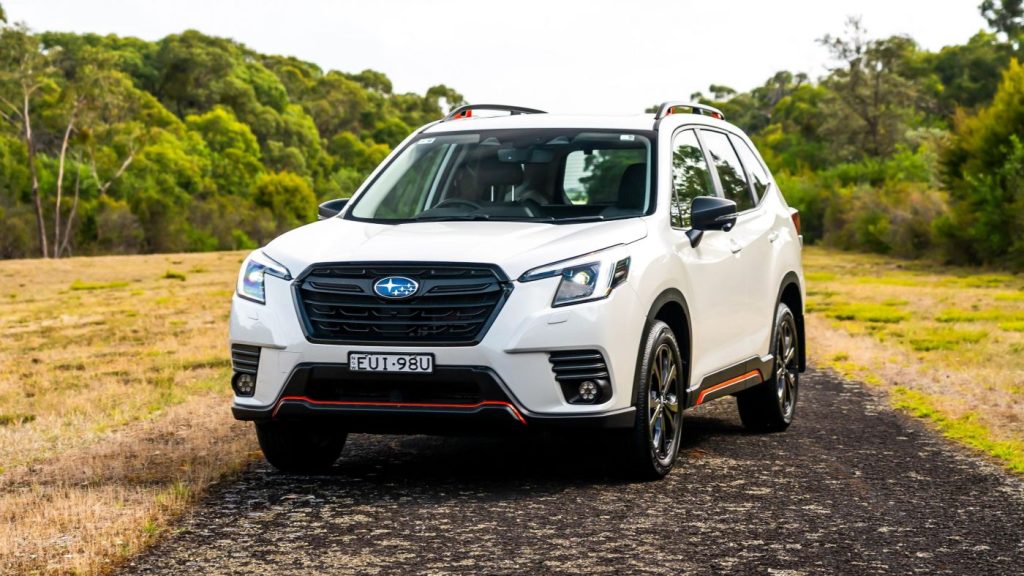
3. Subaru Forester
The Subaru Forester is a compact SUV celebrated for its reliability and all-wheel-drive capability. Many owners experience minimal mechanical issues, making it a vehicle that rarely ends up on a tow truck.
Subaru’s focus on durable engines, robust transmissions, and dependable drivetrain systems contributes to the Forester’s reputation as a long-lasting, worry-free vehicle.
The Forester’s signature boxer engine offers a low center of gravity and balanced weight distribution, reducing stress on components and enhancing overall reliability.
These engines, whether naturally aspirated or turbocharged, are constructed with durable pistons, camshafts, and valves that withstand years of use.
Automatic and manual transmissions are engineered to last, with proper maintenance ensuring smooth performance without unexpected failures. Regular oil changes, fluid checks, and belt inspections help maintain these systems in optimal condition.
The Forester’s suspension and all-wheel-drive system are designed for durability, allowing the vehicle to handle rough roads, snow, and off-road conditions with minimal wear.
Shocks, struts, control arms, and drivetrain components are built to endure long-term stress, while brakes maintain consistent stopping power. Electrical systems, including lighting, sensors, and infotainment components, are designed to minimize failures and provide reliable performance.
Owners following Subaru’s recommended service schedules often see Foresters surpass 200,000 miles without major repairs.
Its combination of strong engineering, durable drivetrain, and reliable mechanical systems makes it a vehicle that drivers can trust to remain operational without frequent emergency interventions.
The Forester demonstrates that a well-built SUV can provide dependable performance over years of daily use and challenging conditions.
4. Toyota Prius
The Toyota Prius is recognized for both fuel efficiency and mechanical reliability. Its hybrid powertrain combines durability with low maintenance demands, making it a car that rarely requires towing.
Over the years, the Prius has proven that its engines, electric motors, and battery systems can continue operating smoothly with minimal intervention when properly cared for.
Prius engines, typically small four-cylinder units paired with electric motors, are designed for longevity. Internal components, including pistons, camshafts, and valves, are engineered to withstand extended use.
The hybrid battery system, while requiring occasional monitoring, is built for durability, and many original battery packs remain functional well past 150,000 miles. Regular maintenance, including oil changes, fluid checks, and system inspections, ensures the longevity of these components and reduces the risk of unexpected breakdowns.
The Prius suspension and braking systems are designed to endure daily driving stresses while providing a comfortable ride.
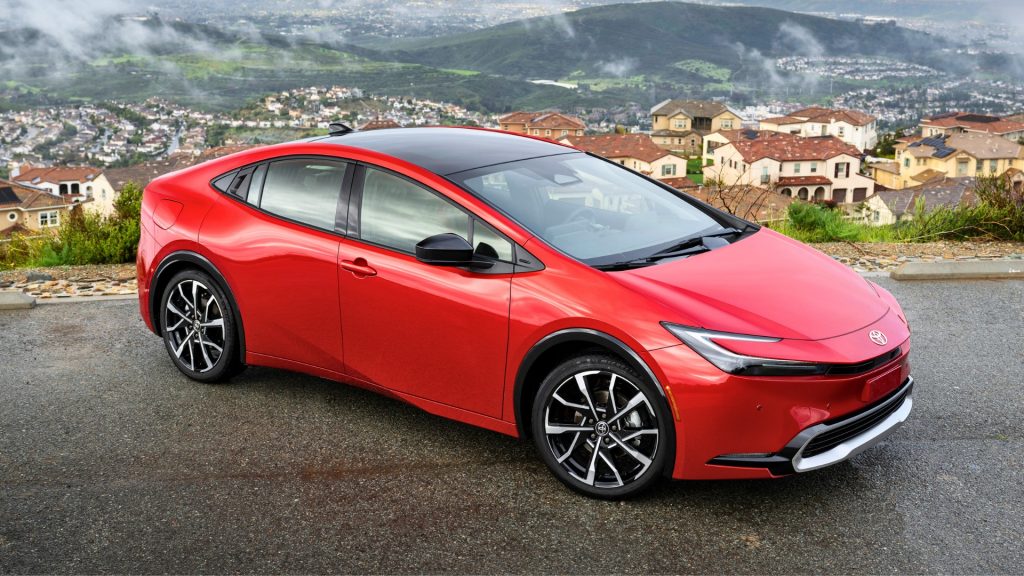
Struts, shocks, and bushings maintain stability over time, while braking systems, including regenerative braking components, remain reliable across years of use. Electrical systems are robust, with minimal risk of failure, further reducing the likelihood of roadside emergencies.
Owners report Prius models consistently reaching high mileage without significant mechanical issues.
Its combination of dependable hybrid engineering, durable components, and low-maintenance requirements makes the Prius a vehicle that keeps moving reliably. Drivers can expect peace of mind, knowing that their car is unlikely to leave them stranded due to mechanical failure.
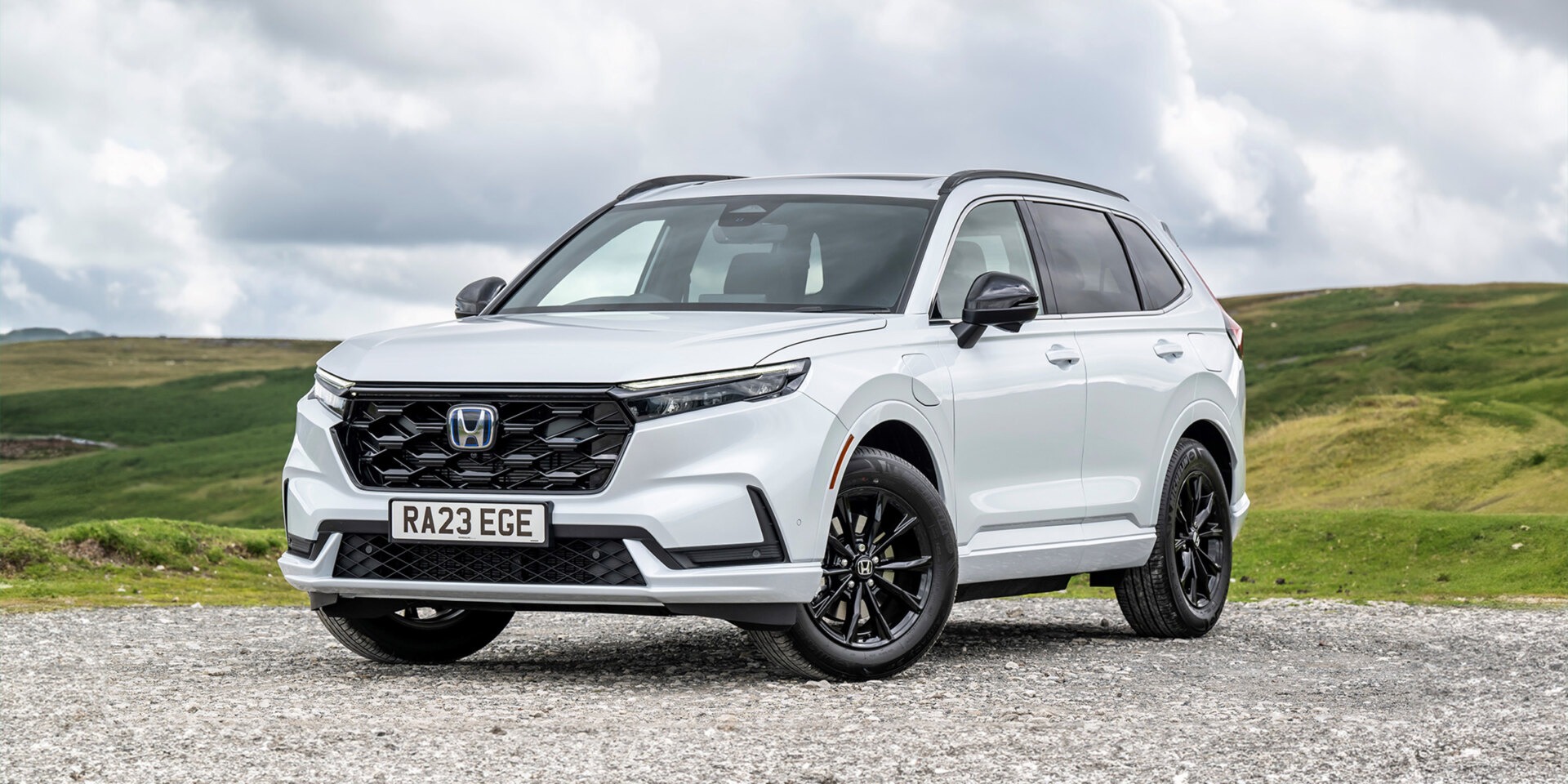
5. Honda CR-V
The Honda CR-V is a compact SUV widely recognized for its mechanical reliability and low likelihood of leaving drivers stranded.
Its durable engine, dependable transmission, and robust drivetrain make it a popular choice for families and daily commuters who value a vehicle that stays operational with minimal issues.
CR-V engines, typically four-cylinder units, are engineered to withstand long-term use. Internal components like pistons, camshafts, and timing mechanisms are manufactured with high-quality materials that reduce wear and tear.
Transmissions, both manual and automatic, are built to deliver smooth performance even after years of regular driving. Following scheduled maintenance, including oil changes, fluid inspections, and filter replacements, ensures that the original engine and transmission continue functioning reliably.
The CR-V’s suspension system, including shocks, struts, and control arms, is designed for long-term durability. Braking systems maintain consistent stopping power, while steering components remain precise and responsive.
The all-wheel-drive models include drivetrain components engineered to endure stress from varying road conditions. Electrical systems, from lighting to sensors, are built for reliability, minimizing unexpected failures.
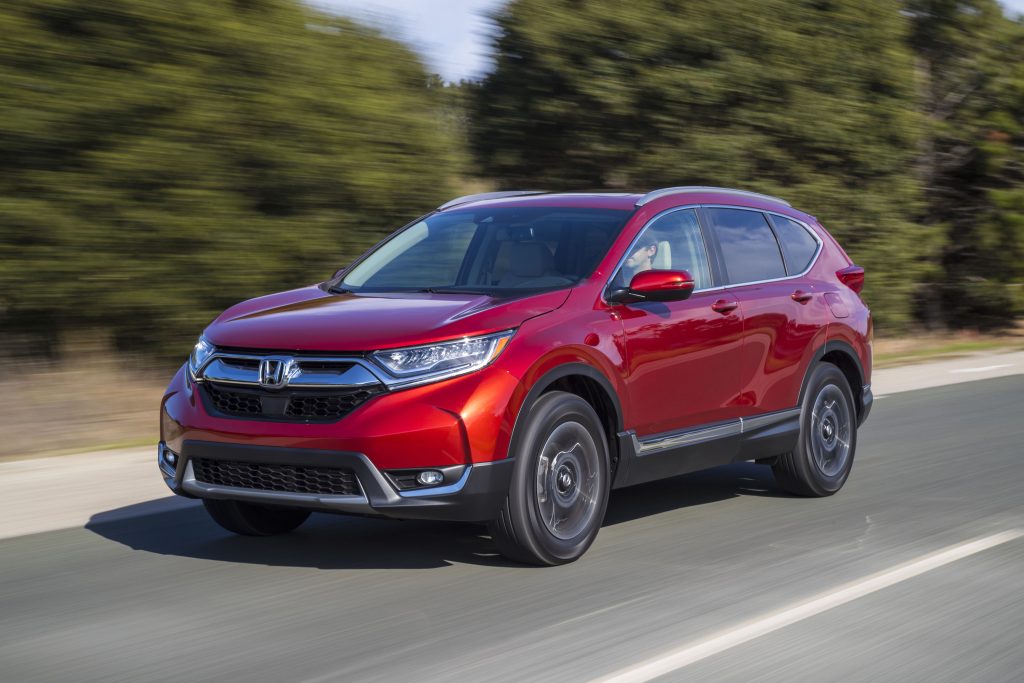
Owners who maintain their CR-Vs according to Honda’s recommended service intervals often report vehicles surpassing 200,000 miles without major mechanical issues.
Its combination of durable engineering, accessible maintenance, and dependable components makes it a vehicle that rarely requires towing.
The CR-V is an excellent example of a compact SUV designed to keep drivers on the road with confidence, providing both convenience and long-term reliability.
6. Lexus RX
The Lexus RX is a luxury crossover renowned for combining comfort with exceptional reliability.
Its engines, transmissions, and electronic systems are designed to operate smoothly over many years, making it a vehicle that rarely leaves drivers waiting for tow trucks. Lexus’s emphasis on quality materials and precise engineering contributes to the RX’s long-term dependability.
RX engines, generally V6 units, are built with durable pistons, camshafts, and valves that withstand high mileage. Transmissions, particularly automatic units, are engineered for extended use with minimal risk of failure.
Regular maintenance, including oil changes, fluid checks, and filter replacements, helps preserve these critical components, ensuring the vehicle continues running without significant issues.
The RX’s suspension and steering systems provide both comfort and longevity. Components such as shocks, struts, and control arms are engineered to resist wear, while braking systems maintain consistent stopping power.
Electrical systems, including navigation, sensors, and onboard electronics, are built for durability, reducing the likelihood of roadside failures. The all-wheel-drive system in certain RX models is similarly robust, handling varying road conditions without compromising reliability.
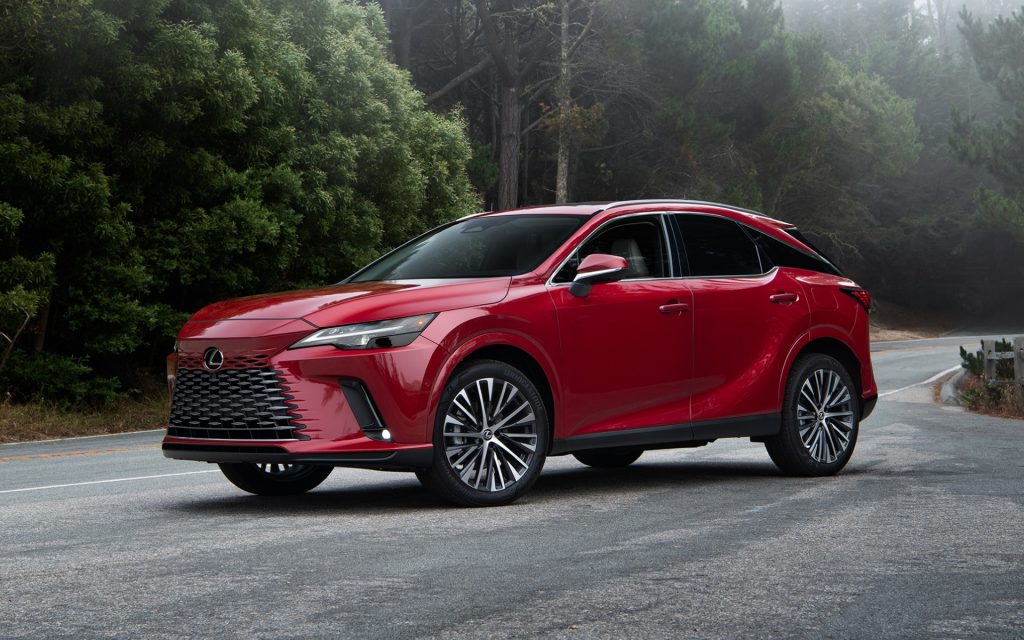
Owners who adhere to maintenance schedules often experience RX vehicles exceeding 250,000 miles without major mechanical repairs.
Its combination of thoughtful engineering, durable mechanical systems, and reliable electronic components makes it a vehicle that continues performing dependably.
The Lexus RX demonstrates that a luxury SUV can offer long-term reliability while maintaining comfort and refined performance.
7. Toyota 4Runner
The Toyota 4Runner is a mid-size SUV celebrated for its rugged construction and reliability. Its durable engines, transmissions, and drivetrain components contribute to a reputation for minimal breakdowns and long-term performance.
The 4Runner’s robust design makes it a favorite for drivers who need a vehicle capable of both daily commuting and off-road adventures.
4Runner engines, typically inline-four or V6 units depending on the model year, are engineered with high-quality materials to resist wear over extensive mileage.
Transmissions are built for smooth operation and longevity, with automatic and manual options performing reliably when routine maintenance is followed. Regular oil changes, filter replacements, and fluid inspections help ensure that these original components remain functional for years.
The 4Runner’s suspension system, including shocks, struts, and control arms, is designed to handle heavy loads and rough terrain while providing a comfortable ride. Braking systems maintain stopping efficiency, and steering components remain responsive even after years of use.
The four-wheel-drive system, including axles and differentials, is engineered for durability, reducing the likelihood of failures during demanding driving conditions.
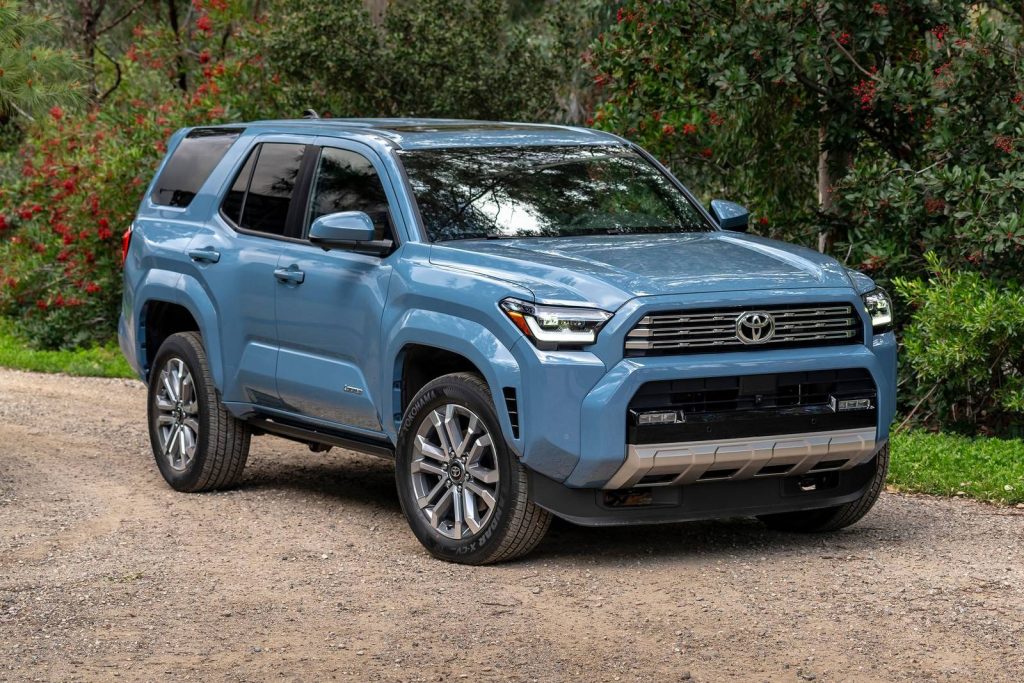
Electrical components are robust and reliable, further contributing to the 4Runner’s reputation for long-term dependability.
Owners who maintain their 4Runners according to Toyota’s recommended service schedules often report vehicles exceeding 250,000 miles without significant repairs.
Its combination of durable mechanical systems, rugged construction, and low maintenance requirements makes the 4Runner a vehicle that rarely leaves drivers stranded, offering confidence and reliability over decades of use.
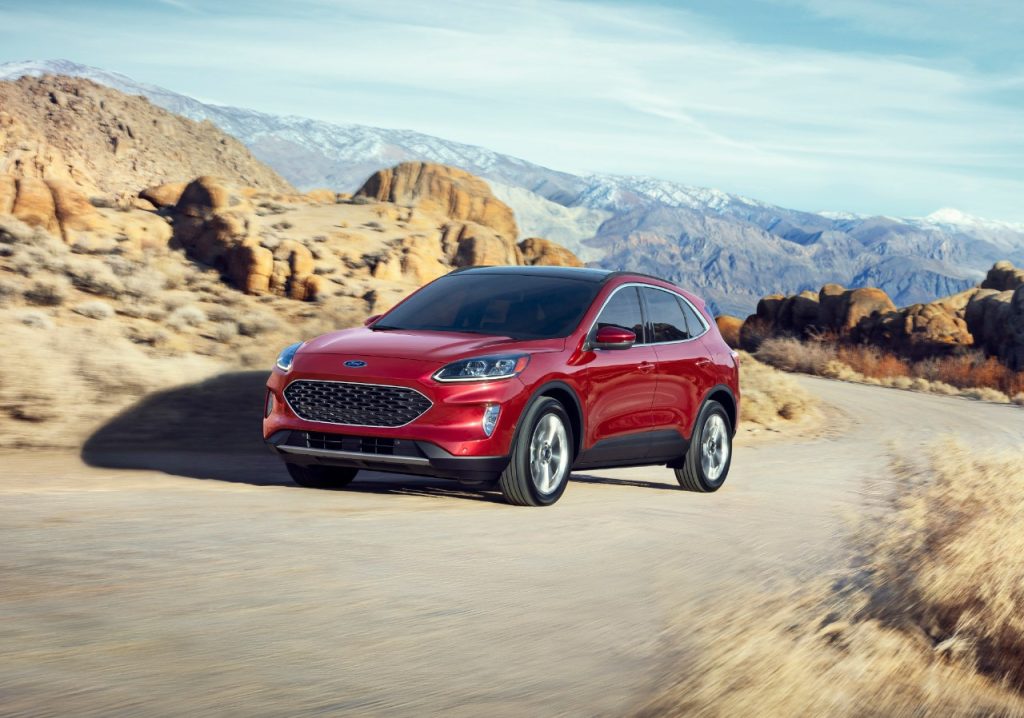
8. Ford Escape
The Ford Escape is a compact SUV known for its reliable engines and dependable drivetrain systems. Many owners experience minimal mechanical issues, making it a vehicle that rarely requires towing.
The Escape’s engineering emphasizes durability, efficiency, and ease of maintenance, contributing to its long-standing reputation for reliability.
Escape engines, typically four-cylinder or turbocharged options, are designed to operate efficiently over high mileage. Internal components, such as pistons, camshafts, and timing systems, are manufactured for durability.
Automatic and manual transmissions are engineered to maintain smooth performance over time. Adhering to scheduled maintenance, including oil changes, fluid checks, and filter replacements, helps preserve the original components and reduces the risk of breakdowns.
The Escape’s suspension and steering systems are built to handle daily driving stresses while maintaining comfort. Struts, shocks, and control arms are durable, and braking systems remain reliable over years of use.
Electrical systems, including lighting, sensors, and infotainment components, are designed to minimize failures, ensuring consistent performance. All-wheel-drive models include robust drivetrain components capable of enduring varied road conditions.
Owners following Ford’s recommended maintenance schedules often report Escapes surpassing 200,000 miles without major mechanical failures.
Its combination of durable engineering, dependable mechanical systems, and ease of maintenance makes it a vehicle that keeps drivers moving without frequent emergency interventions. The Escape provides a balance of reliability, practicality, and comfort for drivers seeking a trustworthy compact SUV.
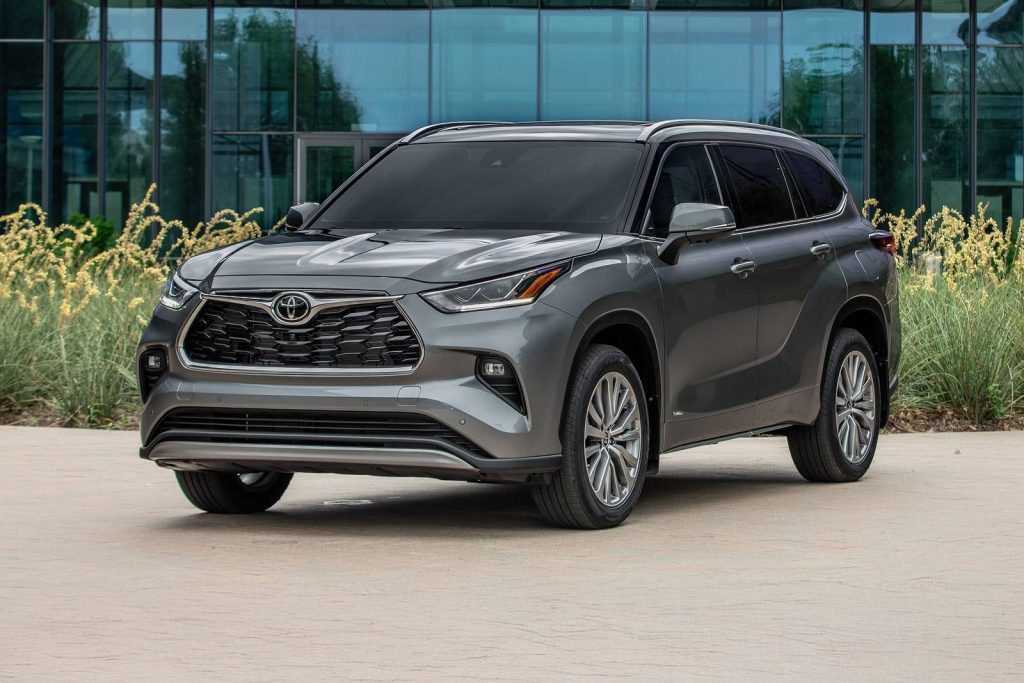
9. Toyota Highlander
The Toyota Highlander is a mid-size SUV renowned for its long-term reliability and low incidence of breakdowns.
Its durable engines, transmissions, and drivetrain components allow drivers to travel extensive distances with minimal worry about unexpected mechanical failures. The Highlander’s reputation for dependability makes it a popular choice for families and commuters alike.
Highlander engines, typically four-cylinder or V6 units depending on the model year, are engineered with high-quality materials that resist wear and maintain performance over time. Key components such as pistons, camshafts, and crankshafts are built for longevity.
Transmissions, especially automatic units, are robust and capable of handling high mileage when routine maintenance is performed. Regular oil changes, fluid inspections, and filter replacements help preserve these systems and prevent unexpected breakdowns.
The Highlander’s suspension system, including shocks, struts, and control arms, is designed to endure daily driving stresses while providing a comfortable ride. Brakes maintain consistent stopping power, and steering components retain responsiveness over time.
Electrical systems, including sensors, lighting, and entertainment components, are engineered to minimize failures, contributing to the vehicle’s reliability.
All-wheel-drive models include durable drivetrain components capable of handling varied road conditions without compromise.
Owners adhering to Toyota’s recommended service schedules frequently report Highlanders surpassing 250,000 miles with minimal mechanical issues.
The combination of reliable engineering, robust components, and accessible maintenance makes the Highlander a vehicle that rarely requires towing.
Its reputation for dependable performance and long-term durability provides drivers with confidence, comfort, and peace of mind on every journey.
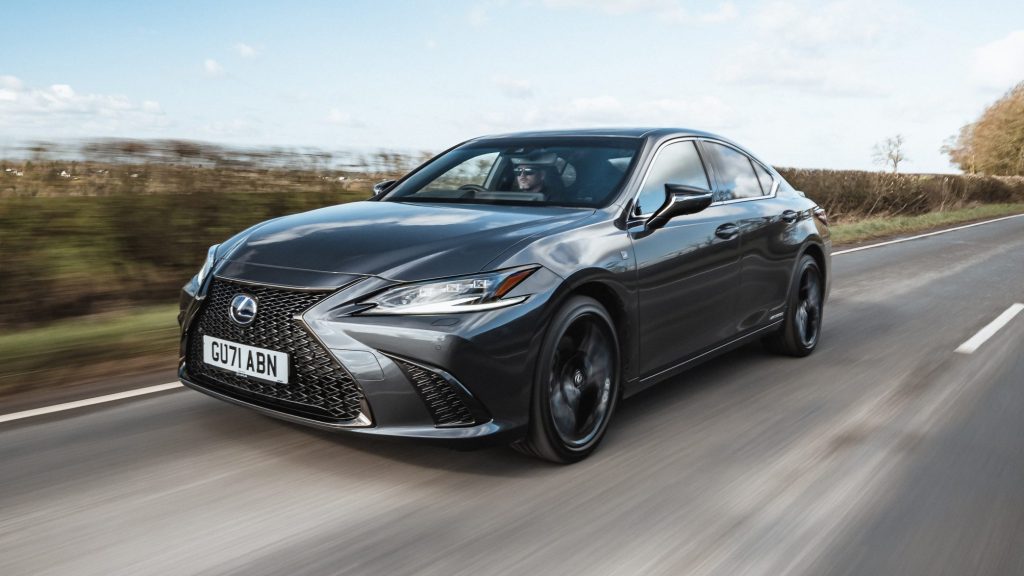
10. Lexus ES
The Lexus ES is a luxury sedan that combines refined performance with exceptional reliability. Known for well-built engines, smooth transmissions, and durable components, the ES is a vehicle that rarely leaves owners stranded due to mechanical issues.
Its reputation for longevity has made it a trusted choice among drivers seeking dependable, high-quality transportation.
ES engines, typically V6 units, are engineered to operate efficiently over extended periods. Components such as pistons, camshafts, and valves are built for durability, while automatic transmissions are designed to provide smooth, long-lasting performance.
Regular maintenance, including oil changes, fluid inspections, and filter replacements, ensures these original components continue functioning reliably, reducing the likelihood of unexpected breakdowns.
The ES’s suspension system delivers a comfortable ride while maintaining long-term durability. Shocks, struts, and control arms are constructed to resist wear, and braking systems maintain consistent stopping power.
Steering components remain precise and responsive over time. Electrical systems, including infotainment, sensors, and lighting, are designed for reliability, further minimizing potential roadside issues.
Owners who follow Lexus’ recommended maintenance schedules often see ES models surpass 250,000 miles without significant mechanical problems.
Its combination of quality engineering, durable mechanical components, and dependable electronics ensures the vehicle continues performing reliably for years.
The Lexus ES demonstrates that a luxury sedan can offer refinement and comfort while remaining a low-maintenance, dependable vehicle, rarely requiring towing assistance and providing drivers with lasting peace of mind.
Reliability is one of the most important factors when choosing a vehicle, as it directly impacts convenience, safety, and long-term ownership costs.
The ten cars featured in this article have earned reputations for consistently staying on the road with minimal risk of mechanical failures.
From mid-size sedans to compact SUVs and luxury crossovers, each model combines strong engineering, durable components, and practical design to reduce the likelihood of breakdowns.
The Toyota Camry and Honda Accord are prime examples of sedans that balance performance and reliability.
Their engines, transmissions, and suspension systems are built to endure extended use, and routine maintenance helps preserve these components for hundreds of thousands of miles.
Similarly, compact SUVs like the Subaru Forester and Honda CR-V offer dependable all-wheel-drive systems, robust engines, and long-lasting mechanical parts that withstand daily driving and challenging road conditions.
Hybrid and luxury models, such as the Toyota Prius and Lexus RX, demonstrate that dependable performance extends beyond conventional designs.
Their engineering focuses on durable engines, reliable transmissions, and long-lasting electrical systems, ensuring owners experience minimal roadside interruptions.
Midsize and full-size SUVs, including the Toyota 4Runner, Ford Escape, and Toyota Highlander, combine rugged construction, durable drivetrain components, and corrosion-resistant materials to provide consistent performance over time.
Luxury sedans like the Lexus ES highlight that refinement and reliability can coexist. Strong engines, smooth transmissions, and durable electronics allow these vehicles to maintain dependable operation even with higher mileage.
Owners who follow recommended maintenance schedules benefit from cars that rarely leave them waiting for tow trucks, providing confidence and peace of mind.
Overall, these ten vehicles show that careful engineering, quality materials, and consistent care result in long-term reliability.
Choosing a car from this list ensures dependable transportation, fewer mechanical surprises, and a vehicle that remains a trusted companion on daily drives and long journeys.
Also Read: 9 Performance Cars That Balance Speed and Longevity
