
Across developing nations, reliable trucks often outlast their original production cycles and remain on the roads for decades.
These vehicles, once considered old workhorses, continue to provide transportation for goods, construction materials, farm produce, and even passengers.
The reason behind their survival is not just their initial engineering quality, but also the adaptability of local owners and mechanics who find ways to keep them moving through resourcefulness, spare part improvisation, and sheer determination.
While newer vehicles dominate showrooms, they often come with higher costs, complex electronics, and fragile designs that do not always suit rough terrain or poor road infrastructure.
In contrast, older trucks were built with durability in mind, often using simpler mechanical systems that could be repaired with basic tools.
Their rugged construction and proven engines make them better suited to endure harsh environments where modern vehicles might fail. For many communities, these trucks are not just transport machines but lifelines that ensure economic survival.
From South America to Africa and South Asia, one can still see classic models carrying heavy loads, hauling goods across borders, or being used in construction projects.
They are patched together countless times, sometimes running with locally fabricated parts, yet they continue to function against all odds. Owners appreciate them not just for nostalgia but for their proven record of reliability and low cost of upkeep.
This article highlights ten such trucks that are still running strong in developing nations. Each of these vehicles has earned its place on the road through a combination of resilience, practicality, and ease of repair.
Their stories show why old does not always mean obsolete, and why these trucks continue to hold value even decades after they first rolled off the assembly line.
Also Read: 10 Nissan Frontier Years That Are Still Reliable Today
1. Toyota Hilux
The Toyota Hilux has earned its reputation as one of the most reliable and tough trucks ever built, and this reputation extends across developing nations where it remains a common sight.
Even models from the 1980s and 1990s are still running strong, thanks to their straightforward mechanics and hardy build. Farmers, small business owners, and even local contractors rely on it because it handles rough roads and heavy loads without giving up easily.
A key factor in the Hilux’s survival is its diesel engine, which was engineered for endurance rather than speed.
These engines can cover hundreds of thousands of kilometers with proper care, and in many cases, even poorly maintained trucks continue running with minimal complaints.
Spare parts are widely available because Toyota has a global presence, and when official parts are hard to find, owners often turn to locally produced alternatives.
Its strong ladder-frame chassis and leaf-spring suspension are also suited for rural conditions. Whether crossing unpaved mountain roads in South America or carrying produce to market in Southeast Asia, the Hilux has shown it can keep going where more modern trucks struggle.
Local mechanics appreciate it too, since the mechanical design allows repairs without specialized tools.
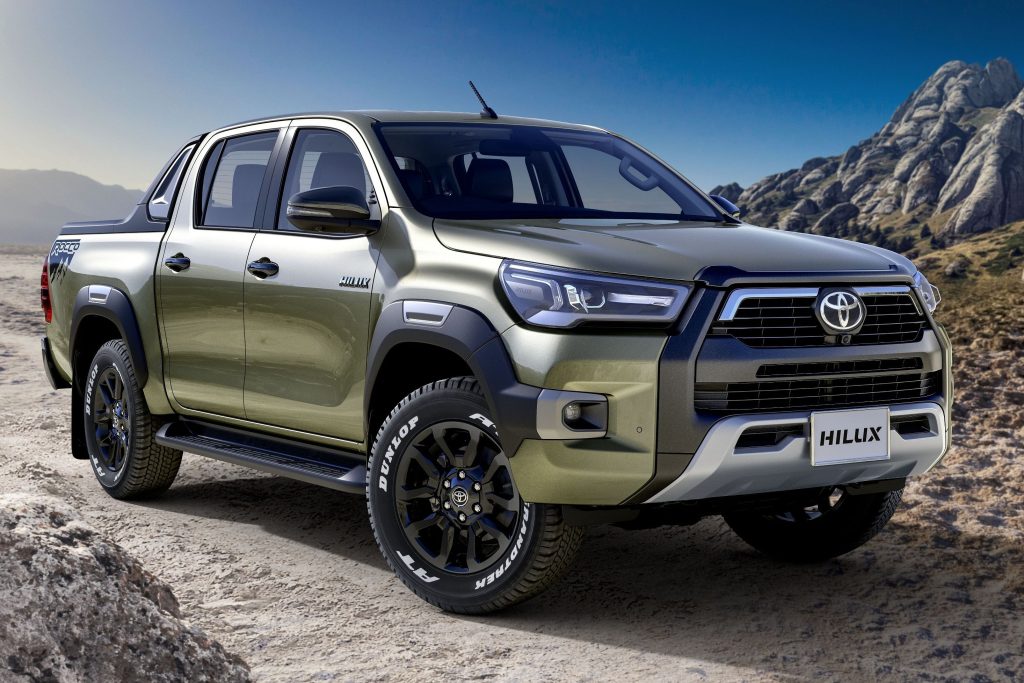
Over time, the Hilux has become more than a vehicle; it is a symbol of dependability. Many owners continue passing it down through generations, treating it as both an asset and a trusted partner in their livelihood.
Its continued presence on roads across Africa, Asia, and Latin America proves that durability and practicality matter more than flashy technology. For communities where reliable transportation means survival, the Toyota Hilux has cemented its place as a truck that will not quit.
2. Nissan Hardbody (D21)
The Nissan Hardbody, also known as the D21, continues to thrive in regions where tough conditions demand equally tough vehicles.
Produced during the late 1980s and 1990s, the Hardbody earned its nickname from its solid construction, with thicker steel panels and a frame that could take years of punishment.
Many of these trucks are still running today in Africa, South America, and Asia, often in places where road conditions would destroy more delicate vehicles.
One of the reasons for its long life is the simplicity of its design. The D21 came with engines that were not overly complex, yet capable of delivering dependable performance.
Diesel and gasoline options gave flexibility depending on fuel availability, which is especially important in developing countries.
Owners found the Hardbody easy to repair, with local mechanics familiar with its straightforward systems. Parts, both original and aftermarket, remain accessible because the truck was sold in large numbers worldwide.
The Hardbody also stood out for its versatility. It could serve as a small farm truck, a construction hauler, or even a family vehicle in rural towns. Its suspension and frame design meant it handled dirt roads and potholes with relative ease, while the bed was large enough to carry goods to market.
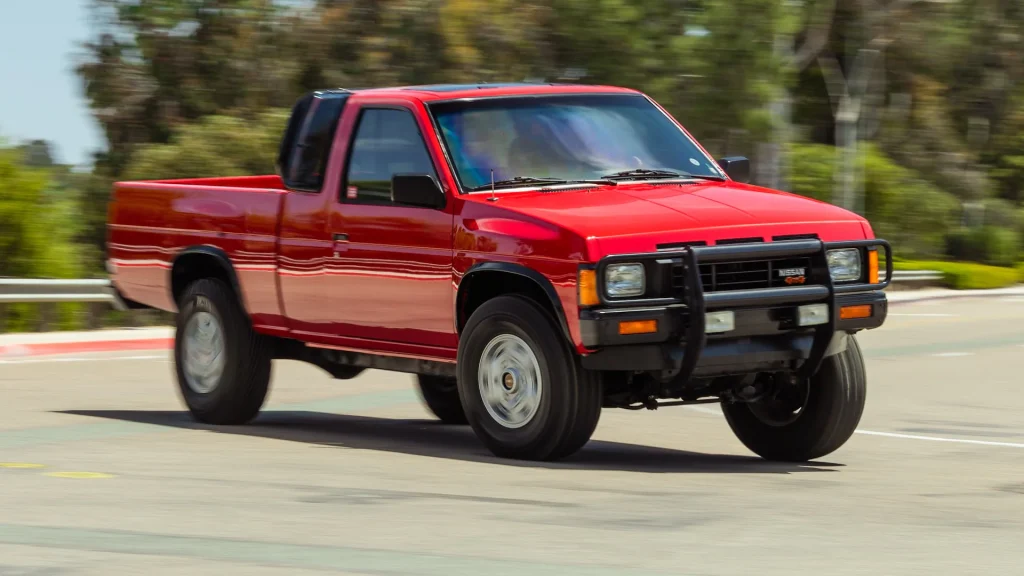
Cultural familiarity also plays a role in its survival. Many families and small businesses in developing regions have relied on the Hardbody for decades, creating a cycle where knowledge about its upkeep is passed down. This community-based maintenance culture helps extend the truck’s lifespan even further.
Today, while newer models have replaced it in showrooms, the Hardbody still works daily in many countries. Its strong reputation, mechanical simplicity, and affordable upkeep make it a lasting favorite where dependable trucks are needed most.
3. Isuzu D-Max (First Generation)
The first-generation Isuzu D-Max, introduced in the early 2000s, has built a loyal following across developing nations due to its durability and fuel efficiency.
Even though newer versions exist, many owners hold onto their older models because they continue to serve reliably without demanding costly repairs. For communities where trucks are tools rather than luxuries, the D-Max has proven itself time and again.
A major advantage of the early D-Max is its fuel-efficient diesel engine. Designed for long distances and heavy loads, the engine provides good torque while keeping fuel consumption manageable, which is a major concern in countries where fuel prices are high.
Owners value this balance of power and economy, making it one of the most practical trucks for both work and daily transport.
Its body-on-frame construction and strong suspension allow it to handle poor roads without major damage. Whether used for agricultural transport, small-scale logistics, or construction, the D-Max rarely gives in under pressure.
The mechanical layout is relatively simple compared to newer trucks, meaning that repairs can be handled by local mechanics without the need for advanced diagnostic equipment. This practicality has made it popular in rural and semi-urban areas.
Another strength lies in Isuzu’s global presence, particularly in Asia and Africa, where parts and service networks are relatively widespread. Even in areas without direct dealerships, local workshops have developed expertise in keeping these trucks running.
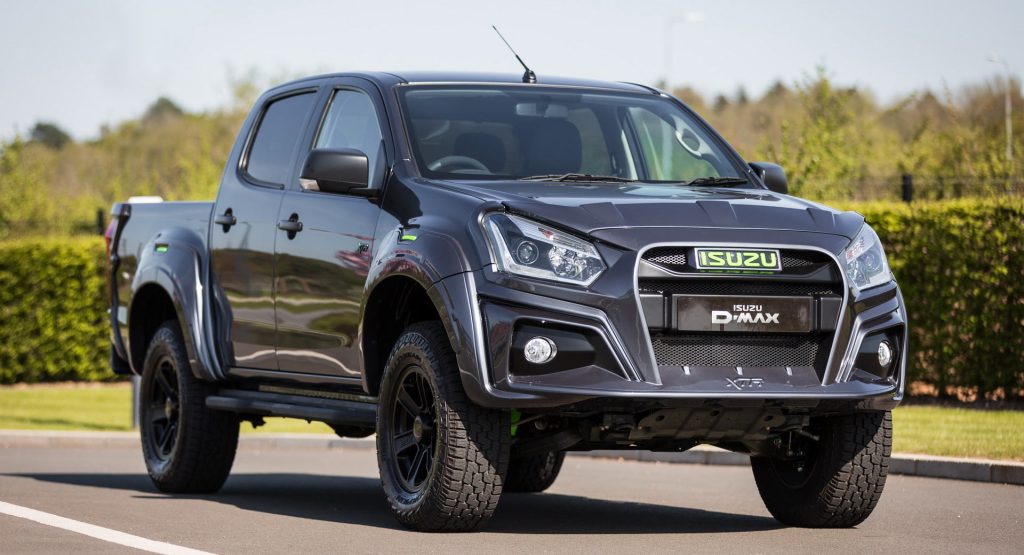
Owners often point out that while the truck may show cosmetic wear after years of use, its engine and chassis remain dependable.
Because of its endurance, many D-Max trucks are still used for both commercial and family purposes. They are commonly seen carrying goods to market, transporting building supplies, or even serving as shared transport in rural areas.
For those who need a balance between strength, efficiency, and affordability, the first-generation Isuzu D-Max remains a trusted choice that continues to roll on long after newer models have appeared.
4. Mitsubishi L200 (Older Generations)
The Mitsubishi L200, also known in some markets as the Triton, has become a mainstay in many developing nations. Older generations, particularly from the 1990s and early 2000s, are still actively in use today because of their rugged design and long-lasting engines.
Farmers, small business owners, and even public transport operators continue to rely on them for daily operations.
One of the key reasons for its longevity is the reliability of its diesel engines. Built with an emphasis on torque and low-end pulling power, these engines are perfectly suited for hauling loads over rough terrain.
While newer trucks often rely on electronic systems that complicate repairs, the older L200 models are largely mechanical. This makes them easier to service in regions where advanced diagnostic tools are not readily available.
The truck’s chassis is equally notable. A ladder-frame construction combined with leaf-spring suspension at the rear makes the L200 ideal for heavy-duty use. Many developing nations face poor road infrastructure, with potholes, dirt paths, and flooded routes.
The L200 was engineered to endure such conditions without sustaining major damage. Local workshops have gained decades of experience repairing these models, which further strengthens their presence on the road.
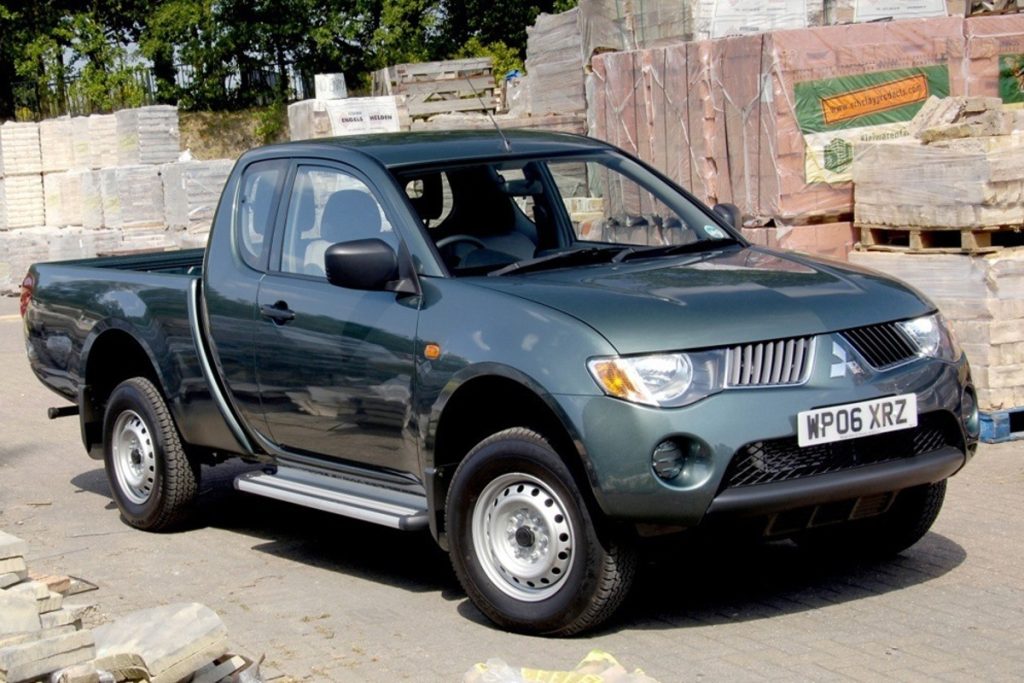
Affordability also plays a role in the L200’s survival. Since it was sold widely across different continents, spare parts both original and aftermarket are readily available. Even when certain parts are difficult to source, owners often fabricate or adapt alternatives, keeping the trucks operational.
In many regions, the L200 has become a trusted partner in agriculture, construction, and trade. It is not unusual to see one carrying crops, transporting building materials, or serving as a shared taxi in rural areas.
Its proven combination of toughness, practicality, and low running costs ensures that older Mitsubishi L200s remain in daily use long after their production era ended.
5. Ford Ranger (Older Models)
The Ford Ranger, especially models from the late 1990s and early 2000s, continues to serve faithfully across developing nations.
Known for being durable and relatively simple to maintain, these earlier generations of the Ranger are still in service despite newer trucks dominating urban roads. In rural regions, they remain reliable workhorses, valued for their ability to withstand years of hard use.
One of the strengths of these older Rangers is the durability of their engines. Many came equipped with strong diesel options that provided sufficient power for carrying loads while being fuel efficient enough to keep costs manageable.
Their mechanical systems, less reliant on complex electronics compared to modern vehicles, allow mechanics to repair them with basic tools and locally available knowledge. This has ensured their survival in regions where access to advanced service centers is limited.
The Ranger’s design also makes it suitable for tough conditions. With body-on-frame construction, solid suspensions, and reliable transmissions, these trucks are capable of handling off-road terrain and heavy-duty work.
Farmers use them to haul produce, contractors use them to transport materials, and in some regions, they even serve as shared transport vehicles.
Another factor in their endurance is the wide availability of parts. Ford’s global reach meant that parts networks developed in many regions, and aftermarket suppliers also help keep the trucks running.

Even when genuine parts are not available, owners often adapt parts from other models, ensuring that the vehicle remains functional.
Culturally, the Ranger has built a strong reputation as a dependable truck. In many communities, it represents strength and resilience, qualities that matter in areas where vehicles are expected to serve for decades.
For those seeking a balance of affordability, toughness, and repairability, the older Ford Ranger still holds its place on the roads of developing nations.
6. Tata 407
The Tata 407 is a different type of truck compared to the pickups commonly seen in developing nations. Manufactured in India since the mid-1980s, the 407 is a light commercial truck designed for transporting goods in both urban and rural settings.
Its longevity and widespread presence across South Asia and parts of Africa highlight its importance as a backbone of small and medium-scale logistics.
One of the biggest reasons for its endurance is its simplicity. The Tata 407 was built with a straightforward diesel engine and minimal electronic components, making it easy to maintain even in areas where skilled mechanics are scarce.
Because of its domestic production, spare parts are widely available at low cost, and the truck can be repaired quickly with locally sourced materials. This combination has allowed many units from the 1990s and early 2000s to continue running today.
The truck’s utility also explains its survival. With a payload capacity suited for small businesses, it has been used for transporting everything from groceries to construction supplies.
Its compact size allows it to maneuver through crowded city streets while still handling long rural routes. This adaptability has made it a vital part of commerce in many regions.
Durability is another strength. The ladder-frame chassis and reinforced suspension were designed to handle overloading, which is common in developing nations.
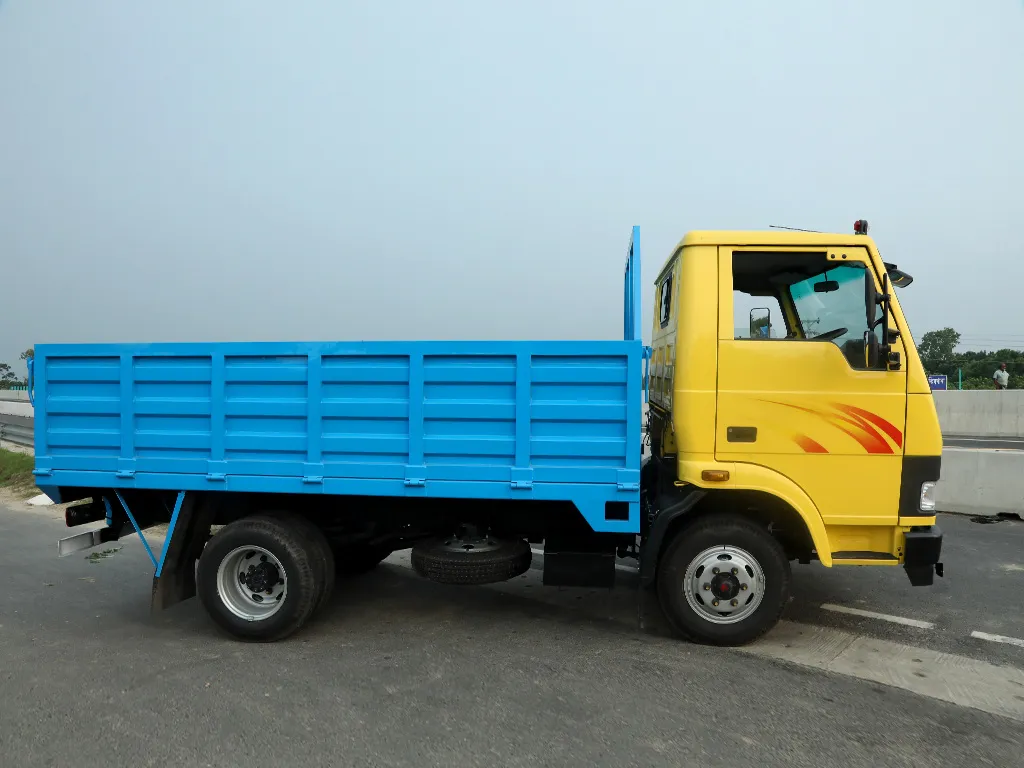
Despite years of heavy-duty use, the 407 often remains operational with only periodic repairs. Drivers and owners appreciate its low running costs, which make it more profitable than many alternatives.
Beyond economics, the Tata 407 has cultural significance as well. It is often seen as the small entrepreneur’s truck of choice, enabling individuals to start businesses with limited investment.
This connection to economic growth has made it a symbol of opportunity. Even today, decades after its introduction, the Tata 407 continues to power small-scale commerce in many developing countries.
7. Mercedes-Benz Unimog (Older Models)
The Mercedes-Benz Unimog is not a typical truck but rather a multi-purpose vehicle designed for both civilian and military use. Despite being expensive when new, older Unimog models from the 1970s through the 1990s are still running in many developing nations.
Their survival comes from their unmatched versatility, rugged engineering, and ability to function in conditions where most vehicles would quickly fail.
One of the Unimog’s strongest points is its design. Built with portal axles that provide exceptional ground clearance, it can handle extreme terrains, from muddy farmlands to rocky mountain passes.
This unique ability has made it popular in agricultural and construction roles, particularly in areas with poor infrastructure. Farmers use it to transport produce and equipment, while contractors rely on it for carrying heavy materials to remote job sites.
The engines fitted in these trucks are well-known for their long service life. Many are diesel-powered and engineered for heavy-duty use, allowing them to cover extraordinary distances with proper maintenance.
Even when maintenance is irregular, the Unimog tends to keep moving, which is why older units continue to earn their keep decades later.
Another reason for its longevity is its adaptability. Owners often modify Unimogs to suit local needs, from fitting them with cargo beds to converting them into buses or mobile workshops.
Their modular design encourages creativity, which is an advantage in regions where resources are limited.
Though parts can be costly compared to other trucks, their durability means they are replaced less frequently.
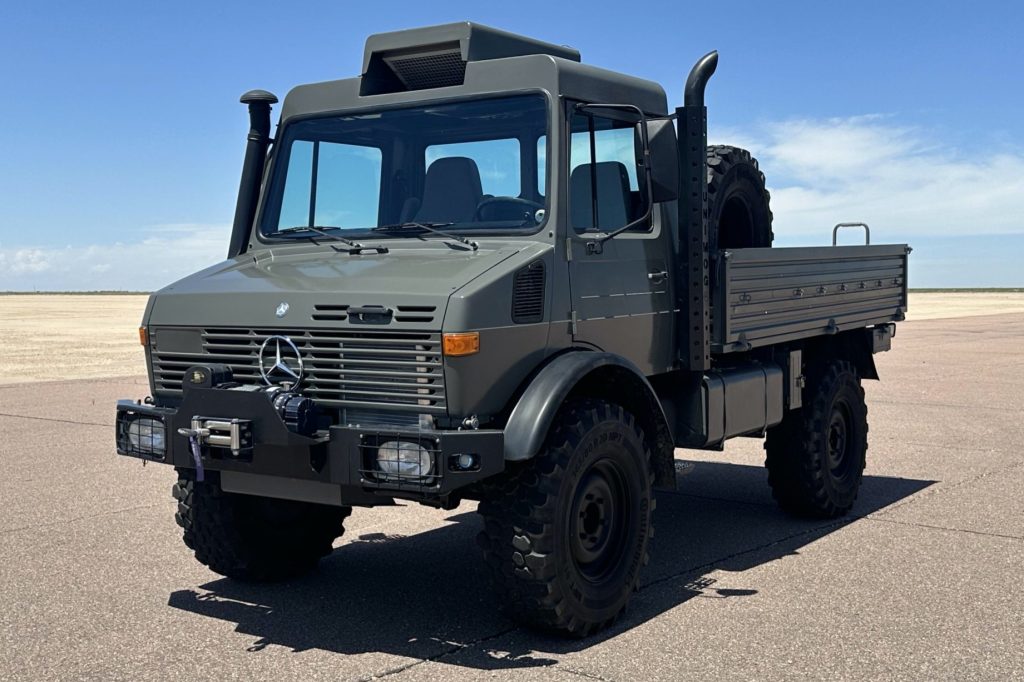
Local mechanics in many developing regions have also gained familiarity with older models, ensuring they can remain in operation with locally sourced or refurbished components.
The Unimog’s continued presence in Africa, South America, and parts of Asia proves that vehicles designed for durability can outlast generations.
While newer trucks may offer comfort and speed, few can match the Unimog’s ability to remain functional under punishing conditions.
8. Land Rover Defender Pickup
The Land Rover Defender, especially in its pickup form, continues to see use in rural areas of developing nations despite its age.
Known for its rugged construction and legendary off-road capability, Defenders from the 1980s and 1990s are still in service today, carrying loads and people across tough landscapes. Its presence is especially notable in Africa, where it has been a dependable work partner for decades.
One of the key reasons for the Defender’s survival is its off-road ability. With a solid axle suspension, permanent four-wheel drive, and strong chassis design, it handles conditions that would leave many trucks stranded.
Farmers and traders appreciate its capacity to reach remote areas, ensuring that goods can be moved regardless of road conditions.
The diesel engines used in older Defender pickups are simple yet reliable. While not the fastest or most refined, they were designed to provide torque at low speeds, which is ideal for hauling loads and climbing rough paths.
Their mechanical simplicity also means that repairs are straightforward, a major advantage in regions with limited service infrastructure.
Spare parts availability has also helped the Defender remain relevant. Because it was sold worldwide, many aftermarket suppliers exist, and in regions where supply chains are inconsistent, owners often improvise with fabricated components.
Local mechanics are familiar with its systems, keeping these vehicles in working condition for years beyond their expected lifespan.
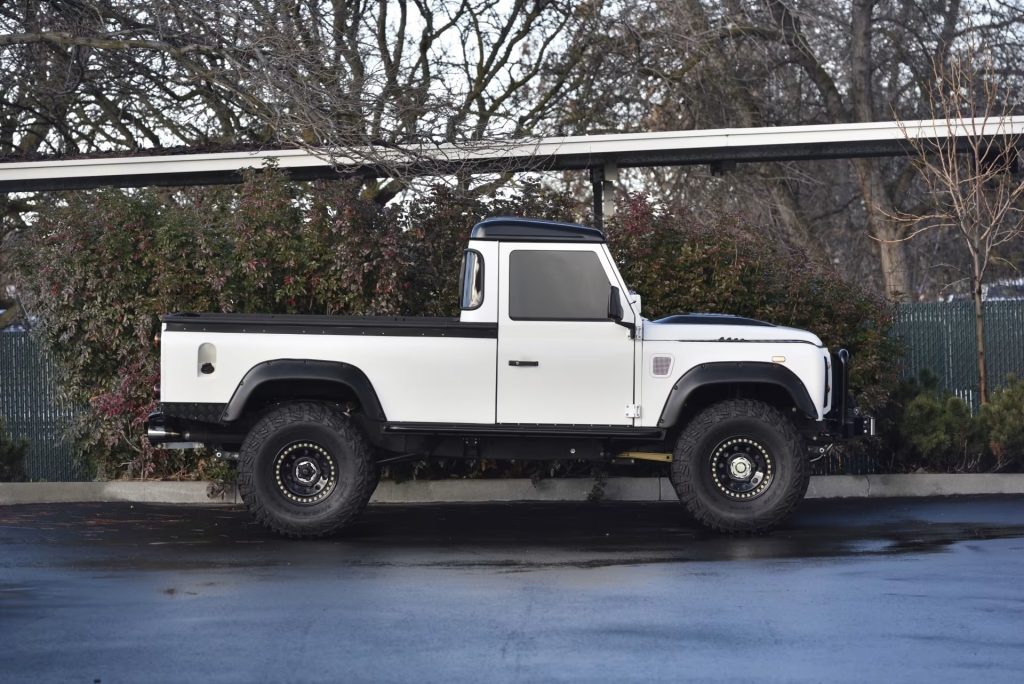
Beyond its utility, the Defender has cultural recognition. It is often viewed as a symbol of resilience, representing a vehicle that can handle whatever nature throws at it. This perception ensures that owners value them highly and invest in keeping them running.
Though production of the original Defender has ended, its pickup versions remain active in many developing regions.
Their continued presence shows that practicality, durability, and repairability are often more important than modern comforts when survival depends on dependable transport.
9. Mahindra Bolero Pickup
The Mahindra Bolero Pickup is one of the most common light trucks across South Asia, and its reputation is growing in parts of Africa as well. Built with affordability and endurance in mind, it continues to run reliably even after years of heavy-duty use.
Introduced in the early 2000s, it quickly became the backbone of small business transport and rural logistics.
A major reason for its success is the robustness of its diesel engine. Designed for fuel efficiency and torque, it offers just enough power to carry heavy loads while keeping running costs low.
This balance is vital in developing nations where high fuel costs can limit profitability. Many Boleros have covered hundreds of thousands of kilometers without major overhauls, which demonstrates their dependability.
The truck’s construction is straightforward and practical. Built on a ladder-frame chassis with reinforced suspension, the Bolero Pickup is designed to withstand constant overloading, which is common in commercial use.
Whether carrying farm produce, construction materials, or passengers in remote towns, it performs its role without complaint.
Maintenance is another strong point. With Mahindra being a domestic manufacturer in India, spare parts are cheap and available in abundance.
Even outside India, the truck has gained a foothold in African markets where local workshops are already familiar with repairing it. The lack of complicated electronics means most problems can be fixed quickly, ensuring minimal downtime.
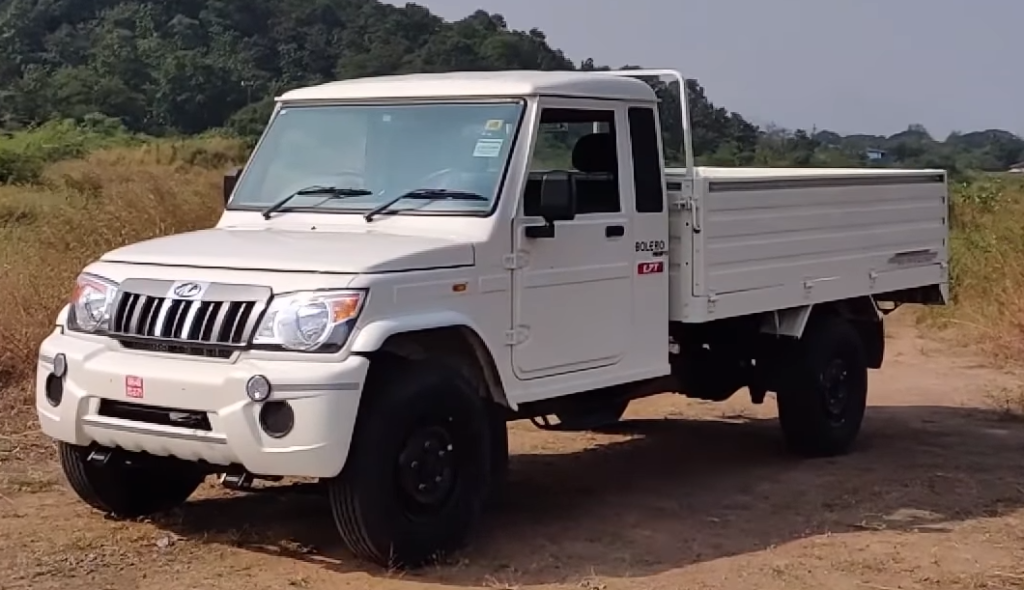
Owners also appreciate its versatility. It is not just used as a goods carrier but also converted into makeshift taxis, mobile shops, and service vehicles. This adaptability increases its relevance across different communities, making it more than just a truck.
The Mahindra Bolero Pickup remains a vital transport tool in regions where reliability and low costs are valued above luxury features.
Its combination of strength, affordability, and ease of repair ensures it will remain in service for many years, continuing to fuel small-scale economies across developing nations.
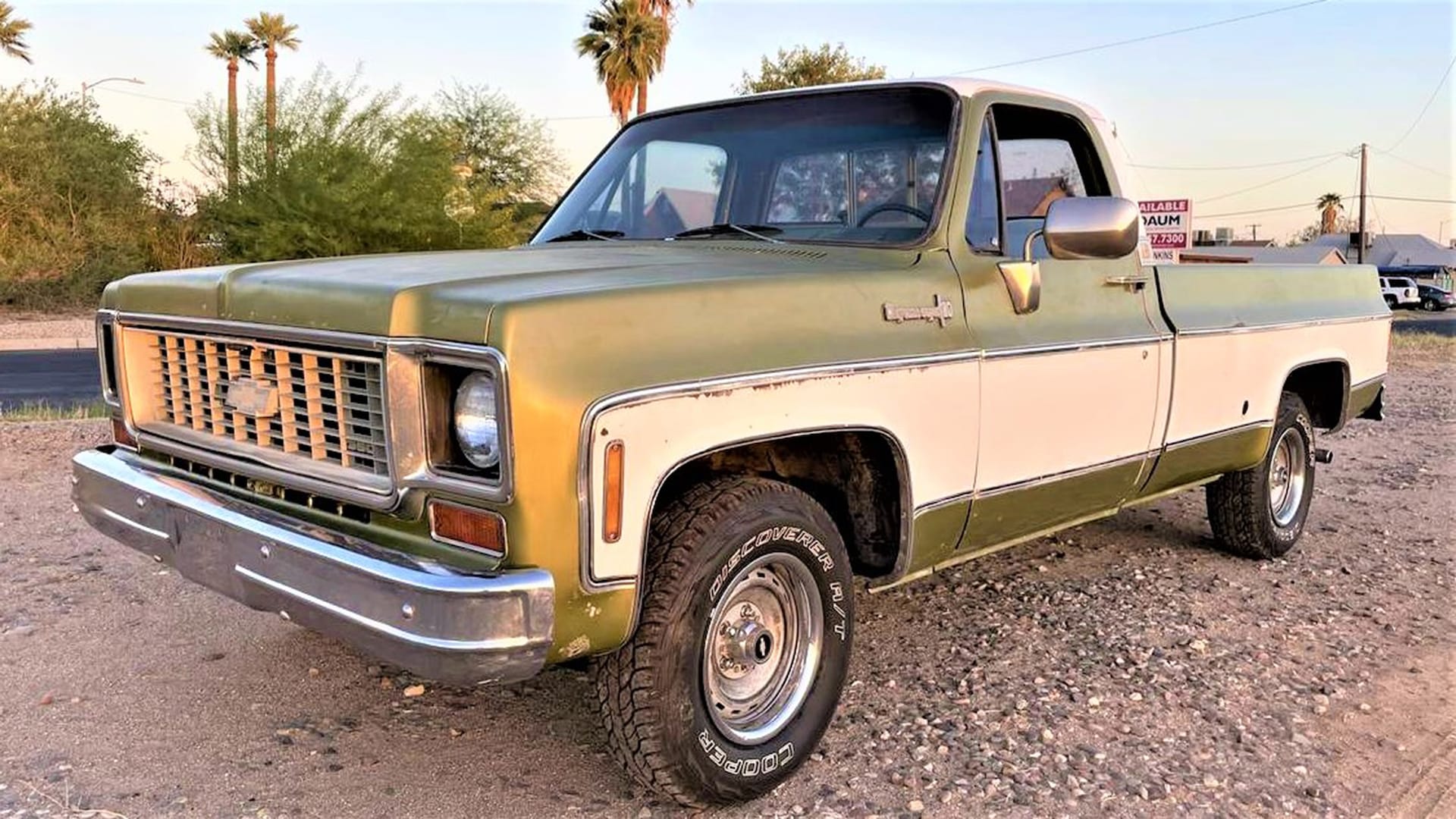
10. Chevrolet C/K Series (Older Models)
The Chevrolet C/K Series, particularly models from the 1970s through the early 1990s, remains in service across developing nations where durability is valued above modern convenience.
These trucks were originally built with simplicity and toughness in mind, and decades later, they are still moving goods, carrying passengers, and serving as essential transport for communities that rely on vehicles capable of lasting a lifetime.
One of the main reasons the C/K Series survives is its rugged V8 and inline-six engines. While not the most fuel-efficient, these engines were designed to handle heavy use with minimal failure.
Their mechanical layout is straightforward, making repairs possible even in remote areas with basic tools. Many trucks are kept alive through engine swaps, rebuilds, or parts adapted from other models, showing how flexible and repair-friendly they are.
The trucks also benefit from their robust chassis. The body-on-frame design, combined with heavy-duty suspensions, allows them to carry heavy loads and endure poorly maintained roads.
In rural farming areas, these trucks are often used to haul crops, livestock, or building materials. In cities, they are sometimes repurposed as passenger carriers or service vehicles. Their ability to take punishment without failing is what has kept them relevant for so long.
Parts availability has helped extend their lifespan as well. Because the C/K Series was sold widely across the Americas, a strong aftermarket still exists.
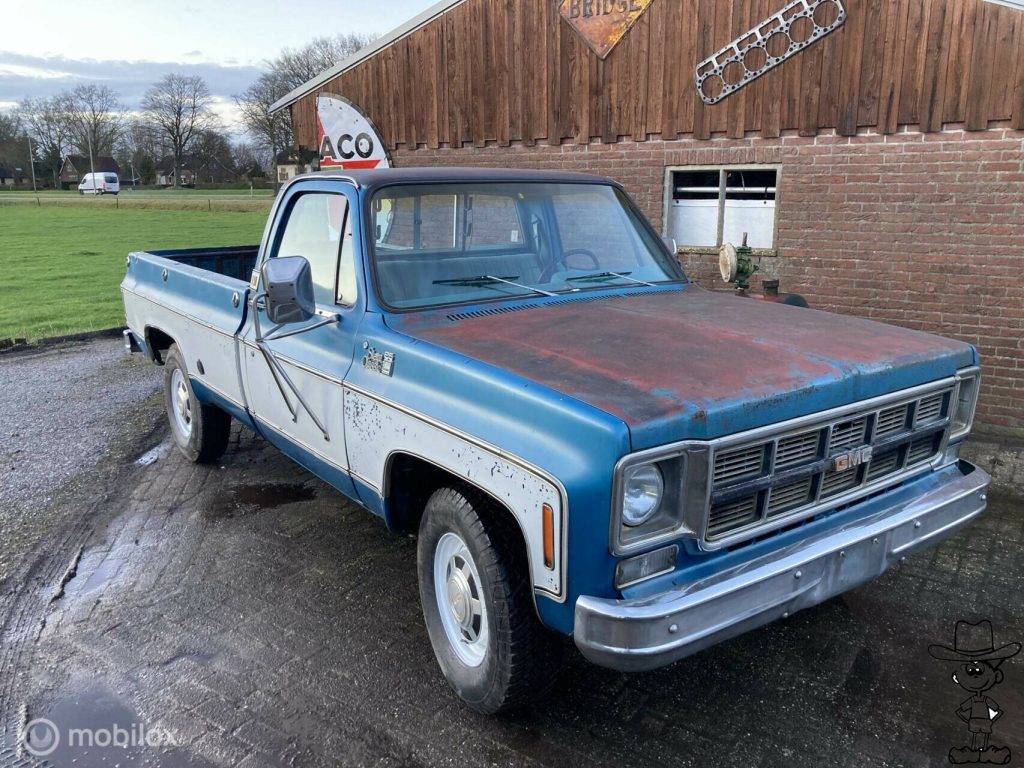
Even in regions without official supply chains, parts from other General Motors vehicles are often used to keep them operational. The interchangeability of components is one of the strongest advantages of older American trucks.
Beyond function, these trucks carry cultural weight. For many owners, they are symbols of strength and independence.
Even when rusty or cosmetically worn, they continue to earn their keep, making them valuable assets rather than outdated machines. Communities appreciate their ability to run for decades, often outlasting newer vehicles with far more technology.
The Chevrolet C/K Series proves that well-built trucks never truly retire. Their continued operation across developing nations highlights the importance of reliability, repairability, and strength in regions where transportation is more than just convenience it is survival.
Also Read: 10 Motorsports Engines That Proved Reliable in Daily Cars
