
Classic cars hold a special place for enthusiasts not just because of their styling or nostalgic charm, but because many of them were engineered with remarkable durability. One area where certain models excelled was in their drivetrains.
These vehicles were fitted with engines and transmissions that could withstand incredible mileage, heavy use, and even neglect, often lasting far longer than the bodywork or interior. For owners in both the past and present, this kind of mechanical resilience is what makes a car truly dependable.
While modern vehicles often come loaded with electronics and finely tuned components that demand specialized service, older classics relied on robust, overbuilt parts.
Large displacement engines, heavy-duty gearboxes, and simple but effective driveline setups gave these cars a reputation for being almost indestructible.
For many drivers, the confidence of knowing the car would keep going regardless of conditions was worth more than luxury or performance alone.
The cars featured here earned their reputations over decades of use. Many are still visible on the road today, a testament to the strength of their original engineering.
Some became legends in motorsport, demonstrating how their drivetrains could withstand extreme stress, while others quietly served as family cars or workhorses, accumulating miles with minimal complaints.
This list highlights twelve classic cars that built their reputations around bulletproof drivetrains. Each entry shows how strong engineering, mechanical simplicity, and real-world endurance gave these vehicles lasting value.
They remind us that while styling trends may fade, and comfort features may become outdated, a strong drivetrain ensures that a car can remain on the road for generations.
Also Read: 12 Upgraded 2025 Trucks Built to Withstand Abuse
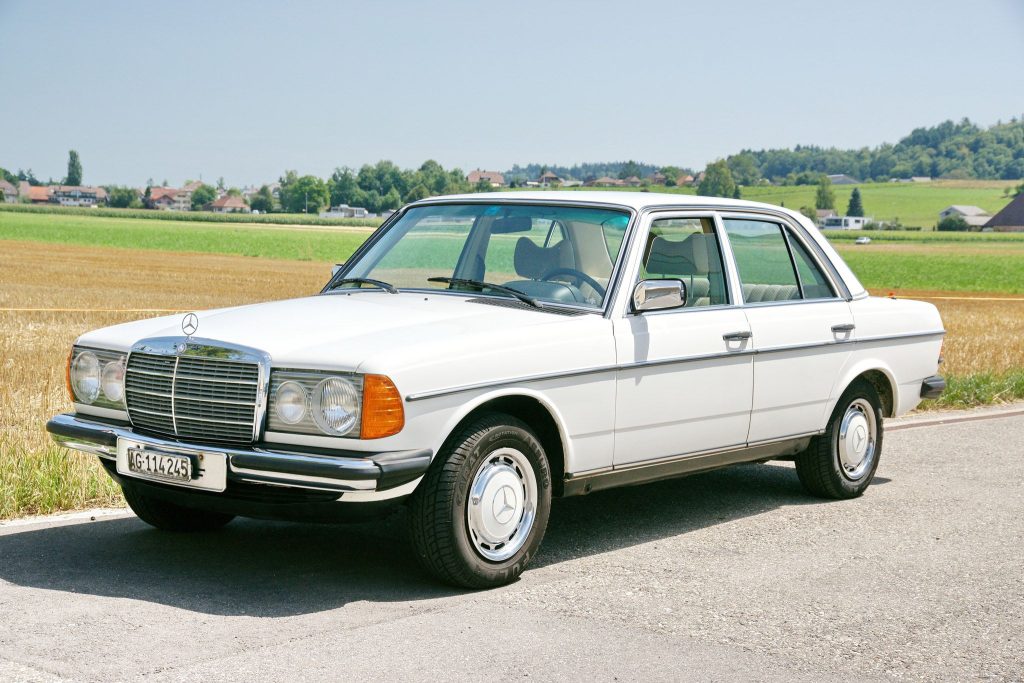
1. Mercedes-Benz W123
The Mercedes-Benz W123, produced from the mid-1970s to the mid-1980s, is often praised for its unmatched durability. While its design and comfort made it popular among executives and families, what truly cemented its legacy was the strength of its drivetrain.
The car’s inline-four and inline-five diesel engines, along with its robust manual and automatic gearboxes, earned a reputation for going hundreds of thousands of miles without major issues.
In many regions, especially in Africa and the Middle East, the W123 became the car of choice for taxi fleets. Its engines were simple to maintain, relied on mechanical fuel injection rather than complex electronics, and tolerated varying fuel quality.
Drivers reported reaching half a million miles with minimal drivetrain repairs, a feat that modern cars rarely match. Even today, examples from the 1970s can still be found in service, running reliably despite decades of use.
The transmission options also added to its bulletproof status. Mercedes engineered its gearboxes with strength and longevity in mind, making them less prone to failures under constant load. Combined with a strong rear differential, the drivetrain worked seamlessly for decades.
The W123 was not just a car of luxury but a machine built for endurance. Its drivetrain ensured it could thrive in harsh climates, congested cities, and long-distance travel.
Owners who maintain them today find that the engine and gearbox often outlast the bodywork itself. This level of reliability is why the W123 remains a symbol of durability, representing what happens when a car is engineered to last rather than to simply impress.
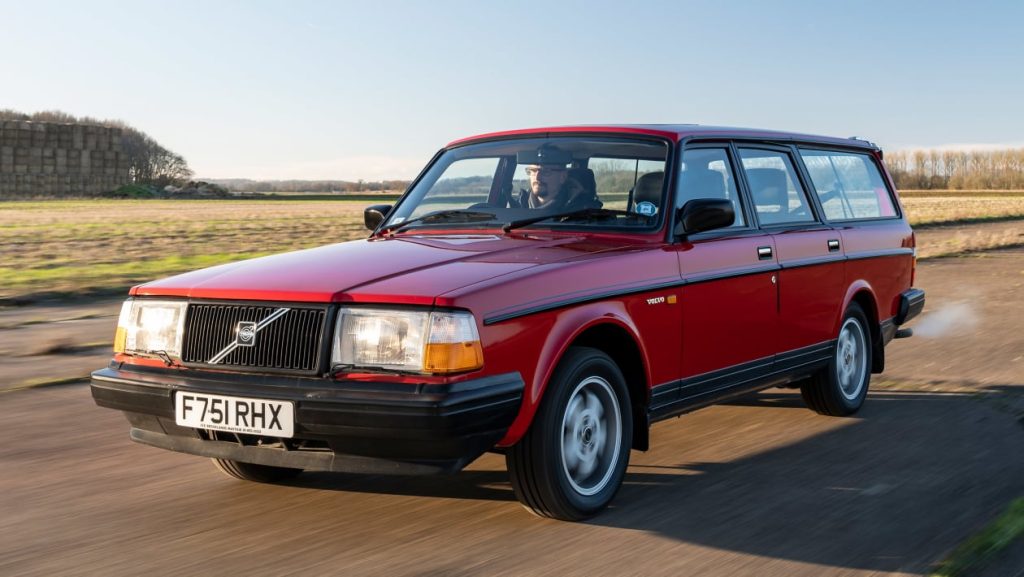
2. Volvo 240
The Volvo 240, built from 1974 until 1993, has long been recognized for its safety and boxy design, but its drivetrain is equally legendary.
Equipped with the robust “Redblock” four-cylinder engines, the 240 built a reputation for running reliably under almost any conditions. These engines were known for their thick cast-iron blocks, simple fuel delivery systems, and ability to handle high mileage with minimal intervention.
Owners frequently pushed these cars well past 300,000 miles, with many examples still functioning today as daily drivers.
Taxi operators in Europe valued them for their endurance, while families relied on them for long road trips without worrying about breakdowns. The simplicity of the drivetrain made servicing straightforward, and even amateur mechanics could keep them running with basic tools.
The manual and automatic transmissions paired with the Redblock engines were equally reliable. Volvo engineered them to be heavy-duty, and failures were rare even after decades of use. This combination made the 240 a favorite for drivers who wanted a dependable car above all else.
Another factor that contributes to the 240’s bulletproof reputation is the availability of parts. Because the model remained in production for nearly two decades, replacements are still widely accessible.
Owners often remark that the drivetrain outlasts the bodywork, meaning that even rust could not stop a well-maintained Volvo from running.
The Volvo 240’s bulletproof drivetrain cemented its place as more than just a family car. It became a cultural icon, admired for dependability and practicality, and remains a testament to how solid engineering can create a vehicle that refuses to quit.
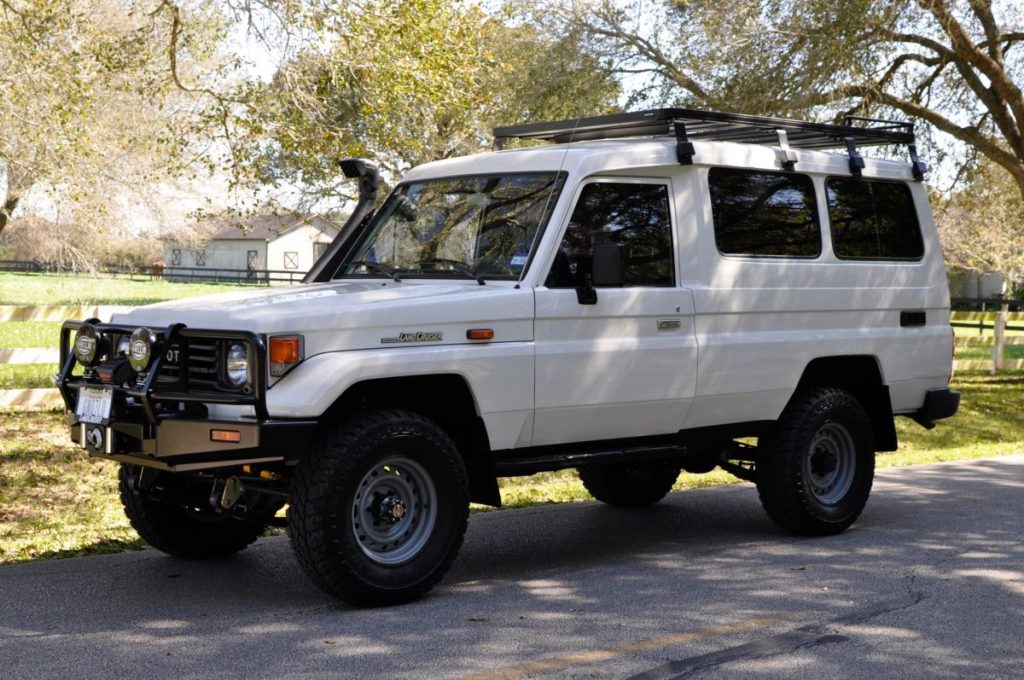
3. Toyota Land Cruiser 70 Series
The Toyota Land Cruiser 70 Series, introduced in the mid-1980s and still produced in some regions today, is legendary for its rugged drivetrain.
Designed as a heavy-duty off-road vehicle, it was built with engines and transmissions that could withstand extreme use in the harshest environments.
Whether serving in deserts, jungles, or mountainous regions, the 70 Series became a trusted partner for governments, aid organizations, and adventurers alike.
The heart of its reputation lies in its engines, particularly the inline-six diesel and four-cylinder diesel options. These powerplants were known for their ability to run on low-quality fuel while delivering consistent torque needed for heavy-duty work.
Owners have reported covering hundreds of thousands of kilometers without requiring major repairs, proof of the drivetrain’s resilience.
The gearboxes paired with these engines were also engineered for toughness. Manual transmissions were designed with heavy-duty components, allowing them to endure years of abuse without wearing out.
The transfer cases and differentials, essential for off-road performance, were equally robust, giving the Land Cruiser an unmatched reputation for reliability in remote locations.
Another reason for its success is serviceability. The mechanical simplicity of the drivetrain allows local mechanics to handle repairs without specialized equipment. In developing regions where parts and tools may be scarce, this practicality makes the Land Cruiser invaluable.
Even today, the Land Cruiser 70 Series is still widely used in places where dependable transport is critical. Its drivetrain continues to be considered nearly indestructible, ensuring it remains one of the most respected vehicles ever built for reliability and strength.
4. Honda Accord (1980s–1990s Models)
The Honda Accord from the 1980s and 1990s earned a reputation for having one of the most reliable drivetrains in its class.
Known for smooth-running four-cylinder engines, especially the F-series and later the VTEC-equipped units, these cars could easily cover hundreds of thousands of miles with minimal issues. The engines were designed with balance between performance and economy, but what stood out most was their endurance.
Paired with Honda’s sturdy manual transmissions or well-regarded automatic units, the Accord became a dependable choice for families and commuters. Owners frequently reported clocking well over 250,000 miles without major drivetrain problems.
Regular maintenance, such as oil changes and timing belt replacements, was often enough to keep the drivetrain functioning flawlessly.
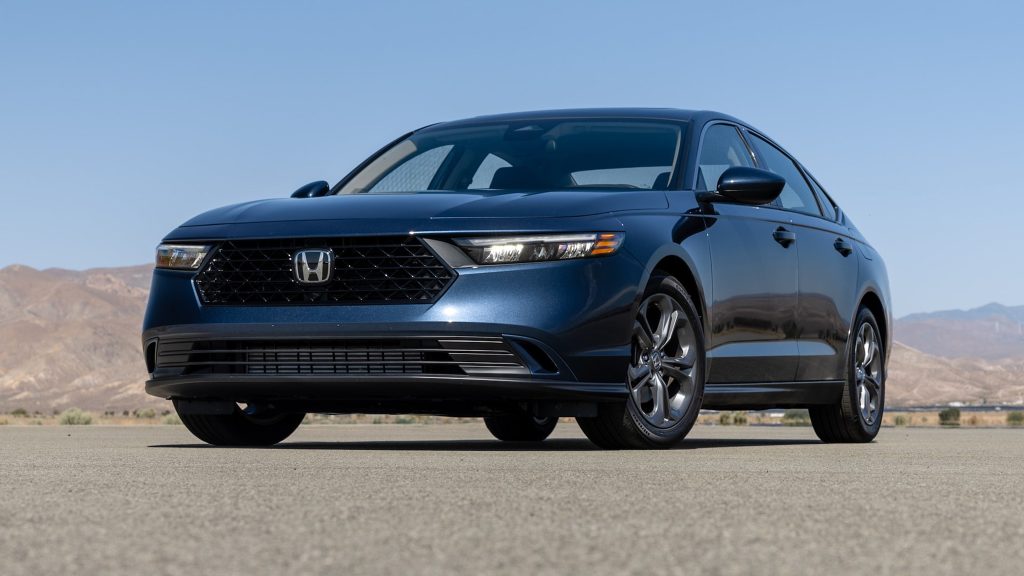
In addition, the Accord’s drivetrain benefited from Honda’s focus on precision engineering. Even when subjected to neglect, the engines often kept running smoothly. This made them particularly popular in regions where access to advanced servicing was limited.
The Accord’s bulletproof drivetrain helped secure Honda’s global reputation for reliability. Many of these models are still running today, proving that thoughtful design and solid construction create longevity.
5. BMW E30 3 Series
The BMW E30 3 Series, produced from the early 1980s to the early 1990s, is remembered for its balance of performance and durability.
Its M10 and M20 engines, along with robust Getrag gearboxes, created a drivetrain that was both enjoyable to drive and highly reliable. These components were engineered to tolerate spirited driving while still maintaining longevity.
The engines in the E30 were simple enough for regular maintenance but also strong enough to handle modifications and high mileage.
Enthusiasts often praise them for being nearly unbreakable if cared for properly. Many examples have surpassed 300,000 miles, with the drivetrain still performing as intended.
The transmissions and rear differentials further contributed to the car’s strength. Built to handle the demands of both daily driving and motorsport, they rarely suffered from catastrophic failures.
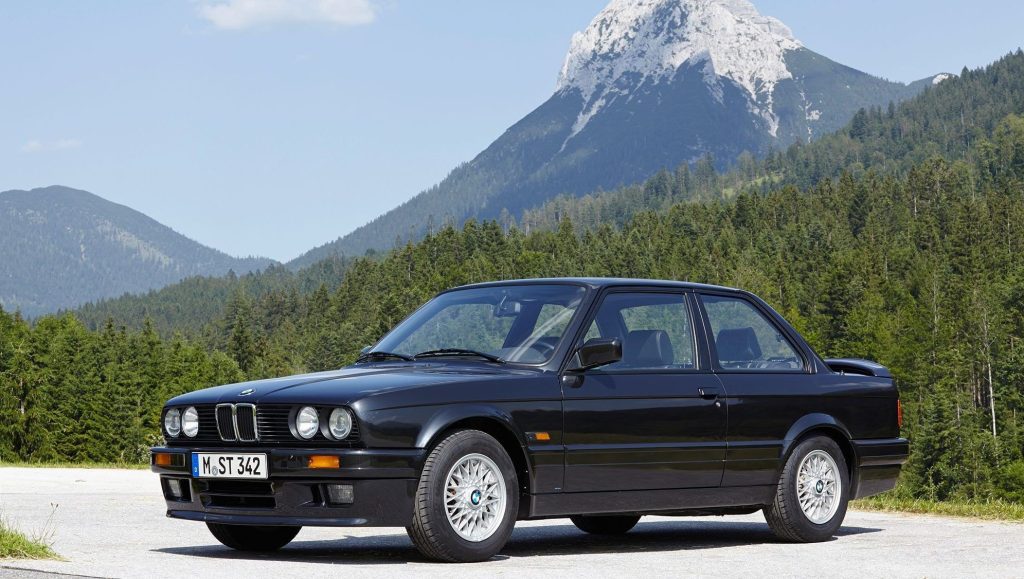
This durability gave the E30 a reputation that extends beyond enthusiasts, reaching everyday drivers who valued reliability.
Today, the E30 remains a sought-after classic not just because of its style and handling, but because its drivetrain proved to be one of BMW’s most durable achievements.
6. Peugeot 504
The Peugeot 504, produced from the late 1960s through the 1980s, became a global workhorse.
Its drivetrain was central to this reputation, with diesel engines that gained legendary status for their endurance. The Indenor diesels in particular were known to handle poor fuel quality while lasting for extraordinary mileage.
Paired with simple, sturdy manual transmissions, the drivetrain required little more than basic upkeep.
This made the 504 especially popular in Africa and South America, where it was used as taxis, family cars, and long-distance transport vehicles. Owners valued the drivetrain’s ability to keep running under difficult conditions with little complaint.
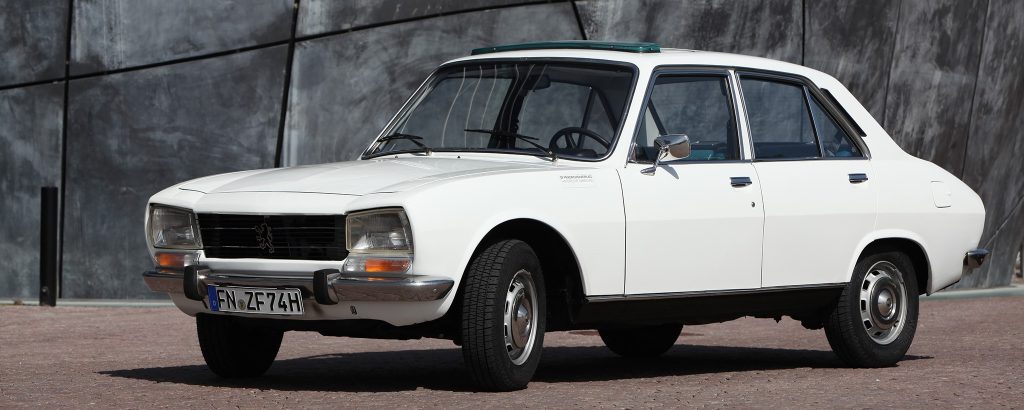
The rear-wheel-drive layout added to its durability, ensuring fewer complications compared to more complex setups. Mechanics across continents became familiar with its systems, keeping them on the road decades after production ended.
Even today, the Peugeot 504 is remembered for its indestructible drivetrain. Its combination of long-lasting engines and simple transmissions made it one of the most dependable classics in history.
7. Mercedes-Benz W124
The Mercedes-Benz W124, produced between 1984 and 1997, is widely considered one of the most reliable cars the company ever built.
Its drivetrain was a major reason for this reputation. Offered with a wide range of engines, from the durable inline-fours to the six-cylinder diesels, these cars often ran for several hundred thousand miles without requiring major overhauls.
The diesel variants, in particular, stood out for their endurance. They could tolerate poor fuel quality, extended use, and heavy loads while continuing to perform. The petrol engines were also designed for long service lives, with proper engineering and robust components.
Mercedes paired these engines with transmissions that were built to last, whether manual or automatic. Their gearboxes rarely failed when maintained, adding another layer of confidence to the drivetrain. The rear-wheel-drive system was also straightforward, making it both reliable and easy to service.
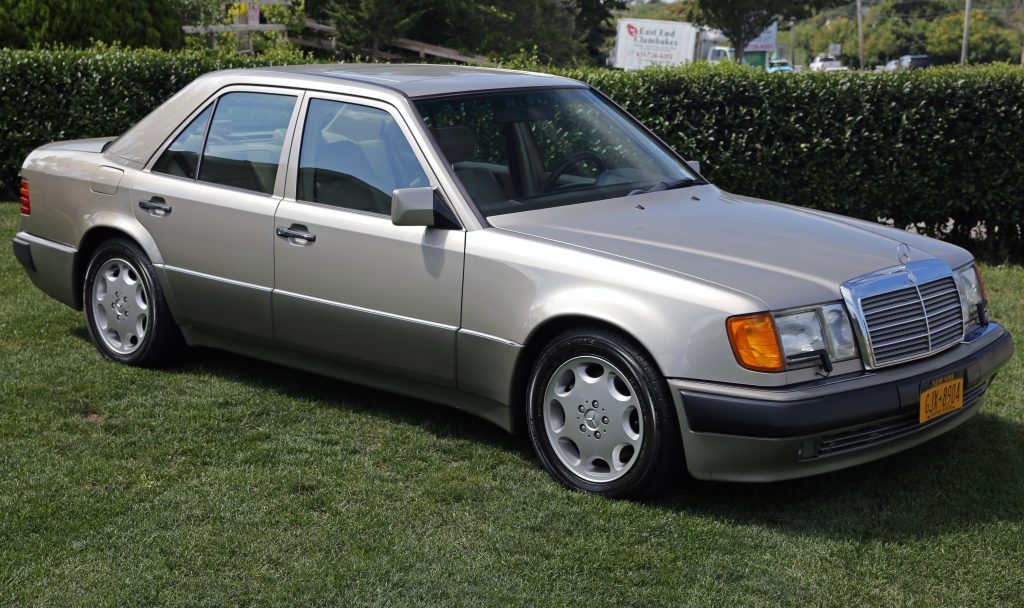
The W124 became a symbol of longevity worldwide. Taxi fleets in Europe, Africa, and Asia relied heavily on them, often pushing mileage beyond half a million. Even today, enthusiasts and collectors hold these cars in high regard because the drivetrain was virtually indestructible with basic maintenance.
8. Toyota Land Cruiser 80 Series
The Toyota Land Cruiser 80 Series, produced in the 1990s, is famous for its ruggedness and dependable drivetrain.
Its inline-six petrol engines and legendary 1HD diesel options delivered remarkable reliability. Built with simplicity and strength in mind, these engines thrived under harsh conditions, whether in deserts, mountains, or rural roads.
The drivetrain was complemented by Toyota’s robust manual and automatic transmissions, which were engineered to handle both daily use and extreme off-road demands. The 4WD system was especially strong, allowing the Land Cruiser to conquer terrain while maintaining reliability.
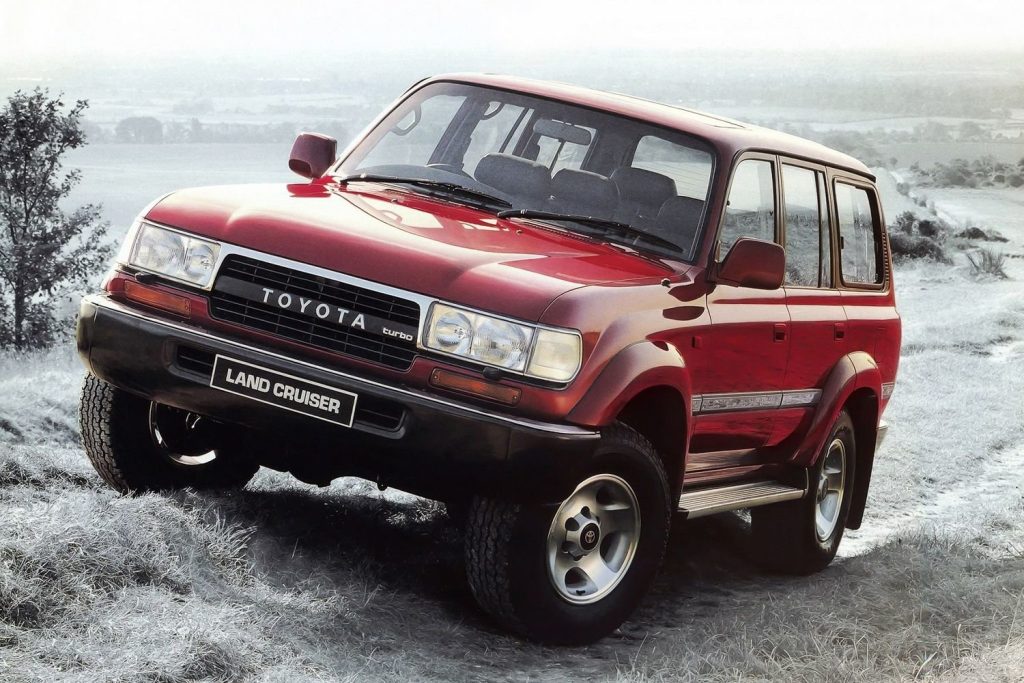
Many examples are still in active use today, often with odometer readings far beyond 400,000 miles.
Owners praise the drivetrain’s ability to withstand neglect, heavy towing, and continuous off-road use. This reputation made the 80 Series a favorite among humanitarian organizations, adventurers, and overlanding communities.
The Land Cruiser 80 stands as proof that Toyota’s commitment to durability created a drivetrain that continues to inspire trust decades later.
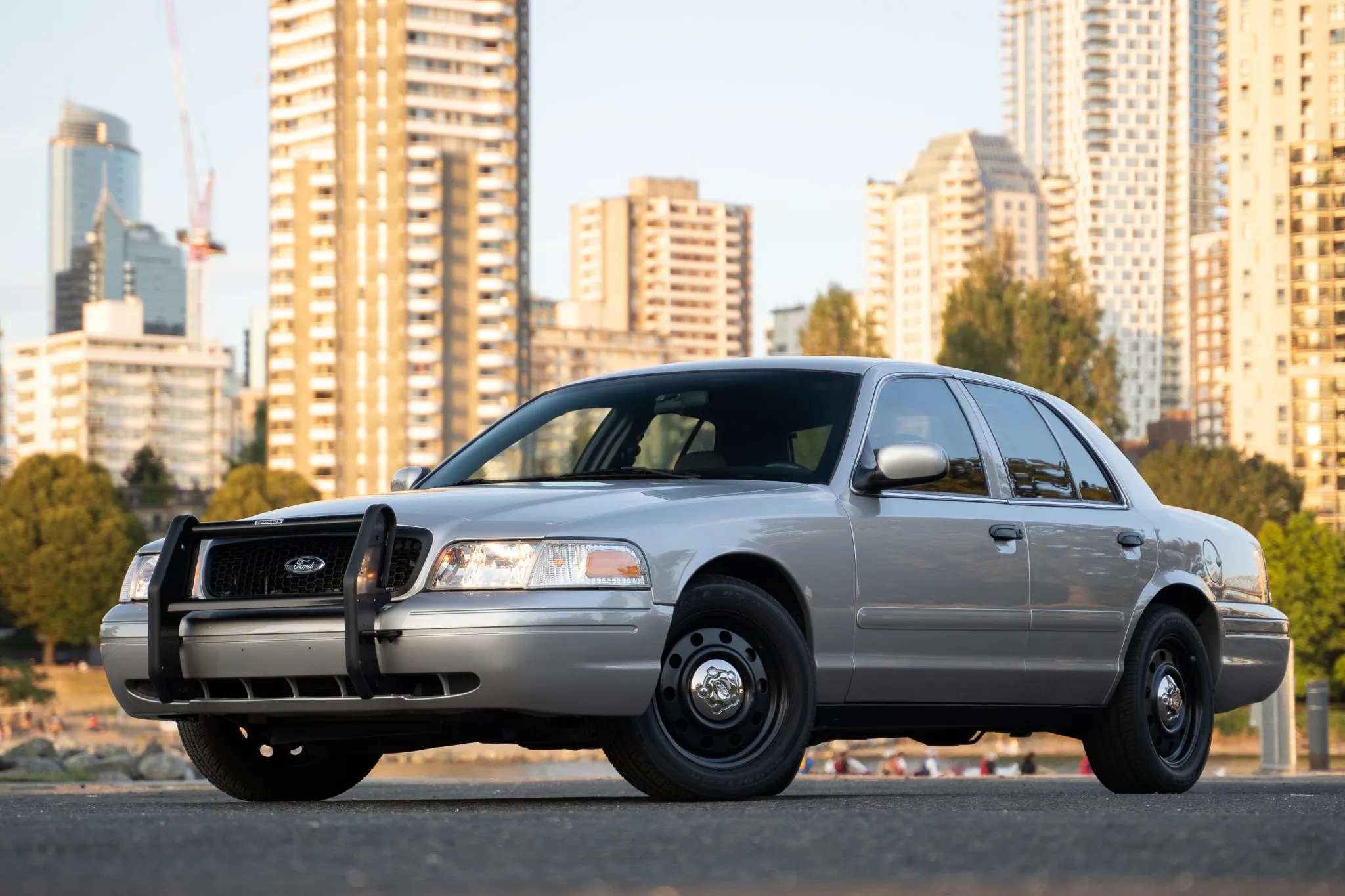
9. Ford Crown Victoria
The Ford Crown Victoria, produced primarily in the 1990s and 2000s, gained fame in North America as the go-to vehicle for police departments and taxi fleets.
At the heart of its durability was the 4.6-liter Modular V8 engine. This powerplant was engineered for endurance, often running smoothly well past 300,000 miles with basic maintenance.
The drivetrain’s strength extended to the automatic transmissions and rear-wheel-drive layout, which proved reliable under heavy use.
Fleet operators valued the simplicity of the drivetrain, as it could withstand constant idling, stop-and-go driving, and high-speed highway use.
Taxi drivers and police officers regularly praised the Crown Victoria’s ability to perform day after day without major failures. Its drivetrain made it cheap to maintain, yet capable of enduring more abuse than most cars in its class.
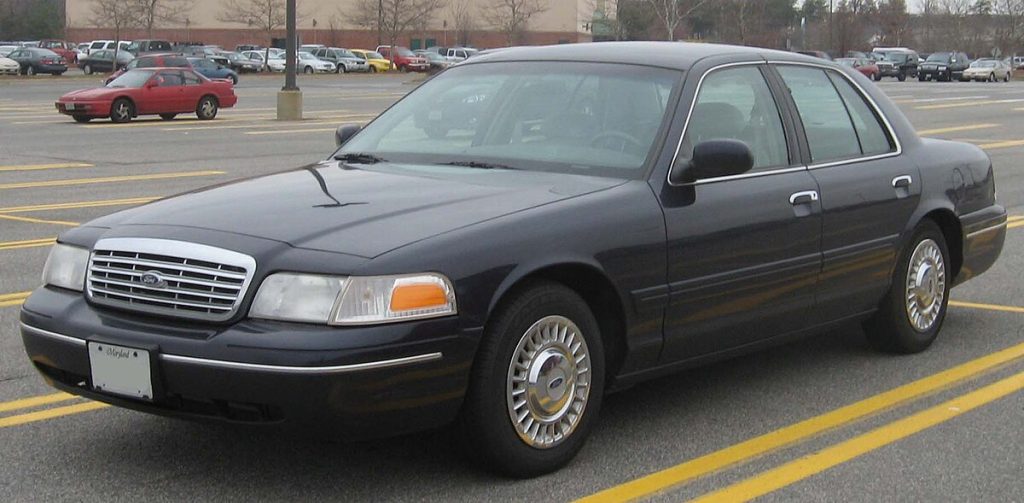
Even though production ended in 2011, the Crown Victoria’s bulletproof drivetrain keeps many of these cars on the road today. It remains one of Ford’s most dependable drivetrain achievements.
10. Chevrolet C/K Series (1973–1987)
The Chevrolet C/K trucks from the 1973 to 1987 generation, often called the “Square Body,” are remembered for their mechanical toughness.
One of their standout features was the drivetrain. Offered with small-block and big-block V8 engines, along with straight-six options, these trucks had motors that could handle hundreds of thousands of miles when maintained.
The small-block 350 V8 was particularly renowned for its simplicity and longevity. Mechanics appreciated its ease of repair, and owners often kept these trucks running for decades with minimal investment. Many of these engines are still in use today, often powering restored or modified versions.
Their transmissions, including the Turbo Hydra-Matic automatics and heavy-duty manuals, were equally respected. These gearboxes paired well with the engines, handling work demands like towing, hauling, and daily use. Combined with a rugged rear-wheel-drive setup or optional 4WD, the drivetrain offered both strength and reliability.
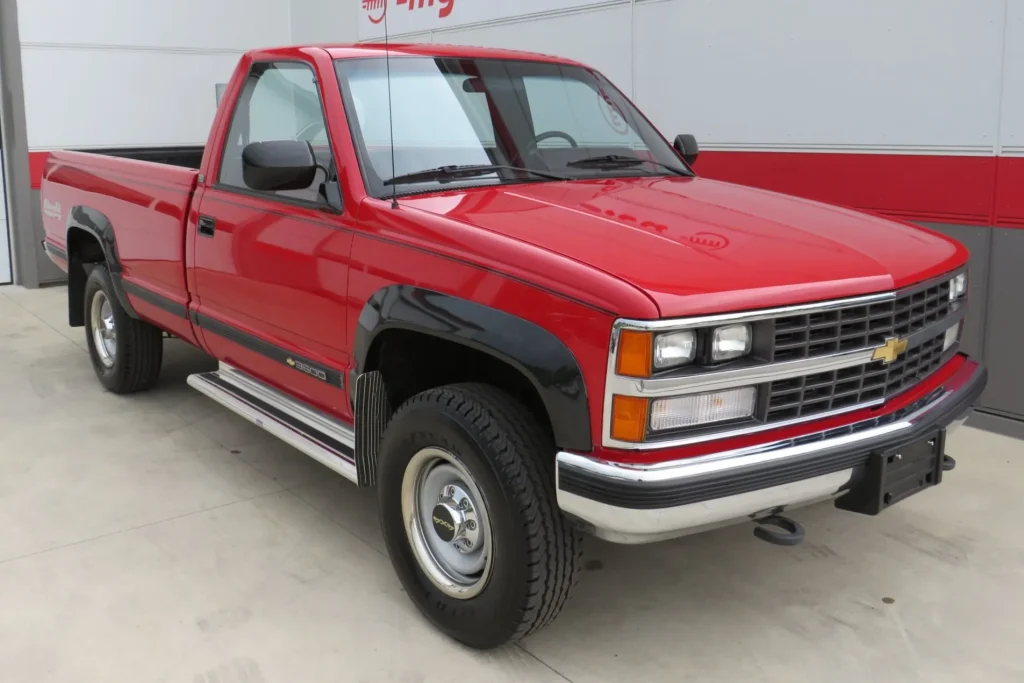
The C/K Series became a trusted workhorse across farms, construction sites, and small businesses. Its drivetrain set the standard for what a dependable truck should be, making it a timeless classic for enthusiasts and collectors alike.
11. Pontiac Bonneville (1960s–1970s)
The Pontiac Bonneville of the 1960s and 1970s was a full-size American car built with strength and durability in mind.
Known for its comfort and size, it was equally respected for a drivetrain that could handle the weight and demands of a large family sedan while still delivering long-term reliability.
At the core of the Bonneville’s reputation were its powerful V8 engines, such as the 389, 400, and later the 455 cubic-inch motors.
These engines were not only strong but also under-stressed, meaning they produced impressive performance without straining their components. As a result, they often lasted well beyond 200,000 miles, even at a time when most engines struggled to reach half that figure.
The automatic transmissions paired with these engines, particularly the Turbo Hydra-Matic units, added another layer of dependability.
Known for their smooth operation and ability to withstand years of use, they became a staple across General Motors’ lineup and helped cement the Bonneville’s reputation as a reliable cruiser.
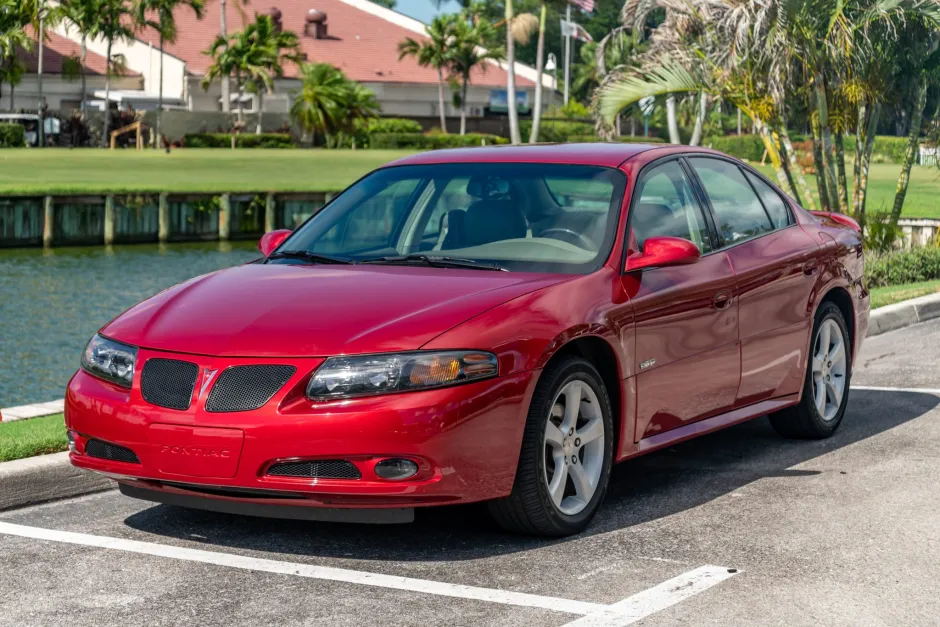
The rear-wheel-drive system was simple and effective, making it easy to maintain and repair. Combined with the robust engine and transmission, the Bonneville’s drivetrain offered both strength and longevity, which made it popular among families, fleet operators, and enthusiasts alike.
Even today, restored Bonnevilles from this era often retain their original drivetrain components, a testament to the durability of Pontiac’s engineering.
For those who value a classic American car that blends power with bulletproof reliability, the Bonneville stands as a true example of strength from its time.
12. Jeep Cherokee XJ
The Jeep Cherokee XJ, built between 1984 and 2001, became famous for its rugged drivetrain.
At its core was the 4.0-liter inline-six engine, a powerplant celebrated for its bulletproof construction. Many examples have surpassed 300,000 miles without significant problems, a testament to the engine’s strength.
Paired with this engine were durable transmissions like the AW4 automatic, which could endure years of off-road and city use. The drivetrain’s toughness was further reinforced by Jeep’s 4WD systems, which allowed the Cherokee to tackle harsh terrain while remaining mechanically sound.
The simplicity of the engine and drivetrain layout meant that maintenance was straightforward. Owners could keep these vehicles going with basic tools and affordable parts, which contributed to their long lifespans.
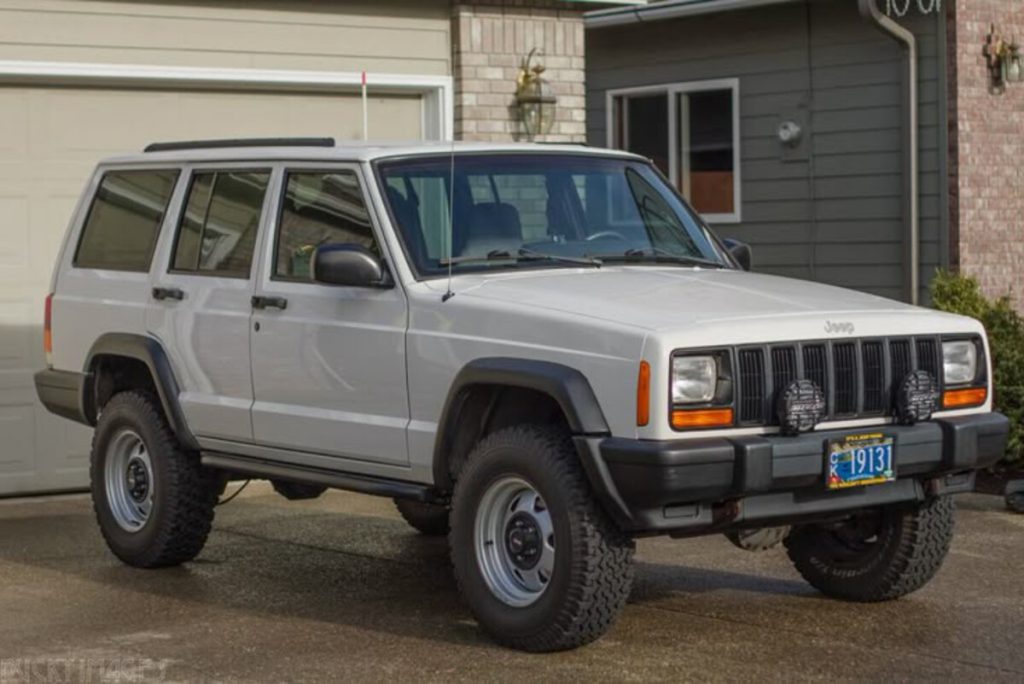
The Cherokee XJ became a global icon, valued for its ability to combine everyday usability with serious off-road durability. Its drivetrain remains one of the reasons the XJ is still beloved by Jeep enthusiasts around the world.
Classic cars with bulletproof drivetrains continue to be admired because they represent a time when mechanical strength was prioritized over complexity.
The 12 models highlighted demonstrate how smart engineering, simplicity, and robust components can create vehicles that last for decades, even under hard use. Each had different strengths, but they shared a common trait: drivetrains that rarely quit.
The Toyota Hilux and Volvo 240 set the tone with reputations that stretched far beyond their production years.
The Hilux proved itself in conditions where failure was not an option, while the Volvo showed how solid four-cylinder engines and transmissions could keep a car on the road indefinitely. The Mercedes-Benz W123 followed the same path, offering diesel engines that defined longevity, with many still operating as taxis around the world.
American engineering made its mark through the Chevrolet C/K trucks and the Ford Crown Victoria. Both vehicles were designed for demanding use. The C/K trucks carried farm loads, construction materials, and personal cargo with drivetrains that shrugged off stress.
The Crown Victoria became a fleet legend, surviving endless hours of idling, police chases, and constant urban driving thanks to its V8 and rear-wheel-drive setup.
Off-road icons also feature heavily. The Land Rover Defender and Toyota Land Cruiser 80 Series each proved that durability and adventure could go hand in hand.
These models are still respected by explorers, humanitarian groups, and rural drivers who value reliability in difficult environments. The Jeep Cherokee XJ further reinforced this theme, pairing its 4.0-liter inline-six with a capable 4WD system that rarely faltered.
European manufacturers offered balance by combining performance and dependability. The BMW E30 showed how precision engineering in both its inline-six engines and gearboxes gave it staying power well beyond its era.
The W124 Mercedes-Benz built on the company’s tradition of long-lasting drivetrains, earning loyalty in taxi fleets across continents.
Japanese engineering also contributed beyond Toyota. The Datsun 240Z delivered not only style and performance but also a drivetrain that enthusiasts trusted. Its straightforward inline-six engine was both strong and easy to maintain, ensuring it remained a favorite among classic sports car owners.
What unites all twelve cars is not luxury or cutting-edge technology but trustworthiness. Owners could count on these vehicles to start, run, and perform with consistency.
Many of them earned reputations through real-world use in fleets, farms, and rugged terrain, while others proved themselves in daily commuting and motorsport.
Their drivetrains became the heart of their legend, often outlasting the sheet metal and interiors around them.
These cars remind us that reliability is just as important as performance or design. A bulletproof drivetrain transforms a car from an object of style into a dependable companion that can serve generations. That is why, decades after their introduction, these classics continue to inspire respect and admiration.
