
Engine cooling is one of the most critical aspects of vehicle reliability. A poorly designed cooling system can cause overheating, warped engine parts, or even complete failure. Yet, not all vehicles struggle with this issue.
Some cars are engineered with cooling systems so robust that they rarely give their owners trouble, even after years of use. These vehicles stand apart because they consistently manage heat effectively under daily driving, heavy loads, or even in demanding climates.
A dependable cooling system relies on more than just a radiator and coolant. It includes water pumps, thermostats, hoses, and fans working together in harmony.
When all of these components are designed to last and supported by solid engineering, the result is a car that avoids common overheating problems. Drivers benefit not only from fewer repairs but also from peace of mind, knowing their car can handle both long-distance drives and stop-and-go traffic without issue.
The cars featured here have gained reputations for rarely experiencing cooling failures. Owners often report that even after many miles, these vehicles maintain steady operating temperatures and show little sign of stress on their systems.
Their reliability stems from thoughtful engineering, strong materials, and a focus on real-world durability rather than cutting corners.
Each of these models demonstrates that proper cooling design is not just about avoiding breakdowns. It also contributes to the overall lifespan of the engine, ensuring smoother performance and better long-term value.
For drivers who prioritize low-maintenance ownership and dependable performance, these cars are excellent examples of what can be achieved when manufacturers get it right.
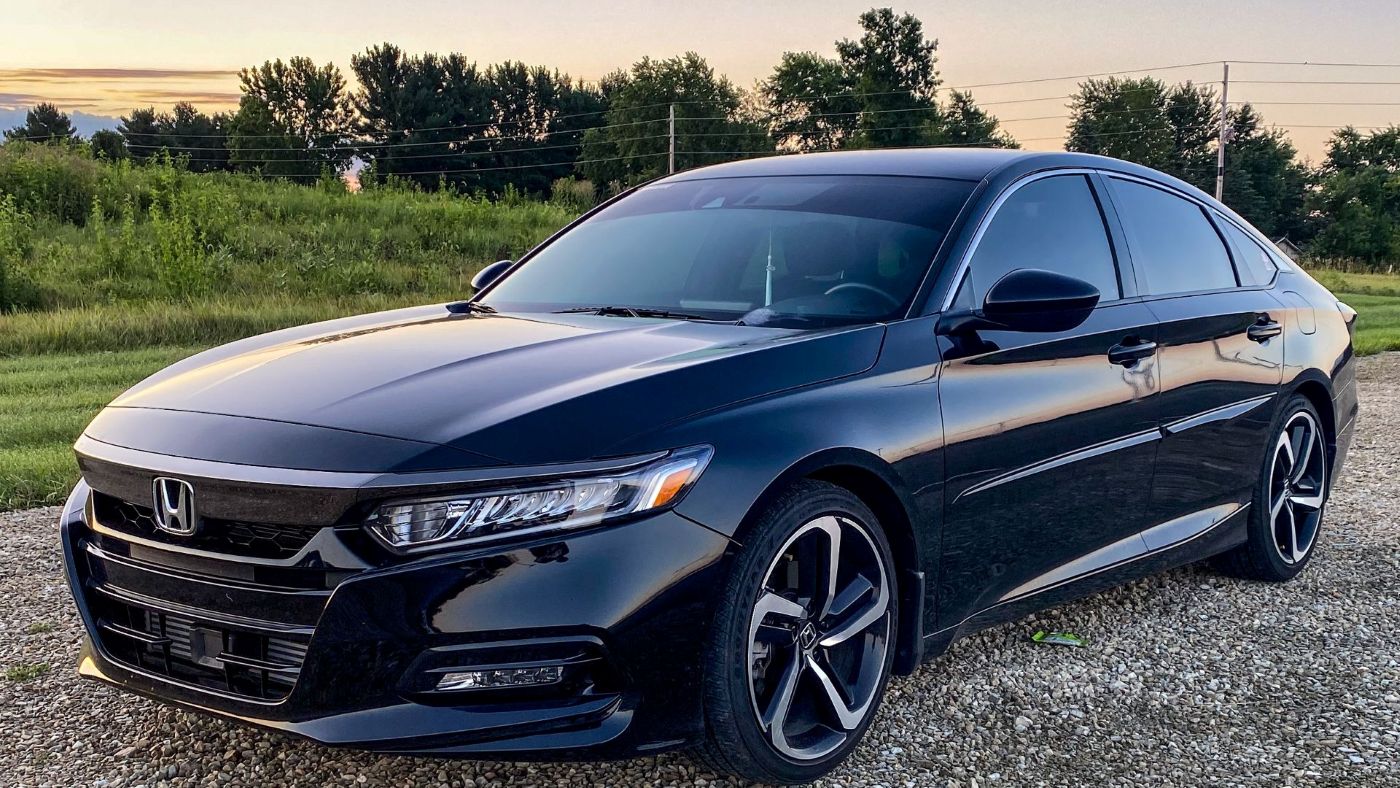
Here are nine cars that have proven themselves remarkably resistant to cooling failures, even as the years and miles accumulate.
Also Read: 10 Motorsports Engines That Proved Reliable in Daily Cars
1. Toyota Corolla
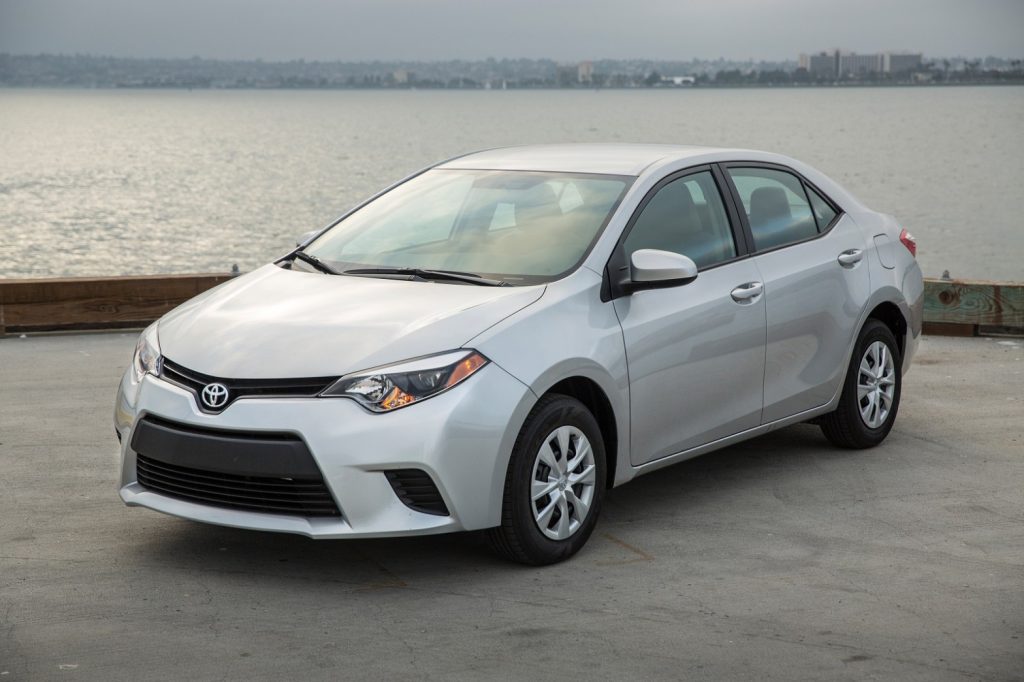
The Toyota Corolla has long been regarded as one of the most dependable cars ever built, and part of that reputation comes from its ability to manage heat without fuss.
Across multiple generations, the Corolla has consistently featured cooling systems that rarely give owners trouble, making it a practical choice for drivers who want predictable performance.
One reason the Corolla avoids frequent cooling failures is the simplicity and durability of its components.
Toyota engineers focused on long-term usability, equipping the Corolla with radiators, thermostats, and water pumps that are both cost-effective to maintain and less prone to failure compared to more complex setups.
Even under extreme weather conditions, Corollas tend to keep their temperature stable, which protects the engine from unnecessary wear.
Owners also benefit from the Corolla’s balanced engine output. Unlike performance cars that generate high levels of heat under strain, the Corolla’s engines are tuned for efficiency and everyday reliability.
This lower stress on the cooling system further reduces the risk of overheating. With proper coolant changes and basic maintenance, it’s not uncommon for Corollas to surpass hundreds of thousands of miles without ever needing major cooling repairs.
The Corolla’s popularity worldwide also helps in another way. Replacement parts are widely available and affordable, which ensures that even if a component eventually wears out, it can be replaced quickly before causing damage. This ease of upkeep strengthens its record as a car that rarely suffers from cooling issues.
For generations of drivers, the Corolla has shown that practicality and strong engineering go hand in hand. Its reliable cooling system is just one of the many reasons it continues to dominate as a top choice for commuters and families who value vehicles that keep running smoothly without constant repairs.
2. Honda Civic
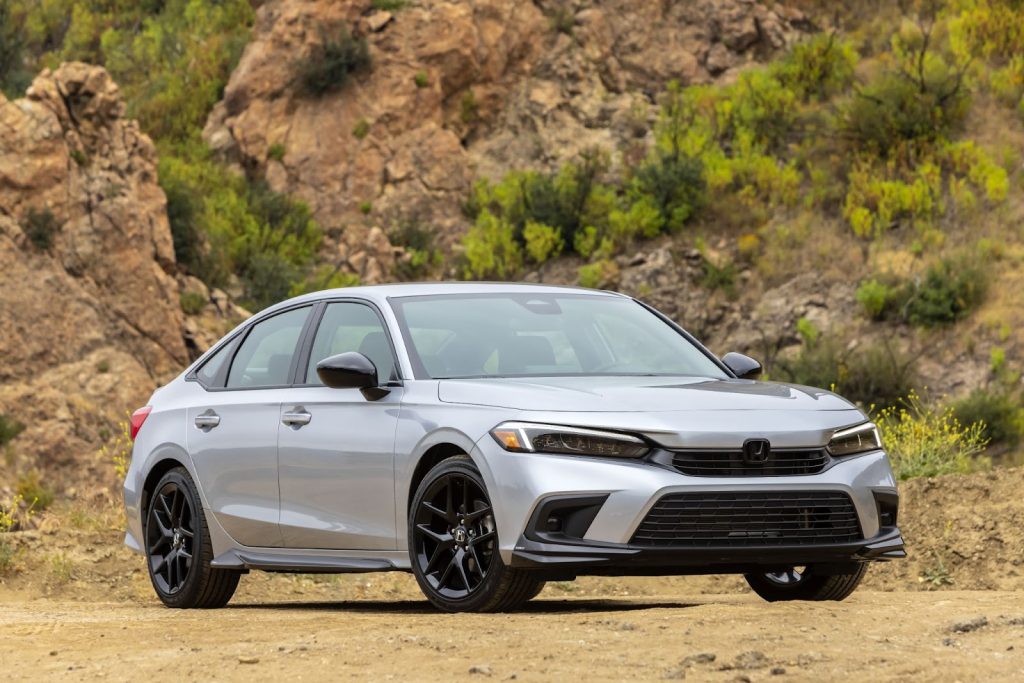
The Honda Civic is another long-lasting favorite that stands out for its reliability, particularly when it comes to avoiding cooling system failures.
From compact daily commuters to sportier trims, Civics are designed with engines and supporting systems that remain steady and predictable under a variety of driving conditions.
A major factor behind the Civic’s strong cooling record is Honda’s attention to engine efficiency.
Most Civic engines are built to strike a balance between performance and fuel economy, which naturally limits excessive heat output. This means the cooling system doesn’t have to work as hard, reducing strain on critical components such as the radiator and water pump.
Honda’s engineering also prioritizes durability in small details. High-quality seals, well-designed coolant passages, and long-lasting thermostats all contribute to a setup that rarely fails prematurely.
Many Civics continue to operate with their original cooling systems well past 150,000 miles, provided routine maintenance is followed.
Another advantage for Civic owners is accessibility. The design of the engine bay makes it relatively easy to service cooling components.
This ensures that mechanics and even dedicated owners can quickly identify and fix minor issues before they escalate into bigger problems. Affordable parts and widespread availability make it even less likely for a Civic to suffer extended downtime due to cooling issues.
The Civic also benefits from Honda’s reputation for continuous refinement. Each new generation builds on the strengths of the previous one, which means cooling reliability has remained consistent across decades of production.
Whether it’s a classic model from the 1990s or a modern hybrid-equipped version, overheating complaints are rare.
For drivers who want peace of mind, the Civic remains a dependable choice. Its well-built cooling system is one of the key reasons it continues to be a car people keep for decades without facing major mechanical headaches.
3. Ford Crown Victoria
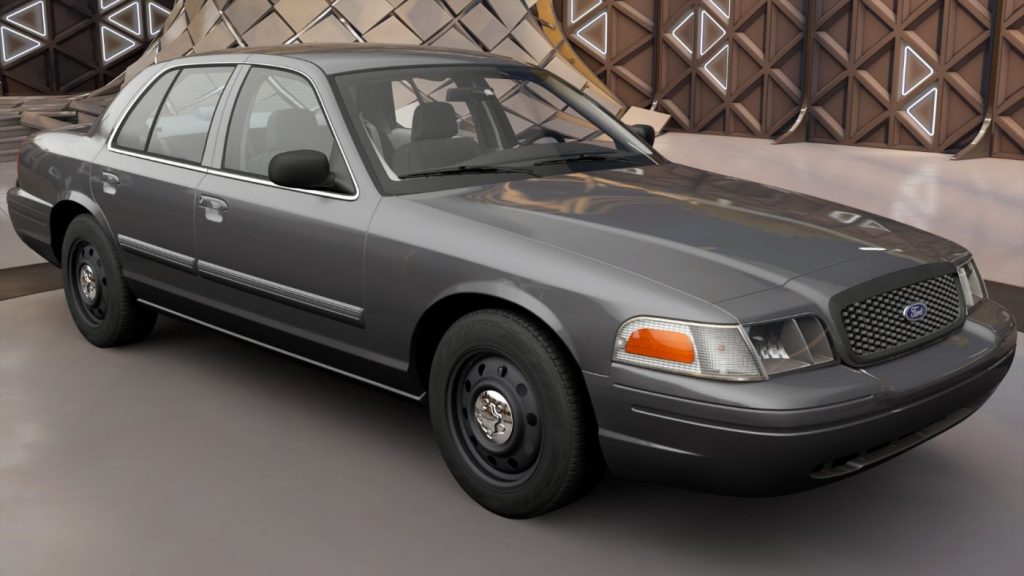
The Ford Crown Victoria may be remembered as the workhorse of police departments and taxi fleets across North America, but its reputation for cooling reliability is just as noteworthy.
Built on a robust body-on-frame platform, this car was designed to withstand constant use and heavy idling, conditions that often expose weaknesses in a cooling system. The Crown Victoria rarely showed such vulnerabilities.
One of its main strengths was the size and effectiveness of its cooling components. The radiator and cooling passages were designed to handle long periods of operation without overheating.
Police vehicles in particular pushed these systems to the limit with high-speed pursuits and hours of idling, yet the Crown Victoria consistently maintained stable engine temperatures.
The car’s V8 engine was tuned for durability rather than peak performance, which helped limit excessive heat buildup. Paired with sturdy water pumps and reliable thermostats, the cooling system rarely required significant attention outside of standard maintenance.
Fleet managers often praised the Crown Victoria for its ability to keep running without frequent overheating repairs, even after extreme usage.
Accessibility also played a big role. The large engine bay allowed mechanics to easily service cooling parts, making preventative maintenance straightforward and affordable. This reduced the likelihood of small problems escalating into costly breakdowns.
Another factor was Ford’s attention to fleet needs. Because the Crown Victoria was expected to operate under harsh conditions, its engineering emphasized reliability and resilience. Many of these cars are still on the road today with hundreds of thousands of miles, and overheating issues remain surprisingly uncommon.
The Crown Victoria’s dependable cooling system was a major contributor to its legendary status as a fleet vehicle. Even outside police or taxi service, private owners continue to appreciate how little attention the car requires to keep its engine cool and running strong.
4. Lexus LS400
The Lexus LS400 is often praised as one of the most reliable luxury sedans ever produced, and its cooling system plays a big role in that reputation.
Introduced in 1989, the LS400 redefined expectations for comfort and dependability in a premium car. Owners quickly discovered that overheating issues were almost unheard of, even as the cars aged.
One reason for the LS400’s excellent cooling performance is the overengineering that Lexus applied during its development. The car’s 4.0-liter V8 engine was designed for long life and smooth operation, with cooling passages carefully laid out to prevent hot spots.
Combined with a generously sized radiator and strong water pump, the system handled heat without difficulty under a wide range of conditions.
Another key factor is the overall durability of components. Radiators, thermostats, and hoses in the LS400 were built to higher standards than many competitors of its era.
Owners often report decades of use before needing significant replacements. Even when parts do wear out, Lexus made servicing relatively straightforward, which helps keep long-term ownership costs reasonable.
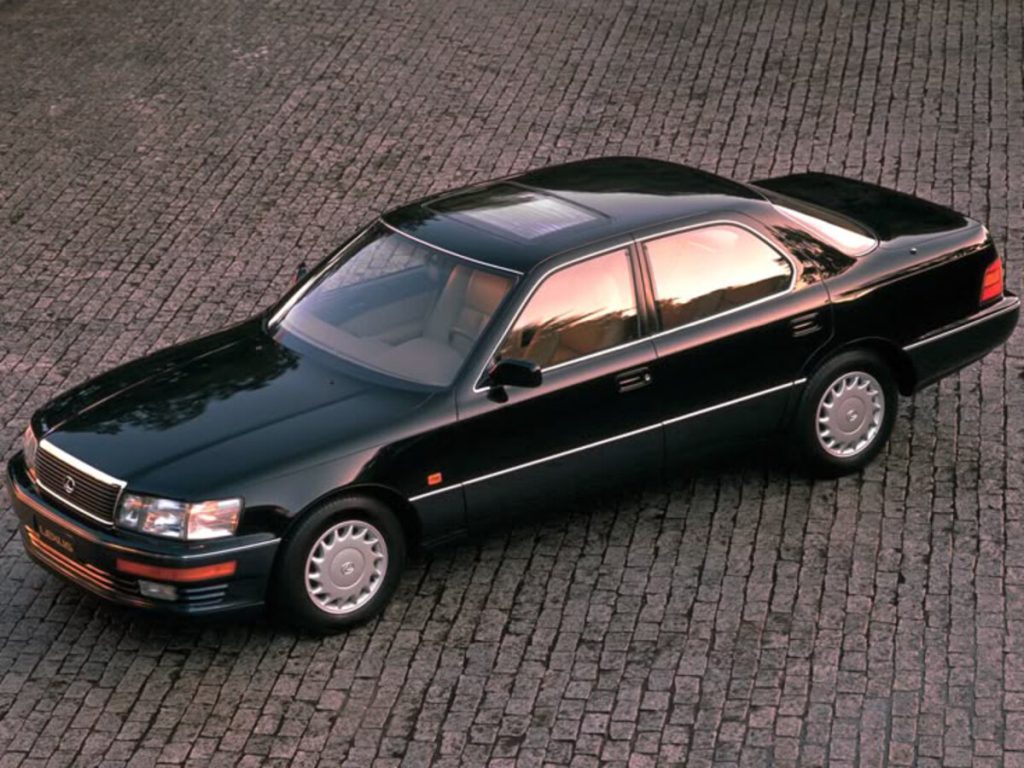
The LS400 was also designed to operate globally, including in regions with hot climates. This meant that the cooling system had to be robust enough to deal with high temperatures, long-distance driving, and extended idling.
It succeeded so well that many LS400s with more than 300,000 miles still retain their original engines and cooling systems.
As one of the first Lexus models, the LS400 set the tone for the brand’s focus on quality. Its stable cooling system not only protected the engine from overheating but also contributed to the car’s legendary longevity.
Even today, enthusiasts and collectors continue to value the LS400 as a dependable luxury car with engineering that simply lasts.
5. BMW E30 3 Series
The BMW E30 3 Series, produced from the early 1980s through the early 1990s, has earned its place as one of the most beloved classic cars.
Beyond its driving dynamics and timeless design, the E30 is also known for having a cooling system that rarely causes trouble when properly maintained.
BMW engineered the E30 with a straightforward and effective approach to cooling. Its inline-four and inline-six engines were supported by radiators and water pumps that managed heat efficiently, even under spirited driving.
Many owners pushed their E30s on highways and twisty roads, yet overheating remained uncommon thanks to the car’s reliable setup.
One of the standout aspects of the E30’s cooling system is its simplicity. Unlike later BMWs that incorporated more complex designs, the E30 avoided unnecessary complications that could introduce weaknesses. With fewer points of failure, the system held up well over time, provided routine fluid changes were performed.
Durability of components also contributed to its strong record. Factory radiators and thermostats often lasted far longer than expected, and replacements are both widely available and affordable today. Enthusiast communities around the world have kept the E30 alive, ensuring that even older examples continue to run cool and steady.
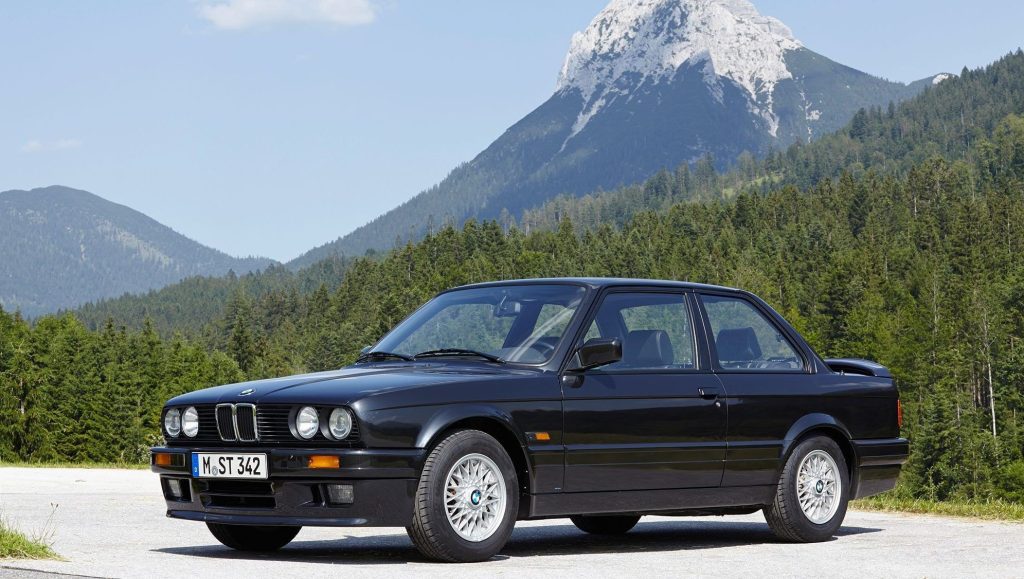
Another reason the E30 avoids cooling failures is the balance of its engines. These powerplants generate enough performance to be enjoyable but not so much heat that the system struggles. Combined with good airflow through the grille and engine bay, the design helps prevent overheating under normal use.
Even after decades, the E30 remains a reliable choice for drivers and collectors. Its cooling system is part of the reason so many of these cars are still active, proving that thoughtful engineering can create classics that last far longer than expected.
6. Volvo 240
The Volvo 240 is widely celebrated for its legendary toughness, and its cooling system is a central reason why so many of these cars remain on the road today.
Produced from the mid-1970s through the early 1990s, the 240 was designed with longevity in mind, and its ability to avoid overheating helped cement its reputation.
One of the main strengths of the 240 lies in its rugged engine design. Both the four-cylinder and six-cylinder engines were engineered to run reliably for hundreds of thousands of miles, and the cooling system was designed to match that durability.
A large radiator, efficient water pump, and simple thermostat kept temperatures steady, even in demanding driving conditions.
The 240’s cooling components were also built with a focus on resilience. Many original parts lasted decades, and replacements were straightforward and affordable. This made ownership easier for families and commuters who needed a car they could depend on year after year.
Another advantage of the Volvo 240 is its practicality in cold and hot climates alike. The car was sold globally and had to withstand the extremes of Scandinavian winters as well as warmer environments. Volvo ensured the cooling system was versatile enough to handle both, which contributed to its long-term dependability.
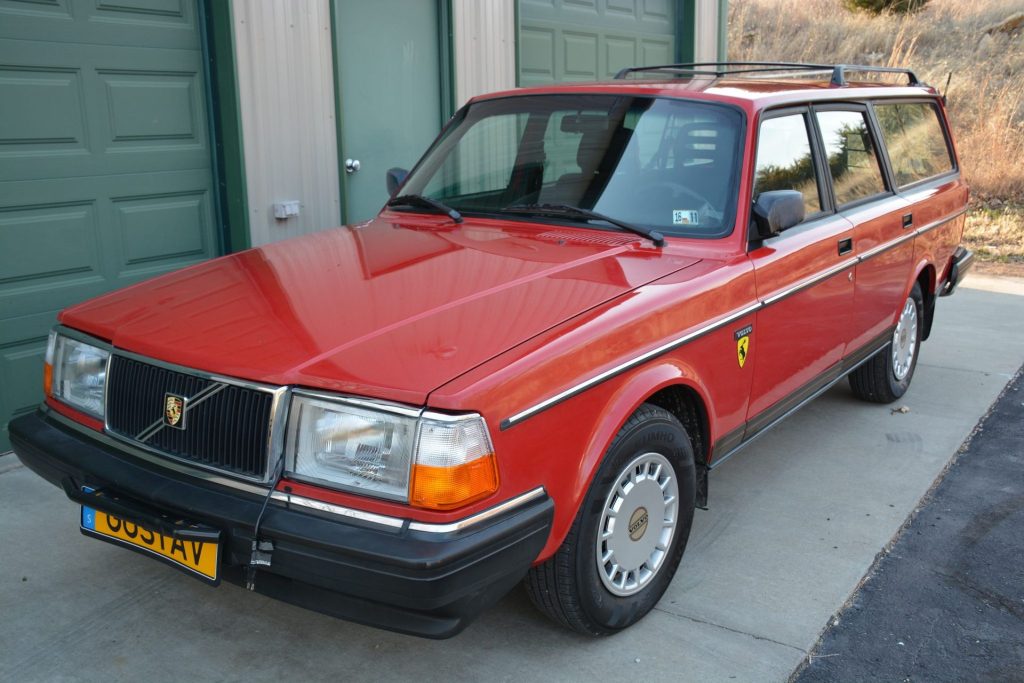
Owners often remark that overheating issues are rare, even when the odometer shows extremely high mileage.
As long as basic maintenance such as coolant changes is performed, the 240 continues to run cool and steady. This reliability is part of why the 240 developed such a loyal following and remains sought after as a classic today.
The Volvo 240 proves that strong engineering and simplicity can deliver decades of trouble-free operation. Its cooling system is a perfect example of how durability was built into every aspect of the car.
7. Subaru Outback
The Subaru Outback has earned a reputation as a dependable all-rounder, and one of the reasons for its longevity is a cooling system that rarely gives owners trouble. Designed for long journeys, outdoor adventures, and varying weather conditions, the Outback was engineered with durability in mind.
Subaru’s use of horizontally opposed engines, also known as boxer engines, contributes to cooling reliability.
The flat design allows better airflow and even heat distribution, reducing the chance of hot spots. This balance means that even under strain, the engine temperature remains consistent, protecting components from damage.
The Outback’s cooling system itself was built with solid materials and straightforward engineering.
Radiators, thermostats, and water pumps are sized appropriately to handle both highway cruising and mountain driving. Many owners report that with routine coolant changes, the system holds up well past 200,000 miles without major issues.
Another strength of the Outback lies in its global appeal. Sold in regions with harsh winters and hot summers alike, Subaru ensured the cooling system could function reliably across extremes. Whether idling in traffic on a hot day or climbing steep inclines in snowy conditions, the Outback keeps its engine at steady operating temperatures.

Accessibility also plays a role. Subaru’s designs typically allow for straightforward servicing, which helps owners and mechanics address small issues before they develop. Replacement parts are widely available, adding to the car’s long-term dependability.
For drivers who value consistency and practicality, the Subaru Outback stands out as a vehicle that resists overheating problems. Its cooling system contributes heavily to the car’s image as a reliable companion for both everyday use and adventurous driving.
8. Honda Accord
The Honda Accord is one of the best-selling cars of all time, and part of its success comes from how rarely it suffers from major mechanical problems, including cooling failures.
Generations of Accords have been praised for their balanced engineering, which makes them both enjoyable to drive and exceptionally reliable over the long haul.
At the heart of the Accord’s cooling reliability is Honda’s efficient engine design. Most Accord engines are tuned for a balance of performance and fuel economy, meaning they don’t produce excessive heat that could strain the cooling system.
This ensures that radiators, thermostats, and water pumps operate under less stress than in more aggressive vehicles.
Another factor is Honda’s attention to quality in component manufacturing. Cooling system parts in the Accord are designed for long service life, often lasting well beyond what drivers expect. Many owners report going years without needing major repairs, even as mileage climbs.
Accessibility also helps keep the Accord’s cooling system reliable. Its engine bay is designed in a way that allows relatively easy servicing of cooling components, which means minor issues can be quickly addressed.
Affordable and widely available replacement parts further ensure that the system stays dependable throughout the vehicle’s life.
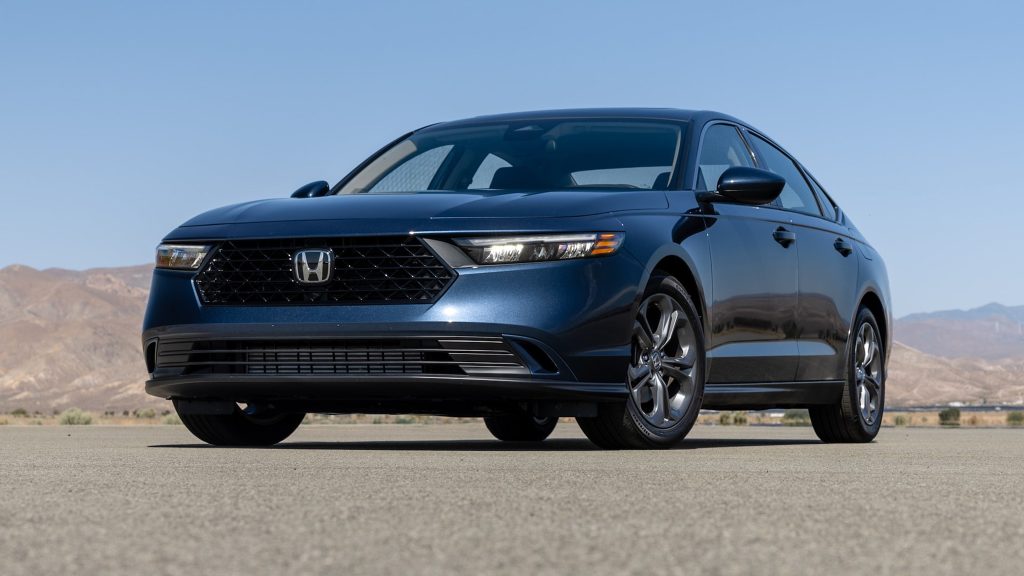
The Accord’s reputation for reliability is not limited to one generation. From older models of the 1990s to the latest versions, overheating complaints are uncommon. Drivers who perform regular coolant changes and basic maintenance rarely face significant problems, even with high-mileage vehicles.
As a result, the Accord is often kept on the road for decades, supported by a cooling system that resists failure. This consistency is one of the reasons the Accord remains a top choice among families, commuters, and enthusiasts seeking a dependable car.
9. Mercedes-Benz W123
The Mercedes-Benz W123, produced from the mid-1970s to the mid-1980s, is still remembered as one of the most durable cars ever built.
A major part of its long-lasting nature is the resilience of its cooling system, which rarely fails even in vehicles that have covered hundreds of thousands of miles.
Mercedes designed the W123 with durability as the top priority. The engines, whether gasoline or diesel, were paired with large and effective radiators that kept temperatures stable under both city and highway driving.
Combined with reliable water pumps and thermostats, the system managed heat with remarkable consistency.
One standout quality of the W123 is how well it performs in extreme conditions. These cars were exported globally, including to regions with very hot climates.
Mercedes ensured that the cooling system could withstand high temperatures and extended use without causing stress to the engine. This made the W123 especially popular in areas where reliability was not optional but essential.
The longevity of its components also adds to the car’s strong reputation. Owners often report that original radiators and hoses lasted decades, and replacements are still easy to source today thanks to the model’s enduring popularity.
The straightforward design of the cooling system makes maintenance simple, which helps prevent small problems from escalating.
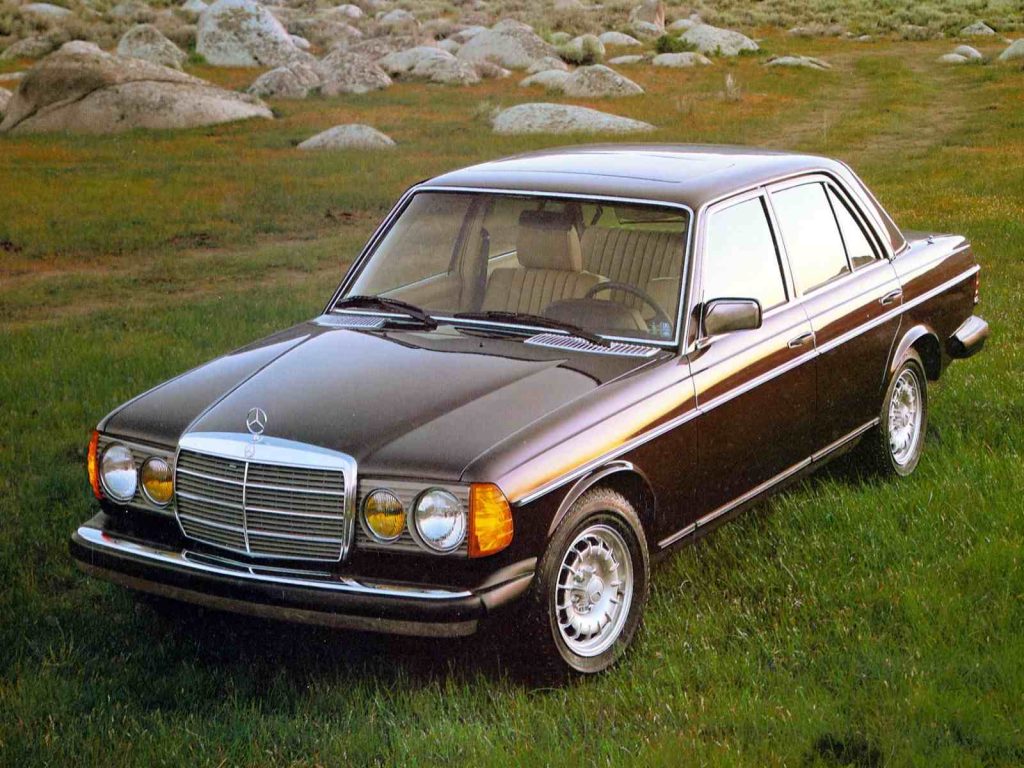
Even today, it is not unusual to find W123s in daily use, still running smoothly without overheating issues. The resilience of the cooling system is a central reason why these cars remain so desirable among collectors and enthusiasts.
The W123 proved that a carefully designed and durable cooling system can extend the life of a vehicle well beyond expectations. Its reputation for reliability remains unmatched, making it a classic example of automotive engineering done right.
Cooling system problems can ruin a car’s dependability, but some models have proven remarkably resistant to such failures. The Toyota Corolla, Honda Civic, and Ford Crown Victoria show how simple, durable designs prevent overheating.
Luxury and premium cars like the Lexus LS400 and Mercedes W123 demonstrate that strong engineering also leads to long-term reliability.
Classics such as the BMW E30 and Volvo 240 maintain steady performance even with age, while the Subaru Outback and Honda Accord continue the trend with modern practicality.
Together, these cars prove that well-built cooling systems are key to lasting automotive strength.
Also Read: 10 Honda CR-V Years That Are Still in Demand
