
Luxury sedans hold a special place in automotive history because they balance comfort, engineering excellence, and long-term dependability.
While many vehicles lose their shine after years of use, there are certain models that continue to feel solid, refined, and rewarding even after decades on the road.
These cars were built with a level of attention to detail that makes them more than just transportation. They represent a combination of craftsmanship and mechanical strength that allows them to stand apart from vehicles that simply fade away with age.
When people invest in a luxury sedan, they often expect durability alongside style. That expectation is not always met, as advanced technology and costly repairs can shorten the lifespan of many high-end cars.
However, the models discussed here have proven their ability to retain performance and comfort over time. From Japanese reliability to German engineering precision and American sturdiness, these sedans highlight different approaches to creating cars that remain dependable and desirable as the years go by.
What makes them stand out is not only their initial build quality but also how gracefully they handle wear, mileage, and ownership changes.
Engines remain strong, interiors resist the test of time, and driving dynamics continue to feel composed long after their newer counterparts have aged poorly. Owners often keep these cars for decades, while collectors and enthusiasts alike appreciate them for their staying power.
This list brings together ten luxury sedans known for their ability to age with dignity and maintain their presence on the road.
Each model showcases why careful design, proper materials, and reliable engineering can extend a vehicle’s life far beyond expectations, proving that true luxury is not just about first impressions but also about lasting excellence.
Also Read: 10 Motorsports Engines That Proved Reliable in Daily Cars
1. Lexus LS400
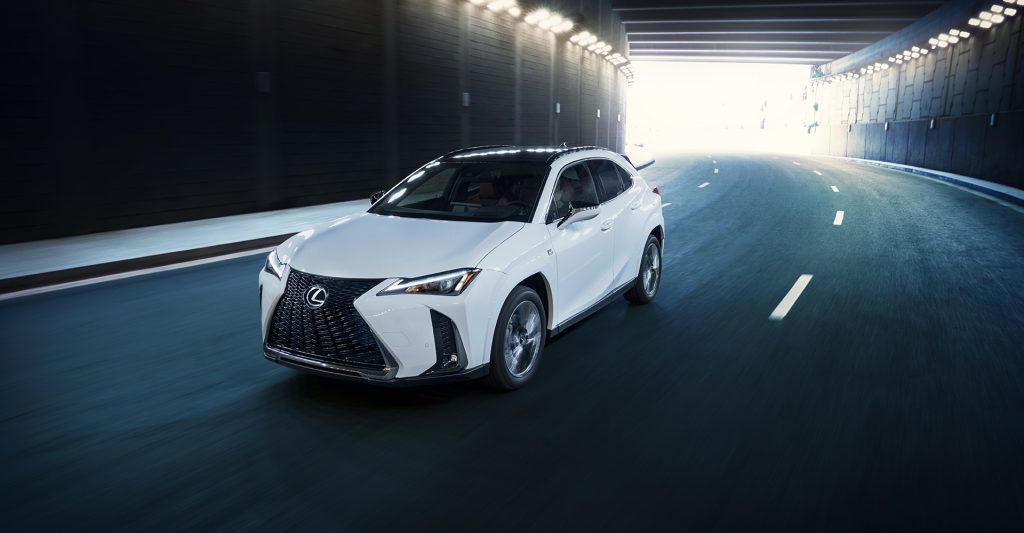
The Lexus LS400 remains one of the finest examples of how thoughtful engineering and careful design can make a sedan endure gracefully.
Introduced in 1989, it redefined expectations in the luxury segment by offering refinement, reliability, and understated elegance at a competitive price.
Unlike many luxury cars of its time, the LS400 was built with longevity in mind. Owners quickly discovered that, with proper maintenance, the car could handle hundreds of thousands of miles without losing its composure.
One of the strongest qualities of the LS400 is its 4.0-liter V8 engine. Smooth, quiet, and durable, this engine is legendary for its ability to keep running flawlessly even after decades of use.
The paired automatic transmission is equally reliable, shifting seamlessly while rarely requiring costly repairs.
This combination gave the LS400 a reputation not only for comfort but also for long-term dependability, something not often associated with high-end sedans of the late 20th century.
Inside, the cabin was designed with materials that resisted wear far better than many competitors. Leather seating, real wood trim, and a carefully crafted dashboard have proven surprisingly durable, even in cars with high mileage.
The insulation and soundproofing used throughout the interior continue to provide a quiet ride, giving the LS400 a timeless driving experience.
Another factor that has allowed the LS400 to age gracefully is the simplicity of its technology compared to newer sedans.
While it offered modern conveniences for its era, it avoided the overly complex electronic systems that often plague cars as they grow older. This makes it easier to maintain, keeping ownership costs reasonable even as the car enters classic status.
Decades later, the LS400 is still appreciated by enthusiasts and daily drivers alike. Its blend of luxury and resilience makes it one of the most respected sedans ever produced, proving that refinement and durability can go hand in hand.
2. Mercedes-Benz W126 S-Class
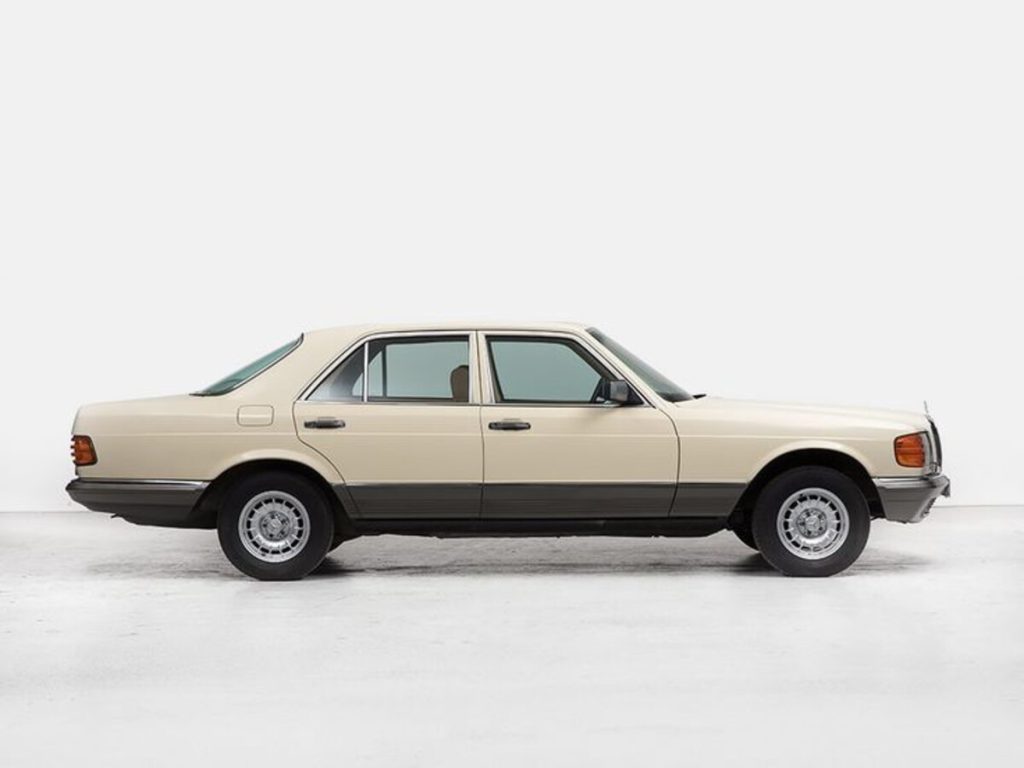
The Mercedes-Benz W126 S-Class, produced between 1979 and 1991, is often considered the pinnacle of classic Mercedes engineering. This sedan is admired for its build quality, understated styling, and incredible durability.
At a time when competitors were focusing on flashy features, the W126 emphasized safety, structural integrity, and timeless design. These qualities have helped it age far better than many luxury cars from its era.
The W126 was offered with a variety of engines, ranging from inline-sixes to powerful V8s. While each option was designed for smooth power delivery, the focus remained on reliability and balance rather than pure performance.
Many of these engines are still running today with high mileage, showcasing how well they were engineered. Paired with sturdy transmissions and robust drivetrains, the W126 became a car that owners could rely on for decades.
Inside, the S-Class showcased Mercedes’ commitment to practicality alongside luxury. The interiors used durable leather, wood, and high-quality plastics that resisted fading and cracking better than those found in many competitors.
The seating provided long-distance comfort, while the driving position and visibility were carefully designed to reduce fatigue. Unlike some cars that age poorly due to outdated styling, the W126 has retained a classic elegance that still turns heads today.
Another key reason for its enduring reputation is the car’s pioneering safety features. It was one of the first sedans to widely introduce airbags and anti-lock braking systems, setting the stage for modern safety standards.
These features, combined with the car’s solid construction, made it feel secure even after decades of use.
The W126 S-Class is often praised as one of the last truly overbuilt Mercedes models, created during a time when longevity was a higher priority than cost-cutting.
Many examples continue to operate reliably, proving that luxury and engineering excellence can result in a sedan that not only survives the years but also remains highly desirable.
3. BMW E38 7 Series
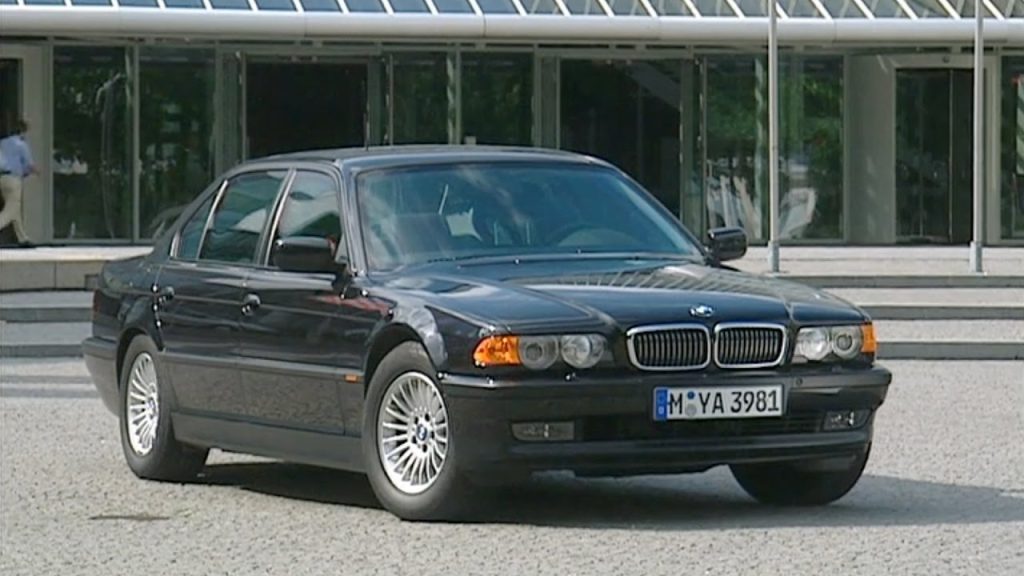
The BMW E38 7 Series, produced from 1994 to 2001, is remembered as one of the most elegant and well-balanced luxury sedans ever built.
Unlike later generations, which leaned heavily on advanced electronics, the E38 struck a near-perfect balance between modern sophistication and mechanical reliability.
This balance has helped it age gracefully, making it a sought-after model among enthusiasts even decades after its debut.
The E38 came with a range of engines, from inline-sixes to V8s and even a V12, offering options for different preferences. While the V12 is more complex to maintain, the six-cylinder and V8 options are known for their durability.
Many owners have reported that with proper care, these engines remain strong even past the 200,000-mile mark. The automatic transmissions were also engineered for smooth operation, adding to the sedan’s reputation for reliability.
Inside, the E38 combined understated luxury with functionality. The leather seating, polished wood trim, and intuitive controls gave it a refined atmosphere without unnecessary complexity.
Unlike some luxury cars that overwhelm drivers with fragile technology, the E38 kept its systems user-friendly and relatively durable. Even today, many interiors hold up well, with only minor wear showing after years of use.
The driving experience is another reason why the E38 has remained respected over time. It offered precise steering, a balanced chassis, and excellent comfort, making it suitable for both spirited driving and long journeys.
This versatility allowed the E38 to appeal to a wide range of drivers, helping it maintain relevance even as newer generations emerged.
Stylistically, the E38 has aged remarkably well. Its proportions and clean lines give it a timeless look that many believe is more attractive than later models.
The combination of durability, comfort, and classic design ensures that the E38 continues to feel special, proving that a luxury sedan can age with both grace and purpose.
4. Acura Legend
The Acura Legend, introduced in the late 1980s, was Honda’s first real step into the luxury segment under the Acura name. It quickly gained a reputation for being refined, well-built, and incredibly reliable.
Unlike many European luxury sedans of the era, which often carried high repair costs, the Legend offered buyers a dependable yet stylish alternative that could stand the test of time.
The Legend’s V6 engine was one of its strongest assets. Smooth, responsive, and durable, it showcased Honda’s engineering strength at a time when Japanese automakers were proving they could compete with established European brands.
Many Legends have surpassed 200,000 miles while still performing with confidence, a rare feat for luxury sedans of its time. The engine, paired with a well-tuned transmission, delivered both performance and long-term reliability.
Inside, the Acura Legend emphasized comfort without excess. High-quality leather seating, wood trim, and logical controls made the interior both luxurious and user-friendly.
Even decades later, many owners report that the materials inside their Legends have held up remarkably well, showing only minimal signs of wear. This durability is one reason why the model still enjoys a loyal following.
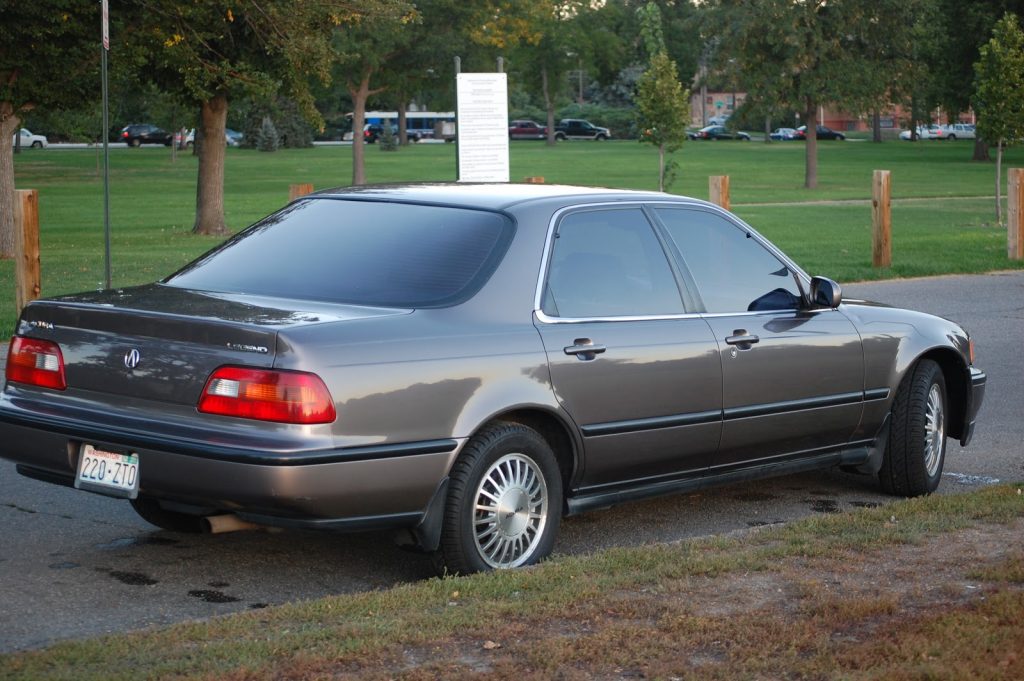
The car’s suspension struck a good balance between comfort and handling, offering a smooth ride while still feeling responsive on the road. This characteristic allowed the Legend to appeal to both commuters and enthusiasts, giving it a broad appeal that contributed to its long-lasting popularity.
The Acura Legend is now considered a classic, with enthusiasts appreciating not only its style but also its staying power. It represents a time when Honda focused on creating cars that blended engineering quality with long-term dependability.
For those seeking a luxury sedan that has aged gracefully without the high cost of ownership associated with many European models, the Acura Legend remains a standout choice.
5. Lexus GS300
The Lexus GS300 made its debut in the early 1990s, designed as a mid-size luxury sedan that combined Japanese reliability with European-inspired design.
Over the years, it earned a strong reputation for durability and comfort, making it one of the most dependable sedans in the luxury segment.
Owners often praise the GS300 for its ability to withstand age and mileage while continuing to deliver a smooth, refined driving experience.
At the heart of the GS300 is Toyota’s legendary 2JZ inline-six engine, which is widely regarded as one of the most durable engines ever produced. Known for its strength and smooth operation, the 2JZ can handle extremely high mileage with minimal issues.
This engine, paired with a robust automatic transmission, ensures that the GS300 remains reliable even after decades of use. It is not uncommon to see examples with well over 300,000 miles still running strong.
The GS300 also excelled in offering a comfortable and quiet ride. The suspension system was tuned to absorb road imperfections while maintaining stability, giving it a balance of comfort and handling that few competitors matched.
Even today, many GS300s feel composed on long drives, proving that its engineering was designed for lasting comfort.
Inside, the GS300 reflected Lexus’s dedication to craftsmanship. The leather seating, high-quality plastics, and wood accents were carefully chosen to resist wear and maintain their appearance over time.
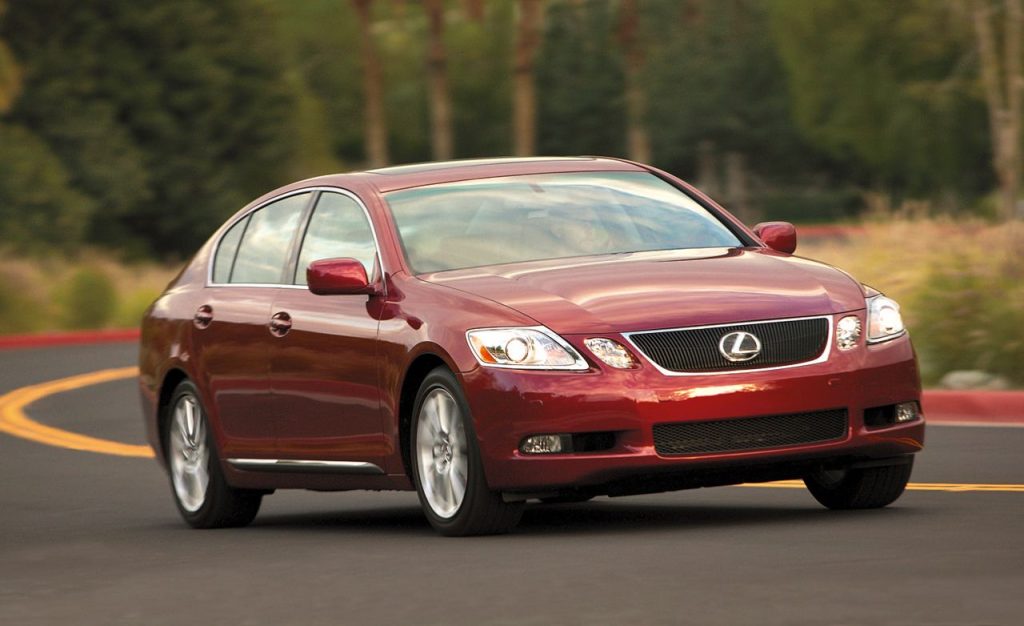
Unlike many luxury cars that suffer from electronic failures as they age, the GS300’s systems have proven to be relatively trouble-free, contributing to its reputation as a car that ages gracefully.
Styling is another factor that has helped the GS300 remain appealing. Its clean lines and understated design give it a timeless look, avoiding the dated appearance that plagues some of its contemporaries.
With a combination of mechanical strength, comfort, and style, the Lexus GS300 has proven to be one of the most dependable luxury sedans of its era.
6. Infiniti Q45
The Infiniti Q45, introduced in 1989, was Nissan’s flagship luxury sedan aimed at competing with established European brands. At launch, it stood out for its bold design, advanced engineering, and strong performance.
While not as widely remembered as some of its rivals, the Q45 has aged gracefully due to its durable mechanical components and solid build quality.
The Q45 was powered by a 4.5-liter V8 engine that delivered impressive performance while maintaining reliability.
Unlike some competitors that relied heavily on complex electronics, the Q45’s powertrain was designed to be both strong and relatively straightforward to maintain.
Many of these engines remain reliable decades later, making the Q45 a car that can still be driven with confidence today.
Inside, the Q45 offered a spacious and comfortable cabin with high-quality materials. Leather seating, wood trim, and well-laid-out controls gave it a luxurious yet practical atmosphere.
The interiors have proven to be long-lasting, with many examples still retaining their original comfort and elegance. Owners often remark that even after years of use, the Q45 continues to provide a comfortable driving experience without excessive wear or deterioration.
One of the strengths of the Q45 was its balance of performance and comfort. The sedan offered a smooth ride for daily use while also providing strong acceleration and confident handling.
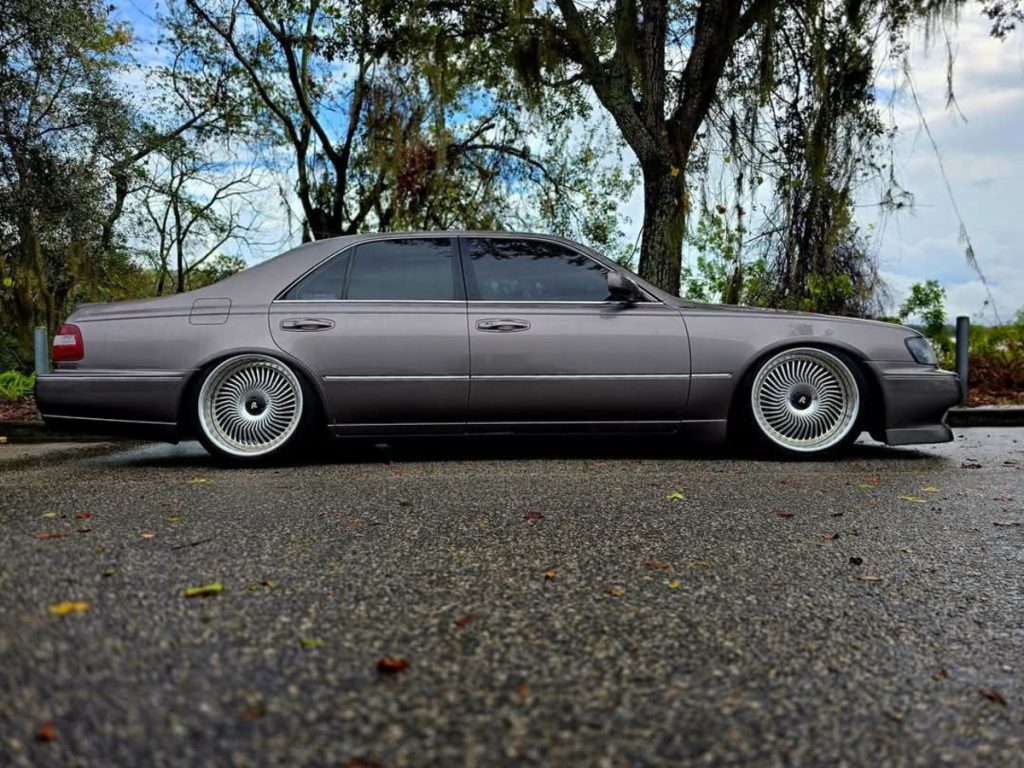
This versatility allowed it to appeal to drivers seeking both luxury and driving enjoyment, giving it a unique position in the market.
Although it never reached the same popularity as the Lexus LS400, the Q45 remains a respected model among enthusiasts. Its durability, combined with a distinctive design and capable performance, makes it a sedan that has aged better than many expected.
Today, the Infiniti Q45 is seen as a hidden gem, appreciated for its strength, reliability, and the way it continues to deliver a refined experience decades after its debut.
7. Cadillac Seville STS
The Cadillac Seville STS was an important model for General Motors during the 1990s, representing a push toward building luxury sedans that could compete with European rivals.
It combined bold styling with a comfortable ride and a powerful engine, giving it a strong identity in a crowded market. Over the years, the Seville STS has earned recognition as a luxury sedan that ages more gracefully than many of its American contemporaries.
One of the standout features of the Seville STS was the Northstar V8 engine. Known for its smooth power delivery and responsive performance, it allowed the sedan to provide a refined driving experience.
While the Northstar required proper maintenance to avoid common issues, well-cared-for examples have proven to be durable, continuing to run strong even with high mileage.
The Seville STS also offered an interior that blended luxury with modern design. Leather upholstery, wood accents, and advanced features for its time gave drivers and passengers a premium experience.
The cabin materials, when properly maintained, have held up well, allowing the car to retain its sense of quality decades later. Unlike some competitors that relied on fragile electronics, many of the Seville’s core systems remain dependable.
On the road, the Seville STS offered a balance between comfort and handling, something that helped set it apart from older American sedans known for being overly soft.
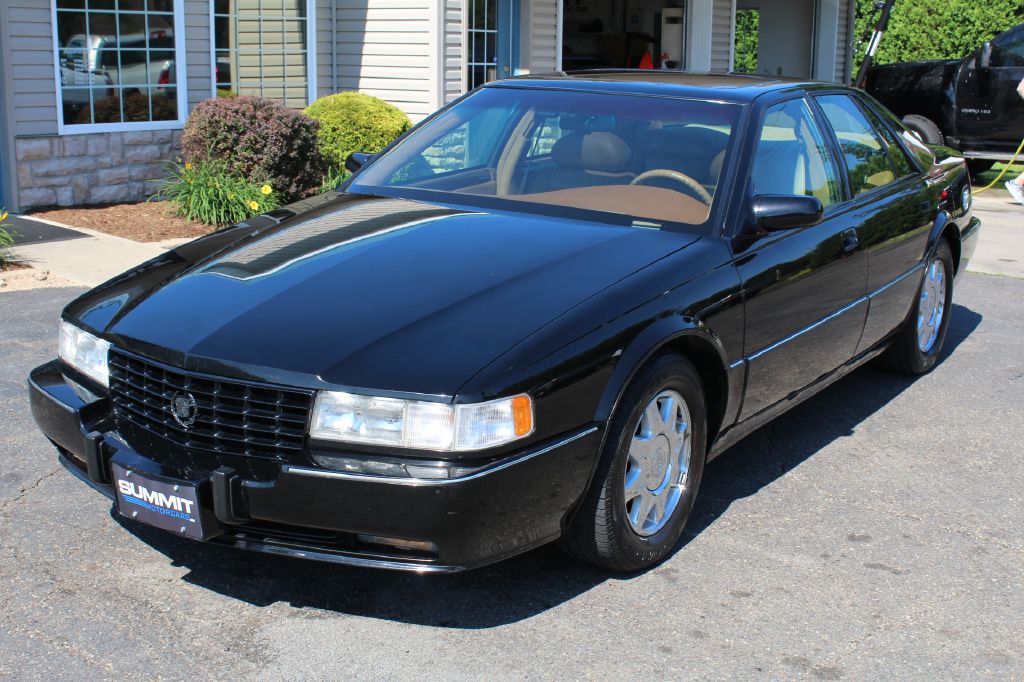
It could handle long highway drives with ease while still feeling controlled on winding roads. This driving character gave it an appeal that has lasted, making it enjoyable even as it has aged.
While it may not have reached the legendary status of some German or Japanese sedans, the Cadillac Seville STS demonstrated that American luxury cars could combine performance, comfort, and lasting appeal.
Today, well-preserved models still feel capable and refined, showing that the Seville STS has aged better than many expected when it first appeared.
8. Jaguar XJ (X300/X308)
The Jaguar XJ sedans of the mid-to-late 1990s, known as the X300 and later the X308, remain iconic for their classic styling and luxurious feel.
These cars blended British elegance with improved reliability compared to earlier Jaguars, making them models that have aged with surprising grace.
While Jaguars have long carried a reputation for being temperamental, these versions of the XJ proved that the brand could produce a sedan capable of lasting dependability.
The X300 was introduced in 1994 with a range of inline-six engines, while the X308, introduced in 1997, offered V8 power. Both versions delivered smooth performance and an unmistakable sense of refinement.
Owners who kept up with maintenance found that these powertrains could deliver many years of dependable service, especially when compared to older Jaguars that were notorious for mechanical issues.
Inside, the XJ maintained Jaguar’s tradition of elegance. Rich leather seating, real wood trim, and carefully designed details gave the cabin a warm, inviting feel.
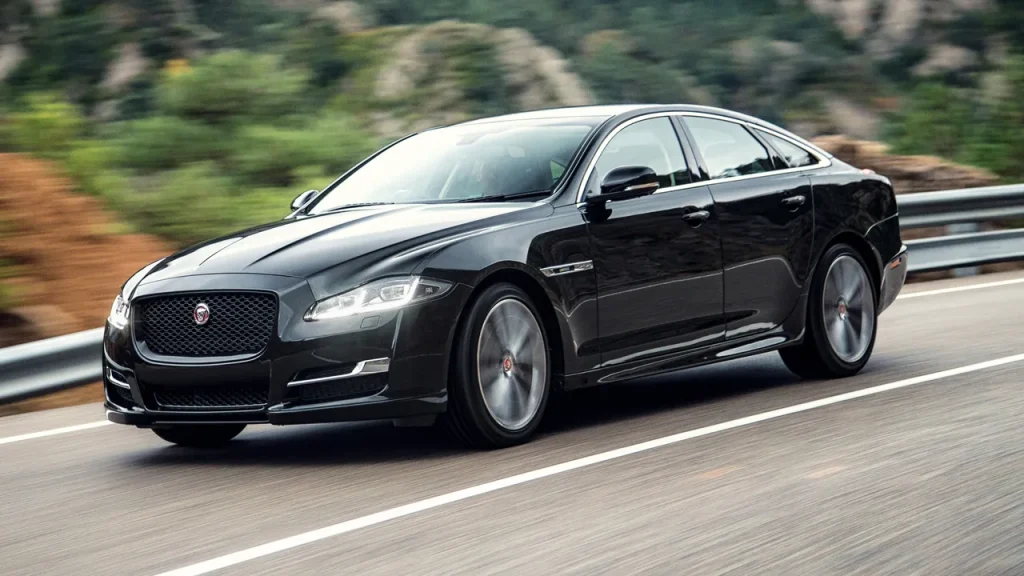
These interiors, when cared for, still look impressive today, helping the car retain its premium character decades later. Unlike many vehicles of the same era, the XJ’s interior avoided excessive wear when maintained, making it a true classic for enthusiasts.
The driving experience is another reason why the XJ has aged so well. It offered a smooth, composed ride while still feeling agile for a large luxury sedan.
This balance of comfort and handling made it appealing to drivers who wanted more than just softness in their daily drive.
Although ownership requires attention to maintenance, especially with electrical components, the XJ remains a car that feels timeless when properly cared for.
Its combination of classic styling, improved reliability, and luxurious presence ensures that it continues to age with dignity, standing as one of Jaguar’s most respected sedans of the modern era.
9. Audi A8 (D2)
The first-generation Audi A8, known as the D2 and produced from 1994 to 2002, was a groundbreaking model that introduced aluminum construction to the luxury sedan segment.
This lightweight yet strong body structure not only improved performance and efficiency but also helped the A8 resist rust and structural fatigue, contributing to its ability to age well over the decades.
The D2 A8 was offered with a range of engines, from V6 to V8 power, delivering smooth performance that matched the expectations of luxury sedan buyers. The engines, particularly the 4.2-liter V8, proved durable when maintained properly.
The Quattro all-wheel-drive system was another highlight, providing excellent traction and stability, which became a defining feature of the A8’s appeal.
Inside, the D2 A8 was designed with understated elegance. The cabin featured high-quality materials such as soft leather, polished wood, and solid switchgear that resisted wear better than many competitors.
Even today, well-maintained examples have interiors that feel refined and comfortable, showing Audi’s focus on long-term quality.
On the road, the A8 distinguished itself with precise handling and a comfortable ride. The combination of the aluminum body and Quattro system gave it agility while maintaining the smoothness expected from a flagship sedan.
Drivers found that it delivered both driving enjoyment and luxury, which helped the A8 build a loyal following.
One of the reasons the D2 A8 has aged gracefully is its styling. Its clean, modern lines have held up over time, giving it a timeless appearance compared to more dated designs of its era. The blend of engineering innovation, durability, and elegant design ensures that the D2 remains respected today.
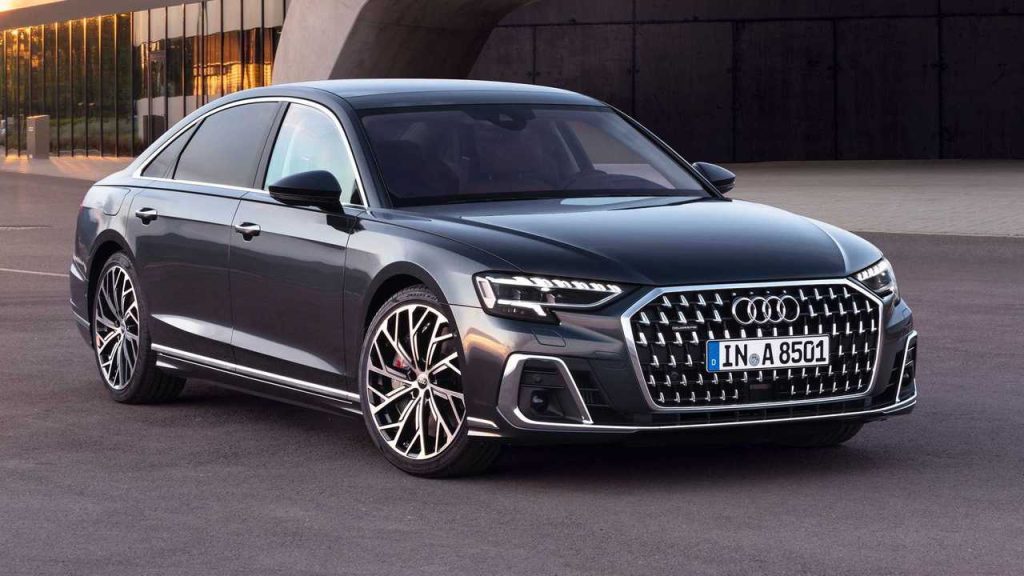
Although it never sold in the same numbers as its German rivals, the Audi A8 D2 is considered a landmark model that proved Audi could compete at the highest level of luxury. Its combination of innovation and durability makes it one of the most gracefully aging sedans of the 1990s.
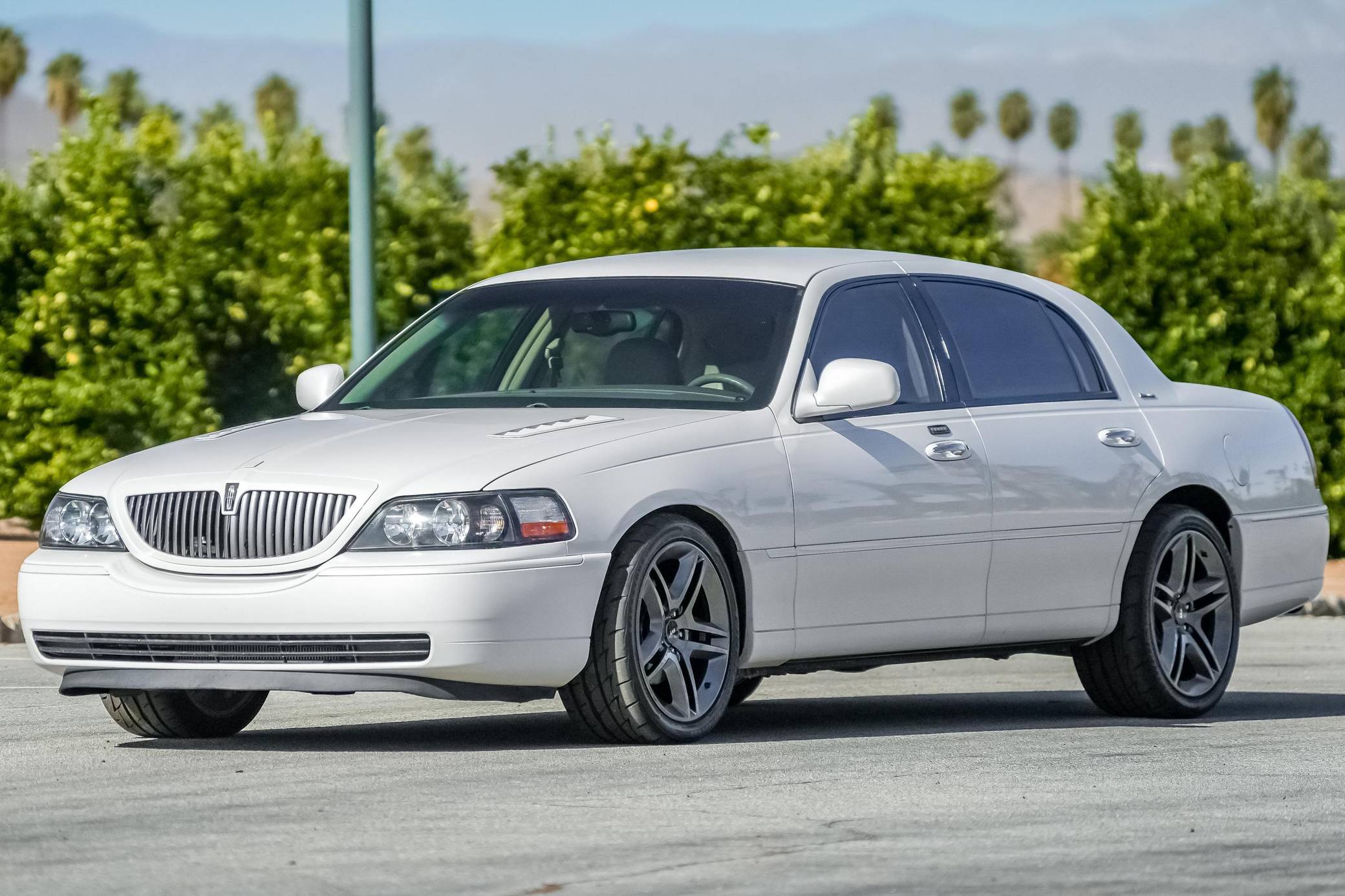
10. Lincoln Town Car
The Lincoln Town Car is one of the most iconic American luxury sedans, known for its comfort, simplicity, and long-lasting durability.
Produced for decades, with its most memorable generations spanning the 1980s through the early 2000s, the Town Car built a reputation for being nearly indestructible when properly maintained.
Its ability to handle high mileage and continuous use has made it a favorite among limousine companies, taxi fleets, and private owners alike.
At the heart of the Town Car was Ford’s 4.6-liter V8 engine, part of the Modular family. This powerplant was not the most powerful in its class, but it was extremely reliable, delivering smooth performance mile after mile.
Paired with a sturdy automatic transmission and a rear-wheel-drive layout, the Town Car provided mechanical simplicity that contributed to its longevity. Many examples have been known to surpass 300,000 miles with only routine care.
The interior of the Town Car emphasized comfort above all else. Plush seating, generous legroom, and a quiet cabin made it ideal for long-distance travel.
While the materials were not always as luxurious as those in European sedans, they held up well over time, giving the Town Car a lasting sense of quality.
On the road, the Town Car was designed for comfort and ease rather than sharp handling. Its soft suspension absorbed bumps effortlessly, creating the kind of smooth ride that became its signature. This made it particularly popular for professional use, where comfort and durability were top priorities.
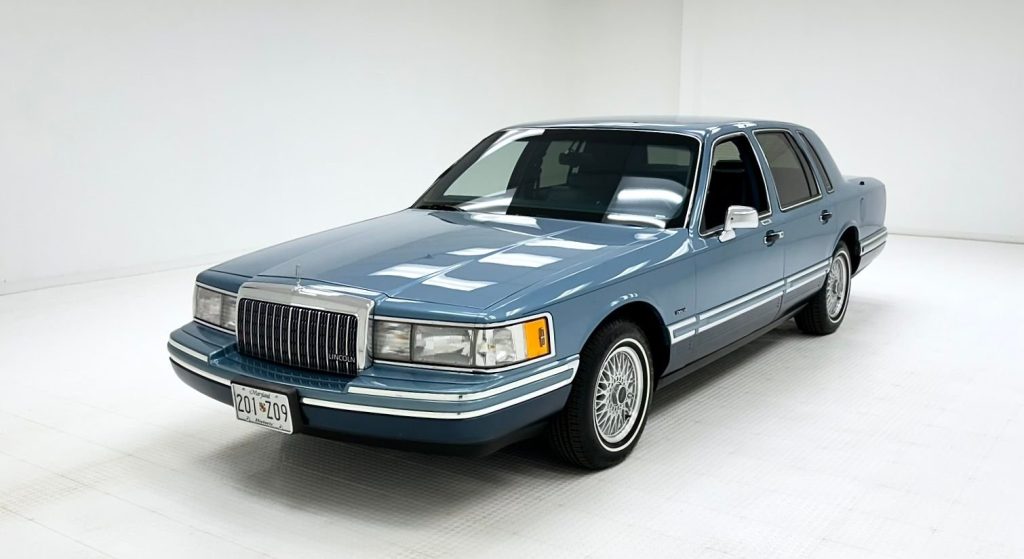
Stylistically, the Town Car retained a traditional, understated look that aged gracefully rather than becoming outdated. Its classic proportions and simplicity gave it a timeless presence, even as automotive design trends shifted around it.
The Lincoln Town Car remains a symbol of American luxury done with reliability in mind. Its ability to age gracefully while continuing to serve reliably has cemented its place as one of the most respected sedans in its class.
Also Read: 10 Plug-In Hybrids That Rarely Have Issues
