
Some vehicles have faced criticism, ridicule, or skepticism over the years, yet they continue to prove their worth through reliability, durability, and long-term performance.
While styling, brand perception, or early controversies may have invited mockery, these vehicles have consistently outlasted expectations, earning respect from owners who value substance over hype.
This article highlights ten vehicles that, despite negative opinions or initial doubts, have demonstrated remarkable resilience.
These vehicles span various segments, including SUVs, trucks, sedans, and even compact cars, but they share a common trait: they remain dependable even under daily use, heavy workloads, and long-term ownership.
Each vehicle on this list has a track record of strong engineering, durable components, and low maintenance requirements. They offer a combination of reliability, performance, and practical design that allows them to remain on the road for years.
Owners often report impressive mileage and minimal mechanical issues, reinforcing the fact that early criticism does not always reflect a vehicle’s true quality.
From vehicles that were once dismissed for unconventional styling to those criticized for perceived shortcomings in technology or power, these ten cars and trucks have repeatedly proved their durability.
Their longevity and owner satisfaction challenge negative perceptions and showcase how strong engineering, robust materials, and routine maintenance can defy expectations.
Whether used for commuting, family duties, work, or recreational purposes, these vehicles continue to deliver reliability and peace of mind.
They are examples of how perseverance, thoughtful design, and quality construction can overcome skepticism, turning once-mocked vehicles into enduring favorites among owners and enthusiasts alike.
Also Read: 10 Most Desirable Cars That Enthusiasts Keep Forever
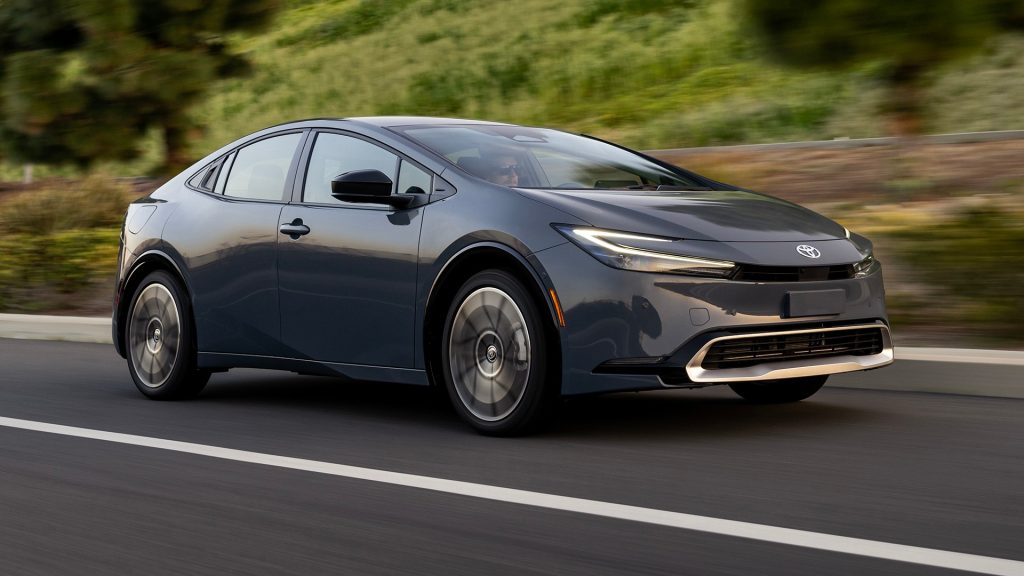
1. Toyota Prius
The Toyota Prius, introduced in 1997, faced skepticism from many drivers due to its unusual styling and hybrid technology.
Early critics doubted its performance, fuel efficiency claims, and long-term reliability. However, over the years, the Prius has proven to be one of the most dependable vehicles on the road, showing that reliability can outlast criticism.
The heart of the Prius is its hybrid powertrain, which combines a gasoline engine with electric motors and a battery pack. Toyota engineered this system for durability, and the results are evident.
Many Prius owners report mileage surpassing 200,000 to 300,000 miles with routine maintenance. Critical components, including the gasoline engine, transmission, and hybrid battery, are designed to minimize wear and maintain efficiency over time.
Hybrid battery longevity is often underestimated, but Toyota’s battery modules are built to last decades with proper care.
The Prius also benefits from a well-constructed chassis, suspension, and braking system. Components are durable, requiring minimal repairs even after extended use.
Toyota’s emphasis on simplicity and reliability ensures that the vehicle performs consistently under daily driving conditions.
Electronics, climate systems, and infotainment units in later generations are similarly reliable, further enhancing the vehicle’s long-term usability.
Owners consistently praise the Prius for its fuel economy, low maintenance needs, and longevity. Its ability to remain dependable despite criticism about styling or performance demonstrates that thoughtful engineering can overcome public perception.
For environmentally conscious drivers, families, or commuters, the Prius continues to offer a combination of practicality and reliability that few other vehicles in its class match.
The Prius proves that even vehicles initially mocked for unconventional designs or innovative technology can establish themselves as benchmarks of durability and efficiency.
Its record of low maintenance, strong resale value, and lasting performance makes it a prime example of a vehicle that refuses to break despite skepticism.
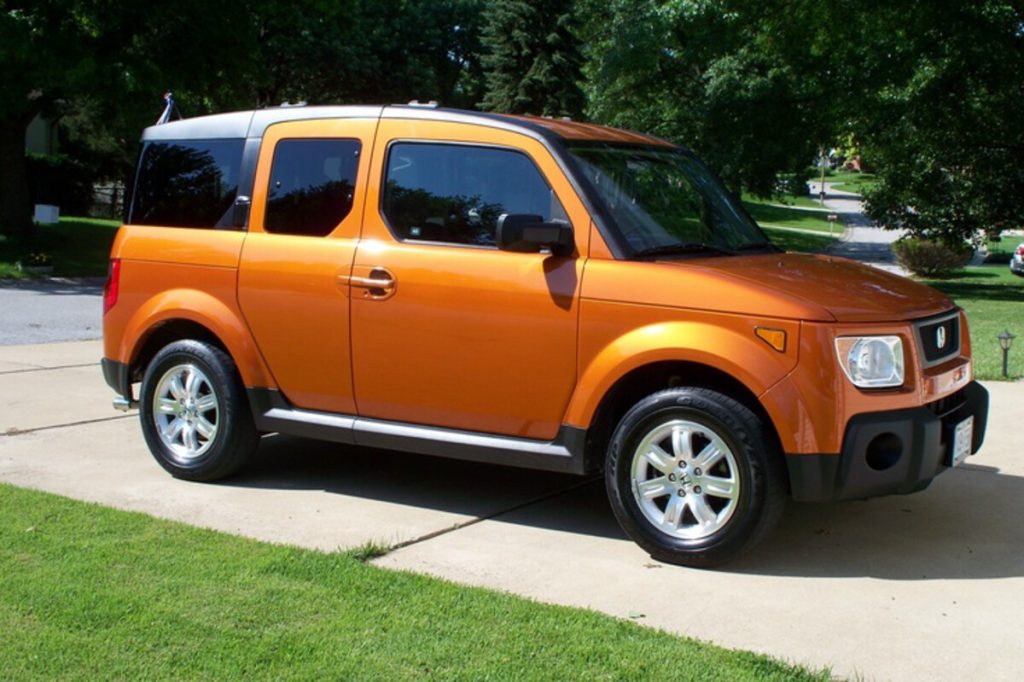
2. Honda Element
The Honda Element, produced from 2003 to 2011, was often mocked for its boxy design and utilitarian appearance.
Critics questioned whether it could remain relevant and durable in a market dominated by more stylish SUVs and crossovers. Despite these doubts, the Element became known for reliability, practicality, and surprising longevity.
The Element’s powertrain includes a 2.4-liter four-cylinder engine paired with either a manual or automatic transmission.
These engines are reliable and straightforward, capable of exceeding 200,000 miles with regular oil changes and maintenance. The drivetrain is robust and well-suited for both city commuting and occasional off-road or cargo use.
Its boxy frame allows for versatile interior configurations, while materials are designed to withstand wear and tear.
The rear seats can be folded or removed entirely, and interior panels are easy to clean, making it ideal for outdoor enthusiasts, pet owners, or those who frequently carry bulky items.
Components such as the suspension, steering, and brakes are engineered to endure extended use with minimal repairs.
Owners appreciate the Element for its durability, practicality, and low maintenance costs. Despite its unconventional looks, it continues to perform reliably in daily driving, long trips, and varied conditions. Many examples are still on the road today, with minimal mechanical issues even after high mileage.
The Honda Element proves that unconventional design and early mockery do not preclude a vehicle from long-term reliability.
Its practical engineering, durable components, and low-maintenance reputation make it a standout among vehicles that have defied criticism to remain dependable for years.
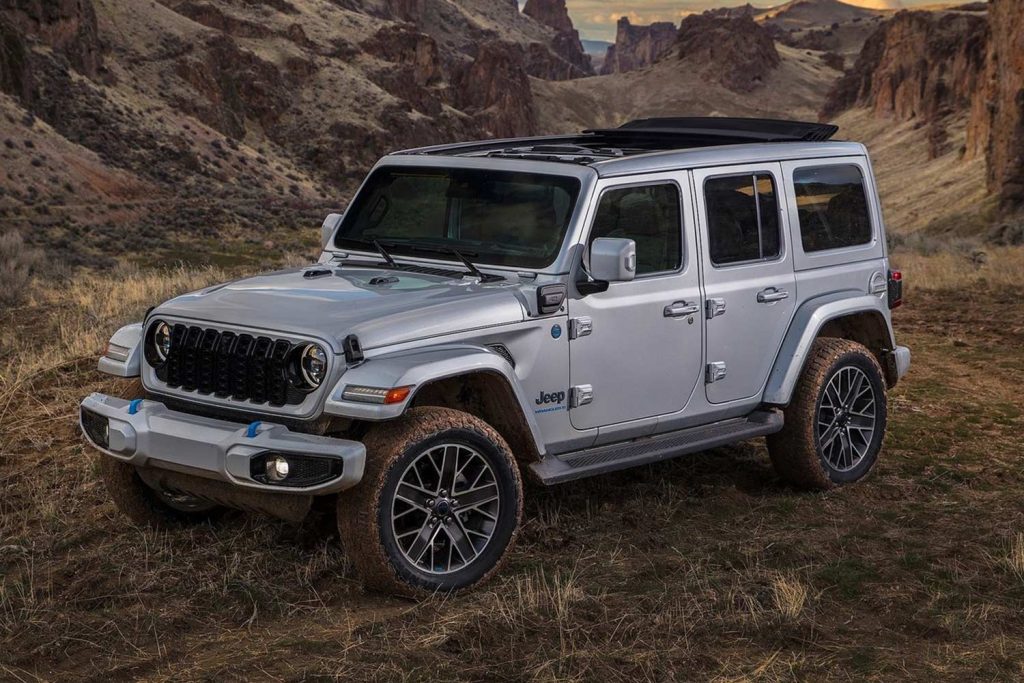
3. Jeep Wrangler
The Jeep Wrangler has faced criticism for its on-road handling, fuel economy, and rough ride compared to other SUVs. Despite these critiques, the Wrangler is one of the most iconic off-road vehicles, renowned for durability and the ability to endure challenging conditions without major issues.
Wranglers are equipped with engines ranging from four-cylinder units to V6s, paired with manual or automatic transmissions.
These powertrains are engineered for toughness, capable of handling both daily driving and off-road stress. Routine maintenance ensures they remain reliable for hundreds of thousands of miles.
The body-on-frame construction, solid axles, and rugged suspension design contribute to exceptional durability. These components can withstand heavy use, off-road obstacles, and adverse weather conditions, making the Wrangler a favorite among adventure enthusiasts.
Owners praise its ability to remain mechanically sound even with hard use, including trails, mud, and towing.
Electronics and interior systems are simple and built to last, which helps reduce repair needs over time. The Wrangler’s modular design, including removable doors and tops, adds versatility without compromising longevity.
The Jeep Wrangler demonstrates that even vehicles criticized for comfort or efficiency can excel in durability and performance.
Its engineering focus on toughness ensures that it continues to perform reliably in demanding situations, proving that public perception does not dictate a vehicle’s resilience.
4. Nissan Xterra
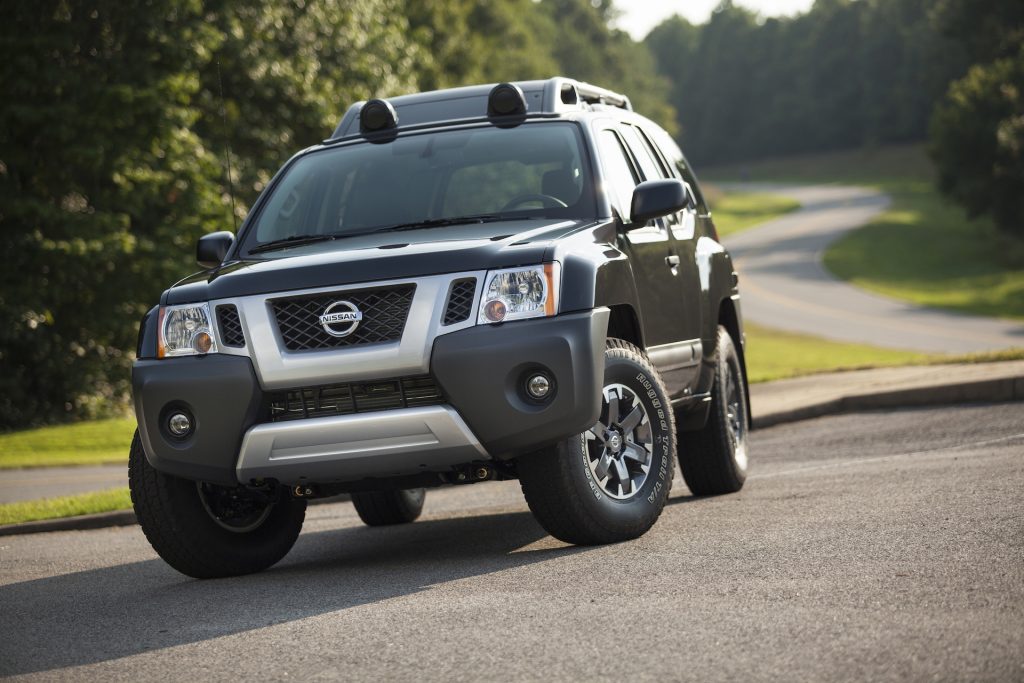
The Nissan Xterra, produced from 1999 to 2015, was often criticized for its boxy styling, lack of luxury features, and utilitarian interior.
Despite this, it earned a strong reputation for durability, off-road capability, and long-term reliability. The Xterra proved that practical engineering could outweigh initial skepticism or stylistic critiques.
Powering most Xterra models is a reliable V6 engine, either the 3.3-liter or later the 4.0-liter unit. Both engines are built for durability and can surpass 200,000 miles with regular maintenance.
They are paired with manual or automatic transmissions that hold up well under daily driving or towing, and routine servicing of oil, filters, and cooling systems ensures their longevity.
The Xterra’s body-on-frame construction and off-road-oriented suspension contribute to its toughness.
Components such as solid axles, control arms, and bushings are designed for extended use, allowing the SUV to endure trails, cargo loads, and rough terrain without significant issues.
The rugged suspension also absorbs punishment from uneven roads, which helps maintain reliability over years of use.
Interior durability is another highlight. While basic compared to luxury SUVs, materials are hard-wearing and resistant to wear, scratches, and spills.
Electronics are simple and reliable, and controls are intuitive, reducing the chance of malfunction. Owners often appreciate the Xterra for its low maintenance requirements and practicality in harsh conditions.
Despite criticism over appearance and creature comforts, the Xterra continues to perform dependably. Many examples remain on the road today, demonstrating that mechanical toughness and thoughtful design can triumph over mockery.
Its combination of a reliable powertrain, sturdy frame, and practical interior makes it a standout among vehicles that refuse to break under both criticism and real-world use.
The Nissan Xterra proves that long-term reliability is more valuable than initial popularity. Its ability to handle daily driving, off-road adventures, and heavy use without frequent repairs solidifies its reputation as a vehicle that consistently defies negative perception.
5. Ford Mustang (SN95/2005–2014)
The Ford Mustang has faced its share of criticism over the decades, from styling critiques to questions about its handling compared to European sports cars.
However, certain generations, such as the SN95 (1994–2004) and the 2005–2014 redesigns, have earned a reputation for mechanical durability, low-maintenance V8s, and long-lasting performance.
These Mustangs are powered by reliable V6 and V8 engines. The 4.6-liter modular V8 and 3.7-liter V6 are known for robust construction, smooth operation, and longevity.
With routine maintenance, including oil changes, spark plug replacements, and coolant checks, these engines can easily surpass 200,000 miles. The transmissions, both manual and automatic, are also durable when serviced properly.
The Mustang’s suspension and chassis, while tuned for sportiness, are engineered to withstand spirited driving, daily commuting, and occasional track use.
Components such as control arms, bushings, and shocks are robust, ensuring minimal mechanical issues over time. Brakes and steering systems are similarly dependable, requiring only standard maintenance.
Owners praise these Mustangs for their ability to deliver performance without constant repairs. Electronics and interior systems are generally reliable, and even older models retain mechanical integrity despite high mileage.
The combination of durability, driving enjoyment, and classic styling allows these Mustangs to remain sought after, even by those who once criticized them.
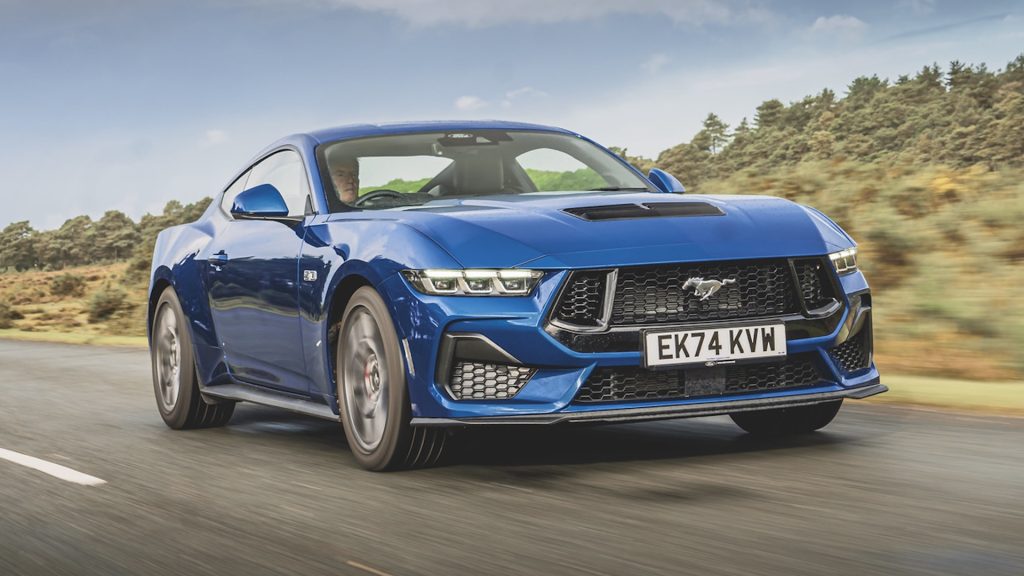
Despite past skepticism, these Mustangs demonstrate that performance and reliability can coexist. They remain popular among enthusiasts and everyday drivers who value a vehicle that performs consistently while requiring relatively low maintenance.
The Ford Mustang proves that even cars initially dismissed for aesthetics or handling shortcomings can endure over time.
Its engines, chassis, and thoughtful engineering contribute to a vehicle that continues to defy criticism and remain a dependable choice for decades.
6. Subaru Forester
The Subaru Forester, particularly early to mid-2000s models, faced criticism for its styling, perceived underpowered engines, and lack of luxury compared to competitors. Despite this, it has earned a strong reputation for reliability, all-wheel-drive capability, and long-term durability.
Most Foresters are equipped with naturally aspirated or turbocharged flat-four engines. These engines are known for smooth operation, efficiency, and the ability to exceed 200,000 miles with proper maintenance.
Transmissions, whether manual or automatic, are built to last and generally require minimal repairs. Routine oil changes, timing belt or chain maintenance, and fluid inspections keep the drivetrain functioning reliably.
Subaru’s symmetrical all-wheel-drive system is another reason for the Forester’s enduring reputation.
It offers consistent traction in various conditions and is mechanically simple, reducing the risk of frequent failures. Suspension components, brakes, and steering systems are engineered for durability, ensuring years of dependable use.
The interior and electronics are straightforward and built for longevity. Controls, infotainment systems, and climate features are durable, minimizing repair needs over time.
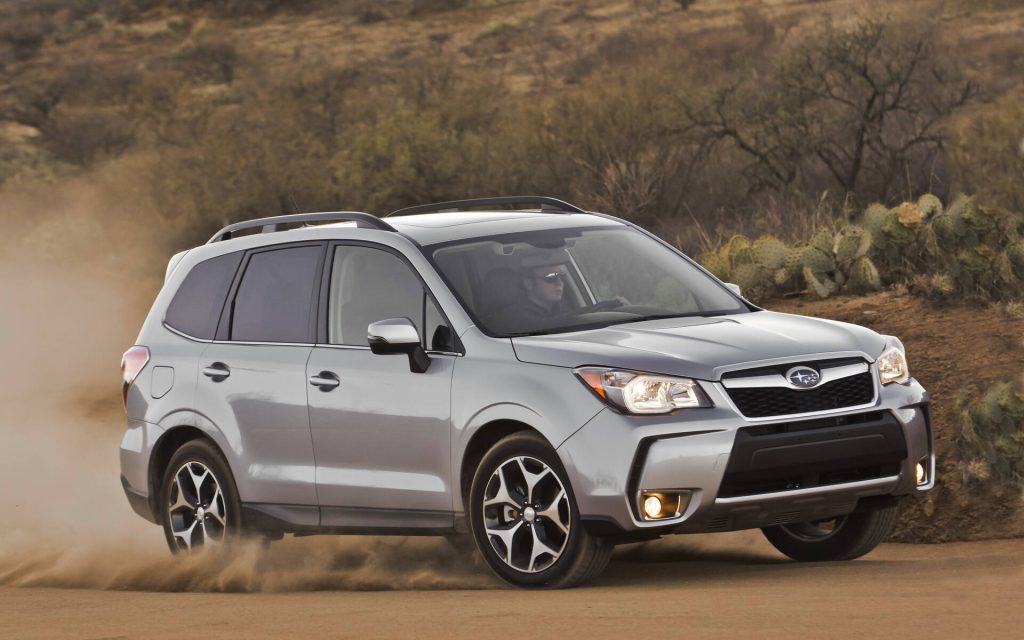
Combined with corrosion-resistant materials, this contributes to the Forester’s ability to remain functional and reliable for long-term ownership.
Owners consistently praise the Forester for its practicality, durability, and minimal maintenance requirements.
Its ability to handle daily commuting, outdoor adventures, and inclement weather demonstrates that it can withstand criticism and still perform effectively.
The Subaru Forester proves that vehicles initially mocked for design or performance can achieve long-term reliability.
Its all-wheel-drive system, durable engines, and robust construction allow it to remain a dependable choice, demonstrating that true quality outlasts skepticism.
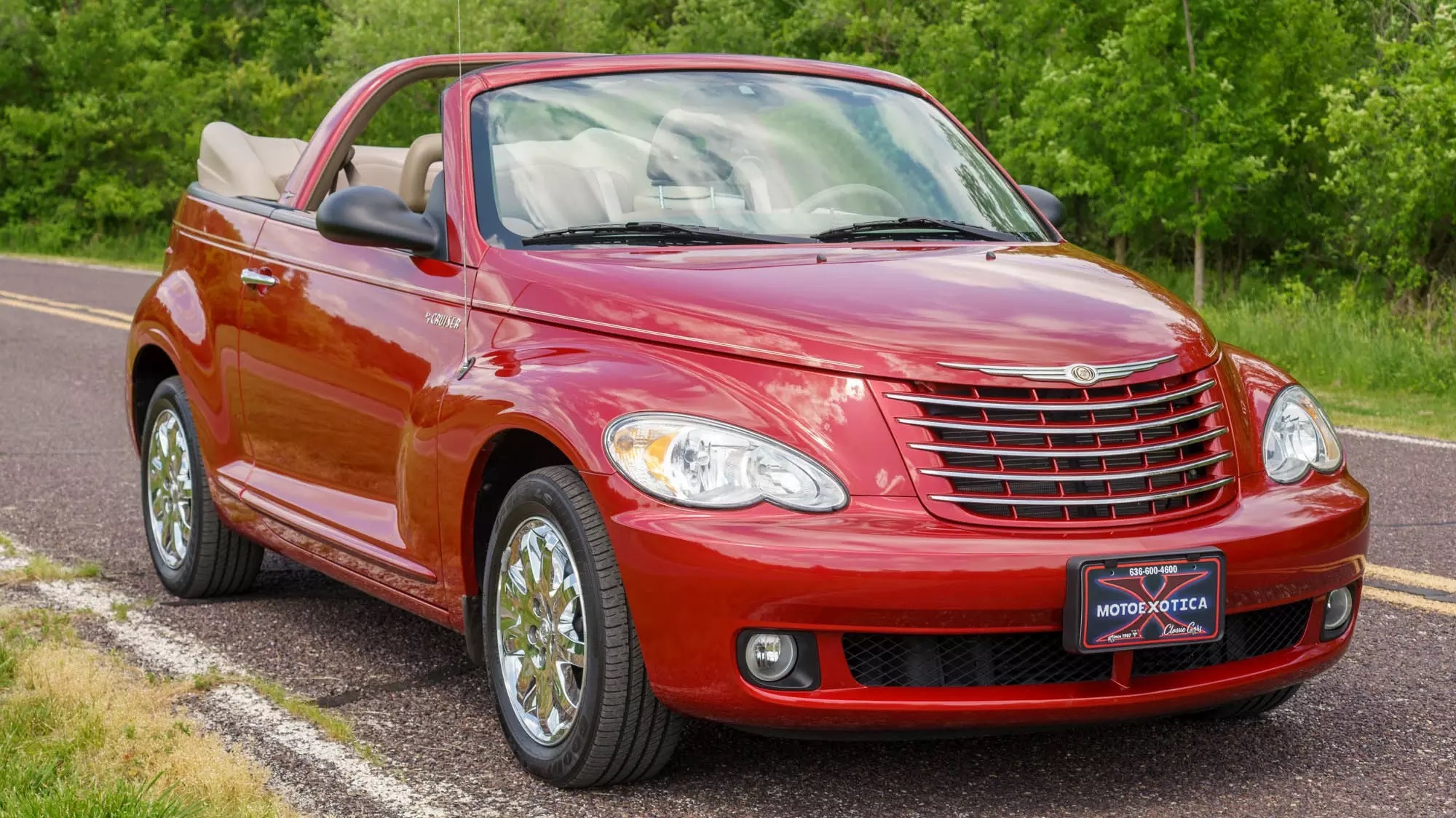
7. Chrysler PT Cruiser
The Chrysler PT Cruiser faced widespread mockery upon its release due to its retro-inspired design and unusual proportions.
Critics doubted its appeal, practicality, and mechanical reliability. Yet, despite the ridicule, the PT Cruiser developed a reputation for durable engineering, dependable performance, and surprising longevity.
Most PT Cruisers are equipped with 2.4-liter four-cylinder engines or the earlier 2.0-liter turbocharged variants.
These engines are straightforward, built with durable components, and capable of surpassing 200,000 miles when maintained with routine oil changes, timing belt inspections, and filter replacements.
The automatic transmission pairs reliably with the engine, and manual options are also durable when serviced properly.
The PT Cruiser’s suspension and chassis are simple yet effective, designed for urban and highway driving. Control arms, struts, and bushings hold up well over time, contributing to minimal repair needs.
Despite being criticized for ride quality, the vehicle’s suspension longevity makes it practical for daily commuting and light cargo transport.
Interior components, including electronics, climate systems, and controls, are engineered to withstand regular use.
Materials are durable, and the cabin design accommodates cargo and passengers efficiently. Owners often appreciate the low-maintenance nature of the PT Cruiser, especially considering its quirky appearance and initial criticism.
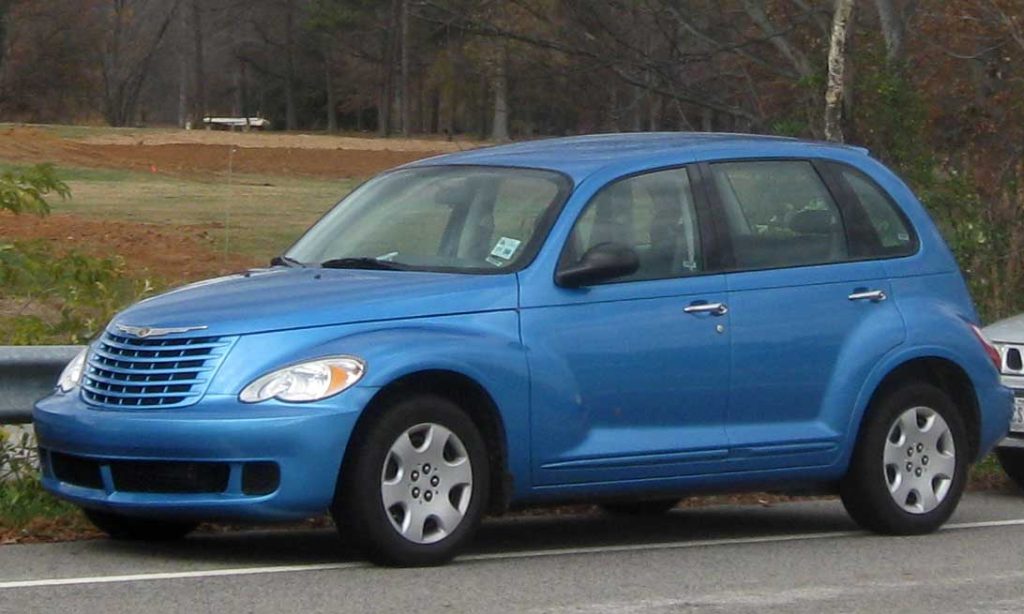
The PT Cruiser demonstrates that even vehicles mocked for style can excel in mechanical reliability.
Its combination of durable engine, dependable transmission, and resilient suspension allows it to remain functional and trustworthy for years, making it a surprising standout among cars that defy skepticism.
8. Mini Cooper
The Mini Cooper, particularly first-generation models, was criticized for being small, quirky, and expensive relative to competitors.
However, it has earned a loyal following for its durability, responsive handling, and long-term performance. Owners have learned that with proper maintenance, the Mini Cooper remains reliable despite early mockery.
Mini Coopers are powered by four-cylinder engines, including naturally aspirated and turbocharged options.
These engines are robust when serviced routinely, with oil changes, cooling system checks, and timing chain or belt inspections. Transmissions, both manual and automatic, are durable and capable of high mileage with proper care.
The suspension and chassis are tuned for a sporty ride, yet components like control arms, bushings, and shocks are engineered for durability. The vehicle handles daily driving, city commuting, and occasional spirited driving without frequent mechanical issues.
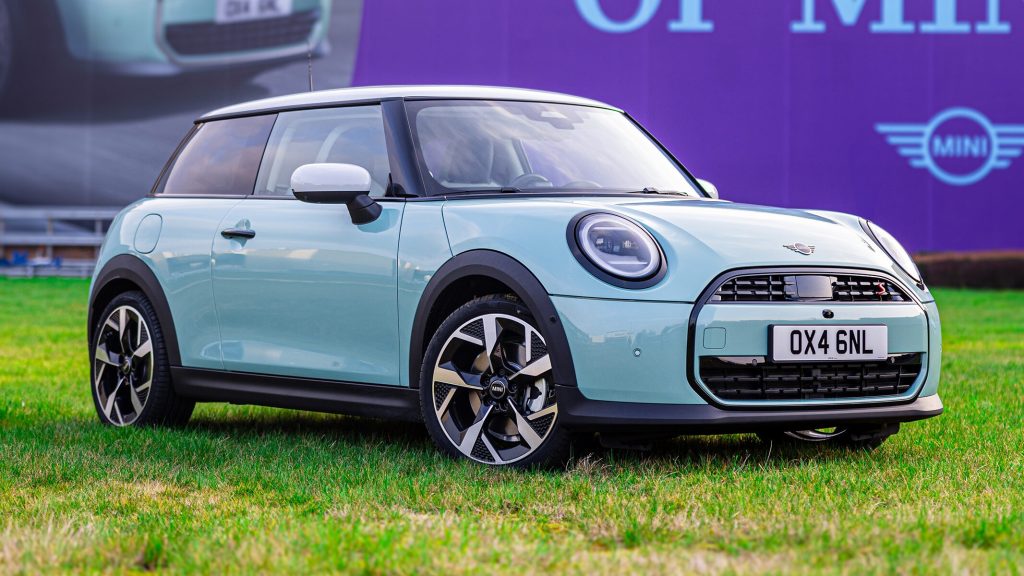
Interior electronics, climate control, and infotainment systems are generally reliable, and high-quality materials contribute to long-lasting comfort. Owners frequently report that their Coopers remain fun, dependable vehicles years after purchase.
The Mini Cooper shows that small, unconventional vehicles can prove critics wrong through consistent reliability, strong construction, and thoughtful engineering. Its enduring appeal combines performance and dependability in a compact package.
9. Chevrolet Tahoe
The Chevrolet Tahoe has faced criticism for fuel economy and size but remains a large SUV known for durability and longevity.
Its V8 engines, body-on-frame construction, and straightforward mechanical systems make it highly reliable for towing, off-road use, and daily driving.
Tahoes’ engines are robust and paired with durable automatic transmissions. Routine maintenance, including oil changes, filter replacement, and brake inspection, ensures high mileage without major repairs. Suspension components, steering, and brakes are designed to withstand heavy use.
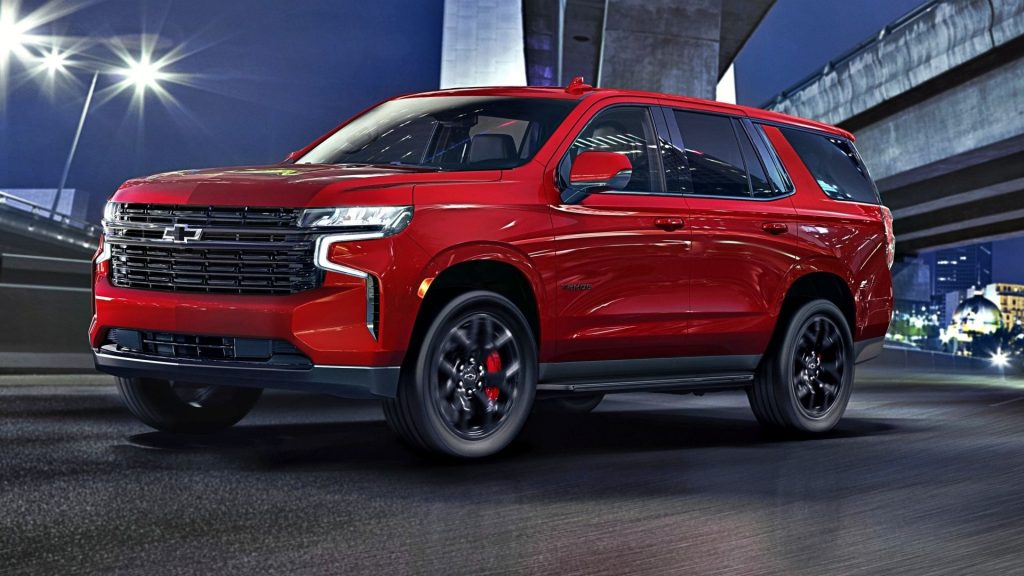
Interior systems are durable, with electronics and climate features built for long-term use. Owners report that Tahoes remain dependable despite criticism regarding efficiency, proving that size and style do not determine reliability.
The Tahoe demonstrates that large SUVs can combine utility with enduring performance, maintaining dependability even under demanding conditions.
10. Volkswagen Beetle (New Beetle)
The Volkswagen New Beetle, introduced in 1997, was initially mocked for its retro styling and perceived lack of practicality. Yet, many of these vehicles have proven reliable with proper maintenance.
Powering the New Beetle are four-cylinder engines, including 2.0-liter naturally aspirated and 1.8-liter turbocharged options.
These engines are durable, capable of high mileage when serviced regularly. Transmissions, both manual and automatic, hold up well with standard care.
Suspension, brakes, and chassis components are engineered to endure daily use, while interior materials resist wear. Electronics and climate systems are generally reliable, contributing to the car’s long-term usability.
Owners report that New Beetles remain dependable, fun to drive, and low-maintenance, showing that a vehicle can defy mockery with strong engineering and thoughtful design.
Vehicles that face criticism or mockery often have to prove themselves not just to drivers, but to the public perception that surrounds them.
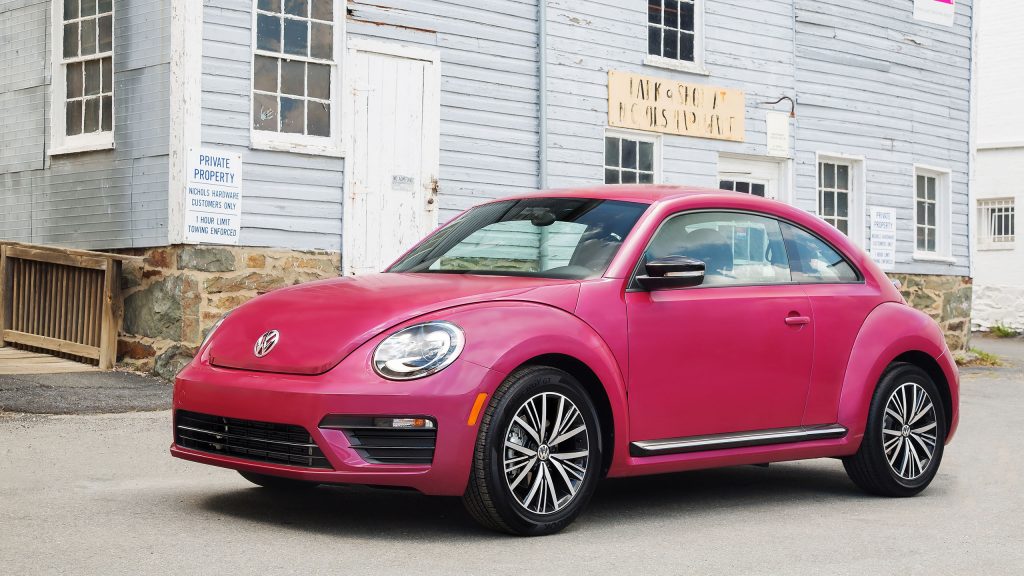
Many cars and trucks are dismissed due to unconventional styling, unusual design choices, or concerns about technology and performance. Yet, some of these vehicles continue to outperform expectations, maintaining durability, reliability, and long-term value.
The ten vehicles highlighted in this article demonstrate that consistent engineering, strong components, and thoughtful design can allow a vehicle to endure and thrive, even when critics question its worth.
The Toyota Prius exemplifies this phenomenon. Initially mocked for its hybrid technology and atypical appearance, it has become a symbol of reliability, fuel efficiency, and low-maintenance ownership.
Its hybrid powertrain, including both gasoline engines and electric motors, is engineered to last for hundreds of thousands of miles, while chassis and suspension components remain durable under daily use.
Similarly, the Honda Element, despite criticism for its boxy styling, proves that practicality and longevity can outweigh aesthetic judgments. Its robust engine, versatile interior, and low-maintenance nature make it a vehicle that continues to perform reliably for years.
Rugged vehicles like the Jeep Wrangler and Nissan Xterra are frequently criticized for ride quality, fuel efficiency, or unconventional appearance.
Yet, these SUVs are built with body-on-frame construction, durable axles, and long-lasting suspension components that allow them to handle off-road conditions, heavy loads, and everyday driving without frequent repairs.
Their mechanical toughness, paired with straightforward electronics and interior systems, ensures that owners can rely on them for decades.
Sports-oriented or compact vehicles, such as the Ford Mustang, Mini Cooper, and Chrysler PT Cruiser, also prove that initial ridicule does not equate to poor reliability.
Robust engines, durable transmissions, and suspension components engineered for longevity allow these vehicles to remain dependable despite criticism over styling or driving dynamics.
They provide performance, versatility, and practical longevity that keep them on the road for years.
Larger vehicles like the Chevrolet Tahoe demonstrate that criticism over size or fuel economy does not diminish a vehicle’s reliability.
Its V8 engines, body-on-frame design, and heavy-duty components allow for long-term performance in towing, commuting, and off-road situations.
Even vehicles mocked for styling, such as the Volkswagen New Beetle, have shown that careful engineering and durable components can result in a dependable, low-maintenance vehicle.
Across all ten vehicles, the common theme is resilience. They illustrate that longevity is often determined more by engineering quality, material selection, and thoughtful design than by public opinion.
These vehicles remain on the road despite skepticism, criticism, or initial doubt, delivering reliability, low maintenance, and owner satisfaction.
For drivers seeking vehicles that endure, perform consistently, and require minimal repairs, these ten models provide proven examples of how true durability can defy mockery and stand the test of time.
Also Read: 10 Classic Pickups That Refuse to Die Offering Unmatched Endurance
