
When a car meets an accident, the expectation is often grim. Twisted metal, shattered glass, and damaged engines usually signal the end of a vehicle’s road life. Yet, some vehicles manage to defy odds, surviving crashes that would render most cars irreparable.
These vehicles do not just endure; they keep running, often requiring minimal repairs to get back on the road. The reasons behind this resilience vary from engineering excellence to sheer luck during the impact.
Safety features play a critical role in these remarkable survivals. Modern vehicles are designed with crumple zones, reinforced cabins, and advanced restraint systems to absorb impact forces while protecting essential components.
Even older models, though lacking modern technologies, sometimes survive due to robust construction, simple mechanical layouts, and durable materials.
Beyond design, post-accident repairs also contribute to a vehicle’s second life. Skilled mechanics can restore functionality to engines, transmissions, and electronic systems, allowing the car to continue its journey.
Surviving a crash is not just about structural integrity; it is about adaptability. Vehicles that endure severe impacts often showcase strengths hidden in plain sight: strong chassis, dependable engines, and resilient electrical systems.
Some are remembered for the stories they carry a testament to their durability and the owner’s determination to keep them running. These cars often inspire enthusiasts who appreciate a vehicle that refuses to give up easily.
In this article, we will highlight ten vehicles known for surviving severe accidents and continuing to operate. Each example demonstrates unique qualities that make survival possible.
From heavy-duty trucks to compact sedans, the cars on this list prove that damage does not always mean the end. Their journeys offer lessons in durability, repair, and the surprising resilience that vehicles can show when the odds are stacked against them.
1. Toyota Land Cruiser
The Toyota Land Cruiser has earned a legendary reputation for toughness, and its ability to survive serious accidents is a testament to this.
Known for its body-on-frame construction, the Land Cruiser was built to endure harsh terrains, and this robustness carries over when it faces crashes.
Its heavy-duty chassis and reinforced frame provide an extra layer of protection for passengers and critical mechanical components, allowing the vehicle to withstand impacts that would disable many other SUVs.
One notable feature contributing to its survival rate is the Land Cruiser’s suspension system. With long-travel suspension and durable axles, the SUV absorbs shocks and distributes impact forces across the frame rather than concentrating damage in one vulnerable area.
This not only preserves structural integrity but also helps keep the engine, transmission, and drivetrain operational even after significant collisions.
In addition, the vehicle’s design includes substantial crumple zones that protect the cabin without compromising the underpinnings, allowing it to maintain its core functionality after accidents.
Stories of Land Cruisers surviving rollovers, frontal collisions, and high-speed impacts are well documented. In many cases, these vehicles continue to run after being repaired, sometimes requiring nothing more than a realignment or replacement of damaged panels.
Enthusiasts often point out that older models with simpler electronics are especially resilient because they have fewer sensitive components that can fail during a crash.
Even in modern models, Toyota’s engineering ensures that vital systems such as the engine, fuel lines, and braking components remain relatively intact under extreme stress.
The Land Cruiser’s durability is complemented by its maintenance culture. Owners who perform regular upkeep often see these vehicles continue to operate for hundreds of thousands of miles, even after a significant collision.
Replacement parts are widely available, and the design is straightforward enough that repairs can restore functionality quickly. In regions where off-roading and rough roads are common, the Land Cruiser’s survival stories are particularly impressive.
Some have been reported to survive mudslides, tree impacts, and multi-vehicle accidents while continuing to drive home safely.
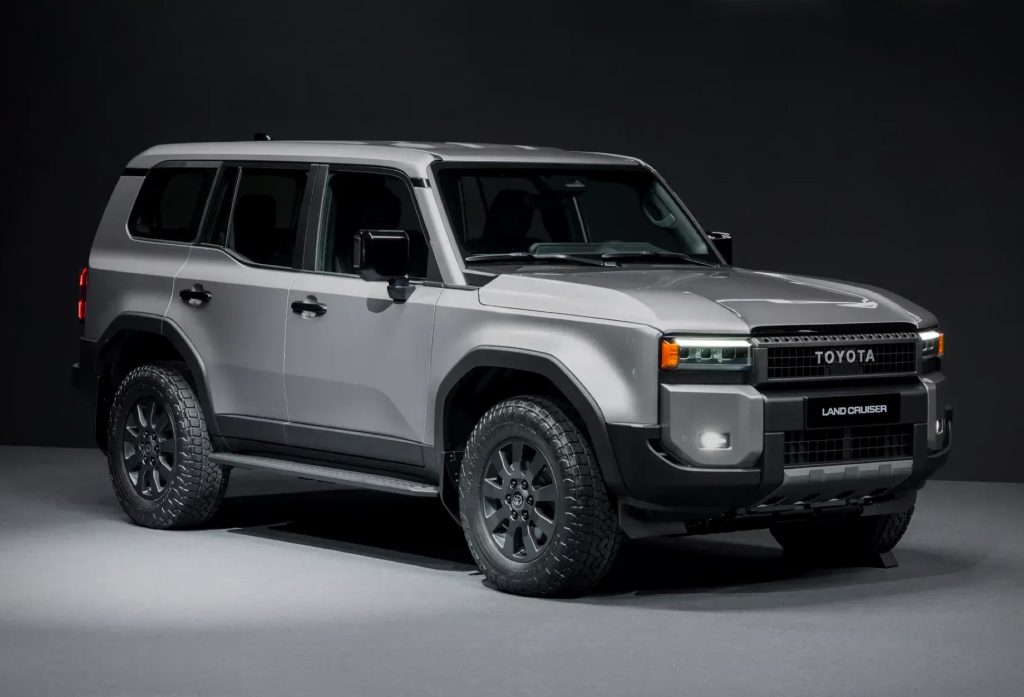
Ultimately, the Toyota Land Cruiser exemplifies the balance between rugged engineering and practical reliability.
Its ability to survive crashes and continue operating highlights why it remains a favorite among adventurers, overlanders, and those who require a vehicle that can take extreme punishment without surrendering.
For anyone interested in a car that combines off-road capability with remarkable crash resilience, the Land Cruiser stands as a benchmark for durability in both everyday and extraordinary conditions.
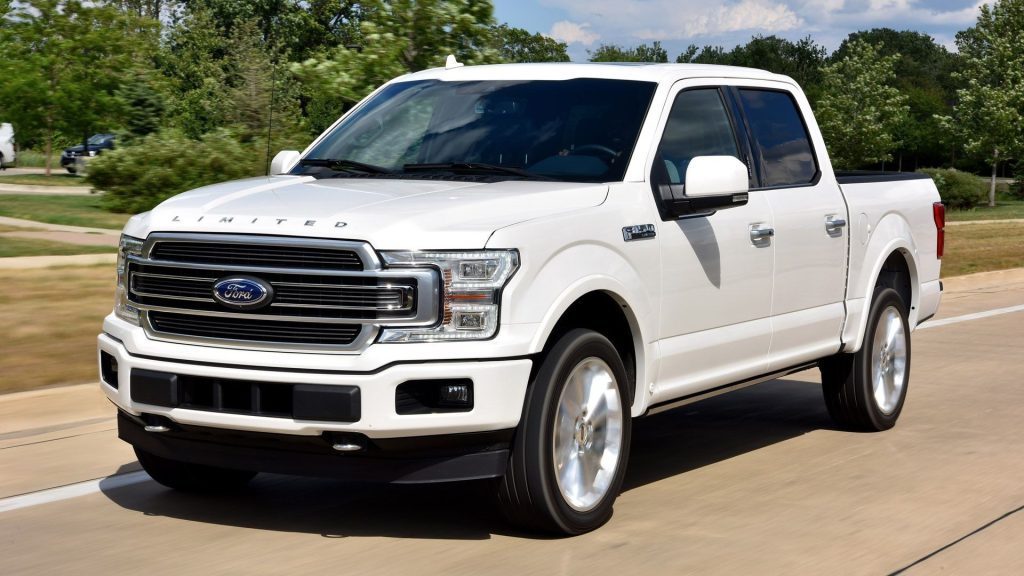
2. Ford F-150
The Ford F-150 has long been celebrated for its toughness, and its ability to survive accidents while remaining operational is a key reason why it is a favorite among truck enthusiasts. Built with a high-strength steel frame and reinforced body panels, the F-150 is designed to absorb impact energy efficiently.
This structural durability ensures that even when involved in severe collisions, the truck’s engine, transmission, and essential systems are often left functional. Its body-on-frame construction contributes to its survival capabilities by keeping the cab relatively intact during high-impact crashes.
The truck’s suspension also plays a role in crash resilience. With its heavy-duty shocks, springs, and control arms, the F-150 can handle rough landings and collisions without compromising drivability.
Many stories exist of F-150s rolling over or striking obstacles at significant speed yet still being driven afterward, sometimes after minor repairs. Even when sheet metal is heavily damaged, the vehicle’s core mechanical systems remain operational.
Older models, particularly those from the early 2000s, benefit from their simpler electronics, which are less likely to fail during impact compared to modern systems.
Crash survival is also aided by the availability of parts and repair knowledge. The F-150 is one of the most popular trucks in the United States, meaning replacement components are easy to obtain and repairs are often straightforward.
Skilled mechanics can restore functionality to vehicles that might seem totaled at first glance. Owners have reported trucks continuing daily work duties after collisions that bent frames, damaged doors, or crushed beds, showing just how durable the platform can be.
The F-150’s survival record extends beyond minor accidents. Some trucks have been involved in head-on collisions, high-speed rollovers, and even impacts with large objects like trees or barriers.
Many continue to run afterward, proving that the combination of a strong frame, durable engine, and reliable drivetrain makes a real difference in crash scenarios.
For anyone who requires a vehicle that can endure extreme conditions and still function, the F-150 demonstrates how thoughtful engineering and rugged construction result in impressive resilience.
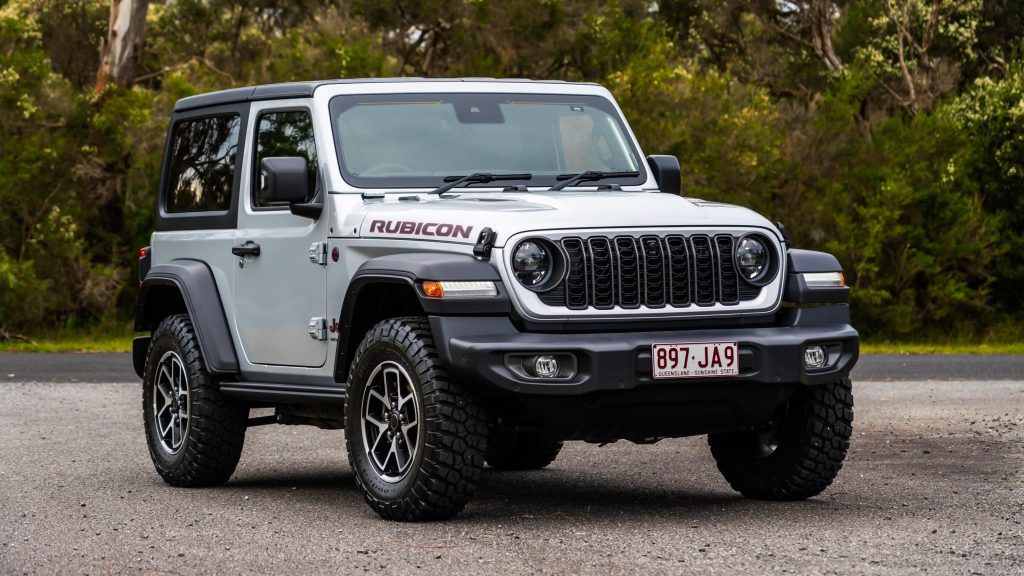
3. Jeep Wrangler
The Jeep Wrangler is renowned for its off-road capability, and part of its toughness comes from its ability to survive accidents that would end many vehicles’ lives.
Its body-on-frame construction provides structural strength, allowing it to absorb impacts while protecting critical components.
The Wrangler’s rigid frame and reinforced roll bars are particularly important during rollovers, a scenario common in off-roading mishaps. Even when the body panels are severely damaged, the engine, transmission, and four-wheel-drive system often remain operational.
The Wrangler’s suspension system also contributes to its crash resilience. Solid axles and heavy-duty components allow the vehicle to handle extreme forces without catastrophic failure.
Off-road enthusiasts have shared numerous accounts of Wranglers tumbling down hills, colliding with rocks, or rolling over in mud or sand, only to be driven home afterward.
The vehicle’s simple and robust mechanical design, especially in older models, ensures that there are fewer vulnerable electronics that might fail during an accident.
Another factor in the Wrangler’s durability is the ease of repair. Parts are widely available, and many modifications or replacements can be performed quickly.
Owners often replace bent body panels, bumpers, or suspension components without affecting the engine or drivetrain.
This practical repairability, combined with the Jeep’s rugged engineering, ensures that Wranglers can survive incidents that might render other vehicles unusable.
Jeep Wranglers also benefit from high ground clearance and short overhangs, reducing the likelihood of undercarriage damage during collisions. In many crash scenarios, this design allows essential systems to remain untouched.
Some Wranglers have even survived multi-vehicle accidents or collisions in harsh off-road environments, further proving their durability.
For those seeking a vehicle that can endure physical abuse and keep running, the Jeep Wrangler is a prime example of resilience in both urban and wilderness conditions.
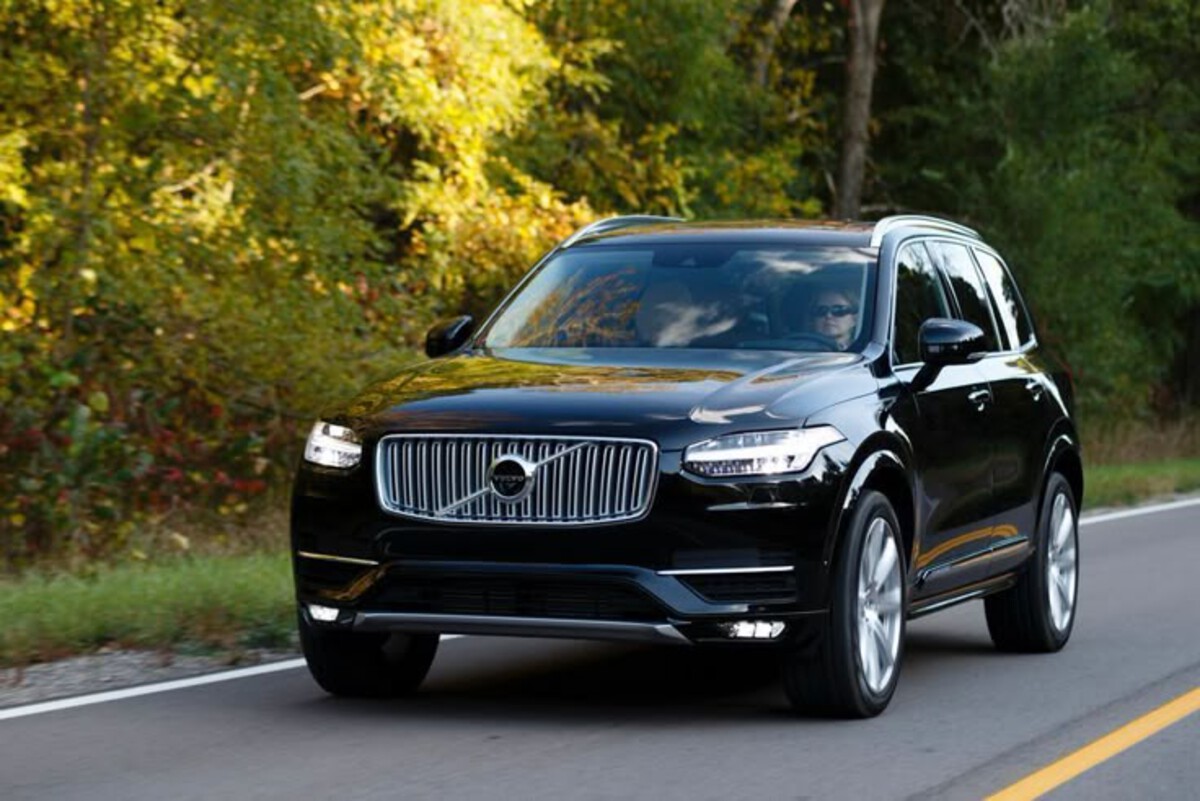
4. Volvo XC90
Volvo has a long-standing reputation for safety, and the XC90 stands as a prime example of a vehicle that can survive crashes and remain functional.
Engineered with a strong unibody construction, reinforced pillars, and crumple zones, the XC90 is built to protect occupants while preserving critical mechanical components.
In severe impacts, the engine bay and drivetrain are often shielded by carefully designed energy absorption pathways, allowing the SUV to continue running after collisions that would immobilize many other vehicles.
The XC90’s suspension system also contributes to its ability to endure crashes. With independent suspension and robust subframes, the vehicle can absorb impact forces and maintain drivability.
Even in serious accidents such as side collisions or moderate rollovers, the engine and transmission frequently remain intact, enabling the car to be driven away from the scene.
Older models with simpler electronics are particularly resilient, though newer models continue to benefit from Volvo’s meticulous engineering and redundancy in critical systems.
Repairability enhances the XC90’s survival record. Replacement parts for mechanical systems are relatively accessible, and the SUV’s design makes it easier for technicians to restore functionality after damage.
Owners have shared cases where XC90s involved in high-speed collisions, moderate rollovers, or collisions with large obstacles were repaired and returned to roadworthy condition without the need for a full engine or drivetrain replacement.
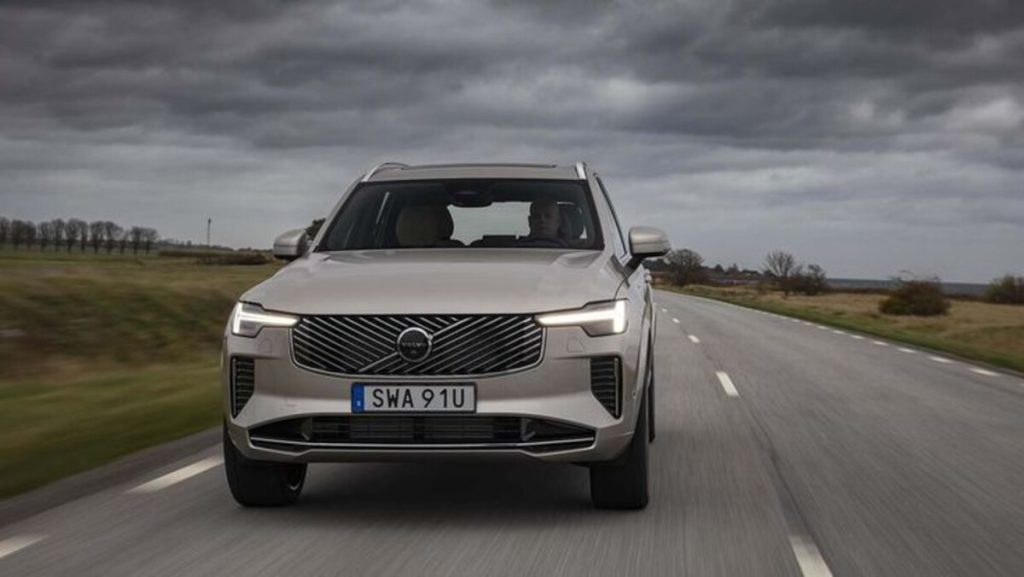
Safety features like side-impact protection, reinforced A-pillars, and airbags ensure that even when collisions are significant, structural damage does not compromise the vehicle’s operational heart.
The XC90 demonstrates that crash survival is not just about preventing injuries but also about maintaining mechanical integrity.
For anyone looking for a combination of comfort, safety, and resilience, the Volvo XC90 shows that a well-engineered SUV can recover from accidents and continue serving its owners reliably.
5. Subaru Outback
The Subaru Outback is widely recognized for its practicality and reliability, and its track record of surviving accidents reinforces this reputation.
Built with a reinforced unibody and Subaru’s symmetrical all-wheel-drive system, the Outback maintains stability and operational capability even after collisions that might disable lesser vehicles.
Its rigid chassis absorbs impact energy, protecting the engine, transmission, and key driveline components from catastrophic damage.
The Outback’s suspension contributes significantly to its crash resilience. With independent front and rear suspension and durable control arms, the vehicle can absorb shocks and impacts without compromising drivability.
Rollovers, frontal collisions, and side impacts have all been survived by Outbacks with minimal effect on their core systems. Stories abound of these vehicles being driven home after accidents that left doors dented, bumpers crushed, or body panels bent.
One advantage of the Outback is the simplicity and reliability of its mechanical systems. The boxer engine design provides a low center of gravity, helping maintain stability during collisions, while the flat layout reduces the likelihood of engine displacement during severe impacts.
Older models with minimal electronics are particularly robust, as fewer sensitive components are at risk during accidents.
Repairability and part availability also support the Outback’s post-accident survival. Even after significant structural or cosmetic damage, mechanics can restore functionality efficiently, often leaving the engine, transmission, and drivetrain fully operational.
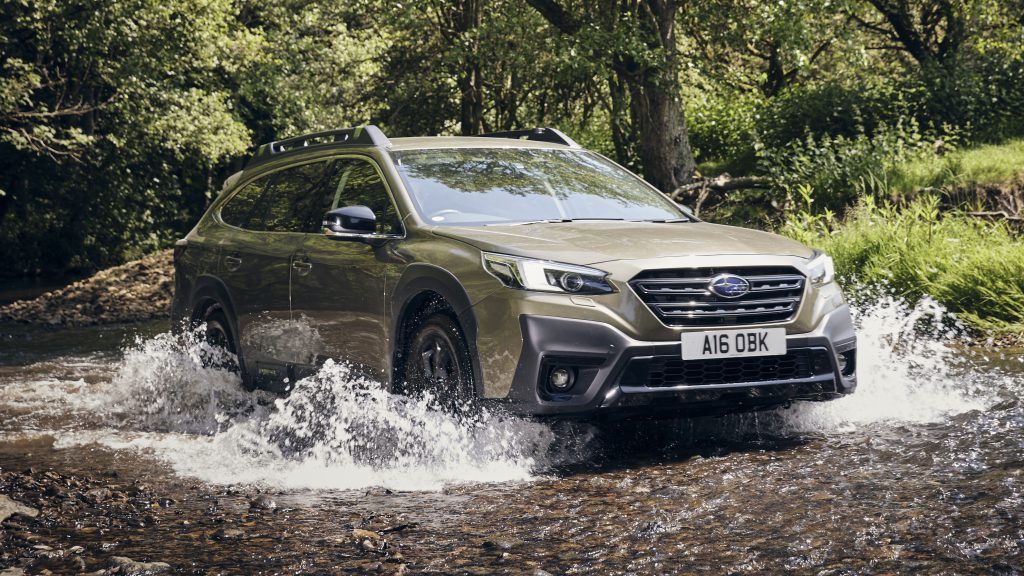
This combination of strong engineering, stable chassis, and ease of repair ensures that the Outback continues to serve owners reliably after incidents that might end other vehicles’ road life.
The Subaru Outback demonstrates that resilience is not limited to trucks or SUVs built for extreme conditions.
Its design balances daily practicality with durability, making it one of the most dependable vehicles when it comes to surviving accidents and continuing to operate effectively.
6. Honda CR-V
The Honda CR-V has long been praised for its reliability, and part of that reputation comes from its ability to survive accidents and continue running.
Its unibody construction is designed to absorb energy during collisions, protecting critical systems such as the engine, transmission, and drivetrain.
Even in moderate to severe impacts, the CR-V’s structural integrity often remains intact, allowing it to be driven after repairs.
One key factor in the CR-V’s resilience is its suspension and chassis design. With MacPherson strut front suspension and a robust rear setup, the vehicle distributes impact forces effectively, preventing localized damage from disabling core components.
Older CR-V models with fewer electronic systems tend to be even more durable, as there are fewer sensitive components at risk during a crash. Many owners have reported vehicles surviving side collisions, minor rollovers, or frontal impacts with minimal effect on drivability.
The CR-V’s repairability is another reason it can continue to run after accidents. Replacement parts are widely available, and many minor or moderate repairs can be performed without affecting the engine or transmission.
Damage to body panels, bumpers, or suspension components can often be corrected, restoring both function and appearance.
This combination of accessible repairs and robust engineering ensures the CR-V remains operational after incidents that might immobilize other compact SUVs.
Honda’s engineering philosophy emphasizes durability and simplicity, which helps the CR-V recover from accidents. The engine bay layout and drivetrain positioning protect vital systems, while crumple zones absorb the brunt of impact energy.
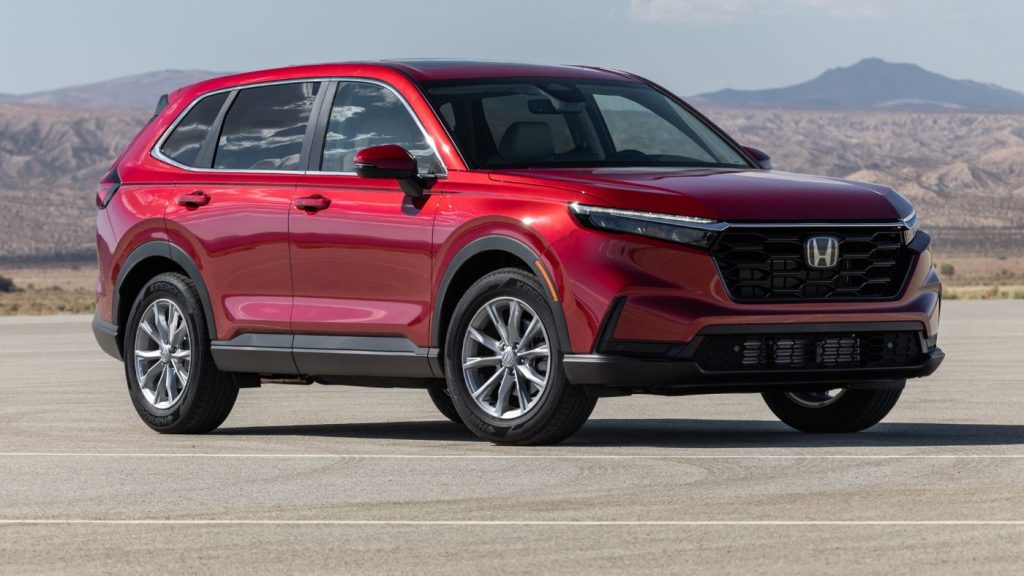
These design choices have contributed to numerous documented cases where CR-Vs have survived collisions and remained drivable. Its low center of gravity also helps prevent severe rollovers, increasing the likelihood that the vehicle can be safely driven home after a crash.
Overall, the Honda CR-V demonstrates that a compact SUV can combine comfort, utility, and resilience.
Its ability to survive accidents and continue operating is a testament to thoughtful engineering, practical repairability, and reliable mechanical systems. For those seeking a vehicle that balances safety and durability, the CR-V proves to be a dependable choice.
7. Chevrolet Silverado 1500
The Chevrolet Silverado 1500 is a full-size pickup renowned for its strength and reliability, and its ability to survive accidents reflects this reputation.
With a high-strength steel frame and reinforced cab construction, the Silverado can endure impacts that would disable smaller trucks or vehicles.
Its body-on-frame design ensures that the engine, transmission, and essential systems are well-protected, even when the exterior sustains significant damage.
The Silverado’s suspension and chassis play a major role in crash resilience. Heavy-duty components, long-travel suspension, and solid axles absorb impact energy effectively, reducing the likelihood of catastrophic mechanical failure.
Many Silverados have been involved in rollovers, collisions with barriers, and even multi-vehicle accidents, yet continue to operate with minimal repairs.
Older models, with simpler electronics, often perform particularly well under crash conditions due to fewer vulnerable components.
Repairability contributes significantly to the Silverado’s ability to remain functional after accidents. Replacement parts for mechanical systems are widely available, and body or suspension damage can often be addressed without affecting core functionality.
Owners report trucks being driven home after collisions that damaged the bed, bumper, or doors, demonstrating the durability of the platform.
Chevrolet’s engineering emphasizes practical strength and reliability, which allows the Silverado to survive accidents that might seem severe.
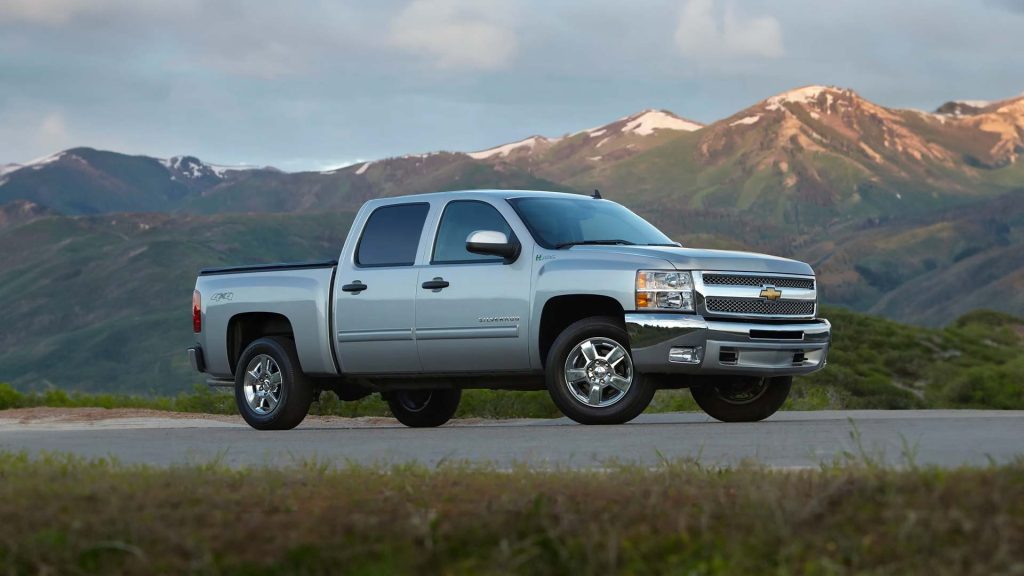
Reinforced frames, well-protected fuel and brake lines, and robust drivetrain components all contribute to the vehicle’s operational resilience. The Silverado is not just a workhorse in construction and towing; it is also a survivor when accidents occur.
For anyone in need of a full-size truck that can endure collisions and continue performing reliably, the Chevrolet Silverado 1500 remains a strong choice.
Its combination of structural integrity, durable components, and repairability ensures that it can continue to serve owners even after significant impacts.
8. Mercedes-Benz G-Class
The Mercedes-Benz G-Class, often called the G-Wagon, is known for its military-grade durability and ability to survive accidents while remaining operational.
Its ladder-frame chassis and reinforced body panels provide remarkable strength, allowing it to absorb impacts without compromising critical systems.
The engine, transmission, and four-wheel-drive system are often left intact even after collisions that cause extensive cosmetic damage.
The G-Class’s suspension contributes to its crash resilience. With solid axles front and rear and heavy-duty coil springs, the SUV can absorb shocks from rollovers or high-speed impacts, preserving drivability.
Stories of G-Wagons surviving rollovers, collisions with barriers, or even accidents during off-road adventures are common, with the vehicles often being driven afterward without major mechanical issues.
Repairability enhances the G-Class’s resilience. Replacement panels, suspension components, and drivetrain parts are available and can be installed without compromising the engine or transmission.
The robust design ensures that minor to moderate collisions do not prevent the vehicle from being operational. Even older models maintain this capability due to their mechanical simplicity and durable construction.

Mercedes-Benz designed the G-Class to endure extreme conditions, both on and off-road. The reinforced passenger cabin, crumple zones, and engine protection measures ensure that the vehicle remains functional after accidents.
Owners value the G-Class not only for its luxury and off-road capability but also for its ability to survive impacts that would disable other SUVs.
The G-Class demonstrates that a luxury vehicle can combine comfort, performance, and resilience. Its ability to survive crashes while continuing to run makes it an exceptional example of engineering designed for durability.
9. Toyota Hilux
The Toyota Hilux has a reputation for being virtually indestructible, and its ability to survive serious accidents is a key part of that legacy.
The Hilux’s body-on-frame construction provides exceptional strength, protecting critical systems such as the engine and drivetrain during collisions.
Its reinforced frame and heavy-duty suspension absorb impact forces, ensuring that the vehicle remains operational even after severe incidents.
The Hilux’s suspension system is particularly resilient. With robust axles, coil springs, and shock absorbers, the truck can survive rollovers, frontal collisions, and side impacts.
Stories of Hilux pickups being involved in accidents, including rollovers and collisions with stationary objects, yet being driven home afterward, are widespread. The simplicity of older models further enhances crash survival, as fewer electronics are at risk during collisions.
Repairability is another reason the Hilux continues to operate after accidents. Replacement parts are widely available, and many repairs, including frame straightening, suspension replacement, and body panel restoration, can be performed without affecting core systems.
Owners have documented Hilux trucks continuing to work in daily operations despite visible external damage.
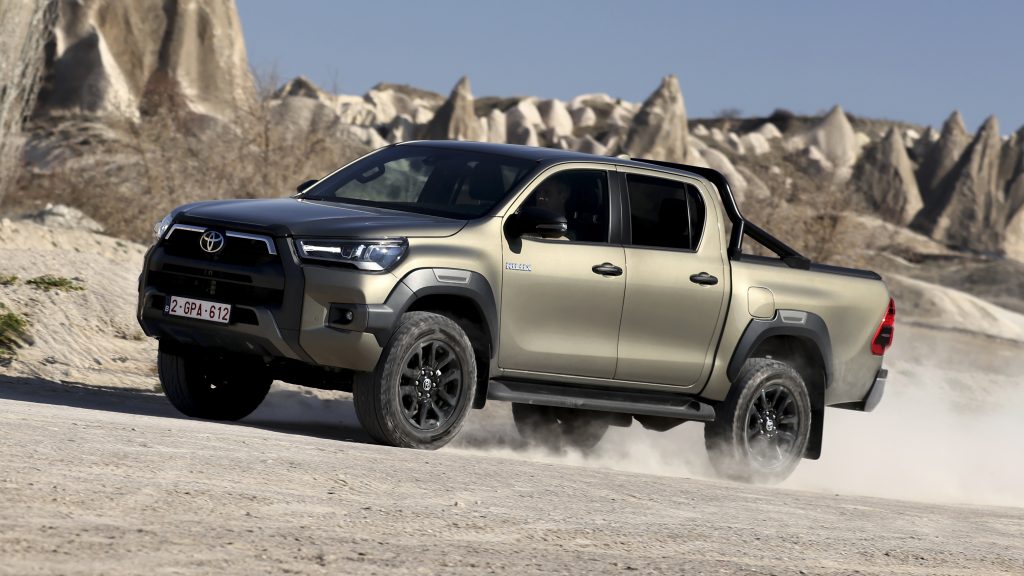
Toyota’s design philosophy emphasizes durability, and the Hilux reflects this. Reinforced cabins, well-protected fuel and brake lines, and robust drivetrains all contribute to the vehicle’s resilience.
Its ability to survive harsh accidents while remaining functional makes the Hilux a favorite in regions with challenging terrain or where reliability is essential.
For anyone seeking a pickup capable of enduring accidents and continuing to serve reliably, the Toyota Hilux demonstrates that strong engineering and practical repairability can allow a vehicle to survive impacts that would end most others.
10. Land Rover Defender
The Land Rover Defender is an iconic off-road vehicle known for its toughness and durability. Its ladder-frame construction and reinforced bodywork provide excellent protection during collisions, helping preserve the engine, transmission, and four-wheel-drive system.
Even after severe impacts, many Defenders continue to operate, demonstrating the strength of their engineering.
The suspension of the Defender also contributes to its crash survival. With solid axles and robust coil springs, the vehicle can absorb shocks from rollovers, frontal collisions, or side impacts.
Numerous accounts exist of Defenders surviving off-road accidents, such as rolling down hills or colliding with obstacles, and remaining drivable afterward. Older models, with minimal electronic components, are particularly resilient, as fewer systems are at risk of failure during an accident.
Repairability enhances the Defender’s operational longevity. Replacement body panels, suspension components, and drivetrain parts are widely available and can often be installed without compromising engine or transmission function.
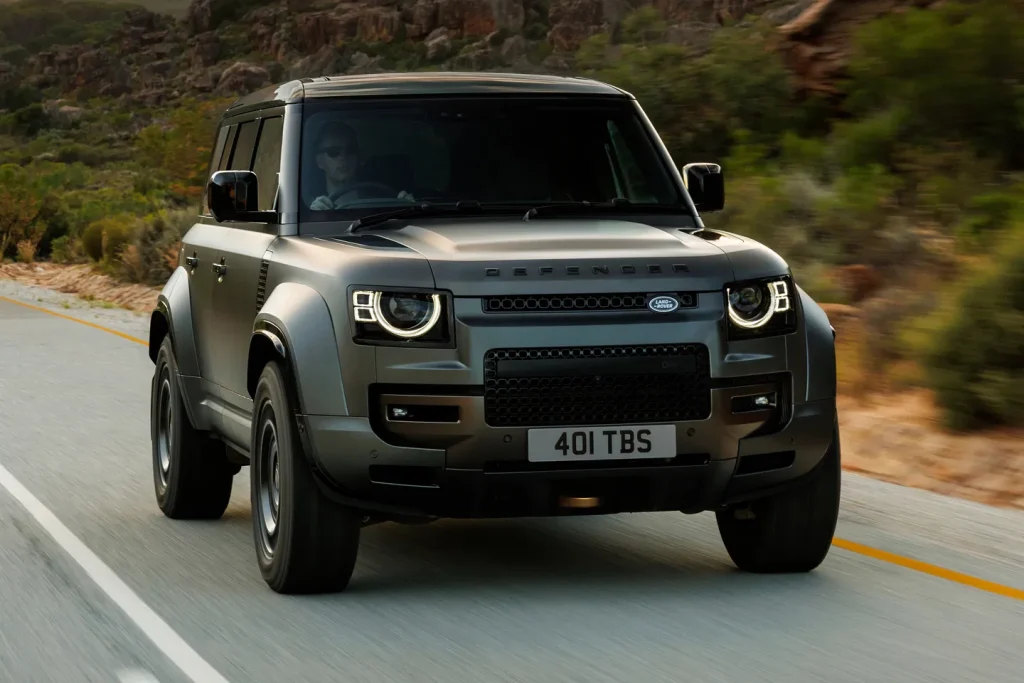
The practical and modular design allows owners and mechanics to restore vehicles to working condition even after serious incidents.
Land Rover designed the Defender for extreme off-road conditions, which indirectly contributes to its crash survival. The reinforced cabin protects vital components, while crumple zones and chassis strength help maintain drivability after accidents.
Its ability to endure collisions while continuing to function highlights the balance of rugged engineering and practical repairability that defines the Defender.
The Land Rover Defender’s legacy as a crash-resistant, reliable off-road vehicle demonstrates that careful design, robust construction, and maintainable systems can allow a vehicle to survive accidents that might disable others. Its ongoing operation after collisions is a testament to its durability and engineering excellence.
Also Read: 10 Best SUVs That Still Get Top Dollar at Auction
