
Modern cars rely heavily on electronics, from touchscreen controls to advanced driver assistance features. While these systems promise convenience and safety, they can also become weak spots as vehicles age.
Owners often report issues such as glitchy infotainment systems, failing sensors, or malfunctioning electronic modules long before the core mechanical components show signs of wear.
This has created an interesting divide between the dependability of hardware like engines, transmissions, and suspensions, compared to the vulnerability of the electronics that now dominate dashboards.
Yet some vehicles manage to maintain strong reputations for longevity, even when electronic quirks crop up. These models show that mechanical durability still matters most when measuring how long a vehicle can stay on the road.
In many cases, owners simply live with minor tech frustrations, install aftermarket fixes, or disable features altogether, while continuing to benefit from engines and drivetrains that can run for hundreds of thousands of miles.
Vehicles that strike this balance often attract loyal followings. Some are praised for having bulletproof engines, while others are celebrated for transmissions that outlast the cars themselves.
Even when radios cut out, warning lights flash unnecessarily, or digital clusters lose pixels, these vehicles remain reliable daily drivers. This demonstrates that long-term value does not always depend on perfect electronics but rather on a solid foundation of engineering.
The following list highlights eight vehicles known for lasting well beyond their electronic troubles. Each has earned a reputation for toughness, often becoming a staple choice for people who value reliability over high-tech perfection.
By examining these models, it becomes clear that while technology may age quickly, mechanical dependability is what truly defines the lifespan of a vehicle.
Also Read: 10 Classic Pickups That Refuse to Die Offering Unmatched Endurance
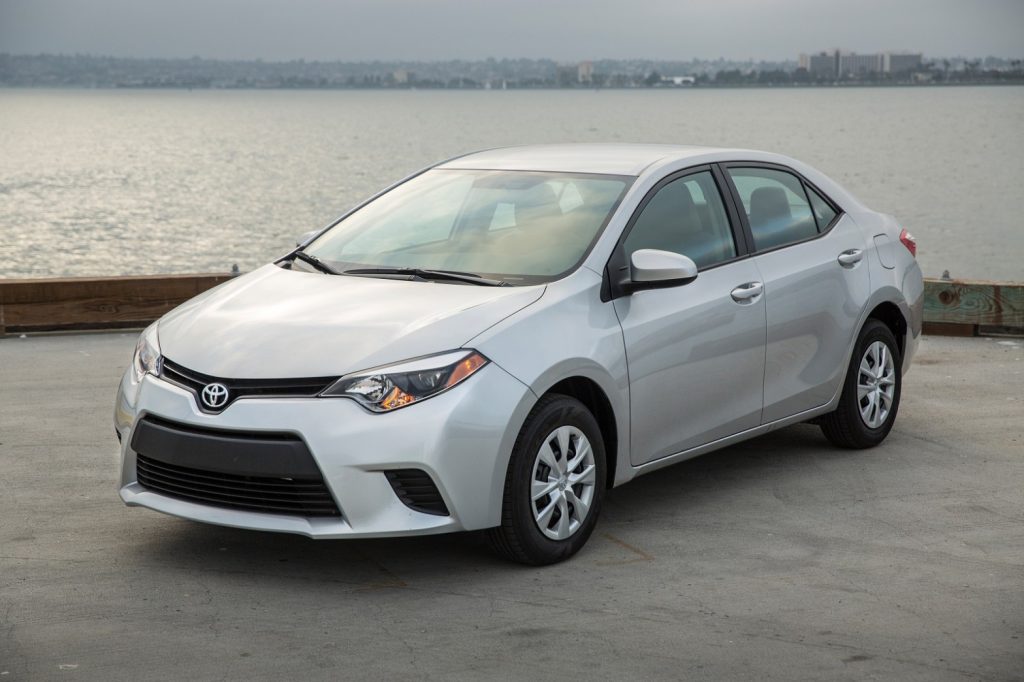
1. Toyota Corolla
The Toyota Corolla has been one of the most widely trusted cars for decades, and its reputation is built on mechanical consistency rather than electronics. Owners frequently share stories of their Corollas crossing 250,000 or even 300,000 miles with only basic maintenance.
While electronic components such as power window switches, radio units, and dashboard lights occasionally develop issues, the underlying structure of the car remains strong. This makes the Corolla an excellent example of a vehicle that can outlast its electronic frustrations.
One of the biggest strengths of the Corolla is its engine lineup, particularly the four-cylinder options. These engines are known for being simple, fuel efficient, and resistant to major breakdowns.
Combined with transmissions that are engineered for long-term use, the car has a mechanical backbone that often remains reliable long after newer, more tech-heavy vehicles are off the road.
Even when infotainment screens freeze or a sensor light stays on unnecessarily, the Corolla continues to deliver dependable transportation.
Another factor behind its durability is Toyota’s focus on proven designs. Instead of rushing new technology into the Corolla, the company has historically taken a conservative approach, refining existing systems over time.
This means that while the electronics may not always feel cutting edge, the parts that matter most to keeping the car running are tried and tested. Drivers who prioritize longevity appreciate this approach because it results in fewer catastrophic failures.
Maintenance also plays a big role. Corollas are inexpensive to service, and parts are widely available. Even if an electronic control module fails, replacements are relatively affordable compared to luxury brands.
Mechanics are also very familiar with these cars, which helps keep repair costs predictable and ensures quick turnarounds.
The Corolla’s global popularity has also created a culture of resourcefulness among owners. Online communities share advice on bypassing faulty electronics or finding aftermarket solutions that keep the car functional.
For many people, a flickering screen or an unresponsive button is a minor inconvenience compared to the reassurance that the engine will start every morning.
Overall, the Toyota Corolla proves that durability is not about flawless electronics but about core reliability.
Even when some features stop working perfectly, the car’s strong mechanical design ensures it remains useful for years, making it a standout choice for drivers who value longevity over perfect technology.
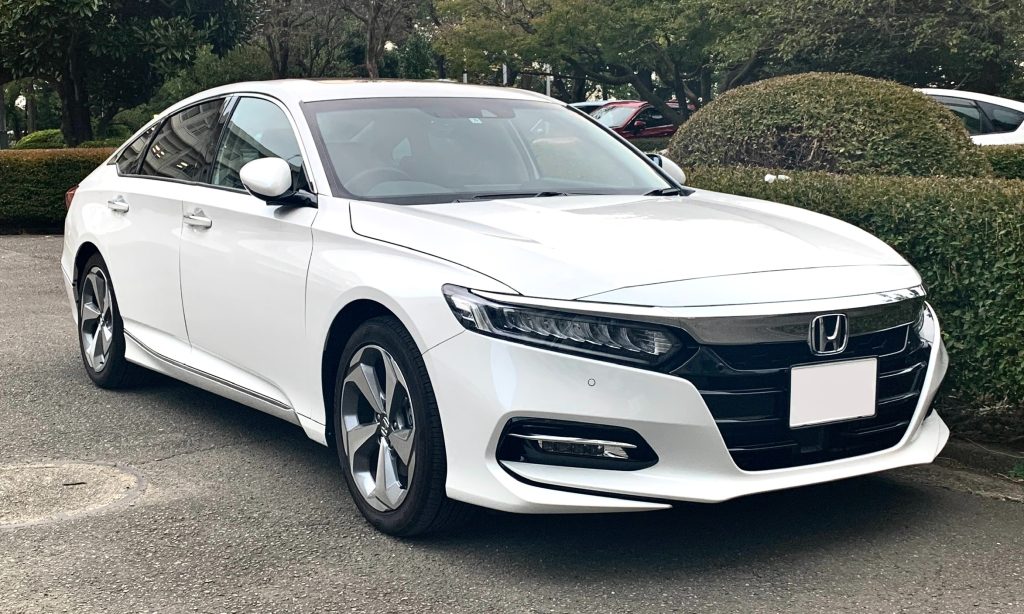
2. Honda Accord
The Honda Accord has consistently ranked among the longest-lasting midsize sedans, often outliving the electronic glitches that show up with age.
Known for a strong balance between performance and economy, the Accord is also admired for its ability to reach 200,000 miles or more with proper care.
Electronic troubles are not uncommon, with issues such as power lock malfunctions, failing window regulators, or audio system breakdowns being noted by long-term owners. Yet these setbacks rarely impact the car’s mechanical dependability, which remains its greatest strength.
Engines offered in the Accord, from the dependable four-cylinders to the smooth V6s in earlier generations, are built to handle years of regular use.
Honda transmissions have also improved significantly, particularly in later models where engineering refinements resolved earlier weaknesses.
When electronics create minor frustrations, such as a faulty navigation unit or climate control inconsistencies, drivers can usually repair or bypass them without facing crippling costs.
Another reason for the Accord’s resilience is its balanced design. Honda engineers emphasize practicality and function over gimmicks.
This means the core elements of the car are straightforward and easier to maintain compared to vehicles overloaded with complex, failure-prone electronics. The Accord also benefits from excellent parts availability, allowing affordable long-term ownership.
Owners often report that their Accords continue to feel tight and composed even as electronic quirks emerge. This makes the sedan particularly attractive to people who want a car that keeps its value through reliable operation rather than flashy features.
The Accord demonstrates that even with a few frustrating tech hiccups, mechanical trustworthiness will always be more important for lasting use.
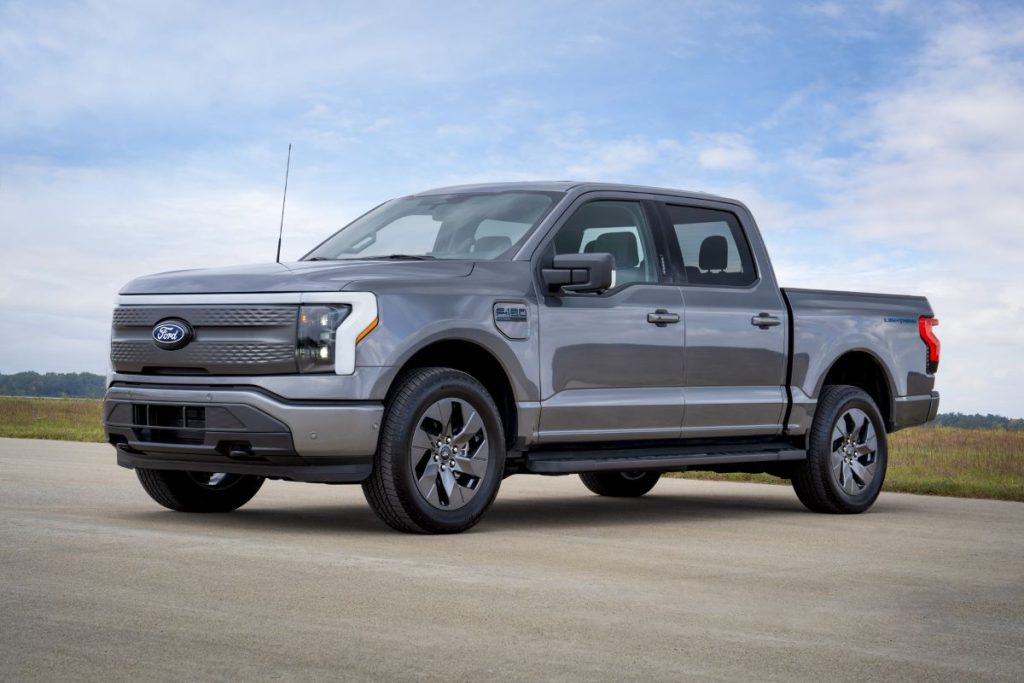
3. Ford F-150
As America’s best-selling truck, the Ford F-150 has earned a reputation for toughness that overshadows its electronic setbacks. Trucks are often expected to last through hard labor, and the F-150 fulfills that role.
Electronic concerns are fairly common, with owners pointing out problems in areas such as digital dashboards, infotainment touchscreens, or faulty sensors tied to towing features. Despite this, the F-150 continues to run reliably because of the strength of its engines, frames, and drivetrains.
The F-150 offers a wide variety of engines, from efficient EcoBoost V6 options to dependable V8s. Many of these engines are capable of surpassing 200,000 miles, provided they receive regular maintenance.
Transmission durability has also been a strong point in most generations, supporting the truck’s ability to stay on the road long after other vehicles are retired.
Trucks are designed to work, and the F-150 excels at this by prioritizing mechanical durability. While its electronics may struggle with time, owners value its capacity to haul, tow, and endure long-term use.
Replacement parts are plentiful, and repair networks are widespread, ensuring that both mechanical and electronic fixes remain manageable.
Ultimately, the F-150 illustrates that drivers are often willing to tolerate unreliable electronics if the essential working parts of the truck remain solid.
Its long service life and ability to keep running under pressure prove that true longevity is rooted in dependable engineering rather than perfect technology.
4. Toyota Tacoma
The Toyota Tacoma is another vehicle that often outlasts its electronic issues. Favored by drivers who need a rugged midsize truck, the Tacoma is consistently ranked among the longest-lasting pickups on the market.
Electronics, such as backup cameras, infotainment systems, or warning lights, can sometimes act up as the years pass. Yet the Tacoma continues to run with remarkable dependability because its mechanical base is designed with simplicity and strength in mind.
One of the Tacoma’s biggest advantages is its sturdy V6 and four-cylinder engine lineup. These engines are not only fuel efficient but also built to withstand tough conditions.
The truck’s suspension and chassis are equally durable, making it a favorite for both work and recreation. Even if the electronics become troublesome, the Tacoma remains a dependable daily driver and an off-road companion.
Toyota’s conservative approach to truck design has also helped the Tacoma age gracefully. Unlike competitors that load trucks with cutting-edge tech features, Toyota focuses on gradual improvements to proven systems. This minimizes catastrophic failures while ensuring that the main mechanical components hold up for years.
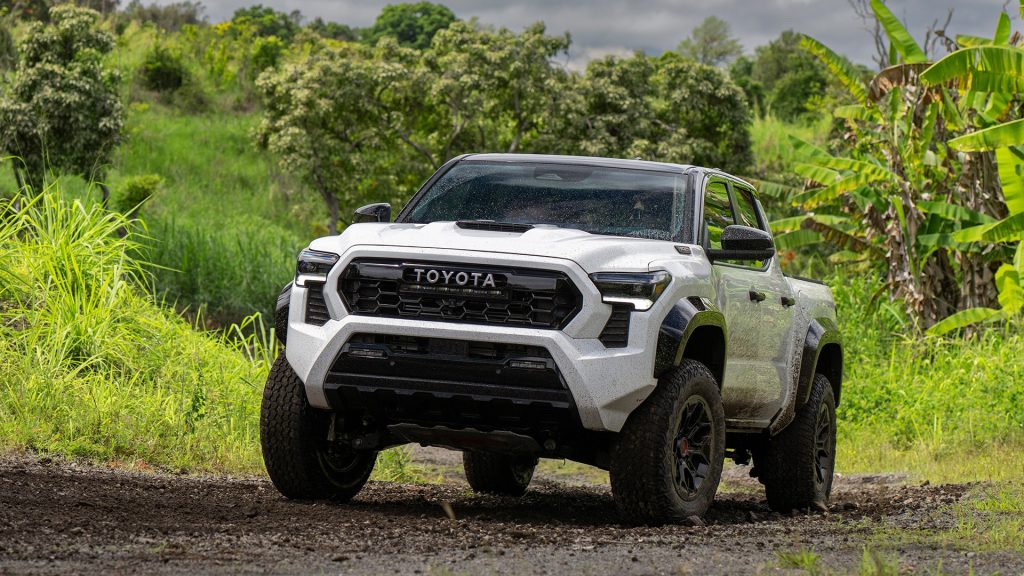
The Tacoma also benefits from a strong aftermarket support system. Owners often replace outdated or glitchy electronics with more reliable aftermarket solutions.
This adaptability makes the truck appealing for long-term use, as drivers can upgrade or bypass weak spots without sacrificing mechanical strength.
In the end, the Tacoma proves that durability comes from fundamentals. Even if the infotainment screen fails or sensors give false readings, the truck’s dependable engines and frames guarantee years of service, solidifying its place as one of the most reliable vehicles on the road.
5. Chevrolet Silverado 1500
The Chevrolet Silverado 1500 stands alongside the Ford F-150 as one of the most popular full-size trucks in North America.
Known for its capability and strength, the Silverado has built a reputation for mechanical longevity, even though its electronics often generate complaints from owners.
Problems can include failing digital clusters, glitchy entertainment systems, or faulty door lock actuators. Yet these frustrations rarely overshadow the fact that the Silverado can remain in service for hundreds of thousands of miles.
The Silverado’s engine options, particularly its V8s, are well regarded for their resilience. Many owners report exceeding 200,000 miles without major engine problems.
The transmissions, when maintained properly, are also known to last, supporting the truck’s long service life. Its body-on-frame design ensures durability, making it ideal for heavy use.
Electronics, while less reliable, can often be replaced or repaired without crippling the truck’s usefulness. Parts availability is widespread, and the popularity of the Silverado means mechanics are experienced in handling both mechanical and electronic repairs.
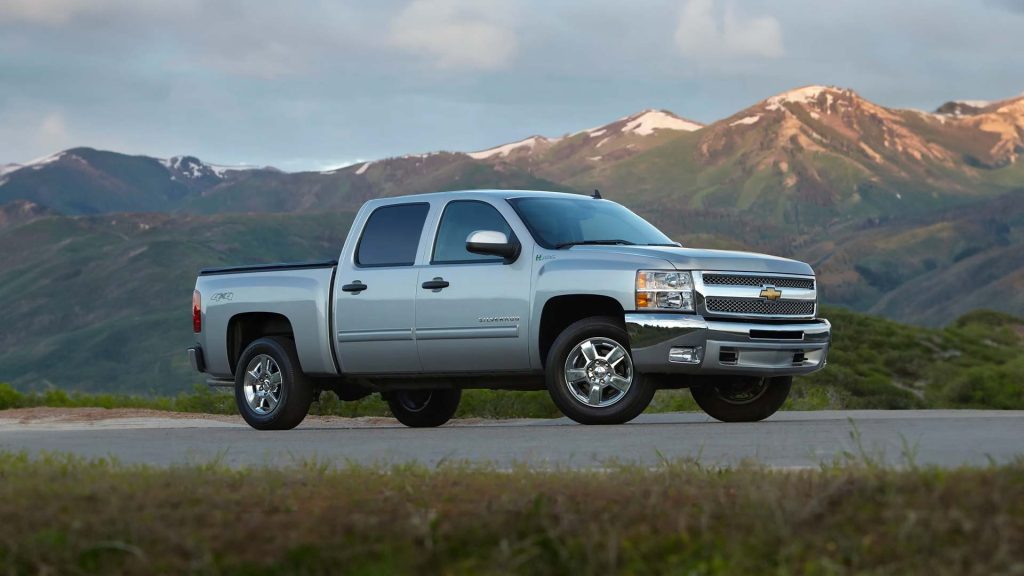
This helps reduce downtime and ensures the vehicle remains functional even after minor electronic failures.
The Silverado’s ability to remain dependable despite electronic flaws has made it a staple choice for work and family use.
Drivers appreciate that, regardless of what happens with touchscreens or warning systems, the truck can continue to start every day, haul loads, and manage long drives without hesitation. Its core strength lies in its solid engineering, which allows it to stand the test of time even when electronics falter.
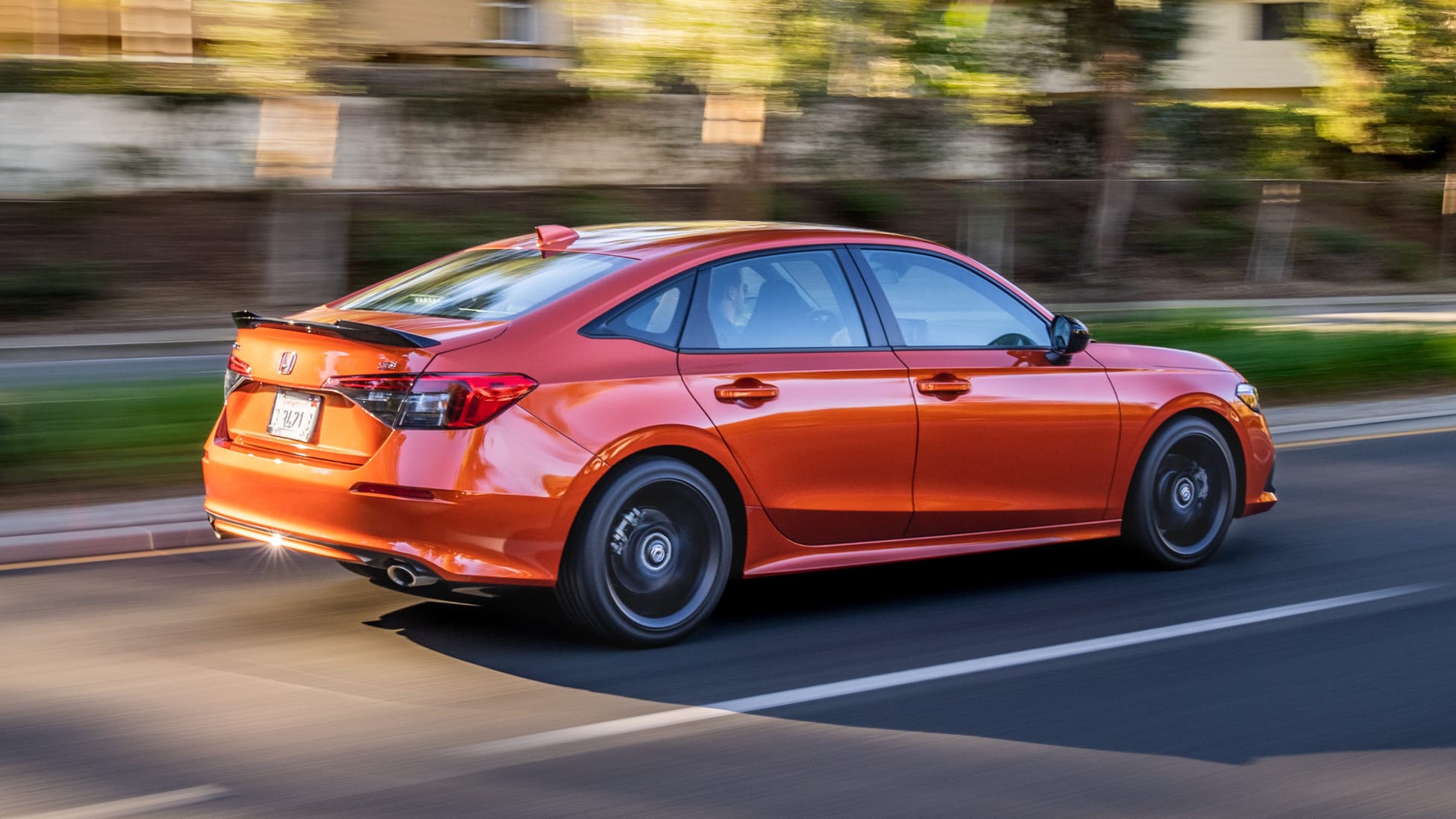
6. Honda Civic
The Honda Civic has built a reputation as one of the most dependable compact cars in history, with millions still on the road decades after their release.
Despite being prone to certain electronic glitches, such as malfunctioning window motors, faulty sensors, or audio system failures, the Civic continues to provide reliable performance long after these inconveniences appear.
Its ability to outlast such problems lies in its strong mechanical design and straightforward maintenance needs.
One of the biggest reasons behind the Civic’s staying power is its engine lineup. Honda’s four-cylinder engines are known for efficiency and durability, often lasting well over 200,000 miles.
These engines use designs that prioritize reliability over complexity, which makes them easier and more affordable to maintain compared to many competitors. Transmission performance has also been consistently reliable, especially in manual versions that can last for decades with minimal repairs.
The Civic’s design philosophy leans toward practicality rather than high-end technology. While newer models have adopted modern features such as infotainment screens and advanced driver aids, earlier generations kept electronics relatively simple.
This conservative approach has helped many Civics avoid crippling issues that could otherwise shorten their lifespan. Even when electronic frustrations do arise, they rarely affect the car’s ability to perform daily driving duties.
Another advantage of the Civic is its widespread availability of affordable replacement parts. Because so many Civics have been produced and sold worldwide, mechanics are highly familiar with their maintenance requirements.
Even electronic replacements are often inexpensive, ensuring that owners can quickly address issues without draining their budgets.
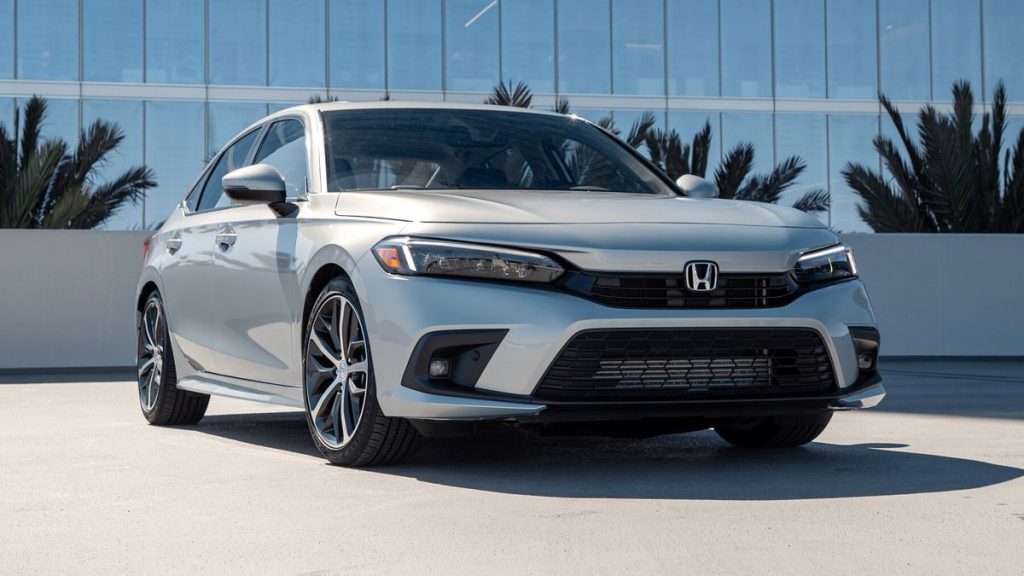
Civic owners often note that their vehicles maintain excellent fuel efficiency, strong handling, and dependable starting power even as electronic features age poorly.
For many drivers, a faulty radio or flickering warning light is a small price to pay for a vehicle that continues to deliver consistent performance.
The Civic has remained a favorite among budget-conscious buyers, young drivers, and long-term owners because it demonstrates that durability is about more than just flawless technology.
It shows that a simple, well-engineered car can outlast many of its electronic annoyances while still offering exceptional value on the road.
7. Jeep Grand Cherokee
The Jeep Grand Cherokee is a midsize SUV admired for its comfort, capability, and ruggedness, though it is also known for experiencing electronic issues over time.
Owners have reported problems with infotainment glitches, faulty window regulators, and electrical wiring concerns.
Despite these setbacks, the Grand Cherokee is often praised for its ability to last well beyond expectations when properly maintained, particularly in terms of its engines and drivetrain strength.
The vehicle has been offered with a range of engines, from durable six-cylinder options to powerful V8s.
Many of these engines are built to withstand heavy use, and when paired with Jeep’s strong four-wheel-drive systems, they create a platform capable of handling both daily commutes and challenging terrain.
The combination of mechanical durability and off-road capability allows the Grand Cherokee to remain in service for many years, even as electronic quirks become more noticeable.
The Grand Cherokee’s chassis and suspension design further contribute to its reputation for toughness.
Owners who use their vehicles for off-road trips, towing, or long highway drives often find that the SUV remains mechanically sound despite years of demanding use. Electronics may become unreliable, but the essential driving components typically remain trustworthy.
Support for the Grand Cherokee is also widespread, with mechanics and parts readily available. This ensures that even when electronic systems fail, repairs are manageable.

Many owners opt for aftermarket solutions to bypass problem-prone factory electronics, keeping the SUV functional without breaking the bank.
For many drivers, the Grand Cherokee represents the best of both worlds: a comfortable daily vehicle with rugged mechanical strength.
Its ability to continue performing even when plagued by electronic shortcomings demonstrates why it has remained a popular choice among SUV enthusiasts. The Grand Cherokee’s value lies in its core durability, which allows it to outlast the technology built into it.
8. Subaru Outback
The Subaru Outback has earned a loyal following as a versatile wagon and crossover, well suited for families and outdoor enthusiasts. Known for its standard all-wheel-drive system and strong safety reputation, the Outback also has its share of electronic weaknesses.
Owners frequently report problems with infotainment systems, faulty sensors, or dashboard warning lights that appear unnecessarily.
Yet despite these annoyances, the Outback consistently proves to be a long-lasting vehicle thanks to Subaru’s engineering focus on engines, drivetrains, and structural integrity.
One of the strongest points of the Outback is its reliable four-cylinder boxer engines, which are designed to deliver balanced performance and long service life. When properly maintained, these engines can reach high mileage without major problems.
Paired with Subaru’s symmetrical all-wheel drive, the Outback provides dependable traction and handling that stands the test of time, even when electronics become unreliable.
The vehicle’s suspension and chassis are built for durability, allowing it to handle both city driving and rugged conditions. This makes it particularly appealing to drivers who value adventure and practicality in one package.
Even if the touchscreen system freezes or a sensor malfunctions, the Outback continues to provide the essential reliability needed for everyday use.
Another strength is Subaru’s strong community of owners and independent shops. These resources make it easier to find affordable repairs and aftermarket solutions when electronics fail. Parts availability is also strong, which helps keep the Outback running without excessive costs.
The Outback is admired for balancing comfort, safety, and long-term reliability. While its electronic systems may occasionally fall short, the vehicle’s mechanical endurance ensures it continues to deliver dependable service for years. This makes it a standout example of a car that easily outlasts its electronic frustrations.
Vehicles today are equipped with more technology than ever before, and while electronics bring convenience, they are often the first parts to fail. Screens go dark, warning lights flash unnecessarily, and sensors lose accuracy.
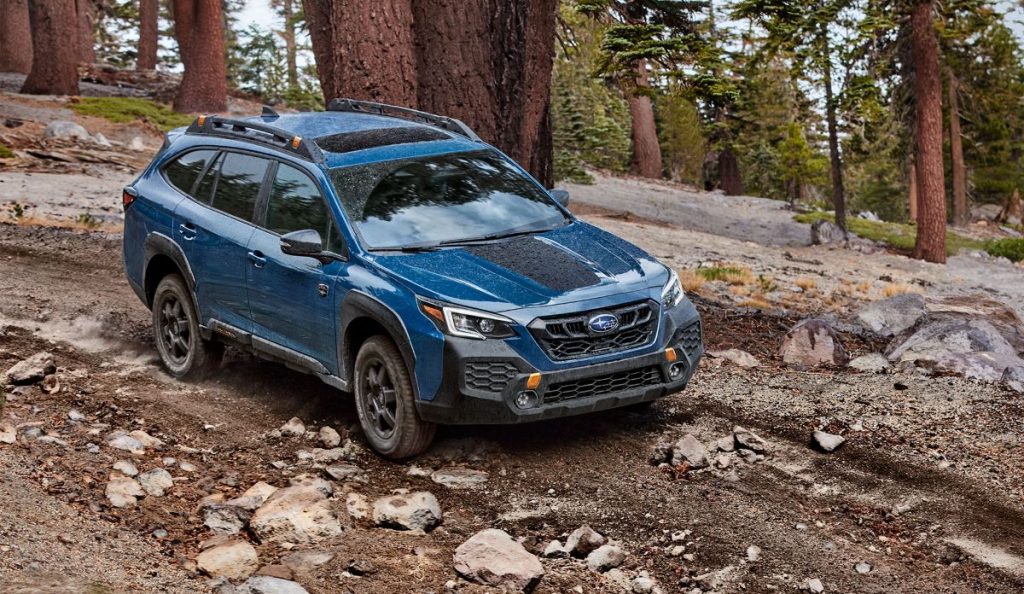
Yet the eight models highlighted here show that when it comes to long-term value, it is the mechanical heart of a vehicle that truly determines how long it will remain dependable.
The Toyota Corolla and Honda Civic illustrate this point perfectly. Both are compact cars with simple yet durable engines and transmissions that can outlast multiple electronic repairs.
Owners often live with faulty radios or window switches but keep driving confidently because the engines continue to deliver reliable power.
Similarly, the Honda Accord takes this same reputation to the midsize sedan segment, offering a balance of performance and efficiency that remains steady long after tech features begin to falter.
Trucks such as the Ford F-150, Chevrolet Silverado 1500, and Toyota Tacoma demonstrate the same principle on a larger scale.
These models are built to handle demanding workloads, and their rugged frames, long-lasting engines, and dependable drivetrains make them trusted workhorses.
Even when screens freeze, towing sensors fail, or clusters glitch, the trucks continue to provide value where it matters most.
The Jeep Grand Cherokee and Subaru Outback add another perspective, showing how SUVs that balance comfort with rugged capability can remain dependable despite electrical weaknesses.
Both vehicles have strong mechanical cores supported by capable engines and durable suspension systems. Their ability to stay useful for families, commuters, and outdoor adventurers alike highlights how endurance comes from engineering, not flawless electronics.
All eight vehicles stand as proof that reliability is measured by the strength of what lies under the hood and beneath the frame. Electronic problems can be frustrating, but they rarely prevent these models from delivering years of dependable use.
Owners who value mechanical trust over high-tech perfection find that these vehicles provide the right combination of longevity, practicality, and affordability.
Ultimately, while electronics may be the first to show their age, the foundation of a well-engineered vehicle ensures that it will continue running strong. These eight vehicles prove that true durability always outlasts digital glitches.
