
When discussions about cars come up in South America, the focus is rarely just on beauty or speed. For many families and communities across the continent, the cars that win respect are those that can withstand rough roads, serve for many years, and remain affordable to maintain.
Drivers in these places want vehicles that can move smoothly in crowded cities while also surviving rural roads without constant mechanical stress. That is why strength, dependability, and low running costs often carry more weight than luxury finishes or high-end gadgets.
Over the decades, some vehicles have managed to remain deeply respected because of their record on durability. Even when fresh brands and new models arrive in the market, these cars continue to maintain their place.
They may not shine with flashy designs, but their rugged build and straightforward engineering make them everyday workhorses for people who value transportation that does not give unnecessary trouble.
The car culture in South America is shaped by many factors, such as long distances, challenging road networks, and different climates across the continent. Whether it is the busy traffic of São Paulo or the smaller towns scattered across Argentina, drivers look for cars that do not give up easily.
A machine that can cope with heat, heavy rain, dusty roads, and sometimes poor fuel quality quickly earns respect in these regions. The vehicles highlighted here have earned that place, showing strength for decades and proving they are still a wise choice for anyone who values longevity.
Our page today features twelve cars that continue to command loyalty across South America due to their exceptional longevity. Each one carries its own story of reliability, its place in the daily life of ordinary people, and the reason it continues to be chosen even when new alternatives arrive.
These cars are more than means of transportation; they mirror the resilience and practical mindset of a region where vehicles must prove themselves year after year.
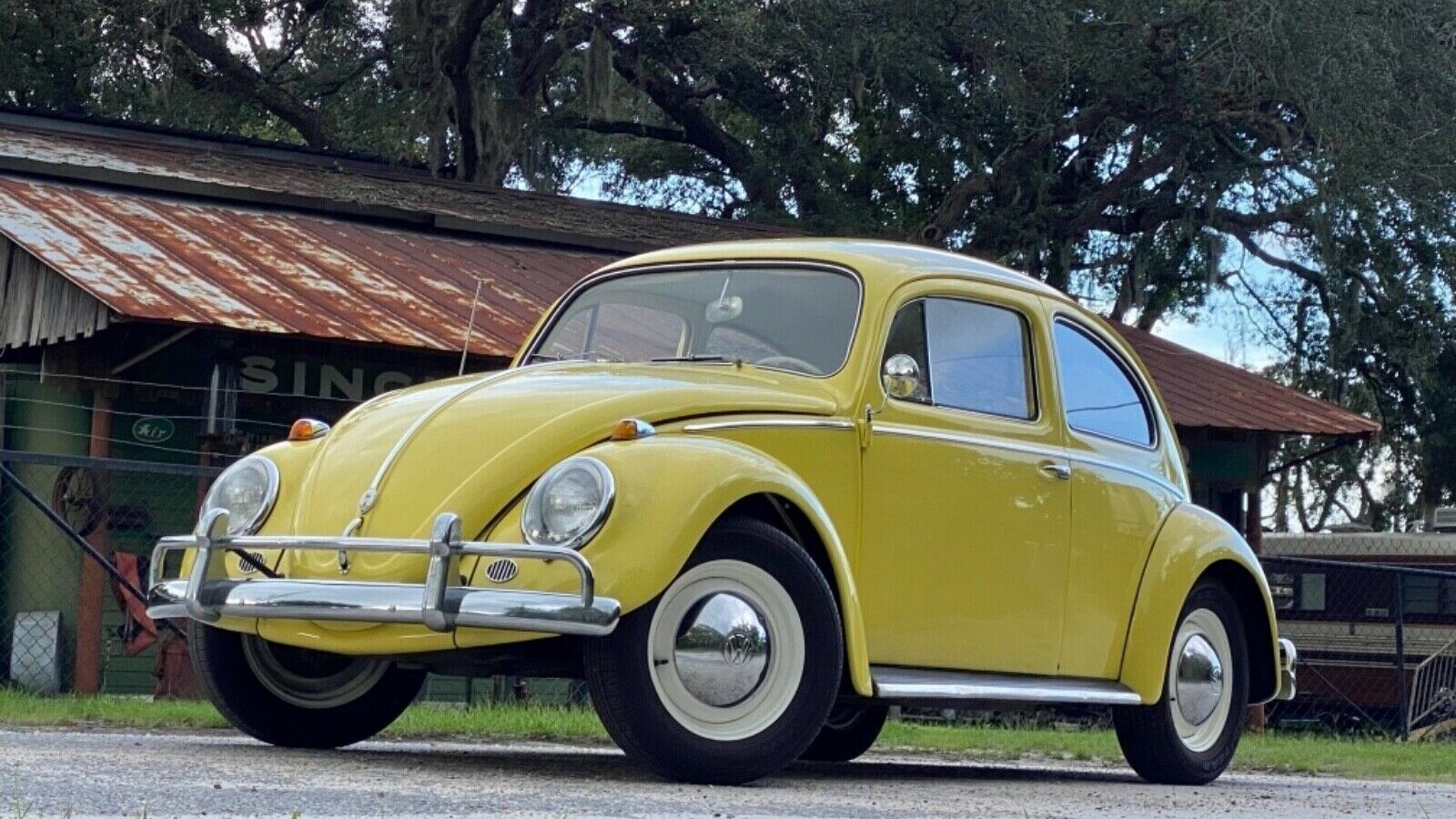
1. Volkswagen Beetle
The Volkswagen Beetle has a long history in South America, and even today, people still respect it for its strength and simple design. This small car was first introduced many decades ago, and it quickly became common in countries like Brazil and Mexico before spreading widely across the continent.
One reason for its long life on the roads is the simplicity of its engine. Many drivers can repair it themselves without waiting for advanced tools or expensive parts. This makes it especially valuable in areas where modern service centers are not easy to find.
Another thing that helps the Beetle stay popular is its ability to handle different road conditions. It may look small, but the car has a sturdy structure that does not fail easily. Whether on dusty rural paths or crowded city streets, the Beetle continues to perform without major issues. Its size also makes it easy to park in busy areas, which is useful for drivers in large cities.
Beyond its durability, the Beetle has cultural importance in South America. For many families, it was the first car they owned. Because it has served generations, it carries emotional value that makes people hold on to it longer than usual.
Even younger drivers still find it appealing because of its design and the stories tied to it. In Brazil, especially, it became so widely used that it was almost part of the country’s identity for many years. The fuel economy of the Beetle also contributes to its reputation.
While fuel prices change often, this car remains affordable to drive because it does not consume much. Combined with cheap maintenance, it makes financial sense for people who want a dependable vehicle that will not strain their budget.
These qualities explain why, even though new cars are everywhere today, the Volkswagen Beetle continues to be admired as one of the most reliable, long-lasting cars in South America.
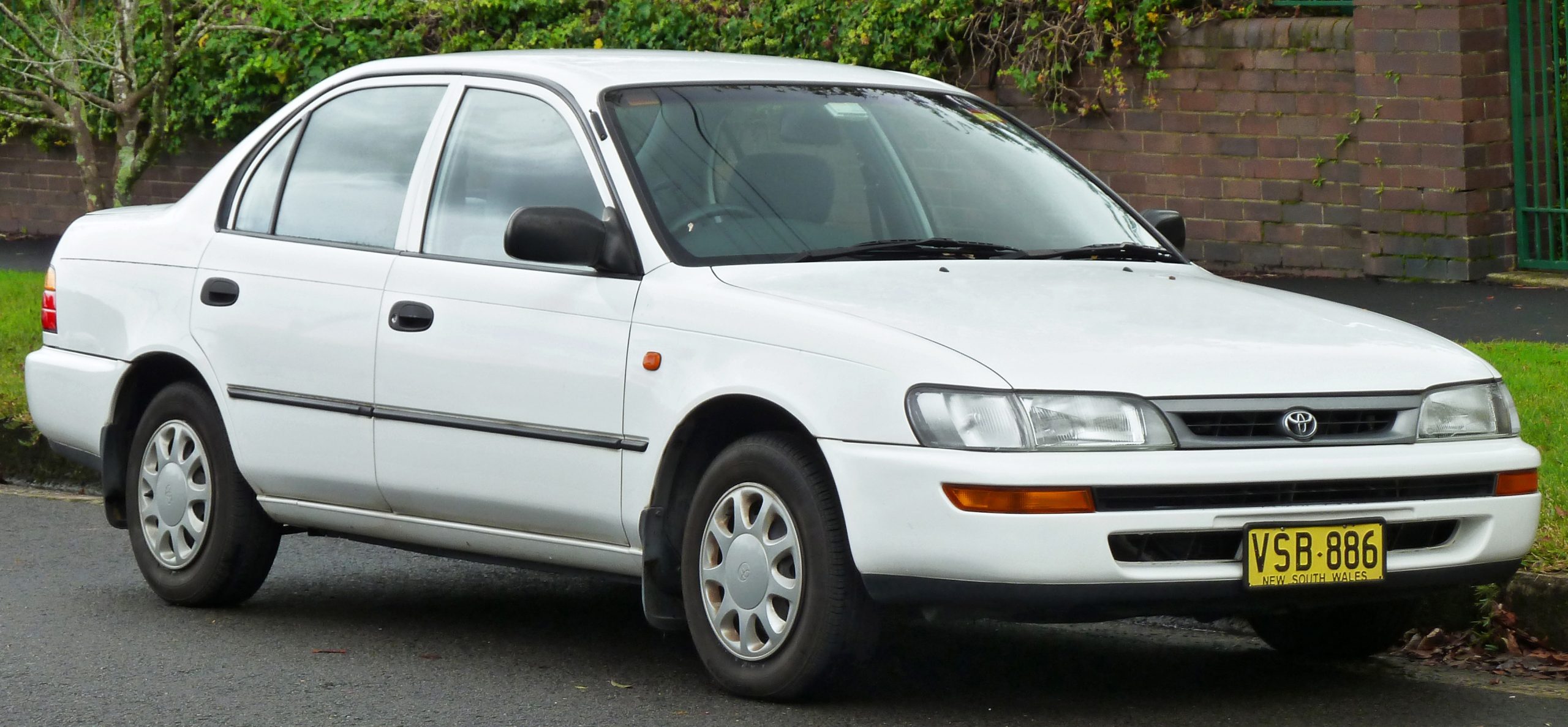
2. Toyota Corolla
The Toyota Corolla is one of the most respected vehicles on South American roads, known for its ability to last many years with proper care. Since its introduction, it has remained a common choice because of its reliability and balanced performance. For many drivers, the Corolla is not just a car but a trusted partner for everyday needs. Its consistent engineering makes it one of the easiest vehicles to own and maintain.
A major factor that keeps the Corolla in demand is its engine quality. Toyota is known for building engines that can run for hundreds of thousands of miles without serious problems. Many owners report driving their Corolla for over ten years with only basic servicing like oil changes and brake replacements. In countries where people want to invest in cars that can serve them for a long time, this is a major advantage.
Comfort is another reason why the Corolla is loved. While it may not be as luxurious as some other brands, it provides a smooth ride and enough space for families. This makes it useful for both city commuting and longer trips across the countryside.
Its design is also practical, with a focus on function rather than unnecessary extras. Drivers who value stability and safety find the Corolla a dependable option. Maintenance of the Corolla is relatively easy because parts are widely available across South America. Local mechanics are also familiar with the car, which reduces the cost of repairs.
Many people trust the Corolla because it rarely surprises owners with sudden, expensive problems. The steady resale value it holds is another reason people buy it with confidence, knowing that if they ever decide to sell, they will still get reasonable value.
The Corolla is not just about efficiency and practicality. It has become part of South American culture, showing up in taxi fleets, family driveways, and even government use. Its reputation continues to grow because it consistently delivers what people expect from it. That long-standing dependability explains why this car still commands respect as one of the longest-lasting vehicles in the region.
Also Read: 12 Classic Cars Known for Bulletproof Drivetrains
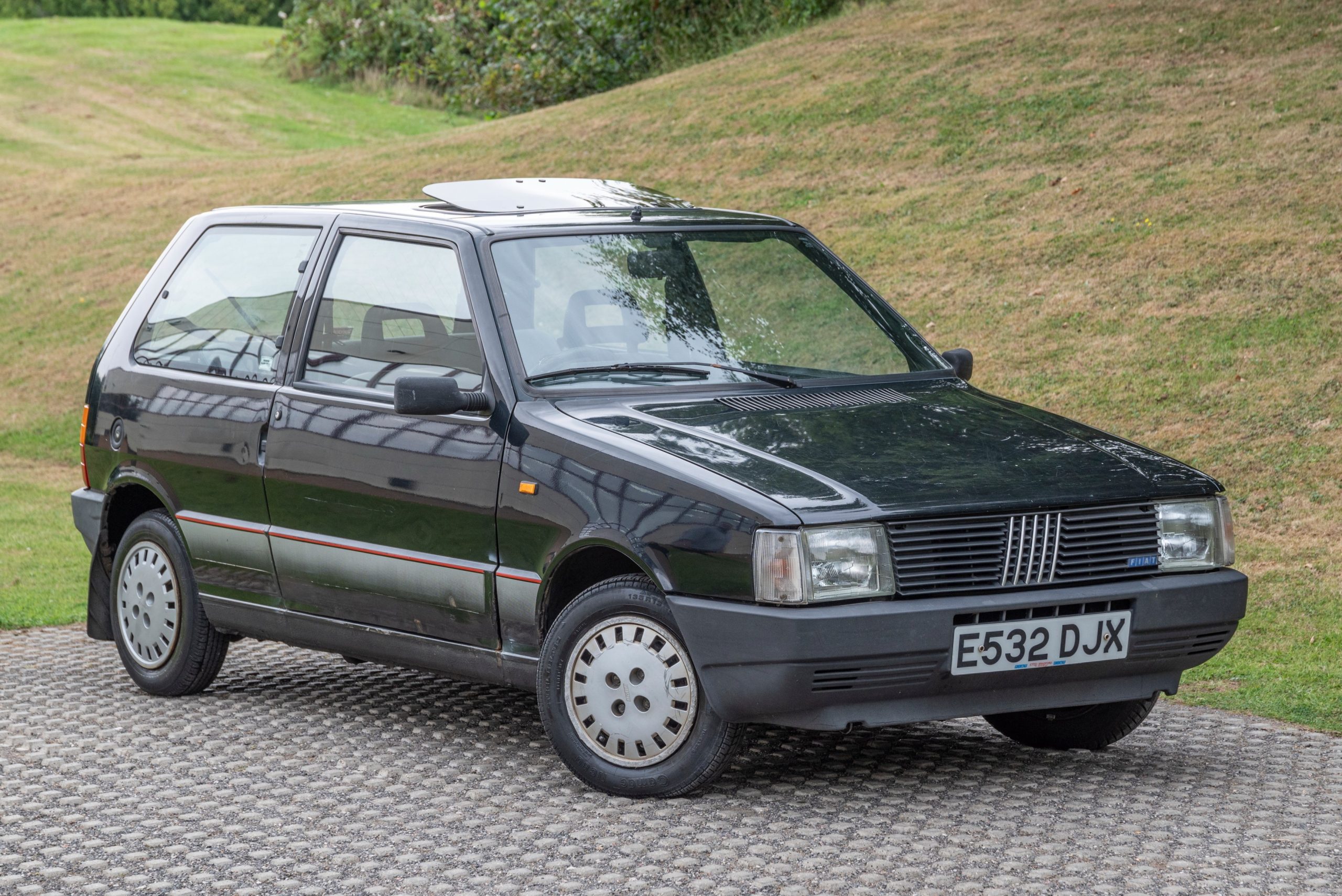
3. Fiat Uno
The Fiat Uno holds a special place in South America because it combines simplicity, affordability, and endurance. First introduced in the 1980s, the Uno became a popular option for families, young professionals, and small businesses.
The compact design makes it easy to move around crowded cities, but what truly makes it stand out is its ability to handle years of daily use without constant breakdowns. One of the strengths of the Uno is its efficient engine. Drivers appreciate how it uses fuel wisely, which is important in countries where fuel prices often rise and fall unpredictably.
For working-class families or small business owners, the ability to cover long distances without heavy spending on fuel makes it attractive. Its lightweight build also helps with fuel efficiency, while still being tough enough to survive rougher roads.
The Uno is known for being easy to repair. Mechanics across South America are familiar with the vehicle, and spare parts are usually affordable and widely available. This is a major reason why it continues to be chosen, even when more modern models are present.
People trust that they will not face difficulties finding parts or paying extremely high repair costs. For many households, this peace of mind matters more than having luxury features. Comfort may be basic, but the Fiat Uno offers practicality that suits everyday needs. It has enough room for small families and can even carry goods for small businesses.
Over the years, different versions of the Uno have been released, but the main attraction has always remained the same: strong performance with little expense. It may not have the technology of newer cars, but its reputation for dependability keeps it alive on South American streets.
Even though Fiat has released other vehicles, the Uno continues to be recognized for its durability. Many old models are still running after decades, proving how resilient it is. For South Americans, it is more than just a car; it is a reminder of how a simple, affordable vehicle can serve many generations faithfully.
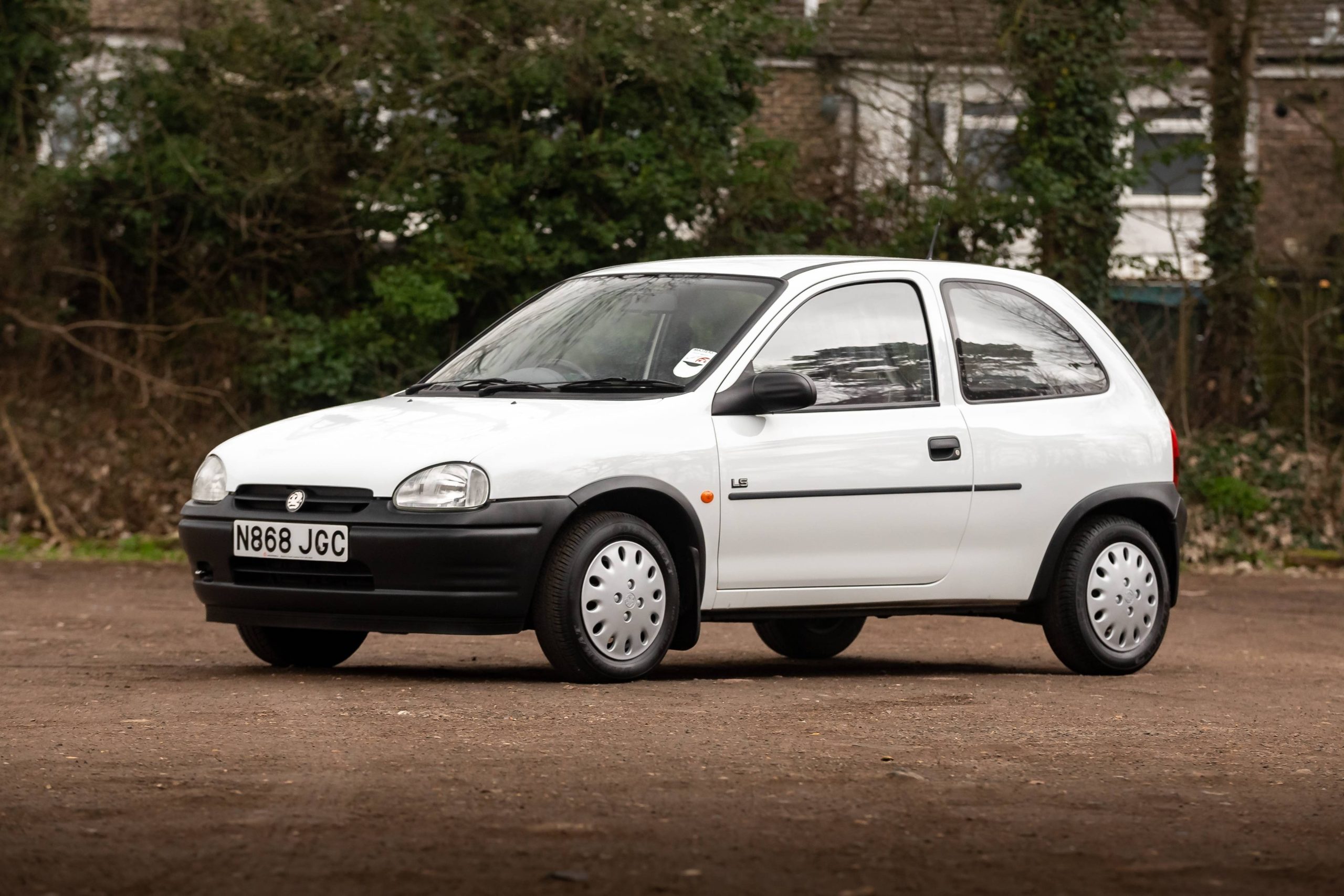
4. Chevrolet Corsa
The Chevrolet Corsa is another car that has left a deep mark in South America. Known for being reliable and practical, it became one of the top choices for middle-class families and young drivers who wanted something affordable but trustworthy. From Argentina to Brazil, the Corsa developed a reputation as a car that performs consistently without demanding too much in maintenance.
One thing that stands out with the Corsa is its versatility. Available in hatchback, sedan, and wagon versions, it met different needs of families and individuals. The hatchback worked well for city driving, while the sedan was a favorite for those who wanted more space.
Regardless of the version, the Corsa always offered good fuel economy, a strong selling point for buyers in regions where cost of living plays a big role in car ownership. The durability of the Corsa engine is well known. Many drivers report running these cars for years without facing major mechanical problems.
Regular servicing is usually enough to keep them going. Because mechanics across South America are experienced with the model, fixing issues does not require much effort. The wide availability of spare parts also ensures that owners are not left stranded when repairs are needed.
Another advantage of the Corsa is its comfort. Even though it is a budget-friendly car, it provides a pleasant driving experience with decent interior space. Families appreciate the balance between affordability and comfort, and taxi drivers often use the Corsa because of how well it can handle daily demands.
Today, the Corsa continues to be respected, even though newer models have replaced it in many showrooms. Many older versions are still active on the roads, showing that the car was built to last. Its ability to remain a dependable vehicle over decades makes it one of the most enduring choices in South American car history.
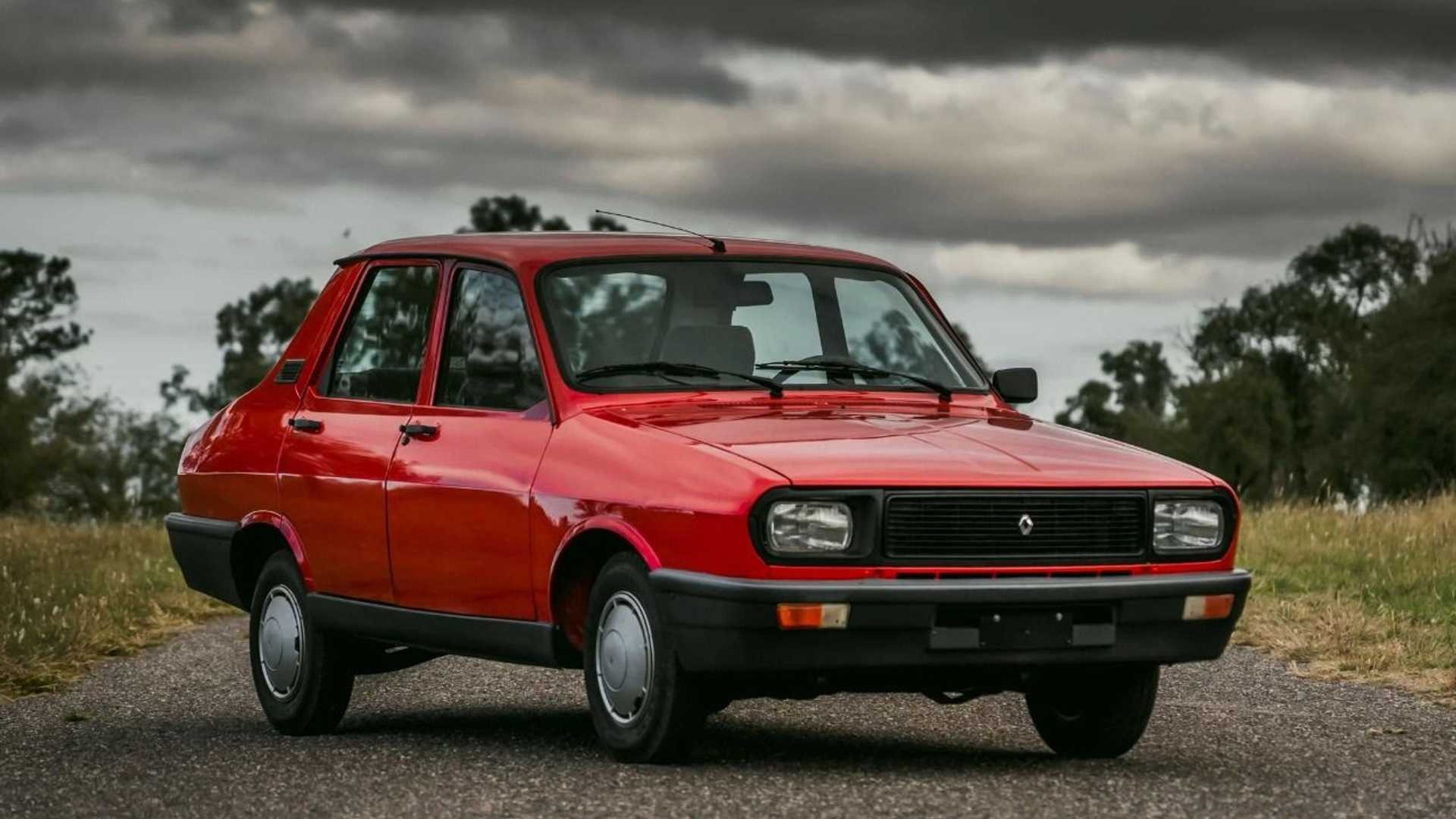
5. Renault 12
The Renault 12 is a car that represents endurance and practicality in South America. Introduced many years ago, it became popular in countries like Argentina and Colombia. While its design may seem old-fashioned by modern standards, its strong performance and reliability are reasons why it remains respected.
The Renault 12 has always been seen as a family car. It offers enough interior space for long drives and has a sturdy build that handles rougher roads. For many households, the car provided a sense of security because it could travel long distances without giving much trouble.
The suspension system was designed to manage uneven roads, which is particularly important in regions with less-developed infrastructure. Mechanically, the Renault 12 is simple, and that simplicity is its greatest strength.
Drivers and mechanics appreciate that it does not rely on complicated technology. This makes it easier to repair and maintain even after decades of use. Parts are also affordable and widely available in South American markets, which explains why the car can remain on the road for such a long time.
While it may not match modern cars in speed or technology, the Renault 12 remains valuable because it is dependable. It has been used for both personal and commercial purposes, showing its flexibility. Farmers, families, and taxi drivers have all found it useful in different ways. This wide usage helped the car build a strong reputation across different communities.
Today, the Renault 12 is often seen as a symbol of resilience. Many people who grew up in the 1970s and 1980s remember it as the car their parents relied on. Because of this connection, some still hold onto it, keeping it running as a part of family history. Its lasting presence shows why it is still loved across South America.
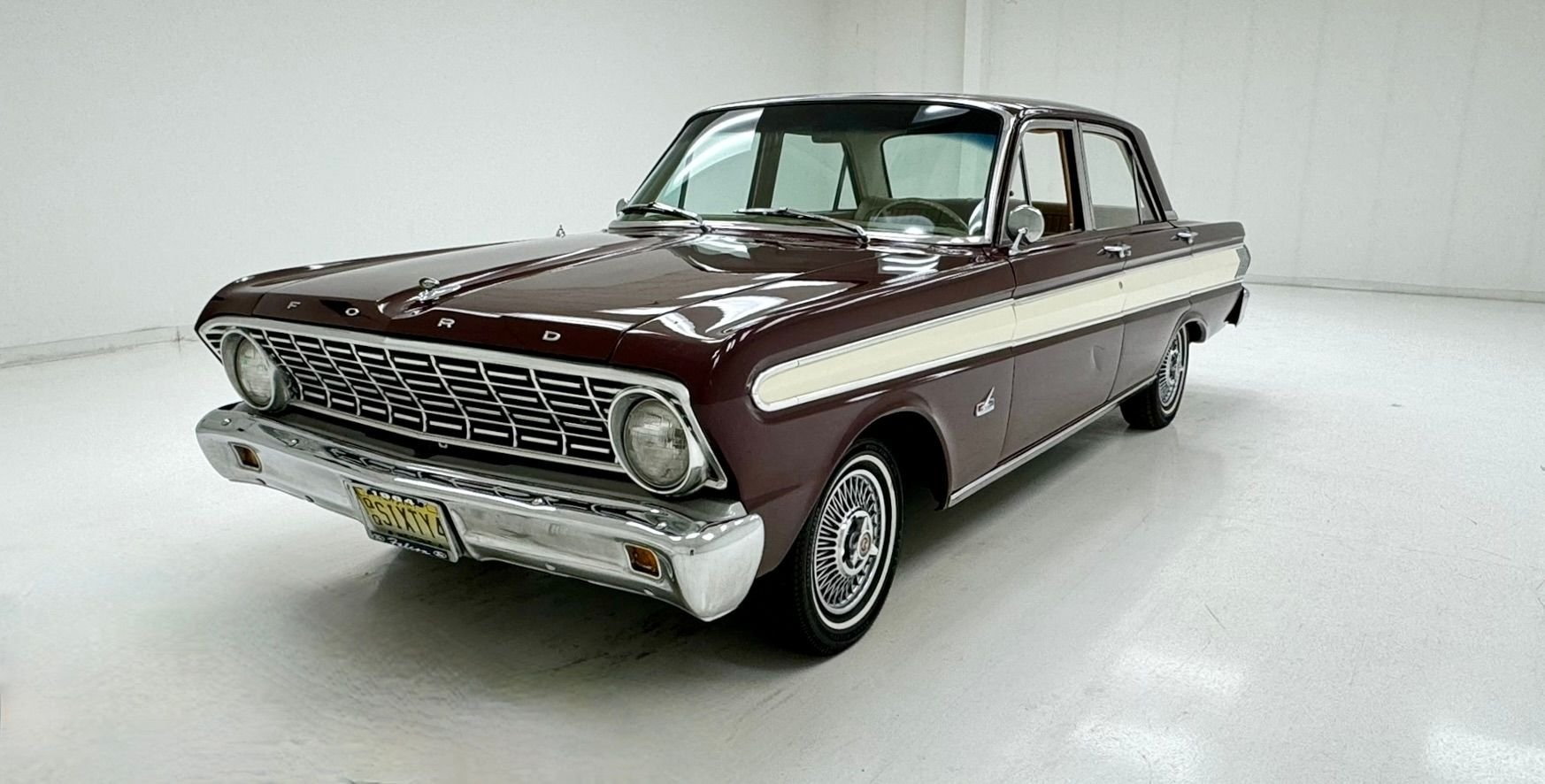
6. Ford Falcon
The Ford Falcon is a classic vehicle that still enjoys respect in South America, especially in Argentina, where it became a cultural icon. Known for its toughness and wide body, the Falcon was not just a family car but also a trusted workhorse.
Its history in the region dates back to the 1960s, and even though production stopped long ago, many are still active on the road today. What made the Falcon special was its ability to serve different purposes. Families liked it for its size and comfort, while businesses valued its strength and load-carrying ability.
Taxi drivers, police units, and even government agencies used the Falcon for years, which shows how much it was trusted. Its strong engine and solid frame meant it could handle heavy use without wearing out quickly.
The simplicity of the Falcon’s design makes it easy to maintain. Mechanics find it straightforward to work on, and replacement parts are not difficult to source even today.
This has helped the Falcon survive long after newer models entered the market. Owners often take pride in keeping their Falcons running, with some restoring old models as a way of preserving history.
Beyond its mechanical strengths, the Falcon has cultural importance. It became a symbol of durability in Argentina, where it was produced locally for many years. People associate it with memories of family trips, daily commutes, and community life. Even after decades, the Falcon continues to attract respect because of the role it played in shaping transportation for a whole generation.
Although modern cars now dominate the market, the Ford Falcon remains a respected part of South America’s automotive history. Its endurance, versatility, and cultural value make it one of the longest-loved vehicles in the region.
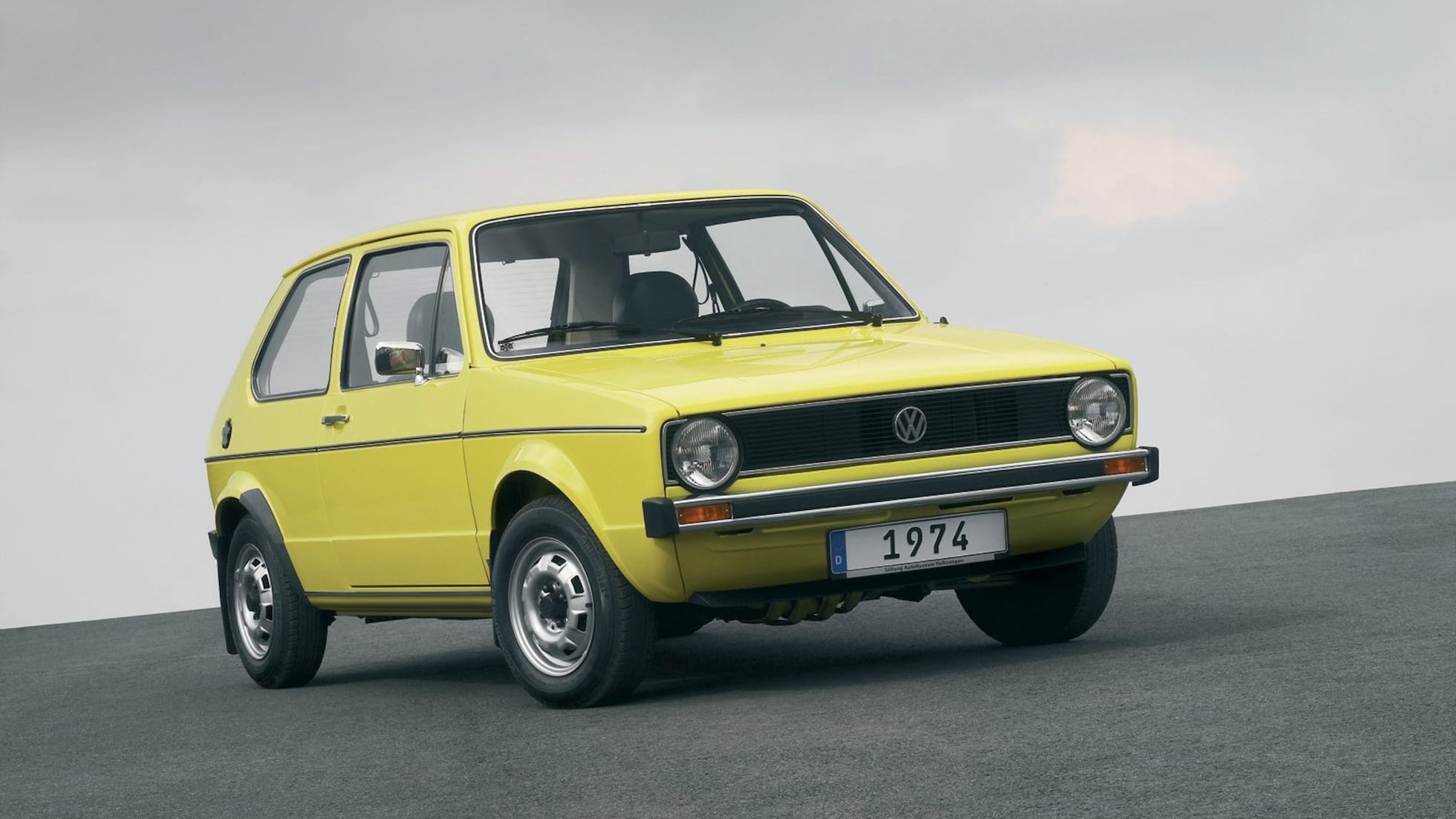
7. Volkswagen Gol
The Volkswagen Gol is one of the most successful vehicles in South America, especially in Brazil, where it became one of the top-selling cars for decades. Designed to be practical, durable, and affordable, the Gol has built a reputation as a car that can serve people for many years without major issues. Its popularity shows how much trust it has earned.
The Gol was introduced in the 1980s and quickly became common on the streets. One of its strongest qualities is fuel efficiency, which appeals to both families and young drivers. The compact design makes it easy to handle in crowded cities, while the solid build allows it to perform well on longer trips. This balance has made it one of the most versatile cars in the region.
Maintenance is also simple with the Gol. Mechanics are very familiar with it, and parts are readily available. This reduces stress for owners because they know they can fix problems quickly and affordably. Taxi drivers in particular have relied heavily on the Gol because it handles daily wear and tear well, making it a dependable choice for people who depend on their cars for work.
Beyond practicality, the Gol also holds emotional value. Many South American households owned a Gol at some point, making it a familiar presence in family histories. Because of this, even older models are maintained and used, reflecting the strong connection people have with it.
The Gol continues to be produced in updated forms, which keeps it relevant. Even though the automotive market has grown with more modern cars, the Gol’s reputation for durability ensures that it remains loved. Its long record of performance makes it a lasting favorite across South America.
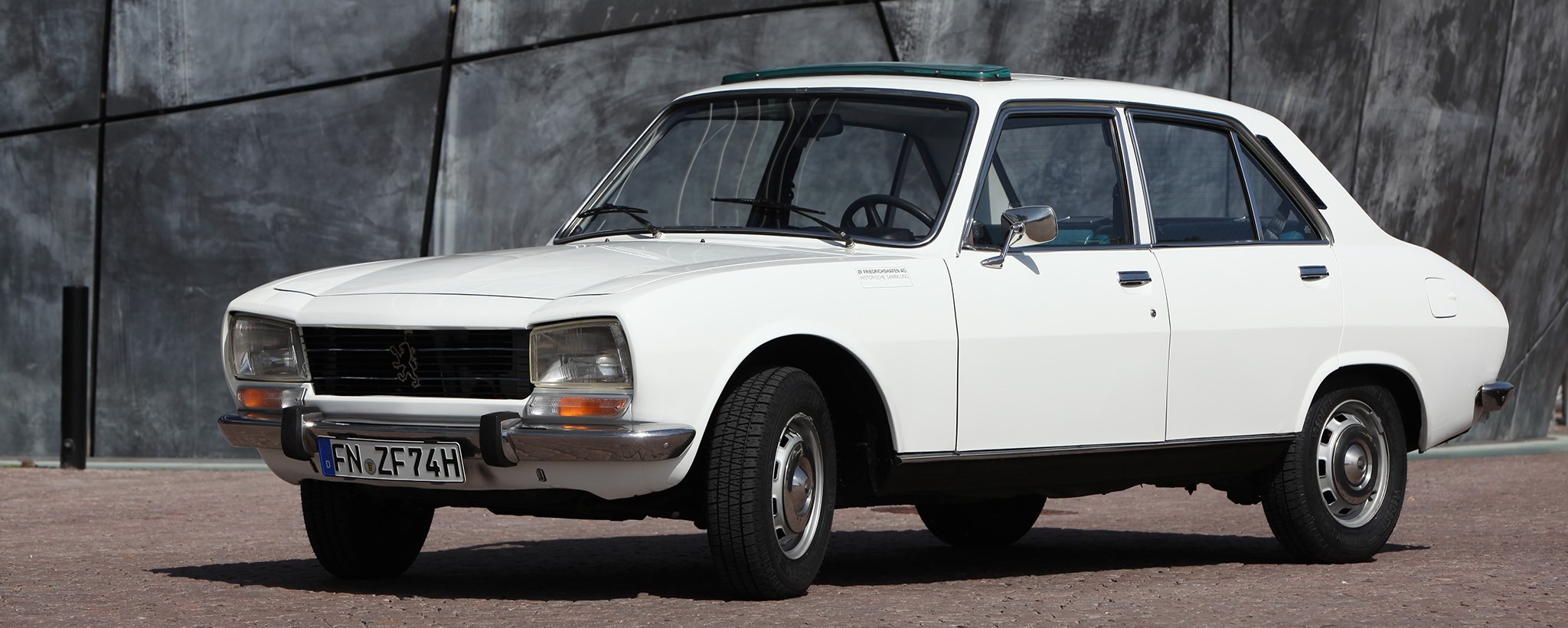
8. Peugeot 504
The Peugeot 504 is another vehicle that became deeply respected across South America for its toughness and endurance. Produced locally in countries like Argentina and Nigeria in earlier years, the 504 became known worldwide as a car that could handle rough conditions. In South America, its impact was particularly strong.
The 504 is valued for its suspension system, which is excellent at managing rough and uneven roads. This allowed it to serve in both urban and rural areas without major problems. Families appreciated its spacious interior, while taxi drivers trusted it for its ability to handle long daily use. Many 504s are still active today, even though production ended decades ago.
One of the main reasons for the 504’s long life is its strong mechanical design. It was built to last, with engines that could run for years with proper maintenance. Spare parts are also relatively easy to find, which makes it possible to keep them running. Many owners even passed their 504s down to younger generations, showing the trust placed in the car.
The Peugeot 504 has also earned a place in culture. It became a symbol of reliability for middle-class families and professional drivers. Because it could endure difficult driving environments, it was often chosen in areas where other vehicles might fail. Even today, it continues to be seen as one of the toughest cars ever sold in South America.
The reputation of the 504 lives on not only in memory but also in the fact that many units are still active. For those who experienced it, the car represents strength and consistency. Its ability to last for decades explains why it continues to be respected across the continent.
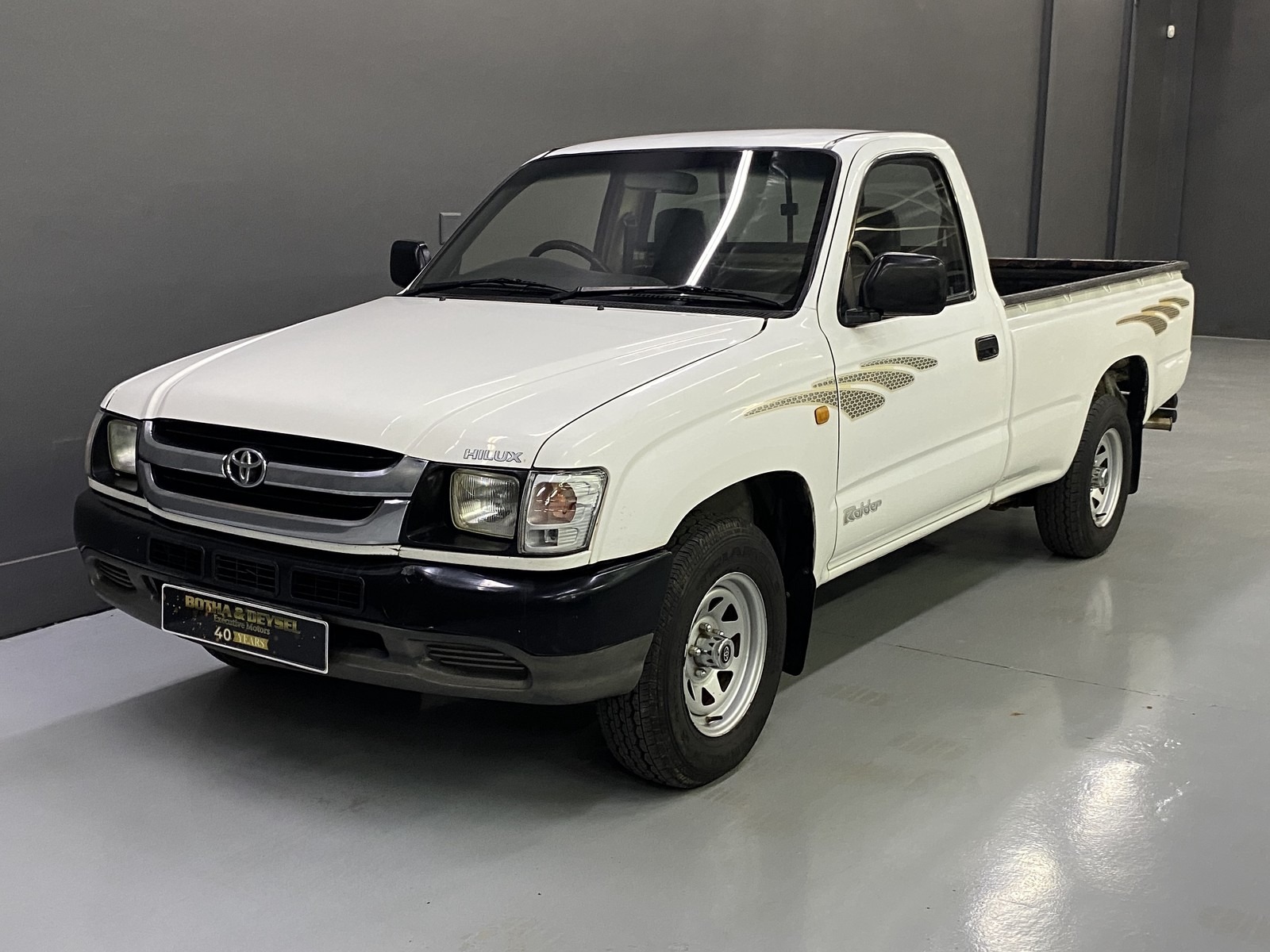
9. Toyota Hilux
The Toyota Hilux is one of the strongest pickups ever produced, and it remains highly trusted in South America. Known for its toughness and dependability, it has been used for farming, business, and even personal transport. From rural farms to busy cities, the Hilux is seen everywhere because it can handle heavy work while still being comfortable to drive.
One of the biggest strengths of the Hilux is its durability. The engine and body are built to withstand tough conditions, whether it is muddy rural roads, rocky paths, or highways. Farmers and business owners especially value the Hilux because it can carry heavy loads without wearing out quickly. This makes it more than just a vehicle; it becomes an essential tool for work.
Fuel efficiency for a pickup is another reason the Hilux is appreciated. While larger trucks may consume more fuel, the Hilux balances strength with efficiency, allowing drivers to save money while still getting excellent performance. The maintenance is also straightforward since Toyota has a strong presence across South America, making spare parts and skilled mechanics easy to find.
The Hilux is also respected for its safety and comfort. Families use it for long trips, confident that it can handle different road conditions. It has a strong resale value as well, meaning owners can rely on it as a lasting investment.
Today, the Hilux is not just a pickup; it represents dependability for both work and personal use. Its continued success shows how much South Americans trust it to handle their everyday needs. For longevity and strength, very few pickups can match the Hilux.
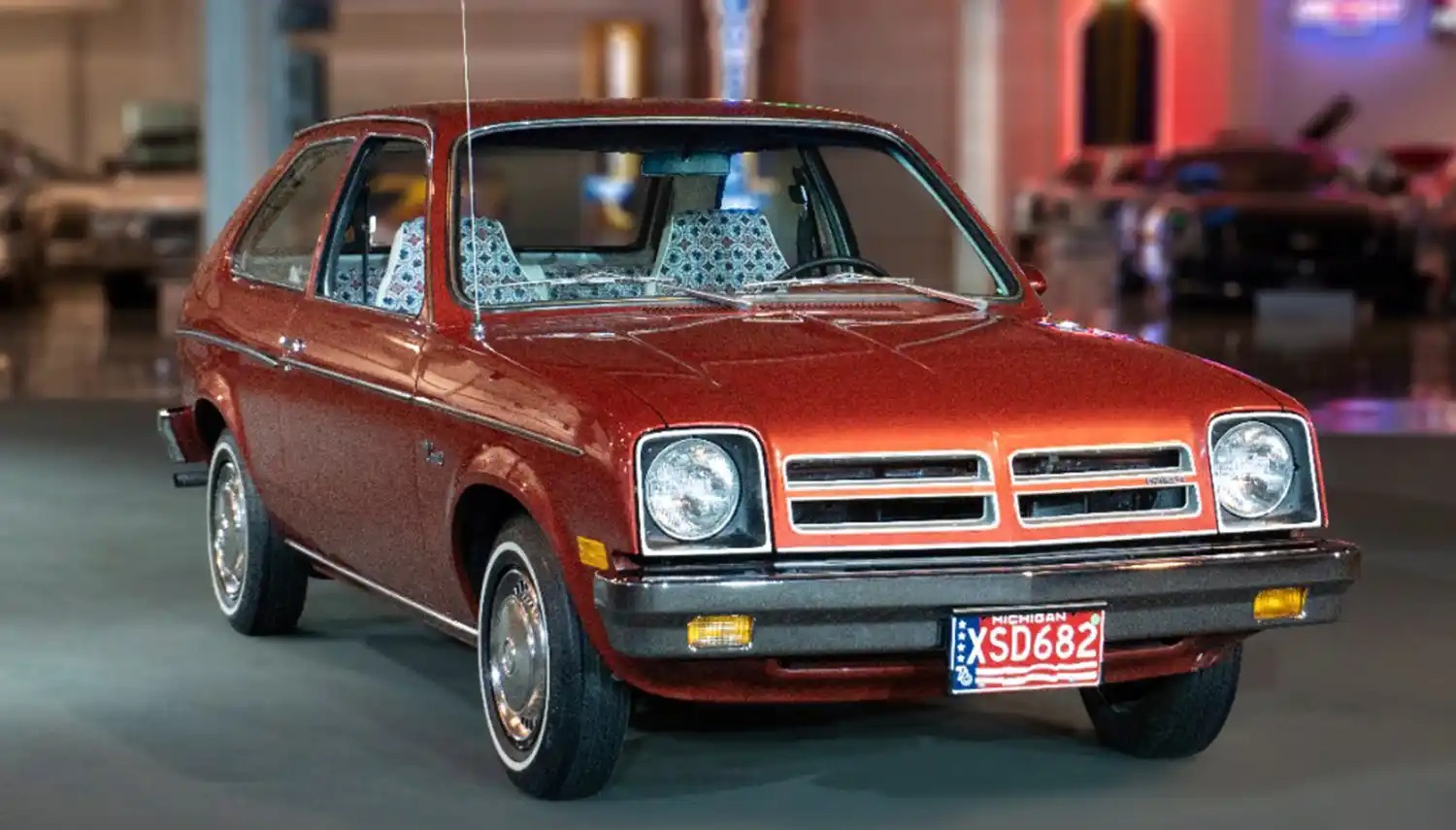
10. Chevrolet Chevette
The Chevrolet Chevette was one of the most common cars across South America during the 1970s and 1980s, and many are still active today. Simple, affordable, and durable, it became a household name in countries like Brazil and Colombia. Even though it is no longer in production, the Chevette remains remembered as one of the most dependable cars of its time.
A major reason for the Chevette’s success was its affordability. Families could buy it without breaking their budget, and they trusted it because it did not require expensive repairs. Its small size made it perfect for city driving, yet it was strong enough to manage rural roads. This balance helped it appeal to a wide range of drivers.
The Chevette’s mechanical design was basic, which made it easy to repair. Mechanics across the continent became very familiar with it, and spare parts were always available. Even today, people who own old Chevettes do not struggle much with maintenance, which shows how lasting its design was.
The car also holds cultural value because it was so common during its peak years. For many, it represents memories of family life, road trips, and everyday driving. This emotional connection is one reason why some people still maintain their old Chevettes as collectibles.
Although modern cars have replaced it, the Chevette’s history of dependability keeps it respected. It may no longer be the first choice for new buyers, but its reputation as a car that served faithfully for decades ensures that it remains part of South America’s lasting automotive story.
Also Read: 12 Cars That Stay Affordable Even After 300K Miles
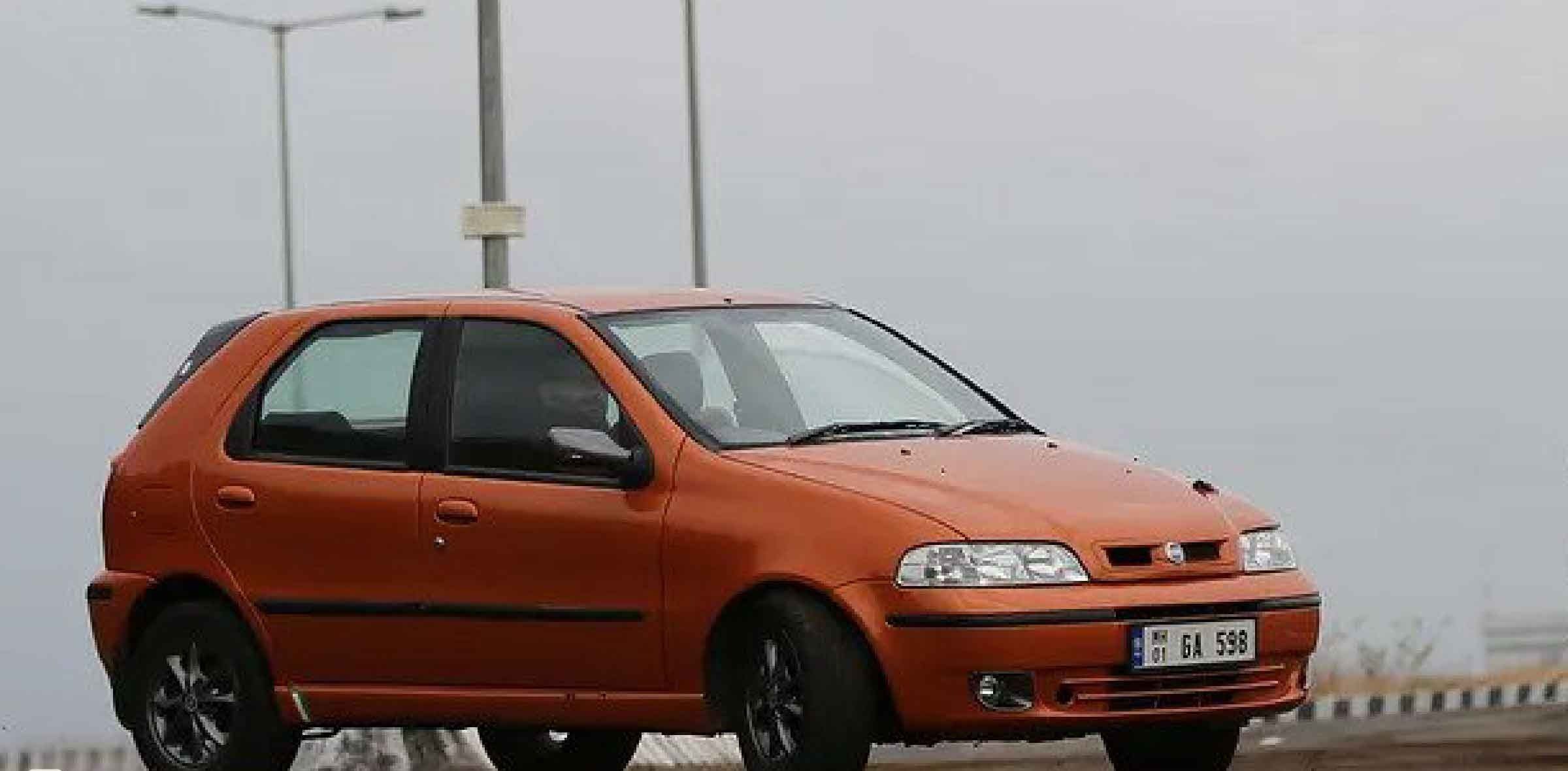
11. Fiat Palio
The Fiat Palio became popular in South America during the 1990s, designed specifically with emerging markets in mind. Its durability, affordability, and practicality helped it gain traction quickly. Families and young drivers alike appreciated the Palio because it was dependable without being too costly.
The Palio’s fuel efficiency is one of its strongest qualities. In regions where people are careful about fuel costs, having a car that stretches every liter makes a big difference. Combined with a compact design, it became a practical choice for city drivers. At the same time, its sturdy build allowed it to handle less-than-perfect roads.
Maintenance of the Palio is simple, and spare parts are widely available. Fiat’s strong presence in Brazil and Argentina helped keep servicing affordable. Many drivers report that their Palios served them for more than a decade without major issues, which speaks to its durability.
The Palio also gained popularity among taxi services because it could handle daily stress without frequent breakdowns. Families found it reliable for school runs and shopping trips, while young professionals liked it as an affordable entry-level car. This wide acceptance across different groups shows how versatile it was.
Today, even though production has slowed, the Palio is still seen on many roads. Its reputation for reliability and affordability makes it an important part of South America’s car history. For many people, it is remembered as the vehicle that gave them independence and dependable transport.
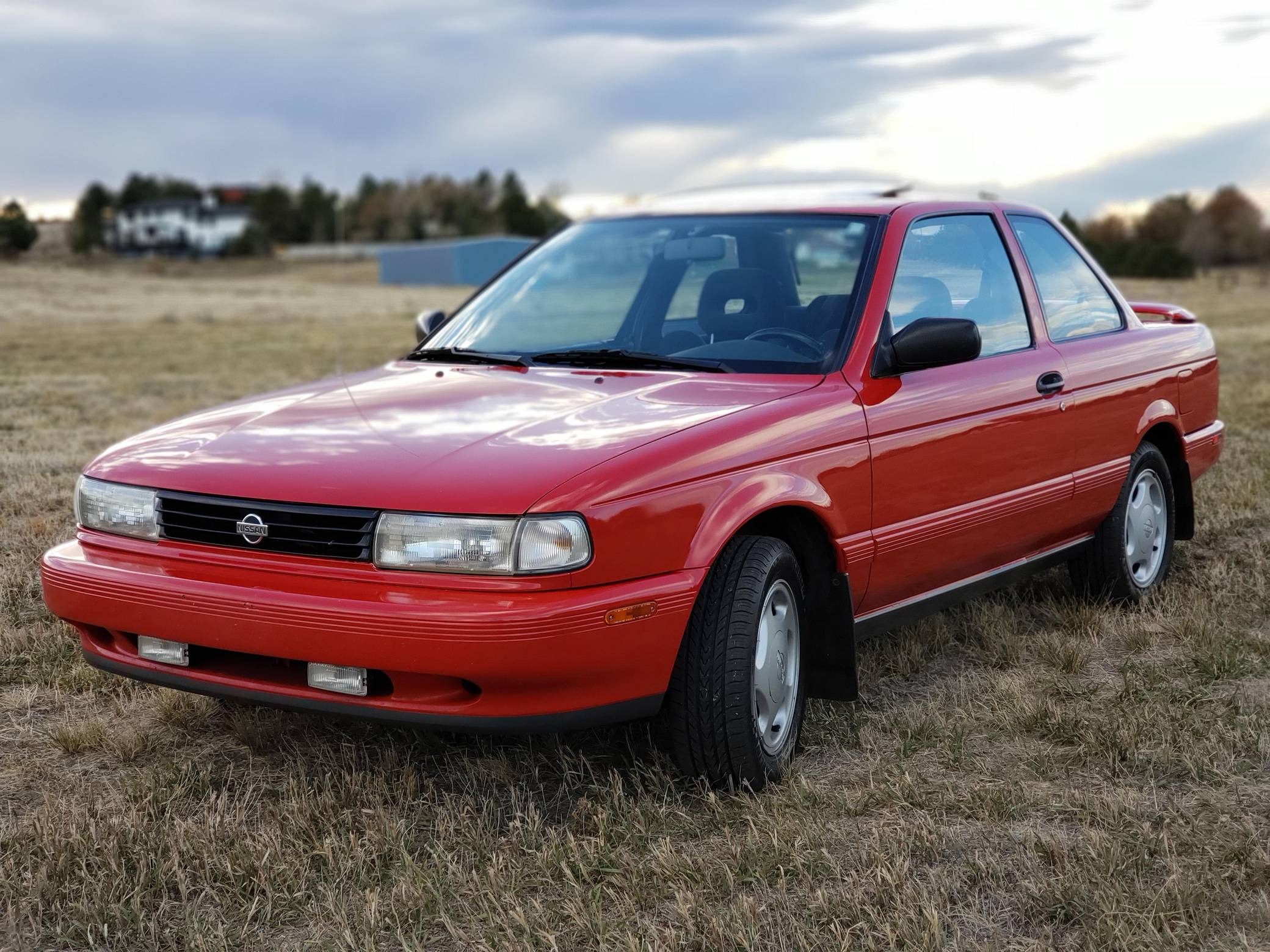
12. Nissan Sentra
The Nissan Sentra is another vehicle that has built a strong reputation across South America for its longevity. Known for being practical, efficient, and easy to maintain, it continues to be a trusted option for families and professionals. Its wide availability has made it one of the most familiar cars across the continent.
One of the Sentra’s best qualities is its engine strength. Many owners report that with regular maintenance, the car can last hundreds of thousands of miles without serious issues. This makes it an excellent choice for those who want a long-term investment.
The Sentra is also fuel-efficient, making it attractive to drivers who want to save money while still covering long distances. Its comfortable interior makes it suitable for family use, while its sturdy build allows it to handle rural roads as well as urban streets.
Repairing and maintaining the Sentra is not difficult since mechanics across South America know the model well. Spare parts are also affordable and easy to find. This accessibility reduces the stress of ownership, which explains why so many people continue to rely on it.
Beyond practical features, the Sentra holds a place in family histories. Many households owned one as their first family car, and that memory adds to its value. Even today, older models are still active, showing how well it has aged.
The Sentra remains a symbol of durability and practicality in South America. Its long service life and continued relevance make it one of the cars still beloved for longevity.
