
Buying a new vehicle is a major investment, and for many Americans, it’s not just about looks or cutting-edge technology, it’s about dependability. Some cars and trucks are built to handle daily commuting, heavy traffic, long work hours, and even the occasional rough road without wearing down too quickly.
Others, unfortunately, can’t hold up to daily abuse, leading to costly repairs and frustrating downtime. That’s why durability and long-term reliability remain top concerns for buyers who plan to keep their vehicles for years.
Fortunately, several new vehicles on the market today are engineered with toughness in mind. They’re designed to endure punishing commutes, constant stop-and-go traffic, weekend adventures, and even job-site hauling without complaint.
These models combine strong powertrains, resilient suspensions, and time-tested engineering to ensure that daily abuse doesn’t turn into a reliability nightmare. Here are 10 new vehicles that will survive daily abuse without complaints, perfect for American drivers who demand resilience from their rides.
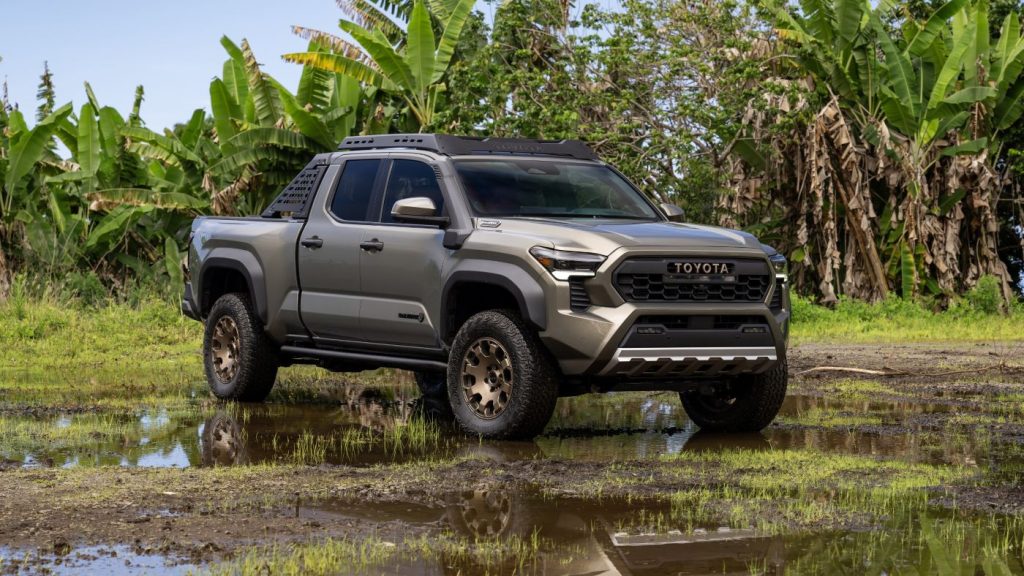
1. Toyota Tacoma
The Toyota Tacoma has long been celebrated as one of the most durable midsize trucks on the market, and the latest generation continues that legacy. Built with a rugged frame, strong V6 engine options, and proven suspension setups, the Tacoma thrives under constant use.
Daily commutes, heavy hauling, or off-road trails, this truck shrugs them all off. Many Tacomas from the early 2000s are still on the road today with 300,000+ miles, which means the newest models are almost guaranteed to last through years of daily abuse.
As the best-selling midsize pickup truck in the U.S. for more than 15 years, the Toyota Tacoma has clearly struck the right balance to remain on top. Its bold styling, strong reputation for dependability, and solid overall value continue to draw in loyal buyers.
That said, the Tacoma is not without its shortcomings, and with increasing competition in the midsize segment, Toyota has made a few tweaks for 2022, particularly with the refreshed Trail Edition.
For 2022, the Tacoma Trail Edition gains several notable updates aimed at enhancing its off-road performance. Suspension lift has been increased by 1.1 inches up front and 0.5 inches in the rear, which also improves approach and breakover angles.
The model now comes standard with a rear locking differential and inherits the skid plates found on the TRD Off-Road trim. Bronze 16-inch TRD wheels add a distinctive look, while a Toyota heritage-style grille with bronze lettering further sets it apart. Buyers can also opt for new hood graphics and a Lunar Rock paint finish.
When we tested the 2020 Tacoma TRD Pro, its off-road performance left a strong impression. Equipped with Fox shocks and a smooth yet capable V-6 engine, the truck handled rocky terrain, soft sand, and other challenges with ease while maintaining interior comfort.
On the road, the cabin was also pleasantly quiet. However, the Tacoma TRD Pro still displayed some brake dive, even with its improvements. Other Tacoma trims continue to struggle with a firm ride quality and engines that can feel underpowered compared to rivals.
Toyota made strides to modernize the Tacoma’s dated interior for the 2020 model year, most notably by adding a 10-way power-adjustable driver’s seat with lumbar support and seat height adjustment, which improved driving comfort and reduced the awkward seating position.
The available Multi-Terrain Monitor is another highlight, helping drivers navigate trails more confidently, although we wish the camera resolution were sharper.
Even with these upgrades, the Tacoma’s cabin remains tight, and the bed is narrower than what some competitors offer. While its long-standing popularity is easy to understand, those not bound by brand loyalty may find better-rounded options elsewhere.
The 2022 Tacoma comes standard with a 2.7-liter four-cylinder engine producing 159 horsepower and 180 lb-ft of torque. Buyers can choose between rear-wheel drive and all-wheel drive, but this setup is paired exclusively with a six-speed automatic transmission.
For more power, an available 3.5-liter V-6 delivers 278 horsepower and 265 lb-ft of torque. This engine can be paired with either rear-wheel drive or all-wheel drive, and buyers have a choice between a six-speed manual transmission or a six-speed automatic.
Fuel economy ratings peak at an EPA-estimated 20 mpg in the city and 23 mpg on the highway, depending on configuration.
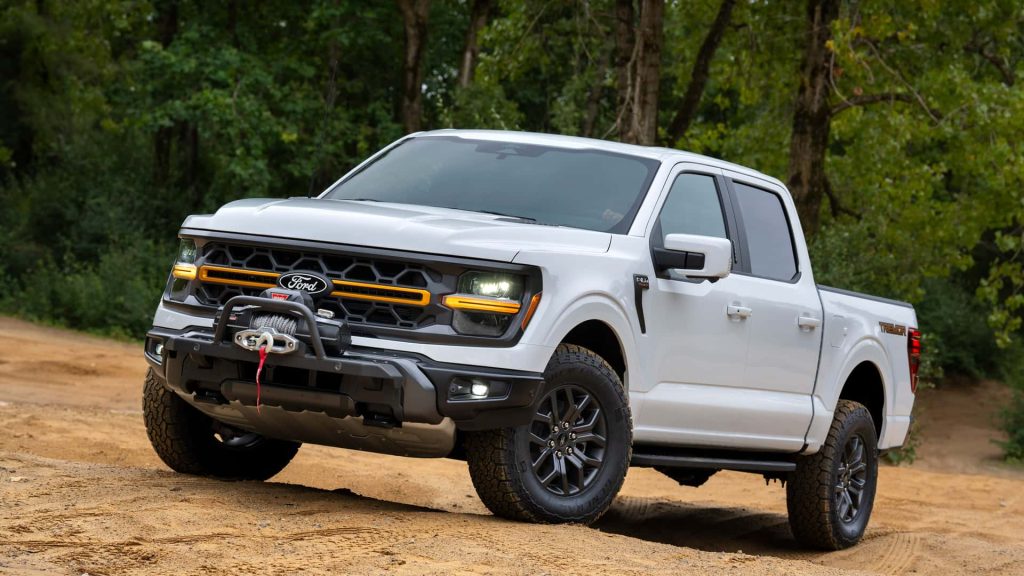
2. Ford F-150
As America’s best-selling vehicle, the Ford F-150 isn’t just popular, it’s reliable. Newer models come with multiple engine options, from turbocharged EcoBoosts to traditional V8s, all paired with suspension systems that are designed for both comfort and durability.
Whether it’s endless highway miles, constant stop-and-go traffic, or towing work trailers every day, the F-150 doesn’t break down easily. With the latest generation offering improved materials and engineering, today’s F-150 is built to handle daily punishment better than ever.
3. Honda Accord
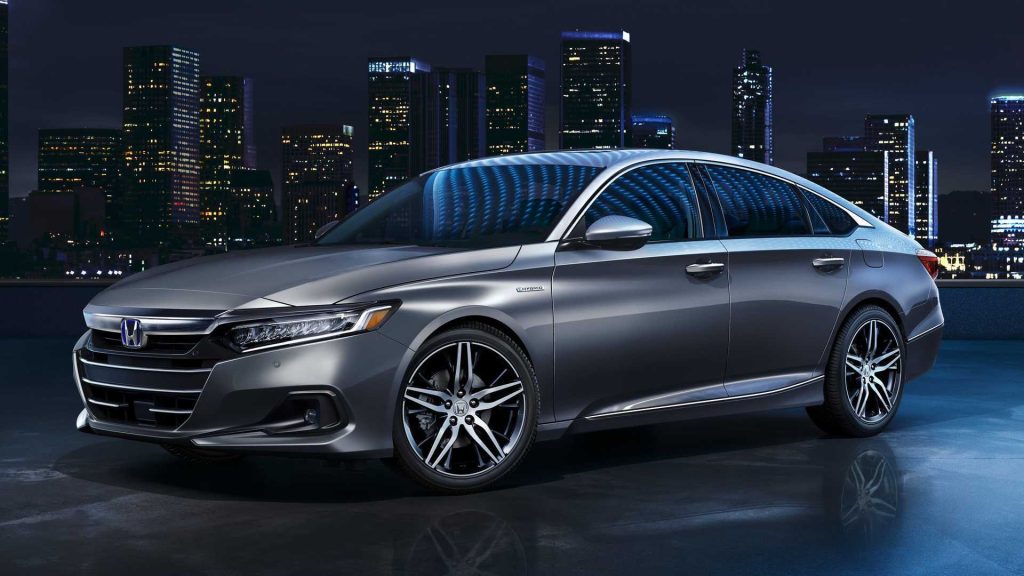
Daily abuse doesn’t always mean hauling heavy loads, it can also mean stop-and-go city driving, long commutes, and constant use. The Honda Accord is one of the few sedans that can handle this lifestyle without issues.
Known for smooth yet durable engines, strong transmissions, and low maintenance needs, the Accord thrives under daily use. New models also feature modern driver-assist tech, which makes high-mileage commuting less stressful while still retaining the Accord’s long-standing reputation for bulletproof dependability.
4. Toyota 4Runner
The Toyota 4Runner hasn’t changed much over the years, and that’s exactly why it’s so reliable. Its body-on-frame construction, solid suspension, and proven V6 engine allow it to withstand decades of use.
The newest 4Runner models carry forward that tradition, making them perfect for buyers who need a vehicle that can take on urban traffic during the week and rugged off-road abuse on weekends. This SUV is often described as “indestructible” because it handles everything from pothole-ridden streets to mountain trails without complaint.
Toyota’s lineup of off-road and truck models is fresher than ever after a busy couple of years filled with new launches, and now, the long-anticipated redesign of the 4Runner has arrived. The 2025 Toyota 4Runner finally gets a full modernization while keeping the rugged spirit that made it an icon.
Built on the same platform as the Tacoma pickup, the sixth-generation 4Runner comes standard with a turbocharged 2.4-liter four-cylinder engine that produces 278 horsepower.
True to tradition, Toyota has preserved the beloved roll-down rear window, while the exterior styling remains square-shouldered, muscular, and unmistakably adventurous.
Inside, however, the SUV has been thoroughly overhauled. Available technology highlights include a 14.0-inch infotainment touchscreen, a 12.3-inch digital gauge cluster, a head-up display, and a wireless smartphone charging pad.
Toyota has also packed the 4Runner with safety features, many of which come standard. And while the new model brings plenty of refinement, it hasn’t abandoned its off-road roots, there’s still a healthy selection of trail-ready equipment designed to conquer rough terrain.
After more than 15 years, the fifth-generation 4Runner has finally been replaced by this all-new sixth-gen model. It now shares underpinnings with the 2024 Tacoma pickup, bringing a host of modern updates inside and out while retaining the tough, boxy look that buyers love.
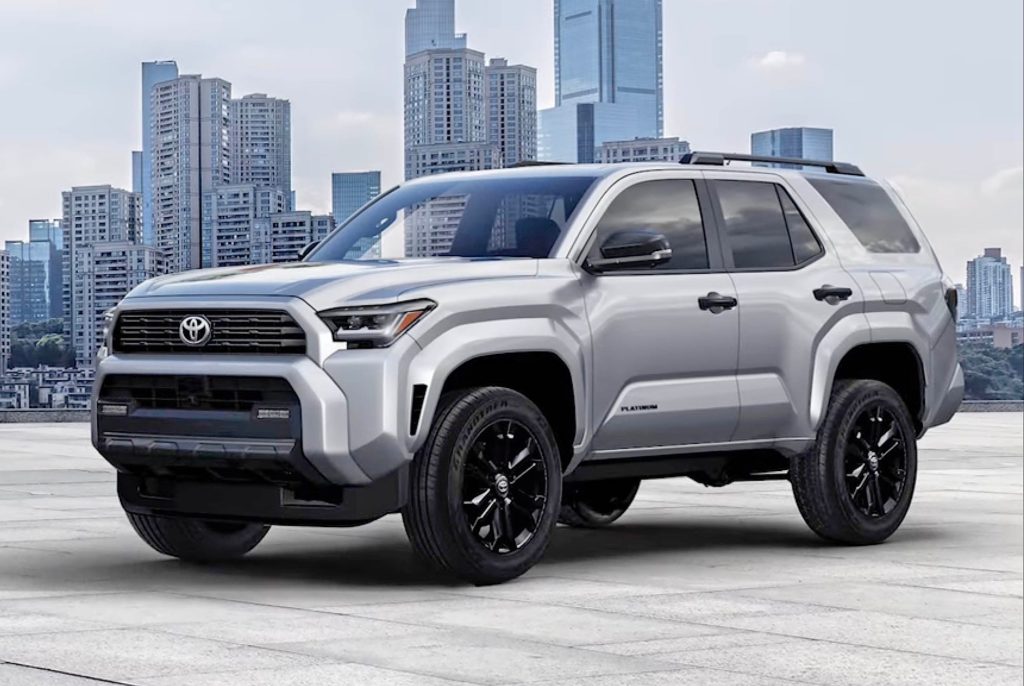
For the best balance of cost and capability, the TRD Off-Road trim stands out. It equips the 4Runner with essential trail-ready features without climbing into the highest price range. For those who want added comfort, the Premium package includes faux leather seats, a heated steering wheel, and a larger touchscreen.
Every 2025 4Runner comes powered by a 278-hp turbocharged 2.4-liter four-cylinder engine paired with an eight-speed automatic transmission. Rear-wheel drive is standard, while an optional full-time four-wheel-drive system includes a two-speed transfer case with both high and low range.
Off-road enthusiasts will appreciate available features such as disconnecting stabilizer bars, a locking rear differential, and an off-road cruise control system. Hybrid models, reviewed separately, expand the capability further with manually adjustable dampers and other upgrades.
On the road, the new 4Runner feels significantly more composed than the outgoing generation, delivering improved ride quality and refinement.
Still, it doesn’t hide its truck-based nature, it can feel clumsy and heavy at times. Off-road, however, the 4Runner shines. With great outward visibility, responsive steering, and robust hardware, it remains an enjoyable SUV to take deep into the dirt.
5. Ram 2500 Heavy Duty
When daily abuse means towing, hauling, or working at a job site, few trucks are better equipped than the Ram 2500 Heavy Duty. With its available Cummins diesel engine, reinforced suspension, and heavy-duty frame, this truck is built to take constant punishment.
Ranchers, contractors, and construction workers often put Ram HD trucks through brutal daily workloads, yet the trucks continue to run strong. The newest models also add a more refined ride and modern features, giving owners the rare combination of durability and comfort.
The 2026 Ram HD is designed to perform monumental tasks, but that doesn’t mean it skimps on refinement. This heavy-duty pickup blends immense power with a premium feel, offering interior materials, technology, and comfort features that rival luxury sedans. Under the hood, buyers have two choices.
The standard engine is a 6.4-liter Hemi V-8 that produces 405 horsepower, more than enough for most daily tasks. For those who need the ultimate in pulling power, the available 6.7-liter Cummins inline-six turbo-diesel delivers 430 horsepower and a jaw-dropping 1,075 pound-feet of torque, enabling the truck to tow up to 36,610 pounds.
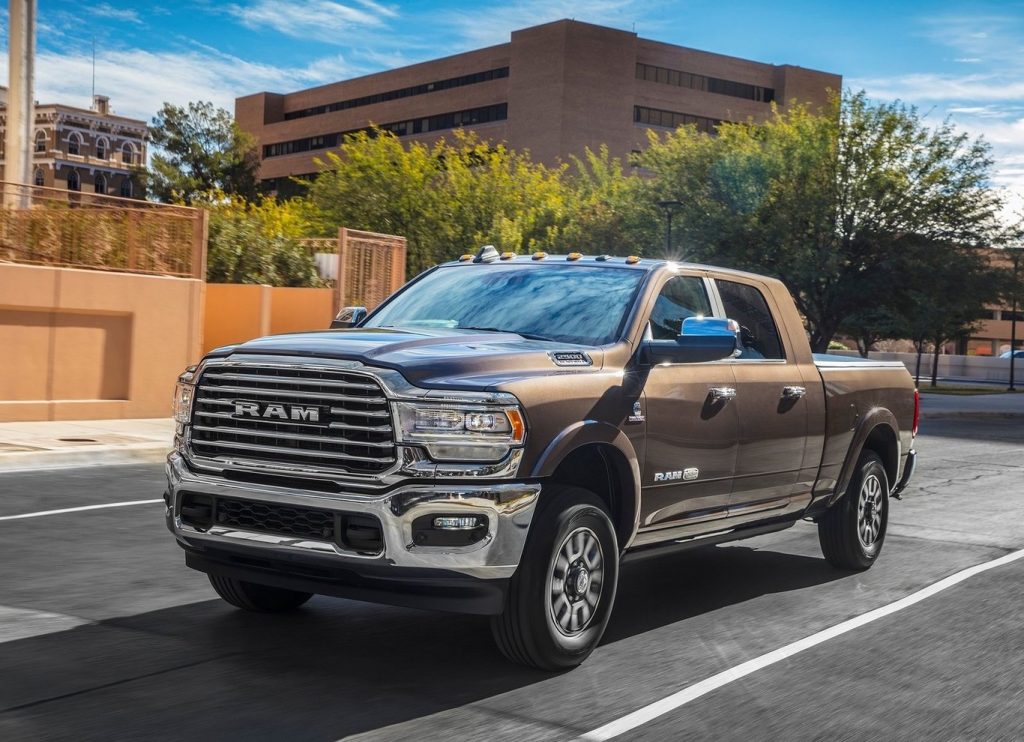
Both engines come paired with an eight-speed automatic transmission, and while most trims allow for either two- or four-wheel drive, the Power Wagon and Rebel models include 4WD as standard. With three cab sizes, regular, crew, and Mega, the Ram HD lineup also ensures flexibility for work crews, families, or anyone requiring additional space.
Following a refresh in 2025, the 2026 Ram HD 2500 and 3500 models carry over with minimal updates, though two new trims have been added to the mix.
The 2500 Black Express and 2500 Warlock are both based on the entry-level model but introduce unique features. The Black Express is available as a Crew Cab with either rear- or four-wheel drive and can be configured with a short or long bed.
The Warlock, on the other hand, comes exclusively as a Crew Cab 4WD with a short bed. Both models can be equipped with either the gasoline V-8 or the turbo-diesel, giving buyers plenty of flexibility depending on their needs.
Pricing for the 2026 Ram HD starts at $47,875 for the base Tradesman and stretches up to $75,630 for the top-tier Limited and Longhorn trims. The lineup also includes mid-level options such as the Lone Star, Big Horn, and Black Express, along with more specialized trims like the Rebel and Power Wagon.
Among these, the 2500 4×4 Crew Cab Laramie remains a standout choice, balancing capability, comfort, and cost-effectiveness. That said, the newly introduced Warlock has strong appeal for those who prioritize frequent off-road use.
Although the diesel is the preferred option for buyers who consistently tow the heaviest loads, the standard 6.4-liter V-8 is a more versatile choice for most. Not only is it quick and responsive in everyday driving, but it also saves money compared to the diesel.
With those savings, buyers can opt for helpful upgrades such as a limited-slip differential and load-leveling air suspension, both of which enhance the Ram HD’s already impressive ride quality. This balance of brute strength, flexibility, and refinement makes the 2026 Ram HD a formidable contender in the heavy-duty truck segment.
6. Subaru Outback
For families and commuters who deal with tough weather, gravel roads, or heavy mileage, the Subaru Outback is a reliable choice. Its symmetrical all-wheel drive, durable boxer engine, and elevated ground clearance make it a daily driver that can take abuse from both city potholes and backroad adventures.
Outbacks are known to run well past 200,000 miles, and the latest models maintain that durability while adding advanced safety features. For buyers who need a tough crossover wagon that doesn’t quit, the Outback is a proven survivor.
The 2025 Subaru Outback delivers competent handling, though it isn’t the most thrilling vehicle to drive. Its steering is balanced and direct, but it lacks much in the way of road feel. Ride quality, however, is a strong point, as the Outback glides smoothly over most surfaces and can easily manage dirt or gravel roads when needed.
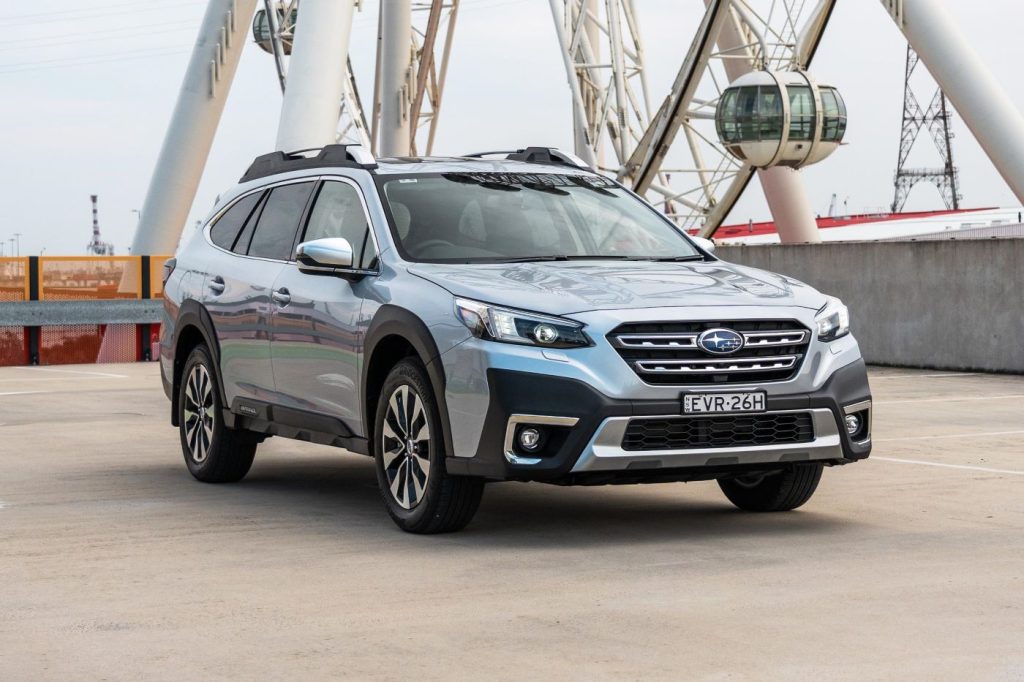
Most trims are powered by a 2.5-liter flat four-cylinder engine that produces 182 horsepower and 176 pound-feet of torque. A more powerful 2.4-liter turbocharged flat four-cylinder, making 260 horsepower and 277 pound-feet of torque, is standard on the Wilderness model and available on higher trims.
Every Outback comes with all-wheel drive and a continuously variable automatic transmission (CVT). While the base engine is adequate for daily commuting, it often feels underpowered when pushed harder.
The turbo-four provides stronger acceleration and livelier performance, though it suffers from a bit of turbo lag. The CVT does its job efficiently but can feel unrefined, especially at highway speeds.
Fuel economy is one of the Outback’s advantages, particularly with the base engine. Models equipped with the 2.5-liter achieve an EPA-estimated 26 mpg in the city and 32 mpg on the highway.
Opting for the turbocharged engine lowers those figures to 22 mpg city and 29 mpg highway, while the Wilderness trim, with its more rugged setup, delivers 21 mpg city and 26 mpg highway. These numbers place the Outback above average for the wagon segment.
Inside, the 2025 Outback offers a practical, well-constructed, and comfortable cabin, though its design isn’t the most visually striking. Seating for five is provided in an airy and open-feeling interior.
The front seats are supportive and cushy, with plenty of room to stretch out, while the rear seats are slightly less spacious but still comfortable enough for adult passengers.
Cargo space is another strong suit, with 32.6 cubic feet available behind the second row and 75.6 cubic feet when the rear seats are folded flat. That’s ample space for camping gear, bicycles, or luggage, making the Outback as versatile as it is capable.
7. Chevrolet Silverado 1500
Chevy’s Silverado 1500 has long been a workhorse, and the latest version is no different. Built with a strong ladder frame, robust suspension, and dependable V8 engines, the Silverado handles daily abuse with ease.
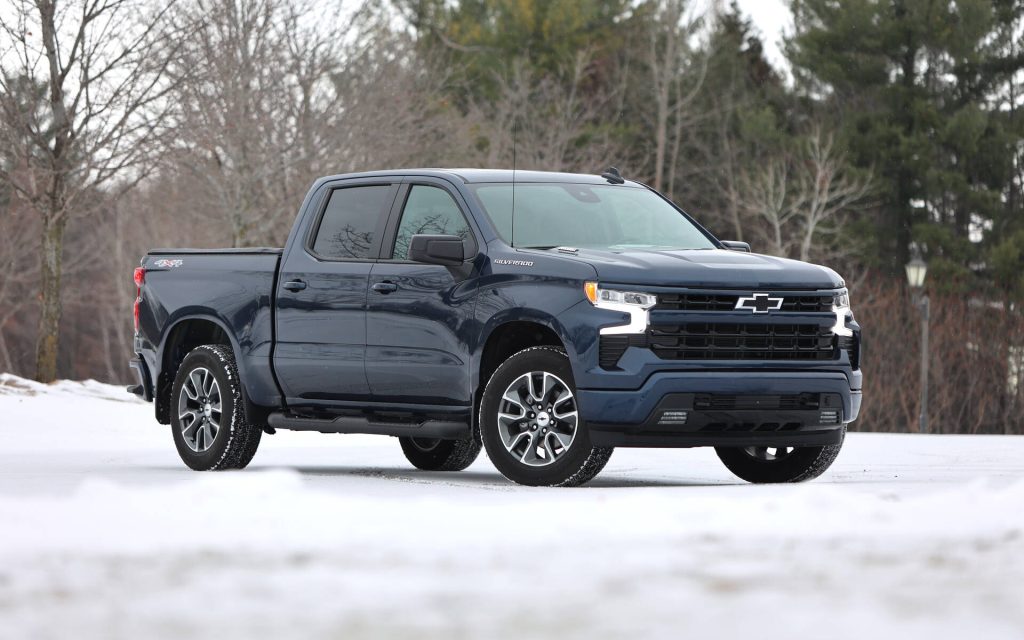
Whether it’s constant job-site hauling or a family vehicle subjected to thousands of commuting miles, the Silverado rarely fails its owners. Because parts and service are widely available across the U.S., it’s easy to keep a Silverado running strong for years of heavy use.
8. Jeep Wrangler
For drivers who demand durability in both city traffic and off-road trails, the Jeep Wrangler is unmatched. Built with solid axles, a rugged chassis, and an easy-to-service design, the Wrangler thrives under rough conditions.
Owners frequently report their Wranglers lasting decades despite trail abuse and daily commutes. The latest generation keeps that same toughness while improving ride comfort and interior tech, making it a reliable daily driver that won’t crumble under pressure.
For many enthusiasts, the 2020 Jeep Wrangler stands as the purest embodiment of off-road capability offered by any automaker.
It can be had in a stripped-down configuration that reflects its sometimes rough-around-the-edges road manners, or in one of several special editions and off-road–focused trims that highlight its legendary trail-conquering abilities. No matter the version, the Wrangler remains a versatile all-terrain machine that feels more at home crawling over rocks than navigating parking lots.
The 2020 Wrangler is offered in both two-door and four-door Unlimited body styles, with either a soft top or a removable hard top. Inside, it seats up to five passengers and offers a range of powertrain options.
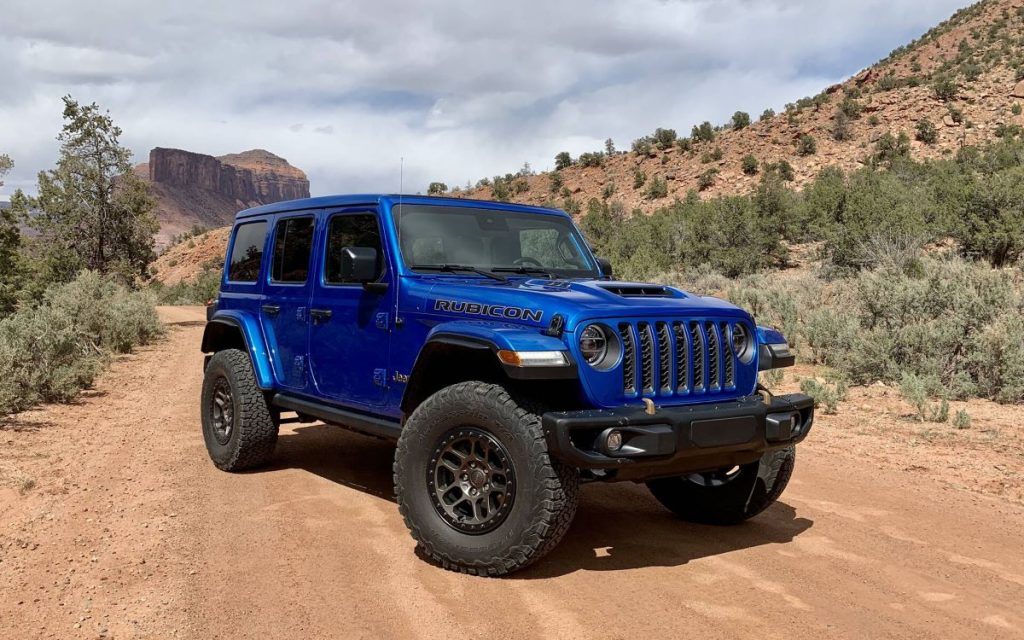
Choices include a 3.6-liter V-6 producing 285 horsepower, a turbocharged four-cylinder generating 270 horsepower, and, for the first time, a 3.0-liter EcoDiesel V-6 with 260 horsepower (available only on Unlimited models).
Multiple four-wheel-drive systems are available, and buyers can pick between a six-speed manual transmission or an eight-speed automatic. When properly equipped, the four-door Wrangler Unlimited can tow up to 3,500 pounds, giving it solid versatility beyond the trail.
New for 2020, Jeep introduced the diesel V-6 engine to the Wrangler lineup, along with the availability of an eTorque mild-hybrid system on the V-6 in Sahara Unlimited models.
When we tested the nearly identical 2019 Wrangler, we came away impressed with the turbocharged four-cylinder. Around town, it provided strong off-the-line acceleration, and the eight-speed automatic transmission paired with it felt intuitive and responsive.
We also noted the practical benefits of the four-door Unlimited model, which offered solid rear passenger room and a surprisingly usable cargo area.
Under the hood, the standard 3.6-liter V-6 produces 285 horsepower and 260 lb-ft of torque, and can be paired with either a six-speed manual or an eight-speed automatic transmission.
Fuel economy for two-door Wranglers with the manual is rated at 17 mpg city and 25 mpg highway, while the automatic improves slightly to 18/23 mpg city/highway.
Wrangler Unlimited models equipped with the V-6 return slightly lower highway numbers, but when ordered in Sahara trim with the automatic transmission, buyers can opt for the eTorque mild-hybrid system. This setup provides a modest boost in low-speed efficiency and drivability, particularly in stop-and-go situations.
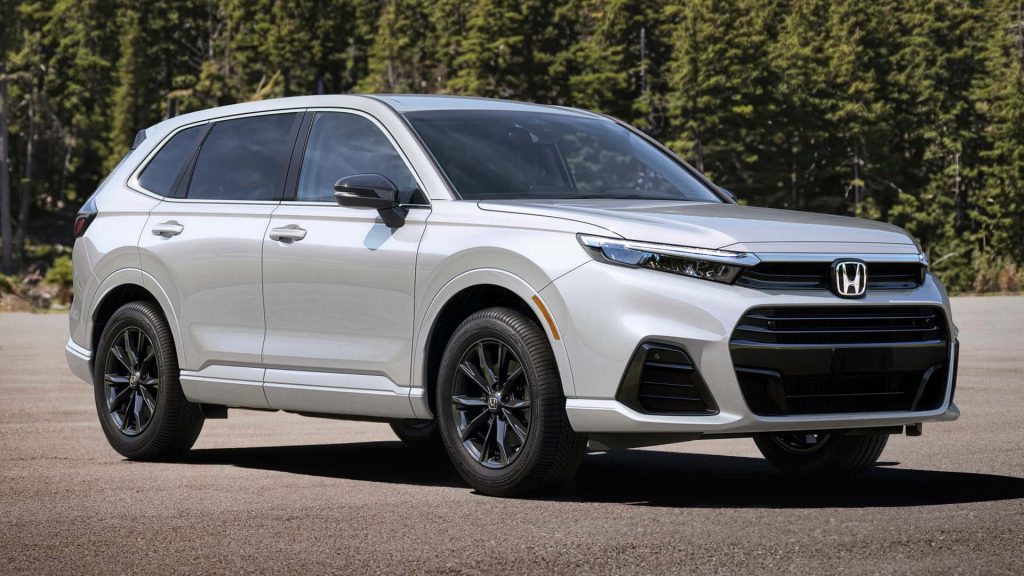
9. Honda CR-V
The Honda CR-V may be a compact SUV, but it’s one of the toughest vehicles in its class. With efficient yet durable engines, a simple AWD system, and proven reliability, the CR-V can easily handle daily commutes, grocery runs, and long-distance driving.
Many CR-Vs from the early 2000s are still in service today, often with multiple owners. The new generation continues the tradition, making it a crossover that can survive years of abuse without complaint.
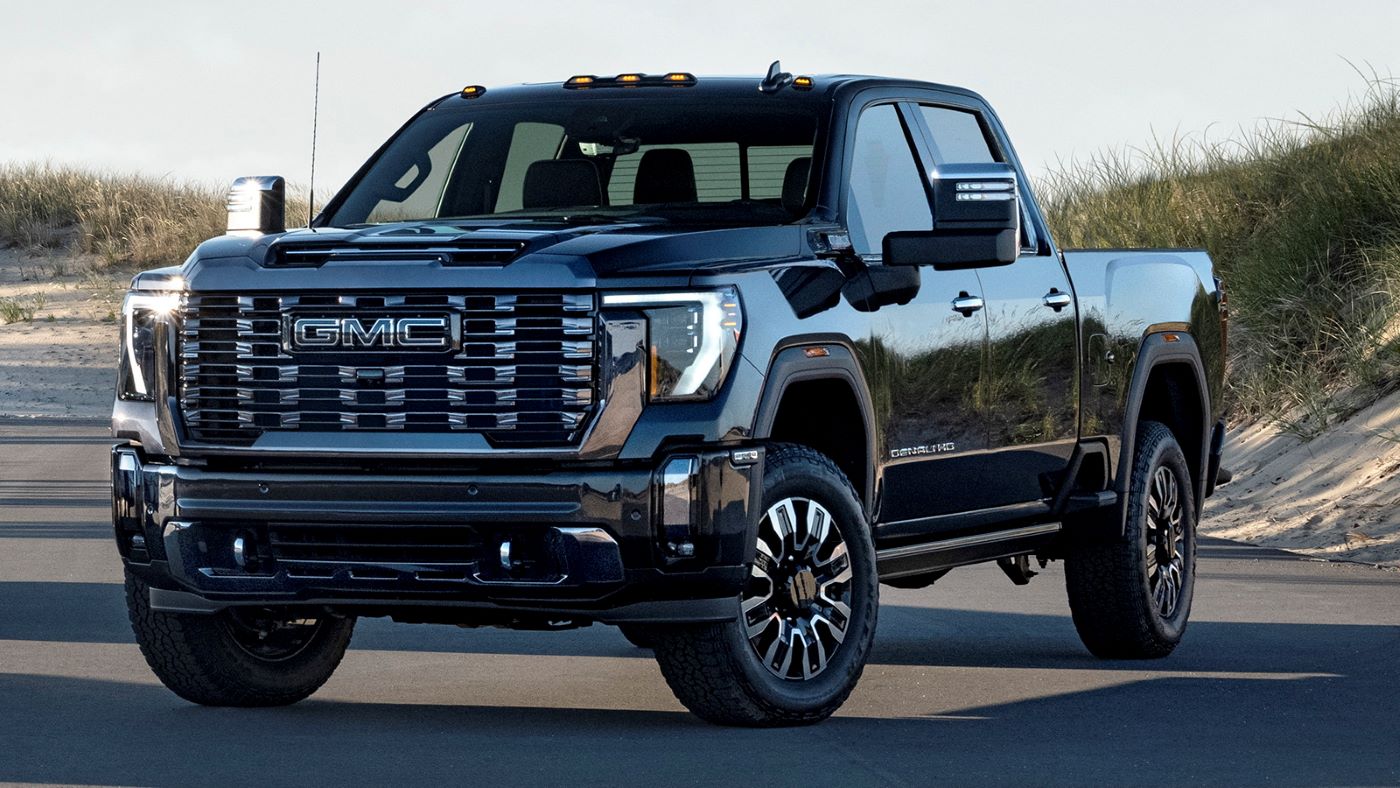
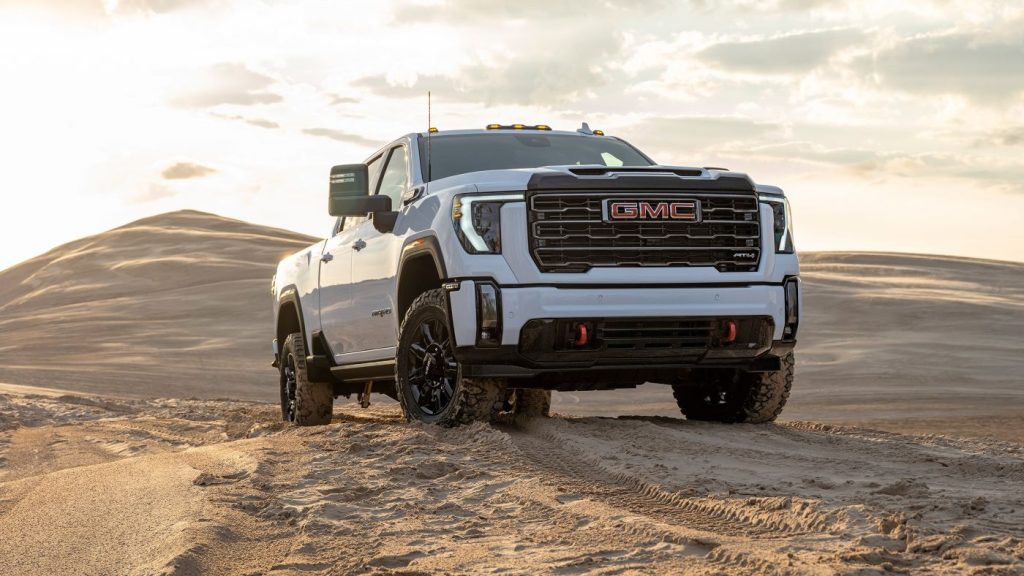
10. GMC Sierra 2500HD
For those who need something larger than a half-ton, the GMC Sierra 2500HD is an excellent choice. Built with reinforced suspension components, powerful gas and diesel engines, and an exceptionally strong frame, the Sierra HD can handle daily abuse from the toughest workloads.
Whether it’s constant towing, hauling heavy cargo, or driving through punishing environments, the Sierra HD rarely suffers from major breakdowns. The newest models also offer a more refined interior, meaning owners get both strength and comfort.
In today’s market, flashy technology and futuristic designs often grab the headlines, but durability is what really matters in the long run. The vehicles above, ranging from compact SUVs like the Honda CR-V to heavy-duty workhorses like the Ram 2500, are all built to handle years of daily abuse without complaints.
They’re designed with strong engines, proven suspensions, and time-tested engineering that prioritizes resilience. For American drivers who depend on their vehicles every single day, choosing one of these models means fewer repairs, longer lifespans, and peace of mind.
Whether you’re a contractor, a commuter, or an adventurer, these 10 vehicles will stick with you through thick and thin, no matter how much abuse they take.
