
When people think of classic cars, they often imagine high-dollar auction sales, rare muscle cars, or European exotics with sky-high restoration costs.
But not every classic vehicle requires deep pockets or constant repair headaches. In fact, many older models are still affordable and continue to deliver dependable performance even decades after rolling off the assembly line.
These cars, trucks, and SUVs earned reputations for reliability when they were new, and that reputation has held up as they’ve aged. For buyers today, that means an opportunity to own a piece of automotive history without inheriting endless breakdowns or draining the bank account.
In this list, we’re focusing on 12 classic vehicles that are both bargains in today’s used market and known for their long-lasting reliability.
Whether you’re after a practical daily driver, a nostalgic cruiser, or a rugged weekend toy, these models prove you can still find classics that run strong without commanding collector-level prices.
1. Toyota Corolla (E80 & E90 Generations, 1983–1992)
The Toyota Corolla is one of the most recognizable names in automotive history, and for good reason. Models from the 1980s and early 1990s combined bulletproof reliability with simple engineering that made them easy to maintain.
The E80 and E90 generations are especially notable for their durability, with engines that often surpass 250,000 miles when properly maintained.
Parts remain widely available, and these Corollas still pop up in good running condition for budget-friendly prices. For those who appreciate simplicity and fuel efficiency, these Corollas are a reminder of Toyota’s golden era.
The fifth generation Toyota Corolla was introduced in May 1983, showcasing a sloping front bonnet and a sharp-edged, contemporary design with clean, no-frills styling. Produced from 1983 until 1987, this generation expanded the Corolla’s range with the addition of a new 1839 cc 1C diesel engine for the E80 series.
In 1985, re-badged versions of the E80 Sprinter were sold in the United States as the fifth-generation Chevrolet Nova. Around this time, Toyota also introduced fuel injection, which became available internationally as an extra-cost option.
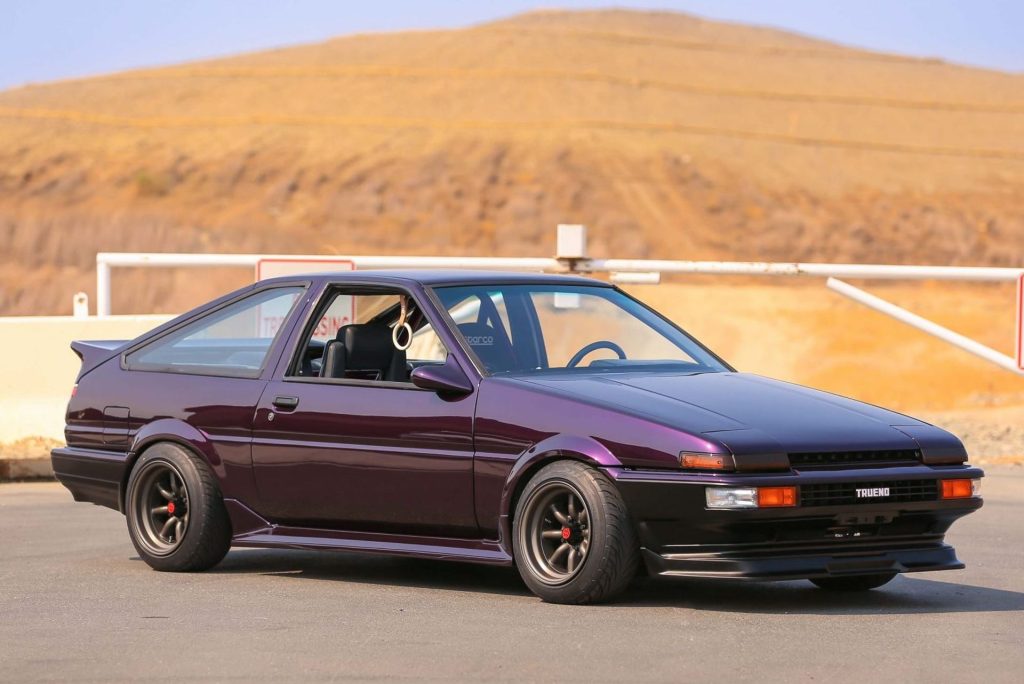
Most of the models in this generation transitioned to a front-wheel-drive layout, marking a significant change for the Corolla lineup. However, the AE85 and AE86 stood out as the final two Corolla models to retain the rear-wheel-drive FR layout.
These chassis codes were most closely associated with the Sprinter and Trueno models. The Sprinter was largely similar to the Corolla but carried distinct styling features, such as pop-up headlights and other subtle body differences, which set it apart.
The true introduction of a front-wheel-drive Corolla arrived with the fifth generation in 1984. While the overall series began in 1983 and ran until 1987, certain variants like the SRS Coupe, Liftback, and Station Wagon carried forward the fourth-generation rear-drive chassis.
Meanwhile, the new front-drive Corolla, though conventional in layout, represented a major departure from the rear-wheel-drive tradition. It was powered by the familiar 1.6-liter SOHC engine, paired with either a five-speed manual transmission or a four-speed automatic.
In Australia, the Corolla story took on added significance. By mid-1984, the rear-drive Corolla Coupe and Liftback were equipped with a 16-valve version of the 1.6-liter engine, producing a robust 124 bhp. These models became highly regarded as tossable, fun-to-drive cars, now considered classics.
The DOHC engine, combined with the five-speed transaxle from the front-drive Corolla, formed the drivetrain of the mid-engine Toyota MR2, which was introduced to Australia in 1985, further cementing Toyota’s reputation for engineering innovative and engaging vehicles during this era.
2. Honda Civic (Fourth & Fifth Generations, 1988–1995)
Like the Corolla, the Honda Civic carved its legacy as a reliable and efficient commuter. The late-’80s and early-’90s Civics were lightweight, fun to drive, and incredibly durable. Their small four-cylinder engines are nearly indestructible with regular maintenance, and even higher-mileage examples often run strong.
Today, unmodified Civics from these years are becoming harder to find due to tuner culture, but clean examples still offer great value. They’re economical, long-lasting, and versatile—making them a solid bargain in the classic market.
3. Ford Ranger (First Generation, 1983–1992)
Compact pickups have always had strong followings in the US, and the first-generation Ford Ranger remains one of the most dependable trucks of its era.
Built with rugged simplicity, the Ranger could be ordered with a variety of engines, but the 2.3-liter four-cylinder and the 2.9-liter V6 stand out for their durability.
The Ranger also had excellent parts availability, and many are still in working order across the country. For buyers seeking a classic truck that can still handle light work duties without constant shop visits, the Ranger delivers both nostalgia and reliability.
It’s exciting to see how popular the Ford Maverick has become today. The automotive world has long needed a small truck that could function as a primary mode of transportation, handle family duties, and still perform most of the tasks we typically expect from a truck. The Maverick accomplishes this role beautifully.
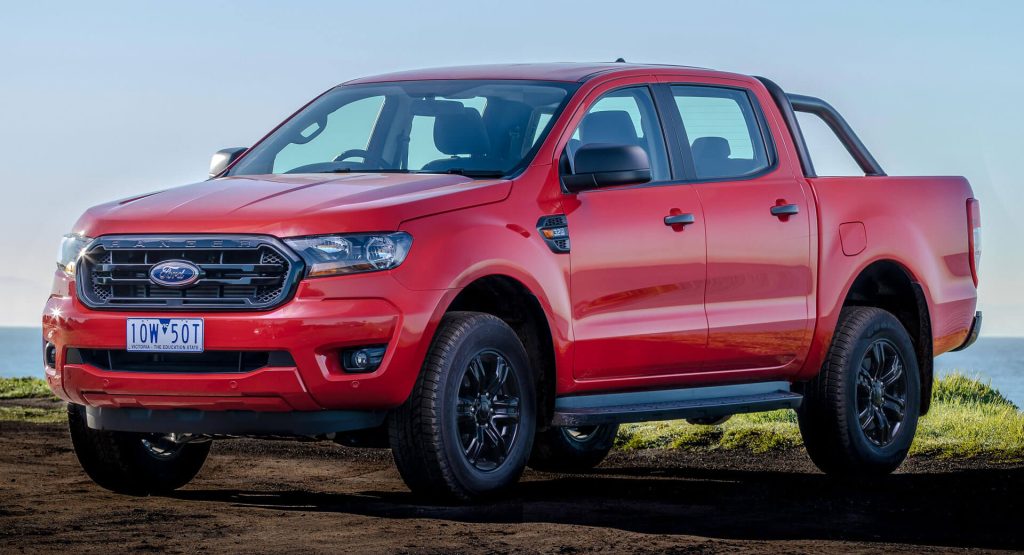
It’s far more than just a Ford Escape with a truck bed or a unibody sibling to the modern Ford Ranger. However, in its attempt to appeal to a wide range of buyers, the Maverick moved away from the concept of a truly basic, no-frills small truck, a role last held by the original Ford Ranger before it exited the market in 2012.
Ford introduced the first-generation Ranger in 1983 as a replacement for the Mazda-built Ford Courier. Built on a dedicated light-truck platform, the Ranger remained in production until 2012 and served as the foundation for other vehicles such as the Bronco II, Ford Explorer, and Ford Aerostar.
Mazda also adopted the platform for its North American lineup, selling it as the Ranger-based B-Series from 1994 through 2011.
Over its production run, the Ranger relied heavily on the Lima four-cylinder and the Cologne V6 engines. From 1992 until 2008, buyers could also opt for the 3.0-liter Vulcan V6, which slotted between the economical four-cylinder and the more powerful Cologne V6, the latter eventually expanded to 4.0 liters.
Across its lifespan, Ford released three generations of the Ranger. The first generation (1983–1992) featured a squared-off front end reminiscent of the Bronco II and the first-generation Explorer. The second generation, introduced in 1993, adopted a more rounded design and offered a step-side body option.
For the 1998 model year, the third generation arrived with major updates to the chassis, suspension, and drivetrain. The SuperCab variant added rear-hinged doors, while styling cues increasingly resembled those of the larger F-150 and Super Duty trucks.
The Ranger enjoyed strong sales for most of its run, but by the mid-2000s demand began to wane. Rising prices and limited features pushed many buyers toward the F-150, which offered more truck for only about $3,000 more. By 2011, Ford made the decision to discontinue the model, and the final Ranger rolled off the assembly line in December of that year.
4. Volvo 240 (1974–1993)
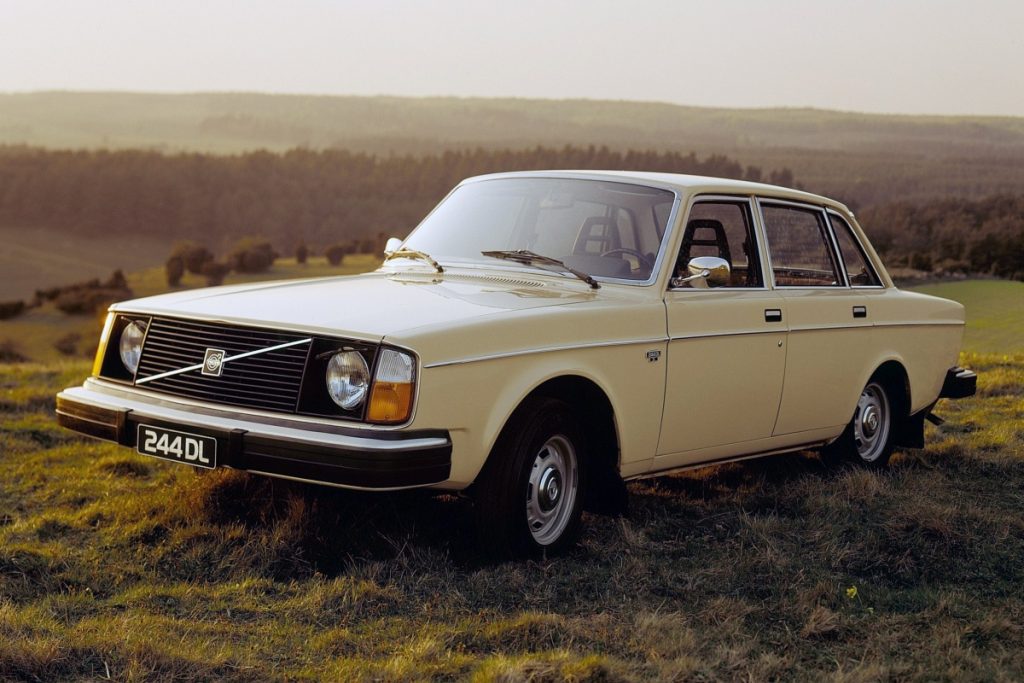
The Volvo 240 is often described as a tank on wheels, and it earned that reputation for its long lifespan and ability to take abuse. Sold in both sedan and wagon forms, the 240 combined boxy Swedish styling with an almost agricultural level of toughness.
Its inline-four “Redblock” engines are legendary for their longevity, often running well past 300,000 miles. Volvo designed the 240 with safety and practicality in mind, making it one of the most reliable and long-lasting European classics still attainable at reasonable prices.
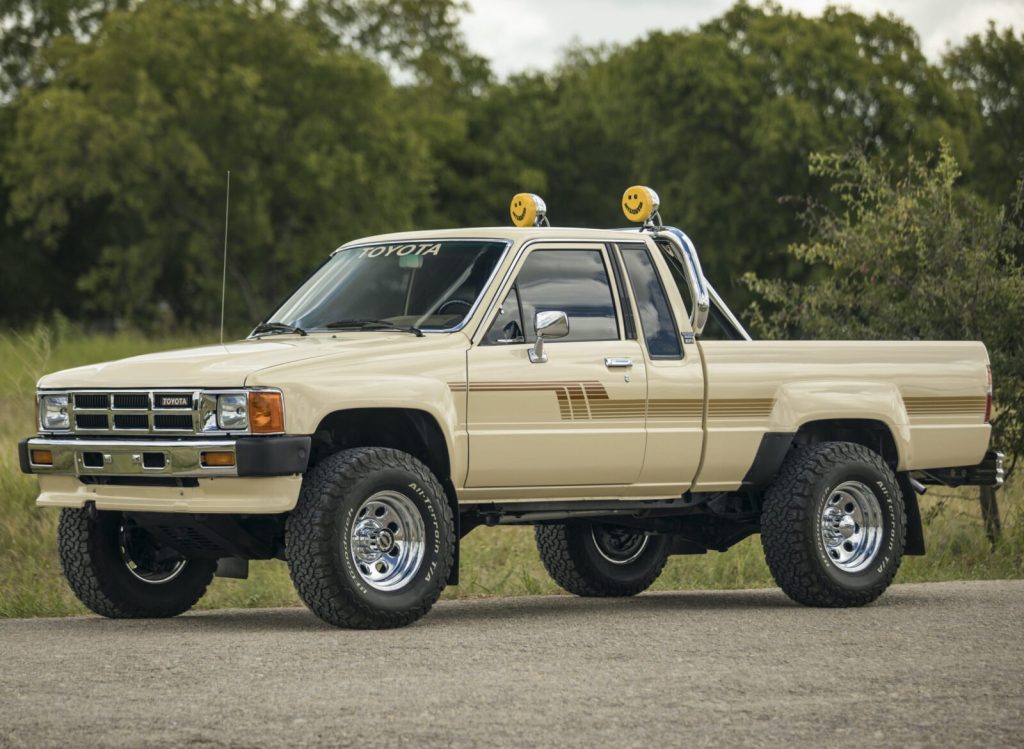
5. Toyota Pickup / Hilux (Late 1980s–1990s)
If there’s a single vehicle known for indestructibility, it’s the Toyota Pickup—also known as the Hilux in markets outside the US. These small trucks earned worldwide fame for their ability to withstand extreme use, including off-road abuse and heavy hauling.
Their 22R and 22RE engines are among the most reliable Toyota ever built. Despite their age, many still serve as daily drivers or farm trucks across America. Finding one without rust is the challenge, but mechanically they remain some of the toughest bargains in the classic truck world.
6. Honda Accord (Third & Fourth Generations, 1986–1993)
The Honda Accord of the late ’80s and early ’90s built on Honda’s reputation for making reliable, well-rounded family cars. These models were known for their smooth engines, comfortable interiors, and solid build quality.
Unlike many classics, Accords from this period don’t demand constant tinkering to stay on the road. With regular oil changes and basic upkeep, these Accords easily pass the 200,000-mile mark. Their affordability and availability of parts make them an excellent classic bargain for buyers who still want everyday usability.
Honda’s Accord has long been an automotive powerhouse, consistently delivering sales volumes that surpass those of entire brands while earning praise for its engaging driving dynamics, clever use of space, and unwavering reliability.
The first generation, produced from 1976 to 1981, marked the start of one of America’s best-selling nameplates, though the debut was modest. The original Accord arrived in 1976 as a two-door hatchback that appeared somewhat plain by design.
Positioned above the Civic as Honda’s premium offering, it was powered by a second-generation 1.6-liter CVCC four-cylinder engine producing just 68 horsepower. While not powerful, it was impressively fuel-efficient, a crucial trait during the fuel crises of the 1970s.
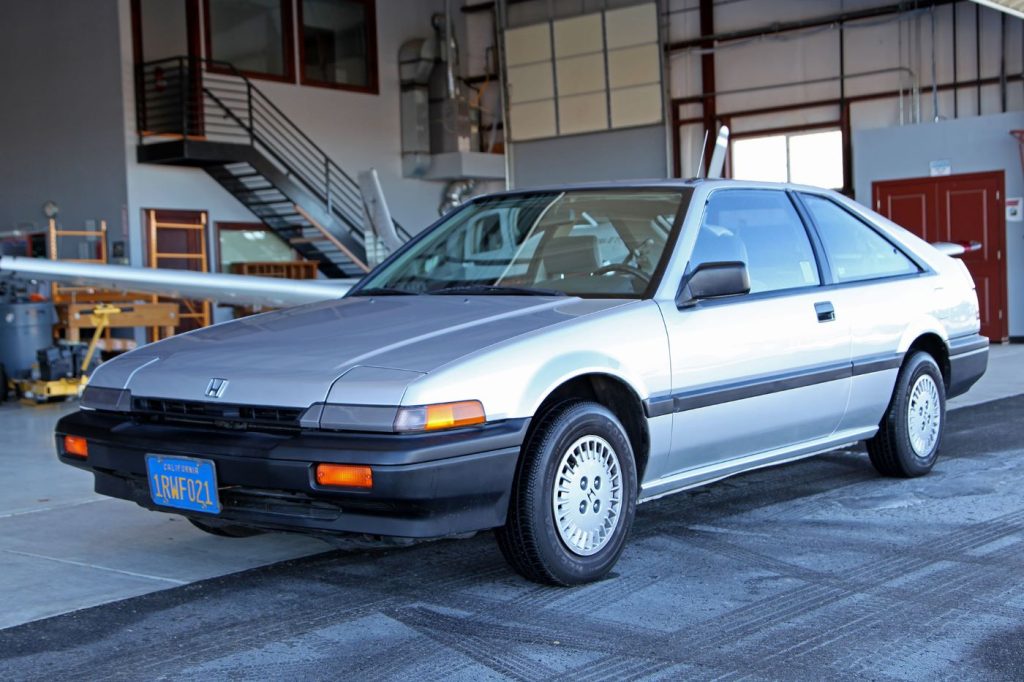
In terms of size, today’s Accord sedan nearly qualifies as a “large car” according to EPA standards, stretching 192.5 inches in length. By contrast, the 1977 Accord hatchback measured only 162.8 inches, closer in size to a modern Ford Fiesta.
A four-door sedan body style was added for 1979 to broaden its appeal. Initial sales in 1976 barely topped 18,000 units, but demand surged rapidly, reaching 195,524 annual sales by 1982, just before the second generation launched.
The second-generation Accord, produced from 1982 to 1985, grew in both size and importance. It became the first Japanese car to be assembled in the United States when Honda opened its Marysville, Ohio, plant, with sedan models rolling off the line there.
Although engine performance remained modest by modern standards, incremental increases in displacement pushed the four-cylinder’s output to 86 horsepower by 1984.
The lineup expanded further in 1985 with the introduction of the sporty Accord SEi, which featured fuel injection and a then-impressive 101 horsepower, marking a performance boost that gave the Accord more energy and broadened its appeal.
7. Jeep Cherokee (XJ, 1984–2001)
The Jeep Cherokee XJ is one of the most iconic SUVs ever made and has a reputation for being nearly unbreakable. Its boxy styling has become a cult favorite, but the real star is the 4.0-liter inline-six engine, which is famous for its durability.
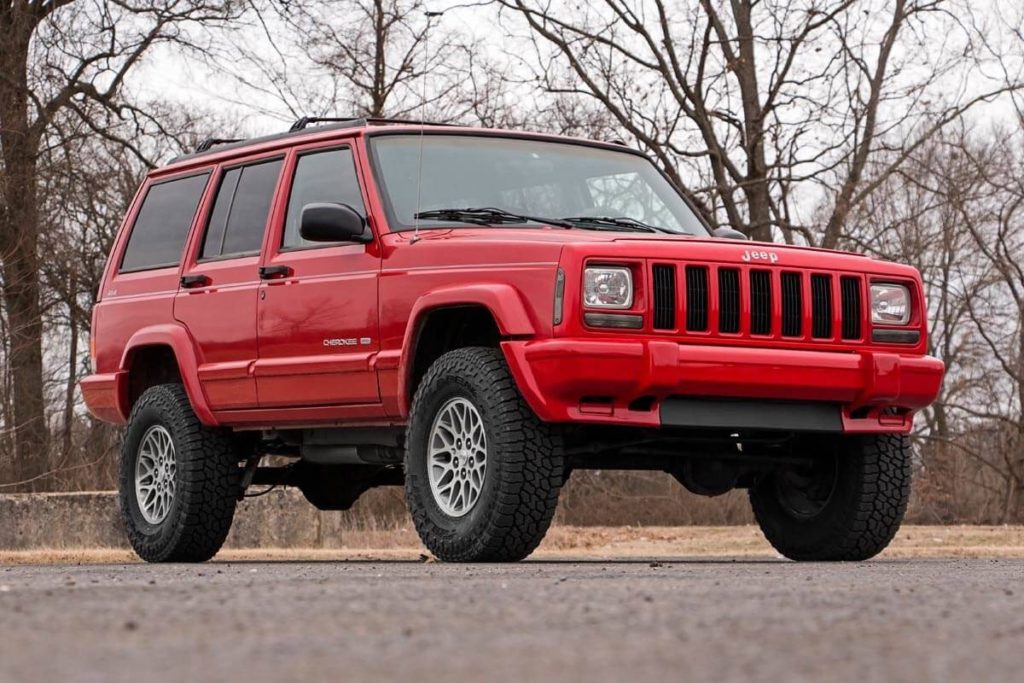
This powerplant often runs past 300,000 miles with minimal issues, and the simple mechanics make it easy to repair. While clean examples are starting to climb in price, the XJ remains one of the most reliable and affordable classic SUVs you can buy in the US.
8. Toyota Camry (Second & Third Generations, 1987–1996)
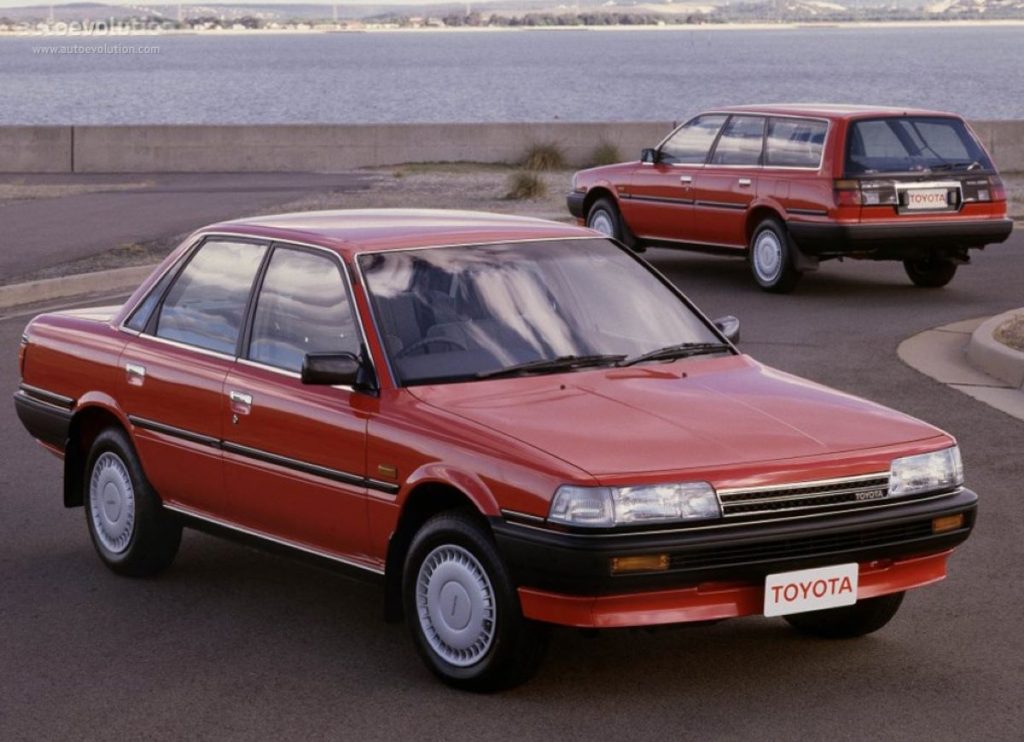
The Camry has long been Toyota’s midsize champion, and models from the late ’80s and early ’90s cemented its reputation as a dependable family sedan. These cars may not be flashy, but they are known for running nearly forever with proper care.
Engines like the 2.2-liter inline-four and 3.0-liter V6 were designed to be low-stress and long-lasting. Many examples still operate smoothly today, proving why the Camry became a household name for reliability. On the classic market, these cars are often overlooked, which makes them bargains for buyers in the know.
The 2021 Toyota Camry made its debut online in 2020, bringing notable improvements over the pre-facelift version, particularly in technology and safety.
As one of the best-selling sedans in its class across North America, the Camry’s success stemmed from Toyota’s consistent updates and refinements throughout its 37-year production run.
From the exterior, the 2021 Camry offered two distinct front-end designs depending on the trim. The LE and XLE trims carried a more relaxed and refined look tailored for comfort, while the SE and XSE models featured a sportier, aggressive bumper that emphasized performance styling.
Inside, the Camry came standard across all trims with a 7-inch multi-information touchscreen display integrated into the instrument cluster.
Buyers could also opt for a 10-inch head-up display for added convenience. The infotainment system varied between trims, offering either a 7-inch or 9-inch touchscreen, ensuring modern connectivity and functionality.
A major highlight was the introduction of Toyota Safety Sense 2.5+ (TSS 2.5+), which provided a robust suite of driver-assist technologies. This included Automatic Emergency Braking, a Pre-Collision System with Pedestrian Detection, Full-Speed Dynamic Radar Cruise Control, Lane Tracing Assist, and Road Sign Assist, all aimed at enhancing driver and passenger safety.
For performance, Toyota expanded the lineup with the addition of an all-wheel-drive Camry, a feature exclusive to North America. This system used a Haldex multi-clutch center differential capable of disengaging the rear axle when AWD wasn’t required, improving fuel efficiency while maintaining traction and stability when needed.
9. Chevrolet S-10 (First Generation, 1982–1993)
For truck buyers looking beyond Ford and Toyota, the Chevrolet S-10 remains an underrated gem. The first-generation models were compact, simple, and offered with a range of reliable four- and six-cylinder engines.
While they may not have been as bulletproof as Toyota’s pickups, they still offered years of dependable service with basic upkeep. The S-10’s affordability makes it a great entry point into classic trucks, especially for buyers who want an American model that’s still practical for light-duty use.
The Chevrolet S10, a true symbol of American automotive innovation, made a lasting impact in the compact pickup truck market from its introduction in the early 1980s until its discontinuation.
Over its production run, the S10 went through notable transformations, continuously evolving to meet consumer demands and embrace advancing technology. Its history is marked by two distinct generations, each bringing unique updates in design, trims, and performance.
The Chevrolet S10 was first introduced in 1982 as General Motors’ answer to the growing demand for compact pickups. It was launched alongside the GMC S15 to compete with established rivals such as the Ford Ranger and Toyota Hilux.
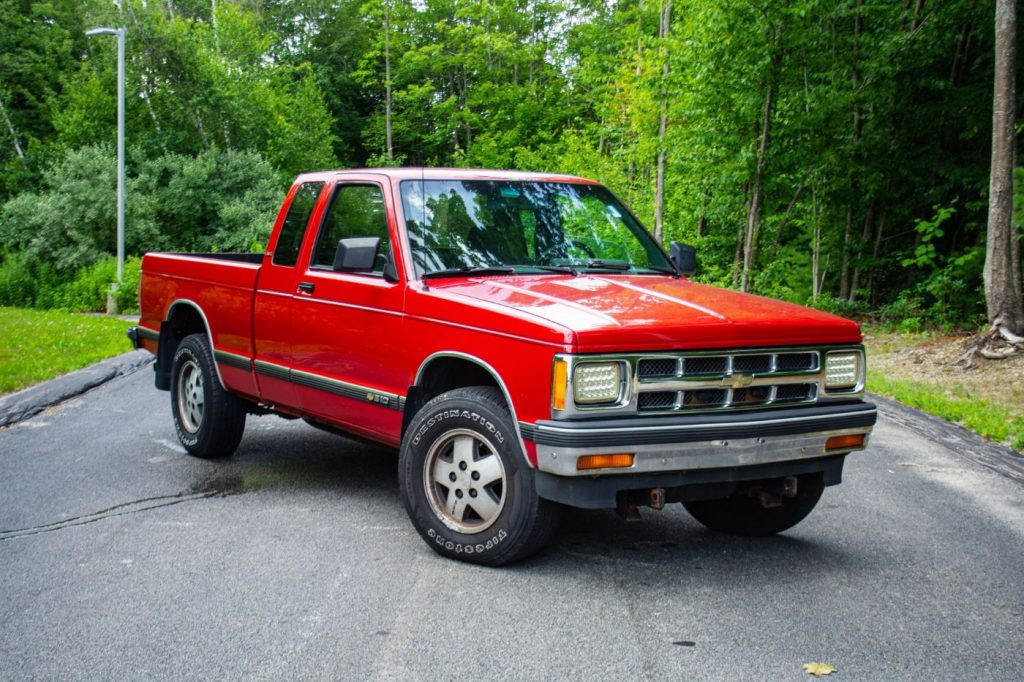
The first generation of the S10, which lasted from 1982 to 1993, was built on GM’s “S” platform and was instantly recognizable for its squared-off, boxy design that embodied the styling trends of the ’80s and early ’90s.
Initially offered as a two-door standard cab, the lineup expanded in 1986 with the addition of a four-door crew cab, broadening its appeal to both families and work crews. Trim levels included the Base, S, Sport, LT, SS (Super Sport), and ZQ8 high-performance versions.
Engine options ranged from an economical 1.9-liter four-cylinder to a more capable 2.8-liter V6, with the standout SS variant introduced in 1989. The SS was powered by a 4.3-liter V6 and featured sport-tuned suspension, carving out a performance niche in the compact truck segment.
The second generation, produced from 1994 to 2004, brought with it a more modern, aerodynamic design that reflected the styling direction of the 1990s. Safety features became a bigger focus, and the cabin received important refinements, highlighting the shift toward comfort and convenience that truck buyers increasingly demanded.
The lineup of trims grew to include the Base, LS, LT, Z71 Off-Road, and the sporty S10 Xtreme. Under the hood, the standard powertrain was a 2.2-liter four-cylinder, while the proven 4.3-liter V6 offered buyers greater performance.
The Z71 trim catered specifically to off-road enthusiasts, featuring increased ground clearance and heavy-duty shocks, while the S10 Xtreme, introduced in 2000, adopted a more aggressive and youthful personality with a lowered suspension and bold styling that appealed to younger drivers.
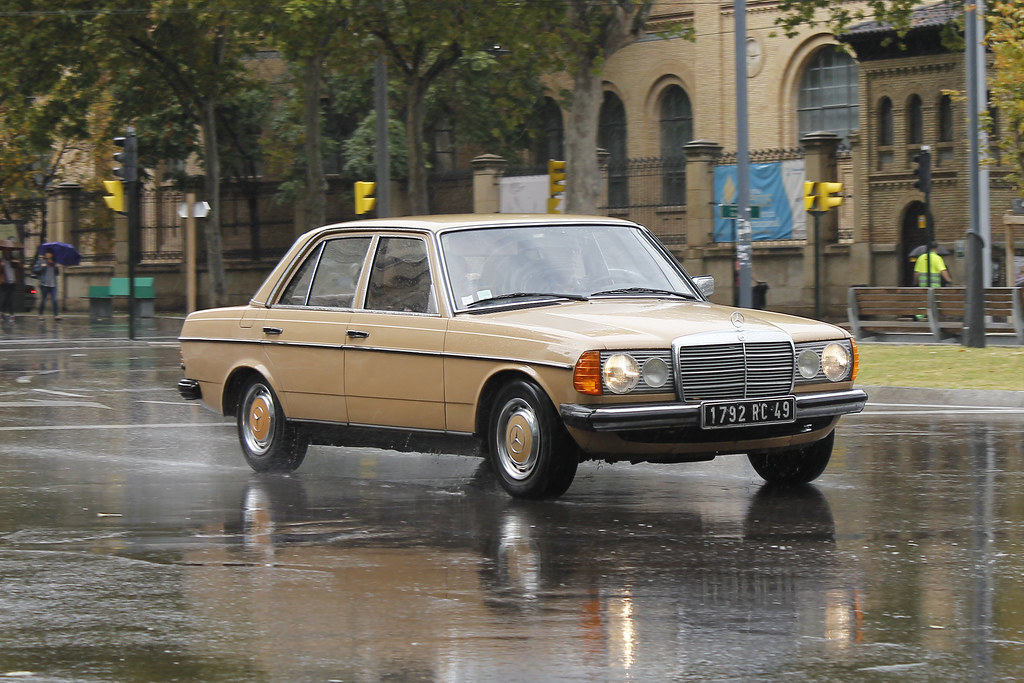
10. Mercedes-Benz W123 (1976–1986)
Among European classics, few cars match the Mercedes-Benz W123 for durability and timeless appeal. Available in sedan, coupe, and wagon body styles, the W123 was built with the kind of over-engineering Mercedes was once famous for.
The diesel variants, in particular, are renowned for their ability to cover half a million miles or more. While some parts can be pricey, these cars were designed to last a lifetime, and many still do. For buyers seeking a reliable European classic with prestige, the W123 is surprisingly attainable.
Classic cars span more than a century of automotive history, offering enthusiasts everything from small sporty models to rugged off-roaders and even commercial workhorses. While today’s roads are dominated by SUVs, countless garages around the world house timeless metal from bygone eras.
With so many options available, one might assume it’s impossible to crown a single car as the ultimate classic. Yet, the Mercedes-Benz W123 makes a strong case for holding that title. Loved across generations, respected for its durability, and admired for its understated style, the W123 has earned its place as a true icon of classic motoring.
Choosing the W123 for such recognition isn’t a stretch. It’s not a flashy or polarizing car but rather a respected “hall of famer” in the automotive world. Free from ego, reliable to a fault, and capable of being a genuine daily driver even today, the W123 has proved itself time and time again.
Its reputation as a dependable taxi across Africa remains a powerful testament to its toughness and longevity. Even decades later, these cars continue to thrive in challenging environments, a feat few vehicles can claim.
Beyond its legendary service as a workhorse, the W123 holds its ground as an enduringly stylish and versatile machine. Its design, subtle yet captivating, transcended social class. It looked equally at home outside a luxury townhouse in London as it did in a suburban driveway.
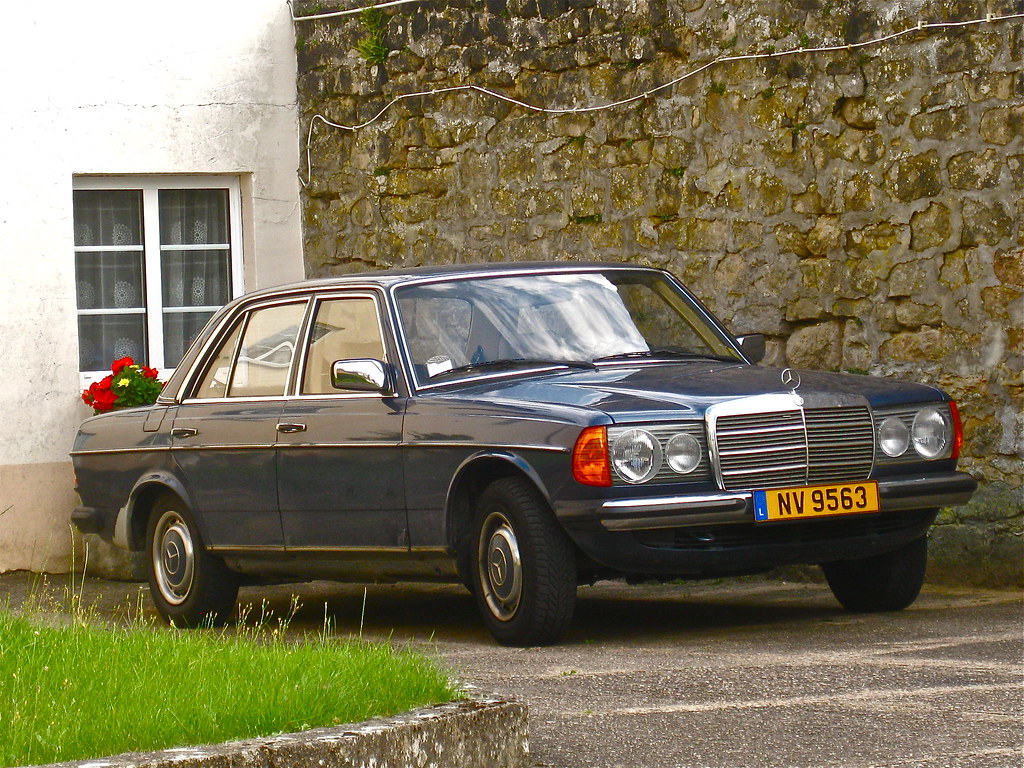
Between 1976 and 1986, the W123 dominated. It wasn’t the fastest, cheapest, or most feature-packed vehicle of its time, but its dependability and charm made it incredibly desirable. Demand was so strong that early buyers could resell their cars for thousands of Deutschmarks above retail price.
The W123 wasn’t just a saloon either, it expanded into estates, coupes, long-wheelbase models, and even hearses and ambulances. Some specialist firms even created convertible versions, proving the platform’s flexibility and wide appeal.
Mechanically, the W123 inherited proven systems from its predecessor, the W114, including engines that stood the test of time. The most sought-after options remain the 2.3-liter four-cylinder and the 2.8-liter M110 straight-six, both praised for their resilience.
11. Nissan Hardbody Pickup (1986–1997)
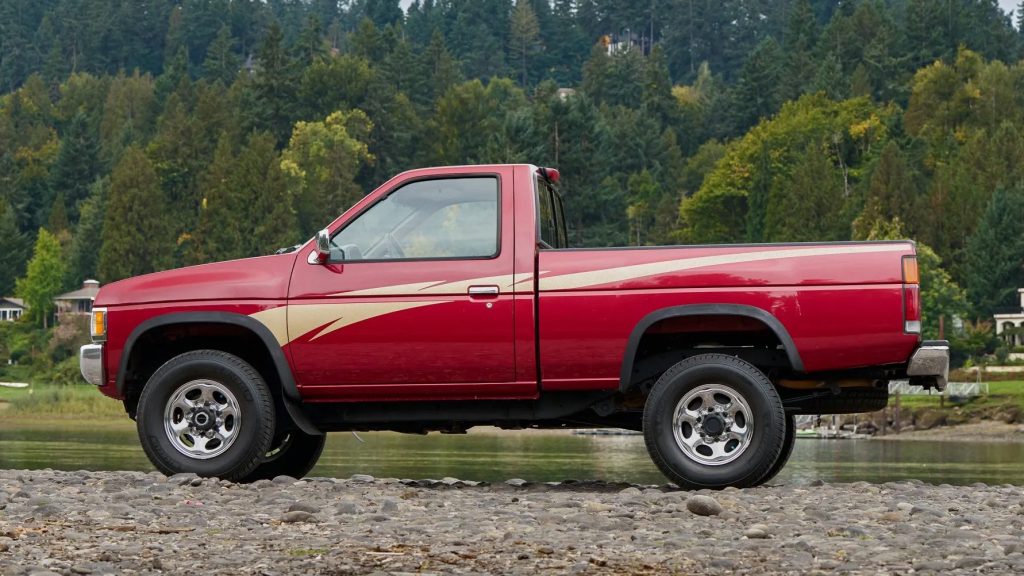
The Nissan Hardbody, officially known as the D21, was one of the toughest small trucks of its era. Built in Tennessee for the US market, the Hardbody combined Japanese engineering with American assembly, and it quickly developed a reputation for durability.
Engines like the KA24 four-cylinder were easy to maintain and long-lasting, making these trucks popular among tradespeople and off-road enthusiasts. Today, clean examples remain affordable and are often found still working hard decades after leaving the factory.
12. Subaru Legacy (First Generation, 1990–1994)
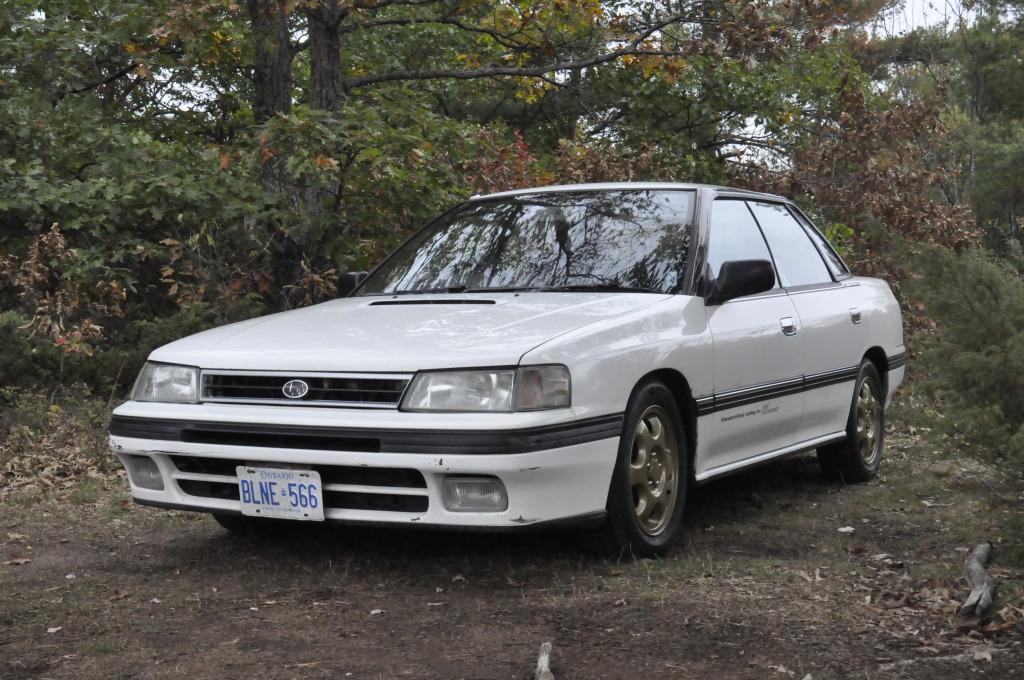
Subaru’s first-generation Legacy was the car that began the brand’s modern reputation for reliability and all-weather performance. Equipped with all-wheel drive and Subaru’s hardy flat-four engines, these cars proved durable in harsh conditions, especially in snowbelt states.
The simplicity of their design makes them easier to maintain than newer Subarus, and many are still going strong today. For buyers seeking a reliable classic with a touch of rally heritage, the Legacy is an underrated bargain.
Classic cars don’t always have to mean constant repairs or high-dollar investments. The vehicles on this list stand out because they offer something that never goes out of style: reliability.
Whether you’re after a compact commuter like the Honda Civic, a rugged SUV like the Jeep Cherokee, or a tank-like Volvo 240, these classics deliver dependable performance at prices that remain accessible.
For enthusiasts who want to own a piece of automotive history without emptying their wallets, or sacrificing peace of mind, these 12 models prove that reliability itself can be a classic trait worth celebrating.
