
When it comes to automotive reliability, first impressions can be deceiving. Some vehicles arrive with high expectations, only to disappoint, while others quietly prove their dependability over years of use.
Ford has produced a surprising number of models that exceeded expectations, offering owners durability, practicality, and peace of mind without flashy promises.
From compact subcompacts to full-size sedans and heavy-duty trucks, these Fords demonstrate that smart engineering, robust platforms, and thoughtful design often matter more than headlines or marketing hype.
Whether tackling daily commutes, long-distance travel, or commercial duties, each of these ten models has built a reputation for outlasting its competitors and continuing to deliver value well beyond what buyers initially anticipated.
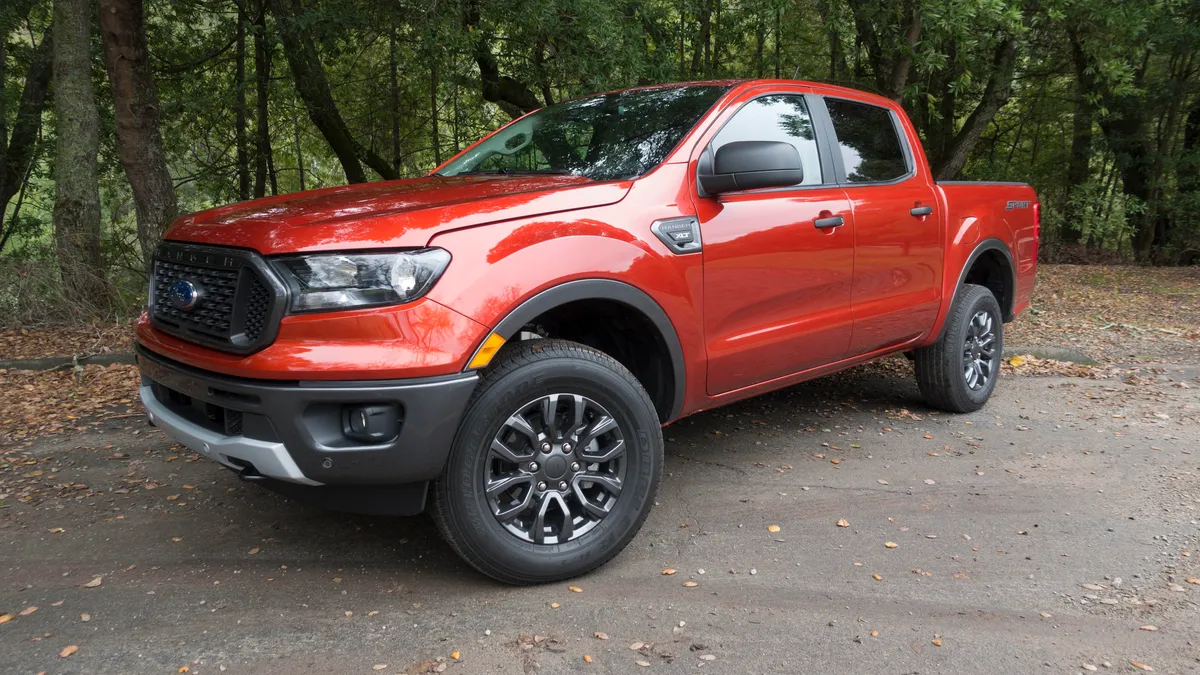
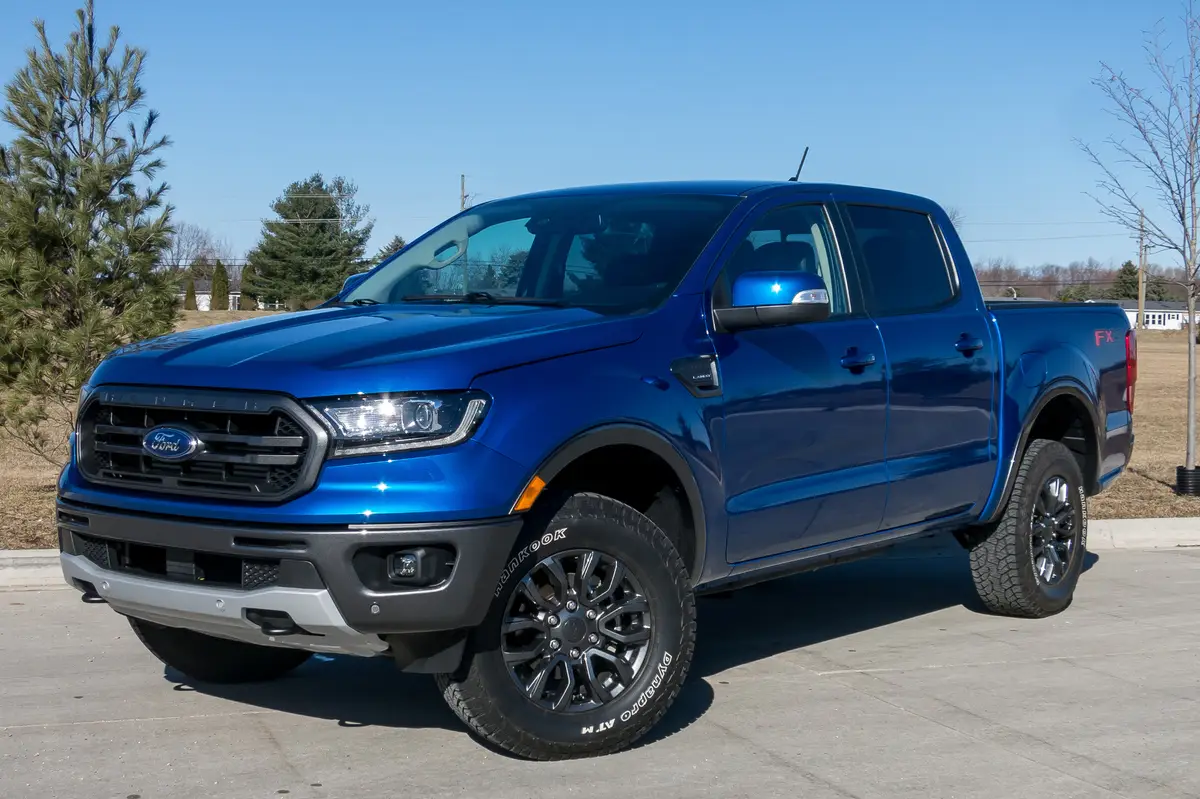
1. 2019 Ford Ranger: Diesel-Like Efficiency with Gas Power
After years of anticipation, the Ford Ranger returned to the U.S. market in 2019. While international markets had long enjoyed diesel-powered Rangers, American buyers received a gas-powered version designed to balance performance, comfort, and efficiency. The 2019 Ranger positioned itself as a competitive midsize truck, combining modern technology with impressive towing and payload capacities.
The Ranger’s standard four-cylinder turbocharged engine delivers strong acceleration, hitting 0–60 mph in 6.7 seconds, outperforming rivals like the Toyota Tacoma. With an available V6, performance improves slightly to 6.2 seconds.
Although low-speed responsiveness can lag, the Ranger offers ample power for passing and merging. Handling is stable for a truck, with well-weighted steering that performs confidently on highways and in tight spaces.
The Ranger scores high on comfort, providing a smooth ride superior to many competitors. Front seats are supportive for long drives, and the Raptor trim enhances comfort with additional bolstering for off-road conditions. One drawback is engine noise, which becomes coarse at full throttle, though this is common among turbocharged midsize trucks.
Inside, the Ranger provides generous front-seat space and excellent visibility thanks to a low hood design. The rear seats offer limited legroom compared to models like the Honda Ridgeline or Jeep Gladiator, but are adequate for children or occasional adult passengers. Controls are logically placed, with a touchscreen interface that balances convenience with occasional distractions from on-screen climate controls.
Ford equipped the Ranger with advanced connectivity, including wireless Android Auto and Apple CarPlay. While voice recognition falls short of rivals like Chevrolet’s Google Assistant, the system remains user-friendly.
Driver-assist features set the Ranger apart, offering reliable lane-keeping aids and an optional surround-view camera with high resolution. Off-road, the forward-facing camera’s tire-path guidance makes maneuvering obstacles easier.
Practicality is a strong suit for the Ranger. Its widened short bed accommodates standard plywood sheets, and its 1,805-pound payload capacity is among the best in the segment. With a maximum towing capacity of 7,500 pounds, it trails slightly behind the Chevy Colorado but outshines it in towing technology. Ford’s Pro Trailer Backup Assist simplifies reversing with a trailer, a feature unmatched in its class.
Fuel efficiency is another highlight, with the four-cylinder engine achieving an EPA-estimated 22 mpg combined in both 2WD and 4WD versions. This makes it competitive with rivals and delivers diesel-like efficiency from a gasoline engine. The available V6 drops slightly to 20 mpg combined.
Although priced higher than some competitors, the Ranger justifies its cost with superior materials and refinement, particularly compared to the Tacoma. Its reliability track record is solid, with recent model years (2021–2024) receiving strong ratings.
Notably, the 2010 and 2009 models also stand out for dependability. However, buyers should be cautious of earlier issues, including airbag recalls (2007–2011) and early 2000s transmission failures.
The 2019 Ford Ranger combines impressive towing technology, strong performance, and fuel efficiency with modern tech features. While slightly more expensive than competitors, it delivers higher refinement, making it a well-rounded and reliable option in the midsize truck market.
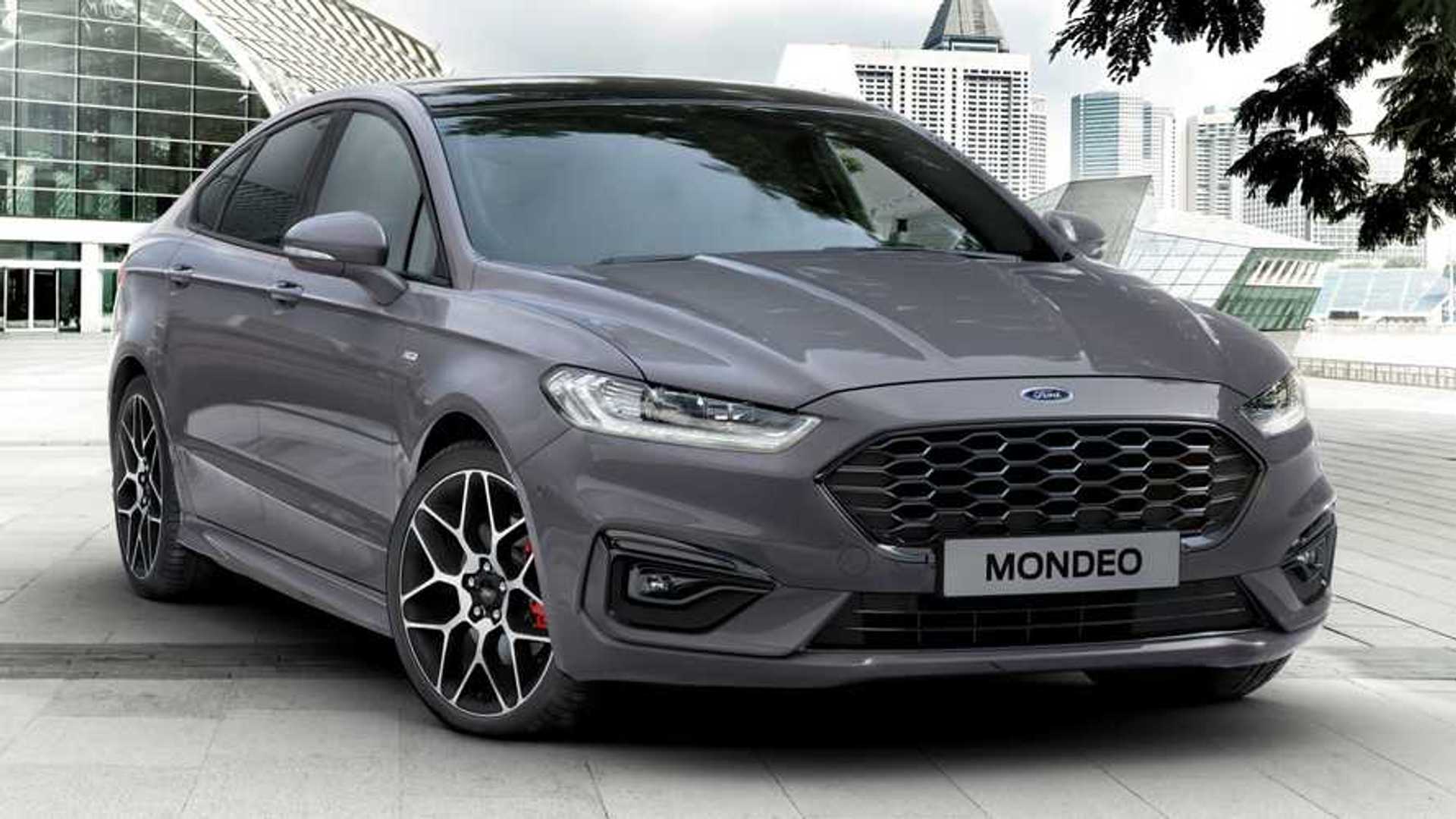
2. Ford Mondeo: A Dependable All-Rounder
The Ford Mondeo replaced the underperforming Sierra and became one of Ford’s greatest midsize success stories in Europe. Initially met with skepticism, it grew in popularity after a mid-cycle refresh and built a reputation for reliability.
While the U.S. counterpart, the Contour, never found success, the Mondeo became a strong competitor against European rivals thanks to its blend of comfort, practicality, and value.
The Mondeo emphasizes comfort and refinement over sporty handling. Once the sharpest driver’s car in its class, it now offers a smoother and more relaxed ride, comparable to some premium German alternatives. Recommended engines include the diesel and 1.5-liter petrol options, which balance economy with performance.
For long-distance travel, the diesel is ideal, while the twin-turbo diesel nearly matches the 2.0-liter EcoBoost petrol’s pace but with lower running costs. A hybrid version is available, though the smallest diesel remains the better option for efficiency and driving enjoyment.
Offered in Style, Zetec, and Titanium trims, even the base Mondeo includes useful features like climate control and a touchscreen infotainment system.
The interior feels more premium than previous generations, rivaling the VW Passat and even approaching BMW and Audi standards. Spacious enough for four adults and boasting a generous boot, the hatchback variant is especially practical, while the saloon offers less everyday usability.
The Mondeo is regarded as dependable and has ranked highly in surveys of used executive cars. However, diesel variants can be prone to Diesel Particulate Filter (DPF) problems, dual mass flywheel failures, and clutch wear.
Electrical issues such as infotainment glitches, faulty warning lights, and keyless entry malfunctions are also common. Suspension wear, particularly in the rear, may require attention, and older Powershift automatics had transmission concerns. Consistent servicing and a thorough history check are essential for long-term reliability.
The Ford Mondeo is a refined, versatile, and practical midsize car. While not as engaging to drive as a Mazda 6, it delivers comfort, reliability, and value.
Prices range from about $21,500 to $43,300 new, with Carwow cash deals starting at $19,000 and used models available from $6,400. For buyers seeking premium qualities without premium prices, the Mondeo remains one of the best all-rounders in its segment.
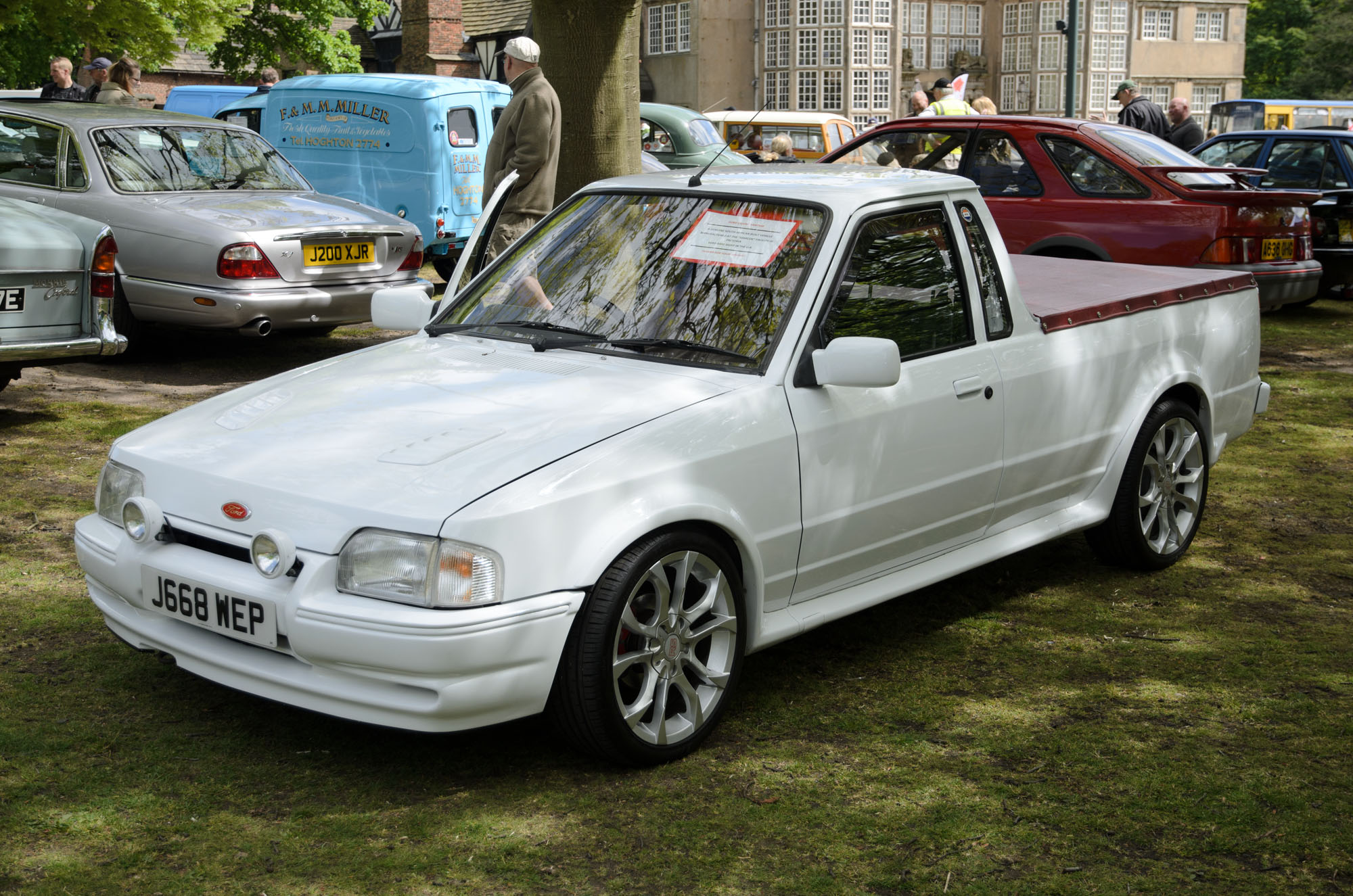
3. Ford Bantam: South Africa’s Beloved Compact Pickup
The Ford Bantam, a South African market compact pickup (or “bakkie”), was based on the fifth-generation Fiesta and powered by the reliable Rocam engine.
Introduced in 1983, the Bantam became a versatile vehicle for both commercial and personal use, offering a compact, fuel-efficient alternative to larger pickups like the Toyota Hilux, Nissan Navara, and Ford Ranger. Production ceased in 2011, yet the vehicle remains a favorite among small business owners, dirt bike enthusiasts, and fans of lightweight utility vehicles.
As a coupé utility, the Bantam was designed for practicality. Unlike “one-tonner” pickups built on a ladder-frame chassis for heavy-duty work, the Bantam used a monocoque (unibody) structure derived from the Fiesta. This made it lighter, easier to handle, and more fuel-efficient.
With engine displacements between 1,300 cc and 1,800 cc, it had a maximum payload of around 800 kilograms (1,800 lbs), making it ideal for light-duty commercial tasks and everyday transport. Its compact size also made it easier to navigate urban environments while retaining the utility of a small truck bed.
Even though production ended over a decade ago, the Bantam remains in demand. Its affordability and practicality have kept interest alive in South Africa, where the economy and high prices of larger pickups maintain a market for compact utility vehicles.
With competitors like Fiat’s Strada and Chevrolet Utility no longer produced locally, only the Nissan NP200 remains in the half-ton segment, underscoring the Bantam’s enduring popularity. Rumors have circulated about potential replacements, including Ford possibly developing a new small pickup based on the Focus platform.
The Bantam is generally considered reliable if well-maintained. The Rocam engine is robust, but issues such as engine surging, oil leaks, and brake problems can occur, particularly with neglected or heavily used vehicles. Regular servicing, timely replacement of parts like the timing chain and oil pump, and careful driving are key to longevity.
The Ford Bantam stands out as a practical, economical, and durable compact pickup. Its light-duty capability, comfortable handling, and strong owner community make it a favorite in South Africa. While discontinued, its legacy highlights the ongoing demand for small, versatile pickups in global markets.
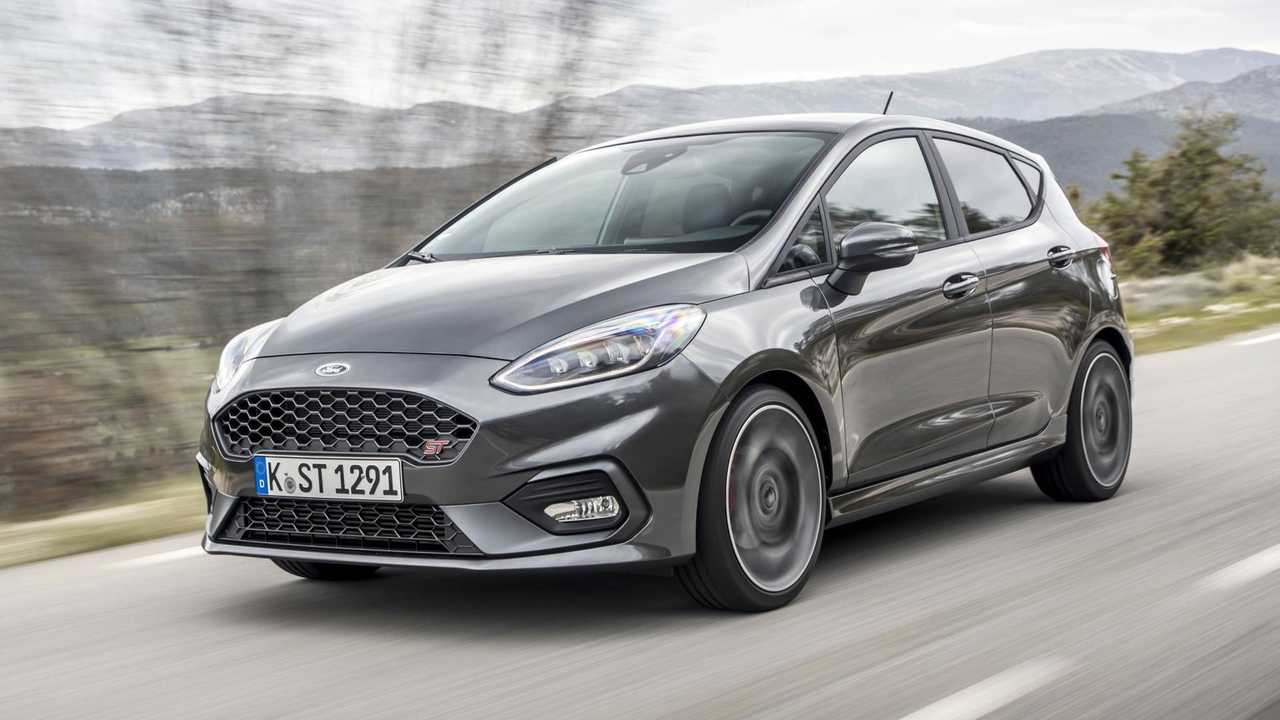
4. Ford Fiesta: The Best Version of a Beloved Subcompact
The Ford Fiesta, though declining in popularity as small cars give way to crossovers, remains one of Ford’s most refined subcompact models. While it went out of production in the U.S., it continues to be sold in Europe and other markets. The latest version is widely regarded as the best iteration, combining sporty handling, improved technology, and a well-assembled interior.
The Fiesta’s 1.6-liter four-cylinder engine paired with a six-speed dual-clutch PowerShift automatic offers average acceleration, covering 0–60 mph in 9.4 seconds.
Despite limited power, enthusiasts appreciate the sport-tuned chassis, quick steering, and responsive handling, which make the Fiesta fun to drive around corners and on freeway ramps. Braking performance is adequate, and the car’s sport-oriented suspension favors a firm ride.
Comfort is moderate for the class. Front seats are slightly scratchy and minimally adjustable, and rear seating is cramped. Ride quality can feel choppy due to the short wheelbase, though noise levels are low, making it one of the quietest subcompacts at highway speeds.
The cabin’s build quality is solid, with functional controls and an intuitive Sync infotainment system. Visibility is excellent thanks to large glass areas and slim roof pillars.
The Fiesta’s interior feels more premium than earlier generations. Front occupants have adequate headroom, though elbow space is limited, and rear occupants face tight quarters. Cargo space is modest; the sedan’s trunk is small, while the hatchback offers slightly more room. Small-item storage is excellent, with multiple cupholders and bins, though rear door pockets are absent.
Ford’s Sync system, particularly the available Sync 3, provides voice recognition, turn-by-turn directions, emergency assistance, and a 6.5-inch touchscreen with intuitive controls and sharp graphics. Standard technology is user-friendly and enhances the driving experience.
Fiesta reliability varies by year and transmission type. Models from 2011–2015 are less reliable, often facing recalls, PowerShift transmission failures, cylinder head leaks, and electrical problems. Later generations, particularly the MK8, show significant improvements. Manual transmission models are generally more reliable than the problematic dual-clutch automatic.
Focus on newer models like the MK8 and prefer manual transmissions to avoid PowerShift issues. Check maintenance history, ensure recalls have been addressed, and test drive carefully to detect unusual noises or transmission problems.
The Ford Fiesta remains a well-built, fun-to-drive subcompact with refined handling, practical technology, and solid build quality. While not the most spacious or comfortable in its class, it offers an engaging driving experience, particularly for those seeking a small, sporty car in global markets.
5. Ford Mustang: Iconic Performance with Proven Reliability
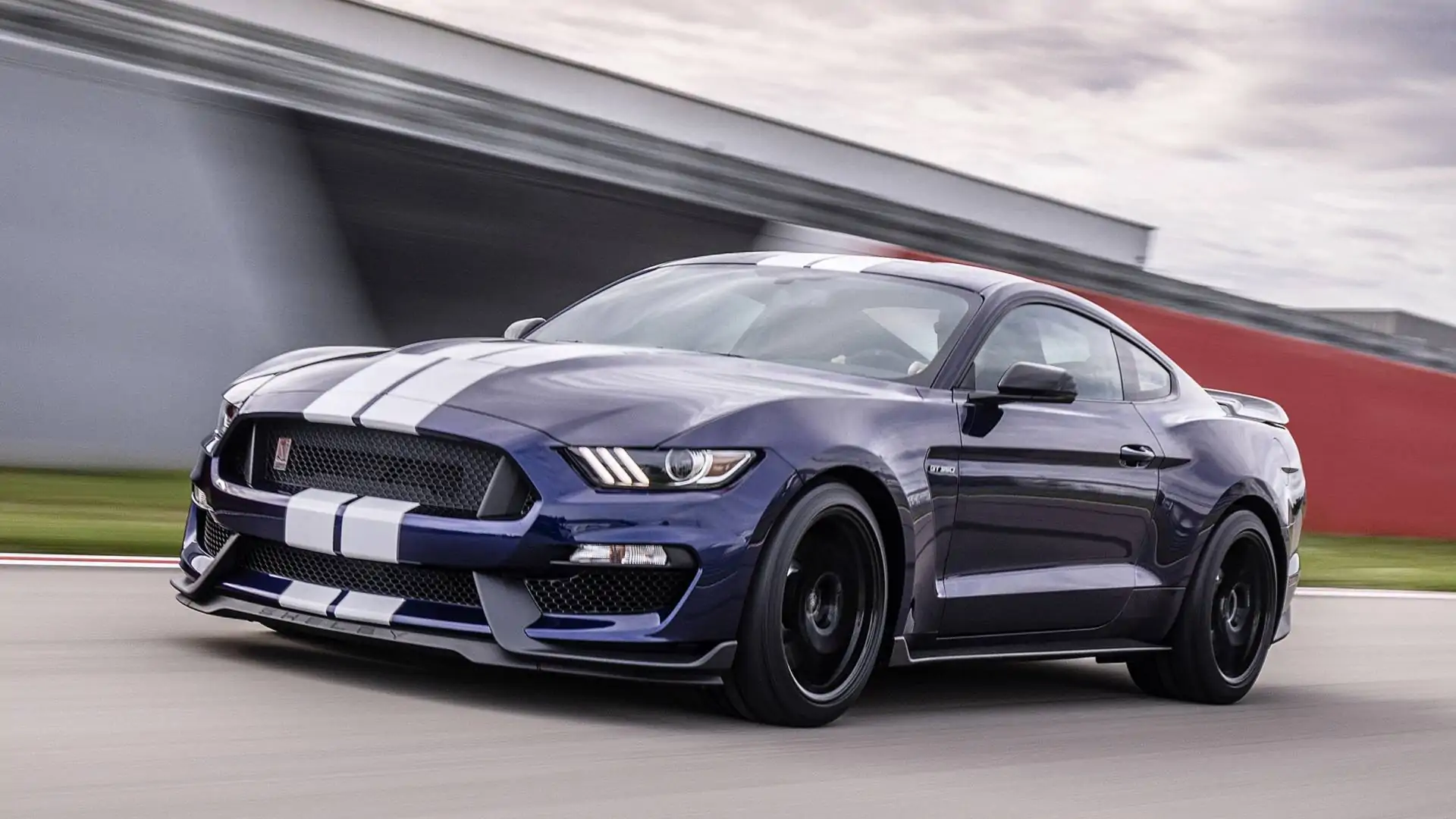
The Ford Mustang remains one of the most iconic American sports cars, combining performance, style, and daily usability. Despite being performance-focused, it enjoys above-average reliability due to its proven mechanicals, including the 2.3-liter EcoBoost and the enduring 5.0-liter V8 engines.
With proper maintenance, many Mustangs can last 200,000 to 300,000 miles, making it a compelling choice for enthusiasts who also need a dependable car.
The Mustang offers multiple powertrains to suit different driving preferences. Testing included an EcoBoost, a GT with a six-speed manual, and a GT with a 10-speed automatic, all equipped with the Performance Package.
Acceleration varies by model: the EcoBoost hits 60 mph in 5.6 seconds, the manual GT in 4.8 seconds, and the automatic GT in 4.3 seconds. Quarter-mile speeds follow a similar order, showing that even the base model delivers engaging performance.
Braking performance is strong, stopping from 60 mph in approximately 100 feet, while handling benefits from Pirelli P Zero tires, yielding 0.97–0.98 g on the skidpad. The Mustang’s chassis provides good body control and responsive steering, making it enjoyable on both track and road.
Comfort balances performance with usability. The standard suspension absorbs most road imperfections, while the optional adaptive MagneRide suspension adds stiffness for enthusiasts without excessive compromise.
Optional Recaro sport seats offer excellent support but can be restrictive for larger drivers, whereas standard seats are adequate for daily use. Interior noise is moderate, with road and tire sounds noticeable, but cabin insulation keeps engine and exhaust noise manageable. Climate controls are fully digital, and some air vents offer limited adjustment, which may frustrate some users.
The Mustang’s interior features a digital instrument panel and a 13.2-inch touchscreen running Ford Sync 4. The interface is intuitive, though some functions require extra steps in the menus.
Optional B&O audio provides decent volume but lacks subtlety at higher levels. Rear seats are cramped, and ingress/egress can be tricky due to long doors. Visibility is generally good, though thick windshield pillars and small side mirrors can limit sight lines.
Trunk space is reasonable for a sports coupe, with the fastback offering 13.5 cubic feet and the convertible 11.4 cubic feet. Small-item storage is practical, with designated spaces for phones, drinks, and other essentials. While not as spacious as some rivals, the Mustang is adequate for daily errands or weekend trips.
Fuel economy aligns with EPA estimates: the EcoBoost achieves 26 mpg combined, while the GT V8 reaches 18 mpg. Entry-level Mustangs are relatively affordable, but GT models compete with premium sports cars like the Toyota GR Supra and BMW M240i.
The Mustang offers more personalization options, but sometimes compromises on interior material quality. Warranties include three years/36,000 miles bumper-to-bumper and five years/60,000 miles powertrain coverage.
The Mustang earns average to good reliability scores. Common issues include infotainment glitches, minor electrical problems, and occasional transmission concerns, particularly with early 10-speed automatic models.
Engine-specific issues, such as coolant mixing with oil in some EcoBoosts or cosmetic ticking in Coyote V8s, are generally manageable. Following proper maintenance schedules and checking a vehicle’s history are key to long-term reliability.
The Ford Mustang remains a balanced sports car, delivering iconic style, exhilarating performance, and practical reliability. Whether opting for the efficient EcoBoost or the thrilling V8 GT, the Mustang offers an engaging, largely uncompromised driving experience, making it a standout choice in the sports car segment.
Also Read: 5 Ford Explorer Years That Are Worth Owning vs 5 That Aren’t
6. Ford F-250: A Heavy-Duty Workhorse
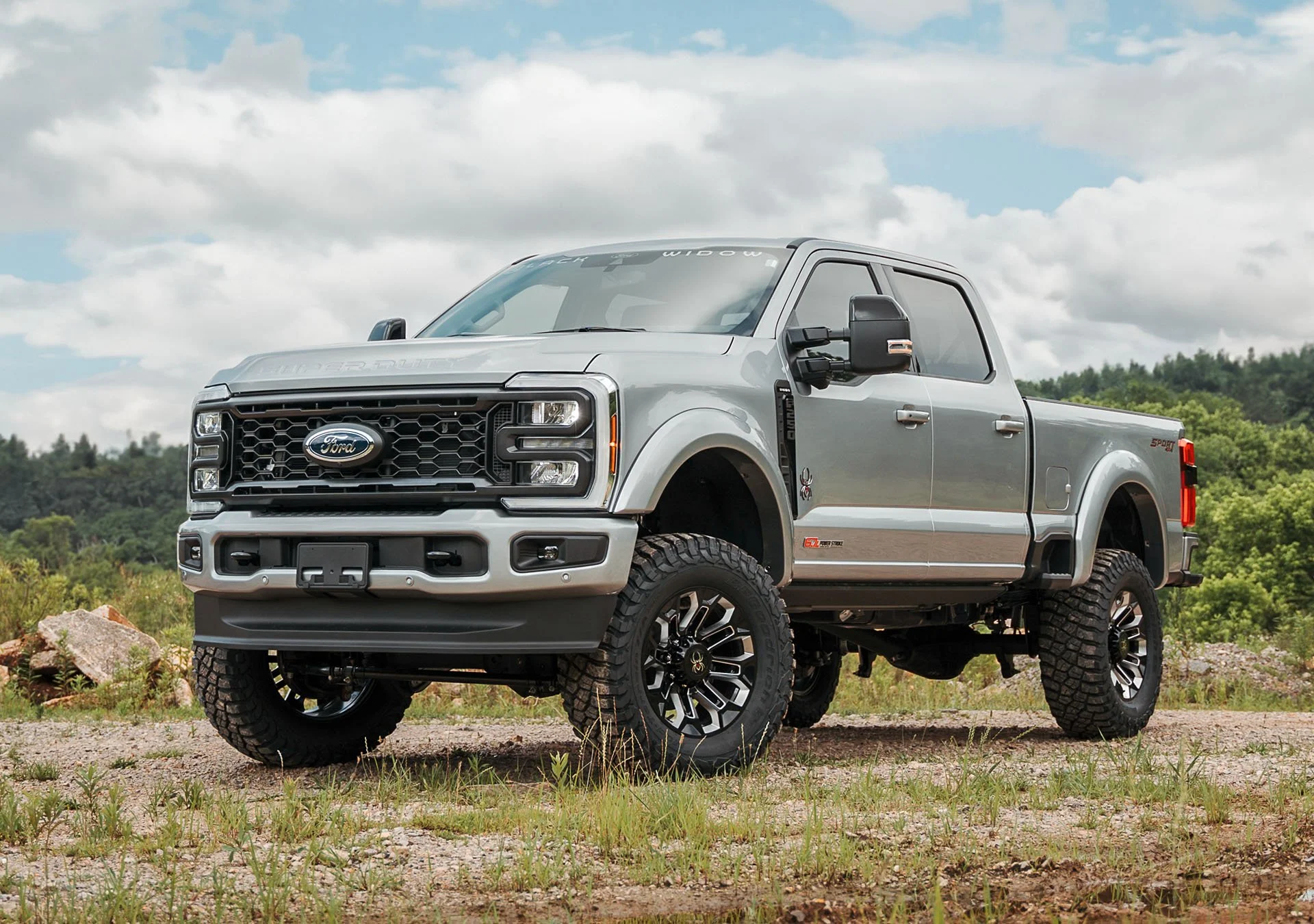
The Ford F-250 has established itself as one of America’s most popular heavy-duty trucks. Built primarily as a tool rather than a luxury vehicle, its base trim is refreshingly simple, providing excellent reliability. The truck’s minimalistic design reduces the likelihood of mechanical issues, making it a dependable choice for those needing serious capability without unnecessary frills.
The F-250 prioritizes power above all. While the lighter F-150 balances efficiency and performance with a variety of engines, the F-250 offers options focused on raw strength. Gasoline buyers can choose a 6.8-liter V8 producing 405 hp or a 7.3-liter V8 delivering 430 hp. Diesel enthusiasts have two 6.7-liter turbocharged V8 options: the standard 475 hp/1,050 lb-ft version or a high-output 500 hp/1,200 lb-ft variant.
Tested with the high-output diesel, the F-250 hits 60 mph in 7.2 seconds, impressive for a heavy-duty truck. The 10-speed transmission operates smoothly, even under towing stress. Steering and handling are average for its class: soft, with a mild sense of disconnect and noticeable body lean in corners, but still composed enough for highway driving and worksite maneuvers.
Despite its utilitarian roots, the F-250 offers a comfortable ride, particularly in higher trims like the King Ranch. Seats are well-padded, with adequate support for long drives, and the rear bench provides ample space while folding for extra cargo. Climate control is effective, heated seats warm quickly, and road and wind noise are reasonably muted, though diesel clatter is noticeable.
The interior is an improvement over previous generations, featuring more intuitive control layouts, a spacious cabin, and adjustable seats and pedals. Visibility is good, aided by cameras and sensors, including options for tailgate and trailer monitoring.
Modern tech is a strong point for the F-250. Standard on most trims is a 12-inch touchscreen with wireless Apple CarPlay and Android Auto, responsive navigation, and ample USB and power outlets.
Premium trims include a B&O audio system and a range of driver-assistance features such as adaptive cruise control, blind-spot monitoring, surround-view cameras, and automatic emergency braking, all effective and user-friendly.
Towing and payload capabilities are excellent. Maximum payload exceeds 4,200 pounds, and towing tops out at 22,000 pounds conventionally or 23,000 pounds with a gooseneck. Interior storage is abundant, with numerous cubbies and large cupholders. Rear seats fold to increase cabin storage, though the flat-load option found in competitors like Ram is absent.
Fuel efficiency is modest, with high-output diesel models averaging roughly 14.5 mpg in city driving, comparable to rivals. Pricing is high, especially in upper trims; the King Ranch tested reached approximately $95,000. Build quality, fit, and interior materials justify the cost, but the truck remains expensive compared to competitors.
The F-250 is generally reliable with proper maintenance, often surpassing 200,000 miles. The 6.7L Power Stroke diesel is powerful but requires attention to the CP4 fuel pump to prevent major issues. The 6.2L gasoline V8 is a dependable choice, while older 7.3L engines are durable but may need more care. Common issues in earlier generations include suspension, steering, and fuel system concerns.
The Ford F-250 excels as a heavy-duty truck, offering remarkable power, strong towing capacity, and a comfortable, tech-rich interior. While fuel economy and price may be drawbacks, its reliability, capability, and thoughtful features make it a top contender in the heavy-duty segment. Models from 2020-2022 are particularly recommended for their improved reliability and fewer complaints.
7. Ford Transit: The Reliable European Workhorse
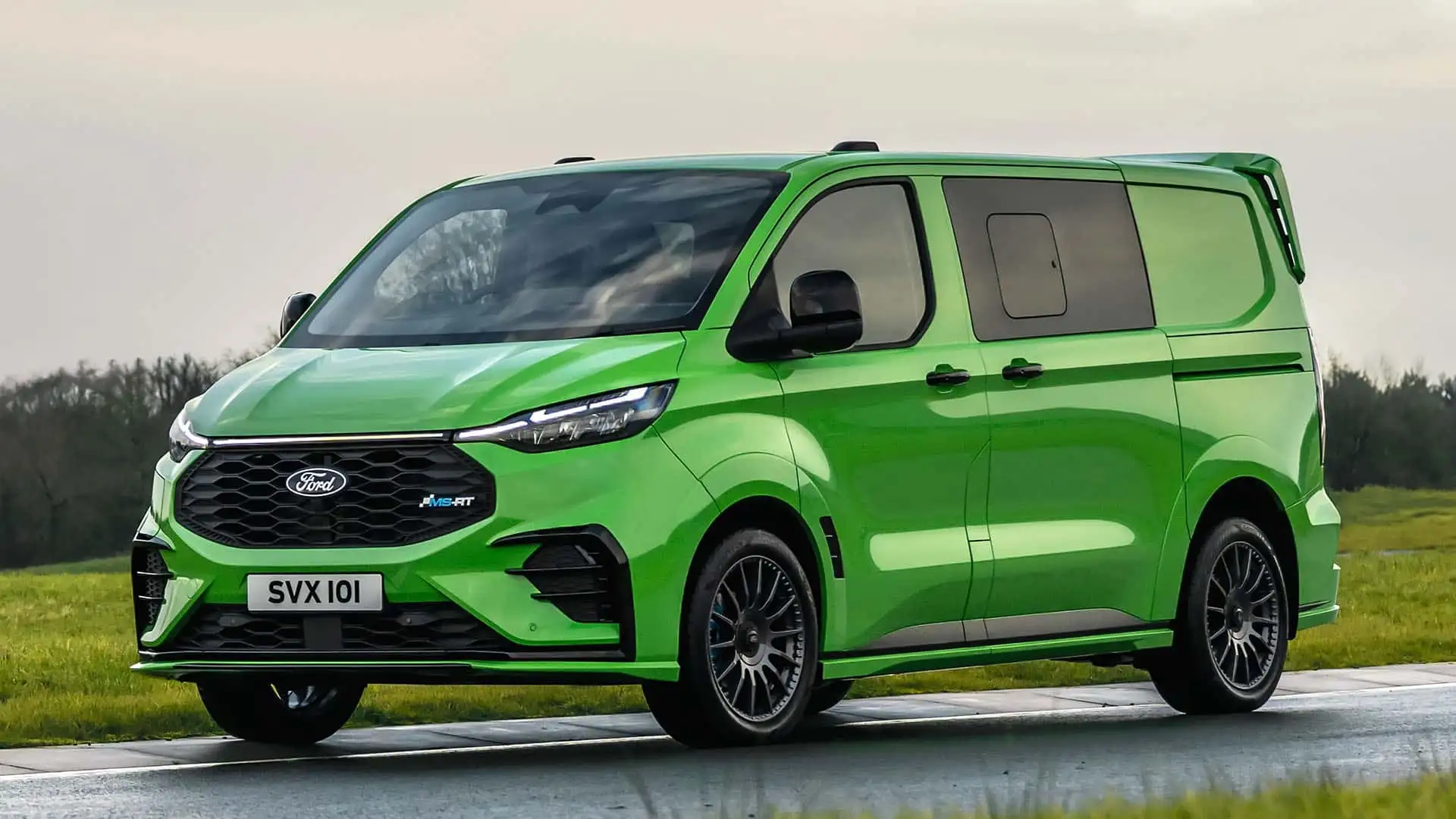
The Ford Transit has long been a staple in Europe and beyond, recognized for its simplicity, reliability, and versatility. It became a favorite among businesses and fleet operators due to its durability and adaptability, offering a practical solution for a wide range of commercial needs.
The Transit’s configurability is one of its key strengths. The Cargo Van comes with three roof heights, two wheelbase options, an extended-length version, and optional all-wheel drive. Inside, multiple layouts and upfitting options allow it to serve as a standard work van, ambulance, RV, or off-road Transit Trail. This flexibility makes it a preferred choice for tradespeople and businesses with specialized requirements.
The Transit is much easier to drive than older work vans, with handling that feels more like a large van than a truck. Steering is responsive, and the tight turning radius improves maneuverability. The base V6 engine provides sufficient power, while gasoline and diesel upgrades enhance capability for heavier workloads. The ride is smoother and less jarring than traditional work vans, though it is not as plush as a minivan.
Comfort is practical and functional for long working days. Seats are supportive, the cabin is relatively quiet, and the driving position provides excellent visibility. Lower step-in height and taller roof options allow standing in the cargo area, an advantage over GM vans. A standard rearview camera adds convenience, while available features enhance the working environment.
The Transit leads in cargo capacity among American work vans. The largest configuration provides 487.3 cubic feet, exceeding competitors like the Ram ProMaster and GM vans. Towing capability reaches 7,500 pounds. Technological features include the Sync 3 infotainment system, optional audio upgrades, and driver-assistance features such as lane departure warning, adding both convenience and safety.
The Ford Transit is generally reliable, particularly with proper maintenance. Newer models tend to be more dependable, while certain older EcoBoost engines may experience transmission or oil consumption issues.
Regular oil changes, careful driving, and adherence to service schedules contribute to long-term durability. Common concerns include transmission roughness, oil leaks, electronic malfunctions, and wear on rear brakes or driver seats under heavy use. Many owners report lifespans exceeding 250,000 miles, and parts are generally easy to source.
The Ford Transit stands out as a versatile, durable, and dependable commercial van. Its extensive configurations, improved drivability, and impressive cargo and towing capacity make it a top choice for businesses and tradespeople, often outperforming competitors in reliability and practicality.
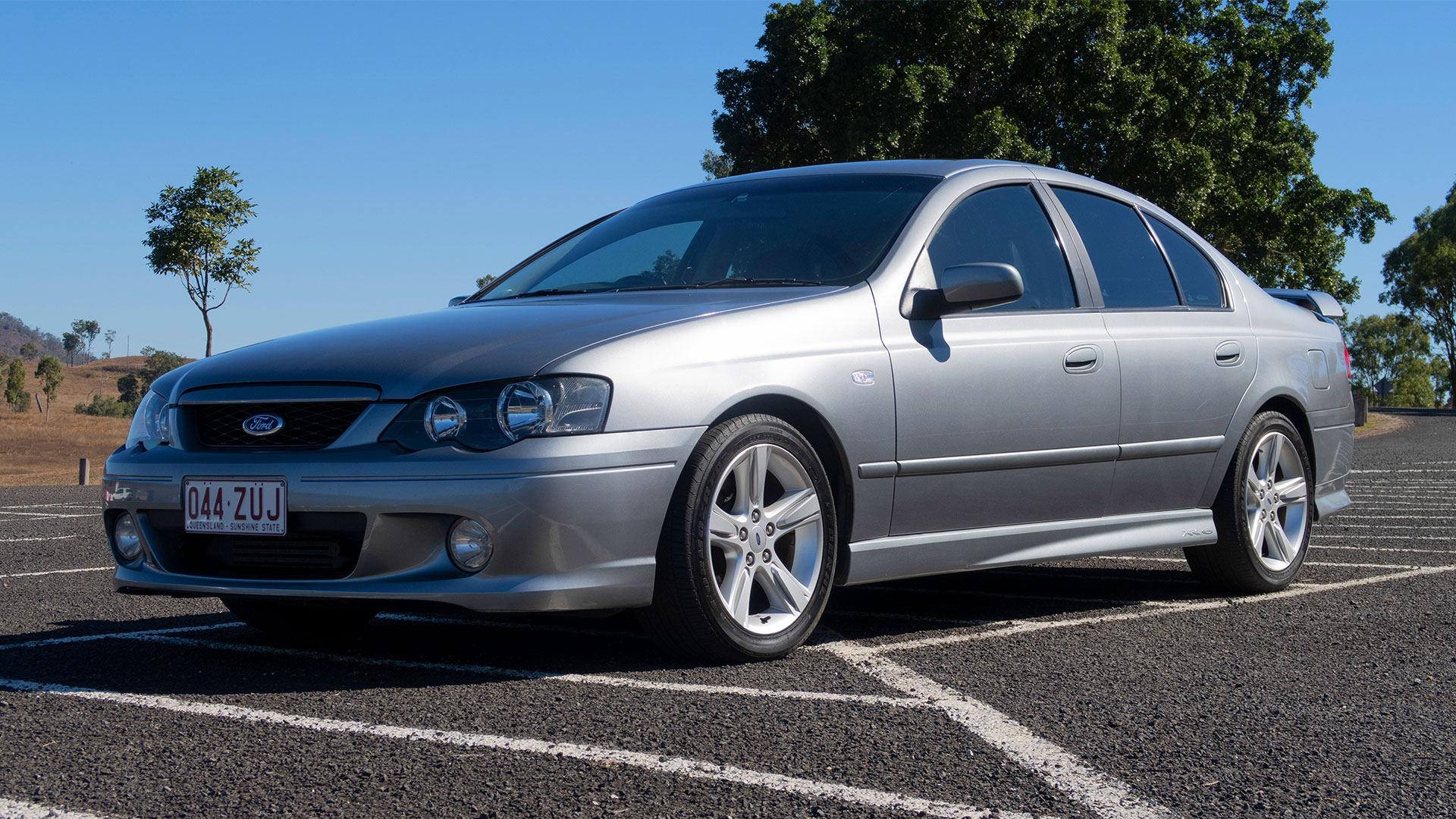
8. Ford BA Falcon: Australia’s Reliable Full-Size Icon
The Ford BA Falcon, produced by Ford Australia from 2002 to 2005, remains one of the most dependable full-sized cars ever made. Equipped with the legendary Barra inline-six engine, the BA Falcon offers durability and strong performance, with base models producing over 240 horsepower. Alongside the Falcon, the luxury-oriented Fairmont (BA) was also offered, and the platform later formed the basis for the Ford Territory SUV.
Ford invested approximately A$500 million into the BA Falcon, including 24,000 hours of engine and durability testing. The vehicle underwent rigorous evaluation at Germany’s Nürburgring for suspension tuning, while anti-lock brakes and electronic stability control were calibrated in both Sweden and Australia.
The BA Falcon represented a shift from the controversial AU series, adopting more conservative styling and a European-influenced design language. The exterior featured new panels, integrated rear aerials for improved aerodynamics, and subtle refinements that enhanced both reliability and aesthetics.
The BA Falcon’s interior moved away from the AU’s “New Edge” design toward a more user-friendly, ergonomic layout. The centre console featured a satin finish and a large LCD for climate and audio information, while steering wheel-mounted controls enhanced convenience.
Ventilation was improved with larger outlets, and the cabin offered multiple colour schemes, depending on the trim. Entry-level XT models used two-tone plastic panels, while sports variants were limited to a single-tone interior. Optional premium sound systems were standard on higher trims like the Fairmont Ghia.
The BA Falcon offered both straight-six and V8 engines. The base Barra 182 inline-six introduced dual infinitely variable cam timing, delivering 182 kW (244 hp) and improved torque.
A turbocharged XR6 Turbo variant produced 240 kW (320 hp). V8 options included the Barra 220 (220 kW/300 hp) and the Boss 260, which could deliver up to 290 kW (389 hp) and 400 lb-ft of torque. Transmissions comprised a floor-mounted five-speed manual or a four-speed automatic with Sequential Sports Shift for a sportier feel.
Sedans received the new Control-Blade independent rear suspension (IRS), which improved ride quality and handling, while wagons and utilities retained a leaf-spring live axle. Fuel consumption for the Barra 182 was rated at 12.5 L/100 km in the city and 8.2 L/100 km on highways, with real-world driving consuming roughly 12% more.
Safety was a priority for the BA Falcon, featuring standard anti-lock brakes, electronic brakeforce distribution, traction control on higher trims, and dual front airbags across the range. Side-impact airbags were included in luxury models like the Fairmont. In ANCAP crash testing, the BA scored 27.27 out of 37 points, earning a four-star rating.
The BA Falcon is renowned for reliability, particularly the Barra engine, with taxi fleets reportedly surpassing a million kilometres. Key maintenance areas include the intake manifold gasket, coolant system, brake hoses, and suspension ball joints.
Potential issues include misfires due to worn coil packs, transmission hesitation in automatic models around 200,000 km, and electronic faults in the “Smart Lock” system. Rust is common around the windscreen, sills, and tailgate, and interior components may show age-related wear, such as sagging headliners or peeling plastics.
The BA Falcon remains a standout in Ford’s history, blending strong performance, durability, and practical design. With careful maintenance, it continues to offer reliable performance and longevity, cementing its reputation as one of Australia’s most dependable full-sized cars.
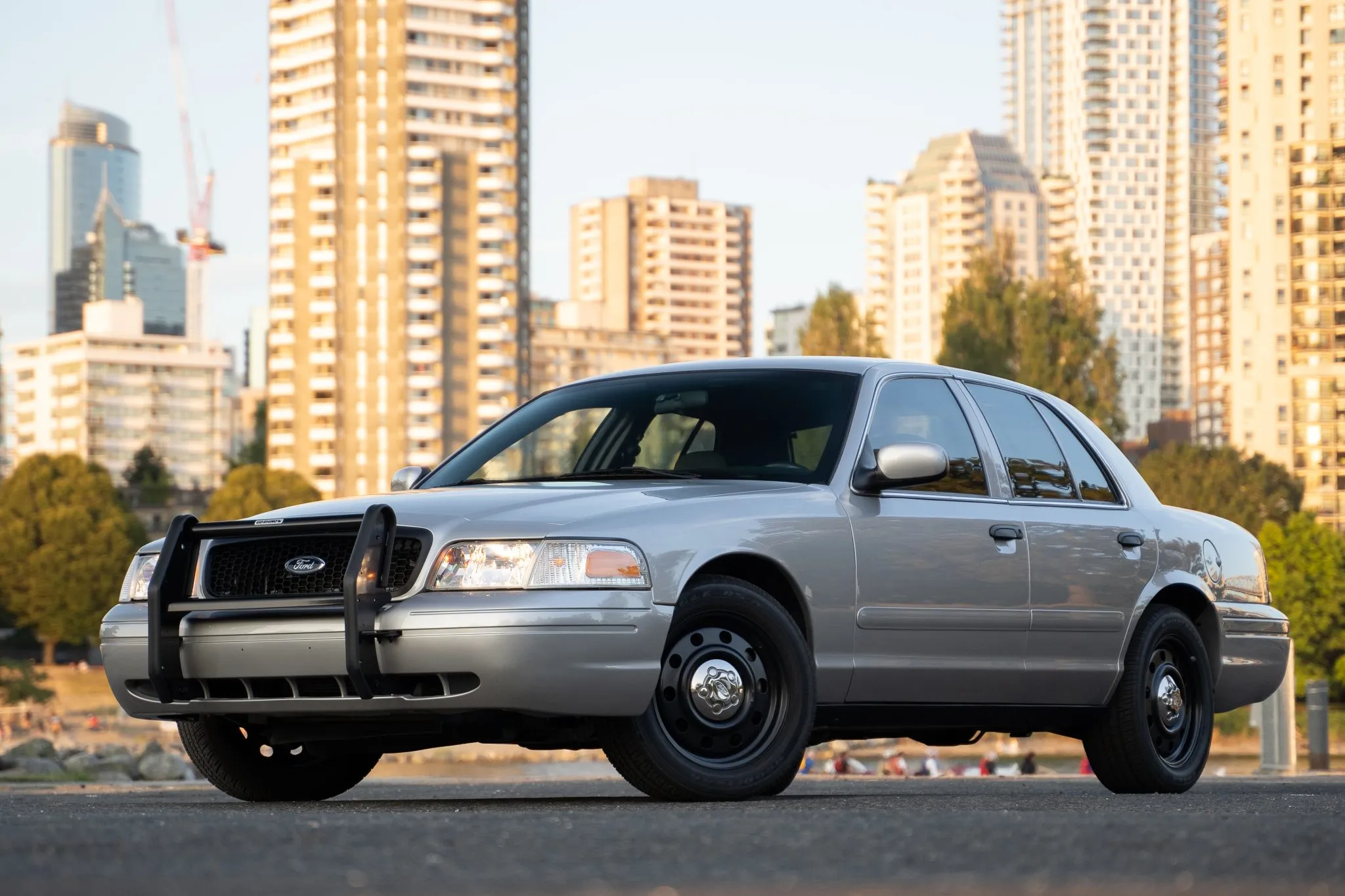
9. Ford Crown Victoria: The Durable Full-Size Sedan
The Ford Crown Victoria, often referred to as the “Crown Vic,” is a full-size sedan produced by Ford from 1992 to 2012. Built on the robust body-on-frame Panther platform, it shared its chassis with the Mercury Grand Marquis and Lincoln Town Car.
Known for its reliability, spacious interior, and powerful 4.6L Modular V8 engine, the Crown Victoria became a staple for police fleets, taxi operators, and government agencies across North America.
The Crown Victoria was the successor to the Ford LTD Crown Victoria and represented Ford’s largest North American sedan during its production. Its rear-wheel-drive, full-frame construction distinguished it from unibody sedans, offering enhanced durability and crash protection.
Two generations were produced under this model, with the Police Interceptor variant available from 1992 to 2011 and a long-wheelbase version marketed primarily to taxi fleets.
Manufacturing took place in St. Thomas Assembly, Ontario, Canada, where over 1.5 million units were produced. The final Crown Victoria rolled off the line in 2012 for Middle East export.
At the heart of the Crown Victoria was the 4.6L Modular V8 engine, praised for its durability and versatility. The engine delivered sufficient power for both civilian and fleet use, with many examples achieving over 300,000 miles with regular maintenance.
Its modular design allowed modifications for varying power outputs, making it suitable for police, taxi, or personal use. The car’s rear-wheel-drive layout contributed to predictable handling and made the Crown Victoria capable of carrying heavy loads or enduring extensive high-speed use.
The Crown Victoria offered a spacious, comfortable cabin, with ample room for passengers in both front and rear seats. Its heavy construction provided a feeling of stability and safety, while the simple, ergonomic interior design ensured functionality. These features made it a preferred choice for fleets that required vehicles capable of enduring extended use without compromising comfort.
The Crown Victoria is highly regarded for longevity, but potential issues include cracked plastic intake manifolds on pre-2001 models, spark plug ejections, idle speed control (ISC) solenoid malfunctions, and rust, particularly on former police vehicles.
The mass airflow (MAF) sensor can also fail, causing engine performance issues. Despite these concerns, parts are abundant and inexpensive, making maintenance straightforward for owners.
Inspecting a well-maintained example is crucial, particularly police-interceptor units, which may have experienced hard use. Checking for rust in fender lips, rocker panels, and trunk floors is recommended. Certain model years, including 1995, 1997, 2004, and 2007, are known for enhanced reliability, offering potential buyers confidence in their longevity.
The Ford Crown Victoria remains an icon of American automotive reliability. Its durable construction, powerful engine, and practical interior make it a trusted choice for both fleet and personal use, capable of delivering decades of dependable service when properly maintained.
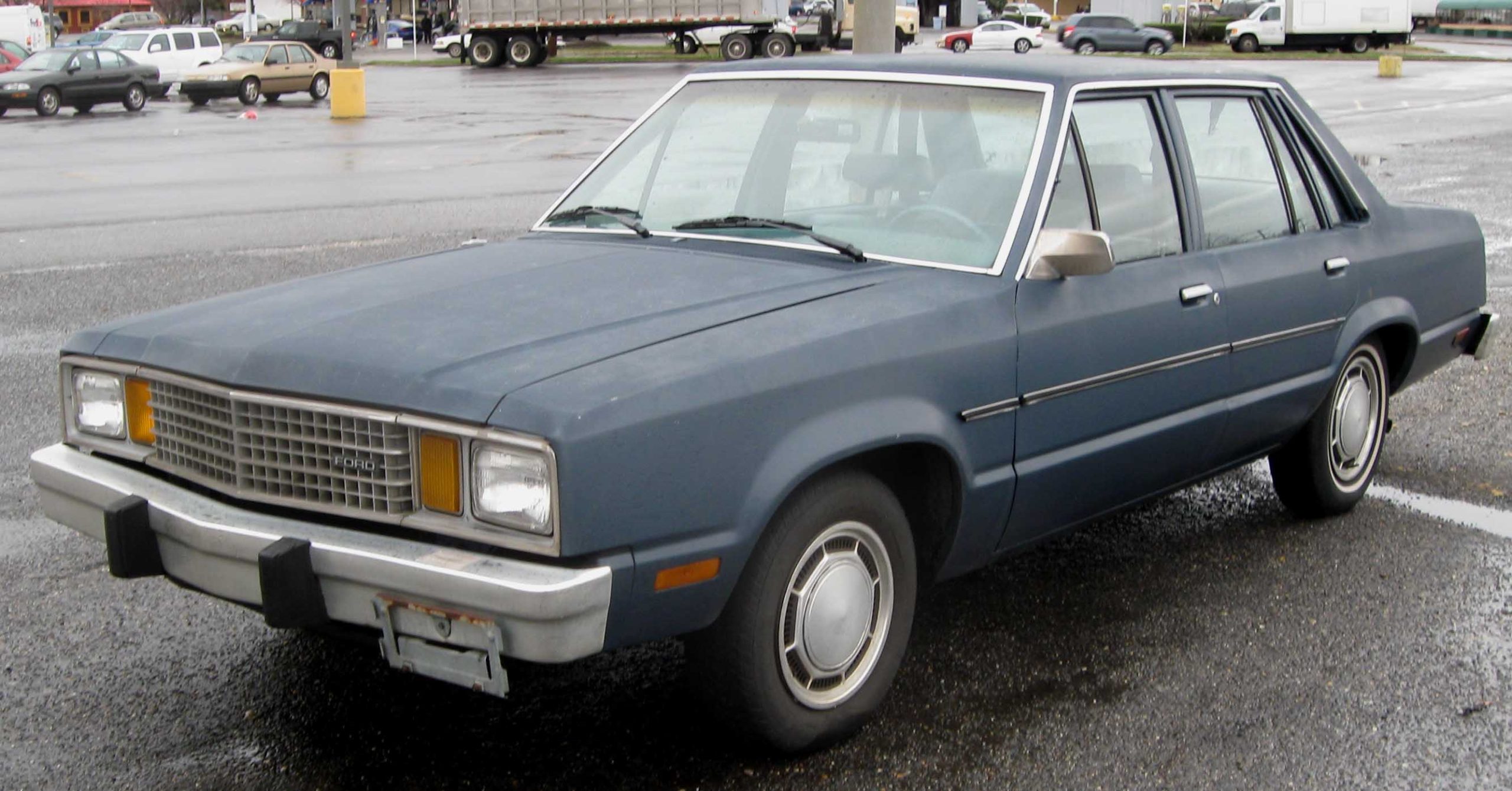
10. Ford Fairmont: The Boxy, Reliable Compact Cruiser
The Ford Fairmont, produced from 1978 to 1983, was a compact car that became a hallmark of late 1970s and early 1980s American automotive design. Positioned between the Ford Pinto and Granada at launch, and later marketed between the Escort and LTD, the Fairmont succeeded the Ford Maverick.
Its boxy, straightforward design made it instantly recognizable, often the silhouette a child would draw when asked to depict a car. While its engines were modestly tuned for the malaise era, this contributed to the Fairmont’s notable reliability, making it a comfortable and durable vehicle for everyday use.
The Fairmont was built on Ford’s rear-wheel-drive Fox platform, a versatile architecture that would underpin many Ford, Mercury, and Lincoln vehicles for decades. The car utilized steel unibody construction and featured an independent front suspension with lower lateral arms, MacPherson struts, and helical coil springs mounted separately from the struts.
A solid rear axle with coil springs and vertically mounted dampers ensured stability. Steering was rack-and-pinion with 3.2 turns lock-to-lock, while power-assisted brakes included 10-inch vented front discs and 9-inch rear drums. The Fox platform’s simple and durable construction contributed to the Fairmont’s reputation for ease of maintenance and longevity.
Throughout its production, the Fairmont was offered with a variety of engines. The standard 2.3L inline-four produced 88–90 hp, paired with either a 3-speed manual (later a 4-speed) or a 3-speed automatic. A 120 hp turbocharged version of the 2.3L engine was briefly available in 1980, primarily in sedans and coupes.
Optional 3.3L inline-six engines provided more torque, though slightly less horsepower. V8 options included the 139 hp 302 cu in engine (1978–1979) and the 115 hp 255 cu in engine (1980–1981), with the latter paired exclusively with an automatic transmission. The combination of modest power and straightforward mechanics made these engines durable and reliable with proper maintenance.
The Fairmont was available as a two-door coupe (Futura), two-door notchback sedan, four-door sedan, and five-door station wagon. The Futura trim featured a distinct roofline and front fascia with a four-headlight layout, differentiating it from standard models.
Throughout its production, Ford updated trim and convenience features, including side moldings, additional comfort options, and changes to the station wagon lineup. The Fairmont’s practical design emphasized function over flash, contributing to its low maintenance costs and long-term durability.
The Fairmont’s reliability is generally considered fair to good, especially when equipped with the inline-six engine and automatic transmission. Common issues include rust around rear fenders and door bottoms, brake and suspension wear, and occasional transmission concerns.
Simple mechanics and a robust chassis made the Fairmont easy to maintain, and many vehicles have survived decades of use. Key areas to inspect include engine health, transmission operation, and rust-prone areas, particularly on older, unmaintained examples.
The Ford Fairmont represents a practical, reliable, and inexpensive vehicle from a period of conservative automotive design. Its boxy styling, durable engines, and Fox platform underpinnings provided simplicity and longevity. While some early models had minor quality issues, the Fairmont remains a well-built compact car with potential as a classic project vehicle for enthusiasts.
Across decades and continents, Ford has repeatedly shown that reliability isn’t just about luxury or complexity, it’s about consistency, engineering simplicity, and adaptability. From the nimble Fiesta to the legendary Crown Victoria, each vehicle on this list proves that dependable performance can come in unexpected packages.
These ten Fords combine durability, practicality, and long-term usability, reminding drivers that longevity often outweighs flash or trendiness.
Whether you’re seeking a versatile workhorse, a comfortable daily driver, or a spirited sports car, these models highlight Ford’s ability to exceed expectations, leaving owners pleasantly surprised by their resilience and enduring value. They are a testament to the fact that reliability can be found in both humble compacts and iconic full-size vehicles alike.
Also Read: 5 Ford Ranger Years Worth Owning vs 5 That Constantly Break
