
For many American drivers, the value of a car isn’t just in its speed, technology, or sleek design, it’s in its sheer toughness. A vehicle that feels like it can withstand anything thrown its way inspires confidence every time you turn the ignition.
While modern cars are increasingly focused on fuel economy and high-tech features, some models stand out because they’re built with the kind of ruggedness you’d expect from a military-grade vehicle.
These “cars built like tanks” may not literally roll off an assembly line in camouflage paint, but their durability, strength, and resilience make them legendary.
From decades-old classics to modern SUVs that shrug off rough terrain, these vehicles have earned reputations as machines that refuse to quit.
Here’s a look at ten cars, past and present, that truly embody the phrase “built like a tank.”
1. Mercedes-Benz G-Class
Originally designed in the 1970s as a military vehicle, the Mercedes-Benz G-Class, or “G-Wagon”, is as close as a civilian car gets to an armored transport.
Its body-on-frame construction, boxy steel design, and advanced four-wheel-drive system make it one of the toughest luxury vehicles on the road.
In fact, the G-Class has been adapted into fully armored versions used by heads of state and celebrities who require bulletproof protection.
Even in standard form, it’s overbuilt compared to most modern SUVs, withstanding punishing off-road conditions while maintaining an aura of prestige. It’s pricey, but its durability ensures it will outlast most rivals.
The Mercedes-Benz G-Class has been refreshed for 2025, though much like the total redesign it underwent six years ago, the changes are subtle to the eye.
That’s intentional. Mercedes knows the G-Class, affectionately called the G-Wagen, has built its reputation on looking almost the same decade after decade.

The squared-off body, upright stance, and military-inspired presence are permanent design cues that Mercedes won’t tamper with. Instead, the focus remains on modernizing what’s inside and underneath while preserving its old-school character.
For 2025, buyers get a mix of traditional toughness and contemporary updates. The G-Class has always been a vehicle of compromises: it’s undeniably cool and capable off-road, but less refined and more expensive to run than most modern SUVs.
That’s still the case, though Mercedes has taken steps to soften the rough edges. A significant tech update arrives in the cabin with a fully overhauled infotainment system and new features to make daily driving easier.
On the performance side, a new base engine joins the lineup. The familiar G 550 no longer carries a V8 under its hood, instead, it uses a turbocharged six-cylinder with a mild-hybrid assist. This setup produces strong power, improves efficiency, and nudges combined fuel economy from 14 mpg to a more tolerable 18 mpg.
2. Toyota Land Cruiser
The Toyota Land Cruiser is legendary for its reliability and strength, particularly in regions with harsh environments like the Middle East, Africa, and Australia. In the United States, it has long been a symbol of uncompromising toughness.
From the early FJ40 models to the most recent 200 and 300 Series, the Land Cruiser was engineered with heavy-duty suspensions, bulletproof drivetrains, and the kind of build quality that can rack up 300,000 miles without breaking a sweat.
It’s not just an SUV, it’s a global workhorse trusted by explorers, humanitarian workers, and off-road enthusiasts who need a vehicle that won’t quit when the terrain gets dangerous.
The Toyota Land Cruiser has long stood as one of the most iconic SUVs in the world, blending durability with understated luxury.
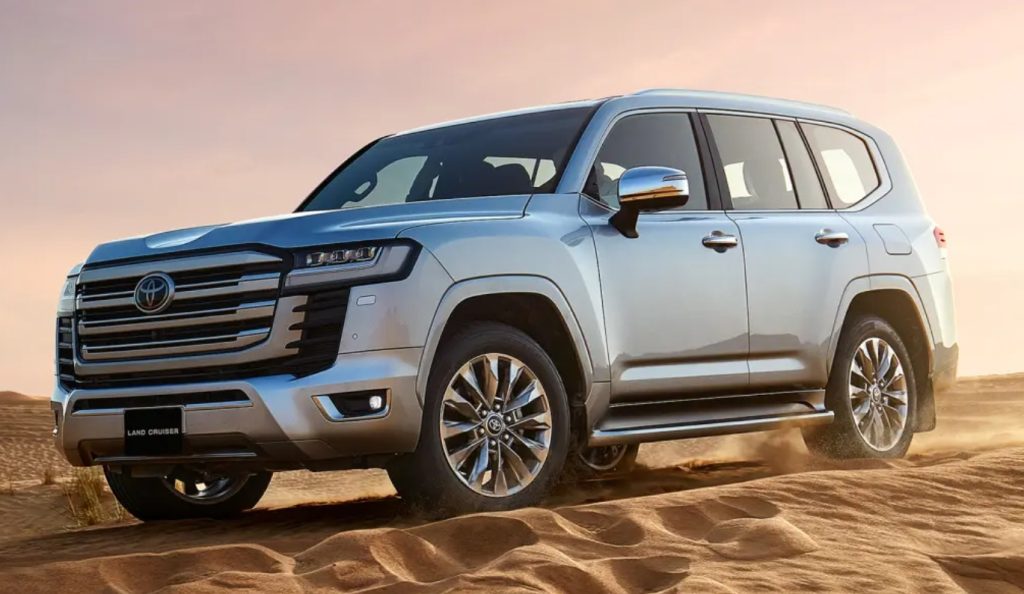
The 2018 model continues this tradition, serving as equal parts family-friendly luxury hauler and rugged off-road machine. While it has evolved far from the bare-bones utilitarian trucks of decades past, the Land Cruiser hasn’t forgotten its roots.
With a burly V-8 engine, standard four-wheel drive, and a suite of off-road hardware, it remains one of the most capable SUVs you can buy, able to conquer trails that leave rivals stranded.
For 2018, the Land Cruiser carries on unchanged. Toyota didn’t feel the need to tinker with its formula, and that’s perfectly fine for loyalists. Fans of the SUV value its timeless character, confident go-anywhere demeanor, and reputation for outlasting just about anything else on the road.
When new, the 2018 Land Cruiser came in at a base MSRP of $85,860. Unlike many competitors, Toyota kept things simple by offering just one well-equipped trim level. Nearly everything you’d expect from a luxury SUV came standard, from high-end leather seating to advanced safety systems.
Also Read: 13 Best Fords That Tend to Surprisingly Age Well
3. Jeep Wrangler
No list of tank-like vehicles would be complete without the Jeep Wrangler. Born out of the Willys Jeep used by the U.S. military during World War II, the Wrangler has retained its rugged DNA through decades of evolution.
Its solid axles, removable body panels, and off-road capabilities make it one of the most durable and customizable vehicles sold in America.
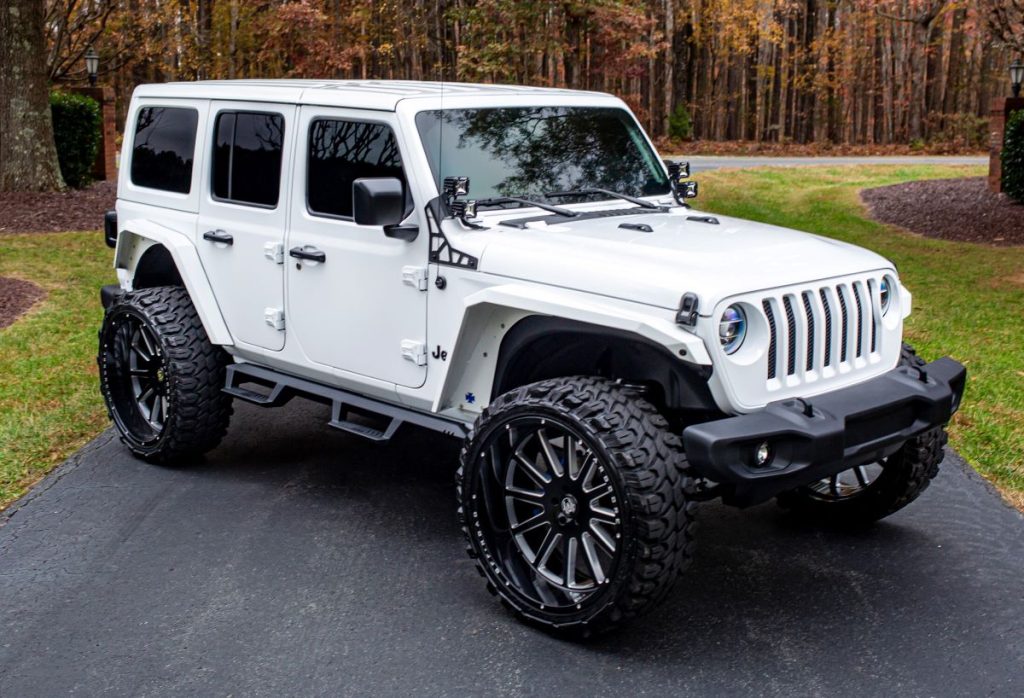
A Wrangler can crawl over rocks, ford rivers, and plow through mud while taking the kind of abuse that would cripple a softer crossover.
Owners often describe Wranglers as machines that thrive in punishment, especially with proper maintenance. If you want a modern car with authentic battlefield roots, this is it.
4. Volvo 240
The Volvo 240 may not look intimidating, but it has a reputation as one of the toughest cars ever built.
Produced between 1974 and 1993, this boxy sedan and wagon earned cult status for being nearly indestructible. In crash tests and real-world accidents, the Volvo 240 repeatedly proved it could protect passengers like few cars of its era.
Its overengineered construction, heavy steel frame, and simple mechanics made it a car that not only lasted for decades but also became a favorite for families who valued safety.
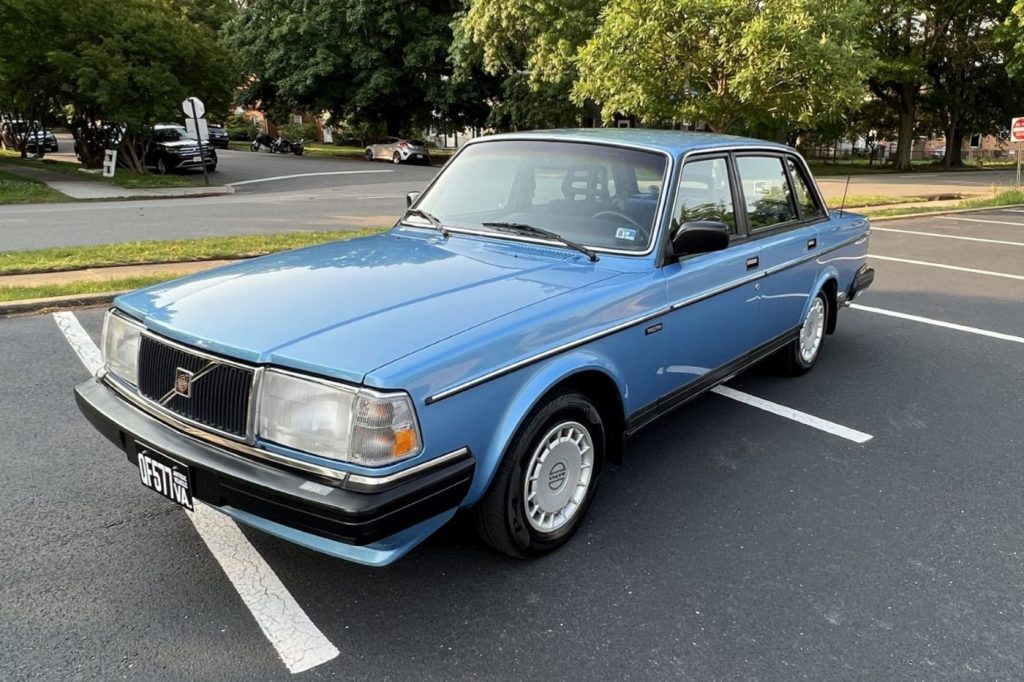
Even today, many Volvo 240s are still on the road, serving as proof of the company’s old-school tank-like engineering.
The 2.3-liter inline-four engine was originally rated at 114 horsepower and 136 lb-ft of torque from the factory. In November 2019, the valve cover gaskets were replaced, and an oil change has been carried out in preparation for the upcoming sale.
Power is sent to the rear wheels through a four-speed automatic transmission equipped with overdrive, complemented by a limited-slip differential.
5. Hummer H1
If you want a civilian car that feels as close to a military tank as possible, the Hummer H1 is the answer. Based on the Humvee used by the U.S. Army, the H1 became available to the public in the 1990s thanks in part to Arnold Schwarzenegger’s lobbying.
With its wide stance, massive tires, and ability to ford deep water or climb steep inclines, the H1 is built for extremes.
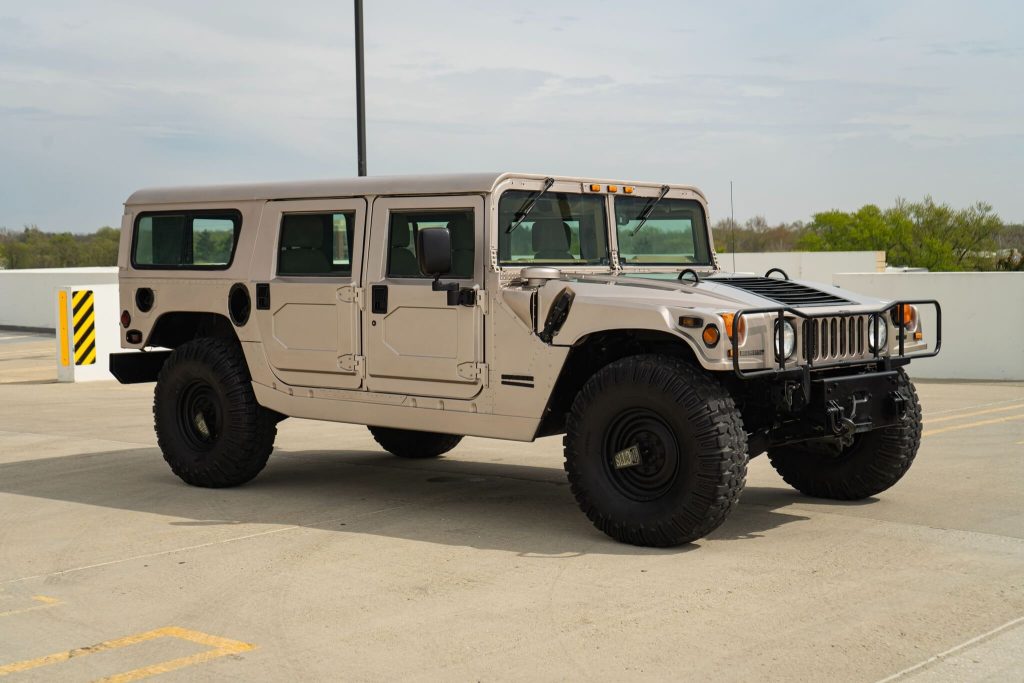
It’s not the most comfortable or fuel-efficient ride, but its build quality screams durability. You don’t drive an H1 for convenience, you drive it because you want something that looks and feels like it could roll straight onto a battlefield.
6. Ford Crown Victoria
The Ford Crown Victoria earned its reputation as America’s workhorse sedan through decades of service as a police cruiser and taxi cab. Built on a traditional body-on-frame platform, the Crown Vic was designed to withstand daily abuse, high mileage, and even collisions that would render most modern sedans undriveable.
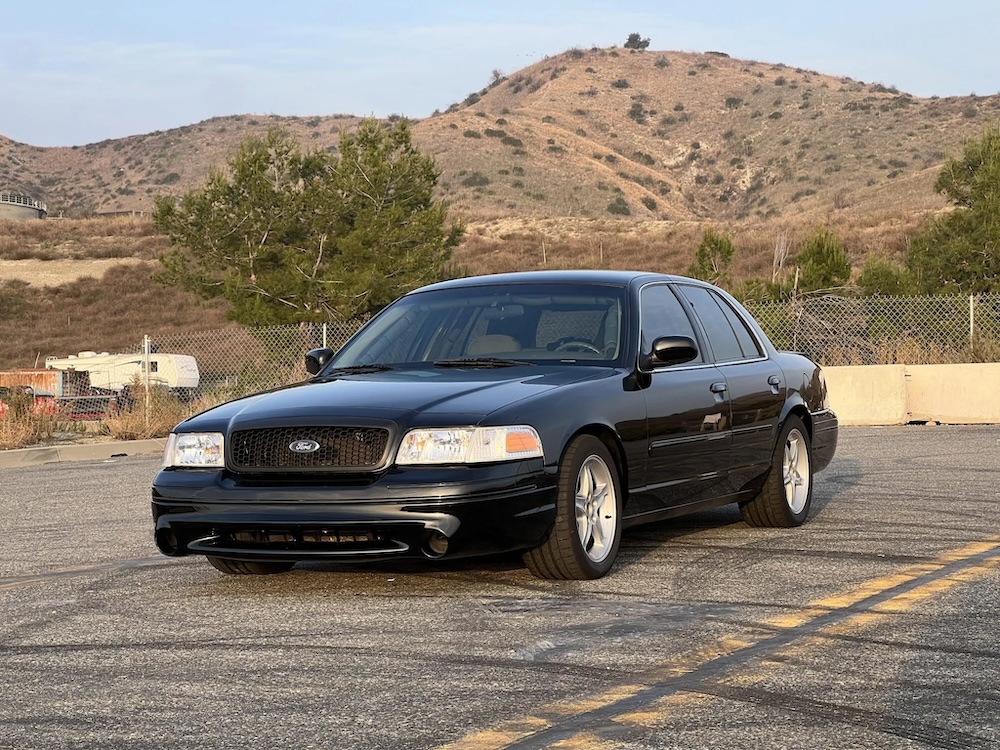
Many examples have clocked well over 400,000 miles, still running strong. Its simple, reliable V8 and overbuilt chassis made it the go-to vehicle for fleets that needed something nearly indestructible.
Though discontinued in 2011, its reputation lives on, many Americans still hunt down old Crown Vics because they know they’re getting a car built like a tank.
Also Read: Top 12 Sports Cars That Rarely Break a Sweat
7. Lexus LX
The Lexus LX takes the rugged foundation of the Toyota Land Cruiser and adds luxury touches, but it hasn’t lost any of its durability. Underneath its premium leather seats and high-tech gadgets is a machine designed for survival in the harshest environments.
The LX is often seen in parts of the world where roads are more dirt than pavement, proving that its toughness is more than skin deep.
Its heavy build, robust 4WD system, and Toyota reliability make it a favorite among wealthy off-roaders who want something that can last for decades while still delivering comfort.
Lexus’s flagship LX SUV enters a new era for 2022, arriving with a complete redesign after more than a decade. The latest model features a thoroughly upgraded interior, a modernized platform, and a new twin-turbocharged engine.
Built on the bones of the all-new Toyota Land Cruiser, though that model will no longer be offered in the U.S., the LX600 strikes a balance between off-road toughness and high-end luxury.
While the previous LX was powered by a traditional V-8, the new generation swaps it for a 409-hp twin-turbo V-6. Four-wheel drive remains standard, and buyers can enhance capability further with options like a height-adjustable suspension.
Inside, Lexus has elevated the LX600’s cabin to better compete with premium rivals such as the BMW X7, Land Rover Range Rover, and Mercedes-Benz GLS-class.
Among these, the mid-range Luxury trim offers the best balance of features and price. It adds semi-aniline leather upholstery, a premium Mark Levinson audio system, and striking 22-inch wheels.
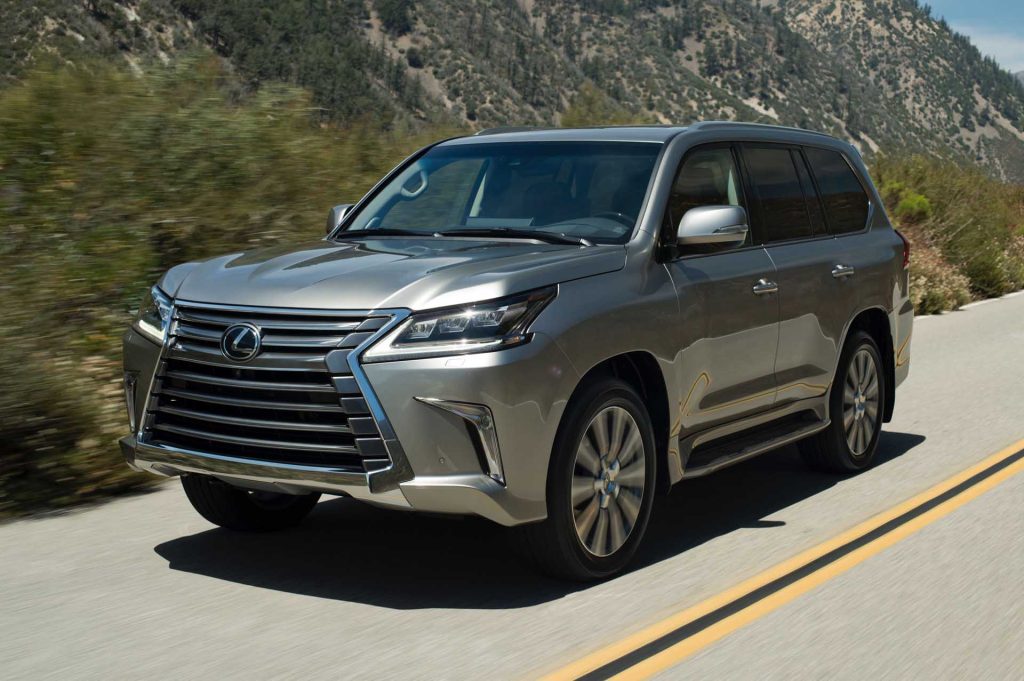
Buyers seeking the highest level of comfort and refinement may prefer the Ultra Luxury trim, which rivals the Range Rover or top-tier BMW and Mercedes models. However, this package reduces seating capacity to just four passengers.
Powering the LX600 is a twin-turbocharged 3.4-liter V-6, generating 409 horsepower and 479 lb-ft of torque. It’s paired with a 10-speed automatic transmission and standard four-wheel drive. This powertrain was first introduced in the new Toyota Land Cruiser, a close mechanical relative of the LX.
Although Lexus has a history of offering hybrid options, and a setup similar to the 2022 Tundra’s gas-electric powertrain seems likely in the future, for now the company has only announced this non-hybrid configuration.
On the road, the twin-turbo V-6 delivers plenty of power while maintaining the smoothness expected in a luxury SUV.
In testing, the LX600 accelerated from 0 to 60 mph in 6.1 seconds, quick enough for most drivers. Ride quality is compliant across most trims, though those opting for the F SPORT model will find its sport-tuned suspension introduces a firmer, less forgiving feel.
8. Chevrolet Suburban
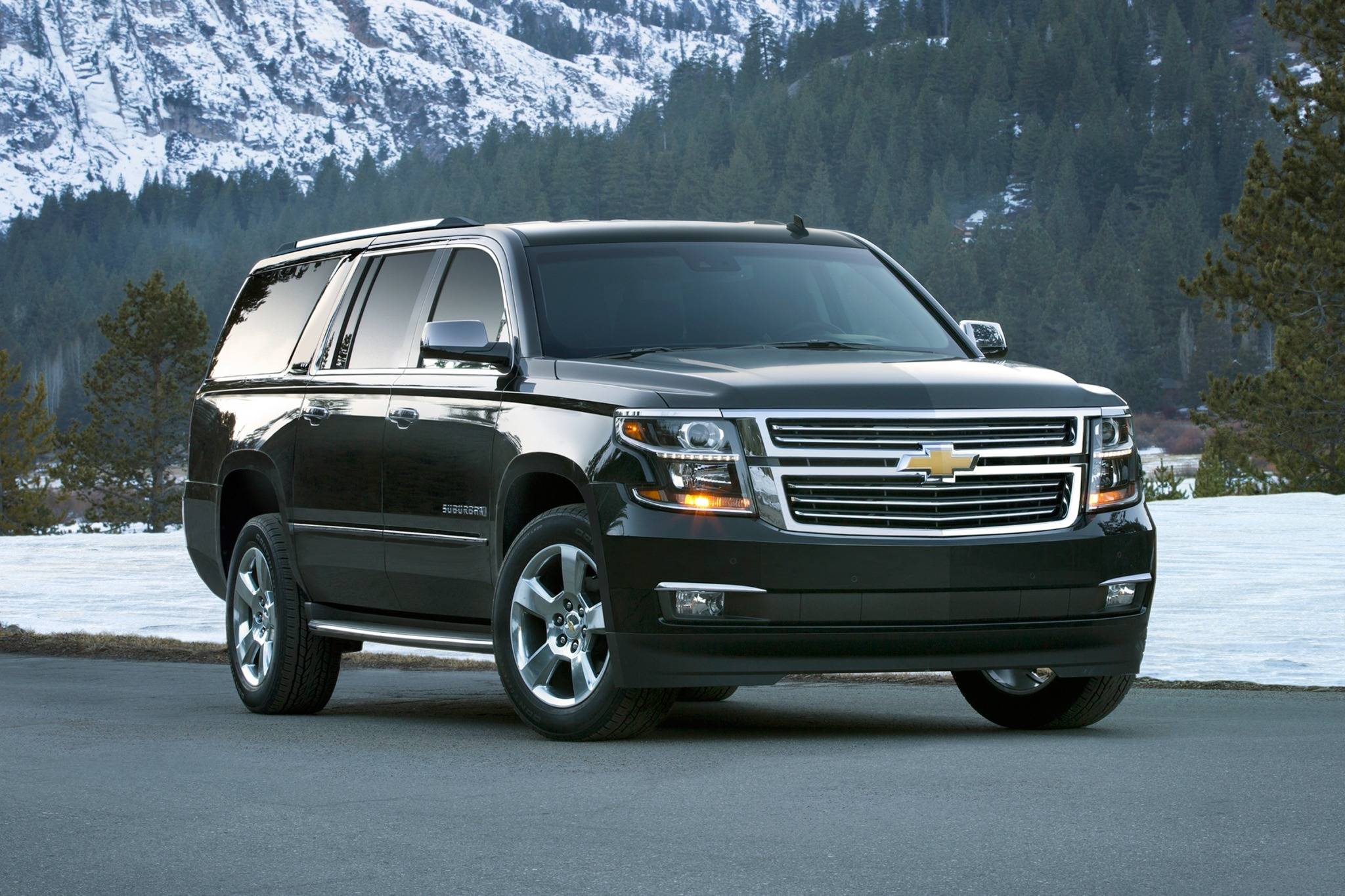
The Chevrolet Suburban holds the title of the longest-running automotive nameplate in America, first introduced in 1935.
Over the decades, it has become a staple for large families, law enforcement, and even government fleets. Its body-on-frame construction, powerful V8 engines, and sheer size give it the durability of a tank.
Many Suburbans from the 1990s and early 2000s are still running today, a testament to their ability to endure tough conditions and high mileage. For Americans who need space, strength, and a proven track record, the Suburban is an obvious pick.
The 2020 Chevrolet Suburban remains one of the largest and most capable SUVs you can buy, offering outstanding towing ability and a brawny optional V-8 that makes it a comfortable workhorse with seating for an entire Little League team.
This massive SUV can be outfitted for different lifestyles, equipped with off-road packages for weekend adventures or dressed up with luxury appointments that rival premium SUVs. At that point, however, its price begins to reflect the company it keeps.
While the Suburban’s size delivers unmatched passenger and cargo space, it’s not designed for tight parking lots, small garages, or those who dread stopping at the pump.
Still, this handsome, do-it-all SUV earns its keep by hauling people and gear in comfort while working as hard as any full-size truck.
Chevrolet made only minor adjustments for 2020. The Deepwood Green Metallic and Pepperdust Metallic paint colors were dropped from the lineup, but otherwise the Suburban carries over unchanged.
Buyers may also want to consider leftover 2019 models for potential savings, though they may be hard to find given the SUV’s popularity. With an all-new model arriving for 2021, demand for the current Suburban remains strong.
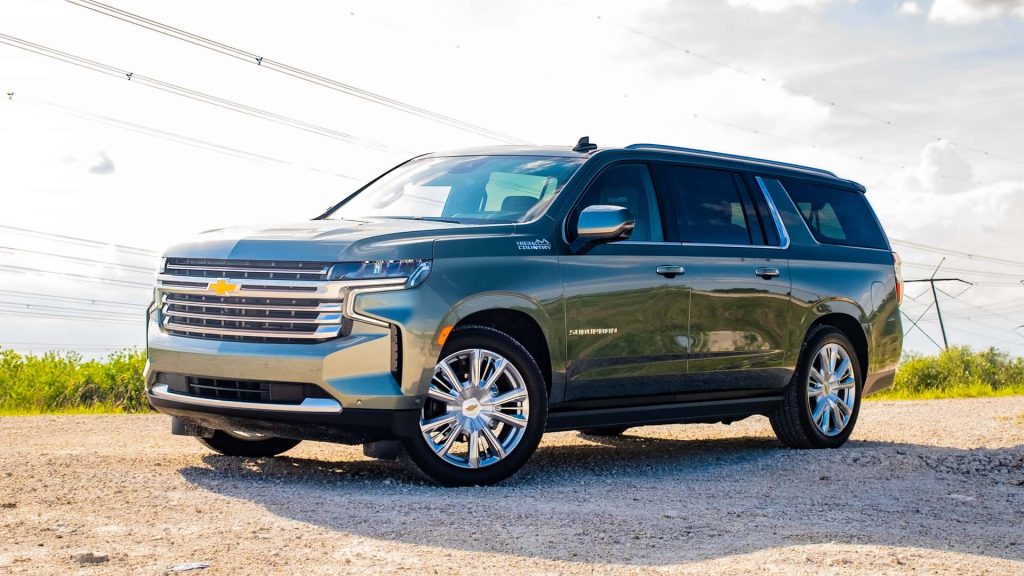
While it’s easy to push the Suburban into luxury SUV pricing territory, the mid-level LT trim strikes the best balance of features and value. It includes heated leather seats, a Bose nine-speaker audio system, and safety features like forward-collision alert and low-speed forward automatic braking.
For maximum capability, the all-wheel-drive system is a worthwhile $3000 upgrade. Buyers who plan to tow should also opt for the Max Trailering package, which boosts towing capacity to 8300 pounds.
This package adds an air-leveling rear suspension, trailer-brake controller, and powertrain enhancements for quicker acceleration.
Chevrolet offers two engines in the Suburban. The standard option is a 355-hp 5.3-liter V-8 paired with a six-speed automatic transmission.
For those who want more muscle, a 420-hp 6.2-liter V-8 is available, matched to a smooth 10-speed automatic. Both rear- and all-wheel drive configurations are offered.
Performance is strong with either setup, but the larger V-8 clearly outpaces the smaller engine. In testing, the 6.2-liter Suburban sprinted from 0 to 60 mph in 6.2 seconds, while the 5.3-liter model required 6.9 seconds.
Even so, the base engine has more than enough power for daily driving and family hauling. Properly equipped, the Suburban can tow up to 8300 pounds, although the Ford Expedition edges it out with a 9300-pound maximum rating.
Despite its size and truck-based construction, the Suburban feels more composed than expected.
Accurate steering and well-controlled body motions give it a smaller-on-the-road feel. Still, its solid rear axle means ride quality lags behind rivals like the Nissan Armada, which offer smoother suspensions.
The Suburban RST we tested, fitted with adaptive dampers and massive 22-inch wheels, still suffered from noticeable vibrations even on smooth pavement. Fortunately, braking performance was excellent thanks to a firm, responsive pedal that inspired confidence.
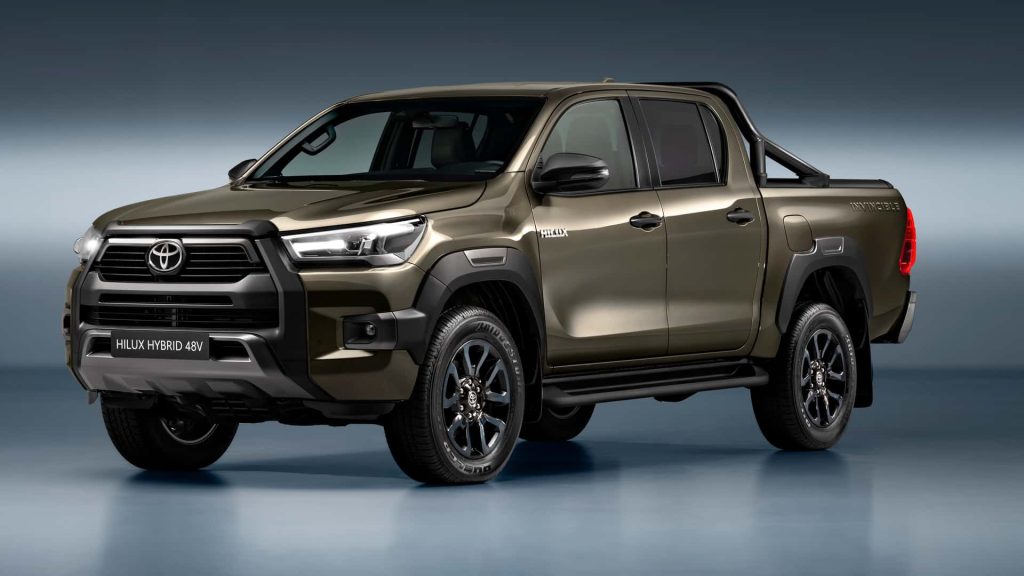
9. Toyota Hilux (International)
Though never officially sold in the U.S. in recent years, the Toyota Hilux deserves mention because of its near-mythical toughness worldwide. It’s the pickup that warlords, aid groups, and farmers alike rely on because it simply doesn’t die.
For American buyers, the Toyota Tacoma serves as the spiritual equivalent, but the Hilux has become the global poster child for tank-like reliability.
10. AMC Eagle
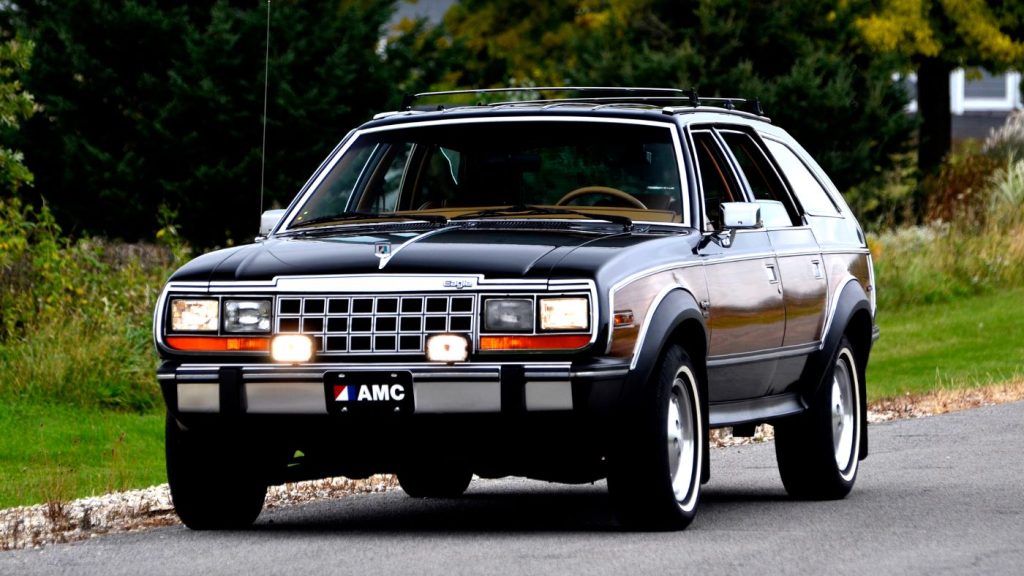
An unconventional but fitting addition to this list is the AMC Eagle, a car that blended passenger-car comfort with SUV-like toughness in the late 1970s and 1980s. Long before the crossover craze, the Eagle offered four-wheel drive and rugged engineering in a wagon or sedan body.
While AMC as a brand didn’t survive, the Eagle has earned a cult following for being ahead of its time and nearly indestructible in rough weather conditions. It might not have the prestige of a Land Cruiser or the brute force of a Hummer, but the Eagle was undeniably built to take punishment.
Cars that are “built like tanks” capture something deeper than just horsepower or design flair, they represent resilience. They are vehicles engineered to go the extra mile, to shrug off punishment, and to instill confidence in their drivers.
The AMC Eagle occupies a unique chapter in American automotive history, embodying a bold attempt to merge several automotive trends emerging in the late 20th century.
First introduced in 1980, the Eagle represented American Motors Corporation’s (AMC) ambition to design a vehicle that combined the comfort of a passenger car with the rugged durability of a truck.
In the late 1970s, American Motors Corporation recognized a growing interest in four-wheel-drive vehicles and the beginnings of what would later become the crossover SUV market.
At the time, that segment was virtually nonexistent, but consumer demand for versatile vehicles was steadily increasing. Drivers wanted a car that could provide everyday comfort yet still handle inclement weather and rougher terrain.
The AMC Eagle was AMC’s solution to this challenge. Built on the AMC Concord platform, which had debuted in 1978, the Eagle aimed to bridge the gap between conventional passenger cars and off-road-ready trucks.
By blending these traits, AMC sought to carve out a new market niche and position itself against larger, more established competitors while offering something no one else had at the time: a family-friendly car with true four-wheel-drive capabilities.
The AMC Eagle remained in production from 1980 through 1988, evolving in several forms during its lifespan. Over those years, the model lineup and trim levels reflected AMC’s efforts to refine its pioneering design and cater to a wider audience.
Whether it’s the military-inspired Hummer H1, the family-friendly Volvo 240, or the luxury-but-indestructible Mercedes G-Class, these machines prove that toughness never goes out of style.
For American drivers, owning one of these cars means investing in more than just transportation, it means investing in a legacy of strength. And in a world where cars are increasingly lightweight and tech-heavy, these tank-like icons remind us that sometimes, nothing beats good old-fashioned toughness.
