
In the United States, fuel economy is more than just a number, it’s a major factor influencing buying decisions. With gas prices fluctuating and the environmental impact of vehicles under scrutiny, carmakers have long used miles per gallon (MPG) ratings to market their products.
Yet there’s a catch: the official figures provided by the Environmental Protection Agency (EPA) don’t always match what drivers actually see on the road.
Driving style, climate, terrain, and even vehicle design quirks can make a big difference between laboratory-tested numbers and real-world performance.
Some cars routinely underdeliver, frustrating owners who expected long-term savings at the pump. Others, however, manage to exceed expectations, living up to their EPA stickers even in less-than-ideal conditions.
Let’s look at five cars whose fuel efficiency has been overhyped and five that truly deliver on their promises.
Cars With Overhyped MPG
Fuel economy is one of the biggest selling points for new cars, and automakers know it. Shiny ads and bold claims often promise jaw-dropping miles per gallon, making buyers believe they’ll spend less at the pump and more time on the road.
But in reality, not every car lives up to its fuel-efficiency hype. Some vehicles look great on paper but fall short once tested in real-world conditions. In this article, we’ll take a closer look at cars with overhyped MPG ratings and explain why the numbers don’t always tell the full story.
Ford C-Max Hybrid
When Ford introduced the C-Max Hybrid in the US, it was marketed as a direct rival to the Toyota Prius, with bold claims of over 47 mpg combined. In reality, most owners struggled to achieve even the low 40s, and many reported averages dipping into the mid-30s under typical driving conditions.
The discrepancy became so significant that Ford had to adjust the EPA estimates downward and even compensate some customers. While the C-Max was comfortable and offered decent performance, its reputation suffered because the promised efficiency never matched the real-world experience.
The 2018 Ford C-Max Hybrid carries a starting price of $24,120, which is significantly higher than the 2017 model’s average price of $19,100.
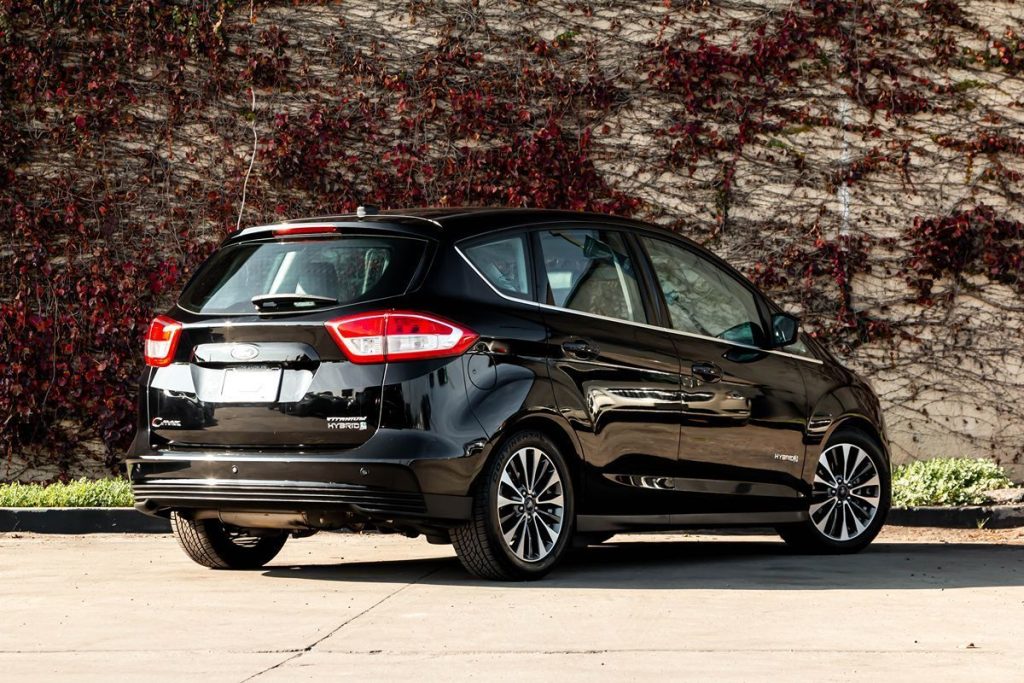
Since there were no updates between these two years, opting for a used 2017 C-Max Hybrid allows you to save a substantial amount of money while getting essentially the same vehicle as the newer model.
At the average cost of a 2017 C-Max Hybrid, there are no brand-new wagons available. The closest option is the 2018 Fiat 500L, which starts at $20,995, though it ranks among the lowest wagons in its segment.
If you’re open to alternatives, a new subcompact SUV could be worth considering. For instance, the 2018 Hyundai Kona begins at $19,500 and provides 45.8 cubic feet of cargo capacity, compared to the C-Max Hybrid’s 52.6 cubic feet.
Another option is the 2018 Honda HR-V, priced from $19,670, which offers an even greater maximum cargo capacity of 58.8 cubic feet.
Jeep Cherokee (2.4L Tigershark Engine)
Compact crossovers are often marketed as efficient alternatives to larger SUVs, but the Jeep Cherokee equipped with the 2.4-liter Tigershark engine failed to live up to expectations.
With EPA estimates hovering around 30 mpg highway, many drivers hoped for savings compared to bigger rivals. Instead, owners frequently reported numbers in the mid-20s, even with careful driving.
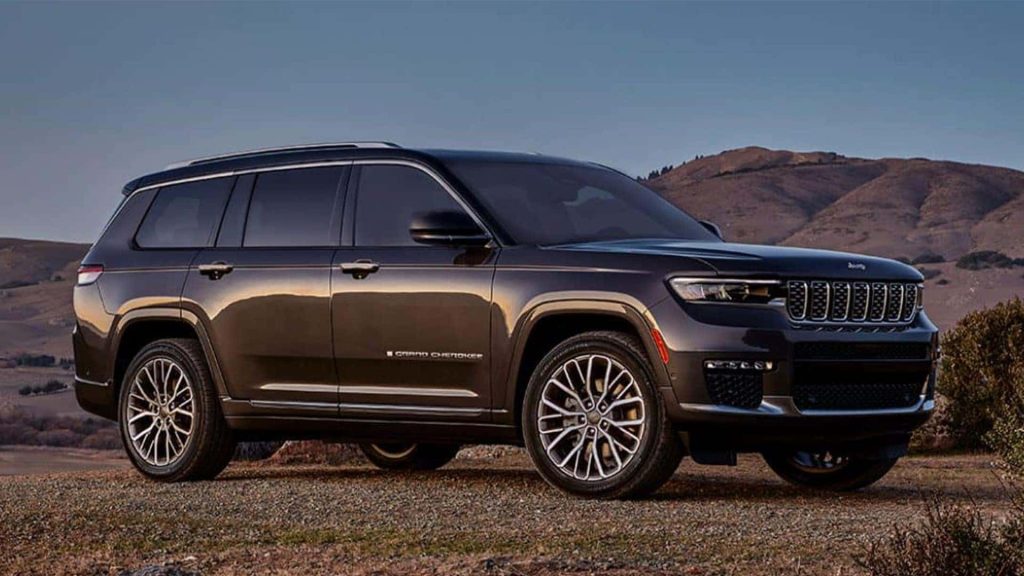
Coupled with a sluggish nine-speed automatic transmission, the Cherokee’s lack of efficiency became one of its biggest drawbacks. For a vehicle that sells itself on practicality, the reality was a letdown.
Mini Cooper (Turbocharged Models)
The Mini Cooper has always been marketed as a quirky, efficient city car, but the turbocharged models often miss the mark on fuel economy. While EPA estimates suggest high-20s in the city and mid-30s on the highway, real-world driving, especially in urban stop-and-go traffic, often delivers figures several mpg lower.
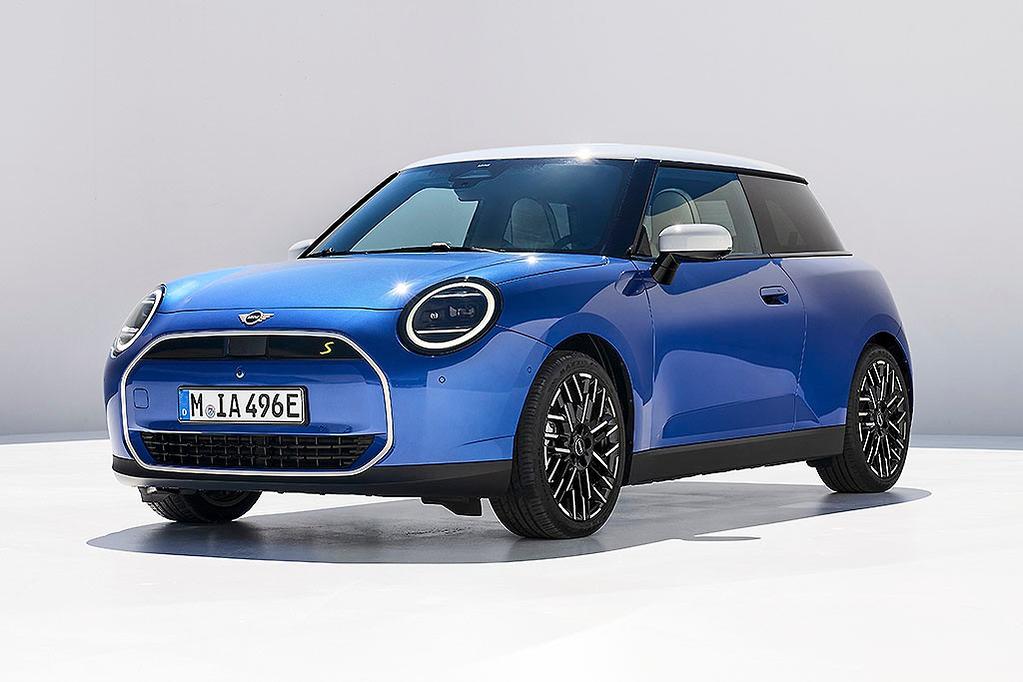
Enthusiastic driving, which the car practically encourages, further reduces efficiency. Owners love the fun-to-drive factor, but many admit that fuel economy doesn’t live up to the “small car = great mpg” expectation.
Hyundai Elantra Eco
Hyundai made bold claims with the Elantra Eco, advertising up to 40 mpg highway thanks to a small turbocharged engine and dual-clutch transmission. While the car could achieve these numbers under ideal conditions, many US owners reported difficulty maintaining them in daily commuting.
Cold climates, heavy traffic, and the transmission’s quirks often dragged efficiency into the low 30s. For a car marketed primarily on efficiency, missing the mark by that margin led to disappointment among buyers.
The 2018 Hyundai Elantra Eco was designed with efficiency as its main focus, featuring a different powertrain from other Elantra models that allows it to achieve an impressive 40 miles per gallon on the highway.
While its Eco trim is not as generously equipped as other compact sedans with similar efficiency and its driving experience isn’t as engaging as many rivals, the model is still a smart choice if your top priorities are fuel economy and affordability.
Hyundai’s pricing strategy keeps the Elantra competitive within the compact sedan segment. The test car came in at $21,560, which is reasonable given its level of equipment and illustrates that you don’t need to go far beyond the Elantra’s $16,950 base price to get a well-equipped model.
Even the most expensive version, the Sport with a dual-clutch transmission, only starts at $22,900 before options. This pricing structure highlights how Hyundai manages to keep cost escalation under control.
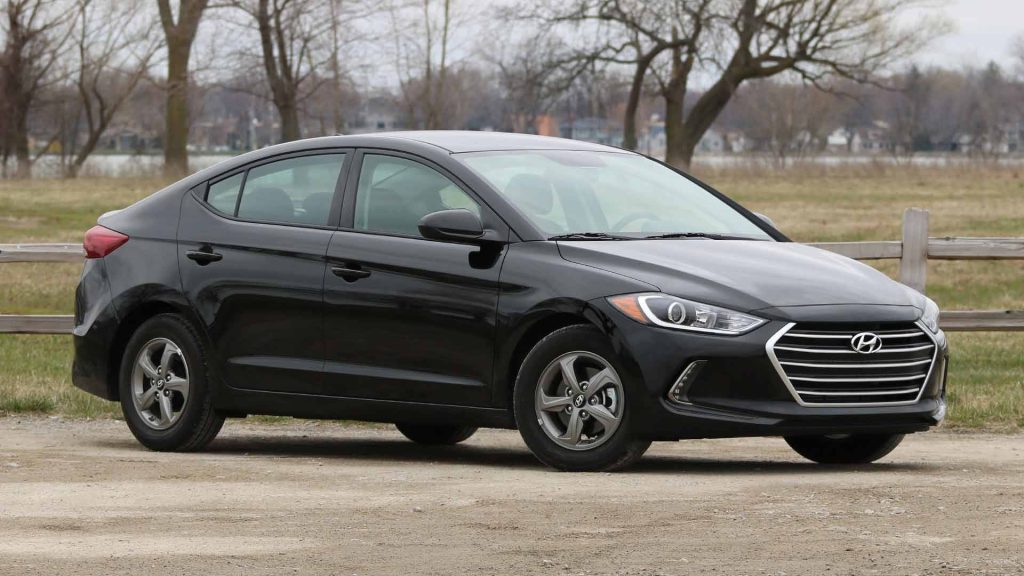
From the outside, the Elantra doesn’t stand out dramatically, but it maintains a clean and handsome appearance.
The large Hyundai grille gives it a recognizable identity, while LED running lights and chrome trim add some upscale touches. However, the 15-inch alloy wheels look small in proportion to the body, leaving the design competent but not particularly striking.
Inside, the Elantra Eco mirrors its exterior in being simple, tidy, and functional. Materials are appropriate for its class, and the controls are straightforward, with clearly legible instruments. Space is adequate, with rear seats that can comfortably fit adults.
The 14.4-cubic-foot trunk provides ample room for luggage, although the pass-through opening when folding the rear seats is narrow and raised, making it less practical than some competitors.
Technology is one of the Eco’s strengths. A standard seven-inch touchscreen infotainment system is user-friendly, with intuitive menus and smooth operation.
Connectivity is strong, thanks to Bluetooth, Apple CarPlay, and Android Auto, while a monochrome trip computer between the gauges supplies useful details such as fuel economy, mileage, vehicle information, and audio data.
For its price point, the Eco offers a generous list of standard features that build on the SEL trim, including push-button start, dual-zone automatic climate control, heated seats, and a leather-wrapped steering wheel.
However, the Eco cannot be further optioned, so features like a sunroof, leather seating, 17-inch wheels, or active safety systems remain unavailable.
Performance is where the Elantra Eco makes the clearest trade-off. It is the only model in the lineup powered by a turbocharged 1.4-liter four-cylinder paired with a seven-speed dual-clutch transmission.
Although its 128 horsepower leaves it trailing the competition in outright power, its 156 pound-feet of torque, delivered as low as 1,300 rpm, provides decent acceleration for passing.
The powertrain prioritizes efficiency over speed, and while the transmission generally works smoothly, it can stumble and shudder during stop-and-go driving.
To further enhance efficiency, the Eco comes with lighter 15-inch wheels instead of the 16-inch wheels found on the SEL and eliminates the spare tire. These narrower 195-width tires also limit grip, leading to handling that is competent but not particularly engaging.
Steering, braking, and ride comfort are acceptable but fall short of rivals like the Honda Civic, Chevrolet Cruze, and Mazda3, which deliver sharper dynamics. On the highway, the Elantra Eco tends to feel softer and a bit floaty compared to its competitors, underlining its emphasis on economy rather than driving excitement.
Also Read: 12 Best Hybrids That Could Outlast Gas Rivals
Chevrolet Malibu (1.5T Engine)
The Chevy Malibu with its 1.5-liter turbocharged engine is another sedan that overpromises on fuel economy. While the EPA rates it at around 32 mpg combined, many drivers experience lower figures, especially in city driving.
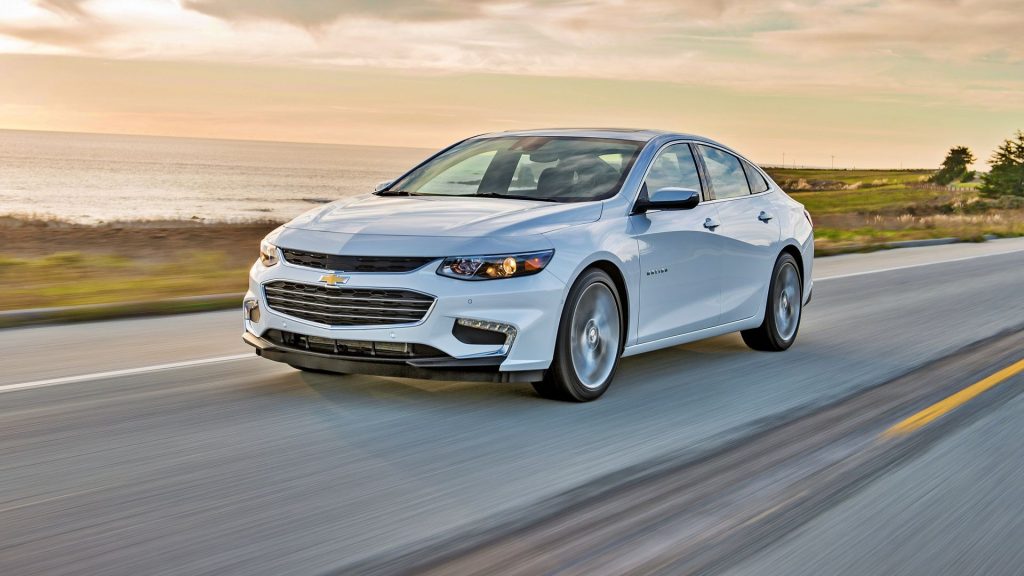
The small turbo struggles when the car is fully loaded, forcing the engine to work harder and burn more fuel. It’s not that the Malibu is terribly inefficient, it’s just that its marketing suggested savings that don’t consistently materialize outside of carefully controlled conditions.
Cars That Deliver on the Promise
When it comes to buying a new car, bold promises are everywhere, whether it’s fuel efficiency, performance, comfort, or cutting-edge tech. The challenge for most shoppers is figuring out which vehicles actually live up to the hype and which ones fall flat.
Thankfully, some cars really do deliver on their promises, offering the exact mix of value, reliability, and features that drivers expect. In this article, we’ll highlight the standouts that not only talk the talk but also walk the walk.
Toyota Prius
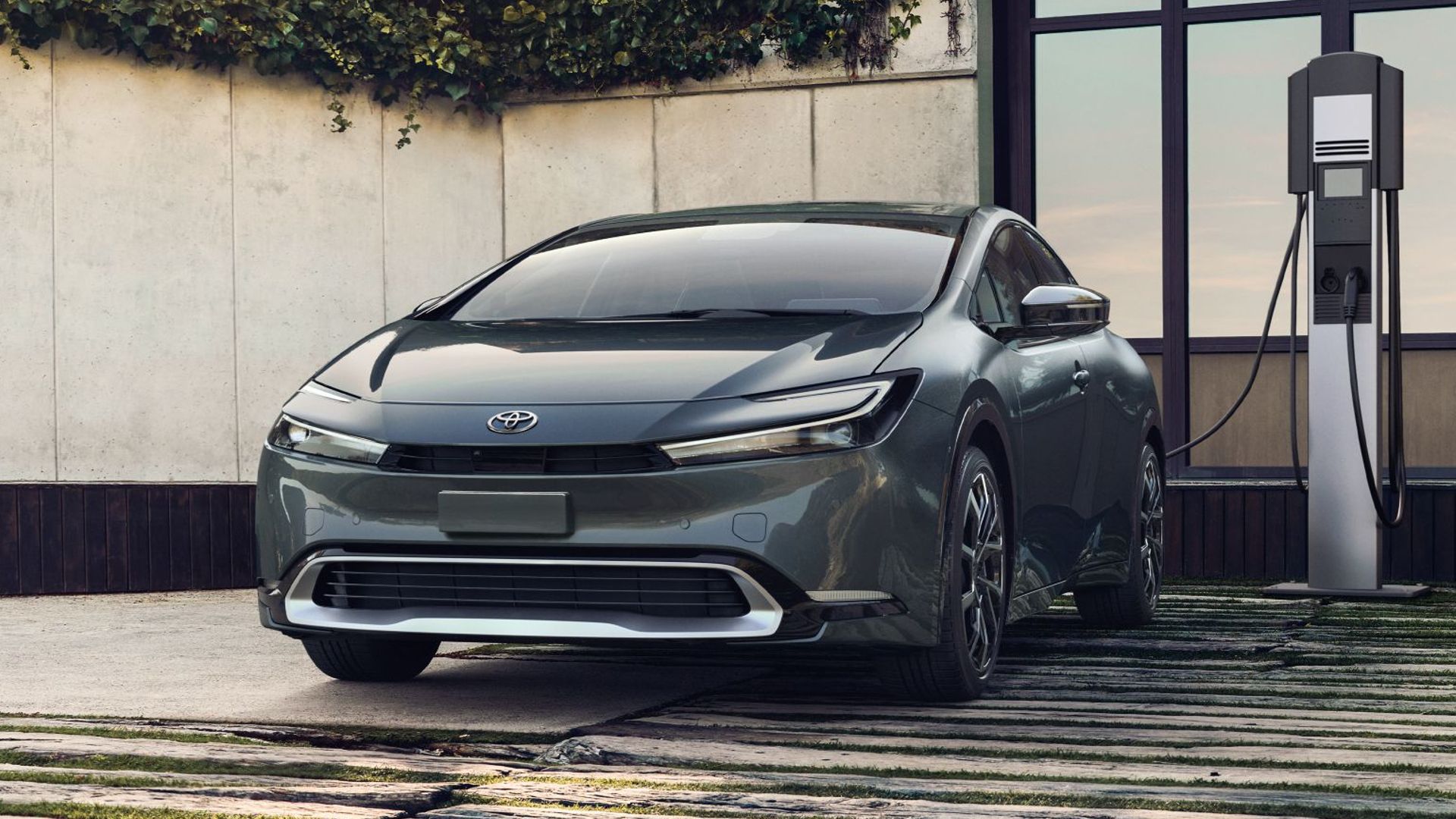
Love it or hate it, the Toyota Prius remains the gold standard for delivering on its mpg promises. With EPA ratings often in the low-50s combined, the Prius consistently achieves real-world numbers that match or even exceed expectations.
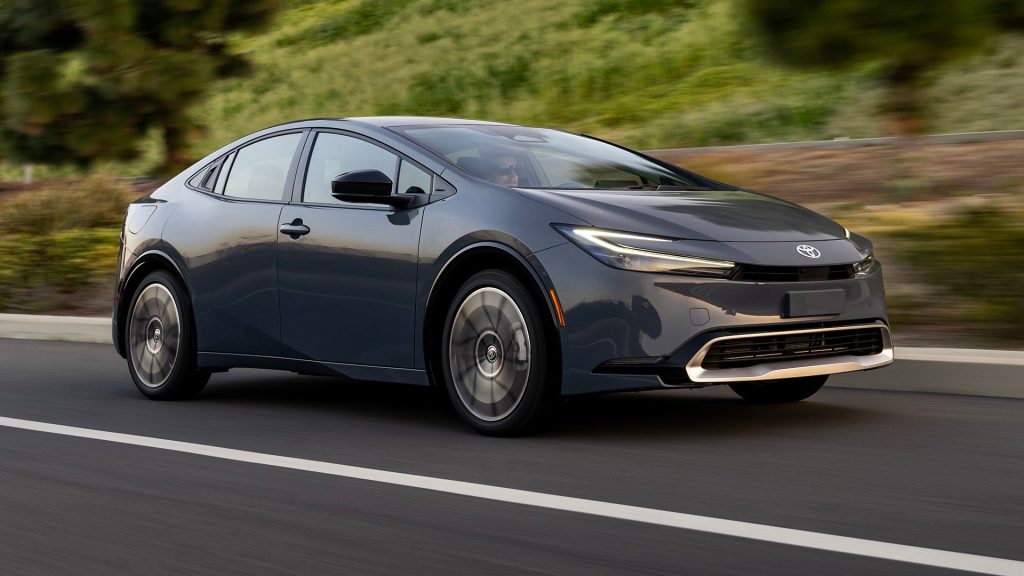
Its hybrid system is tuned for efficiency rather than performance, and its aerodynamic design reduces drag on highways. In northern states where winter driving conditions can harm mpg, owners still report excellent figures compared to rivals. Simply put, the Prius delivers exactly what it says on the window sticker.
Also Read: 10 Honda Civic Years Still Popular With Daily Drivers
Honda Accord Hybrid
The Honda Accord Hybrid blends practicality with honesty. Rated at around 47 mpg combined, many US owners find themselves hitting those numbers without much effort, whether commuting in traffic or cruising on highways.
Honda’s two-motor hybrid system is refined and efficient, allowing seamless transitions between electric and gas power.
Unlike some competitors that require hypermiling to achieve their estimates, the Accord Hybrid makes good mpg feel natural, which builds trust among buyers.
The Honda Accord Hybrid is enjoyable to drive, offering responsive handling, secure road grip, and steady on-road performance.
It manages turns without excessive body roll and is easy to maneuver in daily driving. While it doesn’t quite deliver the athleticism of a sport sedan, it provides a confident, composed ride that will satisfy most buyers.
Under the hood, the Accord Hybrid comes with a single powertrain option: a 2.0-liter four-cylinder engine paired with two electric motors that together produce 204 horsepower and 247 pound-feet of torque.
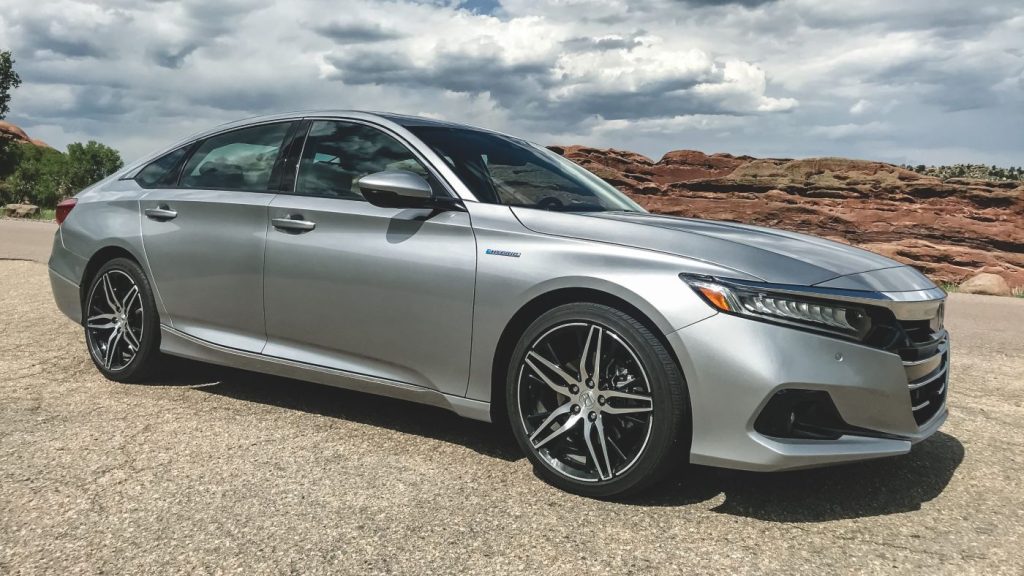
Acceleration feels lively from a stop, and the car delivers more than enough strength to reach highway speeds with ease. The drive is smooth and composed, and the transition between electric and gasoline power is so seamless it’s barely noticeable.
Fuel economy is another strong point for this hybrid. The 2025 Accord EX-L achieves an EPA-estimated 51 mpg in the city and 44 mpg on the highway.
The Sport, Sport-L, and Touring trims return slightly lower ratings of 46 mpg in the city and 41 mpg on the highway, primarily because their larger wheels and tires reduce efficiency.
For shoppers not interested in a hybrid, there’s also the standard gasoline-powered Accord, which is reviewed separately.
Inside, the Accord Hybrid features a clean, understated cabin with a modern design and high-quality materials. Surfaces feel solid, with no noticeable gaps or cheap finishes, and details like the honeycomb-style vent running across the dashboard add a stylish accent.
While the look leans more toward sleek than luxurious, it’s well put together. The car seats five comfortably, offering generous legroom in both rows, though taller passengers may find the rear headroom slightly limited.
Cargo space is also impressive, as the Accord Hybrid leads its class with 16.7 cubic feet of trunk capacity. The rear seats fold in a 60/40 split, making it easier to fit larger or longer items when needed.
Toyota Corolla Hybrid
Another Toyota that delivers is the Corolla Hybrid. With a combined rating in the low-50s, it often matches real-world results even for drivers in varying climates. Its hybrid system borrows heavily from the Prius, but in a more affordable and traditional sedan package.
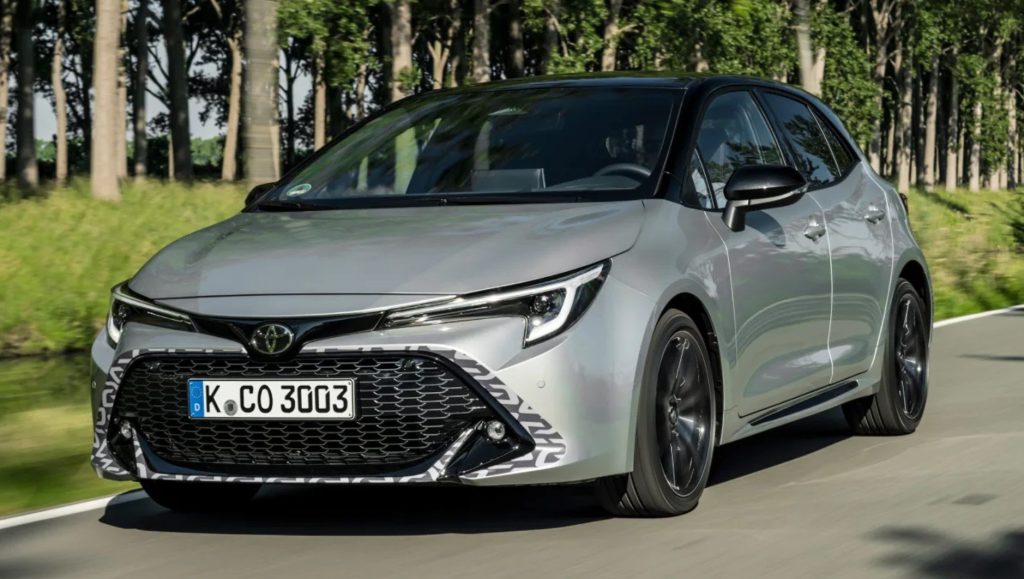
The Corolla has long been known for reliability, and its hybrid variant adds fuel savings without exaggerated marketing claims. For buyers wanting an affordable car that actually lives up to its efficiency promise, the Corolla Hybrid is one of the safest bets on the market.
Hyundai Ioniq Hybrid
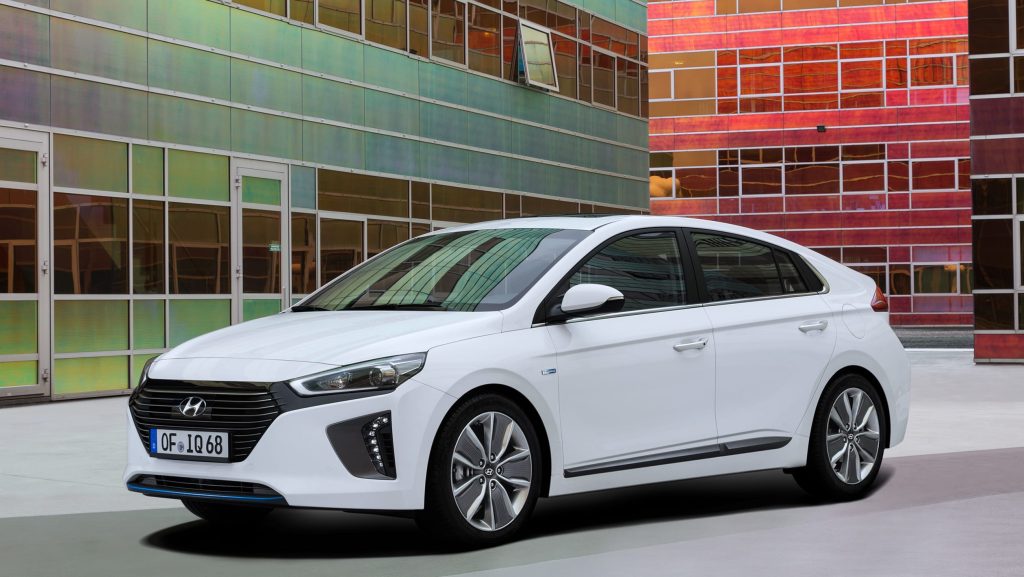
While Hyundai has sometimes overpromised on fuel economy in the past, the Ioniq Hybrid is a pleasant exception. Rated at up to 58 mpg combined in its Blue trim, the car frequently hits those numbers in real-world testing.
Its aerodynamic hatchback design, lightweight build, and well-calibrated hybrid system make it one of the most efficient non-plug-in cars available in the US. For buyers skeptical after experiences with other Hyundai models, the Ioniq Hybrid proves the company can deliver exactly what it claims.
The 2022 Hyundai Ioniq Hybrid is a strong choice for drivers seeking a hybrid or plug-in hybrid hatchback that blends in and drives much like a conventional car.
The standard hybrid achieves up to 59 mpg combined according to EPA estimates, while the plug-in version offers 29 miles of all-electric range. Unlike the Toyota Prius, the Ioniq has a traditional, understated design, and its hybrid version is more efficient than even the thriftiest Prius hybrid.
However, when comparing plug-in models, the Prius Prime delivers slightly better overall fuel efficiency, though it falls short with only 25 miles of electric-only driving compared to the Ioniq’s 29. On the road, both Ioniq versions are unremarkable and lack refinement, but they’re comfortable and ordinary enough to pass as non-hybrids.
With an interior made from eco-friendly materials and a list of desirable standard features, the Ioniq is both sustainable and user-friendly. Still, while it’s practical and unpretentious, it doesn’t offer much excitement.
In the compact car rankings, the Ioniq Hybrid sits at number eight for 2022, behind top picks like the Honda Civic, Mazda 3, and Volkswagen Jetta. With a starting price of $24,695, it positions itself competitively in the segment.
For 2022, the Ioniq Hybrid lineup carries over unchanged, though Hyundai has discontinued the fully electric version to make way for its new Ioniq-branded EVs such as the upcoming Ioniq 5.
This model year also marks the final run for the Ioniq, as the company shifts its focus toward fully electric cars and SUVs.
Pricing for the 2022 Hyundai Ioniq Hybrid ranges from $24,695 to $34,345 depending on trim level and options.
The lineup includes the base Blue trim at $24,695, the SE at $26,645, the SE PHEV at $27,895, the recommended SEL at $29,895, the SEL PHEV at $30,895, the Limited at $32,695, and the Limited PHEV topping out at $34,345.
While the plug-in hybrid version offers the benefit of short all-electric trips, it comes with added expense and a less lively driving experience.
For that reason, the hybrid model is the smarter choice. Among the trims, the Blue is the most fuel-efficient, but the SEL offers the best balance of value and features.
Standard equipment on the SEL includes 17-inch wheels, adaptive cruise control, blind-spot monitoring, LED running lights, heated front seats, rear cross-traffic alert, and a sunroof. Buyers also have the option of a few dealer-installed accessories to further personalize their vehicle.
Tesla Model 3 (Long Range)
When it comes to electric cars, the equivalent of mpg is miles of range per charge, and many EVs struggle to match their advertised estimates. The Tesla Model 3 Long Range, however, consistently delivers on its promise.
Rated for over 330 miles of range, it often comes close in everyday driving, even with moderate climate control use. Efficiency is helped by Tesla’s focus on aerodynamics and lightweight design. While EV ownership has its own challenges, the Model 3 is one of the few electric cars where the real-world experience aligns closely with EPA ratings.
The gap between advertised fuel economy and real-world mpg is one of the most frustrating aspects of car ownership in the US. Vehicles like the Ford C-Max Hybrid, Jeep Cherokee, and Chevrolet Malibu highlight how optimistic marketing can leave drivers disappointed when actual numbers don’t add up.
The updated 2024 Tesla Model 3 Long Range that arrived at our 10Best competition may look much like the original Model 3, but appearances are deceiving. Aside from a few subtle styling tweaks, this EV retains the same familiar design it had eight years ago.
While there isn’t a single earth-shattering upgrade, this version benefits from carefully implemented improvements. The battery capacity has grown from 75.0 to 79.7 kilowatt-hours, and the rear-wheel electric motor now produces 286 horsepower, an increase of 65.
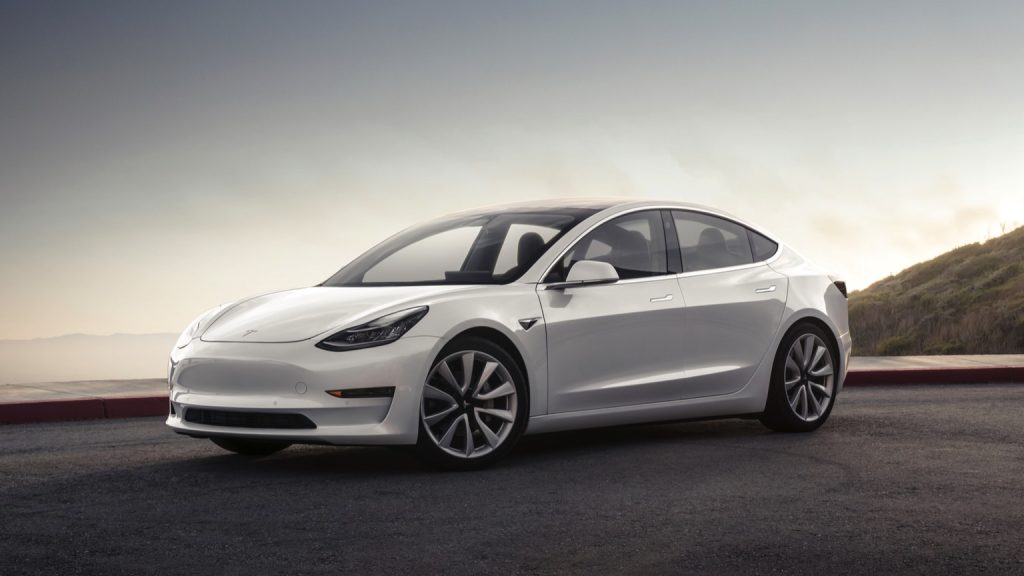
These changes boost the EPA-estimated range from 311 to 363 miles and shave roughly half a second off both zero-to-60 mph and quarter-mile times.
Inside, the cabin has been upgraded with richer materials, more harmonious colors, and an overall more attractive and refined interior. Subtle exterior styling updates enhance the sophistication of the Model 3 while maintaining the aerodynamic and sleek shape that suits an EV perfectly.
The car’s practical design offers ample front-seat space, though the rear remains a bit tighter, still comparable to the much larger Porsche Taycan. Trunk space is generous, complemented by a frunk capable of holding an airline carry-on.
What stands out most is the driving experience. While it doesn’t match the sporty character of a BMW M car, the Model 3 delivers a smooth, controlled, and confident ride. Steering is precise and responsive, and even the brake pedal offers good feel.
The cabin is exceptionally quiet thanks to sound-suppressing measures and acoustic glass, making it comparable to a Mercedes EV and noticeably quieter than earlier Model 3s. Ride impacts are absorbed impressively, highlighting just how noisy most other vehicles are by comparison.
Although some may miss traditional stalks and the limited number of physical controls, the Tesla’s large LCD screen is well-organized and intuitive once you get past the initial learning curve.
Best of all, the 2024 Model 3 Long Range is priced attractively. Its base MSRP is $44,130, but eligible buyers can reduce that to $36,630 with the federal $7,500 tax rebate, with additional state incentives potentially available.
On the other hand, models such as the Toyota Prius, Honda Accord Hybrid, and Hyundai Ioniq Hybrid show that automakers can still deliver accuracy and build trust when their efficiency claims align with reality.
For American buyers, the lesson is clear: don’t rely solely on the numbers printed on a window sticker. Look into real-world owner reports, climate conditions, and independent testing.
Cars that overpromise might look good on paper, but those that deliver will save money and frustration, for years to come.
