
For many Americans, the cost of a car doesn’t stop with the sticker price. Insurance is a big part of the equation, and for some vehicles, coverage can be surprisingly affordable, while for others it can feel like you’re paying a second car payment each month.
Insurance companies set rates based on multiple factors: repair costs, safety ratings, theft statistics, driver profiles, and even how often the model is involved in claims. This means that two cars with similar price tags might have drastically different premiums.
To help you understand how your choice of car might affect your wallet, let’s look at five vehicles known for keeping insurance costs low and five that often cause premiums to skyrocket.
5 Cars That Keep Insurance Costs Low
Shopping for a new car isn’t just about the purchase price or fuel economy, insurance costs can make a big difference to your budget too.
Some vehicles are safer, cheaper to repair, and less likely to be stolen, which means they come with lower premiums. Here are five cars that help keep insurance costs down.
1. Subaru Outback
The Subaru Outback is a perennial favorite among families and outdoor enthusiasts, and insurance companies love it too. Its excellent safety ratings, modest repair costs, and reputation for cautious, practical owners keep premiums affordable.
Because the Outback is rarely associated with high-speed accidents or theft, insurers generally classify it as a low-risk vehicle. Add in Subaru’s strong reliability record, and you’ve got one of the best cars for keeping insurance costs in check.
The Outback’s distinctive crossover-wagon design blends the stable handling and sleek looks of a stylish car with the cargo space, raised seating, and off-road strength of an SUV.
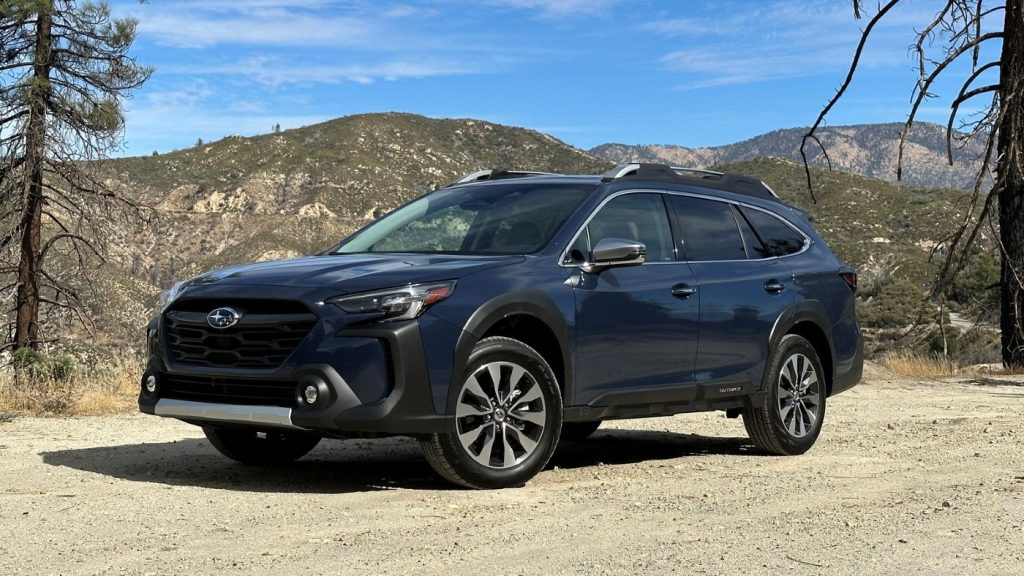
One of its standout qualities is ride comfort; it smooths over rough pavement so effectively that bumps are barely noticeable. Off the beaten path, the standard AWD system and generous ground clearance provide reliable capability.
The new Outback Wilderness is even better equipped for tougher trails, though the poorly calibrated CVT automatic, paired with the 2.4-liter turbo flat-four, often leaves the Outback struggling to deliver power smoothly.
Inside, the cabin is well finished, with detailed contrast stitching and practical waterproof upholstery. However, the infotainment system can feel clunky and sluggish, and CarPlay integration is awkward to use. Subaru’s driver-assistance technologies also tend to be overly sensitive at times.
The powertrain lineup has raised concerns before, too. The base engine runs smoothly but lacks enough output, requiring extra throttle and planning when merging or passing.
The turbocharged option delivers more strength, yet turbo lag is significant and the CVT doesn’t always keep the engine in its sweet spot. Even so, the Outback manages to blend wagon versatility and sedan refinement, offering a package that balances comfort, space, and capability.
2. Honda CR-V
Compact SUVs like the Honda CR-V tend to strike a sweet spot with insurers: they’re practical, safe, and popular with middle-aged drivers who are statistically less risky.
The CR-V is consistently one of the cheapest SUVs to insure thanks to its five-star crash-test ratings, low theft rates, and relatively inexpensive replacement parts.
It’s also less likely to be driven aggressively compared to sportier models, which means insurers don’t see it as a major claims risk.
The regular CR-V also delivers confident handling, a long list of standard safety technologies, and respectable fuel economy. What it doesn’t deliver is excitement.
The cabin is dominated by gray plastic, the 0-to-60 mph sprint takes 9 seconds, and the infotainment system remains fairly basic, though some buyers may appreciate that simplicity.
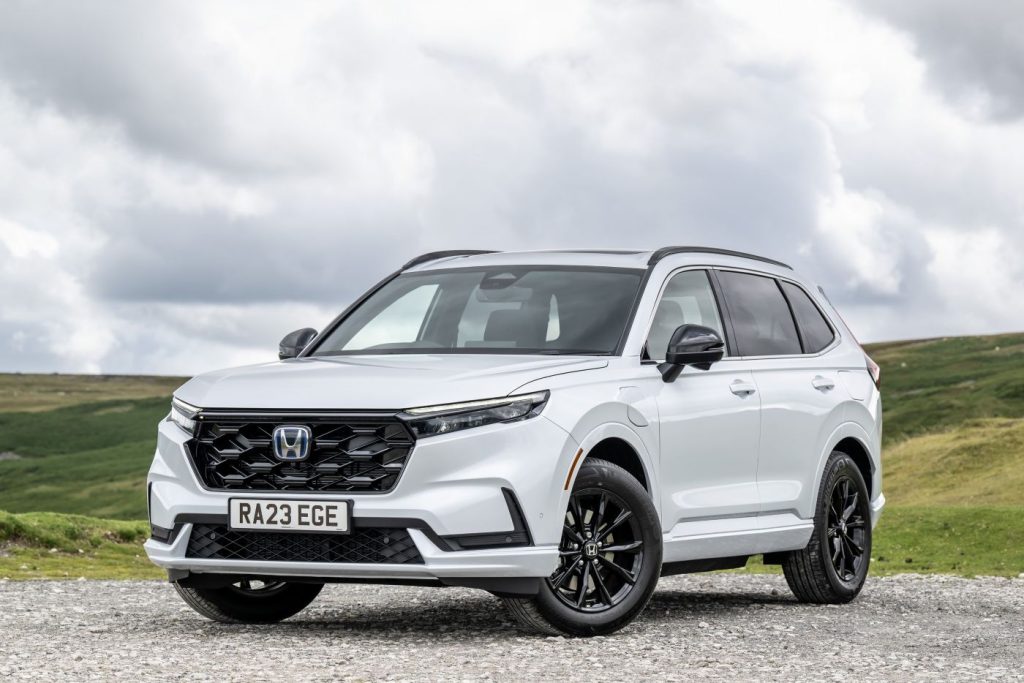
For this review, I tested an all-wheel-drive 2026 CR-V EX-L in Carlsbad, California, with a sticker price of $38,295. It’s not cheap, but as a comfortable, easy-to-use family SUV, the CR-V sets a benchmark that few others match.
The 2026 Honda CR-V continues to be one of America’s favorite small SUVs and remains a top recommendation from our test team.
With its smooth ride, roomy interior, and excellent fuel economy, up to 40 mpg with the hybrid, it’s an easy choice for families and commuters alike. For 2026, the CR-V carries over most of last year’s design and features but adds a few upgrades, including a new TrailSport trim.
While the TrailSport brings a tougher look with unique styling cues, black accents, and all-terrain tires, it doesn’t add true off-road capability like some rivals. In short, the CR-V TrailSport is about style over substance, but it does give buyers a fresh way to enjoy Honda’s ever-reliable SUV.
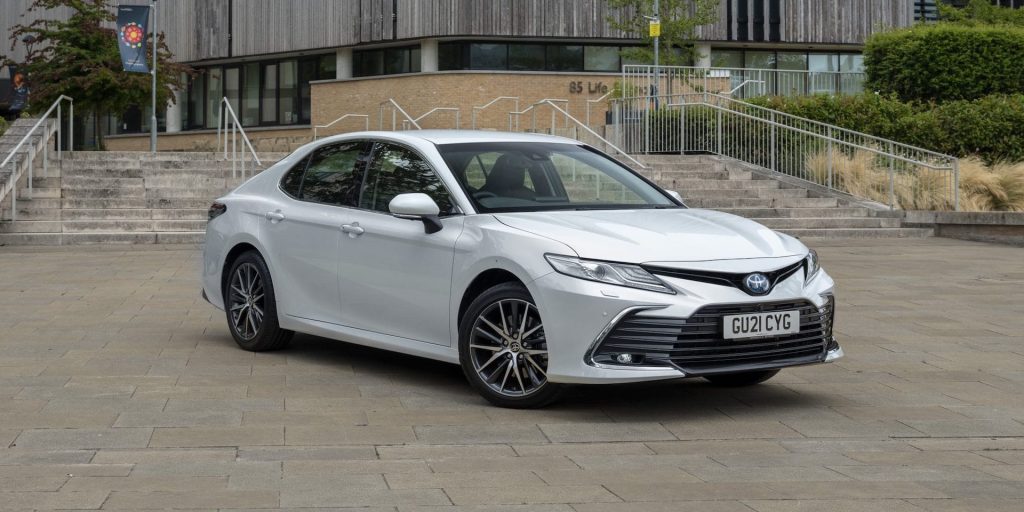
3. Toyota Camry
The Toyota Camry is one of the most sensible choices on the road, and insurance rates reflect that. It combines high safety scores, affordable repair costs, and broad availability of parts.
Because the Camry appeals to a wide range of buyers, especially families and commuters, it doesn’t fall into the same high-risk categories as sports cars or luxury vehicles. For drivers seeking predictable coverage costs, the Camry remains a top pick.
The 2025 Toyota Camry marks one of the most significant redesigns in the history of this long-standing midsize sedan.
While it still builds on the foundation of the previous generation, the latest Camry introduces sharper styling, a thoroughly updated interior, more precise handling, and, most notably, is offered exclusively as a hybrid.
This includes instrumented performance measurements on a closed test track as well as extensive real-world driving on a standardized evaluation loop to assess how it stacks up in its segment.
The scores you’ll see below compare the 2025 Camry against its closest midsize sedan rivals. Each section score is made up of detailed subsection ratings that assess specific elements of the vehicle.
For the first time, we’re also presenting the detailed subsection scores here for a deeper look into how the Camry performs across individual categories.
4. Chevrolet Equinox
The Chevy Equinox is another vehicle that consistently ranks among the lowest for insurance costs in the U.S. Insurance companies like it because of its good crash-test results, affordable repairs, and lack of association with risky driving.
It’s one of those cars that blends into suburban driveways without drawing attention from thieves or aggressive drivers, and that low profile translates directly to cheaper insurance premiums.
Looks aren’t everything, but they certainly help, and the 2026 Chevrolet Equinox delivers plenty of style.
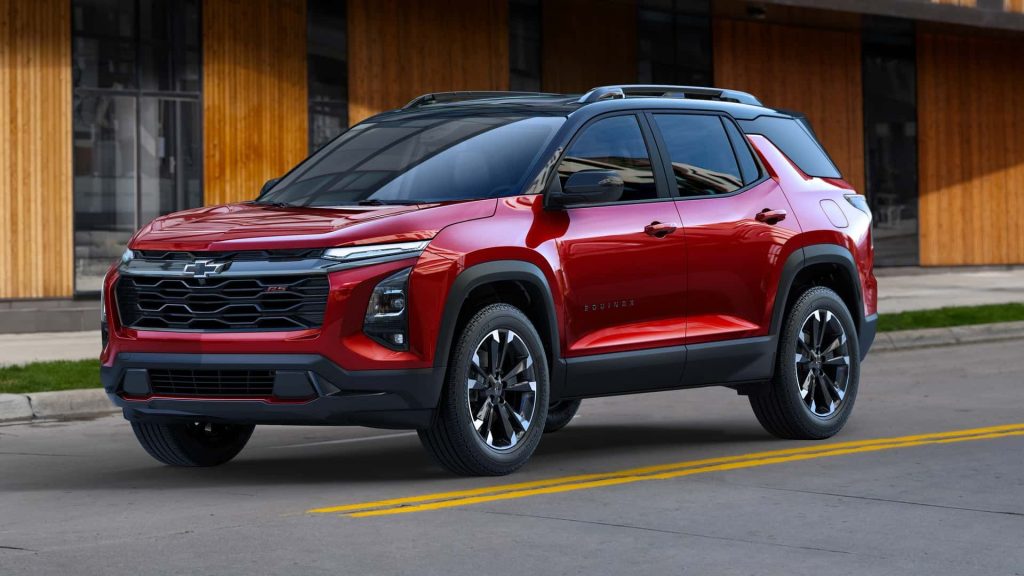
Redesigned just a year ago, this still-fresh Equinox trades the softer curves of its predecessor for sharper, more chiseled lines, giving it a truck-like presence among compact SUVs.
The cabin is just as impressive, highlighted by large, attractive screens powered by fairly intuitive software. Comfort is another strong point, with enough space and amenities to make small family road trips an easy fit.
In terms of size and price, it sits neatly between Chevy’s smaller, more affordable Trax and the larger, more expensive Blazer. Despite sharing its name, though, it has little in common with the Equinox EV.
5. Hyundai Elantra
For budget-minded drivers, the Hyundai Elantra is a standout sedan not just for its low purchase price but also for its cheap insurance. Its long warranty and dependable reliability mean insurers don’t expect frequent, costly claims.
Plus, its safety features and compact-car classification help keep rates below average. Young drivers, in particular, often find the Elantra to be one of the most affordable entry-level cars to insure.
The 147-hp 2.0-liter four-cylinder delivers adequate performance, and we were particularly impressed with the CVT’s smart programming.
What stood out less positively was the quality of certain interior materials. Hard, low-grade plastics cover areas such as the dashboard and door panels, feeling out of place in an otherwise well-designed cabin.
It’s an unusual misstep for Hyundai, especially when compared with the upscale interior of the far more expensive Palisade. The absence of rear USB ports is another drawback, especially for a car that would otherwise be well-suited to ride-share use.
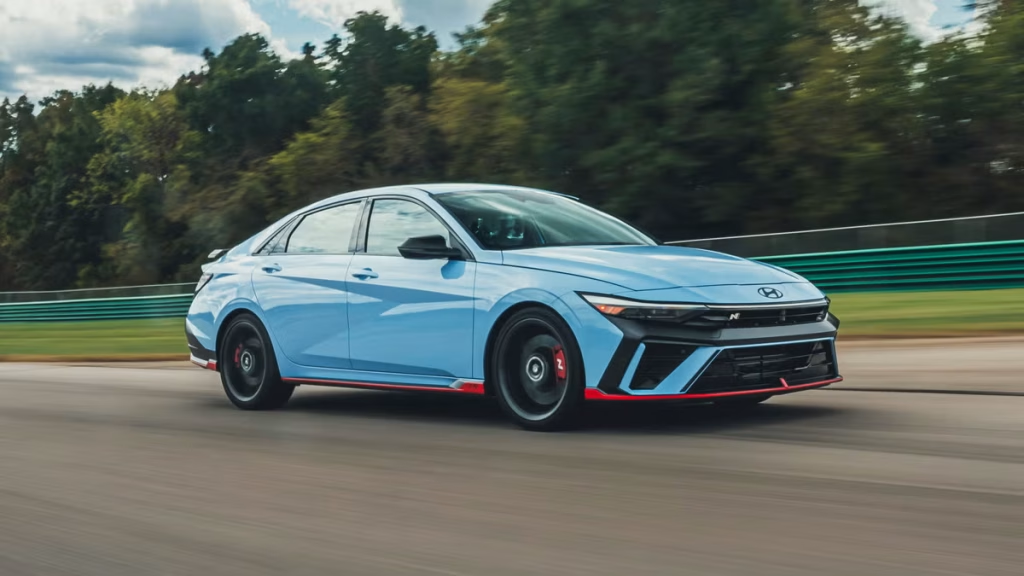
Still, Hyundai has long excelled at delivering value, and with several well-equipped trims starting under $26,000, the Elantra remains one of the most compelling options in the compact sedan segment.
Powering the Elantra SE, SEL, and Limited trims is a 2.0-liter inline four-cylinder producing 147 hp and 132 lb-ft of torque. A continuously variable transmission is the sole gearbox, sending power to the front wheels.
Fuel economy comes in at 33/43 mpg city/highway for the SE and 31/41 mpg for the SEL and Limited. For buyers prioritizing efficiency, the Elantra Hybrid is an even stronger choice.
The sportier Elantra N-Line is fitted with a 1.6-liter turbocharged four-cylinder that generates 201 hp and 195 lb-ft of torque. Paired with a seven-speed dual-clutch automatic, it achieves 28/36 mpg, while the six-speed manual version returns 25/34 mpg.
5 Cars That Skyrocket Premiums
When shopping for a car, most buyers think about sticker price, fuel economy, or performance, but one cost often overlooked is insurance. While some vehicles are known for keeping premiums low, others can send rates soaring.
Factors like repair costs, accident statistics, theft risk, and raw horsepower all play a role in how much you’ll pay. If you’re considering a new ride and want to avoid financial shock, here are five cars notorious for driving insurance premiums through the roof.
1. Dodge Charger
Muscle cars may look great, but they’ll take a chunk out of your insurance budget. The Dodge Charger, especially in its higher trims like the Scat Pack or Hellcat, is notorious for expensive premiums.
Insurers know these cars are powerful, fast, and statistically more likely to be involved in speeding or reckless driving claims. Add higher theft rates in some regions, and the Charger becomes one of the priciest sedans to insure in America.
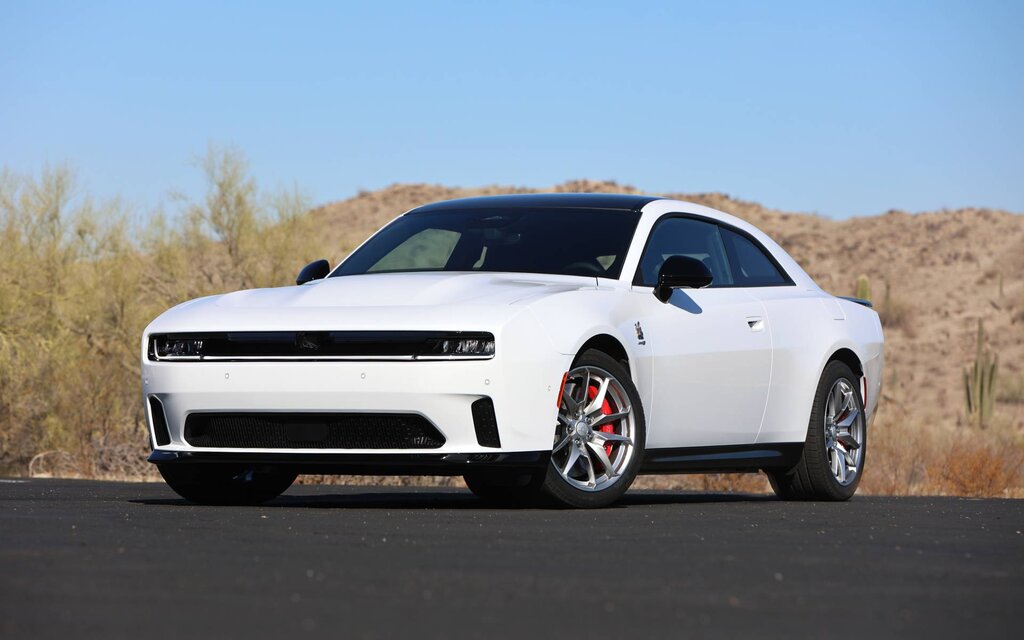
Dodge’s new Charger heads into its second year in 2025 as an all-electric coupe designed to capture the spirit of the classic muscle car. The entry-level R/T model produces an impressive 456 horsepower, while the high-performance Scat Pack trim cranks output up to 670 hp.
Styling is another strong point, with bold, unapologetic lines that give the Charger a distinctive presence. For buyers seeking an EV that combines serious performance with plenty of personality, the 2025 Charger stands out as a compelling choice.
2. Tesla Model S
Electric vehicles often surprise buyers with their high insurance premiums, and the Tesla Model S is a prime example. While it boasts impressive safety tech, repair costs are sky-high.
Parts are expensive, specialized repair shops are limited, and even minor fender benders can lead to eye-watering claims. Insurers also factor in the car’s high purchase price and performance capabilities, which only push rates higher.
Back in 2012, the EV landscape looked very different. Driving range was limited, charging infrastructure was sparse, and choices were few.
Tesla changed that with the introduction of the Model S, an all-electric sedan that delivered blistering acceleration, sleek styling, and more than double the range of anything else available at the time.
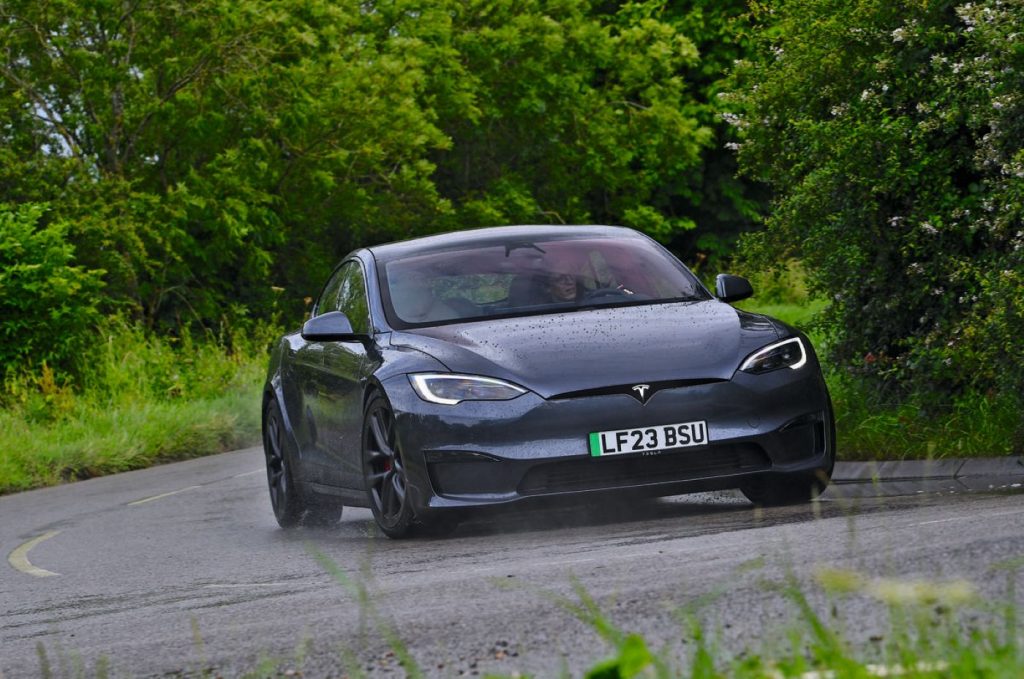
Fast forward 13 years, and while the industry has been transformed, the Model S itself has seen relatively little change. That stability has allowed rivals to catch up, and in some cases, surpass, the aging Tesla.
Even so, the Model S continues to hold its ground. The Lucid Air offers as much as 512 miles of EPA-estimated range, wild performance, and a high-end interior, while the BMW i5 and Mercedes-Benz EQE deliver more refined cabins but remain capped in the 300-mile range bracket.
The standard Model S still outpaces them with an EPA-estimated 402 miles, and of course, Tesla also offers the outrageous 1,020-hp Model S Plaid for those wanting acceleration that feels like being launched off an aircraft carrier in an F-18.
While the Model S may no longer dominate the EV luxury sedan class as it did more than a decade ago, it was so far ahead of its time that it remains both competitive and relevant today.
3. BMW M3
Luxury performance sedans like the BMW M3 carry notoriously high insurance costs. Insurers see them as high-risk because of their speed, repair costs, and driver demographics, often younger buyers who like to push limits.
Replacement parts and labor are far more expensive than mainstream brands, and accident claims tend to cost insurers much more. If you want the thrill of an M3, be prepared to pay top dollar to keep it insured.
If you’re a fan of the BMW 3 Series, chances are you’ll love the M3. This high-performance variant has a long-standing reputation for delivering adrenaline-inducing speed and razor-sharp handling, and the 2025 model continues that tradition.
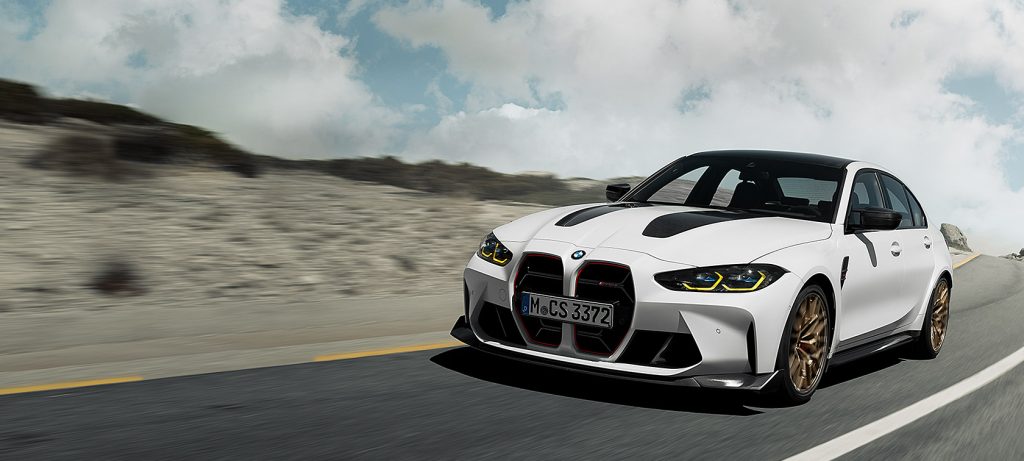
Its twin-turbo inline-six produces up to 523 horsepower, enabling a blistering 0–60 mph sprint in just 2.8 seconds. With the sportiest drive modes engaged, the M3 tackles winding canyon roads with ease, though the driver will certainly feel the workout.
A slick six-speed manual paired with rear-wheel drive comes standard, while opting for all-wheel drive means you’ll also get an eight-speed automatic.
No matter the configuration, the M3 guarantees thrills, making it nearly impossible to spec one the “wrong” way.
The same can be said for rivals like the Cadillac CT4-V Blackwing and Mercedes-AMG C63, each an elite driving machine in its own right, proving that in this category, whichever choice you make, it’s a win.
4. Ford Mustang
The Ford Mustang is an American icon, but it’s also a car that raises eyebrows in the insurance world. Like the Charger, it’s associated with powerful engines and spirited driving.
Accident rates are higher than average, especially among younger drivers, which inflates premiums. Even base models carry above-average rates compared to sedans or crossovers of similar price. For many Mustang owners, the insurance bill is the price of admission for driving a classic muscle car.
remains a joy to drive, with its sharp handling playing a key role in the experience. Even the base trims deliver steering that feels direct and well-weighted, while the suspension is tuned to strike a strong balance between comfort and agility.
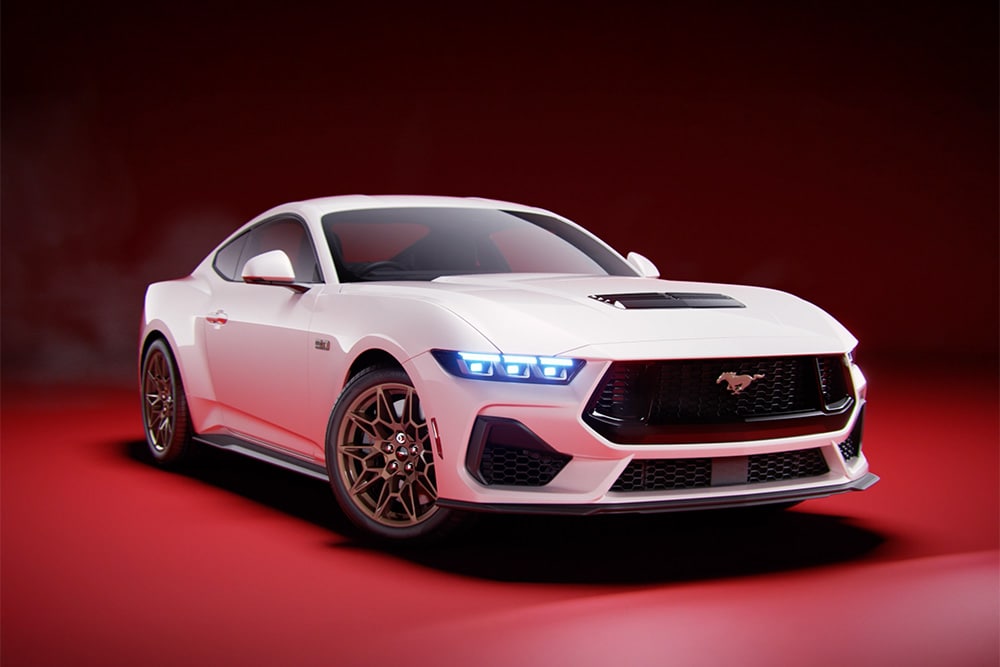
Steering feedback could be a bit sharper, but overall, this Ford is an absolute blast when pushed through corners.
For 2025, the Mustang comes with three engine choices. The standard setup is a 2.3-liter turbocharged four-cylinder producing 315 horsepower and 350 lb-ft of torque.
GT models step up to a 5.0-liter naturally aspirated V8 that delivers 480 horsepower and 410 lb-ft of torque, while the Dark Horse variant takes things further with a 500-horsepower upgrade of the same V8.
A 10-speed automatic transmission is standard with EcoBoost models and optional for both V8s, while a six-speed manual is standard in the GT and Dark Horse trims. Regardless of configuration, every Mustang sends power exclusively to the rear wheels.
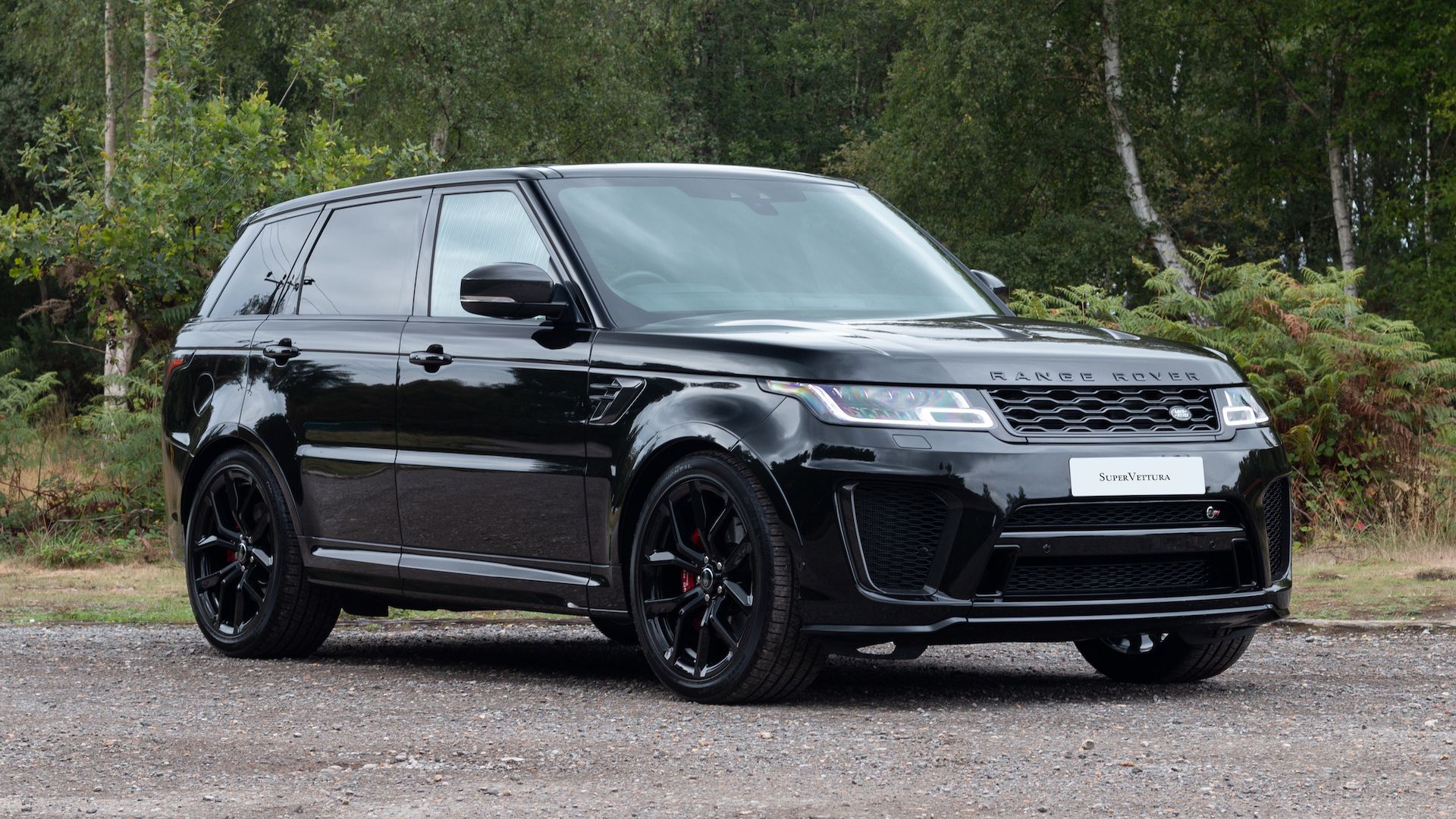
5. Range Rover Sport
Luxury SUVs like the Range Rover Sport tend to have some of the highest insurance costs. Why? Because they combine expensive purchase prices, costly repairs, and high theft rates.
Insurers know that fixing or replacing a Range Rover after an accident isn’t cheap, and these vehicles are popular targets for thieves due to their desirability and resale value. Even cautious drivers end up paying a hefty premium just to cover the risk profile of owning one
Car insurance isn’t just about your driving record, it’s also about the car you choose. Vehicles like the Subaru Outback, Honda CR-V, and Toyota Camry prove that safety, reliability, and practicality keep premiums low.
On the other hand, muscle cars, high-performance luxury sedans, and pricey EVs often skyrocket costs because insurers view them as higher risks.
The second generation of the versatile Range Rover Sport midsize luxury SUV debuted in 2012 for the 2013 model year.
Positioned above the Velar compact crossover and below the flagship Range Rover, it carries over mostly unchanged from 2021. The most notable update is the discontinuation of its diesel and plug-in hybrid powertrains.
In recent years, we’ve spent considerable time behind the wheel of multiple Range Rover Sport variants, including the HST turbo-six mild hybrid, the now-discontinued plug-in hybrid, and the high-performance SVR.
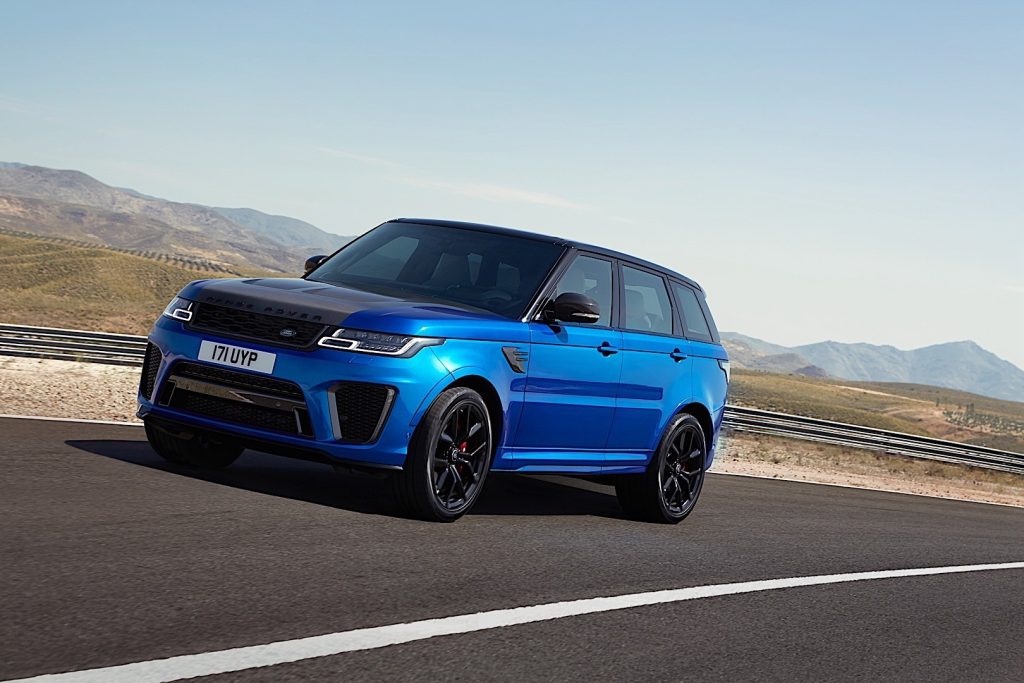
Across the lineup, the SUV consistently delivers a smooth, composed ride, ample power, and a luxury-appropriate list of features.
In our HST test vehicle, we especially appreciated the quiet cabin and hidden storage compartments that elevated the interior experience.
Unlike many of its rivals, every Range Rover Sport also comes with genuine off-road capability, which remains a distinguishing advantage in this luxury SUV class.
That said, there are drawbacks. The HST’s transmission could feel clunky in stop-and-go traffic, and the climate control interface wasn’t especially user-friendly.
We were also less than impressed by the cargo area’s high load floor and the lack of standard active safety technology on the base trim. Still, if your budget can stretch, the Range Rover Sport remains a solid choice.
For 2022, Range Rover Sport buyers can choose between two engines: a turbocharged six-cylinder mild hybrid and a supercharged V-8, each offered in two states of tune.
Both are paired with an eight-speed automatic and permanent four-wheel drive. Retired options include the 254-hp 3.0-liter diesel and the 398-hp 2.0-liter plug-in hybrid.
Every 2022 Range Rover Sport includes automatic emergency braking and lane departure warning. Higher trims, or lower trims with the Drive Pro Pack, add blind-spot monitoring and rear cross-traffic alert.
Adaptive cruise control and a 360-degree camera system are standard on top trims and available on others via the Drive Assist Pack.
The Range Rover Sport provides 27.5 cubic feet of space behind the second row, expanding to 59.5 cubic feet with seats folded.
For comparison, the Lexus RX offers only 16 cubic feet behind the second row and 32.6 cubic feet with the seats folded, while the larger BMW X5 delivers 35.8 and 76.7 cubic feet, respectively.
Standard equipment on the base Range Rover Sport includes an air suspension, automatic headlights with washers, keyless entry, rain-sensing wipers, and power-folding side mirrors.
Inside, features include push-button start, a power-adjustable steering column, an electric parking brake, and dual-zone climate control.
A 10-inch touchscreen with navigation plus Apple CarPlay and Android Auto compatibility is also standard. Available upgrades include heated front and rear seats, a heated steering wheel, tri-zone climate control, and a hands-free power liftgate.
For U.S. drivers, understanding how your car impacts insurance rates is just as important as fuel economy, reliability, or features.
Before you sign on the dotted line for your next vehicle, take the time to get a few insurance quotes.
The difference between a low-risk crossover and a high-risk performance car can easily add thousands of dollars to your yearly budget.
