
The auto industry has always relied heavily on marketing to sell cars. From sleek commercials to bold slogans, automakers know how to craft a story that grabs attention. But not every claim stands the test of reality.
Some vehicles have been hyped with promises of performance, efficiency, or luxury they simply couldn’t back up, leaving buyers disappointed once the honeymoon period ended. On the other hand, certain cars not only meet expectations but exceed them, proving that sometimes marketing isn’t just smoke and mirrors.
This article takes a closer look at five cars that misled buyers with exaggerated promises and five that genuinely delivered on their reputation.
Cars With Misleading Marketing Claims
Buying a car has never just been about horsepower, fuel economy, or even reliability, it’s also about the story manufacturers tell.
Automakers pour millions into advertising campaigns designed to convince buyers that their latest model is faster, tougher, greener, or more luxurious than anything else on the road.
Sometimes, those claims hold up under real-world conditions. But other times, the marketing hype far outweighs the reality, leaving owners disappointed when promises don’t match performance.
In this article, we’ll take a closer look at cars that came with bold claims but fell short once they hit American roads, separating the glossy sales pitch from the everyday driving experience.
1. Dodge Dart (2013–2016)
When Dodge revived the Dart name in 2013, the marketing pitch was clear: a stylish, sporty compact that could take on the likes of Honda Civic and Toyota Corolla.
Ads emphasized performance-inspired styling, modern tech, and European handling. Unfortunately, reality didn’t match the hype.
The Dart was underpowered, offered lackluster fuel economy, and suffered from cramped interiors. Instead of being a Civic-killer, it quietly exited the market after just a few years.
It feels almost symbolic that our first experience behind the wheel of the 2013 Dodge Dart took place in Austin, Texas. This city, known for its vibrant, progressive vibe, represents a different side of the Lone Star State, one that’s more about tie-dye shirts than 10-gallon hats, and more about sleek downtown condos than sprawling ranches like Southfork.
Still, no matter how modern Austin has become, the rich, barbecue-flavored essence of Texas culture remains alive and well.
In much the same way, the Dart represents a fresh direction for Dodge. Unlike the brand’s well-known stable of muscle cars with throaty V8s, the Dart is a compact, front-wheel-drive sedan that draws its roots from an Italian hatchback.
This makes it stand out in contrast, but Dodge has ensured the car still carries enough of the brand’s recognizable DNA to feel like part of the family while also carving out its own niche in a fiercely competitive segment.
The Dart’s foundation is a strong one, sharing its core structure, steering, and suspension with the Alfa Romeo Giulietta available in Europe.
This connection results in a driving experience that can genuinely be called enjoyable, though its fun comes from nimble cornering and agile handling rather than the tire-scorching, adrenaline-pumping thrills you’d expect from something like the Dodge Challenger.
Adding to this is the available turbocharged 1.4-liter four-cylinder engine, also borrowed from Alfa Romeo. With 160 horsepower paired to 184 pound-feet of torque, it provides the Dart, despite its relatively heavy frame, with one of the quickest 0–60 mph times in its class.
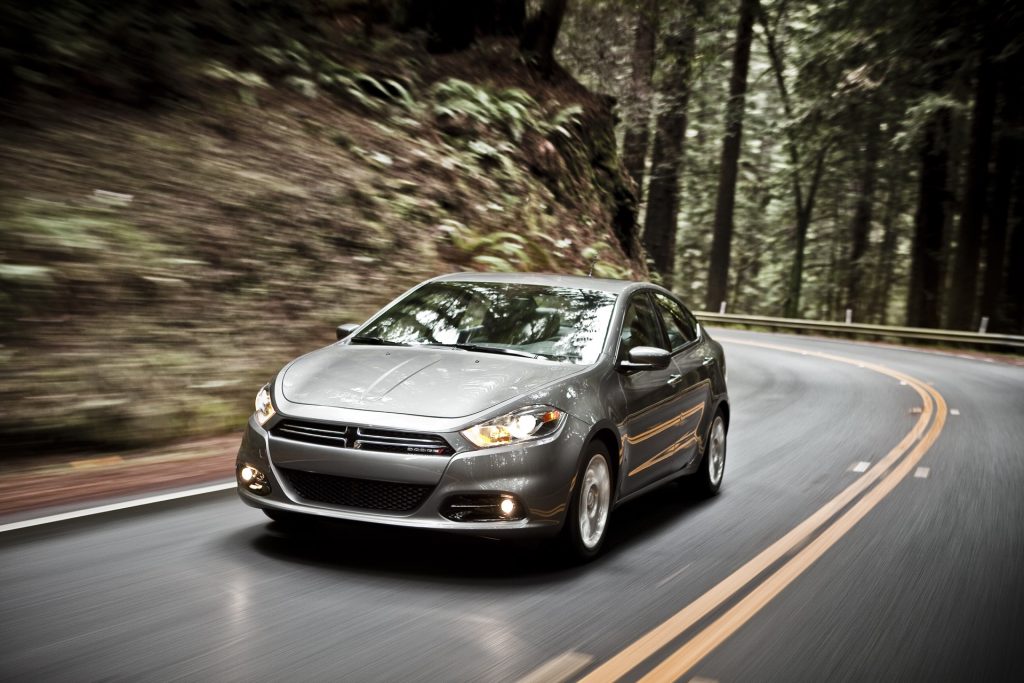
Still, the 2013 Dodge Dart is far more than just a Giulietta with a trunk and the iconic Dodge crosshair grille. In fact, it’s larger in nearly every dimension, gaining almost a full foot in length compared to its Italian sibling.
More importantly, the Dart confidently earns its place among American buyers by being one of the largest small sedans available at the time, even surpassing the Volkswagen Jetta in overall dimensions.
Its notable width not only translates into generous passenger room but also gives drivers the impression of piloting a vehicle that feels more substantial than its compact classification suggests. Simply put, when you’re behind the wheel, it doesn’t really feel like you’re driving a small car at all.
2. Hyundai Veloster Turbo (Early Years)
Hyundai marketed the Veloster Turbo as a bold, sporty hatchback that would thrill enthusiasts with its quirky three-door design and boosted engine. While it looked exciting on paper, owners quickly realized it wasn’t the hot hatch they were promised.
Acceleration was merely average, and the handling lacked the sharpness of competitors like the Volkswagen GTI. It wasn’t a bad car, but it certainly didn’t live up to its “performance-first” advertising.
Hyundai entered the hot-hatch arena in 2011 with the introduction of the Veloster, a model that stood out from the start. Built on the same platform as the Hyundai Accent and i20, the Veloster was designed to appeal to drivers looking for something sporty, unconventional, and affordable.
Carmakers often experiment with new body styles in hopes of capturing untapped markets. Some designs, like the SUV-coupe blend, find success, while others, 0such as coupe-inspired MPVs, fail to resonate.
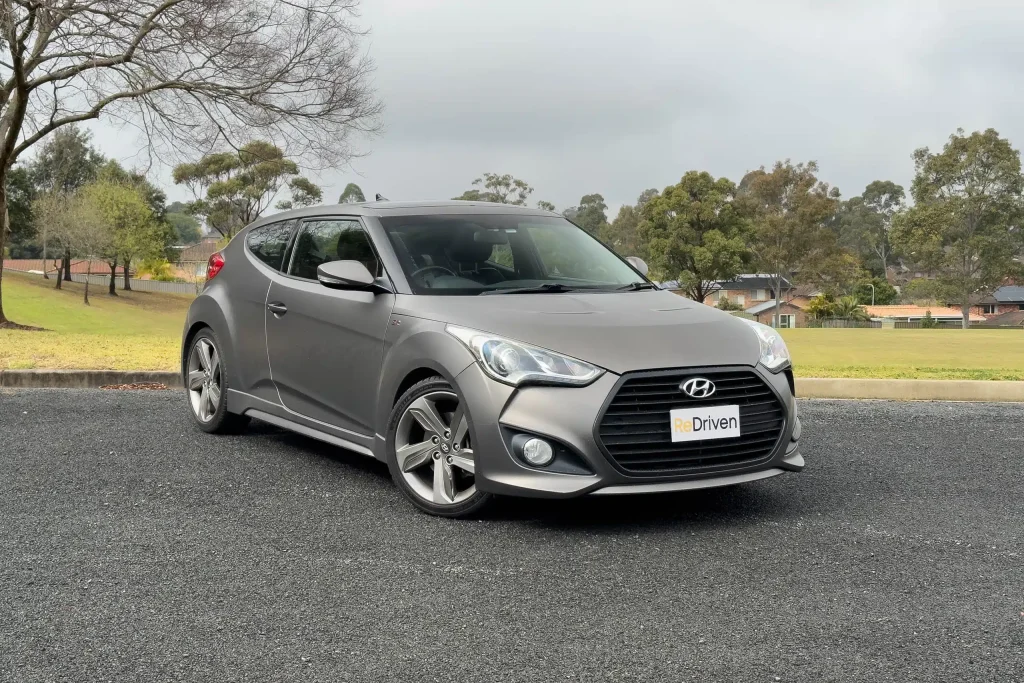
Timing plays a major role in whether a car succeeds or fades quickly, and Hyundai appeared to strike the right moment in 2011 with the Veloster. Its quirky, asymmetrical design immediately set it apart in a crowded hatchback segment.
Unlike most hatchbacks that came with three or five doors (including the tailgate), the Veloster broke convention by offering four. The driver’s side had two doors, while the passenger side had just one. This unusual setup not only emphasized the car’s unique personality but also provided a safety-oriented benefit.
Rear passengers could only exit on the curbside, away from traffic, something parents with children appreciated. The bold exterior styling reinforced its sporty image, with a sloping roofline that flowed seamlessly into a sharply raked rear windscreen.
Inside, Hyundai carried over elements from the i30, but gave the Veloster its own identity with a distinctive V-shaped center stack, a subtle nod to the model’s name. The front bucket seats offered substantial bolstering, ensuring better lateral support during spirited driving.
Rear seating, while limited by the steeply sloped roofline, was adequate for children or smaller passengers and still offered more practicality than a traditional coupe. Compared with the Tiburon it replaced, the Veloster felt like a more versatile option while retaining a sporty character.
Power came from a 1.6-liter turbocharged engine that balanced performance with efficiency. Thanks to direct fuel injection, the powerplant not only delivered lively acceleration but also maintained impressive fuel economy, making it a well-rounded choice for daily driving and weekend fun alike.
3. Lincoln MKT
Lincoln promoted the MKT as a luxury crossover blending elegance with utility. Ads promised premium styling, a quiet ride, and cutting-edge technology.
In reality, the MKT’s polarizing looks were widely criticized, its interior felt dated compared to rivals, and its fuel economy lagged behind expectations.
When Lincoln launched the MKT crossover in 2009, the world financial crisis was damaging automakers’ finances. Ford considered launching an upscale crossover under the Lincoln badge to be a smart idea. As a result, it produced the three-row vehicle based on the Ford Flex. While sales were not stellar, customers appreciated the vehicle.
Furthermore, since the car shared its platform with the Lincoln MKS and the Ford Taurus, its production costs were not significantly high. However, during the introduction of the vehicle in 2012, the market started to rise again, and technology was improved.
As a result, Lincoln updated the MKT lineup to match customers’ requirements. However, sales continued to drop, and in 2019, the automaker pulled the plug on the model, replacing it with the Aviator.
Like its MKS brother, the 2013 Lincoln MKT had a fresh new look. Its front fascia abandoned the waterfall grille styling and adopted the split-wing design theme inspired by the 1936 Lincoln Zephyr, with thinner oblique slats.
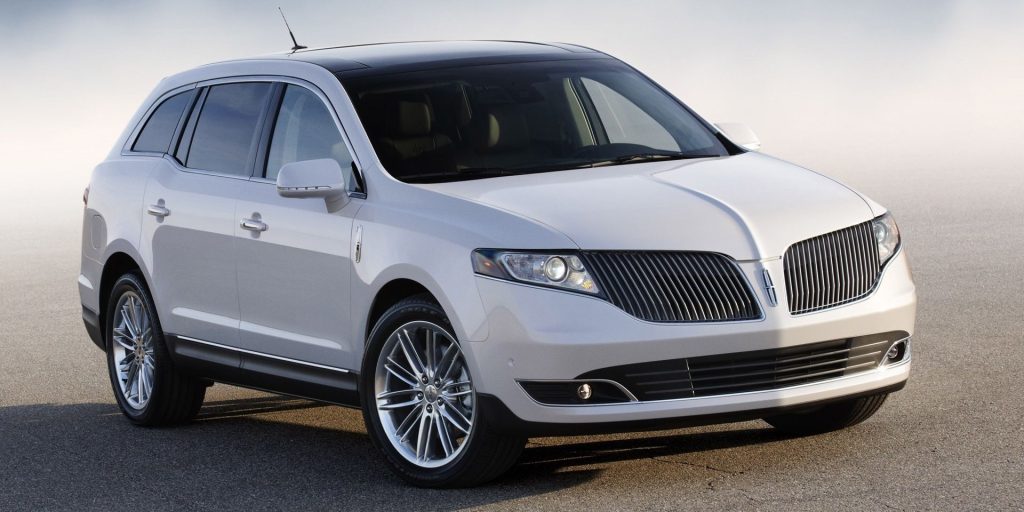
Furthermore, the swept-back headlights were new and featured high-intensity discharge bulbs, greatly improving nighttime driving. Furthermore, the bumper was redesigned and sported chromed trims around the fog lamps’ clusters.
From its profile, there were almost no changes. While the same 19-inch polished aluminum wheels were standard across the range, Lincoln introduced an option for a set of 20-inch ones with ten double-spoke design.
Like its non-facelifted version, the 2013 Lincoln MKT had black lower areas for the side sills and the bumpers that emphasized the car’s ability to tackle unpaved roads, especially if fitted with traction in all corners. Out back, the broad taillights crossed the tailgate and had a sharper look.
Inside, the automaker introduced a completely new design for the instrument panel. The 2013 Lincoln MKT had a center-mounted speedometer flanked by configurable TFT displays. This setup was also seen on other Lincoln models.
The center stack received a new infotainment system with an available touchscreen navigation unit. Unfortunately, the touch buttons available for the MKS were not applied to the MKT lineup.
In standard configuration, Lincoln’s full-size luxury crossover offered seating for seven. Still, customers could order the vehicle with six individual seats. However, the rearmost row of seats was mostly kids-friendly since legroom and headroom were limited.
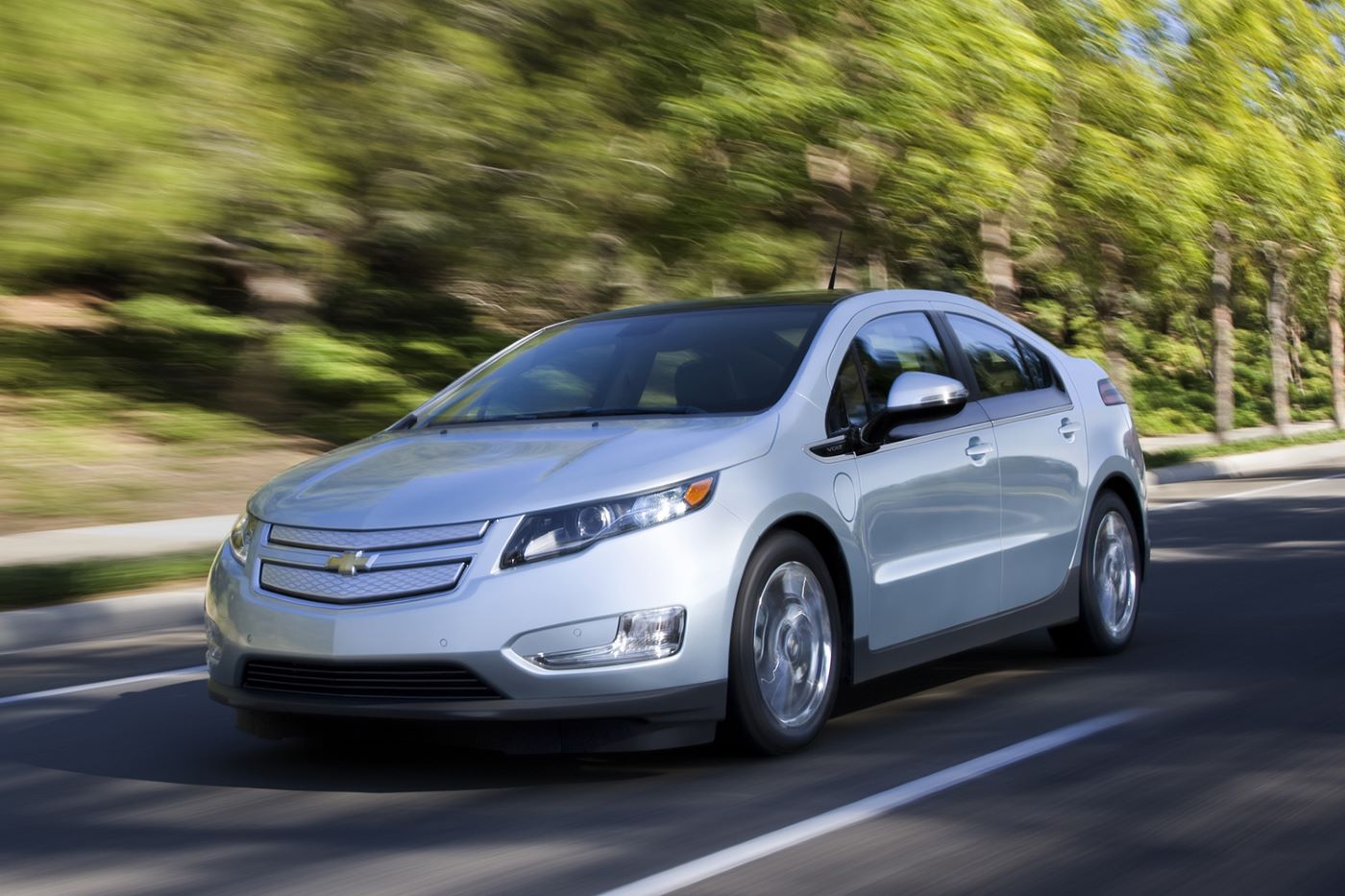
4. Chevy Volt (First Generation)
Chevrolet heavily marketed the first-generation Volt as an all-electric car with gasoline “range extender” backup. Ads created the impression that most buyers would rarely need gas.
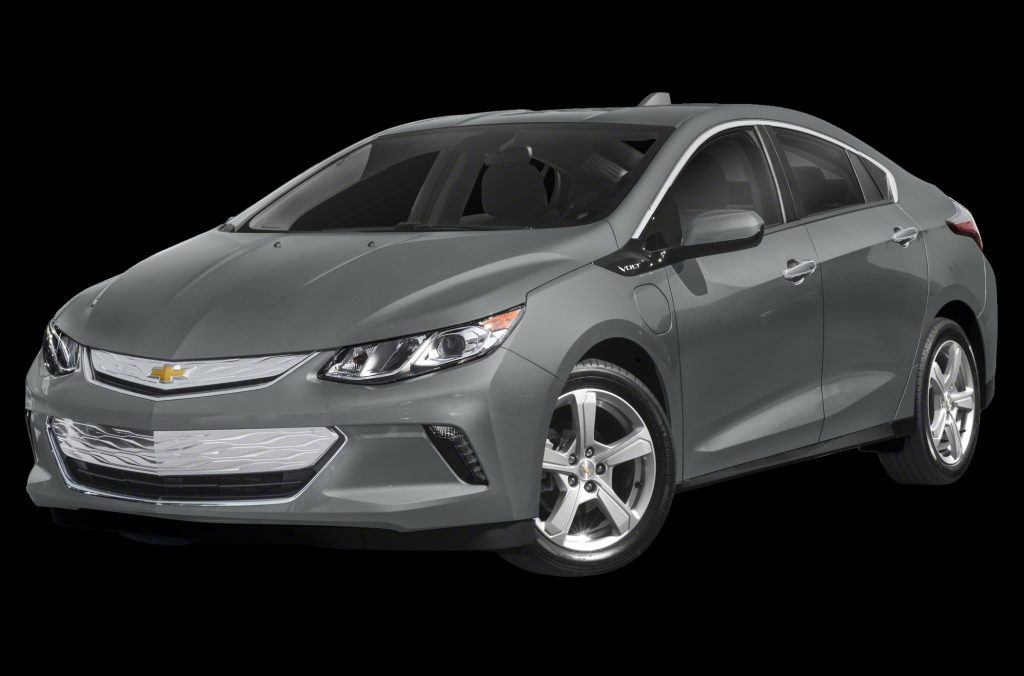
While the technology was groundbreaking for its time, real-world range fell short of marketing claims, especially in colder climates where battery performance dipped. Owners often found themselves relying on gasoline more than they expected, leaving some to feel that GM oversold the Volt’s EV capabilities.
5. Mitsubishi Mirage (Current Generation)
Mitsubishi markets the Mirage as an affordable, efficient, city-friendly hatchback. The ads promise unbeatable fuel economy and smart urban practicality. While the MPG figures are indeed impressive, everything else about the Mirage leaves buyers underwhelmed.
Underpowered engines, noisy cabins, and a bargain-bin interior make it feel like a step backward compared to competitors. The Mirage delivers on efficiency, but marketing it as a well-rounded choice for city life feels like a stretch.
The Mitsubishi Mirage is offered in both subcompact sedan and four-door hatchback form. First introduced to the U.S. market for the 2014 model year, the Mirage received a refresh in 2017. Its mission is straightforward: deliver tiny dimensions, excellent fuel economy, and basic features at one of the lowest starting prices on the market.
The Mirage is built for drivers who simply want to get from point A to point B with minimal expense. If you’re on a tight budget and don’t want to gamble with the unknowns of a used vehicle, the Mirage offers a low-cost entry point with the backing of a generous warranty. For almost everyone else, however, there are better choices available.
Starting at around $15,000, the Mirage is undeniably affordable. Ownership costs should also remain low thanks to impressive fuel economy and Mitsubishi’s strong warranty coverage, which includes a five-year/60,000-mile new-vehicle warranty, five years of unlimited-mile roadside assistance, and a 10-year/100,000-mile powertrain warranty.
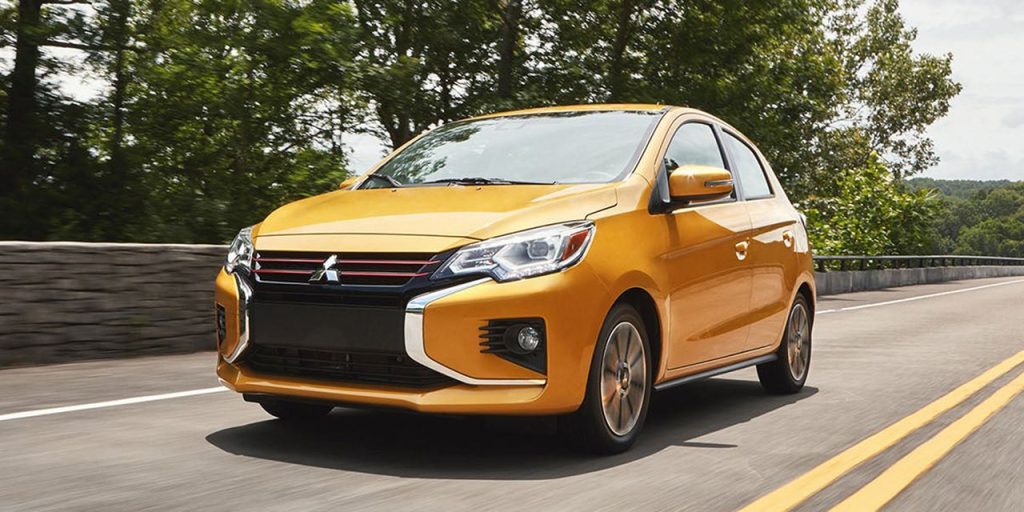
Despite its bargain-bin pricing, the Mirage does come with a few appealing standard features such as Apple CarPlay and Android Auto compatibility, cruise control, power windows, rear seat heat ducts, and the now-standard automatic climate control. The hatchback variant also provides decent utility with split-folding rear seats.
Unfortunately, affordability comes with some big compromises. The Mirage is the least powerful new vehicle sold in the U.S. for 2020, and its modest 78 horsepower means highway merging or overtaking requires serious advance planning.
The steering feels vague with plenty of slack, making it hard to know when the wheels are centered. Braking distances are longer than expected for such a lightweight car, and ride quality is rough, with plenty of road noise intruding into the cabin. Comfort and driving enjoyment are simply not the Mirage’s strong suits.
Peace of mind is hard to put a price on, and for some buyers, Mitsubishi’s lengthy warranty coverage and low operating costs will provide that reassurance. Still, its cramped interior, lack of refinement, and unpleasant driving dynamics may outweigh those benefits for many shoppers.
Every Mirage is front-wheel drive and uses a 1.2-liter three-cylinder engine rated at 78 horsepower and 74 lb-ft of torque.
The entry-level ES trim comes standard with a five-speed manual transmission, while a continuously variable transmission (CVT) is optional. All other trims feature the CVT as standard. In testing, a CVT-equipped Mirage took 12.0 seconds to accelerate from 0 to 60 mph, underscoring its underpowered nature.
Cars That Deliver on Their Promises
In today’s automotive world, marketing often sets the stage with bold claims of performance, efficiency, durability, and innovation. Yet, too often, the reality of owning a car doesn’t live up to the glossy brochures or catchy ad campaigns.
That’s why the vehicles that truly deliver on their promises stand out even more, they prove themselves not just on paper, but on the road and in the hands of drivers.
From dependable sedans that actually offer the comfort and reliability they advertise, to performance cars that back up their horsepower bragging rights, some models simply get it right.
This article highlights cars that live up to their word, showing that when engineering and marketing align, the result is a vehicle worthy of trust.
1. Toyota Prius
When Toyota launched the Prius, it marketed the car as the world’s leading hybrid, designed to save fuel and reduce emissions. Two decades later, the Prius has more than delivered.
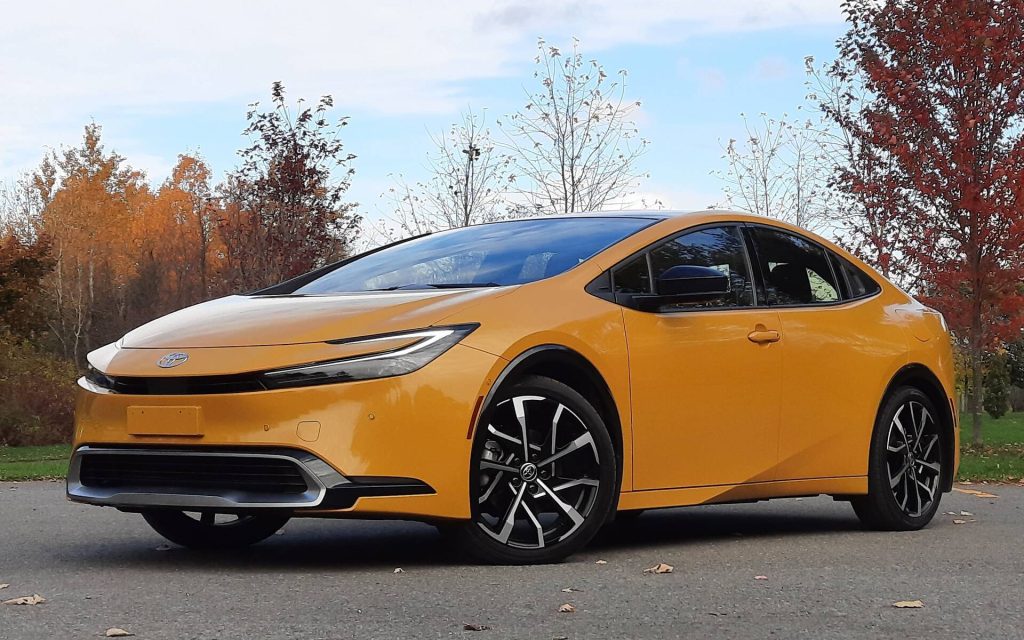
Owners consistently report outstanding reliability, real-world MPG that matches EPA estimates, and an ownership experience that proves hybrids don’t need to be complicated. The Prius didn’t just meet marketing claims, it set the standard for what a hybrid should be.
2. Ford F-150
Ford’s marketing tagline for the F-150, “Built Ford Tough”, has been hammered into the American consciousness for decades. Unlike some slogans, this one matches reality.
The F-150 has proven itself time and again as one of the most durable, capable, and versatile pickups on the market. Whether for work, towing, or daily life, the F-150 has consistently backed up its reputation, which explains why it’s the best-selling vehicle in the U.S. for more than 40 years.
With an extensive lineup of trims and body configurations, the 2022 Ford F-150 remains one of the most versatile trucks on the market. It’s a dependable workhorse that can be tailored for nearly any task.
Contractors and fleet managers will find plenty of value in the affordable, no-nonsense XL model, while luxury seekers such as oil executives or ranch owners will feel right at home in the more upscale King Ranch or Limited trims.
Ford offers a broad range of powertrains as well, including both a hybrid and a diesel, while the off-road-focused Tremor trim is designed to carry you almost anywhere you need to go. The F-150 continues to prove it has the toughness to tackle demanding jobs.
Although it isn’t quite as refined for everyday comfort as its chief rival, the Ram 1500, the Ford’s long-standing reputation, wide selection of features, and impressive capabilities have consistently swayed buyers.
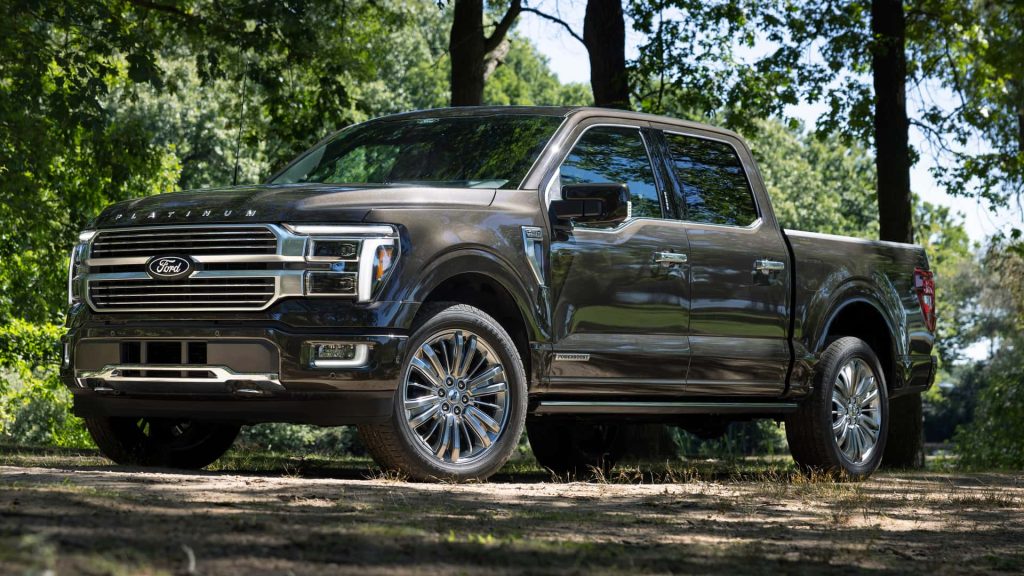
For the 2022 model year, Ford introduced a few updates to the F-150 lineup. A new Black Appearance package is now available on the XL, XLT, Lariat, and Platinum trims.
The Bed Utility package, featuring a tailgate step and locking cleat-style tie-downs, is also available on the XL, XLT, Lariat, and Tremor trims, while being standard equipment on the King Ranch, Platinum, and Limited.
A fresh paint option, Atlas Blue, has been added to the palette. Additionally, Ford is launching the all-electric F-150 Lightning for 2022, though that model is reviewed separately.
With multiple cab and bed length options, the lineup covers nearly every need. While the XLT offers a step up from the base XL work truck, the Lariat strikes the best balance of features and affordability. Though it costs nearly $10,000 more than the XLT, its additional comforts and tech make it the sweet spot for most buyers.
The F-150 provides a wide selection of engines: a 290-hp 3.3-liter V-6; a 325-hp twin-turbocharged 2.7-liter V-6; a 400-hp 5.0-liter V-8; a 400-hp twin-turbocharged 3.5-liter V-6; and a 250-hp 3.0-liter diesel V-6. Each engine pairs with a 10-speed automatic transmission.
For the first time, Ford also offers a hybrid powertrain. This setup combines a 3.5-liter twin-turbocharged V-6 with a 35-kW electric motor and the same 10-speed automatic, producing 400 horsepower.
Ford claims this hybrid can deliver up to 700 miles of driving range per tank, while also powering an onboard generator capable of supplying electricity at job sites or during outages. Buyers can choose between rear- and four-wheel drive regardless of engine choice.
At the test track, a four-wheel-drive Lariat equipped with the hybrid system sprinted from 0 to 60 mph in just 5.4 seconds, an impressive feat for such a capable full-size truck.
3. Honda Accord
Honda markets the Accord as a well-rounded midsize sedan that delivers reliability, value, and a rewarding drive. Year after year, the Accord has met those expectations, offering roomy interiors, fuel-efficient engines, and class-leading resale value.
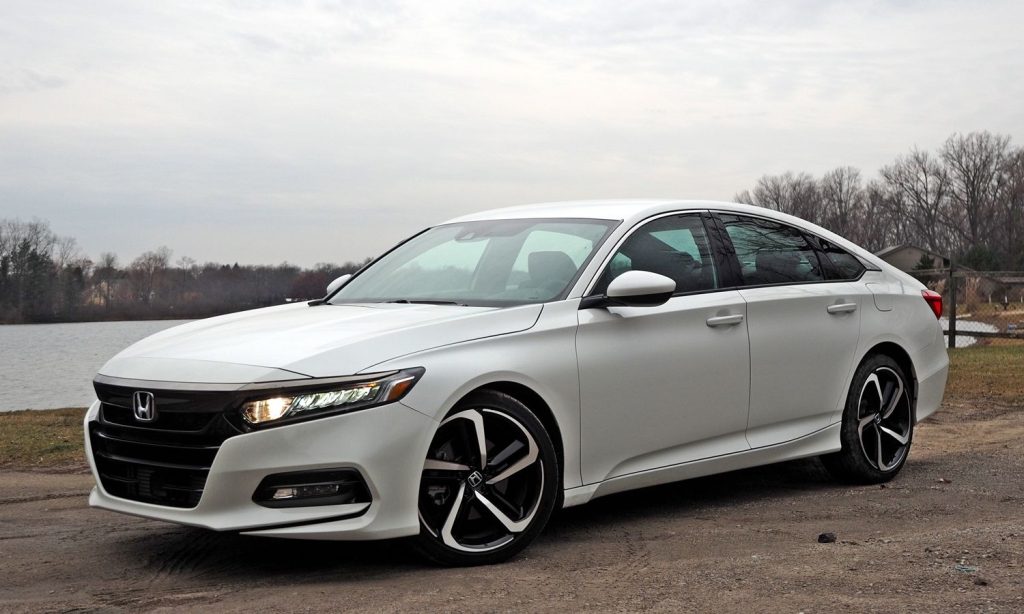
Its reputation for longevity and low ownership costs has only reinforced Honda’s claims, making it a car that delivers exactly what buyers expect.
4. Jeep Wrangler
The Jeep Wrangler has always been marketed as the ultimate off-road adventure vehicle, capable of conquering trails and surviving conditions that leave other SUVs stuck. Unlike many competitors that exaggerate capability, the Wrangler truly delivers.
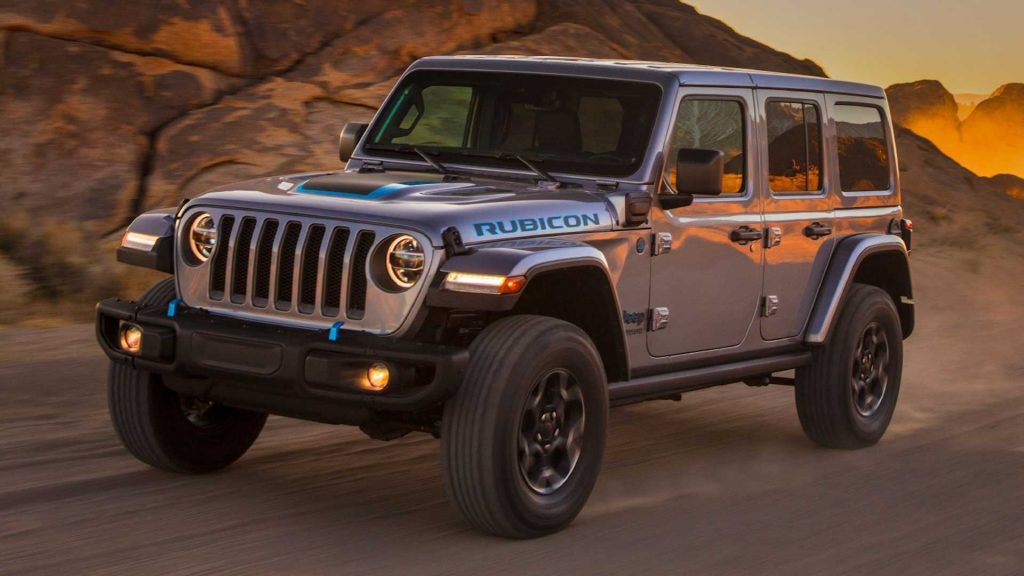
With solid axles, high ground clearance, and removable doors and roof, it’s a vehicle that does exactly what it promises. For buyers drawn to the Wrangler’s adventurous image, the marketing and reality line up perfectly.
5. Tesla Model S
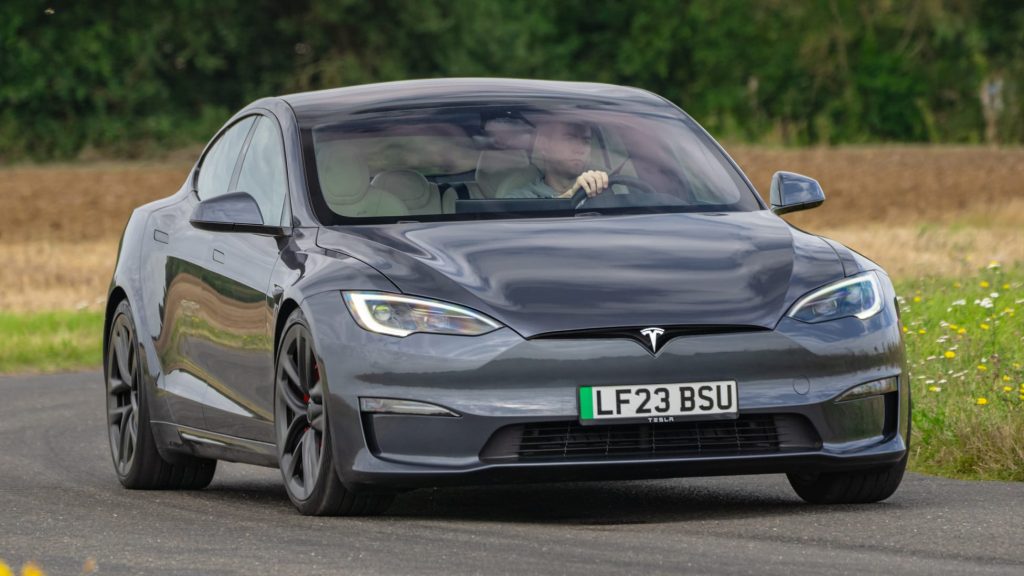
Tesla marketed the Model S as a revolutionary electric car that could combine cutting-edge range, blistering acceleration, and advanced tech into a sleek package. Despite controversies surrounding the company, the Model S has delivered on its core promises.
It offers one of the longest ranges of any EV, unmatched acceleration in its segment, and over-the-air updates that keep it feeling fresh. Tesla may sometimes exaggerate timelines, but the Model S itself has proven to be every bit as game-changing as advertised.
Marketing will always be part of the car-buying experience, but it’s important to separate hype from reality. Cars like the Dodge Dart, Lincoln MKT, and Mitsubishi Mirage demonstrate that flashy promises don’t always translate into satisfying ownership.
Meanwhile, proven performers like the Toyota Prius, Ford F-150, and Jeep Wrangler show that when marketing lines up with reality, it builds trust and long-term loyalty.
For U.S. buyers, the lesson is clear: advertising should be a starting point, not the final word. Test drives, owner reviews, and reliability data reveal whether a car really lives up to the story being sold. Some will disappoint, but others will deliver exactly what was promised, if not more.
