
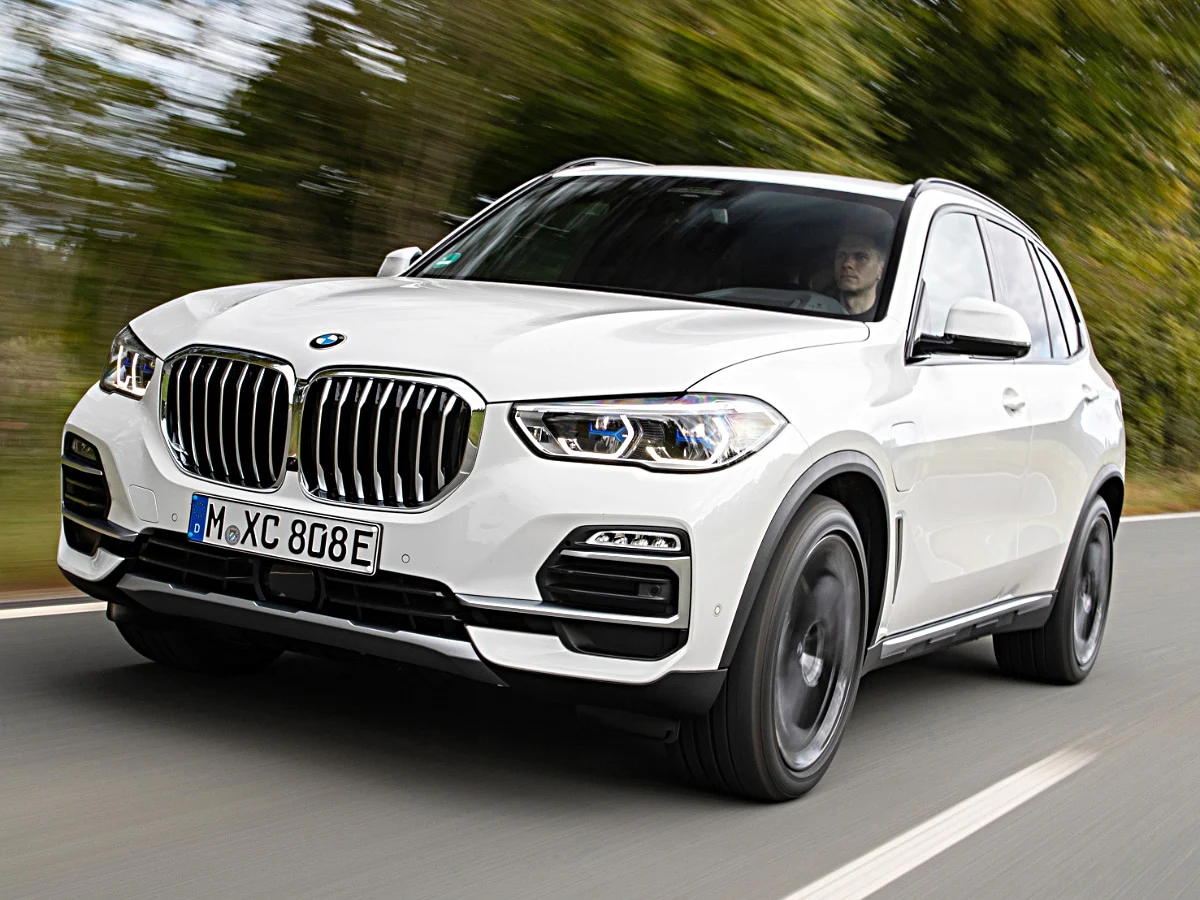
BMW has long carried a reputation for producing vehicles that combine performance, handling, and prestige. Yet one area where owners often share mixed feelings is reliability.
Some BMW models have proven to be dependable companions that hold up well over the years, delivering the expected driving excitement while avoiding excessive repair costs. Others, however, have frustrated drivers with frequent maintenance issues, expensive repairs, and poor dependability over time.
This contrast has created a divide in how the brand is perceived. For some, a BMW is a symbol of engineering excellence that also brings peace of mind, while for others, it represents an ownership experience weighed down by costly visits to the mechanic.
This article examines both sides of that spectrum. First, we will highlight five BMW models that surprised owners with their durability and consistent performance, earning a reputation for being far more reliable than expected.
Then, we will turn to five models that fell short in this regard, frustrating drivers with problems that undermine their long-term value.
By studying both groups, drivers can better understand which BMW models live up to the brand’s promise and which ones require extra caution before buying.
Also Read: 5 Hybrids That Are Cheaper To Maintain vs 5 That Cost A Fortune
5 BMW Models That Surprise Owners With Reliability
While BMW is often associated with premium engineering, its reliability record has not always been consistent. Certain models, however, have proven that the brand can produce vehicles that stand the test of time.
These cars deliver the sporty driving experience buyers expect but also demonstrate mechanical strength, sensible maintenance needs, and impressive longevity.
For owners, discovering that their BMW performs reliably year after year is a pleasant surprise, as it challenges the stereotype that every model is bound to have costly issues.
These models often feature engines and transmissions that are known for stability, along with thoughtful designs that make servicing less complex than expected.
They attract loyal drivers who appreciate not only the thrill behind the wheel but also the reassurance that their vehicle can handle daily use without constant problems.
By looking closely at five BMWs that shine in this area, we gain a clearer picture of how the brand has balanced performance with durability.
Highlighting these models is important because it shows that BMW is not solely about image and speed; certain models genuinely deliver dependable ownership experiences that rival more practical brands.
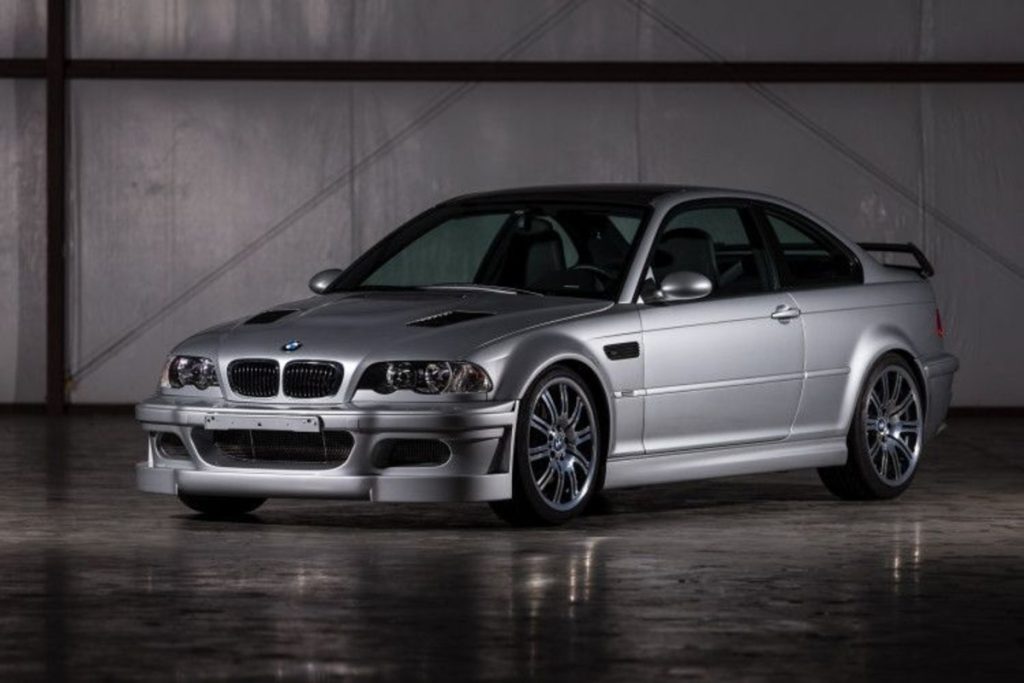
1. BMW E46 3 Series (1999–2006)
The BMW E46 3 Series stands out as one of the most dependable models the company has ever produced, surprising many who expect older BMWs to be plagued with issues.
Built between 1999 and 2006, the E46 combined excellent driving dynamics with engineering that has aged well. Many examples still run strong today with high mileage, proving that this car can last if cared for properly.
The heart of its reliability comes from its naturally aspirated inline-six engines, particularly the M54, which is praised for being both durable and relatively simple compared to later turbocharged options.
Owners report that these engines can surpass 200,000 miles with regular maintenance, a testament to their solid construction. The manual transmissions available in the E46 further enhance longevity, as they are less prone to the costly failures seen in some automatic variants.
Common wear items like cooling system components and suspension bushings eventually require attention, but these issues are predictable and manageable rather than catastrophic. Enthusiast communities have also ensured that parts remain widely available, making ownership more sustainable.
Writing about the E46 is essential because it represents how BMW once excelled at producing cars that combined sporty handling with long-term durability. It remains a benchmark for what a reliable luxury sport sedan should be.
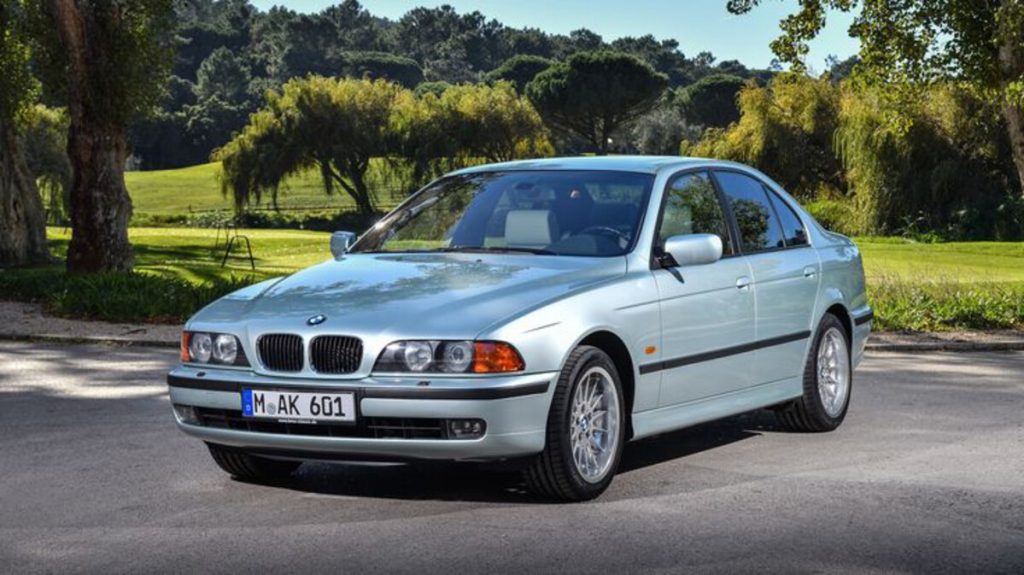
2. BMW E39 5 Series (1995–2003)
The BMW E39 5 Series has earned a reputation as one of the most balanced and dependable models the brand ever released. Produced from 1995 to 2003, it carried the classic BMW design language and delivered an ideal mix of comfort, performance, and reliability.
Many owners are surprised at how well these cars age, especially given that luxury sedans of this era often suffer from electrical or mechanical problems as they get older.
One of the key strengths of the E39 lies in its drivetrain. The six-cylinder engines, especially the M52 and later M54 units, are recognized for their longevity when properly serviced.
These engines can accumulate high mileage without major failures, and they avoid the complexity of modern turbocharged systems.
Even the V8 versions, though requiring more care, can deliver years of dependable performance if maintained. The car’s manual transmission options also proved to be durable, with many still shifting smoothly after decades of use.
The E39’s chassis and suspension setup provide a stable, confident ride while holding up to daily driving demands. Predictable maintenance items such as control arms and bushings are relatively easy to address, which makes upkeep less intimidating for owners.
Additionally, BMW designed the interior and electronics with durability in mind, meaning fewer problems with failing modules compared to later generations.
Highlighting the E39 is important because it showcases how BMW could build a midsize luxury sedan that not only delivered driving pleasure but also stood the test of time in reliability.
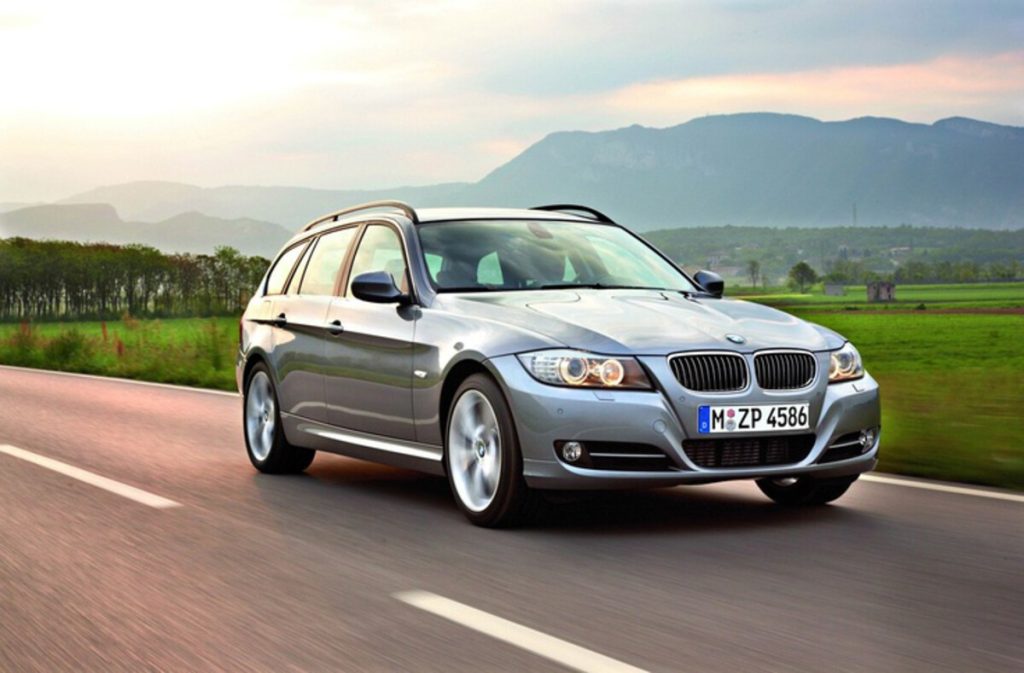
3. BMW E90 3 Series (2006–2011)
The BMW E90 3 Series, produced between 2006 and 2011, is another model that has surprised owners with its solid reliability.
While some feared this generation would be plagued with complications, especially as technology advanced, certain versions of the E90 proved to be dependable daily drivers.
The naturally aspirated inline-six engines, particularly the N52, deserve much of the credit. Known for their smooth power delivery and durable construction, these engines have avoided many of the common issues tied to turbocharged alternatives.
Owners often report reaching 150,000 to 200,000 miles with relatively few major problems, provided regular maintenance is performed.
The manual transmission versions stand out as especially long-lasting, avoiding the costly failures that can be associated with automatic gearboxes.
Suspension components such as control arms and bushings require periodic replacement, but these are routine items for most vehicles of this age.
The interior design, though less flashy than later generations, tends to hold up well, with buttons, electronics, and trim proving sturdier than expected. The car’s reputation for precise steering and balanced handling remains intact even as mileage increases.
The reason for writing about the E90 is simple: it proves that BMW’s formula of sporty yet reliable engineering didn’t end with earlier generations. For buyers seeking a practical luxury sedan with fewer long-term risks, the E90 stands as one of the best options in BMW’s history.
4. BMW X3 (F25, 2011–2017)
The second-generation BMW X3, known internally as the F25, became a surprise success in terms of reliability.
Built between 2011 and 2017, this compact luxury SUV helped shift perceptions about BMW crossovers, showing that utility and dependability could coexist with the brand’s sporty image.
The most dependable versions are those equipped with the N52 inline-six and later the improved N20 four-cylinder engine after certain issues were corrected.
These powerplants proved capable of delivering consistent performance without the chronic failures that plagued other BMW engines of the same era.
Owners regularly report long lifespans with manageable maintenance costs, particularly when basic servicing such as oil changes and cooling system checks are performed on schedule.
The F25 X3 also surprised drivers with its solid build quality. Interiors hold up well over time, with fewer complaints about wear compared to some earlier BMW SUVs.
The xDrive all-wheel-drive system adds confidence in varied weather conditions while remaining relatively robust. While suspension and brake components require predictable servicing, these are not unusual expenses for a vehicle in this category.
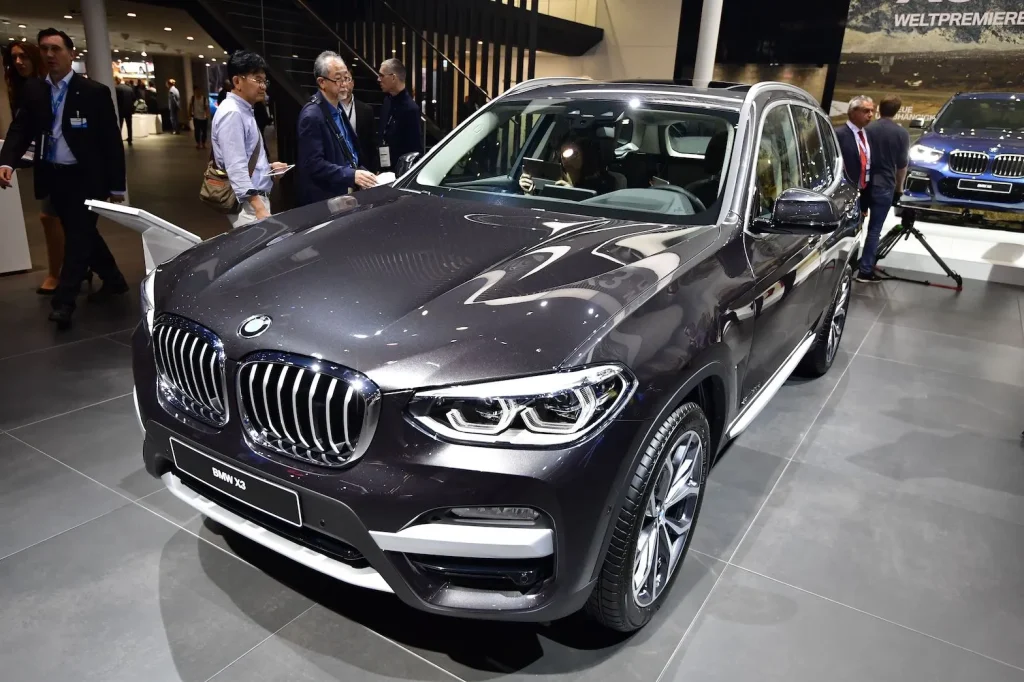
The importance of highlighting the F25 X3 lies in how it defied expectations. Many assumed BMW’s SUVs would be less dependable due to added complexity, but this model proved otherwise. It gave owners an upscale, sporty SUV that could genuinely be relied upon for years of use.
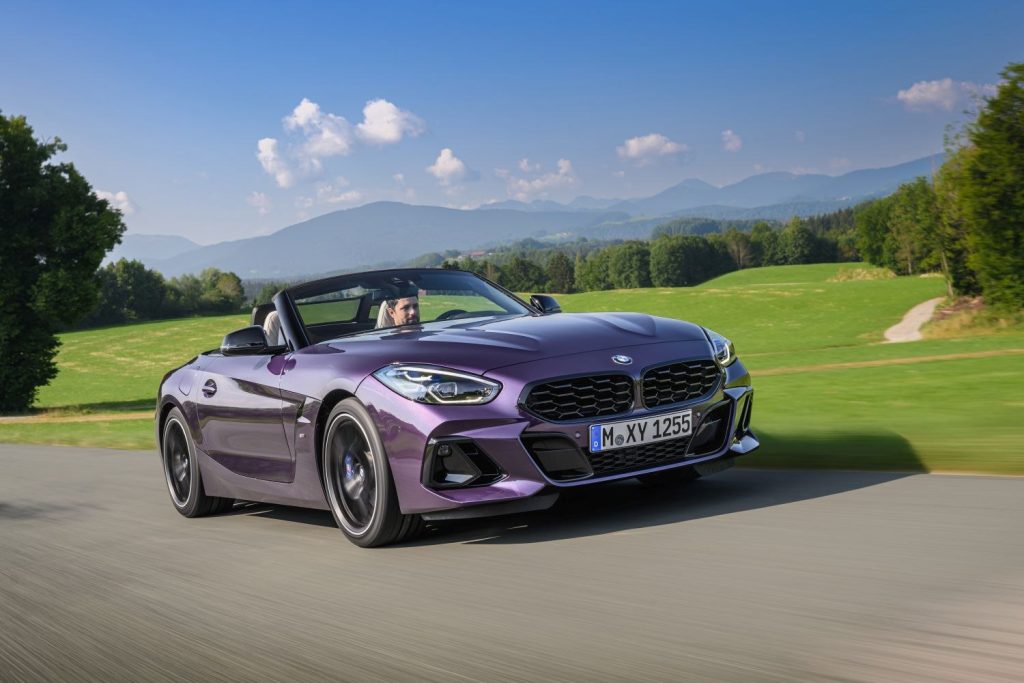
5. BMW Z4 (E85/E86, 2003–2008)
The first-generation BMW Z4, sold from 2003 to 2008, surprised many with its reliability, particularly when compared to other sports cars of its era.
Owners discovered that this stylish roadster was not only fun to drive but also more dependable than expected, making it a standout in BMW’s lineup.
The Z4’s reliability is largely credited to its use of the proven M54 and later N52 inline-six engines. Both powerplants are known for their durability, with many examples running well past 150,000 miles when properly maintained.
The engines avoided many of the complications introduced by turbocharging, keeping the Z4 relatively simple and less prone to catastrophic failures. Paired with robust manual transmission options, the car’s drivetrain is one of its strongest attributes.
Aside from normal wear items like suspension components and convertible top mechanisms, the Z4 doesn’t suffer from the chronic problems often associated with luxury sports cars.
Electronics are relatively straightforward, and the car lacks some of the overly complex systems that can plague newer models.
Owners also benefit from a strong enthusiast community, which ensures parts availability and widespread repair knowledge.
This model is worth writing about because it demonstrates that BMW could produce a fun, performance-oriented roadster without sacrificing long-term dependability.
For those seeking a mix of reliability, style, and spirited driving, the Z4 is one of the most surprising success stories in BMW’s history.
5 BMW Models That Don’t Surprise With Reliability
While certain BMWs have shown impressive durability, not every model has shared that reputation. Some have instead left owners frustrated with costly repairs, frequent breakdowns, and unexpected maintenance bills.
These vehicles remind us that the brand’s engineering, while innovative, can sometimes prioritize performance and technology at the expense of long-term dependability.
For buyers who enter ownership expecting only trouble-free driving, these models often serve as a hard lesson about the realities of upkeep.
The most problematic BMWs typically suffer from overly complex designs, weak components, or engines known for recurring failures. Turbocharging, advanced electronics, and high-strain transmissions often play a role in these issues.
Many of these cars require expensive fixes well before other brands’ equivalents, diminishing resale value and creating hesitation among potential second-hand buyers.
Highlighting them is important because it provides a balanced view of BMW ownership. Knowing which models struggle with dependability allows enthusiasts and shoppers to make informed choices, steering them toward versions with better reputations while avoiding the financial strain that comes with a less reliable car.
The following five BMWs represent examples where the promise of luxury and performance has too often been overshadowed by repeated repair concerns.
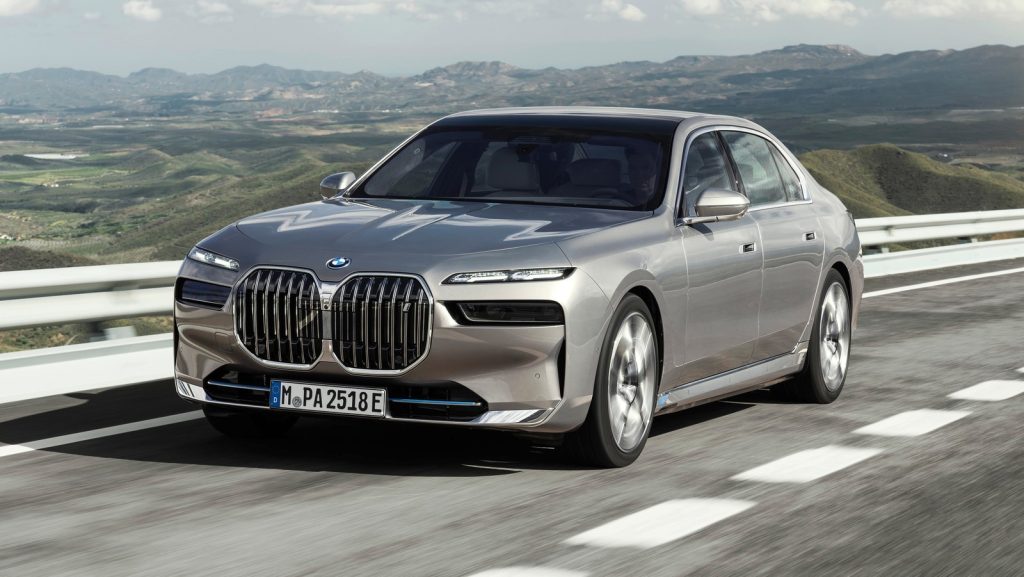
1. BMW 7 Series (E65/E66, 2001–2008)
The E65/E66 7 Series is one of BMW’s most notorious models when it comes to reliability. Produced from 2001 to 2008, it introduced groundbreaking technology and bold styling, but much of that innovation came at the expense of dependability.
Owners quickly discovered that while the car looked impressive and drove with authority, it was prone to an array of costly issues.
One of the biggest problems with the E65/E66 lies in its electronic systems. The iDrive infotainment system, which was first introduced in this model, suffered from glitches and failures that frustrated owners.
Electrical problems extended beyond the dashboard, affecting comfort features, sensors, and control modules, leading to expensive troubleshooting.
Mechanically, the V8 engines in this generation, particularly the N62, were plagued with oil leaks, coolant transfer pipe failures, and valve stem seal problems.
These issues often resulted in smoke, excessive oil consumption, and repair bills that could climb into the thousands. Transmission concerns and suspension airbag failures further added to ownership headaches.
This model is worth writing about because it illustrates how BMW’s push to innovate sometimes backfired.
Instead of strengthening its flagship sedan’s image, the E65/E66 became a warning sign for buyers: advanced technology without proven reliability can quickly turn a luxury car into a financial burden.
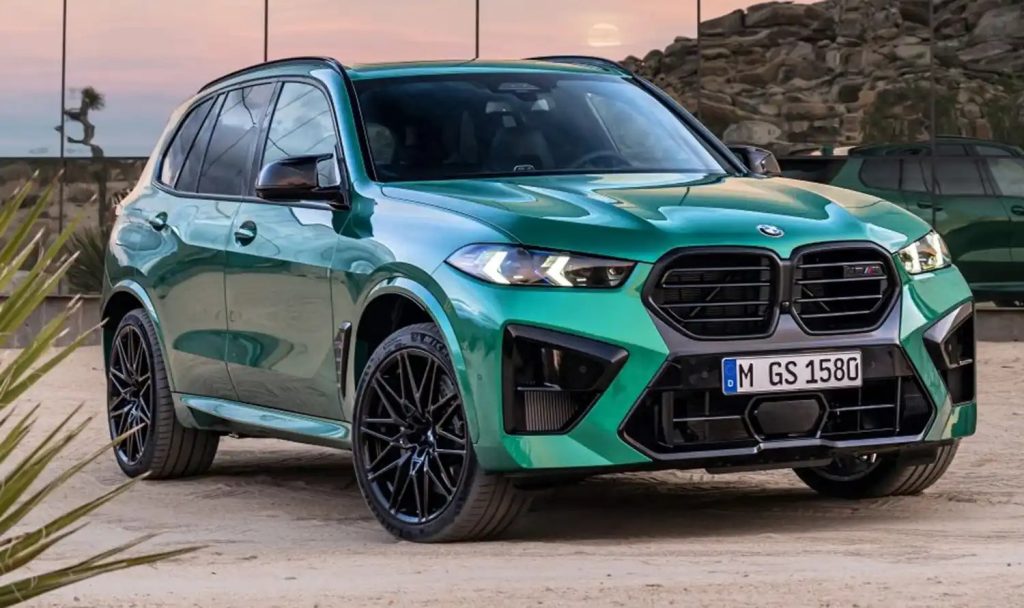
2. BMW X5 (E53, 2000–2006)
The first-generation BMW X5, the E53, introduced the concept of a sporty luxury SUV to the brand’s lineup.
While it offered strong performance and a refined ride, its reliability record has been inconsistent, frustrating many owners. Mechanical and electronic issues were common, making this SUV less dependable than buyers expected.
One significant problem was with the engines, particularly the M54 inline-six and the V8 units. Oil leaks from valve cover gaskets, failing water pumps, and cooling system issues were frequently reported.
These problems could escalate if not addressed promptly, leading to expensive repairs. Transmission units, especially in higher-mileage vehicles, also experienced occasional failures or erratic shifting behavior.
Suspension and steering components, including bushings and control arms, tended to wear prematurely under normal use.
The complex electronic systems that control the SUV’s stability, lighting, and interior functions were prone to glitches, requiring specialized diagnostics. Many owners noted that even routine maintenance could become costly due to BMW’s parts pricing and labor intensity.
The E53 X5 is included because it illustrates the challenges of owning a technologically advanced SUV from this era.
While it delivered performance and luxury, its array of mechanical and electronic vulnerabilities made it less reliable than expected. Buyers drawn to its capability and prestige often found themselves facing repairs that undermined the ownership experience.
3. BMW 335i (E90/E92, 2007–2013)
The BMW 335i, particularly the E90 sedan and E92 coupe, has long been celebrated for its thrilling performance, but reliability is a different story.
Equipped with the N54 twin-turbo inline-six engine, these cars produced impressive power, yet the engine’s complexity contributed to frequent issues that surprised and frustrated owners.
One of the most common problems is high-pressure fuel pump failure. These pumps often fail at relatively low mileage, causing rough idling, poor acceleration, and sometimes leaving drivers stranded.
Turbochargers themselves can experience premature wear, and related components, including charge pipes and vacuum lines, may fail, leading to costly repairs.
Carbon buildup on intake valves is another recurring concern, particularly on direct-injection engines, which can affect performance and efficiency over time.
The 335i’s cooling system also presents challenges. Water pumps and thermostat failures are widespread, and given the car’s performance orientation, overheating can exacerbate other engine problems. Electrical gremlins, such as sensor failures and occasional electronic module errors, add to the car’s unpredictability.
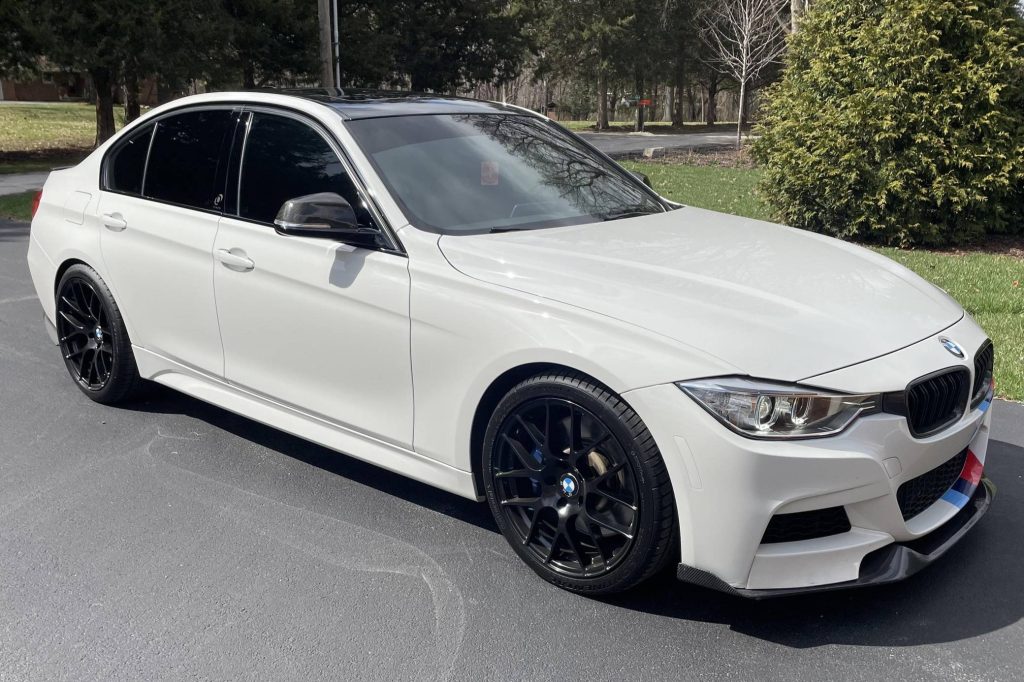
This model is highlighted because it demonstrates that high-performance engineering does not always equate to reliability. The 335i offers a rewarding driving experience, but owners must be prepared for maintenance-intensive ownership.
While it thrills on the road, its reputation for frequent, expensive repairs prevents it from being considered dependable, making it a cautionary example for enthusiasts seeking a balance of performance and long-term durability.
4. BMW X3 (F25, 2010–2017, turbo models)
While the BMW F25 X3 proved reliable in naturally aspirated versions, the turbocharged variants often struggled with reliability issues.
Owners were initially drawn to the increased performance offered by the turbo engines, but these vehicles frequently presented problems that undermined long-term confidence.
The N20 and N26 four-cylinder turbo engines, introduced in this generation, are known for timing chain failures, excessive oil consumption, and high-pressure fuel pump issues.
Left unaddressed, these problems can lead to catastrophic engine damage, resulting in costly repairs. Turbocharger failures also became relatively common, reducing performance and often requiring replacement at a high expense.
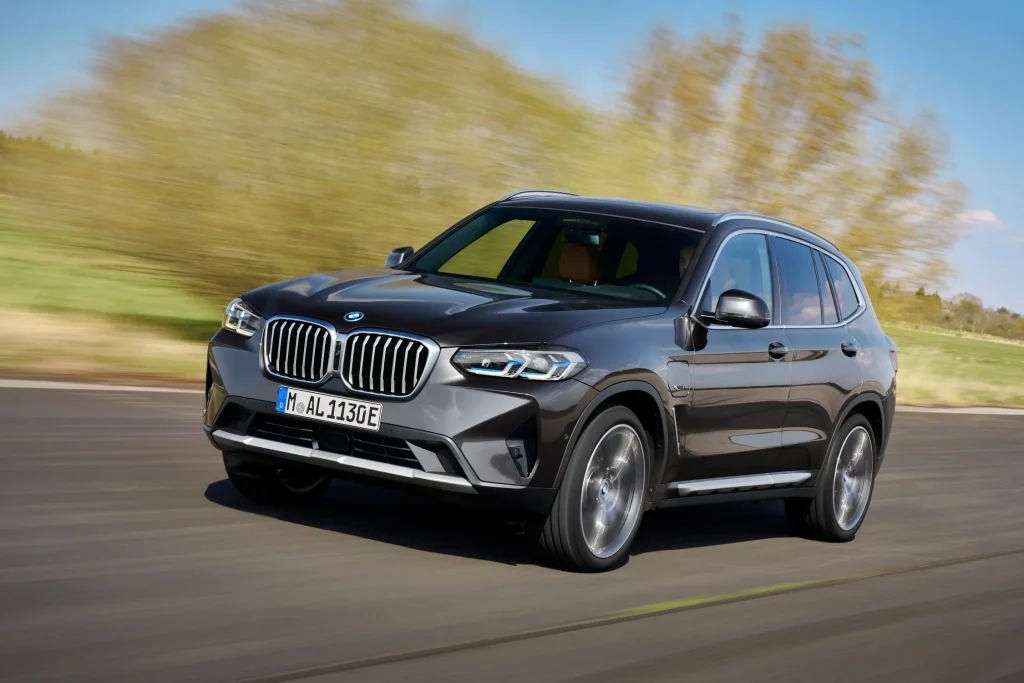
Electrical and electronic systems in these models added to owner frustration. Features such as adaptive suspension, iDrive, and electronic steering components occasionally malfunctioned, and troubleshooting often required specialized BMW diagnostics.
Additionally, turbocharged X3s experienced higher wear on cooling systems and water pumps, further increasing maintenance demands.
Despite their modern styling and sporty handling, these X3 turbo models failed to meet the expectations of owners seeking reliability alongside performance.
Their combination of complex components and sensitive engines created an ownership experience that was more costly and unpredictable than many anticipated.
Highlighting these vehicles is important because they show that even models with the same chassis and similar design can differ greatly in reliability.
While the naturally aspirated versions performed well, turbo models often became expensive to maintain, serving as a cautionary example for prospective buyers.
5. BMW 740Li (G11, 2015–2019) (250 words)
The BMW 740Li, part of the G11 generation of 7 Series sedans, represents a modern luxury car that often disappoints in terms of reliability.
While technologically advanced and full of features, the car’s complexity creates multiple points of potential failure, which surprises some owners who expected a smooth, trouble-free experience.
A primary issue lies in the turbocharged inline-six and V8 engines. High-pressure fuel pumps, turbocharger components, and cooling systems are prone to wear and require frequent maintenance.
Engine electronics can fail, triggering error codes and impacting performance. Additionally, some models experience oil leaks and timing chain issues that, if neglected, may lead to significant engine repairs.
The G11’s sophisticated air suspension, while delivering a smooth ride, can fail unexpectedly, with compressors and air struts being costly to replace.
Electronics controlling infotainment, climate, and driver-assistance features can malfunction, leaving owners with expensive fixes to maintain functionality. Even minor sensors and modules, if defective, may compromise multiple systems simultaneously.
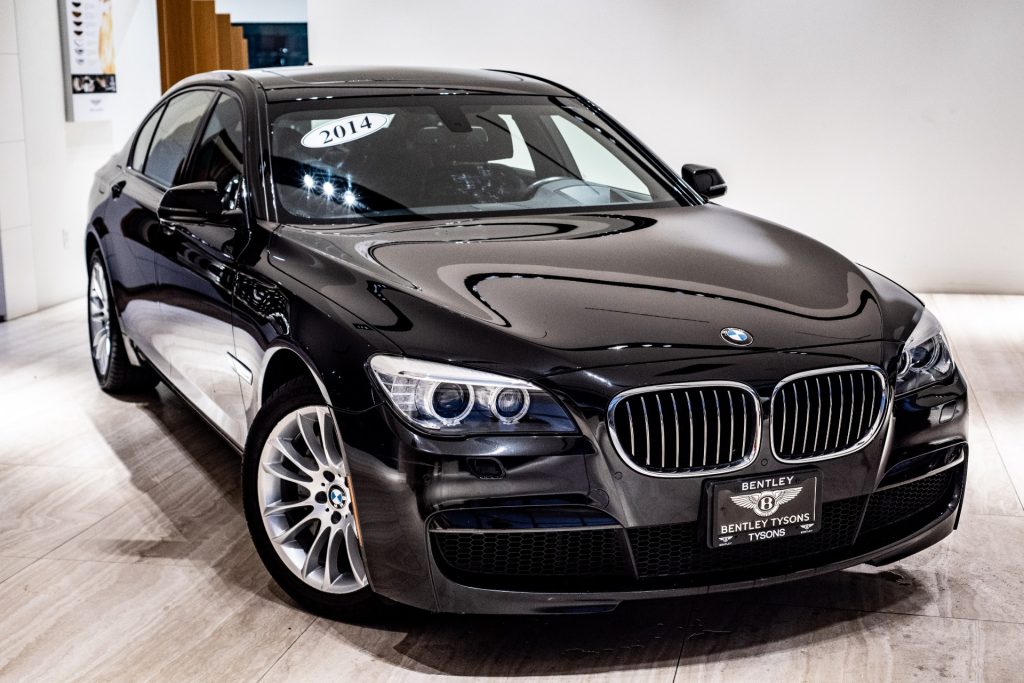
The 740Li is included because it highlights a recurring trend in modern BMWs: advanced technology and performance often come at the expense of reliability.
Buyers seeking a luxury sedan with cutting-edge features may find themselves facing frequent repairs and high maintenance bills.
While the driving experience is impressive, the overall dependability falls short, demonstrating that not all BMWs maintain long-term reliability despite premium pricing.
BMW has long been admired for its performance, handling, and driving experience, but reliability has remained a mixed aspect of ownership.
While some models continue to surprise owners with durability, others struggle with recurring issues that can be costly and frustrating. Understanding the differences between these groups is essential for prospective buyers seeking both performance and peace of mind.
Models such as the E46 3 Series, E39 5 Series, E90 3 Series, F25 X3 (naturally aspirated), and Z4 roadster have demonstrated that BMW can produce vehicles that combine sporty driving with mechanical strength and long-term reliability.
These cars benefit from proven engines, predictable maintenance needs, and durable components, allowing owners to enjoy both performance and confidence in longevity.
Conversely, vehicles like the E65/E66 7 Series, E53 X5, 335i (E90/E92), turbocharged F25 X3, and G11 740Li highlight the risks associated with complex engines, advanced electronics, and high-tech features.
Owners of these models often face high maintenance costs, frequent repairs, and unpredictable failures, undermining the promise of BMW’s engineering.
By comparing both sides, it becomes clear that not all BMWs offer the same reliability. Buyers who focus on models with proven dependability can enjoy the brand’s signature driving experience without being burdened by recurring mechanical or electronic problems.
Also Read: 5 SUVs With Reliable Safety Tech and 5 With Glitchy Systems
