
Luxury in the automotive world has always been about more than price tags or shiny badges. True luxury is measured by how a car treats its driver and passengers, combining craftsmanship, comfort, and advanced engineering into an experience that feels effortless.
It involves attention to detail, materials that last, and technology that enhances driving without becoming intrusive. Cars that achieve this balance earn long-standing reputations for excellence and become benchmarks for others to follow.
At the same time, there are vehicles that may appear luxurious on the surface but fall short once put to the test.
They may wear chrome accents, offer large touchscreens, or carry upscale styling cues, yet lack the refinement, durability, or comfort expected from genuine luxury cars.
These are vehicles that “look the part” but struggle when it comes to substance, often disappointing buyers who expect more than surface-level prestige.
In this article, we’ll look at both sides: five cars that deliver true luxury and five that only look fancy. By examining what sets them apart, the goal is to highlight not just brand image but real quality, ensuring that buyers can tell the difference between genuine craftsmanship and cosmetic showpieces.
Also Read: 5 SUVs That Drive Quietly for Years vs 5 That Get Noisy Fast
5 Cars That Deliver True Luxury
When discussing cars that truly deliver luxury, certain names consistently rise to the top. These are not vehicles that rely only on a badge or aggressive marketing; they stand out because they consistently provide refinement, comfort, and reliability.
The hallmark of true luxury lies in how seamlessly the car blends performance with quietness, how carefully the interiors are finished, and how the ride keeps passengers rested even on long journeys.
Real luxury vehicles also maintain their appeal over time. While some cars feel premium only when brand-new, the best examples age gracefully, continuing to provide comfort and reliability well past 100,000 miles.
They prove that true craftsmanship is not temporary but lasting, and that thoughtful design can outlive passing trends.
The following five cars earn their place not just by reputation but by the ownership experiences of countless drivers. They represent models where attention to detail, superior engineering, and enduring build quality come together.
From sedans known for refinement to SUVs admired for quiet strength, these vehicles continue to set standards in luxury. Each will be detailed with an explanation of why it earns recognition, helping illustrate what genuine luxury feels like behind the wheel.
1. Lexus LS
The Lexus LS has long been a symbol of what true luxury should represent. Since its debut in 1989, it redefined expectations in the full-size luxury sedan segment by offering a combination of quietness, comfort, and reliability that was difficult for competitors to match.
While European rivals often focused on performance first, Lexus prioritized refinement and craftsmanship, ensuring that passengers experienced a calm and polished ride every time.
Inside the LS, attention to detail is evident in the soft-touch materials, precise stitching, and intuitive controls. Unlike some luxury cars that overwhelm with technology for the sake of novelty, Lexus has consistently designed the LS with a focus on usability and comfort.
The seating is supportive for long-distance travel, and noise insulation is among the best in its class, creating a serene cabin that feels like a retreat from the outside world.
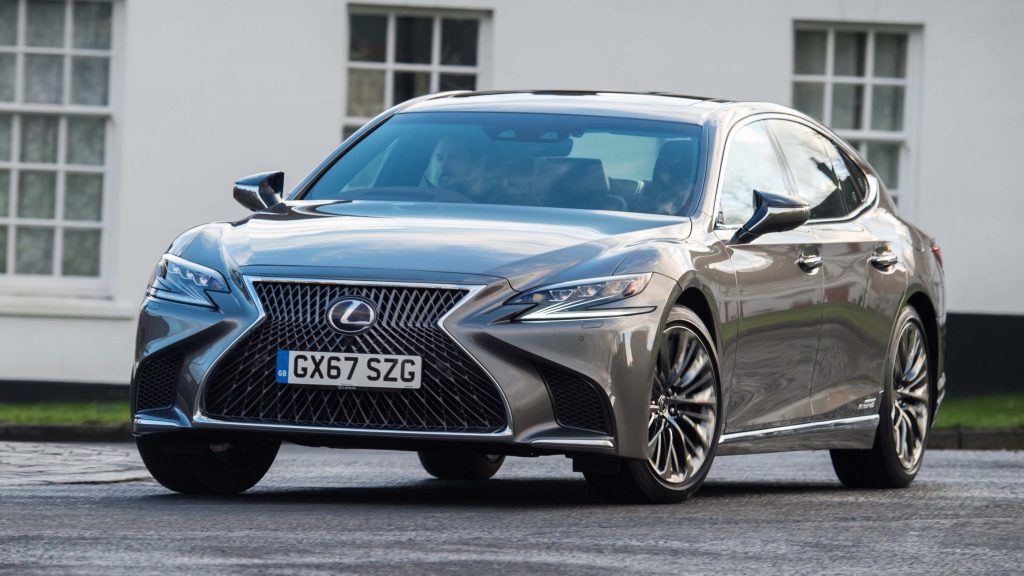
Another reason the LS stands apart is its long-term reliability. Many owners report their cars lasting well beyond 200,000 miles with minimal major issues, a rarity in the luxury market where maintenance costs often skyrocket as vehicles age. This combination of refinement and dependability is why the LS continues to represent genuine luxury.
For this list, the LS is highlighted because it doesn’t just look expensive it consistently delivers the qualities that define lasting excellence. It sets the tone for how true luxury should be measured, proving that refinement and longevity matter just as much as prestige.
2. Mercedes-Benz S-Class
The Mercedes-Benz S-Class has long been considered the flagship of modern luxury sedans, setting standards that other manufacturers often follow. For decades, it has represented a blend of advanced engineering, unmatched comfort, and timeless prestige.
Every new generation introduces innovations that later become mainstream across the automotive industry, from safety systems to entertainment features.
Inside the S-Class, the interior is crafted with premium leather, wood trims, and customizable lighting that create an atmosphere of sophistication.
The seating is designed with both comfort and health in mind, featuring multiple adjustments, heating, cooling, and even massage functions.
Combined with air suspension that absorbs imperfections in the road, passengers often describe the ride as one of the smoothest available in any car.
The strength of the S-Class also lies in its quietness. Road noise, wind intrusion, and engine vibrations are minimized to the point where the cabin feels more like a lounge than a car. Drivers benefit from advanced driver-assistance systems that enhance safety while reducing stress on long trips.
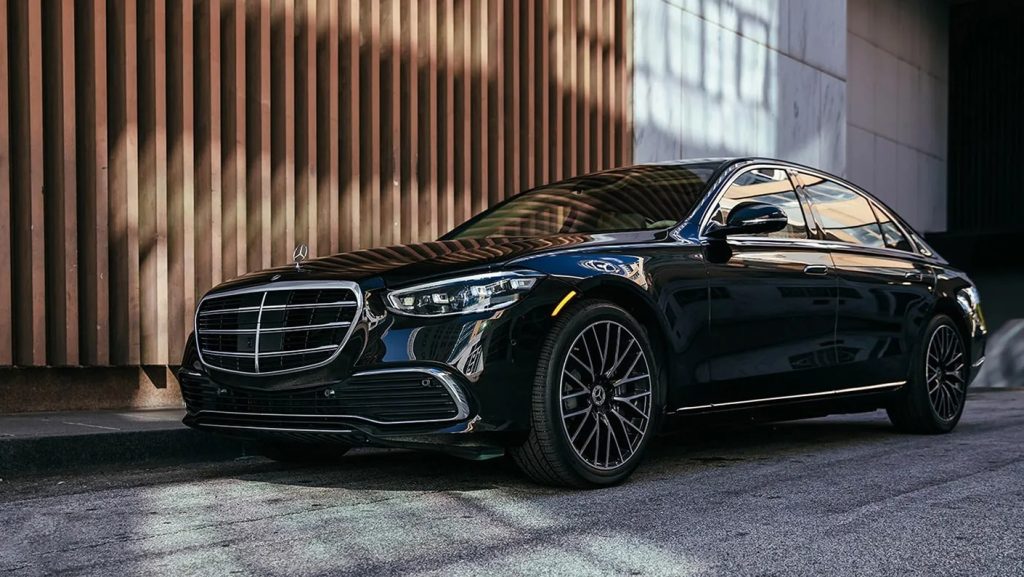
This vehicle earns a spot here because it represents luxury not just as appearance but as a full experience.
The S-Class delivers refinement that few others can match, maintaining its reputation for decades. It proves that true luxury is about consistent excellence rather than temporary style.
3. BMW 7 Series
The BMW 7 Series is another benchmark in the luxury sedan segment, offering a distinct character that blends comfort with performance.
While some luxury cars lean heavily on softness alone, the 7 Series adds an engaging driving experience that doesn’t compromise refinement. For those who want both executive-level comfort and sharp handling, it has long been a go-to choice.
Inside, the 7 Series provides spacious seating with a focus on passenger comfort. Premium materials, intuitive controls, and advanced infotainment systems create an interior that feels both modern and inviting.
Rear passengers in particular benefit from generous legroom and optional features such as reclining seats, entertainment screens, and climate controls tailored to their preferences.
BMW’s engineering shines in the way the car drives. Adaptive suspension and powerful engines provide smooth acceleration while still maintaining road stability.
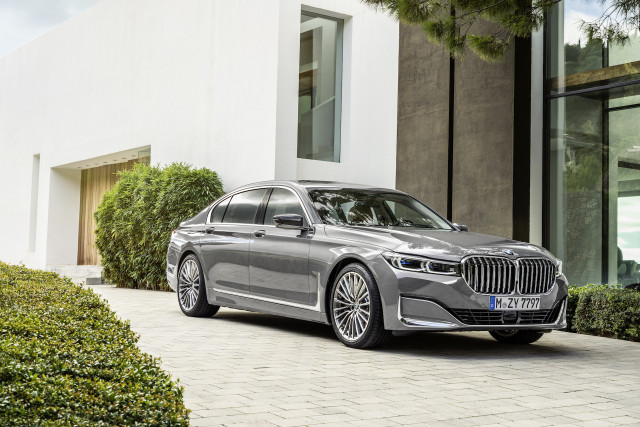
Unlike some competitors that isolate the driver completely, the 7 Series strikes a balance, offering precise steering and responsiveness without sacrificing comfort.
This car is included because it represents luxury in motion. It isn’t only about appearance or features it’s about how effortlessly it delivers both comfort and performance.
Over time, the 7 Series has shown that true luxury can appeal not just to passengers but to drivers who want refinement paired with dynamic ability.
4. Audi A8
The Audi A8 rounds out Germany’s trio of flagship sedans and earns recognition for its understated approach to luxury.
Unlike some of its rivals that emphasize boldness, the A8 focuses on subtle refinement. It offers cutting-edge technology wrapped in a design that avoids excess, appealing to those who value sophistication without unnecessary flash.
Inside, the A8 is defined by craftsmanship and precision. The interior features finely stitched leather, real wood trims, and metal accents that create a calm and modern atmosphere.
Audi’s MMI touch system and digital cockpit integrate technology in a way that feels advanced but not overwhelming. Rear-seat passengers enjoy generous space and can opt for features such as footrests, entertainment systems, and executive seating packages.
On the road, the A8’s air suspension smooths out imperfections, delivering a ride that is both comfortable and controlled. Quattro all-wheel drive ensures stability in all conditions, making it a practical luxury choice for regions with challenging weather.
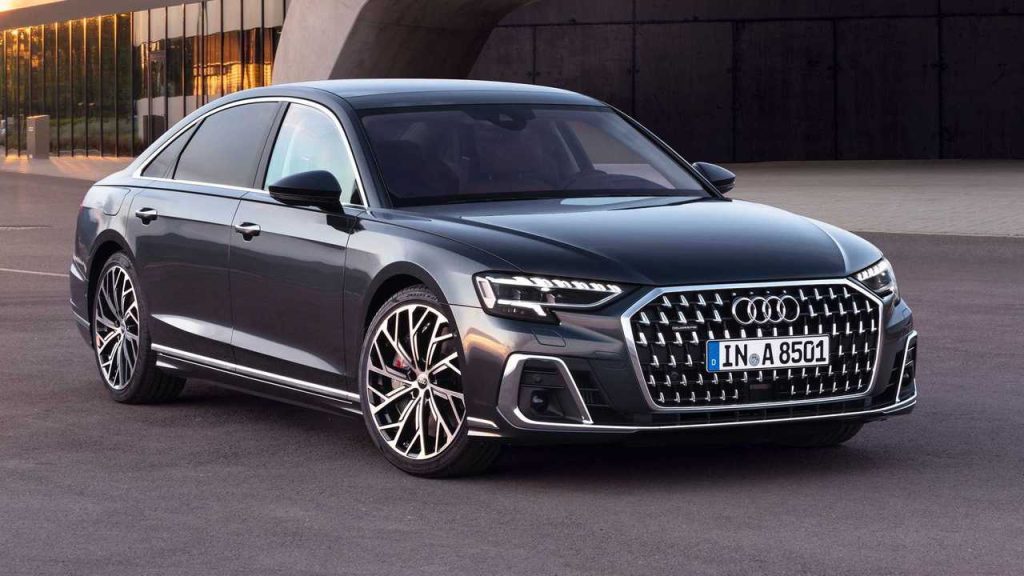
The A8 deserves its place here because it proves luxury does not need to be loud. Its quiet strength lies in refinement, advanced safety features, and an interior designed for long-term comfort. It represents genuine luxury by combining technology, craftsmanship, and subtle elegance into a complete package.
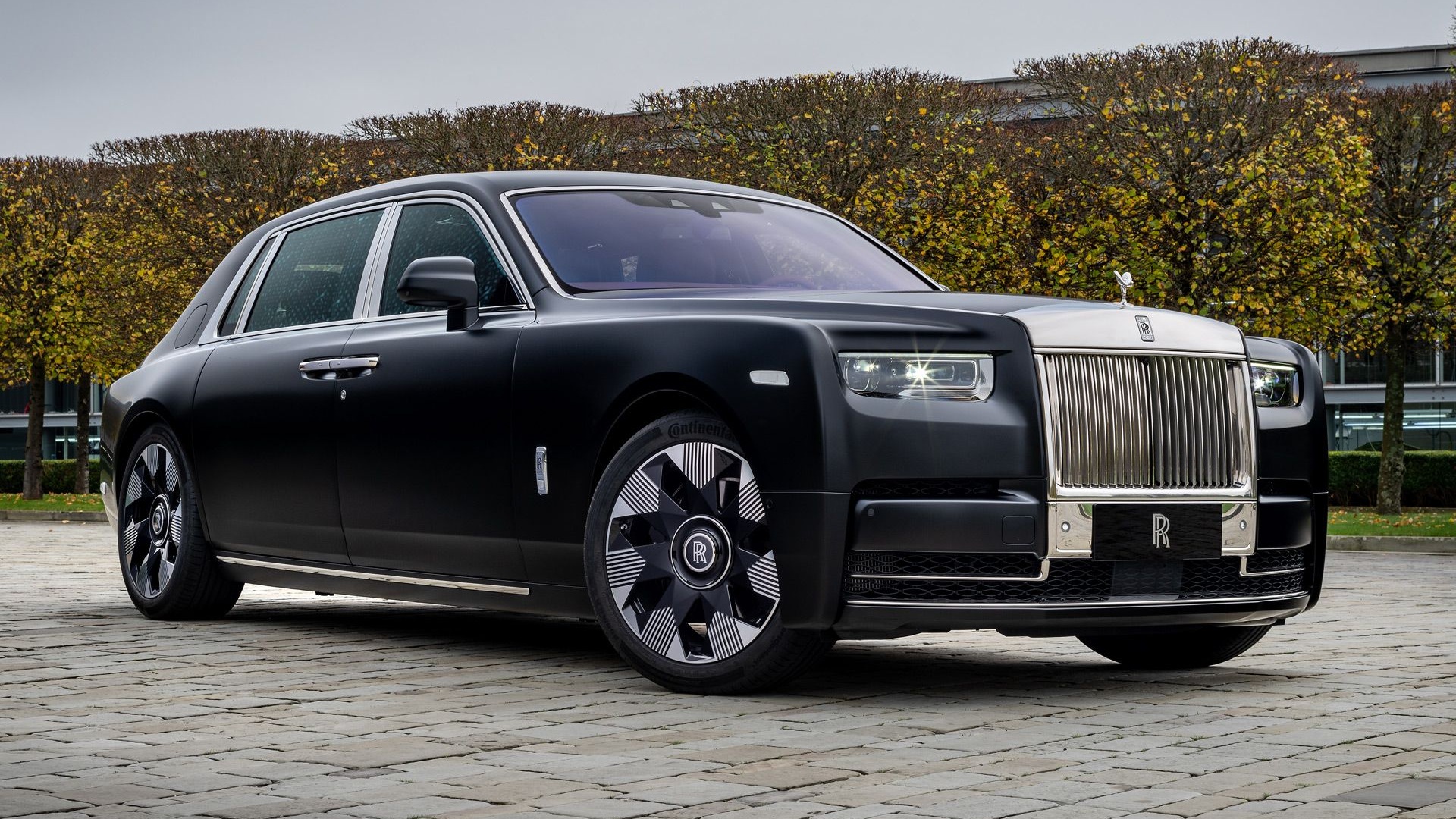
5. Rolls-Royce Phantom
The Rolls-Royce Phantom represents the pinnacle of automotive luxury. More than just a car, it is a statement of craftsmanship and exclusivity. Every Phantom is built with meticulous attention to detail, often customized to the exact specifications of its buyer.
From hand-stitched leather to bespoke wood inlays, no two Phantoms are exactly alike, reinforcing its reputation as the ultimate luxury sedan.
Inside, the Phantom offers an environment that feels closer to a private suite than a vehicle. Passengers enjoy expansive seating with the finest materials available, combined with features like star-lit headliners that create a unique atmosphere.
The cabin is engineered for near-total silence, insulating occupants from road and wind noise to an unmatched degree.
The driving experience is equally refined. A powerful V12 engine delivers smooth acceleration, while the suspension system ensures the ride feels like floating over the road.
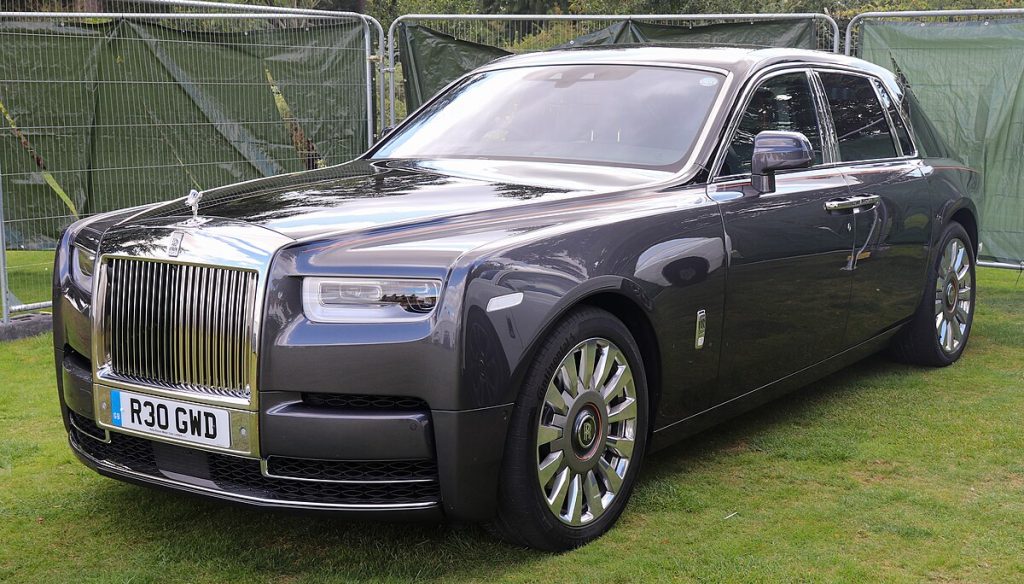
Despite its size, the Phantom handles with precision, demonstrating that engineering excellence underpins its luxury status.
This car earns inclusion because it goes beyond surface-level luxury. It embodies true craftsmanship, heritage, and lasting quality.
The Phantom is not about looking fancy; it defines what authentic luxury means, serving as a benchmark for every other vehicle in its class.
5 Cars That Only Look Fancy
Not every car that wears chrome accents, large wheels, or premium-looking trim actually delivers genuine luxury. Some vehicles give the impression of refinement but fail to back it up with lasting quality, comfort, or performance.
They may look upscale in the showroom, but once driven for long distances or owned for several years, the shortcomings become clear. Buyers expecting true luxury often find themselves disappointed when flashy styling hides mediocre engineering or low durability.
These cars tend to rely heavily on appearance, marketing, or gadgets rather than substance. Features like oversized touchscreens or synthetic leather can create the illusion of sophistication, but without strong build quality, smooth ride comfort, or reliable mechanics, the experience falls short.
In many cases, the ownership costs do not match the quality offered, leaving drivers feeling they paid more for style than substance.
The following five cars have earned reputations for looking the part but not fully living up to luxury expectations.
Each will be examined for the factors that make it more about presentation than genuine refinement. Highlighting them helps separate vehicles that only appear polished from those that deliver long-term quality, ensuring buyers understand the difference.
1. Chrysler 200 (2015–2017)
The Chrysler 200 arrived with sleek styling that gave it the appearance of a premium midsize sedan. Its coupe-like roofline, chrome detailing, and modern cabin design made it seem like a serious rival to established luxury sedans. Unfortunately, the reality of ownership revealed a very different story.
While the 200 looked upscale, it struggled in areas that matter most for luxury: ride comfort, refinement, and reliability. The suspension was often described as stiff and unrefined, making long drives less enjoyable.
Interior materials, though attractive at first glance, didn’t hold up well over time, with reports of premature wear and rattles becoming common. Rear-seat space was also cramped due to the stylish roofline, reducing practicality for passengers.
Mechanical issues further damaged its reputation. The 9-speed automatic transmission was particularly problematic, producing jerky shifts and frequent reliability complaints. For a car marketed as sophisticated, these flaws left many owners frustrated.
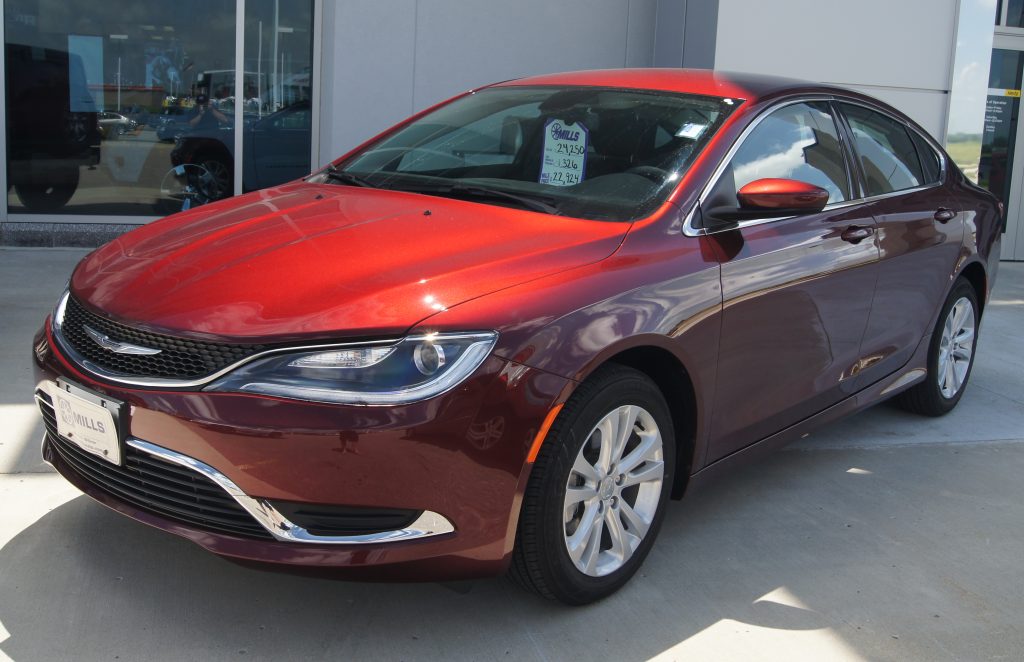
The Chrysler 200 is included here because it demonstrates how surface-level styling cannot substitute for true luxury engineering.
Buyers drawn to its appearance often discovered that the underlying quality didn’t match the image. While it looked the part on dealer lots, it fell short of delivering the comfort and refinement expected from a true luxury car.
2. Cadillac Cimarron (1982–1988)
The Cadillac Cimarron is often remembered as one of the most disappointing attempts at creating a luxury car.
On the surface, it wore Cadillac badges, had a slightly refined interior compared to its base model, and was marketed as an entry-level luxury sedan. However, beneath the branding, it was little more than a lightly modified Chevrolet Cavalier.
The Cimarron’s biggest flaw was its lack of distinction. Buyers expecting Cadillac’s trademark comfort and refinement were met with an underpowered four-cylinder engine, thin materials, and minimal insulation from road noise.
The ride quality was no better than an economy car, yet the Cimarron carried a price tag far higher than its Chevrolet counterpart. This mismatch between cost and substance frustrated many customers.
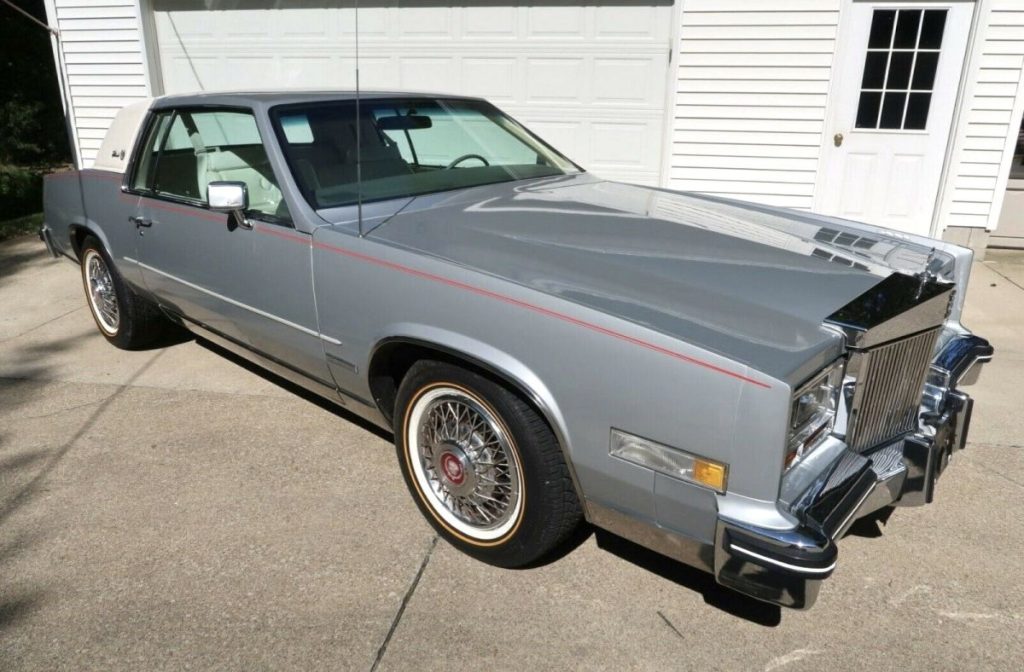
Interior upgrades such as leather upholstery and wood trim attempted to give the car a premium feel, but the overall execution was uninspiring.
Compared to true luxury sedans of the era, such as the BMW 3 Series or Mercedes-Benz 190E, the Cimarron lacked both performance and refinement.
The Cimarron earns a place on this list because it highlights how cosmetic changes and branding alone cannot deliver true luxury. It remains a cautionary tale in automotive history, remembered more for what it promised than what it actually delivered.
3. Hyundai Equus (2011–2016)
The Hyundai Equus was launched as the brand’s attempt to move into luxury territory, boasting a large body, advanced technology, and an interior designed to rival established European sedans.
At first glance, the Equus looked impressive, with a commanding presence and upscale features like rear-seat controls and high-end infotainment. However, while it appeared luxurious, it struggled to fully match the refinement of its competitors.
One of the key shortcomings was ride quality. While the suspension was designed for comfort, it lacked the polish of rivals like the Mercedes-Benz S-Class or Lexus LS, resulting in a less composed driving experience. Cabin insulation also fell short, allowing more road noise than expected in a flagship luxury sedan.
Interior materials, while visually appealing, did not always match the durability of higher-end brands. Over time, owners reported issues with fit and finish, including premature wear of leather and trim. Resale values also declined sharply, undermining the idea of lasting luxury.
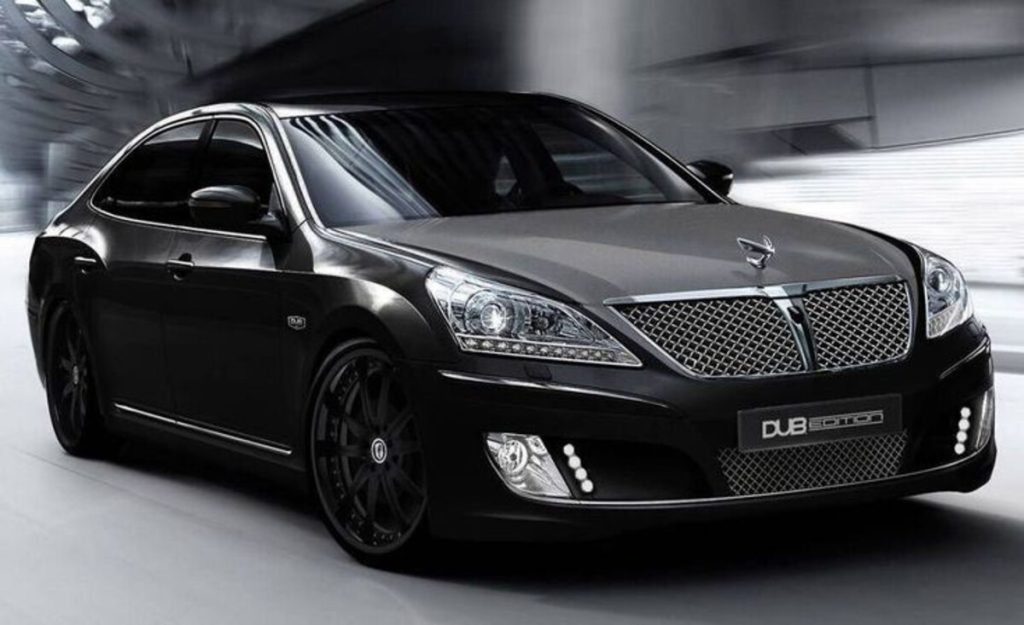
The Equus is included here because it represented a car that tried to look and feel luxurious but didn’t fully succeed in delivering the refinement, durability, and prestige associated with true luxury sedans.
It was a bold effort, but one that highlighted the gap between appearances and authentic substance.
4. Lincoln Zephyr (2006)
The 2006 Lincoln Zephyr was intended to introduce younger buyers to the Lincoln brand with a stylish and affordable entry-level sedan.
At first glance, it seemed promising: sleek exterior lines, chrome accents, and an interior with leather seating and wood trim. However, while it gave the impression of luxury, it failed to deliver in key areas.
Built on the same platform as the Ford Fusion, the Zephyr shared too much with its mainstream counterpart.
Performance was adequate at best, powered by a V6 that lacked the smoothness expected from a luxury car. Road noise was noticeable, and the suspension did not provide the refined ride quality associated with Lincoln’s heritage.
Inside, the Zephyr’s cabin appeared upscale, but closer inspection revealed average materials that did not live up to the luxury image.
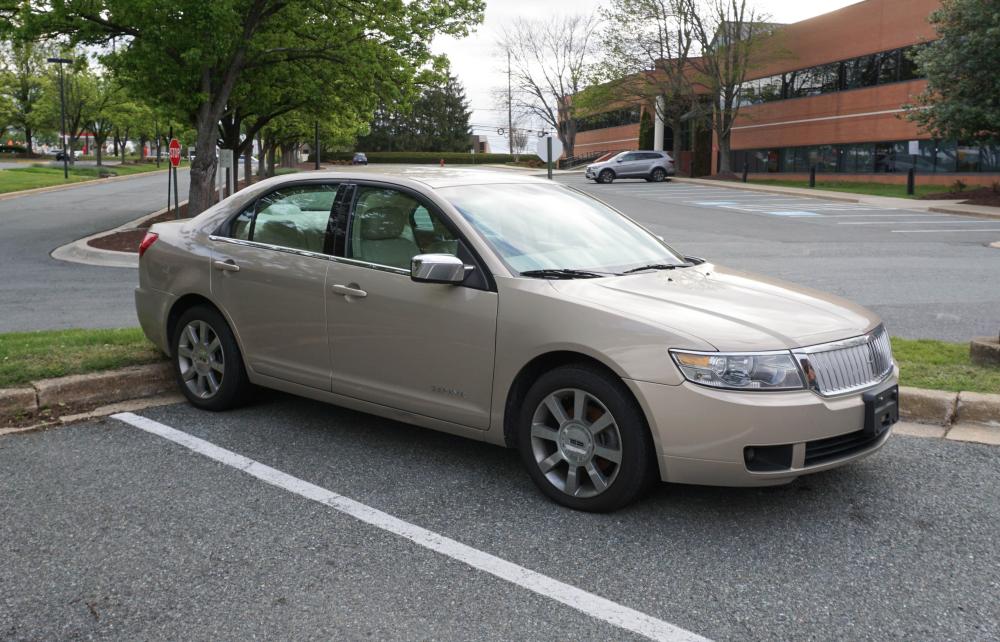
Hard plastics contrasted with the leather seating, and while the features list was long, the execution was not on par with established competitors from Lexus, Acura, or Audi.
The Zephyr is included because it showed how style and branding alone could not substitute for substance. It looked refined on the surface but lacked the comfort, engineering, and polish necessary to be considered a true luxury car.
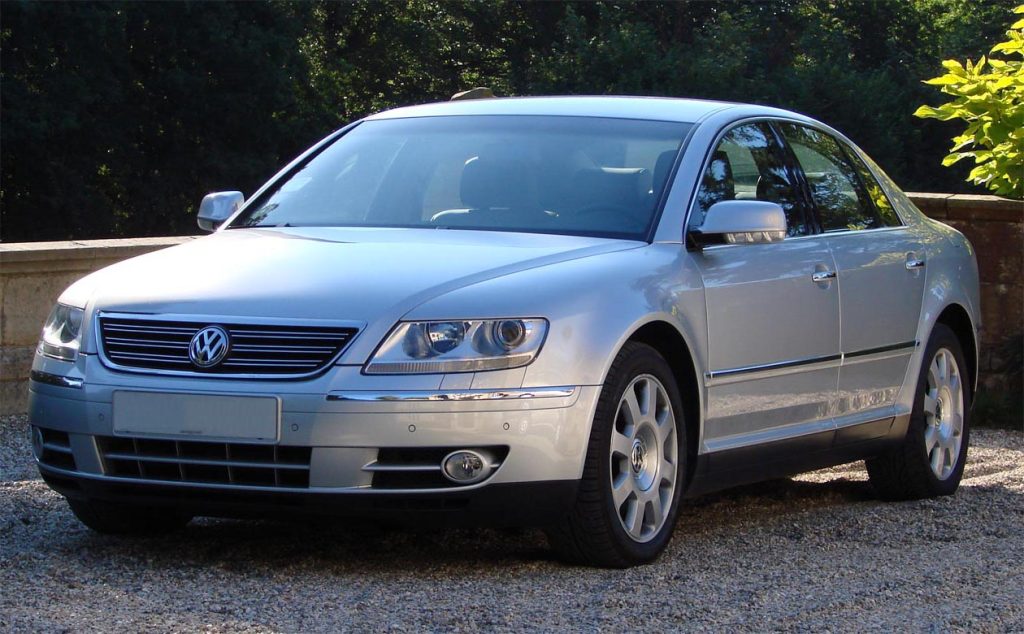
5. Volkswagen Phaeton (2004–2006, U.S.)
The Volkswagen Phaeton was an ambitious project, designed to prove that Volkswagen could compete with the world’s most prestigious luxury brands.
On paper, it had all the makings of a true flagship: advanced engineering, high-quality interior materials, and technology borrowed from the Audi A8.
At a glance, the Phaeton looked luxurious, with understated styling and a spacious cabin. Yet in practice, it never delivered the expected experience.
One of the main issues was brand perception. Buyers struggled to justify paying luxury-level prices for a car that still carried the Volkswagen badge, especially when competitors like BMW and Mercedes offered stronger prestige.
The Phaeton’s subtle styling, while elegant, was too conservative, making it indistinguishable from much cheaper models in the lineup.
Mechanically, the Phaeton was complex and costly to maintain. Owners often faced high repair bills that rivaled or exceeded those of more established luxury brands. Resale values plummeted, making it clear that the car lacked long-term credibility as a true luxury option.
The Phaeton earns a spot here because it demonstrates how even technically advanced engineering cannot guarantee luxury status if the overall ownership experience doesn’t match expectations.
It looked upscale and had impressive specifications, but it ultimately felt more like an expensive experiment than a car that truly delivered luxury.
Luxury in cars is often misunderstood, with some models delivering genuine refinement while others rely mainly on appearances.
By comparing cars that offer true luxury to those that only look fancy, the differences become clear, helping buyers separate lasting value from short-term impressions.
The vehicles that truly deliver luxury, such as the Lexus LS, Mercedes-Benz S-Class, BMW 7 Series, Audi A8, and Rolls-Royce Phantom, demonstrate that real refinement goes far beyond styling.
These models combine craftsmanship, advanced engineering, and reliability into an ownership experience that holds up year after year.
Their cabins are designed to keep passengers comfortable over long journeys, their materials are durable, and their engineering ensures smooth, quiet rides. They prove that luxury is not about temporary flash but about substance that endures, creating vehicles that set benchmarks for the industry.
In contrast, cars like the Chrysler 200, Cadillac Cimarron, Hyundai Equus, Lincoln Zephyr, and Volkswagen Phaeton show how appearances can be deceiving.
Each presented itself as refined through styling, branding, or marketing but fell short once drivers experienced them over time.
From poor ride comfort and lackluster reliability to brand perception problems and declining resale values, these vehicles demonstrate that a luxury image without true refinement leads to disappointment.
The comparison between these two groups reinforces a key point: luxury is not defined by chrome accents, screens, or badges but by the overall experience of comfort, durability, and engineering quality.
Buyers who focus only on appearance risk paying premium prices for vehicles that fail to deliver. Those who look deeper at reputation, long-term reliability, and real refinement are far more likely to find cars that deliver lasting satisfaction.
Also Read: 5 SUVs With Great Road Trip Comfort vs 5 That Are Miserable
